Buying a car is often one of the most significant investments a person makes, and the expectations for performance, comfort, and reliability can be very high.
Many vehicles arrive with glowing reviews and impressive specifications, making them appear to be perfect choices for daily life. However, a car that shines in advertisements or initial reviews can sometimes reveal challenges when it becomes a long-term companion.
Owners often discover quirks that complicate everyday driving, maintenance, or ownership costs, which can dramatically affect the experience. The appeal of a car on paper does not always translate to practicality, and what seems like a dream purchase can quickly become a source of frustration.
Factors such as fuel efficiency, repair costs, parts availability, and usability in real-world conditions play a significant role in determining how enjoyable a vehicle is over time. The gap between expectation and reality becomes evident as owners face the realities of daily commuting, errands, and weekend trips.
Additionally, cars that offer advanced technology or performance features often require a steep learning curve, with electronics that malfunction or systems that are difficult to troubleshoot. Comfort may also be compromised in ways that are not immediately obvious, such as seat design, cabin noise, or climate control issues that only become noticeable during extended drives.
Even reliability ratings and brand reputation cannot always guarantee a smooth ownership experience, as specific models may have recurring issues that emerge after the initial warranty period. Some vehicles also present challenges with resale value, insurance premiums, and practicality, making them less attractive for long-term ownership.
In many cases, enthusiasts may overlook these drawbacks in favor of style, speed, or brand loyalty, only to find that the realities of city traffic, parking, or weather conditions reveal flaws that are difficult to ignore.
By examining ten cars that tend to be harder to live with than expected, it becomes clear that careful research, firsthand experience, and understanding of practical needs are essential before making a purchase.
These examples highlight the difference between the thrill of driving a car and the day-to-day realities that define ownership, reminding prospective buyers that every vehicle has trade-offs, and the most appealing option on paper may not always match real-life expectations.
1. Alfa Romeo Giulia
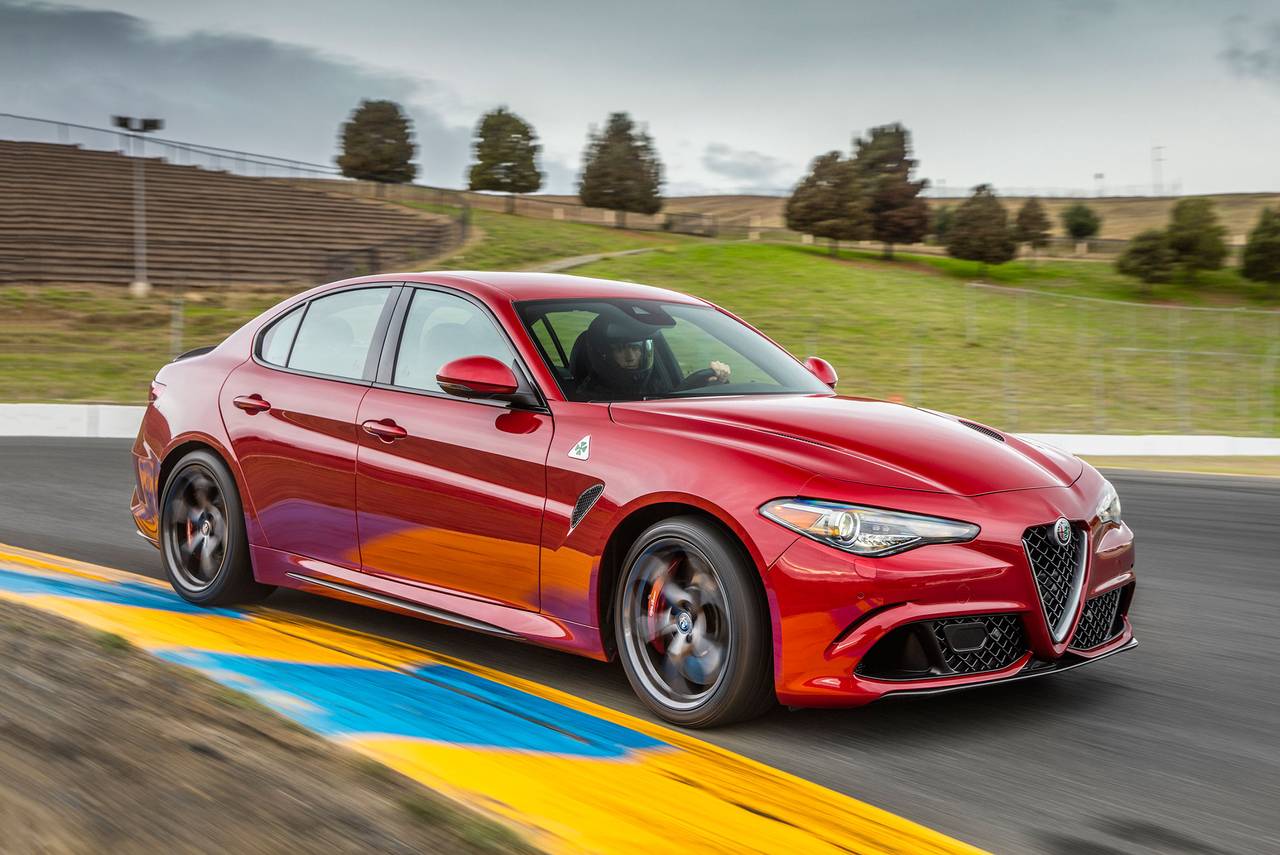
The Alfa Romeo Giulia offers Italian styling and sharp handling that appeal to enthusiasts. Its sporty character makes driving engaging, but reliability concerns have affected many owners. Electrical problems and engine issues can appear unexpectedly, leading to costly repairs. Daily usability is often hampered by sensitive electronics and limited dealer support.
Interior comfort may also fall short for long commutes, with firm seats that are stylish but tiring. The infotainment system can be slow and unintuitive, adding frustration during routine tasks. Fuel consumption is higher than anticipated, making it less practical for daily driving. Owners may also find that the trunk and cabin space are tighter than similar competitors.
Parts availability and service costs are major considerations, as repairs can be expensive and take time. Dealerships are not as widespread, which can make maintenance inconvenient. Some features, such as driver assistance systems, are inconsistent in performance. Long-term reliability remains a concern compared to German rivals.
Insurance premiums can be surprisingly high for this segment, which adds to the cost of ownership. Depreciation is also a factor, with resale values not always aligning with initial expectations. While it excels in performance, the everyday experience may not meet the excitement initially promised.
Despite the stylish looks and enjoyable driving, the Giulia requires patience and extra care. Owners need to plan for potential repairs and higher running costs. The charm of Italian engineering can be overshadowed by practicality concerns. For those seeking reliability and simplicity, this car may feel less satisfying over time.
2. Jaguar F-Pace
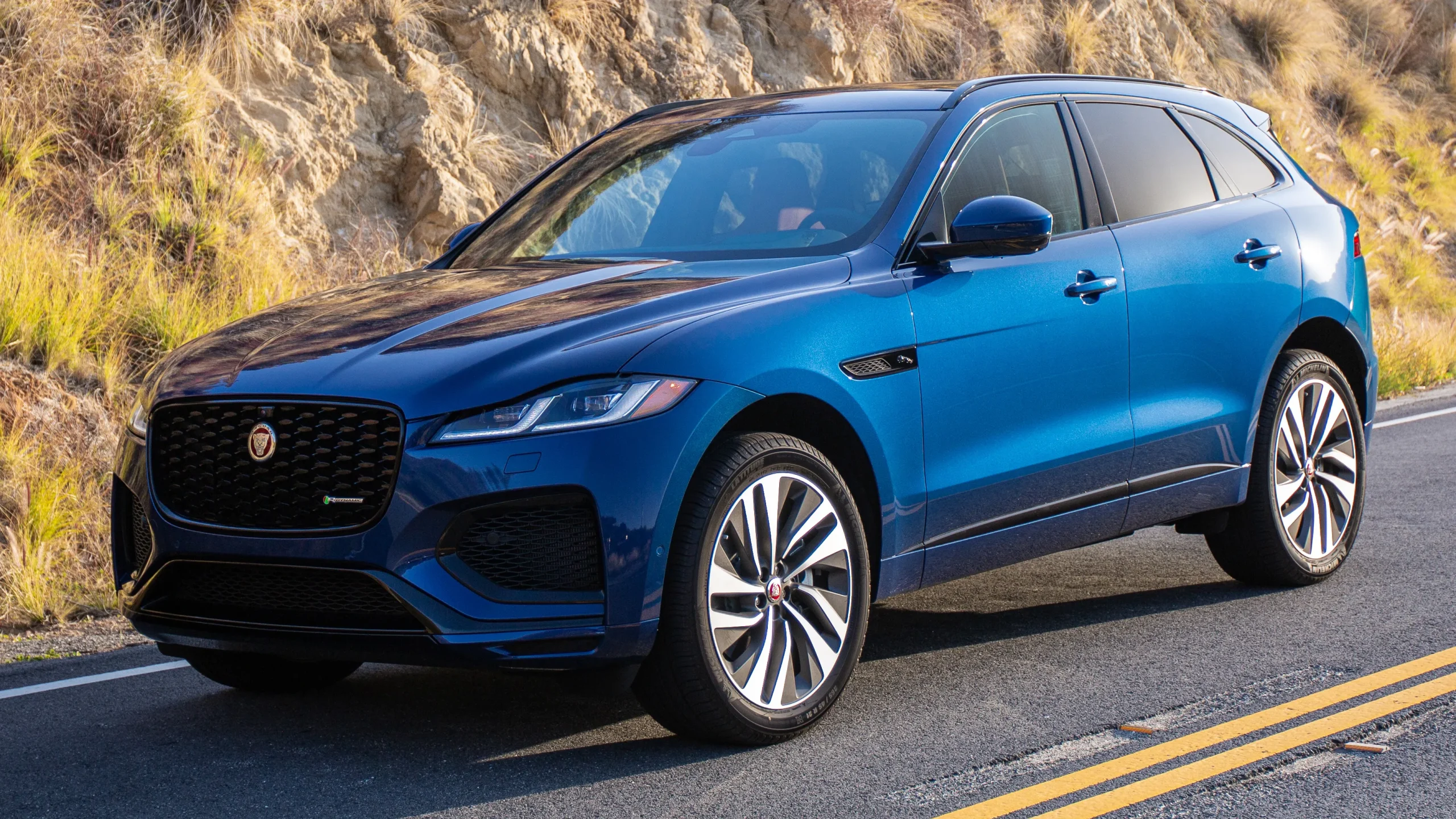
The Jaguar F-Pace combines a luxury feel with SUV practicality, attracting attention for its design. Owners quickly realize that maintenance costs are higher than expected. Electrical gremlins and sensor failures can disrupt daily life. Fuel efficiency lags behind rivals, affecting regular commuting costs.
The interior is elegant but can have inconsistent fit and finish. Certain materials show wear more quickly than anticipated. Technology systems may require frequent updates and troubleshooting. Cabin noise at higher speeds can detract from the comfort level.
Storage space is decent but not class-leading, making long trips slightly inconvenient. The rear seats are less comfortable for adults over extended periods. Visibility in tight urban environments can be limited. Parking sensors may give false readings in certain conditions.
Jaguar’s warranty helps mitigate some concerns, but out-of-warranty repairs can be costly. Parts are expensive and sometimes difficult to source quickly. Dealer availability can be limited outside major cities. Ownership costs often exceed initial projections for many buyers.
Despite its style and brand prestige, the F-Pace can feel demanding in daily life. Regular maintenance requires attention and expense. Those expecting a trouble-free luxury SUV may be disappointed. Owners must weigh aesthetics and performance against ongoing practicality challenges.
3. BMW X5
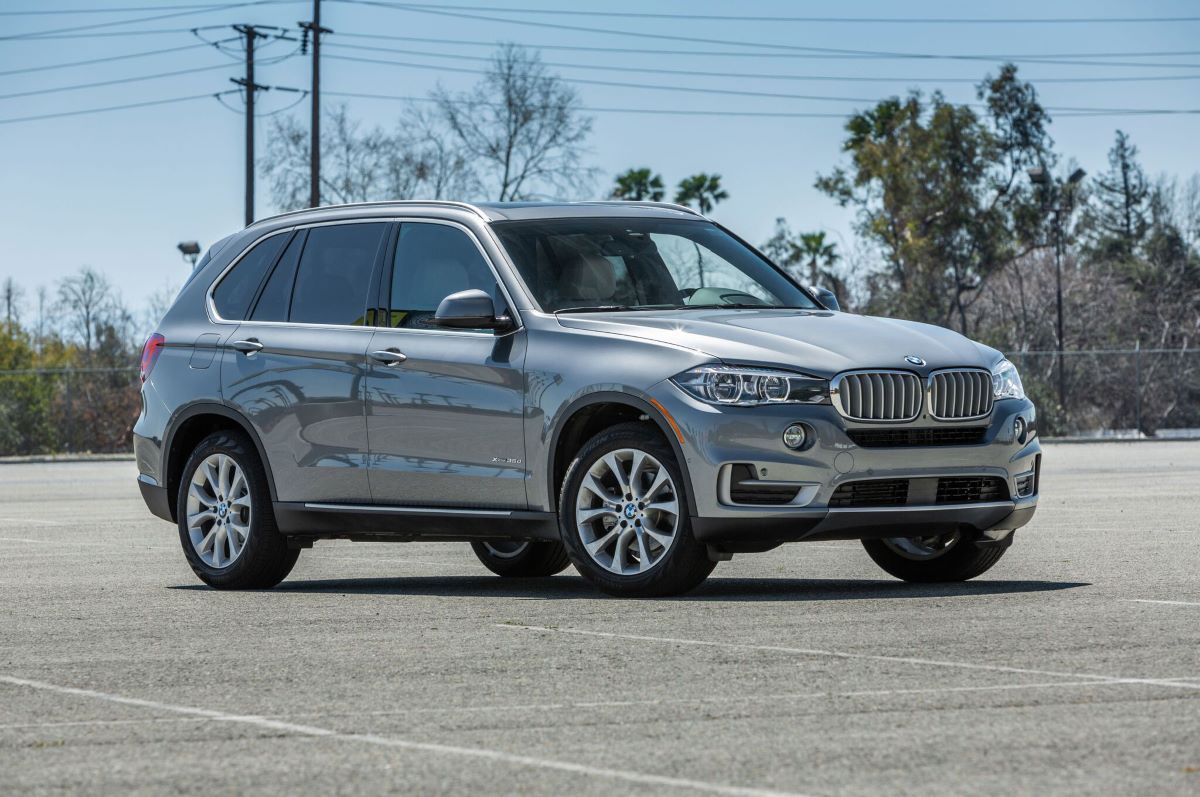
The BMW X5 offers sporty handling and advanced features for a midsize SUV. Performance is impressive, but maintenance costs are significant. Repairs can be frequent as vehicles age, especially with electronic components. Fuel economy is lower than some competitors in the same category.
Interior quality is high but can hide potential issues. The infotainment system is complex, leading to occasional user frustration. Cabin space is comfortable, but rear legroom can feel constrained for taller passengers. Road noise is present at highway speeds, affecting long drives.
Ownership experience is affected by expensive parts and service fees. Warranty coverage is helpful, but extended maintenance can still be a burden. Some drivers report electrical glitches in advanced driver assistance features. Availability of service centers may vary depending on location.
Insurance rates are higher than average due to repair costs and luxury status. Depreciation can be rapid in certain markets. The X5 provides performance and style, but long-term ownership can be demanding. Drivers must be prepared for both financial and practical considerations.
High performance comes with trade-offs in convenience and reliability. While fun to drive, the X5 can feel temperamental in everyday life. Routine maintenance requires attention and planning. This vehicle is often best for buyers who value driving dynamics over simple practicality.
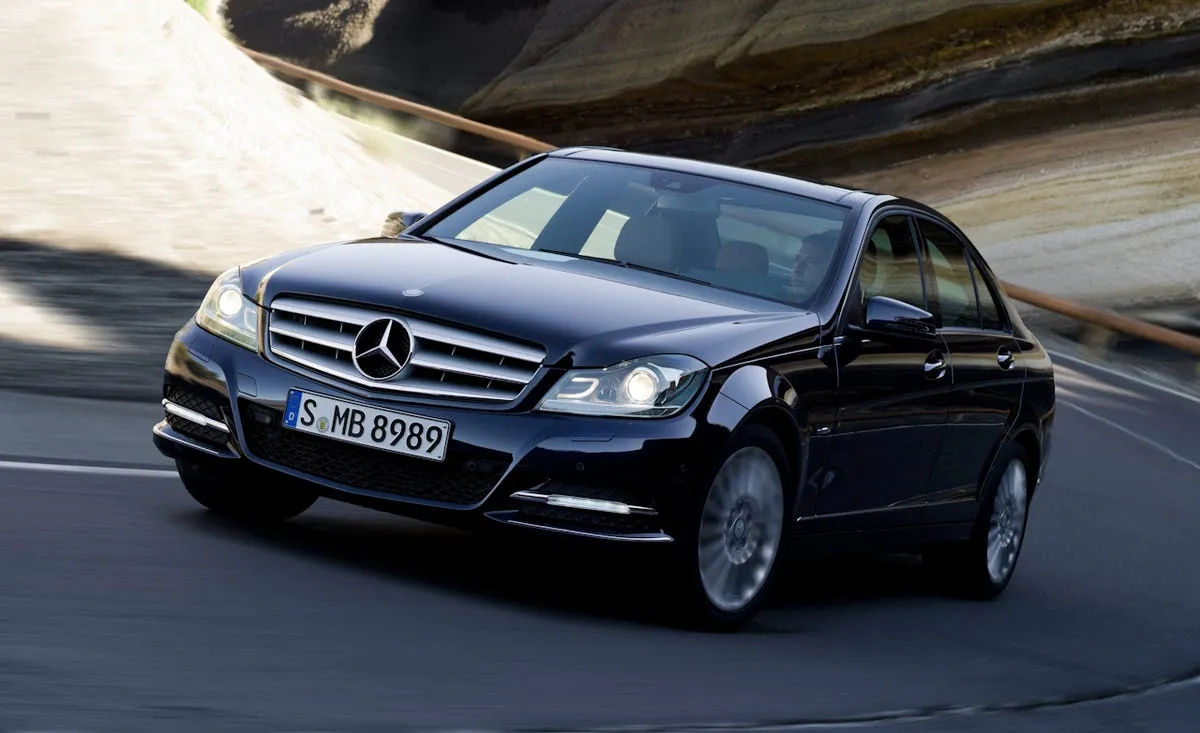
4. Mercedes-Benz C-Class
The Mercedes-Benz C-Class is known for its smooth ride and premium interior. Owners may encounter issues with electronics, including infotainment and lighting systems. Oil consumption and minor mechanical problems can appear unexpectedly. Fuel efficiency is lower than some economy-minded competitors.
The cabin is stylish but not immune to wear over time. Seats are supportive but may lack comfort on long drives. Noise insulation is generally good, though certain road surfaces reveal harshness. Some features are overly complex, requiring learning time for optimal use.
Parts and service are costly, reflecting its luxury brand status. Dealership availability may be limited in smaller towns. Repairs for electronics and suspension components can be pricey. Extended warranties can help but add upfront cost.
Depreciation can be steep in the first few years. Insurance costs are higher due to parts and repair complexity. The C-Class provides an attractive driving experience but may be less practical than it appears. Everyday life exposes issues that are not obvious at purchase.
The balance between luxury and ownership realities is delicate. Enthusiasts may enjoy driving, but reliability concerns persist. High maintenance and operational costs make planning essential. Practicality may not match initial expectations, requiring compromise.
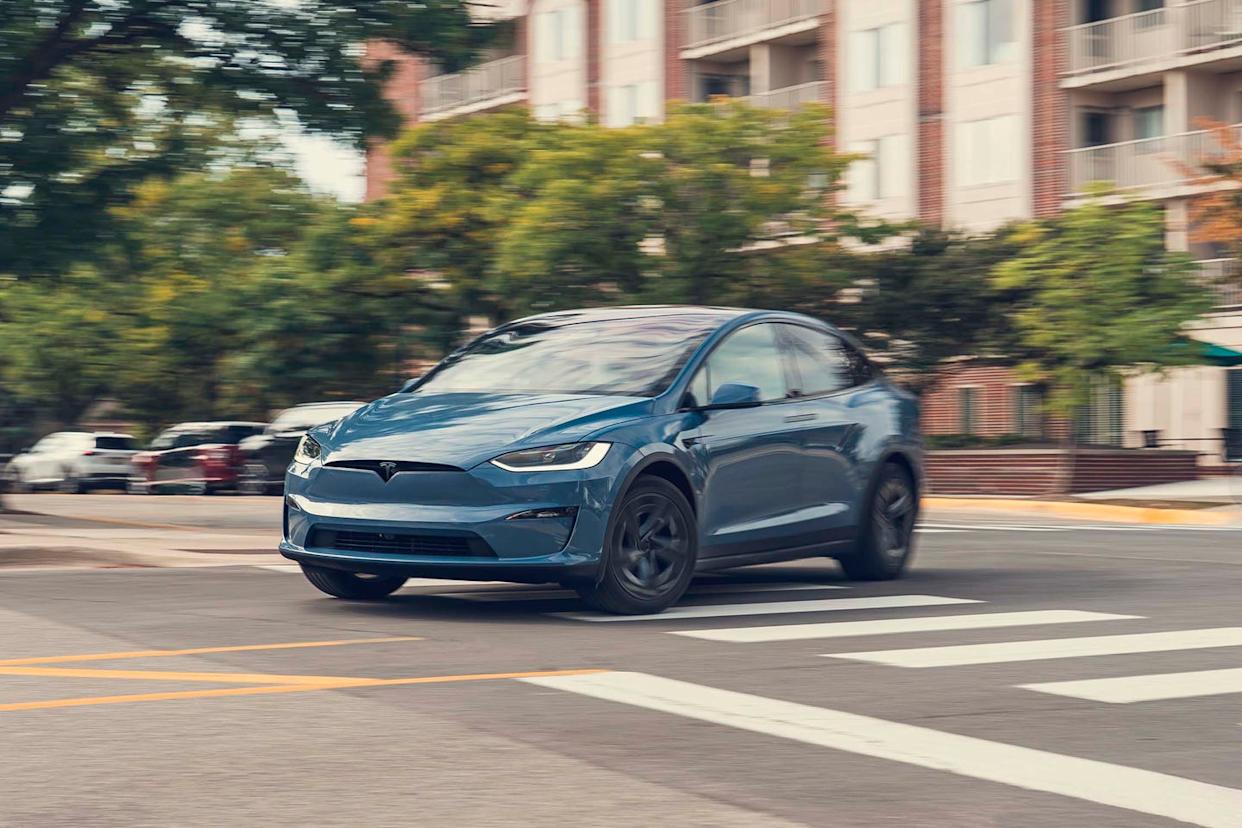
5. Tesla Model X
The Tesla Model X is famous for its futuristic design and electric performance. Range anxiety, while reduced over time, remains a consideration for some owners. Software glitches can interrupt normal vehicle functions. Repairs outside warranty can be expensive due to specialized components.
Falcon wing doors are eye-catching but prone to mechanical problems. Cabin space is generous, but storage compartments may not be optimized. Interior materials can wear unevenly, especially under heavy use. Touchscreen systems control most functions, creating dependence on electronics.
Charging infrastructure is improving, yet long trips may still require planning. Battery degradation, though slow, can affect long-term usability. Tire and suspension wear may be higher than conventional SUVs. Parts replacement is costly and sometimes requires shipping from distant service centers.
Software updates sometimes introduce unexpected changes or bugs. Autopilot features are helpful but need constant monitoring. The learning curve for first-time owners is steep. Maintenance requires adaptation to electric vehicle technology.
While innovative, the Model X is not as straightforward to live with as traditional SUVs. Daily use demands attention to electronics and charging habits. Luxury comfort and performance come with ongoing challenges. Prospective buyers must be prepared for a tech-heavy and sometimes unpredictable experience.
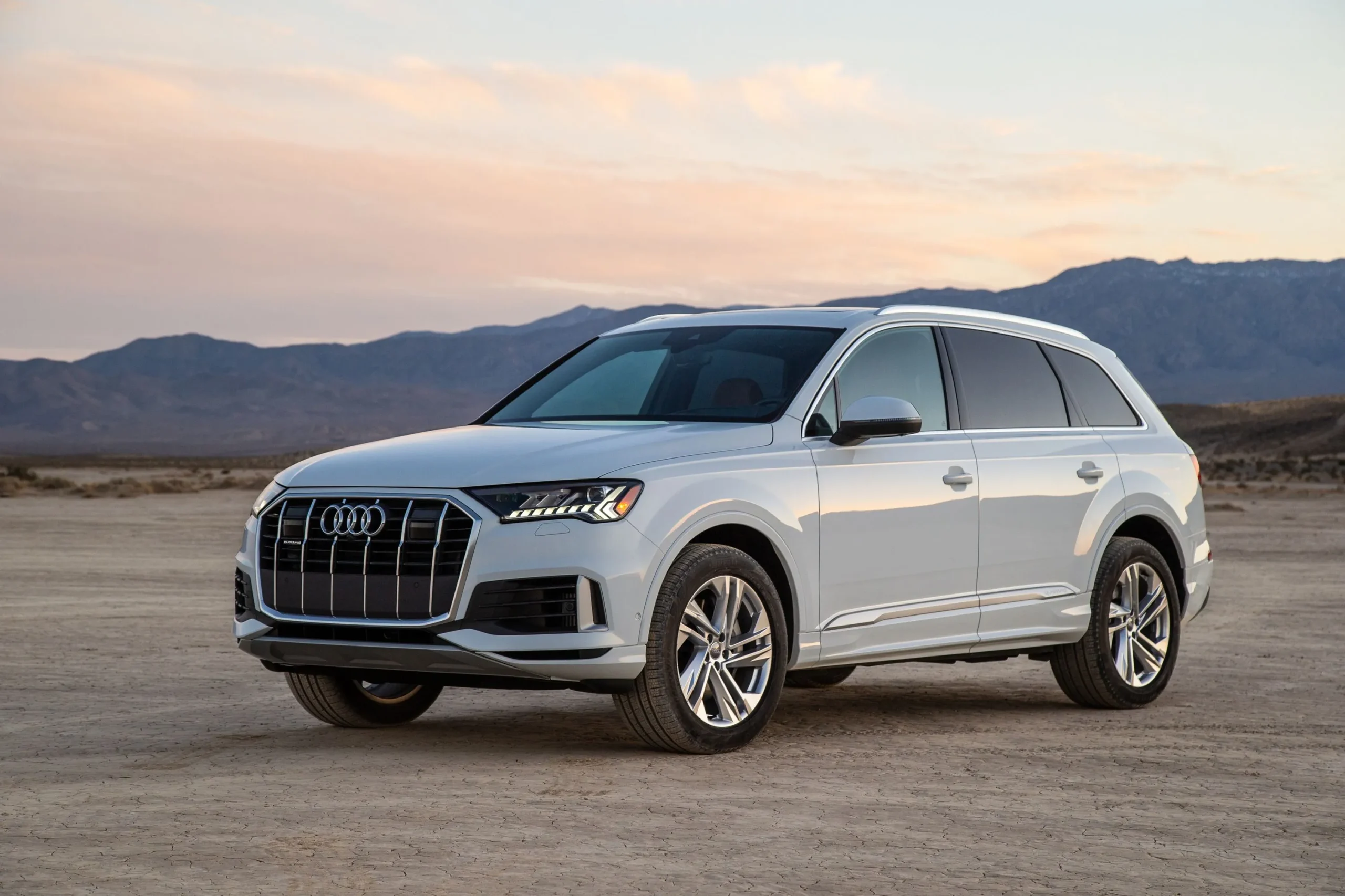
6. Audi Q7
The Audi Q7 offers a luxurious cabin and smooth handling for a large SUV. Its initial appeal lies in advanced technology and refined styling, yet long-term ownership reveals several challenges. Electrical systems, such as infotainment and adaptive lighting, can malfunction unexpectedly, leading to frustration. Fuel economy is modest, especially in V6 and V8 variants, making frequent trips expensive.
Interior space is generous, but third-row seats are cramped for adults and often better suited for children. Long journeys may expose comfort issues in the middle row, especially with seat firmness and legroom. Noise insulation is generally good, yet wind and road sounds become noticeable at higher speeds. Storage is adequate but not class-leading, making packing for long trips slightly inconvenient.
Maintenance costs can be high as the vehicle ages. Parts, particularly for electronics and suspension components, are expensive and sometimes hard to source. Service visits may be frequent to maintain optimal performance. Extended warranties help, but the expense is considerable, adding to ownership costs.
The driving experience is engaging, with sharp handling for a full-size SUV, yet daily usability can be demanding. Insurance rates are high due to vehicle value and repair costs. Depreciation is steep compared to non-luxury SUVs, lowering resale value faster than expected. Regular upkeep requires attention to avoid escalating repair bills.
While the Q7 is stylish, comfortable, and packed with technology, living with it day-to-day can expose its weaknesses. Reliability issues and high running costs affect the long-term experience. Owners may need patience and planning to enjoy it fully. This SUV demands more commitment than many buyers initially anticipate.
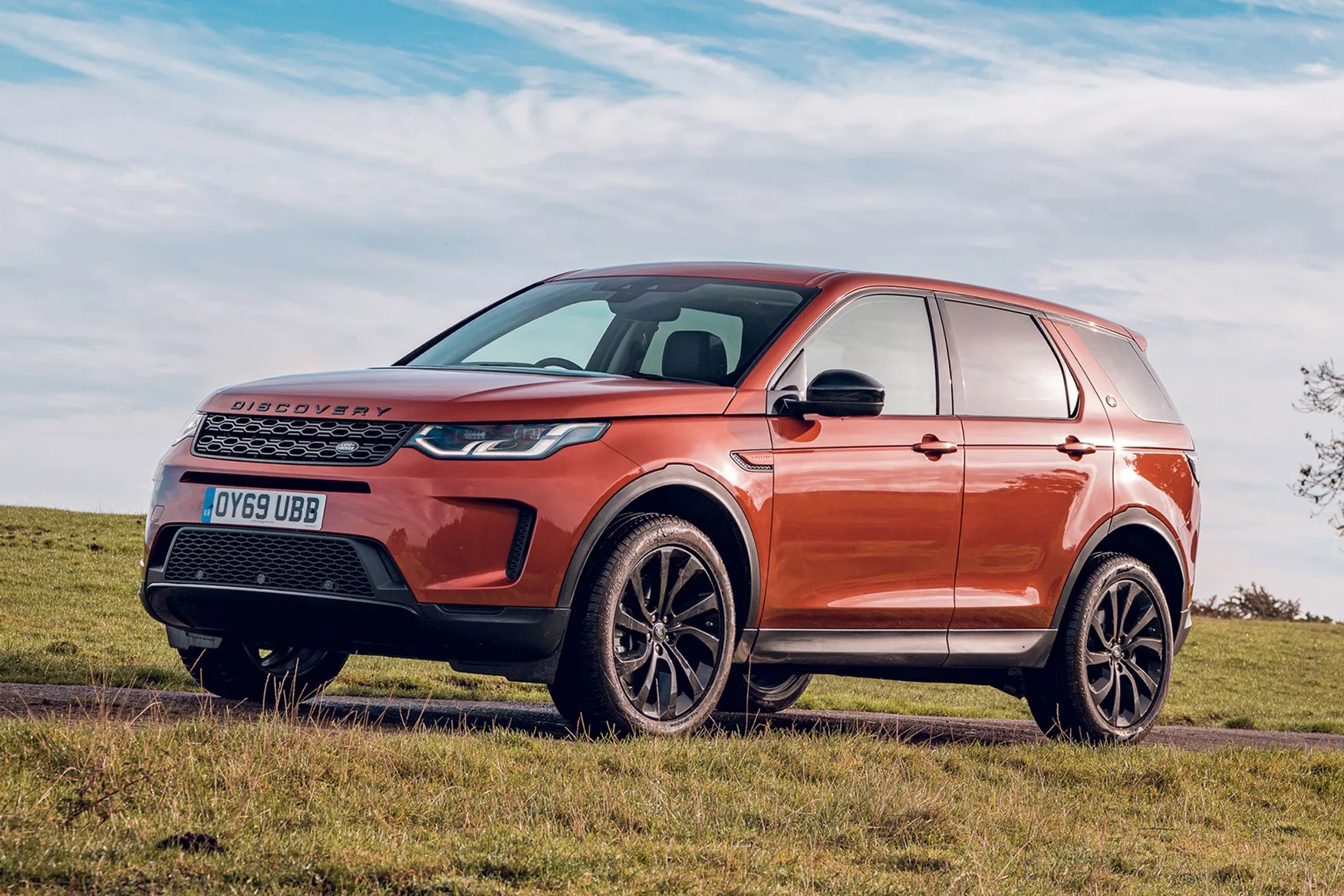
7. Land Rover Discovery
The Land Rover Discovery is known for off-road prowess and distinctive styling, making it highly desirable for adventure-minded buyers. However, the daily driving experience often introduces complications. Electronics, air suspension, and climate control systems can fail intermittently. Fuel consumption is higher than expected, which can be inconvenient for urban commuting.
Cabin comfort is impressive, but long trips reveal ergonomic issues. Some controls are not intuitive, requiring time to learn. The third-row seats are functional but tight, reducing their practicality for adults. Visibility is good, yet blind spots can be significant in tight parking spaces.
Maintenance and repair costs are steep, reflecting the brand’s premium positioning. Specialized parts may need ordering, causing delays in service. Warranty coverage helps initially but does not cover all long-term issues. Owners often report recurring problems that require repeated attention, testing patience and finances.
Depreciation is significant for the Discovery, impacting resale value more than expected. Insurance premiums are high due to vehicle size, value, and repair complexity. Regular maintenance is critical, as neglect can lead to costly repairs. Buyers should consider total cost of ownership carefully before committing.
While the Discovery shines in off-road capability and style, living with it daily can feel less practical. Reliability concerns and running costs overshadow some of its appeal. Owners must accept compromises in convenience and routine usability. This is a car better suited for enthusiasts willing to manage its quirks diligently.
8. Volvo XC90
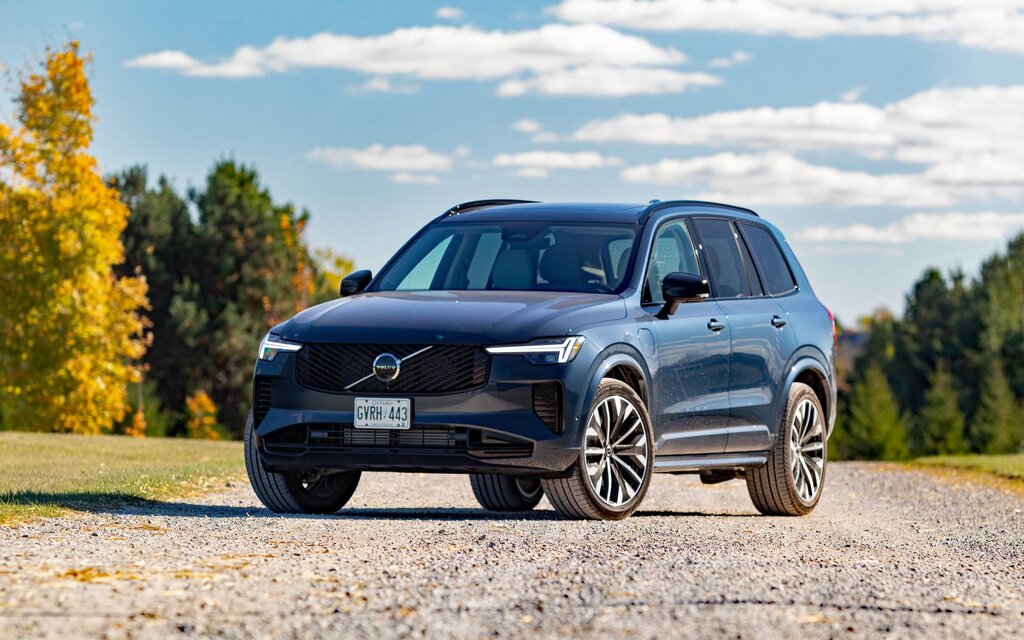
The Volvo XC90 is celebrated for safety features, Scandinavian design, and family-friendly appeal. Its sleek interior and advanced driver assistance systems make it attractive initially. Yet reliability concerns arise as complex electronics and hybrid components can fail. Fuel efficiency is acceptable for a hybrid, but non-hybrid models are less efficient than competitors.
Seating comfort is generally good, but taller passengers may feel cramped in the third row. Infotainment controls are sometimes slow, with a learning curve that can frustrate new owners. Cargo space is decent, but the floor height can make loading bulky items awkward. Cabin materials are attractive but require careful maintenance to avoid wear.
Maintenance can be pricey, especially for hybrid models and electronic systems. Replacement parts may not be available at all dealerships, causing delays. Routine checks on suspension and brakes are necessary to prevent premature wear. Extended warranties provide peace of mind but add to the initial expense.
Insurance rates can be elevated for XC90 owners, reflecting repair costs and the hybrid powertrain. Depreciation is moderate but faster for certain trims. While driving is comfortable and composed, some owners find the complexity of modern features demanding. Long-term usability requires planning and attention to detail.
The XC90 balances luxury, safety, and style, but living with it reveals challenges in reliability and cost. Owners must be prepared for potential repair bills and a learning curve with technology. Daily usability is solid but occasionally tested by system quirks. This vehicle rewards patience and careful ownership planning.
9. Chevrolet Corvette C8
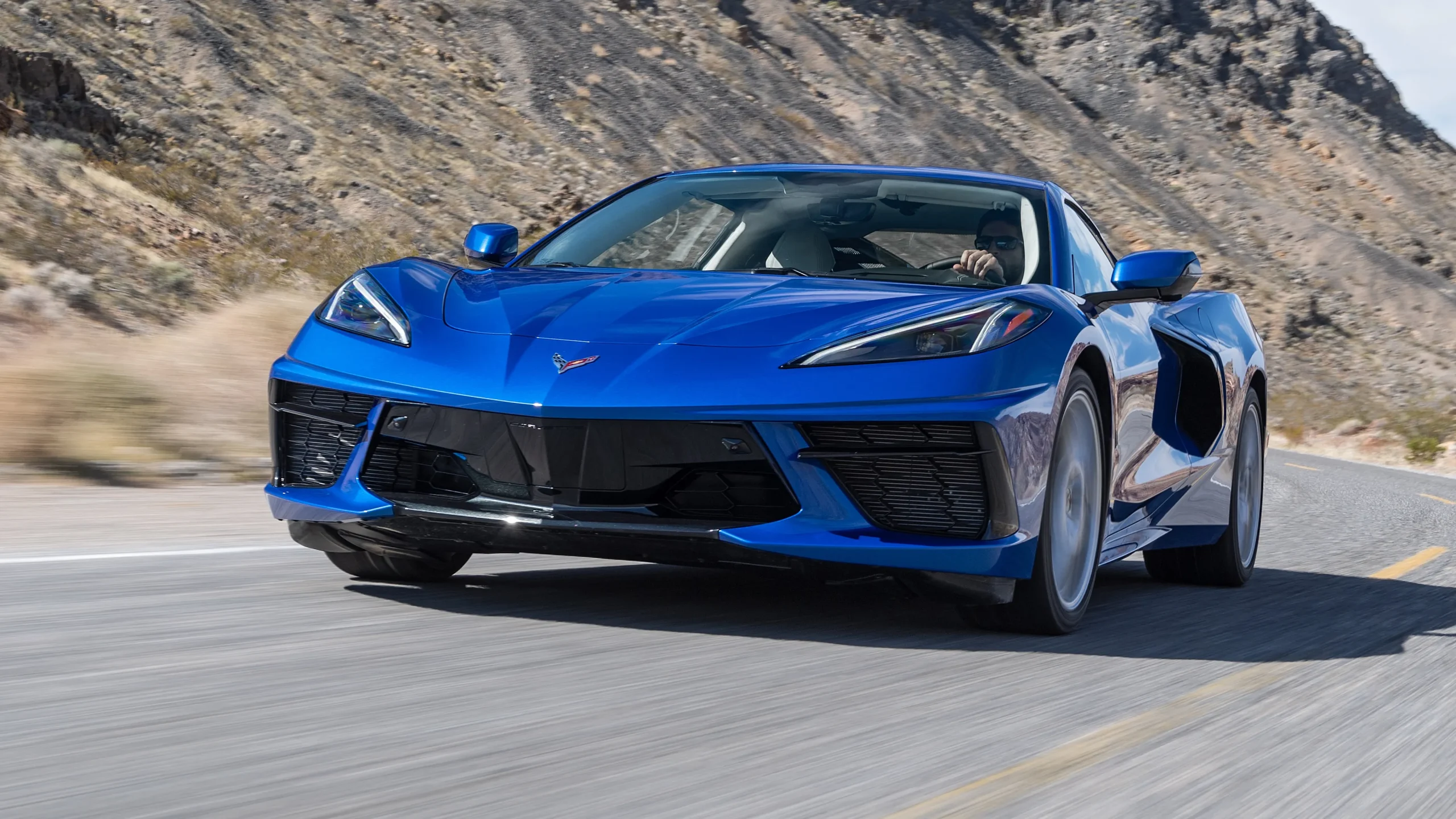
The Chevrolet Corvette C8 redefines the American sports car with its mid-engine layout and dramatic styling. Performance is exhilarating, but daily practicality is limited. Cabin storage is minimal, and visibility is poor in certain directions. Ground clearance is low, making speed bumps and steep driveways a constant concern.
Interior comfort is sufficient for short drives, yet extended commuting can become tiring. Seats are sporty but firm, reducing comfort on long trips. Infotainment systems work well but may feel less intuitive for some users. Noise levels are high, especially from the engine, which may not suit all drivers for daily commuting.
Maintenance costs, while lower than European exotics, can still surprise first-time owners. Tires, brakes, and specialized parts are expensive to replace. Dealer networks are smaller in some regions, leading to service delays. Warranty coverage mitigates initial concerns but not long-term wear and tear.
Insurance premiums are relatively high due to the vehicle’s performance profile. Depreciation is moderate compared to other sports cars, but resale depends heavily on condition. Fuel economy is low, making everyday driving costly. Owners must adjust expectations about practicality and cost.
While the Corvette C8 excites enthusiasts, living with it daily exposes its limitations. Comfort, visibility, and cargo space are compromised in favor of performance. Owners must weigh the thrill of driving against routine usability. This car excels on weekends but can challenge everyday life.
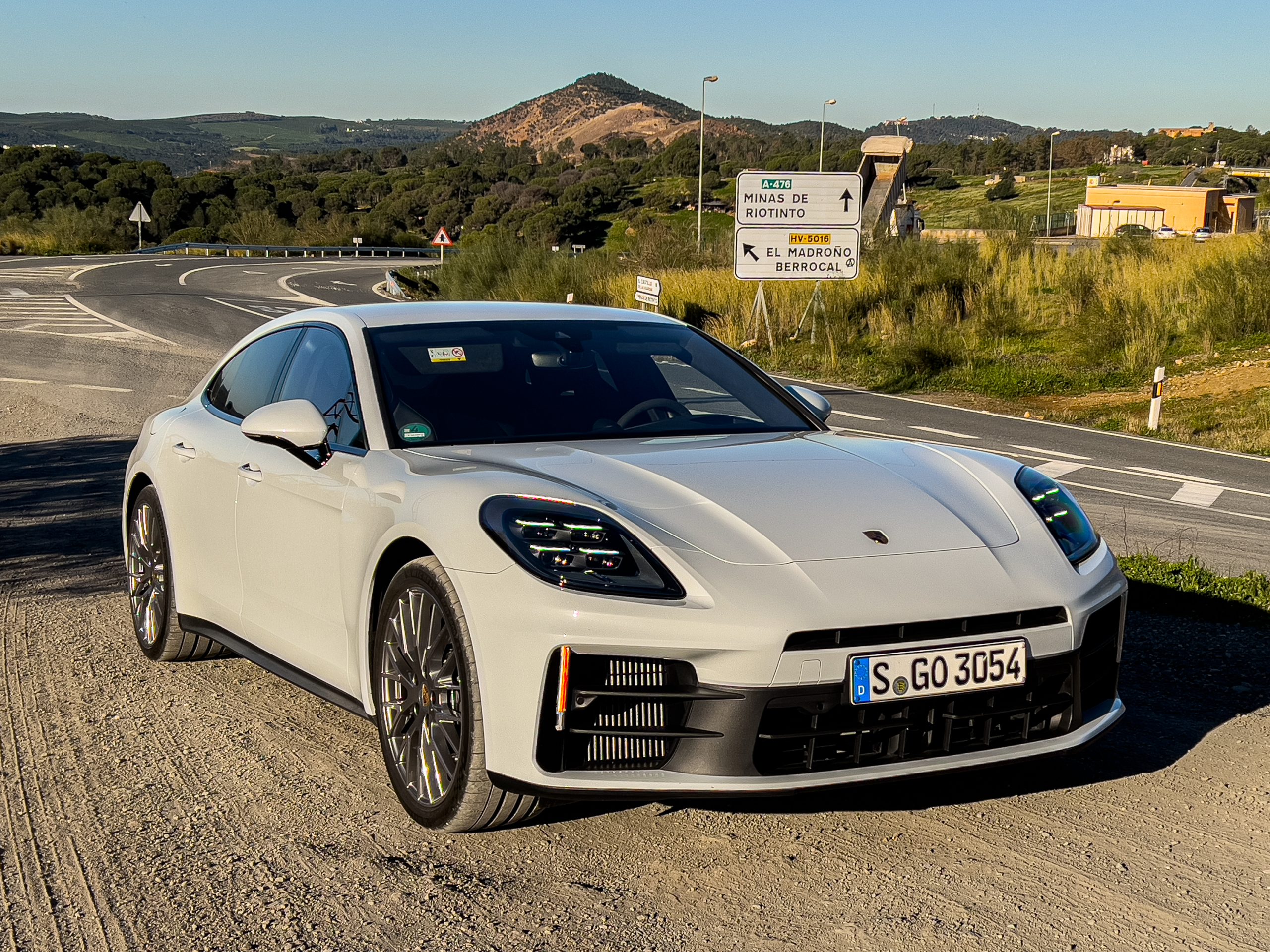
10. Porsche Panamera
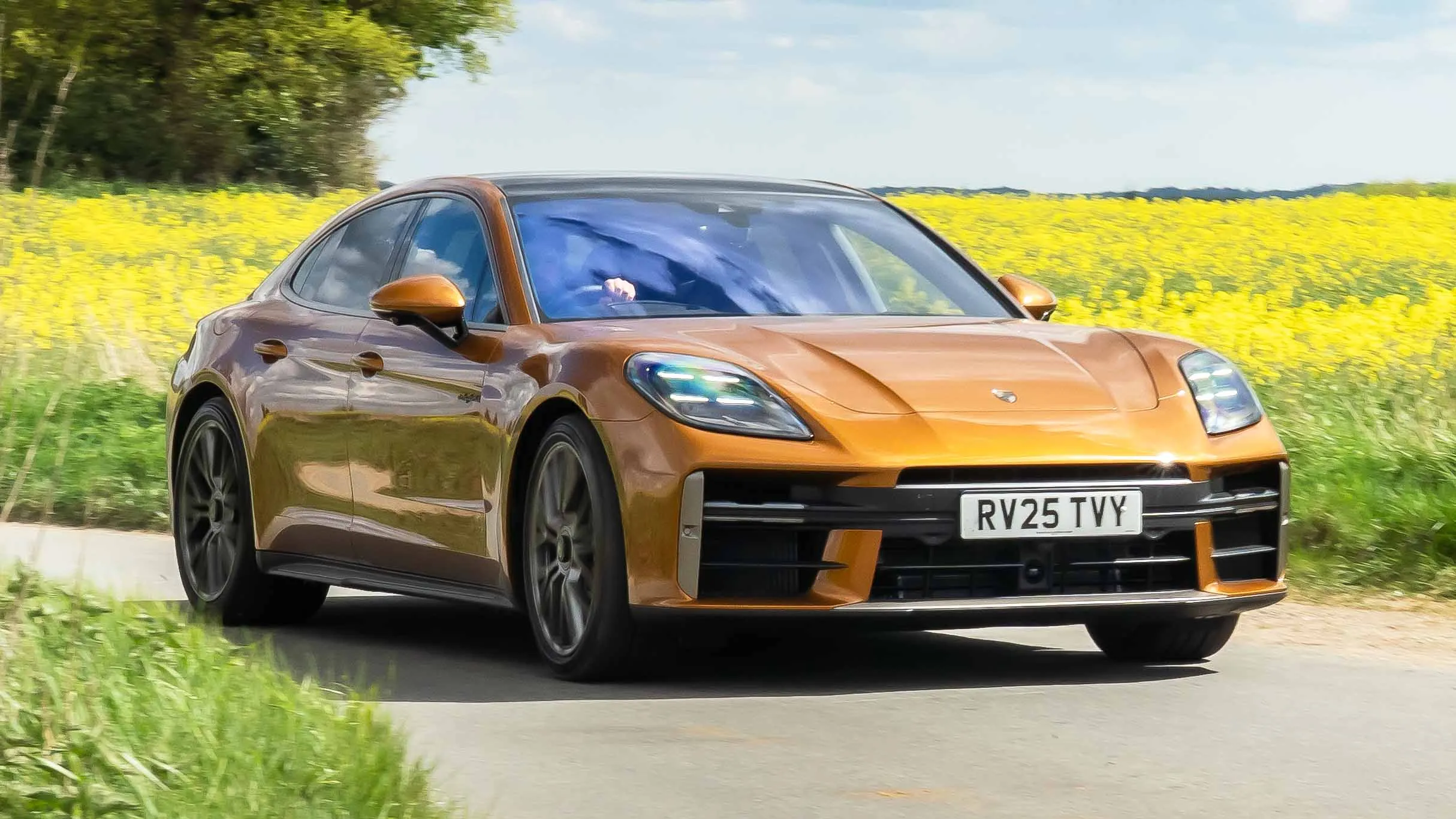
The Porsche Panamera combines high performance with a luxurious sedan layout. Initial impressions are impressive, with refined driving dynamics and premium materials. However, daily ownership can highlight complications. Maintenance costs are high, and electronic systems may malfunction over time. Fuel efficiency is modest, particularly in turbocharged versions, impacting routine expenses.
Interior comfort is excellent, but cabin space in the rear seats is not as generous as some competitors. Infotainment systems are feature-rich but may be complex for some users. Noise insulation is strong, though road vibrations can become noticeable on rough surfaces. Climate control systems can be sensitive and occasionally inconsistent.
Parts and servicing are expensive, particularly for brakes, suspension, and electronic components. Dealership availability varies depending on location, making repairs less convenient. Extended warranties can help, but initial and ongoing costs remain high. Attention to maintenance schedules is critical to preserve performance and reliability.
Insurance premiums are elevated due to vehicle value and repair costs. Depreciation is moderate but varies by trim and condition. While the Panamera delivers a thrilling driving experience, long-term comfort and practicality may fall short of expectations. Owners must be prepared for higher running costs than initially imagined.
Living with a Panamera day-to-day requires acceptance of compromises. Performance and luxury are impressive, but cost and reliability can be challenging. Those seeking a simple, practical sedan may be better suited elsewhere. This car rewards enthusiasts but demands attention and planning.