City driving is uniquely punishing on cars. Constant stop-and-go traffic, short trips, potholes, tight parking, and higher insurance risks expose weaknesses that rarely show up on open highways.
That is why choosing the right car for urban life is less about horsepower or prestige and more about durability, efficiency, depreciation, and repair resilience. 5 Cars That Stay Affordable Over Years of City Use vs 5 That Don’t breaks down this exact divide. On one side are vehicles engineered to thrive in dense urban environments, minimizing fuel costs, maintenance, and long-term ownership stress.
On the other hand are cars that look appealing on the showroom floor but quietly drain wallets through depreciation, complex repairs, and poor city tolerance.
By comparing proven long-term performers like the Toyota Prius and Honda Civic against costly urban liabilities such as the BMW 7 Series and older Nissan LEAFs, this guide highlights how engineering philosophy directly affects financial outcomes. For city drivers planning to keep a car for years, these differences matter far more than brand image or initial purchase price.
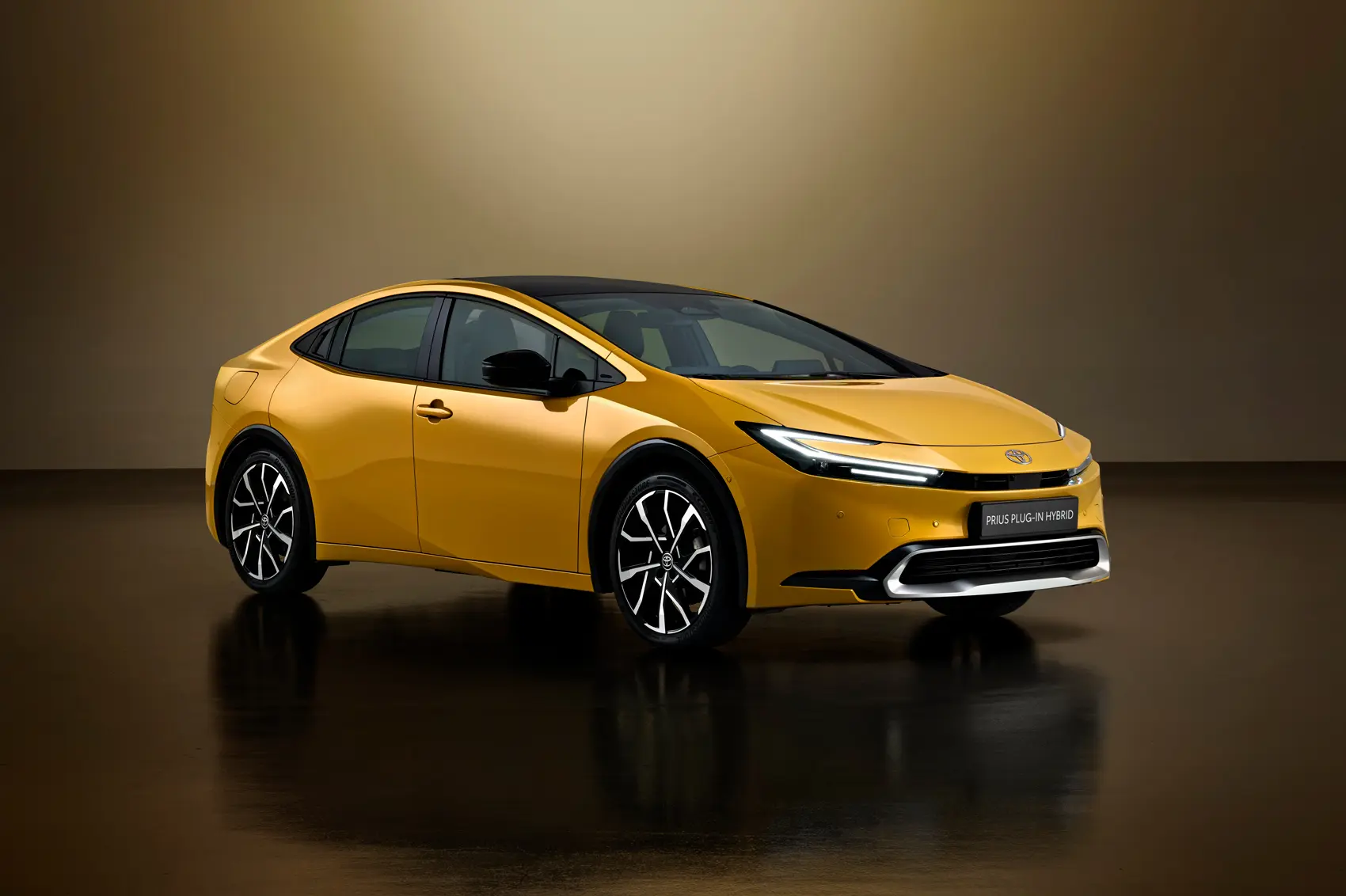
1. Toyota Prius Hybrid: The Gold Standard for City Driving
The Toyota Prius Hybrid is one of the most practical and efficient vehicles for urban commuting, offering a combination of fuel efficiency, reliability, and low ownership costs.
Its hybrid system pairs a gasoline engine with electric motors, using regenerative braking and frequent electric-only operation in traffic. This reduces engine wear, conserves gasoline, and extends brake life, making it highly cost-effective for high-mileage city drivers.
Fuel economy is a key strength of the Prius. Front-wheel-drive models achieve EPA-rated 49–57 MPG in the city and 50–56 MPG on the highway, while all-wheel-drive versions are slightly lower due to added weight.
The hybrid powertrain includes a 2.0-liter four-cylinder gasoline engine paired with two electric motors in FWD models, producing 194 horsepower, and adds a rear electric motor in AWD models for 196 horsepower. This setup allows the Prius to accelerate from 0–60 mph in 7.1 seconds, faster than many competitors, while reducing strain on the gasoline engine.
Durability and low maintenance are hallmarks of the Prius. Hybrid batteries often last more than a decade, and regenerative braking significantly reduces brake pad wear. The car also lacks high-maintenance components such as alternators, starters, and belts, lowering repair costs.
Toyota supports the Prius with strong warranties, including a 10-year/150,000-mile hybrid-component warranty and two years/25,000 miles of complimentary maintenance, giving owners confidence in long-term reliability.
Inside, the Prius combines functionality with modern technology. It features a driver-focused cockpit, an 8-inch touchscreen on standard trims, wireless Apple CarPlay and Android Auto, and an optional 12.3-inch display on higher trims.
Rear seating accommodates most adults comfortably, though the sloped roofline slightly limits headroom. Cargo space ranges from 20.3 to 23.8 cubic feet, depending on the trim. Safety features such as adaptive cruise control, lane-keeping assist, and blind-spot monitoring come standard.
The Prius also maintains strong resale value, with many models retaining more than 70% of their original price after five years. Its combination of high fuel efficiency, durable components, low maintenance needs, and slow depreciation makes the Prius one of the most practical, economical, and environmentally friendly options for city drivers seeking a vehicle that performs reliably for years.
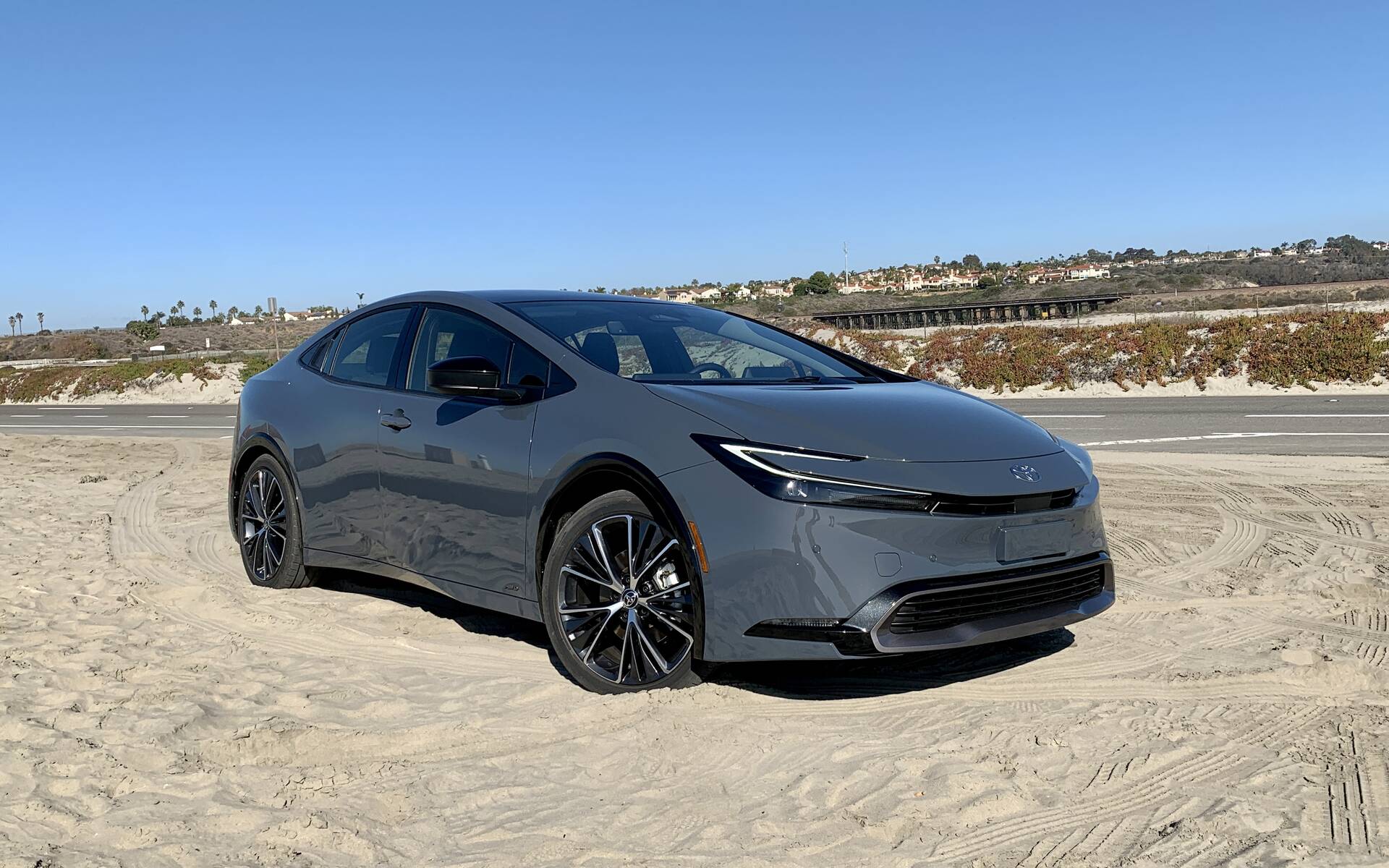
2. Honda Civic: A Reliable and Practical Choice for City Driving
The Honda Civic has remained a perennial favorite due to its combination of reliability, efficiency, and strong resale value. Its simple engine design ensures that even after years of city use, repairs remain inexpensive, and replacement parts are widely available and affordable. With a proven ability to last over 200,000 miles, the Civic minimizes costly repairs and delivers long-term value, making it a practical choice for urban commuters.
The Civic offers exceptional fuel efficiency, with nonhybrid models achieving around 30–32 MPG in the city and 41 MPG on the highway. The Civic Hybrid improves on this, delivering up to 50 MPG in the city and 47 MPG on the highway, while a real-world 75-mph highway test returned 47 MPG.
The standard nonhybrid sedan comes with a 150-hp 2.0-liter four-cylinder engine paired with a continuously variable transmission (CVT), providing adequate power for city driving. The Civic Hybrid uses a 2.0-liter engine combined with two electric motors for a total of 200 horsepower, offering quick, smooth acceleration and lively performance, with a 0–60 mph time of 6.2 seconds compared to 8.9 seconds for the nonhybrid.
Inside, the Civic seats five and balances comfort with practicality. Front-row seats are spacious, while rear seating accommodates two adults comfortably. Cargo space is generous for a compact car, with the sedan trunk holding six carry-on suitcases and the hatchback offering slightly more when rear seats are folded.
The interior features a straightforward design, a standard 7.0-inch touchscreen, and optional 9.0-inch displays on hybrid models. Connectivity options include wired or wireless Apple CarPlay and Android Auto, in-dash navigation, a wireless charging pad, and premium audio systems up to a 12-speaker Bose setup.
Safety features are strong for the segment. Standard systems include automated emergency braking, lane-keeping assist, and adaptive cruise control, while options such as blind-spot monitoring, rear-cross-traffic alert, and parking sensors are available on higher trims.
The Civic comes with a three-year/36,000-mile limited warranty, five-year/60,000-mile powertrain coverage, and an eight-year/100,000-mile hybrid-component warranty. Low maintenance costs, a robust secondary market, and high resale value ensure that the Civic remains affordable and dependable for many years, solidifying its reputation as one of the most practical, reliable, and versatile vehicles for city driving.
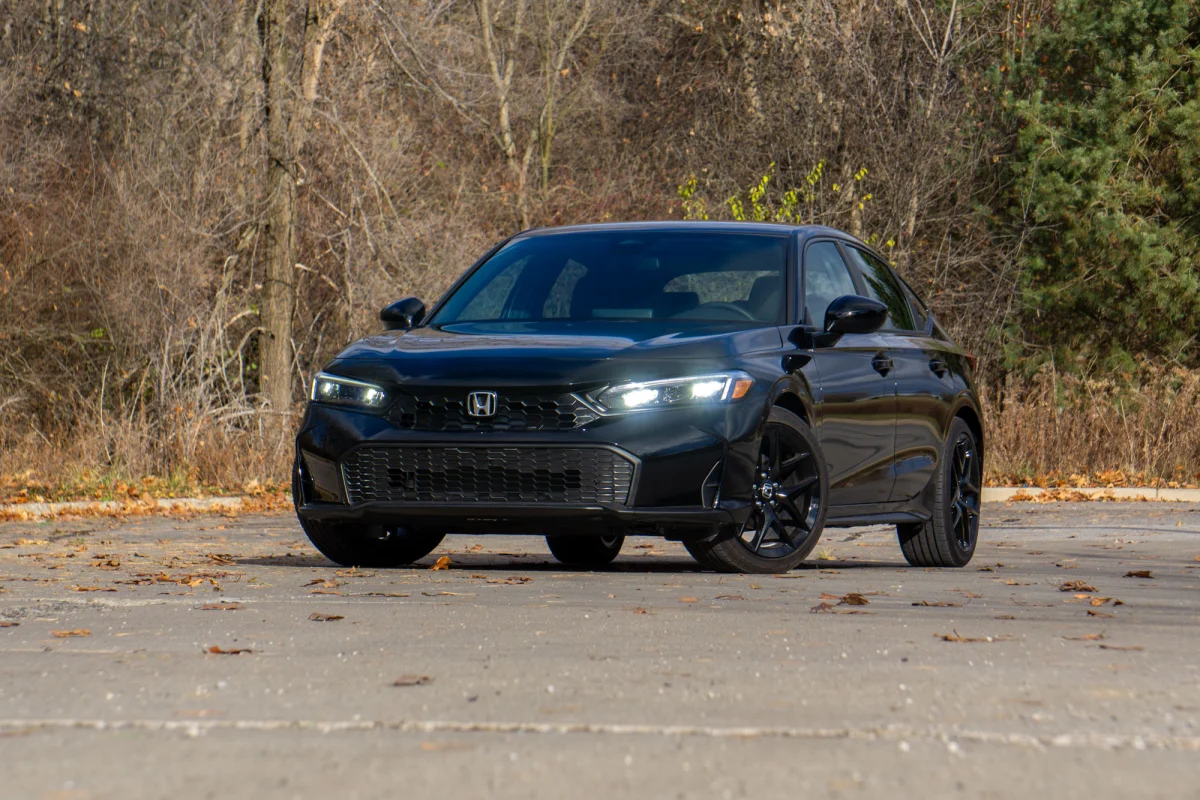
3. Subaru Crosstrek: A Rugged and Reliable Urban Crossover
The Subaru Crosstrek is an ideal choice for city drivers who encounter potholes, snow, or rough roads, combining the ground clearance of an SUV with the fuel economy of a compact. Its strong resale value, often retaining more than 75% of its original price over five years, makes it an economical option for long-term ownership.
The Crosstrek is highly reliable, rated 4.5/5 by RepairPal, and engineered for longevity, frequently lasting over 250,000 miles with routine maintenance. Its durability, low upkeep requirements, and fuel efficiency make it a practical vehicle for urban commuters seeking minimal ownership costs.
All Crosstreks are equipped with a 180-hp 2.5-liter four-cylinder engine paired with a continuously variable automatic transmission (CVT) and standard all-wheel drive, providing stable traction in rain, snow, or light off-road conditions. Acceleration is modest, with 0–60 mph times ranging from 8.1 seconds for the Limited trim to 8.6 seconds for the more rugged Wilderness trim.
Despite its relaxed on-road character, the Crosstrek handles lightly rutted trails and urban obstacles effectively, thanks to 8.7 inches of ground clearance, hill-descent control, and hill-start assist. The Wilderness trim increases clearance to 9.3 inches and comes with all-terrain tires, enhancing its off-road capability.
Fuel economy is competitive for its class, with the 2.5-liter model achieving EPA ratings of 25–27 MPG in the city, 29–33 MPG on the highway, and 29 MPG combined. In real-world testing at 75 mph, the Crosstrek achieved 36 MPG, supporting its reputation as an efficient urban crossover.
Inside, the Crosstrek is spacious and functional. Front passengers enjoy 42.9 inches of legroom and 39.8 inches of headroom, while rear passengers have 36.5 inches of legroom.
Cargo capacity is strong for the segment, offering 20 cubic feet behind the second row and 55 cubic feet with the seats folded. Infotainment includes a standard 7-inch touchscreen, Bluetooth, wired Apple CarPlay and Android Auto, and optional upgrades such as an 11.6-inch display, wireless connectivity, and a 10-speaker Harmon Kardon stereo.
Every Crosstrek comes with Subaru’s EyeSight driver-assistance suite, which includes adaptive cruise control, automated emergency braking, and lane-keeping assist.
Additional features such as blind-spot detection, rear cross-traffic alert, and automatic emergency steering are available on higher trims. Warranty coverage is standard for the class, with three years/36,000 miles for the limited warranty and five years/60,000 miles for the powertrain.
The Crosstrek blends urban practicality, strong reliability, and versatile off-road capability, making it a highly appealing choice for drivers who want an efficient, durable, and safe crossover that handles both city streets and challenging conditions with ease.
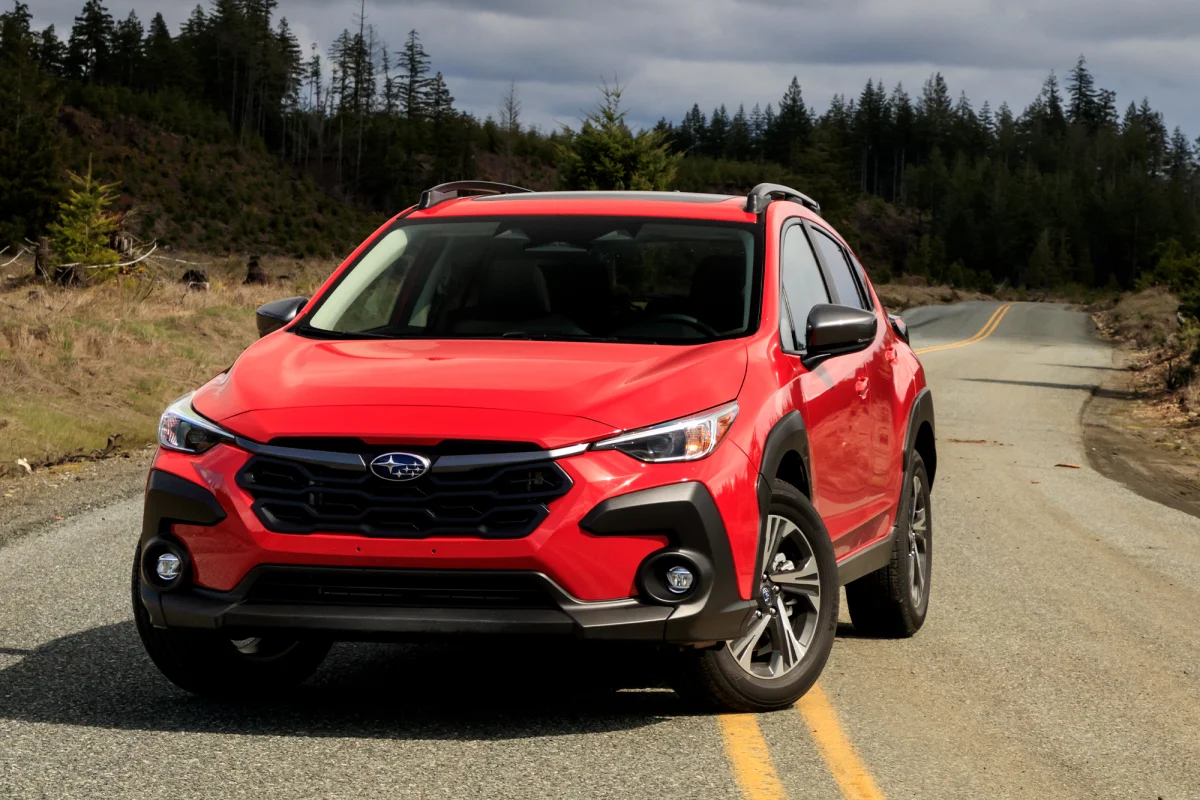
4. Mazda CX-30: A Premium Feel in a Practical Urban SUV
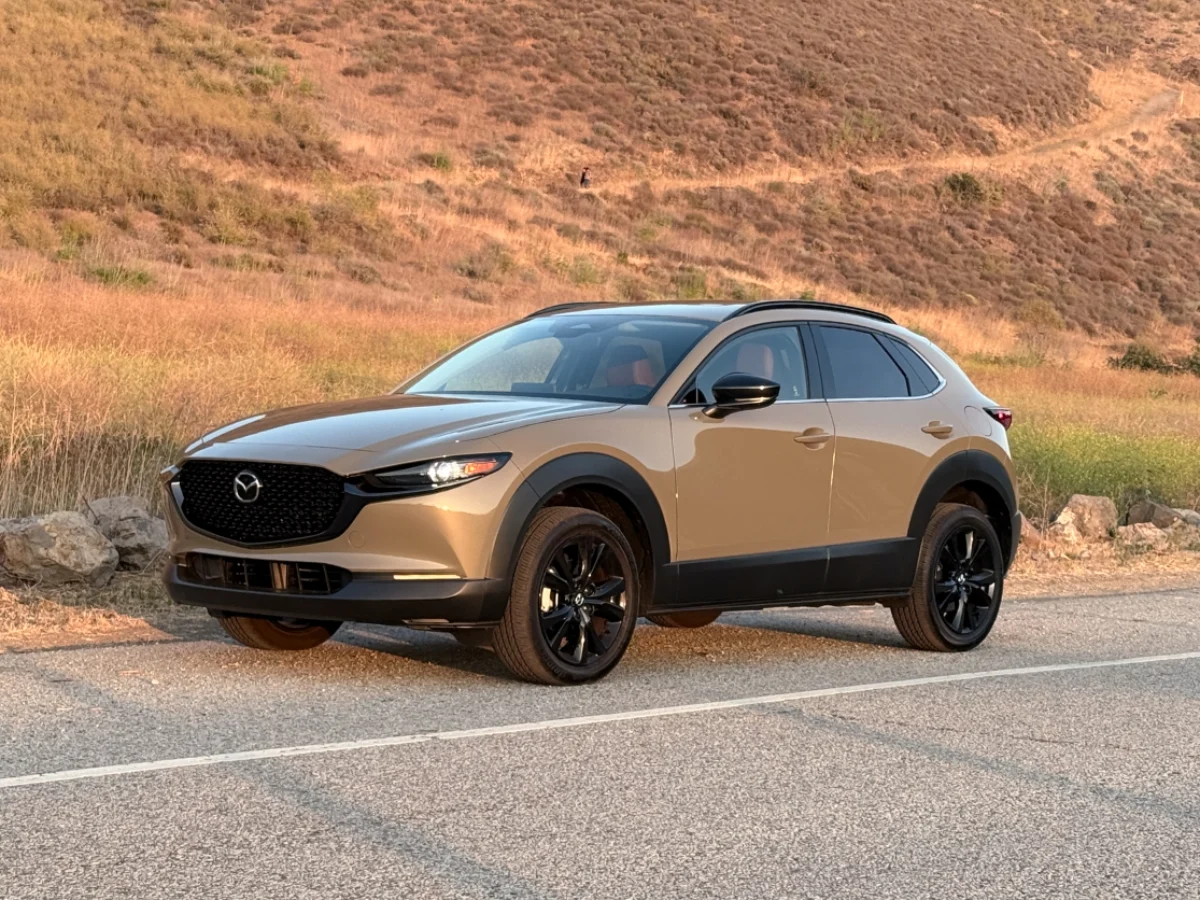
The Mazda CX-30 bridges the gap between economy and near-luxury, offering a high-quality interior, durable powertrain, and practical size for city driving. Its naturally aspirated 2.5-liter four-cylinder engine paired with a six-speed automatic transmission is reliable and straightforward, avoiding the complexity of turbochargers or continuously variable transmissions (CVTs) that can require costly repairs.
The CX-30’s compact footprint, combined with agile handling and responsive steering, makes it well-suited for urban streets while still providing adequate cargo utility.
Fuel efficiency is a strong point for the CX-30, with the standard 2.5-liter engine rated at 24 MPG city, 31 MPG highway, and 27 MPG combined. Turbocharged models provide more power at 250 horsepower but slightly lower efficiency, with 22 MPG city, 30 MPG highway, and 25 MPG combined.
In real-world highway testing, the non-turbo model achieved 31 MPG at 75 mph, confirming its practicality for both city and suburban commuting. Acceleration is adequate for everyday driving, with the standard CX-30 reaching 60 mph in 8.1 seconds, while the turbo model completes the run in 6.2 seconds, making it one of the quickest subcompact SUVs in its class.
Inside, the CX-30 impresses with near-premium materials and a thoughtful layout reminiscent of the Mazda 3. Front passengers enjoy a comfortable and well-designed space, though rear-seat legroom is limited due to the sloping roofline, making it more suitable for children or short trips. Cargo capacity is reasonable for its segment, accommodating six carry-on bags behind the rear seats and up to 16 with seats folded.
Infotainment is user-friendly, with an 8.8-inch standard touchscreen and optional 10.25-inch display for turbo models, wireless Apple CarPlay and Android Auto, Bluetooth, Wi-Fi hotspot, and voice control via Alexa built in. Higher trims add navigation, premium audio, and advanced connectivity features.
Safety is comprehensive, with standard adaptive cruise control, lane-keeping assist, automated emergency braking, and pedestrian detection. Optional upgrades include a head-up display and traffic-sign recognition.
Warranty coverage aligns with Mazda’s standard offerings, with a three-year/36,000-mile limited warranty and five-year/60,000-mile powertrain warranty, though competitors like Hyundai and Kia offer longer coverage.
The Mazda CX-30 combines efficiency, reliability, and a premium feel at a competitive price. Its high-quality interior, durable powertrain, and manageable ownership costs make it an attractive option for urban drivers seeking an agile, stylish, and practical subcompact SUV that retains value while providing an enjoyable driving experience.
5. Toyota Corolla Hatchback: Compact, Reliable, and City-Friendly
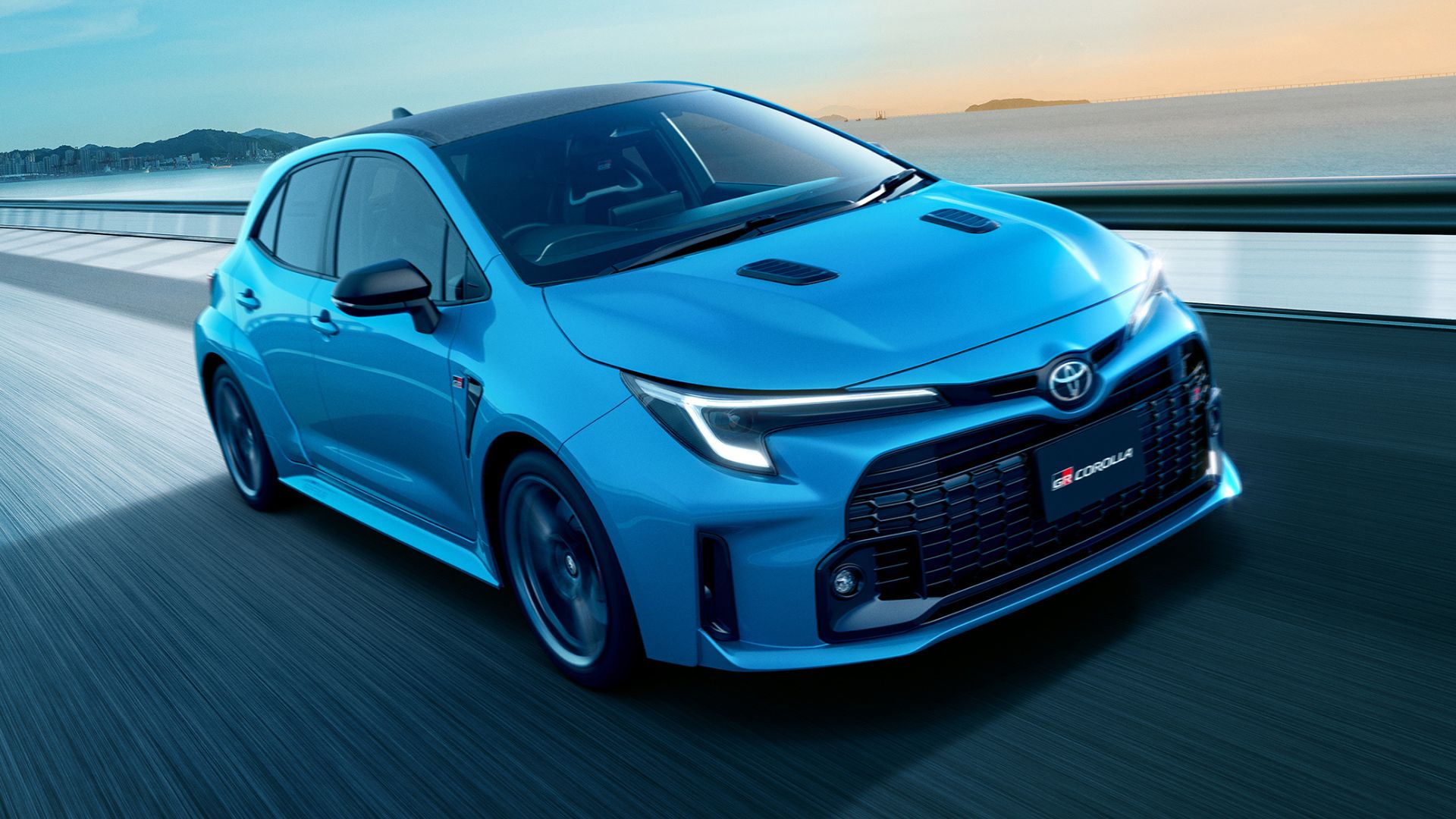
The Toyota Corolla Hatchback is a practical choice for urban drivers, combining a compact footprint with Toyota’s renowned reliability. Its low insurance group rating, durable engineering, and efficient fuel consumption make it a “set it and forget it” vehicle for city dwellers.
The hatchback design adds cargo versatility without requiring a larger vehicle, while the Corolla’s legendary durability ensures it can handle years of city driving with minimal maintenance.
Fuel efficiency is a standout feature, with gas models achieving around 30 MPG city and 30 MPG highway. Hybrid variants push efficiency even further, often exceeding 50 MPG in combined driving, significantly reducing commuting costs.
The Corolla Hatchback’s engineering emphasizes simplicity and durability, enabling many models to exceed 200,000 miles without major repairs. Its low-maintenance design, affordable replacement parts, and widely available service network keep upkeep costs manageable, contributing to long-term affordability.
The vehicle retains value well, with resale consistently higher than many competitors, lowering the net cost of ownership. Its compact dimensions make it ideal for tight city streets and parallel parking, while the hatchback layout provides flexible cargo capacity.
With 17.7 cubic feet of cargo space behind the rear seats and 23 cubic feet with seats folded, it offers practicality for errands, commuting, or small road trips. Front-seat legroom is generous at 42 inches, though rear seating is more limited at just under 30 inches, making it better suited for children or short trips.
Performance comes from a 2.0-liter four-cylinder engine producing 169 horsepower and 151 lb-ft of torque, paired with a continuously variable transmission (CVT) and front-wheel drive.
While it lacks hybrid and all-wheel-drive options, the Corolla Hatchback delivers smooth, predictable city driving and manageable acceleration for everyday commuting. Natural Resources Canada rates the 2026 model at 7.5 L/100 km city and 5.9 L/100 km highway, with an estimated annual fuel cost of $2,040.
Safety is comprehensive, with standard features including adaptive cruise control, emergency front braking, lane-keeping assist, automatic high beams, road-sign assist, and a rearview camera. Upper trims add blind-spot monitoring with safe exit alert.
Reliability ratings are strong, with Consumer Reports predicting the Corolla Hatchback to be “much more reliable than other new cars,” supported by Toyota’s reputation in the J.D. Power U.S. Vehicle Dependability Study.
Interior features are practical yet modern, including an 8-inch touchscreen with wireless Apple CarPlay and Android Auto, push-button start, automatic climate control, and available upgrades such as heated seats, dual-zone climate, JBL audio, and a digital instrument cluster. These factors combine to make the Corolla Hatchback a compact, affordable, and highly dependable urban vehicle.
Also Read: 5 Cars That Stay Reliable With Urban Mileage vs 5 Known for City-Specific Issues
5 That Don’t
1. BMW 7 Series: A Luxury Sedan with High Urban Costs
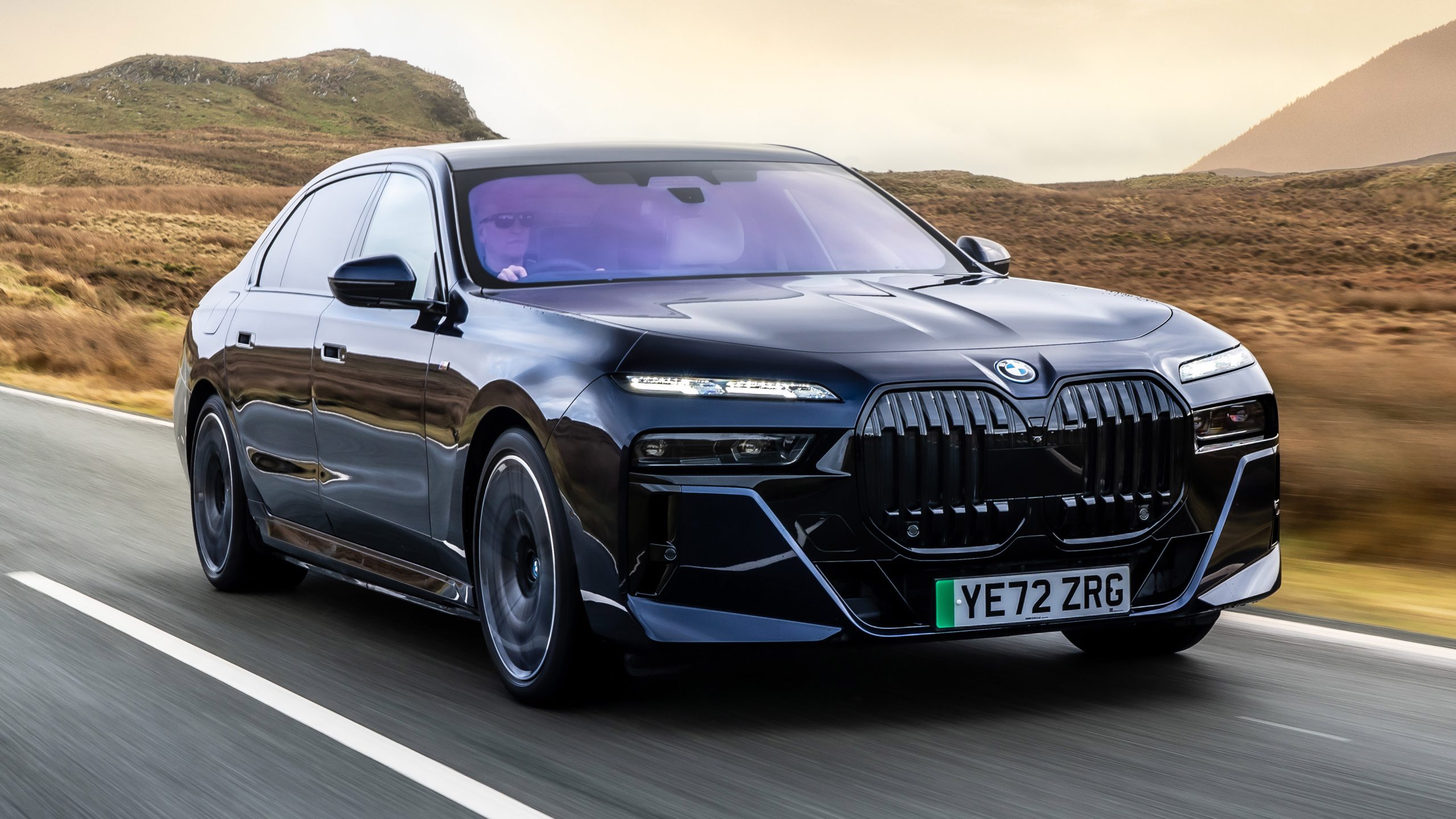
The BMW 7 Series is a flagship luxury sedan known for advanced technology, comfort, and performance. While it impresses on paper, it proves very expensive for long-term city ownership. Its high-tech systems, including air suspension and complex electronics, do not handle urban driving well. Frequent bumps, potholes, and stop-and-go traffic accelerate wear and increase maintenance costs.
Depreciation is extreme for the 7 Series. Over five years, it can lose between 66 and 73 percent of its value, leaving a five-year-old model worth only about 31 to 34 percent of its original MSRP.
This rapid decline is caused by technological obsolescence, as each new generation introduces innovations such as the 31.3-inch “Theater Screen” and updated iDrive 8.5 systems, making previous models seem outdated. Many 7 Series vehicles are leased for two to three years and then returned to the used market at the same time, creating oversupply and further reducing resale prices.
City driving increases costs even further. The vehicle’s heavy chassis, sometimes over 5,000 pounds, puts stress on air suspension components, which can cost $500 to $1,000 or more per corner to repair.
Frequent stop-and-go traffic wears expensive brakes and cooling components, costing $300 to $800 for replacements. Annual maintenance averages between $1,200 and $2,500, while oil changes with high-end synthetic lubricants range from $200 to $500.
When depreciation, financing, insurance, and maintenance are considered, the five-year cost to own a 2026 BMW 7 Series can exceed $140,000. Once the four-year or 50,000-mile warranty expires, reliability drops, and resale becomes difficult.
While the BMW 7 Series is a marvel of engineering, its high depreciation, expensive repairs, and vulnerability to city wear make it a poor choice for urban drivers who want long-term affordability and manageable maintenance costs.
2. Maserati Ghibli: A Striking Luxury Sedan with Costly Urban Realities
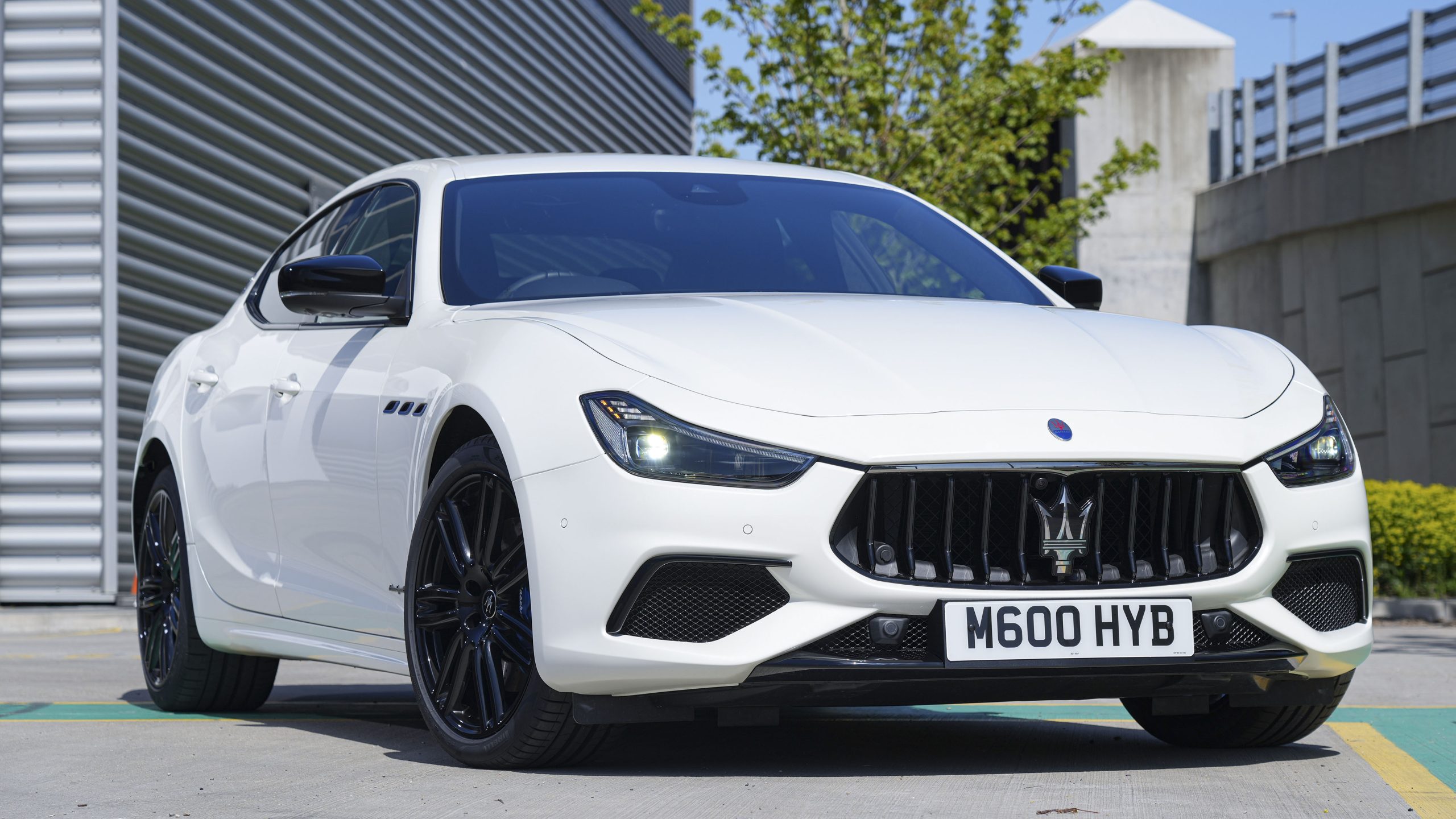
The Maserati Ghibli is undeniably beautiful and emotionally appealing, but it remains one of the clearest examples of a luxury vehicle that becomes prohibitively expensive to own over time, especially in city environments. While used prices may appear attractive, long-term affordability is undermined by extreme depreciation, specialized maintenance, and poor tolerance for urban driving conditions.
Depreciation is one of Ghibli’s biggest financial drawbacks. Within five years, most models lose between 70 and 80 percent of their original MSRP. This steep drop reflects buyer hesitation in the used market, where concerns over reliability and repair costs sharply reduce demand.
While second-hand buyers may purchase the car at a significant discount, maintenance and repair expenses remain firmly in luxury territory, creating a mismatch between purchase price and ownership costs.
City driving places additional strain on the Ghibli’s performance-oriented hardware. Frequent stop-and-go traffic accelerates wear on its heavy-duty Brembo braking system, with brake replacement costs commonly ranging from $1,500 to $3,000. Urban potholes and uneven pavement also stress the suspension, where repairs such as replacing control arms or electronic dampers can exceed $2,500 per axle.
Maintenance is both specialized and frequent. The Ghibli relies on Ferrari-derived engine components and requires trained Maserati technicians. Routine annual service typically costs $600 to $1,200, while major service intervals after four years can reach $3,000 to $4,500. Limited availability of certified technicians in many regions further drives up labor costs.
Mechanical and electrical issues are amplified in city use. Cooling systems suffer from extended idling, and complex electronics used for parking and safety systems are prone to glitches that require costly diagnostics. Fixed expenses add to the burden, with insurance averaging over $6,000 per year and city fuel economy often falling to 13 to 15 MPG on premium fuel.
The Maserati Ghibli delivers style and performance, but its volatility, high running costs, and urban fragility make it a poor choice for city drivers seeking sustainable luxury ownership.
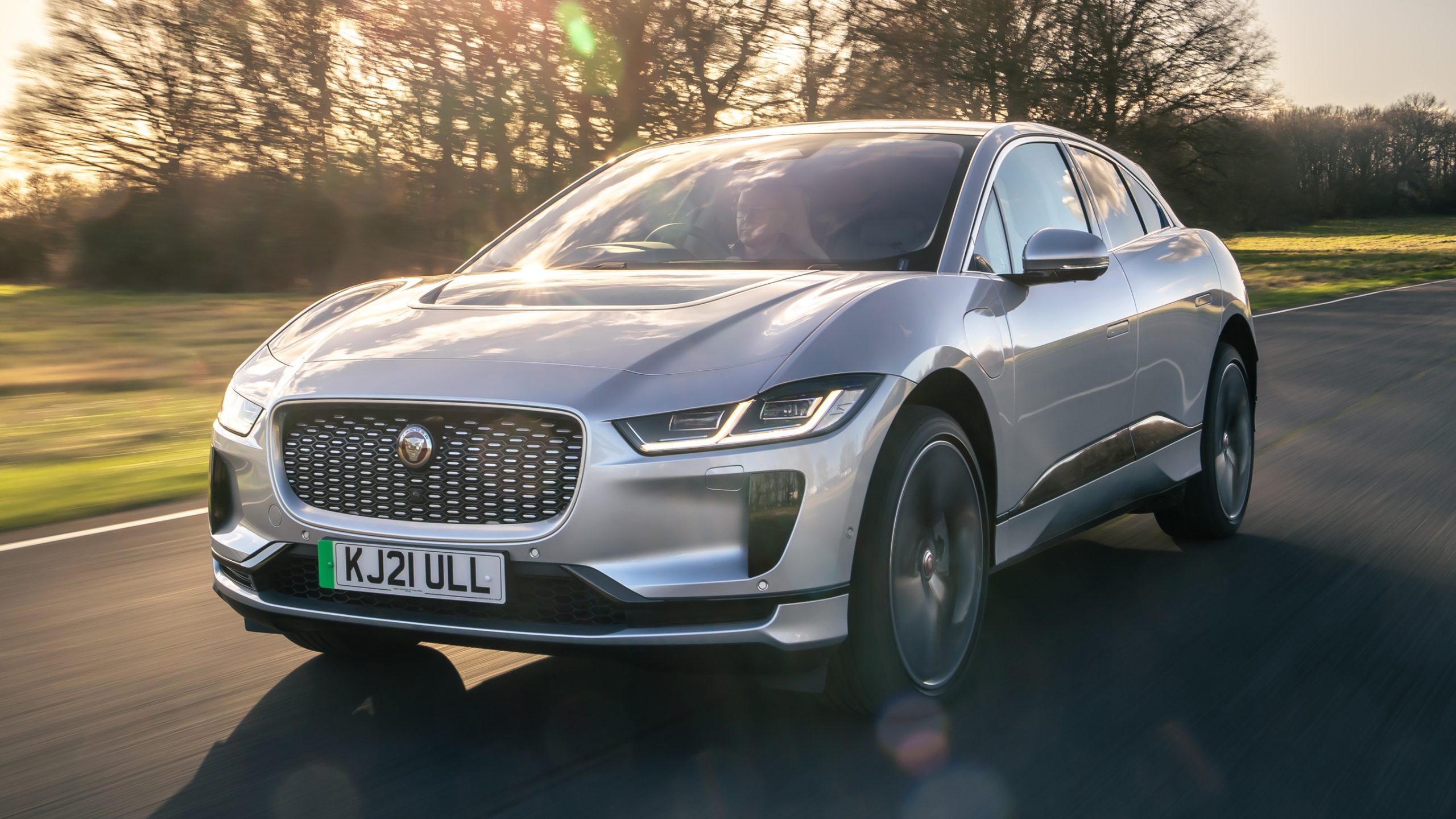
3. Jaguar I-PACE: A Premium Electric SUV with Costly Long-Term Ownership
The Jaguar I-PACE was a groundbreaking electric SUV when it launched, but by 2026, it struggles to remain affordable for long-term city use. Rapid advances in electric vehicle technology, combined with high maintenance costs and steep depreciation, have made the I-PACE an expensive vehicle to hold onto, despite its premium design and performance.
Maintenance and repair costs are significantly higher than expected for an EV. Jaguar dealer servicing is expensive, with total service and repair expenses over the first ten years often exceeding $17,000. This is several thousand dollars more than the average luxury SUV.
There is also an estimated 49.8 percent chance of a major repair within the first decade of ownership, which is worse than many rivals. The I-PACE uses specialized components such as air suspension and complex charging hardware, and these systems can be costly to repair once the vehicle is out of warranty.
Technological obsolescence is another major factor driving ownership costs. While the I-PACE was innovative in 2018, it has fallen behind newer electric competitors. Its DC fast-charging capability peaks at 100 kW and often delivers less in real-world use, whereas many newer EVs support charging speeds of 200 kW or more.
Limited hardware and software updates during its lifecycle have left it trailing rivals in efficiency, infotainment, and charging convenience, which reduces its appeal in the used market.
Depreciation is severe. Early, high-mileage models now sell for a fraction of their original price, reflecting buyer concern about reliability and post-warranty repair costs. The model’s discontinuation has further reduced confidence, and potential buyers are wary of battery replacement costs that can exceed $11,000 out of warranty.
City-specific challenges add to the burden. For drivers without home charging, public charging costs can rival gasoline expenses. Insurance premiums are high due to the vehicle’s classification, and frequent short trips can worsen known issues with auxiliary batteries and charging software.
The Jaguar I-PACE remains stylish and capable, but rapid depreciation, outdated technology, and high ownership costs make it a difficult choice for long-term urban use.
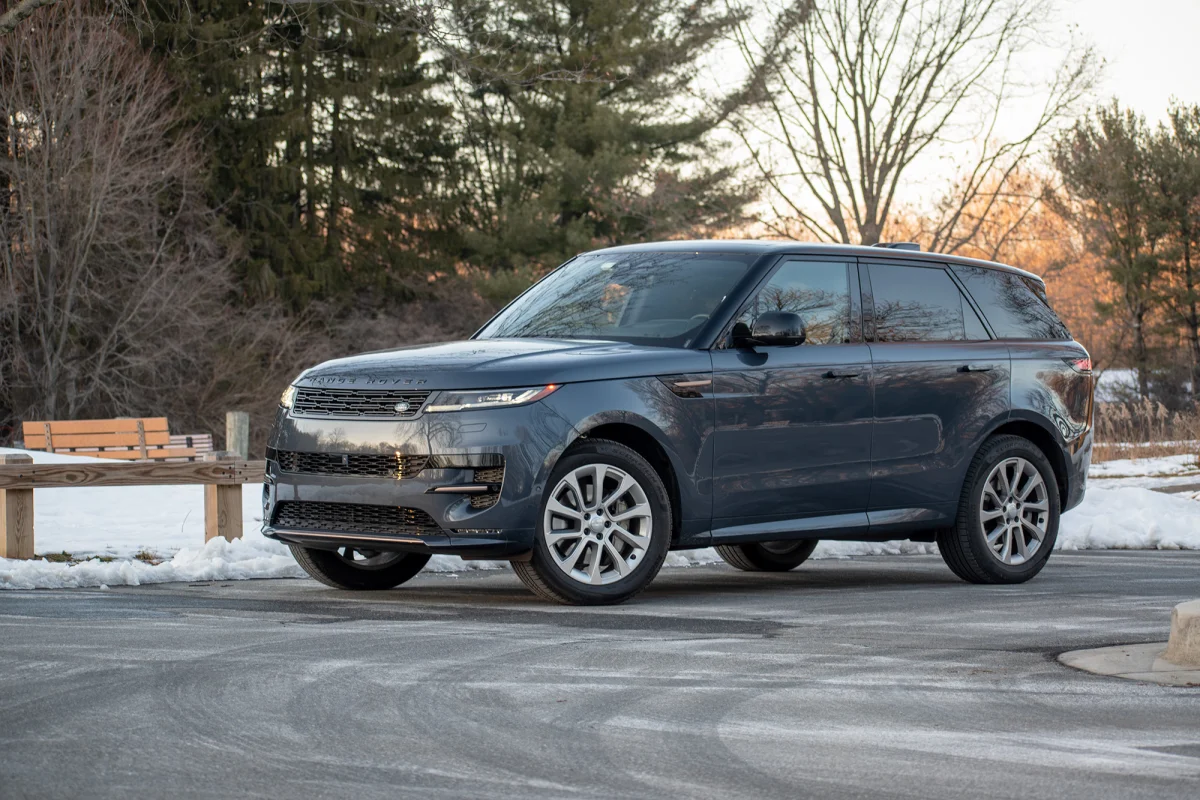
4. Range Rover Sport: Prestige That Comes at a High Urban Cost
The Range Rover Sport delivers strong visual presence and luxury appeal, but it struggles to remain financially viable for long-term city ownership. In urban environments, its costs rise quickly due to a combination of steep depreciation, expensive maintenance, and mechanical systems that are far more complex than those in daily city driving.
Depreciation represents the largest financial loss. The Range Rover Sport is among the fastest-depreciating luxury SUVs, often losing more than 50 percent of its original value within three years.
With starting prices commonly exceeding $85,000, this rapid value drop results in a significant loss of equity that outweighs fuel or insurance expenses. Once the factory warranty ends, resale values decline further as buyers anticipate high repair costs.
Maintenance and repairs add to the burden. The Sport relies on advanced engineering that requires specialized Land Rover technicians, whose labor rates are higher than average. Parts costs are also elevated due to proprietary electronics and heavy-duty components.
There is roughly a 51 percent likelihood of a major repair costing over $1,000 within the first five years of ownership. The air suspension system is a frequent source of expense, as aging seals and electronic sensors can fail and lead to multi-thousand-dollar repair bills.
City driving intensifies wear and tear. Constant stop-and-go traffic accelerates brake wear, and the Sport’s size and weight mean brake components are large and expensive to replace.
Low-speed urban driving limits engine cooling, placing added stress on aging cooling systems and increasing the risk of failures in hoses, gaskets, and plastic coolant components. Short trips also contribute to carbon buildup, and diesel versions can suffer from clogged particulate filters that are costly to clean or replace.
Insurance and daily running costs further erode affordability. High theft rates and expensive aluminum body panels push insurance premiums higher, while premium fuel requirements and city fuel economy below 20 mpg result in a high monthly operating cost.
While the Range Rover Sport offers luxury and capability, its complexity and expense make it an impractical choice for long-term city use.
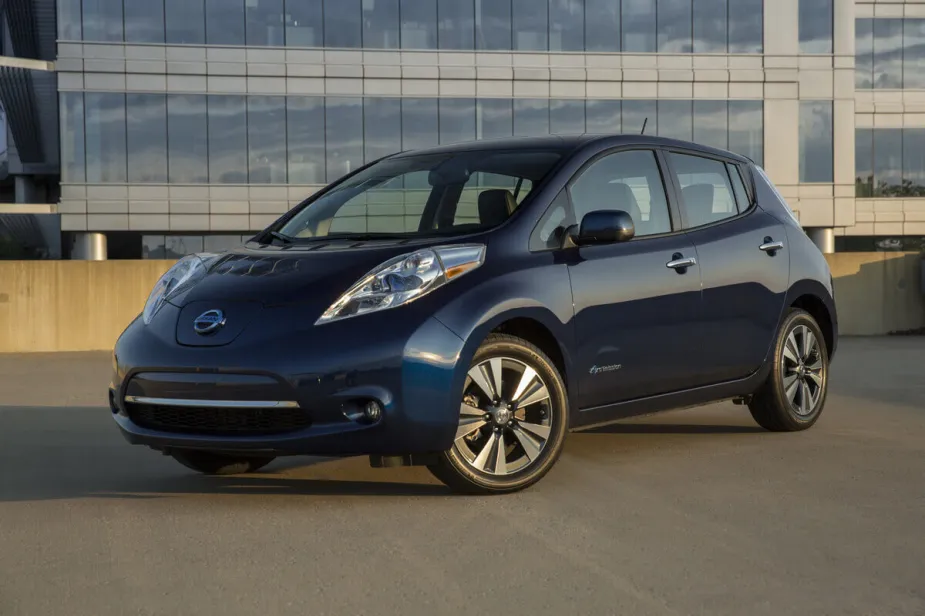
5. Older Nissan LEAF: Low Entry Price, High Long-Term Risk
Older Nissan LEAF models from roughly 2011 to 2017 are often marketed as affordable used EVs, but their long-term suitability for city driving is limited by fundamental design shortcomings and growing technological obsolescence. While the initial purchase price may look appealing, ownership costs and usability challenges tend to rise sharply over time, especially in dense urban environments.
The most critical issue is battery degradation. Early LEAFs rely on a passive air-cooled battery system rather than liquid thermal management. In city use, frequent stop-and-go driving, short trips, and repeated fast charging generate heat that the battery cannot effectively dissipate.
Over time, this accelerates cell degradation. A LEAF that once delivered around 80 miles of range can decline to 35 or 45 miles, forcing more frequent charging and significantly reducing day-to-day practicality. As the usable range drops, the effective cost per mile increases, even though electricity itself is inexpensive.
Battery replacement economics further undermine affordability. By 2026, a 2015 LEAF may sell for only $4,000 to $6,000. However, once battery health falls below acceptable levels, a replacement pack from Nissan can cost between $8,000 and $12,000.
Because this exceeds the vehicle’s market value, many owners are faced with a difficult choice: scrap the car or invest more than it is worth. This turns the LEAF into a disposable asset rather than a long-term transportation solution.
Charging infrastructure adds another layer of risk. Older LEAFs use the CHAdeMO fast-charging standard, which is rapidly disappearing as networks shift toward newer standards. Urban drivers without home charging may find compatible stations increasingly scarce, reducing convenience and further depressing resale values.
Although older LEAFs remain mechanically simple and reliable, their battery limitations, charging challenges, and poor resale prospects make them a risky choice for long-term city ownership. What appears to be an inexpensive EV often proves costly in reduced usability and lost value.
Urban affordability is not accidental. The cars that remain economical over years of city use share common traits: simple and proven powertrains, strong resale value, efficient energy use, and designs that tolerate frequent braking, idling, and low-speed operation.
Vehicles like the Prius, Civic, Crosstrek, CX-30, and Corolla Hatchback succeed because they reduce wear, avoid unnecessary complexity, and maintain demand in the used market. In contrast, the cars that fail in city environments tend to rely on advanced but fragile systems, suffer rapid depreciation, or face infrastructure and reliability challenges that grow worse with time.
Luxury sedans, high-end SUVs, and early-generation EVs often become financial traps once warranties expire and urban wear sets in. The key takeaway is clear: long-term city ownership rewards restraint, not excess. Choosing a car designed for durability and efficiency can save tens of thousands of dollars over its lifespan, making daily commuting predictable, manageable, and far less stressful.
Also read: 10 Cars That Are Shockingly Easy to LS Swap Without Breaking the Bank