City driving places unique demands on vehicles. Frequent stop-and-go traffic, potholes, speed bumps, tight corners, and repeated starts and stops reveal weaknesses in suspension, brakes, powertrains, and electronics. Some vehicles are engineered to handle these challenges while keeping passengers comfortable and systems reliable.
In this article, we highlight five models that excel in urban conditions, including the 2026 Subaru Outback, Honda CR-V Hybrid, Toyota Corolla Cross, Toyota Land Cruiser, and Toyota Aygo X. These vehicles combine smooth rides, durable components, and intuitive technology, making daily city driving less stressful.
On the other hand, we examine five models that struggle in urban environments, including the GMC Acadia, Chrysler Pacifica Hybrid, Mazda CX-90, Chevrolet Blazer EV, and Volvo XC40. Their mechanical and electronic weaknesses, combined with limited maneuverability, reduce comfort and reliability in city traffic. This comparison helps drivers identify vehicles that truly balance comfort and durability with those that do not.
5 Cars That Balance Comfort and City Abuse
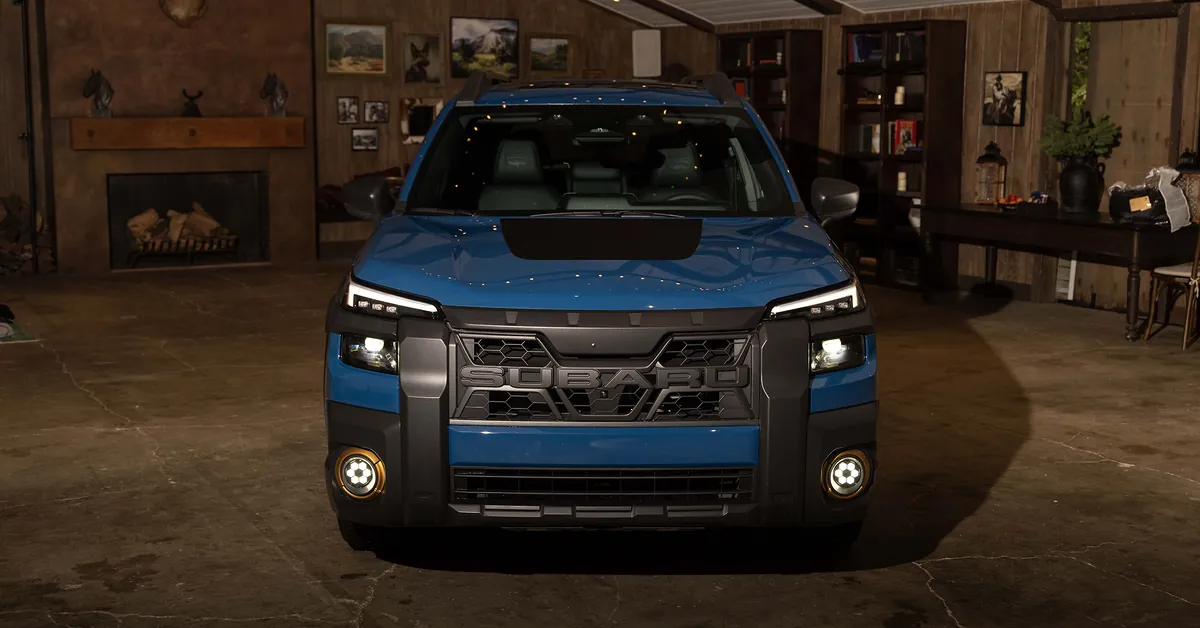
1. 2026 Subaru Outback: Comfort, Capability, and City-Ready Design
The 2026 Subaru Outback is engineered to handle both urban streets and light off-road conditions with ease. Its long-travel suspension, 8.7-inch ground clearance, and car-based wagon design allow it to navigate potholes, rutted roads, and uneven pavement without transferring harsh impacts to passengers.
Symmetrical all-wheel drive (AWD) combined with a low-center-of-gravity Boxer engine ensures stability and control, while the wagon’s footprint and excellent visibility make tight city parking and maneuvering straightforward. Unlike traditional SUVs with stiff rides, the Outback strikes a balance between absorbing city “abuse” and maintaining driver comfort, making daily commuting and errands more relaxed.
Under the hood, the Outback offers two four-cylinder engines: a standard 180-hp 2.5-liter and an optional 260-hp turbocharged 2.4-liter, available in XT trims and standard in the Wilderness edition. Both engines pair with a continuously variable transmission (CVT), delivering smooth, efficient driving, although the CVT can feel jerky or unexciting under aggressive acceleration.
Estimated 0–60 mph times are 8.8 seconds for the base engine and 6.6 seconds for the turbo. Standard AWD, selectable terrain drive modes, and the Wilderness trim’s added ground clearance, all-terrain tires, and rugged styling maintain Subaru’s reputation for capable light-duty off-roading.
The interior has been significantly updated, emphasizing modern design, comfort, and usability. Premium materials surround a dual-panel digital instrument cluster and a 12.1-inch infotainment display, which integrates Apple CarPlay, Android Auto, and a cloud-based voice recognition system.
Passenger headroom has increased thanks to a 2-inch higher flat roofline, while cargo space has grown by two cubic feet compared to the previous model. The cabin remains quiet on city streets, providing a pleasant environment for daily commutes, though some wind and road noise may be noticeable at highway speeds.
Safety and practicality are central to the 2026 Outback. All models come with Subaru’s latest EyeSight suite of driver-assistance features, including forward-collision warning, automated emergency braking, adaptive cruise control with lane-keeping assist, and optional blind-spot monitoring and rear cross-traffic alert.
Towing capacity ranges from 2,700 pounds for the base engine to 3,500 pounds for the turbocharged variant, while fuel economy is rated at 25/31 mpg city/highway for the standard engine and slightly lower for turbo and Wilderness models. Subaru provides a three-year/36,000-mile limited warranty and a five-year/60,000-mile powertrain warranty, though no complimentary scheduled maintenance is included.
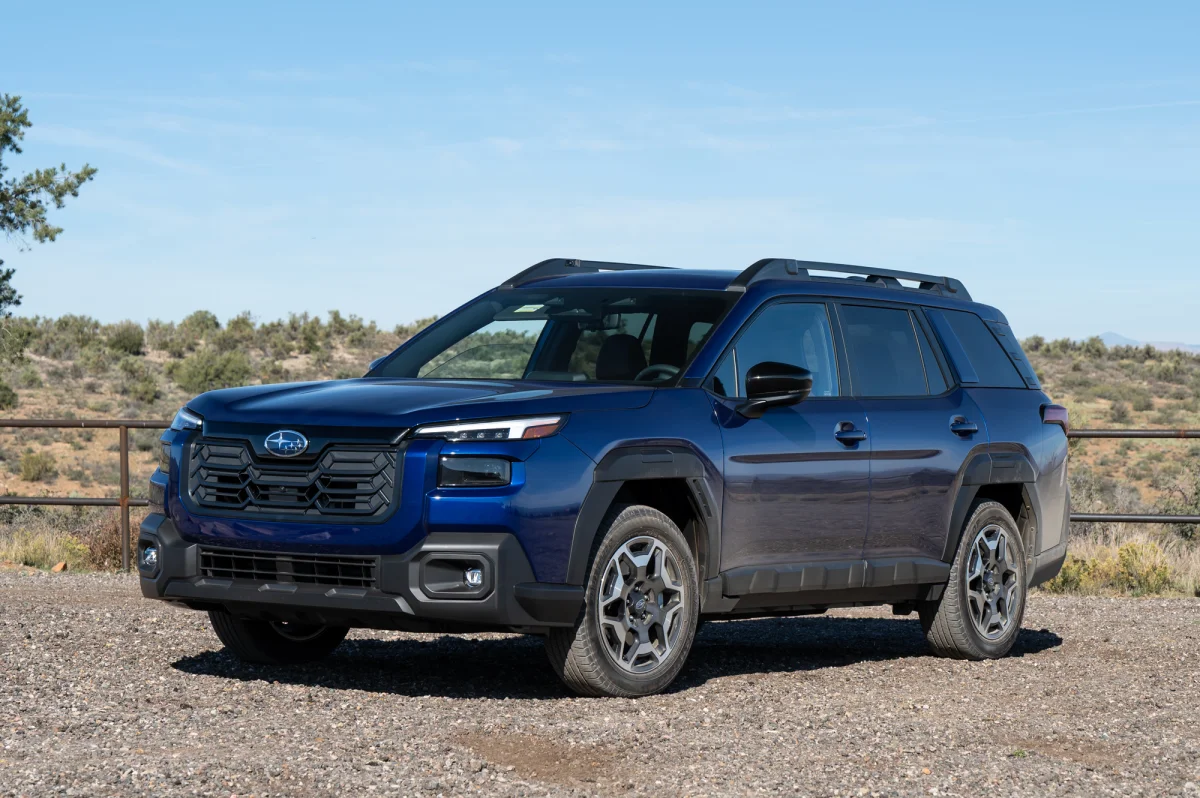
2. 2026 Honda CR-V Hybrid: Comfortable, Efficient, and City-Ready
The 2026 Honda CR-V Hybrid is designed to excel in urban driving while remaining capable for light off-road adventures. Its suspension is finely tuned to absorb bumps, potholes, and uneven city streets, delivering a smooth and comfortable ride even in dense traffic.
The e:HEV hybrid system seamlessly alternates between electric, hybrid, and engine power, allowing the CR-V to run on electric energy alone in stop-and-go conditions, reducing fuel consumption and engine wear.
With instant electric torque, a quiet cabin, and a resilient build, the CR-V Hybrid manages city “abuse” while keeping passengers relaxed and comfortable. Its spacious interior, reclining rear seats, and large cargo area make it practical for daily commuting and errands, offering up to 76.5 cubic feet of storage with the seats folded.
Under the hood, the CR-V Hybrid pairs a 2.0-liter four-cylinder engine with two electric motors to produce 204 horsepower and 335 Nm of torque. The Sport Hybrid comes in front-wheel or all-wheel-drive configurations, with AWD standard on TrailSport and Sport Touring models.
A new enhanced traction-management system improves low-speed stability and can split torque between axles for better grip in slippery conditions. Acceleration is adequate for the class, with the Sport Touring Hybrid reaching 60 mph in 7.1 seconds, while the TrailSport is slightly slower at 7.3 seconds.
Though it lacks the sharp handling of rivals like the Mazda CX-50, the CR-V Hybrid delivers a smooth and composed ride, making it a satisfying urban SUV.
The interior focuses on comfort, usability, and technology. Honda provides premium materials, a logical control layout, and an infotainment system featuring a 9.0- to 10.2-inch touchscreen, wireless Apple CarPlay and Android Auto, and optional Google navigation and Bose audio on higher trims.
The cabin offers generous legroom for passengers, and the rear seats fold flat for expanded cargo capacity. Fuel economy is a strong point, with front-wheel-drive models rated at 43 mpg city/36 mpg highway, AWD at 40/34 mpg, and the TrailSport at 38/33 mpg. Real-world testing showed slightly higher efficiency than EPA estimates, demonstrating the hybrid’s effectiveness in everyday driving conditions.
Safety and practicality are standard priorities for the CR-V Hybrid. Honda SENSING includes lane-keeping assist, adaptive cruise control, forward-collision warning, automated emergency braking, and blind-spot monitoring. Towing capacity is rated at 1,000 pounds with optional accessories.
Warranty coverage is competitive, with a three-year/36,000-mile limited warranty, a five-year/60,000-mile powertrain warranty, and one year or 12,000 miles of complimentary scheduled maintenance. The 2026 CR-V Hybrid is a quiet, efficient, and practical SUV that balances comfort, city resilience, and utility, making it a top choice for urban commuters who want efficiency without sacrificing versatility.
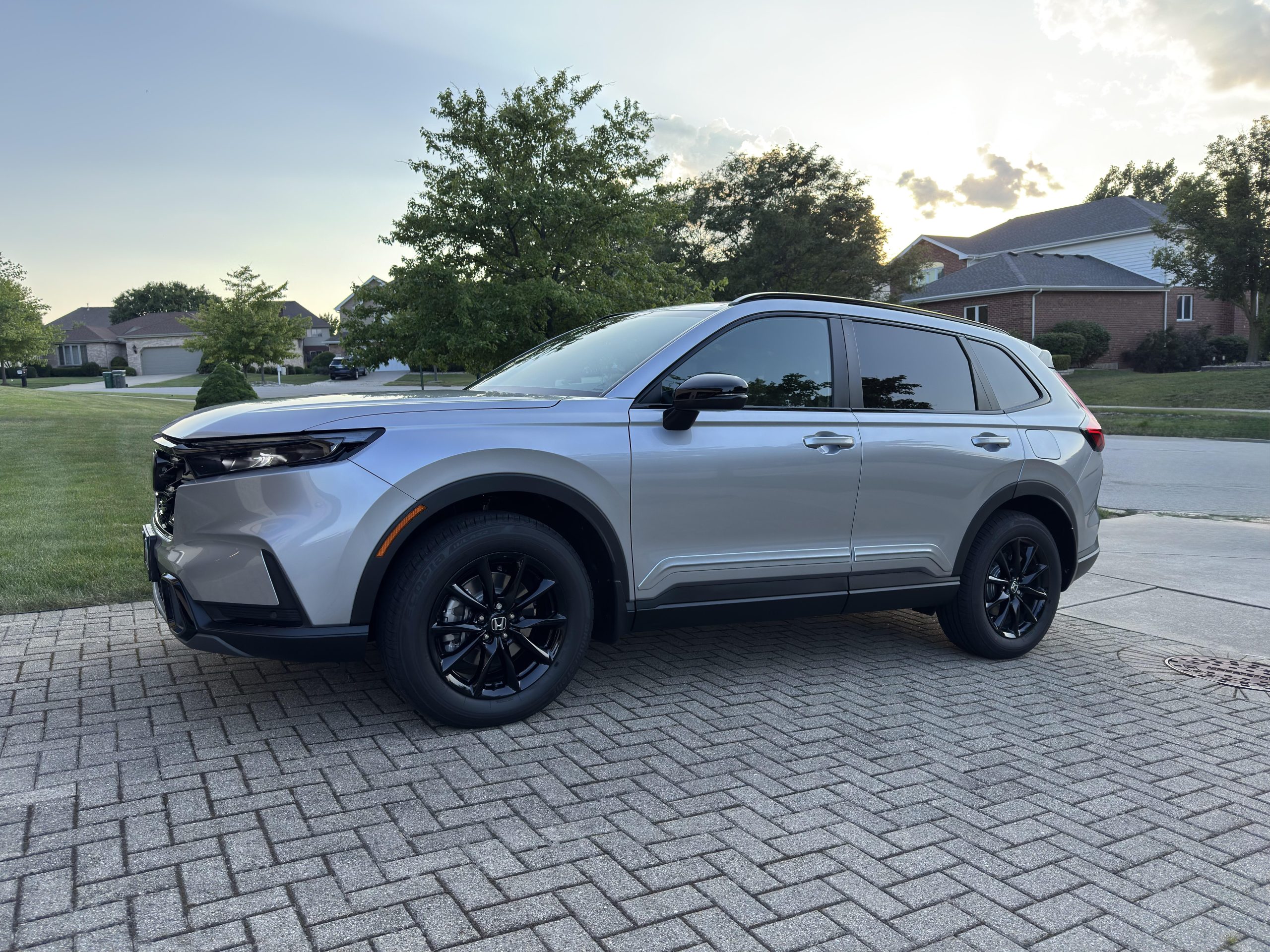
3. 2026 Toyota Corolla Cross: Reliable, Efficient, and Urban-Ready
The 2026 Toyota Corolla Cross is a compact SUV that blends urban practicality with Toyota’s renowned reliability, earning a high score of 79/100. Designed to balance comfort and city-abuse durability, it features a suspension tuned to absorb potholes, speed bumps, and rough pavement, delivering a cushioned ride that shields passengers from the harshness of city streets.
With a compact footprint of just over 175 inches in length and 6.7 inches of ground clearance, the Corolla Cross is easy to maneuver and park, while maintaining confidence over uneven terrain. Its hybrid powertrain provides instant torque, smooth acceleration, and quiet operation, making it well-suited for stop-and-go traffic while preserving fuel efficiency.
Comfort and usability are key strengths of the Corolla Cross. The hybrid system allows seamless transitions between EV, engine, and hybrid modes, ensuring smooth and quiet driving, particularly in dense urban environments. The cabin is practical and user-friendly, offering enough space for passengers and everyday cargo, though it is modest in design and materials compared to some competitors.
Toyota Safety Sense enhances the driving experience with standard features such as pre-collision warning and lane-trace assist, reducing stress during heavy traffic. While the ride is firm, it absorbs urban imperfections effectively, and light steering combined with excellent visibility makes city driving straightforward and confidence-inspiring.
In terms of performance, the Corolla Cross is built more for reliability and efficiency than for sporty driving. Its 2.0-liter engine provides adequate acceleration but is not particularly thrilling, and some reviewers note that gas-powered models feel underpowered compared to hybrids.
Road noise and coarser engine sounds can become noticeable at highway speeds, and cargo space, while functional, is smaller than in some competitors, especially in all-wheel-drive versions, where battery placement reduces interior room. Nonetheless, the Corolla Cross excels in fuel economy, with hybrid models achieving impressive figures around 22–28 km/L, even in stop-and-go city conditions.
The 2026 Toyota Corolla Cross is a sensible, practical, and reliable urban SUV, particularly in hybrid form. It prioritizes comfort, efficiency, and durability over high performance, making it ideal for city commuters, small families, or anyone seeking a low-maintenance, everyday vehicle.
Its compact size, resilient suspension, quiet hybrid powertrain, and user-friendly interior make it a capable city crossover, while Toyota’s reputation for long-term reliability ensures peace of mind. Although it may not excite with speed or luxury finishes, it succeeds as a versatile, wallet-friendly choice that balances fuel efficiency, daily usability, and dependable performance for everyday urban life.
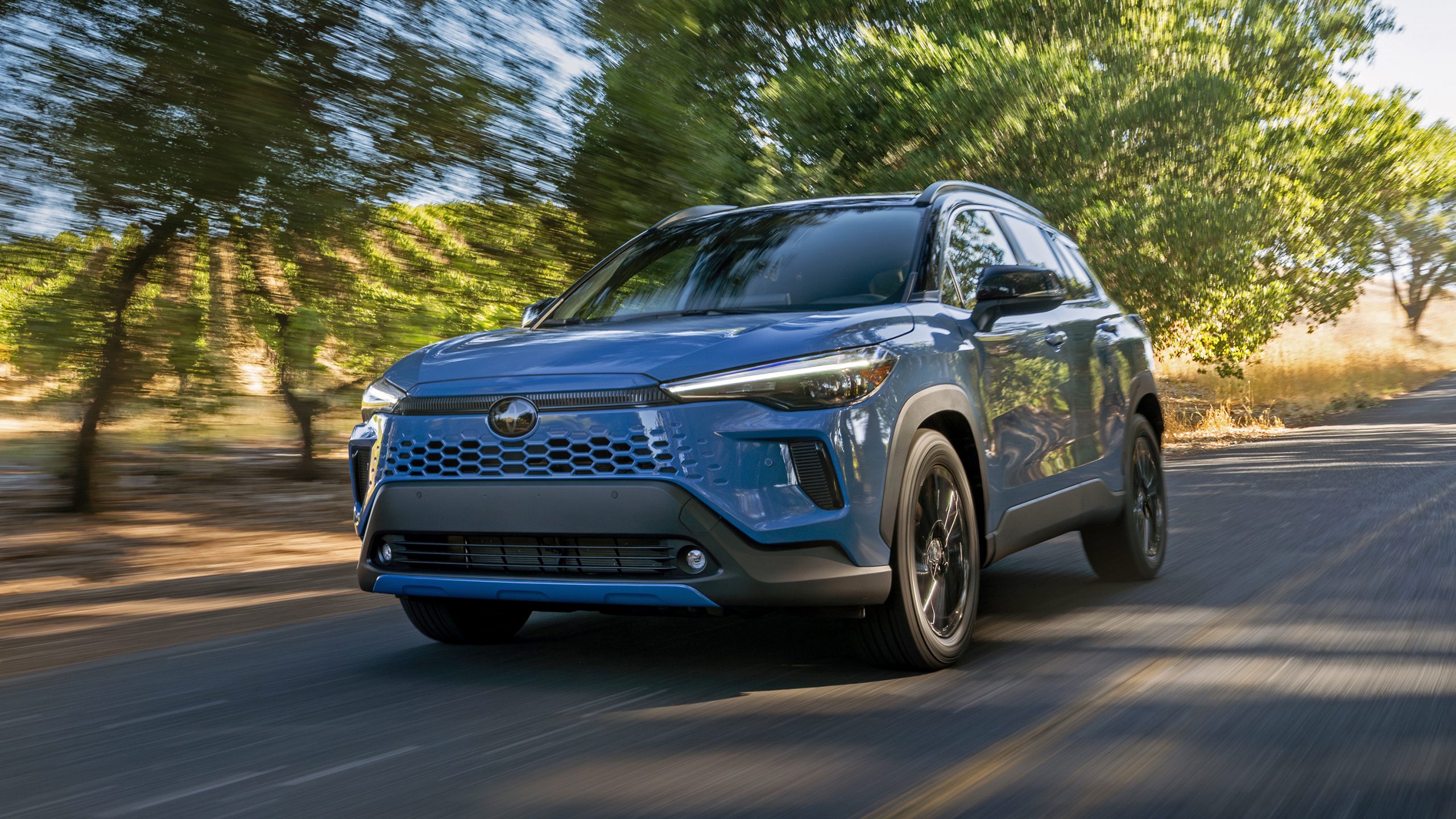
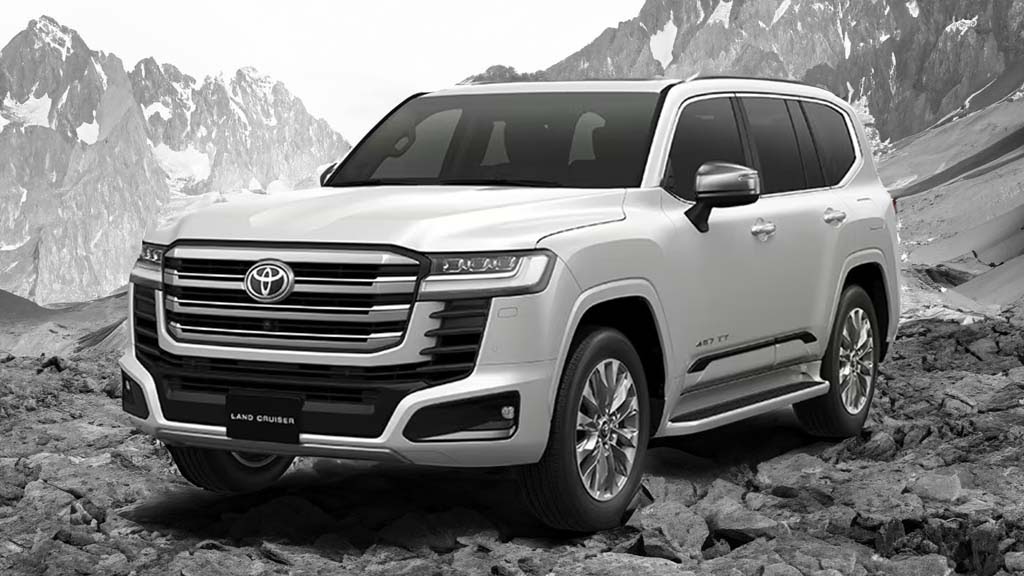
4. 2026 Toyota Land Cruiser: Rugged Durability Meets Luxury Comfort
The 2026 Toyota Land Cruiser combines legendary durability with refined luxury, making it equally at home on rough city streets and challenging off-road trails. Its body-on-frame construction provides superior rigidity, allowing the SUV to withstand years of potholes, speed bumps, and urban wear without rattles or structural issues.
High ground clearance, robust suspension, skid plates, and large alloy wheels ensure that the Land Cruiser can absorb bumps, curbs, and construction debris while maintaining a premium driving experience. Despite its size, the SUV offers light steering, excellent visibility, and a commanding driving position, making city maneuvering surprisingly manageable.
Comfort and refinement are central to the Land Cruiser’s design. The cabin rivals luxury SUVs with premium leather seats, advanced infotainment systems, and top-tier noise insulation. Multi-zone climate control, ventilated and heated seats, and a refrigerated console enhance the commuting experience.
Suspension tuning strikes a balance between off-road capability and smooth urban performance, minimizing the harshness of city streets. Powerful V6 or turbo-hybrid engines provide strong, smooth acceleration, making highway merges and stop-and-go traffic effortless.
Even in lower trims, features such as heated seats, a heated steering wheel, and quality audio systems maintain a sense of refinement, while higher trims offer upgraded leather upholstery, ventilated seating, and premium stereo systems.
The 2026 Land Cruiser has also been downsized to a two-row, five-seat SUV, positioning it against mid-size competitors like the Ford Bronco and Jeep Wrangler. Its hybrid powertrain pairs a turbocharged 2.4-liter four-cylinder engine with two electric motors, producing 326 horsepower and driving through an eight-speed automatic transmission with four-wheel drive, low-range gearing, crawl control, and hill-descent assistance.
This setup delivers smooth torque, though the electric boost can feel inconsistent. With a towing capacity of up to 6,000 pounds and substantial cargo space to carry 17 carry-on suitcases behind the rear seats, 31 with seats folded, the SUV remains highly practical. Fuel economy is estimated at 22 mpg city, 25 mpg highway, and 23 mpg combined, slightly underperforming in real-world highway tests.
Safety and technology are standard highlights. Toyota Safety Sense 3.0 includes adaptive cruise control with lane-centering, lane-departure warning, automated emergency braking, and pedestrian detection. Infotainment features include wireless Apple CarPlay and Android Auto, USB-C ports, and an optional 12.3-inch touchscreen with premium audio.
Warranty coverage is competitive, with three years/36,000 miles limited, five years/60,000 miles powertrain, ten years/150,000 miles for hybrid components, and two years/25,000 miles of complimentary maintenance. The 2026 Land Cruiser is a versatile “do-it-all” SUV, seamlessly bridging rugged capability, city durability, and luxury comfort.
5. 2026 Toyota Aygo X: Compact, Capable, and City-Ready
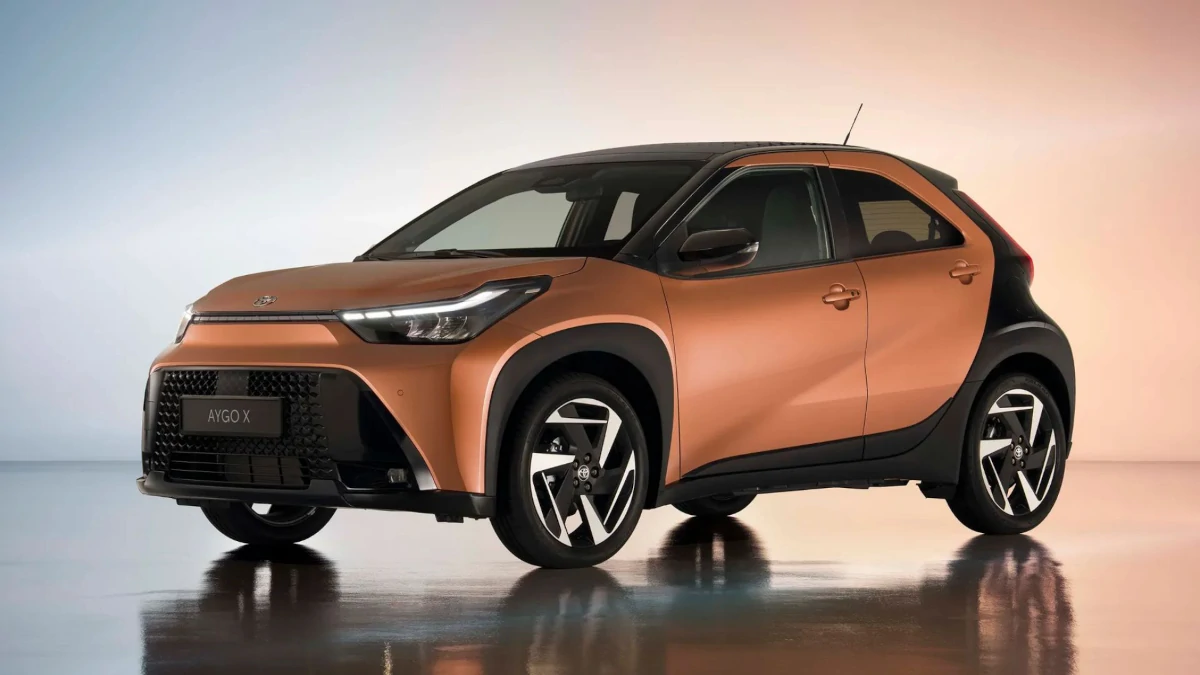
The 2026 Toyota Aygo X is a compact crossover designed for agile, urban driving while providing a comfortable ride over rough city streets. Its “crossover-spec” suspension absorbs potholes and speed bumps rather than transmitting impacts to passengers, offering a stable and cushioned ride despite the vehicle’s small footprint.
Built on Toyota’s TNGA GA-B platform, shared with the Yaris and Yaris Cross, the Aygo X combines higher ground clearance, a raised ride height, and a tight 4.7-meter turning circle to make parking, maneuvering, and negotiating crowded streets effortless.
Its design is chunky yet playful, with 17- or 18-inch wheels, LED lighting, optional peel-back fabric roof, and a practical, upright cabin for improved visibility and confidence in heavy traffic.
Comfort and usability remain central to the Aygo X’s appeal. The cabin is quiet, with supportive front seats and a well-laid-out interior for city commuting. Despite its size, it maintains adequate space for daily passengers and luggage, while safety features such as autonomous emergency braking help detect pedestrians and cyclists.
Light steering and a higher driving position improve handling in congested streets, while the crossover-style ride reduces the harshness of potholes and uneven pavement.
The vehicle’s modest powertrain, a 1.0-liter three-cylinder engine producing 71 hp, prioritizes efficiency over speed, offering over 50 mpg in urban driving. Acceleration is leisurely, with 0-62 mph in approximately 15 seconds, but it is well-suited to stop-start city conditions.
While the Aygo X lacks four-wheel-drive capability, it excels as a front-wheel-drive urban specialist. The engine is paired with either a five-speed manual or a small CVT, with the manual providing more engaging driving in tight spaces. Its raised ride height helps improve visibility and navigate pothole-filled streets, while the small footprint makes it nimble and light on its feet.
Compared with rivals like the Dacia Sandero, Fiat 500, Hyundai i10, Kia Picanto, and Suzuki Swift, the Aygo X stands out for combining a crossover aesthetic with city car practicality, offering a more durable alternative to standard hatchbacks.
The Toyota Aygo X revives the city car segment with a playful, functional, and efficient design. It handles urban “abuse” such as potholes, tight turns, and stop-and-go traffic while keeping passengers comfortable and secure.
Its efficient 1.0-liter engine, compact size, and raised suspension make it a sensible choice for city dwellers who want style, practicality, and reliability. Though modest in power and lacking all-wheel drive, the Aygo X proves that small, fun-to-drive city cars can still thrive in the modern crossover-dominated market.
Also Read: 5 Cars That Stay Reliable With Urban Mileage vs 5 Known for City-Specific Issues
5 That Don’t Hold Up
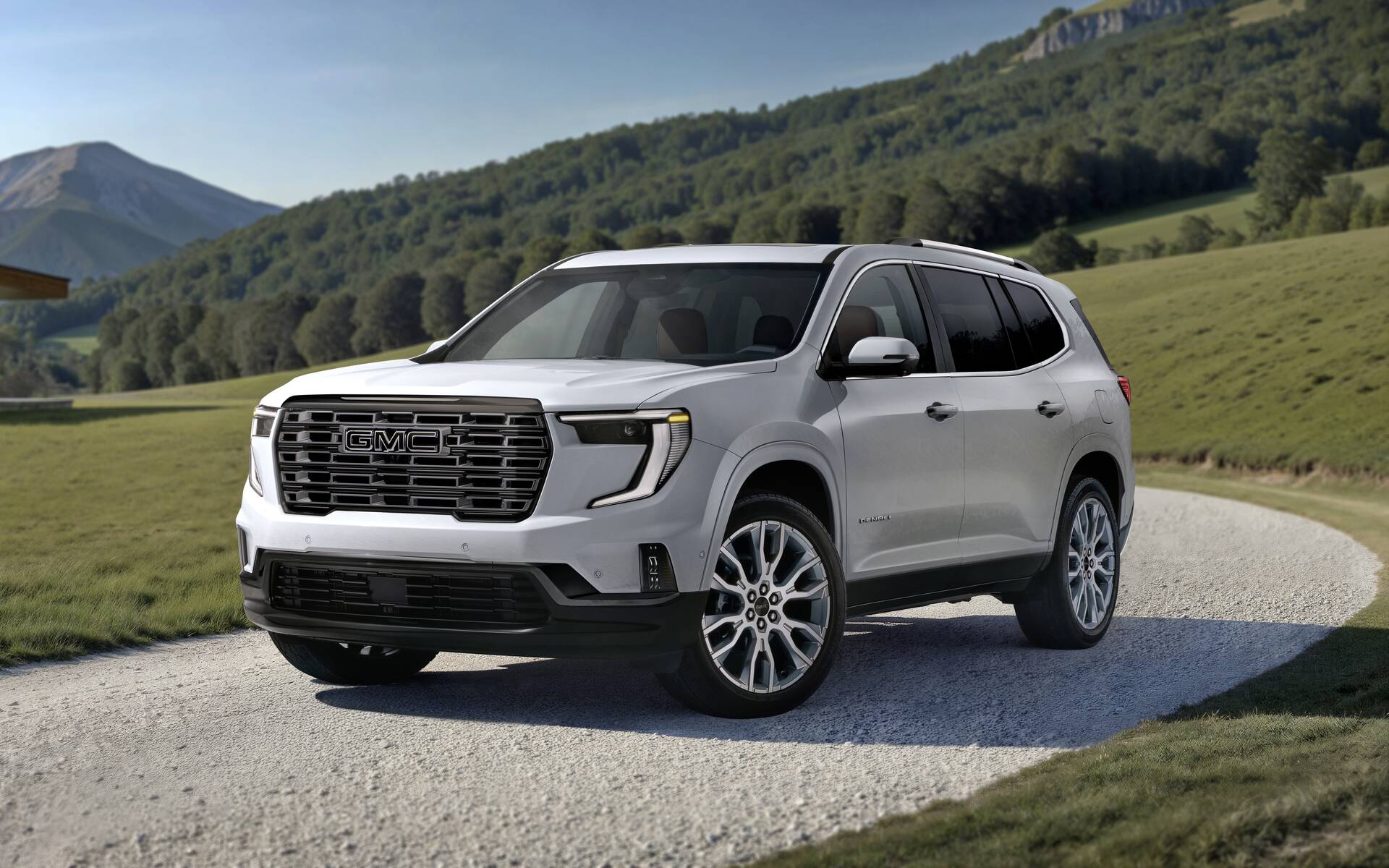
1. 2026 GMC Acadia: Struggling with Urban Reliability
The 2026 GMC Acadia has a very low reliability score of 14 out of 100 and is considered one of the most problematic new vehicles. City driving, with its constant stop-and-go traffic, frequent idling, and short trips, highlights the SUV’s mechanical and electronic weaknesses. While the interior is spacious and comfortable, the Acadia’s powertrain and electronics often fail to withstand the demands of urban use.
Mechanically, the Acadia uses a 2.5-liter turbocharged 4-cylinder engine producing 328 horsepower. Many owners and reviewers report that the engine feels strained in city traffic and struggles to move the heavy SUV efficiently. The 8-speed automatic transmission is described as jerky at low speeds, which makes frequent starts and stops difficult.
Fuel economy is also a concern, with some drivers reporting as low as 19 miles per gallon in city conditions. Short trips prevent the engine from reaching optimal operating temperature, worsening known issues such as faulty thermostats and triggering unrelated warnings like steering assist reduced.
The SUV’s brakes and suspension are also stressed in urban driving. The heavy chassis puts constant pressure on the braking system, leading to squealing, early wear, and even failures as low as 1,158 miles. In July 2025, General Motors issued a stop-sale on certain 2026 Acadia units due to unresolved quality concerns, further undermining consumer confidence.
Electronics and infotainment systems are another area of concern. Owners frequently report glitchy touchscreens, static audio, and erratic behavior from the Google-integrated system. Parking assistance and proximity sensors can fail to engage or trigger unexpectedly in tight spaces.
Because of these persistent issues, Consumer Reports removed the 2026 Acadia from its Recommended list. Despite the SUV’s comfortable cabin and practical space, its mechanical and electronic systems struggle to handle the stress of urban driving.
2. 2026 Chrysler Pacifica Hybrid: Urban Convenience with Reliability Concerns
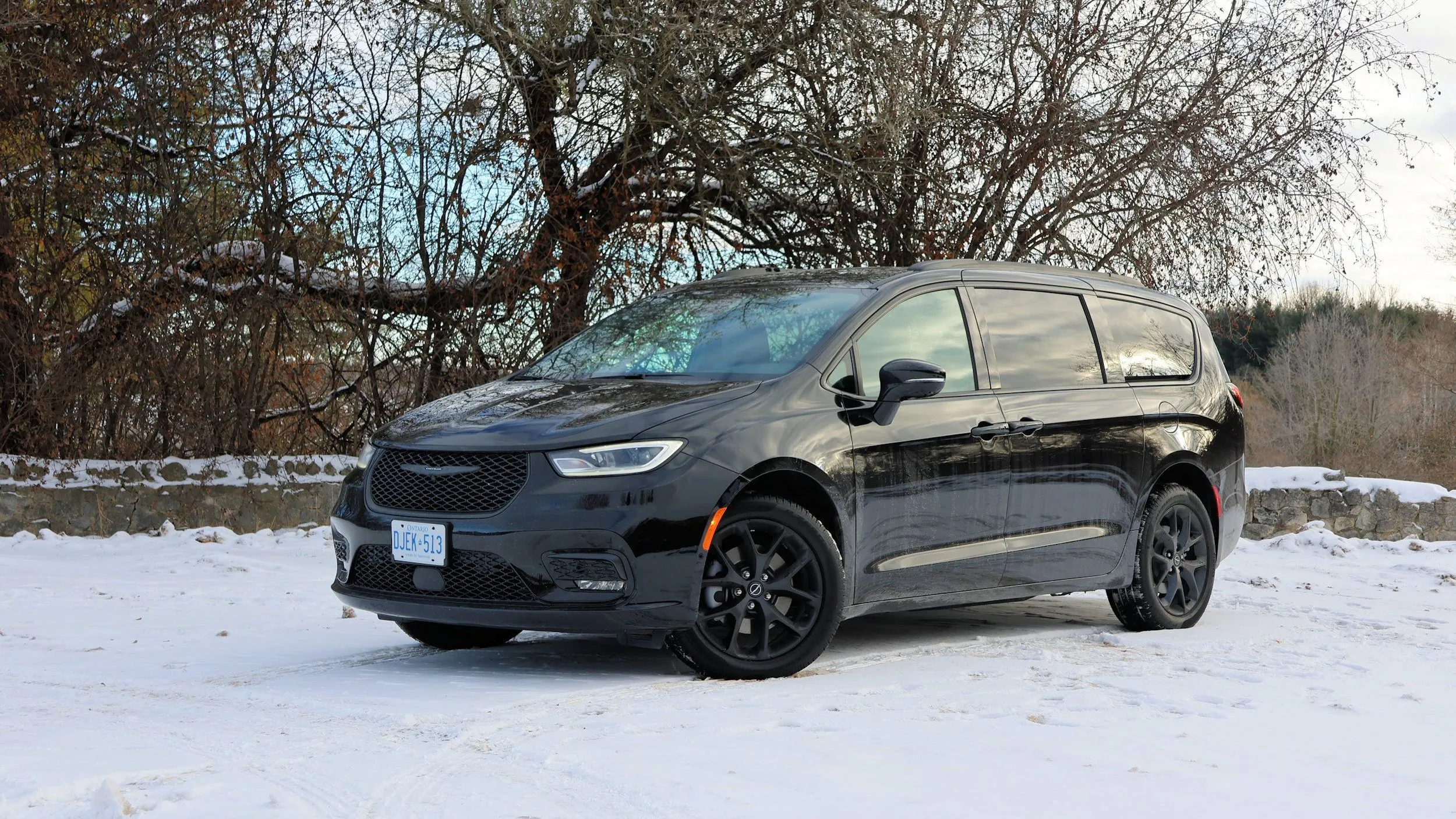
The 2026 Chrysler Pacifica Hybrid offers versatility and utility, but it struggles with reliability, especially in city driving. Consumer Reports assigns it a predicted reliability score of 26 out of 100, making it one of the least dependable vehicles in its class.
Frequent stop-and-go traffic puts significant strain on its complex hybrid powertrain, transmission, and electrical systems, revealing vulnerabilities that compromise performance and safety in urban environments.
City driving exposes the Pacifica Hybrid’s powertrain and transmission weaknesses. Its eFlite electronically variable transmission (EVT) often delivers harsh or jerky shifts, delayed engagement, and occasional lurching at low speeds.
Internal wiring defects can trigger sudden engine shutdowns or activate limp mode, creating potentially dangerous situations in congested traffic. Constant switching between electric and gasoline power during city commutes further stresses these components.
The vehicle’s heavy weight, around 5,000 pounds due to the 16-kWh battery, also strains mechanical systems. Drivers report premature brake wear, soft pedal feel, and clunking suspension noises over potholes or speed bumps. A 2025 recall highlighted loose braking system bolts that could lead to fluid leaks. The suspension struggles to manage the additional weight, leading to rattles and uneven ride quality in urban settings.
Electrical and battery systems are also prone to failure under city conditions. Auxiliary 12-volt battery drain can disable the main battery, leaving the vehicle unable to start.
Thermal management issues, caused by constant charging and low-speed idling, put pressure on the AC compressor and cooling systems, often resulting in refrigerant leaks or total AC system failure. Ongoing software and hardware concerns prompted the National Highway Traffic Safety Administration to reopen investigations in late 2024.
While the Chrysler Pacifica Hybrid offers spacious seating and hybrid efficiency, its transmission, braking, and electrical vulnerabilities make it a high-risk choice for heavy city use. Drivers seeking a reliable urban hybrid may be better served by alternatives like the Toyota Sienna or Kia Carnival Hybrid.
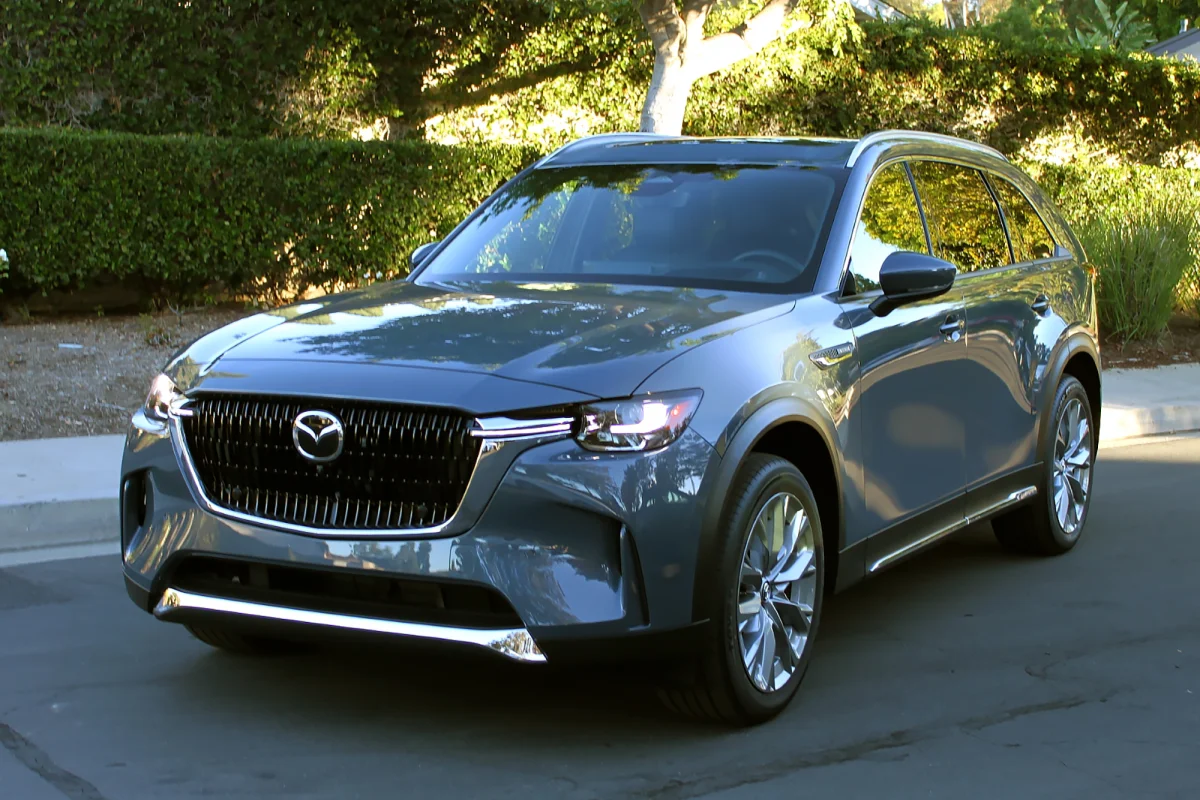
3. 2026 Mazda CX-90: Stylish but Strained in City Driving
The 2026 Mazda CX-90, including both the standard Inline-6 and PHEV models, has suffered a significant drop in reliability, largely due to its performance under city driving conditions.
While praised for smooth highway dynamics, the CX-90 struggles with the repetitive stop-and-go cycles, tight maneuvers, and low-speed stress typical of urban traffic. Owner reports and early critical feedback highlight persistent engine, transmission, and software issues that make city driving frustrating.
A major source of concern is the 8-speed automatic transmission. Unlike traditional torque-converter automatics, Mazda’s wet-clutch system often delivers jerky shifts, particularly at low speeds.
Drivers report clunking, hesitation, and driveline judder when moving from a crawl or rolling stop. In the PHEV version, hybrid transitions between electric and gasoline power are frequently abrupt, producing sudden surges or mechanical thuds that disrupt smooth city acceleration.
The braking and start-stop systems also struggle under urban stress. The PHEV’s regenerative braking can feel overly sensitive or “wooden,” making smooth stops at traffic lights difficult, while the standard Inline-6’s i-Stop system sometimes delays engine restart, causing slow reactions at green lights. These issues compound the sense of unreliability in bumper-to-bumper traffic.
Software and sensor glitches further complicate city use. Owners have reported phantom braking, overly sensitive pedestrian alerts, and false warnings from the safety suite. The PHEV’s 26-mile electric range is quickly depleted in stop-and-go conditions, after which the heavy vehicle relies on its gasoline engine, significantly reducing fuel efficiency.
The Mazda CX-90 delivers impressive design and highway refinement but struggles to maintain reliability, comfort, and smooth operation in dense urban environments, making it less suitable for drivers who spend most of their time in city traffic.
4. 2026 Chevrolet Blazer EV: Struggling in Urban Environments
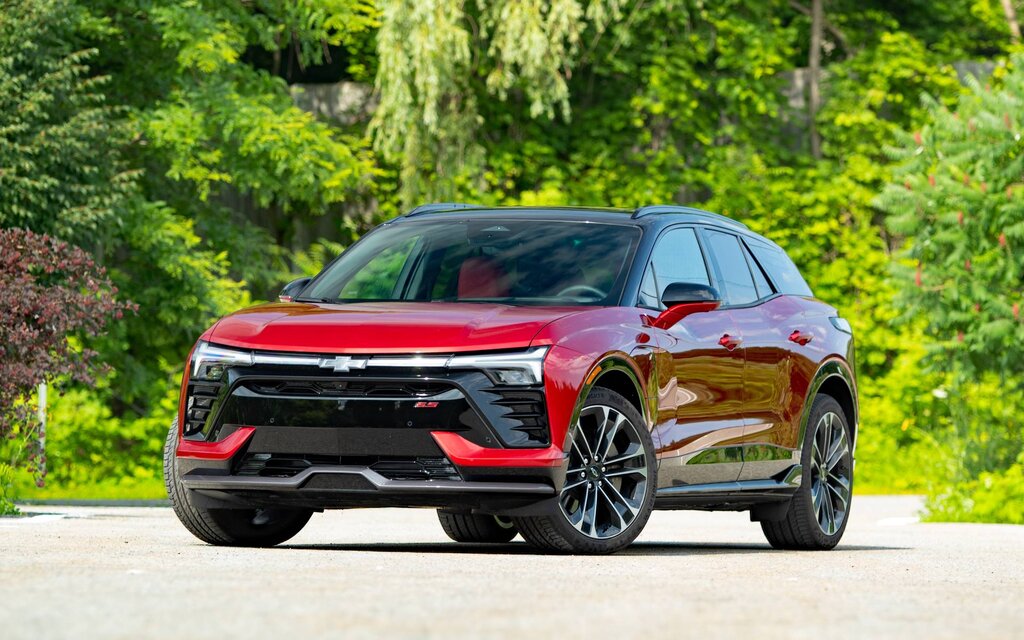
The 2026 Chevrolet Blazer EV faces serious challenges that make it poorly suited for city driving. With a predicted reliability score of just 19 out of 100, the electric SUV suffers from powertrain, software, and build quality issues that are quickly exposed by the constant stop-and-go traffic, potholes, and tight maneuvers typical of urban environments.
While it delivers a smooth ride over bumps, its technical and design flaws limit usability and reliability in metropolitan areas.
Software and electrical problems are a major concern for city drivers. Owners report more than 20 distinct fault codes related to body control modules, window switches, and infotainment system failures. Many users continue to experience electronic glitches that can render the vehicle temporarily unusable, creating significant risks during tight urban schedules where technology is critical for navigation and safety.
The Blazer EV’s heavy weight, often exceeding 5,700 pounds, compounds these issues. Stop-and-go city driving accelerates wear on tires and suspension components, leading to premature fatigue. Its large mass makes maneuvering over potholes and urban ruts more stressful on mechanical systems compared with lighter midsize SUVs.
Charging performance and thermal management are additional pain points. The vehicle has documented issues with rapidly dropping DC fast-charging rates, especially when air conditioning is running or ambient temperatures are high, forcing drivers to spend far longer at chargers than expected.
Urban maneuverability is limited by a wide 41-foot turning radius and obstructed rear visibility, making parallel parking and tight turns challenging. GM’s removal of Apple CarPlay and Android Auto in favor of a native Google system also frustrates city users who rely on real-time traffic apps for efficiency.
The 2026 Chevrolet Blazer EV offers electric driving and a smooth ride, but its software instability, heavy curb weight, limited visibility, and charging issues make it a difficult choice for dense urban environments. Drivers seeking a dependable city-friendly electric SUV may find more practical alternatives elsewhere.
5. 2026 Volvo XC40: Stylish but Strained in Urban Driving
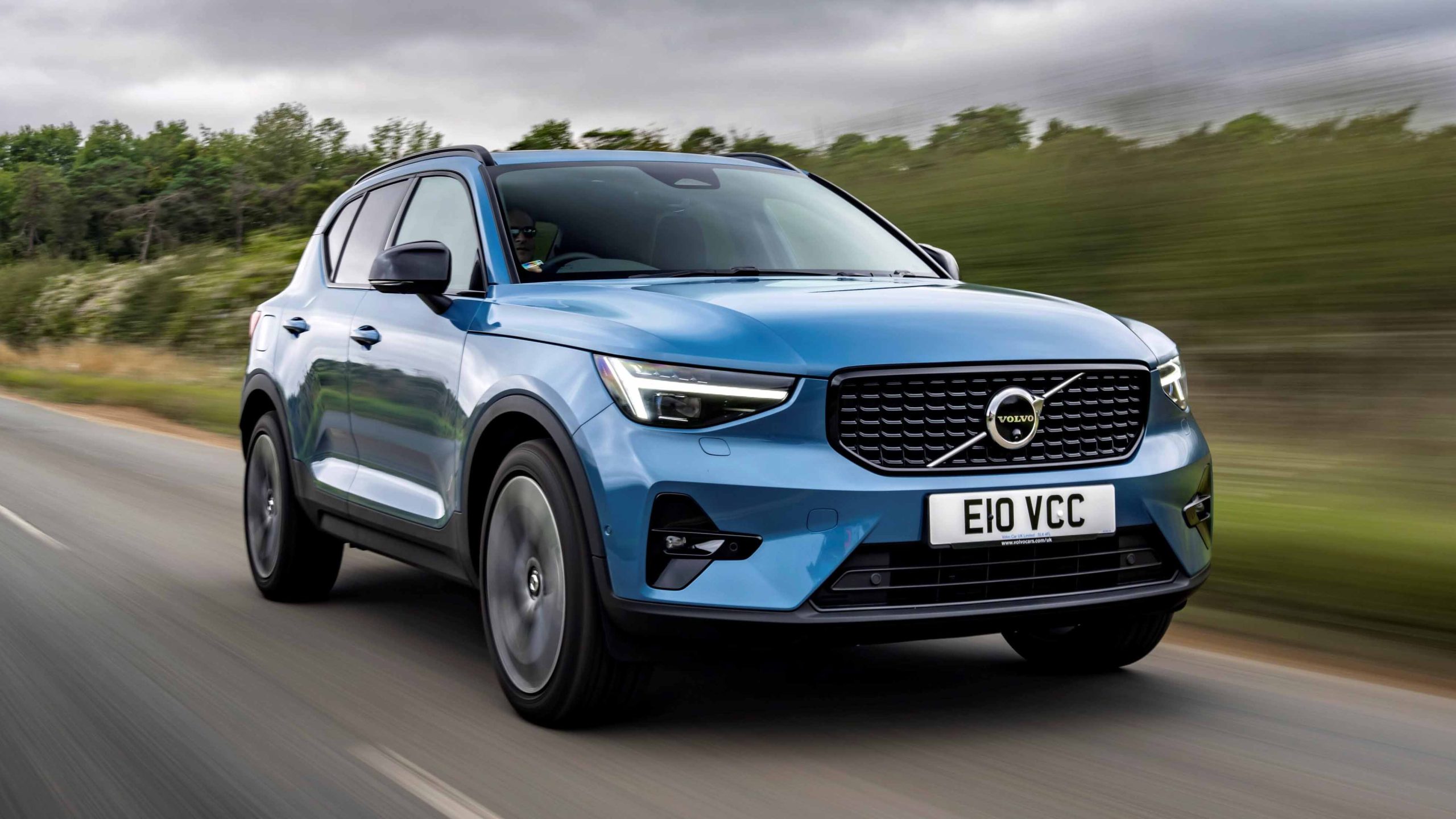
The 2026 Volvo XC40, marketed as a premium urban SUV, faces significant challenges under city driving conditions. While visually appealing and equipped with an advanced safety suite, the XC40’s real-world performance highlights vulnerabilities that make it less suited to dense metropolitan environments with frequent stop-and-go traffic, tight spaces, and deteriorating roads.
Owners report noisy and firm rides, along with accelerated mechanical wear and software frustrations, limiting its practicality as a city vehicle.
One of the key issues involves the XC40’s safety systems. The suite is intended to prevent accidents, often malfunctions, with phantom braking triggering emergency stops for non-existent obstacles such as shadows or manhole covers.
Conversely, sensors can fail entirely during ultra-low-speed maneuvers like parallel parking, leading to scuffs or kerb damage that the technology was designed to prevent. Such unpredictability can create additional hazards in congested city streets.
Mechanical components also show signs of accelerated wear. The vehicle’s heavy weight, particularly in Recharge (EV) models, contributes to rapid brake pad and rotor depletion, often requiring replacements by 20,000 to 30,000 miles.
The suspension, although tuned for comfort, struggles with potholes and speed bumps, producing clunks and rattles over time. Frequent tight turns and the high torque of electric variants further accelerate tire wear, increasing maintenance costs for urban commuters.
Software and visibility issues compound the XC40’s urban limitations. Thick C-pillars create blind spots, while the Google-based infotainment system occasionally freezes, disabling 360-degree cameras and parking sensors when they are most needed.
Additionally, a 2025 class-action lawsuit highlights incidents of sudden unintended acceleration in some Recharge models, further undermining confidence in its city reliability.
The Volvo XC40 combines style, safety, and premium features but struggles with mechanical durability, electronic reliability, and maneuverability in harsh city environments, making it less resilient to urban “abuse” than its marketing suggests.
Urban driving puts vehicles under constant stress, from stop-and-go traffic to potholes, tight turns, and frequent braking. Choosing the right car can make the difference between a smooth, comfortable commute and a stressful, maintenance-heavy experience.
Models like the 2026 Subaru Outback, Honda CR-V Hybrid, Toyota Corolla Cross, Toyota Land Cruiser, and Toyota Aygo X demonstrate that it is possible to balance ride comfort, durability, and practicality for city life. Their well-tuned suspensions, reliable powertrains, and user-friendly interiors allow drivers to handle urban challenges without compromising passenger comfort or long-term reliability.
On the other hand, vehicles such as the GMC Acadia, Chrysler Pacifica Hybrid, Mazda CX-90, Chevrolet Blazer EV, and Volvo XC40 often struggle with mechanical wear, software issues, and heavy chassis stress under the same conditions.
Urban commuters should weigh these factors carefully, prioritizing vehicles built to absorb city abuse while keeping passengers safe and comfortable, ensuring less stress and lower repair costs over time.
Also Read: 10 Cars That Become Annoying to Own After the Honeymoon Phase