Urban driving often requires compact, efficient vehicles that can navigate traffic easily, park without stress, and maintain low fuel consumption. Cars that excel on highways or long distances may not perform optimally in congested city environments, leading to frustration for drivers.
Some vehicles are heavy, large, or designed for comfort over speed, making them cumbersome for everyday errands. Others may have engines that struggle at low speeds or consume more fuel during stop-and-go driving.
Additionally, technological features aimed at long trips, such as advanced cruise control or oversized infotainment systems, can be less practical when only covering a few kilometers at a time. City streets demand responsiveness, agility, and ease of maneuverability, qualities that certain vehicles lack.
The size of the car can also affect parking options, especially in older neighborhoods where space is limited. Beyond practicality, driving dynamics such as acceleration and braking matter, particularly in areas with frequent traffic lights or pedestrian crossings.
Safety considerations play a role as well, since some cars are designed for high-speed collisions rather than low-speed urban encounters. While owners may enjoy a luxury or performance vehicle on highways, the same car can be inefficient, uncomfortable, or stressful during short city trips.
Understanding the mismatch between vehicle design and usage scenarios helps drivers make better choices for urban commuting. Evaluating fuel efficiency, handling, parking ease, and maintenance costs is essential before deciding to drive a large or specialized car within a city.
Urban drivers often face stop-and-go traffic, tight intersections, and frequent turns, all of which can highlight the drawbacks of unsuitable cars. Choosing a car for city travel involves balancing style, comfort, and convenience while avoiding vehicles that are overly optimized for conditions rarely encountered in daily urban life.
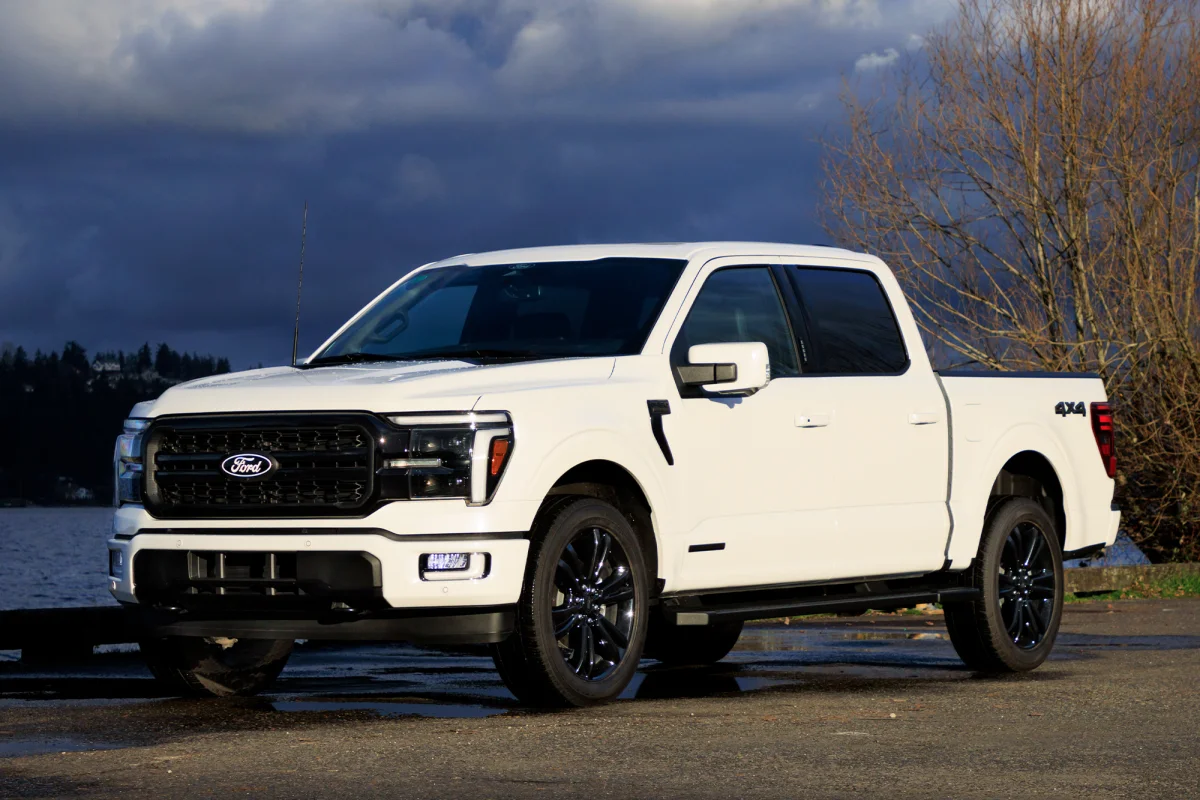
1. Ford F-150
The Ford F-150 is a full-size pickup truck engineered primarily for hauling, towing, and long-distance driving rather than frequent short urban trips. Its sheer physical size makes it difficult to navigate narrow city streets filled with traffic, parked vehicles, and pedestrians. In dense areas, drivers often feel constrained by its width and length. These challenges become noticeable even during simple errands like grocery runs or quick commutes.
Low-speed maneuverability is another concern when driving the F-150 in urban environments. The steering system is tuned for stability at higher speeds rather than precision at low speeds. Making U-turns or tight corner turns often requires extra space and careful planning. This lack of agility can quickly become frustrating in crowded neighborhoods.
Also
Fuel consumption increases significantly when the truck is driven in stop-and-go traffic. Short trips prevent the engine from reaching optimal efficiency, leading to unnecessary fuel waste. Idling at traffic lights further adds to consumption. For daily city use, this makes the vehicle costly to operate.
The suspension system, designed to support heavy loads, can feel stiff and unrefined on smooth urban roads. Minor bumps, speed breakers, and uneven pavement become more noticeable. The ride quality may feel uncomfortable compared to smaller, city-focused vehicles. This reduces driving comfort during short trips.
Parking is one of the most inconvenient aspects of using the F-150 in a city setting. Standard parking spaces often feel too tight, requiring multiple attempts to align correctly. Parallel parking can be particularly stressful. The truck’s capabilities far exceed what is needed for urban commuting, making it impractical for such use.
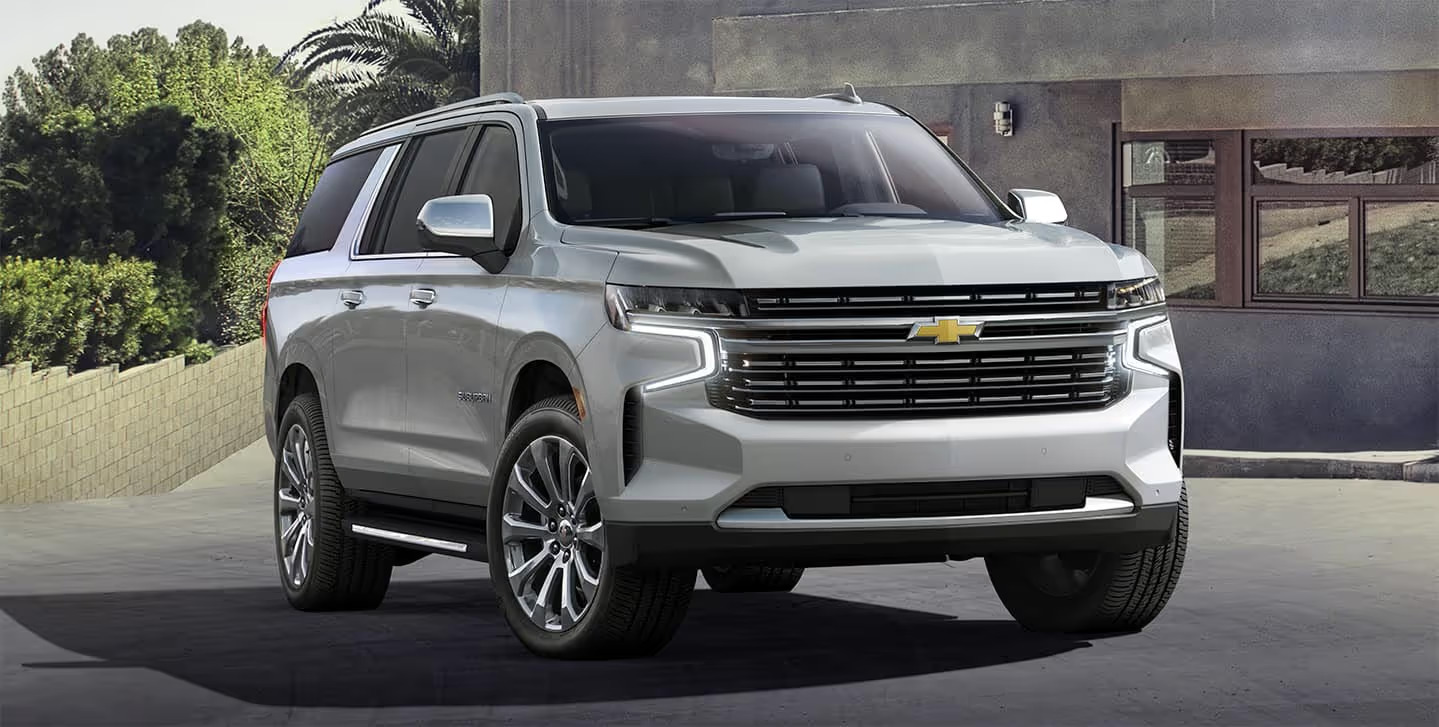
2. Chevrolet Suburban
The Chevrolet Suburban is built as a long-distance family and utility vehicle, not as a daily city commuter. Its massive length and height dominate urban roads, making even simple drives feel overwhelming. Narrow streets and compact intersections highlight its lack of urban friendliness. Short trips rarely justify driving such a large SUV.
Steering responsiveness at low speeds is limited due to the vehicle’s long wheelbase. Tight turns require more effort and space, which is often unavailable in crowded city areas. Parking lots and older neighborhoods can feel especially restrictive. These limitations reduce driving confidence in urban settings.
Fuel efficiency becomes a major drawback when the Suburban is driven on short trips. Frequent braking and acceleration increase fuel consumption significantly. The engine performs best during long, steady drives, not constant stops. Over time, city use leads to high operating costs.
The interior is spacious and comfortable but largely unnecessary for short urban journeys. Carrying only a few passengers or small cargo makes the vast cabin feel underutilized. Luxury features designed for road trips provide little benefit during brief drives. This imbalance affects practicality.
Braking distance is longer due to the vehicle’s weight, requiring greater attention in traffic-heavy areas. Sudden stops demand careful anticipation. Urban driving exposes the Suburban’s size-related limitations. It excels on highways but feels cumbersome for short city errands.
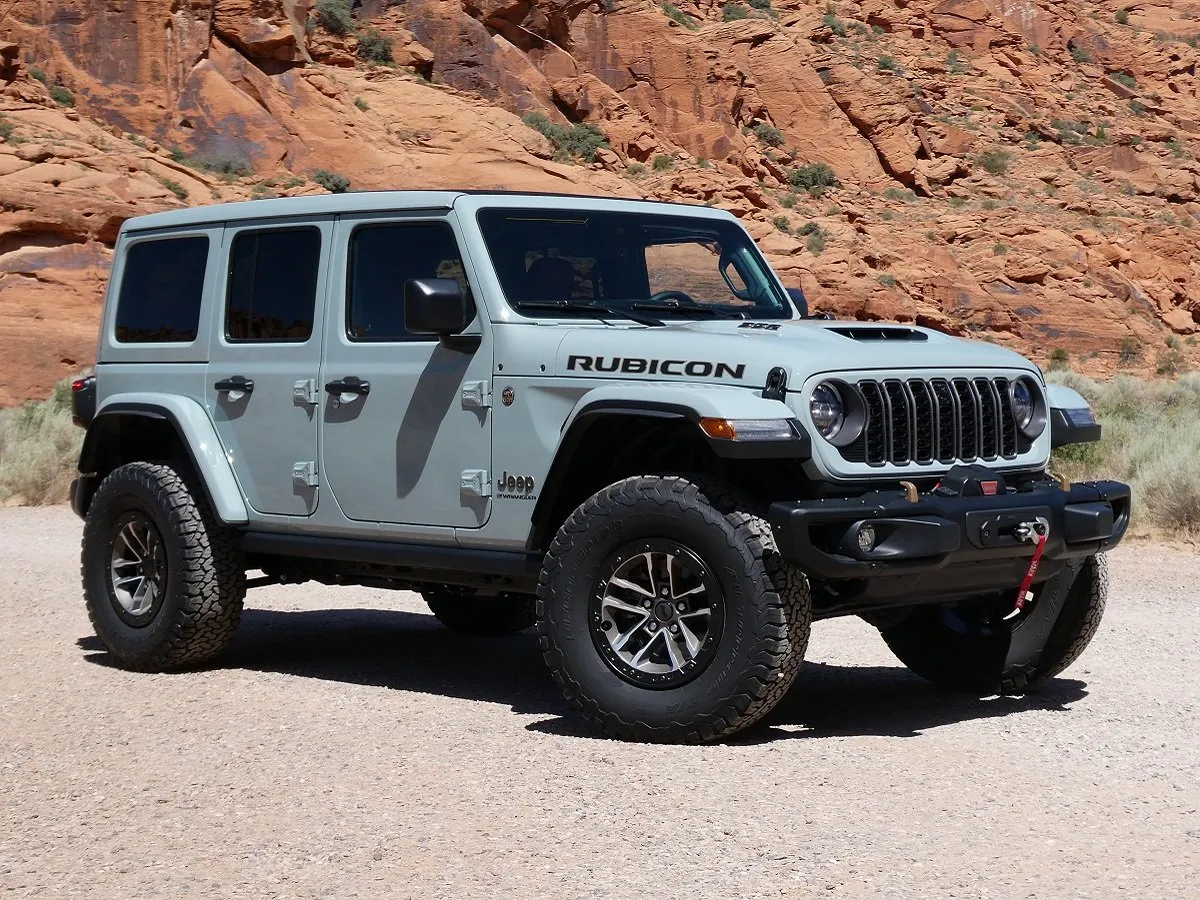
3. Jeep Wrangler
The Jeep Wrangler is engineered with off-road capability as its primary focus, which limits its effectiveness in urban environments. Its upright design and rugged build prioritize durability over city comfort. On crowded streets, the vehicle feels bulky and less refined. Short urban trips fail to make use of its off-road strengths.
Low-speed handling can feel unsettled due to the suspension setup. The Wrangler’s steering lacks the smoothness expected for city driving. Frequent stops, sharp turns, and traffic congestion emphasize these shortcomings. Urban driving becomes more tiring over time.
Fuel efficiency is another issue when driving the Wrangler on short trips. The engine is not optimized for constant stop-and-go conditions. Short distances prevent efficient fuel usage. This leads to higher fuel expenses for daily city travel.
The interior design focuses more on durability than comfort. Road noise and vibrations are more noticeable at city speeds. Cabin refinement is limited compared to urban-focused vehicles. For quick trips, the interior can feel less comfortable than expected.
Parking can also be challenging due to the Wrangler’s width and height. Visibility in tight areas is limited. Urban environments demand constant awareness of surroundings. The Wrangler feels more at home on trails than city streets.

4. Dodge Challenger
The Dodge Challenger is a muscle car designed for performance and presence, not urban practicality. Its wide body and long hood make it difficult to maneuver in tight city spaces. Crowded streets and narrow lanes reduce driving ease. Short trips do not allow drivers to enjoy its performance advantages.
At low speeds, the Challenger feels heavy and less responsive. Steering is not as agile as smaller cars designed for urban travel. Traffic congestion limits acceleration opportunities. This creates a disconnect between the car’s purpose and city driving conditions.
Fuel consumption is high during short urban trips. The powerful engine consumes more fuel when repeatedly starting and stopping. City driving prevents efficient performance. This results in increased running costs over time.
Parking can be frustrating due to the car’s long doors and wide stance. Tight parking spaces make entry and exit difficult. Rear visibility is also limited in congested areas. Urban use requires extra caution.
Suspension tuning favors straight-line driving rather than uneven city roads. Speed bumps and rough pavement feel more pronounced. Noise levels may also be unsuitable for residential areas. The Challenger is better suited for highways than city streets.
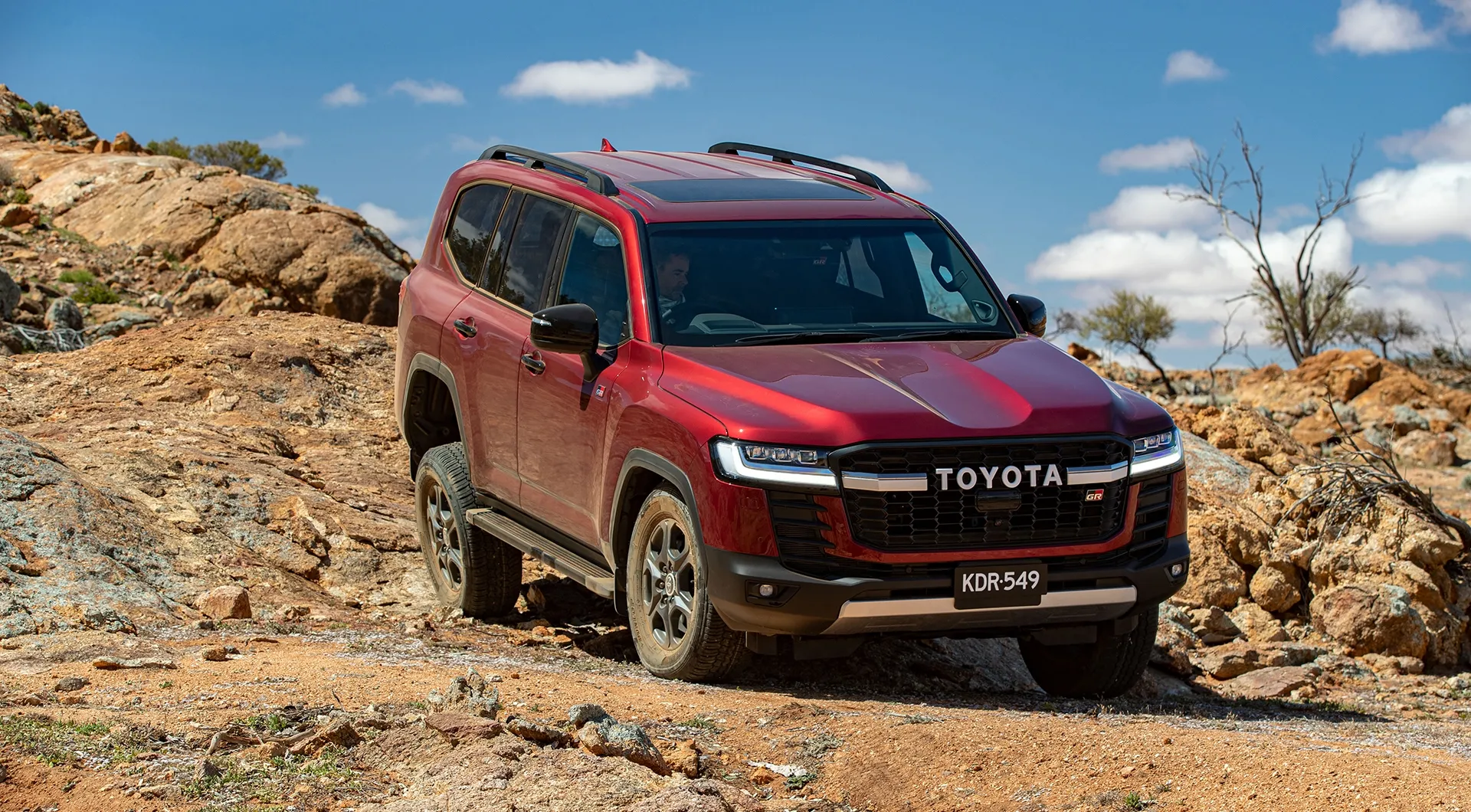
5. Toyota Land Cruiser
The Toyota Land Cruiser is known for its durability and long-distance reliability, which makes it less suitable for short urban trips. Its heavy build and large dimensions dominate city roads. Maneuvering through traffic requires patience and planning. City driving fails to utilize its full capabilities.
Low-speed steering feels heavy, especially in tight spaces. Parking in compact areas often requires multiple adjustments. Narrow streets and sharp turns highlight its size limitations. Urban congestion reduces driving comfort.
Fuel efficiency is significantly reduced during short trips. The engine is designed for long journeys rather than brief commutes. Stop-and-go traffic increases fuel consumption. This makes daily city use expensive.
The interior offers comfort and space intended for extended travel. Short trips do not benefit from these features. Carrying minimal cargo makes the large cabin feel unnecessary. Practicality is reduced in urban environments.
Braking and handling require extra attention due to the vehicle’s weight. Sudden stops in traffic demand careful anticipation. City roads expose its stiffness. The Land Cruiser performs best outside urban settings.
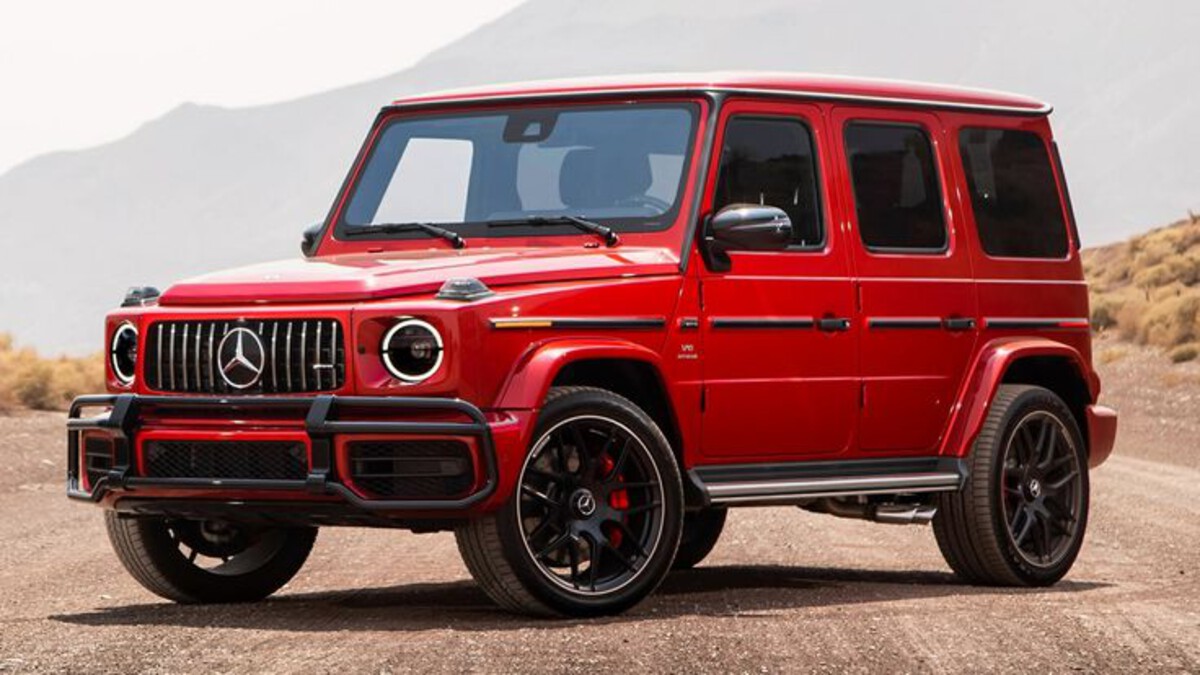
6. Mercedes-Benz G-Class
The Mercedes-Benz G-Class is a luxury SUV renowned for its rugged design and off-road capability, but this makes it less than ideal for city driving. Its boxy and tall structure reduces maneuverability in narrow streets and tight parking areas. Drivers often need extra time and concentration to navigate congested urban environments. Short trips fail to utilize the vehicle’s exceptional capabilities.
Steering at low speeds can feel cumbersome due to its weight and high center of gravity. The wide turning radius requires more space than what is often available in city intersections or parking lots. Maneuvering through crowded streets becomes a mental exercise, especially during peak traffic hours. Drivers may find this daily strain tiring over time.
Fuel consumption is another significant limitation when used for city travel. The G-Class’s engine is designed for power and performance rather than efficiency in stop-and-go traffic. Short trips prevent the engine from reaching its optimal operating conditions, resulting in wasted fuel and higher expenses. Daily commuting becomes costlier compared to compact or urban-oriented vehicles.
The interior is spacious, luxurious, and filled with advanced technology, but much of this is underutilized during brief city trips. Features designed for comfort and long-distance driving add weight and complexity. Cabin noise can become noticeable at low speeds, and the sheer size of the interior makes parking and navigating tight areas more challenging.
Ride quality, while excellent on highways or off-road terrain, can feel stiff and less comfortable in urban conditions. The suspension is not optimized for the frequent bumps and potholes typical of city streets. Visibility, despite the high seating position, is limited in tight urban corridors. The G-Class is better suited for long drives rather than short, repetitive trips.
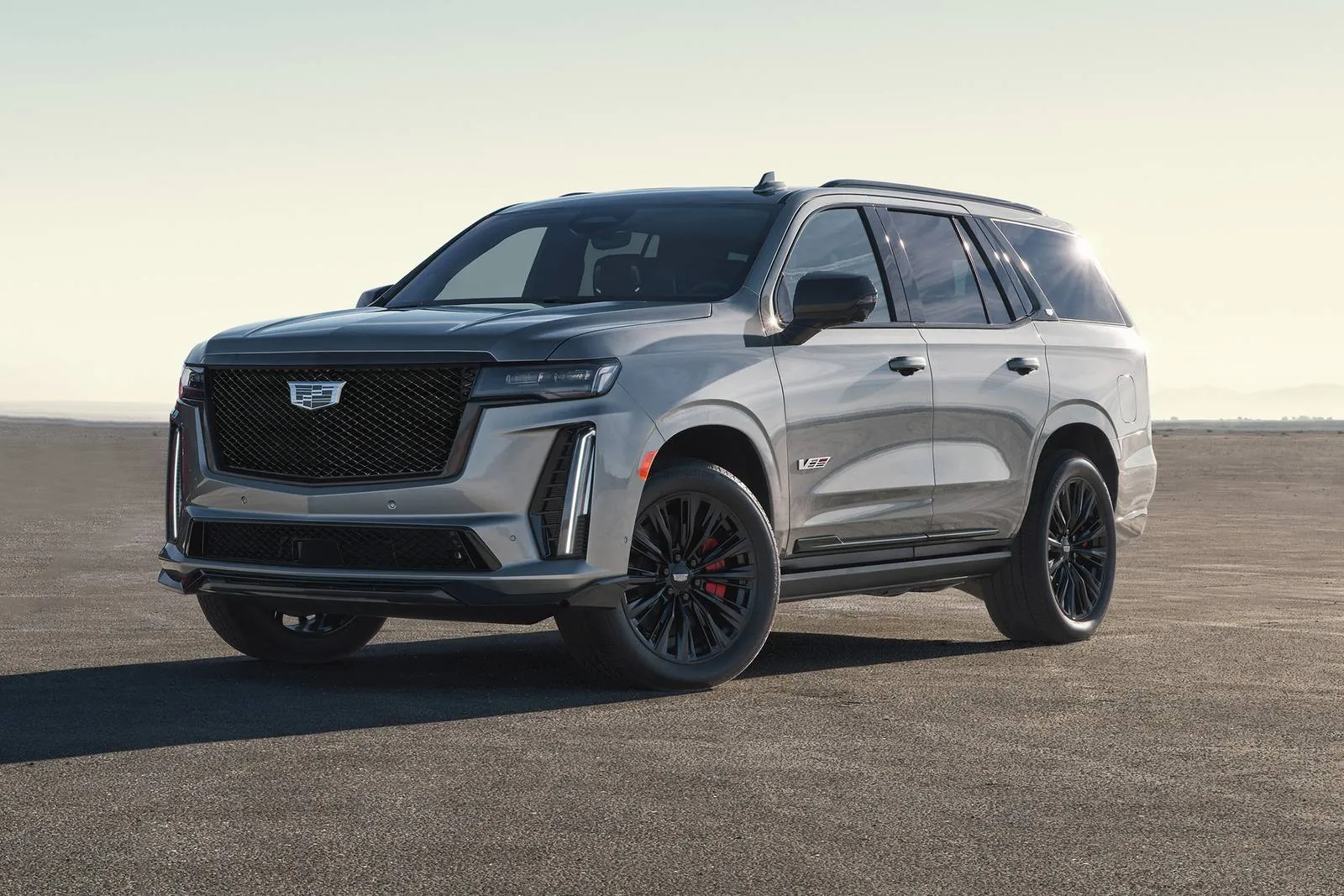
7. Cadillac Escalade
The Cadillac Escalade is a full-size luxury SUV that offers comfort, space, and a commanding presence, but these features make it impractical for city driving. Its massive length and width dominate the road, making simple maneuvers feel intimidating. Narrow lanes, busy intersections, and tight parking spots can turn routine city errands into stressful experiences.
Low-speed handling is compromised by the Escalade’s weight and size. Turning corners in congested streets requires careful planning and additional effort. Drivers often notice a lack of agility compared to smaller urban vehicles. In traffic-heavy environments, the driving experience can feel cumbersome and overly deliberate.
Fuel efficiency is poor when the Escalade is used for short urban trips. The powerful engine consumes significant fuel during frequent stops and starts. Stop-and-go traffic amplifies the inefficiency. Daily commuting in this vehicle quickly becomes expensive, with operating costs far higher than smaller SUVs or sedans.
The interior provides ample room, luxurious materials, and advanced technology, but most of these advantages are underutilized in short trips. Carrying a single passenger or small cargo does not justify the vehicle’s size. Its extensive cabin space becomes more of a burden than an asset in crowded city streets, reducing practicality.
Braking and acceleration feel slower due to the vehicle’s weight, making sudden stops more demanding. Ride comfort, optimized for highway cruising, is less effective on uneven city roads. Maneuvering in parking garages or tight areas requires precision. The Escalade excels on long drives and highways, but its use in urban areas is often inefficient and stressful.
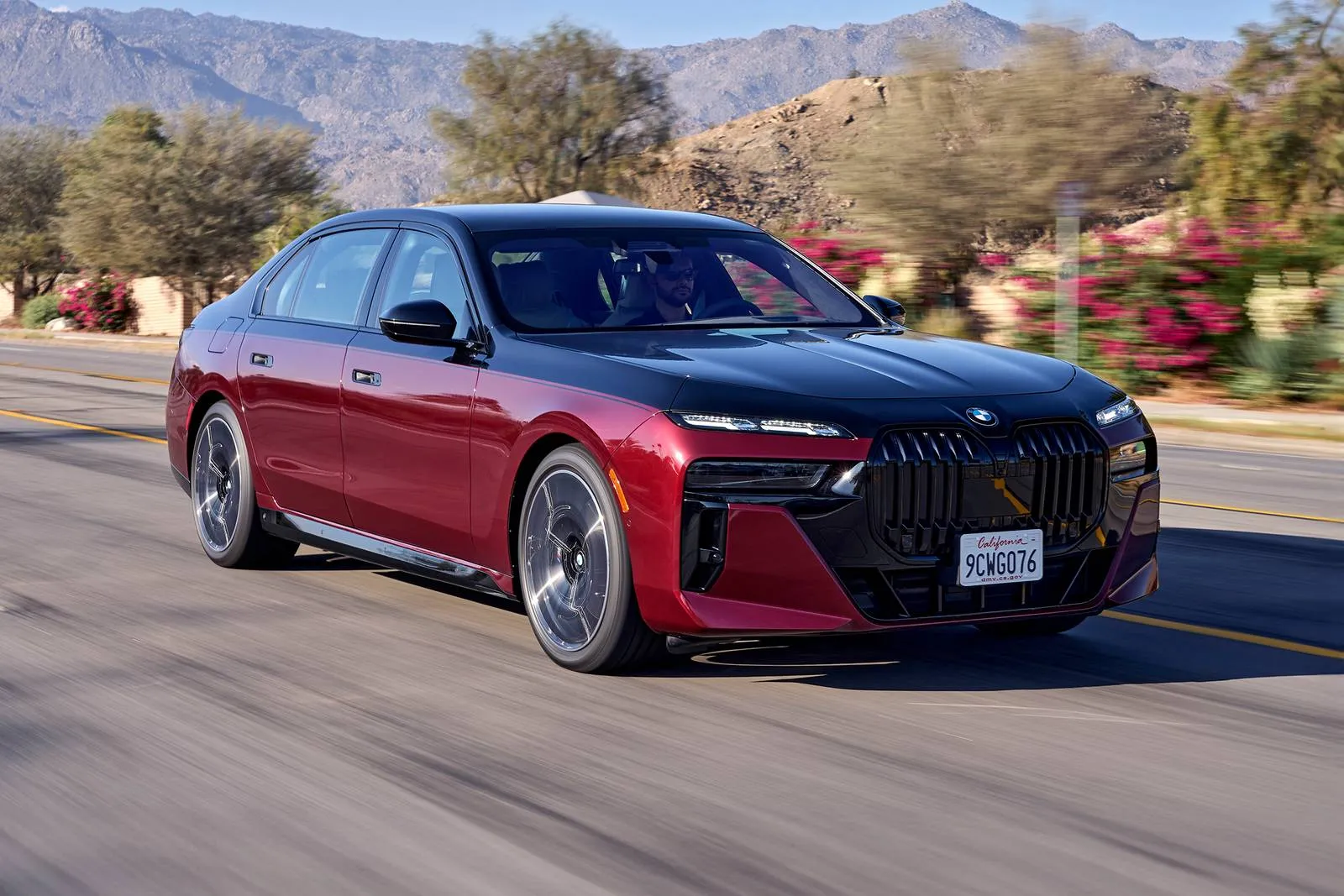
8. BMW 7 Series
The BMW 7 Series is a flagship luxury sedan designed for comfort, technology, and smooth long-distance performance. While it offers exceptional driving dynamics on highways, these attributes are less meaningful in city environments. Its long wheelbase and large size create challenges when navigating tight streets or parking garages. Short trips do not allow drivers to experience the car’s engineered advantages.
Low-speed maneuverability is limited due to the car’s length and weight. Steering precision is reduced in stop-and-go traffic, making city intersections more difficult to negotiate. Tight corners require extra care and multiple adjustments, which can be frustrating for urban drivers.
Fuel efficiency is another area where the 7 Series struggles during short urban trips. The engine and transmission are optimized for cruising and long distances, not frequent stopping. Each trip in city traffic increases fuel consumption unnecessarily. This makes the car less practical for everyday commuting.
The interior is technologically advanced and luxurious, with features intended to enhance long journeys. However, short trips barely take advantage of these elements. The extensive cabin and high-end finishes feel oversized for routine errands. Urban driving does not allow owners to fully benefit from the car’s comfort and convenience.
Ride comfort is tuned for highways rather than city streets. Bumps, potholes, and uneven roads become more noticeable, reducing the vehicle’s smooth feel. Visibility can also be limited in tight corners. The BMW 7 Series is a vehicle designed for distance, not short urban commutes.
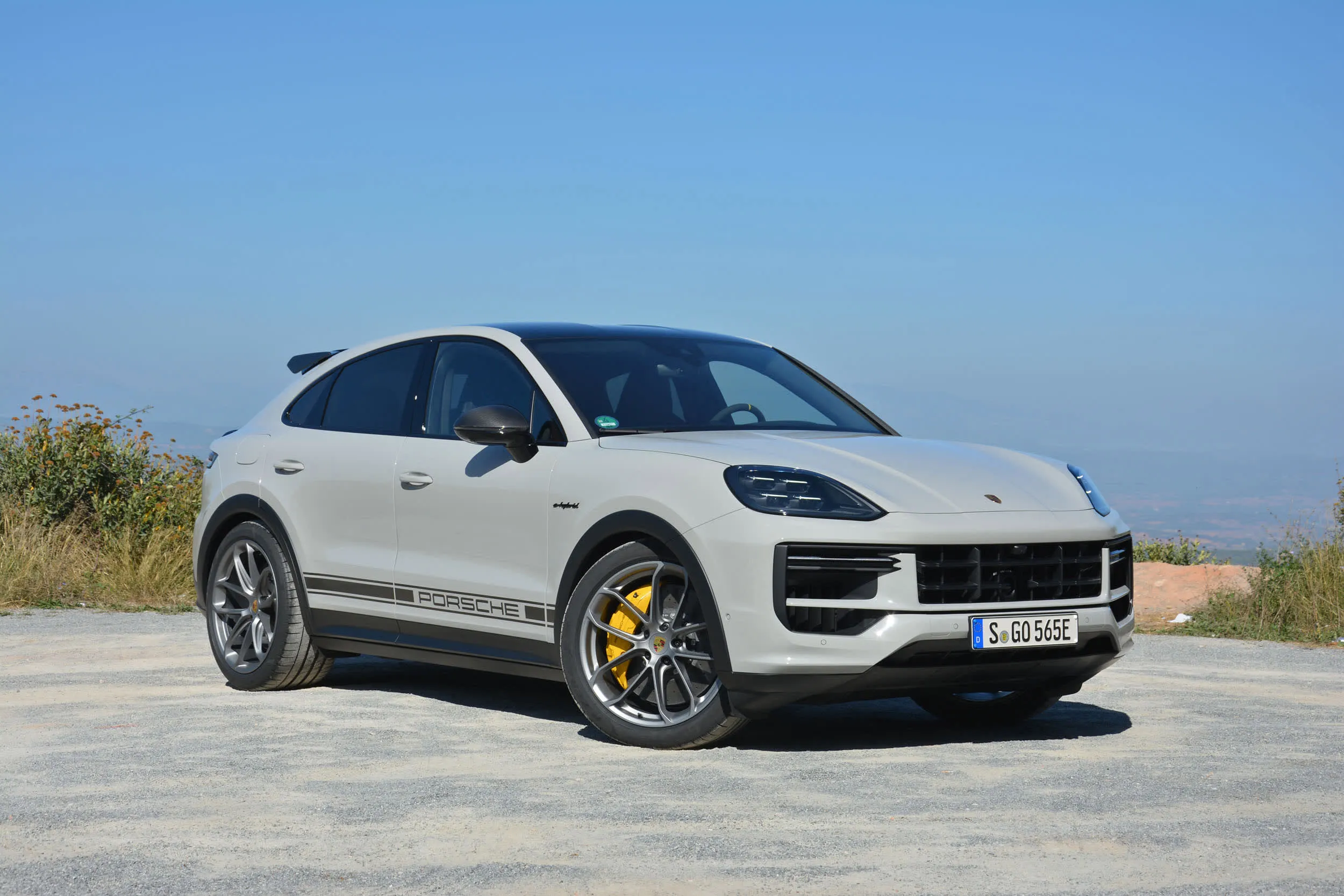
9. Porsche Cayenne
The Porsche Cayenne is a performance-oriented SUV that combines sporty driving with practicality, but its size and focus make it less suitable for frequent urban trips. Narrow city streets, tight intersections, and limited parking can make driving the Cayenne stressful. Short journeys rarely utilize the vehicle’s performance capabilities, leading to a mismatch between its design and actual use.
Low-speed handling is heavier than expected due to the SUV’s weight and wheelbase. Stop-and-go traffic reduces responsiveness, and sharp turns require careful execution. Urban maneuvering becomes more demanding than with smaller or more agile cars. This can make city commuting less enjoyable for the driver.
Fuel consumption is significantly higher during short urban drives. The engine performs best at higher speeds and during sustained travel, not repeated acceleration and deceleration. Stop-and-go conditions increase fuel waste and operating costs. Owners may find it expensive to use for daily errands.
The interior is luxurious and spacious, providing comfort and technology for long drives, but these features are underutilized on short trips. Cabin space is more than necessary for routine errands. The high-quality finish and equipment do not add value during brief city journeys, where practicality matters more.
Suspension and ride quality are tuned for sporty performance rather than urban comfort. Minor bumps and uneven streets are more noticeable. Combined with the size of the vehicle, city driving becomes more taxing than anticipated. The Cayenne is more suitable for highways or open roads than crowded urban streets.
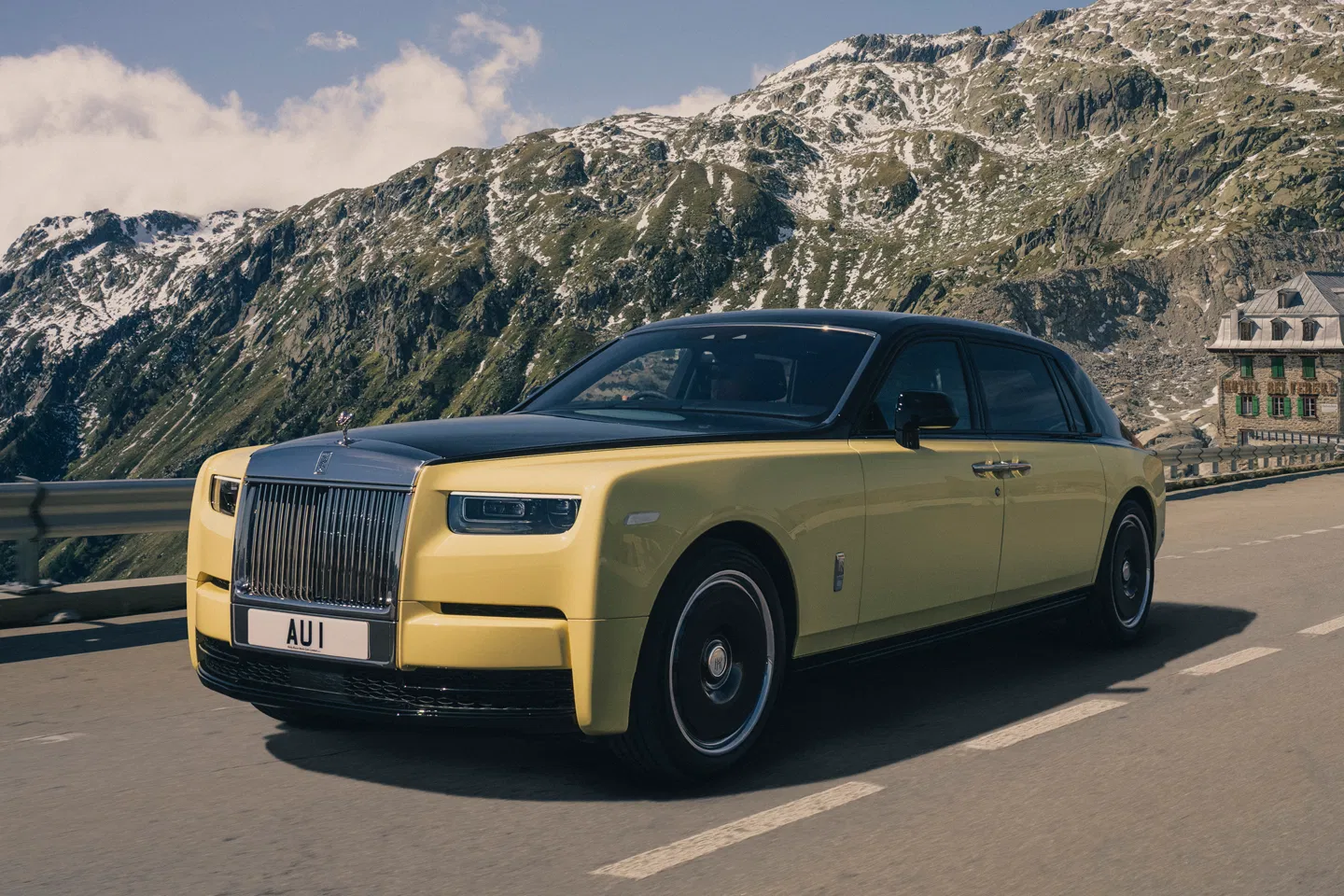
10. Rolls-Royce Phantom
The Rolls-Royce Phantom is the symbol of luxury and refinement, but this status comes at the expense of urban practicality. Its massive dimensions, heavy weight, and commanding presence make city navigation challenging. Tight streets and small parking spaces force drivers to plan every move carefully. Short trips rarely allow the car’s luxury capabilities to shine.
Low-speed handling is particularly demanding in urban conditions. The Phantom’s long wheelbase and weight reduce maneuverability. Turning, parking, or weaving through traffic requires extreme care. Drivers may feel tense when operating the vehicle in congested areas, unlike with smaller cars.
Fuel efficiency is very low during short city trips. The engine is optimized for smooth, long-distance cruising. Stop-and-go traffic forces inefficient fuel use, making brief drives both expensive and environmentally unfriendly. Operating costs rise quickly with regular urban use.
The interior provides unmatched comfort, with advanced technology, hand-crafted materials, and expansive space. However, these features are largely wasted on short trips. Carrying only a few passengers or light cargo does not justify the size and expense of the vehicle. Urban driving does not allow owners to take full advantage of its luxury.
Ride quality is excellent on highways but less suitable for city streets. Suspension and steering are designed for effortless cruising rather than frequent stopping and navigating uneven roads. Visibility in tight spaces can also be limited. The Phantom is built for long journeys and prestige, not short urban errands.