City driving presents unique challenges for families: tight streets, crowded parking, stop-and-go traffic, and the need for comfort, safety, and practicality. Not every car is built to meet these demands. Some vehicles excel, offering compact dimensions, efficient engines, spacious interiors, and modern safety features that make school runs, grocery trips, and weekend errands easier and less stressful.
Others, while capable in certain areas, reveal limitations in urban settings. Large footprints, heavy steering, bouncy suspensions, outdated safety systems, or inefficient fuel consumption can turn daily driving into a hassle.
In this guide, we explore five cars that stand out as smart, city-ready choices for families and contrast them with five models whose design, performance, or ergonomics make them less suited to dense urban life. Understanding these differences helps families make informed decisions about which vehicles truly complement urban lifestyles.
5 Cars That Work Well for City Families
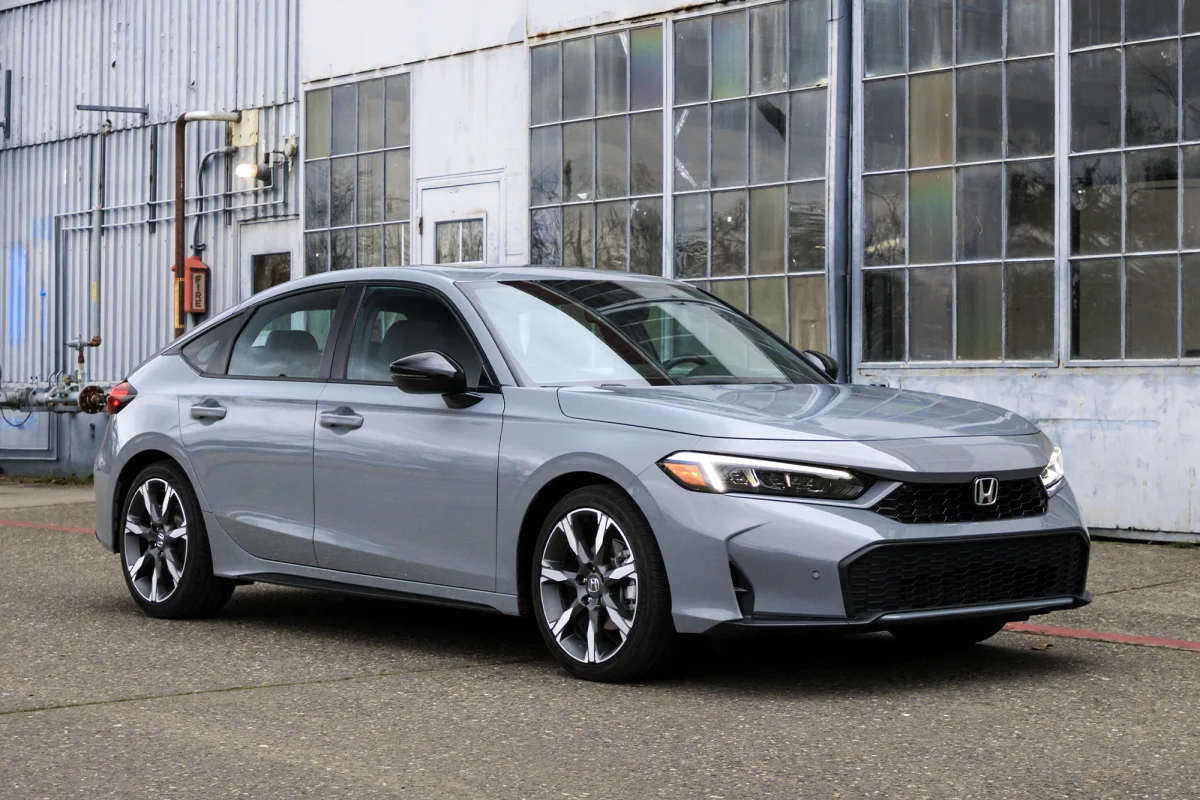
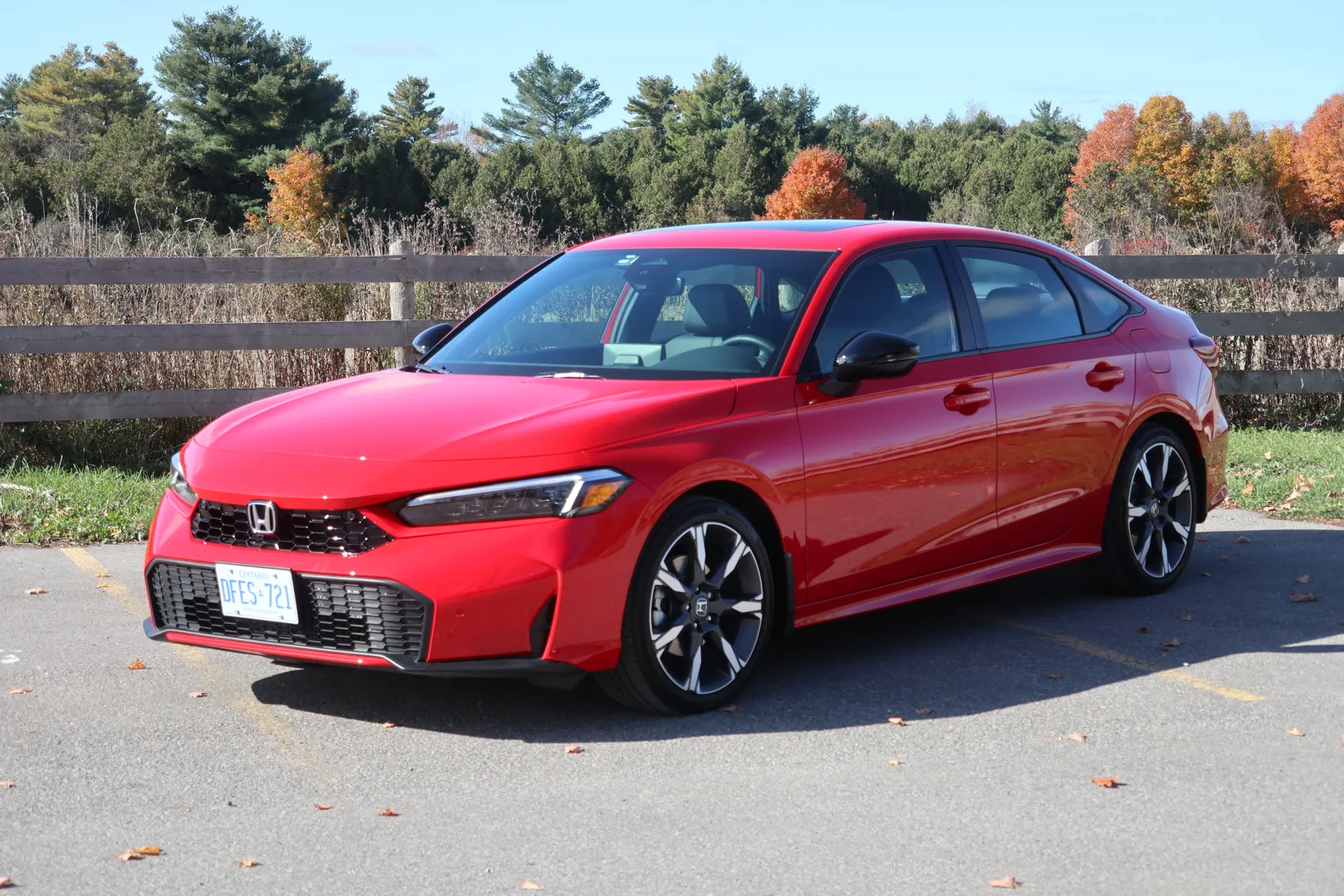
1. 2026 Honda Civic Hybrid: Efficient Performance Built for City Family Life
The 2026 Honda Civic Hybrid is a strong contender for families living in busy urban environments, combining impressive fuel economy, lively performance, and everyday usability.
With an estimated up to 50 MPG in city driving and about 47 MPG on the highway, it significantly reduces fuel costs for daily commuting, school runs, and errands. This high efficiency makes it especially appealing for stop-and-go traffic, where the hybrid system shines.
Unlike many hybrids that prioritize economy over excitement, the Civic Hybrid delivers a confident and responsive drive. Its 200-horsepower hybrid powertrain produces 232 lb-ft of torque, providing quick acceleration that feels well-suited for city streets.
The Civic Hybrid reaches 0 to 60 mph in 6.6 seconds, outperforming most compact sedans and even beating the Civic Si in straight-line speed. The handling is sharp and composed, giving drivers a sense of control that is uncommon in this class. While the ride leans slightly firm, the payoff is precise steering and stability on both smooth and uneven roads.
The interior reflects Honda’s focus on comfort and usability. The cabin design is clean and modern, with well-placed controls that are intuitive to operate.
Front-seat passengers enjoy generous space, and the rear seats provide ample legroom and shoulder room, though taller passengers may notice limited headroom due to the sloping roofline. Road and wind noise are kept to reasonable levels, contributing to a calm and refined ride that feels more premium than many competing hybrids.
Technology inside the Civic Hybrid is simple and functional. All trims include Apple CarPlay and Android Auto, while higher trims offer a 9-inch touchscreen with Google Built-In, enabling voice commands, navigation, and app integration. Wireless phone connectivity and a Bose premium audio system are also available on upper trims.
Safety is a standout feature, as every Civic Hybrid comes standard with Honda Sensing®, which includes collision mitigation braking, lane-keeping assist, adaptive cruise control, and other driver aids designed to support daily driving confidence.
Cargo space adds to the Civic Hybrid’s family-friendly appeal. The sedan provides 14.8 cubic feet of trunk space, unaffected by the hybrid components. For those needing more flexibility, the hatchback version offers 24.5 cubic feet of cargo room, easily accommodating groceries, strollers, or sports equipment.
When value, fuel efficiency, comfort, and engaging performance are considered together, the 2026 Honda Civic Hybrid proves to be a smart and rewarding choice for city-focused families.
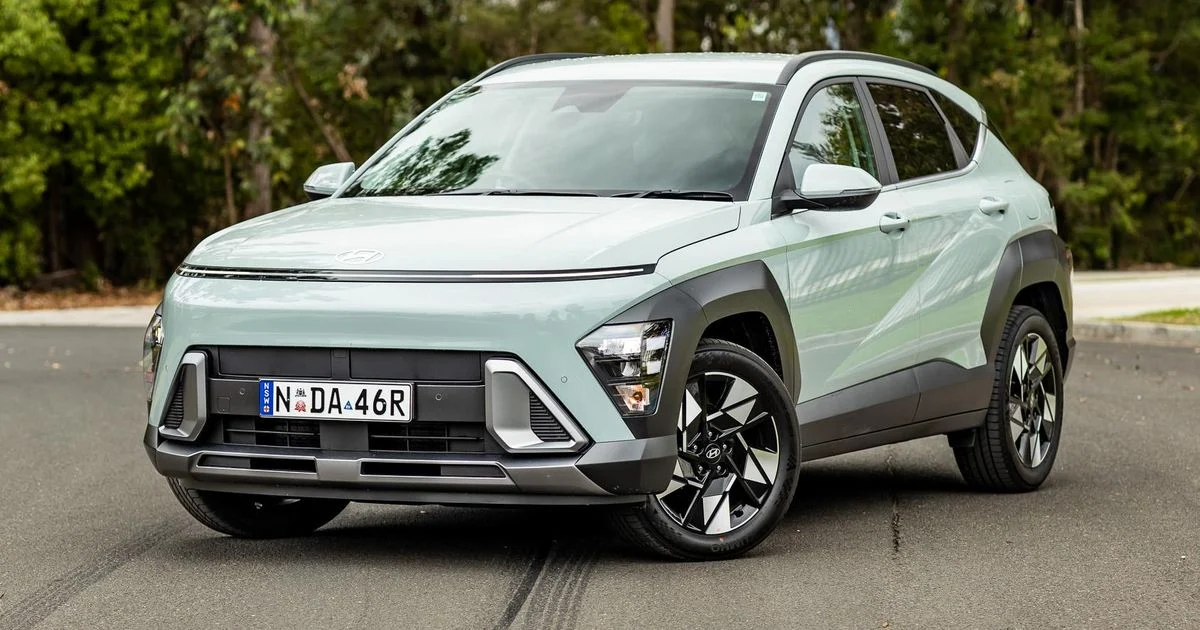
2. 2026 Hyundai Kona: Big Utility in a City-Smart SUV
The 2026 Hyundai Kona continues to be one of the most appealing subcompact SUVs for city-focused families, offering strong value, modern technology, and impressive interior space within a small footprint.
Designed to deliver SUV versatility without the bulk of a larger vehicle, the Kona is well-suited for urban life where tight parking and busy streets are part of the daily routine. Its compact dimensions make it easy to park, while features such as available Remote Smart Parking Assist and a Surround View Monitor add confidence in crowded areas.
Despite its subcompact classification, the Kona’s interior feels surprisingly roomy. The second row offers generous legroom and headroom, making it comfortable for children and teenagers and even accommodating adults on shorter trips.
Up front, the cabin design is clean and modern, highlighted by a wide digital display setup that blends the instrument cluster and infotainment screen. Higher trims enhance comfort with available leatherette upholstery, heated and ventilated front seats, and a column-mounted shifter that opens up additional center-console storage.
Cargo flexibility is another major strength. With all seats in place, the Kona provides 25.5 cubic feet of cargo space, enough for groceries, backpacks, or a stroller. Folding the 60:40 split rear seats expands capacity to an impressive 63.7 cubic feet, allowing the Kona to handle larger loads such as sports gear or small furniture. This versatility makes it practical for both weekday errands and weekend activities.
The 2026 Kona offers two engine choices to suit different priorities. The standard 2.0-liter four-cylinder engine produces 147 horsepower and delivers strong fuel efficiency, with EPA estimates reaching up to 29 mpg in the city and 35 mpg on the highway.
For drivers who want more punch, the available 1.6-liter turbocharged engine boosts output to 190 horsepower and can accelerate to 60 mph in about 7.5 seconds when equipped with all-wheel drive. Both engines provide smooth, refined performance, with front-wheel drive standard and all-wheel drive available across the lineup.
Safety is a key highlight for families. Every Kona comes standard with Hyundai SmartSense, which includes forward collision-avoidance assist, lane-keeping assist, blind-spot monitoring, adaptive cruise control, and rear occupant alert.
Adding to its appeal is Hyundai’s industry-leading warranty coverage, including a 10-year or 100,000-mile powertrain warranty. Taken together, the 2026 Hyundai Kona delivers a compelling mix of space, safety, efficiency, and value in a city-friendly SUV package.
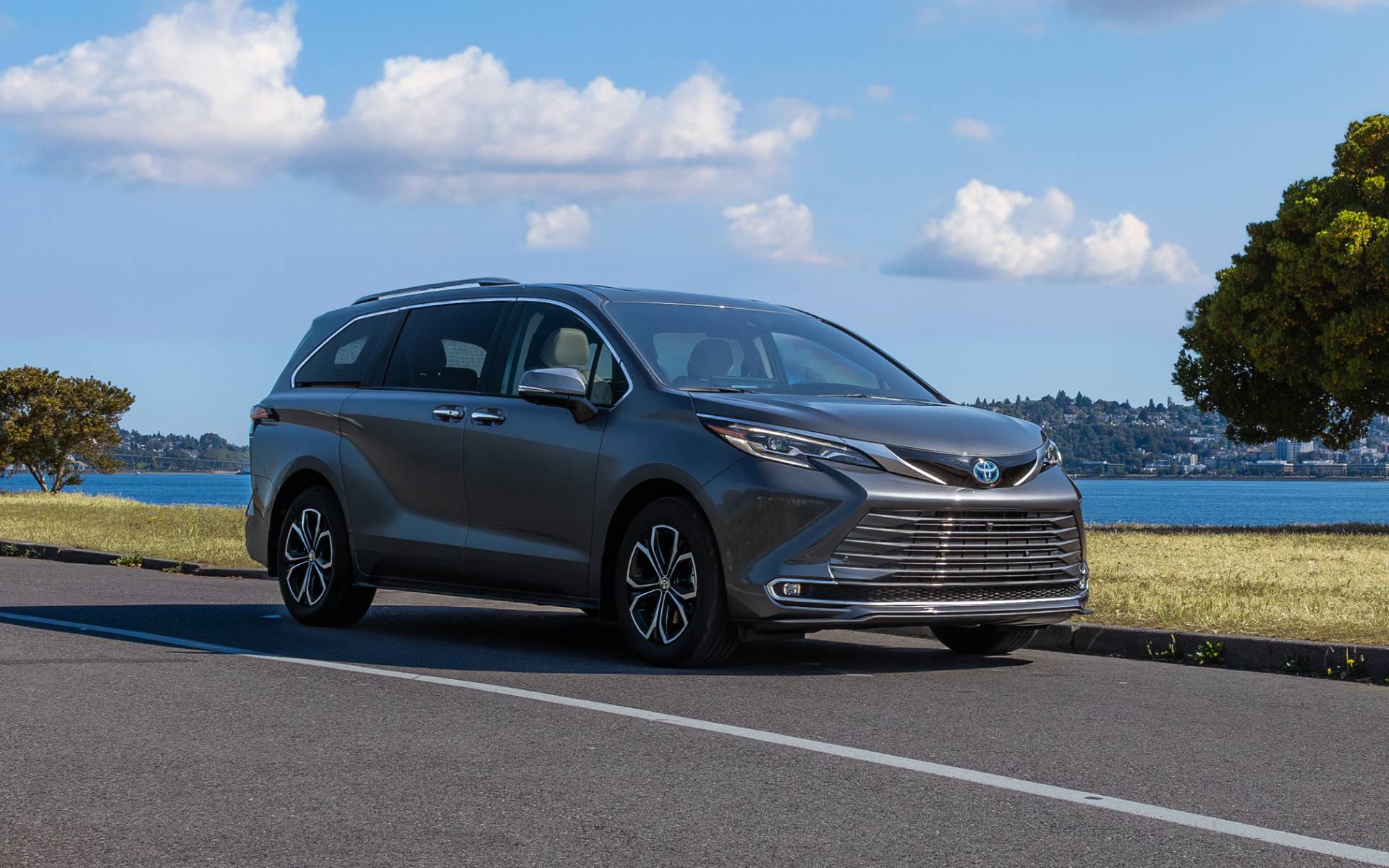
3. 2026 Toyota Sienna: A Hybrid Minivan Built for Busy City Families
The 2026 Toyota Sienna remains one of the strongest choices for larger families living in urban environments, thanks to its hybrid-only powertrain, thoughtful convenience features, and flexible interior space.
As one of the few minivans that prioritizes fuel efficiency without sacrificing practicality, the Sienna delivers an EPA-estimated 36 mpg in city driving, far outperforming most nonhybrid rivals. This efficiency helps families cut fuel costs while handling daily routines like school drop-offs, errands, and weekend activities.
At the heart of the Sienna is a 245-horsepower hybrid system that pairs a 2.5-liter four-cylinder engine with electric motors and a CVT. Front-wheel drive comes standard, while all-wheel drive is available for families who face unpredictable weather conditions.
While the engine can sound coarse under hard acceleration, the hybrid system performs smoothly at city speeds, where electric assistance is most noticeable. Acceleration is adequate for a minivan, reaching 60 mph in about 8.7 seconds, and steering is light and responsive, which helps in tight parking lots and crowded streets.
Interior space is where the Sienna truly shines. It offers seating for seven or eight passengers, depending on configuration, and adults can fit comfortably in all three rows. The second row is especially versatile, featuring Toyota’s “super-long-slide” seats that make third-row access easier and allow families to adjust legroom as needed. A low step-in height, power sliding doors, and an available hands-free liftgate make loading children, strollers, and groceries far less stressful in narrow parking spaces.
Cargo capacity is generous for everyday needs. The Sienna provides 33.5 cubic feet of space behind the third row, expanding to 75.2 cubic feet with the third row folded and up to 101 cubic feet at maximum capacity. While the second-row seats do not fold flat or remove entirely, the deep cargo area still handles bulky items with ease. A power liftgate is standard, adding further convenience.
Technology and safety are family-focused. Toyota Safety Sense 2.0 comes standard and includes adaptive cruise control, lane-keeping assist, pedestrian detection, and automatic emergency braking.
Available features like the Panoramic View Monitor, FridgeBox, and 1500W power outlets add daily usability. Combined with Toyota’s strong hybrid warranties and solid reliability reputation, the 2026 Toyota Sienna stands out as a smart, efficient, and dependable minivan for city-based families.
4. 2026 Kia Soul: A City-Friendly Compact with Space, Safety, and Personality
The 2026 Kia Soul continues to stand out as a practical and character-filled option for city families who want a compact vehicle that feels bigger on the inside than it looks on the outside. Its distinctive boxy design is not just about style.
It plays a major role in maximizing interior space, improving visibility, and making daily urban driving easier and less stressful. With a small footprint, tight turning radius, and upright driving position, the Soul is especially well-suited for crowded streets and limited parking spaces.
One of the Soul’s biggest strengths is its interior practicality. Despite its compact exterior dimensions, it offers generous headroom and legroom for up to five passengers, including enough space to comfortably install car seats.
Wide-opening doors and a tall roofline make getting children in and out far easier than in many low-slung hatchbacks. The seating position is upright and confidence-inspiring, giving drivers a clear view of their surroundings, which is a major advantage in busy city environments.
Cargo capacity is another area where the Soul performs well for its size. With the rear seats in place, it provides 24.2 cubic feet of cargo space, which is enough for groceries, backpacks, or a stroller.
Folding down the 60/40 split rear seats expands cargo capacity to 62.1 cubic feet, allowing families to transport sports gear, shopping hauls, or small furniture without much trouble. While the boot is not the largest in its class, its square shape makes it easy to use efficiently.
Safety is a strong selling point for the 2026 Kia Soul. It comes standard with advanced driver-assistance features such as Forward Collision-Avoidance Assist and Lane Keeping Assist.
Available upgrades like Blind Spot Monitoring and Rear Cross-Traffic Alert add extra confidence when driving in heavy traffic or backing out of tight parking spots. The Soul consistently earns high safety ratings from organizations like NHTSA and IIHS, offering peace of mind for family buyers.
Fuel efficiency also makes the Soul appealing for budget-conscious households. The standard 2.0-liter four-cylinder engine delivers an estimated 29 mpg in the city, helping keep running costs low. While it is not designed for sporty driving, the Soul feels most at home in urban settings, where its comfort, visibility, and easy handling shine.
Inside, the cabin is solidly built and well equipped. Standard features include an 8-inch touchscreen, Apple CarPlay, Android Auto, Bluetooth connectivity, USB ports, and air conditioning.
Available upgrades, such as wireless charging and premium audio, enhance everyday convenience. With its blend of space, safety, efficiency, and unmistakable personality, the 2026 Kia Soul remains a smart and approachable choice for small city families.
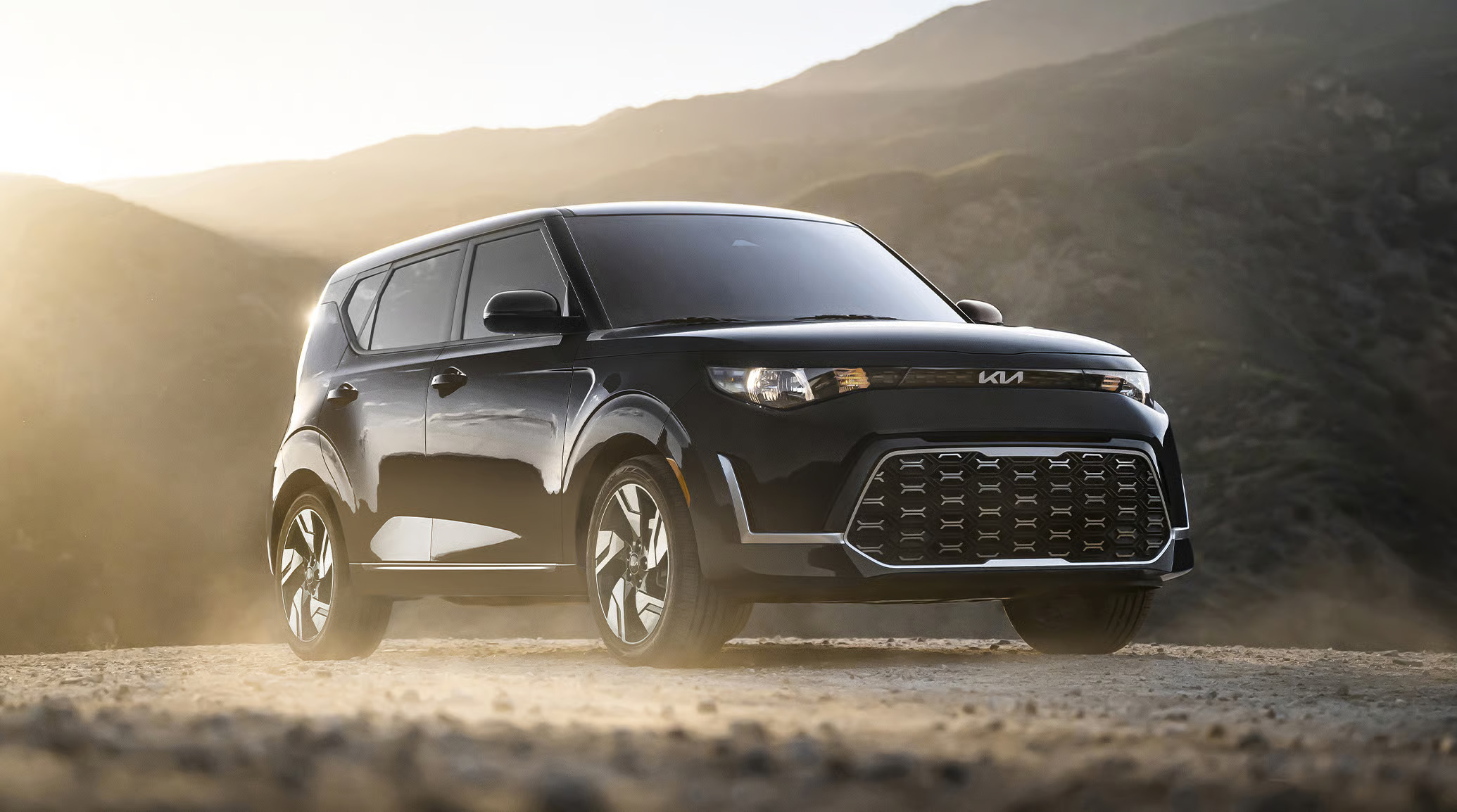
5. 2026 Toyota Corolla Cross Hybrid: Urban Efficiency with Family-Ready Versatility
The 2026 Toyota Corolla Cross Hybrid is purpose-built for urban families who want the practicality of a compact SUV paired with the fuel savings of a hybrid.
Designed to perform efficiently in stop-and-go traffic and tight city environments, it blends a compact footprint with smart technology, standard all-wheel drive, and a smooth, composed ride that handles rough pavement with ease. This balance makes it an appealing daily driver for families managing busy city routines.
Fuel efficiency is a core strength of the Corolla Cross Hybrid. Its hybrid system allows electric-only operation at low speeds, which is especially effective in heavy traffic. EPA estimates it at 46 mpg city, 39 mpg highway, and 42 mpg combined, significantly reducing fuel expenses compared to nonhybrid compact SUVs.
The hybrid setup is also more refined and responsive, producing 196 horsepower from a 2.0-liter four-cylinder engine paired with three electric motors. Acceleration is brisk for the segment, reaching 0 to 60 mph in 7.3 seconds, which adds confidence when pulling into traffic or merging.
Urban usability is enhanced by the Corolla Cross Hybrid’s compact dimensions. Measuring 175.6 inches in length and featuring a 35.4-foot turning radius, it fits easily into small parking spaces and narrow streets.
Light, precise steering makes low-speed driving effortless, while a suspension tuned to absorb bumps and potholes helps maintain a calm cabin environment. Improved noise insulation further reduces road and traffic sounds, a welcome benefit for families with young children.
Safety remains a major highlight. Every 2026 Corolla Cross Hybrid comes standard with Toyota Safety Sense 3.0, which includes automatic emergency braking with pedestrian detection, adaptive cruise control, lane-departure warning, blind-spot monitoring, and rear cross-traffic alert. These features are particularly valuable in dense urban settings where awareness of surrounding vehicles and pedestrians is essential.
Practicality extends to cargo and interior design. The Corolla Cross Hybrid provides about 21.5 to 22 cubic feet of cargo space behind the rear seats, enough for strollers, groceries, or backpacks.
A wide rear liftgate opening makes loading bulky items easier. Inside, the cabin is straightforward and functional, with higher trims offering faux-leather upholstery, heated front seats, ambient lighting, and a sunroof for added comfort.
For 2026, technology upgrades improve daily usability. Available features include a 10.5-inch touchscreen, a 12.3-inch digital gauge cluster, and standard wireless Apple CarPlay and Android Auto on higher trims. With standard all-wheel drive, excellent fuel economy, and a strong focus on safety and comfort, the 2026 Toyota Corolla Cross Hybrid delivers a well-rounded solution for families living in busy urban environments.
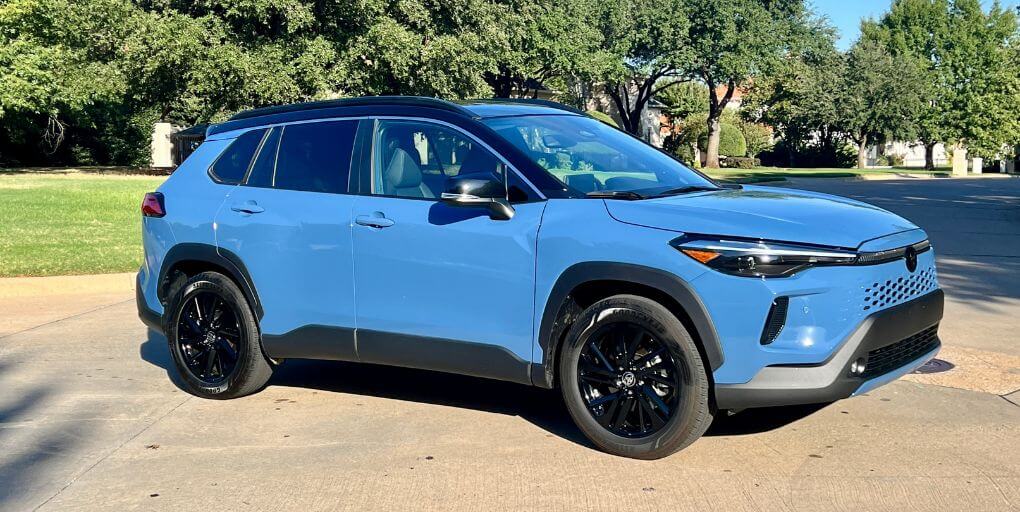
5 That Feel Limiting
1. 2026 Ford Expedition: Big Power with Big City Challenges
The 2026 Ford Expedition is a full-size SUV built for towing, road trips, and rugged capability, but its strengths can quickly become drawbacks in dense urban environments. While it delivers impressive power, advanced technology, and a commanding presence, the Expedition’s sheer size and driving dynamics make daily city use far more demanding than with smaller SUVs.
The most significant challenge is its massive footprint. The standard Expedition measures roughly 210 inches long, while the MAX version stretches to about 222 inches, placing it among the largest SUVs on the road.
This scale makes narrow city streets and standard parking spaces difficult to manage. Tight parking garages and curbside spots often require extra caution, and the vehicle’s 41- to 43.3-foot turning circle frequently forces multi-point turns where smaller vehicles would glide through in one motion.
Steering and handling further complicate city driving. Reviews note that the steering is relatively slow, requiring more wheel input than expected during frequent low-speed turns. At typical urban speeds, the Expedition’s weight and high center of gravity are noticeable, giving it a less precise feel in heavy traffic or sharp bends. The steering can feel vague at times, which may reduce confidence when quick adjustments are needed.
Inside, the Expedition’s high-tech cabin adds another layer of complexity. The 2026 model features a striking 24-inch panoramic dashboard display paired with a 13.2-inch infotainment screen. While visually impressive, this setup can overwhelm drivers in busy city conditions.
Key information is spread across multiple screens, creating a learning curve that demands more attention than traditional layouts. Many physical buttons have been replaced by touch-sensitive controls, including climate settings, which are harder to operate by feel. The steering wheel’s D-pad-style touch controls have also drawn criticism for being less intuitive than conventional buttons.
Efficiency is another concern for urban use. The 3.5-liter EcoBoost V6 delivers strong acceleration, but fuel economy in stop-and-go traffic hovers around 15 to 16 mpg, making it costly for daily commuting. Combined with its tall step-in height, the 2026 Ford Expedition proves capable and commanding, but often cumbersome for life in the city.
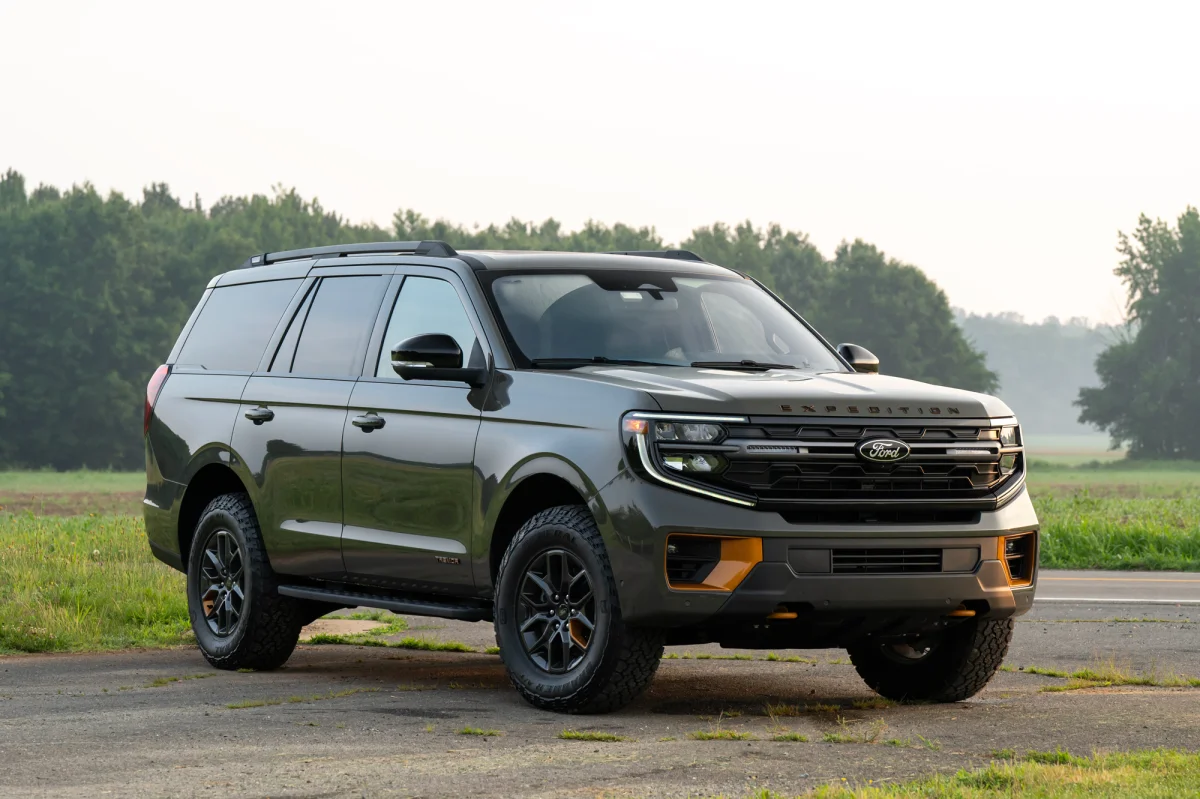
2. 2025 Jeep Wrangler: Trail-Ready Strength That Struggles in the City
The 2025 Jeep Wrangler continues to define off-road capability, but its rugged, trail-focused design makes it a challenging choice for everyday city driving. Built to excel on rocks, mud, and uneven terrain, the Wrangler carries compromises that become clear on paved streets and during daily urban commutes.
One of the most noticeable drawbacks is maneuverability. The Wrangler uses a recirculating ball steering system, chosen for durability rather than precision. In city conditions, this setup can feel loose and requires frequent small corrections to stay centered in narrow lanes.
Compared to the rack-and-pinion steering found in most modern crossovers, the Wrangler demands more driver attention. Its solid axles also contribute to a wider turning circle, which complicates tight U-turns, crowded parking garages, and narrow residential streets.
Ride comfort is another area where the Wrangler shows its off-road priorities. The suspension is tuned for ground clearance and wheel articulation, not smooth pavement. As a result, everyday obstacles like potholes, speed bumps, and uneven roads can feel jarring.
While 2025 updates include modern driver aids such as adaptive cruise control, these features cannot fully disguise the firm, bouncy feel of the body-on-frame construction during city travel.
Cabin noise further limits urban appeal. The Wrangler’s upright, boxy shape and removable roof and doors create significant wind and road noise, especially at city highway speeds.
Although Jeep has improved insulation and added better microphones for hands-free calls, the interior remains noticeably louder than most unibody SUVs and crossovers. Long commutes can quickly become tiring because of this constant background noise.
Fuel efficiency is another concern. Most gasoline-powered 2025 Wrangler trims average around 20 mpg in city driving, with efficiency dropping sharply in heavy stop-and-go traffic.
The Wrangler 4xe plug-in hybrid improves matters with up to 21 miles of electric-only range, but once the battery is depleted, fuel consumption rises again. Practicality also suffers from limited cargo space and a high step-in height, which makes frequent errands less convenient.
In short, while the 2025 Jeep Wrangler is the most refined version yet of an off-road legend, its core design remains poorly suited to the demands of comfortable, efficient city living.
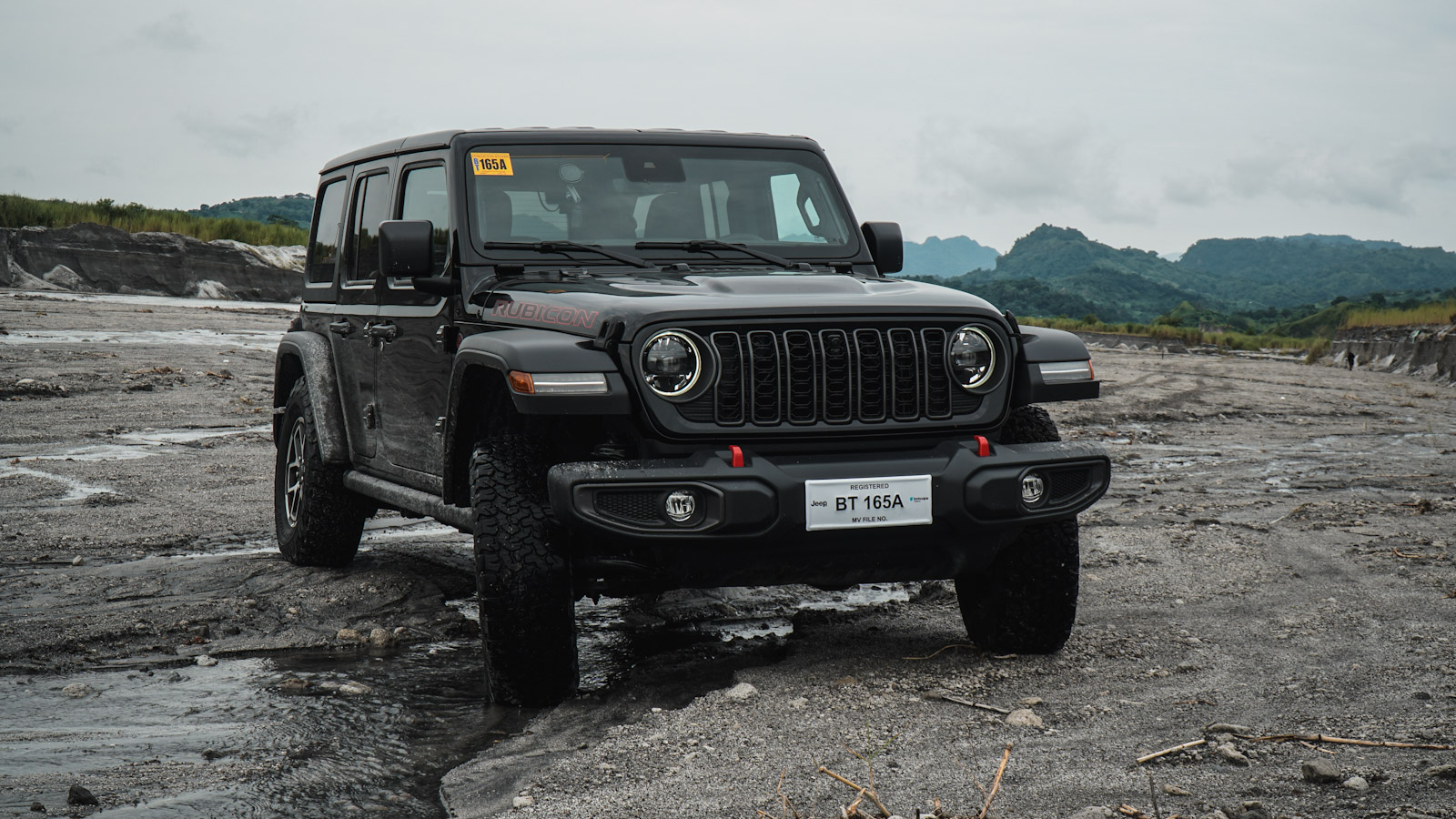
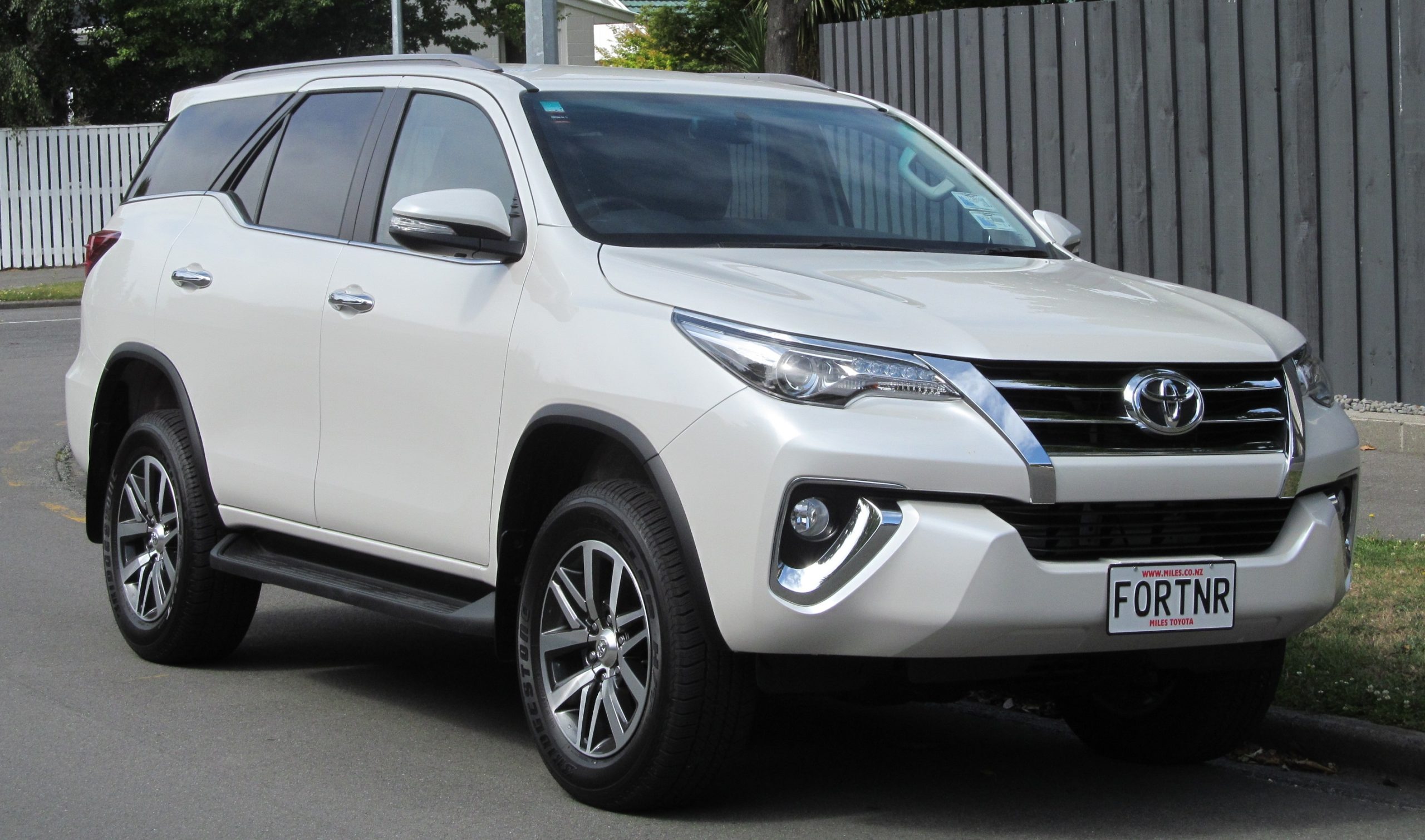
3. Toyota Fortuner: Highway Strength That Feels Restrictive in Urban Driving
The Toyota Fortuner is well known for its durability, road presence, and ability to handle highways and rough terrain with ease. However, in dense urban environments, especially in Philippine cities, its body-on-frame design and large proportions can feel more limiting than helpful. Built as a rugged utility vehicle, the Fortuner often struggles to adapt to the demands of daily city use.
Its size is the most immediate challenge. Measuring about 4,795 mm in length and standing roughly 1,835 mm tall, the Fortuner takes up significant space on the road. Narrow city streets, crowded neighborhoods, and older parking facilities can make driving stressful.
With a turning radius of approximately 5.8 meters, simple U-turns and parking maneuvers frequently require multiple attempts. Low-speed steering also feels heavy and truck-like on many variants, which can be tiring during frequent stops, turns, and tight traffic situations.
Ride comfort is another area where the Fortuner shows its utilitarian roots. Built on a ladder-frame chassis shared with the Hilux pickup, its suspension is tuned for strength and load-carrying rather than comfort.
In city conditions, this results in a firm and sometimes bouncy ride over potholes, speed bumps, and uneven pavement. The high center of gravity also causes noticeable body roll during sharp turns, making the vehicle feel less stable and less refined than unibody crossovers commonly used in urban settings.
Fuel efficiency further limits its city appeal. While the 2.8-liter diesel engine performs well on highways, fuel consumption drops significantly in stop-and-go traffic, often ranging between 7 and 11 km per liter. Short city trips can also contribute to diesel particulate filter issues, as the system may not reach the temperatures required for proper regeneration. Frequent idling and heavy vehicle weight only worsen efficiency.
Despite its price point, the Fortuner lacks some features that enhance urban comfort and ease of use. While newer models introduce mild-hybrid technology to smooth stop-start driving, the cabin remains relatively noisy and utilitarian. In city life, the Fortuner feels like a rugged tool operating in a refined environment, where its strengths are overshadowed by its limitations.
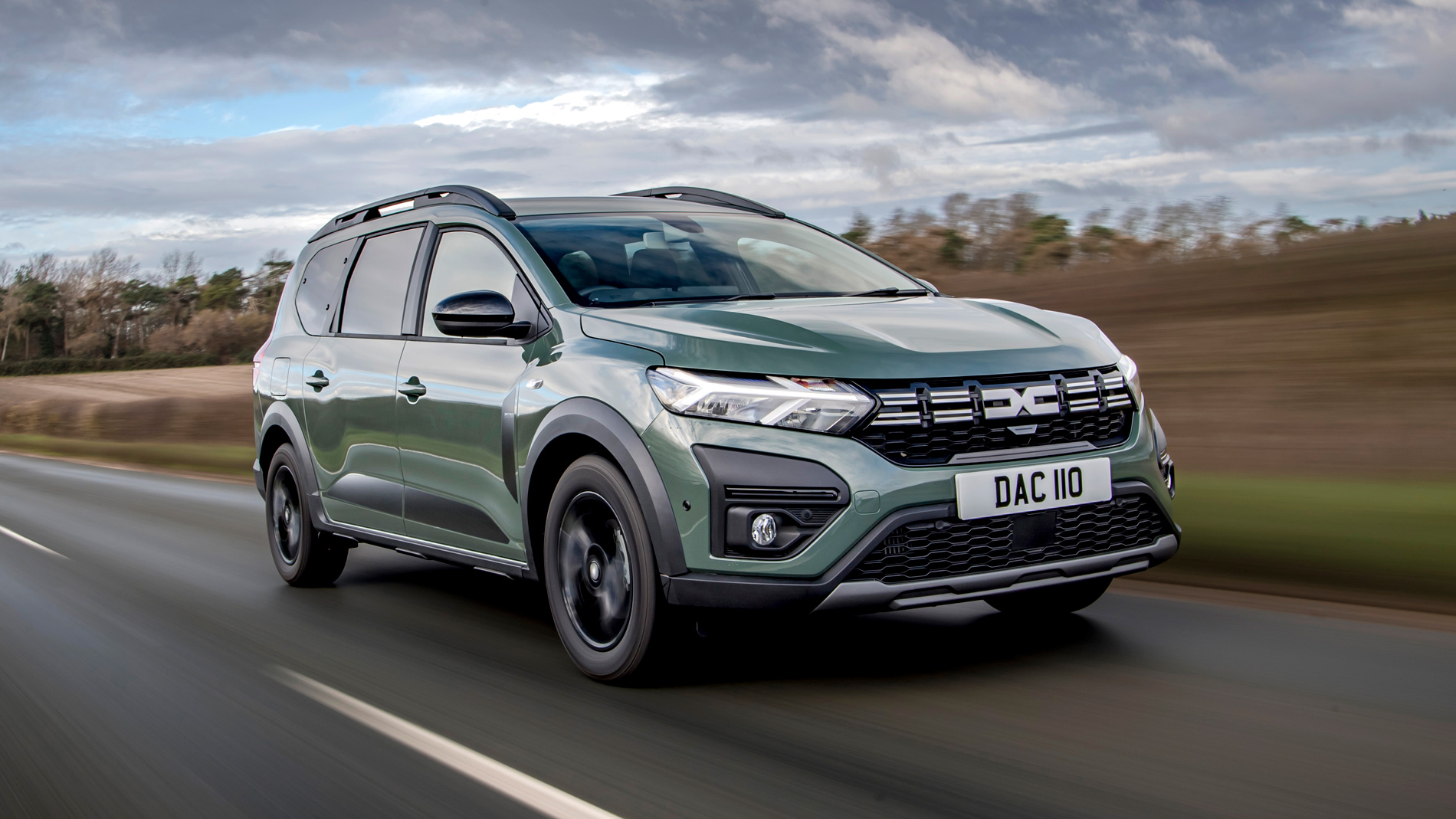
4. Dacia Jogger: Practical Seven-Seater Hampered by Safety Reputation
The Dacia Jogger offers notable practicality for city families, with seating for seven and a spacious interior at an extremely affordable price. However, its one-star Euro NCAP rating raises serious concerns for safety-conscious drivers, particularly in urban environments where frequent stops, pedestrians, and cyclists are part of daily driving.
While the Jogger’s physical design is functional, its lack of advanced safety features can make city driving feel stressful.
A major issue highlighted in the Euro NCAP tests is the risk to pedestrians and cyclists. The Jogger’s original Autonomous Emergency Braking (AEB) system relied on radar only and was not programmed to detect pedestrians or cyclists. This omission removes a critical layer of protection for urban drivers, reducing confidence in situations where sudden stops or unexpected obstacles are common.
Side and rear occupant protection also contributed to the low rating. Third-row seats lacked seatbelt reminders, making it difficult for drivers to ensure all passengers, often children, were safely buckled. Additionally, the absence of side-curtain airbags in the rear leaves passengers more vulnerable in side-impact collisions, which are frequent at intersections in city traffic.
Urban convenience features were also lacking. Earlier models did not include Lane Support Systems or Intelligent Speed Assistance, tools that help reduce driver fatigue in stop-and-go traffic and narrow streets. Without these assists, the driver must maintain heightened vigilance, increasing stress during long city commutes.
Recent updates for the 2024–2026 models have addressed many of these concerns. The Jogger now includes upgraded AEB with pedestrian and cyclist detection, Lane Keeping Assist, Traffic Sign Recognition, and rear parking sensors for tighter city maneuvers. Despite these improvements, the official Euro NCAP score remains a one-star rating because a full re-test has not yet been conducted.
For urban families, the Dacia Jogger remains a practical, spacious, and cost-effective choice, but its historical safety rating continues to cast a shadow, requiring drivers to weigh reputation against actual updated capabilities.
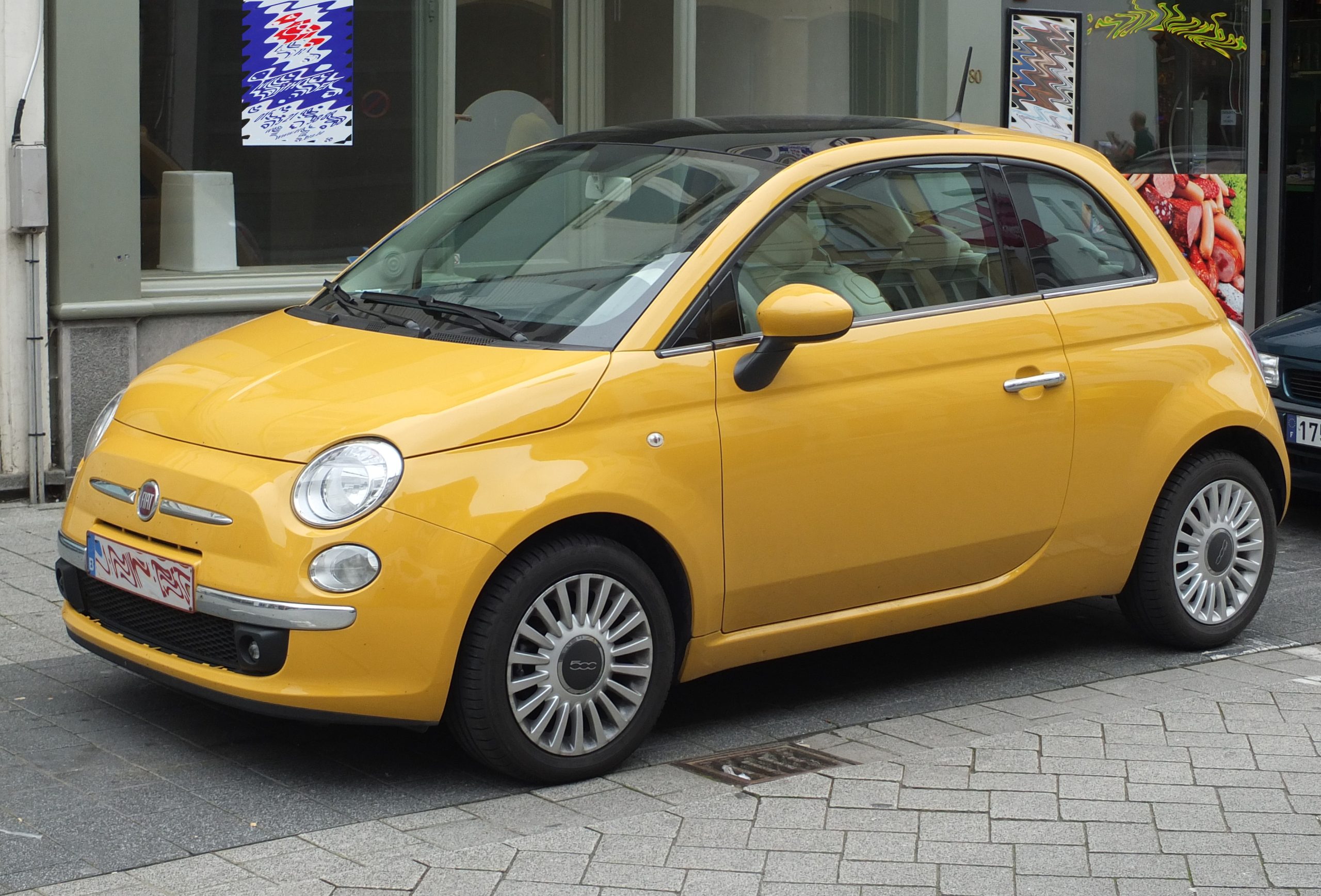
5. Fiat 500 (Older Models): Stylish but Limited for Modern City Life
Older Fiat 500 models, especially pre-2021 petrol versions, remain highly maneuverable thanks to their compact size, but by 2026, they show significant limitations in performance, safety, and comfort for contemporary urban driving.
Performance is a major drawback. Small engines, such as the 1.2-litre petrol, feel sluggish, taking over 16 seconds to reach 62 mph. This makes entering fast-moving traffic or handling busy intersections stressful. The Dualogic automated manual transmission often hesitates or drops into neutral unexpectedly, reducing confidence in stop-and-go conditions.
Safety is another concern. While the Fiat 500 earned five stars in 2007, its rating dropped to three stars by 2017 as testing standards evolved. By 2026, these older models lack essential modern features such as autonomous emergency braking, lane-keeping assist, and blind-spot monitoring. In dense city streets filled with larger SUVs and high-tech vehicles, this absence of safety aids makes the car feel vulnerable.
Practicality and ergonomics are also limited. The rear seats are cramped, suitable only for small children, and cargo space is just 185 litres, far below competitors like the Kia Picanto or Hyundai i10. The seating position is fixed and high, forcing drivers to lean forward to see traffic lights clearly, and cabin storage for modern devices is minimal.
Ride quality suffers due to the short wheelbase, creating a “jiggly” experience over potholes, speed bumps, and uneven pavement. Reliability is another concern, with older models prone to failing power steering sensors, oil leaks in TwinAir engines, and fragile door handles.
While the 2026 Fiat 500 Hybrid offers a more modern and practical alternative, older petrol versions are increasingly suited more as fashion statements than functional urban vehicles. Their compact charm is overshadowed by outdated performance, limited safety, and compromised comfort, making them a less practical choice for city families.
Selecting the right family car for city living requires balancing size, efficiency, comfort, and safety. Models like the 2026 Honda Civic Hybrid, Toyota Sienna, and Kia Soul combine compact maneuverability, generous interior space, and advanced safety technology, making them reliable allies for urban families.
Conversely, vehicles such as the Ford Expedition, Jeep Wrangler, and older Fiat 500, while impressive in their respective domains, demonstrate that power, off-road capability, or compact charm alone do not guarantee city-friendly practicality.
By weighing these strengths and limitations, families can avoid urban frustrations and choose a vehicle that supports daily routines with confidence, efficiency, and comfort. The right choice ensures that the car becomes a dependable tool for city life rather than an obstacle, helping families navigate busy streets with ease and peace of mind.
Also Read: 10 Cars That Are Awkward in Drive-Thrus and Tight Lots