
The automotive industry has experienced a technological revolution over the past decade, transforming vehicles from simple machines into sophisticated computers on wheels.
Modern cars now feature advanced infotainment systems, digital dashboards, autonomous driving capabilities, and connectivity features that would have seemed like science fiction just years ago.
While these innovations promise enhanced safety, convenience, and driving pleasure, they don’t always deliver on their potential. In fact, some vehicles have become notorious for technology that frustrates rather than facilitates.
The problem isn’t necessarily that automakers are pushing boundaries; innovation requires risk-taking. Rather, it’s that certain manufacturers have prioritized technological showmanship over usability, reliability, and common sense.
Touch-sensitive controls replace perfectly functional buttons, forcing drivers to go through multiple menu screens to adjust basic settings. Software glitches cause systems to freeze or reboot while driving.
Over-the-air updates fail, leaving owners stranded with malfunctioning features. Complex electronic architectures mean simple repairs now require dealer visits and exorbitant costs.
These technological headaches affect owners daily, transforming what should be enjoyable ownership experiences into exercises in frustration.
From luxury brands that should know better to mainstream manufacturers experimenting with unproven systems, the following seven vehicles demonstrate how technology can go spectacularly wrong.
These aren’t bad cars per se many excel in traditional metrics like performance and comfort but their technological implementations create genuine problems that overshadow their virtues.
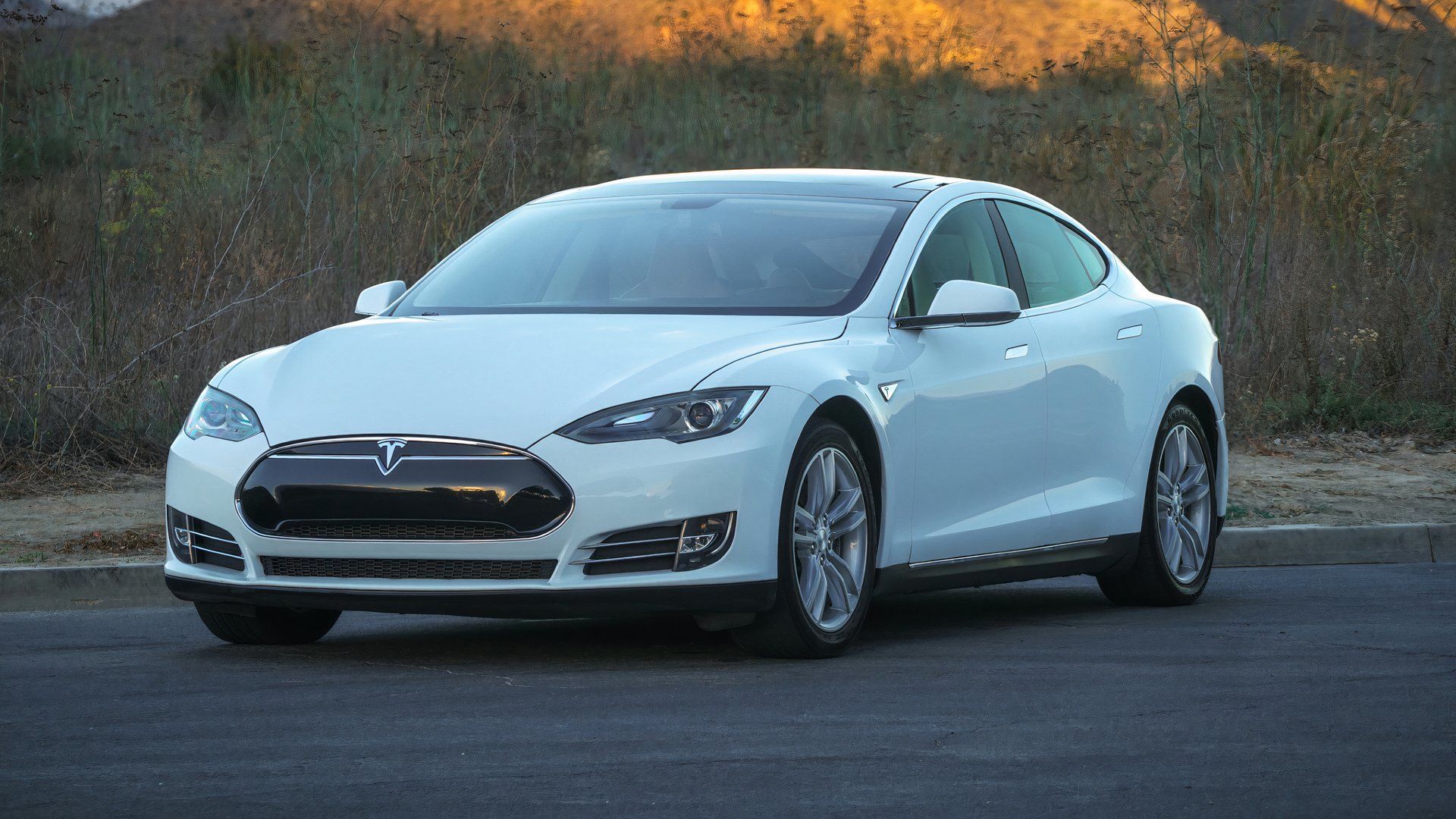
1. Tesla Model S and Model X (2012-2020)
The Tesla Model S revolutionized the electric vehicle market and introduced the world to the concept of a car as a continuously updating software platform.
However, early and mid-generation Model S and Model X vehicles have become infamous for technological issues that range from annoying to genuinely problematic.
While Tesla’s over-the-air update capability represents genuine innovation, it has also meant owners sometimes wake up to find features changed, removed, or malfunctioning after overnight updates they never requested.
The centerpiece of these vehicles is the massive touchscreen controls, which virtually everything from climate settings to glove box access. This creates fundamental usability problems.
Adjusting the air conditioning requires taking your eyes off the road to go through menus, something traditional buttons accomplish instantly.
The screen itself has proven problematic, with numerous owners reporting complete failures requiring expensive replacements. When the screen dies, so does access to critical vehicle functions, though Tesla has improved this with recent updates allowing some basic controls to work independently.
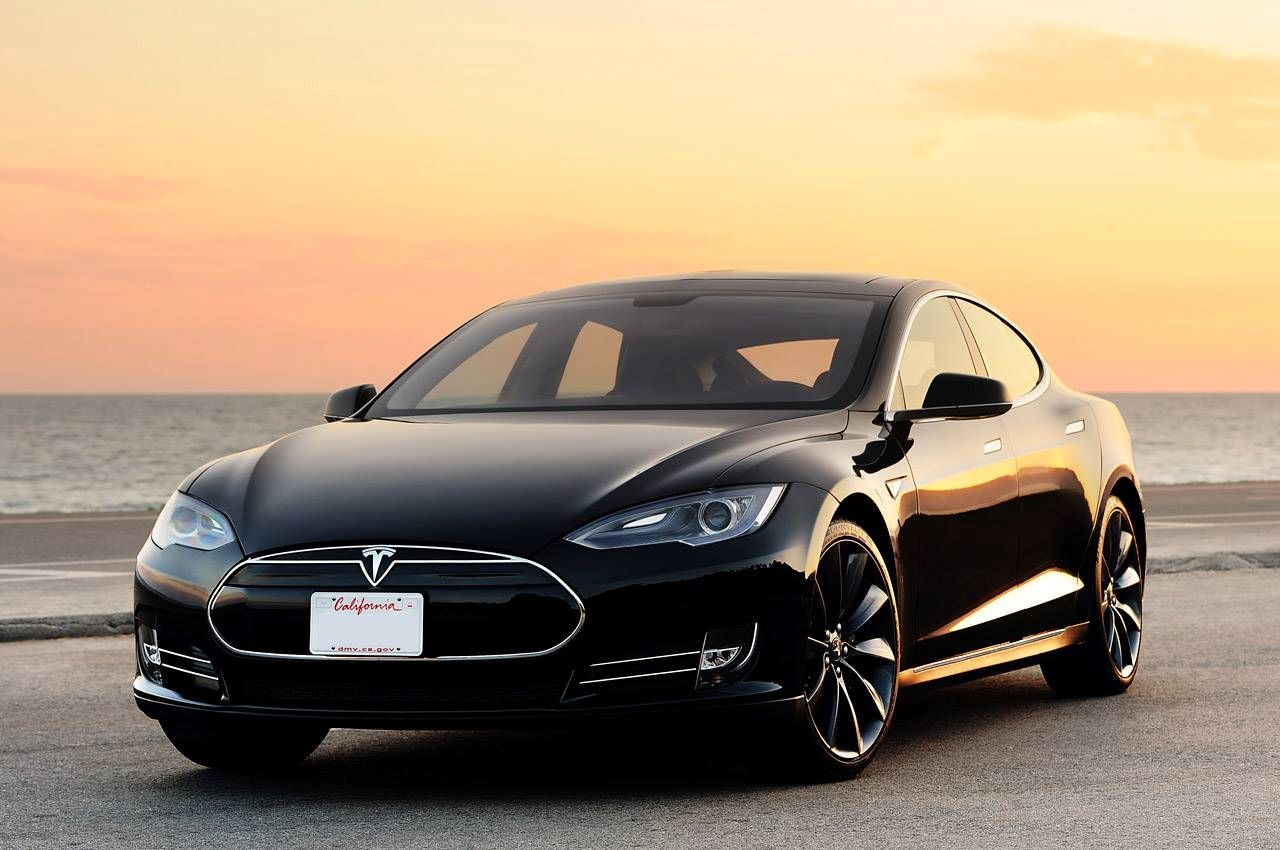
Door handles on the Model S represent another technological solution to a problem that didn’t exist. The auto-presenting handles frequently fail, leaving owners unable to enter their vehicles.
In cold weather, they freeze solid. The electronic door releases have also caused safety concerns, with some occupants struggling to exit vehicles during emergencies because they couldn’t find the manual override.
The falcon-wing doors on the Model X epitomize form over function. While visually striking, they’re plagued with sensors that prevent opening in tight spaces, motors that fail prematurely, and alignment issues that are expensive to repair.
Multiple owners have reported being trapped in parking garages because the doors won’t open, or finding themselves unable to close the doors properly, forcing them to drive home with doors partially open.
Build quality inconsistencies compound these technological issues. Panel gaps, paint defects, and electrical gremlins are common, with some owners reporting problems with Autopilot sensors, charging port doors that won’t open, and infotainment systems that reboot randomly while driving.
The air suspension system, while providing excellent ride quality when working, frequently fails and costs thousands to repair outside warranty.
2. BMW iDrive System (2001-2010 Models)
BMW’s iDrive system, introduced in the 2001 7 Series, represents one of the automotive industry’s most ambitious early attempts at consolidating vehicle controls into a single interface.
Unfortunately, it also represents one of the most spectacular failures in usability. The original system forced drivers to control over 700 vehicle functions through a single rotary controller and screen, replacing intuitive buttons and knobs with a menu system so complex that BMW had to offer special classes to teach owners how to use their cars.
The fundamental problem with the early iDrive was its violation of basic ergonomic principles. Simple tasks like changing the radio station or adjusting the climate temperature required going through multiple menu layers.
The system’s logic was counterintuitive, with functions buried in unexpected locations. Want to change the interior lighting? That’s in a submenu under settings, not where you’d logically expect it. The learning curve was so steep that many owners simply gave up and never learned to use half their car’s features.

Technical reliability compounded the usability issues. The system frequently crashed, froze, or became unresponsive, sometimes requiring a complete reboot that took several minutes.
The controller itself wore out prematurely, with the clicking mechanism failing or becoming sticky. Screen failures were common, and replacement costs were astronomical often exceeding three thousand dollars for parts and labor.
The integration of essential vehicle functions into iDrive created safety concerns. Adjusting the air conditioning while driving became a distraction-heavy multi-step process.
Backlighting controls, seat adjustments, and even suspension settings all required screen interaction. This meant drivers frequently took their eyes off the road for extended periods, exactly the opposite of what automotive design should encourage.
BMW eventually recognized these problems and substantially improved iDrive in later generations, adding more physical buttons for common functions and simplifying menu structures.
However, the damage to BMW’s reputation for driver-focused design had been done. The original iDrive became legendary in automotive circles as an example of how not to implement technology, a cautionary tale about prioritizing innovation over practicality.
3. Cadillac CUE System (2012-2019)
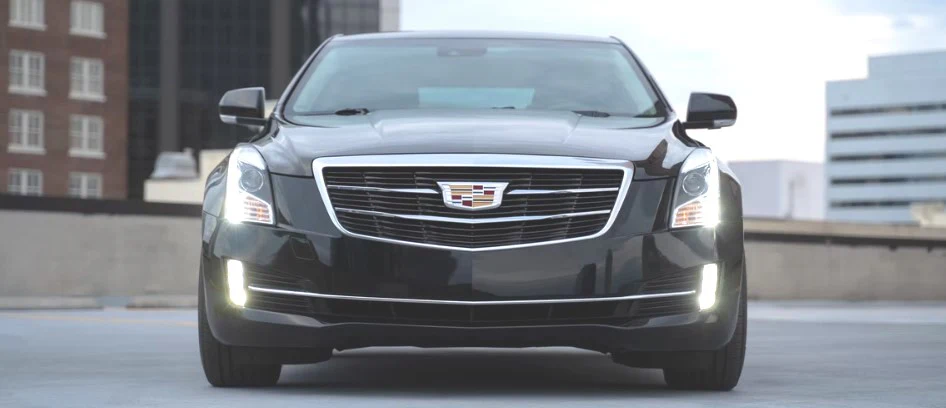
Cadillac’s Cue (Cadillac User Experience) system debuted in 2012 with the ATS and quickly became one of the most criticized infotainment systems in the industry.
General Motors intended Cue to position Cadillac as a technology leader, but instead created a system that frustrated owners and damaged the brand’s luxury credentials.
The problems were so severe that GM eventually abandoned Cue entirely, replacing it with a completely different system in newer models.
The most immediate problem with Cue was its haptic feedback touch-sensitive controls. Cadillac eliminated physical buttons for climate and audio controls, replacing them with a glossy black panel featuring touch-sensitive zones.
In theory, the panel provided haptic feedback tiny vibrations when touched. In practice, the system was maddeningly inconsistent. Sometimes it registered touches when unintended; other times it ignored deliberate inputs.
The glossy surface was a fingerprint magnet and nearly impossible to see in direct sunlight, forcing drivers to jab repeatedly at where they thought controls should be.
System lag was another critical flaw. Touchscreen responses were delayed by seconds, not milliseconds. Pressing the home button might take three or four seconds to register.
Scrolling through menus felt like using a computer from the 1990s. For a luxury vehicle costing fifty thousand dollars or more, this sluggishness was inexcusable, especially when smartphones had demonstrated that responsive touchscreens were entirely achievable.
Software stability issues plagued Cue throughout its existence. The system crashed frequently, sometimes multiple times during a single drive.
Screen freezes were common, as were complete system reboots that took several minutes and disabled all infotainment functions. Bluetooth connectivity was notoriously unreliable, with phones randomly disconnecting or refusing to pair.
The navigation system was slow, with route calculations taking an eternity and map redraws causing noticeable lag. Hardware failures were equally problematic.
Many owners reported complete touchscreen failures within the first few years of ownership, often outside warranty periods. Replacement costs exceeded one thousand five hundred dollars.
The embedded flash memory used for system storage wore out prematurely, causing progressive system degradation and eventual failure. Some owners experienced problems with the proximity sensors that were supposed to make the screen light up when hands approached, leaving them with dark, unresponsive displays.
4. Land Rover/Range Rover InControl Touch Pro (2015-2021)
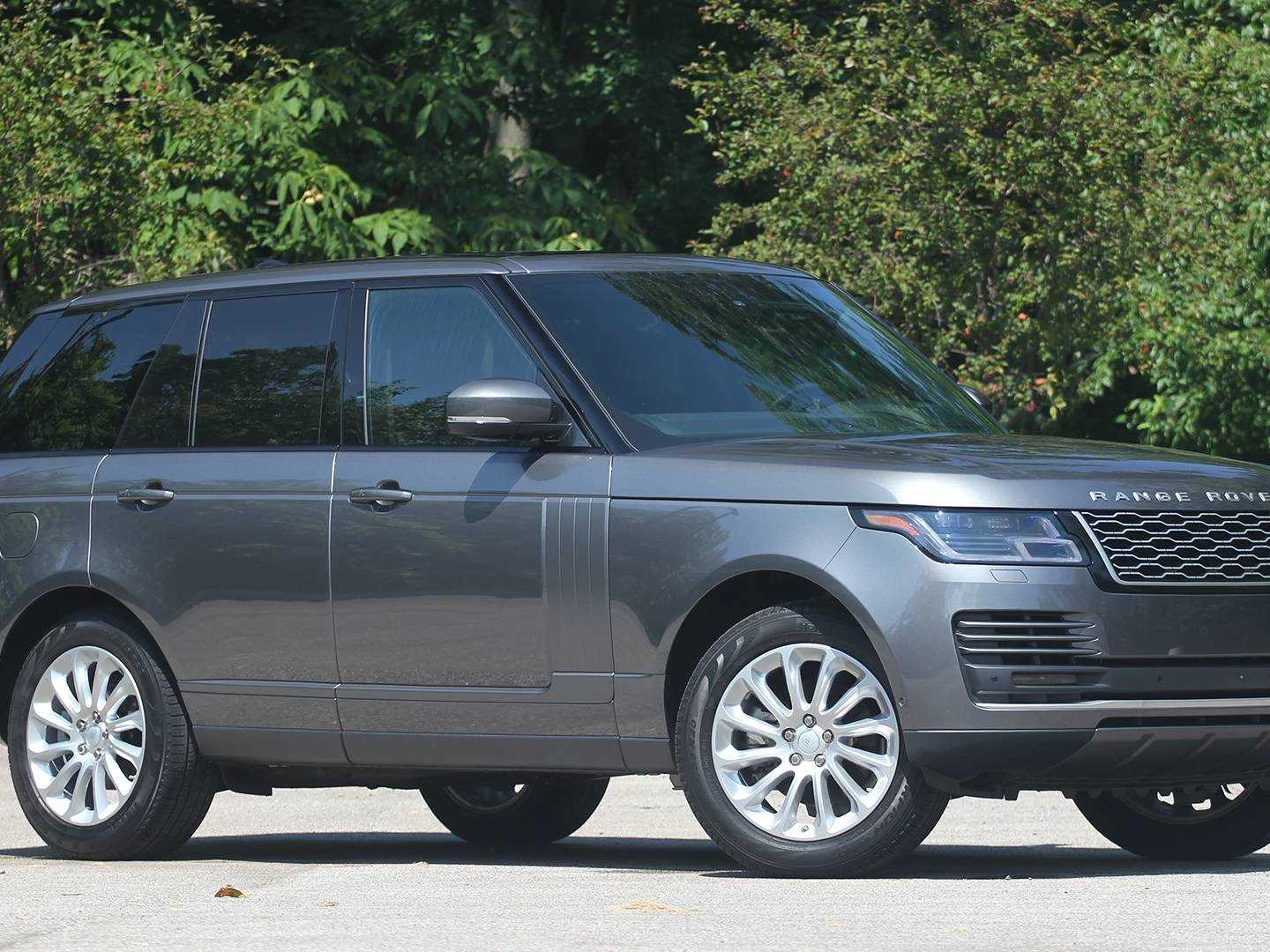
Land Rover and Range Rover vehicles equipped with the InControl Touch Pro system have earned a reputation for technological unreliability that seems particularly incongruous given these vehicles’ luxury positioning and premium pricing.
Owners paying seventy thousand to over one hundred thousand dollars for their vehicles expected bulletproof reliability; instead, they got systems that fail with alarming regularity and cost fortunes to repair.
The InControl Touch Pro system controls virtually all vehicle functions through dual touchscreens one for infotainment and navigation, another for climate controls. While this looks impressive in showrooms, real-world use reveals serious problems.
The system suffers from severe lag, with inputs taking multiple seconds to register. Scrolling through menus or zooming maps happens in stuttering, frustrating increments. For vehicles marketed on their luxury credentials, the experience feels distinctly budget-grade.
System crashes and freezes occur with shocking frequency. Many owners report their screens going black multiple times per week, requiring complete system reboots.
Sometimes the screens freeze on a single image, becoming completely unresponsive. Climate controls stop working when the lower screen fails, meaning owners can’t adjust temperature or airflow.
Navigation stops mid-route, leaving drivers without guidance. The backup camera may display a frozen image or fail to activate, creating genuine safety hazards.
Bluetooth and connectivity problems plague these systems relentlessly. Phones disconnect randomly during calls or music streaming. Pairing new devices becomes an exercise in frustration, sometimes requiring multiple attempts over several days.
Apple CarPlay and Android Auto integration, added to later versions, works intermittently at best. USB ports fail to recognize devices or charge phones.
Software updates, which should improve the system, often make things worse. Dealers have been known to install updates that brick the entire system, requiring days or weeks for replacement parts to arrive.
Some owners have reported being without working infotainment systems for months while waiting for repairs under warranty. Outside warranty, replacement costs can exceed five thousand dollars.
The underlying problem appears to be inadequate processing power combined with overly ambitious software. Land Rover tried to create a feature-rich system without the hardware foundation to support it smoothly.
The result is a frustrating experience that undermines the vehicles’ otherwise excellent qualities in off-road capability, luxury, and presence.
Also Read: 5 Electric Vehicles That Cope With Houston Gridlock vs 5 That Overheat Early
5. Mercedes-Benz COMAND System (2013-2018 Models)
Mercedes-Benz has long positioned itself as a technology leader in the luxury segment, but its COMAND (Cockpit Management and Data) system in mid-2010s models proved that even prestigious automakers can stumble badly with technology implementation.
While not as universally panned as some competitors’ systems, COMAND frustrated owners with reliability issues, counterintuitive operation, and expensive failures that seemed unacceptable in vehicles costing sixty thousand to well over one hundred thousand dollars.
The COMAND interface relied on a rotary controller similar to BMW’s iDrive, combined with touchpad inputs for character entry and touchscreen functionality in later versions.
The problem was that Mercedes never seemed to decide which input method should be primary, creating confusion and redundancy.
Simple tasks could be accomplished multiple ways, but none felt natural or intuitive. The learning curve was unnecessarily steep, with owners reporting they needed weeks to feel comfortable with basic operations.
System reliability emerged as a major concern. Hard drive failures were common, particularly in 2014-2016 models, corrupting navigation data and stored media. The system would boot to an error screen or freeze during startup.

Replacement required dealer service and often exceeded two thousand dollars. Audio amplifier failures also plagued these systems, resulting in no sound from any speakers. The amplifier is integrated with COMAND, making replacement extremely expensive.
Navigation functionality, supposedly a strength for Mercedes, proved disappointing. Map data became outdated quickly, and updates were expensive, often several hundred dollars for DVD updates or online downloads.
The system struggled to calculate routes efficiently, sometimes suggesting absurd detours. Traffic data integration was unreliable. Voice recognition for destination entry rarely worked as intended, frequently misunderstanding addresses and requiring multiple attempts.
The controller itself wore poorly. The rotary knob became loose or sticky after moderate use. The touchpad surface scratched easily and became less responsive over time. Buttons around the controller faded or stopped clicking properly. For vehicles marketed on their quality and attention to detail, these failures felt like betrayals of brand values.
Perhaps most frustratingly, Mercedes charged premium prices for COMAND updates and repairs while offering customer service that owners found dismissive of their complaints. Many reported being told system glitches were “normal” or that expensive replacements were “maintenance items” not covered by warranty.
6. Jeep UConnect 8.4 (2013-2016)
Jeep’s UConnect system earned praise for its user-friendly interface and responsive touchscreen, making the 2015 revelation of critical security vulnerabilities all the more shocking.
Security researchers demonstrated they could remotely hack UConnect-equipped vehicles, taking control of steering, braking, and acceleration. This led to a recall of 1.4 million vehicles and permanently damaged UConnect’s reputation, but the problems extended well beyond security concerns.
The UConnect 8.4-inch system suffered from numerous software bugs that caused real-world problems for owners. Random reboots while driving were common, causing the screen to go black for minutes at a time. During reboots, the backup camera became unavailable, creating safety hazards.
The system sometimes froze completely, requiring owners to pull over and perform hard resets by holding multiple buttons simultaneously, a procedure most owners never knew existed until they desperately searched online forums.
Bluetooth connectivity was notoriously unreliable in UConnect systems. Phones would pair initially but fail to reconnect automatically on subsequent drives. Call quality was poor, with frequent dropouts and audio that cut in and out.
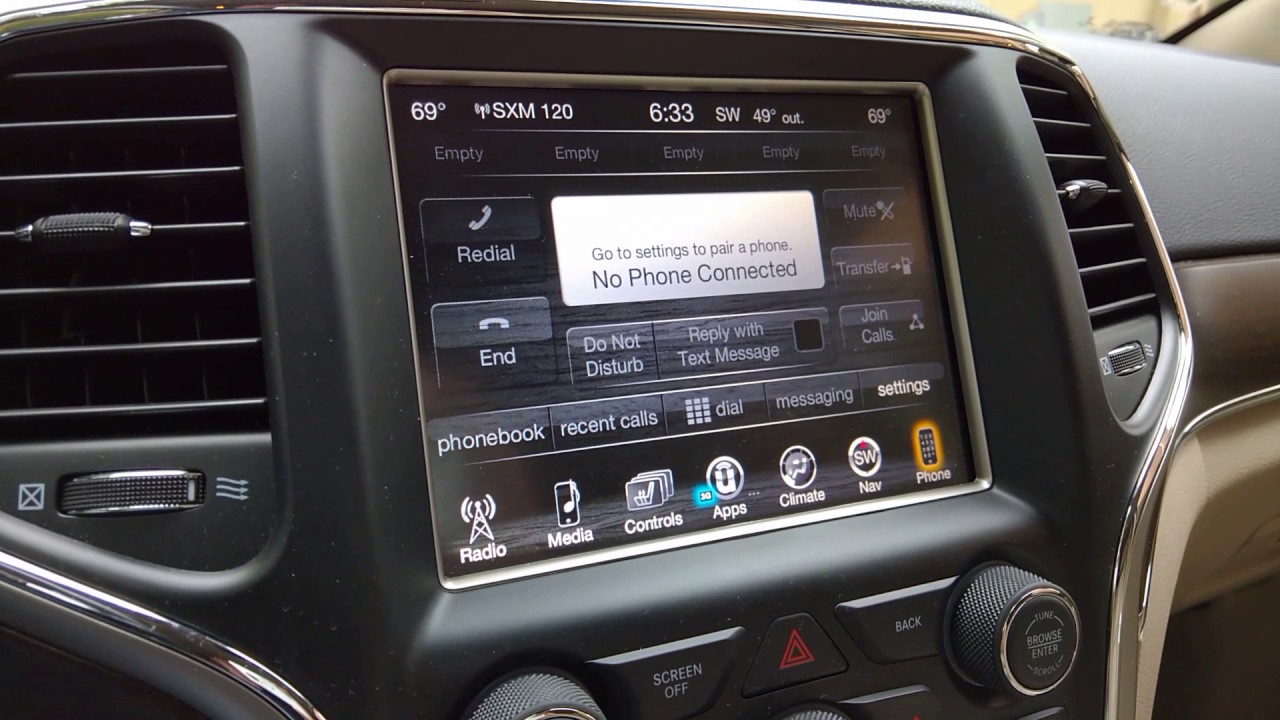
Music streaming stuttered or stopped randomly. Some owners reported their phones draining batteries rapidly when connected to UConnect, suggesting software inefficiencies in how the system managed connections.
The system’s GPS navigation frequently lost satellite lock, especially in areas with tall buildings or tree cover. This wasn’t just annoying it made the navigation feature nearly useless for many owners.
Route guidance would disappear mid-turn, leaving drivers stranded at critical intersections. Recalculations took excessive time, and the system sometimes insisted on routes that were obviously inferior to alternatives.
Hardware failures compounded software problems. Touchscreens developed dead zones where touches weren’t registered. USB ports stopped working, failing to charge devices or recognize media.
SD card slots used for map updates corrupted cards or refused to read them. The system’s internal storage degraded over time, causing progressive slowdowns and eventual failures.
Fiat Chrysler’s response to these issues frustrated owners further. Software updates were released slowly and often failed to fix problems.
Dealerships seemed inadequately trained to diagnose UConnect issues, sometimes performing expensive repairs that didn’t solve underlying problems.
Warranty coverage was inconsistent, with some owners receiving free replacements while others paid thousands for the same failures.
7. Volkswagen MIB II Infotainment System (2016-2021)
Volkswagen’s Modular Infotainment Platform (MIB II) appeared across the company’s lineup from 2016 onward, affecting everything from the Golf to the Atlas.
While VW marketed these systems as modern and connected, owners quickly discovered significant usability and reliability problems that made everyday operation frustrating. The issues were severe enough that Volkswagen eventually replaced MIB II with an entirely new platform in its latest vehicles.
The touchscreen interface suffered from poor responsiveness and lag that made simple operations tedious. Touches sometimes didn’t register, forcing owners to tap multiple times.
Scrolling through menus happened in jerky increments rather than smooth motion. The capacitive touch controls below the screen, designed to look sleek by eliminating physical buttons, were nearly impossible to use accurately while driving, as there was no tactile feedback to confirm button presses.
Apple CarPlay and Android Auto integration, theoretically a strength of MIB II, proved unreliable. Connections dropped randomly during drives, forcing owners to unplug and replug their phones repeatedly.
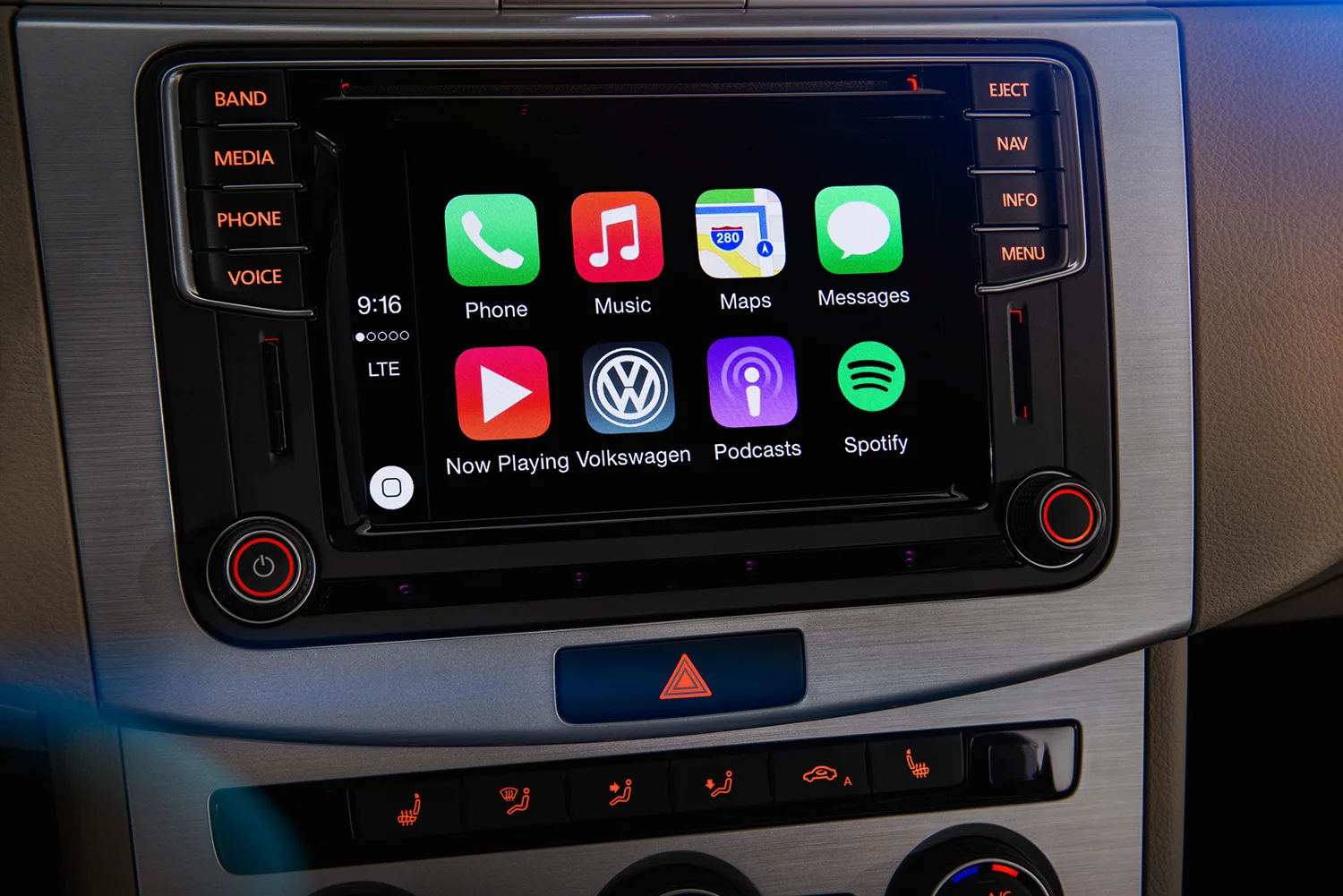
Sometimes the system refused to recognize phones it had connected to successfully the previous day. Wireless Android Auto, available on some models, was particularly problematic, disconnecting so frequently as to be essentially unusable for many owners.
The navigation system demonstrated puzzling limitations and bugs. It couldn’t store many saved destinations, maxing out at far fewer locations than competitors’ systems.
Voice commands for navigation rarely worked correctly, misinterpreting addresses or simply failing to understand requests. The map display was cluttered and difficult to read at a glance. Route guidance sometimes provided instructions too late for drivers to react safely.
Software updates created as many problems as they solved. Volkswagen rolled out updates that inadvertently disabled features, changed settings without permission, or introduced new bugs.
Some updates failed during installation, bricking systems and requiring dealer intervention to restore functionality. Dealers charged for software updates outside of warranty periods, adding insult to injury.
The underlying issue with MIB II appears to be inadequate processing power for the software demands placed on it, combined with insufficient quality control before release.
Volkswagen prioritized getting the system to market quickly rather than ensuring it worked reliably, leaving owners to deal with the consequences.
Also Read: 5 Electric Vehicles That Cope With Houston Gridlock vs 5 That Overheat Early
