
In the modern automotive world, software has transformed from a supplementary feature to the central nervous system of our vehicles. What began as simple electronic fuel injection has evolved into an intricate web of interconnected systems controlling everything from acceleration to air conditioning.
Today’s cars contain more lines of code than a Boeing 787 Dreamliner, with some luxury vehicles running on over 100 million lines of software. This digital revolution has brought unprecedented capabilities advanced driver assistance, over-the-air updates, seamless connectivity, and intelligent performance optimization.
However, this software dependency comes with significant trade-offs that are becoming increasingly apparent to drivers and industry experts alike. When software fails, vehicles can become immobilized, safety features may malfunction, and simple tasks that once required mechanical fixes now demand expensive trips to authorized service centers.
The reliance on proprietary software ecosystems has created new vulnerabilities to cyberattacks, privacy concerns, and planned obsolescence. Some manufacturers have taken this dependency to extremes, designing vehicles where nearly every function from opening doors to adjusting mirrors requires software intervention.
This article examines seven vehicles that exemplify the potential pitfalls of excessive software reliance. These aren’t necessarily bad vehicles; many are technological marvels in their own right.
However, they represent a growing trend where software complexity has created new categories of problems that traditional automotive engineering never faced, raising important questions about reliability, ownership rights, and the future direction of automotive design.
1. Tesla Model S/Model X
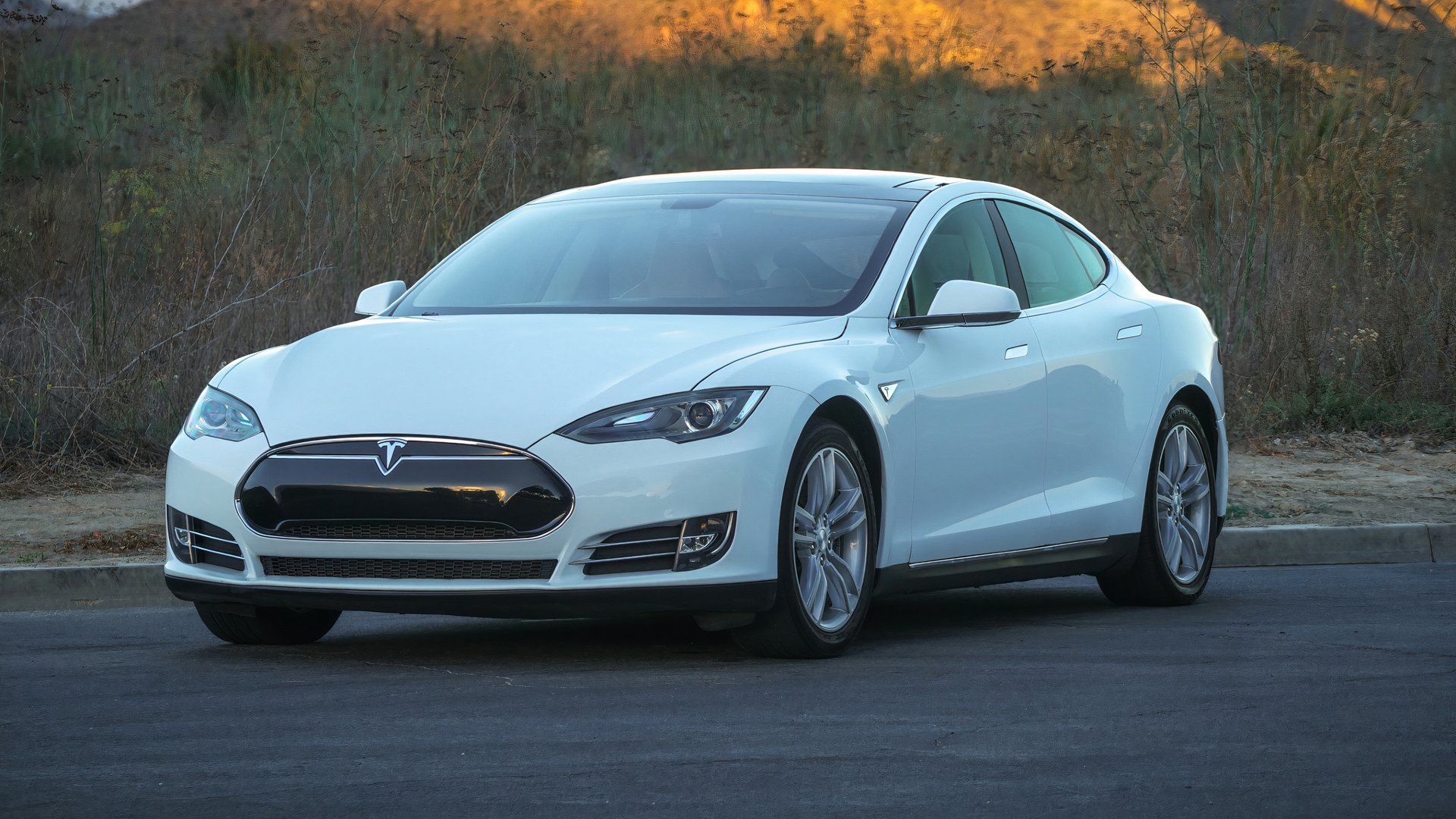
Tesla vehicles represent perhaps the most extreme example of software-centric automotive design in the mainstream market. Every aspect of the Model S and Model X experience revolves around software, from the massive central touchscreen that controls virtually all vehicle functions to the constantly evolving Autopilot system.
While this approach has enabled Tesla to introduce groundbreaking features and improvements through over-the-air updates, it has also created a dependency that leaves owners vulnerable when the software fails.
The most immediate concern is the centralization of controls through the touchscreen interface. Unlike traditional vehicles where critical functions like climate control, headlights, and windshield wipers have dedicated physical controls, Tesla has migrated these to software menus.
This means that a touchscreen malfunction which has occurred in thousands of vehicles due to memory chip failures can render essential safety features inaccessible.
The National Highway Traffic Safety Administration has issued multiple recalls for software-related issues, including problems with the backup camera display, unintended acceleration caused by firmware bugs, and failures in the touchscreen that could prevent the defroster from clearing the windshield.
Tesla’s Autopilot and Full Self-Driving (FSD) systems represent another layer of software dependency. These systems, which cost thousands of dollars extra, rely entirely on software updates to improve functionality.
However, the promised features have often been delayed by years, and the systems’ capabilities can vary dramatically between software versions. Some updates have actually reduced functionality, and owners have reported instances where their vehicles’ behavior changed unexpectedly after an update, requiring readjustment to new driving characteristics.
The vehicle’s reliance on an internet connection for optimal functionality creates additional vulnerabilities. When Tesla’s servers experience outages as happened in November 2021 owners worldwide reported being unable to unlock their cars or access basic features through the mobile app.
While physical key cards provide backup access, this incident highlighted how cloud-dependent these vehicles have become. Furthermore, Tesla’s ability to remotely modify vehicle capabilities, whether limiting battery capacity during recalls or adjusting performance characteristics, raises questions about true ownership.
Repair and maintenance present another challenge. Tesla’s software locks many components to specific vehicles, meaning that even simple part replacements can require authorization from Tesla’s servers.
Independent repair shops struggle to service these vehicles, and Tesla has fought against right-to-repair legislation that would make diagnostic software and replacement parts more widely available.
This creates a monopoly on repairs that can result in longer wait times and higher costs for owners, particularly those far from Tesla service centers.
2. BMW iDrive-Equipped Models (7 Series, X7)
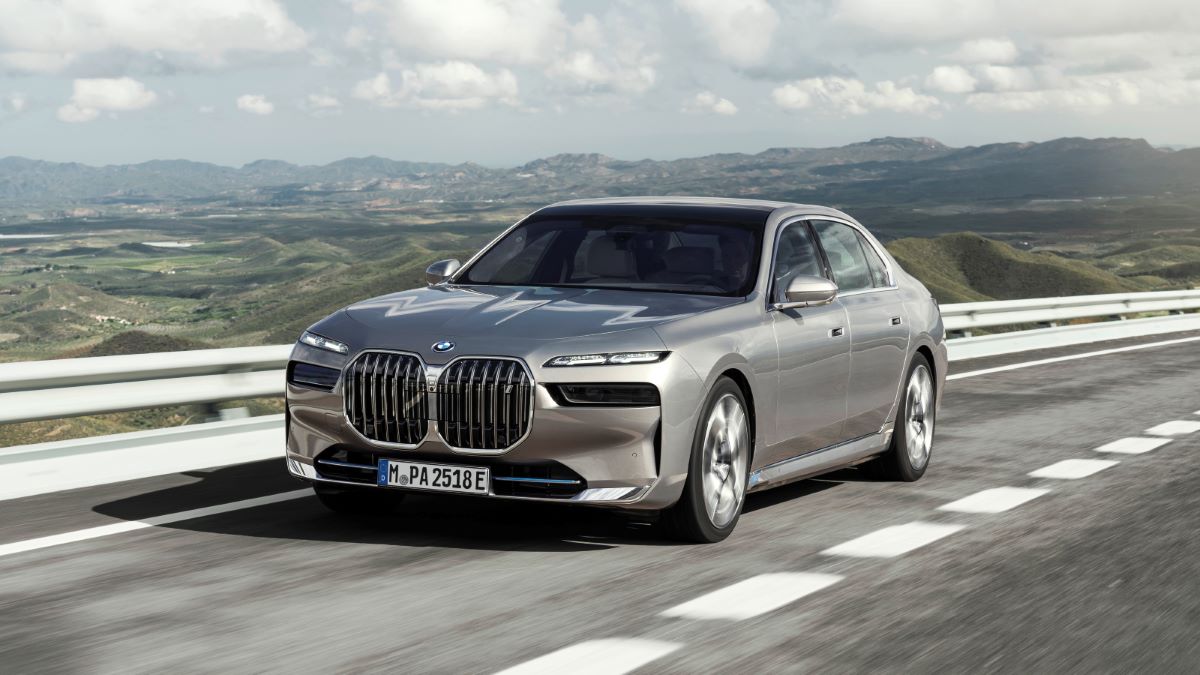
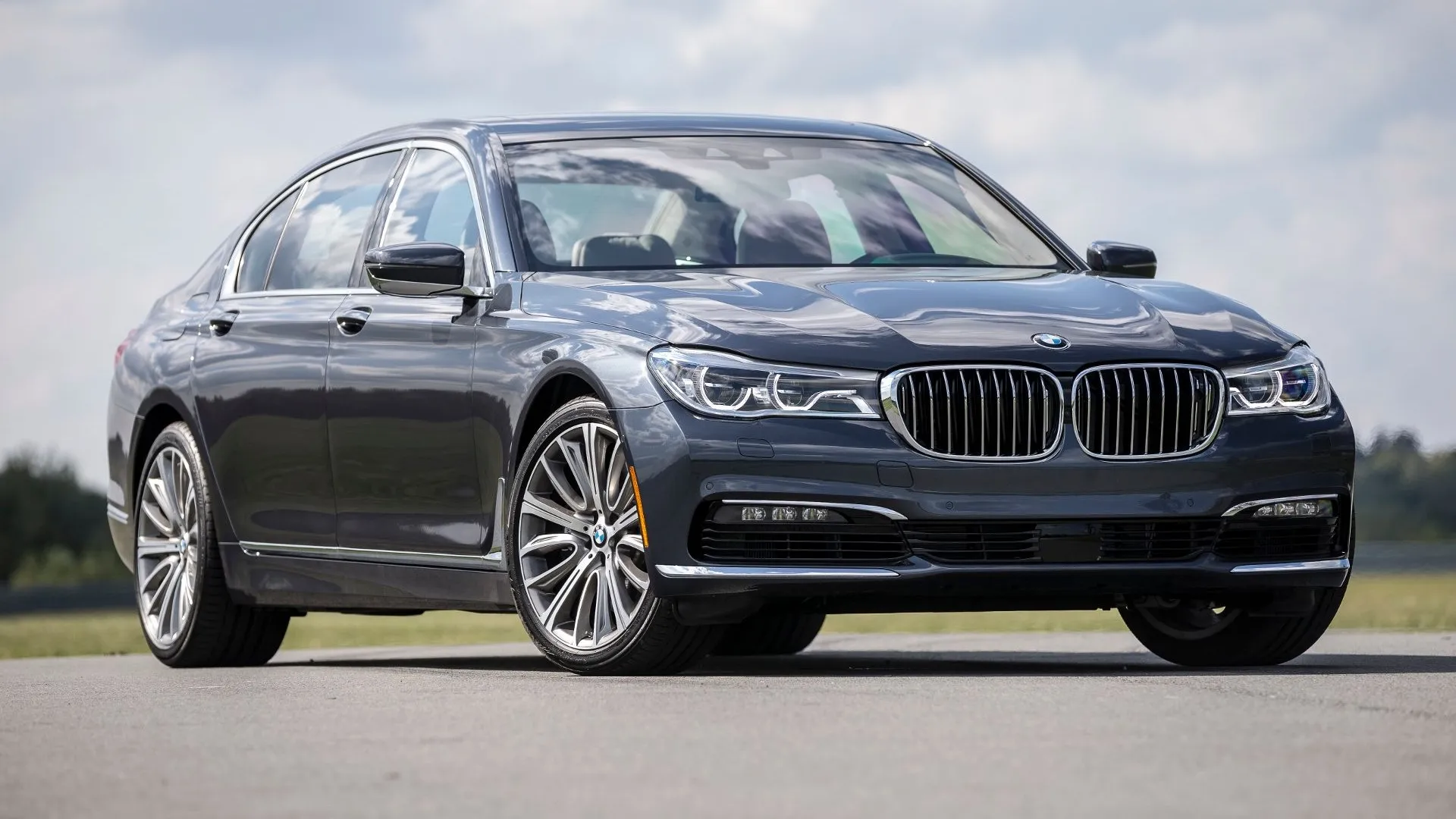
BMW’s iDrive system, particularly in flagship models like the 7 Series and X7, showcases how traditional luxury automakers have embraced software complexity in pursuit of technological sophistication.
The latest iDrive 8 system controls an astonishing array of vehicle functions, creating an ecosystem where software governs everything from suspension settings to interior ambient lighting.
While BMW has maintained more physical controls than Tesla, the depth of software integration has created reliability concerns that undermine the brand’s legendary engineering reputation.
The iDrive system’s complexity becomes apparent when considering the sheer number of electronic control units (ECUs) in these vehicles. A modern BMW 7 Series can contain over 150 separate computer modules, all communicating through multiple network protocols.
When one module experiences a software glitch, it can trigger cascading failures throughout the vehicle. Owners have reported situations where a fault in the infotainment system prevents the car from starting, or where a software error in the climate control module triggers false warnings about critical mechanical failures.
BMW’s implementation of subscription-based features represents a controversial evolution of software dependency. The company has explored charging monthly fees for heated seats, heated steering wheels, and other hardware already installed in the vehicle but locked behind a software paywall.
While BMW backtracked on some of these plans due to public backlash, the capability remains embedded in the vehicle’s software architecture. This approach fundamentally changes the nature of car ownership, where buyers must continue paying to access features in a car they theoretically own outright.
Software updates for BMW vehicles have proven problematic in ways that highlight the risks of over-the-air update systems. While these updates can fix bugs and add features, they can also introduce new problems.
BMW owners have reported instances where updates caused battery drain, introduced new error messages, or changed vehicle behavior in unexpected ways.
Unlike smartphone software that users can choose to delay or skip, automotive software updates are often pushed automatically or strongly encouraged, leaving owners with limited control over their vehicle’s evolution.
The integration of advanced driver assistance systems adds another layer of software dependency. BMW’s Driving Assistant Professional package includes features like lane-keeping assist, active cruise control, and traffic jam assist all requiring constant software interpretation of sensor data.
When these systems malfunction, they can behave unpredictably, sometimes providing false warnings that cause driver distraction, or failing to activate when needed. Calibration of these systems often requires specialized software only available at BMW dealerships, making even minor sensor replacements surprisingly complex and expensive.
3. Mercedes-Benz EQS
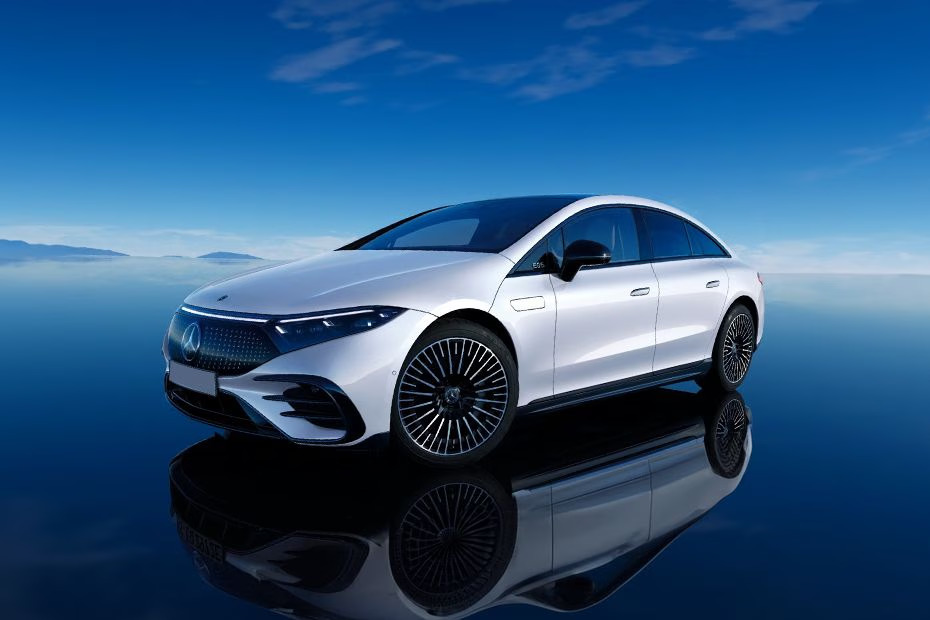
Mercedes-Benz’s flagship electric vehicle, the EQS, represents the company’s vision of a software-defined luxury car. With the massive MBUX Hyperscreen spanning nearly the entire dashboard and running on a system Mercedes claims contains over 100 million lines of code, the EQS pushes software dependency to new extremes.
This all-electric luxury sedan offers an undeniably impressive technological showcase, but it also demonstrates how software complexity can compromise the simplicity and reliability traditionally associated with premium automobiles.
The MBUX Hyperscreen system, while visually stunning, centralizes an overwhelming number of vehicle functions into a software-controlled interface. This 56-inch curved glass display houses three separate screens, all running interconnected software that controls everything from drivetrain settings to seat adjustments.
When the system experiences glitches which early owners have reported with concerning frequency it can affect multiple vehicle functions simultaneously. Some owners have experienced complete system crashes requiring the vehicle to be powered down completely and restarted, a disconcerting experience when it occurs during driving.
Mercedes has embraced the concept of “software-defined vehicles” more aggressively than many competitors, meaning that much of the car’s personality and capabilities are determined by software rather than hardware.
The EQS offers various levels of acceleration and handling through software modes, and Mercedes has begun offering performance upgrades that can be purchased after delivery.
While this provides flexibility, it also means the vehicle’s fundamental character can change through software updates, for better or worse. Owners have reported unexpected changes in vehicle behavior following updates, including alterations to regenerative braking feel and throttle response that required readjustment.
The vehicle’s dependence on accurate software interpretation of sensor data creates unique challenges. The EQS relies on numerous cameras, radar units, and ultrasonic sensors to enable its advanced driver assistance features and sophisticated parking systems.
However, software errors in processing this data have led to false warnings, unexpected automatic braking, and failures of convenience features like the automatic door closing system.
When these sensors require cleaning, alignment, or replacement, the recalibration process demands proprietary Mercedes software, making independent service extremely difficult.
Perhaps most concerning is the EQS’s reliance on software for basic functionality that seems unnecessarily complex. Door handles, for instance, are electronically controlled and can malfunction due to software errors.
The climate control system’s complexity requires software interpretation of multiple inputs, and glitches can result in the system failing to maintain proper temperatures or consuming excessive battery power.
Even the adjustment of mirrors and seats, while offering memory functions, introduces software failure points into functions that once operated reliably through simple mechanical or basic electrical mechanisms, creating situations where software bugs can affect comfort and safety features that drivers expect to work flawlessly.
4. Rivian R1T/R1S
Rivian’s electric adventure vehicles, the R1T pickup truck and R1S SUV, entered the market with a Silicon Valley approach to automotive design that prioritizes software above all else. These vehicles are essentially computers on wheels, with quad-motor electric powertrains entirely controlled by software and nearly every vehicle function mediated through digital systems.
While Rivian’s software enables impressive capabilities like Tank Turn and independent wheel torque vectoring, the company’s extreme reliance on software has created challenges that highlight the risks of treating vehicles primarily as software products.
The R1T and R1S launch were plagued by software issues that prevented Rivian from delivering vehicles at scale. Early customers reported numerous bugs, including spontaneous system reboots while driving, incorrect battery range calculations, malfunctioning driver assistance features, and failures in the digital instrument cluster.
Some issues were serious enough to require physical service appointments despite being software-related, as over-the-air updates couldn’t resolve all problems. This demonstrated how software complexity can bottleneck vehicle production and delivery in ways traditional automotive manufacturing never experienced.
Rivian’s vehicles depend heavily on internet connectivity for full functionality, creating vulnerabilities that traditional off-road vehicles avoid. The company’s adventure-focused marketing emphasizes remote exploration, yet the vehicles work best when connected to cellular networks for navigation updates, software patches, and cloud-based features.
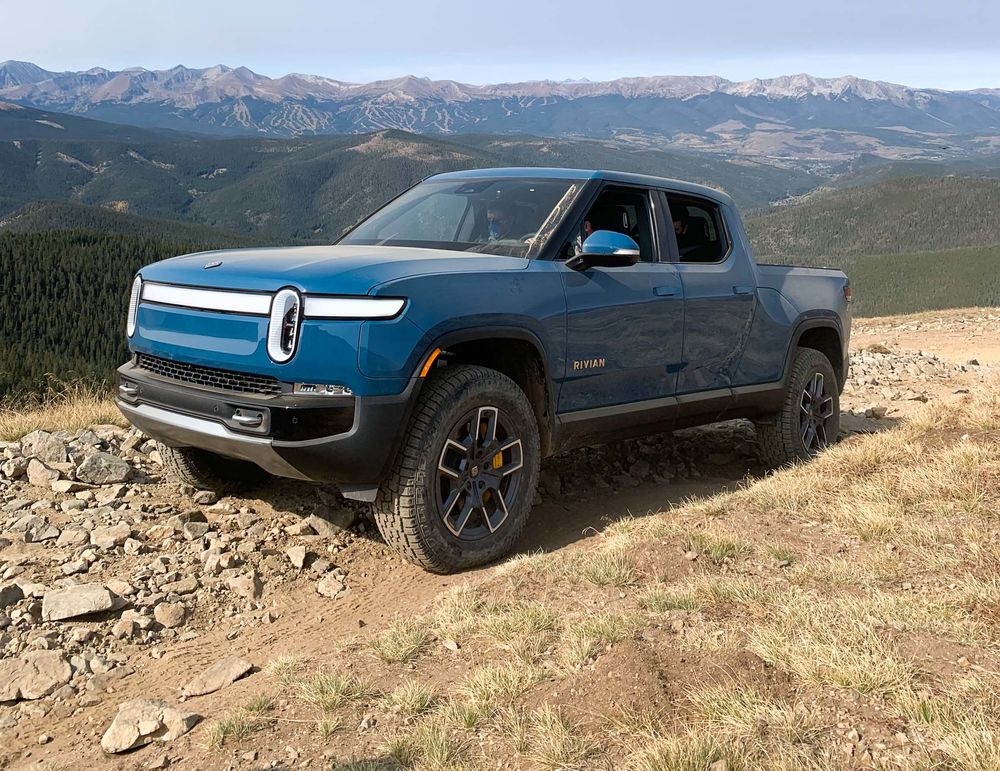
When venturing into areas with poor connectivity precisely where adventure vehicles are meant to excel owners have reported degraded functionality, inability to access certain vehicle settings, and problems with the mobile app that serves as a digital key backup. This creates an ironic situation where vehicles marketed for remote adventures are optimized for urban connectivity.
The software’s control over the electric powertrain has proven problematic in ways that reveal the challenges of software-dependent propulsion systems.
Rivian has issued multiple software updates to address issues with power delivery, battery management, and charging behavior. Some updates have actually reduced the vehicles’ performance or range to protect battery longevity a reasonable engineering decision that nonetheless demonstrates how software can alter a vehicle’s fundamental capabilities after purchase.
Owners have also reported instances where software bugs prevented charging, caused unexpected power limitations, or triggered false warnings about drivetrain problems.
Rivian’s approach to over-the-air updates, while enabling rapid improvement, has also created uncertainty for owners. The company has pushed frequent updates, sometimes monthly, with varying results.
Some updates have introduced new bugs while fixing old ones, and the constant evolution of the vehicle’s software means that the driving experience can change significantly over time. Unlike traditional vehicles where performance remains consistent throughout ownership, Rivian owners must adapt to their vehicle’s evolving software personality.
Additionally, Rivian’s software locks hardware components to specific vehicles, making repairs complex and limiting the secondary market for parts, as components from one Rivian often won’t work in another without software authorization from the company.
Also Read: 5 SUV That Handle Atlanta Congestion vs 5 That Overwork Themselves
5. Lucid Air
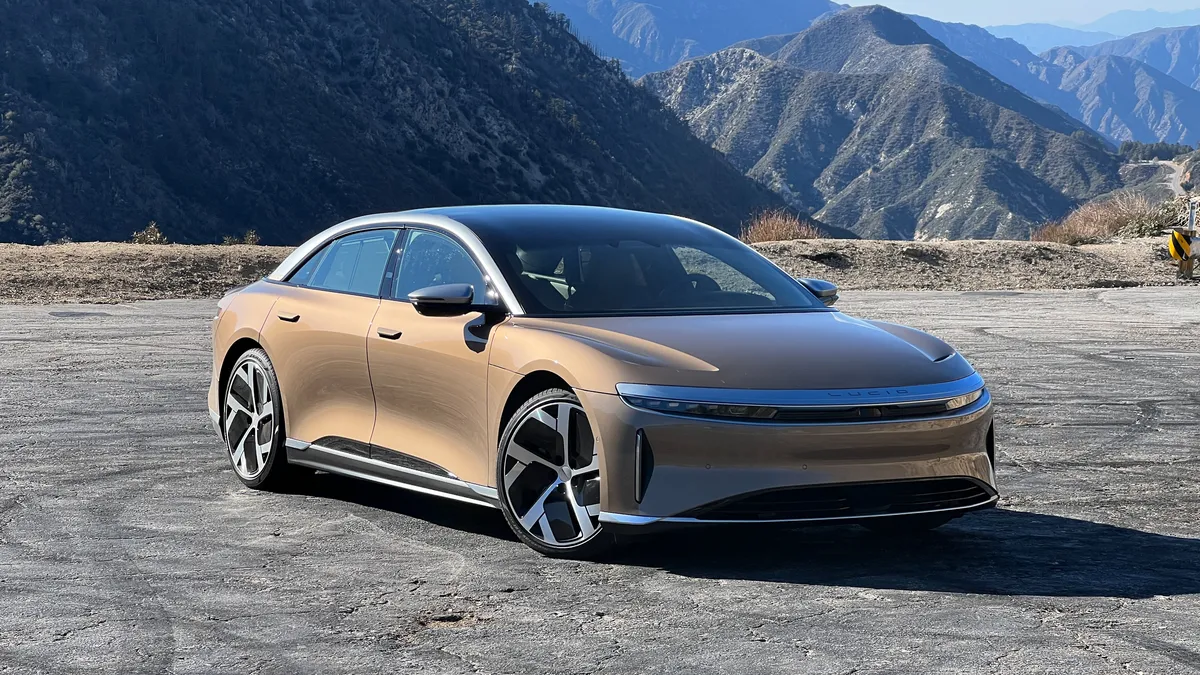
Lucid Motors’ luxury electric sedan, the Air, represents another startup’s attempt to reimagine the automobile as a software platform. With claims of having the most advanced electrical architecture in the automotive industry and proprietary software controlling its impressive powertrain, the Lucid Air demonstrates both the potential and the perils of treating software as the primary differentiator in vehicle design.
The company’s limited production volume and nascent service network compound the challenges inherent in its software-centric approach.
The Lucid Air’s electrical architecture consists of a sophisticated network of custom-designed ECUs running proprietary software. While this enables impressive capabilities like 1,111 horsepower in the Sapphire variant and industry-leading charging speeds, it also creates a system where software bugs can have cascading effects.
Early owners reported numerous software-related issues, including problems with the digital instrument cluster, failures in the glass cockpit display, malfunctioning driver assistance features, and bugs in the battery management system that prevented optimal charging.
Some of these issues required multiple service visits, with technicians sometimes unable to diagnose problems without escalation to Lucid’s software engineering team.
The vehicle’s reliance on over-the-air updates as the primary service mechanism has proven challenging given Lucid’s status as a new manufacturer.
While the company has demonstrated commitment to improving vehicles through software updates, the frequency of necessary fixes reveals the extent to which vehicles were delivered with immature software.
Owners have reported situations where updates took hours to install, sometimes failing partway through and requiring intervention from Lucid’s remote support team. In some cases, failed updates have temporarily rendered vehicles inoperable until service technicians could physically access the car.
Lucid’s limited service infrastructure exacerbates software dependency issues. When software problems require physical intervention, owners may face long waits for mobile service appointments or need to transport their vehicles considerable distances to service centers.
The company’s proprietary software means that independent mechanics cannot diagnose or repair most issues, creating a service bottleneck as Lucid scales production faster than its service network. Additionally, the software’s control over critical safety systems means that certain malfunctions require immediate attention, but the limited service infrastructure can make rapid responses challenging.
The Air’s advanced driver assistance systems represent another area where software dependency creates concerns. The DreamDrive Pro system relies on sophisticated sensor fusion and software interpretation to enable features like highway assist and automated parking.
However, the system’s behavior has proven inconsistent, with owners reporting unexpected deactivations, false warnings, and situations where the software misinterprets road conditions. Calibration of these systems requires Lucid-specific software and equipment, and sensor replacements which may be necessary after minor accidents or even rock chips can cost thousands of dollars and require extended service appointments.
The complexity of these software-dependent safety systems raises questions about long-term reliability and the cost of maintaining these vehicles as they age and software support potentially diminishes.
6. Volkswagen ID.4
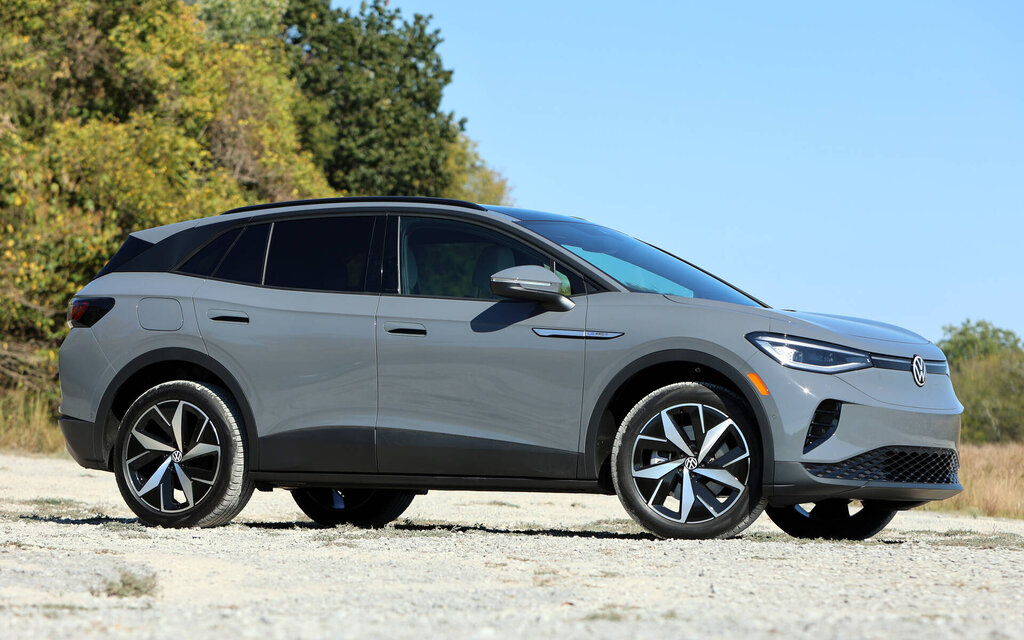
Volkswagen’s ID.4 electric crossover demonstrates how software dependency can affect even mainstream, mass-market vehicles. As VW’s first dedicated electric vehicle for the U.S. market built on the new MEB platform, the ID.4 relies on entirely new software architecture that has proven considerably less mature than the company’s mechanical engineering.
The vehicle’s software problems have been so widespread that they’ve impacted VW’s reputation and highlighted how even established automakers can struggle with software complexity.
The ID.4’s infotainment system has been particularly problematic, with owners reporting frequent crashes, slow response times, and failures that affect basic functionality. The system controls climate settings, navigation, and vehicle configuration, so when it malfunctions, it impacts more than just entertainment.
Volkswagen has issued numerous software updates attempting to address these issues, but many owners report that problems persist even after multiple update cycles.
The touchscreen interface itself has proven frustrating, with capacitive buttons that don’t provide tactile feedback and a menu structure that requires multiple taps to access common functions design choices that demonstrate how software-centric thinking can compromise usability.
The ID.4’s battery management software has exhibited concerning behaviors that reveal the challenges of software-controlled electric powertrains. Some owners have reported unexpected range loss, inaccurate range predictions, and situations where the battery management system prevented charging or limited charging speed without clear explanation.
Volkswagen has addressed some issues through software updates, but the fact that such fundamental functionality required post-delivery fixes demonstrates the risks of shipping vehicles with immature software.
The updates themselves have sometimes introduced new problems, including reports of increased battery consumption when parked and changes to regenerative braking behavior that require driver adaptation.
Driver assistance features in the ID.4, branded as IQ.Drive, depend entirely on software interpretation of sensor data, and the system’s inconsistent performance has frustrated owners.
Travel Assist, VW’s lane-centering and adaptive cruise control system, has proven unreliable, with frequent unexpected disengagements, phantom braking incidents, and difficulty maintaining lane position on certain road types.
These behaviors appear to be software-related rather than hardware limitations, as they vary between software versions and sometimes differ between identical vehicles. The system’s unpredictability has led some owners to disable these features entirely, negating the value of expensive optional packages.
Volkswagen’s over-the-air update capability, while intended to improve the ownership experience, has created additional complications. Updates can take several hours to install, during which the vehicle is unusable. Some owners have reported failed updates that required dealership intervention to resolve, and there’s no option to decline updates indefinitely without repeatedly dismissing notifications.
The company’s relatively slow update cadence compared to Tesla or startup EV makers means that known issues can persist for months before fixes arrive.
Additionally, VW dealerships have proven inconsistent in their ability to diagnose and resolve software issues, with service advisors sometimes lacking the training or tools to address problems with these new electric vehicles, creating frustration for owners who find themselves beta-testing complex software on behalf of a major automotive manufacturer.
7. Ford F-150 Lightning
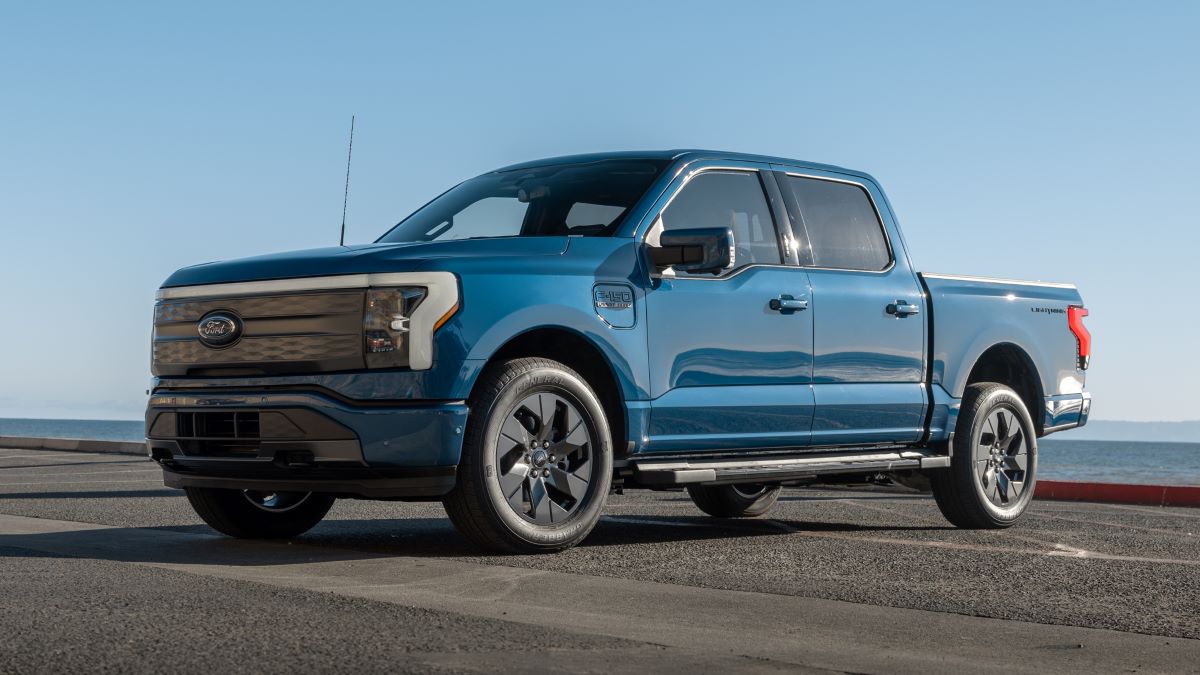
Ford’s electric version of America’s best-selling vehicle, the F-150 Lightning, brings software dependency to the traditionally conservative truck market.
While the Lightning maintains more conventional design philosophy than some pure EV startups, its electric powertrain, advanced towing features, and Intelligent Backup Power system all rely heavily on sophisticated software. Ford’s attempt to electrify its flagship product has revealed how software complexity can create challenges even for experienced automakers with extensive engineering resources.
The Lightning’s SYNC 4A infotainment system and digital instrument cluster centralize vehicle controls in a way that departs from traditional F-150 simplicity.
While Ford wisely retained physical controls for climate and some other functions, the system still governs critical features through software menus.
Owners have reported various software glitches, including screen freezes, slow system response, and problems with the wireless Apple CarPlay and Android Auto connectivity. More concerning are reports of the entire system rebooting while driving, temporarily blanking all displays including the digital speedometer a disconcerting experience in a 6,500-pound vehicle.
The Lightning’s towing capabilities, a critical feature for truck buyers, depend on complex software that has proven problematic. The Intelligent Range system attempts to calculate remaining range while towing by considering trailer weight and aerodynamics, but owners have reported significant inaccuracies that have left them stranded or anxiously searching for charging stations.
The Pro Trailer Hitch Assist and Pro Trailer Backup Assist features, which use software to simplify hitching and reversing with trailers, have exhibited inconsistent behavior.
Some owners report these systems working flawlessly, while others experience frequent errors or unexpected deactivations, suggesting software variability that’s concerning in features designed to assist with potentially dangerous maneuvers.
The vehicle’s Intelligent Backup Power system, which can power a home during outages, represents an innovative feature entirely dependent on software reliability. The system must safely manage bidirectional power flow, synchronize with home electrical systems, and protect both the vehicle and home from electrical issues.
While the capability is impressive, the complexity creates potential failure points. Some early adopters have reported problems with the system failing to activate during outages, charging the home at unexpected times, or displaying incorrect power flow information.
These issues require software updates to resolve, and in the meantime, owners cannot rely on a feature they may have paid thousands to install.
Ford’s over-the-air update system has been more conservative than competitors, but this hasn’t prevented update-related problems.
The company has issued recalls requiring software updates to address issues including potential battery overheating during DC fast charging and problems with the tire pressure monitoring system.
Some updates have required dealership visits because they couldn’t be completed over-the-air, negating the convenience of the update system. Additionally, Ford’s BlueCruise hands-free driving feature, available on the Lightning, depends entirely on software and mapping data.
The system’s performance has been inconsistent, and the subscription-based model means owners must continue paying to access a feature tied to hardware they’ve already purchased.
The Lightning’s software complexity has proven particularly challenging for Ford’s dealer network, where service departments accustomed to diagnosing mechanical problems often lack the software expertise to troubleshoot electronic issues, resulting in extended service visits and customer frustration with what was supposed to be a straightforward electrified version of a familiar vehicle.
Also Read: 5 Electric Vehicles That Cope With Houston Gridlock vs 5 That Overheat Early
