

Shared driveways are one of those everyday realities that don’t get enough attention when people shop for cars.
In older suburbs, dense urban neighborhoods, duplexes, townhomes, and even some newer developments, two or more households often rely on a single driveway or at least a very tight parking arrangement.
That changes the rules. It’s no longer just about what you like or what fits your lifestyle; it’s about maneuverability, visibility, turning radius, door swing clearance, and even how polite your vehicle is to live with next door.
In the U.S., shared driveways are especially common in cities like Chicago, Boston, Philadelphia, San Francisco, and parts of Los Angeles, as well as older Midwestern neighborhoods and East Coast suburbs built before oversized vehicles became the norm.
Yet vehicle sizes have ballooned. What once fit comfortably now causes daily friction blocked exits, clipped mirrors, awkward three-point turns, and unspoken resentment between neighbors.
Some vehicles are genuinely well-suited for shared driveways, even if they don’t look small on paper. Others, despite being popular or impressive, become constant sources of inconvenience.
Below are five vehicles that work remarkably well in shared driveway situations and five that tend to make life harder than it needs to be.
Vehicles That Fit Shared Driveways
Sharing a driveway changes what makes a vehicle practical. Tight spacing, limited turning room, multiple drivers, and constant parking adjustments mean that size, visibility, maneuverability, and ease of use matter far more than raw performance or road presence. What works in a wide, private driveway can quickly become a daily annoyance when space is shared.
The best vehicles for shared driveways are easy to park, simple to move, and forgiving to live with. Compact dimensions, good outward visibility, responsive steering, and smooth low-speed behavior go a long way toward reducing stress and avoiding dings, scrapes, and neighborly tension.
This article highlights vehicles that truly fit shared driveways, models that balance practicality, accessibility, and everyday usability. Whether you’re coordinating with family, roommates, or neighbors, these vehicles make shared spaces easier to navigate without sacrificing comfort or reliability.
1. Honda Civic
The Honda Civic has quietly become one of the most driveway-friendly cars in America. While it has grown slightly over the years, it remains narrow, predictable, and easy to place precisely.
The Civic’s excellent outward visibility and tight steering make it easy to slip in and out without encroaching on a neighbor’s space. Even newer generations, which are longer than their predecessors, still feel cooperative in confined parking situations.
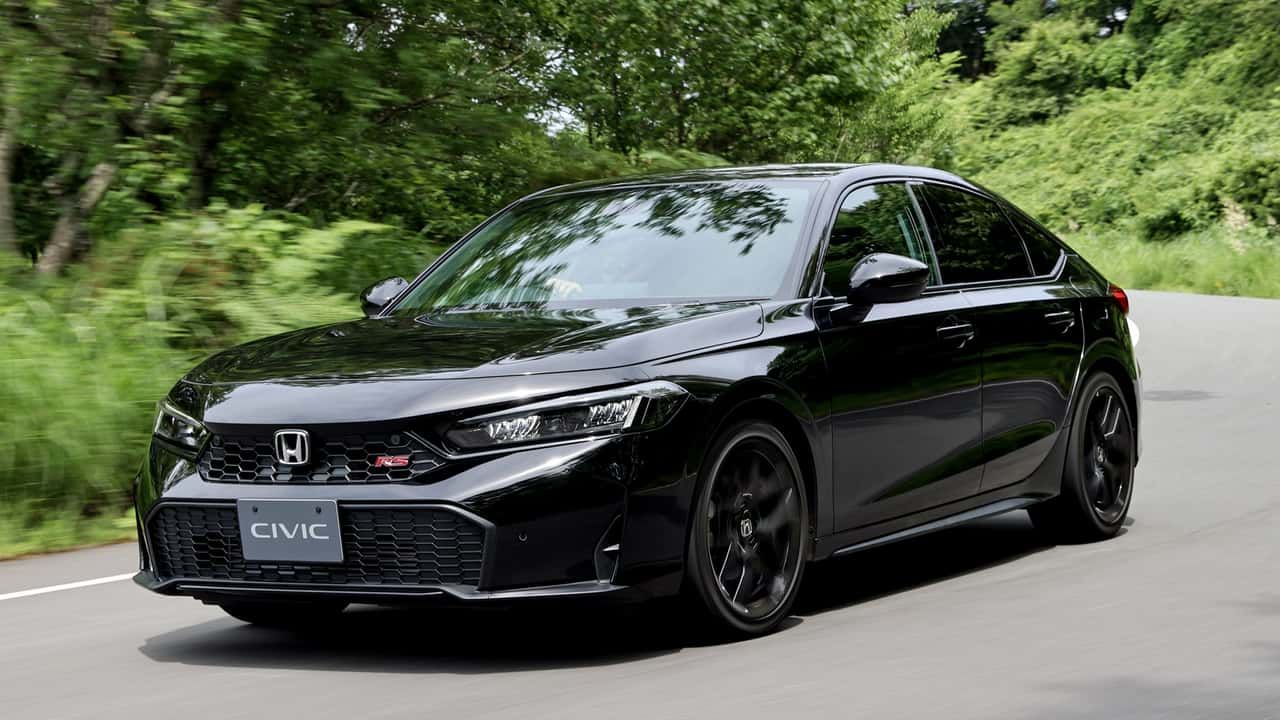
Another advantage is door swing. Civic doors open wide enough for comfort but not so aggressively that they demand extra clearance. For shared driveways where cars are parked close together, this matters more than most people realize.
Add in strong reliability, low running costs, and wide availability, and the Civic feels purpose-built for shared living even if that wasn’t Honda’s original intention.
2. Toyota Corolla Cross
Small SUVs are often problematic in tight spaces, but the Toyota Corolla Cross is an exception. It’s one of the rare crossovers that genuinely behaves like a compact car when parking.
Its upright seating position gives drivers a clear sense of where the corners are, and the overall footprint remains modest compared to most SUVs sold in the U.S.
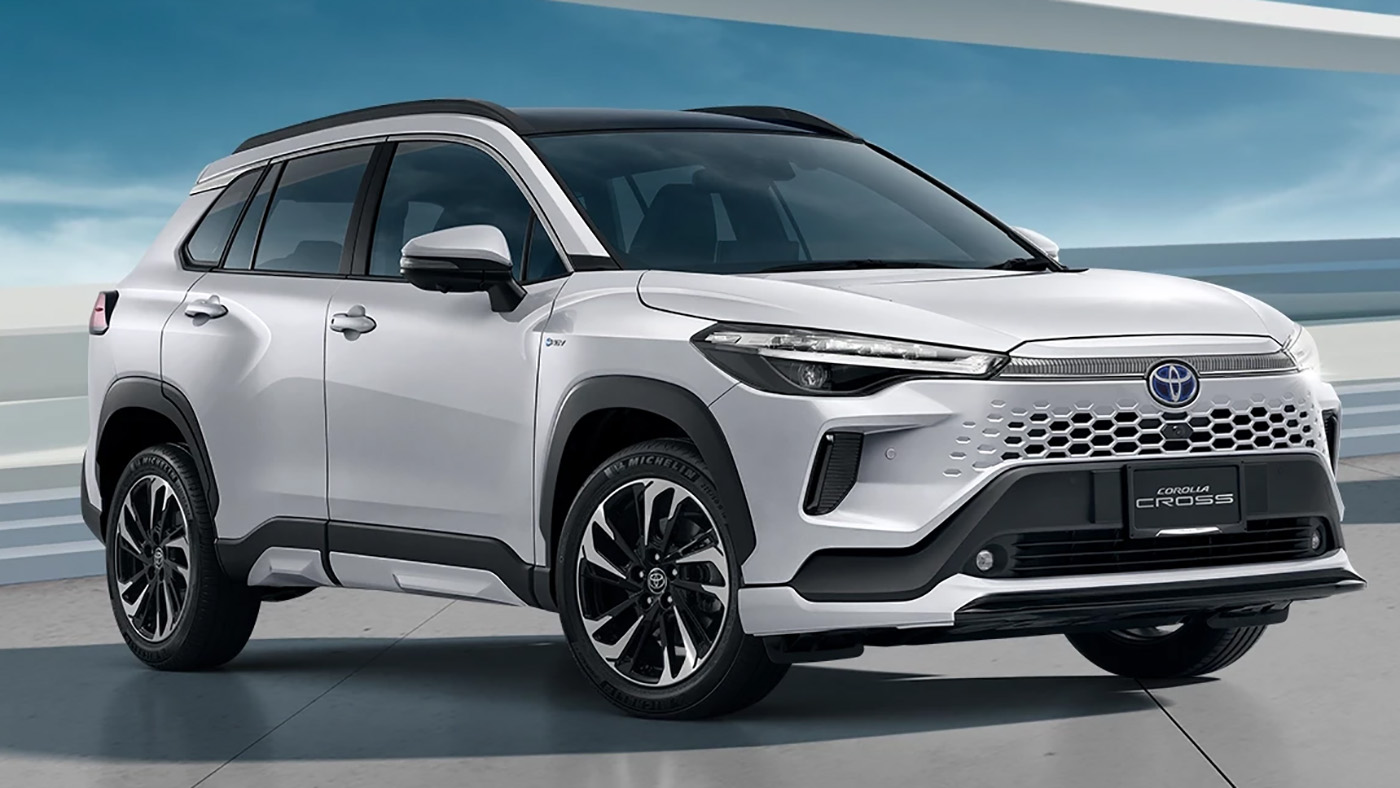
For households that want all-wheel drive in snowy states or a slightly higher ride height without sacrificing driveway harmony, the Corolla Cross makes sense.
It’s tall enough to clear curbs and snowbanks but short and narrow enough to avoid blocking access or forcing neighbors into awkward maneuvers.
Every non-hybrid Corolla Cross is powered by a 2.0-liter four-cylinder engine producing 169 horsepower, paired with a continuously variable automatic transmission. Front-wheel drive comes standard, while all-wheel drive is offered as an option.
During our initial driving impressions, we noted that acceleration felt sluggish and the engine became noticeably buzzy, especially when pushed to higher rpm. In testing at our track, the all-wheel-drive version managed a 0–60 mph run in 9.2 seconds. Sloths move quicker.
On the positive side, the Corolla Cross delivers a comfortable ride, which should appeal to buyers prioritizing smoothness over speed.
Also Read: 8 Sleeper Sedans Under Corolla Money That Offer Serious Hidden Performance
3. Mazda3 Hatchback
The Mazda3 Hatchback punches above its weight in shared driveway environments.
Its shorter overall length compared to sedans makes it easier to tuck into shallow driveways, and its steering is among the most precise in the compact class. That precision matters when inches count.
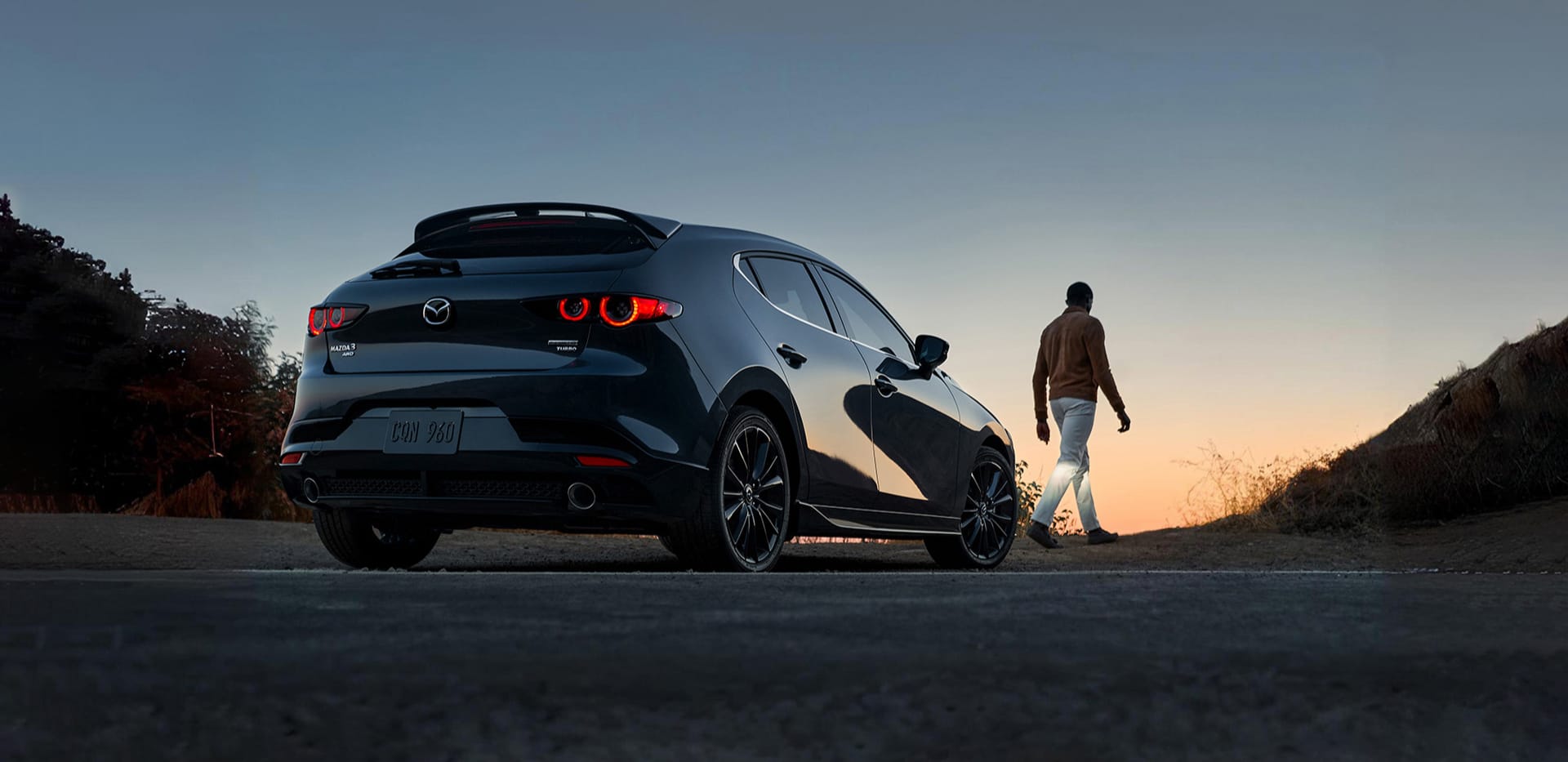
While the Mazda3’s rear visibility isn’t class-leading, standard backup cameras and available 360-degree systems help compensate.
Importantly, the car’s proportions feel balanced. It doesn’t bulge outward at the hips, and the mirrors don’t protrude excessively both small details that make daily coexistence smoother.
Mazda offers the 3 with three different four-cylinder engine options, beginning with a 2.0-liter unit in the base sedan that produces 155 horsepower and is available exclusively with front-wheel drive.
Stepping up to the 2.5-liter four-cylinder increases output to 186 horsepower and opens the door to an optional all-wheel-drive system, but the standout choice is the turbocharged 2.5-liter engine delivering 250 horsepower. A six-speed manual transmission is offered, though only on front-wheel-drive models. Choosing all-wheel drive requires a six-speed automatic.
All versions of the Mazda 3 respond promptly to throttle inputs, but only the turbocharged engine provides genuinely quick acceleration. In our testing, the turbo model sprinted to 60 mph in a brisk 5.6 seconds.
Both the hatchback and sedan feel stable and confident on straightaways and winding roads alike, while also delivering a polished ride. We’ve consistently praised the latest Mazda 3 for preserving the engaging driving character of its predecessor, thanks to tight body control, steering that feels natural and well weighted, and a firm suspension that avoids being harsh over rough pavement.
4. Mini Cooper (4-Door)
The Mini Cooper is almost cheating in a conversation about shared driveways. It was practically designed for them.
Even the four-door version remains extremely short, narrow, and easy to maneuver. In neighborhoods where turning around is impossible or backing out requires surgical precision, the Mini shines.
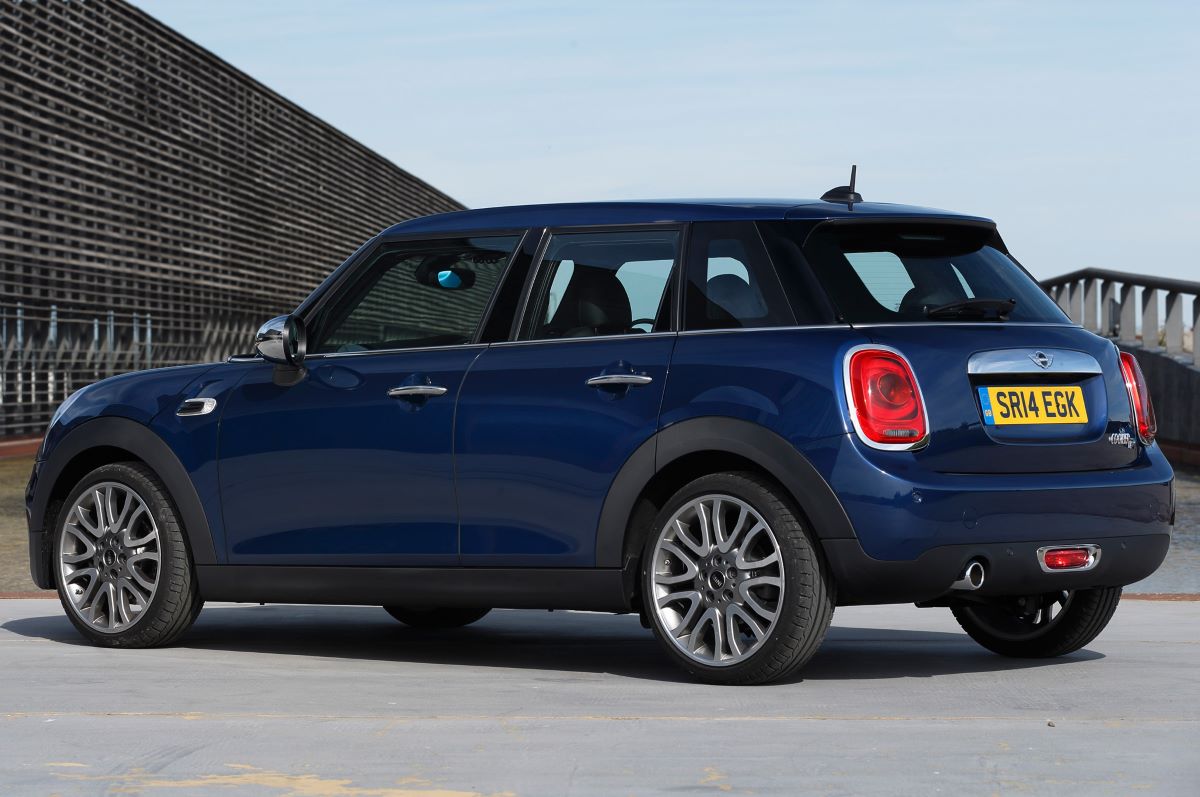
Beyond size, the Mini’s tight turning circle is a major asset. It allows drivers to adjust position without repeated back-and-forth movements that eat into shared space.
While it may not be ideal for large families, for couples or single drivers sharing a driveway, it’s one of the least intrusive vehicles you can own.
5. Subaru Impreza
The Subaru Impreza deserves credit for being one of the few all-wheel-drive vehicles that remains genuinely driveway-friendly.
Available as a hatchback, the Impreza keeps its length manageable while offering excellent traction for regions with snow, ice, or steep inclines.
What really helps in shared driveways is Subaru’s emphasis on visibility and predictable handling. You always know where the car is, even in tight quarters. It’s not flashy, but it’s cooperative and in shared spaces, cooperation beats style every time.
The Subaru Impreza is a flexible and sensible choice in the compact car segment. While it doesn’t deliver the rally-bred excitement of its sportier WRX sibling, the Impreza remains a solid option for daily driving. It provides a smooth and comfortable ride, a roomy cabin, and excellent outward visibility. We also appreciate that Subaru continues to offer a standard manual transmission.
That said, the Impreza isn’t especially thrilling in either hatchback or sedan form. Its exterior design is fairly nondescript, and even the Sport trim fails to add much in the way of athletic flair. The lone engine option also leaves something to be desired in terms of power.
Still, strong fuel efficiency and the availability of a spacious hatchback body style make the Impreza a capable everyday vehicle. Its excellent safety scores further enhance its appeal. Looking ahead to the next generation, we’d like Subaru to focus on improving comfort and convenience features to keep the Impreza competitive.
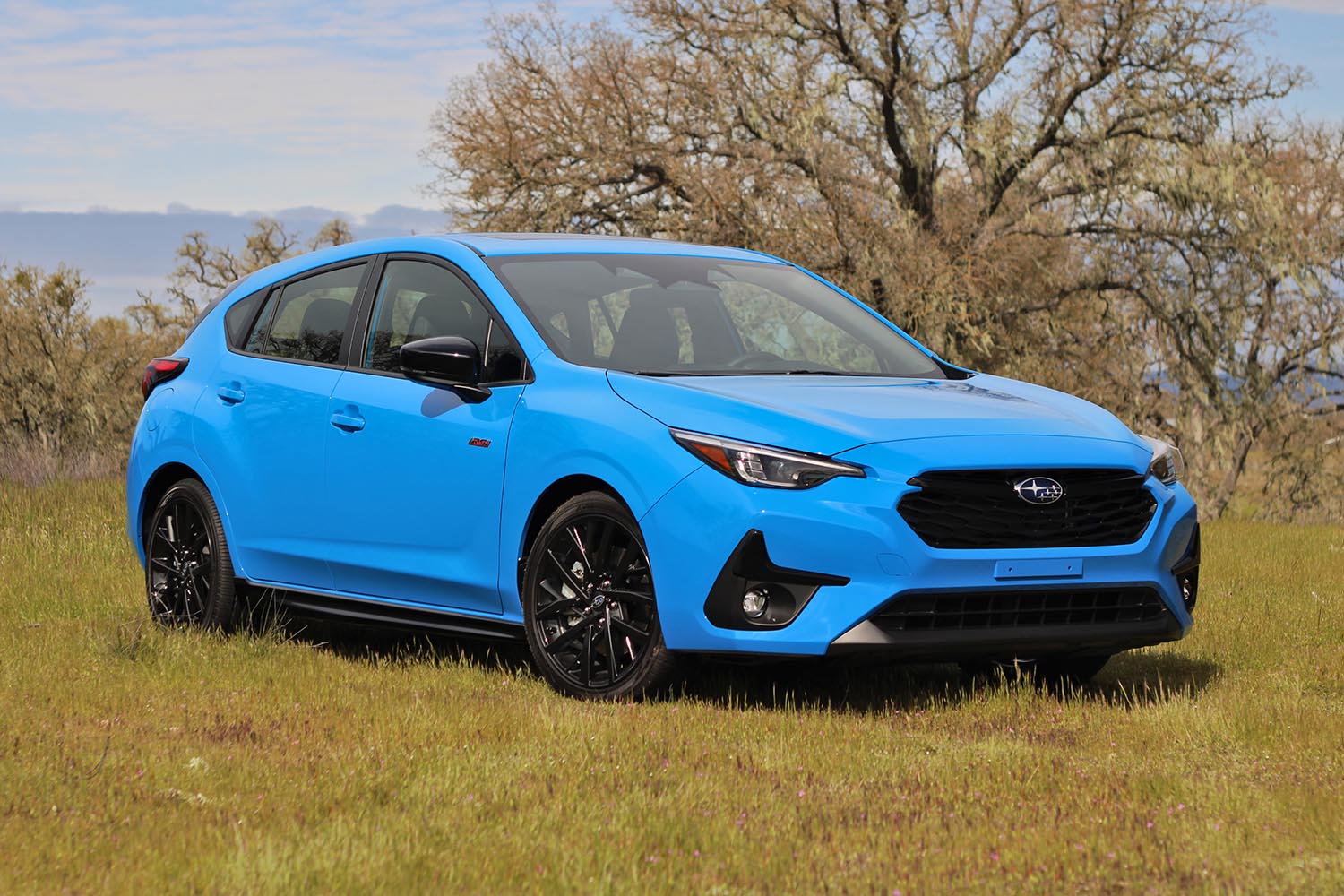
The Impreza is offered with a single powertrain: a 2.0-liter flat-four boxer engine producing 152 horsepower and 145 lb-ft of torque. All-wheel drive comes standard across the lineup, as does a five-speed manual transmission.
For drivers who prefer an automatic, Subaru also offers a continuously variable transmission. No version of the Impreza is particularly quick; the most recent Impreza Sport sedan we tested reached 60 mph in 9.0 seconds, while the Impreza Limited hatchback was slightly slower at 9.2 seconds.
Despite the limited drivetrain choices, the Impreza carries seven different EPA fuel economy ratings depending on trim level and transmission. For the 2022 model year, the manual-equipped Impreza sedan was rated at 23 mpg city and 31 mpg highway, figures that are expected to remain unchanged for 2023.
Opting for the automatic boosts efficiency to 28 mpg city and 36 mpg highway. The Impreza Sport sedan, which is available only with the automatic, returns slightly lower figures of 27 mpg city and 36 mpg highway due to its added weight.
Also Read: 10 Cars That Created Entirely New Automotive Segments
Vehicles That Don’t Fit Shared Driveways
Not every vehicle is suited to life with a shared driveway. When space is limited and multiple people are coming and going, problems that seem minor elsewhere, wide bodies, long hoods, poor visibility, or awkward turning circles, can quickly turn into daily frustrations. What feels manageable in a private garage can become a constant hassle when parking space has to be negotiated.
Vehicles that struggle in shared driveways are often too large, too tall, or too cumbersome for tight maneuvering. Limited sightlines, heavy steering at low speeds, and bulky dimensions increase the risk of scrapes, blocked access, and unnecessary stress for everyone involved. In these situations, convenience matters more than presence or performance.
This article focuses on vehicles that don’t fit shared driveways well, models that make tight spaces harder to live with rather than easier. Knowing which vehicles clash with shared parking setups can help buyers avoid headaches, damaged bumpers, and everyday inconvenience.
1. Ford F-150 (Full-Size Pickup)
The Ford F-150 is America’s best-selling vehicle for a reason but shared driveways are not its natural habitat.
Even in its shortest configuration, the F-150 is long, wide, and tall enough to dominate most residential driveways.
In shared setups, it often blocks access, extends into sidewalks, or forces neighbors to perform uncomfortable parking gymnastics.
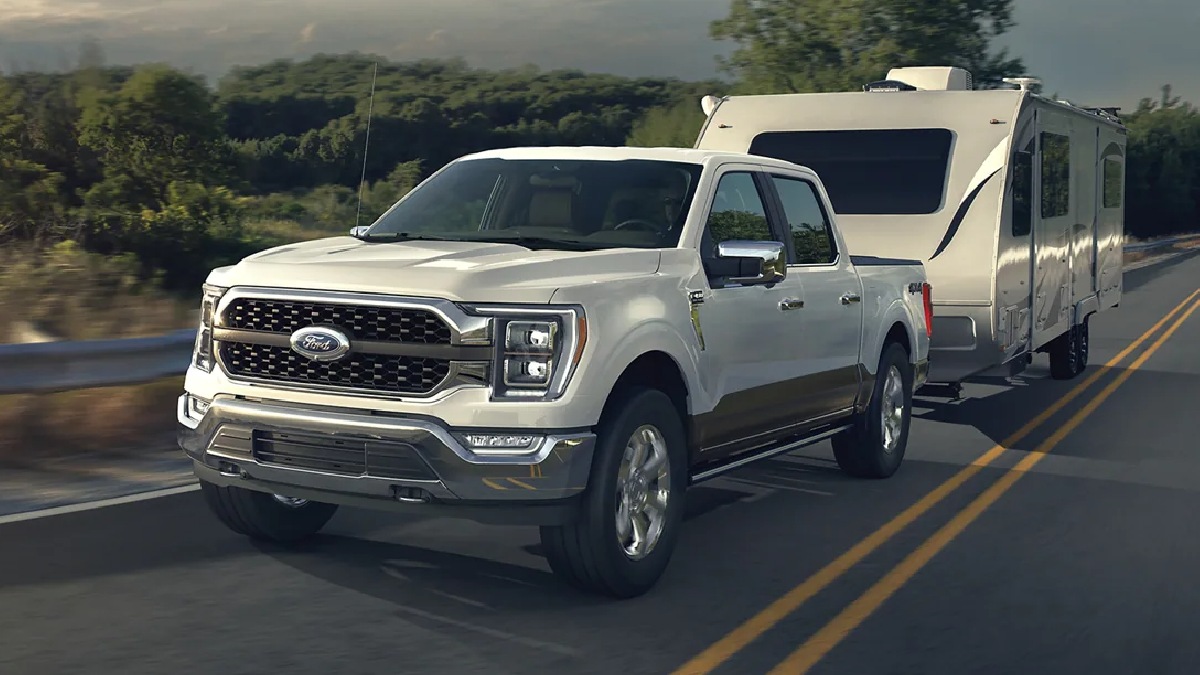
Door swing is another issue. Truck doors are large and heavy, requiring significant lateral space to open fully. In a shared driveway, this increases the risk of door dings and daily frustration.
While the F-150 excels at work and towing, it demands a level of space that shared driveways simply can’t provide.
2. Chevrolet Suburban
Few vehicles illustrate the shared-driveway problem better than the Chevrolet Suburban. It’s essentially a rolling hallway longer than many garages and wider than older residential driveways were designed to accommodate.
Parking one alongside another vehicle often means one car must enter or exit first, every single time.
The Suburban’s sheer mass also affects visibility for neighbors backing out. It can block sightlines to the street, increasing the risk of accidents. While it’s unmatched for large families and road trips, it turns shared driveways into daily negotiations.
When General Motors revealed the 2015 Chevrolet Suburban as the successor to the tenth generation of the nameplate, buyers were met with a welcome set of improvements that defined the arrival of the eleventh generation.
With the 2015 Suburban, Chevrolet pushed its flagship SUV further into premium territory. No longer just a mass-market people mover, the full-size SUV also became a preferred choice for celebrities, VIPs, executives, and government officials.
At the same time, it never lost sight of its core audience. The eleventh-generation Suburban still catered to families heading out on camping trips, towing trailers, and traveling with up to nine passengers onboard. More than simple transportation, it served as a shared space where long journeys became part of the experience.
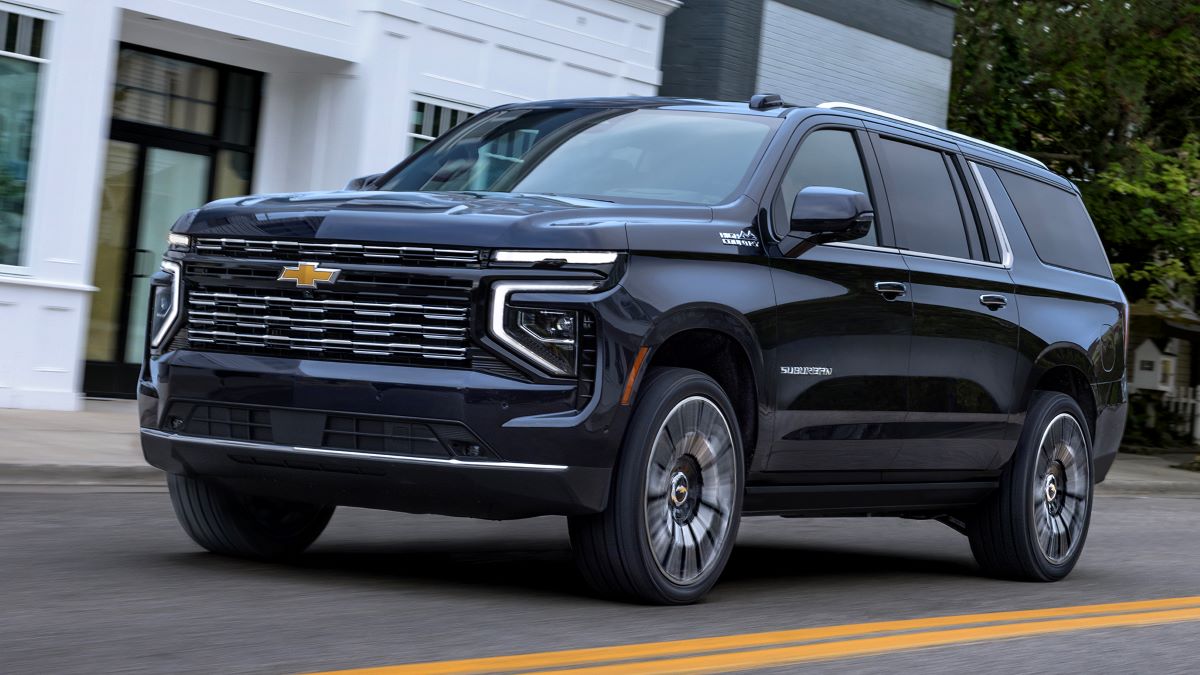
Although its design was sleeker than before, the 2015 Chevrolet Suburban retained a bold and imposing presence. The front end featured a wide chrome grille that appeared split but was visually unified by the gold bowtie emblem at its center.
HID headlights flanked the grille, and for the first time, the Suburban incorporated pearl-like daytime running lights integrated into the headlamp units. Depending on trim level, rectangular fog lights were positioned in the lower section of the bumper.
Chevrolet offered the 2015 Suburban in three trims, LS, LT, and LTZ, all equipped with alloy wheels ranging from 18 to 20 inches, with 22-inch wheels available as an option. Retractable running boards could also be specified, making entry and exit easier. Despite its sheer size, tall beltline, and angular window design, the Suburban managed to project a refined and upscale appearance.
Chrome or black exterior accents around the window frames, along with the extended glass area behind the C-pillars, reinforced its premium image. At the rear, every version of the 2015 Suburban came standard with LED taillights. The stepped rear bumper helped reduce loading height, even though it remained fairly tall due to the vehicle’s size.
Inside, General Motors ensured Suburban buyers were well taken care of. The cabin came generously equipped with standard features, and the dashboard design felt more in line with a conventional passenger car than a commercial vehicle.
The instrument cluster featured a rounded hood, large analog speedometer and tachometer dials, four auxiliary gauges, and a 4.2-inch LCD display for vehicle information. An eight-inch touchscreen infotainment system was mounted at the top of the center stack.
Depending on configuration, the 2015 Suburban could be fitted with three rows of bench seating, allowing room for up to nine occupants. Buyers seeking additional comfort often chose captain’s chairs for the first two rows, along with foldable jump seats in the cargo area. Even with this setup, the third row still offered ample space for full-size adults.
Mechanically, the 2015 Chevrolet Suburban launched with a 5.3-liter Vortec V8 engine paired exclusively with a six-speed automatic transmission. Later, Chevrolet expanded the lineup by introducing a more powerful 6.2-liter V8 and a ten-speed automatic gearbox.
Both engines were available with either two-wheel drive or four-wheel drive. In addition, buyers could opt for magnetic ride control dampers or choose the Z71 off-road package for enhanced capability.
3. Jeep Grand Wagoneer
The modern Jeep Grand Wagoneer combines luxury with extreme size, and that combination makes it particularly ill-suited to shared driveways.
Its wide stance, thick doors, and towering hood create constant spatial conflicts. Even with cameras and sensors, the vehicle’s physical presence overwhelms most residential layouts.
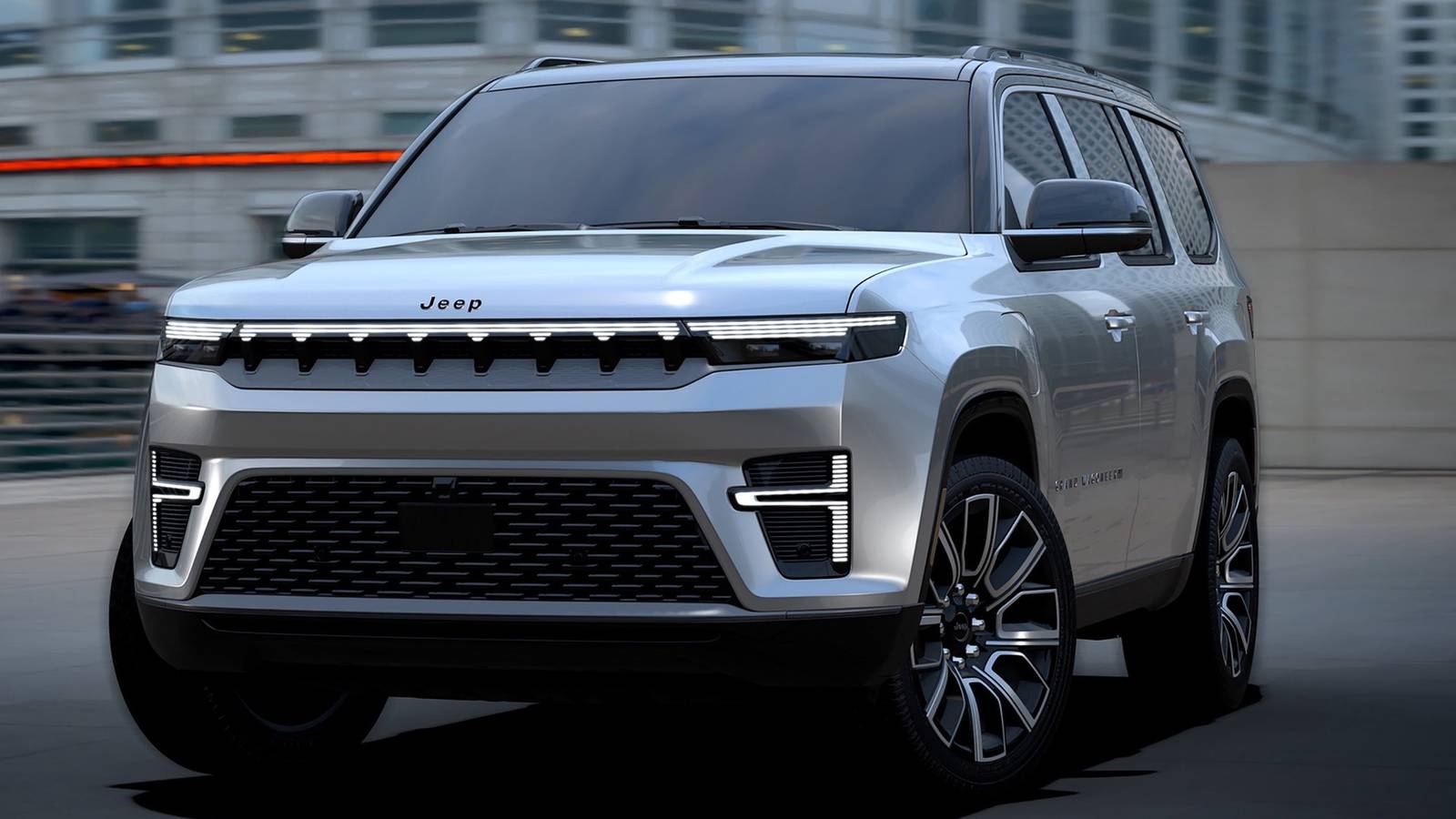
What makes the Grand Wagoneer especially problematic is its perceived “right to space.”
It’s designed to feel dominant, which clashes with the cooperative nature required in shared living arrangements. In tight driveways, that dominance quickly becomes inconvenience.
4. Tesla Cybertruck
The Tesla Cybertruck may be futuristic, but shared driveways expose its most impractical traits.
Its width, sharp angles, and poor compatibility with traditional residential layouts make it a nightmare in confined spaces. The truck’s flat sides leave little room for error, and its turning radius is far from friendly.
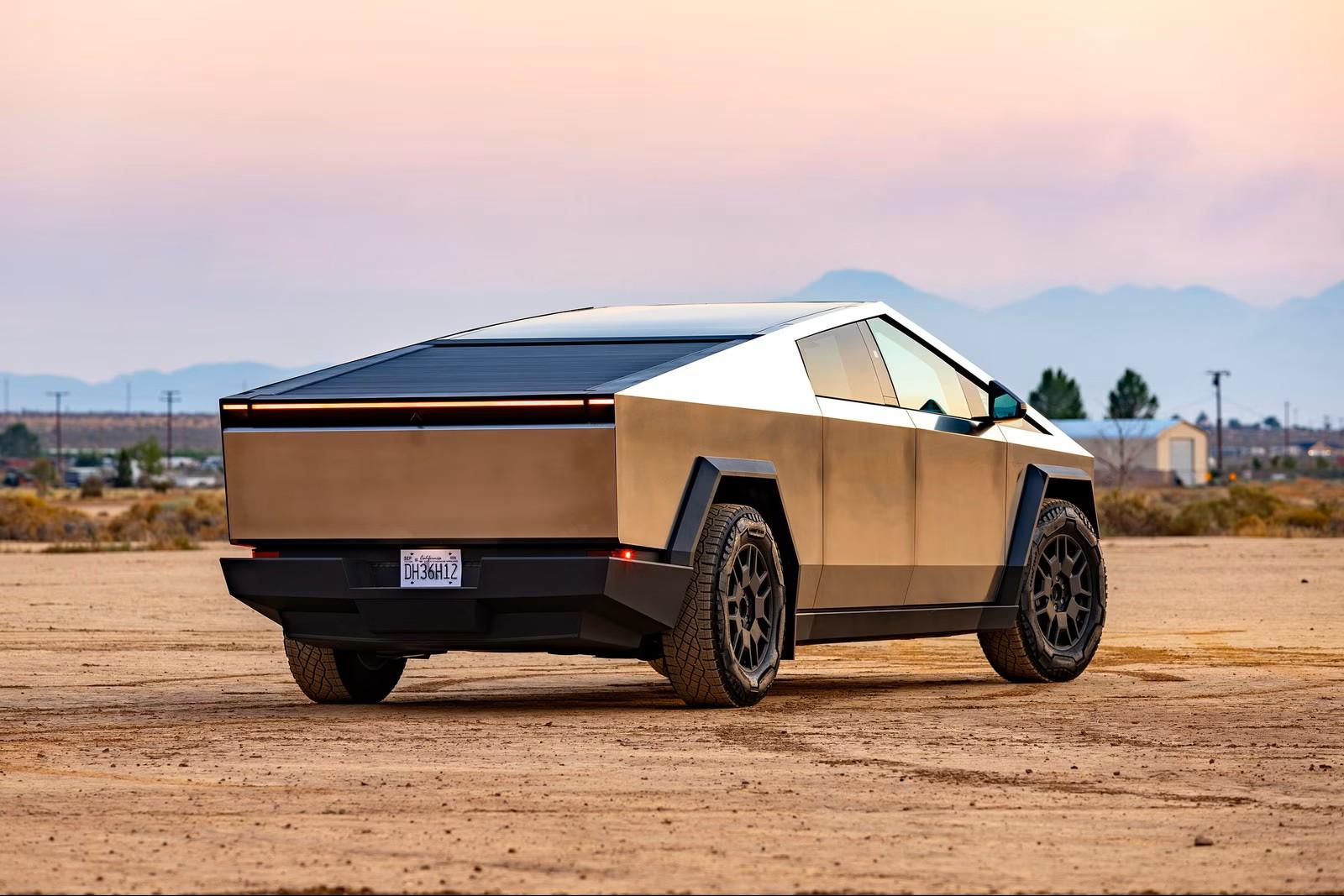
Beyond physical size, the Cybertruck’s visual presence can also strain neighborly relationships. It draws attention, blocks views, and often feels out of place in older neighborhoods where shared driveways are common. Innovation aside, it’s a poor fit for close-quarters living.
The Cybertruck is slated to be offered with three distinct powertrain configurations. At launch, Tesla is rolling out dual-motor and tri-motor variants, both of which come standard with all-wheel drive, while a single-motor rear-wheel-drive version is scheduled to arrive for the 2025 model year.
For now, the Dual Motor Cybertruck produces a combined output of 600 horsepower. Buyers seeking maximum performance will gravitate toward the Cybertruck Beast, which uses three electric motors to deliver a combined 834 horsepower.
Every Cybertruck is equipped with an adjustable air suspension system that allows ride height to be altered on the fly and offers up to 17 inches of ground clearance. Combined with approach and departure angles of 35 and 28 degrees, respectively, the Tesla pickup shows serious potential as a capable off-road vehicle.
On pavement, however, the Cybertruck is more nimble than its size would suggest. During our time driving a Founders Edition Beast model, we found that the rear-wheel steering and variable-ratio steer-by-wire system made it noticeably easier to maneuver in tight urban settings than a traditional full-size pickup.
5. Ram 2500 Heavy Duty
Heavy-duty trucks like the Ram 2500 are built for hauling, towing, and job sites not shared driveways.
Their extended length, massive mirrors, and elevated ride height make them difficult to park without encroaching on neighboring space. In many cases, they physically cannot fit without blocking access.
These trucks also tend to have stiff suspension setups that make precise low-speed maneuvering less graceful.
In a shared driveway, that lack of finesse becomes a daily issue. While they’re invaluable tools in the right context, shared residential parking is not that context.
As American vehicles continue to grow, shared driveways are becoming friction points in neighborhoods across the country.
Choosing a vehicle that respects space isn’t just about convenience it’s about maintaining good relationships, reducing daily stress, and avoiding costly damage.
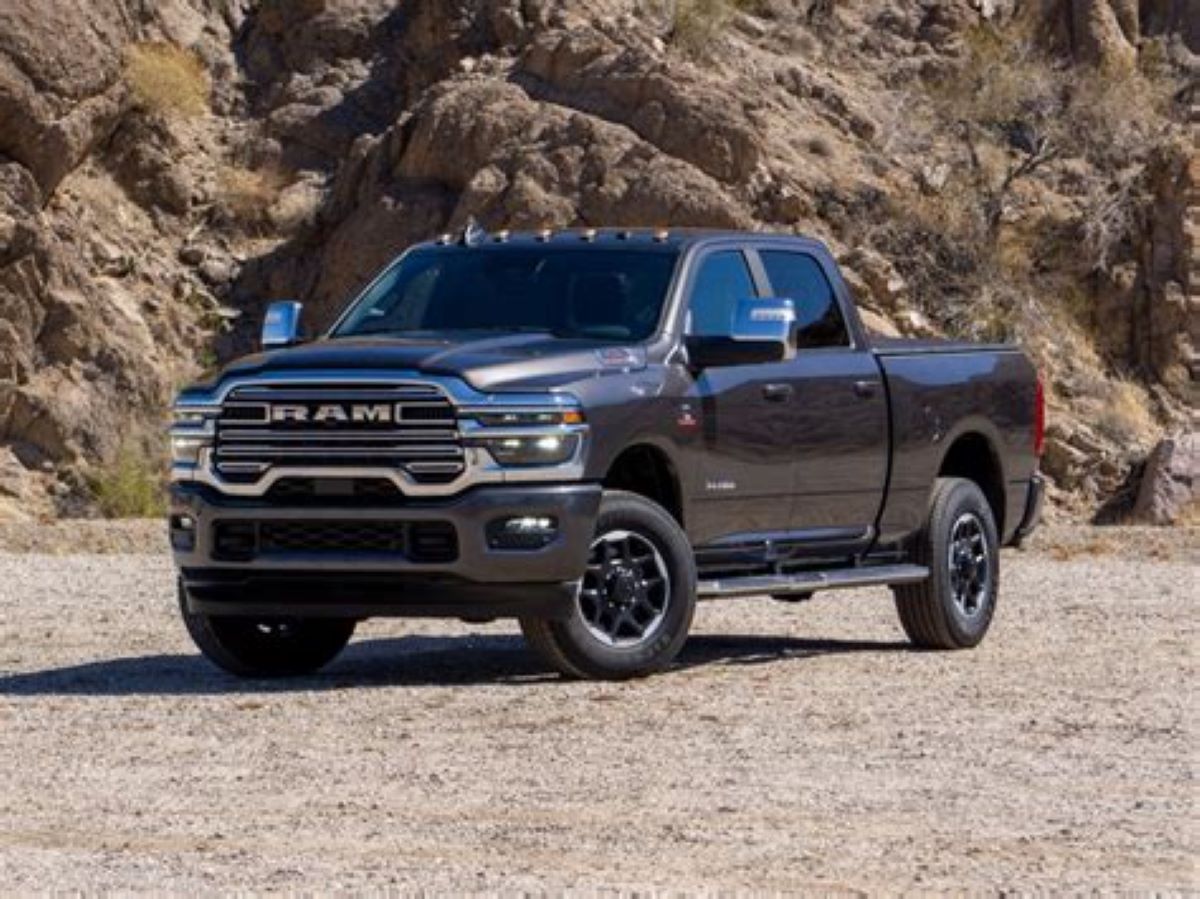
For a heavy-duty pickup, the Ram 2500 handles impressively well, helped by steering that’s light and accurate along with relatively modest body roll. That said, steering feedback is fairly muted, and ride quality can vary from comfortable to noticeably firm depending on the trim level and suspension configuration.
Every Ram 2500 is equipped with a 6.4-liter V8 engine delivering 405 horsepower and 429 pound-feet of torque. Rear-wheel drive and an eight-speed automatic transmission are standard across the lineup.
Four-wheel drive is optional on most trims, while the Rebel and Power Wagon models come standard with four-wheel drive only. Buyers can also opt for a 6.7-liter Cummins inline-six turbodiesel engine on higher trims, which produces 430 horsepower and an enormous 1,075 pound-feet of torque.
Whether accelerating from a standstill or towing a heavy load up a steep incline, the Ram 2500 never feels short on power, particularly when equipped with the available turbodiesel.
Regardless of engine choice, torque arrives quickly and forcefully from a stop, and power delivery remains smooth and consistent throughout the rev range. While the V8 lacks the refinement and sheer capability of the diesel, it remains a strong and capable engine that should meet the towing and hauling demands of most owners.
In terms of capability, the Ram 2500 can tow up to 20,000 pounds, which is competitive—though not class-leading—for the segment. That maximum rating applies to models configured with the Crew Cab body style, turbodiesel engine, rear-wheel drive, and an 8-foot bed. When properly equipped with the V8 engine, Regular Cab, rear-wheel drive, and an 8-foot bed, the Ram 2500 can carry a payload of up to 3,940 pounds.
Vehicles that work well in shared driveways tend to share common traits: manageable width, reasonable length, good visibility, and cooperative door design.
Those that don’t usually prioritize power, presence, or interior volume at the expense of spatial awareness.
Ultimately, the smartest choice isn’t always the biggest or most impressive vehicle it’s the one that fits seamlessly into the space you actually live in. In shared driveways, harmony matters more than horsepower.
