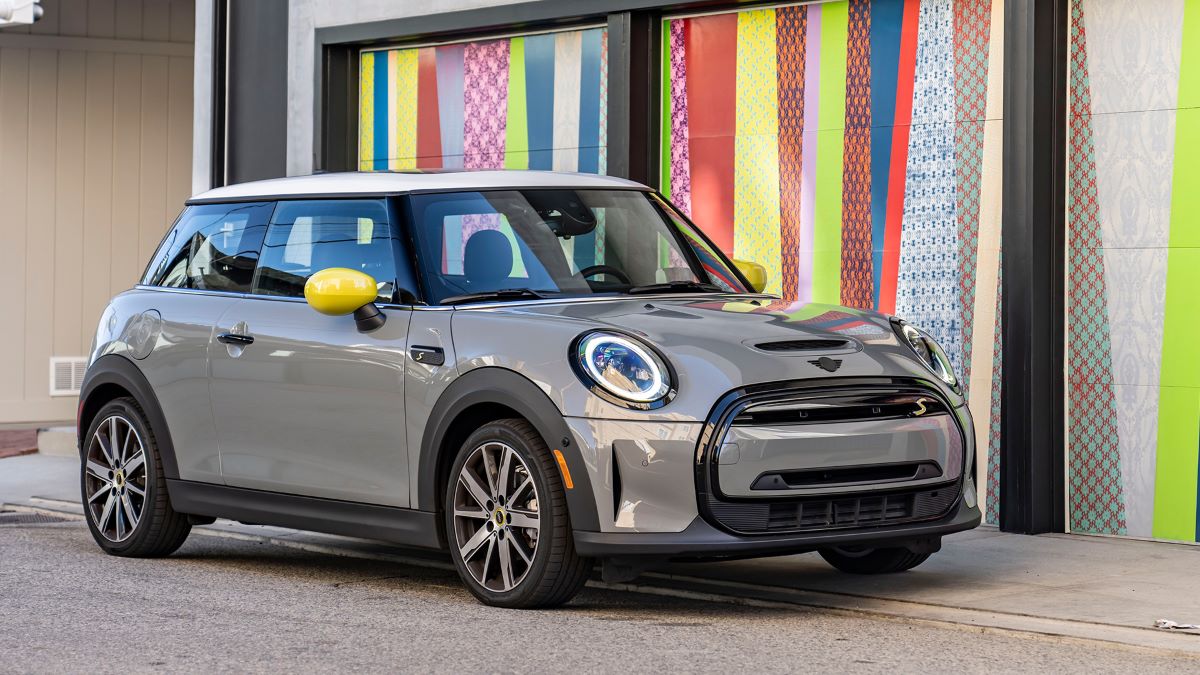
Santa Monica isn’t just another coastal city it’s a very specific lifestyle ecosystem. It blends dense urban living, beach culture, environmental awareness, tight parking, constant traffic, and a heavy dose of image consciousness.
Cars here aren’t judged solely on horsepower or luxury; they’re judged on how well they slot into daily life between Ocean Avenue traffic, underground garages, weekend Malibu drives, and short hops that rarely exceed 10 miles.
The ideal Santa Monica vehicle needs to be compact without feeling cheap, stylish without being flashy, efficient without screaming “eco appliance,” and comfortable enough for traffic-heavy commutes on the 10 or PCH.
At the same time, there are plenty of vehicles that look appealing on paper or on Instagram but become liabilities once you actually try to live with them in this environment.
Below are five vehicles that genuinely fit Santa Monica life, followed by five that sound good in theory but quickly feel out of place once the honeymoon ends.
Vehicles That Fit Santa Monica Life
Santa Monica life is all about balance, beachside cruising, dense city traffic, tight parking, and plenty of short daily trips. Cars here need to be easy to maneuver, fuel-efficient, and comfortable in stop-and-go conditions, all while handling salty air and constant sun exposure.
Flashy performance matters far less than practicality, reliability, and ease of ownership. In this article, we highlight vehicles that fit Santa Monica life, focusing on cars that make daily driving, parking, and coastal living feel effortless.
1. Tesla Model 3
Few cars feel more naturally integrated into Santa Monica than the Tesla Model 3. The city’s infrastructure heavily favors EVs, with abundant public chargers, preferential parking in some structures, and a culture that actively embraces electric mobility.
The Model 3’s compact footprint makes it easy to maneuver through tight streets and parking garages, while its instant torque is perfect for darting through short city stretches.
Range anxiety is largely irrelevant here, since most daily drives are short, and Tesla’s charging network is well established across Los Angeles.
The minimalist interior also aligns with Santa Monica’s modern aesthetic clean, tech-forward, and understated rather than ostentatious. Importantly, the Model 3 feels normal here.
The Model 3 comes across as sporty and engaging thanks to its strong initial acceleration, sharp and responsive steering, and well-coordinated, agile handling. The straight-line punch that stood out in early Long Range versions is still present in the base trim.
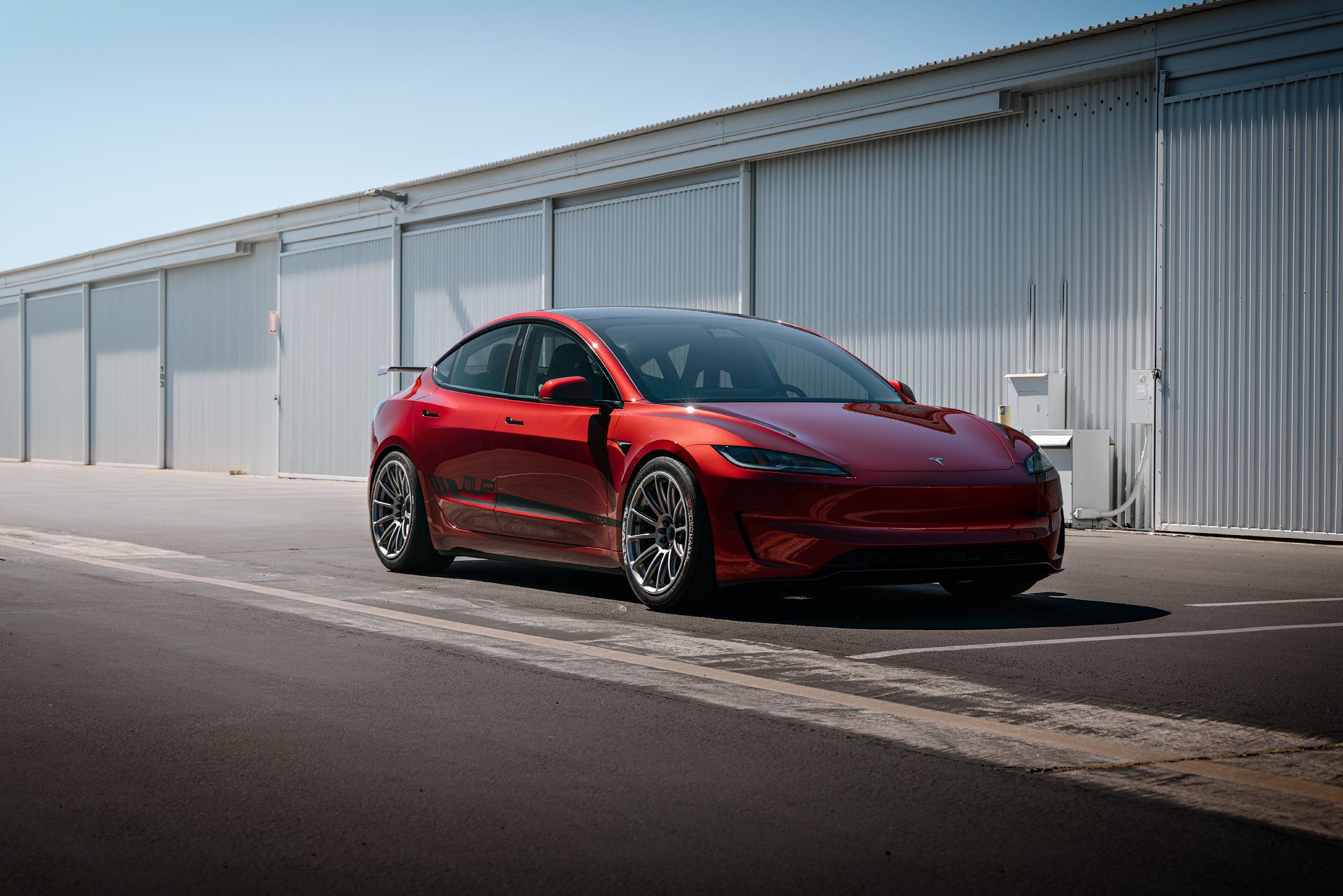
The Model 3 Standard Range Plus sprinted from 0 to 60 mph in 5.3 seconds, which is an impressive result for a single-motor electric vehicle. Step up to the Long Range or Performance variants, and acceleration moves into an entirely different, much quicker category.
The standard 18-inch all-season tires don’t deliver ultimate grip, but they provide enough traction to support most enthusiastic street driving. Pushing the car hard reveals that aggressive stability control tuning can limit true high-performance driving. Even so, the Model 3 offers a commendable and enjoyable driving experience within the EV space.
Overall, the Model 3 is a fairly comfortable place to spend time, and that impression holds up even on longer drives. Our main complaint centers on the non-perforated leather seats, which don’t breathe particularly well in warmer climates. Aside from that, the seats are plush and offer good support.
Climate adjustments are handled entirely through the touchscreen, including directing airflow from the vents. While it’s an interesting concept, we’ve found it can be distracting to manage while driving.
The cabin itself is quiet, doing a good job of keeping wind noise, electric drivetrain sounds, and most road noise outside. Ride quality is generally agreeable, though it can feel a bit busy at times when traveling over rough or uneven pavement.
It doesn’t scream for attention, yet it fits seamlessly into the social and environmental tone of the city.
2. Mini Cooper (Hardtop 2-Door or 4-Door)
The Mini Cooper is practically tailor-made for Santa Monica’s streets. Parking is a daily challenge, and the Mini’s small footprint is a genuine advantage, not a compromise.
Whether squeezing into a street spot near Montana Avenue or navigating a crowded Trader Joe’s lot, the Mini makes urban driving feel manageable instead of stressful.
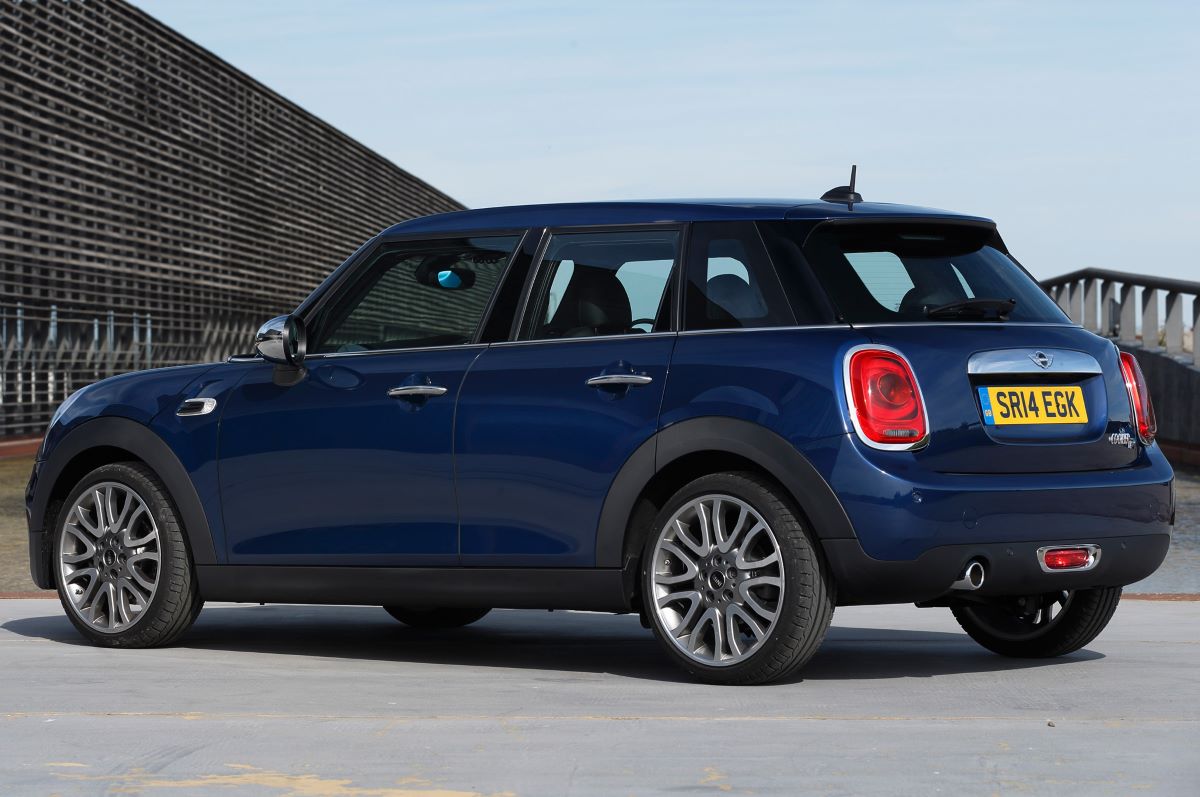
Beyond size, the Mini’s personality fits the city’s playful, design-conscious vibe. It feels youthful and stylish without tipping into excess.
Fuel efficiency is solid, handling is sharp for winding coastal roads, and maintenance costs while not cheap are reasonable for a premium small car. In a city where oversized vehicles often feel unnecessary, the Mini thrives by being intentionally compact.
Also Read: 10 Premium Cars That Balance Comfort and City Size
3. Hyundai Ioniq 5
The Hyundai Ioniq 5 hits a sweet spot between practicality, EV credibility, and standout design. Its retro-futuristic styling turns heads without looking try-hard, which is exactly the kind of attention Santa Monica drivers tend to appreciate.
It offers more interior space than a sedan, making it ideal for beach gear, yoga mats, surfboards (short ones), and weekend errands.
Unlike many SUVs, the Ioniq 5 doesn’t feel bloated. Its low center of gravity and responsive acceleration keep it agile in city traffic, while fast-charging capability fits well with LA’s expanding EV infrastructure.
It’s a smart choice for residents who want the benefits of an EV without committing to the Tesla ecosystem and who value design as much as function.
The 2022 Hyundai Ioniq 5 arrives with plenty of promise. This electric crossover is the first to ride on Hyundai’s new Electric-Global Modular Platform (E-GMP), a dedicated EV architecture that will serve as the foundation for several upcoming Hyundai models.
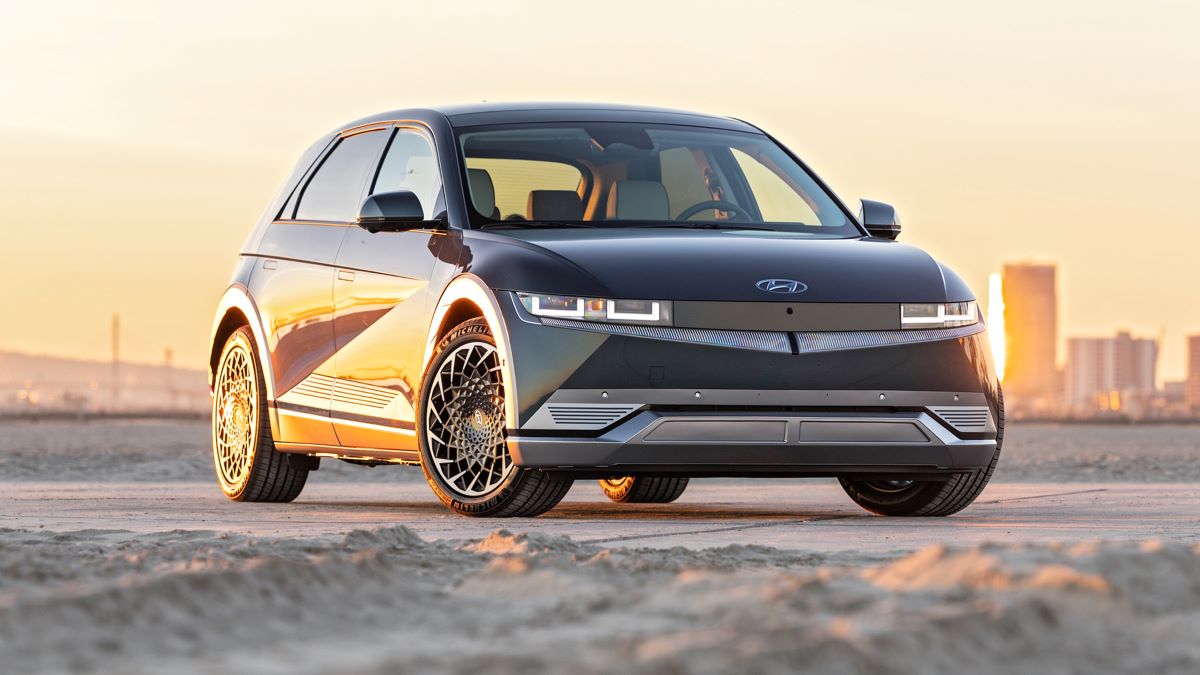
With the Ioniq 5, we’re also seeing the debut of a bold new design language, one that could easily be mistaken for a concept car brought to life. Crisp lines and distinctive LED lighting give the Ioniq 5 a strikingly futuristic appearance.
That forward-looking design is matched by a versatile and capable electric powertrain. The Ioniq 5 can be configured in multiple ways to suit different needs. Entry-level versions come with a 58-kWh lithium-ion battery and a single electric motor driving the rear wheels.
Opting for the larger 77.4-kWh battery adds more power and greater driving range, with the option of a dual-motor setup. At the top of the range, the dual-motor Ioniq 5 delivers 320 horsepower and 446 lb-ft of torque.
When lined up against the Tesla Model Y, the Tesla holds the edge in outright speed and feels more athletic overall. It also benefits from access to the Supercharger network, which remains more consistent and user-friendly than the patchwork of charging options available to other EVs.
It boasts superior build quality, faster charging capability, nearly comparable driving range, and a more comfortable ride. The Hyundai also offers more standard and optional features, a quieter and more refined interior, and a significantly lower price than the Model Y.
The Ioniq 5 has also come out on top in comparisons against its closely related Kia EV6, thanks in part to its more practical cabin layout, solid performance, and more accessible pricing. Those same strengths helped it outperform the Toyota bZ4X as well.
The 2022 Hyundai Ioniq 5 is available with two battery options: a 58-kWh pack and a larger 77.4-kWh unit. Models equipped with the smaller battery produce 168 horsepower and 258 lb-ft of torque in single-motor, rear-wheel-drive form. With the larger battery and a single rear-mounted motor, output increases to 225 horsepower while torque remains at 258 lb-ft.
Choosing the dual-motor configuration with the 77.4-kWh battery unlocks the full 320 horsepower and 446 lb-ft of torque. In this top-spec form, the Ioniq 5 is capable of reaching 60 mph in an estimated 5.1 seconds.
4. BMW 3 Series
For drivers who still want a traditional gas-powered luxury car, the BMW 3 Series remains a strong Santa Monica fit. It balances comfort, performance, and size better than many modern luxury sedans that have grown unnecessarily large.
The 3 Series is narrow enough for city driving, refined enough for valet culture, and sporty enough to make canyon drives genuinely enjoyable.
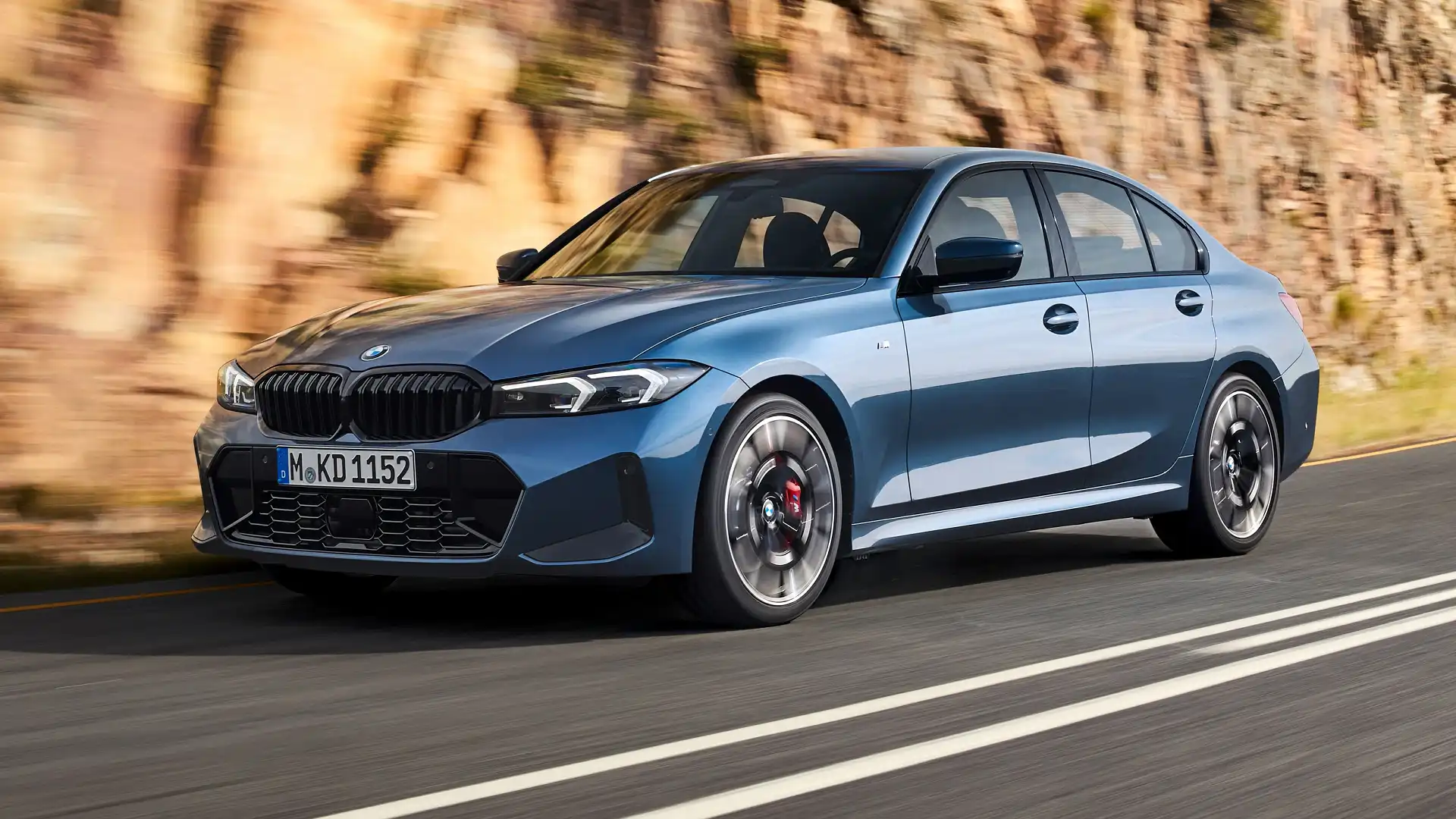
It also projects a certain quiet success that aligns with Santa Monica’s understated affluence. It doesn’t feel flashy like a full-size luxury sedan, nor impractical like a sports car.
Fuel economy is respectable, tech features are modern, and the driving experience still feels engaging even at low speeds important in traffic-heavy areas.
The 3 Series is offered with two refined and powerful gasoline engines. The 330i is equipped with a turbocharged 2.0-liter four-cylinder producing 255 horsepower and 295 lb-ft of torque, and it feels even stronger than those numbers suggest.
Stepping up to the M340i brings a turbocharged 3.0-liter inline-six paired with a 48-volt mild-hybrid system, delivering a combined 382 horsepower and 369 lb-ft of torque.
There’s also the 330e plug-in hybrid, which mates a turbocharged 2.0-liter engine with an electric motor for a total output of 288 horsepower and 310 lb-ft. This plug-in setup blends its gas and electric components seamlessly, and we’re fans of the Xtraboost feature, which supplies a short burst of extra power that feels akin to a mild shot of nitrous.
All three powertrains are matched with an exceptionally smooth and quick-thinking eight-speed automatic transmission and come standard with rear-wheel drive. All-wheel drive is available at extra cost, but a manual transmission is no longer offered at any price.
Shoppers can also select from several suspension configurations, including the standard setup, the firmer M Sport tuning, or the Dynamic Handling package with adaptive dampers.
The four-cylinder 3 Series has already proven its credentials by winning a comparison test against rival sports sedans, earning praise for its ability to shift effortlessly from calm and comfortable to lively and engaging.
The 330i also claimed the top spot in its segment by edging out the striking Alfa Romeo Giulia in a head-to-head comparison. Meanwhile, our long-term M340i reinforces the model’s return to form, pairing its hard-charging six-cylinder engine with outstanding body control.
5. Volvo XC40
The Volvo XC40 fits Santa Monica’s safety-conscious, design-driven mindset exceptionally well. It offers SUV practicality in a compact footprint, making it far easier to live with than larger crossovers.
The elevated driving position is helpful in traffic, while the squared-off design provides excellent visibility in tight urban environments.
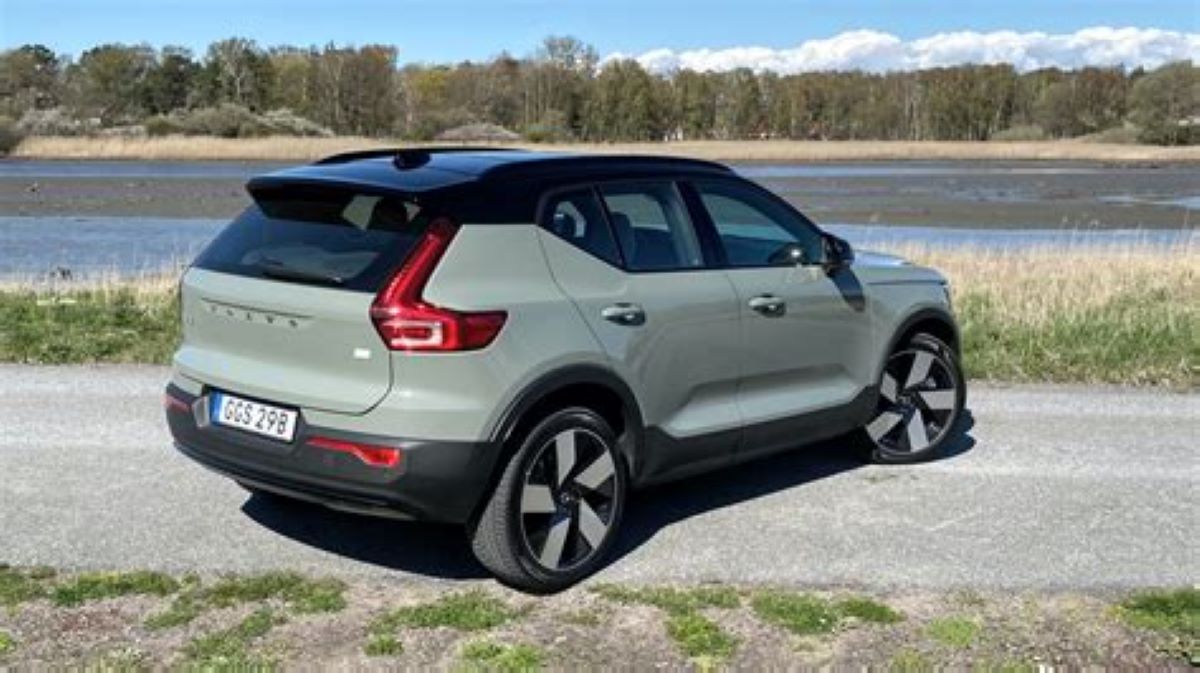
The all-electric XC40 Recharge appeals strongly to environmentally minded residents, but even the gas versions maintain reasonable efficiency.
Volvo’s minimalist Scandinavian interior design resonates with Santa Monica’s modern taste, and the brand’s emphasis on safety aligns well with family-oriented neighborhoods near schools and parks. It’s a thoughtful, mature choice that doesn’t feel boring.
Vehicles That Don’t Fit Santa Monica Life
Santa Monica may look car-friendly on postcards, but daily driving here tells a different story. Tight parking, constant traffic, short trips, coastal conditions, and sky-high fuel costs can quickly turn the wrong vehicle into a daily frustration.
Oversized dimensions, poor efficiency, and impractical performance setups often clash with the realities of beach-city living. In this article, we break down vehicles that don’t fit Santa Monica life, highlighting the types of cars that struggle with the area’s congestion, parking challenges, and laid-back coastal lifestyle.
Also Read: Top 300-HP Cars That Cost the Least to Maintain in 2025
1. Full-Size Pickup Trucks (Ford F-150, Ram 1500, Chevy Silverado)
While full-size pickup trucks dominate much of America, Santa Monica is one of the worst places to own one.
Streets are narrow, parking garages are unforgiving, and street parking often involves squeezing between compact cars. A full-size truck turns routine errands into logistical challenges.
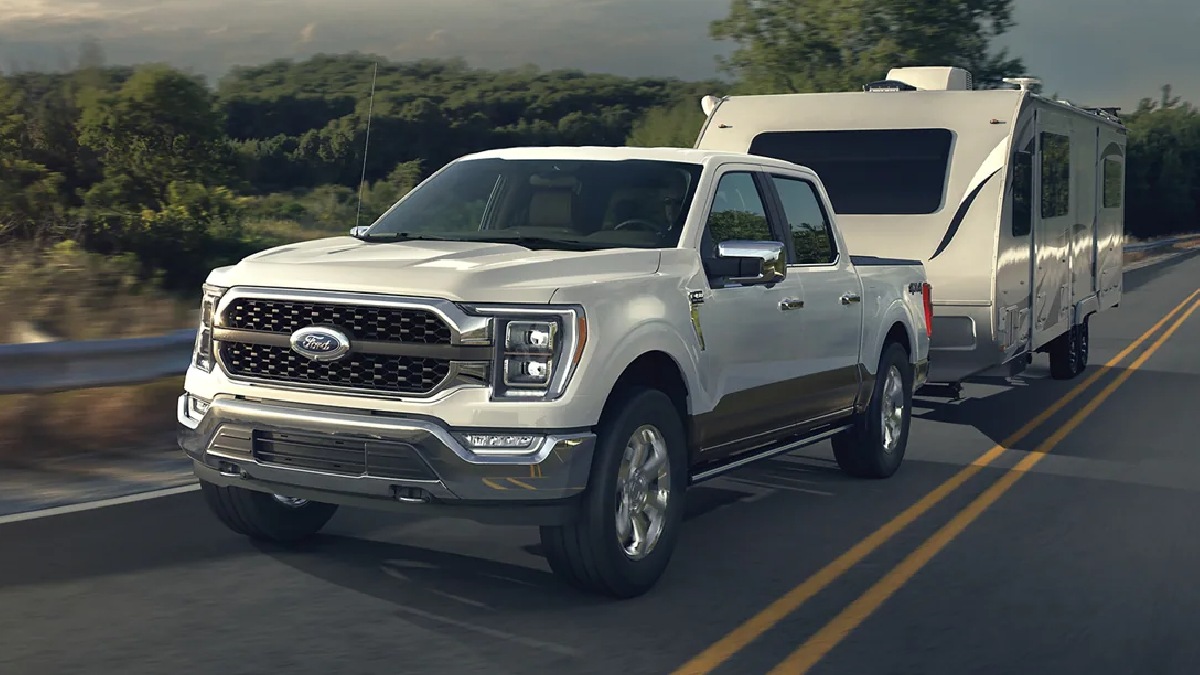
Unless you’re genuinely hauling construction equipment or towing regularly which is rare in Santa Monica the size becomes a liability.
Fuel costs are high, visibility is limited in crowded areas, and maneuvering through beach traffic feels clumsy. The rugged image that works in rural or suburban settings often feels out of sync with Santa Monica’s urban, eco-conscious culture.
The F-150’s range of powertrains includes two turbocharged V6 options, a V8, and a hybrid V6, before even factoring in the Raptor. Our test vehicle was equipped with the PowerBoost hybrid system. It sprinted from 0 to 60 mph in 5.8 seconds. That’s a strong result for a full-size pickup, though it trails slightly behind the newest Ram 1500 models powered by inline six-cylinder engines.
Steering in the F-150 is quick and direct, helping the truck feel more compact and maneuverable in tight parking situations while also contributing to solid stability at highway speeds. Ride quality and handling are surprisingly good considering the truck still uses rear leaf springs, though the Ram, with its coil or air suspension, maintains an edge in ride comfort.
Braking performance is confidence-inspiring as well, with strong, reassuring stopping power. Given its substantial towing and payload ratings, the F-150 is generally an easy and satisfying truck to drive.
The availability and effectiveness of driver-assistance features are highlights. Options include BlueCruise hands-free driving assistance and Pro Trailer Backup Assist, which simplifies steering the truck in reverse when towing a trailer.
For buyers who venture off pavement, the Tremor and FX4 packages add off-road-focused enhancements such as specially tuned suspensions, all-terrain tires, locking differentials, and protective skid plates.
2. Large Luxury SUVs (Cadillac Escalade, Lincoln Navigator)
Large luxury SUVs may project wealth, but in Santa Monica they often come across as excessive rather than aspirational.
Their sheer size makes parking a constant frustration, and their fuel consumption clashes with the city’s environmental values. These vehicles are designed for long highway trips and large families not short city drives and compact garages.
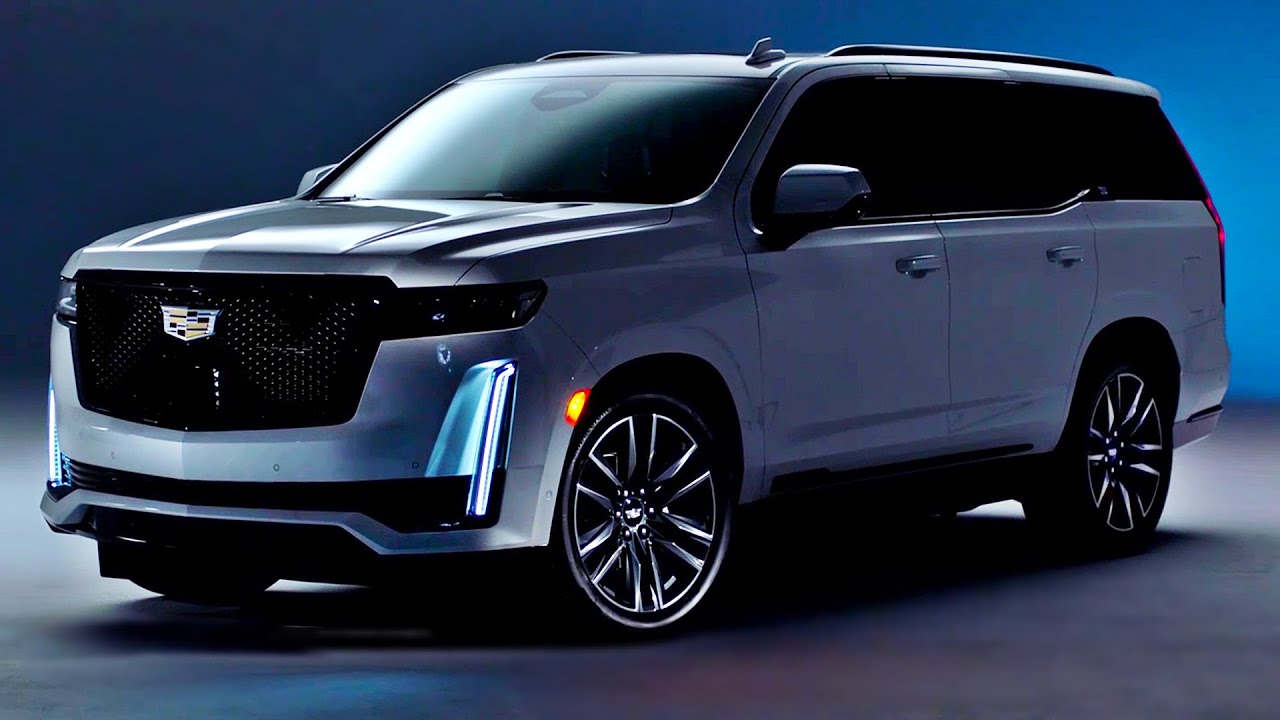
They also stand out in the wrong way. Santa Monica tends to favor subtle luxury over overt displays of excess.
An Escalade may feel impressive in Beverly Hills, but near the beach it often looks out of place, especially when wedged awkwardly into a parking spot meant for much smaller vehicles.
3. Low-Slung Sports Cars (Chevrolet Corvette, Lamborghini Huracán)
Sports cars seem like a natural fit for sunny coastal cities, but Santa Monica’s reality tells a different story.
Traffic is constant, roads are often uneven, and steep parking ramps are everywhere. Low ground clearance becomes a daily headache, with scraping front splitters and awkward driveway angles.
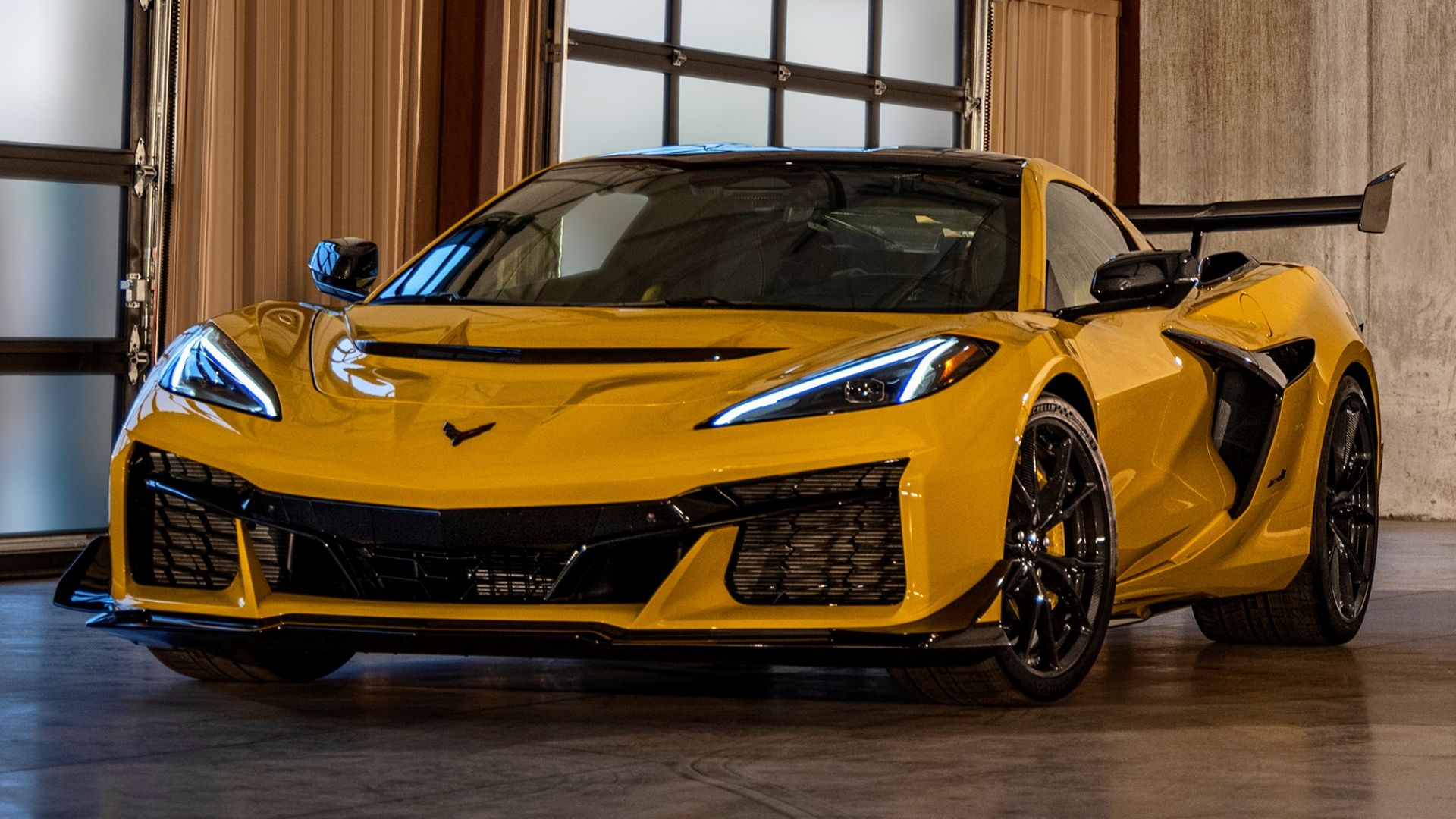
Additionally, there’s very little opportunity to actually enjoy the performance these cars offer.
Speed limits are low, congestion is high, and attention from pedestrians and other drivers can quickly become unwanted. In Santa Monica, a flashy sports car often feels more stressful than exciting.
Even though the engine has moved to a new position, now located behind the passenger compartment rather than ahead of it, it’s still a 6.2-liter V-8, now producing 490 horsepower and 470 lb-ft of torque.
When equipped with the Z51 performance package’s dual-mode exhaust, output increases slightly to 495 horsepower. The Z51 package also brings an electronic limited-slip rear differential, upgraded brakes, and performance-oriented summer tires.
Power is sent through an eight-speed dual-clutch automatic transmission, a first for the Corvette, and it’s the only gearbox offered. Drivers can operate it via a push-button selector on the center console or by using the large paddle shifters mounted on the steering wheel. A manual transmission is not available.
In our testing, a Corvette fitted with the Z51 package and optional FE4 magnetorheological dampers rocketed from 0 to 60 mph in just 2.8 seconds and ran the quarter-mile in 11.2 seconds at 122 mph.
From 70 mph, it came to a stop in 149 feet and generated 1.03 g of lateral grip on the skid pad. Even without performance upgrades, though, the latest Corvette delivers outstanding handling and provides dramatic, grin-inducing performance on both the street and the racetrack.
4. Jeep Wrangler
The Jeep Wrangler’s rugged, adventurous image clashes with Santa Monica’s predominantly urban lifestyle.
While it excels off-road, there are few opportunities to use those capabilities locally. Meanwhile, its drawbacks poor fuel economy, vague steering, noisy ride are felt every single day.
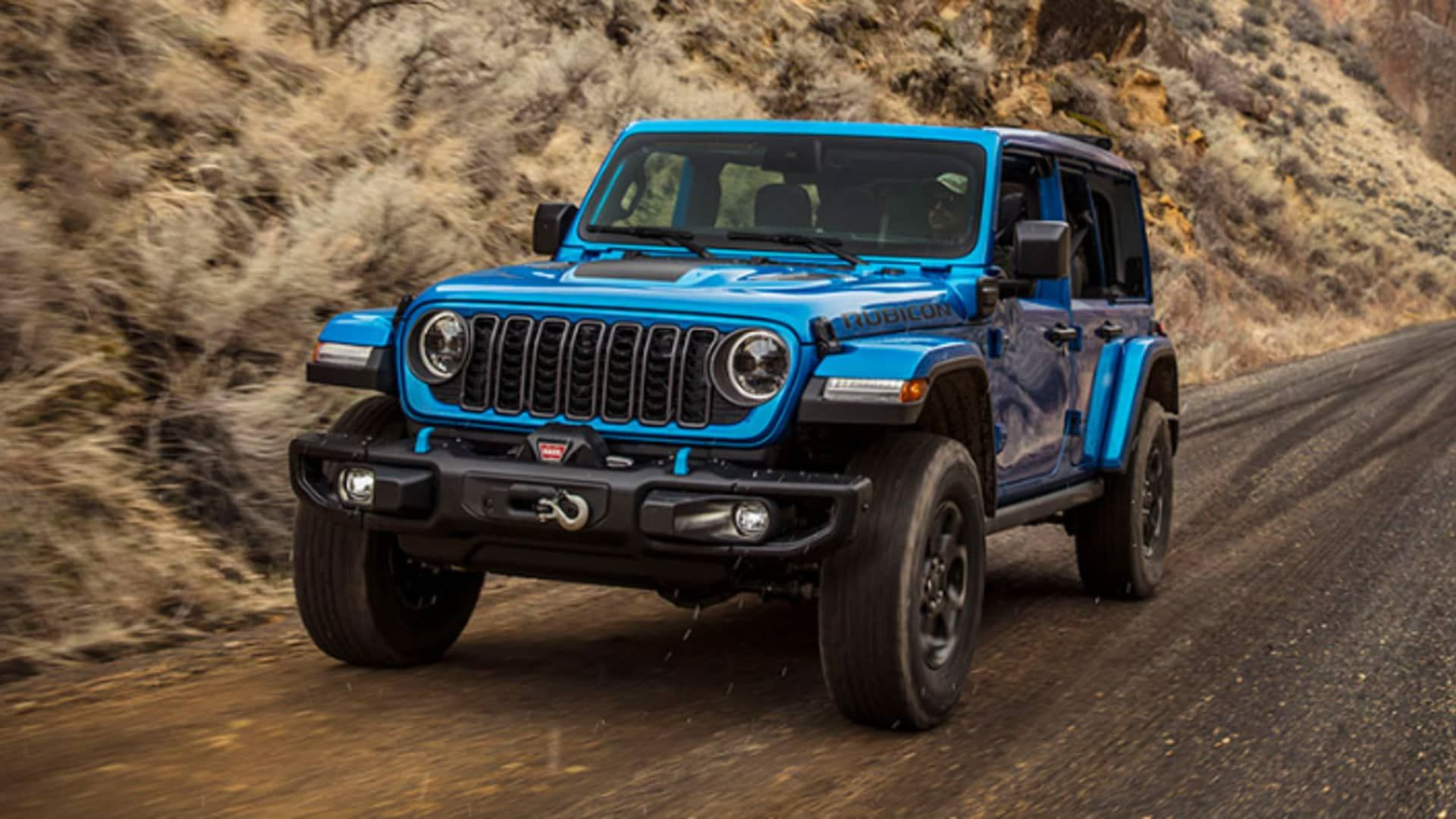
Parking a Wrangler in tight city spaces isn’t fun, and modified versions with large tires only worsen the problem.
In a city where efficiency and ease matter more than trail-rated toughness, the Wrangler often feels like a costume rather than a practical choice.
The familiar 285-horsepower 3.6-liter V-6 from the previous-generation Wrangler carries over to the new JL, where it can be paired with either a six-speed manual transmission or a smooth-shifting eight-speed automatic. Buyers can also opt for a turbocharged four-cylinder engine that works alongside an electric motor to deliver extra low-end punch.
Beyond the standard V-6 and optional four-cylinder hybrid, the Wrangler lineup also includes a 3.6-liter V-6 with similar hybrid assistance, a 3.0-liter diesel V-6, and a new 375-horsepower plug-in hybrid 4xe powertrain, which is reviewed separately. A 6.4-liter V-8 is also available.
As expected, the Wrangler is designed with off-road capability at its core, and part-time four-wheel drive comes standard across the entire lineup, operated via a lever on the center console.
While on-road handling has seen improvements, the Wrangler still feels decidedly trucklike compared with the more polished SUVs and pickups on the market today. Ride quality in the four-door model is reasonably smooth over rough terrain, though our testing revealed inconsistent braking distances between two separate vehicles.
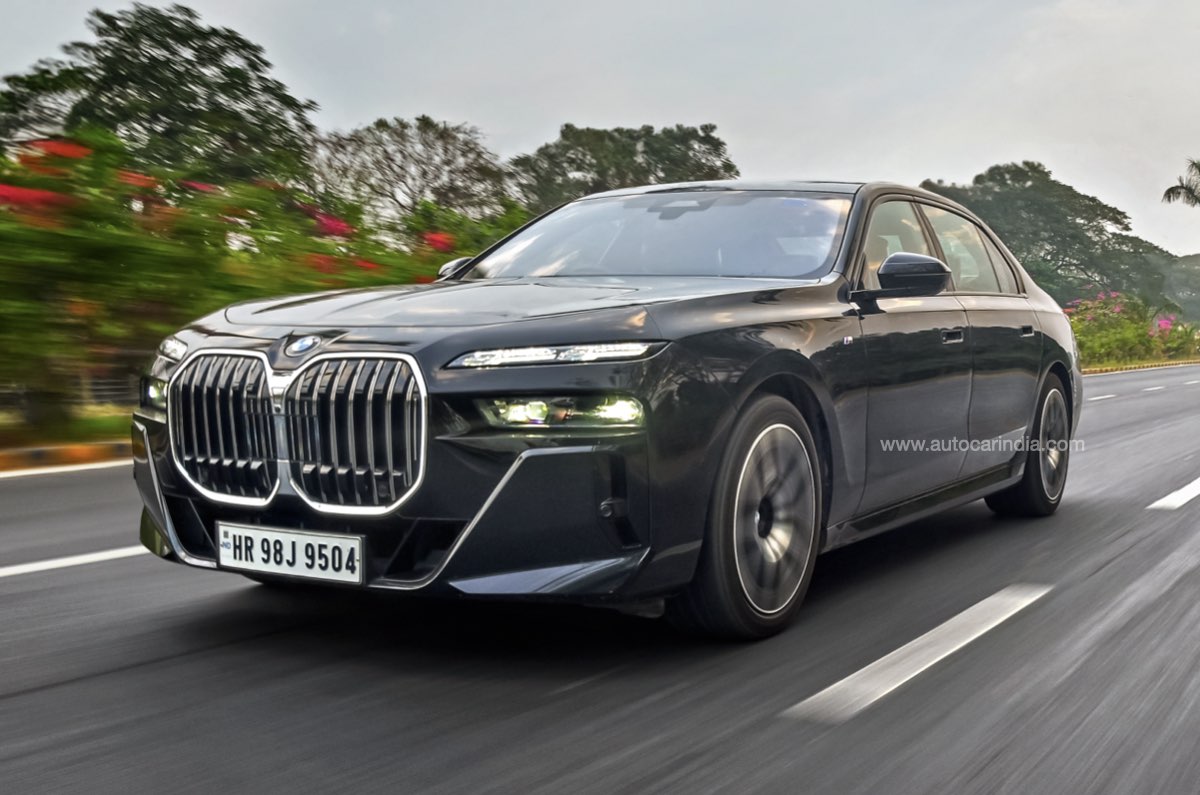
5. Older Luxury Sedans (Early 2000s Mercedes S-Class, BMW 7 Series)
Older full-size luxury sedans may seem like bargains on the used market, but Santa Monica exposes their weaknesses quickly.
These cars are large, inefficient, and expensive to maintain, especially in stop-and-go traffic. Parking them is inconvenient, and their outdated tech feels out of place in a city that embraces modern solutions.
More importantly, they project a kind of outdated luxury that doesn’t align with Santa Monica’s current culture.
Today’s status symbols lean toward smart design and sustainability rather than sheer size and opulence. What once felt prestigious now often feels impractical and out of touch.
Santa Monica rewards vehicles that are thoughtful, efficient, and well-scaled to urban coastal living. The best cars here don’t dominate the road they blend into daily life while quietly enhancing it.
Compact EVs, well-designed crossovers, and refined midsize sedans thrive because they respect the city’s physical constraints and cultural values.
On the flip side, vehicles built around size, excess, or extreme performance tend to feel mismatched once the novelty wears off.
In Santa Monica, the smartest automotive choices aren’t about impressing others they’re about making everyday life smoother, calmer, and more enjoyable.