
City living changes how people relate to their cars. In dense urban environments across the United States whether it’s New York, Chicago, San Francisco, Seattle, Boston, or growing metros like Austin and Denver vehicles stop being status symbols and start becoming tools.
Parking scarcity, traffic congestion, narrow streets, unpredictable weather, rising insurance costs, and constant stop-and-go driving all shape what works and what doesn’t.
Over time, these conditions quietly separate cars people keep for a decade or more from those they grow tired of, trade in early, or regret buying altogether.
Long-term city ownership isn’t just about reliability, though that matters. It’s about how a car fits into daily routines without demanding constant attention, money, or compromise.
Owners tend to keep cars that feel easy easy to park, easy to maintain, easy to live with. On the flip side, cars that seem exciting or impressive at first often become frustrating once the realities of urban life set in.
High repair costs, awkward dimensions, poor fuel efficiency, and stress-inducing ownership experiences push people toward something more practical sooner than expected.
What follows is a look at five cars that urban owners consistently keep long-term and five that often don’t last in city garages.
These aren’t judgments on quality alone; they’re reflections of how cars interact with real city life over years, not months.
Cars City Owners Tend to Keep Long-Term
City driving puts cars through a unique kind of stress. Stop-and-go traffic, tight parking, short trips, and constant wear can quickly expose weak points in design and reliability. That’s why urban drivers tend to hold onto vehicles that are easy to live with, inexpensive to maintain, and dependable year after year.
Long-term city cars aren’t about flash, they’re about consistency, efficiency, and surviving daily urban grind without drama. In this article, we look at cars city owners tend to keep long-term, focusing on models that earn loyalty through durability, practicality, and low ownership stress
1. Toyota Corolla
Few cars have proven themselves in American cities like the Toyota Corolla. Its longevity isn’t about excitement it’s about trust. Corolla owners keep their cars because they ask for very little in return.
The engine and transmission are tuned for durability rather than thrill, which makes them ideal for constant stop-and-go traffic, short trips, and cold starts. Over time, that simplicity becomes a major asset.
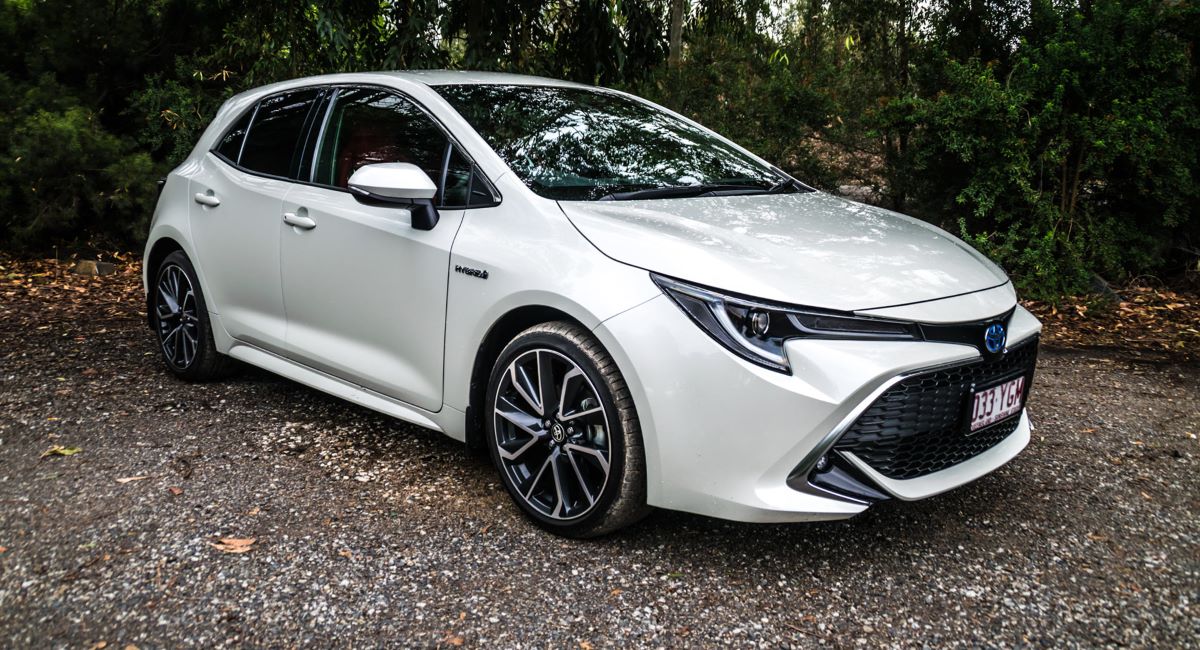
In dense cities, the Corolla’s compact footprint makes parallel parking easier and reduces the anxiety of tight garages. Fuel efficiency stays strong even in traffic, and repair costs remain predictable.
For owners who commute daily, run errands, and occasionally leave town, the Corolla rarely gives a reason to replace it.
Many owners reach the 10- to 15-year mark not out of stubbornness, but because the car simply keeps working without drama.
Acceleration feels a little weak for this class, our testing showed a 0–60 mph time of 8.8 seconds, which means you’ll often find yourself pressing the accelerator hard when merging onto highways.
Overtaking slower vehicles also takes some forethought and a heavy right foot. Emergency braking performance is acceptable, though, and the brakes are easy to modulate, making smooth, controlled stops simple.
We drove the Corolla XSE, which is billed as the sportier trim. Unfortunately, it doesn’t really live up to that promise. There’s noticeable body roll in corners, and the tires don’t provide much grip.
As an everyday commuter, however, the Corolla performs just fine. It’s easy to maneuver in urban settings, and the continuously variable automatic transmission (CVT) generally operates in the background without drawing much attention to itself.
The Corolla rides smoothly over a wide range of road surfaces, and the front seats are comfortable. Drivers of different sizes should have little trouble finding a good seating position thanks to ample adjustability and a wide range of motion. We actually prefer the cloth upholstery, as it breathes better than the available simulated leather, especially on hot days.
Road noise is a constant companion, and at highway speeds it becomes loud enough that you’ll need to turn up the audio system to drown it out. Under hard acceleration, the engine sounds strained, though the CVT’s simulated gear changes help minimize the typical droning often associated with this type of transmission.
Inside, the Corolla benefits from a straightforward and user-friendly layout. Controls are positioned logically and grouped sensibly, with just enough physical buttons to be functional without making the cabin feel cluttered.
Getting in and out of the vehicle is easy, and front-seat occupants enjoy generous space along with good outward visibility for the driver. Rear-seat space is more limited, particularly when it comes to headroom, and taller adults may find their heads close to the ceiling. The Honda Civic offers a roomier back seat by comparison.
Toyota’s infotainment systems haven’t always impressed us, but this latest iteration represents a noticeable step forward. Even so, it still doesn’t match the intuitiveness or visual polish of some competitors. On the plus side, Apple CarPlay and Android Auto now come standard.
A wide array of advanced safety features is included through the standard Toyota Safety Sense package, and most of them are well calibrated to operate without being intrusive.
The exception is the lane departure warning system, which can be overly sensitive and annoying due to frequent alerts. Adaptive cruise control, on the other hand, earns praise for its smooth and natural braking and acceleration behavior.
Also Read: Top 10 Muscle Cars That Make Surprisingly Good Daily Drivers
2. Honda Civic
The Honda Civic occupies a similar space to the Corolla but with a slightly more engaging personality, which helps explain its long-term appeal.
City owners often keep Civics because they balance reliability with a sense of responsiveness that makes urban driving less dull.
Steering feel, braking confidence, and engine efficiency all contribute to a car that feels comfortable navigating crowded streets.
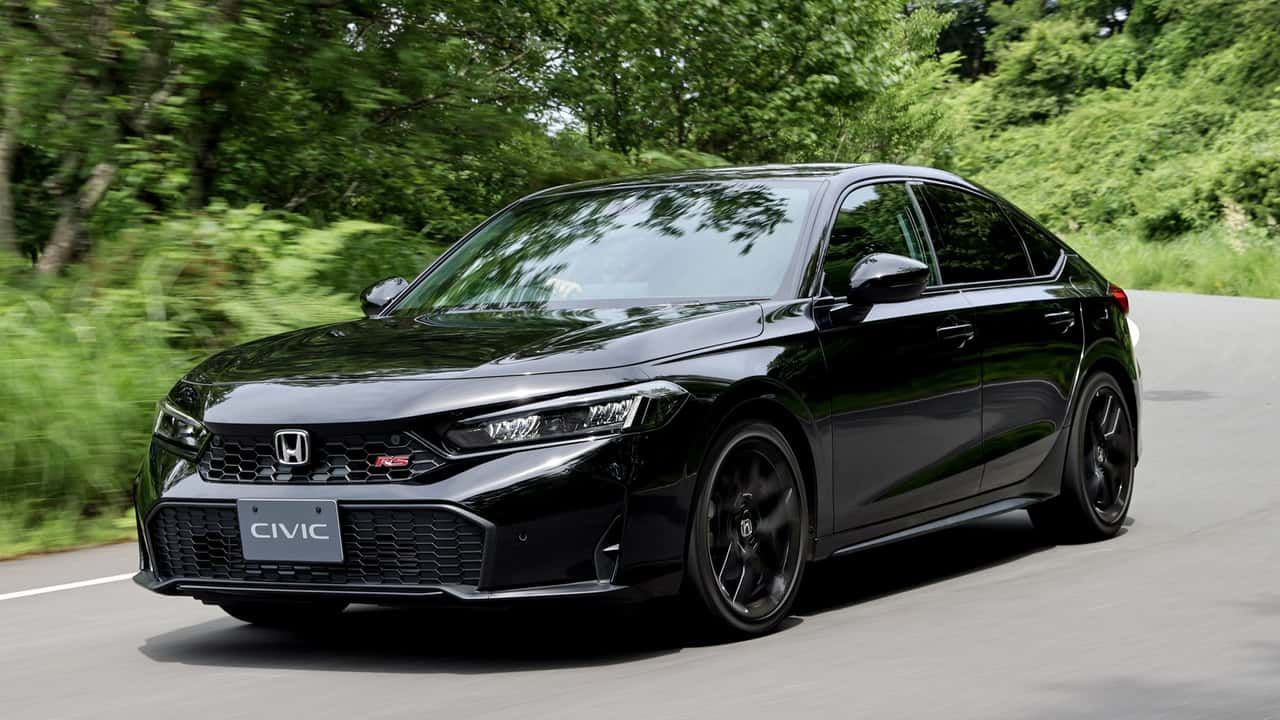
Civics also age well cosmetically. Interiors tend to hold up, exterior designs don’t feel outdated too quickly, and resale value remains strong.
For city dwellers who want something dependable but not boring, the Civic becomes a car they grow accustomed to and eventually attached to.
It’s common to see Civics passed down within families or kept well beyond the original loan term.
Also Read: Top 10 Muscle Cars That Make Surprisingly Good Daily Drivers
3. Subaru Impreza
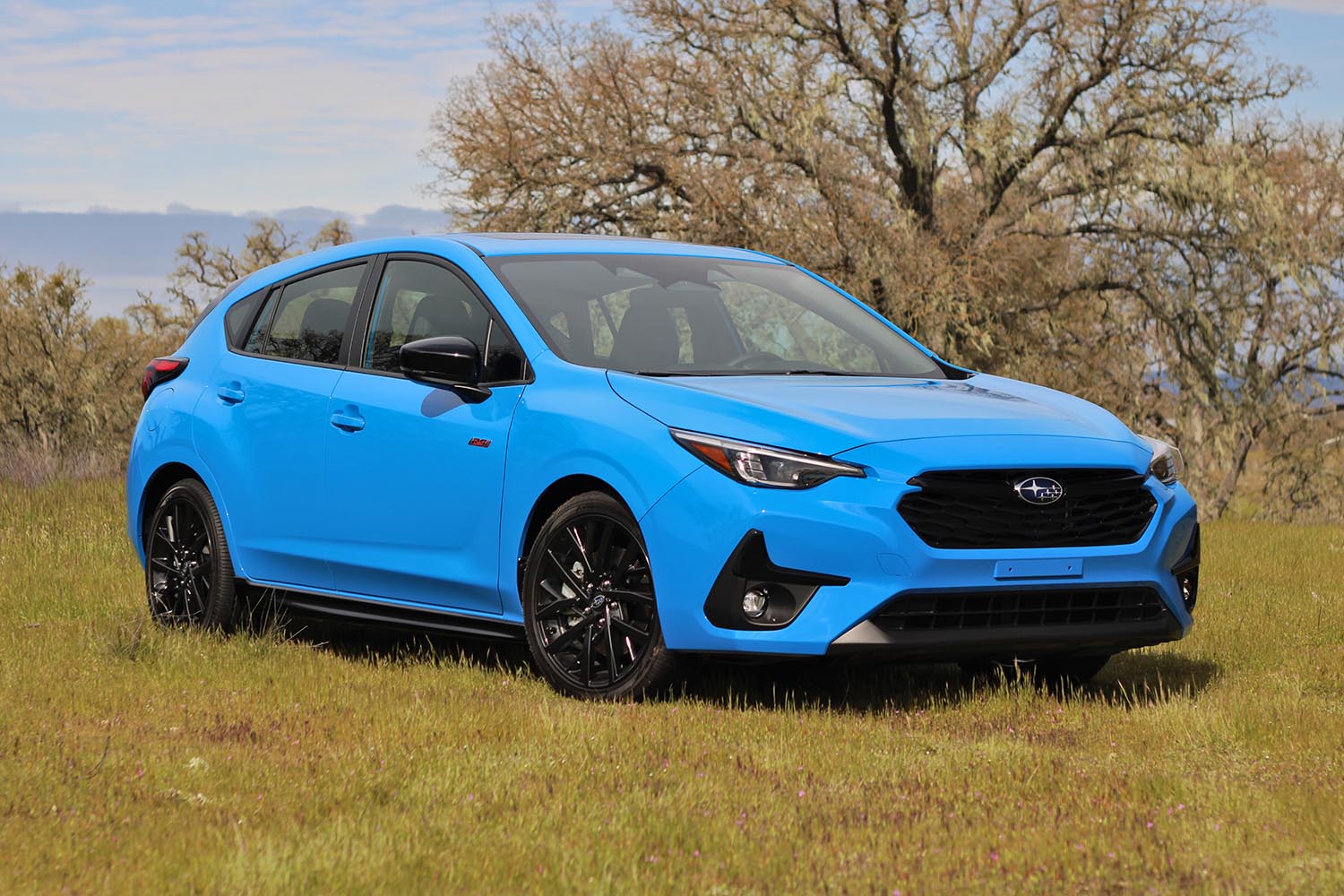
In cities with unpredictable weather think Minneapolis, Denver, Portland, or Boston the Subaru Impreza earns long-term loyalty thanks to standard all-wheel drive.
For urban drivers dealing with snow, rain, and slick pavement, confidence matters more than speed or luxury. The Impreza delivers that confidence without being oversized or excessively expensive.
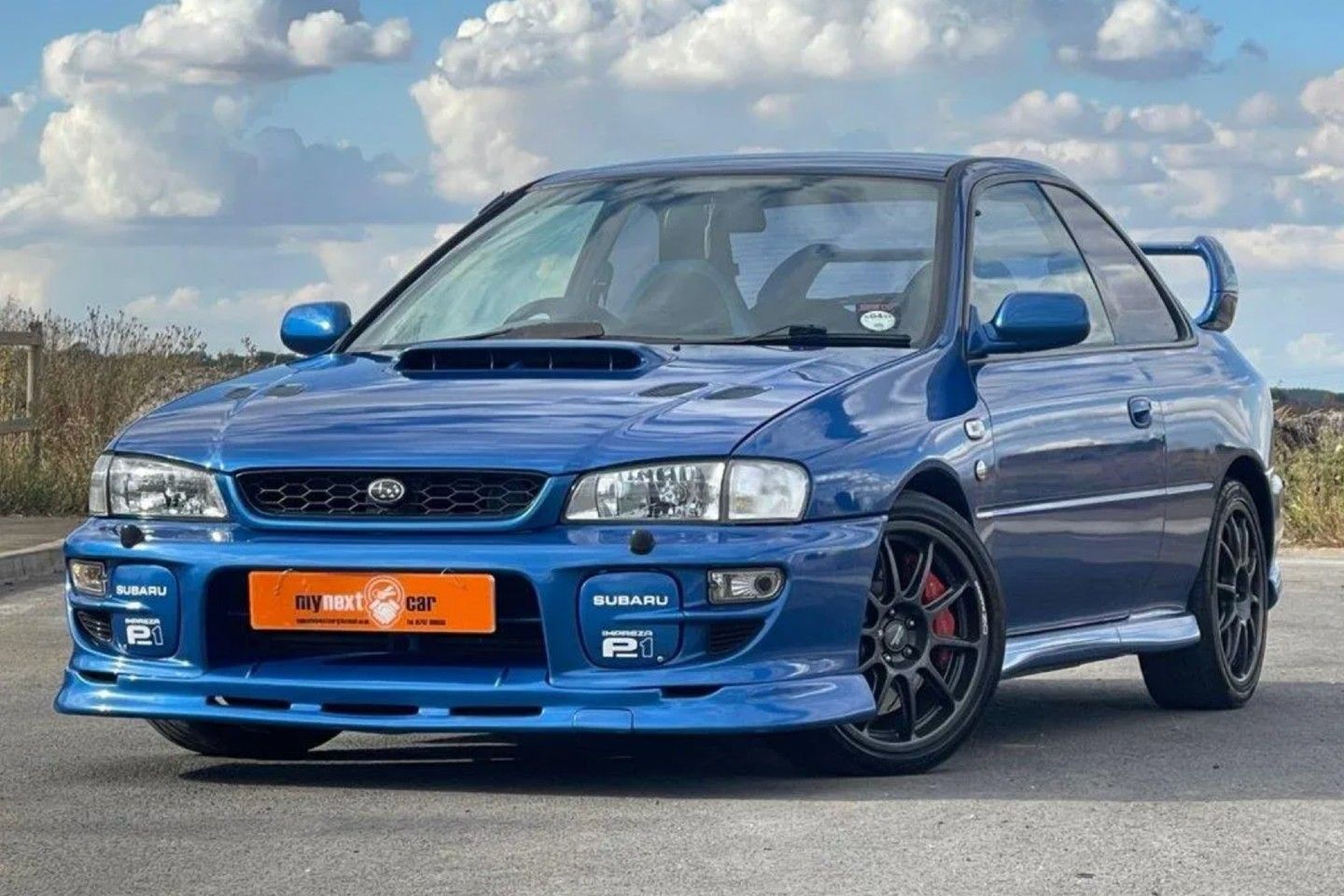
Owners tend to keep Imprezas because they feel safe and stable year-round. The hatchback versions, in particular, offer practical cargo space without sacrificing city maneuverability.
While maintenance costs can be slightly higher than some competitors, many owners accept that trade-off for the reassurance AWD provides during harsh winters. Over time, the Impreza becomes a trusted companion rather than a replaceable appliance.
The Impreza ranks as one of the most comfortable cars in its segment, and it’s also very easy to see out of. Tall windows and a low hood provide excellent outward visibility.
Beyond those strengths, though, the Impreza’s overall driving experience is fairly average. Even in the RS trim we tested which comes standard with the more powerful engine, the car felt slow, posting a 0–60 mph time of 8.4 seconds.
That puts it behind rivals like the Honda Civic and Mazda3, and lower trims are likely to be even more sluggish. The continuously variable transmission is also slow to respond, meaning drivers will need to plan ahead a bit more when merging onto highways or passing slower traffic.
On winding roads, the Impreza changes direction cleanly without excessive body roll, and the steering is light and quick, which makes low-speed maneuvers such as parking easy. That said, overall handling and braking performance trail the best in the class, though we suspect both could be improved with a different set of tires.
In terms of safety tech, the Impreza offers fewer available driver-assistance features than many competitors. The essentials are present, however, including an adaptive cruise control system that we found to be one of the better examples in the compact car category. Unfortunately, the accompanying lane-centering steering assist system doesn’t perform nearly as well.
4. Mazda3
The Mazda3 is often chosen by city drivers who want something enjoyable without stepping into luxury pricing. Its interior quality, sharp handling, and compact dimensions make it well-suited for urban environments.
Owners who keep Mazda3s long-term often cite how “right” the car feels day to day it’s easy to drive, easy to park, and satisfying at low speeds.
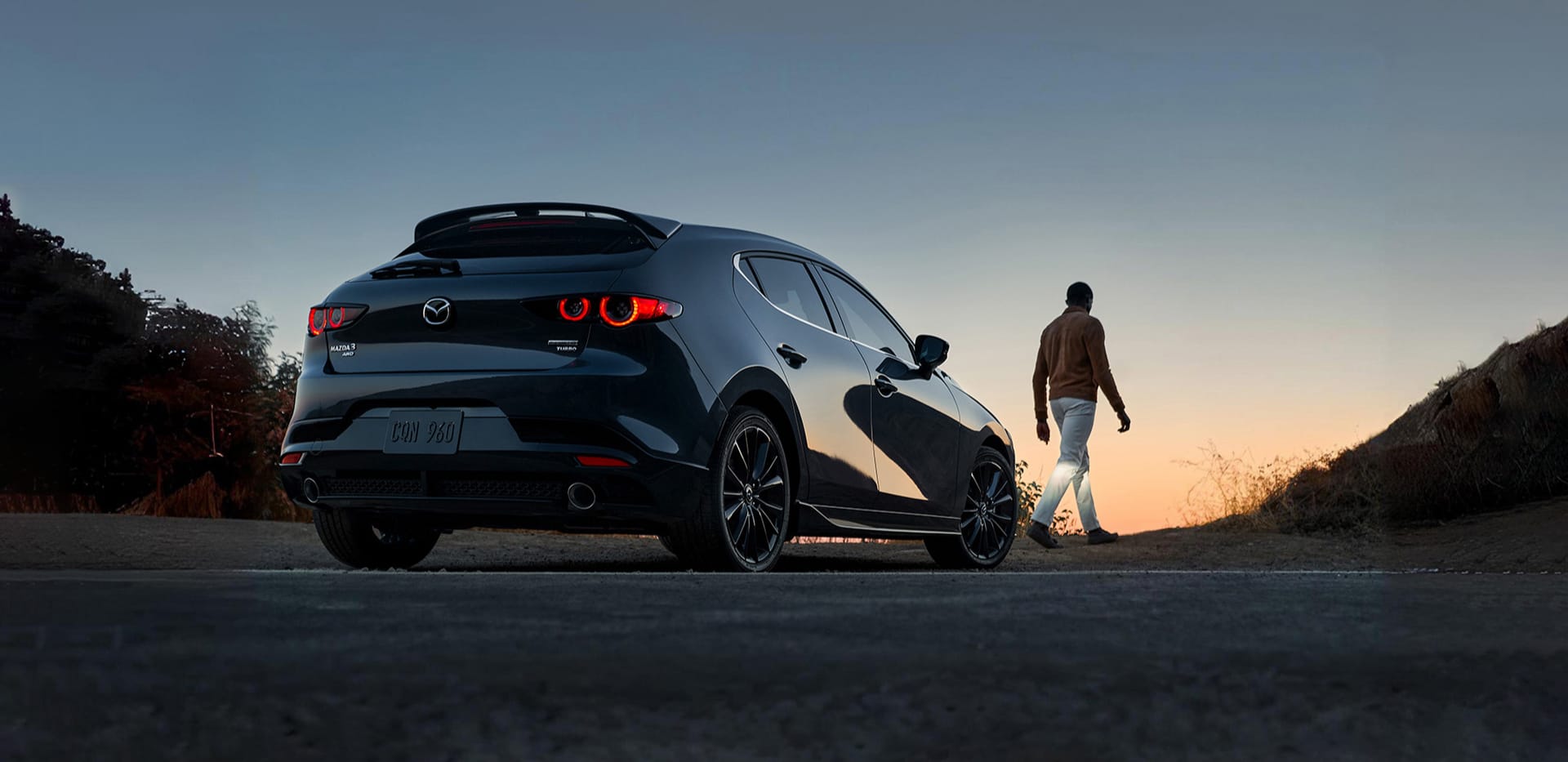
Unlike some economy cars that feel disposable, the Mazda3 feels intentionally designed. That emotional connection plays a role in long-term ownership.
Even as new models come out, many owners don’t feel compelled to upgrade because their existing Mazda3 still feels modern and engaging. In cities where driving can feel stressful, that sense of calm control goes a long way.
Both the standard 2.5-liter four-cylinder and the optional turbocharged engine provide smooth power. At our test track, the turbocharged Mazda 3 sprinted to 60 mph in just 6.5 seconds, making it one of the quickest compact cars you can buy.
Both the manual and automatic transmissions shift smoothly. We also like the Mazda 3’s smooth ride. It soaks up bigger dips on the highway and feels very stable at higher speeds.
There are a few drawbacks to driving the Mazda 3, however. Visibility out of the back isn’t great because of the hatchback’s small rear window and large roof pillars. Also, some of the 3’s advanced driver aids, such as the lane keeping system, aren’t as helpful as those in some rival cars, like the Honda Civic.
The Mazda 3 hatchback has an upscale interior. Even if you don’t spend the extra money for the premium leather upholstery, the seats are comfortable and supportive, and the layout of major controls is driver-focused.
The Mazda 3 is also fairly quiet, which helps it feel more premium than even fully loaded competitors. Engine and road noise is well isolated. As an added bonus, the climate controls are real buttons and easy to reach.
Buyers looking for the Mazda 3 to pull family duty will be disappointed. The 3’s back seat is difficult to get into and cramped for adults. Larger car safety seats might not fit unless you slide the front seat up, at which point it’s going to be uncomfortable for the front passenger.
5. Toyota Prius
The Prius has become an urban staple for a reason. In cities where fuel prices fluctuate and traffic is constant, the Prius thrives.
Owners keep them long-term because they deliver consistent efficiency regardless of driving conditions. Stop-and-go traffic barely affects fuel economy, which makes the Prius uniquely suited to urban life.
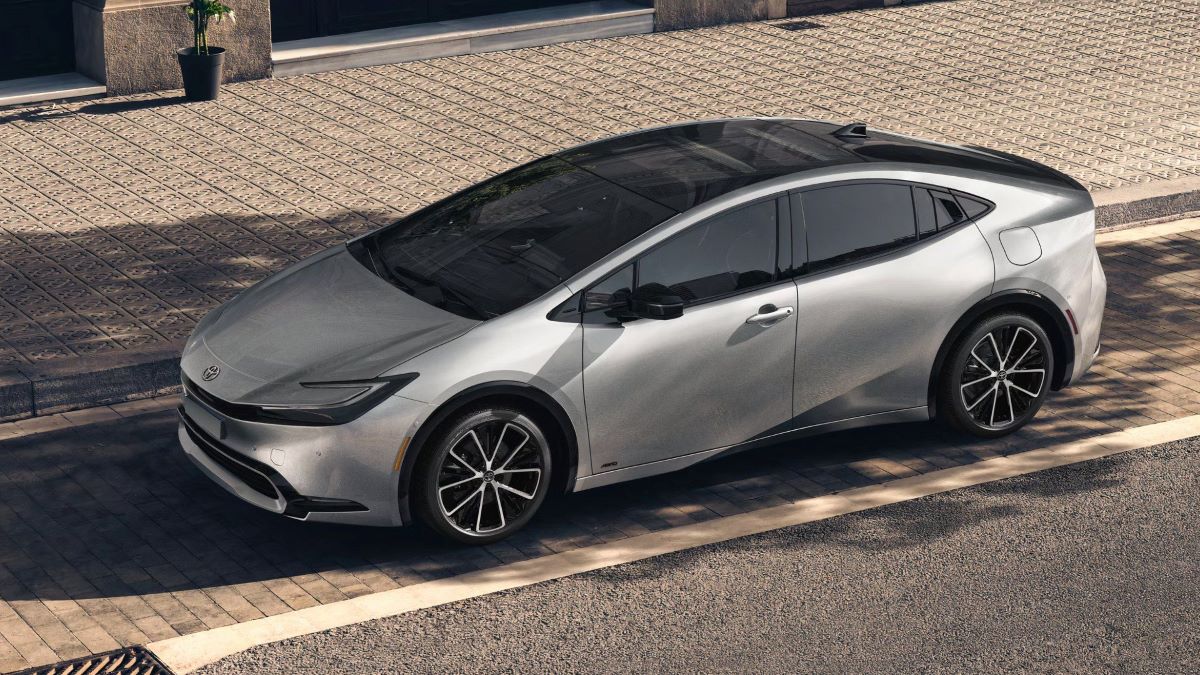
Beyond fuel savings, the Prius has proven mechanically durable. Hybrid battery replacements are less common and less expensive than many once feared.
For city drivers focused on minimizing operating costs and environmental impact, the Prius becomes hard to replace. Many owners drive them well past 200,000 miles, viewing them as long-term investments rather than temporary solutions.
Cars City Owners Often Don’t Keep Long-Term
City driving has a way of revealing whether a car truly fits urban life. Daily gridlock, cramped parking spaces, short trips, and constant wear can turn certain vehicles from exciting purchases into long-term headaches. What looks good on paper, or feels great on an open road, often struggles in dense, stop-and-go environments.
High ownership costs, poor maneuverability, and impractical designs are common reasons city drivers decide to move on sooner than expected. In this article, we explore cars city owners often don’t keep long-term, and the real-world urban challenges that make them hard to live with.
Also Read: Top 10 German Engines Known for Extreme Longevity
1. Large Pickup Trucks (Full-Size)
Full-size pickup trucks like the Ford F-150, RAM 1500, or Chevrolet Silverado are immensely popular nationwide but city ownership tells a different story.
In dense urban environments, these trucks quickly become liabilities. Their size makes parking stressful, narrow streets feel restrictive, and maneuvering in traffic exhausting.
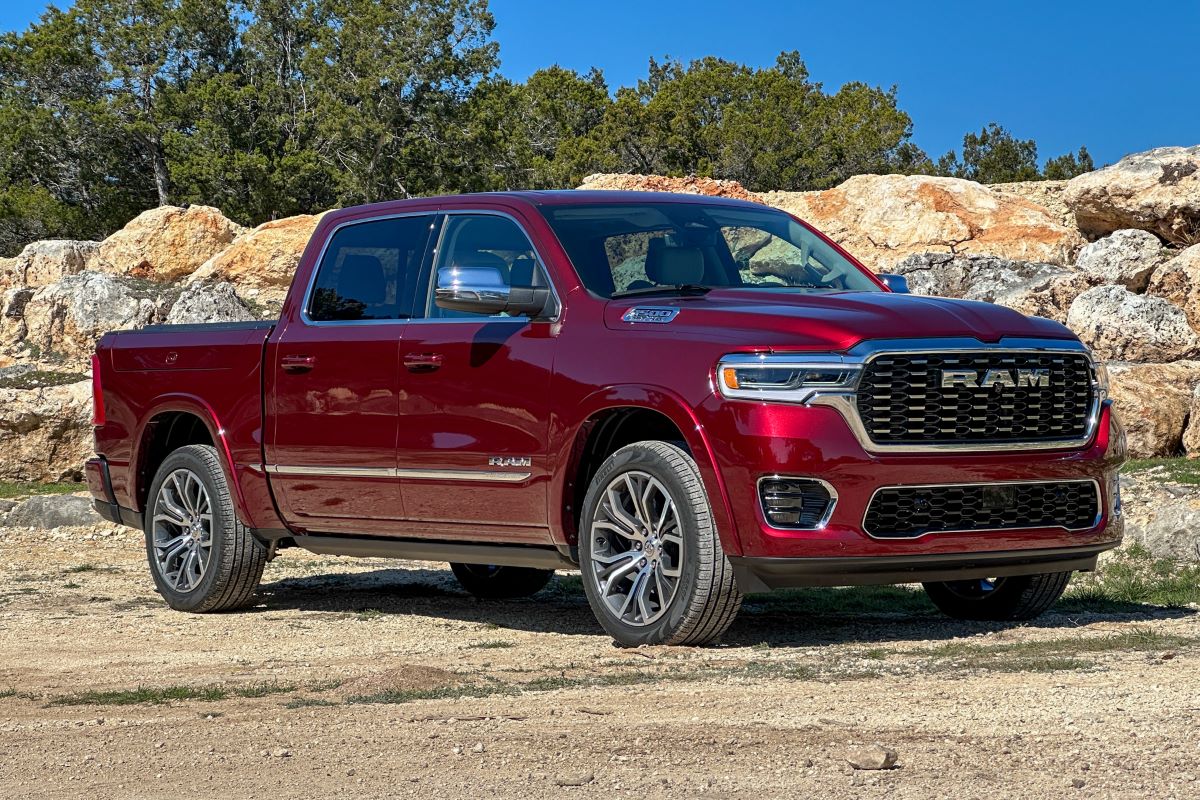
While some owners buy trucks for image or perceived versatility, many realize they rarely use the bed or towing capacity in city life.
Fuel costs, insurance premiums, and repair expenses compound over time. As the novelty wears off, frustration sets in. It’s common for city truck owners to downsize within a few years once practicality overtakes aspiration.
2. Luxury Performance Sedans
Cars like the BMW 5 Series, Mercedes-Benz E-Class, or Audi S-models often look perfect for urban professionals on paper.
In reality, long-term city ownership can be punishing. Performance-oriented suspensions suffer on pothole-ridden streets, while expensive maintenance becomes unavoidable as mileage climbs.
City driving accelerates wear on brakes, tires, and transmissions, particularly in performance trims. Once warranties expire, repair bills rise sharply.
Many owners find themselves trading in these vehicles earlier than planned not because they don’t love how they drive, but because the cost-to-stress ratio no longer makes sense in daily city use.
We tested both versions of the E-Class, the four-cylinder E 350 and the six-cylinder E 450, and the latter clearly stood out. Regardless of engine choice, the nine-speed automatic transmission operates almost invisibly, with seamless shifts that never draw attention to themselves.
Braking performance is confident and refined, and the E-Class remains composed through corners. The E 450, in particular, makes everything feel effortless, from creeping through stop-and-go traffic to merging confidently at highway speeds. By comparison, the E 350’s four-cylinder engine can feel strained when pushed at higher speeds.
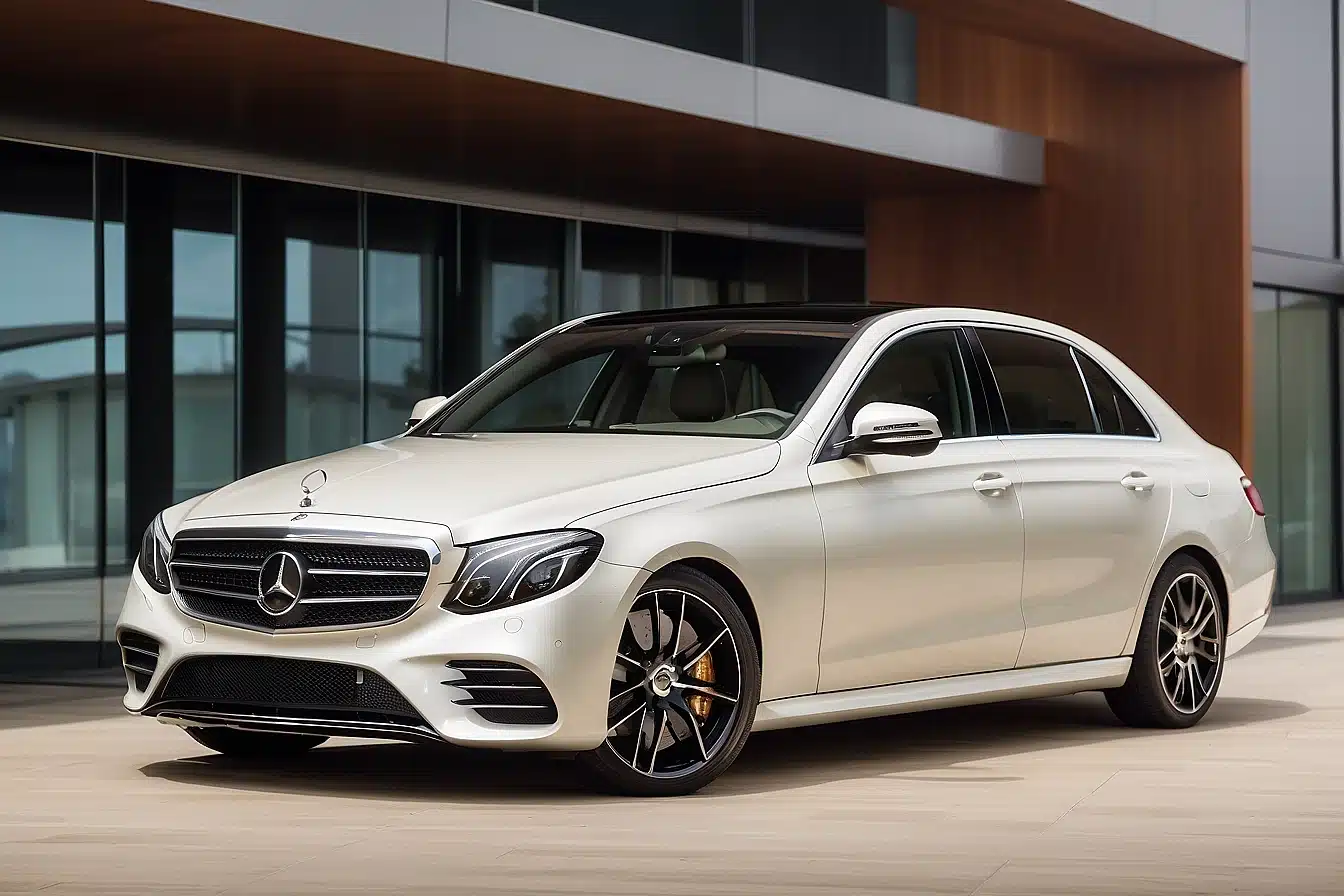
Our test vehicle was equipped with the optional Airmatic suspension, a pricey upgrade, but one that left a strong impression. Editors were especially impressed by how well it absorbed rough freeway sections and uneven pavement. We’d recommend skipping the optional 21-inch wheels, though even with their ultra-low-profile tires, ride comfort remained surprisingly intact.
A wide array of available driver assistance features further enhances day-to-day livability, though the adaptive regenerative braking system can feel slightly abrupt at higher speeds.
Comfort is where the E-Class truly excels. The seats are plush yet supportive, designed for long-distance luxury driving without fatigue. Cabin noise is minimal, with road and wind sounds well isolated even at highway speeds. The only notable drawback is the climate control system, which can struggle to keep the cabin cool during hotter conditions.
The driving position is excellent, thanks to extensive seat and steering wheel adjustability that accommodates a wide range of drivers. While the cockpit feels snug and personal, it never feels cramped. Rear-seat space, however, is a bit tighter, especially for passengers over six feet tall, compared to rivals like the BMW 5 Series.
Primary controls are logically placed and easy to identify, but the infotainment system’s depth can feel overwhelming at first. There’s a learning curve before fully unlocking its functionality, and the touch-sensitive steering wheel buttons, while versatile, can be distracting while driving.
3. Large Three-Row SUVs
Vehicles like the Chevrolet Tahoe, Ford Expedition, or Toyota Sequoia are often purchased with future plans in mind kids, road trips, towing but in cities, they frequently feel oversized and underutilized.
Parking challenges, poor fuel efficiency, and sheer bulk become constant annoyances.
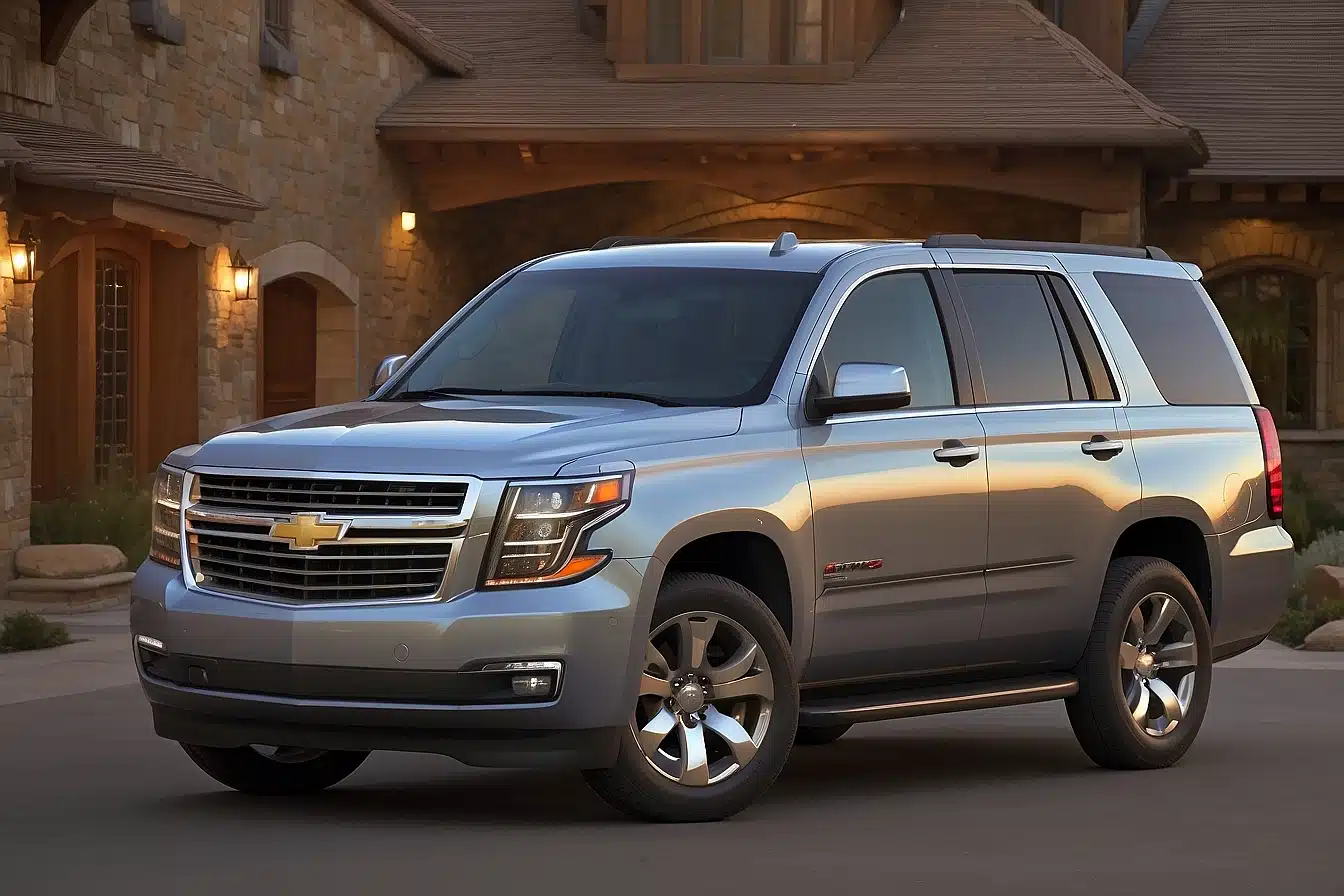
Urban owners who don’t regularly fill all three rows often realize they’re paying for space they don’t use.
Over time, the inconvenience outweighs the comfort. Many city dwellers end up replacing large SUVs with compact crossovers or sedans that better align with their actual driving patterns.
Chevrolet revised the Tahoe’s standard suspension for 2025, and the improvements are immediately noticeable. Ride quality is smoother and more controlled, even on rough pavement, though models equipped with the optional 24-inch wheels are less forgiving. For a full-size SUV, the Tahoe feels composed and stable, with well-weighted steering that makes it easy to manage its size.
Properly equipped, it can tow up to 8,400 pounds and is also capable of light-to-moderate off-road use. Buyers looking for more adventure-oriented capability should opt for the Z71 trim, which adds features like hill-descent control, all-terrain tires, and red recovery hooks, along with other trail-focused upgrades.
The Tahoe offers three engine choices. The standard 5.3-liter V8 produces 355 horsepower and 383 lb-ft of torque, delivering more than enough power for most drivers. A larger and more powerful 6.2-liter V8 is also available, generating 420 horsepower and 460 lb-ft of torque, though it comes with higher fuel consumption.
Rounding out the lineup is a 3.0-liter turbodiesel inline-six that receives a power bump for 2025. Output increases to 305 horsepower and 495 lb-ft of torque, up from 277 horsepower and 460 lb-ft previously. The result is acceleration comparable to the upgraded V8 models, paired with significantly better fuel efficiency.
4. Low-Profile Sports Cars
Sports cars with low ground clearance such as the Chevrolet Camaro, Ford Mustang (performance trims), or certain Porsche models can feel thrilling initially, but city life exposes their weaknesses quickly.
Steep driveways, speed bumps, potholes, and rough pavement turn every drive into a negotiation.
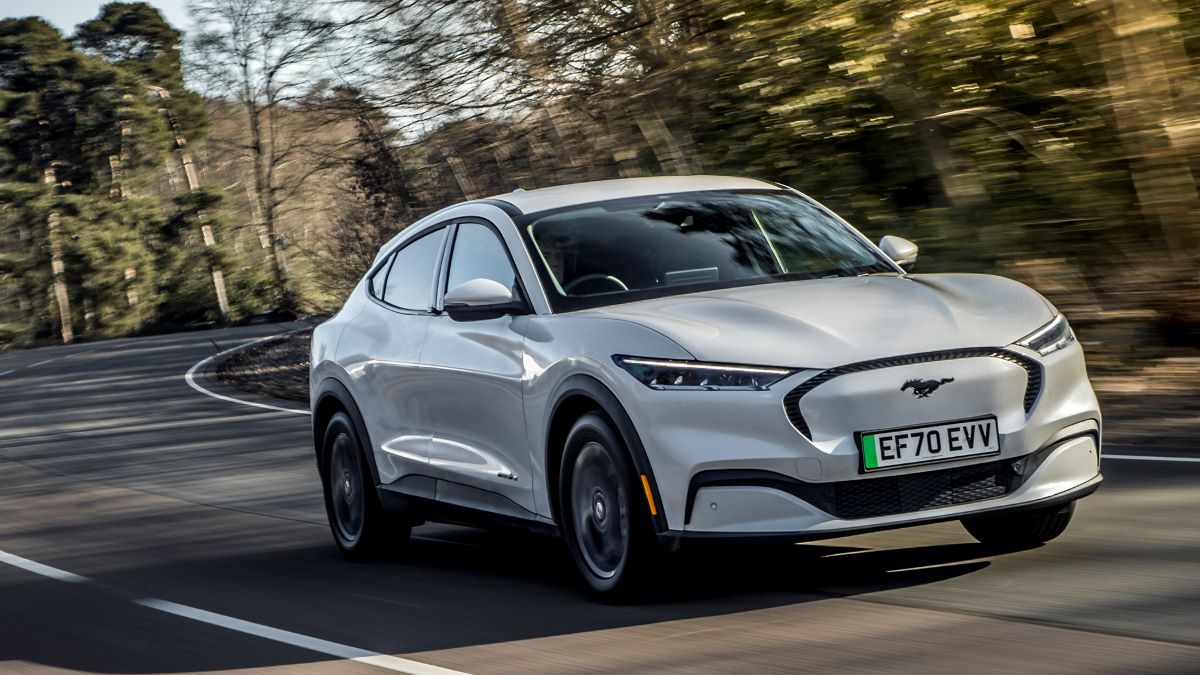
Visibility issues, limited cargo space, and stiff suspensions further reduce daily comfort. While some enthusiasts tolerate these compromises, many city owners eventually decide the inconvenience isn’t worth it.
These cars are often sold or traded sooner than expected in favor of something more forgiving.
5. High-Maintenance European Compacts
Smaller European cars, particularly older luxury compacts, can be deceptively attractive in cities due to their size and style. However, long-term ownership often tells a harsher story.
Frequent repairs, electrical issues, and specialized service requirements add stress to what should be simple urban transportation.
City driving magnifies reliability problems, especially when parts and labor are costly. Owners who initially enjoy the character and branding often grow weary of unpredictable maintenance.
These vehicles are commonly replaced once repair costs begin to rival monthly payments on something newer and more dependable.
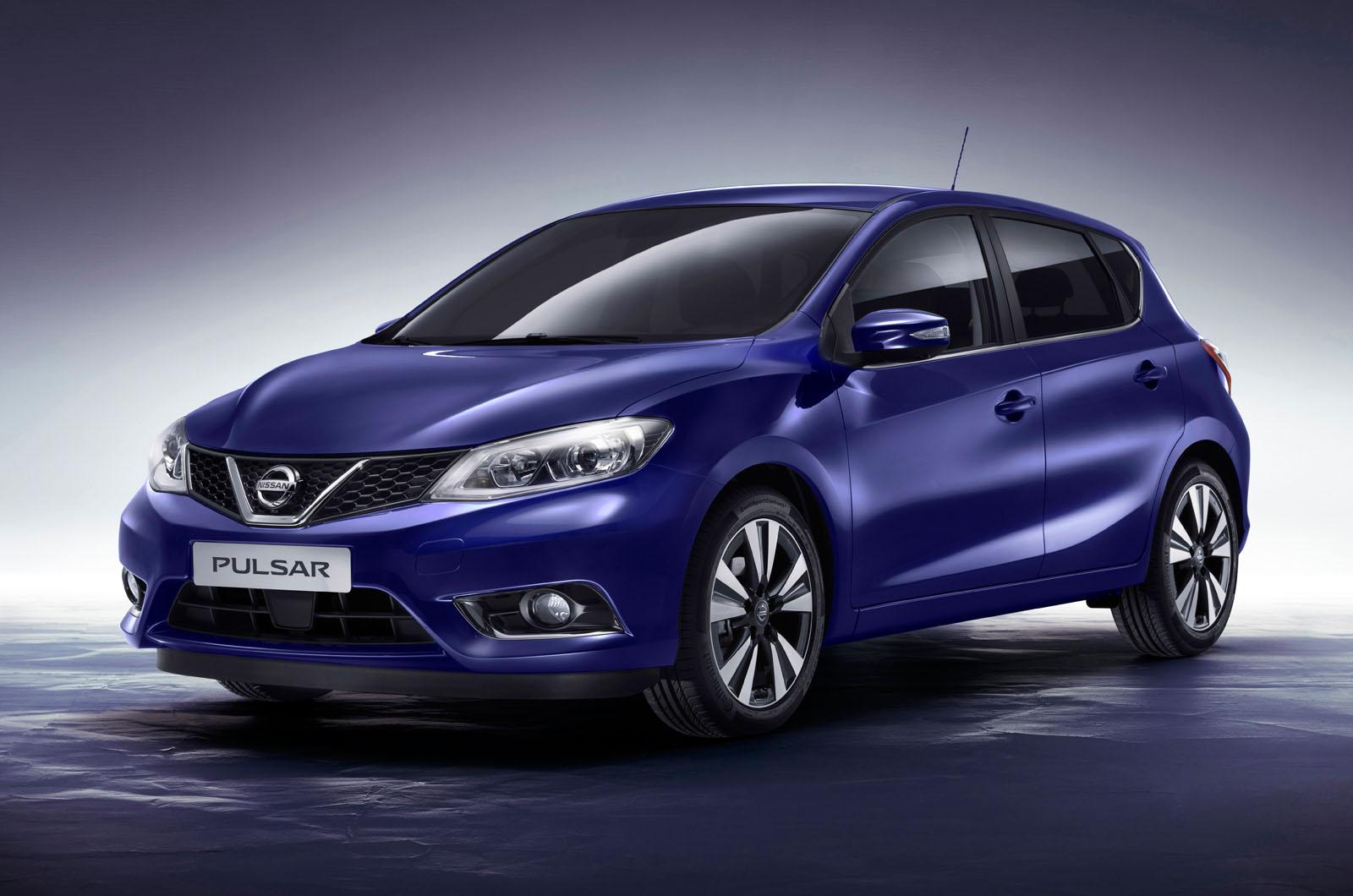
The difference between cars owners keep long-term in cities and those they don’t often comes down to friction.
Cars that integrate smoothly into urban life requiring minimal thought, money, and effort earn loyalty. Those that constantly remind owners of their compromises slowly lose favor.
City driving is repetitive. It exposes flaws quickly and rewards consistency. Over time, owners gravitate toward cars that make everyday life easier rather than more exciting.
That’s why reliability, efficiency, size, and comfort matter more in cities than outright power or prestige.
In the end, the cars people keep the longest aren’t always the ones they dreamed of owning but they’re the ones that quietly prove themselves every single day.
