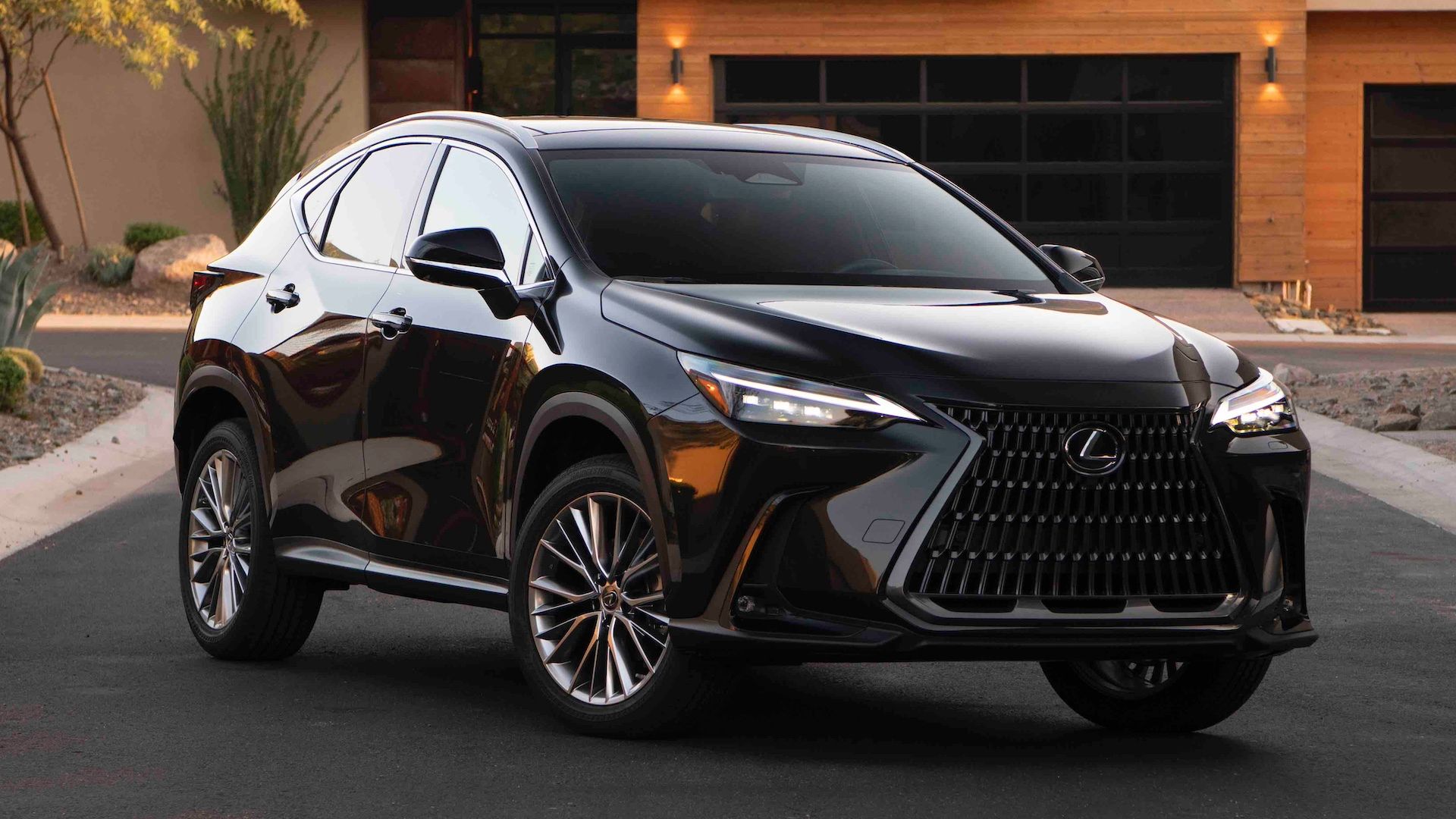
Savannah, Georgia is one of those cities that looks calm and charming on the surface, but its climate quietly tests vehicles year after year.
Between high humidity, coastal salt air, frequent rain, intense summer heat, and mild but damp winters, owning the wrong car here can turn into an expensive lesson.
Rust shows up earlier than expected, interiors age faster, air-conditioning systems work overtime, and electronics are constantly fighting moisture.
Unlike cities with harsh winters or extreme elevation, Savannah’s challenge isn’t dramatic weather events it’s constant environmental stress.
Vehicles that do well here tend to share a few traits: corrosion resistance, strong climate control systems, sealed electronics, dependable cooling, and materials that don’t degrade quickly in moisture.
Cars that struggle often aren’t “bad” vehicles overall, but they’re mismatched to a hot, humid, coastal lifestyle. Below are five cars that fit Savannah’s climate surprisingly well, followed by five that don’t, with explanations rooted in real ownership conditions rather than marketing hype.
Cars That Handle Savannah’s Climate Well
Savannah’s climate can be tough on vehicles. High humidity, intense summer heat, frequent rain, and salty coastal air all take a toll over time, affecting everything from paint and underbody components to air conditioning performance and interior materials.
Cars that do well here need more than just good fuel economy, they must handle moisture, heat, and year-round exposure without constant upkeep. In this article, we highlight cars that handle Savannah’s climate well, focusing on durability, comfort, and reliability in hot, humid, coastal conditions.
1. Lexus NX
The Lexus NX has become a favorite for Southern drivers because it combines luxury with resilience. Lexus vehicles are known for top-notch corrosion protection, which is crucial along the Georgia coast.
Its cabin materials resist warping and fading under intense sun, and the HVAC system cools quickly, keeping passengers comfortable during blistering summers.
The NX also balances performance with reliability, avoiding overly complex electronics that can falter in humid climates.
Buying a luxury SUV at the lower end of the price spectrum can be a challenge. One option is to choose a subcompact SUV to stay within budget, but those smaller models often sacrifice interior room and cargo capacity.
Stepping up to a larger vehicle can address those shortcomings, though it may also push the price higher than you’d like. There is a potential middle ground, however, in the form of the 2022 Lexus NX 250. If outright speed isn’t a top priority, the NX 250 could offer meaningful savings without giving up the luxury badge.
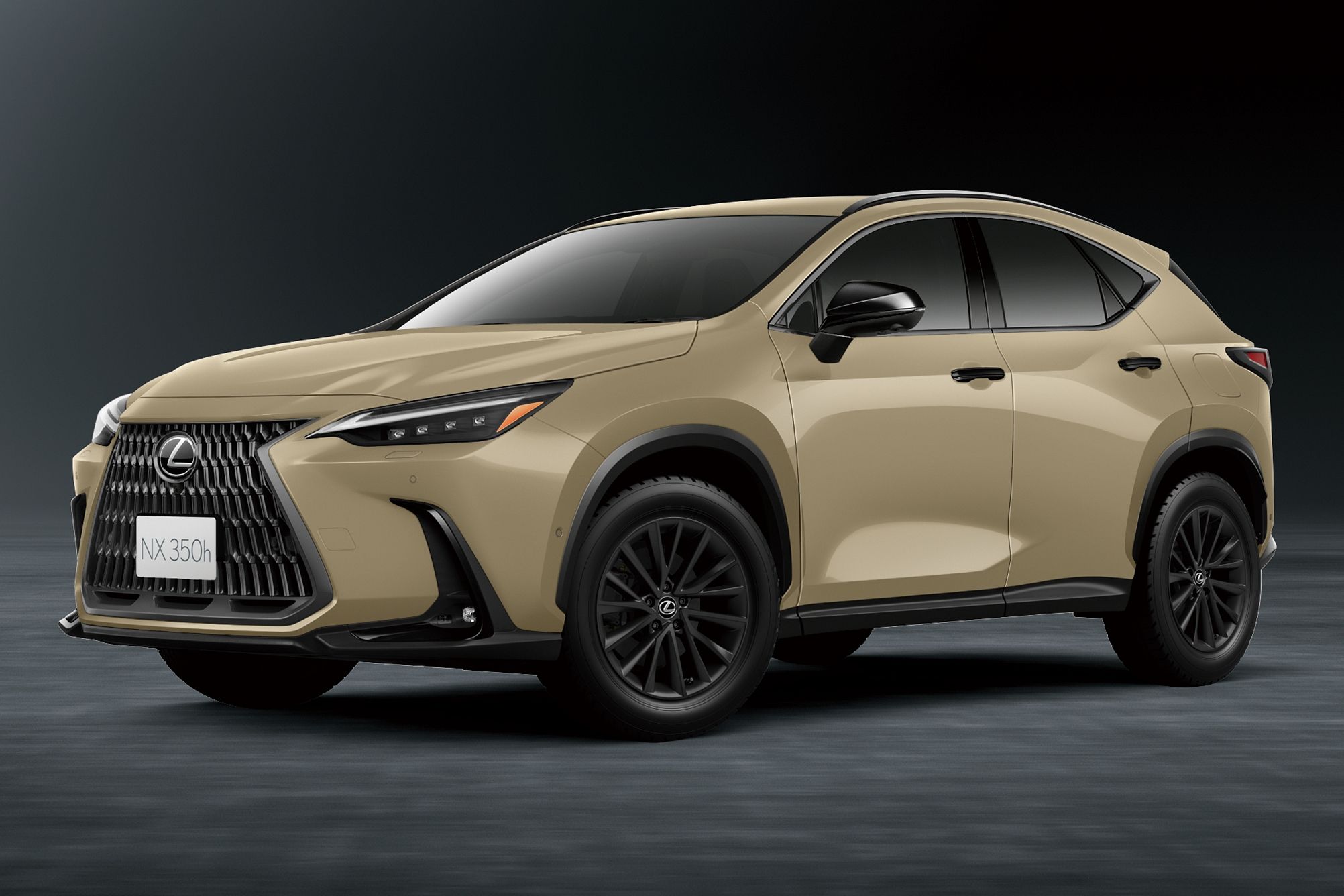
The redesigned 2022 NX is a small luxury SUV that competes with models like the Acura RDX and Mercedes-Benz GLC. The NX 250 serves as the entry point to the lineup, joining the more powerful NX 350 along with two hybrid variants, the NX 350h and the NX 450h+.
Lexus’ naming structure reflects what’s under the hood, and in this case, the NX 250 comes equipped with a 2.5-liter four-cylinder engine that produces a modest 203 horsepower.
Inside, the updated NX features a thoroughly modernized cabin, highlighted by a wide center display angled toward the driver. A 9.8-inch touchscreen comes standard, while buyers can opt for a larger 14-inch screen that blends virtual controls with physical buttons for climate functions.
This marks a significant shift from previous Lexus interiors, which typically placed the screen farther away and relied on a touchpad controller. In addition to the new layout, the NX 250 includes a generous suite of technology and driver-assistance features designed to make daily driving easier and safer.
All things considered, the NX 250 makes sense for shoppers looking for an affordable entry into the small luxury SUV segment and who are comfortable dialing back expectations when it comes to performance. For buyers focused on value, comfort, and features rather than speed, the NX 250 stands out as a compelling option.
Also Read: 12 Lexus Cars That Refuse to Die
2. Hyundai Tucson Hybrid
Hyundai’s recent focus on durability has made the Tucson Hybrid a practical choice for Savannah. The hybrid system reduces engine load during stop-and-go traffic, helping cooling systems last longer under heat stress.
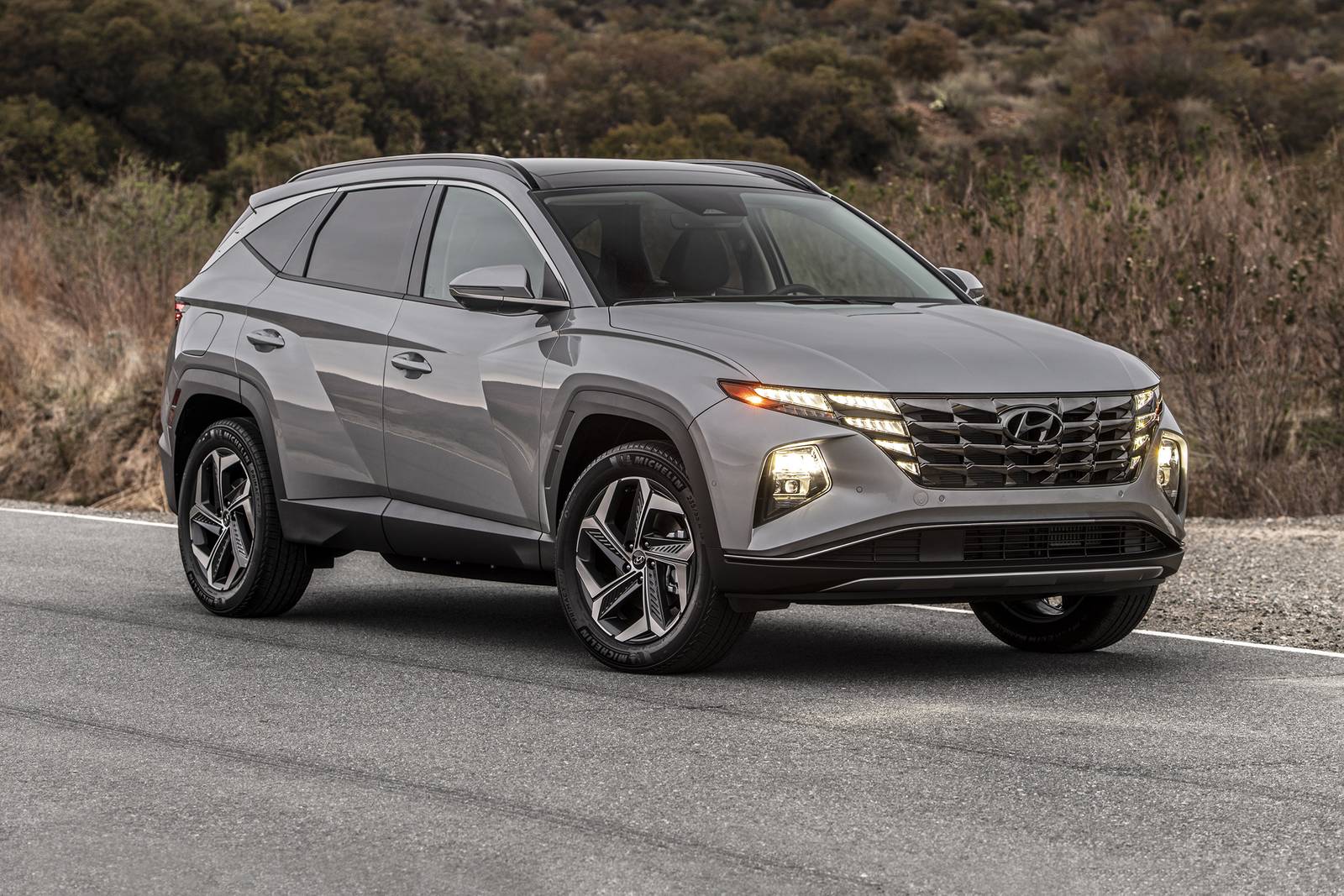
Interior materials are designed to withstand both humidity and frequent rainfall, while underbody coatings protect against rust. Add strong resale value and accessible service, and the Tucson Hybrid proves to be a smart, climate-conscious option.
The hybrid Tucson’s noticeable bump in performance compared with the gas-only version is definitely worth noting. Both the hybrid and plug-in hybrid models are powered by a turbocharged 1.6-liter inline-four paired with an electric motor, delivering a combined 226 horsepower in the hybrid and 261 horsepower in the plug-in hybrid, according to Hyundai.
All-wheel drive comes standard with the electrified powertrains, and both are mated to a six-speed automatic transmission. That said, neither version delivers the kind of neck-snapping acceleration you’d find in something like the 302-horsepower Toyota RAV4 Prime.
At our test track, a well-equipped Limited hybrid accelerated from 0 to 60 mph in 7.1 seconds. While the Tucson isn’t aiming to be a performance standout, it feels confident on the road, with reassuring steering, composed handling, and a comfortable ride. Where it really shines is during quiet highway cruising, which gives the Tucson a more upscale, refined feel that’s uncommon in this value-focused SUV segment.
3. Ford Bronco Sport
Savannah drivers who want an SUV with raised ground clearance and reliable handling often turn to the Ford Bronco Sport. Built to endure wet and muddy conditions, it is excellent for navigating flooded streets after summer storms.
Electronics are sealed well against moisture, and its rugged frame resists corrosion better than many mainstream SUVs. Its interior is practical, meaning it withstands heat and humidity without deteriorating quickly.
The Bronco Sport is Ford’s scrappy, Escape-based off-roader and the smaller sibling to the Jeep Wrangler-challenging Bronco. Ford rolled out this more compact member of the Bronco family for the 2021 model year. It goes head-to-head with other subcompact SUVs that offer genuine off-road ability, including the Subaru Crosstrek and Jeep Compass.
Ford’s pint-sized off-road SUV isn’t the fastest, most fuel-efficient, or cheapest option in the crowded subcompact crossover class, but it stands out thanks to its distinct personality. The Bronco Sport pairs a playful retro exterior with a creative interior that mixes colors and textures, and it delivers real capability once the pavement ends. We’re especially fond of the new Heritage Edition packages.
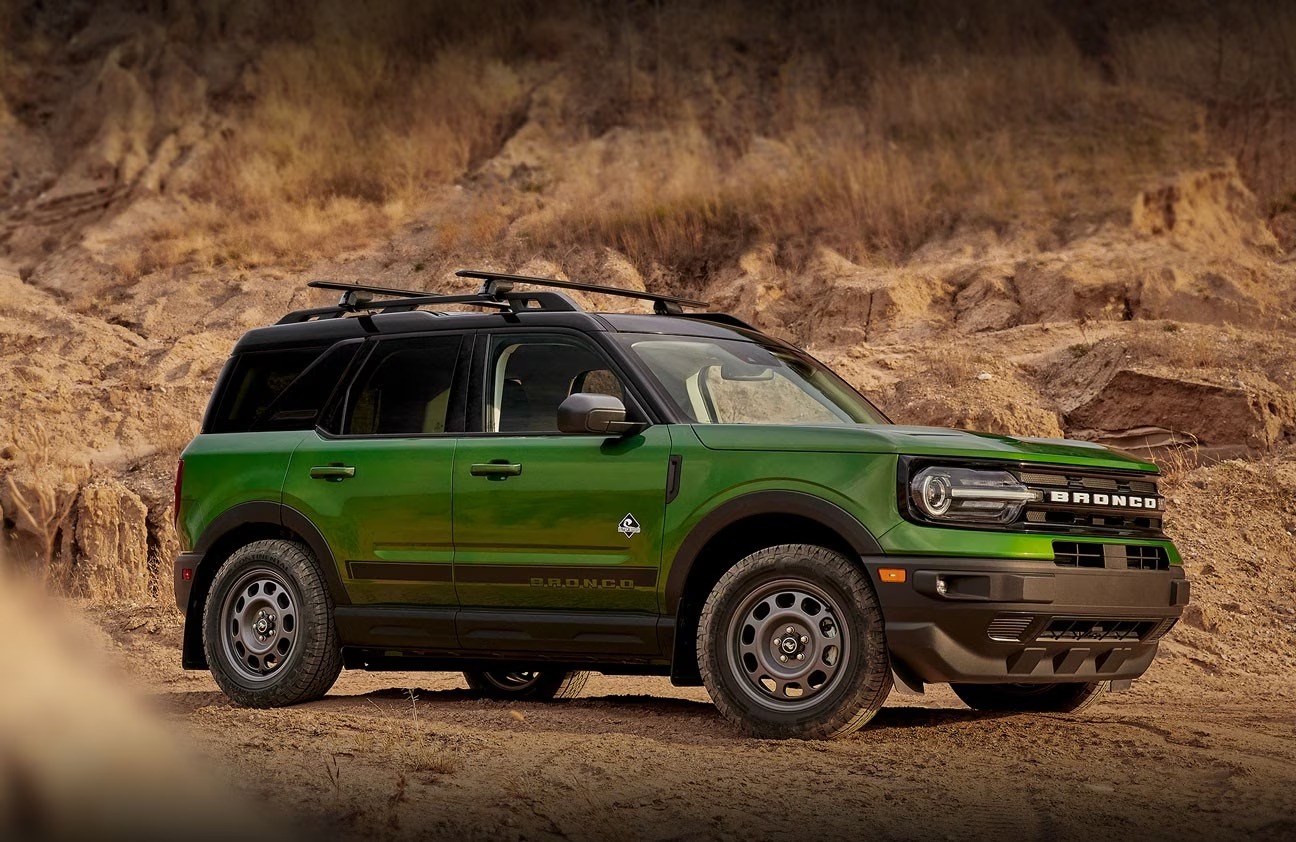
During our Bronco Sport First Drive, we put it through some legitimately challenging terrain. Its short wheelbase, ample ground clearance, and smart off-road drive modes make this small SUV feel far more capable than its size suggests.
Opting for the Black Diamond Off-Road package on Big Bend or Outer Banks trims further boosts trail performance. The only real wish is that Ford would offer the Badlands’ lockable rear differential, all-terrain tires, and extra drive modes with the three-cylinder engine option.
Unlike some hardcore off-roaders, the Bronco Sport doesn’t feel overly compromised on the street. It offers a firm yet comfortable ride, engaging handling, and responsive controls. In fact, the Badlands trim earned first place in our four-way comparison of affordable off-roaders.
Inside, the cabin leans a bit toward “plastic fantastic,” but Ford avoids a dull look by using varied finishes and materials. Taller drivers may find the front seats lacking thigh support, but overall, the Bronco Sport delivers charm and capability that extend well beyond its compact footprint. It’s an easy recommendation from us.
4. Kia Sorento
The Kia Sorento is a midsize SUV that balances comfort, style, and climate durability. Its paint and underbody coatings handle salt air effectively, and the cabin remains relatively cool during long Southern summers thanks to efficient air-conditioning.
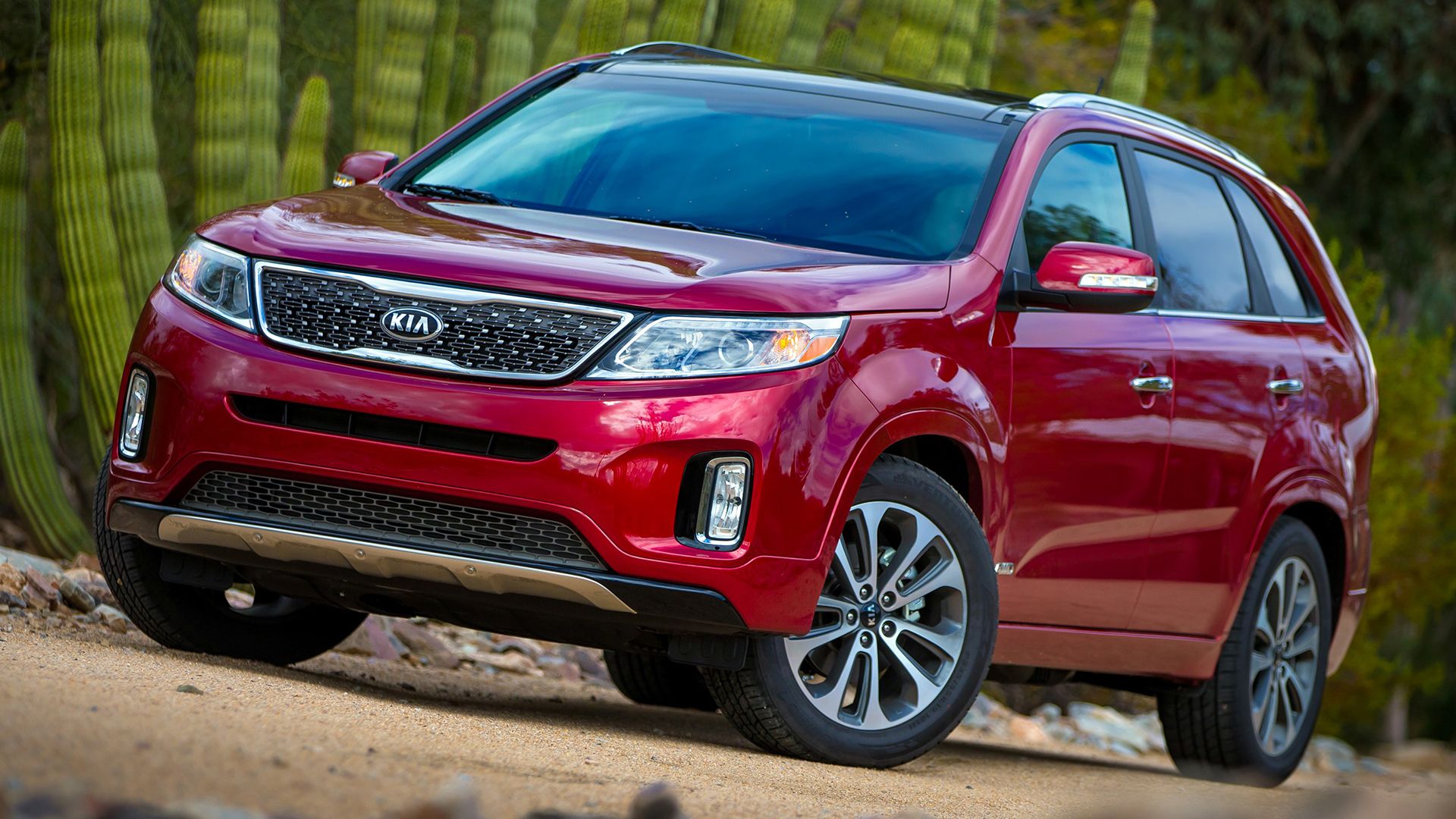
Engines are designed to operate steadily without overheating, and interior trim doesn’t degrade under Savannah’s humid conditions. For families, the Sorento is both practical and long-lasting.
The Sorento offers two engine choices and can be configured with either front-wheel drive or all-wheel drive. The standard setup is a 2.5-liter inline four-cylinder engine producing 191 horsepower, while an available turbocharged 2.5-liter four-cylinder boosts output to 281 horsepower.
Both gasoline engines are paired with an eight-speed automatic transmission, whereas the hybrid variant uses a six-speed automatic. We tested a fully loaded SX trim equipped with the turbocharged engine and liked its strong midrange pull, though we wished the powertrain delivered quicker responses right off the line.
That same model impressed us with composed handling, a well-isolated ride, and a brake pedal that provided firm, confidence-inspiring feedback. With the optional towing package, the Sorento is capable of towing up to 3,500 pounds.
5. Jeep Gladiator
For coastal Savannah residents near marshes or barrier islands, the Jeep Gladiator excels. Built on a truck frame, it tolerates occasional water exposure better than unibody SUVs.
Its drivetrain is rugged, corrosion protection is decent, and electronics are kept simple and robust compared to more high-tech competitors. The Gladiator can handle summer downpours, heat, and occasional flooding without frequent repairs.
On paper, the Gladiator doesn’t stand out as an on-road performer. Our Rubicon test truck took 8.5 seconds to run from 0 to 60 mph, which is slow for a midsize pickup. In normal driving, though, the V6 feels adequately strong and has no real trouble merging or cruising at highway speeds. The automatic transmission also helps, delivering quick, decisive shifts.
Off the pavement is where the Gladiator Rubicon really shines. It offers ample ground clearance and traction, allowing it to tackle or crawl over nearly any obstacle. Its longer wheelbase means it isn’t quite as nimble as a Wrangler on tight, technical trails, but the difference isn’t dramatic. That same off-road hardware works against it on the road, however.
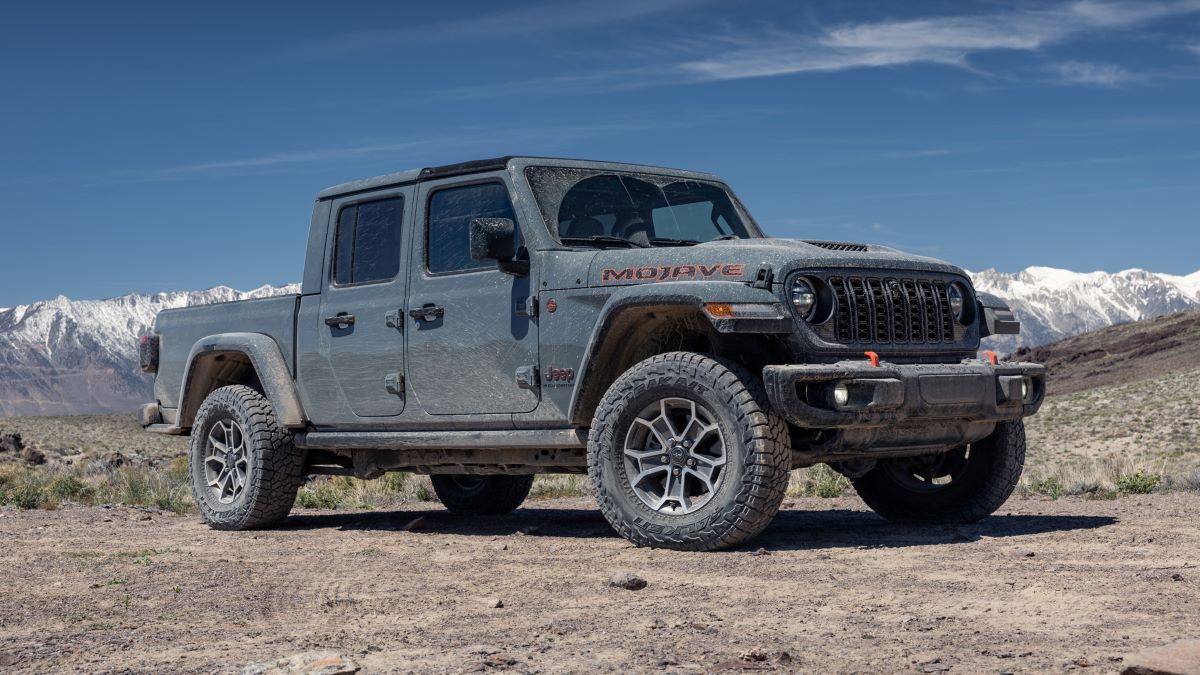
The large tires and solid front axle dull on-pavement handling, the steering lacks precision, and crosswinds and uneven pavement require constant attention. Compared with other midsize pickups, the Gladiator is simply more tiring to drive.
Some key safety features, such as adaptive cruise control and automatic emergency braking, are available. Still, the Gladiator misses out on several conveniences offered by competitors, including a 360-degree camera system and lane-keeping assist. Outward visibility is generally good thanks to large windows, but the rearview camera itself is low in resolution.
Also Read: 5 Vehicles That Handle Coastal City Conditions vs 5 That Show Rust Early
Cars That Struggle in Savannah’s Climate
Savannah’s warm, humid, and coastal environment can be especially unforgiving for certain vehicles. Constant moisture, salty air, heavy summer heat, and frequent rain accelerate wear on metal components, strain cooling systems, and fade interiors faster than in drier climates.
While some cars are built to handle these conditions, others struggle with corrosion, heat-related issues, and long-term durability. In this article, we take a closer look at cars that struggle in Savannah’s climate, and why certain designs and setups don’t hold up as well in hot, humid, coastal living.
1. Mercedes-Benz S-Class
The Mercedes-Benz S-Class is the epitome of luxury, but its high-tech sophistication doesn’t fare well in humid coastal climates.
Electronics are sensitive to moisture, and air-conditioning systems can fail under prolonged heat.
Interior leather and trim, while luxurious, are prone to warping and fading. In Savannah, owning an S-Class often means frequent maintenance bills just to keep it operating reliably.
Aside from AMG-tuned versions, the S-Class has never really been known as a sporty sedan. It’s always been comfortable and quick, but not especially engaging to drive.
That perception changes with the latest generation. We tested the S 580 equipped with the V8, and at our test track it propelled the flagship sedan from 0 to 60 mph in a brisk 4.7 seconds. Acceleration is exceptionally smooth, and the abundant low-end torque means passing slower traffic on the highway requires very little effort.
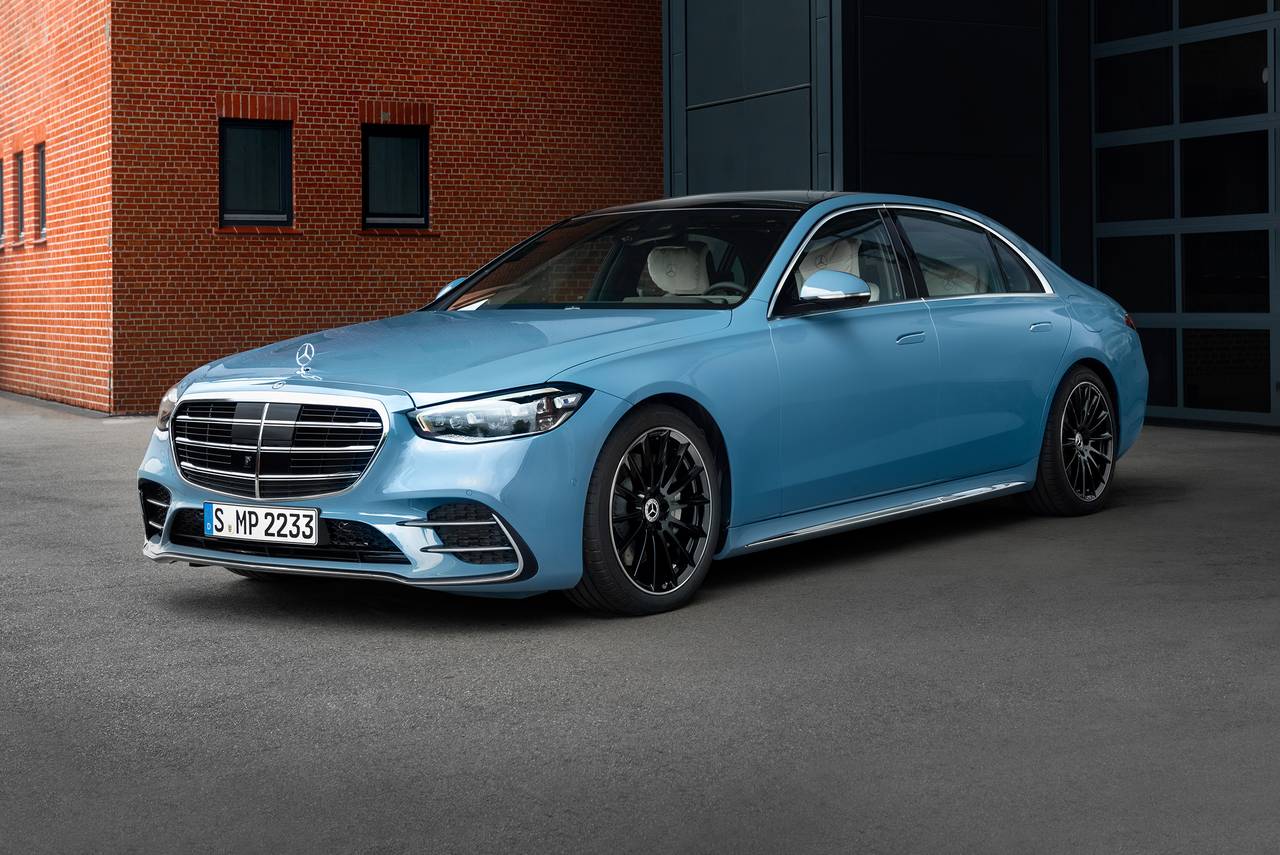
Mercedes engineers have managed to give the S-Class a more athletic feel without compromising its trademark comfort. The air suspension keeps the car composed and controlled through corners, and in Sport+ mode it can lower the ride height by up to 0.7 inch to enhance handling.
Optional rear-axle steering further boosts high-speed stability while also making tight maneuvers and parking easier, delivering benefits for both performance and convenience. In the versions we’ve tested, ride quality ranks among the best available.
Outward visibility is strong thanks to expansive glass areas, and any remaining blind spots are easily handled by the comprehensive camera system. The S-Class’ driver-assistance features are intuitive to use and work smoothly together.
2. Nissan Leaf
Electric vehicles are generally fine in heat, but the Nissan Leaf has limitations in coastal climates. Salt air can accelerate corrosion on underbody components, and battery range drops faster when air-conditioning is used heavily in humid conditions.
Interior electronics, especially in older models, are prone to moisture-related issues. For daily Savannah driving, the Leaf requires extra care to remain reliable.
The 2026 Nissan Leaf has been fully redesigned for the new model year, moving away from its traditional hatchback shape and reemerging as a small electric crossover.
Once a trailblazer of the modern EV movement when it launched for the 2011 model year, the Leaf had gradually fallen behind competitors, particularly in terms of driving range and charging options. This all-new, third-generation Leaf directly addresses those shortcomings. It’s still among the most affordable EVs on the market, but now going electric no longer requires meaningful trade-offs.
In S+ trim, the Leaf now delivers an EPA-estimated 303 miles of range on a single charge. Thanks to the adoption of a NACS charging port, it can also plug into a broad network of charging stations, including Tesla Superchargers.
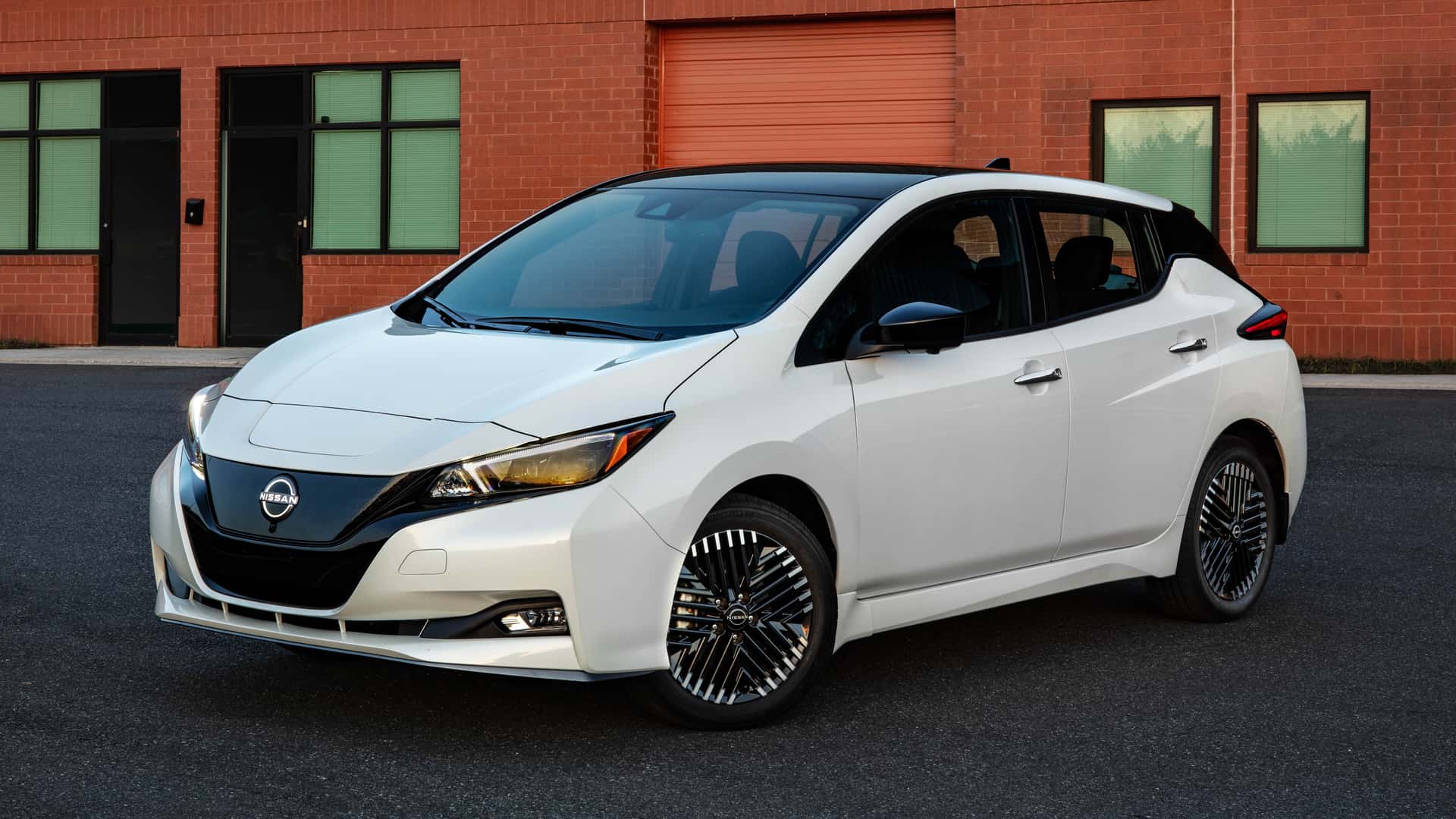
Even more surprising, the new Leaf undercuts the price of the original 2011 model. Its closest competitors are the Kia Niro EV and Hyundai Kona Electric, yet the Leaf starts at a lower price than either and, in all trims except the range-topping version, surpasses them in driving range.
I drove the range-topping Leaf Platinum+ during Nissan’s first-drive event in San Diego. Whether navigating city streets, winding mountain roads, or busy freeways, the Leaf proved itself well suited to buyers focused on value and efficiency.
It doesn’t pretend to be a performance car, nor does it offer an especially roomy rear seat, but it now provides competitive range and significantly more cargo space with the rear seats folded than previous generations. Higher trims benefit from a quick, polished Google Built-in infotainment system with EV route planning, though access to its most advanced features requires a subscription after the first year.
3. Mini Countryman (Older Models)
The Mini Countryman is stylish and fun, but older models struggle with Southern humidity. Electrical components, sensors, and infotainment systems are sensitive to moisture.
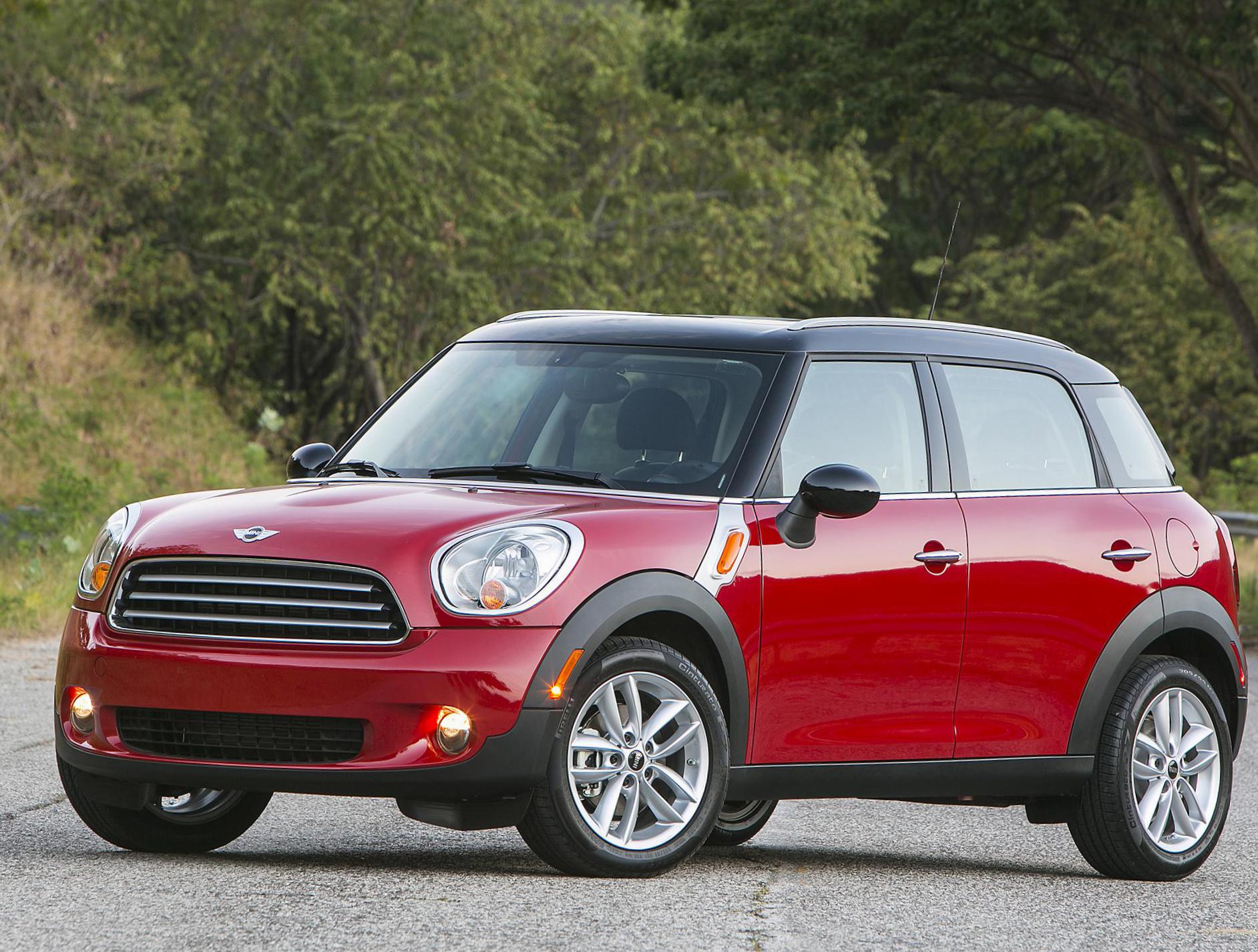
Cooling systems are often overworked in summer heat, and interior trim can warp or crack over time. Newer Minis are more durable, but older generations are a risky choice for a humid coastal city.
4. Chevrolet Corvette
Low-slung sports cars like the Chevrolet Corvette are ill-suited for Savannah. Flooded streets and heavy summer rains pose a real threat to the underbody and electronics.
Interiors heat up quickly, forcing the AC system to work harder and potentially reducing its lifespan. While fun to drive, the Corvette is better as a weekend or garage-kept vehicle rather than a year-round city car.
Even though the engine has been relocated, now sitting behind the passenger compartment rather than up front, it’s still a 6.2-liter V-8, producing 490 horsepower and 470 pound-feet of torque. Opting for the Z51 performance package adds a dual-mode exhaust that bumps output to 495 horsepower.
The Z51 package also includes an electronic limited-slip rear differential, upgraded brakes, and summer performance tires. Power is sent through an eight-speed dual-clutch automatic transmission, marking a first for the Corvette, and it’s the only transmission available.
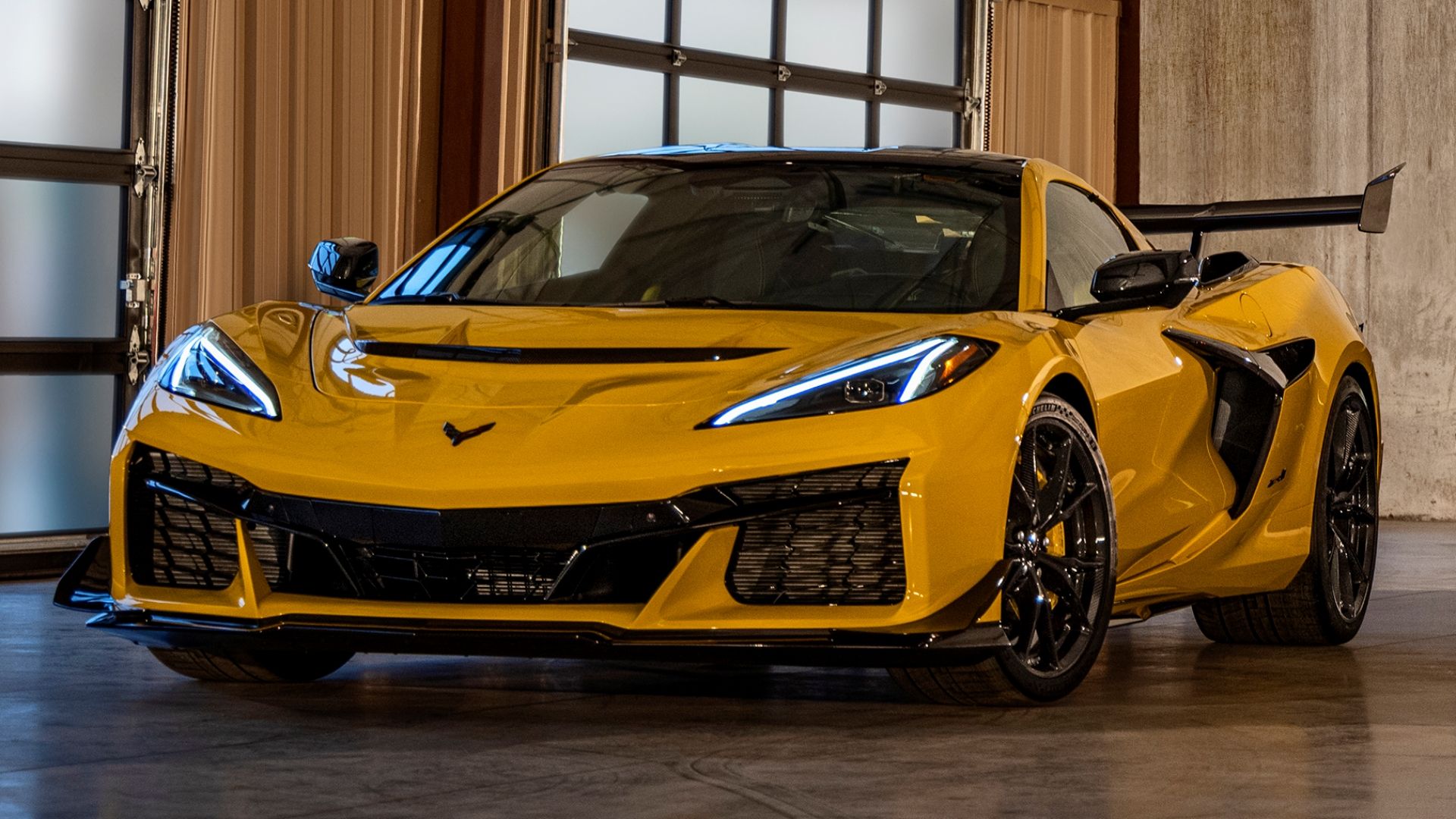
Gear selection is handled either by a push-button selector on the center console or by large paddle shifters mounted behind the steering wheel. There is no manual transmission option.
In our testing, a Corvette equipped with the Z51 package and optional FE4 magnetorheological dampers blasted from 0 to 60 mph in just 2.8 seconds and completed the quarter-mile in 11.2 seconds at 122 mph.
We also recorded a 70-to-0-mph braking distance of 149 feet and measured 1.03 g of grip on the skidpad. Even without performance upgrades, though, the latest Corvette delivers exceptional handling and provides thrilling performance on both the street and the racetrack.
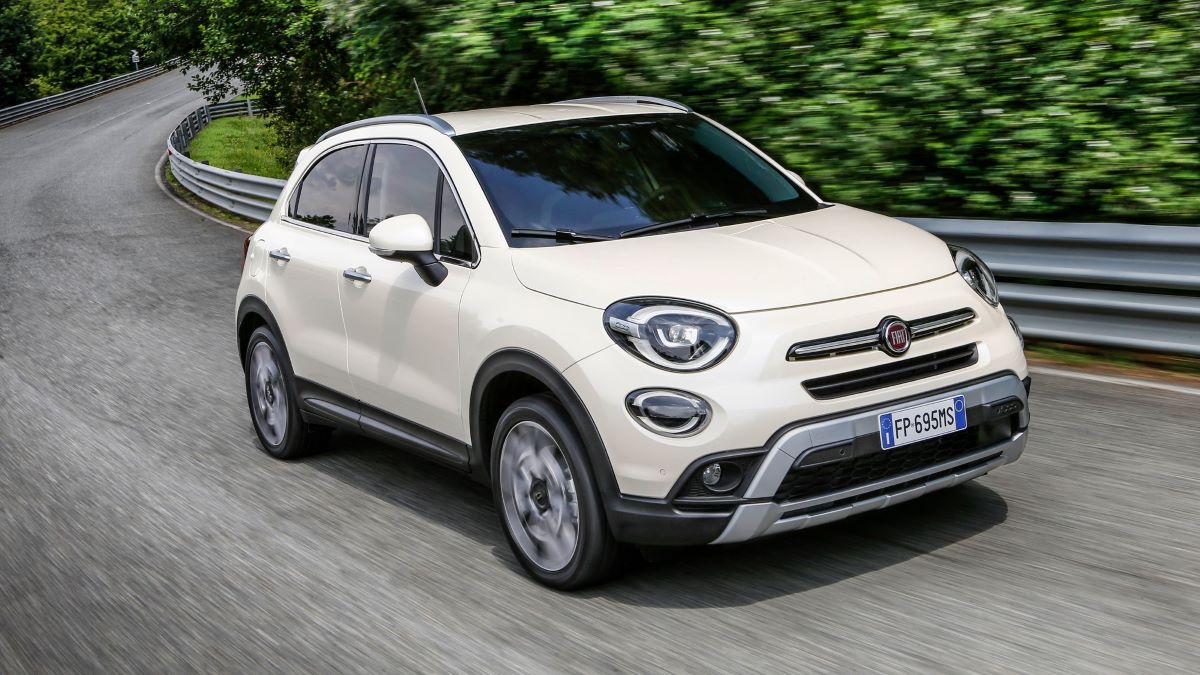
5. Fiat 500X
The Fiat 500X faces similar challenges to other small European cars in humid climates. Its electronics and climate systems are sensitive to moisture, and the cabin materials degrade faster under consistent heat and humidity.
Rust protection is limited compared to mainstream competitors, and the small size makes it more vulnerable to road debris and occasional flooding. Charming, but not built for the reality of Savannah streets.
Savannah doesn’t punish cars dramatically it wears them down quietly. Vehicles that succeed here are those built with durability, sealing, and thermal management in mind.
Every Fiat 500X is powered by a turbocharged 1.3-liter four-cylinder engine rated at 177 horsepower. A nine-speed automatic transmission comes standard, as does all-wheel drive.
The AWD system features three selectable drive modes designed to improve traction across different road and weather conditions. Most trims ride on standard 17-inch aluminum wheels, while the Sport model upgrades to 18-inch wheels as standard, with 19-inch wheels available. The Trekking trims can also be optioned with larger wheels.
No matter which trim you choose, the 500X doesn’t stand out for quick acceleration or engaging driving dynamics within this segment. Its suspension tuning is comfortable and well suited for highway travel, but it struggles to stay composed when pushed on winding roads.
Shoppers seeking a more enjoyable and lively driving experience would be better served by alternatives such as the Hyundai Kona or Mazda CX-30.
Cars that fail aren’t necessarily bad, but they’re often over-engineered, under-protected, or simply mismatched to a humid coastal lifestyle.
If you’re buying or owning a car in Savannah, think less about horsepower or prestige and more about how well a vehicle ages in heat, moisture, and salt air.
Over time, that choice makes the difference between years of easy ownership and constant repair bills.