
Urban life in the United States is a unique mix of energy, opportunity, and let’s face it stress.
Whether it’s the honking of horns during rush hour in New York City, the crowded streets of Los Angeles, or the constant stop-and-go rhythm in Chicago, navigating city traffic can test anyone’s patience.
In such conditions, the vehicle you drive can significantly impact how you feel behind the wheel. Some cars are designed to isolate you from the chaos, delivering a serene, controlled experience even amidst urban mayhem.
Others, despite their flashy looks or high performance, can amplify stress and frustration, turning a short drive into an ordeal. Let’s explore five cars that offer a calm, composed driving experience in city traffic and five that can make the chaos feel worse.
Cars That Feel Calm in City Chaos
City driving can feel chaotic, constant stop-and-go traffic, aggressive lane changes, tight streets, and sensory overload at every intersection. In that environment, the best cars aren’t the fastest or flashiest; they’re the ones that stay smooth, quiet, and easy to manage when everything around you feels rushed.
Light steering, composed suspension, refined braking, and low cabin noise all play a role in keeping stress levels down. In this article, we highlight cars that feel calm in city chaos, focusing on vehicles that make urban driving more relaxed, predictable, and surprisingly peaceful.
1. Lexus ES
When it comes to combining luxury with tranquility, the Lexus ES is a standout. The cabin is exceptionally quiet, thanks to thick soundproofing and well-engineered suspension.
The ride quality is smooth, gliding over potholes and rough patches that often plague urban roads. Its hybrid variant adds to the sense of serenity with seamless acceleration and minimal engine noise.
Features like adaptive cruise control, lane-keeping assist, and intuitive infotainment systems help reduce the mental load of city driving, allowing you to focus on the road rather than the chaos around you.
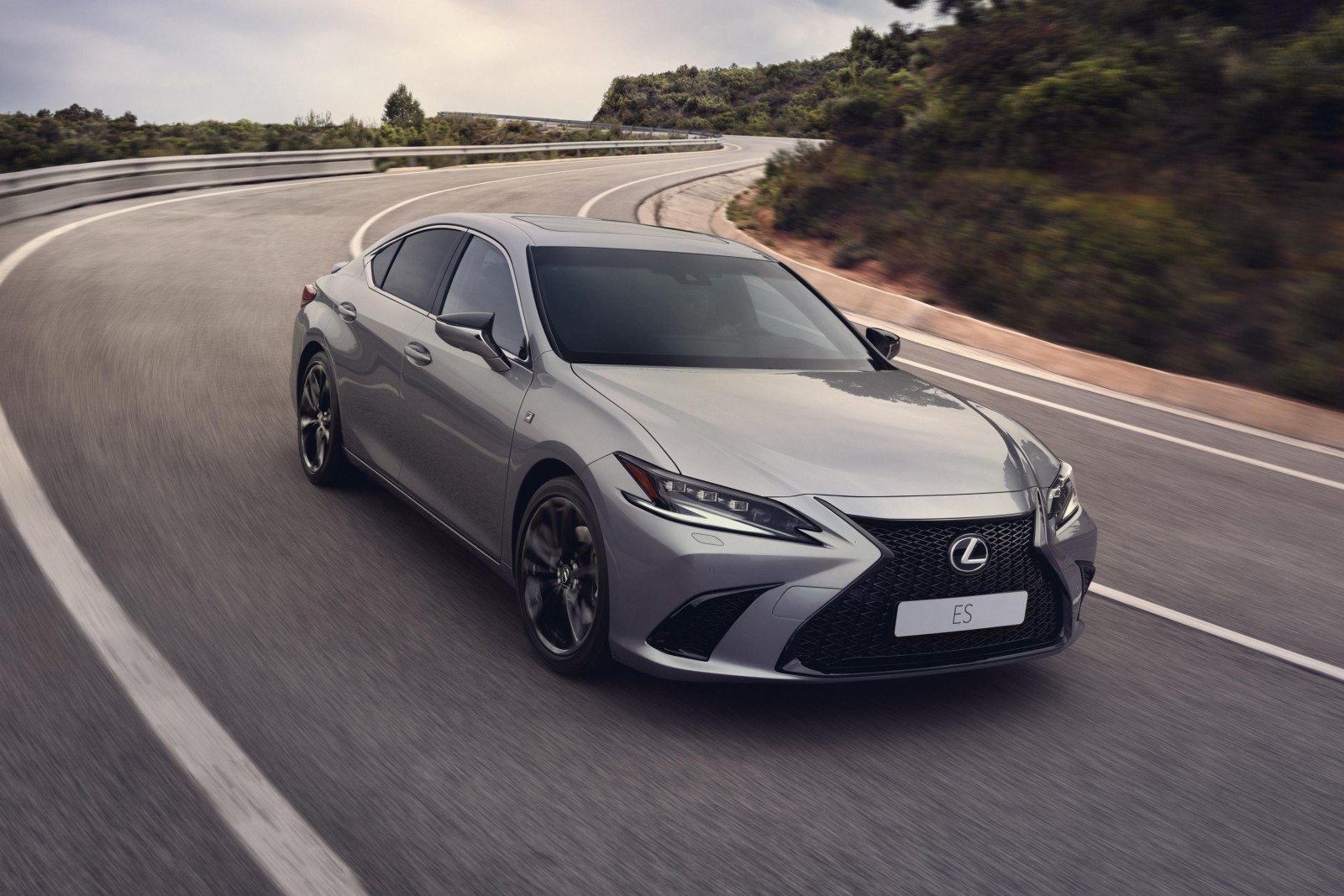
We evaluated the ES 350, and its acceleration is both strong and silky smooth, even though it doesn’t rank among the quickest sedans in its segment. Steering effort is well judged and helps give the ES 350 a relaxed, composed feel when navigating corners.
Ultimate grip from the tires is limited, but taken as a whole, the ES handles more confidently than you might expect from a sedan that prioritizes luxury.
In everyday driving, especially around town, the ES shines. Power delivery is smooth, gear changes are virtually seamless, and the car feels effortless to drive. Even in stop-and-go traffic, it gives the impression of calmly floating along. It’s easy to think of the ES as a quiet, leather-trimmed retreat that carries you home after a long, demanding workday.
While it doesn’t offer every cutting-edge driver-assistance feature available today, the systems it does include, such as lane-keeping assist, blind-spot monitoring, and adaptive cruise control, operate effectively and help reduce the stress of daily driving.
Also Read: Top 10 V8 Muscle Cars That Defined America’s Horsepower Era
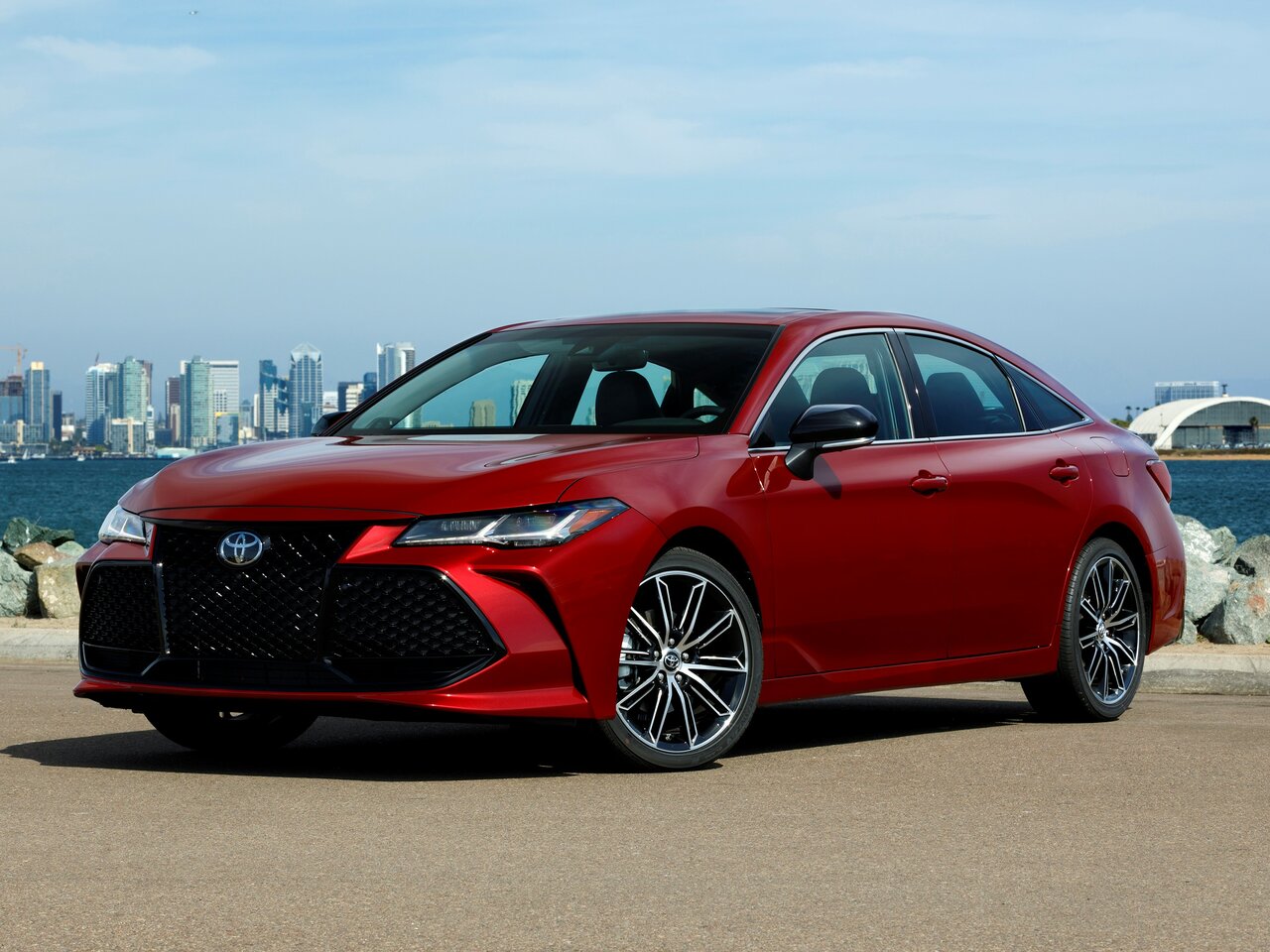
2. Toyota Avalon
The Toyota Avalon is another overlooked gem for city commuters seeking calm. It’s a full-size sedan with a spacious interior that feels less claustrophobic than smaller vehicles in stop-and-go traffic.
Its naturally quiet engine, soft suspension, and excellent ergonomics make it ideal for long city commutes.
Advanced driver-assist systems, including automatic emergency braking and pedestrian detection, help manage stressful urban scenarios with ease, giving drivers a reassuring safety net.
The Avalon’s 268-horsepower 3.5-liter V-6 is both strong and smooth, and the available hybrid powertrain offers an efficient alternative. The V-6 sends power to the front wheels through a six-speed automatic transmission and delivers more than enough punch. While the Avalon isn’t a performance car, its acceleration is easily adequate for a sedan of this size.
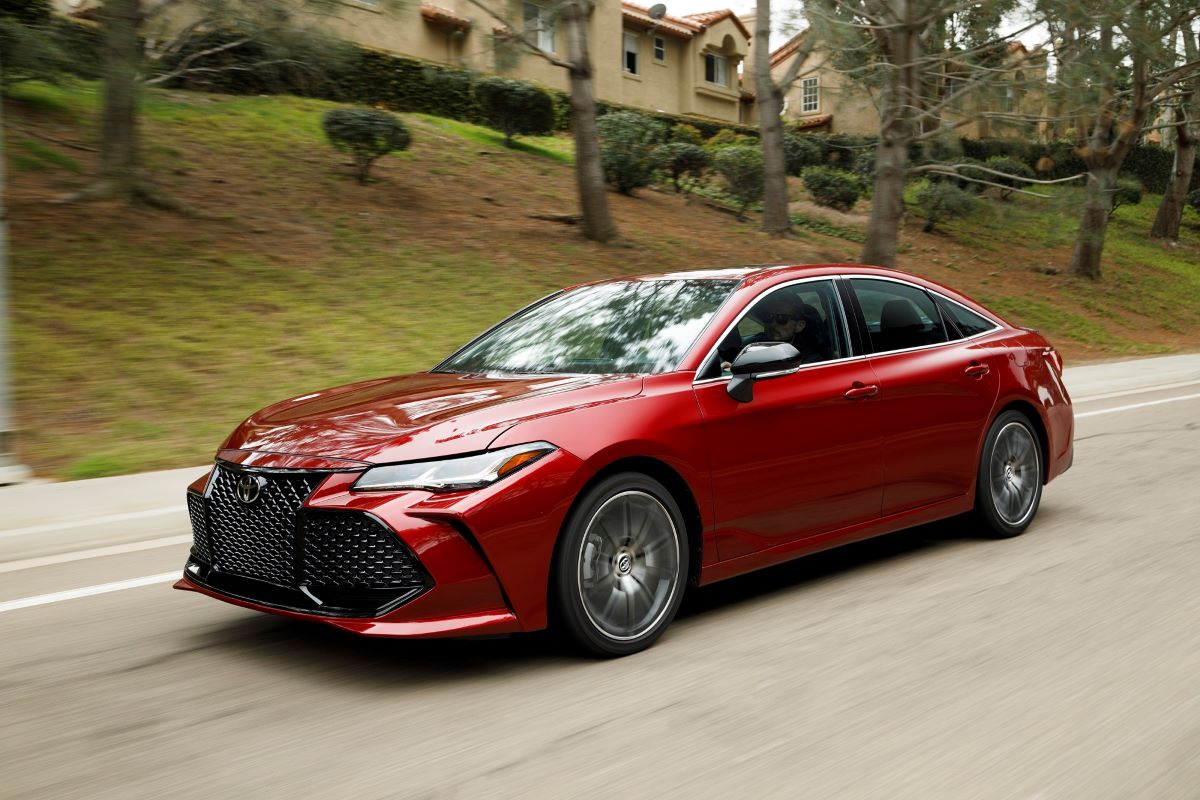
The hybrid variant pairs a 2.5-liter four-cylinder engine with two electric motors and a continuously variable automatic transmission (CVT) to post excellent EPA fuel-economy ratings, though that efficiency comes at the cost of more laid-back acceleration.
The Avalon drives like the large sedan it is, and sharper, sport-oriented competitors such as the Nissan Maxima SR handle corners with more enthusiasm. In our Limited test vehicle, the suspension was tuned for a soft, comfortable ride. Opting for the Touring model brings a firmer suspension setup, but it maintains the Avalon’s overall sense of comfort and refinement.
3. Honda Accord Hybrid
The Honda Accord Hybrid strikes a balance between efficiency and comfort, making it a perfect city car for those who value a calm driving experience.
The hybrid system allows for near-silent acceleration at low speeds, which is especially beneficial in bumper-to-bumper traffic.
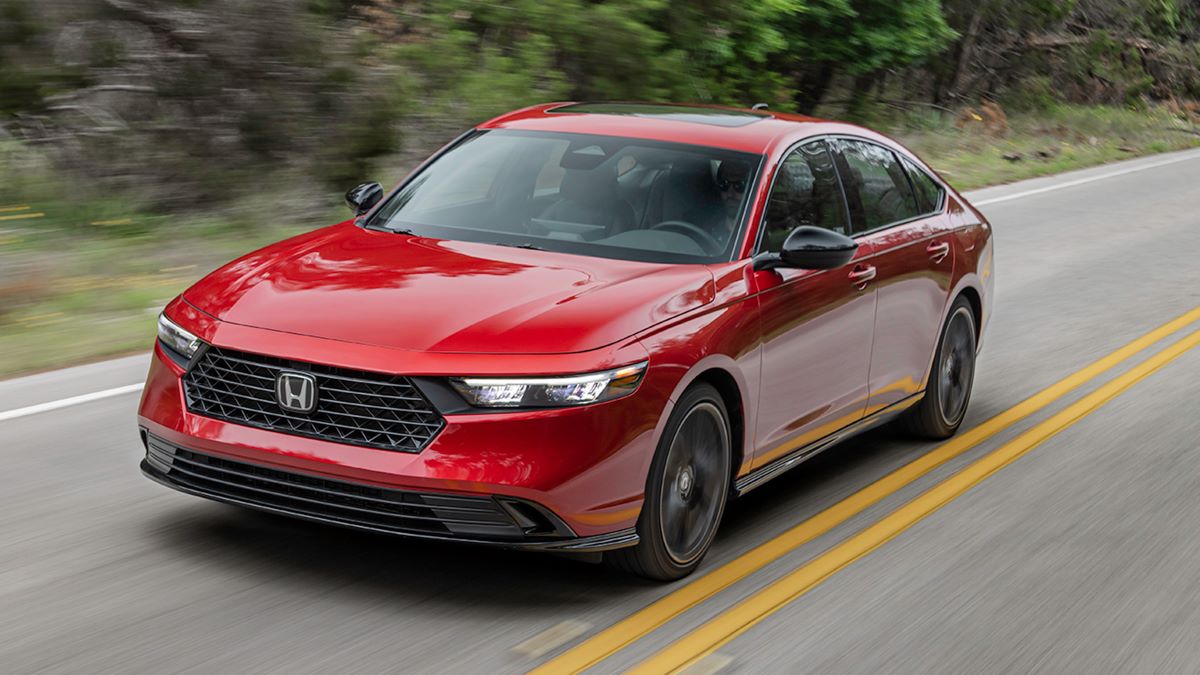
Coupled with Honda’s responsive yet compliant suspension and a thoughtfully designed cabin, the Accord Hybrid makes urban driving feel smooth and controlled rather than hectic.
4. Volvo XC60
Volvo’s reputation for safety and Scandinavian design elegance translates well to urban driving. The XC60, a midsize luxury SUV, provides a commanding view of the road without feeling aggressive.
Its refined cabin, supportive seats, and advanced noise insulation create a cocoon-like environment.
City features like park assist, 360-degree cameras, and adaptive cruise control reduce the stress of maneuvering through tight streets, construction zones, and crowded intersections.
We tested the base XC60 B5, which is the mild-hybrid, non–plug-in version. It ran from 0 to 60 mph in 7.4 seconds. That’s noticeably slower than the plug-in hybrid XC60 T8 and well behind many key competitors, such as the BMW X3, which manages the same sprint in about 6.1 seconds. Emergency braking results in our testing were also less impressive than expected.
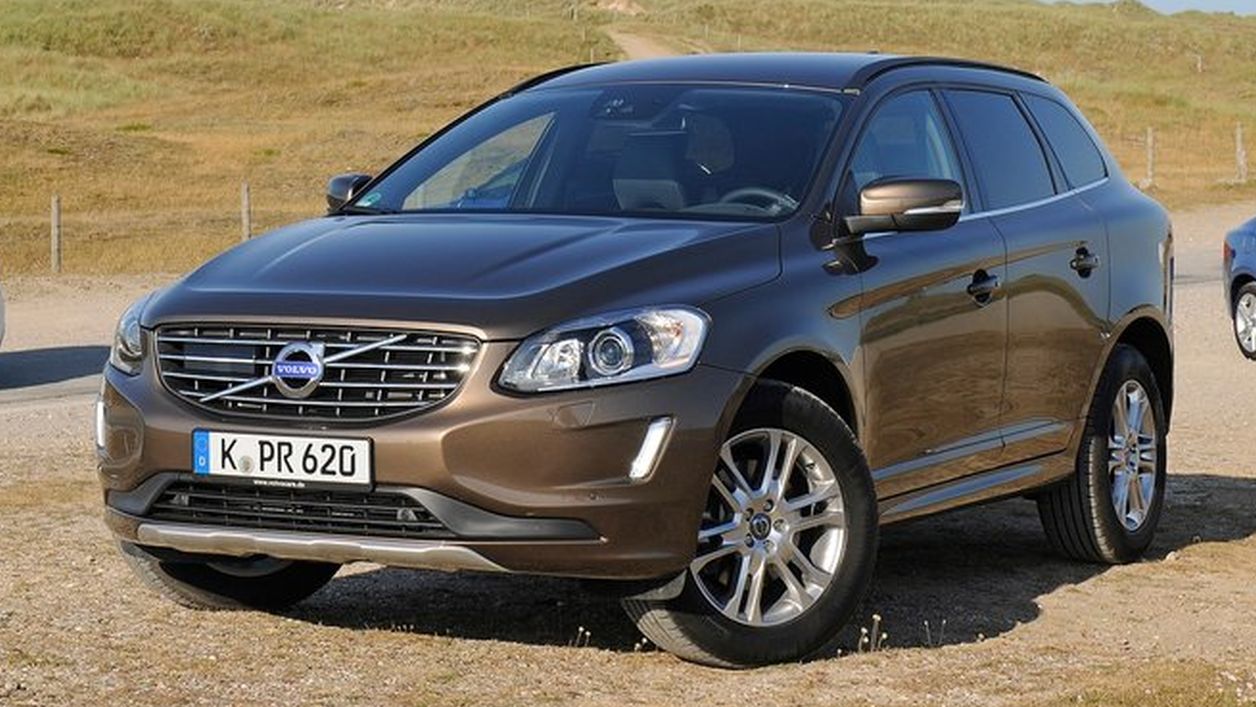
In everyday driving, however, the XC60 makes a stronger case for itself. It has enough power to feel responsive when pulling away from a stop, and the ride is comfortable across most road surfaces.
One caveat is wheel choice, models equipped with the optional 22-inch wheels suffer from thin tire sidewalls that transmit too many small bumps into the cabin. Steering is precise and confidence-inspiring, and while the XC60 can handle winding roads competently, it doesn’t feel as sharp as the Audi Q5 or the more dynamically focused Genesis GV70.
The XC60 also earns praise for its driver-assistance technology. Adaptive cruise control reacts smoothly to changing traffic conditions, and the lane-keeping assist provides firm, helpful steering input that keeps the vehicle centered without feeling overly intrusive.
Also Read: 10 EVs With the Least Real-World Range Loss in Cold Weather
5. Mercedes-Benz E-Class
The Mercedes-Benz E-Class is often associated with luxury and performance, but it also excels at creating calm in urban environments. Its cabin is whisper-quiet, suspension isolates bumps and cracks, and controls are logically laid out to minimize distractions.
The E-Class comes with a suite of semi-autonomous driving aids that ease the stress of stop-and-go traffic, including traffic jam assist and active lane-keeping systems.
Driving an E-Class in a bustling city can feel more like piloting a private lounge than navigating a hectic street.
The current fifth-generation E-Class debuted for the 2017 model year, and following its facelift last year, we don’t anticipate any major updates for 2022.
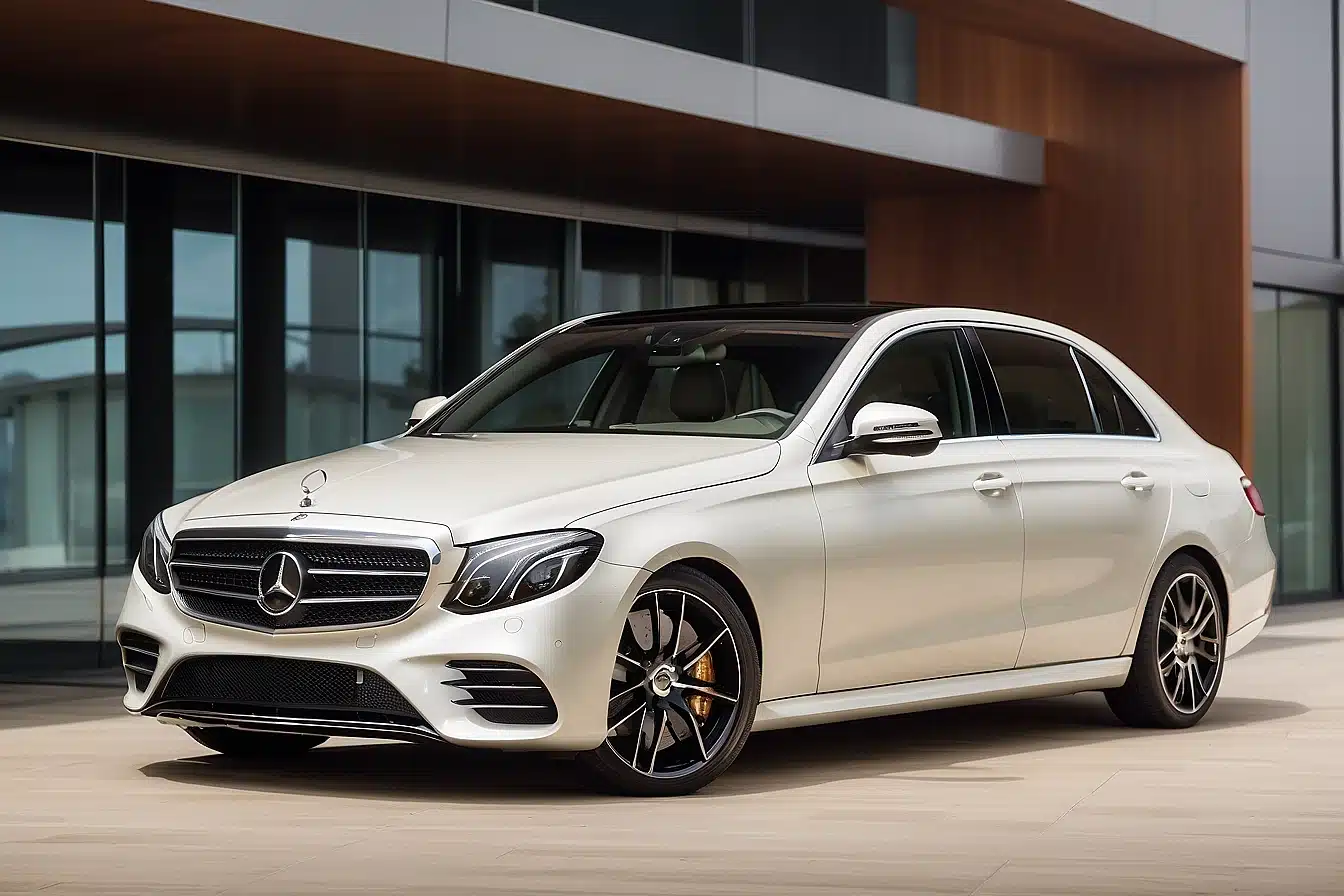
That said, Mercedes-Benz could potentially add the plug-in hybrid E350e, a model that’s already available in other global markets. As the reigning Car of the Year, it’s no shock that the E-Class sits at the top of our midsize luxury sedan rankings, outperforming rivals such as the Audi A6, BMW 5 Series, Genesis G80, and Volvo S90.
This midsize sedan seamlessly blends forward-looking technology with classic luxury touches, combining rich wood trim and stitched leather with cutting-edge features, to create a well-rounded package that rises above the competition.
One of the E-Class’s greatest strengths is how consistently excellent it is across its broad lineup of body styles and powertrain choices. The base four-cylinder version feels just as carefully engineered as the fire-breathing 603-horsepower Mercedes-AMG E63 S.
When equipped with the optional air suspension, the E-Class delivers exceptional ride comfort along with confident, controlled handling, reinforcing its position as the benchmark in the segment.
Cars That Don’t Feel Calm in City Chaos
City driving is already chaotic, and some cars only make it worse. Stiff suspensions, heavy controls, poor visibility, and constant cabin noise can turn everyday errands into stressful experiences in dense urban environments.
Add stop-and-go traffic, tight streets, and aggressive drivers, and the wrong vehicle can feel exhausting rather than effortless. Instead of smoothing out the madness, these cars amplify it. In this article, we break down cars that don’t feel calm in city chaos, and the traits that make them frustrating to live with in crowded, high-stress city driving.
1. Chevrolet Corvette C8
The Chevrolet Corvette C8 is a mid-engine sports car designed for performance, not tranquility. While it’s thrilling on open roads, the low seating position, stiff suspension, and aggressive handling can make city traffic stressful.
Tight corners, frequent stops, and potholes are amplified, and the loud exhaust can make urban driving feel even more chaotic. For thrill-seekers, it’s fun but serenity is not its strong suit.
The E-Ray pairs a 6.2-liter LT2 V8 engine with an electric motor, a combination that improves traction, acceleration, and overall efficiency. Alongside it, the Z06, first introduced for 2023, continues to represent the most track-focused version of the Corvette, powered by a naturally aspirated 5.5-liter V8 designed for high-revving performance.
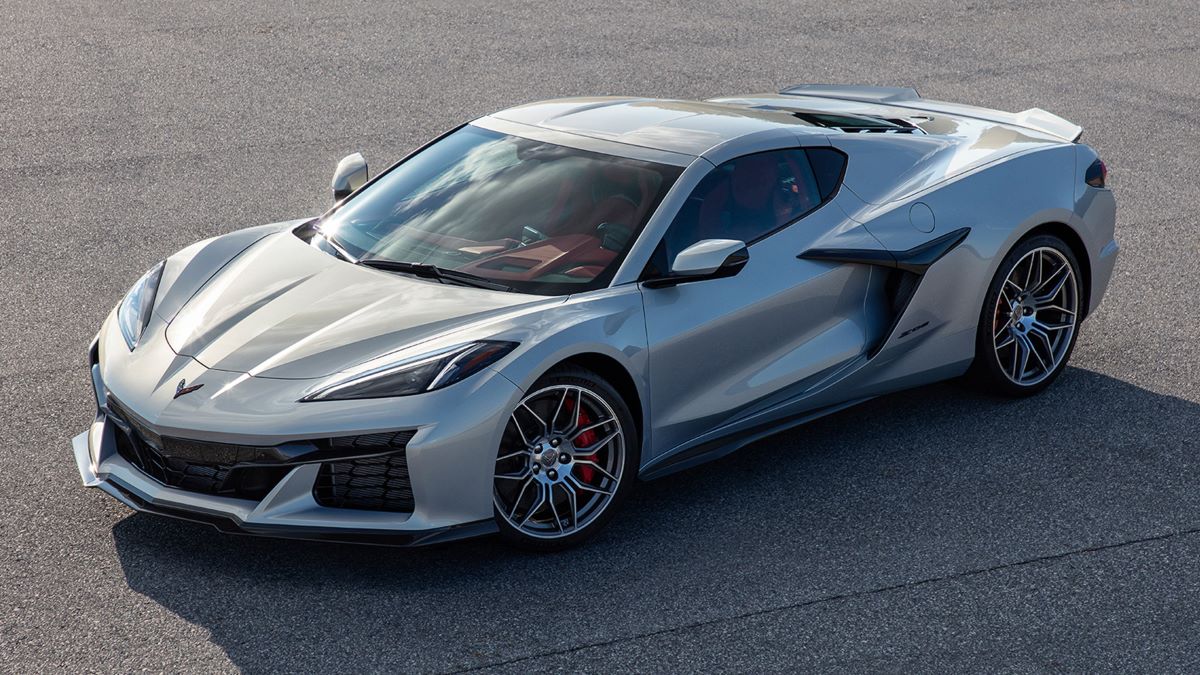
For 2024, Chevrolet has also expanded customization options with new exterior paint colors and updated interior trims, giving buyers more personalization choices than ever.
Additional updates include enhanced standard and optional features across the range, expanded driver-assistance technology, a revised infotainment system with sharper graphics and quicker processing, and the availability of special editions such as the Carbon Flash Edition and the commemorative 70th Anniversary Edition.
In terms of size, the 2024 Chevrolet Corvette measures 182.3 inches in length, 76.1 inches in width, and 48.6 inches in height, riding on a 107.2-inch wheelbase.
The 2024 Corvette lineup offers multiple engine configurations, each delivering a distinct performance character. The standard Stingray is powered by a 6.2-liter LT2 V8 producing 490 horsepower and 465 lb-ft of torque, or 495 horsepower and 470 lb-ft when equipped with the optional performance exhaust.
This engine is paired with an eight-speed dual-clutch transmission and enables the Stingray to accelerate from 0 to 60 mph in as little as 2.9 seconds. The Z06 steps performance up significantly with its 5.5-liter LT6 V8, a naturally aspirated, flat-plane crank engine that generates 670 horsepower and 460 lb-ft of torque.
Combined with its wider stance and advanced aerodynamic upgrades, the Z06 is capable of reaching 60 mph in just 2.6 seconds, making it one of the fastest Corvettes ever produced.
At the top of the acceleration chart is the all-new E-Ray, which pairs the LT2 V8 with an electric motor mounted on the front axle to produce a combined 655 horsepower.
This setup introduces all-wheel drive to the Corvette lineup and allows the E-Ray to hit 60 mph in just 2.5 seconds, making it the quickest Corvette available. The hybrid system also enables limited all-electric driving, adding a new layer of capability to the Corvette’s performance profile.
2. Ford Mustang Mach 1
Muscle cars like the Ford Mustang Mach 1 are built for straight-line performance rather than comfort. The engine’s roar, even at moderate speeds, can be jarring in urban settings, and its suspension tends to transmit bumps directly to the cabin.
The wide body can also make parking in tight city spaces more stressful, particularly when maneuvering through narrow streets or crowded garages.
The Recaro seats will look instantly familiar, as will the large empty space where rear seats would normally be, something that would cost $250 to delete on most other Mustangs.
Both elements are part of the $3,750 Handling package installed on our test vehicle. Mach 1 planners even lifted the cue ball shift knob from the Bullitt to complement the vastly superior Tremec six-speed manual transmission carried over from the GT350.
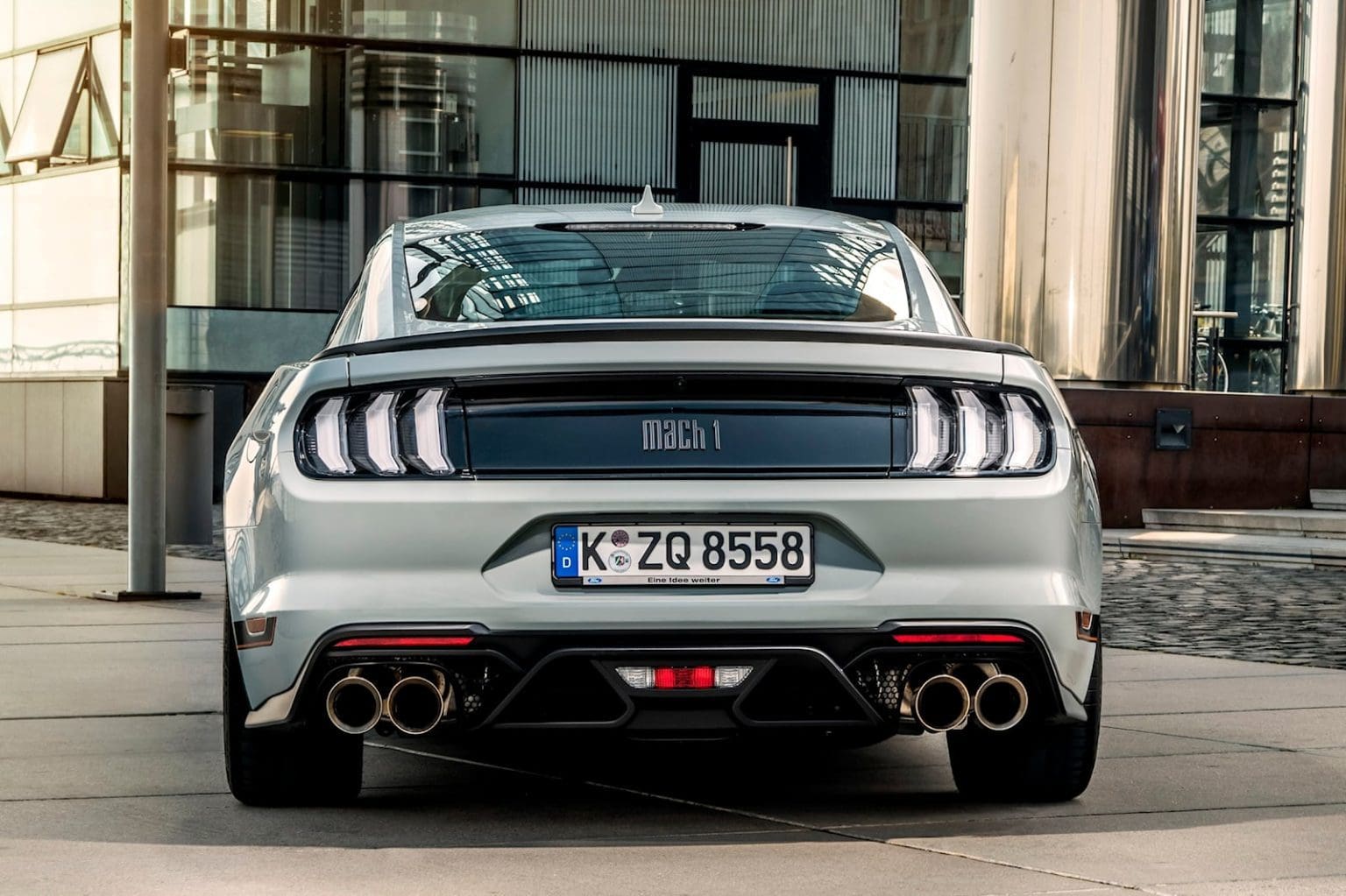
What you won’t find, however, is the GT350’s legendary 5.2-liter Voodoo flat-plane-crank V-8. That engine was thrilling but short-lived, yet some of its character survives in the Mach 1’s reworked 5.0-liter cross-plane-crank V-8.
An extra 20 horsepower isn’t a dramatic leap, so it’s no surprise that the Mach 1 isn’t any quicker to 60 mph than a standard Mustang GT. Our best run clocked in at 4.2 seconds, with the test driver noting that dialing in the right launch rpm was tricky due to the ultra-sticky Cup 2 tires.
One clear takeaway: skip the launch control. Our driver managed to beat it by nearly half a second without using it. Even so, the Mach 1 still trails the GT350, which could hit 60 mph in 4.0 seconds, and the even quicker GT350R, which managed the sprint in 3.9 seconds.
3. Tesla Model S Plaid
While the Tesla Model S Plaid excels in acceleration and tech-forward features, its ultra-quick powertrain can feel overbearing in city traffic.
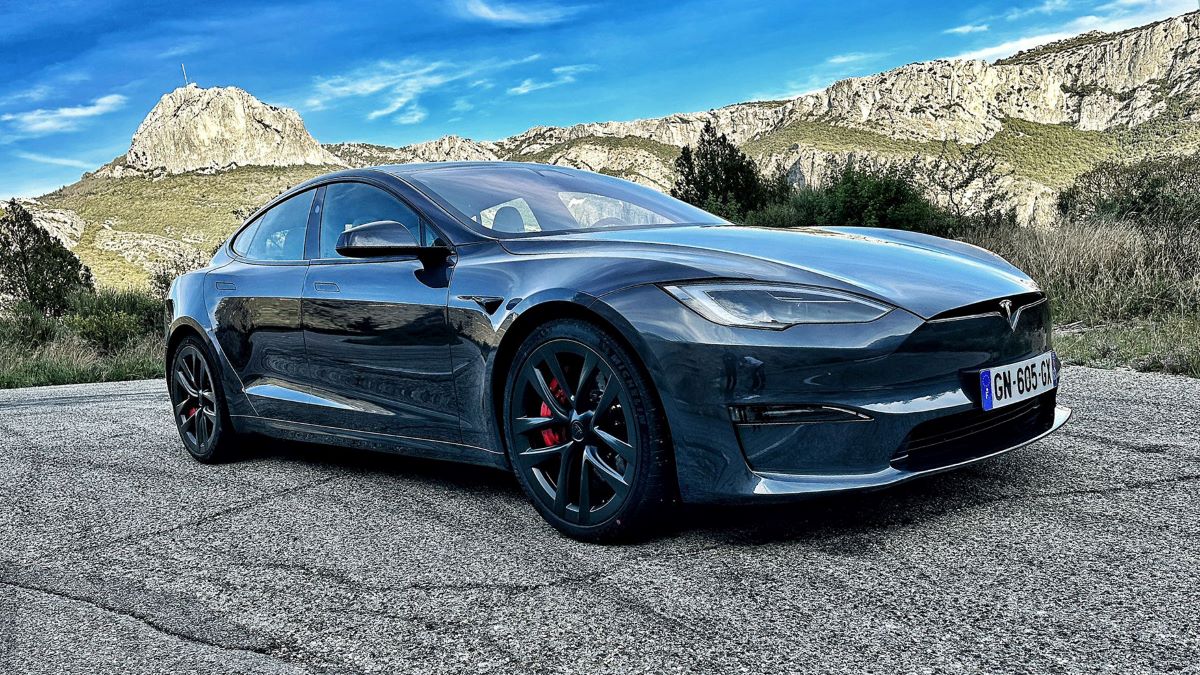
The lightning-fast throttle response requires constant attention, and regenerative braking while efficient takes some getting used to in stop-and-go conditions.
Autopilot helps, but in dense city traffic with unpredictable drivers, the experience can be less calming than expected.
4. Jeep Wrangler
The Jeep Wrangler is iconic for off-road adventures but notoriously rough on city streets. Its stiff suspension, high center of gravity, and clunky steering make it a challenge in urban traffic.
Every bump, pothole, and manhole cover is felt more acutely than in cars designed for comfort, turning a simple drive down the street into a reminder of its off-road DNA.
The familiar 285-horsepower 3.6-liter V-6 from the previous-generation Wrangler carries over to the new JL, where it can be paired with either a six-speed manual transmission or a smooth-shifting eight-speed automatic.
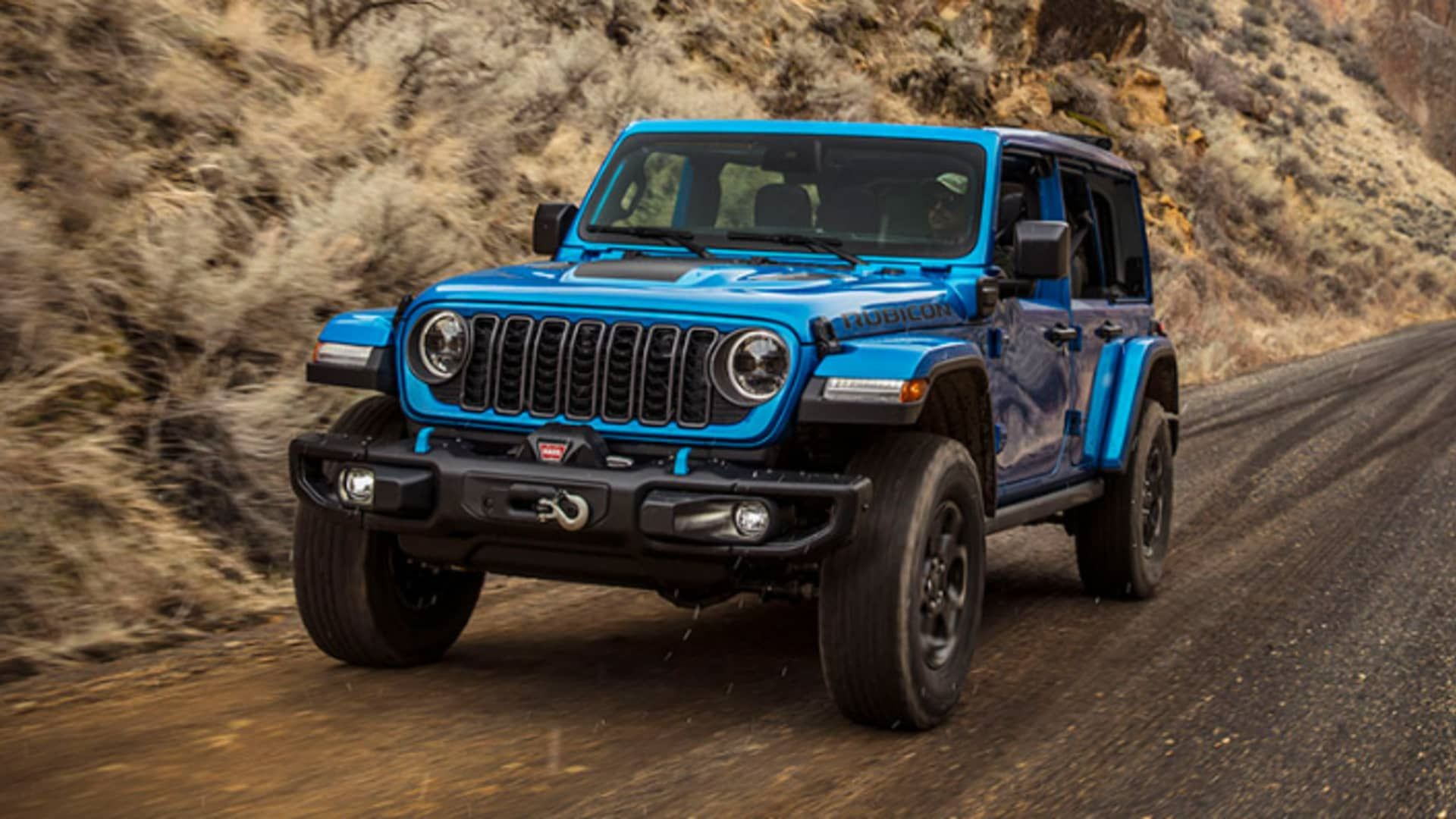
An optional turbocharged four-cylinder engine is also offered and works alongside an electric motor to deliver added low-end torque. Beyond the standard V-6 and the optional four-cylinder hybrid, the Wrangler lineup expands to include a 3.6-liter V-6 with similar hybrid assistance, a 3.0-liter diesel V-6, a new 375-horsepower plug-in hybrid 4xe powertrain, and even a 6.4-liter V-8.
Built with off-road capability as a core priority, every Wrangler comes standard with part-time four-wheel drive, operated by a lever on the center console. While on-road manners have improved compared to earlier generations, the Wrangler still feels trucklike when stacked up against today’s more refined SUVs and pickups.
Ride quality in the four-door model is reasonably smooth over rough terrain, though our testing revealed inconsistent braking distances between the two vehicles we evaluated.
5. Nissan 370Z
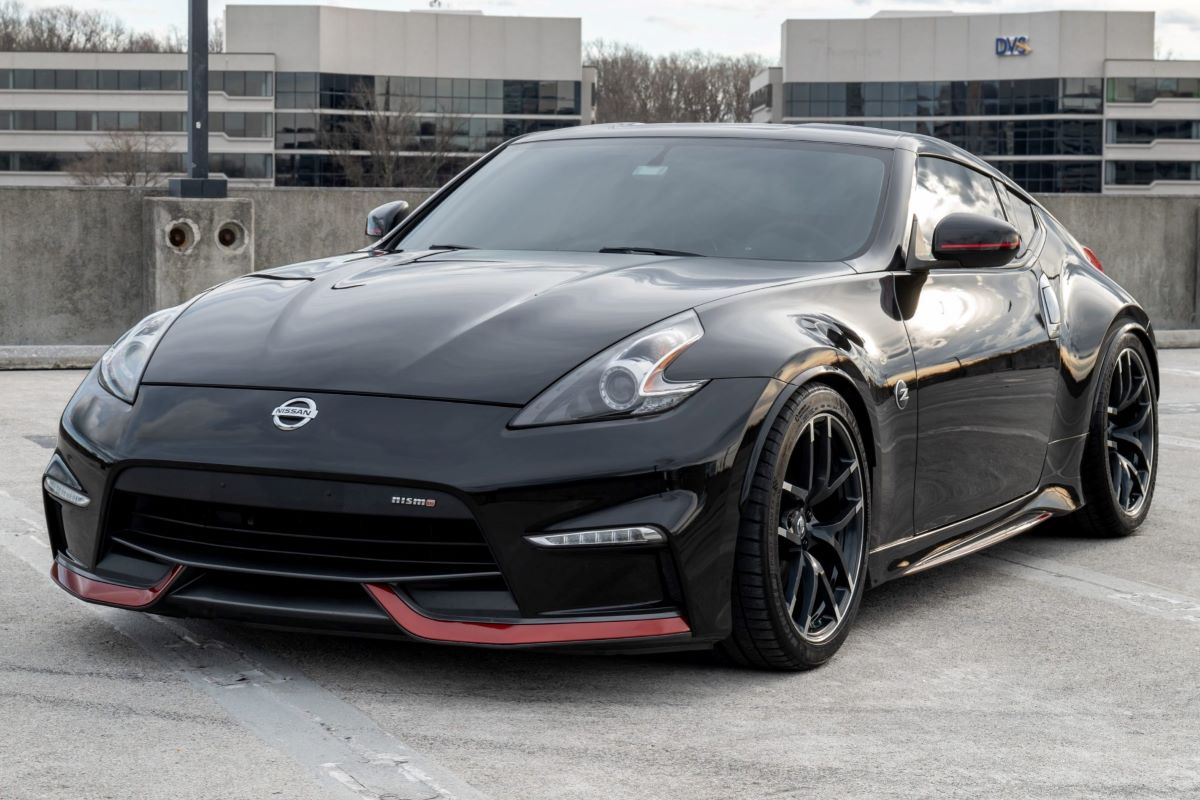
The Nissan 370Z, like many compact sports cars, is geared toward spirited driving rather than urban serenity. Its firm ride, low ground clearance, and tight cabin can make city traffic feel oppressive.
Sharp steering and a short wheelbase amplify every minor correction, and in stop-and-go conditions, the 370Z’s aggressive transmission and throttle response can make driving feel tense rather than relaxed.
Urban driving is an unavoidable part of life for millions of Americans, and your choice of vehicle can shape your daily experience.
Vehicles like the Lexus ES, Toyota Avalon, and Volvo XC60 prioritize comfort, noise reduction, and driver-assist technologies that help absorb the stress of city life.
On the other hand, high-performance or off-road-oriented vehicles like the Corvette C8, Jeep Wrangler, and Nissan 370Z can magnify the chaos, making even short commutes feel exhausting.
Although the 2020 Nissan 370Z has largely faded into the background for modern car enthusiasts, this rear-wheel-drive coupe still delivers a measure of excitement. It can also represent solid value when compared with more expensive sports cars, even if it can’t match their performance on the street or the track.
Powered by a responsive 332-horsepower V-6 and backed by nimble handling, the 370Z offers easy, approachable fun. That said, it operates with lower limits and noticeably less refinement than newer rivals.
Its age is especially apparent in the styling, particularly inside the cabin, where the design feels dated. Every version lacks a telescoping steering wheel, and some trims don’t even include a modern infotainment system. While the 2020 370Z may still appeal to longtime fans of the Z lineage and budget-conscious buyers, it’s clear the car needs a full redesign to remain competitive.
For the 2020 model year, Nissan made very few changes to the 370Z lineup. Fans of the previously offered convertible will be disappointed to learn that the roadster was discontinued.
Pricing for the 2020 Nissan 370Z starts at $30,985 and climbs to $46,740 depending on trim and equipment. Given that the 370Z is heavier than rear-drive competitors like the Subaru BRZ and falls short of the Toyota Supra in performance, the Sport trim stands out as the best value.
It adds worthwhile features such as a limited-slip rear differential, upgraded brakes, 19-inch wheels, and aerodynamic enhancements. Buyers who want the automatic transmission must step up to the pricier Sport Touring model, which also includes leather upholstery and a 7.0-inch touchscreen.
Even so, we’d stick with the simpler manual-transmission version. The only major options are the 50th Anniversary packages, which add upgraded interior trim and heated, power-adjustable seats, though the two-tone paint schemes and bold exterior decals may be a turnoff for some.
Every 2020 370Z sends power to the rear wheels from a naturally aspirated 3.7-liter V-6 producing 332 horsepower, paired with either a standard six-speed manual transmission or an optional seven-speed automatic.
The engine responds eagerly to throttle inputs and produces satisfying sounds as revs climb. We tested a manual-equipped model and found it easy to drive in everyday conditions and quick to accelerate, even at highway speeds. However, the shifter itself felt vague and transmitted vibrations through the lever.
Drivers expecting the razor-sharp precision of lighter sports cars like the Mazda Miata may be let down. Even in NISMO form, the most track-focused version of the Z, the 370Z can’t quite match the finesse of many rivals. Still, it remains approachable to drive hard and comfortable enough for daily use, reinforcing its role as an aging but still enjoyable sports coupe.
When choosing a car for city life, it’s not just about looks, speed, or prestige it’s about how the vehicle interacts with the environment around it.
A serene cabin, smooth suspension, responsive yet forgiving controls, and modern safety features can make the difference between feeling relaxed and frazzled on a daily basis.
Ultimately, the calmest cars allow drivers to navigate the chaos with confidence, control, and a little bit of zen, transforming urban commutes from a source of stress into a surprisingly pleasant part of the day.
