Electric vehicles have made huge strides in performance, range, and everyday usability. Fast charging in particular has become one of the most important selling points, allowing drivers to add significant range in a short stop.
However, not every electric car keeps up with these expectations. Some models struggle with slow charging speeds, limited battery management, or outdated technology that leaves owners waiting longer than they would like.
Charging speed matters because it directly affects convenience. A car with strong range but slow charging can still become frustrating on road trips.
Long stops at charging stations can turn what should be a quick break into a lengthy delay. For drivers used to fast refueling with gasoline vehicles, this can feel like a major step backward.
In some cases, slow charging is the result of older battery technology or limited fast charge capability. In others, thermal management systems restrict charging speed to protect the battery, especially in hot or cold weather. While these measures may help long term battery health, they can make daily use less satisfying.
Price also plays a role in expectations. When buyers pay a premium for an electric vehicle, they often expect modern fast charging performance. If the car cannot take full advantage of high power charging stations, it may feel outdated sooner than expected.
The ten electric cars on this list are not necessarily bad vehicles overall. Many offer good efficiency, comfort, or technology in other areas.
However, their slow charging performance has disappointed owners who hoped for quicker turnaround times. Let’s begin with two models that highlighted how charging speed can make or break the electric driving experience.
Also Read: Top 10 Electric Cars That Completely Miss the Point
1. Nissan Leaf with 40 kWh Battery
The Nissan Leaf with the 40 kWh battery pack helped make electric cars more mainstream, but its charging performance has been a common source of frustration for many owners. While it works well as a city commuter, longer trips can reveal the limitations of its charging system.
One of the main issues is its relatively low fast charging capability compared to newer electric vehicles. When connected to a DC fast charger, the Leaf does not accept power as quickly as many rivals. This means drivers often spend more time waiting at charging stations, especially when trying to add a large amount of range.
Battery thermal management is another key factor. The Leaf relies on passive air cooling rather than a liquid cooling system. During repeated fast charging sessions or in hot weather, the battery temperature can rise significantly. To protect the battery, the car may reduce charging speed, which further increases waiting times.
This behavior is often most noticeable on road trips. After one or two fast charging stops, charging rates can slow down noticeably. Drivers expecting consistent performance may find themselves stuck at a charger longer than planned, which can disrupt travel schedules.
Range limitations also amplify the problem. The 40 kWh battery offers decent range for daily use, but on longer journeys it requires more frequent stops. When each stop takes longer than expected, the total travel time increases quickly.
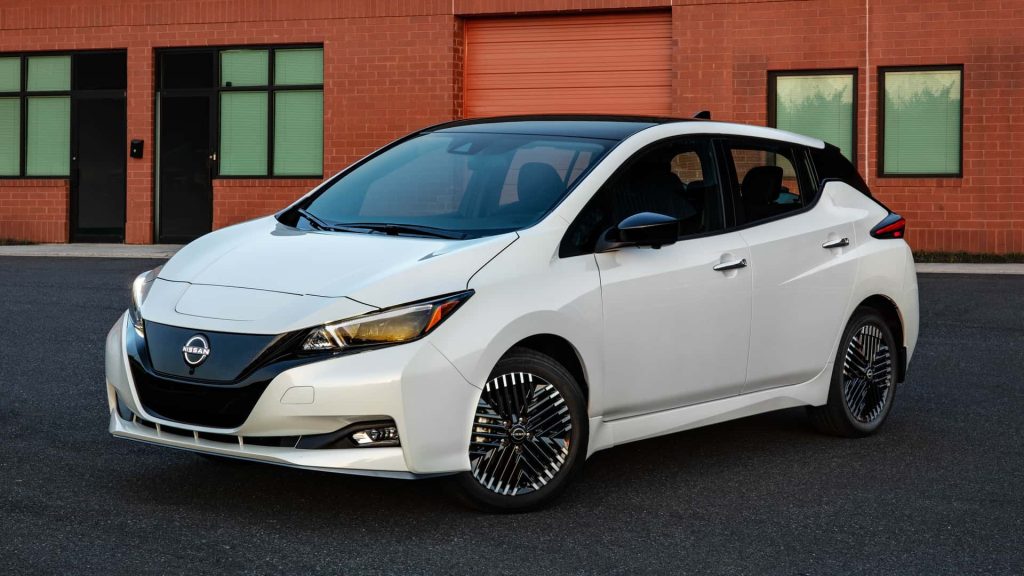
The Leaf still has strengths, including smooth driving and practical design. For local commuting and short trips, charging at home overnight can make slow fast charging less of an issue. However, for drivers who rely on public fast chargers regularly, the limitations become harder to ignore.
The Nissan Leaf with the 40 kWh battery disappointed some owners by showing how important thermal management and charging speed are in real world use.
It helped highlight that range alone is not enough. Fast and consistent charging performance matters just as much for a satisfying electric driving experience.
2. Chevrolet Bolt EV First Generation
The first generation Chevrolet Bolt EV offered impressive range for its price when it was introduced, but its charging performance has been one of its biggest weaknesses. While it excels as an affordable long range electric car, its slow fast charging can make longer trips less convenient.
The Bolt’s DC fast charging rate is modest compared to many newer electric vehicles. Even when connected to a high power charger, the car cannot take full advantage of the available capacity. This results in longer charging sessions than drivers might expect when they see powerful charging equipment.
Charging speed tends to drop significantly as the battery fills. This tapering effect is common in electric cars, but in the Bolt it is especially noticeable. Drivers trying to charge beyond moderate levels may find the process slowing down to a point where waiting becomes frustrating.
Thermal management does a better job than in some older EVs, but it still cannot fully compensate for the car’s limited peak charging capability. On road trips with multiple stops, total travel time can increase substantially compared to vehicles that charge more quickly.
The Bolt’s range is one of its strengths, which helps reduce the number of stops needed. However, when a stop is required, the slower charging rate means more time spent parked rather than driving. This trade off can be disappointing for drivers who expected a more seamless long distance experience.
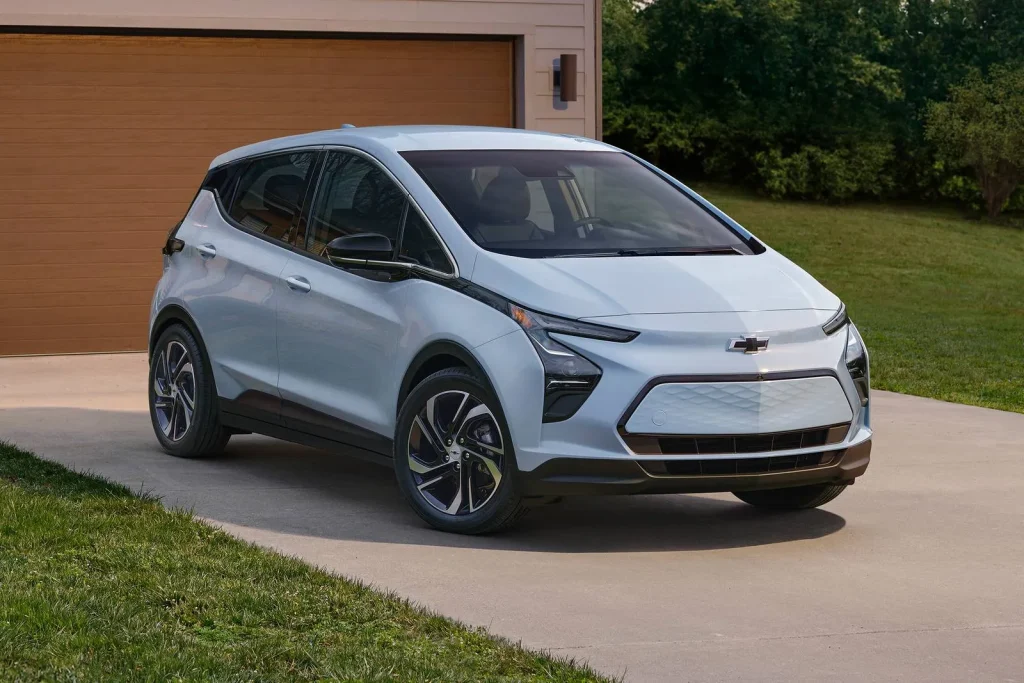
For daily commuting and home charging, the Bolt remains a practical and efficient choice. Many owners charge overnight and rarely use public fast chargers, which minimizes the impact of slow charging. The problem becomes more noticeable for those who frequently travel longer distances.
The Chevrolet Bolt EV first generation demonstrated that good range and affordability are not enough to guarantee a satisfying electric experience. Its slow charging performance has left some drivers wishing for faster turnaround times, especially as newer EVs continue to improve in this crucial area.
3. BMW i3 Early Models
The early versions of the BMW i3 stood out for their futuristic design and premium feel, but charging speed was not one of their strongest qualities. While the car worked well as an urban electric vehicle, longer journeys could highlight its limitations.
One issue was the i3’s modest fast charging capability compared to newer electric cars. Even when connected to a DC fast charger, the rate at which it could accept power was limited. This meant that adding a meaningful amount of range often took longer than drivers expected, especially when compared with more modern EVs.
Battery size also played a role. Early i3 models had relatively small battery packs, which required more frequent charging on longer trips. When each stop involves slower charging, overall travel time increases quickly, making road trips less convenient.
Thermal management was more advanced than in some early EVs, but charging speed still tapered significantly as the battery filled. Drivers who tried to charge close to full often experienced longer waits, which could be frustrating when trying to stay on schedule.
The i3 was clearly designed with city use in mind. Its compact size, quick acceleration at low speeds, and easy maneuverability made it ideal for urban driving. In that environment, most owners relied on home or workplace charging, where slower fast charging was less of a concern.
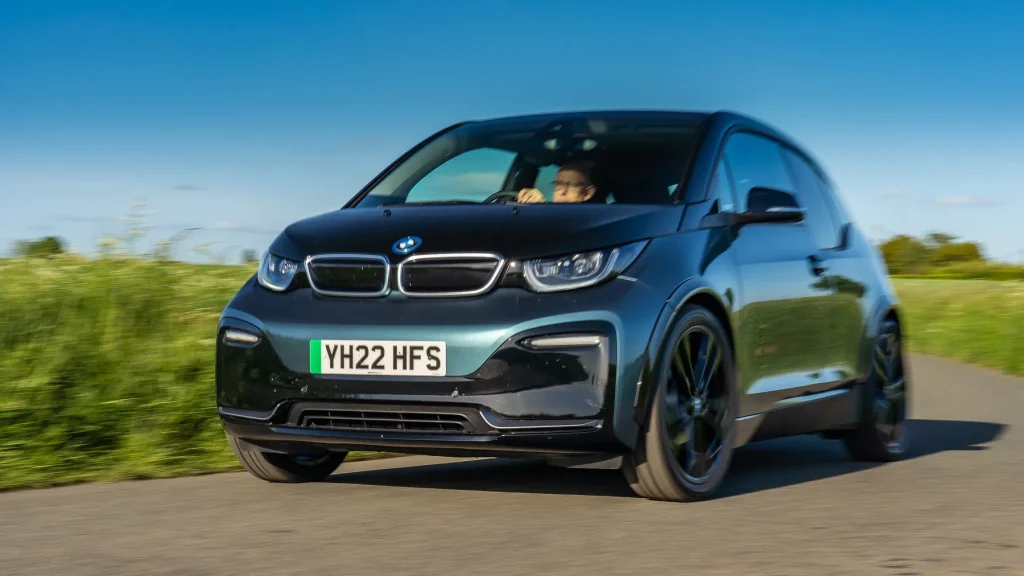
However, expectations changed as charging networks improved. As high power chargers became more common, some i3 owners found that their cars could not take full advantage of the faster infrastructure. This made the vehicle feel dated in terms of charging performance, even if it still drove well.
The BMW i3 early models showed how quickly electric vehicle technology evolves. What once seemed acceptable became a drawback as newer EVs offered much faster charging.
For drivers who stayed mostly in the city, the impact was small, but for those who traveled farther, the slower charging experience could be disappointing.
4. Volkswagen e Golf
The Volkswagen e Golf brought familiar Golf practicality into the electric world, but its charging performance often left drivers wanting more. While it delivered a comfortable and refined driving experience, it was not built with rapid long distance charging as a priority.
The e Golf’s DC fast charging rate was relatively low compared to many newer electric vehicles. Even when plugged into a powerful charger, it could not accept energy quickly enough to minimize waiting times. This made charging stops longer than drivers might expect based on modern standards.
Battery capacity was also limited, which meant range was suitable for daily commuting but less ideal for extended highway trips. More frequent stops were required, and each stop could take a while due to the slower charging rate.
As the battery approached higher levels of charge, the charging speed tapered off significantly. Drivers trying to top up to a high percentage often experienced very slow final stages, which could be frustrating when trying to get back on the road quickly.
Thermal management was adequate for everyday use, but not designed for repeated high speed charging sessions. On longer trips with multiple stops, the car’s charging behavior could become even more conservative to protect the battery, extending wait times further.
Like many early electric hatchbacks, the e Golf excelled in city and suburban environments. Quiet operation, familiar controls, and comfortable ride quality made it a pleasant daily driver. Charging at home overnight largely avoided the inconvenience of slow fast charging.
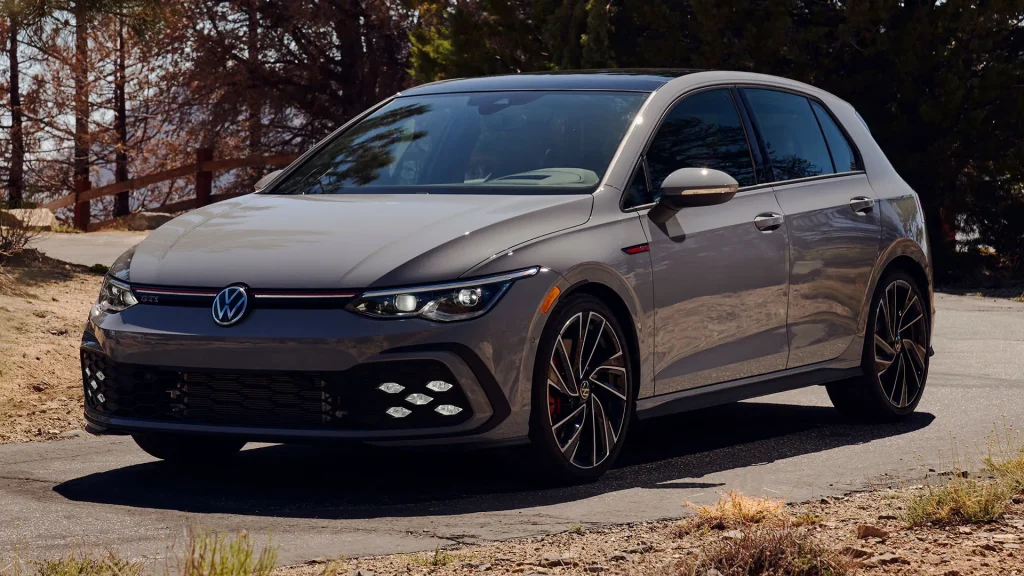
The Volkswagen e Golf demonstrated that converting a conventional car into an electric one can come with compromises.
While it offered the comfort and practicality people expected from a Golf, its slower charging performance limited its appeal for drivers who needed quicker turnaround times on longer journeys.
5. Hyundai Ioniq Electric First Generation
The first generation Hyundai Ioniq Electric earned praise for its efficiency and smooth driving experience, but its charging speed was not always able to meet growing expectations. While it worked very well as a commuter car, longer journeys could expose its limitations.
One of the main issues was its relatively low maximum DC fast charging rate compared to newer electric vehicles. Even when connected to a high power charger, the Ioniq could not draw energy at the speeds many drivers hoped for. This meant that adding significant range often required longer stops.
The battery size was modest, which increased the frequency of charging on longer trips. While the car was very efficient and could stretch its range well in city driving, highway travel typically reduced that advantage. More stops combined with slower charging made road trips less convenient.
Charging speed also dropped noticeably as the battery filled. This tapering effect meant that topping up beyond a certain level took a long time. Drivers often had to plan carefully, stopping more frequently but for shorter sessions to avoid extended waiting.
Thermal management helped maintain battery health, but it could also limit charging performance under certain conditions. In hot or cold weather, charging rates could become even more conservative, further increasing time spent at the charger.
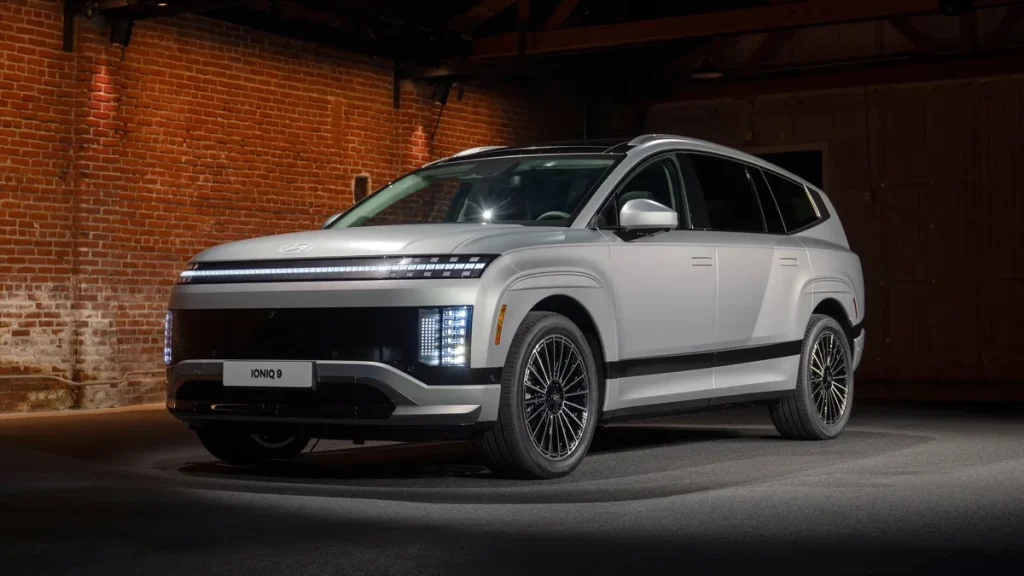
For daily use, the Ioniq Electric remained a strong option. Many owners charged at home overnight and rarely relied on public fast chargers. In those situations, the slower DC charging speed had little impact on convenience.
However, as charging infrastructure improved and faster charging EVs entered the market, the Ioniq’s limitations became more noticeable. Drivers who wanted to use it for frequent long distance travel sometimes found the charging experience less satisfying than expected.
The first generation Hyundai Ioniq Electric showed that excellent efficiency does not fully compensate for slower charging speeds. It was a practical and economical EV, but for drivers needing quicker turnaround on road trips, its charging performance could be disappointing.
6. Kia Soul EV Early Version
The early version of the Kia Soul EV offered distinctive styling and practical urban usability, but its charging performance often lagged behind expectations. While it served well as a city focused electric car, longer journeys could become challenging due to slow charging behavior.
One of the main drawbacks was its limited DC fast charging capability. Compared to more modern electric vehicles, the Soul EV could not take in power at high rates, which led to longer charging sessions at public stations. Drivers hoping for quick stops often found themselves waiting longer than planned.
Battery capacity in early models was also relatively small, which meant the car required more frequent charging on extended trips. Each stop added time, and the slower charging speed compounded the issue, making travel over longer distances less convenient.
Charging speed tapered off significantly as the battery level rose. This meant that the final portion of a charge could take a disproportionately long time. Drivers often had to stop charging early and continue with less than a full battery to keep trip times reasonable.
Thermal management was not as advanced as in newer EVs, and charging performance could be further reduced in hot weather or after repeated fast charging sessions. These protective measures helped preserve battery health but increased waiting times.
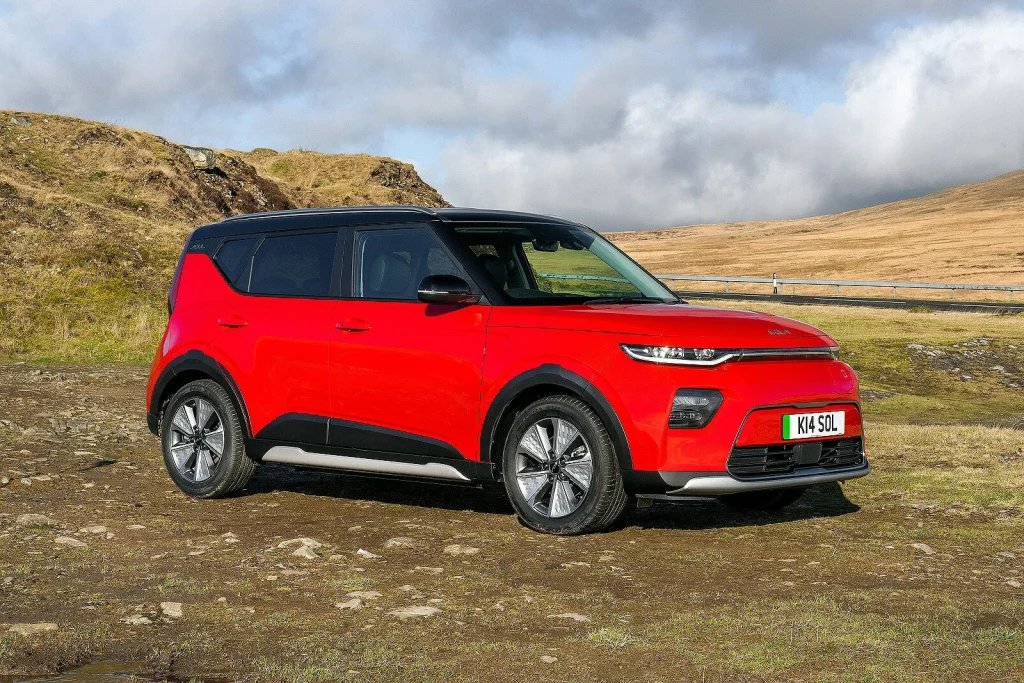
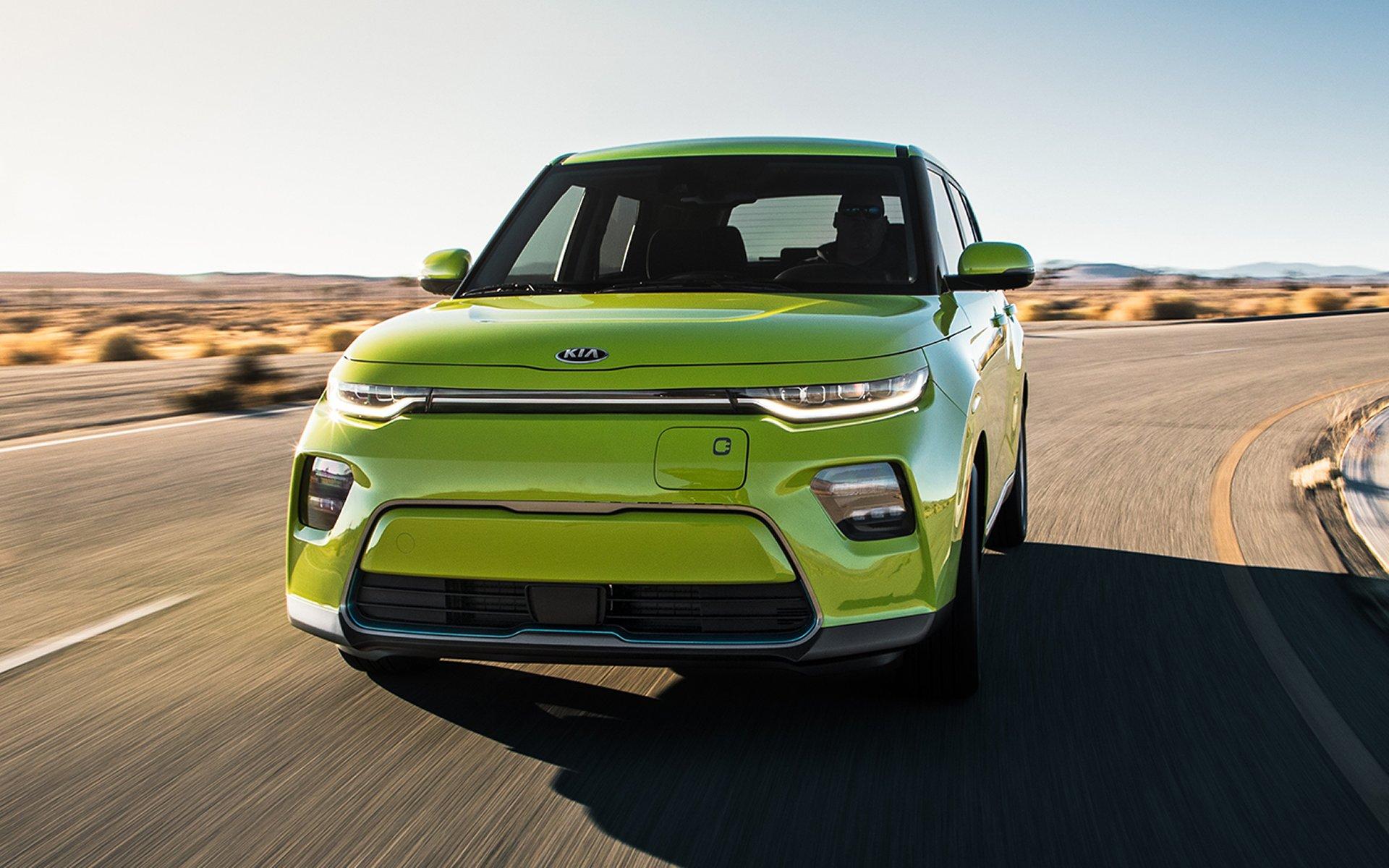
In daily urban use, the Soul EV remained practical and easy to live with. Its upright design offered good interior space, and home charging overnight usually met owners’ needs without relying heavily on fast chargers.
As electric vehicle technology advanced, the early Soul EV began to feel outdated in terms of charging performance. While still usable for short trips and commuting, it demonstrated how important faster charging has become in meeting modern EV driver expectations.
7. Jaguar I Pace
The Jaguar I Pace arrived with bold styling and strong performance, positioning itself as a premium electric SUV. While it impressed many drivers with its driving dynamics and design, charging speed has been one area where expectations were not always met.
On paper, the I Pace supports fast charging, but real world performance has often been less impressive. In many situations, the car does not maintain high charging rates for long. Power delivery tends to taper earlier than some competitors, which increases the time needed to reach a useful state of charge.
Battery size is relatively large, which is good for range, but it also means more energy must be added during a charging stop. When charging speeds are not consistently high, sessions can stretch longer than drivers expect, especially on road trips.
Thermal management plays a role in these limitations. To protect the battery and maintain long term health, the system may reduce charging speed in certain conditions. Hot weather, repeated fast charging, or a warm battery after highway driving can all contribute to slower charging performance.
Another factor is how charging speed drops sharply as the battery level rises. Drivers trying to charge past moderate levels often see significant slowdowns, making the final portion of the session take a long time. This encourages partial charges but can complicate trip planning.
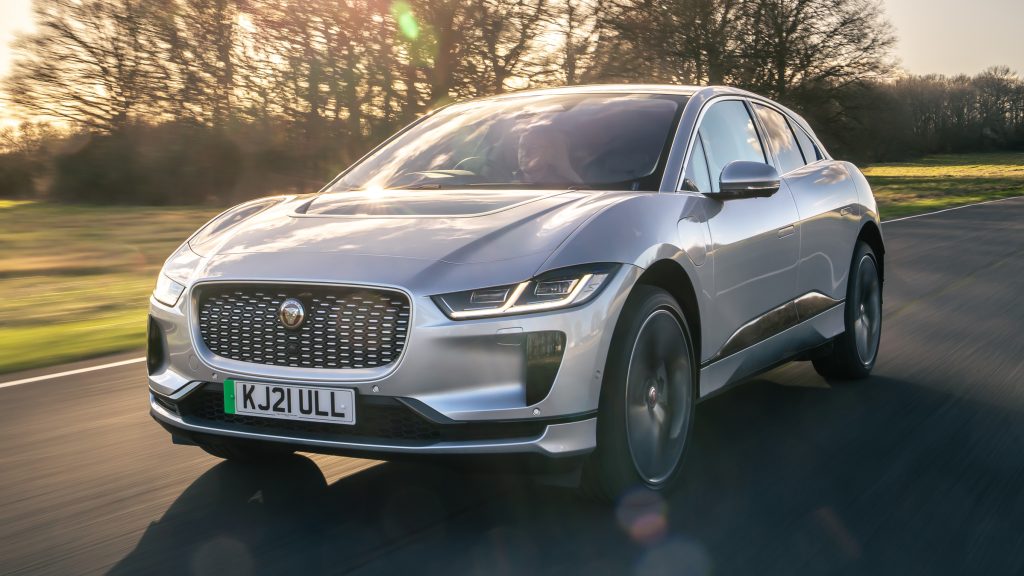
For daily use and home charging, the I Pace remains comfortable and enjoyable. Many owners who primarily drive short distances and charge overnight may not feel heavily impacted by its slower fast charging behavior.
However, in a premium segment where buyers expect cutting edge technology, slower real world charging performance can feel like a drawback. As newer electric SUVs offer faster and more consistent charging, the I Pace’s limitations become more noticeable.
The Jaguar I Pace shows how strong performance and luxury do not automatically guarantee a top tier charging experience. For drivers who rely heavily on public fast chargers, its charging behavior can be disappointing compared to newer rivals.
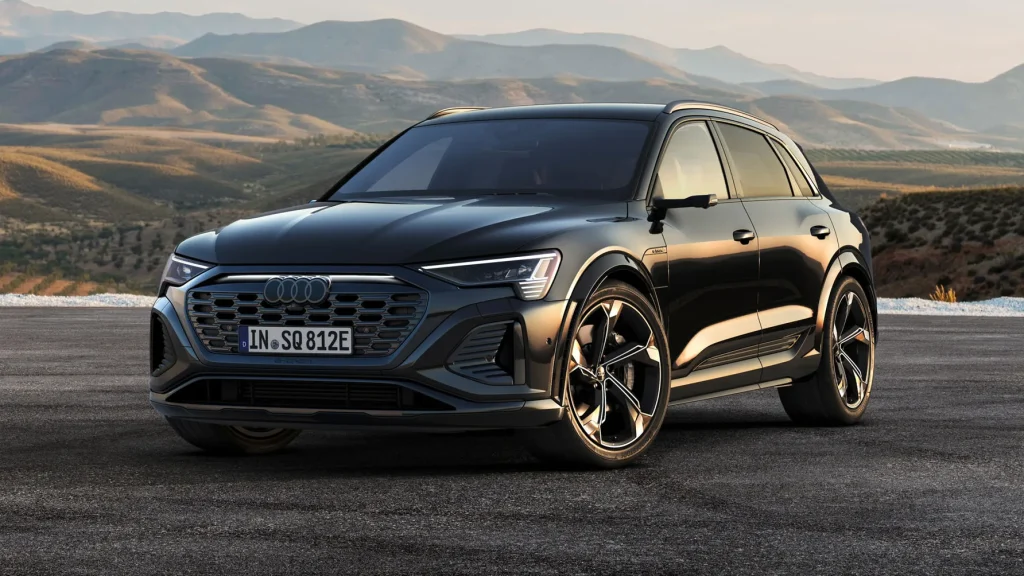
8. Audi e tron First Generation
The first generation Audi e tron delivered a quiet, refined electric SUV experience, but charging speed has been an area where it did not always live up to expectations. While it offered smooth driving and high quality construction, its real world charging performance sometimes lagged behind competitors.
The e tron was praised for its ability to maintain a relatively stable charging rate over part of its charging curve, but its peak rate was not especially high compared to newer EVs. This meant that even under ideal conditions, charging sessions could take longer than drivers hoped.
Its large battery pack provided decent range, but it also required a substantial amount of energy to recharge. When combined with moderate charging speeds, this led to longer stops during long distance travel.
As with many EVs, charging speed dropped as the battery filled. The taper could become pronounced beyond certain charge levels, making it inefficient to charge to a high percentage during road trips. Drivers often needed to plan around shorter, more frequent stops.
Thermal management helped keep performance consistent in many conditions, but charging could still slow down in extreme temperatures or after multiple fast charging sessions. These protective measures added to overall charging time.
In everyday commuting, the e tron was comfortable and easy to live with. Many owners relied on home charging, where slower fast charging performance was less noticeable. The issues became more apparent during extended travel.
Because the e tron competed in a premium segment, buyers often expected class leading technology. When charging times proved longer than some rivals, it created a sense of disappointment for drivers who wanted quicker turnarounds.
The first generation Audi e tron highlighted how important charging speed is in shaping the overall EV experience. Even a refined and well built vehicle can feel less satisfying if it spends too much time connected to a charger on longer journeys.
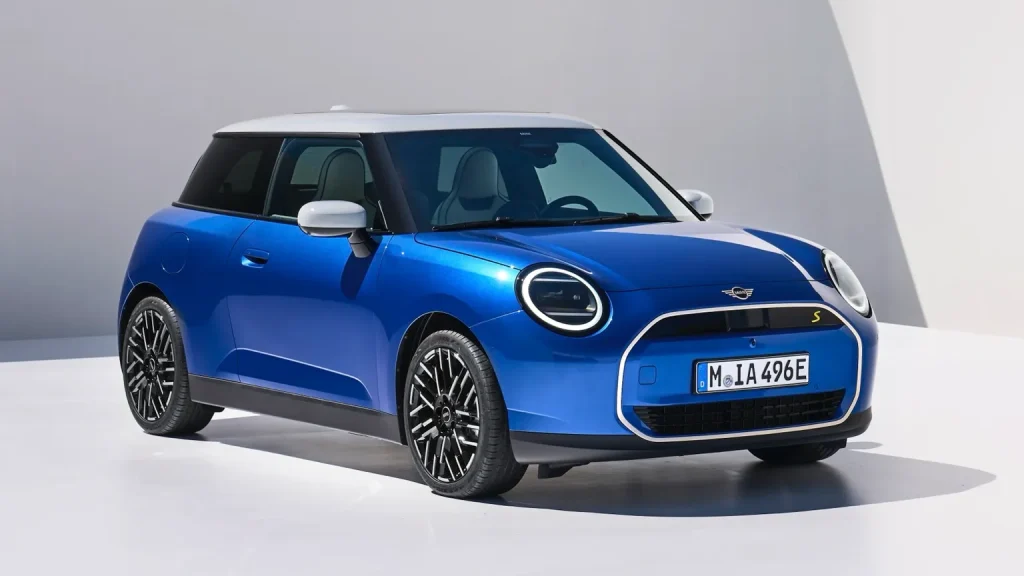
9. Mini Electric First Generation
The first generation Mini Electric delivered charming styling and fun urban driving, but its charging performance limited its usefulness beyond city environments. While it worked well for short trips, longer journeys often highlighted its slow charging behavior.
One of the main challenges was its limited DC fast charging capability. Even when connected to a high power charger, the Mini Electric could not accept energy at very high rates. This meant that adding a meaningful amount of range often required more time than drivers expected.
Its relatively small battery pack also reduced overall range. While this made the car lighter and more agile, it meant more frequent charging stops on longer trips. When each stop is slow, travel time increases quickly.
Charging speed also tapered noticeably as the battery filled. Drivers trying to reach higher charge levels often experienced very slow final stages, which could be frustrating when trying to continue a journey without delay.
Thermal management was adequate for daily commuting but not designed for repeated high speed charging sessions. Under heavy use or in warm conditions, charging performance could become even more conservative to protect the battery.
For urban drivers with home charging, the Mini Electric remained a practical and enjoyable choice. Its compact size, responsive handling, and distinctive character made it ideal for city life.
However, as charging infrastructure improved and faster charging EVs became common, the Mini Electric’s slower charging performance stood out more. Drivers expecting flexibility for occasional longer trips sometimes found the experience disappointing.
The first generation Mini Electric showed that fun design and engaging driving are not enough on their own. In the modern EV landscape, faster charging has become essential for meeting broader expectations.
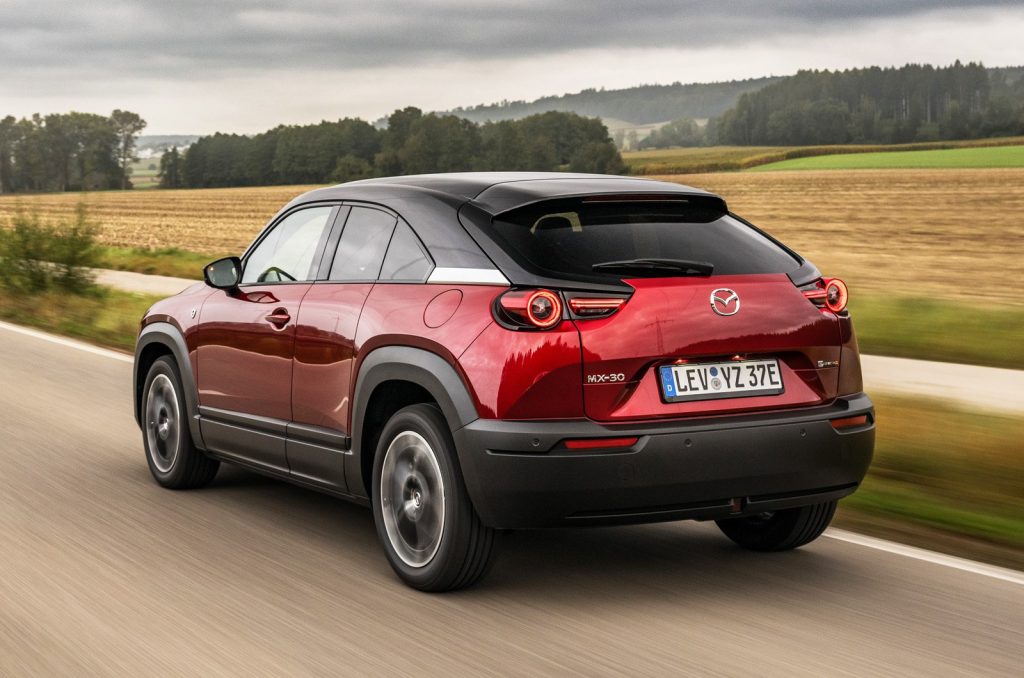
10. Mazda MX-30 Electric
The Mazda MX 30 Electric stood out for its unique design and high quality interior, but its charging speed and limited battery capacity often left drivers wanting more. While it offered a distinctive take on the electric crossover, its practical range and charging performance restricted its versatility.
The MX 30’s DC fast charging rate was modest compared to many competitors. Even when plugged into a capable charger, the car could not draw energy quickly, which resulted in longer charging sessions than many drivers anticipated.
Battery size was also small by modern standards. This limited range and increased the frequency of charging stops on longer journeys. When each stop takes time, the overall travel experience can become inconvenient.
Charging speed tapered off as the battery filled, making it inefficient to charge to high levels during road trips. Drivers often had to settle for partial charges and plan carefully to avoid extended waits.
Mazda focused heavily on battery longevity and environmental considerations, which influenced its conservative charging approach. While this may benefit long term durability, it did not always align with drivers seeking faster turnaround times.
In daily urban use, the MX 30 could still work well. Home charging overnight covered most commuting needs, and the car’s comfortable ride and premium feel made it pleasant for short trips.
However, in a market where many EVs support much faster charging and longer range, the MX 30 felt limited. Its slower charging performance contributed to a sense that it was less practical for drivers who needed flexibility beyond city driving.
The Mazda MX 30 Electric highlighted how charging speed and range are closely linked to overall satisfaction. Even a stylish and well built EV can disappoint if it takes too long to recharge when drivers need to get back on the road.
Not all electric cars deliver a smooth charging experience. Models like the Nissan Leaf, Chevrolet Bolt, BMW i3, and Volkswagen e Golf showed how limited fast charging speeds and battery management can make longer trips frustrating.
Others, including the Jaguar I Pace, Audi e tron, Mini Electric, and Mazda MX 30, struggled to keep charging times competitive as newer EVs improved rapidly.
Small batteries, strong charging taper, and thermal limits often led to longer stops than drivers expected.
While many of these vehicles work well for daily commuting and home charging, their slower public charging performance disappointed owners who wanted greater road trip flexibility.
Also Read: Top 10 European Sports Cars That Deliver Thrills on a Budget