Sport utility vehicles have grown from simple workhorses into some of the most influential vehicles ever built. While many SUVs today focus on comfort and family duty, a select group earned legendary status by redefining what these vehicles could do.
Some proved unstoppable off road, others combined luxury with rugged ability, and a few changed the entire direction of the automotive market.
What makes an SUV a legend is not just sales numbers. It is the lasting impact the vehicle leaves on drivers, competitors, and the industry itself.
Legendary SUVs often introduce new technology, survive in the harshest environments, or create entirely new segments that others rush to follow. They become symbols of strength, reliability, and adventure.
These vehicles also shape culture. They appear in movies, cross continents, and earn reputations in places where roads barely exist.
Owners tell stories about them that last decades, and their names become shorthand for toughness or capability. Even when newer models arrive with more features, these classics remain respected benchmarks.
Some of the SUVs on this list are known for luxury, others for simplicity and durability. Some dominated off road trails, while others proved that utility vehicles could also be refined daily drivers. Despite their differences, each one changed expectations in a meaningful way.
The following ten SUVs stand out as true automotive legends. They influenced how SUVs are built, how they are used, and how they are perceived around the world. We begin with two icons that helped define durability and all terrain capability for generations of drivers.
Also Read: Top 10 Ram Trucks That Refuse to Wear Out
1. Toyota Land Cruiser 40 Series
The Toyota Land Cruiser 40 Series is one of the most respected off road vehicles ever built. Introduced in the 1960s, it quickly gained a reputation for extreme durability and reliability in some of the toughest environments on earth.
From deserts to mountains, this SUV became a trusted tool for explorers, aid organizations, and everyday drivers who needed a vehicle that simply would not quit.
One of the key reasons for its legendary status is its rugged construction. The Land Cruiser 40 Series was built with a strong frame, simple mechanical systems, and components designed to withstand heavy use. This focus on toughness made it capable of surviving conditions that would quickly wear out less robust vehicles.
Its four wheel drive system was designed for real off road challenges. Low range gearing and solid axles provided the traction and control needed to climb steep hills, cross rough terrain, and navigate remote trails. The vehicle’s compact size and short wheelbase also made it agile in tight spaces where larger vehicles struggled.
Reliability became its defining trait. In remote regions where mechanical failure could be dangerous, the Land Cruiser earned trust because it kept working with basic maintenance. Parts were simple and durable, and repairs could often be handled in the field.

The Land Cruiser 40 Series also helped establish Toyota’s global reputation for building dependable vehicles. Its success in demanding environments built confidence in the brand and influenced the development of future models.
Culturally, it became a symbol of adventure and resilience. Many examples are still in use decades later, a testament to the strength of its design. Its boxy shape and purposeful stance remain instantly recognizable.
The Toyota Land Cruiser 40 Series became a legend by proving that a vehicle built with simplicity and strength could conquer the world’s harshest terrain. Its influence continues to shape off road SUVs to this day.
2. Jeep Cherokee XJ
The Jeep Cherokee XJ changed the SUV world by combining serious off road ability with a design that was practical for everyday driving. Introduced in the 1980s, it became one of the first modern SUVs to balance rugged performance with comfort and efficiency, setting a template that many manufacturers would follow.
One of the Cherokee XJ’s biggest innovations was its unibody construction. Unlike traditional body on frame SUVs, it used a lighter, more car like structure while still maintaining impressive strength. This helped improve fuel efficiency and on road handling without sacrificing off road capability.
Its compact size was another advantage. The Cherokee was easy to drive in urban environments yet still capable of tackling rough trails. This versatility made it appealing to a wide range of buyers, from outdoor enthusiasts to families.
Underneath, the XJ retained Jeep’s four wheel drive heritage. Solid axles and capable drivetrain options allowed it to perform well in mud, snow, and rocky terrain. It proved that a smaller, more efficient SUV could still be a true off roader.
The Cherokee XJ also played a major role in popularizing SUVs as daily vehicles. Its comfortable interior and practical cargo space made it suitable for commuting and road trips, not just off road adventures.
Its long production run and strong reliability record helped cement its legendary reputation. Many are still on the road today, often with high mileage and loyal owners who appreciate their durability.

The Jeep Cherokee XJ became an icon by bridging the gap between traditional rugged SUVs and modern family friendly vehicles. Its blend of capability, practicality, and innovative design influenced the direction of the SUV market for decades.
3. Range Rover Classic
The Range Rover Classic redefined what an SUV could be by combining genuine off road ability with a level of comfort and refinement that had rarely been seen before.
When it debuted in the early 1970s, it created a new type of vehicle that could handle rough terrain during the week and still feel at home outside a luxury hotel on the weekend.
One of the most important aspects of the Range Rover Classic was its dual personality. It used a strong four wheel drive system and long travel suspension that allowed it to perform impressively off road.
At the same time, its smooth ride and comfortable interior made it far more pleasant on paved roads than many traditional utility vehicles of the era.
Its design was simple yet elegant. The clean lines and large glass areas gave it a modern appearance that has aged remarkably well. Unlike many work focused off roaders, the Range Rover looked stylish without losing its sense of purpose.
Inside, the vehicle gradually evolved from basic to increasingly luxurious. Over time, features such as plush seating and improved materials helped establish the idea that an SUV could also be a premium vehicle. This concept would later become a cornerstone of the global luxury SUV market.
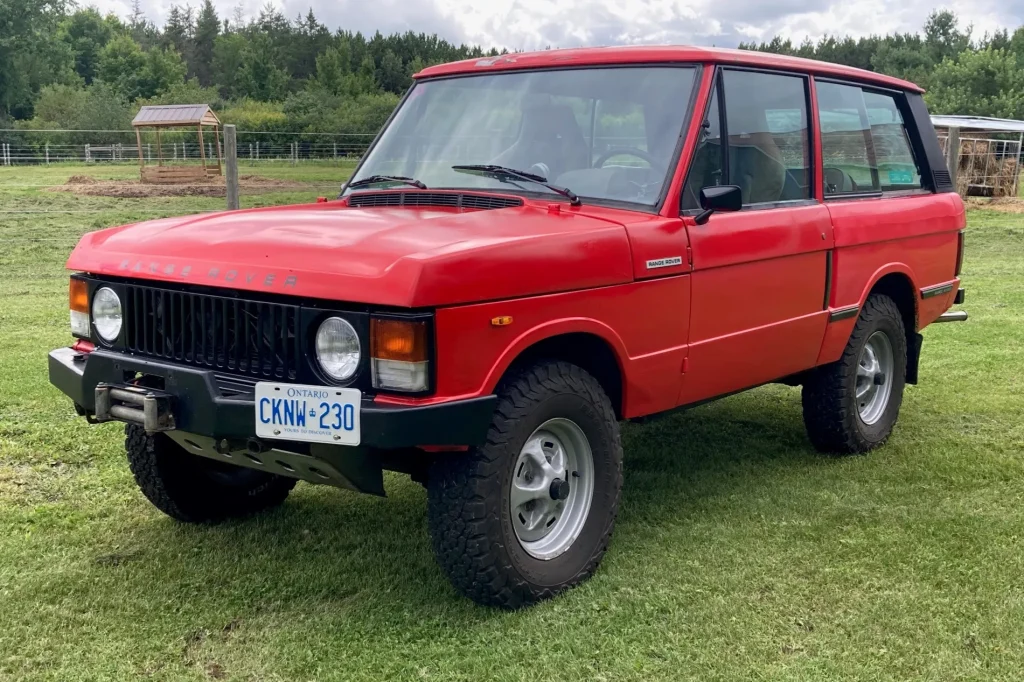
The Range Rover Classic also performed well in demanding environments. It proved its toughness in rallies and remote expeditions, showing that comfort did not have to come at the expense of capability. This balance set a new benchmark that competitors would try to match for decades.
Culturally, it became a symbol of adventure and status at the same time. Owners valued its ability to go anywhere while still offering a refined driving experience.
The Range Rover Classic earned its legendary status by inventing the modern luxury SUV. Its combination of off road strength and on road comfort changed the direction of the entire segment and influenced countless vehicles that followed.
4. Ford Bronco First Generation
The first generation Ford Bronco helped define the compact off road SUV segment and quickly built a reputation as a capable, fun to drive vehicle. Introduced in the mid 1960s, it was designed to compete with small, rugged four wheel drives while also offering a more versatile and comfortable experience.
One of the Bronco’s key strengths was its simple, durable construction. Built on a tough chassis with solid axles, it was engineered to handle rough trails and difficult terrain. Its short wheelbase made it agile off road, allowing it to navigate tight paths and steep obstacles with confidence.
At the same time, the Bronco was more refined than some of its rivals. It offered a range of body styles and configurations, making it suitable for both work and recreation. This versatility broadened its appeal and helped it become a favorite among outdoor enthusiasts.
Engine options provided reliable power, and the vehicle’s mechanical simplicity made it easy to maintain. Owners appreciated its straightforward design, which allowed for repairs and modifications without excessive complexity.
The Bronco’s open top variants added to its sense of adventure. Drivers could enjoy the outdoors while exploring trails, reinforcing the vehicle’s image as a fun and capable companion for off road journeys.
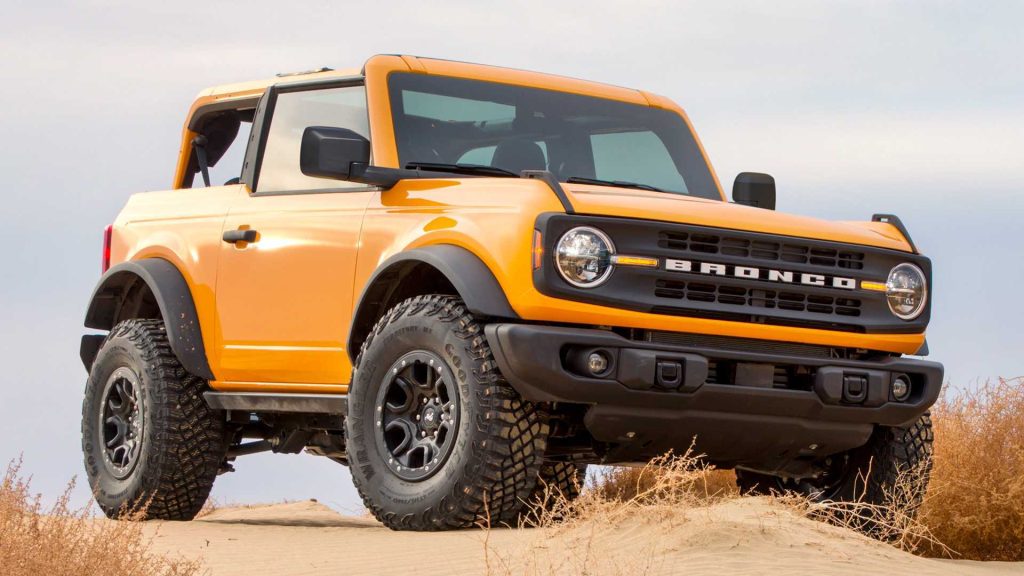
Its influence extended far beyond its production years. The Bronco established a loyal following, and its reputation for toughness and character has endured for decades. Modern off road SUVs often draw inspiration from its formula of compact size, strong capability, and lifestyle appeal.
The first generation Ford Bronco became a legend by proving that a small SUV could deliver big adventure. Its blend of ruggedness, versatility, and personality helped shape the future of off road vehicles and remains celebrated by enthusiasts today.
5. Toyota RAV4 First Generation
When the first generation Toyota RAV4 arrived in the mid 1990s, it quietly started a revolution that would reshape the entire global car market.
At a time when SUVs were mostly large, truck based machines, the RAV4 offered something different. It combined the practicality of an SUV with the comfort and efficiency of a small car, creating what would later be known as the compact crossover segment.
One of the most important things about the original RAV4 was its size and platform. Built more like a passenger car than a traditional off roader, it was lighter, easier to drive, and more fuel efficient than the bulky SUVs of its era.
This made it appealing to urban drivers who wanted a higher driving position and versatile interior without the drawbacks of a heavy truck based vehicle.
Despite its car like nature, the RAV4 still offered all wheel drive capability. This allowed it to handle bad weather, gravel roads, and light off road conditions with confidence. It was not designed for extreme trails, but it provided enough capability to give drivers a sense of security and freedom that sedans often lacked.
The interior packaging was another breakthrough. The RAV4 made clever use of space, offering flexible seating and useful cargo room in a relatively compact footprint. This combination of practicality and manageable size made it ideal for small families, outdoor enthusiasts, and commuters alike.
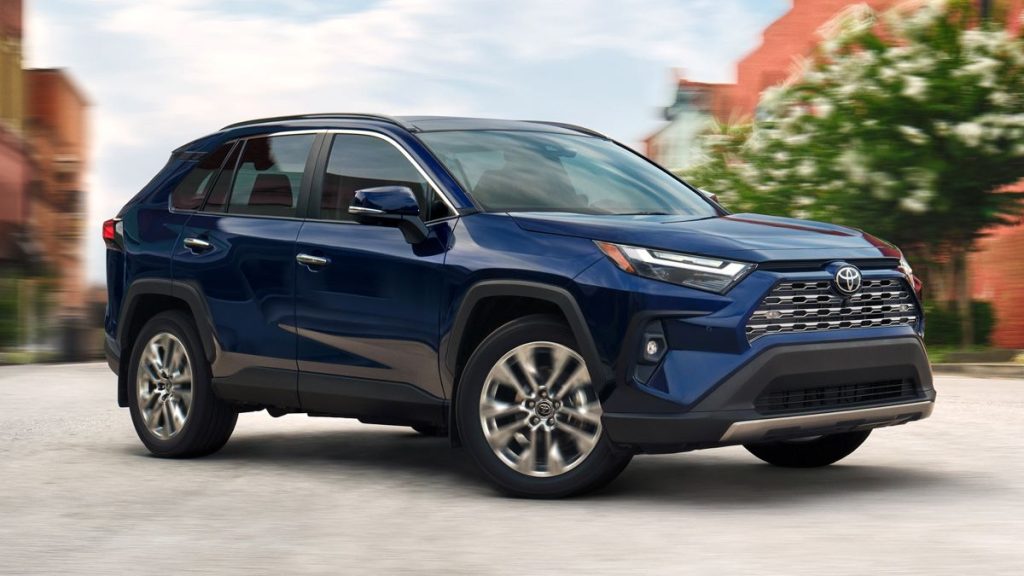
The RAV4 also helped change perceptions about who SUVs were for. Instead of being seen only as rugged utility vehicles, SUVs started to be viewed as everyday transportation. This shift in thinking paved the way for the crossover boom that now dominates many markets around the world.
Toyota’s reputation for reliability further strengthened the RAV4’s legacy. Owners found that it delivered consistent performance and durability, reinforcing trust in the new segment. As more competitors entered the market, the RAV4 remained one of the benchmarks.
The first generation Toyota RAV4 became a legend not through extreme performance, but through influence. It showed the world that an SUV could be compact, efficient, and practical, and in doing so, it helped create one of the most important vehicle categories of the modern era.
6. Mercedes-Benz G-Class
The Mercedes-Benz G-Class is one of the rare vehicles that has managed to become both a serious off road machine and a global luxury icon. Originally developed as a rugged utility vehicle, it evolved over decades without losing its core toughness, earning a unique place in automotive history.
The G Class was built with a body on frame construction, solid axles, and heavy duty components designed for extreme conditions. Its engineering focused on durability and off road capability from the very beginning. Locking differentials and a strong Four Wheel Drive system allowed it to tackle terrain that would stop many other vehicles.
What makes the G Class legendary is how it combined that rugged foundation with increasing levels of comfort and refinement.
Over time, Mercedes added more advanced interiors, powerful engines, and modern technology while keeping the vehicle’s essential structure intact. This blend of luxury and toughness created a vehicle unlike anything else on the road.
Its boxy design became an icon in its own right. The shape was originally dictated by function, but it evolved into a symbol of strength and prestige. Even decades after its introduction, the G Class remains instantly recognizable.
The vehicle also built a reputation in some of the world’s harshest environments. Military forces, aid organizations, and explorers relied on it for its durability and capability. These real world uses reinforced its image as more than just a status symbol.
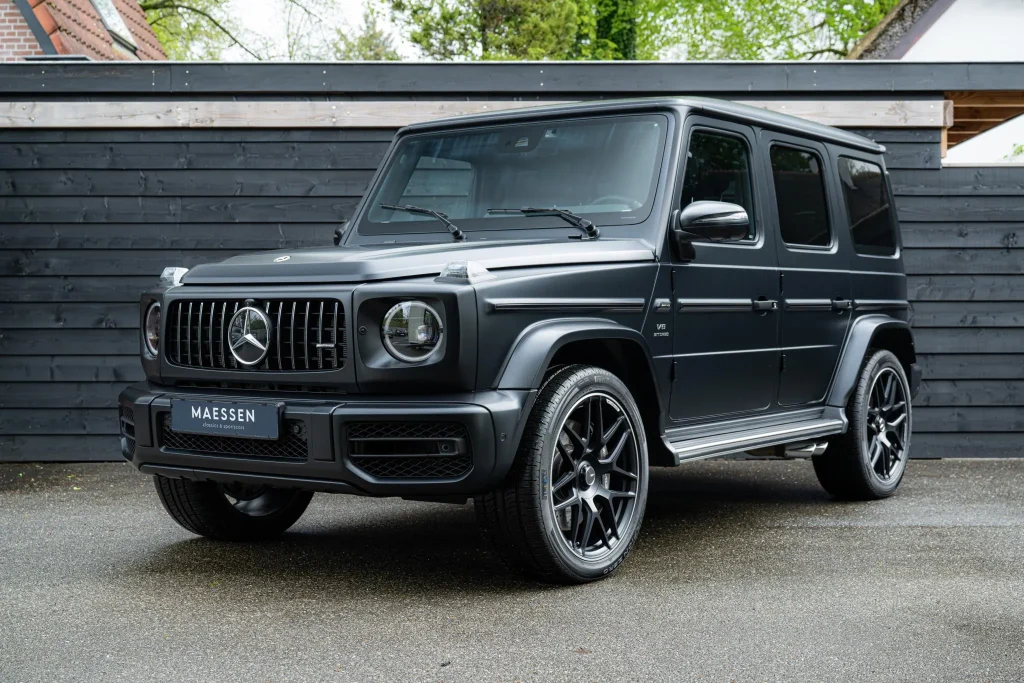
At the same time, the G Class became a favorite in urban settings, where its commanding presence and luxury appointments appealed to buyers seeking something distinctive. This dual identity as both a serious off roader and a high end vehicle helped it stand apart from other SUVs.
The Mercedes Benz G Class became a legend by staying true to its original purpose while adapting to changing expectations. Its combination of uncompromising engineering, timeless design, and cultural impact has made it one of the most respected and recognizable SUVs ever built.
7. Chevrolet Suburban
The Chevrolet Suburban holds one of the longest running nameplates in automotive history, and over the decades it has become a symbol of durability, space, and versatility.
While many SUVs have come and gone, the Suburban has remained a constant presence, evolving with the times while staying true to its core purpose as a large, capable people and cargo carrier.
One of the biggest reasons for the Suburban’s legendary status is its sheer practicality. It was one of the first vehicles to combine the carrying capacity of a truck with the enclosed comfort of a wagon like body. This made it invaluable for large families, government fleets, and businesses that needed to move both people and equipment.
Its body on frame construction has always been central to its durability. Designed to handle heavy loads and towing duties, the Suburban’s structure allows it to withstand years of hard use. Many have been used as emergency vehicles, law enforcement units, and long distance transport, proving their reliability under demanding conditions.
The Suburban also helped define the full size SUV segment. Before crossovers and smaller SUVs dominated the market, vehicles like the Suburban showed that there was strong demand for large, capable utility vehicles that could do almost everything.
Competitors followed its formula, but the Suburban remained one of the most recognizable names in the class.
Over time, it also embraced increasing levels of comfort and technology. Later generations added more refined interiors, advanced safety systems, and smoother ride quality, allowing the Suburban to serve as both a work vehicle and a family hauler. This adaptability helped it stay relevant across changing market trends.
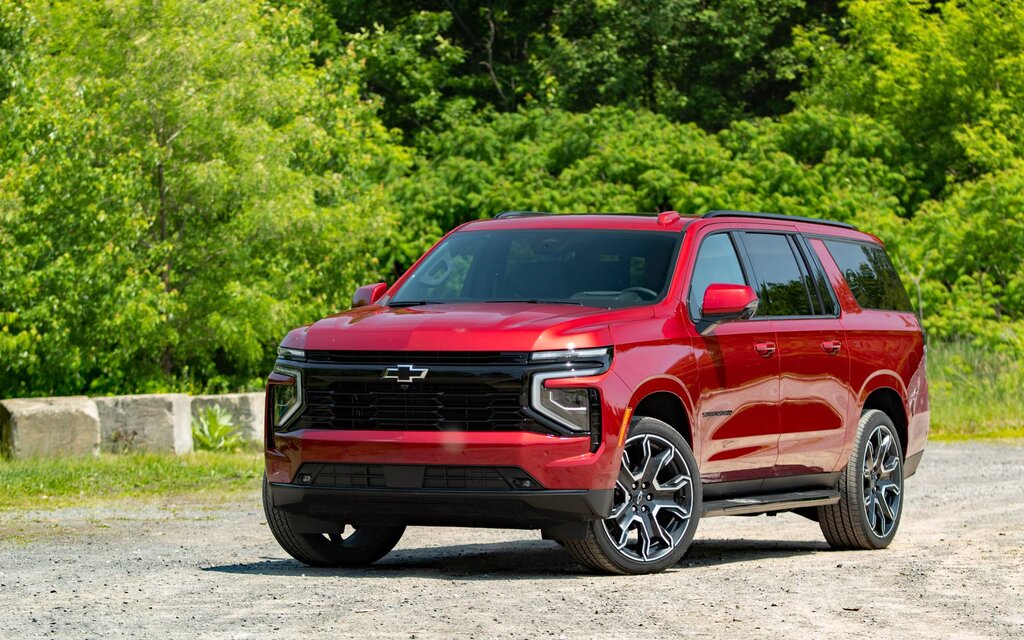
Culturally, the Suburban became a familiar sight on highways and in rural areas alike. Its size and capability made it a go to choice for road trips, towing boats, and handling challenging weather. It earned a reputation as a vehicle that could take on big responsibilities without complaint.
The Chevrolet Suburban became an automotive legend not because it was flashy, but because it was dependable, adaptable, and built to last. Its long history and consistent performance have made it one of the most trusted and influential SUVs ever produced.
8. Jeep Wrangler
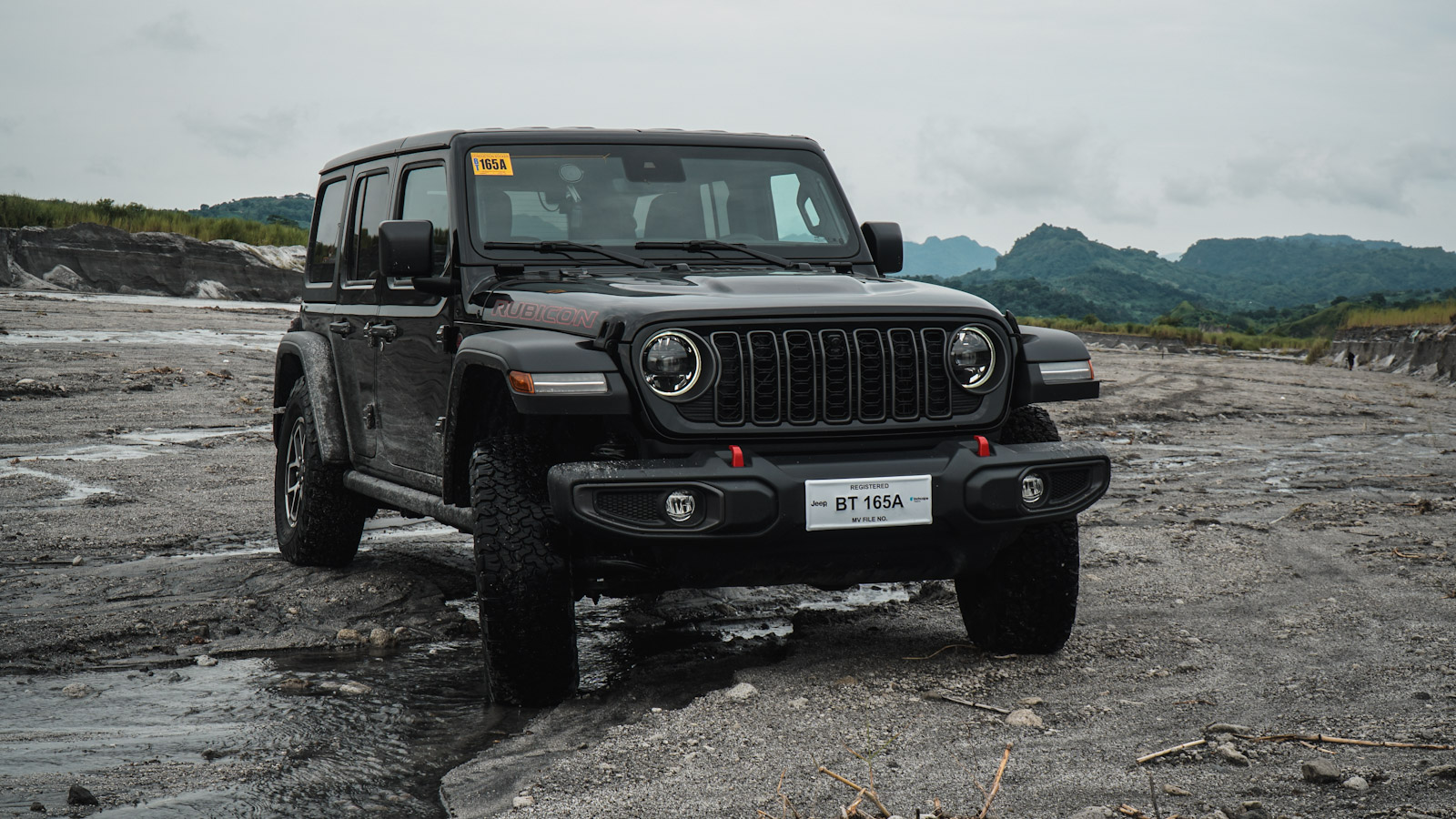
The Jeep Wrangler carries forward a legacy that began with military utility vehicles and evolved into one of the most recognizable off road SUVs in the world. Its design, capability, and enduring popularity have made it a true legend in the SUV landscape.
One of the Wrangler’s defining characteristics is its focus on off road performance. Solid axles, high ground clearance, and advanced four wheel drive systems give it the ability to tackle trails that would stop most other vehicles. This mechanical capability is not just for show, it is central to the vehicle’s identity.
Its removable doors and roof add to its unique appeal. These features create an open air driving experience that few other SUVs can match, reinforcing its connection to adventure and outdoor exploration. This sense of freedom is a major part of why owners feel such strong loyalty to the Wrangler.
The Wrangler’s design has remained intentionally rugged and recognizable. Its round headlights, upright windshield, and boxy shape connect modern versions to their historical roots. This continuity helps preserve its heritage while still allowing for modern improvements in safety and comfort.
Over the years, the Wrangler has expanded its appeal beyond hardcore off roaders. More recent models offer improved interiors, better ride quality, and modern technology, making them easier to live with every day. Despite these changes, the core mechanical features that make it trail capable remain intact.
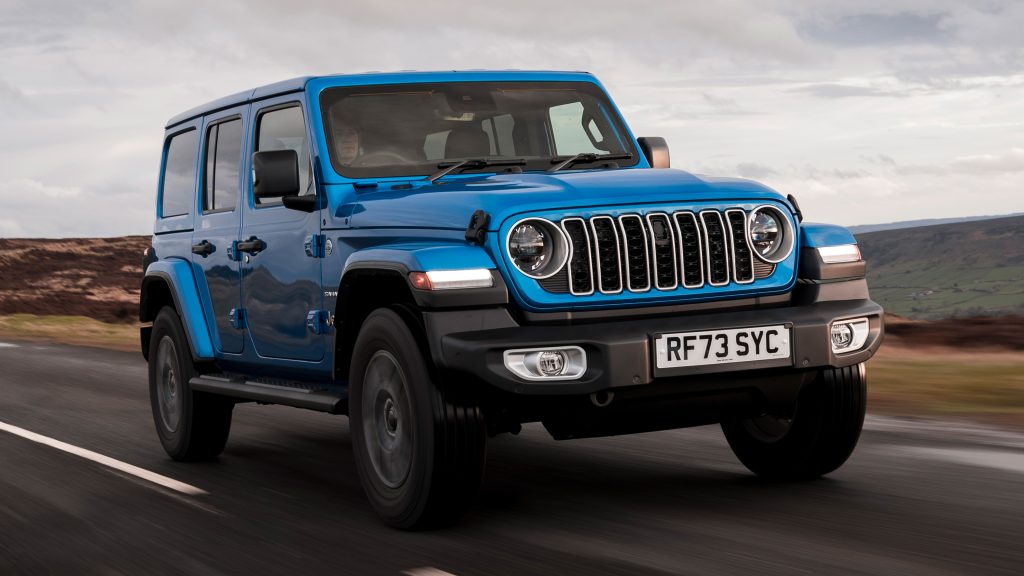
Culturally, the Wrangler has become a symbol of adventure. It is often associated with camping, overlanding, and outdoor lifestyles. Owners frequently modify their vehicles for personal expression, creating a strong community around the brand.
The Jeep Wrangler became a legend by staying true to its off road roots while evolving to meet modern expectations. Its blend of heritage, capability, and personality ensures it remains one of the most iconic SUVs ever built.
9. Porsche Cayenne First Generation
When Porsche introduced the first generation Cayenne in the early 2000s, it shocked many enthusiasts. Porsche was known for sports cars, not family utility vehicles. Yet the Cayenne did more than succeed. It transformed both the brand and the global SUV market, proving that a high performance manufacturer could build an SUV without losing its identity.
One of the most important ways the Cayenne changed the industry was by redefining what an SUV could be in terms of performance. Instead of focusing only on off road ability or cargo space, Porsche engineered the Cayenne to drive like a sports car.
Powerful engines, advanced suspension systems, and precise steering gave it handling that few SUVs could match at the time.
This blend of performance and practicality opened a new segment: the high performance luxury SUV. Buyers who wanted sports car levels of speed but also needed space and versatility suddenly had a compelling option. Other premium brands quickly followed, but the Cayenne was one of the pioneers that proved the formula could work.
The Cayenne also played a critical role in Porsche’s business success. Strong sales helped fund the development of future sports cars and technologies. It showed that expanding into new segments could strengthen a brand rather than dilute it, a lesson many other manufacturers would take to heart.
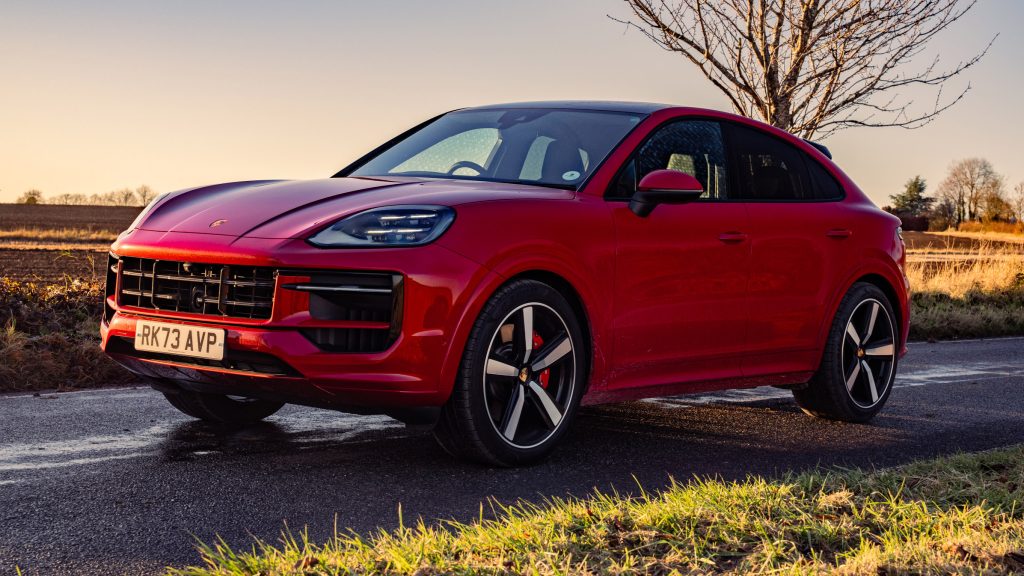
Despite its on road focus, the first-generation Cayenne still offered real off road capability. Advanced all wheel drive systems and adjustable suspension allowed it to handle challenging terrain better than many expected. This versatility helped broaden its appeal even further.
Inside, the Cayenne delivered the quality and driver focused design associated with Porsche. It felt more like a performance machine than a typical utility vehicle, reinforcing the idea that it was something different from traditional SUVs.
The first generation Porsche Cayenne became a legend by breaking boundaries. It proved that performance, luxury, and SUV practicality could coexist, and in doing so, it reshaped both Porsche’s future and the direction of the global SUV market.
10. Toyota Land Cruiser 80 Series
The Toyota Land Cruiser 80 Series is widely regarded as one of the most capable and durable SUVs ever built. Introduced in the 1990s, it built upon the Land Cruiser legacy and elevated it with a combination of modern comfort and uncompromising off road performance.
One of the defining features of the 80 Series is its robust construction. Built with a strong frame, solid axles, and heavy duty drivetrain components, it was engineered to handle extreme conditions. From deserts to mountain trails, it earned a reputation for reaching places where few other vehicles could go.
Its advanced four wheel drive system added to its capability. With features such as locking differentials and low range gearing, the Land Cruiser 80 Series could maintain traction on challenging terrain. It combined strength with control, making it both powerful and predictable off road.
Reliability is central to its legendary status. Owners around the world have reported these vehicles covering enormous distances with proper maintenance. In remote areas where dependability can be a matter of safety, the 80 Series became a trusted companion.
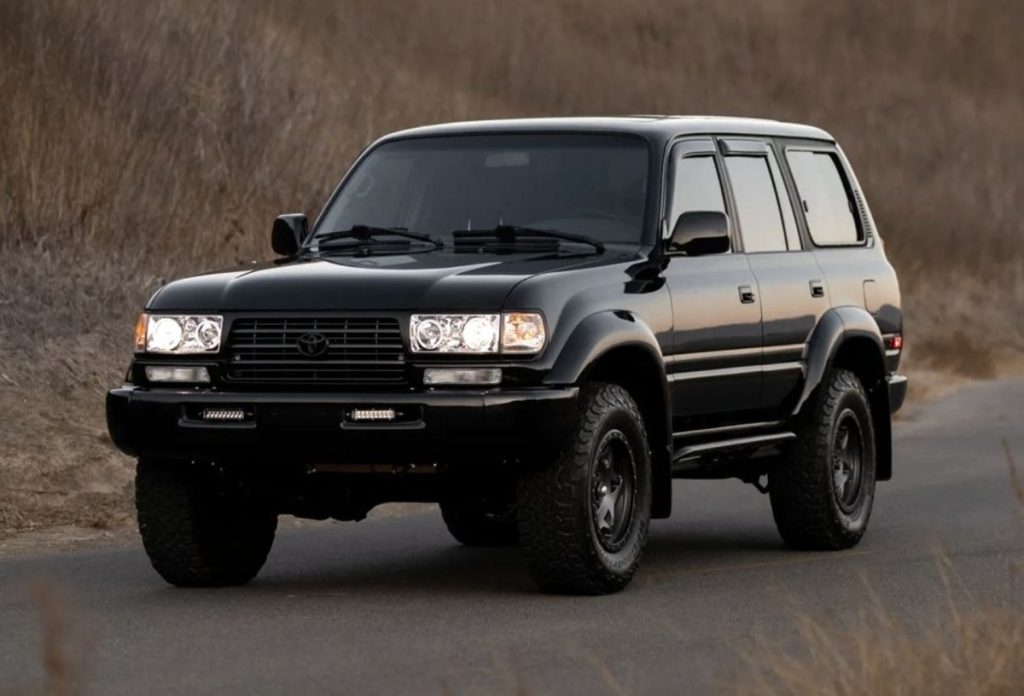
At the same time, it offered improved comfort compared to earlier Land Cruisers. A more refined interior, better ride quality, and modern features made it suitable for long highway journeys as well as off road adventures. This balance between toughness and usability helped it appeal to a wide range of drivers.
The 80 Series also strengthened Toyota’s global image as a maker of vehicles built to last. Its performance in harsh environments reinforced the Land Cruiser name as a symbol of durability and resilience.
The Toyota Land Cruiser 80 Series became an automotive legend by combining old school toughness with modern refinement. Its ability to handle almost any terrain while remaining comfortable and dependable ensures its place among the most respected SUVs ever produced.
Also Read: Top 10 GM Engines Known for High Maintenance Nightmares