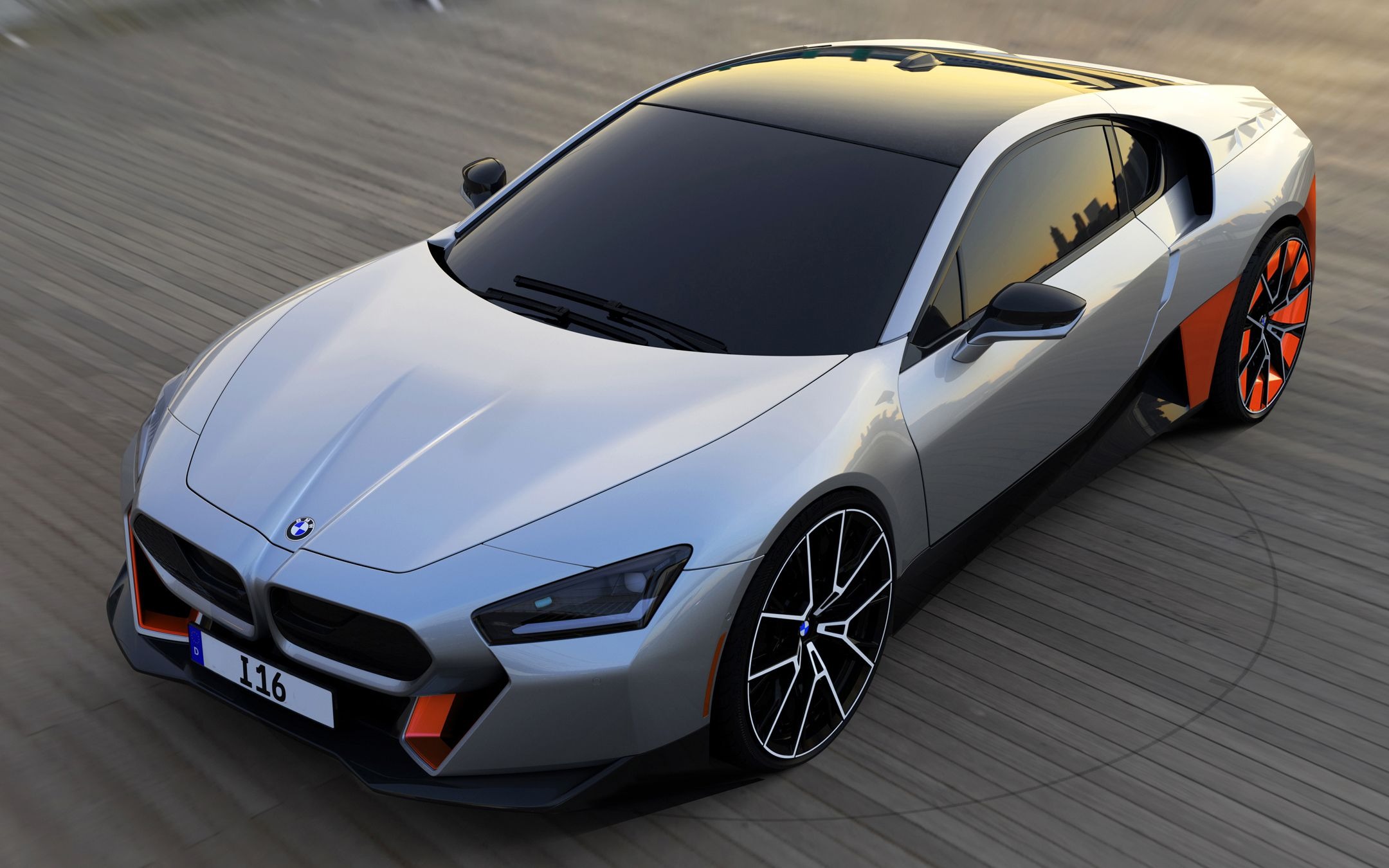
Car design is usually tied to its era. Shapes, lights, interiors, and even proportions often reveal exactly when a vehicle was created. Yet every so often, a car arrives that feels ahead of its time. Years or even decades later, it still looks modern, daring, and futuristic, as if it belongs in tomorrow rather than yesterday.
These forward thinking cars often break design norms. They use unusual proportions, bold lighting signatures, clean surfacing, or advanced materials that make them stand apart from their contemporaries.
While many vehicles age quickly as trends change, these rare designs seem to exist outside of fashion. They remain fresh long after their production run ends.
Part of what makes a car look futuristic is confidence in simplicity. Clean lines, minimal clutter, and strong overall shapes tend to age better than overly busy designs.
At the same time, innovative technology and unique details can give a car a timeless science fiction presence. When designers balance these elements well, the result can look relevant for decades.
These cars also influence the future. Many vehicles that still look advanced today introduced ideas that later became mainstream.
From lighting designs to body shapes and interior layouts, they helped push the industry forward. That lasting influence reinforces their futuristic image, because modern cars often echo features they pioneered.
The following ten cars come from different eras and segments, but they share one thing in common. Even now, they still look like they belong in the future. Let’s start with two machines whose designs continue to turn heads and challenge expectations years after they first appeared.
Also Read: 10 Affordable Vehicles With Cabins That Show Wear Quickly
1. Lamborghini Reventon
The Lamborghini Reventon looked like it drove straight out of a stealth fighter hangar when it debuted, and even today it still feels more like a concept vehicle than a production car. Its sharp, angular bodywork broke away from the rounded supercar shapes that were common at the time, replacing curves with dramatic, faceted surfaces.
Inspired by military aircraft, the Reventon used flat planes and hard edges that gave it an almost digital appearance. Light and shadow played across its body in a way that made it look constantly in motion, even when parked. This design language helped it stand apart not just from other Lamborghinis, but from nearly everything else on the road.
The front end was especially striking, with narrow, aggressive headlights and deep air intakes that created a menacing, futuristic face. The rear continued the theme with geometric shapes and high mounted exhaust outlets, reinforcing the idea that this was a machine built with aerospace inspiration rather than traditional automotive cues.
Inside, the futuristic theme continued with a cockpit that felt more like a jet than a car. Digital displays, unique graphics, and angular trim pieces made the interior feel experimental and forward thinking. Even years later, it does not look outdated in the way many early digital dashboards do.
Because it was produced in very limited numbers, the Reventon never became common enough to feel familiar. That rarity has helped preserve its futuristic aura. It still turns heads as if it were a new concept car, not a vehicle that has been around for years.
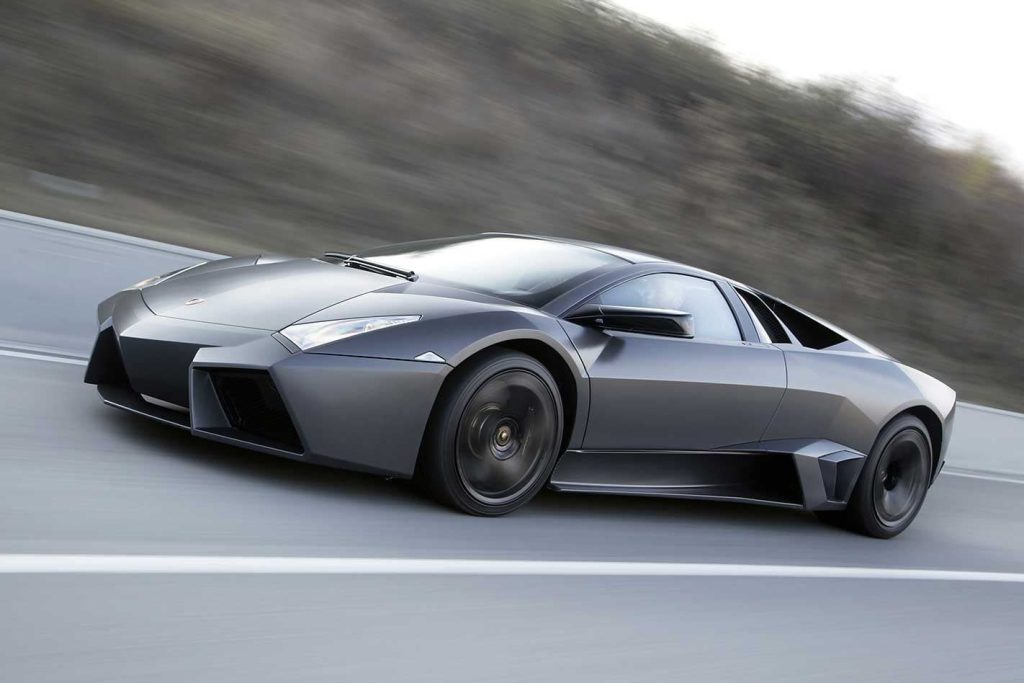
The Reventon proved that bold, unconventional design can age better than safe styling. Its radical approach still looks modern today, making it one of the clearest examples of a car that continues to look like the future.
2. BMW i8
The BMW i8 redefined what a hybrid sports car could look like, and its design still feels futuristic long after production ended. At a time when many eco friendly cars looked conservative, the i8 arrived with dramatic proportions, flowing lines, and a body that seemed sculpted by the wind.
One of its most striking features was the layered bodywork. Floating buttresses at the rear, deep side cutouts, and contrasting color panels created a complex yet clean shape. The design looked lightweight and high tech, perfectly matching the car’s advanced hybrid powertrain and carbon fiber structure.
The lighting elements also played a big role in its futuristic presence. Slim headlights and distinctive rear light signatures gave the i8 a sharp, modern face. These lighting designs still look current today, blending seamlessly with the trends seen in much newer vehicles.
The interior continued the forward looking theme. A driver focused layout, digital displays, and sustainable materials created a cabin that felt more like a concept car than a traditional BMW. Even the way the doors opened upward added to the sense that this was a car from the future rather than the present.
The i8’s proportions helped it stand out as well. Its low nose, wide stance, and cab forward design gave it the presence of an exotic supercar, even though its mission also included efficiency. This unexpected combination of eco technology and dramatic styling helped it avoid looking dated as trends evolved.
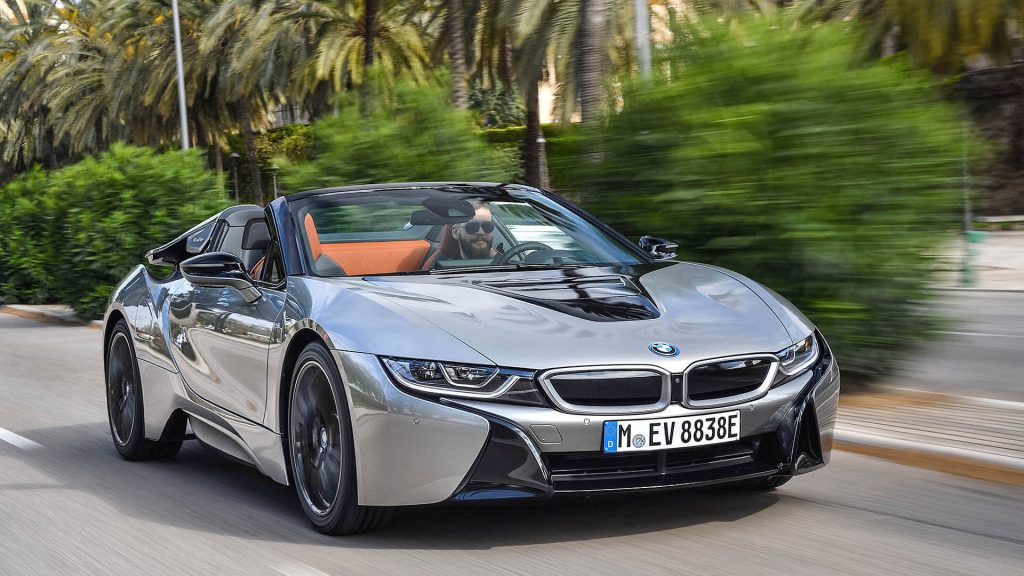
Years later, the BMW i8 still looks like a vision of tomorrow’s sports car. Its blend of advanced materials, bold design, and innovative engineering gives it a timeless futuristic quality that few production cars achieve.
3. Audi R8 First Generation
When the first generation Audi R8 appeared, it looked less like a traditional supercar and more like a machine from a science fiction film. Even years later, its clean surfaces and high tech details still give it a modern, forward thinking presence that blends easily with far newer designs.
One reason the R8 has aged so well is its simplicity. The body is defined by smooth, confident shapes rather than excessive vents or decorative lines. Large, flowing panels give it a solid, sculpted appearance that avoids looking tied to any specific design trend. This restraint helps it remain timeless.
The contrasting side blade is one of its most distinctive features. At the time, this bold design element looked radical, almost like a piece of exposed structure. Today, it still feels innovative and architectural, giving the car a unique identity that sets it apart from other supercars of its era.
The front end also contributed to its futuristic image. Slim headlights and a wide, low grille gave the R8 a focused, technical look. Later updates introduced LED lighting that made it appear even more advanced. Even early versions still look contemporary thanks to their clean integration of lights and bodywork.
Inside, the R8 continued the high tech theme with a driver focused layout and high quality materials. The cabin felt modern without being overly complicated, and its solid, minimalist design has aged better than many interiors filled with flashy but short lived styling cues.
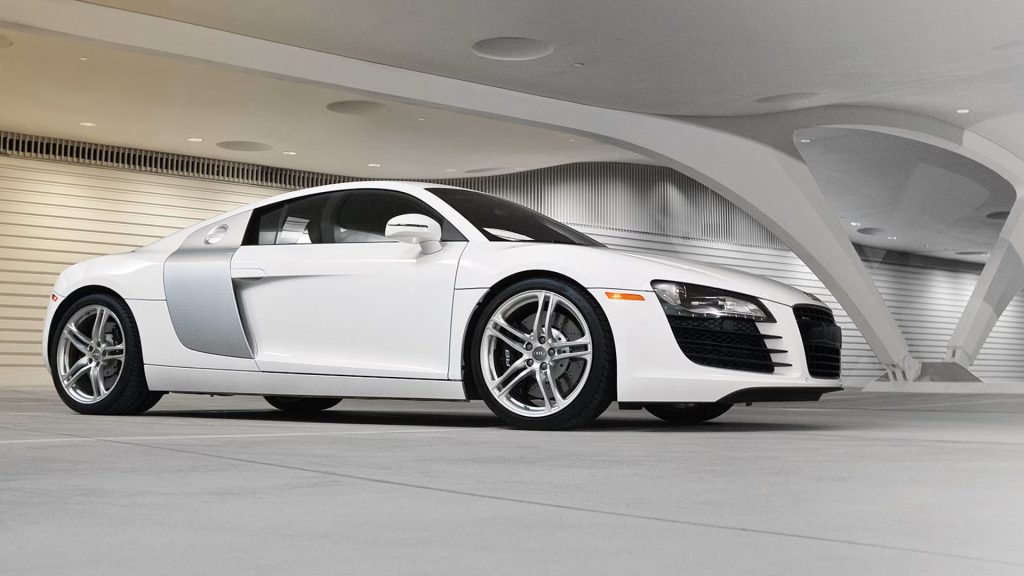
Proportions played a big role as well. The R8 sits low and wide, with short overhangs and a cab forward stance that emphasize performance and balance. These classic mid engine supercar proportions help it look right no matter how design trends shift around it.
The first generation Audi R8 shows how thoughtful, restrained design can create a car that still looks advanced long after its launch. Its blend of simplicity, precision, and unique details ensures it continues to look like it belongs in the future.
4. Tesla Model S
The Tesla Model S changed expectations not just for electric cars, but for how a modern sedan could look. When it debuted, its clean lines and minimal detailing made many traditional luxury sedans seem busy and outdated. Even today, its design still feels fresh and contemporary.
One of the most important elements of the Model S design is its smooth, uncluttered body. With no need for a large traditional grille, the front end looks sleek and aerodynamic. This simplicity gives the car a timeless quality that has allowed it to age gracefully while many other designs from the same era now look overly complex.
The side profile is equally clean, with a long, flowing roofline and subtle character lines. The proportions make it look more like a futuristic grand tourer than a conventional four door sedan. Flush door handles and carefully integrated trim pieces further reinforce its advanced, almost concept car feel.
Lighting also plays a role in its lasting futuristic look. Slim headlights and simple rear light signatures give the Model S a modern face that still blends easily with much newer vehicles. Tesla’s decision to avoid overly trendy details has helped the design remain relevant.
Inside, the Model S introduced a level of minimalism that was shocking at the time. A large central touchscreen replaced most physical buttons, creating an interior that felt more like a piece of modern technology than a traditional car. While many manufacturers have since followed this approach, the Model S was one of the pioneers.
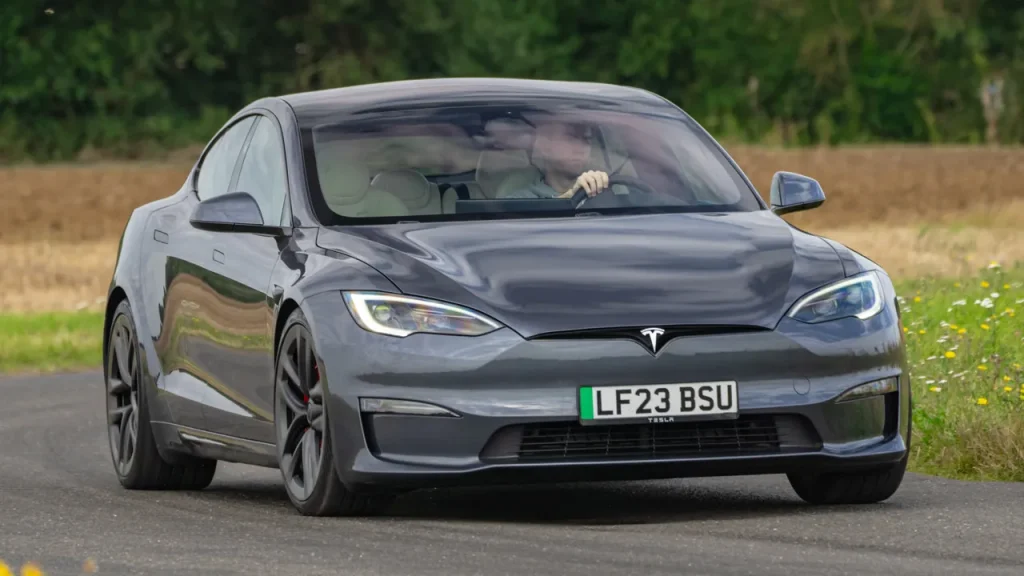
The combination of aerodynamic efficiency, minimal decoration, and a tech focused interior gives the Model S a design that still looks like it belongs to the future. It set a new visual language for electric vehicles and modern sedans, and its influence is still visible across the industry today.
5. Chevrolet Corvette C8
When the Chevrolet Corvette C8 arrived with its mid engine layout, it did not just change how the car drove, it completely transformed how it looked.
The new proportions and dramatic bodywork made it appear more like a European exotic than a traditional American sports car. Even today, it still looks like something from the future rather than a typical production vehicle.
The shift to a mid engine design allowed the C8 to adopt a cab forward stance, with a short nose and a wide, planted rear. This gave it supercar proportions that immediately felt modern and high tech. The balance between the front and rear overhangs creates a dynamic profile that still turns heads years after launch.
Sharp lines and bold air intakes add to its futuristic presence. The bodywork looks tightly wrapped around the mechanical components, with dramatic shapes that guide air through and around the car. These functional elements double as visual highlights, making the design feel purposeful rather than decorative.
Lighting plays a key role in the C8’s modern look. Slim, angular headlights and sharply defined rear lights give it a high tech signature that fits perfectly with today’s design trends. Yet the overall shape is so distinctive that it does not feel tied to a single era, helping it maintain a forward looking identity.
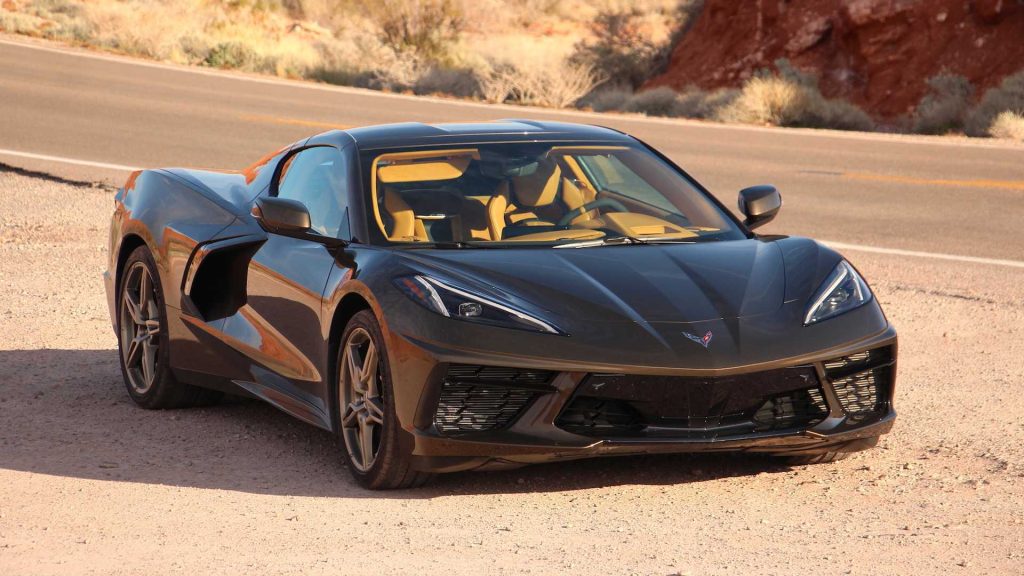
Inside, the cockpit continues the theme with a driver focused layout that feels like a jet fighter. A tall console filled with controls separates driver and passenger, creating a sense of being in a specialized machine. Digital displays and angular design details reinforce the idea that this is a car built with the future in mind.
The Corvette C8 proves that a major engineering change can also unlock a bold new design language. Its exotic proportions and dramatic surfaces ensure it still looks like a concept car you can drive every day.
6. Lexus LFA
The Lexus LFA was designed with such attention to detail and advanced materials that it still looks futuristic long after production ended. Its shape combines flowing curves with sharp technical elements, creating a car that feels both organic and engineered at the same time.
One of the reasons the LFA has aged so well is its unique surfacing. The body panels are sculpted with subtle transitions that catch light in constantly changing ways. This gives the car a sense of motion and tension, even when it is standing still. The design avoids excessive decoration, relying instead on pure form.
The front end features deep air intakes and slim headlights that give it a focused, almost robotic expression. These elements look just as modern today as they did at launch, blending seamlessly with current high performance design language.
The rear of the car is equally distinctive, with sharp lines, a high mounted exhaust, and an aerodynamic profile that looks purposeful and advanced. Nothing about the design feels dated or tied to a short lived trend. It still looks like a machine built with future technology.
Inside, the LFA’s digital instrument display was groundbreaking. The tachometer is displayed on a screen because a traditional mechanical gauge could not keep up with the engine’s rapid revving. Even now, this detail feels innovative and futuristic rather than outdated.
The use of carbon fiber reinforced plastic throughout the car also contributes to its timeless, high tech image. The LFA was not just styled to look advanced, it was engineered that way, and that authenticity shows in its design.
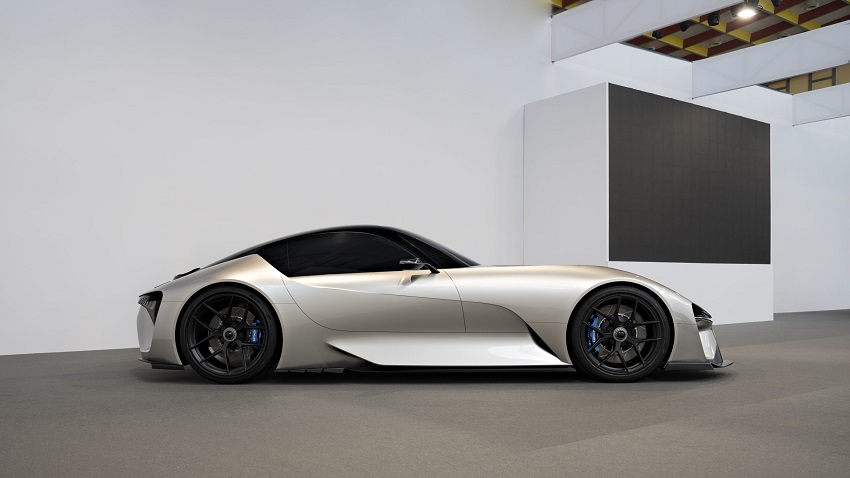
The Lexus LFA remains a clear example of how thoughtful design and advanced materials can create a car that still looks like it belongs in tomorrow, not yesterday.
7. Mercedes Benz CLS First Generation
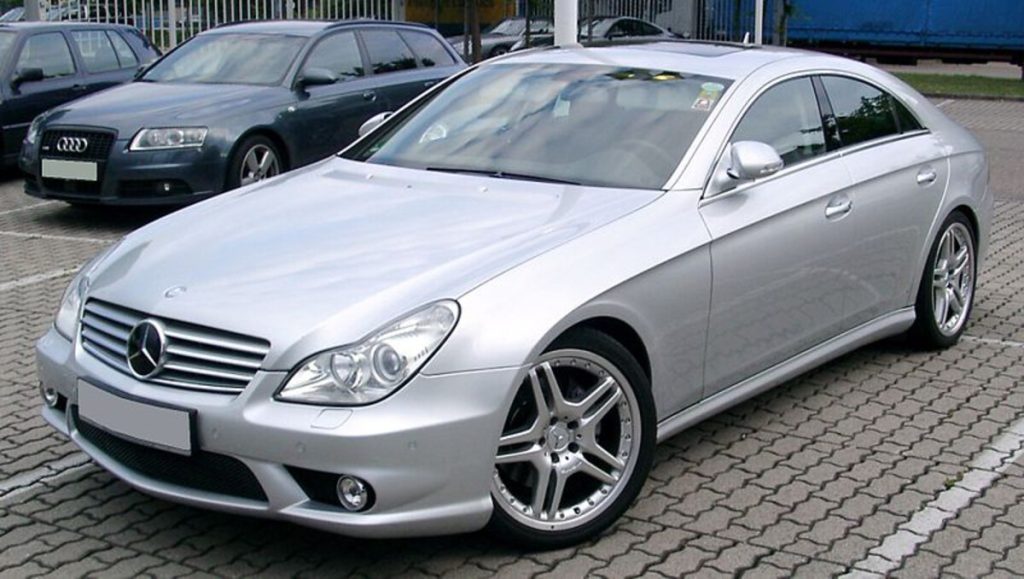
When the first generation Mercedes Benz CLS debuted, it completely changed expectations for what a luxury sedan could look like. Instead of the traditional upright three box shape, it introduced a sleek four door coupe profile that looked far more like a futuristic concept than a conventional executive car. Even today, its silhouette still feels modern and influential.
The roofline is the key to its lasting impact. The CLS features a long, flowing arc that stretches from the windshield to the rear deck, creating a coupe like shape without sacrificing rear doors. At the time, this was a radical departure from boxy luxury sedans. Today, many brands offer similar shapes, but the original CLS still looks clean and ahead of its era.
The body surfacing also helped it age gracefully. Rather than using sharp creases or heavy detailing, the designers focused on smooth, confident forms. Light moves gently across the panels, giving the car a sculpted, almost fluid appearance. This restraint keeps the design from looking tied to any short lived trend.
The front end carries a focused, elegant expression with swept back headlights and a low, wide grille. Even compared to much newer Mercedes models, the first CLS does not look out of place. Its proportions and lighting feel balanced and sophisticated rather than dated.
At the rear, the tapered shape and subtle lip spoiler give it a sporty yet refined finish. The rear window angle and trunk integration were carefully designed, helping the car look cohesive from every angle. Many sedans from the same era now look heavy or awkward, while the CLS still appears sleek.
Inside, the cabin combined traditional luxury with a driver oriented layout. High quality materials, flowing shapes, and a relatively uncluttered dashboard design have allowed the interior to age better than many early digital heavy cabins. It still feels upscale and thoughtfully designed.
The CLS also influenced an entire generation of cars. The four door coupe idea spread across the industry, with many manufacturers adopting similar rooflines and proportions. Because modern cars now echo its shape, the original CLS continues to look contemporary rather than old.
The first generation CLS proves that bold proportion changes can redefine an entire segment. Its elegant, coupe inspired form still looks like a vision of the future, even many years after it first appeared.
8. Nissan GT R R35
When the Nissan GT R R35 launched, it looked like a high tech machine built more for the future than the present. Its design combined sharp edges, complex surfaces, and functional aerodynamics into a shape that still feels modern and purposeful today.
The overall form of the GT R is muscular and technical. Rather than soft curves, it uses taut surfaces and crisp lines that suggest strength and precision. Every vent, crease, and intake appears to serve a purpose, giving the car an engineered look that has aged better than many purely stylistic designs.
The front end is defined by a wide grille and angular headlights that give the GT R a serious, almost robotic expression. This face still looks contemporary because it focuses on function and proportion rather than decorative trends. It appears built to cut through the air with efficiency and force.
From the side, the GT R’s proportions emphasize performance. A long hood, short rear deck, and strong rear haunches create a planted stance. The roofline flows cleanly into the rear, giving the car a sense of forward motion even when it is parked.
The rear of the GT R is instantly recognizable, thanks to its four round taillights and bold aerodynamic elements. While the circular lights reference earlier generations, their execution feels modern and almost digital. Combined with the rear diffuser and wide stance, the back of the car still looks like it belongs on a cutting edge performance machine.
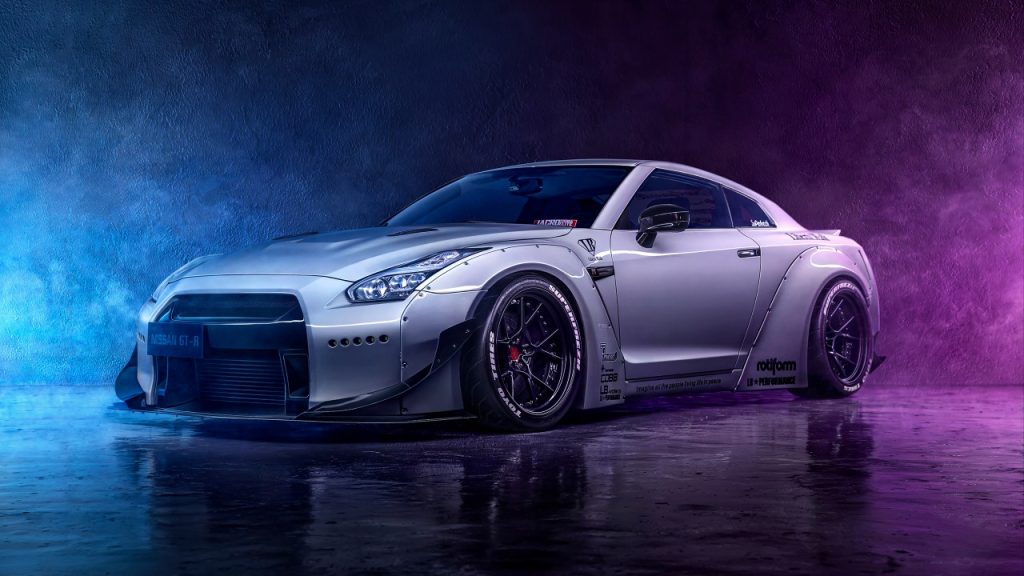
Inside, the GT R blends performance focus with advanced technology. Early models featured multi function digital displays that showed performance data in real time, which felt extremely futuristic at launch. Even today, this emphasis on data and driver information aligns well with modern performance car trends.
What helps the R35 GT R remain futuristic is that its design was always driven by function. Aerodynamics, cooling, and high speed stability shaped the body, giving it an authenticity that does not go out of style. It looks like a machine built to achieve something, not just to follow fashion.
Years after its debut, the R35 GT R still looks advanced and serious. Its combination of aggressive engineering and purposeful styling ensures it continues to look like a car from the future rather than a relic of the past.
9. Peugeot RCZ
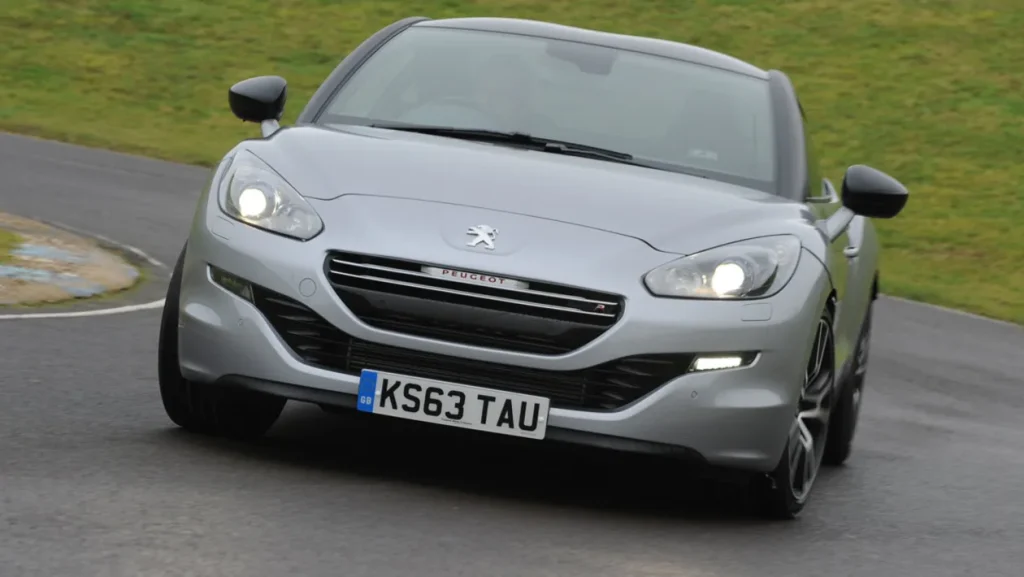
The Peugeot RCZ arrived as a compact sports coupe, but its design was so unusual and forward thinking that it still looks like a concept car brought to life. Even years after production ended, it stands out in traffic as something futuristic and different from almost anything else on the road.
The most striking feature of the RCZ is its double bubble roof. This design element, with two raised arcs flowing from the windshield to the rear window, gives the car a sculptural, aerodynamic look.
It feels inspired by aviation and high speed design rather than traditional automotive shapes. Even today, very few production cars use anything similar, which helps the RCZ retain its futuristic presence.
The rear window design adds to this effect. Instead of a conventional hatch or coupe glass shape, the RCZ uses a deeply curved rear screen that wraps into the body.
This creates a smooth, flowing surface that looks advanced and highly engineered. The way the roof and glass blend together gives the car a sense of motion even when it is parked.
From the side, the RCZ’s proportions are compact but dramatic. The low roofline, pronounced wheel arches, and short overhangs create a stance that feels sporty and modern. There is a tightness to the design, as if every surface was carefully shaped for both aerodynamics and visual impact.
At the front, the RCZ features slim headlights and a wide, low grille that give it a focused, technical expression. The lighting and sculpted bumper surfaces still look contemporary, especially compared to many cars from the same era that relied on busier, more decorative front ends.
The interior continues the futuristic theme with a driver focused layout and a flowing dashboard design.
Metallic accents and a compact, cockpit like feel make it seem more like a small sports concept than a typical compact coupe. Even today, the cabin does not feel dated because it avoids overly trendy elements.
What truly keeps the RCZ looking futuristic is its uniqueness. It did not start a design trend that later became common. Instead, it remains a rare example of bold, sculptural design that has not been overused. That rarity helps it look fresh and unexpected years later.
The Peugeot RCZ proves that daring proportions and creative surfacing can give even a small car a lasting futuristic identity.
10. Hyundai Ioniq 5
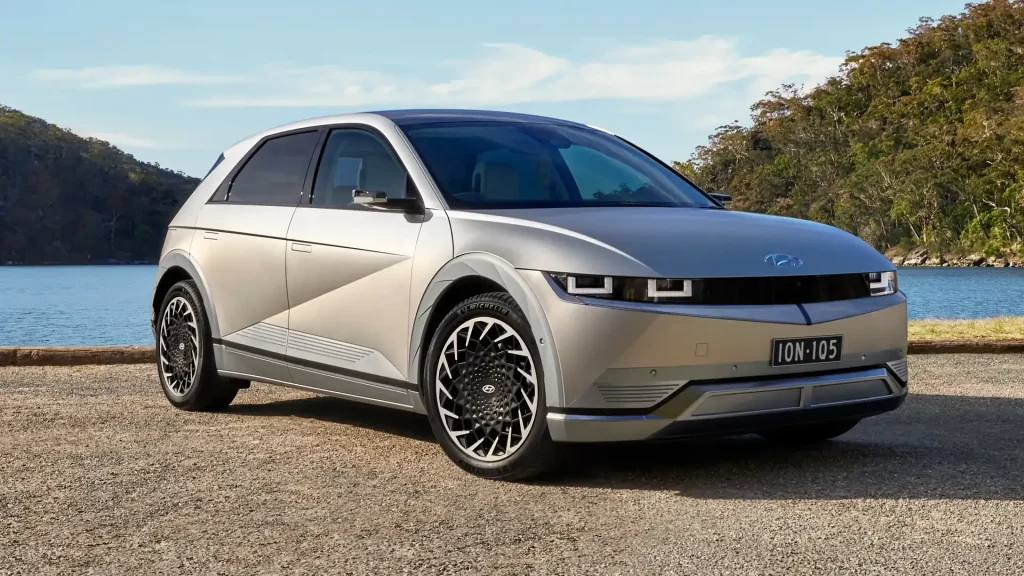
The Hyundai Ioniq 5 manages to look both retro inspired and futuristic at the same time, a rare combination that gives it a design unlike almost anything else on the road. Its clean lines, sharp details, and advanced lighting make it feel like a concept car that somehow made it to production unchanged.
One of the most distinctive aspects of the Ioniq 5 is its pixel inspired lighting. The small square elements used in the headlights and taillights create a digital, high tech signature that looks more like something from a science fiction film than a traditional car. This lighting theme immediately signals that the vehicle belongs to a new era of design.
The overall body shape is equally unconventional. With a long wheelbase, short overhangs, and a hatchback like form, the Ioniq 5 avoids the typical SUV or sedan silhouette. Its sharp character lines and flat surfaces give it a geometric, almost architectural presence that feels modern and deliberate.
The side profile is especially futuristic. Flush door handles, crisp creases, and large wheels pushed to the corners create a stance that looks stable and advanced. The design feels clean and confident, with very little unnecessary decoration.
Inside, the cabin takes the futuristic theme even further. The flat floor made possible by its electric platform allows for a spacious, lounge like interior. Twin digital screens, a minimalist dashboard, and movable center console give the cabin a flexible, tech driven feel that aligns perfectly with its exterior design.
The Ioniq 5 also stands out because it does not resemble most other electric vehicles. Instead of copying smooth, rounded shapes, it embraces sharp geometry and bold proportions. This willingness to be different helps it maintain a fresh, future focused identity.
Even as more new electric cars appear, the Ioniq 5 still looks ahead of its time. Its blend of digital lighting, clean surfacing, and innovative proportions ensures it will continue to feel futuristic for many years to come.
Also Read: 10 Ultra-Rare German Cars Built in Limited Numbers