
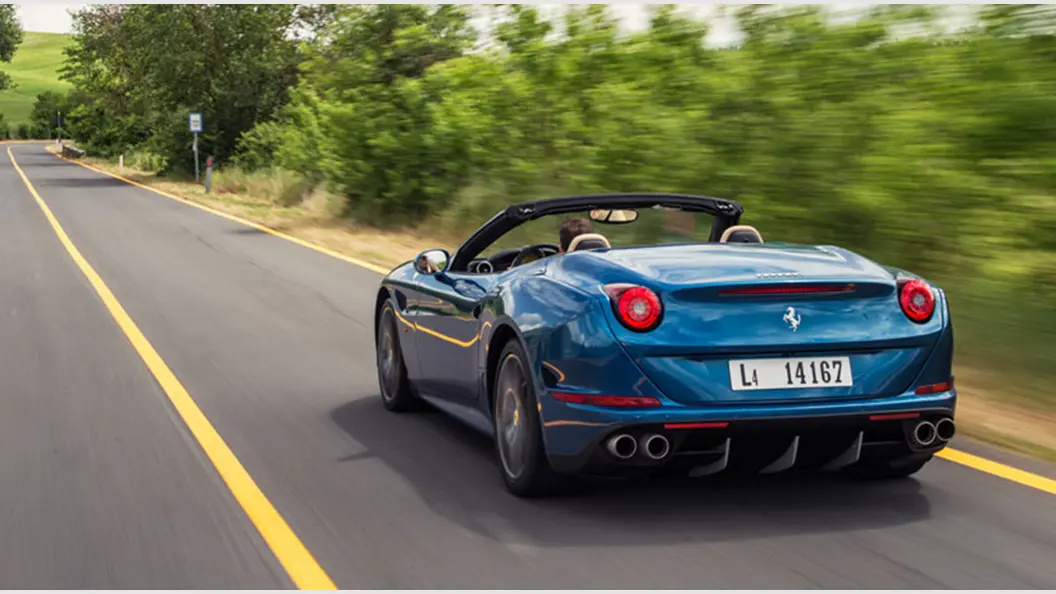
Supercars are often seen as rolling investments, machines so desirable and exclusive that many people assume their values will stay strong or even rise.
While a small number of limited production icons do become highly sought after collectibles, the reality is that many supercars follow the same financial rules as ordinary vehicles. Once the initial excitement fades and newer models arrive, values can drop more quickly than buyers expect.
Depreciation in the supercar world can be especially dramatic because these cars usually start with very high price tags. Even a modest percentage drop can translate into a huge amount of money.
Early owners often pay a premium for being first, but within a few years, used examples may appear at significantly lower prices as supply increases and demand shifts toward the latest releases.
Several factors influence how fast a supercar loses value. High production numbers compared to more exclusive models, expensive maintenance, complex technology, and changing brand trends all play a role. Cars that were once seen as cutting edge can quickly feel outdated when a more powerful or advanced successor is introduced.
This rapid depreciation is not always bad news. For enthusiasts willing to buy used and accept higher running costs, it can open the door to performance and prestige that would have been financially out of reach when the cars were new. Understanding which models tend to fall in value more quickly can help buyers make smarter decisions.
Here are ten supercars that surprised many owners with how quickly their prices softened, starting with two machines that delivered thrilling performance but could not escape the harsh realities of the used market.
Also Read: 10 Cars That Feel Tiring in Stop-and-Go Traffic
1. Audi R8 V10 First Generation
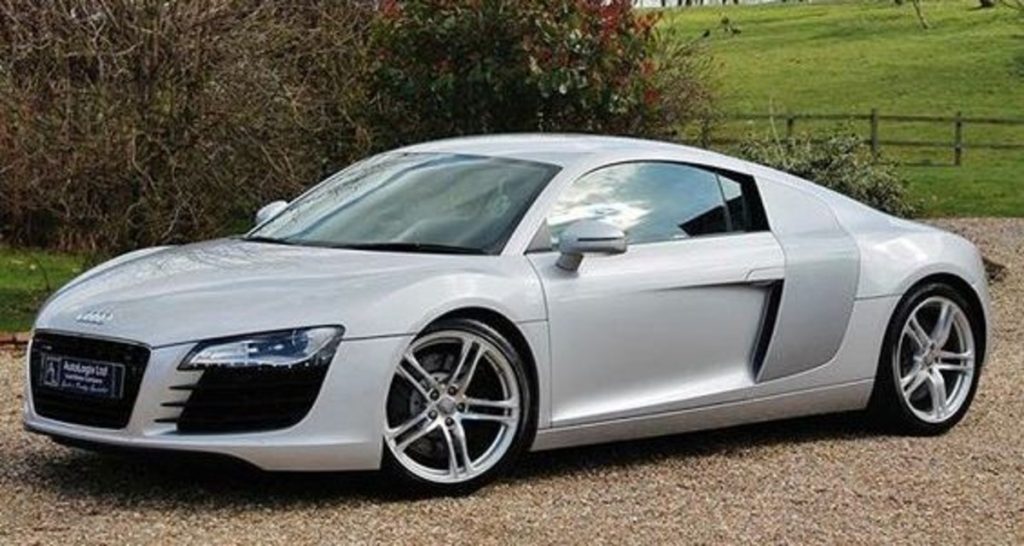
The first generation Audi R8 V10 combined supercar performance with everyday usability, making it one of the most appealing exotic cars of its time.
With its Lamborghini derived engine, striking design, and comfortable interior, it seemed like a safe choice for buyers who wanted both excitement and practicality. However, its values fell more than many early owners expected.
One reason for this depreciation is production volume. Compared to some limited run supercars, the R8 was built in relatively high numbers. This means there are plenty of used examples available, which naturally pushes prices down as supply exceeds the pool of buyers looking for a secondhand exotic.
The arrival of newer versions also played a role. As Audi introduced updated R8 models with more power, improved technology, and fresh styling, earlier V10 versions began to feel less special. Buyers who could afford a used R8 often chose the newer generation, putting downward pressure on the older cars.
Running costs also affect long term values. While the R8 is known for better reliability than some exotics, it still comes with supercar level maintenance and parts prices. Potential buyers factor these expenses into their budgets, which can limit demand in the used market.
Technology and interior design are other considerations. Early R8 cabins, while high quality, lack some of the modern infotainment and driver assistance features found in newer performance cars. As expectations rise, older interiors can make a car feel dated, even if the driving experience remains impressive.
Despite the depreciation, the R8 V10 remains a fantastic car to drive. For second or third owners, falling prices can make it an incredible value.
But for those who bought new expecting rock solid resale, the drop in value came as a surprise, proving that even well regarded supercars are not immune to market realities.
2. McLaren MP4 12C
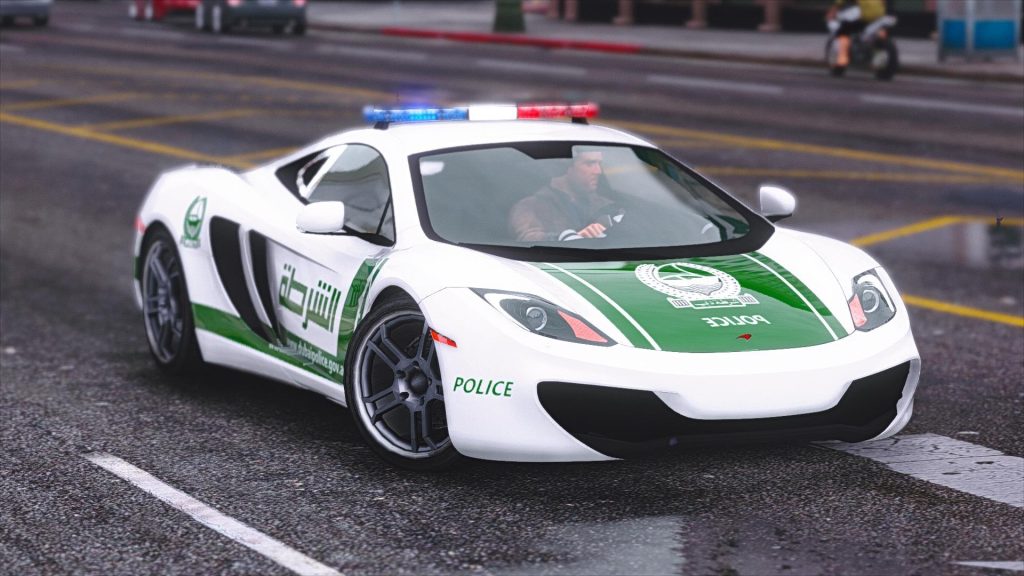
The McLaren MP4 12C marked the brand’s return to seriously building road cars. It offered cutting edge carbon fiber construction, a powerful twin turbo V8, and advanced suspension technology. On paper, it had everything needed to compete with the best supercars in the world. Yet it also became known for losing value faster than many rivals.
Part of the issue was brand perception at the time. McLaren was still reestablishing itself as a road car manufacturer, and early buyers were unsure how well the cars would hold up over time. This uncertainty affected resale values as the used market developed.
The MP4 12C also faced heavy competition from established names. Ferrari and Lamborghini had strong brand recognition and loyal customer bases. Even if the McLaren matched or exceeded them in performance, some buyers preferred the heritage and image of other marques when shopping used.
Frequent updates and new models from McLaren did not help. As the company rapidly introduced improved versions and successors, earlier cars seemed to age quickly. Each new release made the previous one feel less special, which accelerated depreciation.
Complex technology also played a role. Advanced suspension systems and electronic features can be expensive to repair outside of warranty. Prospective buyers worried about potential costs, which reduced demand for older examples and pushed prices down further.
Although the MP4 12C is an impressive machine with serious performance credentials, its early years in the market were marked by rapid value drops. For buyers who paid full price at launch, depreciation was steep. For later owners, however, it became an opportunity to access supercar performance at a much lower entry cost.
3. Ferrari California
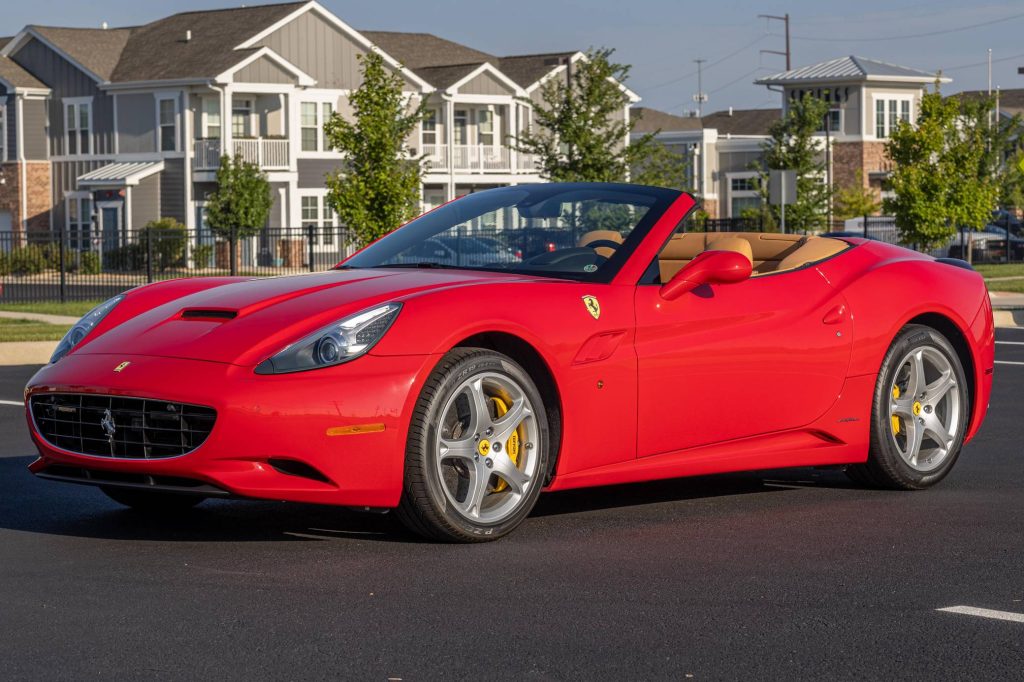
The Ferrari California was designed to broaden the brand’s appeal. With a front mounted V8, a folding hardtop, and more comfortable road manners, it aimed to be a usable grand touring Ferrari rather than a focused track machine. While this made it attractive to a wider audience, it also contributed to faster depreciation.
One key factor was perception among enthusiasts. Traditional Ferrari buyers often favored mid engine models with sharper, more aggressive personalities. The California, with its softer image and emphasis on comfort, was sometimes seen as less of a pure sports car. This affected demand on the used market, where buyers often chase the most iconic versions.
Production numbers were also relatively high by Ferrari standards. More cars on the market means more competition among sellers, which tends to push prices downward. As newer Ferrari models appeared, many Californias entered the used market at the same time, increasing supply further.
The car’s positioning as an entry point into Ferrari ownership also played a role. Many buyers used it as their first Ferrari, then moved on to other models. This created a steady flow of used examples, again putting pressure on values.
Technology and design aging also had an impact. While still stylish, early Californias now show their age compared to newer Ferraris with more advanced infotainment and driver assistance features. As expectations evolve, older cabins can feel less special.
Maintenance costs remain firmly in the supercar range. Even though the California was meant to be more practical, servicing, repairs, and insurance are still expensive. This reality limits the number of buyers willing to take the plunge on a used example.
The Ferrari California delivers a wonderful driving experience with the top down and the V8 singing, but its broader focus and higher production numbers meant it did not hold value like more focused or limited Ferraris. For secondhand buyers it can be a relative bargain, but for original owners depreciation was significant.
4. Lamborghini Gallardo LP560 4
The Lamborghini Gallardo LP560 4 offered dramatic styling, a high revving V10, and all wheel drive traction, making it one of the most desirable supercars of its era. However, despite its performance and badge appeal, it experienced notable depreciation as the years passed.
One of the reasons is production volume. The Gallardo was Lamborghini’s best selling model at the time, produced in large numbers compared to earlier, rarer Lamborghinis. This greater availability on the used market naturally led to softer prices as supply grew.
The introduction of the Huracan, its successor, accelerated this trend. The newer car offered updated styling, improved technology, and more refined performance. Buyers with the budget for a used Lamborghini often chose the Huracan, which made the older Gallardo seem less current.
Interior design and technology also dated over time. While the exterior remains striking, early Gallardo cabins feel less modern compared to newer supercars. Infotainment systems and materials reflect their era, which can influence resale values in a market where buyers expect a certain level of modern comfort.
Running costs are another factor. Even though the LP560 4 is more reliable than some older exotics, maintenance, parts, and insurance are still expensive. Potential buyers factor these ongoing costs into their decisions, which can limit demand for older examples.
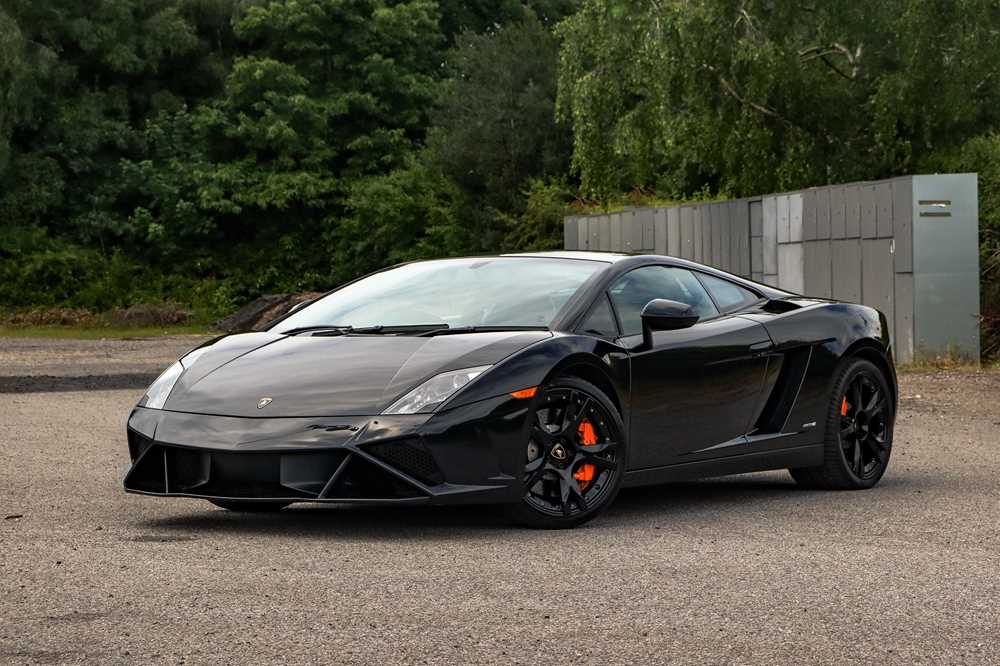
The Gallardo’s popularity when new also means many examples were driven regularly rather than stored as collectibles. Higher mileage cars are more common, and that further affects prices in the used market.
Despite this depreciation, the Gallardo LP560 4 remains an exciting and visually dramatic supercar.
For enthusiasts, shopping for used, falling values can make it a dream car within reach. For early buyers, however, the drop in price showed that even a Lamborghini can lose value quickly once newer models take the spotlight.
5. Nissan GT R R35 Early Models
The Nissan GT R R35 shocked the performance world when it launched. With supercar crushing acceleration and advanced technology at a relatively low price, it earned the nickname giant killer. However, its market position and long production life contributed to faster depreciation than some buyers predicted.
One of the main reasons is production volume and longevity. Unlike limited run exotics, the R35 stayed in production for many years with frequent updates. Each revision brought more power, improved suspension, and updated features. As newer versions appeared, early models quickly felt outdated, which pushed their values down.
Brand perception also played a role. While the GT R delivers performance that rivals much more expensive cars, it does not carry a traditional exotic badge. Some buyers in the used supercar market prioritize brand prestige along with speed, which can affect demand and resale values.
Interior quality and technology in early R35 models now show their age. Compared to newer supercars, the cabin can feel less luxurious and more utilitarian. As expectations rise for high end interiors, older designs can become a liability in the resale market.
Maintenance and repair costs are another factor. Although generally robust, the GT R uses specialized components and requires knowledgeable technicians. Repairs can be expensive, and this reality can discourage some potential buyers, further affecting resale values.
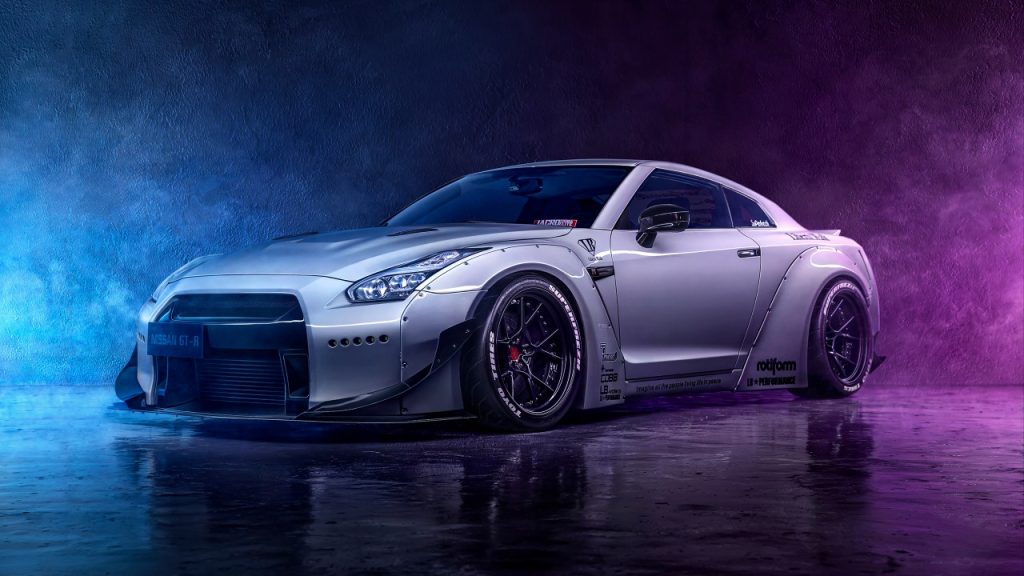
The GT R R35 remains an astonishing performance machine, especially considering its price when new. For secondhand buyers, depreciation has made it an incredible value. For early owners, however, the steady flow of updated versions meant their cars lost value more quickly than many traditional supercars.
6. Maserati GranTurismo MC Stradale
The Maserati GranTurismo MC Stradale combined Italian style, a charismatic V8 sound, and sharper performance than the standard GranTurismo. It looked and sounded every bit the exotic, yet its values dropped more than many buyers expected.
One factor is brand positioning. Maserati sits in a unique space between mainstream luxury and true supercar brands. While the MC Stradale is fast and dramatic, it does not have the same collector appeal as some rivals from Ferrari or Lamborghini. This affects long term demand.
The model also shared much of its basic design with the standard GranTurismo, which had a long production run. As newer luxury performance cars entered the market with more modern technology, the MC Stradale began to feel dated inside, even though its exterior still looked stunning.
Practicality as a grand tourer rather than a focused supercar also influenced values. Buyers seeking track focused machines might look elsewhere, while those wanting luxury GT comfort might prefer newer, more tech heavy alternatives. This middle ground positioning limited its audience.
Running costs are firmly in the exotic range. Maintenance, parts, and fuel consumption can be significant. Potential buyers factor these expenses into their budgets, which can reduce demand on the used market.
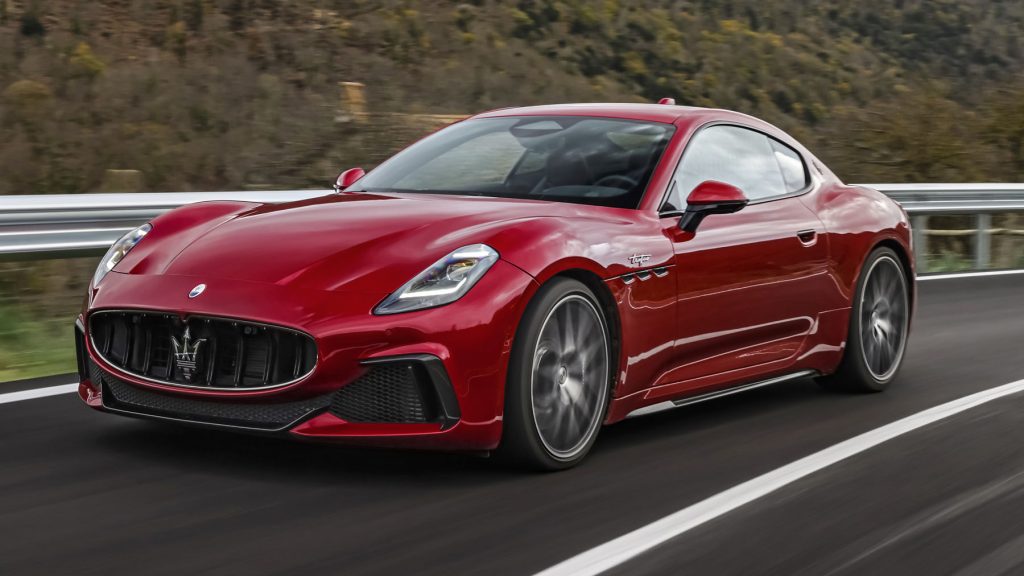
Despite depreciation, the MC Stradale offers an emotional driving experience, highlighted by its naturally aspirated V8 and striking design.
For used buyers, falling prices make it an appealing way to access Italian performance and style. For original owners, though, the drop in value was a reminder that beauty and sound do not always guarantee strong resale performance.
7. Aston Martin V8 Vantage Early Models
The early Aston Martin V8 Vantage looked like a future classic from the moment it was unveiled. With its sculpted bodywork, hand crafted interior, and charismatic V8 soundtrack, it seemed destined to hold its value well. Yet over time, depreciation proved steeper than many first owners anticipated.
One major reason is production volume. The V8 Vantage was Aston Martin’s most accessible model at the time, and it sold in relatively healthy numbers compared to the brand’s earlier, rarer cars. As a result, there are many examples on the used market, which naturally pushes prices downward as supply grows.
The model’s long production life also contributed. Over the years, Aston Martin introduced numerous updates, including more powerful versions, revised interiors, and special editions. Each new iteration made earlier cars seem less current, even if their core driving experience remained appealing.
Interior technology and ergonomics are another factor. While beautifully crafted, early V8 Vantage cabins now show their age in terms of infotainment systems and electronic features. As buyers in the premium sports car market expect modern connectivity and convenience, older designs can make a car feel dated.
Running costs also weigh heavily on resale values. Servicing, parts, and repairs for Aston Martins can be expensive, especially outside warranty coverage. Prospective buyers often factor these potential expenses into their offers, which can push prices lower.
Performance is still enjoyable, but not class leading by modern standards. Newer sports cars offer more power, better efficiency, and advanced driver aids. While the V8 Vantage still delivers character and style, it no longer stands out on paper the way it once did.
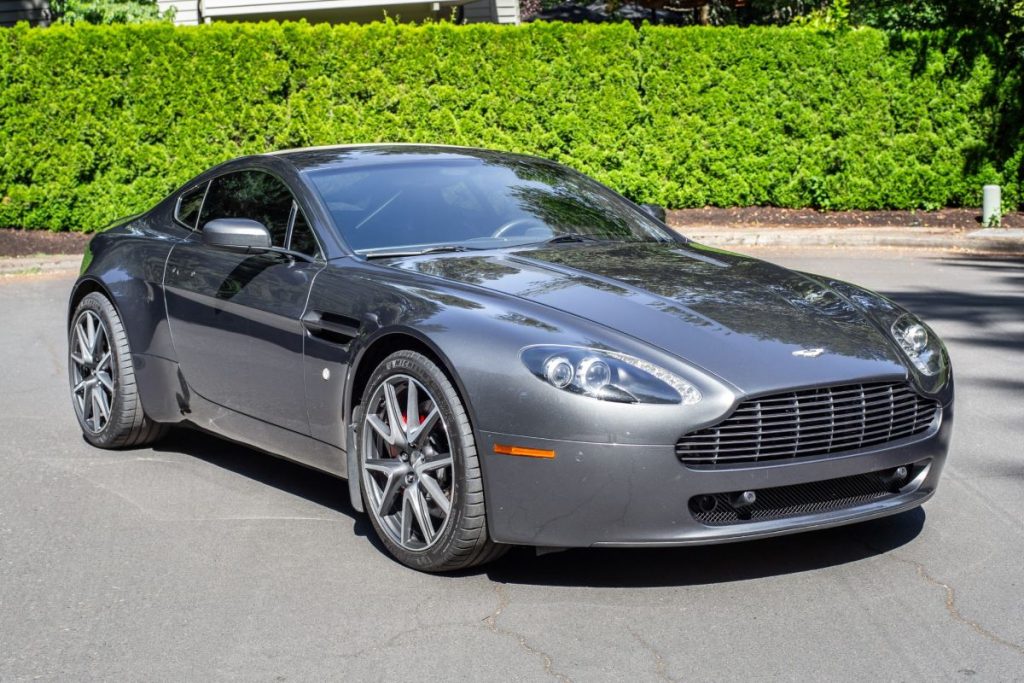
Despite this depreciation, the V8 Vantage remains a deeply appealing machine. Its design and sound continue to stir emotions, and for used buyers it represents an opportunity to own a true British sports car at a far lower price than when new.
For original owners, however, the faster than expected drop in value was a reminder that even beautiful and prestigious cars are subject to market forces.
8. Bentley Continental GT Speed Early Generation
The early Bentley Continental GT Speed combined immense power, luxury, and long distance comfort in a dramatic package. With its twin turbo W12 engine and opulent interior, it felt like a rolling statement of wealth and performance. Yet it also became known for heavy depreciation in the years after its launch.
One reason is the car’s original price. Starting from a very high base, even a modest percentage drop in value translates into a large absolute loss. As newer versions were introduced with updated styling and technology, earlier models saw their prices soften quickly.
Production numbers also play a role. Although exclusive compared to mainstream cars, the Continental GT was produced in significant volumes for a luxury grand tourer. This means a steady supply of used examples, which affects resale values over time.
Technology and design evolution have been rapid in the luxury segment. Early Continental GT Speed interiors, while beautifully made, now lack some of the advanced infotainment and driver assistance features found in newer luxury performance cars. Buyers who prioritize modern tech often gravitate toward newer models.
Running costs are another important factor. The W12 engine is powerful but thirsty, and maintenance, insurance, and repairs can be expensive. Potential owners must be prepared for significant ongoing costs, which narrows the pool of buyers and influences used prices.
The car’s weight and grand touring focus also mean it is not seen as a pure sports car by enthusiasts, nor as a practical daily vehicle by typical luxury buyers. This in-between identity can limit its appeal in the secondhand market.
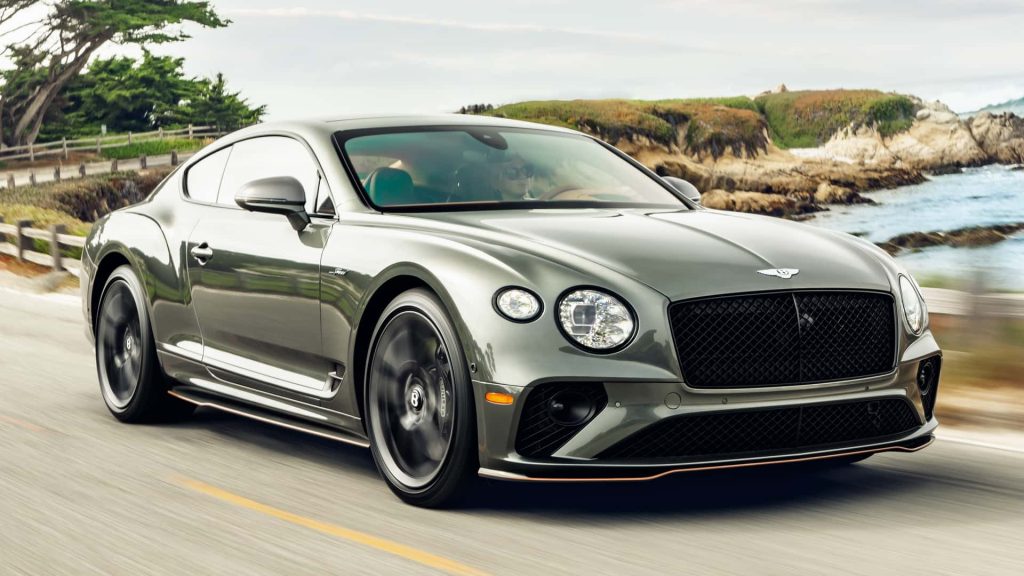
Despite depreciation, the Continental GT Speed still delivers effortless performance and extraordinary comfort. For buyers entering the market later, falling prices make it a tempting way to access Bentley luxury.
For first owners, though, the rapid drop in value was a costly lesson in how quickly even ultra luxury performance cars can depreciate.
9. Jaguar F Type R Coupe Early V8 Models
The Jaguar F Type R Coupe arrived with dramatic styling, a thunderous supercharged V8, and the promise of a modern British supercar alternative. It looked exotic, sounded incredible, and delivered serious straight line speed. Yet despite all that emotional appeal, early models experienced heavier depreciation than many buyers expected.
One key reason is brand perception. While Jaguar has a rich performance heritage, it does not command the same resale strength as brands like Ferrari or Porsche in the supercar space. Buyers in the used exotic market often gravitate toward names with stronger reputations for holding value, which puts pressure on cars like the F Type R.
Production volume also plays a role. The F Type range included multiple engine options and body styles, and a healthy number of V8 R models were produced. This availability means buyers have plenty of choice on the used market, which naturally pushes prices downward.
The car’s positioning as a high performance grand tourer rather than a razor-focused supercar also affects demand. It is fast and exciting, but also heavy and more comfort-oriented than some rivals. Enthusiasts looking for lightweight track focused machines may look elsewhere, limiting the pool of buyers.
Interior technology in early F Type models has also aged. While stylish and driver focused, the infotainment system and digital features now feel less advanced compared to newer performance cars. In a segment where buyers expect cutting edge tech, this can influence resale values.
Running costs add another layer. Supercharged V8 engines are not known for frugality, and maintenance, tires, and insurance can be expensive. Potential owners factor these ongoing expenses into their decisions, which can soften demand in the used market.
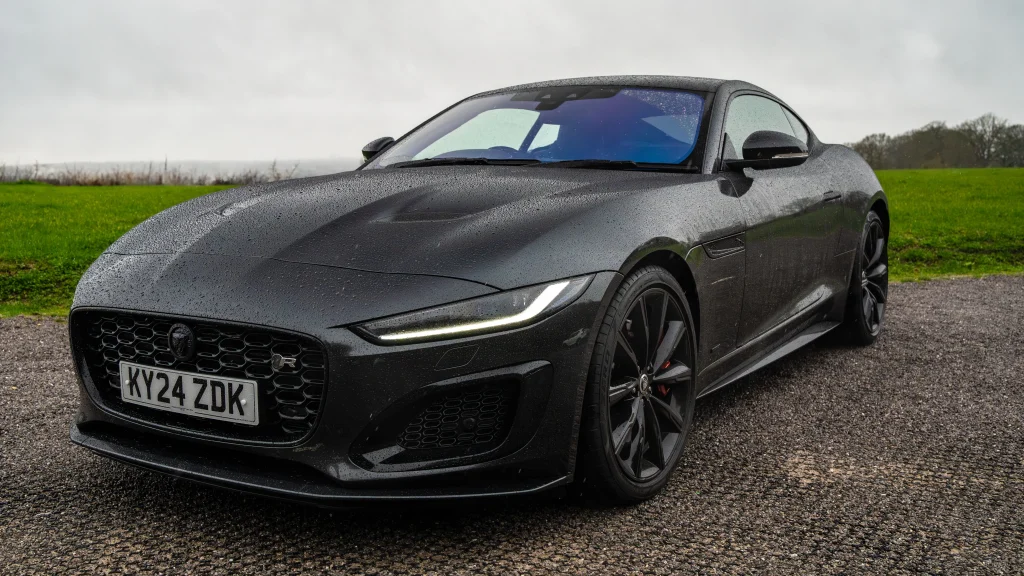
Despite depreciation, the F Type R remains a deeply emotional car. Its sound, design, and road presence still make it feel special.
For used buyers, the drop in value creates an opportunity to own a charismatic British performance coupe at a more accessible price. For early buyers, however, the rapid depreciation was a reminder that excitement and beauty do not always translate into strong resale performance.
10. Mercedes-Benz SLS AMG
The Mercedes-Benz SLS AMG seemed destined for classic status from the start. With its long hood, naturally aspirated V8, and iconic gullwing doors, it evoked the legendary 300SL while delivering modern supercar performance. Even so, early years saw noticeable depreciation that surprised some owners.
One factor was the car’s initial pricing. The SLS AMG launched with a high sticker price, and while it attracted attention and praise, the market for expensive two seat supercars is limited. As supply increased and the novelty wore off, prices softened.
Production numbers also influenced values. While not mass-produced, the SLS was built in larger numbers than some ultra limited supercars. This created a healthy used supply once early owners began to sell, which applied downward pressure on prices.
The introduction of the AMG GT, its successor, further affected the SLS. The newer model offered similar performance in a more modern package at a lower price point when new. Buyers comparing the two sometimes chose the newer car, which made the SLS feel like an older generation more quickly than expected.
Technology and interior features also aged over time. While still high quality, the SLS cabin reflects the era in which it was designed. As digital interfaces and driver assistance systems advanced rapidly, older interiors began to feel less current.
Running costs are significant as well. Large naturally aspirated engines, specialized parts, and premium servicing all contribute to high ownership expenses. This narrows the pool of potential buyers in the used market, which can affect resale values.
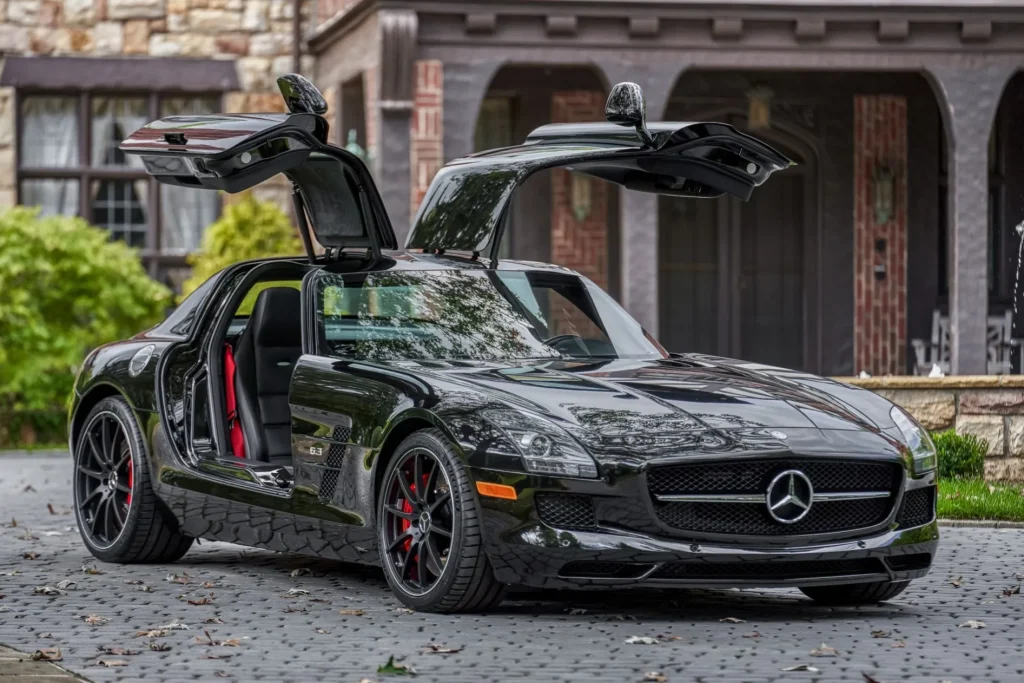
Despite early depreciation, the SLS AMG has since begun to gain more appreciation as a modern classic, especially because of its unique design and engine. However, for first owners who expected bulletproof resale from day one, the initial drop in value came faster and deeper than anticipated.
Supercars are often seen as safe places to park money, but many models lose value far faster than buyers expect. High initial prices, larger production numbers, rapid technological updates, and expensive running costs all contribute to steep early depreciation, even for cars wearing prestigious badges.
Models like the Audi R8 V10, McLaren MP4 12C, and Ferrari California offered impressive performance and brand appeal, yet faced strong competition from newer versions and shifting buyer preferences. As updated models arrived with more power and modern interiors, earlier cars quickly felt dated, pushing resale values down.
High volume exotics such as the Lamborghini Gallardo, Nissan GT R R35, and Jaguar F Type R also illustrate how availability affects the market.
When many examples enter the used scene at once, buyers gain leverage, and prices soften. Brand perception can further influence values, with some marques holding stronger resale reputations than others.
Luxury focused performance cars like the Bentley Continental GT Speed and Maserati GranTurismo MC Stradale faced similar challenges.
Despite their style and comfort, their positioning between luxury cruiser and hardcore supercar limited demand, while maintenance costs remained firmly in exotic territory.
Even visually iconic machines such as the Aston Martin V8 Vantage and Mercedes-Benz SLS AMG saw early value drops. Although some may later gain collector appeal, initial depreciation proved that looks and performance do not guarantee short term financial stability.
For first owners, these cars could be costly purchases. For secondhand buyers, however, depreciation creates opportunities to access extraordinary performance and prestige at far more attainable prices.
