
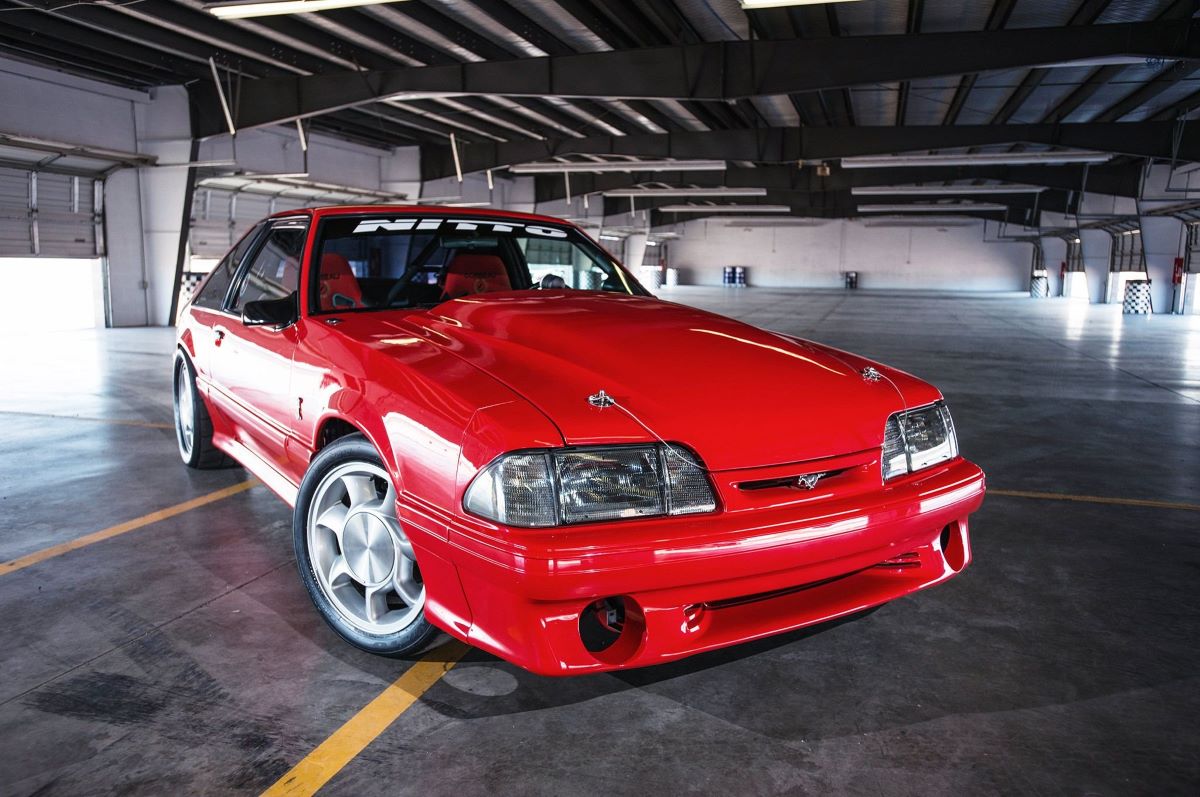
Few cars in automotive history have managed to shape culture, performance, and identity the way the Ford Mustang has. Since its debut in 1964, the Mustang has represented far more than just transportation.
It became a symbol of freedom, youth, rebellion, and accessible performance, all wrapped into one unmistakable shape. Across generations, it has evolved with changing technology and tastes while still holding onto the spirit that made it famous in the first place.
What makes certain Mustangs true icons is not just horsepower or styling, but timing and impact. Some arrived at the perfect cultural moment and captured the imagination of an entire generation.
Others redefined what American performance could look like, introducing new engineering, bold design, or racing credibility that reshaped expectations for muscle cars and pony cars alike. These models did not just sell well. They left a permanent mark on car enthusiasts, pop culture, and even motorsport history.
The Mustang story is also one of constant reinvention. From raw, big block brutes of the late 1960s to high revving modern track weapons, each era produced at least one version that stood above the rest.
These standout models balanced performance, style, and personality in a way that made people dream about owning one, even if they never did. They became posters on bedroom walls, stars in movies, and legends at racetracks.
Here are ten Ford Mustang models that rose above the rest and became true automotive icons, remembered not just as cars, but as milestones in performance history.
Also Read: 10 Affordable Vehicles With Cabins That Show Wear Quickly
1. 1964½ Ford Mustang
The original 1964½ Mustang is where the legend began, and its importance cannot be overstated. When Ford introduced it at the New York World’s Fair, it instantly captured public attention.
Buyers had never seen a car that blended sporty styling, affordability, and customization options in quite this way. It felt personal, youthful, and different from the large, conservative sedans that dominated American roads at the time.
What made the early Mustang so revolutionary was its formula. It used existing Ford components to keep costs low, but wrapped them in a sleek body with a long hood and short rear deck. This gave it a performance look even in base trim.
Customers could choose from multiple engines, transmissions, and appearance packages, allowing them to build a Mustang that matched their budget and personality.
The car’s immediate sales success proved Ford had tapped into something special. Hundreds of thousands were sold in the first year alone, shocking the industry.
Competitors rushed to create their own pony cars, but the Mustang had already defined the segment. It was not just a hit product, it was the start of a whole new automotive category.
Culturally, the 1964½ Mustang became a symbol of mid 1960s optimism and freedom. It appeared in movies, music, and advertisements as a car for young people chasing independence. That emotional connection helped cement its place as more than just a good seller. It became a lifestyle statement.
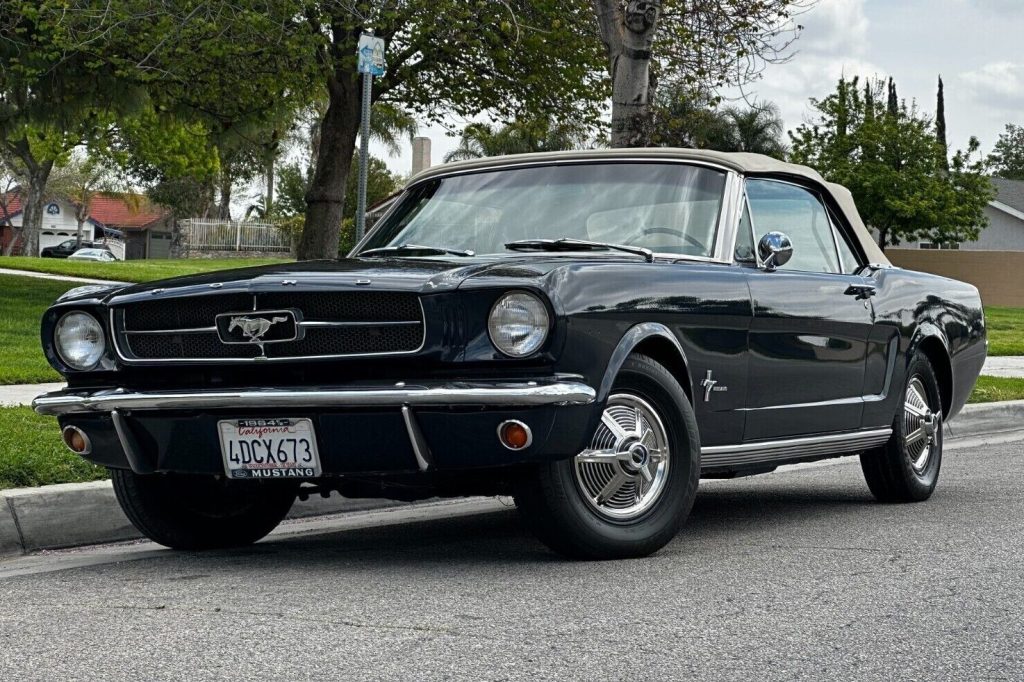
Even today, the earliest Mustangs are treasured by collectors because they represent the purest expression of the original idea.
Light, simple, and stylish, they remind enthusiasts where the story began. Without the success and impact of this first model, none of the high performance Mustangs that followed would have had a stage to shine on.
2. 1967 Shelby GT500
The 1967 Shelby GT500 took the Mustang from stylish pony car to full blown performance monster. Carroll Shelby had already worked magic on earlier Mustangs, but the GT500 pushed things into a new league.
With its big block V8 and aggressive styling, it looked and felt like a street legal race car built to intimidate anything at a stoplight.
Under the hood sat a 428 cubic inch V8 that delivered massive torque, making the GT500 brutally quick in a straight line. This was not a delicate sports car.
It was raw American muscle, designed to overwhelm the rear tires and dominate highway pulls. The sound, the vibration, and the sheer force of acceleration gave it a personality that drivers never forgot.
The styling matched the performance. A longer fiberglass hood, bold stripes, and distinctive scoops separated the GT500 from ordinary Mustangs.
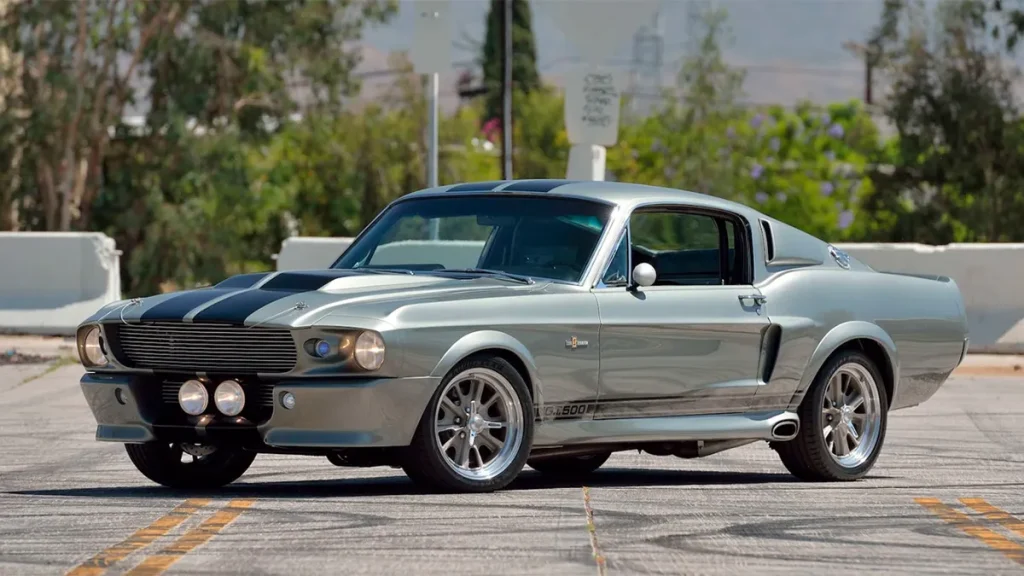
It looked tougher and more serious, signaling that this was no simple commuter with a sporty badge. Every visual detail reinforced the idea that Shelby Mustangs were something special.
The GT500 also strengthened the Mustang’s performance credibility. While the base car was still affordable and stylish, Shelby versions showed that the platform could compete with the most powerful muscle cars of the era.
This dual identity, practical pony car and fire breathing performance machine, became a defining part of Mustang history.
Today, the 1967 GT500 stands as one of the most desirable classic Mustangs ever built. Its connection to Carroll Shelby, combined with its big block power and unmistakable looks, makes it a centerpiece at auctions and car shows. It represents the moment the Mustang fully embraced its muscle car alter ego.
3. 1969 Ford Mustang Boss 429
The 1969 Boss 429 Mustang was created for one main reason, and that purpose helped turn it into a legend. Ford needed to homologate its new 429 cubic inch engine for NASCAR, and the Mustang became the platform that made it possible. The result was one of the most extreme factory Mustangs ever offered to the public.
Fitting the massive 429 engine into the Mustang’s engine bay required significant engineering changes. Ford contracted Kar Kraft to modify the cars, reshaping shock towers and reinforcing components to handle the huge powerplant. This was not a simple engine swap. It was a serious reworking that made the Boss 429 feel like a purpose built machine.
Visually, the Boss 429 stood out with its wide stance, functional hood scoop, and bold graphics. It looked muscular and aggressive without being overly flashy. The design hinted at the serious hardware underneath, giving it an understated but unmistakable presence on the road.
On the street, the Boss 429 delivered immense power, though it was just as much a symbol as a performance tool. Buyers knew they were getting a car tied directly to top level racing efforts. That connection to NASCAR gave it a special aura that ordinary muscle cars could not match.
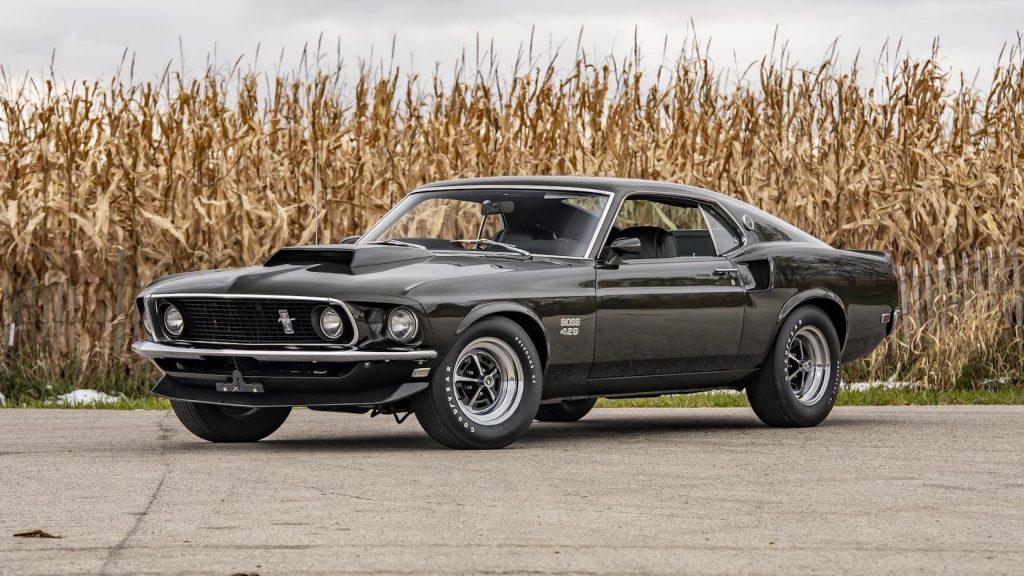
Because production numbers were low and the engineering was so unique, the Boss 429 quickly became one of the rarest and most sought after Mustangs.
It represents the height of the late 1960s horsepower wars, when manufacturers pushed boundaries in the name of racing success. Few Mustangs before or since have carried such a direct link between showroom and superspeedway.
4. 1970 Ford Mustang Boss 302
The 1970 Boss 302 Mustang proved that handling and high revving performance could matter just as much as raw straight line power.
Built to compete in the Trans Am racing series, this Mustang was engineered with corners in mind, not just drag strips. That focus helped broaden the performance identity of the Mustang name.
Under the hood was a special 302 cubic inch V8 designed to breathe at high engine speeds. It combined parts from different Ford engine families, creating a tough and responsive powerplant that loved to rev. This gave the Boss 302 a very different personality from big block muscle cars that relied mostly on low end torque.
The suspension and chassis tuning were just as important as the engine. Upgraded components, firmer shocks, and improved balance made the car far more capable in turns than many of its contemporaries.
Drivers could push it harder through curves with more confidence, which was a big deal in an era when many muscle cars struggled outside of straight roads.
Visually, the Boss 302 had a clean but purposeful look. Bold side stripes, a blacked out hood treatment, and subtle aerodynamic touches gave it a race ready vibe without going overboard. It looked fast standing still, but still retained the everyday usability that made Mustangs so appealing.
Its racing success sealed its reputation. The Boss 302 went on to win the Trans Am championship, proving that the Mustang could be a true road racing machine. That victory gave the street version serious credibility and made it an icon for enthusiasts who valued balanced performance.
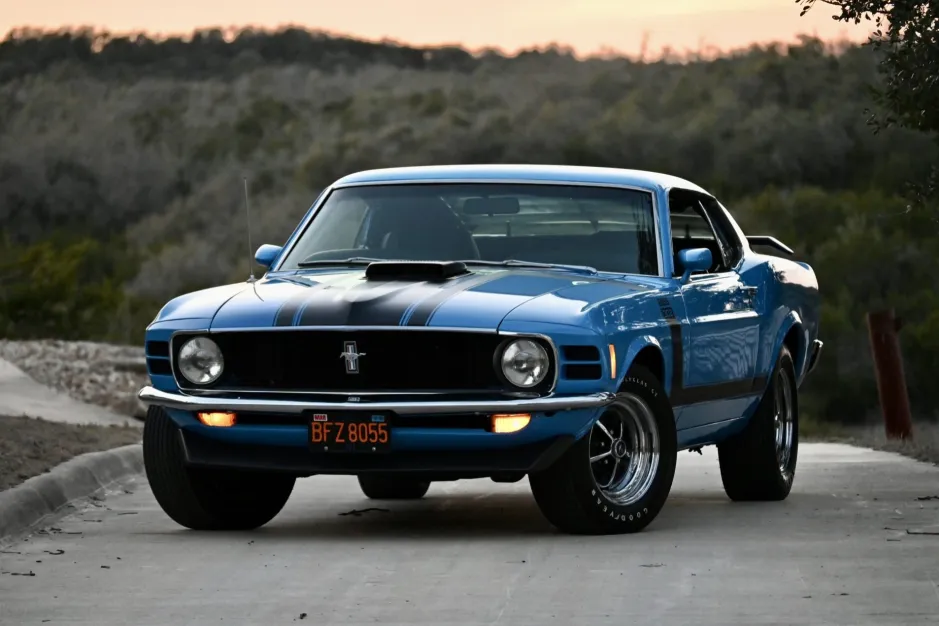
Today, the Boss 302 is remembered as the thinking driver’s classic Mustang. It showed that Ford could build a car that handled with precision while still delivering classic V8 excitement, adding an important chapter to the Mustang performance story.
5. 1971 Ford Mustang Mach 1
The 1971 Mustang Mach 1 represented the bold, dramatic side of the muscle car era. By this time, the Mustang had grown larger and more aggressive in appearance, and the Mach 1 embraced that shift with confidence. It looked wide, low, and powerful, reflecting the changing tastes of early 1970s performance buyers.
This generation of Mach 1 offered a range of strong V8 engines, including big block options that delivered serious straight line performance.
The focus was still very much on acceleration and presence, giving drivers a car that felt commanding on highways and at stoplights. It was less about nimble handling and more about raw, effortless power.
The styling played a huge role in its iconic status. The long hood, prominent grille, and sports roof fastback shape created a dramatic silhouette. Hood scoops, bold graphics, and optional rear window louvers added to the sense that this was a performance machine built to stand out in any crowd.
Inside, the Mach 1 blended muscle with a touch of comfort and style. High back bucket seats, woodgrain trim, and sporty gauges made the cabin feel special without being stripped down. It was a car you could drive daily while still feeling like you were in something exciting and distinct.
The 1971 Mach 1 also marked the end of an era. It arrived just before tightening emissions rules and rising insurance costs began to choke off the golden age of muscle cars. That timing gives it a special place in history as one of the last truly wild factory Mustangs of the classic period.
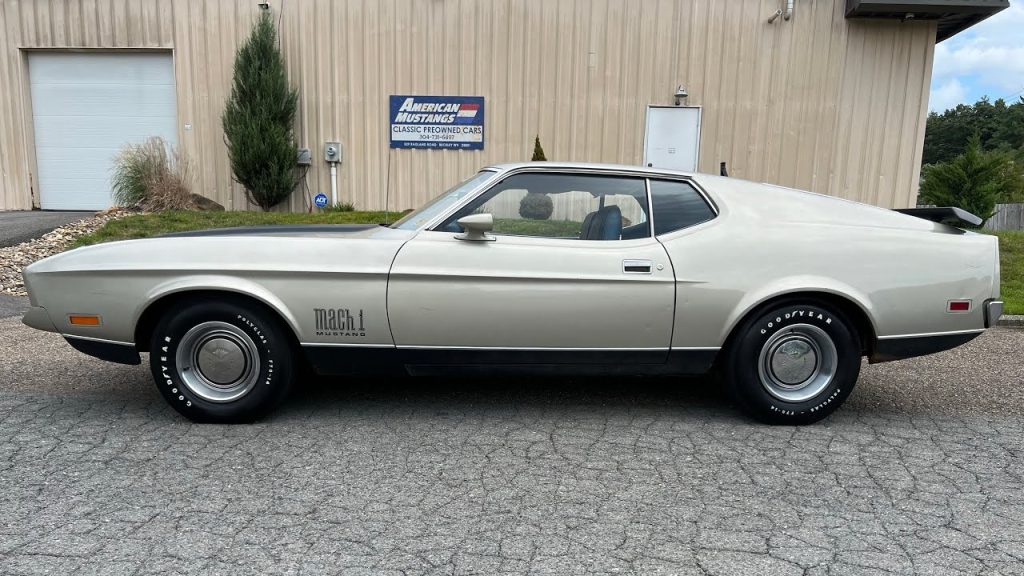
For many fans, this Mach 1 captures the peak of big, bold American performance styling. It stands as a reminder of a time when size, sound, and street presence ruled the muscle car world.
6. 1987 Ford Mustang GT 5.0
The 1987 Mustang GT 5.0 helped bring performance back to the Mustang after a difficult period in the 1970s. During the fuel crisis years, power numbers had fallen and excitement had faded. The return of the strong 5.0 liter V8 in the Fox body Mustang changed that story and reignited enthusiasm.
This Mustang was not just about nostalgia. It represented modern, affordable performance for a new generation of drivers. The 5.0 V8 delivered lively acceleration, a great exhaust note, and plenty of tuning potential. It became famous for being easy to modify, which helped create a huge community of fans and racers.
The lightweight Fox platform played a big role in its appeal. Compared to many earlier Mustangs, this car felt smaller and more agile. That combination of decent power and low weight made it quick in real world driving, whether on city streets or at local drag strips.
The 1987 refresh also gave the car a cleaner, more aerodynamic look. Flush headlights and smoother body lines modernized the Mustang’s appearance while still keeping its recognizable proportions. It looked contemporary without losing its performance identity.
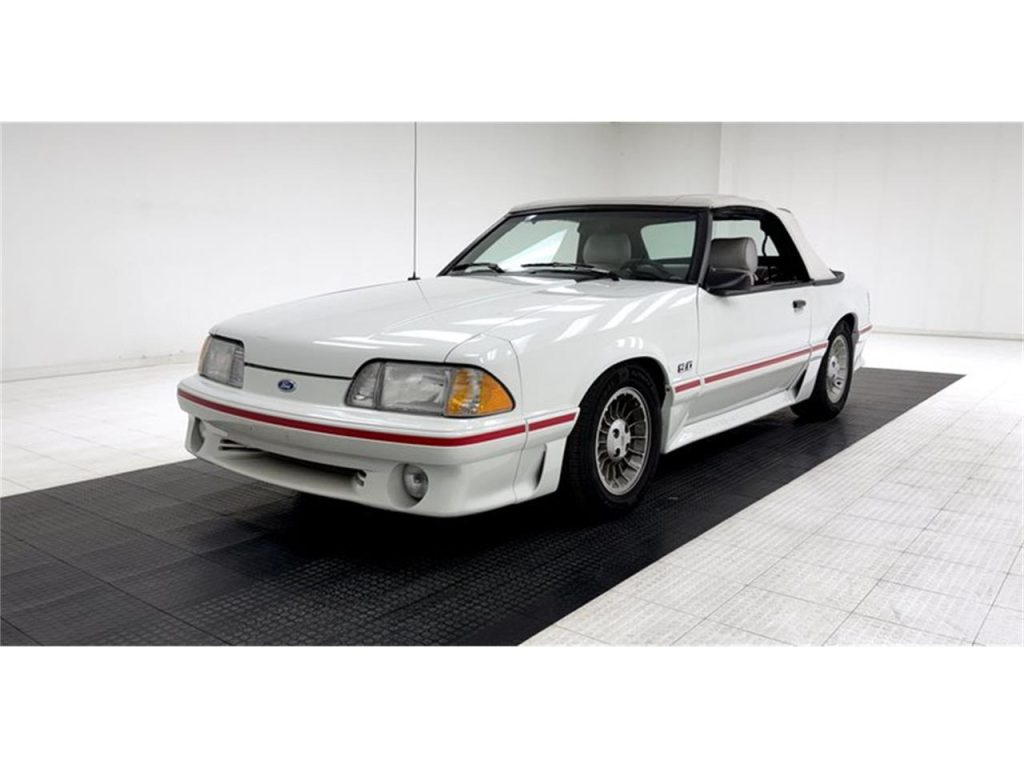
Culturally, the 5.0 Mustang became a symbol of late 1980s and early 1990s street performance. It showed up in magazines, movies, and street racing scenes across the country. For many young enthusiasts, it was the first V8 performance car they could realistically afford.
The Fox body 5.0 proved the Mustang spirit could survive changing regulations and market trends. It laid the groundwork for the high performance Mustangs that followed and remains one of the most beloved modern classics in the lineup.
7. 1993 Ford Mustang SVT Cobra R
The 1993 SVT Cobra R was a turning point that showed Ford was serious about building track focused Mustangs straight from the factory. Created by the newly formed Special Vehicle Team, this car stripped away comfort features and focused almost entirely on performance.
Weight reduction was a major priority. The Cobra R deleted items like the rear seat, air conditioning, and even the radio. This made it lighter and more purposeful, appealing to hardcore drivers who cared more about lap times than daily convenience.
Performance upgrades included improved brakes, revised suspension tuning, and a more capable cooling system. These changes made the Cobra R far better suited for track use than a standard Mustang. It could handle extended hard driving without fading, which was not always true of street focused performance cars at the time.
Its rarity also boosted its legend. Production numbers were very limited, making it an instant collector item. Buyers knew they were getting something special, a factory built Mustang designed with serious motorsport intent rather than just appearance upgrades.
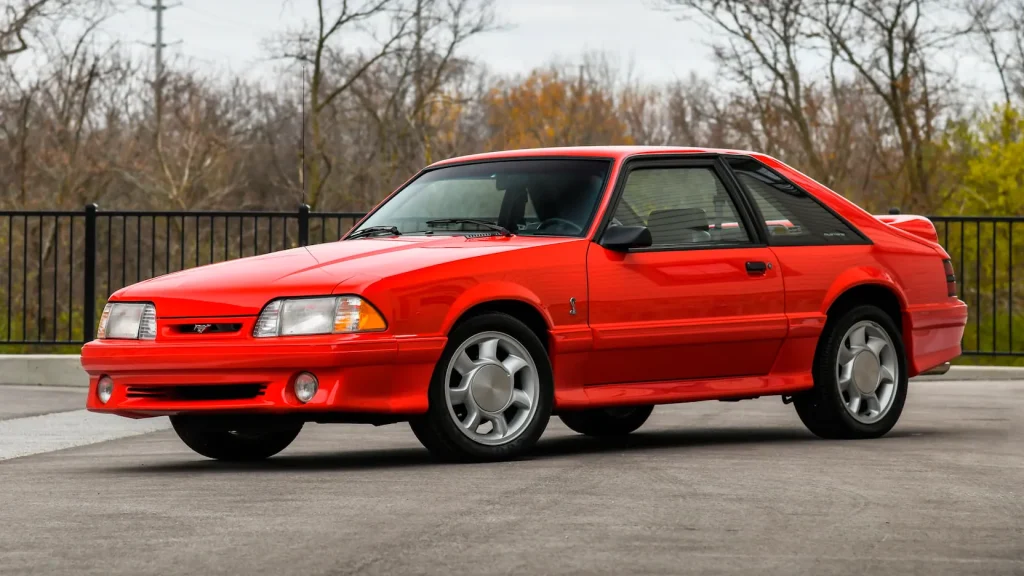
The 1993 Cobra R helped establish a pattern that would continue in later generations. It proved there was a strong market for Mustangs that pushed beyond simple straight line speed and offered real track capability. That philosophy would influence many future high performance variants.
Today, the Cobra R is seen as the ancestor of later track monsters. It marked the moment when modern Mustangs began to balance power, braking, and handling in a more complete performance package.
8. 2000 Ford Mustang SVT Cobra R
The 2000 SVT Cobra R took the hardcore formula of the earlier Cobra R and pushed it to an entirely new level. This was no mild upgrade. It was a factory built track weapon with massive power and serious hardware to match.
At its heart was a 5.4 liter V8 producing huge horsepower for its time. The engine delivered strong, relentless acceleration that made the car feel more like a race machine than a typical street Mustang. It had the muscle to back up its aggressive intentions on any straight.
But the Cobra R was not just about engine output. It featured upgraded brakes, a race inspired suspension setup, and aerodynamic enhancements that improved stability at speed. A large rear wing and front splitter were functional pieces designed to help the car perform on real circuits.
Like its predecessor, the 2000 Cobra R was produced in very limited numbers. It was aimed at dedicated enthusiasts who wanted a track ready Mustang without needing to build one from scratch. That exclusivity helped it gain instant respect within the performance community.
Driving one was a serious experience. The ride was firm, the cabin was loud, and comfort took a back seat to capability. Every aspect of the car reminded you that it was designed with lap times in mind.
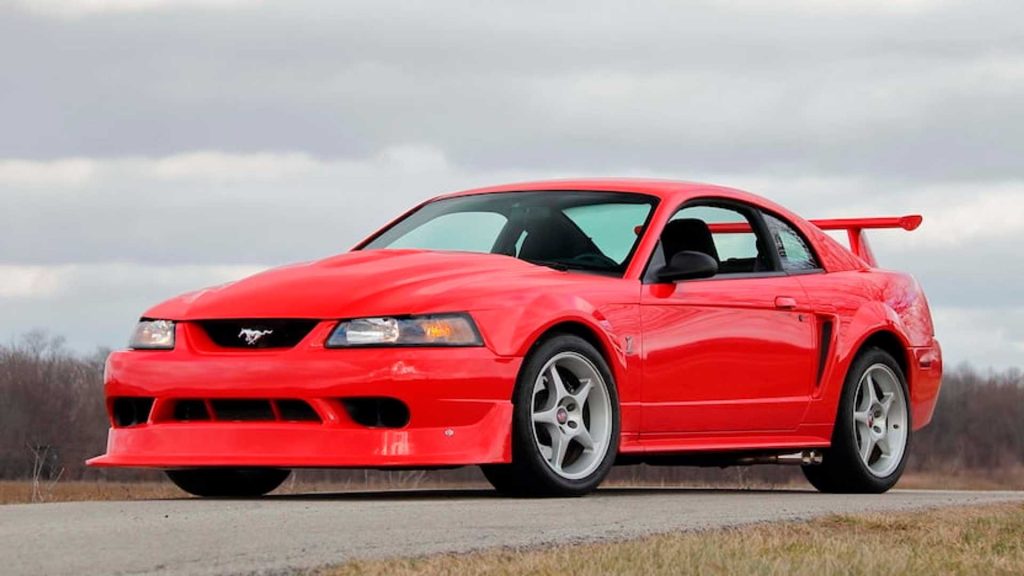
The 2000 Cobra R stands as one of the most extreme factory Mustangs ever built. It proved that Ford could compete with high performance sports cars from around the world while still wearing a Mustang badge.
9. 2007 Ford Mustang Shelby GT500
The 2007 Shelby GT500 marked the triumphant return of the Shelby name to a modern Mustang, and it did so with serious force. After years without a true top tier factory muscle Mustang, this supercharged beast brought back big power in a big way.
Under the hood was a supercharged 5.4 liter V8 that delivered thrilling acceleration and a signature whine from the blower. This engine made the GT500 one of the most powerful Mustangs ever sold up to that point. It felt like a modern interpretation of the classic big block Shelbys.
The styling paid tribute to the past while embracing modern design. Bold stripes, an aggressive front end, and Shelby badging gave it instant presence. It looked muscular and purposeful, clearly positioned as the king of the Mustang lineup.
This GT500 also arrived during a renewed muscle car rivalry. Competitors were bringing back powerful rear wheel drive performance cars, and the Shelby GT500 helped put the Mustang firmly back in the spotlight. It reminded the world that American muscle was alive and evolving.
Despite its power, the car was still usable enough for regular driving. That balance between extreme performance and everyday practicality has always been part of the Mustang formula, and the GT500 carried that tradition forward into the modern era.
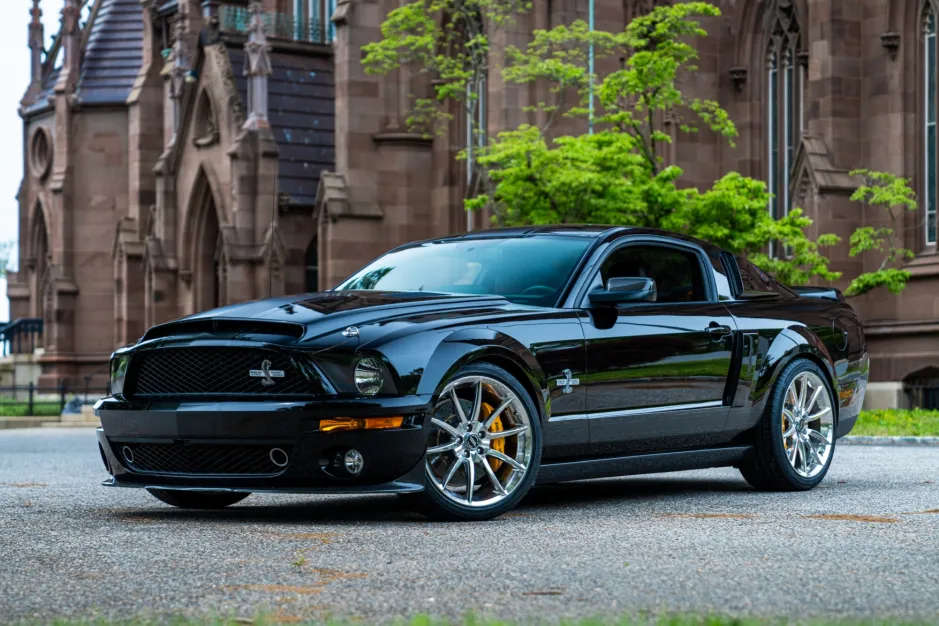
The 2007 Shelby GT500 became an instant icon for a new generation. It connected the heritage of the 1960s Shelbys with modern engineering, proving the legend still had plenty of fire left.
10. 2015 Ford Mustang Shelby GT350
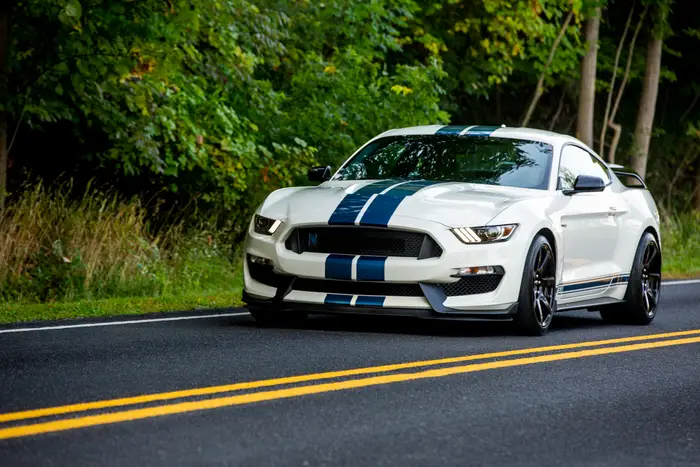
The 2015 Shelby GT350 redefined what a modern Mustang could be on a road course. Rather than chasing only horsepower numbers, Ford engineered this car as a balanced, high precision performance machine from the ground up.
Its most famous feature was the flat plane crank V8, an engine design more commonly found in exotic sports cars. This allowed the engine to rev very high and produce a unique, sharp exhaust note. The power delivery felt different from traditional American V8s, making the GT350 a truly special driving experience.
Handling was a major focus. Advanced suspension technology, powerful brakes, and carefully tuned aerodynamics gave the car exceptional grip and control. It could attack corners with a level of confidence and composure that surprised even longtime Mustang fans.
The design reflected its performance mission. Functional vents, a sculpted body, and track focused details made it clear this was not just a styling package. Every element had a purpose tied to cooling, stability, or downforce.
The GT350 earned praise from enthusiasts and critics around the world. Many considered it one of the best driver’s cars of its era, not just among muscle cars but across the performance market. That global respect elevated the Mustang’s reputation to new heights.
As a result, the 2015 GT350 stands as a modern icon. It showed that the Mustang could evolve into a sophisticated, track capable machine while still delivering the emotional thrill that defined the name for decades.
The Ford Mustang has earned its place as one of the most influential performance cars in history, and a handful of special models helped build that legacy.
From its birth in the mid 1960s to modern track focused machines, the Mustang has constantly evolved while staying true to its spirit of accessible performance and bold personality. Certain versions rose above the rest and became true automotive icons.
The story begins with the 1964 and a half Mustang, the car that created the pony car segment. Its combination of sporty styling, affordable pricing, and wide customization options struck a nerve with buyers.
It was not just successful, it changed the market and inspired an entirely new class of cars aimed at younger, style conscious drivers.
As performance wars heated up, models like the Shelby GT500 and Boss 429 pushed the Mustang into serious muscle car territory. These machines brought big block power, aggressive styling, and direct links to racing development.
They showed the Mustang could be more than a stylish cruiser and could compete with the most powerful cars of its era.
At the same time, cars such as the Boss 302 proved that balanced handling and road racing ability mattered too. Built with Trans Am competition in mind, it gave the Mustang credibility on twisty circuits, not just straight roads. This broadened the Mustang’s performance identity and attracted drivers who valued precision as much as power.
The Mach 1 of the early 1970s captured the bold, dramatic spirit of the muscle car era just before regulations began to tighten. Its strong engines and striking design made it one of the last great expressions of classic American performance. It remains a symbol of the end of the original horsepower boom.
After a quieter period, the 5.0 liter Mustang GT of the late 1980s brought excitement back to the lineup. Light, affordable, and easy to modify, it became a favorite of street performance enthusiasts. It introduced a new generation to V8 power and built a massive community that kept Mustang culture thriving.
Special Vehicle Team models like the Cobra R versions in the 1990s and 2000 pushed the Mustang toward serious track performance.
With weight reduction, upgraded brakes, and race inspired suspension, these limited production cars showed that factory Mustangs could be purpose built for road courses, not just daily driving or drag racing.
In the modern era, the Shelby GT500 and Shelby GT350 carried the icon status forward in different ways. The GT500 delivered huge supercharged power in classic muscle car fashion, while the GT350 focused on balance, high revving performance, and world class handling. Together, they proved the Mustang could compete with top performance cars globally.
Across all these models, what stands out is not just speed or horsepower, but impact. Each of these Mustangs arrived at the right moment and shifted expectations for what an American performance car could be. That lasting influence is what truly makes them icons in automotive history.
Also Read: 10 Ultra-Rare German Cars Built in Limited Numbers
