
Urban driving presents unique challenges that city professionals face every day. Congested streets, narrow lanes, limited parking, stop-and-go traffic, and short commutes require vehicles that are agile, efficient, and comfortable without sacrificing style or technology.
For city dwellers, the ideal car is one that feels both luxurious and practical, offering a balance between performance, connectivity, and ease of use. The 2026 BMW X1, Tesla Model 3, Audi A6 Sportback e-tron, Mercedes-Benz E-Class, and Genesis GV70 exemplify this blend, combining compact or manageable dimensions with advanced technology, premium interiors, and responsive powertrains.
These vehicles allow drivers to move confidently through urban streets while maintaining comfort, reducing fatigue, and staying connected. Features like adaptive cruise control, surround-view cameras, digital displays, and quiet cabins enhance safety and convenience, making them particularly suitable for professionals who spend much of their day commuting or running errands.
Beyond functionality, these vehicles project a professional, stylish image, reinforcing a sense of sophistication without compromising the practical demands of urban life. Choosing the right vehicle in a city environment means finding the perfect mix of maneuverability, comfort, and tech-forward features.
5 Vehicles That Suit City Professionals
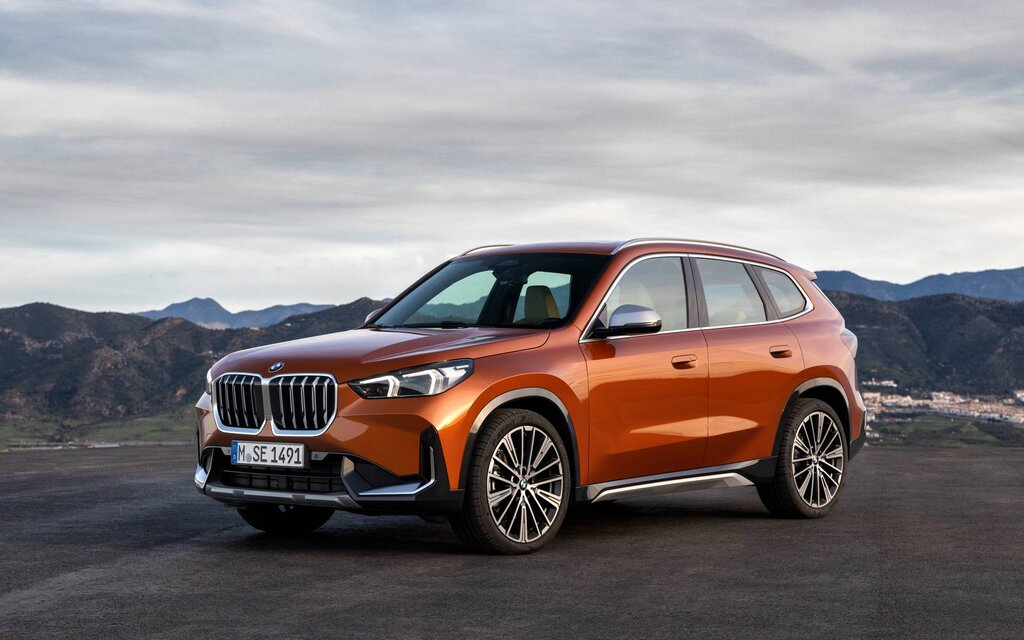
1. 2026 BMW X1: A Premium, Urban-Ready Luxury Subcompact SUV
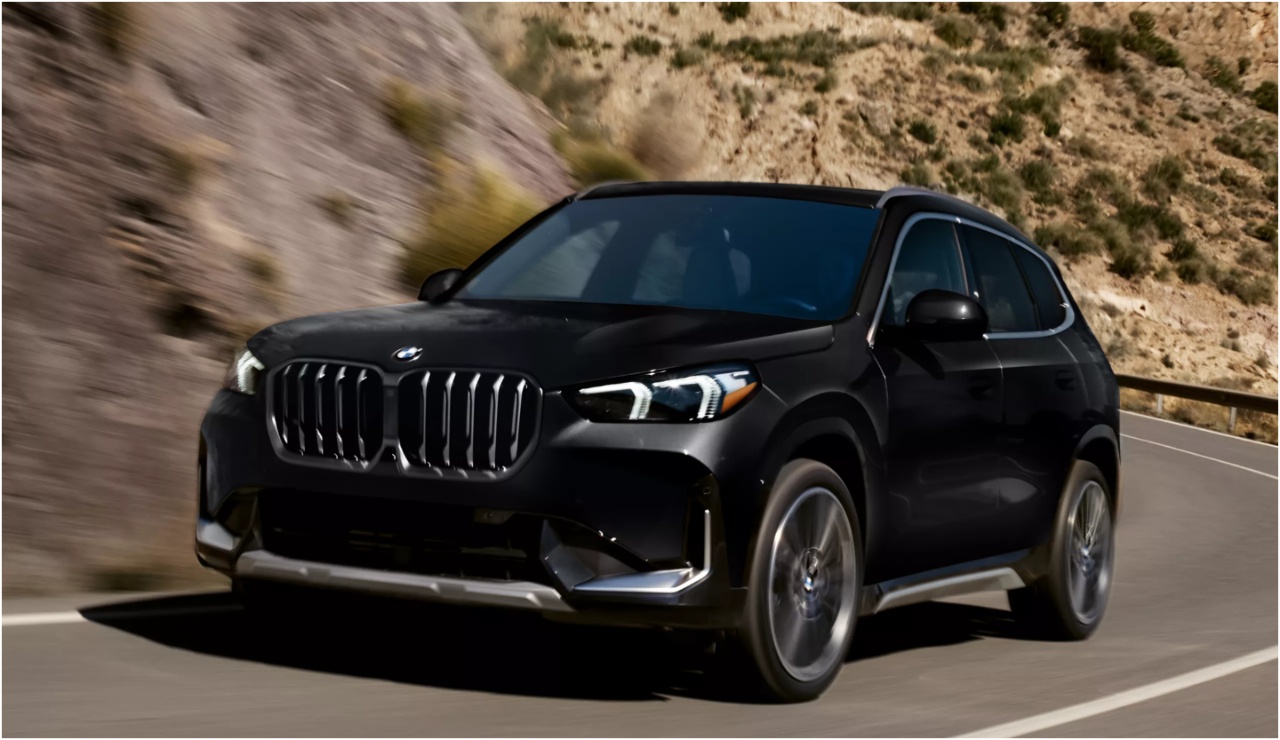
The 2026 BMW X1 is a luxury subcompact SUV that combines high-end comfort, advanced technology, and agile performance in a compact package. Its small footprint and elevated seating position make it well-suited for city driving and parking, while the cabin delivers a premium experience with a 10.7-inch curved touchscreen and BMW’s latest iDrive 9 software.
Designed for urban professionals, the X1 offers a practical yet refined driving experience with spacious interiors and thoughtful features.
The xDrive28i model is powered by a 241-horsepower turbocharged 2.0-liter four-cylinder engine, paired with a seven-speed dual-clutch automatic transmission and standard all-wheel drive. This setup delivers brisk acceleration and responsive handling, ideal for daily commuting and highway merges.
For those seeking higher performance, the M35i trim offers a 312-horsepower engine, adaptive dampers, and upgraded brakes for sharper handling and a sportier feel, though its firmer ride may be less comfortable for routine city use. The xDrive28i remains the most balanced choice for everyday driving.
The X1 cabin is modern and tech-forward, featuring a digital dashboard, floating center console, and minimalist shift lever. Standard equipment includes dual-zone climate control, heated front seats, ambient lighting, and a power liftgate.
Optional features like a panoramic sunroof, heated steering wheel, head-up display, Harman/Kardon audio system, and a 360-degree camera enhance comfort and convenience. Wireless Apple CarPlay and Android Auto, along with available voice-command controls, provide seamless connectivity.
Safety features are comprehensive, with standard automated emergency braking, lane-departure warning, and blind-spot monitoring. Additional options include adaptive cruise control with lane-centering and self-parking assistance, helping drivers feel confident in busy urban environments. Cargo space measures 25.7 cubic feet with seats up, offering practicality without sacrificing luxury.
BMW supports the X1 with a four-year/50,000-mile limited and powertrain warranty, along with three years or 36,000 miles of complimentary scheduled maintenance. The 2026 BMW X1 delivers a strong combination of performance, technology, safety, and comfort, making it an excellent choice for city professionals seeking a refined, capable, and stylish luxury subcompact SUV.
2. 2026 Tesla Model 3: A High-Tech, Efficient Luxury Compact Sedan
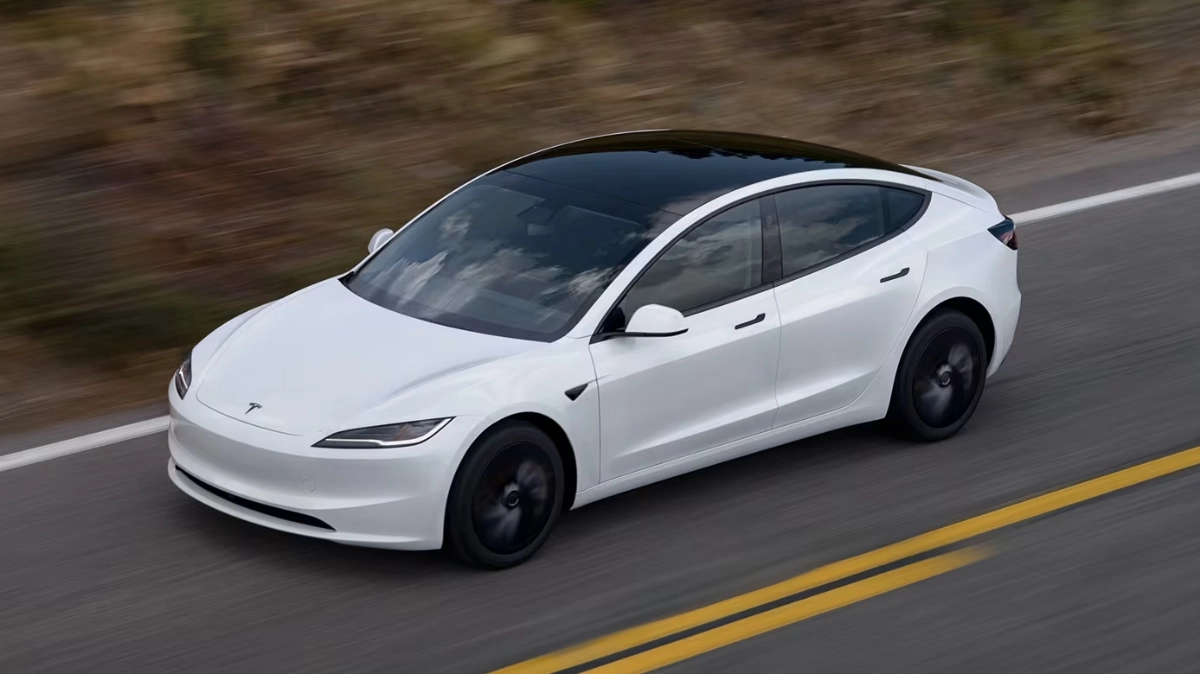
The 2026 Tesla Model 3 is the top-ranked luxury compact sedan of its class, offering exceptional efficiency, advanced technology, and strong performance tailored for city professionals. With a compact, agile size, rapid acceleration, and a tech-forward cabin, the Model 3 serves as a stylish and practical daily commuter.
Its EPA-estimated city efficiency reaches up to 145 MPGe, while highway efficiency ranges from 104–128 MPGe depending on the drivetrain, making it one of the most energy-efficient sedans available.
Performance varies across trims, starting with a 286-hp single motor for the Standard Range RWD, 425-hp dual motor for the Long Range AWD, and 510-hp dual motor in the Performance version. The single motor provides smooth, quick acceleration, reaching 0–100 km/h in 5.2–6.1 seconds, while the Performance model can achieve 0–60 mph in just 2.8 seconds.
The battery placement under the floor lowers the center of gravity, enhancing stability, cornering, and handling. The Performance trim adds a sport-tuned suspension, adaptive dampers, and upgraded brakes, creating a more dynamic but firmer ride. Steering effort is adjustable through three settings, providing a responsive and precise driving experience.
The Model 3 features a minimalistic, tech-focused interior highlighted by a 15-inch central touchscreen controlling most functions, including climate, navigation, and vehicle settings. Rear-seat passengers in Premium and Performance trims have access to an 8-inch touchscreen for entertainment and climate control.
The cabin uses high-quality materials and a flat floor, offering comfort in the front row, though the rear seats are lower and less spacious. Cargo capacity is practical, with a rear trunk that expands by folding down the 60/40 rear seats and a small front trunk for lighter storage.
Tesla’s infotainment system lacks AM/FM radio, SiriusXM, Apple CarPlay, or Android Auto but includes internet streaming apps like Netflix, YouTube, and games. Autopilot provides one of the most advanced driver-assistance systems in the segment, with adaptive cruise control, lane-departure warning, and automated emergency braking as standard.
Charging is convenient via Tesla’s extensive Supercharger network, home chargers, and public adapters. The Long Range model achieves up to 390 miles (WLTP), while the Standard Range reaches 323 miles, with fast-charging capabilities replenishing the battery from 10–90% in under 40 minutes.
Tesla offers a four-year/50,000-mile limited warranty and an eight-year/100,000-mile powertrain and battery warranty, though there is no complimentary scheduled maintenance. With its efficiency, advanced technology, rapid acceleration, and urban practicality, the 2026 Tesla Model 3 remains a leading choice for tech-savvy city drivers seeking a luxury compact EV.
3. 2026 Audi A6 Sportback e-tron: A High-Tech, Comfortable EV for Urban Professionals
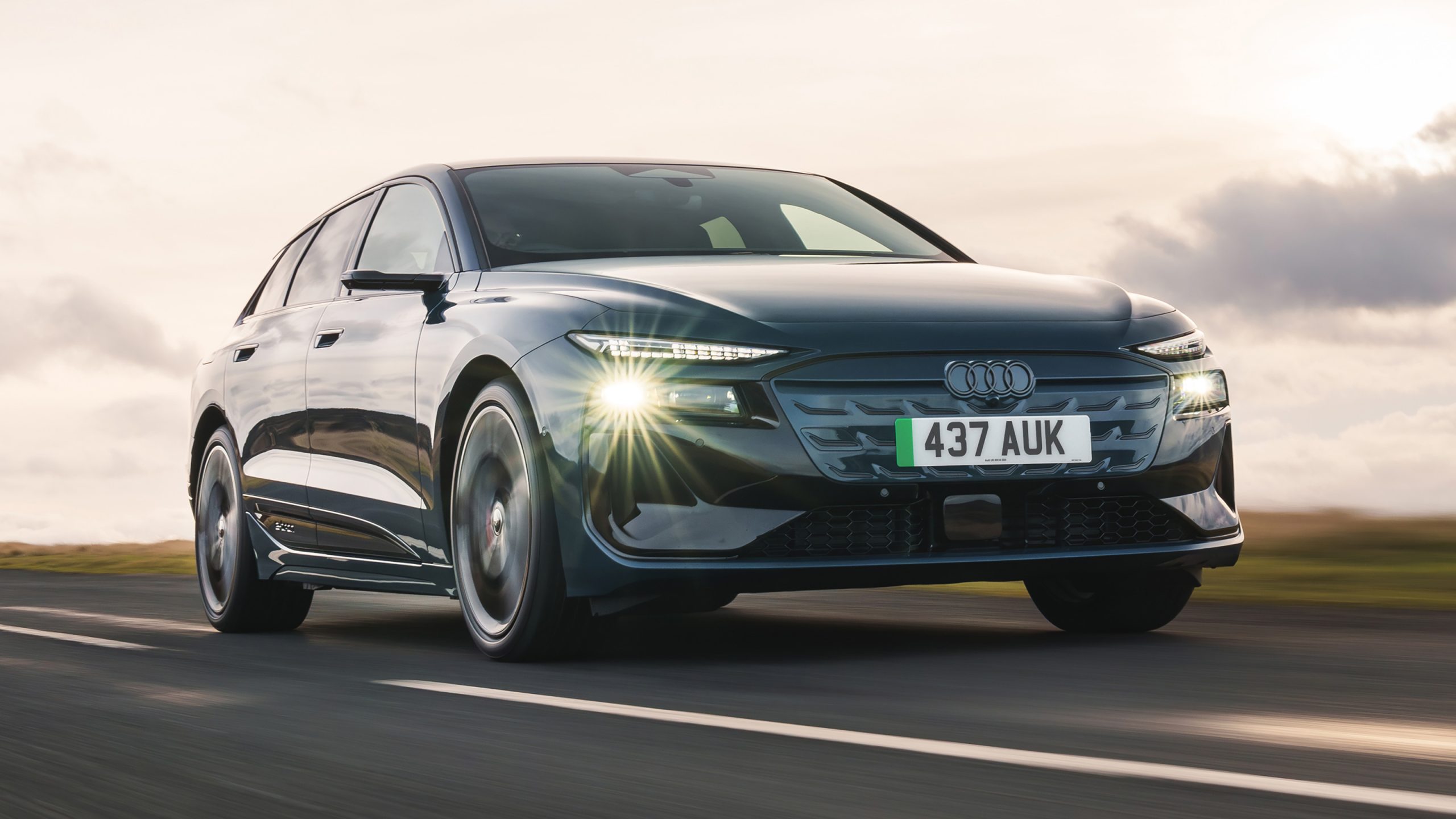
The 2026 Audi A6 Sportback e-tron is a premium electric sedan tailored for city professionals, offering a blend of efficiency, advanced technology, and refined comfort. Its understated, sophisticated design, combined with fast-charging capabilities and exceptional ride quality, makes it an appealing alternative to rivals like the BMW i5 and Mercedes EQE.
The Sportback design, featuring a large hatchback opening, provides practical cargo access with 26 cubic feet in the rear trunk and an additional 27-liter front trunk for items such as charging cables. Optional rear-wheel steering and a suite of sensors, including 360-degree cameras, make maneuvering in congested urban environments easier despite its larger footprint.
Inside, the A6 Sportback e-tron boasts a “Digital Stage” cockpit, including an 11.9-inch driver display and a 14.5-inch infotainment touchscreen, complemented by an optional 10.9-inch front passenger display. T
he system runs on a responsive Android-based interface with wireless Apple CarPlay and Android Auto, augmented reality head-up display, and high-quality materials throughout, creating a professional and serene environment. Cabin quietness and attention to detail further enhance comfort, while front seats are supportive and adjustable, though rear seating is tighter and higher than ideal for long trips.
Performance is impressive across both rear-wheel-drive and all-wheel-drive models. The AWD variant accelerates from 0–60 mph in 4.2 seconds, while the RWD version does it in 5.1 seconds, delivering strong, smooth, and quiet electric power.
The suspension absorbs bumps effectively, offering a smooth ride, although the transition from acceleration to regenerative braking can feel abrupt. Steering is light, precise, and adjustable, making the car balanced and surprisingly agile for its size.
Range and charging are major highlights. The AWD e-tron achieves 392 miles, and the RWD 402 miles in real-world testing, exceeding EPA estimates, while fast charging from 10% to 80% takes just 20–21 minutes with 800-volt architecture. Efficiency is excellent, with consumption as low as 25.5–26.3 kWh/100 miles depending on the drivetrain, and charging can add 100 miles of range in under eight minutes.
Safety features include adaptive cruise control, automated emergency braking, lane-departure warning, and a five-star Euro NCAP rating. Matrix LED headlights, augmented reality displays, and high-tech driver aids support a professional and secure driving experience.
Combined with solid warranty coverage and free scheduled maintenance, the 2026 Audi A6 Sportback e-tron delivers a refined, technologically advanced, and practical electric driving solution for urban professionals seeking luxury, efficiency, and comfort in a single package.
4. 2026 Mercedes-Benz E-Class: A Sophisticated, Tech-Forward Midsize Luxury Sedan
The 2026 Mercedes-Benz E-Class remains a leading choice in the midsize luxury sedan segment, offering a refined, quiet, and technologically advanced cabin that suits city professionals seeking comfort and prestige.
With advanced AI-driven MBUX technology, 5G connectivity, and driver-assistance features, the E-Class provides a serene commuting experience while maintaining the brand’s reputation for luxury and performance. Its rear-axle steering improves maneuverability in tight urban streets and parking garages, giving the large sedan a surprisingly nimble feel.
The E-Class offers a range of efficient powertrains, including a 48-volt mild-hybrid 2.0-liter four-cylinder engine producing 255 hp in the E350 and a 3.0-liter inline-six producing 375 hp in the E450. Both powertrains integrate electric assist motors to reduce turbo lag, enhance stop-start functionality, and smooth acceleration in city traffic.
All-wheel drive is standard on most models, with rear-wheel drive optional on the E350. Performance is strong yet refined, with the E350 reaching 0–60 mph in 5.8 seconds and the E450 accomplishing the same in 4.4 seconds. Optional AIRMATIC air suspension further improves ride quality, absorbing road imperfections effortlessly, while rear-wheel steering enhances agility in tight spaces.
The interior emphasizes comfort and professionalism. The cabin features high-quality materials, including leather upholstery and metal trim, and accommodates passengers generously, especially in the rear seat. Cargo space is modest at 12.7 cubic feet, smaller than competitors like the BMW 5-Series.
Infotainment is led by a 14.4-inch touchscreen with MBUX interface, supporting in-car Wi-Fi, wireless Apple CarPlay, and Android Auto. The system includes clever features such as augmented-reality navigation and video conferencing apps like Zoom and Webex for use while parked. Optional technology upgrades include a dashboard spanning multiple displays and a Burmester 17-speaker audio system.
Safety is a priority, with standard features like automated emergency braking with pedestrian detection, blind-spot monitoring, and driver-attention monitoring. Additional driver-assistance options include adaptive cruise control with lane-centering and lane-keeping assistance.
Mercedes-Benz provides a four-year/50,000-mile limited and powertrain warranty, but does not include complimentary scheduled maintenance. The 2026 E-Class blends cutting-edge technology, premium comfort, and city-friendly agility, offering a refined, efficient, and prestigious choice for urban professionals seeking a luxury sedan that balances performance with serenity.
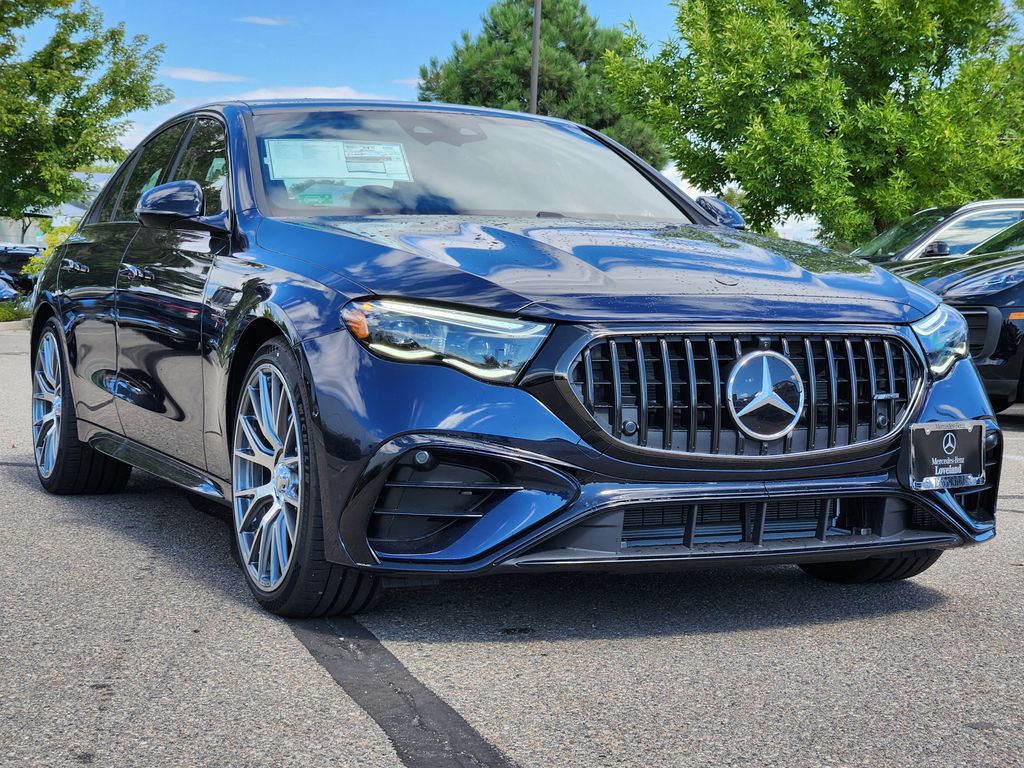
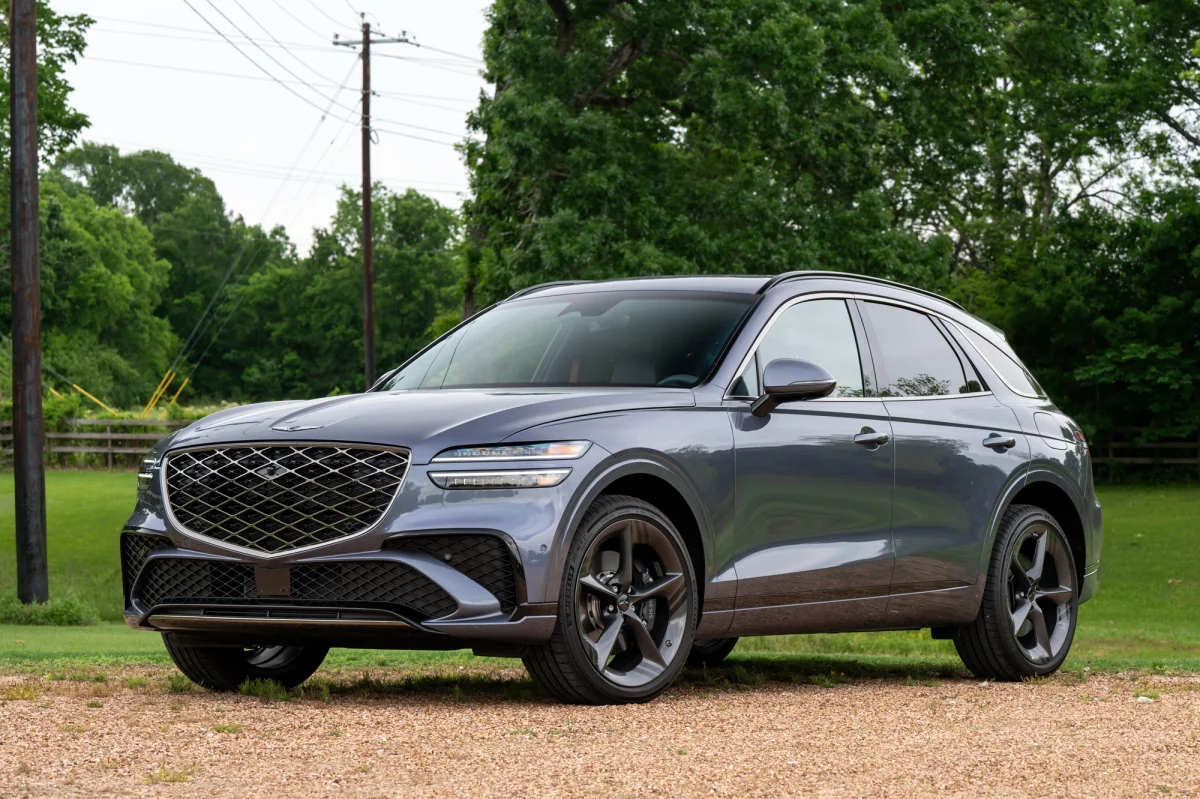
5. 2026 Genesis GV70: A Refined, Tech-Forward Luxury Compact SUV for Urban Professionals
The 2026 Genesis GV70 is a luxury compact SUV designed to balance professional style, urban practicality, and advanced technology, making it an ideal choice for city professionals. Its combination of refined comfort, high-end materials, and intuitive tech features positions the GV70 as a “step ahead” in the competitive luxury SUV segment.
The exterior projects a sleek, executive image with a refreshed angular grille, new LED headlights, and cohesive design lines that carry into the interior.
Technology is a standout feature in the GV70. A new 27-inch OLED panoramic display integrates both the instrument cluster and infotainment system, providing a futuristic, unified workspace.
Wireless Apple CarPlay, Android Auto, and a Wi-Fi hotspot enhance connectivity, while Genesis Digital Key 2 allows users to unlock and start the vehicle with a smartphone or smartwatch. Remote Smart Parking Assist enables the SUV to park itself in tight city spots while the driver remains outside, offering a practical solution for busy urban environments.
Urban maneuverability and safety are central to the GV70’s design. Its compact length and assertive wheelbase make it easy to handle in congested streets and garages.
A Surround View Monitor and blind-spot cameras provide 360-degree awareness, while standard driver-assistance features such as Highway Driving Assist, stop-and-go adaptive cruise control, automated emergency braking, pedestrian detection, and lane-keeping assist reduce stress in heavy traffic. Optional adaptive cruise control with lane-centering further enhances urban convenience.
Comfort and refinement are key strengths. Dual-pane windows and active noise control create a quiet, serene cabin, while available Ergo Motion massaging seats reduce fatigue during commutes. The road-preview suspension uses cameras to pre-adjust damping, smoothing out potholes and speed humps.
The interior features high-quality materials, including Nappa leather and carbon-fiber trim, and delivers a cohesive, professional aesthetic. Rear-seat legroom is adequate, and cargo capacity is generous, accommodating seven carry-on suitcases behind the rear seats and 22 with seats folded.
Performance is robust, with two engine options: a turbocharged 2.5-liter four-cylinder producing 300 hp and a twin-turbo 3.5-liter V6 producing 375 hp. All models come with an eight-speed automatic transmission and standard all-wheel drive.
The V6 accelerates to 60 mph in 5.0 seconds, while the four-cylinder achieves the same in roughly 5.8 seconds. The GV70 balances athleticism with comfort, switching seamlessly from sporty driving to luxury cruising.
Genesis supports the GV70 with a five-year/60,000-mile limited warranty, a 10-year/100,000-mile powertrain warranty, and three years or 36,000 miles of complimentary scheduled maintenance. Combining advanced technology, refined comfort, safety, and urban-friendly agility, the 2026 Genesis GV70 is a compelling choice for professionals seeking a luxury SUV with style, performance, and practicality.
Also Read: 5 Cars That Are Easy to Own Without a Garage vs 5 That Depend on Covered Parking
5 That Feel Out of Place
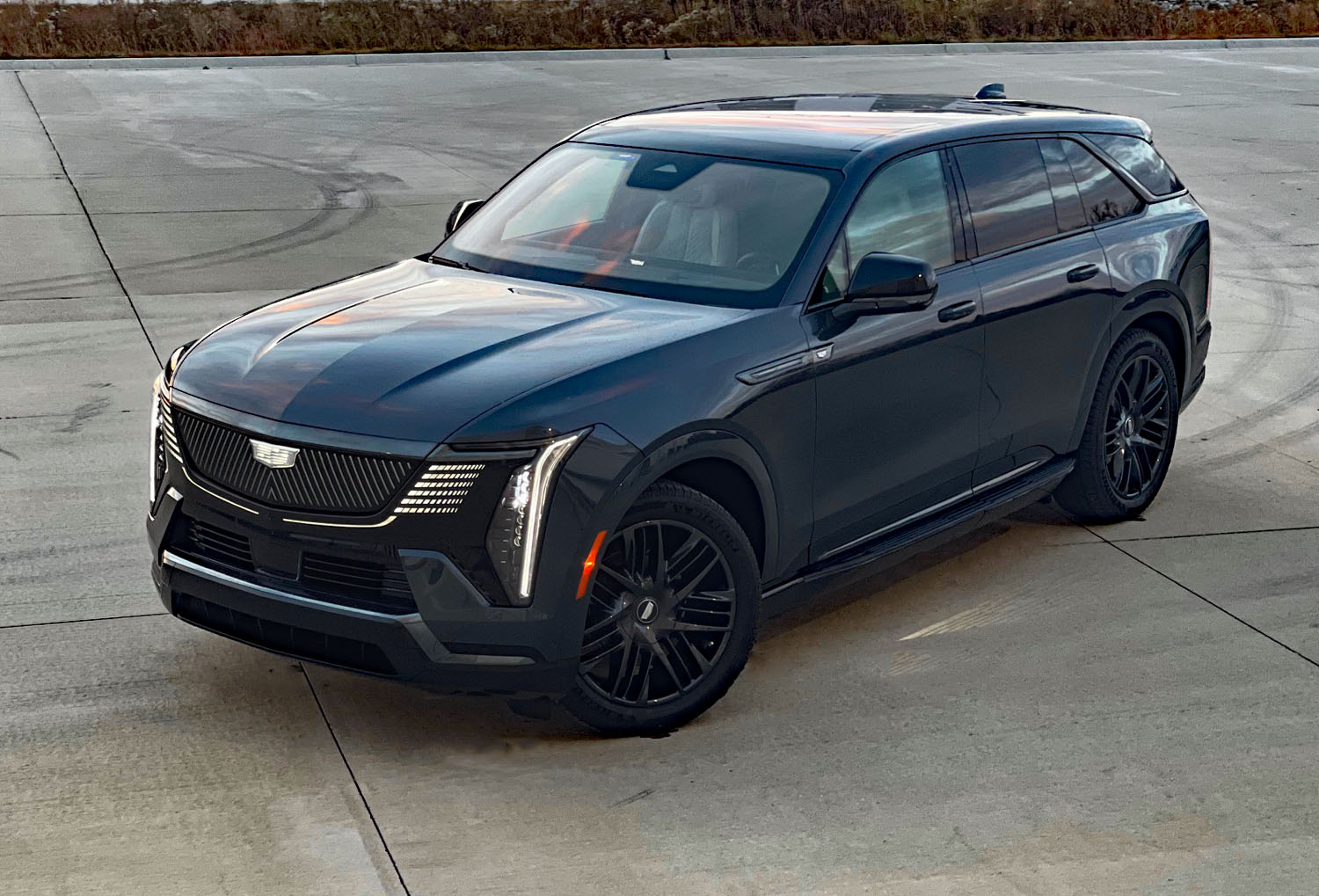
1. 2026 Cadillac Escalade: Luxurious but Overwhelming for Urban Life
The 2026 Cadillac Escalade continues to epitomize American luxury, yet its massive size and design choices make it increasingly impractical for city driving. Weighing roughly 9,100 pounds, the Escalade IQ is about 3,100 pounds heavier than its gasoline predecessor, making it one of the heaviest passenger vehicles ever produced.
This extreme weight affects braking, handling, and maneuverability, rendering the SUV difficult to park or navigate on narrow streets. In Europe, its mass would exceed legal limits for standard passenger cars, highlighting how its scale clashes with modern urban environments.
The Escalade IQ’s aesthetic updates further amplify its urban challenges. Its traditional boxy silhouette is replaced by a sloping, aerodynamic roofline, which improves efficiency but introduces functional drawbacks. Rear visibility is reduced, requiring heavy reliance on cameras, and headroom in the third row is limited for taller passengers.
The illuminated “crystal shield” grille and futuristic styling give the Escalade a cinematic appearance, but enthusiasts feel it sacrifices the rugged identity that long defined the model.
Inside, the Escalade straddles a “tech vs. luxury” divide. Manual-folding second-row seats feel clunky and out of place in a vehicle costing up to $175,000.
Cadillac’s removal of Apple CarPlay and Android Auto in favor of a native Google system has drawn criticism for disrupting the seamless digital experience luxury buyers expect. While advanced technology is plentiful, some interior choices fail to match the level of refinement typical for the class.
The 2026 Cadillac Escalade blends opulence, innovation, and road presence but struggles to reconcile its highway-oriented ambition with the realities of urban life. Its enormous size, quirky styling, and certain interior compromises make it a vehicle better suited for spacious roads than for congested city streets and tight parking spaces, leaving it feeling “out of place” for many metropolitan drivers.
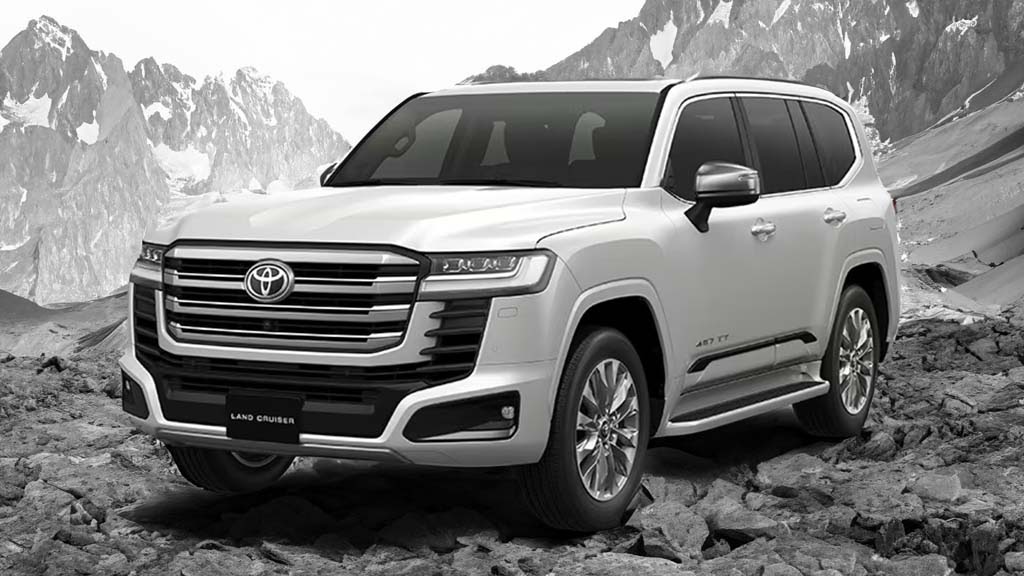
2. 2026 Toyota Land Cruiser: Off-Road Specialist Misaligned with Urban Needs
The 2026 Toyota Land Cruiser (J250 series) remains a legendary name in SUVs, but it struggles to fit into urban environments. Once a six-figure luxury SUV with a V8 engine that competed with Range Rovers, the new Land Cruiser has shifted to a smaller four-cylinder hybrid platform.
This change has created an identity crisis, leaving enthusiasts uncertain about its position in the modern market. Its focus on heavy-duty off-road features, such as crawl control, stabilizer disconnects, and full-time 4WD, emphasizes rugged capability at the expense of city practicality.
Redundancy within Toyota’s lineup further complicates the Land Cruiser’s appeal. Sharing the TNGA-F platform, wheelbase, and i-FORCE MAX hybrid powertrain with the new 4Runner, the Land Cruiser can feel like a slightly redesigned sibling rather than a distinct flagship.
While its off-road credentials are impressive, it struggles to justify its price and premium status in a market increasingly dominated by refined, car-like luxury SUVs.
Interior design reflects this compromise. The hybrid battery requires a higher, uneven cargo floor, reducing vertical storage space and limiting practicality for everyday urban use. Rear seating is adequate, but the cabin lacks the plush refinement expected from a near-$70,000 SUV.
Driving dynamics emphasize toughness rather than comfort. The body-on-frame construction produces a truck-like ride that can feel bouncy on highways. Steering is heavy, and wind noise is noticeable, contrasting sharply with competitors that prioritize smooth, quiet, and tech-rich experiences.
The 2026 Toyota Land Cruiser excels as an off-road vehicle but feels out of place in city settings. Its rugged capabilities, specialist design, and compromises for durability make it ideal for challenging terrain but cumbersome for suburban streets, tight parking, and modern urban driving. The Land Cruiser remains a legend, but its strengths are often mismatched with the environment where most buyers will use it.
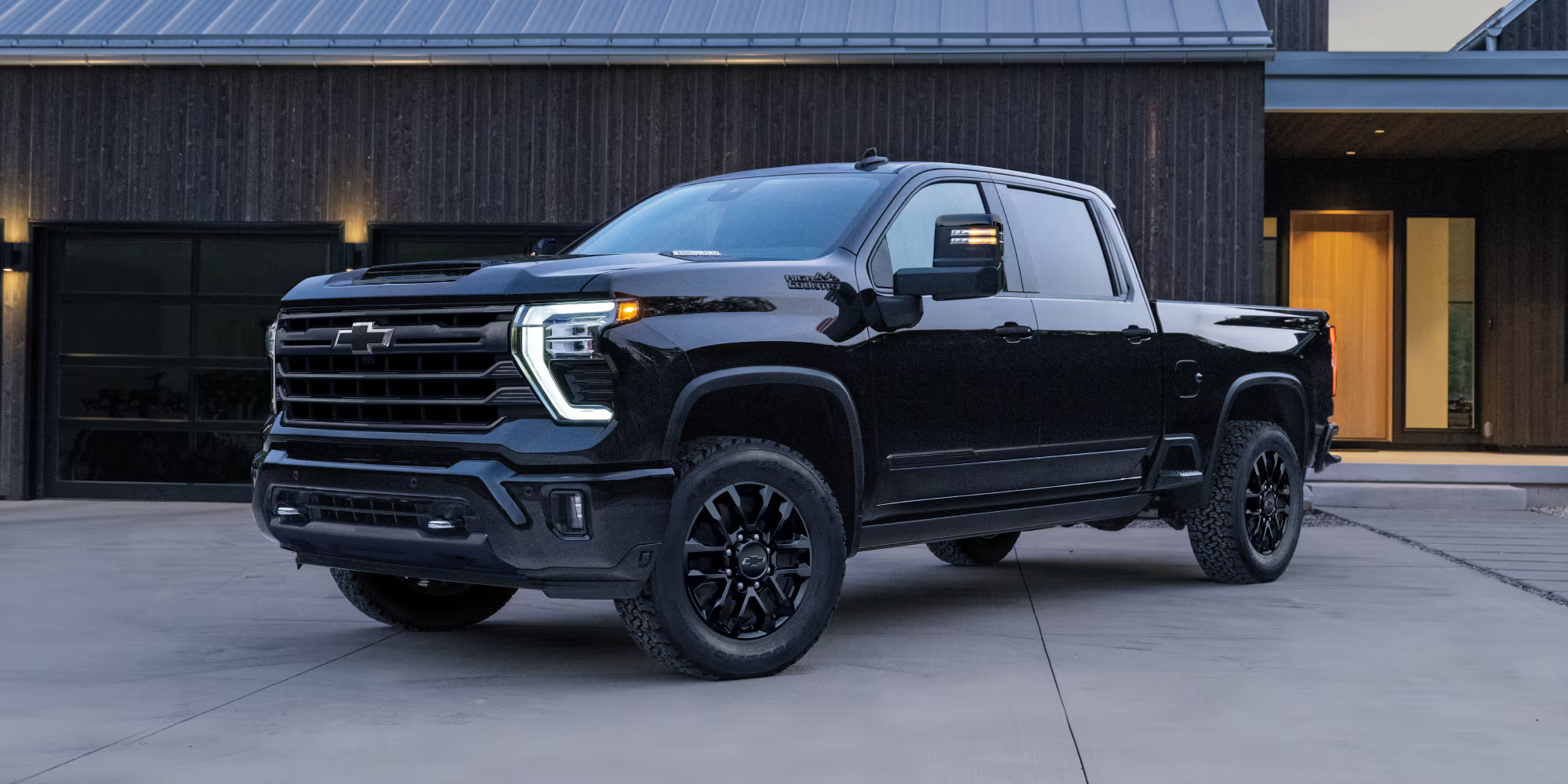
3. 2026 Chevrolet Silverado 2500HD: Heavy-Duty Power That Struggles in Urban Settings
The 2026 Chevrolet Silverado 2500HD is a rugged, heavy-duty truck designed for towing and hauling massive loads, but its size and features make it feel out of place for everyday city or suburban use.
With a massive wheelbase, high ground clearance, and heavy-duty suspension, the Silverado 2500HD is difficult to park in standard garages or navigate narrow streets. Its size and specialized design emphasize capability over comfort, which limits its practicality for daily driving.
Rising costs further complicate its appeal. Upper trims approach $77,000, and reviewers question whether the balance of luxury and duty offers sufficient value. The 2500HD sits awkwardly between the smaller 1500 and the larger 3500 models, leaving some buyers feeling the 3500 may provide better utility for a similar price.
Styling changes also contribute to the truck feeling out of place. The 2026 model sports a more aggressive front fascia with slimmer headlights and a larger grille. Some traditional users may find this design too bold or flashy for a classic work truck.
Additionally, Chevrolet has reduced configuration options, discontinued certain cab choices, and removed easy-to-clean interior features, which diminishes practicality for work-oriented buyers.
Driving dynamics highlight the trade-offs of heavy-duty engineering. The truck can feel bumpy or stiff when not hauling, and some users report issues with hard-shifting transmissions, spongy brakes, and overly complex tech systems. The prioritization of four-wheel drive on most trims makes the truck feel over-equipped for drivers in milder climates who do not need 4WD capabilities.
The 2026 Chevrolet Silverado 2500HD excels as a specialized, heavy-duty truck built for extreme loads and tough conditions. However, its size, ride characteristics, aggressive styling, and high cost make it cumbersome for urban or suburban settings. For buyers focused on city driving or daily commuting, the truck’s strengths in durability and capability are overshadowed by the compromises required for everyday use.
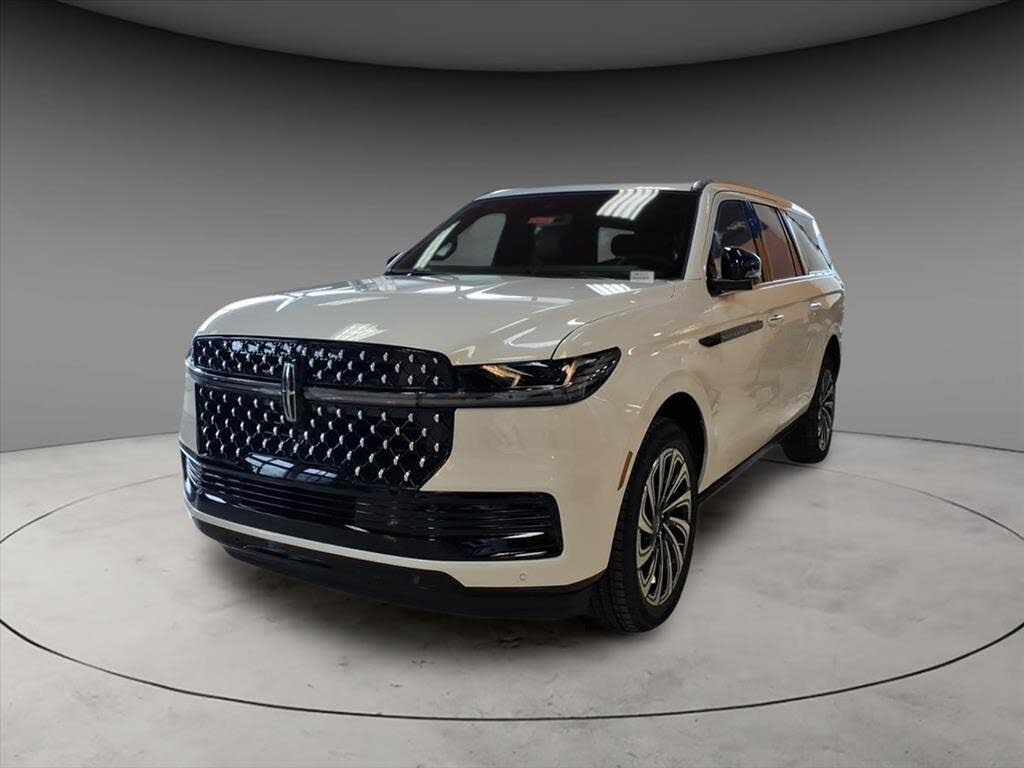
4. 2026 Lincoln Navigator: Futuristic Luxury That Struggles in Urban Settings
The 2026 Lincoln Navigator is Lincoln’s most ambitious SUV, but it often feels out of place in city driving and traditional luxury expectations. Experts highlight its size and suspension tuning, noting that it is difficult to park in urban garages and can feel bumpy over uneven streets. While it embraces a futuristic, screen-focused philosophy, some design and engineering choices create a disconnect for daily usability.
One of the most polarizing elements is the new “Squircle” steering wheel. Its squared-off shape was designed to provide a clear view of the 48-inch panoramic display, but testers describe it as unnatural, especially when maneuvering in tight spaces, comparing it to “rotating a book.”
Basic adjustments, such as steering column, mirror, and air vent controls, are now accessed through digital menus, which can feel unintuitive for drivers accustomed to physical knobs and switches.
Ride quality also draws criticism. Despite its premium price, the Navigator’s body-on-frame construction can produce shakes and shimmies on uneven roads. Even with its standard 24-inch wheels, the ride is sometimes described as “springy” and “wallowy,” lacking the composed refinement of rivals like the Cadillac Escalade.
Interior materials show inconsistencies, with luxurious leather on upper surfaces contrasted by hard plastics on lower panels and a center console that can feel flimsy. Ergonomic quirks, such as an off-center brake pedal, further reduce comfort for long drives.
Technology features, including the Lincoln Rejuvenate spa mode and BlueCruise hands-free system, are impressive in concept but may be unnecessary or inconsistent in daily use. Critics note that BlueCruise can trail lane markings, making it less reliable than competing systems.
The 2026 Lincoln Navigator attempts to merge futuristic digital luxury with traditional SUV utility. While its cabin is visually striking and feature-rich, the combination of unconventional controls, ride quirks, and urban impracticality makes it feel more like a high-tech experiment than a classic, effortless American luxury SUV.
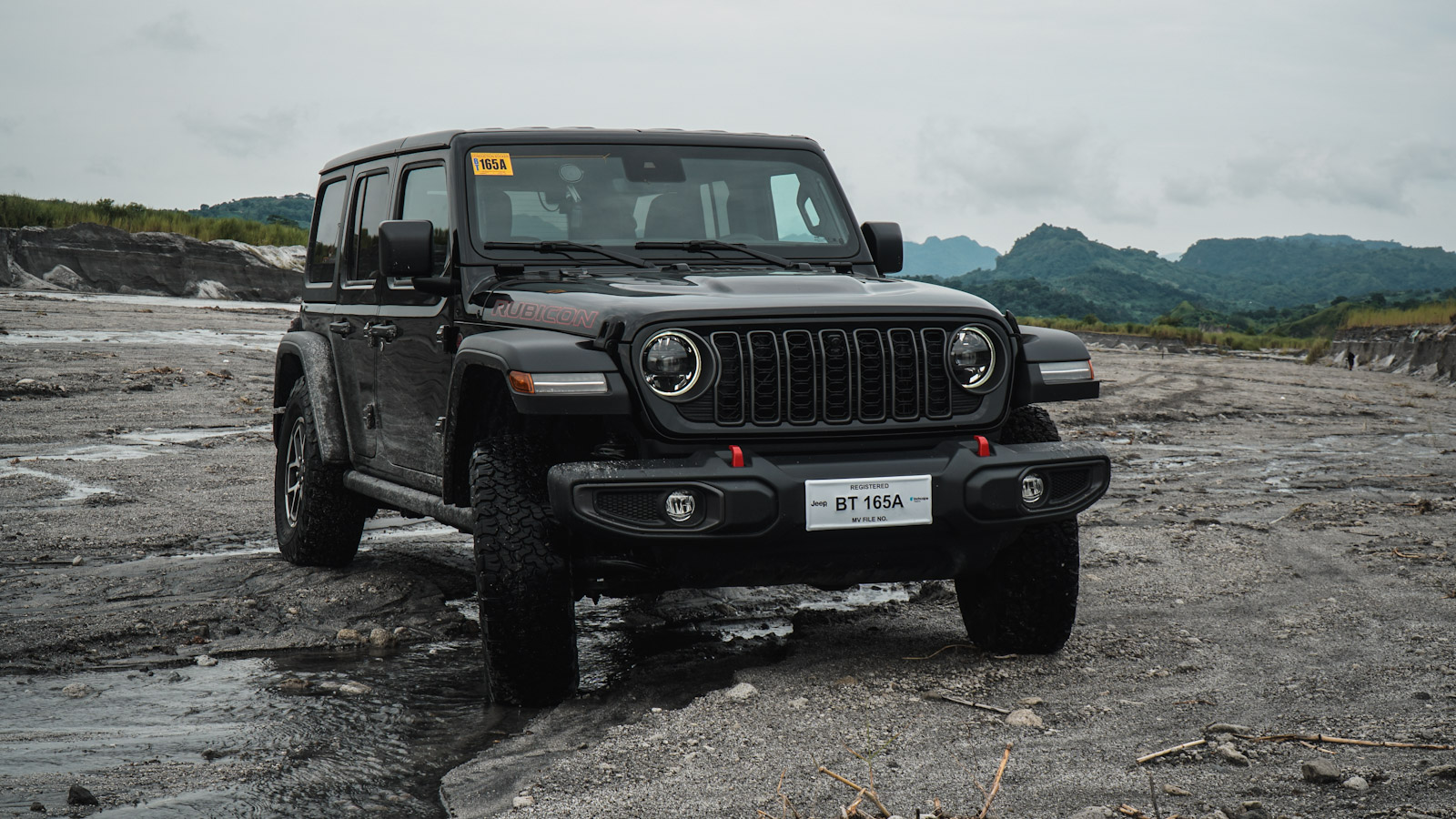
5. 2025 Jeep Wrangler: Rugged Off-Roader Struggling in City Driving
The 2025 Jeep Wrangler remains a legendary off-road machine, but its design and mechanics make it feel out of place for city professionals and everyday commuting. Built for “terrain-conquering” adventures, it carries DNA dating back 80 years, which often clashes with the modern expectations of comfort, refinement, and quietness.
Mechanically, the Wrangler retains solid front and rear axles, a setup ideal for rock crawling but problematic on paved roads. When a single tire hits a pothole, the motion transfers across the axle, producing a shudder or jittery sensation. This makes the ride feel rough and unrefined compared to contemporary crossovers with independent suspension. High-speed driving also exposes limitations.
The Wrangler uses a recirculating-ball steering system, which adds durability off-road but creates a “dead zone” at highway speeds. Combined with its boxy shape, the Jeep is sensitive to crosswinds and requires constant corrections, making long-distance commuting less relaxing.
The interior blends modern technology with utilitarian heritage, creating a tension that some find awkward. The 2025 model features a 12.3-inch touchscreen, power-adjustable seats, and hybrid 4xe options, yet elements like exposed door hinges and removable roof seals remind drivers of its rough-and-ready origins. This “luxury-meets-tractor” mix can feel inconsistent for users seeking polished, cohesive cabin experiences.
The Wrangler feels out of place because vehicle priorities have changed faster than its design. While competitors focus on smooth rides, sound insulation, and urban-friendly handling, the Wrangler prioritizes extreme off-road capability.
For most drivers, who spend 99% of their time on asphalt, this specialization results in compromises that highlight its ruggedness rather than convenience, making it a remarkable adventure tool but a challenging daily driver in city and suburban environments.
Not every vehicle fits seamlessly into urban life, even when it delivers on power, luxury, or off-road capability. The 2026 Cadillac Escalade, Toyota Land Cruiser, Chevrolet Silverado 2500HD, Lincoln Navigator, and 2025 Jeep Wrangler are impressive machines in their own right, but their size, specialized features, and design priorities can make city driving cumbersome.
Oversized dimensions, heavy suspensions, and limited maneuverability can complicate parking, tight turns, and daily commutes, while certain cabin or control layouts can feel unintuitive for fast-paced urban use. Even with high-end materials and advanced technology, these vehicles are better suited to open roads, rugged terrain, or long-distance hauling rather than congested streets and stop-and-go traffic.
City professionals benefit most from vehicles that emphasize accessibility, ease of handling, and seamless integration of safety and infotainment features, rather than those optimized solely for power, luxury, or extreme off-road capability.
Recognizing the difference between city-ready vehicles and those that feel out of place helps buyers make informed choices, ensuring that their vehicle enhances urban living rather than introducing compromise, frustration, or inefficiency in their everyday routines.
Also Read: 10 Cars That Are Harder to Live With Than Expected
