
City driving creates a very different kind of relationship between people and their cars. Tight streets, frequent stops, crowded parking, short trips, and daily wear place unique pressure on any vehicle. Some cars handle that environment with ease and still retain strong resale appeal years later.
Others quietly lose worth as mileage increases and cosmetic wear becomes harder to hide. The difference often has less to do with brand prestige and more to do with how well a car fits urban life. Resale value matters even to drivers who plan to keep a vehicle for several years.
Urban use accelerates depreciation through door dings, curb rash, interior scuffs, and mechanical strain from constant stop-and-go traffic. Buyers in the secondary market notice these details immediately. Vehicles designed with durability, efficiency, and ease of ownership tend to age better under these conditions.
This page separates ten vehicles into two clear groups. The first five models show strong value retention even after years of use in the city. Practical design, dependable engineering, and broad buyer demand protect their resale strength.
The second group, which will appear in the next section, struggles to hold value once exposed to urban driving patterns. Higher running costs, fragile components, or limited buyer interest often explain why. Each vehicle is discussed individually with attention to city realities rather than advertising claims.
If long-term value matters alongside daily convenience, these comparisons offer clarity grounded in real ownership behaviour rather than speculation.
5 Cars That Hold Value With City Use
1. Toyota Corolla LE 2016
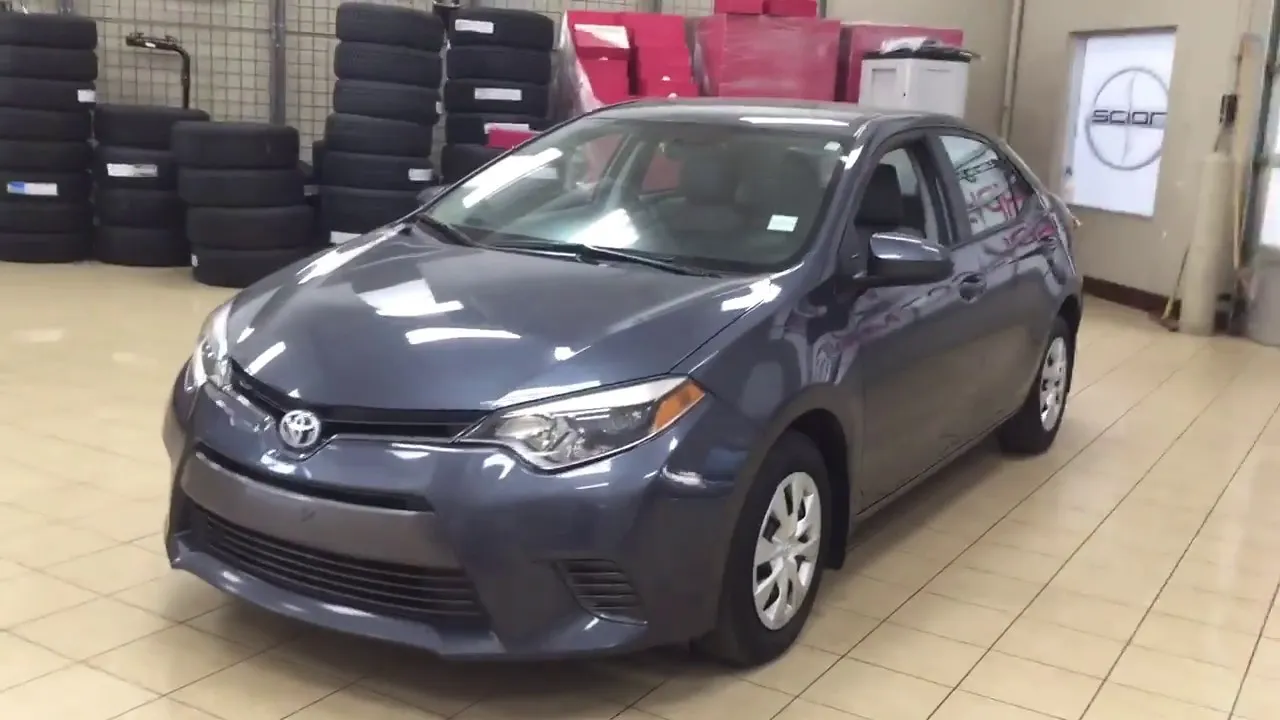
Reliability sets the foundation for value retention, and few vehicles represent that principle better than the Toyota Corolla LE 2016. Cities use favours cars that start every morning without drama, tolerate short trips, and handle traffic without complaint. This model delivers those qualities consistently, which explains why demand remains strong years after purchase.
Urban drivers place heavy emphasis on fuel economy, and the Corolla LE performs efficiently without requiring special driving habits. Regular gasoline, predictable consumption, and modest service intervals keep operating costs manageable. Buyers in the used market appreciate that consistency, especially when comparing alternatives with higher ownership expenses.
Interior durability plays a quiet yet important role in resale strength. Seat materials resist wear, dashboard surfaces age slowly, and controls maintain a solid feel even after frequent use. Compact exterior dimensions reduce parking damage, while clear sightlines make daily maneuvering easier. These factors limit visible wear that might otherwise reduce perceived value.
Mechanical simplicity also contributes to lasting appeal. Naturally aspirated engines paired with proven transmissions avoid the repair risks associated with more complicated designs. Independent mechanics understand the platform well, which reassures second owners and supports steady resale pricing.
Reputation adds another layer of protection. Buyers trust the Corolla name due to decades of consistent performance. That trust does not fade when mileage rises, especially in urban settings where highway miles are less common. Sellers benefit from a wide audience willing to pay fair prices.
City use rarely flatters a vehicle, yet the Toyota Corolla LE 2016 absorbs that punishment with minimal long-term impact. Value remains stable because the car aligns closely with what urban buyers want and need.
2. Honda Civic EX 2017
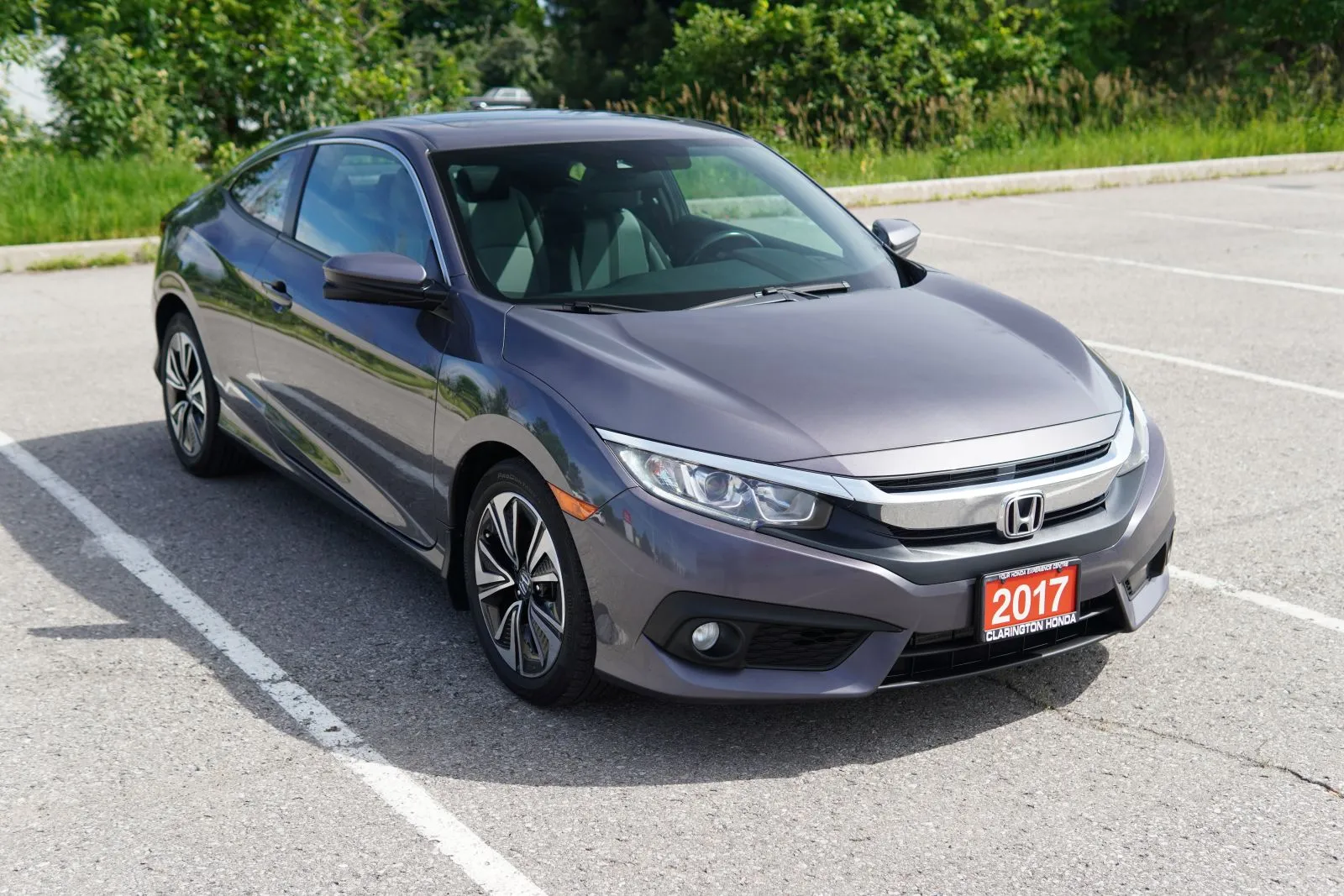
Confidence in engineering allows the Honda Civic EX 2017 to thrive in city environments while maintaining resale strength. Urban driving rewards cars that feel responsive at low speeds, manage congestion smoothly, and avoid costly surprises. This model addresses each of those concerns with balance and refinement.
Engine performance suits city conditions well. Acceleration feels controlled rather than aggressive, allowing easy lane changes and steady progress through traffic. Fuel efficiency remains consistent, which attracts budget-conscious buyers searching the used market. Predictable running costs reinforce demand.
Interior quality supports long-term appeal. Seating materials hold shape, trim pieces resist loosening, and controls remain intuitive. Urban owners often enter and exit vehicles frequently, increasing wear points. Honda’s attention to fit helps limit visible aging, preserving resale confidence.
Technology inclusion also matters. The EX trim offers features that remain desirable without appearing outdated. Infotainment usability, safety aids, and connectivity options maintain relevance, which supports value when compared to older or overly basic competitors.
Handling characteristics add another benefit. Steering response and suspension tuning work well on uneven city streets, reducing fatigue during daily commutes. Compact size assists with parking while maintaining adequate cabin space. Buyers notice that balance quickly during test drives.
Brand perception plays a role as well. Honda vehicles carry a reputation for dependable ownership and strong resale. That perception extends to the Civic EX 2017, especially among city dwellers who prioritize practicality without sacrificing comfort.
Urban mileage does not punish this car as harshly as many rivals. Value retention remains steady because the Civic EX aligns with real-world usage rather than showroom appeal alone.
Also Read: 5 Vehicles That Make Sense for City Budgets vs 5 That Don’t
3. Subaru Impreza Premium 2018
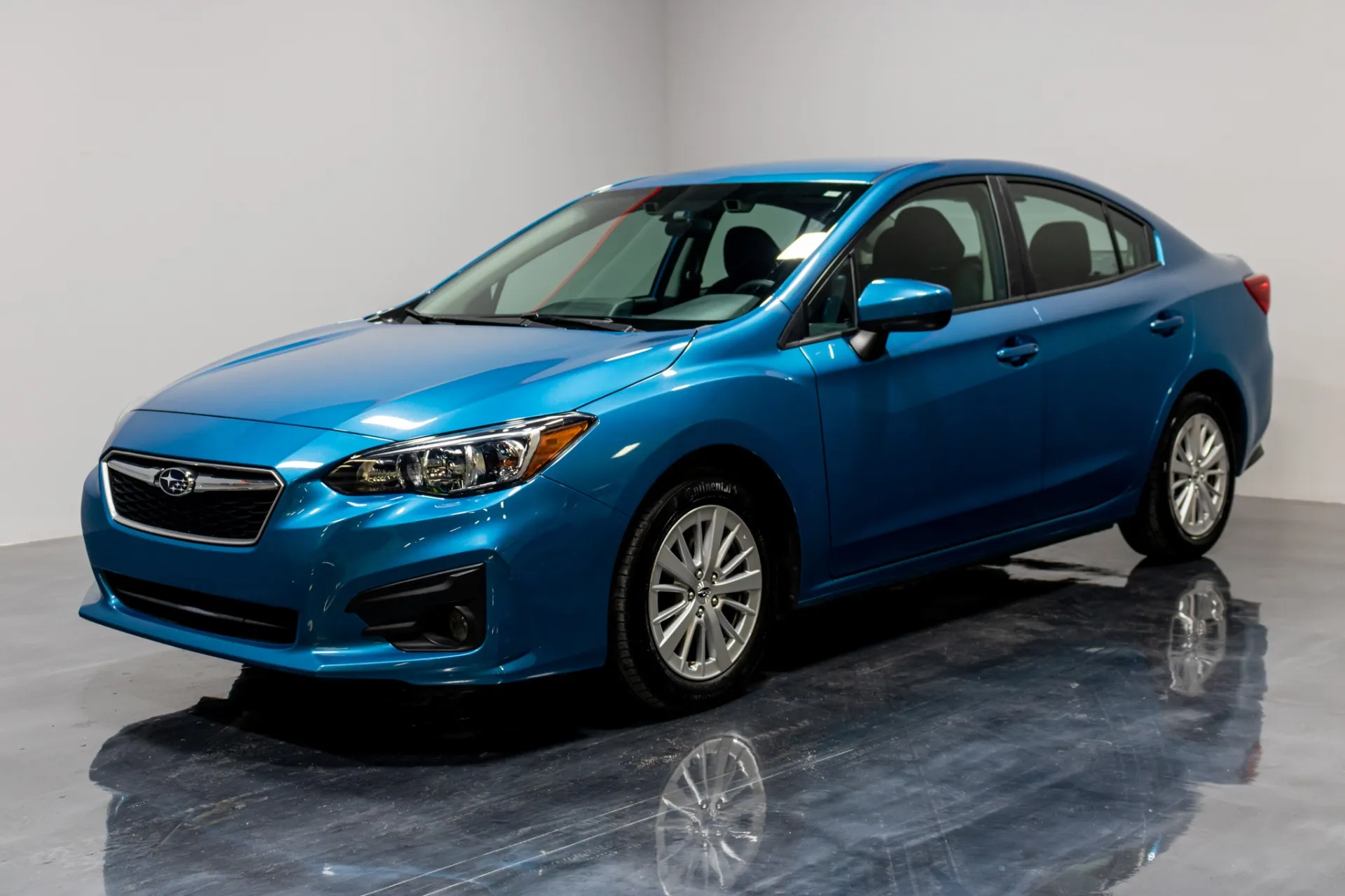
All Wheel Drive might seem unnecessary for city driving, yet the Subaru Impreza Premium 2018 proves otherwise through steady resale performance. Urban conditions include rain, uneven pavement, and unpredictable traction scenarios. This model offers reassurance without adding complications that harm value.
Design favours usability. Moderate exterior size helps with parking, while generous visibility reduces stress during tight maneuvers. Owners appreciate that confidence daily, and secondhand buyers recognize it during inspection.
Interior construction supports long-term ownership. Materials feel sturdy, and the layout emphasizes clarity. Frequent entry and exit leave fewer marks than expected, helping the cabin present well even after years of use. That presentation directly influences resale pricing.
Mechanical reputation also matters. Subaru’s engine and drivetrain design attracts buyers who value stability and predictability. Service requirements remain straightforward, which reassures those considering a used purchase. City mileage does not dramatically reduce confidence in the platform.
Fuel economy remains competitive despite All Wheel Drive. That balance widens the buyer pool, especially in areas where weather variability affects daily travel. Used buyers often accept slightly higher fuel consumption in exchange for added control.
Safety features included in the Premium trim add another layer of appeal. Advanced driver aids retain relevance and support stronger asking prices. Urban buyers value those systems highly due to traffic density. The Subaru Impreza Premium 2018 maintains value because it delivers daily confidence without unnecessary cost or fragility. City uses to highlight its strengths rather than exposing weaknesses.
4. Mazda3 Touring Hatchback 2019
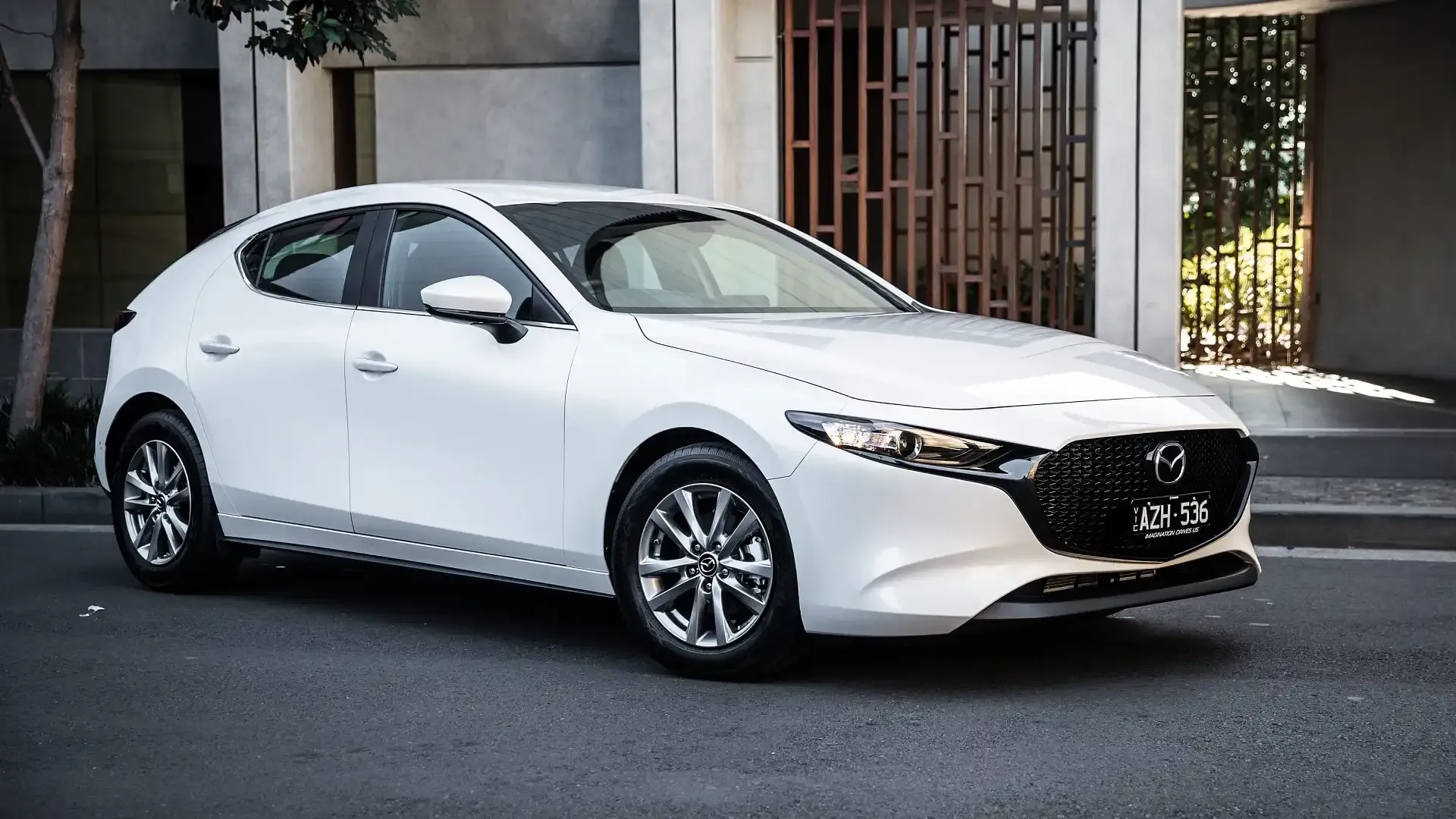
Visual appeal often weakens with constant city exposure, yet the Mazda3 Touring Hatchback 2019 maintains its appeal through careful engineering and disciplined styling. This model reflects an approach that prioritizes durability and balance rather than exaggerated presentation, which helps it withstand daily urban pressure without a rapid decline in buyer interest.
Exterior construction supports this resilience. Paint application shows strong resistance to fading and minor abrasions, while body alignment remains tight after repeated exposure to congested streets. Compact dimensions reduce contact risks during parking, and the hatchback format improves utility for routine errands.
Prospective buyers respond positively when outward condition remains convincing despite steady mileage. Cabin quality also contributes strongly to retained worth. Materials feel well chosen for frequent interaction, resisting cracks and shine associated with cheaper finishes.
Seating remains supportive, and trim pieces maintain firmness rather than loosening with age. Switchgear operation feels precise, an important factor when inspections focus on tactile impressions formed during brief test drives.
Urban driving behaviour suits the vehicle’s character. Steering response remains predictable at low speeds, allowing easy manoeuvring through traffic and narrow streets. Suspension tuning absorbs uneven road surfaces without harsh reactions, preserving comfort during repeated commutes. This balance encourages longer ownership periods, reducing hurried resale driven by frustration.
Power delivery matches city requirements effectively. The engine provides smooth acceleration without aggressive response, lowering mechanical strain during stop-start travel. Fuel usage remains reasonable, keeping running expenses within manageable limits for a wide range of owners. Predictable servicing costs support confidence during resale discussions.
Market perception also favours this model. Mazda’s emphasis on craftsmanship and driving refinement has improved buyer trust. That reputation influences pricing strength once vehicles enter the secondary market. The Mazda3 Touring Hatchback 2019 benefits from this steady brand direction.
Urban conditions test consistency more than excitement. This vehicle preserves value because its design choices support sustained daily use, allowing appearance, comfort, and reliability to remain credible long after purchase.
5. Hyundai Elantra SEL 2020
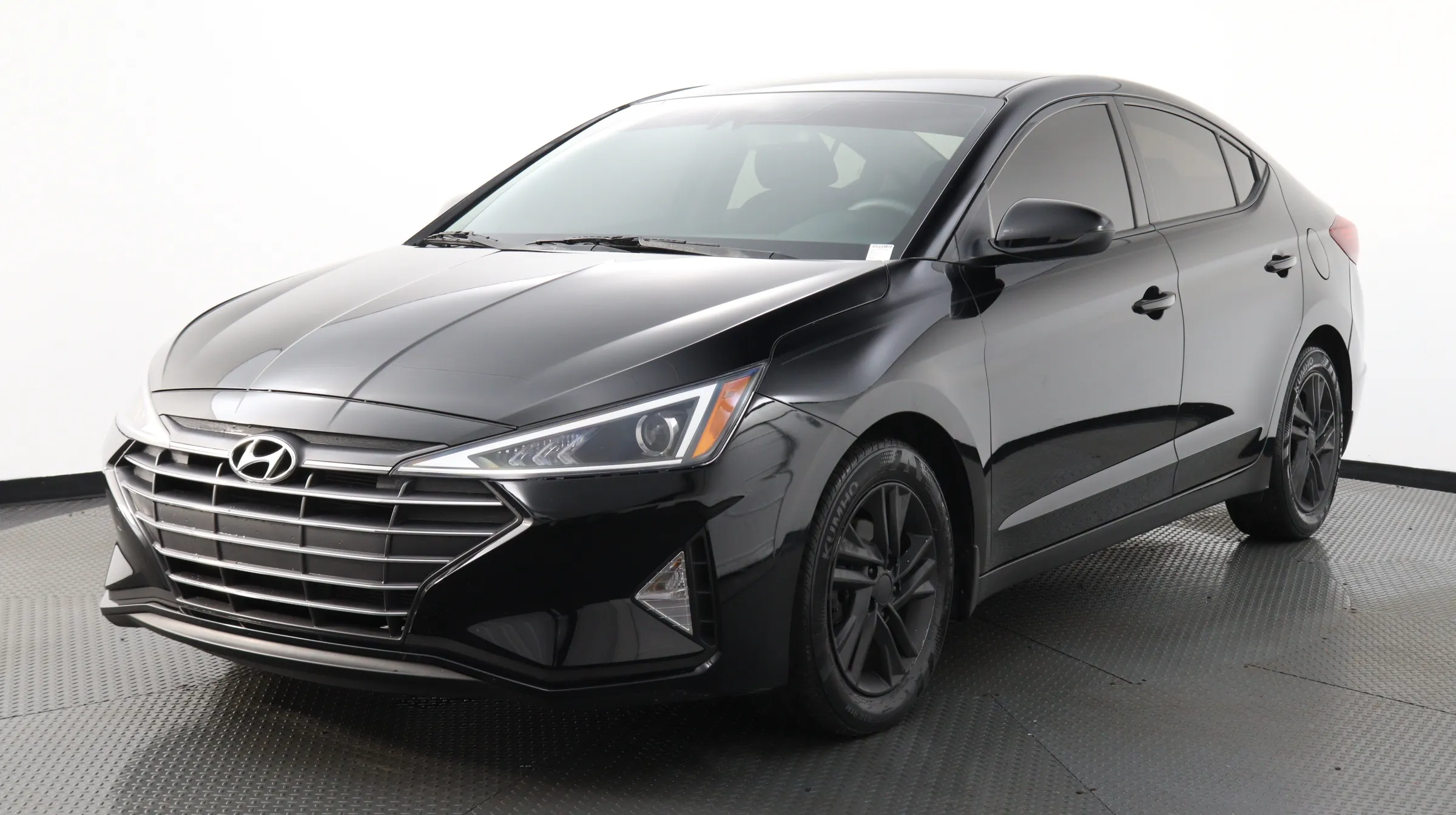
Urban buyers often value dependability and cost control above appearance, and the Hyundai Elantra SEL 2020 addresses those priorities with measured execution. Its design avoids excess while delivering features that support daily transport demands, enabling it to maintain resale strength under frequent city use.
Exterior styling adopts a clean approach that reduces vulnerability to wear. Body panels withstand light impacts common in congested areas, and paint finishes retain clarity despite constant exposure. Moderate proportions ease parking tasks, lowering repair frequency and preserving outward condition that reassures secondhand buyers.
Interior arrangement supports durability. Seat fabrics endure repeated use without thinning, and dashboard materials resist early degradation. Controls remain straightforward, reducing mechanical fatigue from constant interaction. Buyers inspecting used examples appreciate cabins that feel intact rather than tired, strengthening price confidence.
Mechanical reliability forms a central pillar of this model’s appeal. Hyundai engineering during this period reflects focused improvement, resulting in fewer recurring faults during ownership. Service schedules remain manageable, and repair costs stay accessible. Such predictability attracts cautious purchasers who prioritize stability after transfer of ownership.
Fuel consumption aligns well with urban patterns. Efficient operation during traffic congestion reduces routine expenses, expanding interest among cost-conscious buyers. Affordable running costs widen demand, which helps preserve market value during resale negotiations.
Equipment selection within the SEL trim remains practical. Comfort and safety features meet modern expectations without unnecessary systems that raise failure risk. This restraint supports long-term dependability, which buyers often reward through stronger offers.
Perception also matters. Hyundai’s reputation for value and steady quality improvement influences purchasing behaviour positively. The Elantra SEL 2020 benefits from that trust, allowing it to retain appeal even after extended city exposure.
Urban routines reveal weaknesses quickly. This model resists rapid decline because it satisfies daily needs with consistency, keeping ownership stress low and resale prospects stable.
5 Cars That Don’t Hold Value With City Use
1. BMW 7 Series 740i 2015
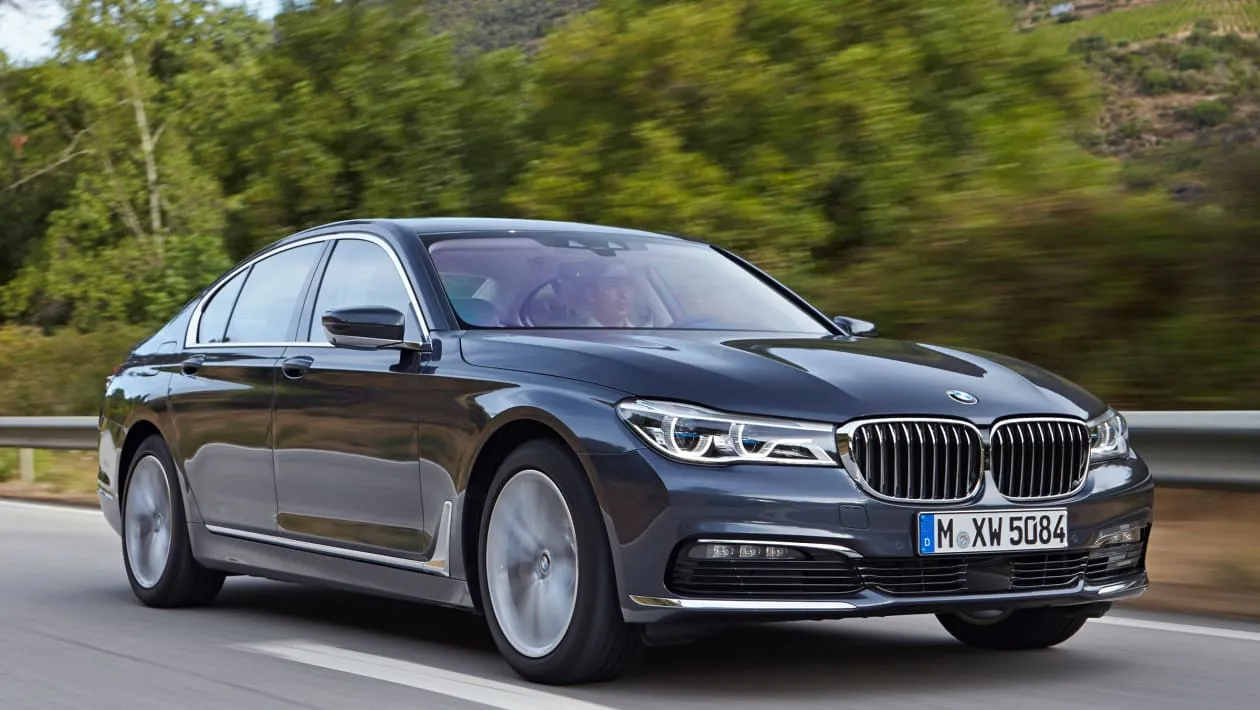
Luxury sedans often promise comfort and prestige, yet city use exposes weaknesses that quietly erode resale value. BMW 7 Series 740i 2015 illustrates this reality clearly. Designed with long highway journeys in mind, this model struggles to age gracefully under daily urban conditions. Tight streets, frequent stops, and parking challenges place stress on systems built for refinement rather than repetition.
Ownership costs create the first hurdle. Advanced suspension components, intricate electronics, and premium materials demand constant attention. Short city trips increase wear on braking systems and drivetrain components, raising service frequency. Buyers in the used market calculate these expenses quickly, which lowers willingness to pay strong prices.
Exterior size presents another issue. Large dimensions make parking difficult in crowded areas, increasing exposure to cosmetic damage. Minor scrapes and wheel damage appear quickly, affecting presentation. Visual wear matters greatly at resale time, especially in a segment where buyers expect perfection.
Interior materials age unevenly under constant use. Leather surfaces show creasing sooner, electronic controls develop inconsistencies, and infotainment systems lose relevance as software ages. Urban drivers interact with these features constantly, accelerating visible decline.
Depreciation accelerates because buyer demand narrows sharply. Many shoppers admire luxury sedans but hesitate to commit once maintenance realities become clear. That hesitation forces sellers to reduce asking prices to attract interest.
Brand reputation does not fully protect this model. While BMW engineering remains respected, city-focused buyers often favour smaller, simpler alternatives. That preference leaves the 740i vulnerable once mileage rises. Daily urban driving exposes weaknesses that remain hidden during short ownership periods.
BMW 7 Series 740i 2015 loses value quickly because city life highlights cost, size, and upkeep challenges that outweigh the luxury appeal.
2. Jaguar XF Premium 2016
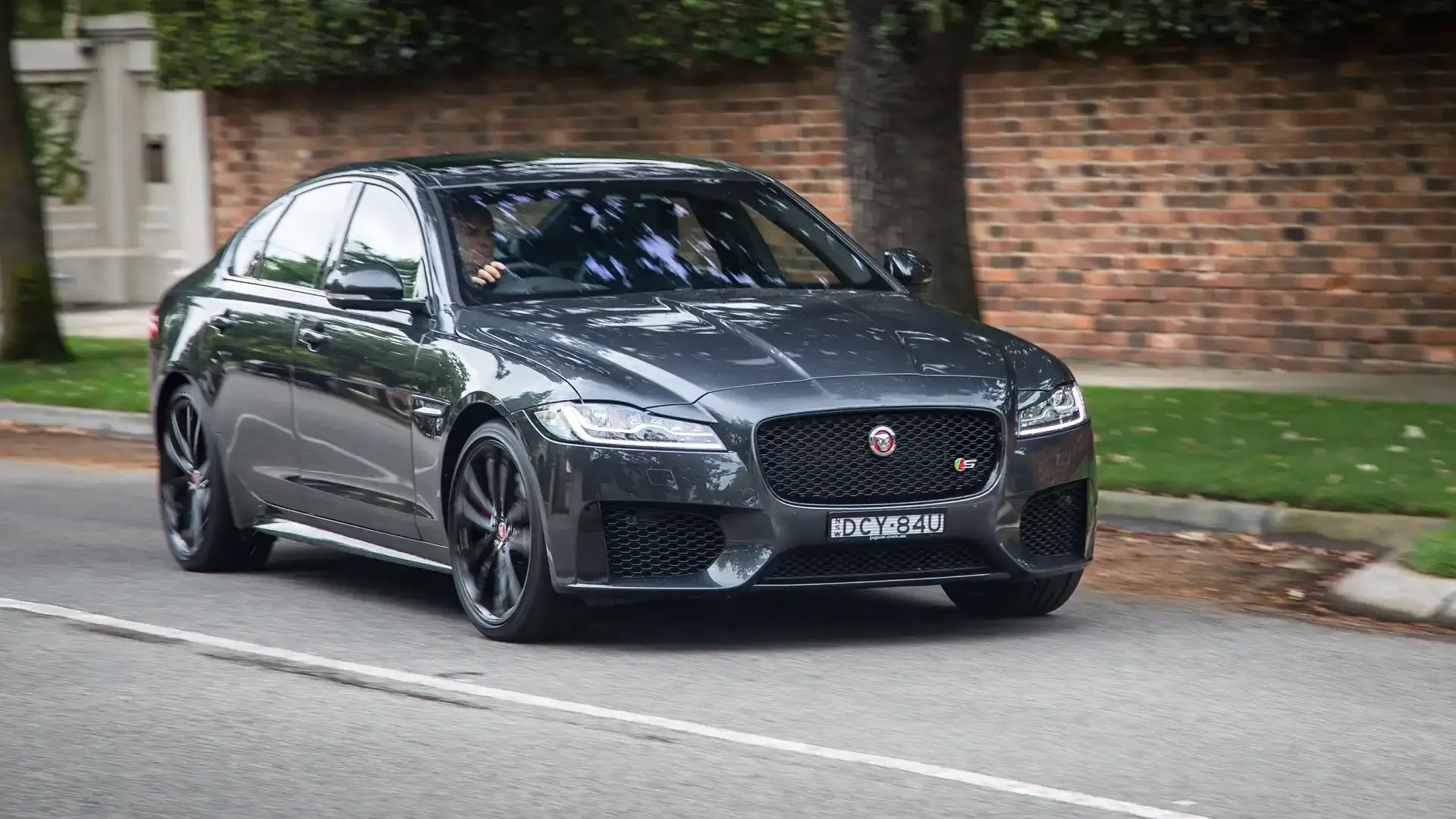
Style and elegance define the Jaguar XF Premium 2016, yet urban use introduces challenges that steadily weaken resale strength. Designed to impress visually and deliver smooth performance, this sedan faces difficulties once daily driving becomes repetitive and demanding.
Mechanical sensitivity ranks among the largest concerns. City traffic places constant strain on transmission systems and cooling components. Repairs tend to arrive earlier than expected, discouraging second owners. Service costs exceed what many urban buyers consider acceptable.
Interior design prioritizes atmosphere, yet frequent entry and exit accelerate wear. Trim pieces loosen, electronic features show inconsistency, and upholstery marks appear quickly. These details reduce perceived quality during resale evaluations.
Exterior styling, while attractive, includes elements vulnerable to damage. Low ride height and extended body panels suffer in parking environments. Cosmetic repairs add expense, reducing net resale return for sellers. Fuel consumption also affects buyer interest.
Stop-and-go traffic amplifies inefficiency, making ownership feel costly. Urban shoppers comparing options often favour alternatives that promise lower running expenses. Brand perception complicates matters. Jaguar attracts admiration, yet reliability concerns linger. That reputation discourages cautious buyers from paying premium prices once mileage accumulates.
Market demand shrinks rapidly after initial ownership. Sellers face a smaller audience willing to accept maintenance risks. Pricing adjustments become necessary, accelerating depreciation. City use strips away the charm that initially defines the Jaguar XF Premium 2016. Value declines because elegance alone cannot offset daily ownership challenges.
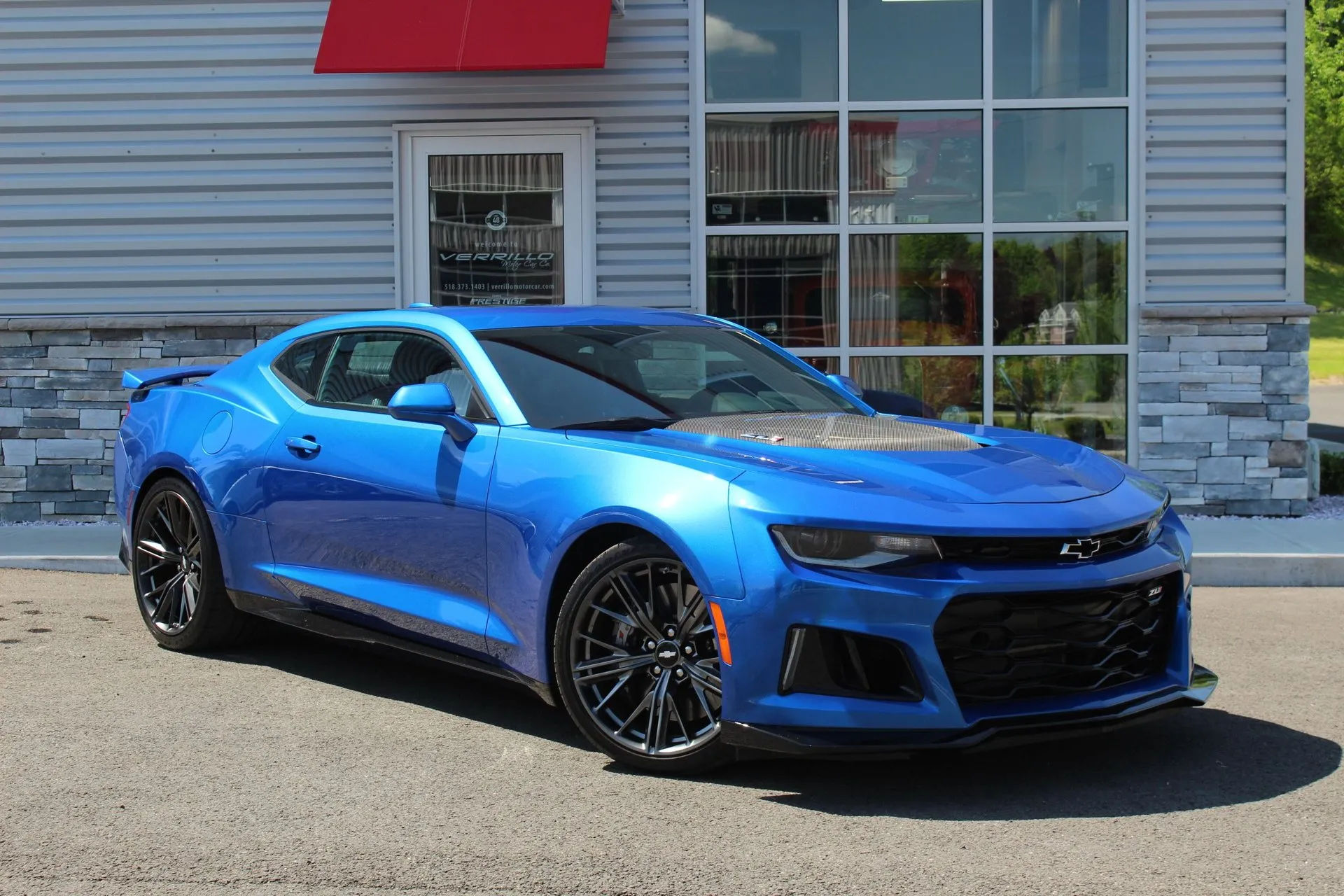
3. Chevrolet Camaro LT 2018
Performance branding alone does not ensure resale stability, particularly within dense urban settings where daily practicality carries greater weight. Chevrolet Camaro LT 2018 presents a clear example of how city use gradually weakens long term desirability.
Designed primarily for expressive driving on open roads, this coupe faces repeated friction when subjected to traffic congestion, limited parking space, and frequent short journeys that define metropolitan use. Visibility limitations form one of the earliest concerns for urban owners.
Thick roof pillars and reduced glass area make parking maneuvers demanding and lane positioning less intuitive. Daily exposure to these challenges increases driver fatigue and raises the likelihood of cosmetic contact with surrounding vehicles or curbs. During resale inspections, such wear quickly affects buyer perception.
Interior usability also restricts appeal. Rear seating provides limited comfort and minimal legroom, reducing passenger flexibility. Boot access narrows cargo options, complicating routine errands. Urban buyers generally favour vehicles that adapt easily to varied daily tasks, an area where this model falls short.
Ride quality presents another drawback. Suspension tuning prioritizes handling sharpness, allowing road imperfections to transmit directly into the cabin. Repeated exposure to uneven surfaces reduces driving comfort and satisfaction.
Fuel consumption further weakens city suitability. Stop-and-start traffic increases operating costs, discouraging buyers who seek economical ownership. Insurance premiums also tend to remain elevated due to the vehicle’s performance image, placing additional financial pressure on ownership. These combined expenses narrow the potential buyer base in the secondary market.
Public perception advances as mileage increases. Initial excitement surrounding styling and acceleration gives way to practical assessment. Urban drivers reassess priorities once daily inconvenience becomes routine. This change in perception directly influences resale demand and pricing.
The Chevrolet Camaro LT 2018 experiences faster depreciation in city conditions because its strengths align poorly with urban realities. Repeated use highlights compromises that outweigh driving enjoyment, reducing its ability to retain market value once ownership changes hands.
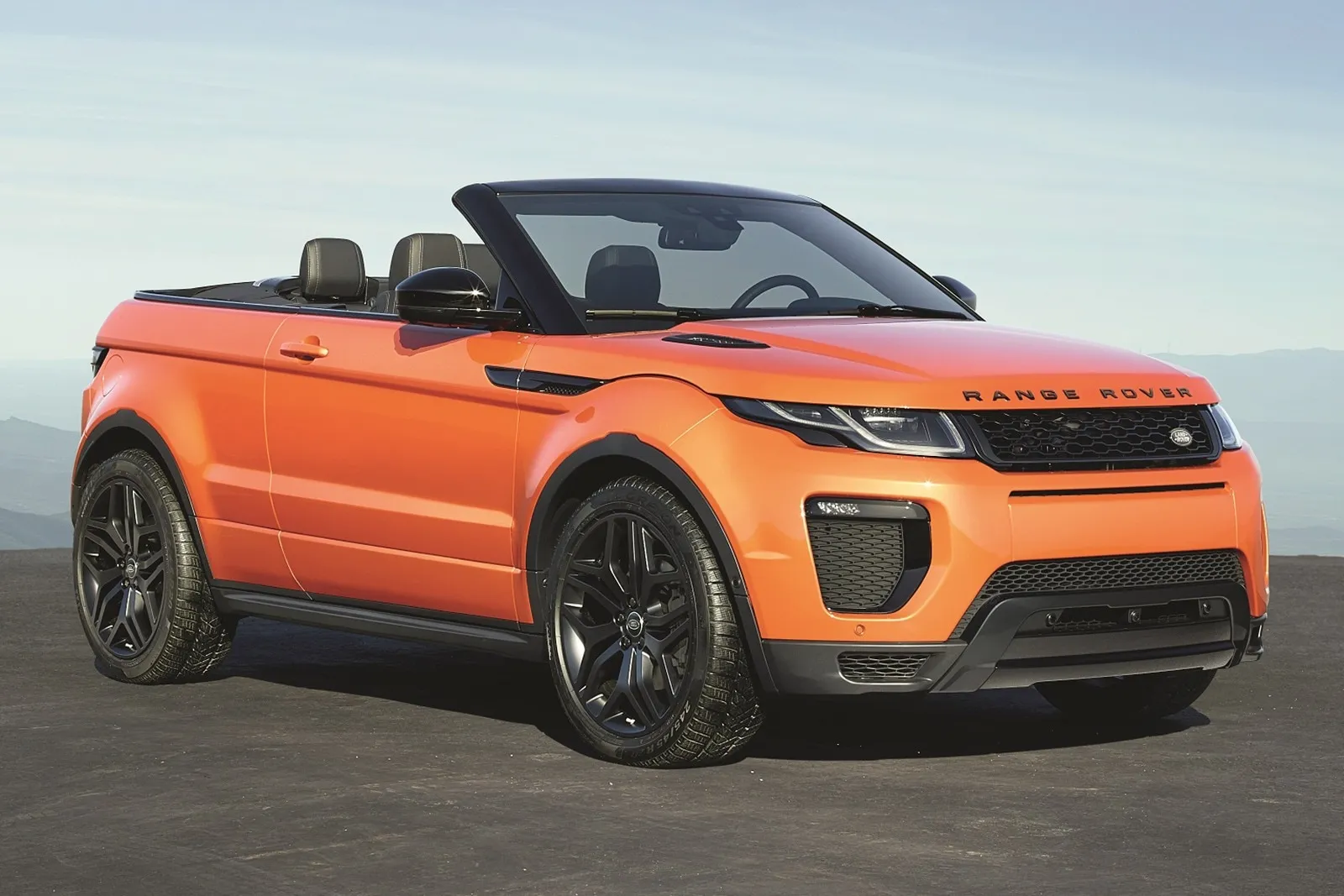
4. Land Rover Range Rover Evoque SE 2017
Compact luxury utility vehicles often promise adaptability, yet extended city use exposes weaknesses that erode resale appeal. Land Rover Range Rover Evoque SE 2017 illustrates this outcome clearly. While visual sophistication attracts attention, urban ownership emphasizes reliability, efficiency, and ease of upkeep, areas where this model struggles to maintain confidence.
Mechanical reliability concerns emerge early for many owners. Advanced drivetrain components and electronically controlled systems demand consistent attention. Short-distance journeys common in city driving increase mechanical strain, leading to more frequent workshop visits. Prospective buyers approach such vehicles cautiously, adjusting expectations downward when pricing is considered.
Interior presentation also declines faster than anticipated. High gloss trim surfaces show marks easily, while electronic interfaces lose responsiveness with repeated use. Frequent interaction during traffic conditions accelerates wear visibility, reducing the premium feel expected in this category. These details influence buyer judgment during resale evaluations.
Exterior proportions create further challenges. Limited rear visibility complicates parking tasks, increasing the risk of minor body damage. Urban environments expose paintwork and wheels to constant contact hazards. Repair costs accumulate, affecting net resale returns for owners.
Fuel consumption remains high in congested traffic, raising ownership expenses. Buyers seeking city-friendly vehicles often prioritize efficiency, which reduces demand for this model. While brand recognition attracts interest, ownership reputation moderates enthusiasm. Many buyers admire appearance, yet hesitate when considering service history and running costs.
Depreciation accelerates as urban mileage accumulates. Initial perceptions of exclusivity diminish as practicality concerns dominate ownership experience. Resale value declines accordingly, reflecting buyer caution. Land Rover Range Rover Evoque SE 2017 loses market strength under city conditions because daily use highlights expense and upkeep obligations rather than adaptability or convenience.
Also Read: 5 Vehicles That Suit City Families vs 5 That Don’t
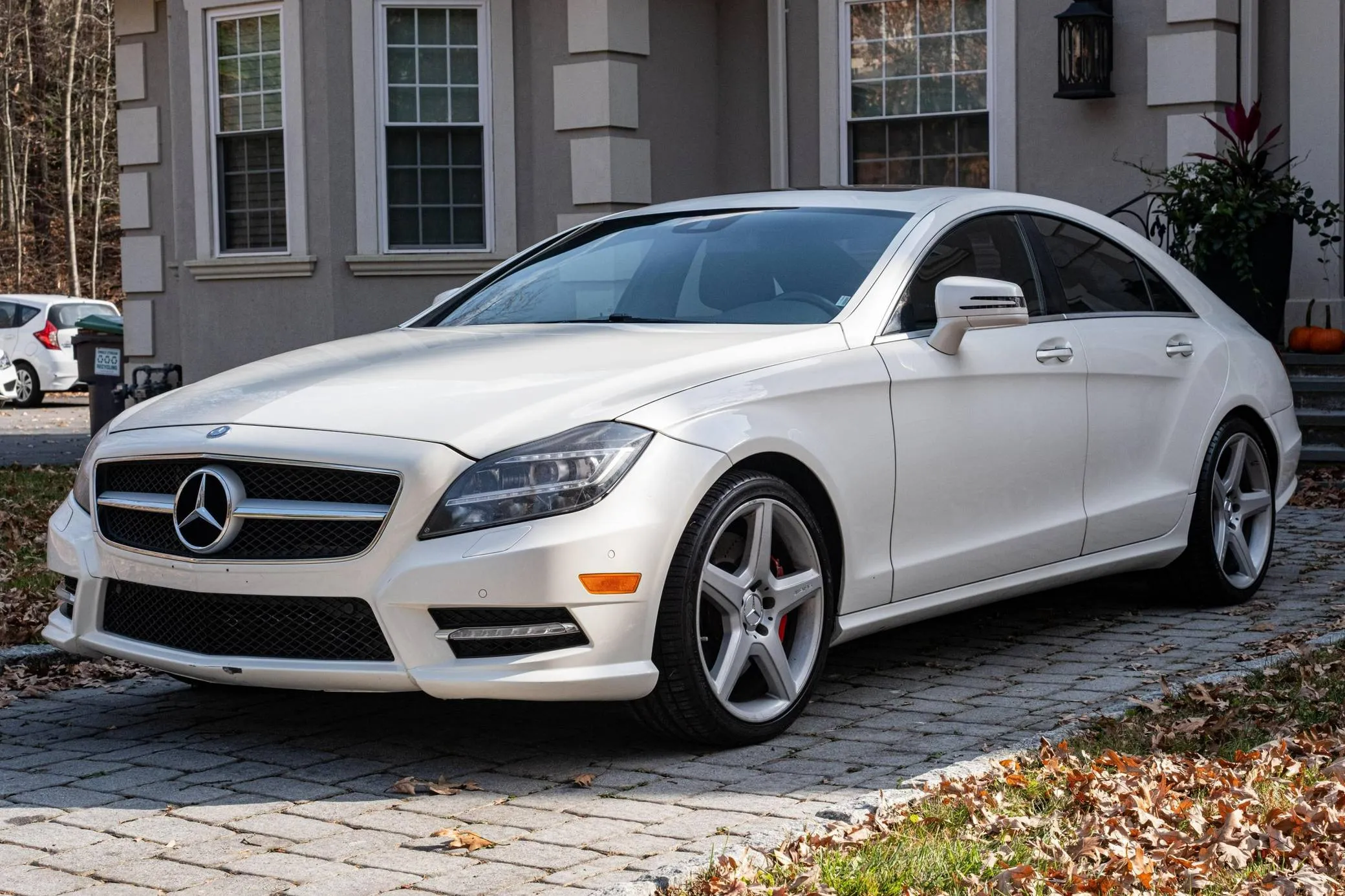
5. Mercedes-Benz CLS 550 2014
Sleek design and strong engine performance define Mercedes-Benz CLS 550 2014, yet prolonged urban use exposes limitations that reduce resale resilience. Developed to deliver comfort and speed across longer journeys, this sedan encounters difficulties when subjected to repeated short trips, traffic congestion, and constrained parking conditions common within cities.
Ownership costs remain elevated throughout its life cycle. Advanced suspension assemblies, high-performance braking systems, and sophisticated electronic architecture require specialized servicing. Short-distance driving accelerates wear patterns, increasing maintenance frequency. Used buyers factor these expenses carefully, adjusting purchase offers to reflect future obligations.
Interior technology contributes additional challenges. Control interfaces age quickly, while electronic features show faults as mileage accumulates. Urban drivers interact with infotainment and comfort systems constantly, increasing visible wear and functional decline. These factors reduce perceived value during resale inspections.
Exterior styling places emphasis on visual flow rather than practicality. Low ride height increases vulnerability to speed bumps and uneven surfaces. Extended body lines complicate parking clearance, raising the likelihood of cosmetic damage. Repair history plays a strong role in resale negotiations within this segment.
Fuel efficiency suffers under city traffic conditions. Consumption rises sharply during congestion, increasing running costs. Budget-conscious buyers often remove such vehicles from consideration, reducing market demand. Brand prestige alone does not overcome practical concerns tied to ownership expenditure.
Value erosion follows predictable patterns as urban mileage increases. What initially appears refined gradually becomes costly and inconvenient. Prospective buyers hesitate, forcing sellers to lower expectations. Mercedes-Benz CLS 550 2014 experiences steady depreciation in city environments because daily use exposes expense and inconvenience that overshadow the luxury appeal during resale consideration.
