
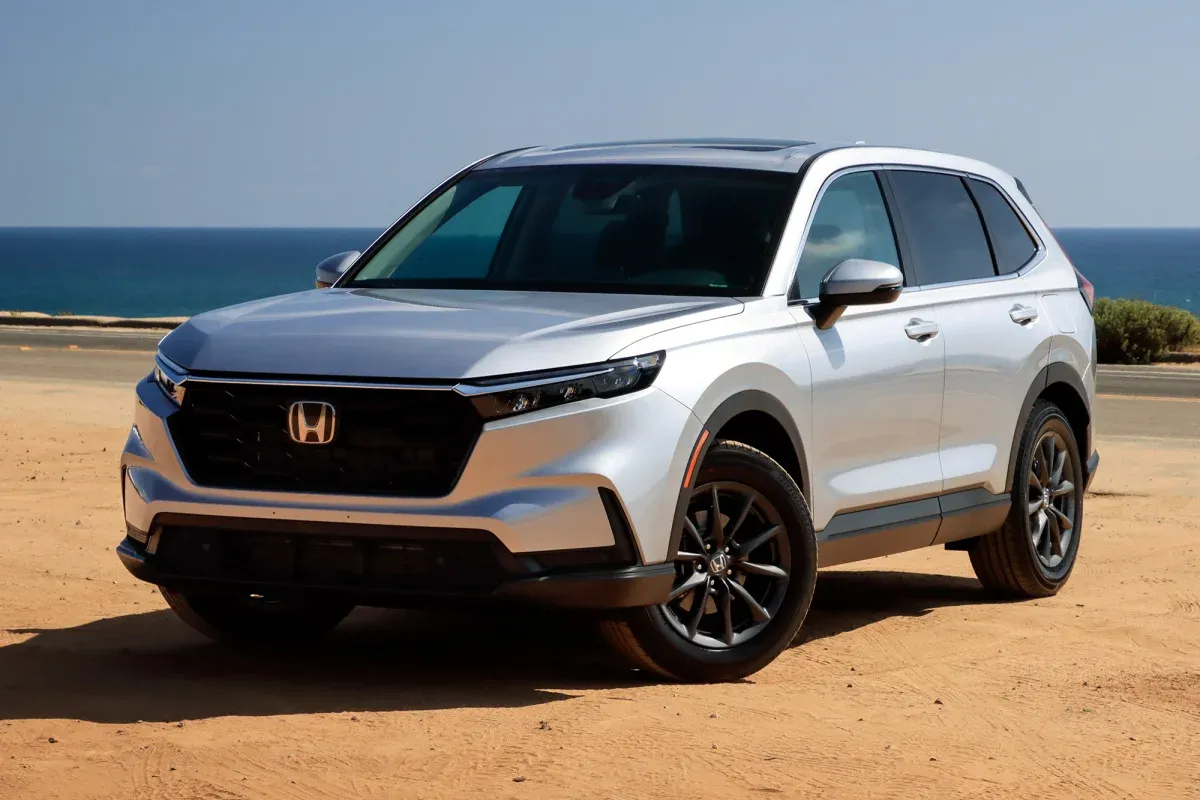
Hill starts sound simple until a vehicle begins creeping backward at a traffic light or on a steep driveway. That small moment can raise stress levels fast, especially for newer drivers or anyone dealing with heavy traffic behind them. Rolling backward is not always about driver skill.
Vehicle design, transmission behavior, brake systems, and built-in assist features all play a role. Modern engineering has reduced this issue in many models, yet some vehicles still behave differently when stopped on an incline. Drivers often assume automatic transmissions prevent rollback entirely, but that belief does not always match reality.
Factors such as engine torque, brake hold systems, weight distribution, and even throttle response influence whether a vehicle stays planted or slides backward before moving forward. Some models inspire confidence the instant the brake pedal releases. Others demand quicker footwork and more attention.
This page looks closely at ten vehicles, split into two groups. Five models resist rollback with ease and consistency, offering drivers calm control on hills. Five others show a greater tendency to creep backward, especially without careful pedal management.
Each vehicle earns its place based on driving behavior, not reputation alone. Part 1 focuses on five vehicles known for staying steady on inclines, setting the stage for a clearer understanding of why some cars feel reassuring while others feel less forgiving.
5 Vehicles That Don’t Roll Back Easily
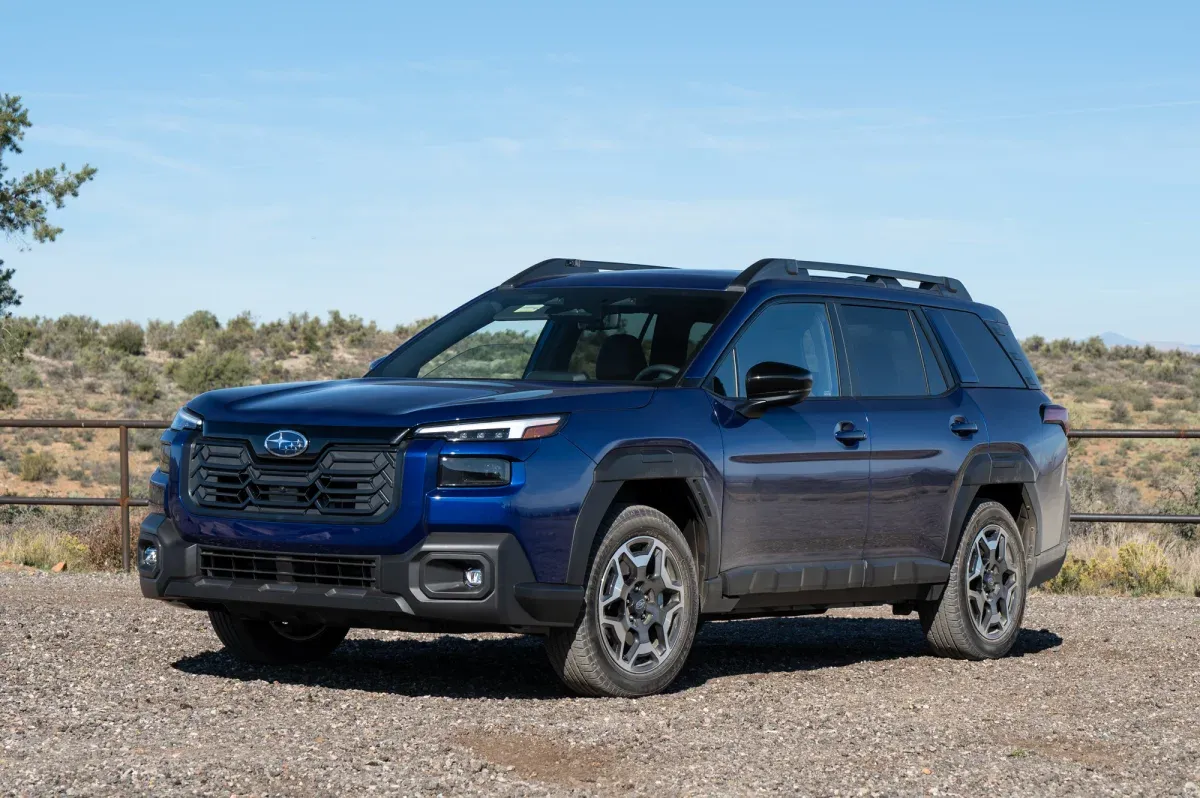
1. Subaru Outback 2026
Confidence arrives quickly when driving the 2026 Subaru Outback on an incline. Hill starts feel controlled, predictable, and free from sudden backward movement. Subaru equips this model with a well-tuned hill hold assist system that activates smoothly the moment pressure lifts from the brake pedal. Drivers feel a brief pause that allows time to apply the throttle without panic or rushed movement.
Symmetrical All Wheel Drive contributes to this sense of stability. Weight distribution stays balanced, helping the Outback remain planted even on uneven or steep surfaces. Torque delivery arrives gradually rather than in a sudden burst, which prevents lurching forward or sliding backward. This behavior benefits drivers who value calm, steady responses instead of sharp reactions.
Transmission programming plays a quiet but important role. Gearing works in harmony with the engine, reducing idle creep that often causes rollback in other vehicles. Subaru’s attention to throttle sensitivity ensures the Outback moves forward with intention rather than hesitation. That tuning makes uphill starts feel natural, even for drivers who rarely encounter hills.
Interior design also supports confident control. Seating position offers clear visibility, allowing drivers to judge incline angles easily. Pedal placement feels intuitive, reducing awkward foot transitions. Each of these details contributes to a sense of ease that becomes noticeable during repeated hill stops.
Weather conditions often reveal weaknesses in vehicle behavior, yet the Outback remains composed during rain or snow. Traction management systems step in quietly when needed, preventing wheel slip that could lead to backward movement. Drivers who face varying road conditions appreciate how little effort is required to maintain control.
Ownership feedback often highlights peace of mind during daily commutes that include parking garages, sloped streets, or hilly neighborhoods. The 2026 Subaru Outback earns trust through consistent behavior rather than flashy promises. Rollback rarely enters the equation, allowing drivers to focus on traffic instead of footwork.
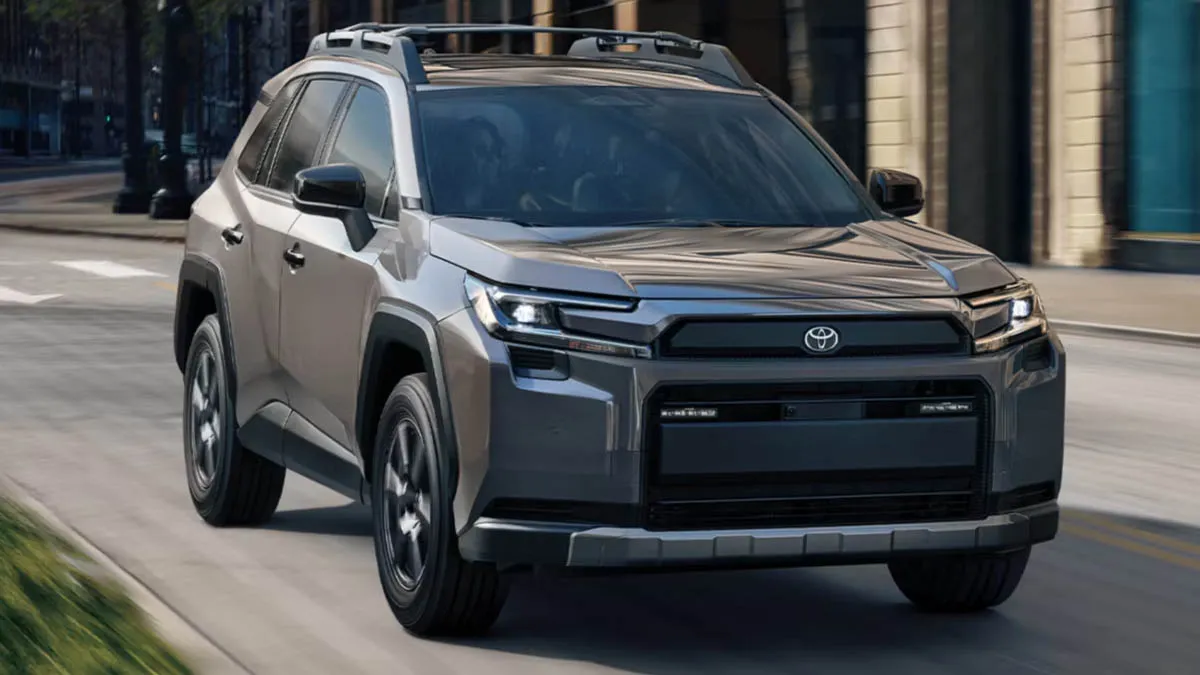
2. Toyota RAV4 2026
Stability defines the uphill experience in the 2026 Toyota RAV4. Hill starts feel deliberate, supported by a brake hold system that engages automatically under most conditions. Release the brake, apply the accelerator, and forward motion begins without hesitation. That simple sequence reduces anxiety in crowded intersections or tight parking ramps.
Toyota’s approach centers on predictability. Engine tuning favors smooth torque delivery rather than aggressive response. This prevents sudden surges that can unsettle the vehicle on an incline. Idle behavior remains steady, minimizing backward creep even before the hill hold assist engages fully.
Transmission calibration supports this smoothness. Gear engagement occurs cleanly, avoiding the lag that often causes rollback moments. Drivers transitioning from older vehicles notice how little effort is required to start moving uphill. Foot transitions feel relaxed instead of rushed.
Cabin ergonomics also helps. Pedals sit at a comfortable height and spacing, allowing natural movement between the brake and accelerator. Visibility over the hood helps drivers judge slope angles accurately. That awareness contributes to calm decision-making during hill starts.
Hybrid variants of the RAV4 add another layer of control. Electric motor assistance delivers instant forward motion, reducing any chance of backward movement. This response feels seamless rather than abrupt, making hybrid models especially reassuring on steep streets.
Daily driving stories from owners often mention parking structures and inclined driveways as non-issues. Toyota’s engineering philosophy emphasizes consistency, and that shows clearly during hill starts. The 2026 Toyota RAV4 proves that reliable design choices can remove a common driving frustration without requiring extra effort from the driver.
Also Read: 5 Vehicles That Adapt to Busy Urban Routines vs 5 That Don’t
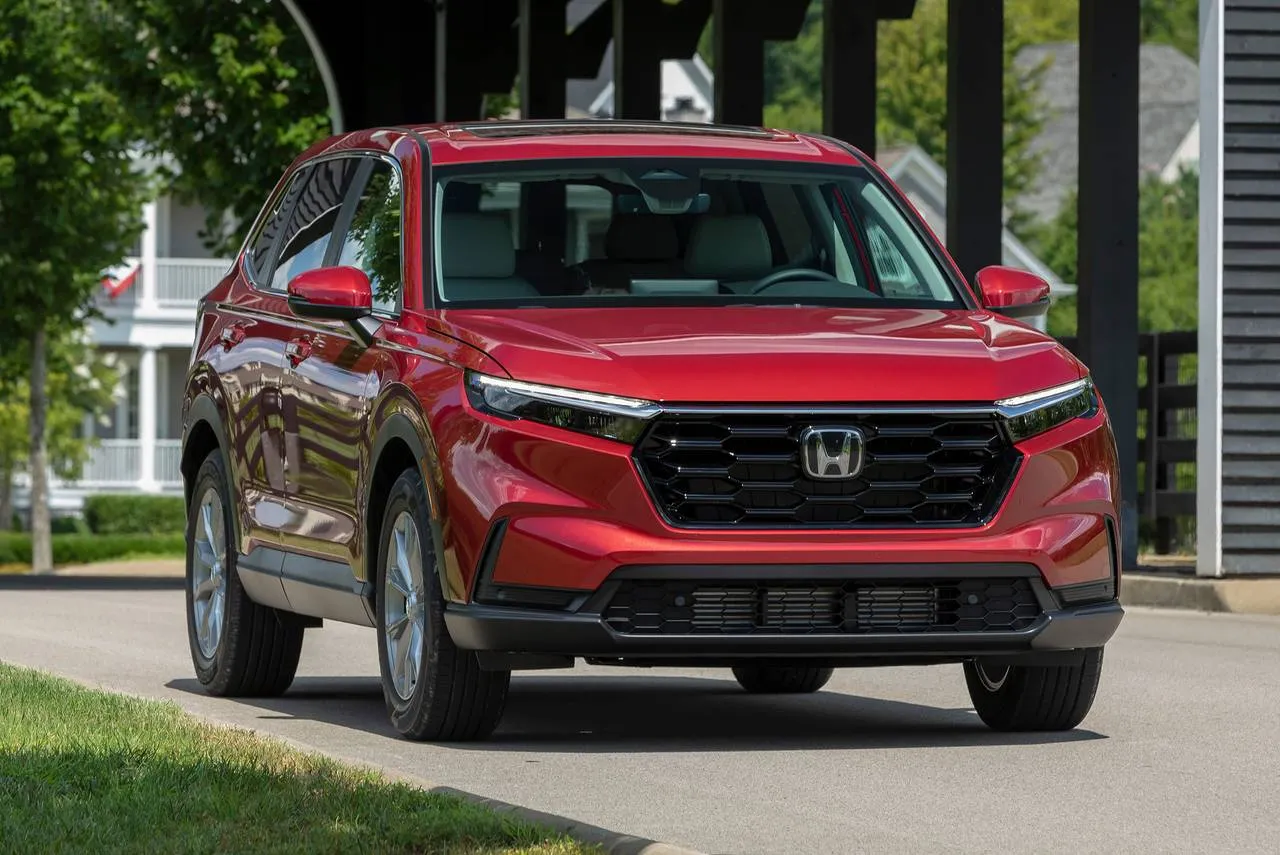
3. Honda CR-V 2026
Smooth transitions define how the 2026 Honda CR-V handles inclines. Hill hold assist engages with subtle precision, giving drivers a short window to apply throttle without rollback. That brief pause feels natural rather than mechanical, allowing movement to begin calmly.
Honda’s engine tuning prioritizes linear power delivery. Acceleration builds steadily, preventing sudden jumps that could unsettle balance on a slope. This behavior suits drivers who prefer refined control over aggressive response. Transmission behavior complements this approach by engaging gears quickly and smoothly.
Weight distribution also plays a role. The CR-V feels grounded at a standstill, reducing the sensation of gravity pulling backward. Suspension tuning keeps body movement minimal, helping tires maintain consistent contact with the road.
Interior layout supports confident operation. Seating position provides clear forward sightlines, while pedal response feels predictable. Drivers spend less time adjusting foot placement and more time focusing on traffic flow. These details add up during daily use.
Driver assistance systems remain unobtrusive. Hill hold assist activates only when needed, avoiding unnecessary interference on flat surfaces. Traction management systems stand ready without drawing attention, stepping in smoothly if wheel slip occurs.
Urban environments often include short, steep inclines that test vehicle behavior repeatedly. The 2026 Honda CR-V handles these situations with ease, creating a driving experience that feels intuitive and relaxed. Rollback becomes a rare event rather than a constant concern.
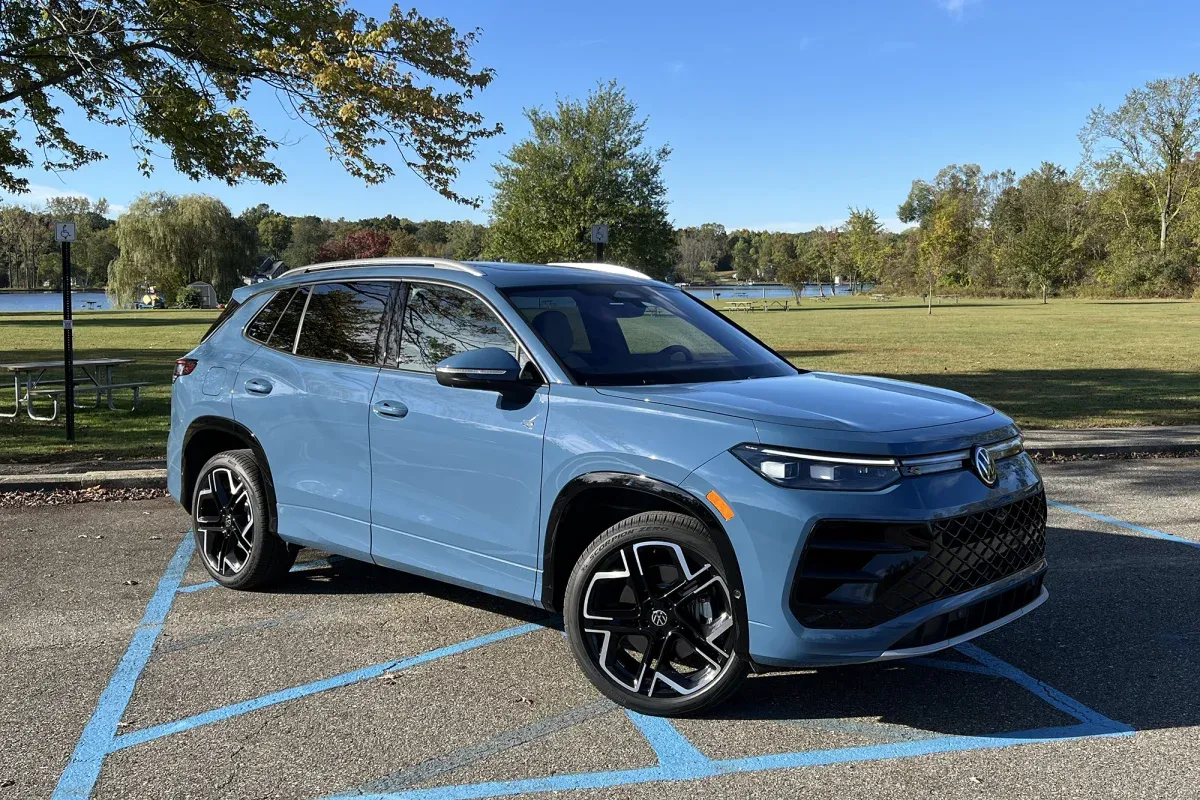
4. Volkswagen Tiguan 2026
Precision engineering influences how the 2026 Volkswagen Tiguan performs when stationary on inclined roads. This compact sport utility vehicle benefits from careful mechanical calibration that supports controlled movement during hill starts.
A built-in brake assist function maintains braking pressure briefly after the driver releases the pedal, allowing sufficient time to apply throttle input. This measured response prevents sudden rearward motion and supports confidence, particularly in traffic conditions where space behind the vehicle may be limited.
Turbocharged engine performance contributes meaningfully to this stability. Torque delivery occurs early within the rev range and builds in a smooth, predictable manner. As acceleration begins, the Tiguan moves forward with assurance rather than hesitation.
This behaviour reduces reliance on rapid foot movement between pedals, which often increases the risk of rollback in vehicles with slower throttle response. Power application feels progressive and well-controlled, encouraging steady motion on slopes.
Transmission operation reinforces this sense of coordination. Gear selection occurs promptly, minimising delay between brake release and forward drive engagement. Drivers perceive a strong sense of harmony between engine output and gearbox response. This relationship plays an important role during uphill starts, where delayed engagement can lead to unwanted backward movement.
Interior design choices support driver awareness and control. Pedal spacing allows natural foot transitions, reducing the likelihood of missteps under pressure. Seating position is upright and supportive, providing a clear view of the road ahead.
These visual cues assist drivers in judging incline steepness accurately, which promotes calm and timely decision-making. All Wheel Drive versions offer added reassurance in wet or slippery conditions. Power distribution adjusts automatically, helping maintain grip across varying surfaces.
Traction systems function discreetly, intervening only when necessary without distracting alerts. Drivers often describe hill starts as uneventful, a reflection of dependable engineering. The 2026 Volkswagen Tiguan delivers consistent uphill performance that limits rollback and supports composed driving behaviour.
Repeated use on steep urban roads confirms this dependable behaviour. Even during extended stops on inclines, braking support remains steady and predictable. Throttle calibration avoids sudden surges, which helps preserve balance when traffic begins to move.
This consistency reduces driver fatigue and supports confidence during daily use. Engineering choices focus on stability rather than aggressive response, which suits both experienced motorists and those still developing confidence on inclines present fewer concerns with this vehicle for drivers.
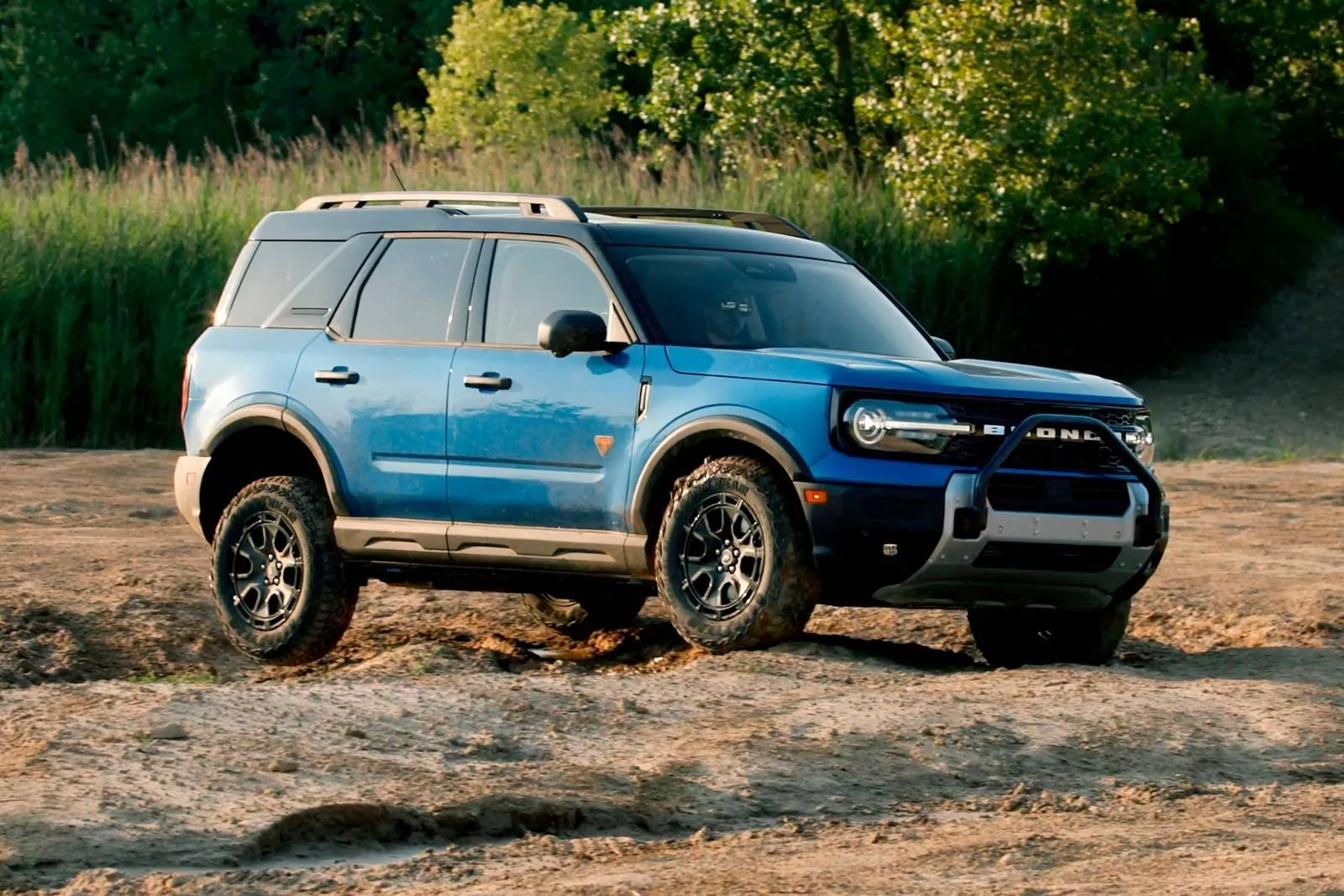
5. Ford Bronco Sport 2026
Strength and stability characterise how the 2026 Ford Bronco Sport behaves when positioned on sloped surfaces. Designed with uneven road conditions in mind, this compact sport utility vehicle demonstrates reliable control during hill starts.
Hill start assist engages firmly once the brake pedal is released, holding the vehicle in place long enough for forward motion to begin. This feature reduces driver stress and prevents unintended backward movement in demanding situations.
Engine tuning prioritises accessible torque at low engine speeds. This characteristic proves beneficial when starting from a standstill on an incline. Power delivery feels measured and deliberate, allowing the Bronco Sport to move forward without delay. Throttle response avoids sudden spikes, helping maintain traction and balance on slopes. Drivers experience steady progression rather than abrupt motion.
Transmission programming supports this controlled behaviour. Gear engagement occurs decisively, limiting hesitation between braking and acceleration. This prompt response reduces the likelihood of rollback, even when the vehicle is loaded with passengers or equipment. Drive modes tailored for varied road conditions further enhance control by adjusting throttle and traction responses.
Interior ergonomics also contribute to confident operation. Seating position is upright, offering a clear perspective of the road ahead and the incline itself. Pedal feedback feels firm and consistent, encouraging precise foot placement. These elements help drivers maintain composure during uphill starts, especially in confined traffic spaces.
Traction management systems operate in coordination with braking functions. Wheel slip control activates smoothly when surface grip changes, preventing rearward movement on wet or loose roads. These systems work quietly in the background, allowing drivers to focus on steering and traffic awareness rather than warning signals.
Daily driving benefits from these attributes as much as occasional off-road use. Sloped parking structures, inclined residential streets, and steep driveways feel manageable. The 2026 Ford Bronco Sport provides a dependable uphill experience that limits rollback and supports steady progress, reinforcing driver confidence through thoughtful mechanical design.
Consistent performance across repeated hill starts highlights the vehicle’s reliability. Braking support remains firm during prolonged stops, preventing gradual movement. Acceleration begins smoothly once input is applied, avoiding wheel spin. This balanced behaviour supports confident driving habits and reduces fatigue.
Engineering choices favour control and assurance, which suit drivers who regularly encounter varying road gradients. Such stability proves valuable in urban environments and during travel involving elevation changes. Drivers benefit from predictable behaviour and reduced concern when stopping uphill in daily use situations.
5 Vehicles That Roll Back Easily
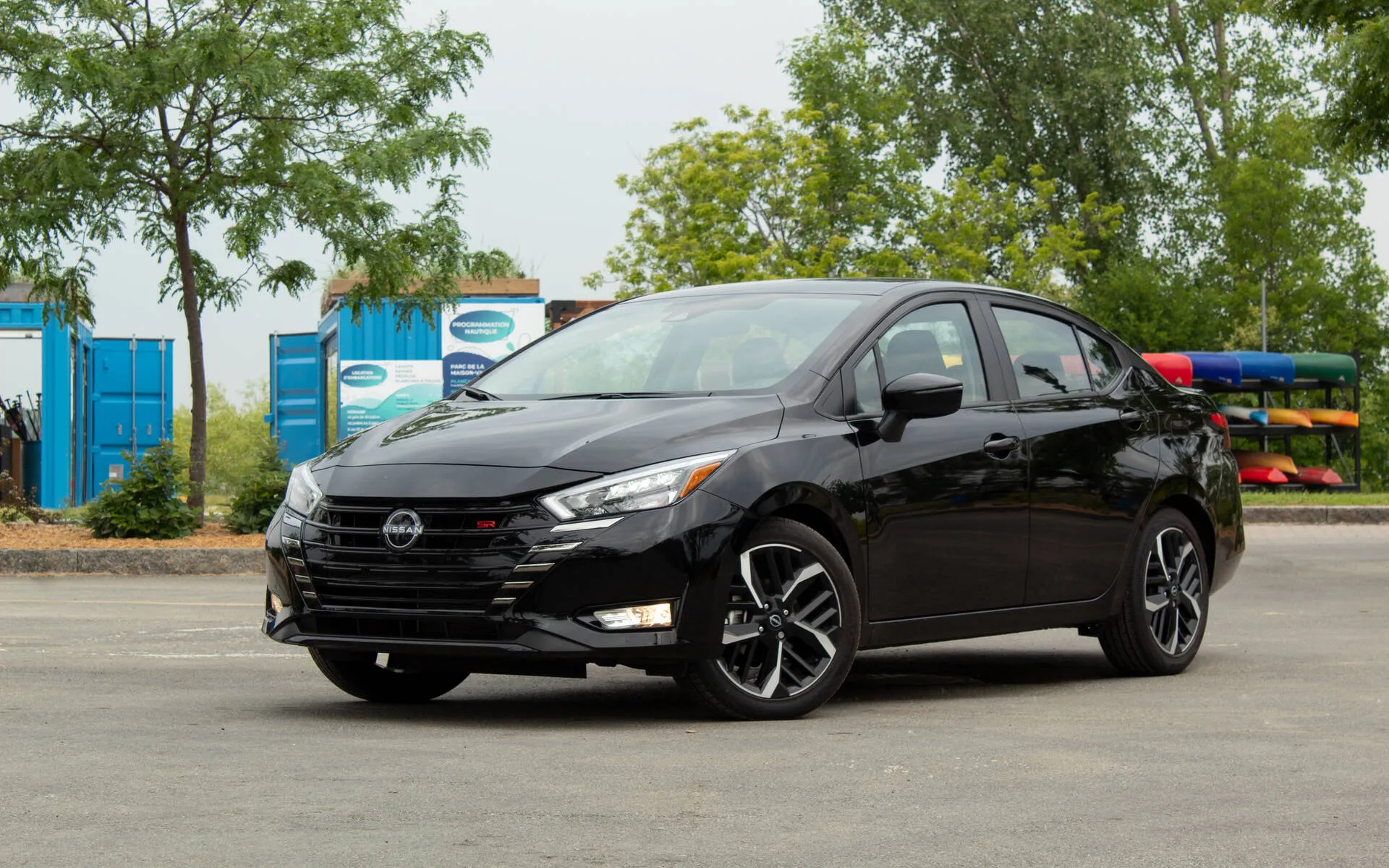
1. Nissan Versa 2026
Lightweight design shapes much of how the 2026 Nissan Versa behaves on an incline, and that trait becomes noticeable during hill starts. While the Versa serves well as an affordable, city-friendly sedan, stopping on a steep slope can introduce moments that demand extra attention.
Drivers often feel a brief backward creep when releasing the brake pedal, especially when quick throttle application does not follow immediately. Engine output sits on the modest side, which affects how confidently the vehicle moves forward from a standstill.
Power delivery arrives gradually, and that delay can allow gravity to take control for a second or two. Manual transmission versions increase this effect, requiring careful clutch coordination to avoid rollback. Automatic variants reduce the challenge slightly, though the sensation still appears on sharper inclines.
Brake hold technology remains absent on many trims, placing more responsibility on the driver. Without electronic assistance, the Versa relies on traditional braking and throttle timing. New drivers often notice this during uphill stops at traffic lights or parking garage ramps. A quick foot transition becomes necessary to prevent backward movement.
Transmission behavior adds another layer. Gear engagement does not always feel immediate, which increases the chance of rolling backward before forward motion begins. That delay feels more noticeable when the vehicle carries passengers or cargo, adding extra weight that strains low-speed response.
Cabin design offers limited visual feedback for judging slope angles. The seating position sits low, which can make it harder to anticipate how steep an incline really is. That uncertainty adds pressure during hill starts, especially in heavy traffic.
Daily use remains manageable once drivers adapt their technique. Many owners learn to apply the parking brake briefly or use firmer throttle input. The 2026 Nissan Versa remains an economical choice for flat city driving, yet hills reveal its limitations. Rollback becomes something to manage rather than something the vehicle prevents on its own.
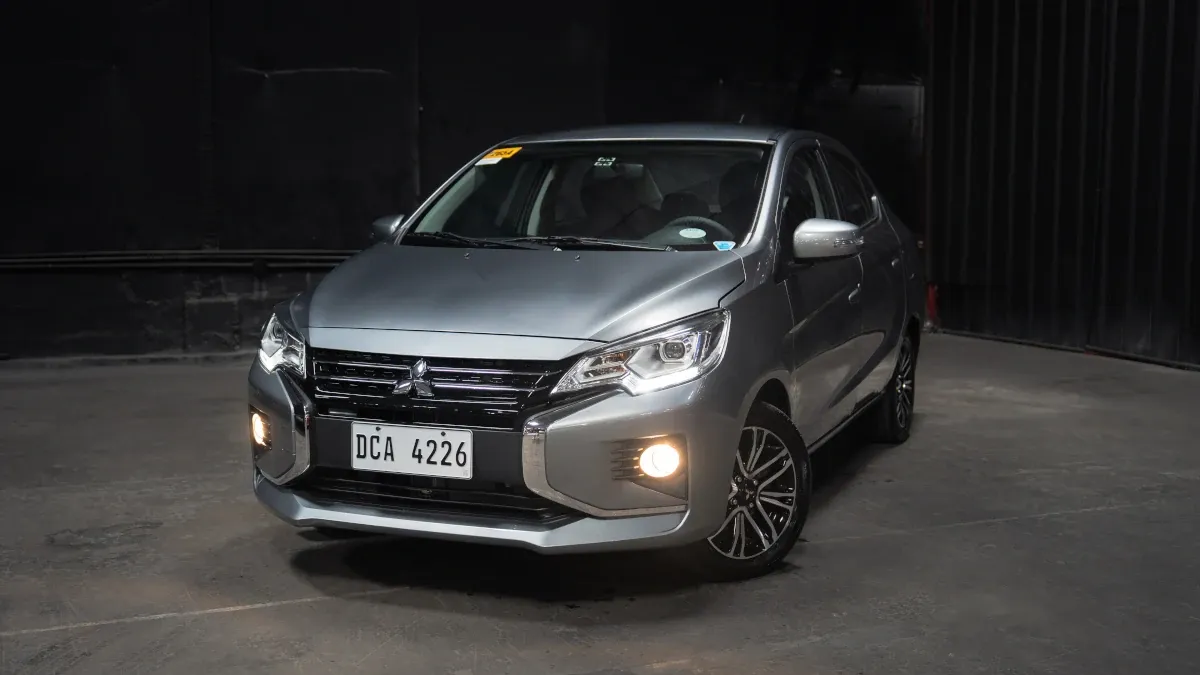
2. Mitsubishi Mirage 2026
Minimalism defines the 2026 Mitsubishi Mirage, and that approach extends to how it handles inclines. Designed primarily for efficiency and affordability, this compact hatchback can struggle when stopped on steep roads. Rollback becomes a familiar experience for drivers who encounter hills regularly.
Engine power sits at the lower end of the spectrum, which limits immediate forward thrust. When the brake pedal releases, acceleration builds slowly. That delay allows gravity to pull the vehicle backward before momentum takes hold. Manual transmission versions heighten this challenge, requiring precise clutch and throttle timing.
Automatic models reduce effort slightly, yet backward creep still appears on sharper slopes. Without hill start assistance, drivers must react quickly. Parking brake use becomes a common habit for Mirage owners who face uphill traffic signals.
Transmission tuning favors fuel savings rather than responsiveness. Gear engagement feels gentle, which suits flat roads but works against the driver on inclines. Added weight from passengers or cargo exaggerates this behavior, increasing rollback distance.
Interior ergonomics also influences perception. The seating position feels low, and visibility forward does not always provide clear cues about slope severity. That lack of feedback can catch drivers off guard, especially in unfamiliar areas.
Despite these traits, many owners accept the Mirage’s limitations as part of its affordability. Urban environments with mild slopes pose little trouble, while steeper areas demand practice. The 2026 Mitsubishi Mirage rewards patience and planning, though it asks more from the driver during hill starts than many modern vehicles.
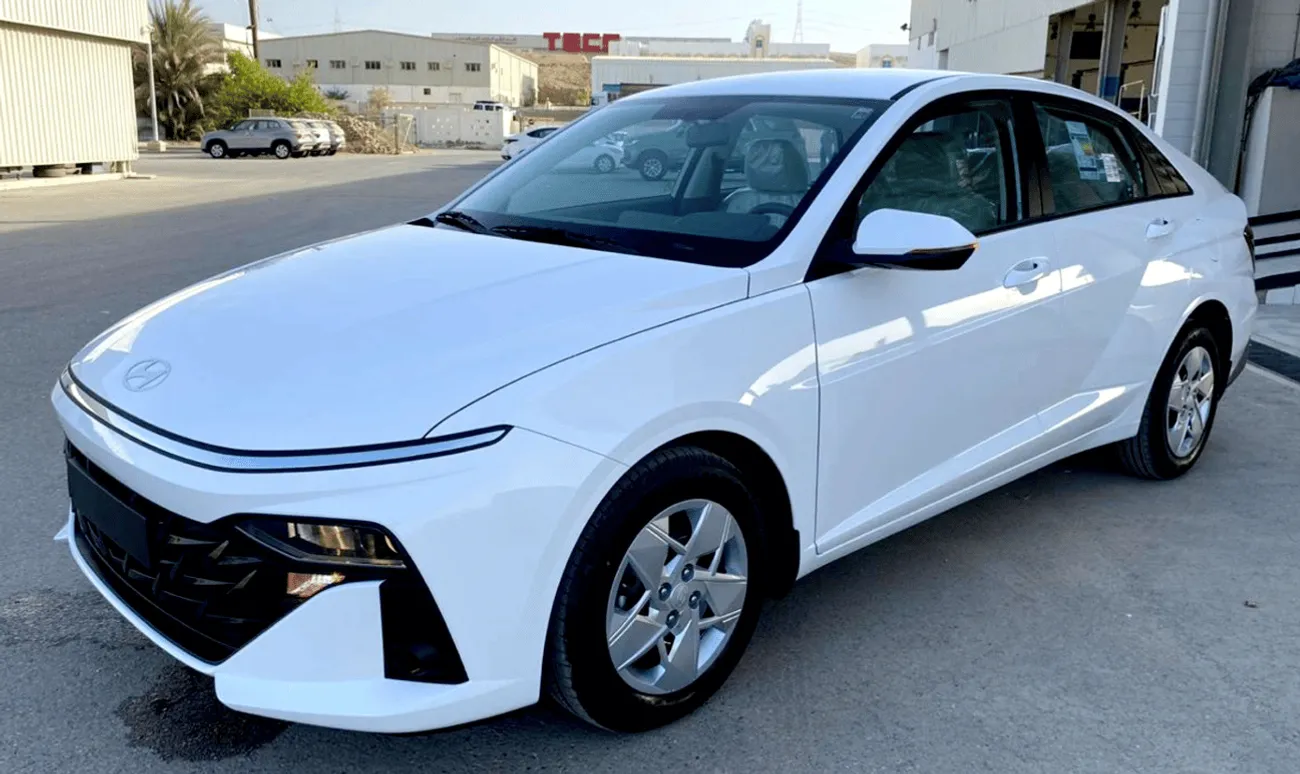
3. Hyundai Accent 2026
Operation on inclined roads presents a clear picture of how the 2026 Hyundai Accent behaves under pressure. This sedan is built with simplicity in mind, and that design approach influences its performance during hill starts. While the Accent has earned trust for routine commuting and daily errands, it does not place emphasis on systems that prevent backward movement on slopes.
As a result, rollback is a common occurrence when the vehicle comes to a stop on moderate or steep inclines, particularly in traffic situations that require frequent stopping. Power delivery from the engine is smooth and controlled, though it lacks immediacy. Acceleration builds gradually, which supports fuel efficiency and relaxed driving.
However, this gentle response creates a short interval where gravity may cause the vehicle to move backward before forward motion begins. Automatic transmission variants display this behavior more subtly, though it becomes more noticeable when the vehicle carries passengers or luggage.
Manual transmission versions demand greater skill from the driver. Effective clutch engagement becomes critical, and any hesitation often results in backward movement. Drivers with limited experience may find uphill starts stressful until they develop steady coordination between the clutch and accelerator. This learning curve can be discouraging in areas with frequent inclines.
Braking systems operate through conventional mechanisms, as electronic hill hold assistance is absent on most trims. Without automated support, precise foot movement is required during the transition from the brake pedal to the accelerator. Traffic congestion intensifies this pressure, especially when vehicles are positioned closely behind.
Cabin design provides reasonable outward visibility, though the low seating position limits the driver’s ability to accurately assess slope steepness at first glance. This can lead to delayed throttle input when approaching inclines. Despite these challenges, the Accent maintains predictable behavior once drivers adjust their technique.
Consistent pedal control reduces rollback frequency. The 2026 Hyundai Accent performs best on level or gently sloped roads, where its efficiency and straightforward engineering remain fully appreciated.
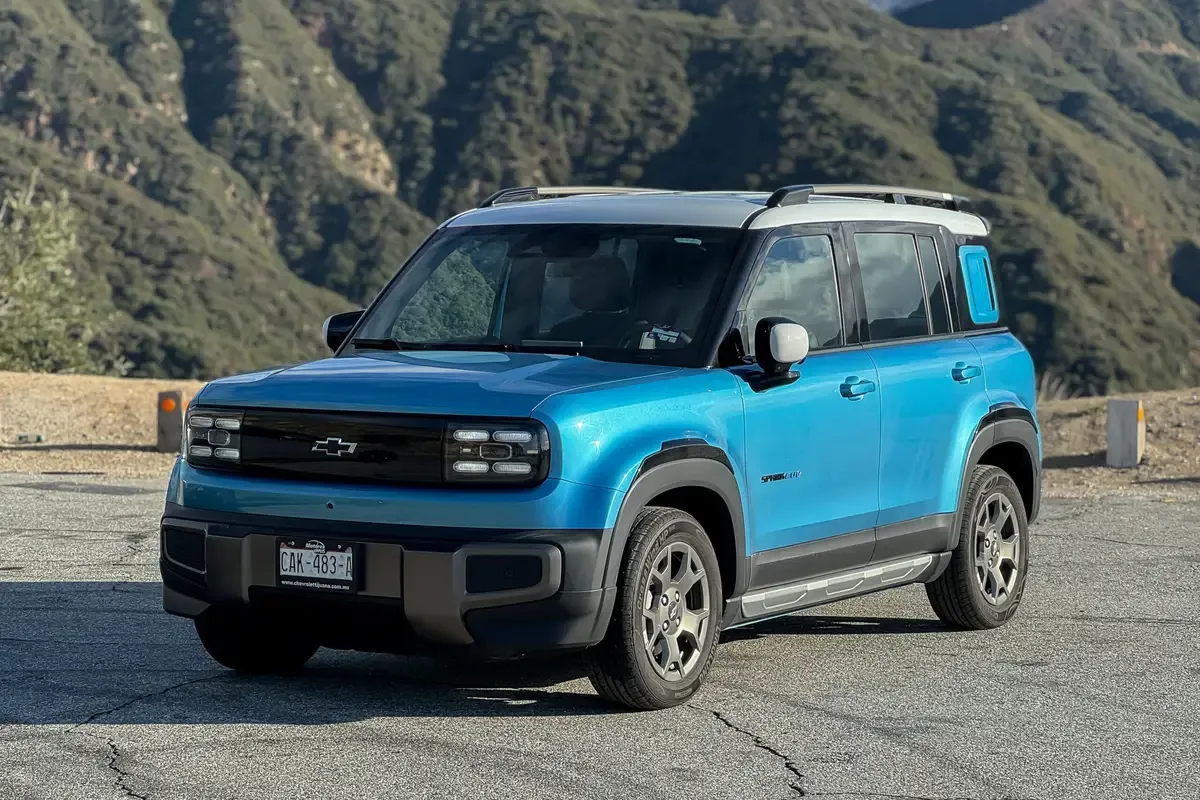
4. Chevrolet Spark 2026
Design priorities for the 2026 Chevrolet Spark center on compact dimensions and urban practicality, and these traits shape its behavior on inclined surfaces. Intended primarily for city driving and restricted parking spaces, this vehicle reveals its limitations when faced with steep roads.
Rollback becomes evident quickly if the driver hesitates after releasing the brake pedal, especially during uphill stops. Engine output remains modest, delivering power gradually rather than forcefully. This characteristic suits low-speed city movement but proves less effective on inclines.
When stationary on a slope, acceleration does not arrive fast enough to counter gravity immediately, leading to backward movement. Automatic transmission models ease the process slightly, though they do not eliminate rollback. Transmission calibration favors smooth engagement instead of rapid response.
When starting from a complete stop on a slope, gear engagement may feel delayed. This delay increases the likelihood of backward motion before forward momentum develops. Such behavior becomes more pronounced during heavy traffic or when additional load is present.
Braking relies on traditional systems, with no advanced holding assistance included. Drivers must transition quickly between the brake and accelerator to prevent movement. Many Spark owners adopt regular use of the parking brake during extended uphill stops as a practical measure.
Interior layout emphasizes simplicity, though seating height and forward visibility provide limited cues regarding incline severity. Drivers may underestimate how steep a road is until movement begins. Flat urban routes suit the Spark comfortably, while steeper areas demand heightened attention. The 2026 Chevrolet Spark rewards careful pedal management, though hill driving requires patience and preparation.
Also Read: 5 Vehicles That Suit City Professionals vs 5 That Feel Out of Place
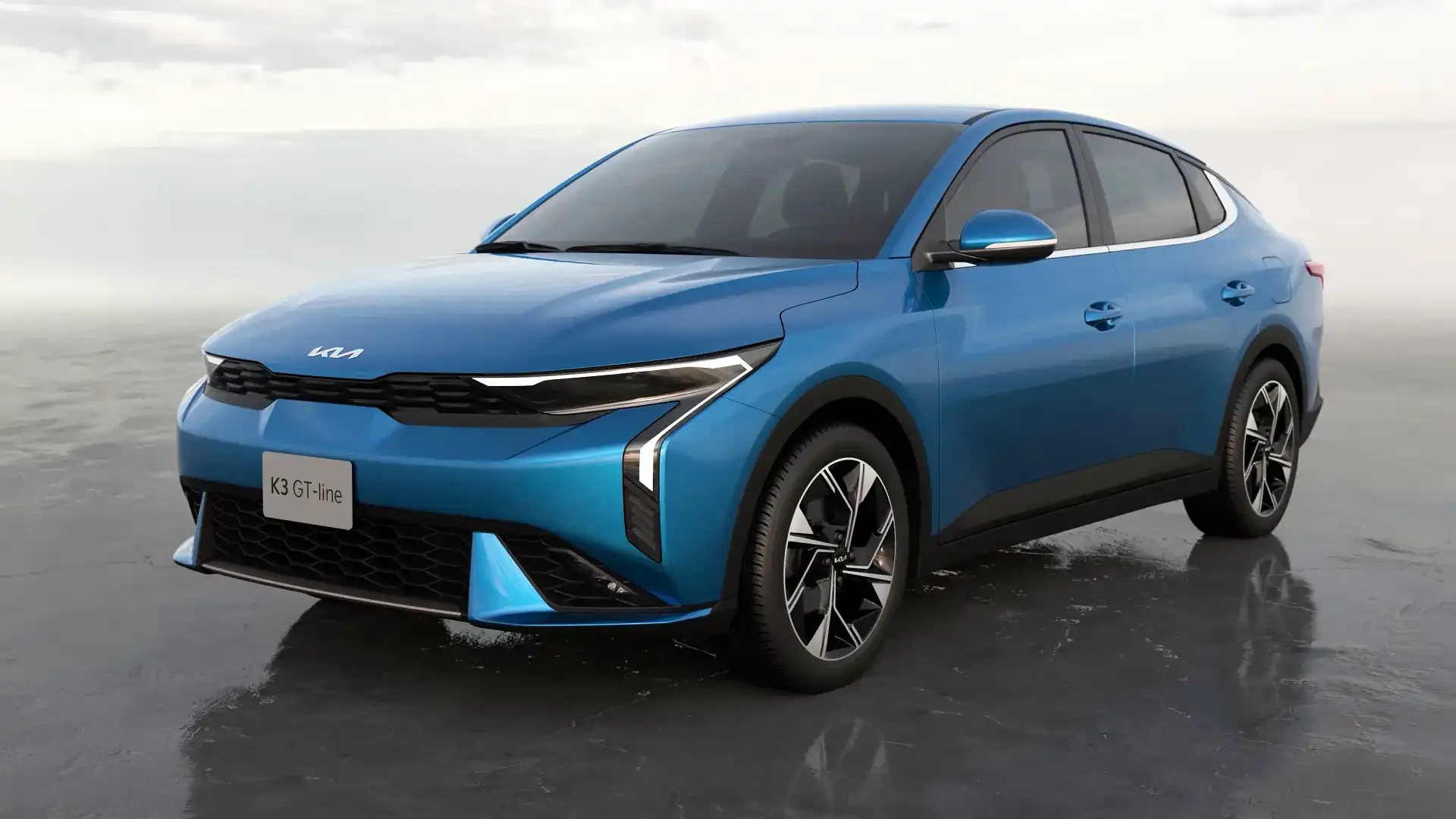
5. Kia Rio 2026
Practical design defines the 2026 Kia Rio, and this approach influences its performance on sloped roads. While the sedan offers comfort and efficiency during routine driving, uphill starts reveal a tendency toward backward movement. Rollback appears most often during slow-moving traffic on inclines, where precise timing becomes essential.
Engine tuning focuses on fuel conservation, resulting in gradual power delivery. This restrained response delays forward movement just long enough for gravity to take effect. Automatic transmission versions display mild backward creep, while manual variants place heavier responsibility on clutch coordination. Any delay in engagement leads to noticeable movement.
Braking systems function through conventional means, as electronic hold assistance is not commonly provided. Drivers must rely on careful foot control to maintain position on slopes. Use of the parking brake becomes a frequent habit for those encountering hills regularly.
Transmission behavior prioritizes smooth gear changes, though low-speed responsiveness remains limited. When passengers or cargo add weight, rollback tendencies become more pronounced. This effect requires drivers to apply firmer throttle input than expected.
Cabin visibility offers some assistance, though the low seating position can make slope angles difficult to judge accurately. Misjudgment often results in delayed acceleration. The 2026 Kia Rio performs reliably on flat routes and standard commutes. Hills require awareness and practice. With experience, rollback becomes manageable, though the vehicle itself offers minimal prevention support.
