Traffic congestion is a part of modern urban life, but the driving experience can vary dramatically depending on the vehicle. Some cars are designed to prioritize comfort, reducing stress and fatigue during long, stop-and-go commutes, while others, often built for performance, ruggedness, or economy, can make traffic feel exhausting.
Luxury sedans like the Mercedes-Benz S-Class and Lexus ES 300h offer serene, quiet cabins, advanced suspension systems, and features like adaptive cruise control and massage seats, which allow drivers and passengers to remain relaxed even during prolonged delays.
Similarly, hybrid SUVs and MPVs, such as the Volvo XC90, Toyota Innova Hycross, and Hyundai Tucson Hybrid, combine smooth powertrains, semi-autonomous driver aids, and well-insulated cabins to reduce both physical strain and cognitive load in congested traffic.
On the other hand, vehicles like the manual Mitsubishi Mirage, Jeep Wrangler, base-trim Toyota Tacoma, Nissan Versa, and Mazda MX-5 Miata are less forgiving, with stiffer suspensions, minimal ergonomic support, and higher cabin noise, making prolonged commutes more draining. Understanding these differences helps drivers choose vehicles that match their daily traffic demands while minimizing stress and fatigue.
5 Cars That Stay Comfortable in Long Traffic Delays
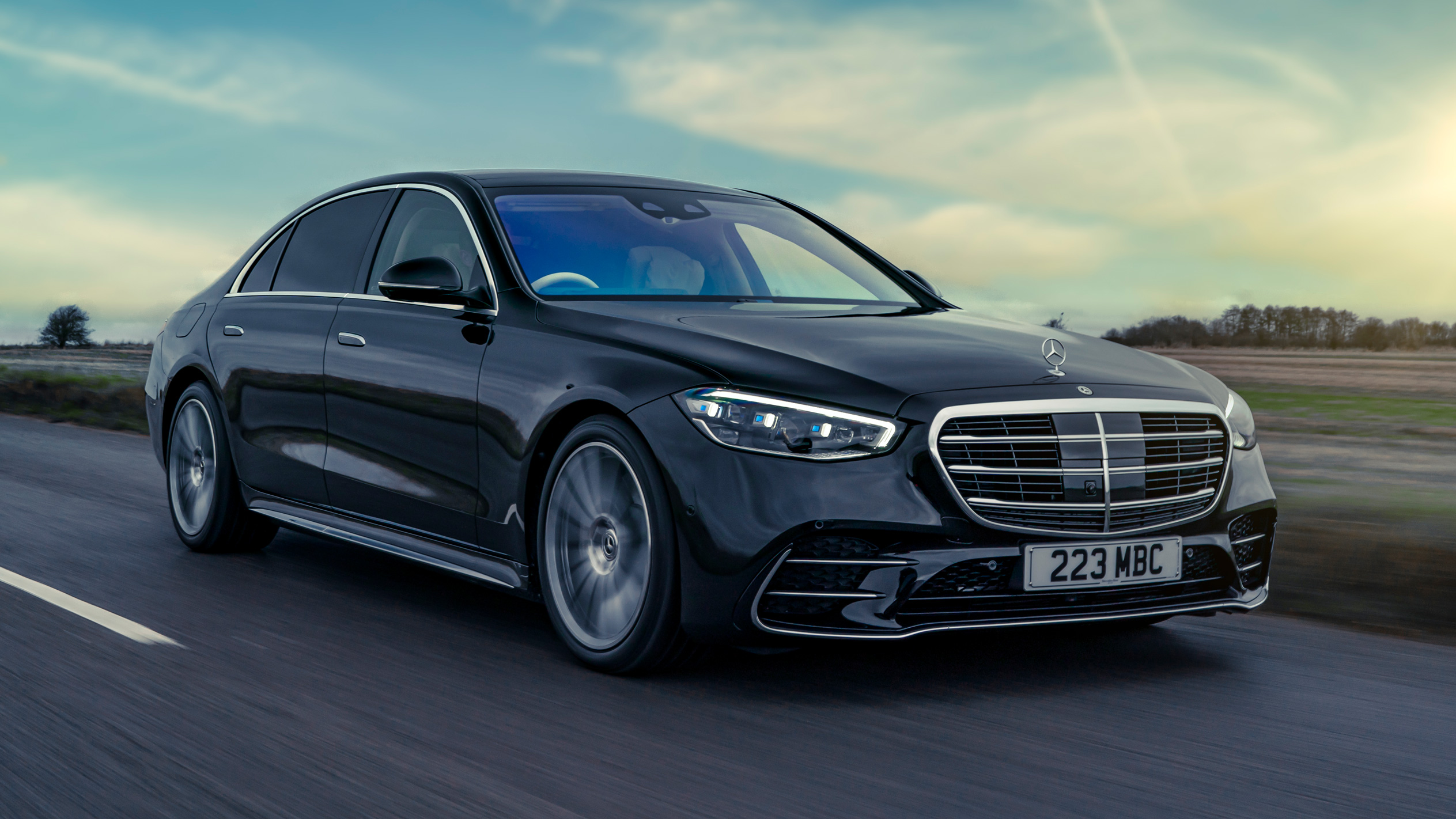
1. Mercedes-Benz S-Class: The Benchmark for Luxury and Comfort
The Mercedes-Benz S-Class represents the highest standard in the luxury sedan segment, combining advanced technology, refined performance, and exceptional comfort. Designed to make both long journeys and daily commutes effortless, the S-Class is especially well-suited for congested traffic and extended driving, where its focus on relaxation and ease truly stands out.
A major contributor to its comfort is the sophisticated suspension technology. Magic Body Control and the AIRMATIC air suspension continuously monitor road conditions and adjust damping in real time, delivering a smooth and composed ride even at low speeds.
Stop-and-Go Assist further enhances convenience by automatically managing braking and acceleration in traffic jams, reducing driver fatigue and stress during long delays.
The interior is crafted as a calm and luxurious retreat. Seats feature multiple advanced massage programs, including hot stone and active workout functions that help prevent muscle stiffness and fatigue.
Both front and rear passengers benefit from heated, ventilated, and power-adjustable seating, along with heated armrests and four-zone climate control. Rear passengers can enjoy a Business Class seating mode, allowing the seats to recline significantly and, when equipped, extend a footrest for added relaxation.
Cabin quietness is another defining strength. High levels of acoustic insulation, acoustic glass, precise door seals, and active noise-cancellation systems effectively block out traffic and road noise. Customizable ambient lighting, 4D surround sound, advanced air purification, and active scenting further enhance the atmosphere, creating a soothing environment that minimizes stress during long drives.
While comfort is the priority, the S-Class also delivers confident performance. In S 580 form, the V8 engine enables smooth and rapid acceleration, reaching 60 mph in just 4.7 seconds.
Strong low-end torque allows effortless highway passing, while rear-axle steering improves high-speed stability and maneuverability in tight spaces. Sport+ mode lowers the suspension slightly to sharpen handling without compromising ride quality.
Technology remains a strong highlight. The S-Class includes wireless Apple CarPlay and Android Auto, a responsive touchscreen interface, a head-up display, and multiple USB-C ports. Although trunk space is modest for a vehicle of its size, interior storage is thoughtfully designed and practical.
The Mercedes-Benz S-Class continues to set a high standard with its unmatched comfort, refined driving experience, and advanced luxury features.
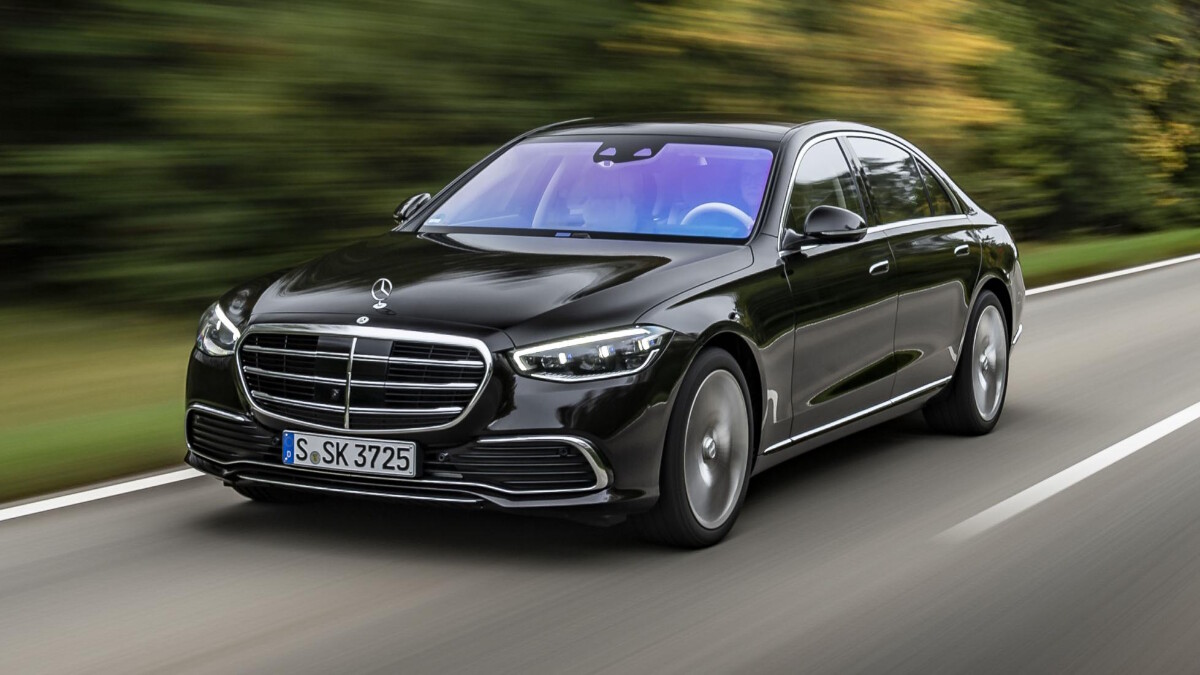
2. Lexus ES 300h: Quiet Luxury and Effortless Comfort in Everyday Driving
The Lexus ES 300h is widely recognized as a luxury hybrid sedan that prioritizes serenity, efficiency, and long-term comfort over sporty performance. It is especially well-suited for urban driving and long traffic delays, where its whisper-quiet operation and smooth ride create a calming, low-stress experience that feels more like a private lounge than a typical car interior.
One of the ES 300h’s defining strengths is its exceptionally quiet cabin. Extensive sound insulation covers the majority of the floor pan, while high-insulation glass and improved door sealing significantly reduce external noise.
At low speeds, the hybrid system frequently operates in pure electric mode, allowing the car to crawl through traffic in near silence and effectively filter out city noise. This vault-like quietness makes long commutes and traffic jams far more tolerable.
Comfort is further enhanced by the vehicle’s thoughtfully engineered seating. The front seats are designed to reduce pressure points and promote proper posture, helping to minimize shoulder and back strain during extended periods of sitting.
Heated and ventilated seat options, along with intuitive climate controls, add to the sense of ease and relaxation. Rear passengers benefit from generous legroom and an upscale, well-finished cabin that reflects Lexus’ strong reputation for build quality.
Ride quality is another highlight. The smooth e-CVT transmission delivers seamless acceleration with no noticeable gear changes, while the refined suspension setup, including available Adaptive Variable Suspension and Dynamic Control Shocks, absorbs road imperfections with ease. The result is a buttery-smooth ride that excels on highways and uneven city roads alike.
From a performance standpoint, the ES 300h is tuned for calm and predictability rather than excitement. Its 215-horsepower hybrid powertrain provides adequate and smooth acceleration for daily driving, though it lacks the responsiveness and athletic feel of sport-oriented rivals. This relaxed character aligns well with the car’s comfort-focused mission.
Fuel efficiency is a major advantage. With EPA estimates reaching approximately 44 mpg combined for recent models, the ES 300h significantly outperforms many non-hybrid luxury sedans. Technology has also improved in newer versions, featuring a responsive touchscreen infotainment system with wireless Apple CarPlay and Android Auto.
While the rear seats do not fold down and all-wheel drive is unavailable on the hybrid model, the Lexus ES 300h remains an appealing choice for drivers seeking quiet luxury, outstanding efficiency, and a stress-free driving experience.
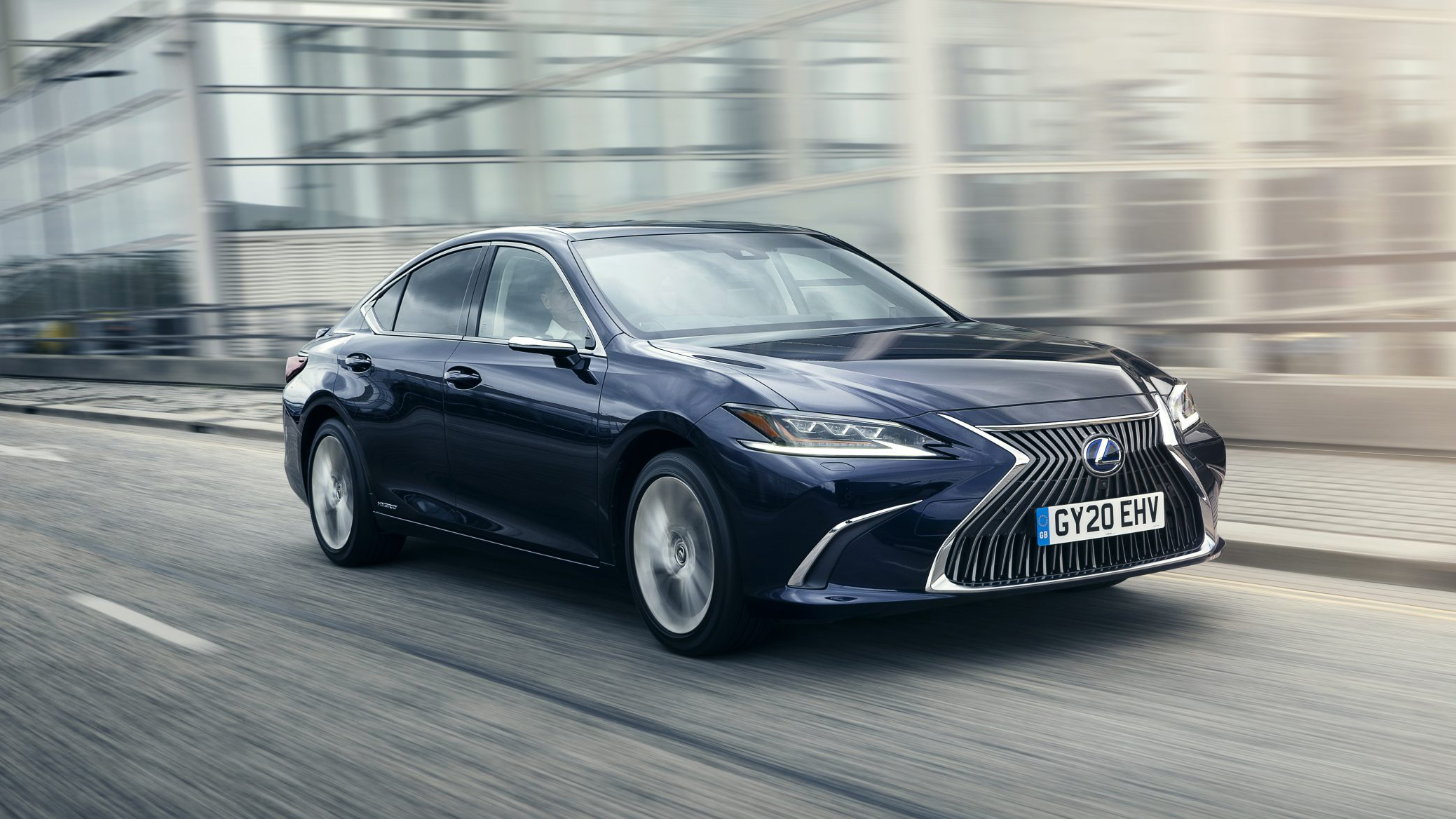
3. Volvo XC90: Scandinavian Comfort, Technology, and Calm in Traffic
The Volvo XC90 is a luxury three-row SUV that emphasizes comfort, safety, and serenity, making it particularly well-suited for long traffic delays and everyday commuting. Known for its Scandinavian design philosophy, the XC90 blends advanced driver assistance, ergonomic seating, and a quiet, well-insulated cabin to create a relaxed and controlled driving experience.
A key highlight of the XC90 is its focus on driver and passenger comfort during slow-moving traffic. Volvo’s orthopedic seat design is widely praised, with front seats engineered to support proper spinal alignment and reduce lower back strain.
These seats offer extensive power adjustments, cushion extenders, and optional massage functions that help minimize fatigue during long periods of sitting. Heated seating and high-quality upholstery further enhance comfort across all three rows, though the third row is best suited for shorter trips or smaller passengers.
Technology plays a major role in reducing driver workload. Pilot Assist, Volvo’s semi-autonomous driving system, manages acceleration, braking, and steering in stop-and-go traffic while maintaining a safe distance from surrounding vehicles. Although it is not a hands-free system, it significantly reduces stress in congestion and on highways.
Intelligent climate management also contributes to comfort, with a four-zone climate control system that allows passengers to set individual temperatures. The HVAC system can even maintain cabin temperature when the engine is stopped, which is especially useful in heavy traffic.
Ride quality is another strength. Optional adaptive air suspension actively responds to road conditions, smoothing out bumps and maintaining stability at low and high speeds alike.
Volvo has also improved suspension tuning and sound insulation in recent updates, resulting in a noticeably quieter ride with reduced wind and road noise. The calm cabin atmosphere is reinforced by high-quality materials, clean design lines, and a minimalist layout that reflects Volvo’s Scandinavian roots.
Recent updates for the 2026 model year keep the XC90 feeling modern despite its long production run. These include refreshed exterior styling, an updated dashboard, increased cabin storage, and a new 11.2-inch touchscreen paired with a revised Google Built-in infotainment system.
The interface is more intuitive and responsive, with Google Maps, Google Assistant, and access to apps through the Play Store, alongside standard Apple CarPlay.
The XC90 is offered with mild hybrid and plug-in hybrid powertrains, standard all-wheel drive, and seating for six or seven passengers. In plug-in hybrid T8 form, it delivers strong performance, impressive efficiency, and the ability to drive short distances on electric power alone.
With its blend of comfort, safety, and thoughtful updates, the Volvo XC90 remains a compelling luxury SUV for drivers who value calm confidence over aggressive sportiness.
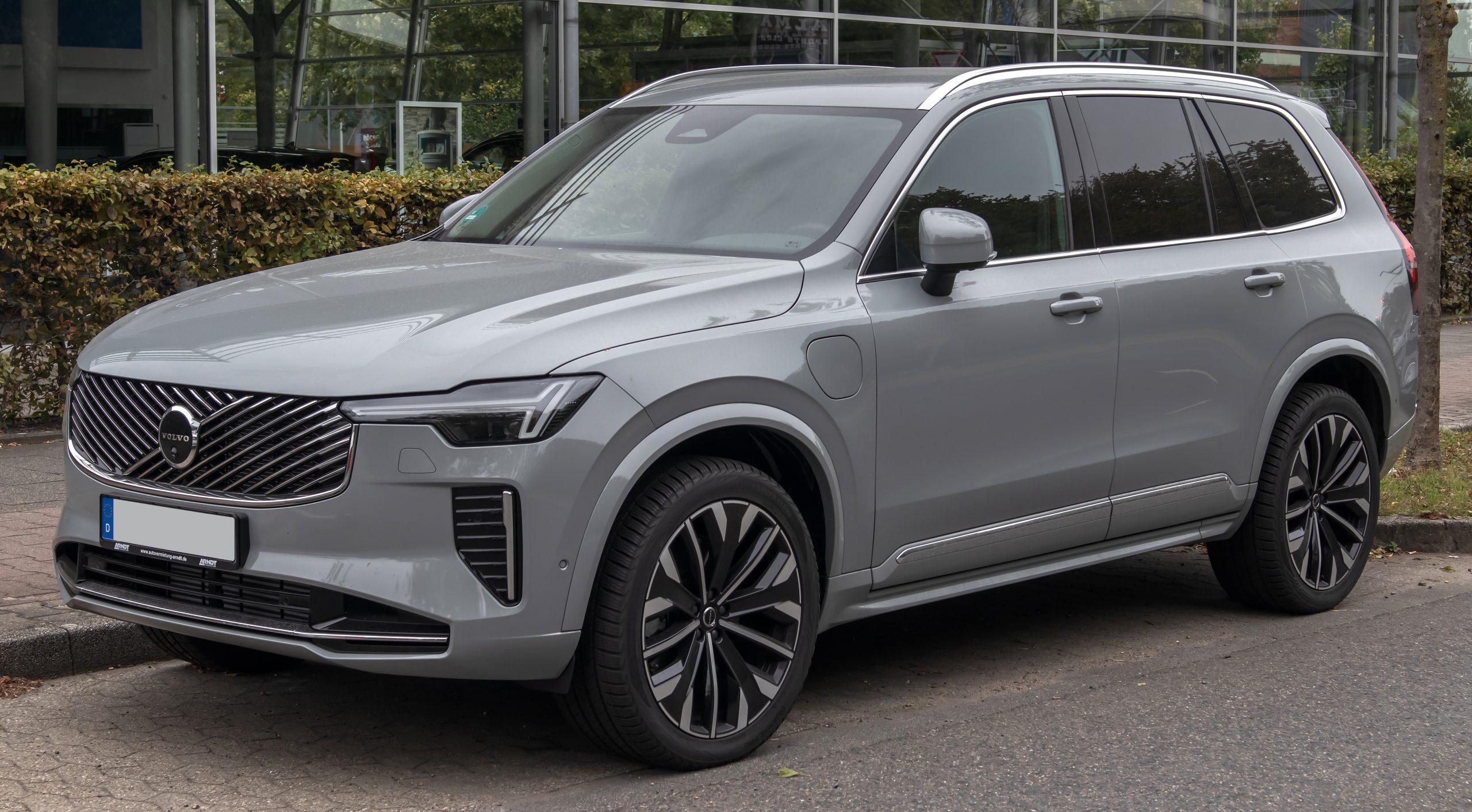
4. Toyota Innova Hycross: Hybrid Comfort and Urban Ease Redefined
The Toyota Innova Hycross marks the most significant transformation in the Innova nameplate’s two-decade history. By shifting from a ladder-frame diesel MPV to a monocoque TNGA-C platform with a self-charging hybrid powertrain, Toyota has repositioned the Hycross as a premium, comfort-focused family crossover designed for modern urban use, particularly in heavy traffic conditions.
At the heart of the Hycross experience is its 2.0-litre petrol-hybrid powertrain, producing a combined 184 horsepower. More important than outright performance is refinement. In slow-moving city traffic, the vehicle frequently operates in silent EV mode, delivering smooth, vibration-free progress without engine noise.
This makes long traffic delays far more relaxing while also contributing to excellent fuel efficiency, rated at 23.24 km/l (ARAI), which is exceptional for a vehicle of this size.
Ride comfort is another strong point. The TNGA-based monocoque structure, paired with a front independent suspension and rear torsion beam setup, absorbs bumps and road imperfections effectively. The result is a plush, stable ride that feels more like a large sedan than a bulky MPV.
Light steering further enhances ease of use, allowing drivers to maneuver confidently through congested streets, while the elevated seating position provides a clear view of the road ahead.
Inside, the Hycross focuses heavily on passenger comfort and convenience. High-end variants feature ventilated front and second-row seats, a panoramic sunroof, and spacious cabin dimensions that reduce fatigue during long commutes. The standout feature is the second-row Ottoman Captain Seats available in top trims, which offer leg extensions and electronic adjustments, creating a business-class-like experience. Unlike many rivals, the third row is genuinely usable for adults, adding to the vehicle’s practicality.
Technology also plays a role in easing daily driving. The smooth e-CVT transmission eliminates gear shifts, while features like auto-hold reduce effort in stop-and-go traffic. A 360-degree camera helps with tight parking and navigation in crowded areas, although its resolution has been criticized for being below segment standards.
There are trade-offs. Some interior materials feel underwhelming for the price, the infotainment system lacks polish compared to newer competitors, and under hard acceleration, the engine can sound loud due to the e-CVT. Seat cushioning may also not suit everyone on very long drives.
Even with these drawbacks, the Toyota Innova Hycross stands out as a refined, efficient, and dependable people mover. Its blend of hybrid efficiency, comfort-oriented design, and Toyota’s long-standing reputation for reliability makes it a compelling choice for families prioritizing stress-free urban mobility and long-term peace of mind.
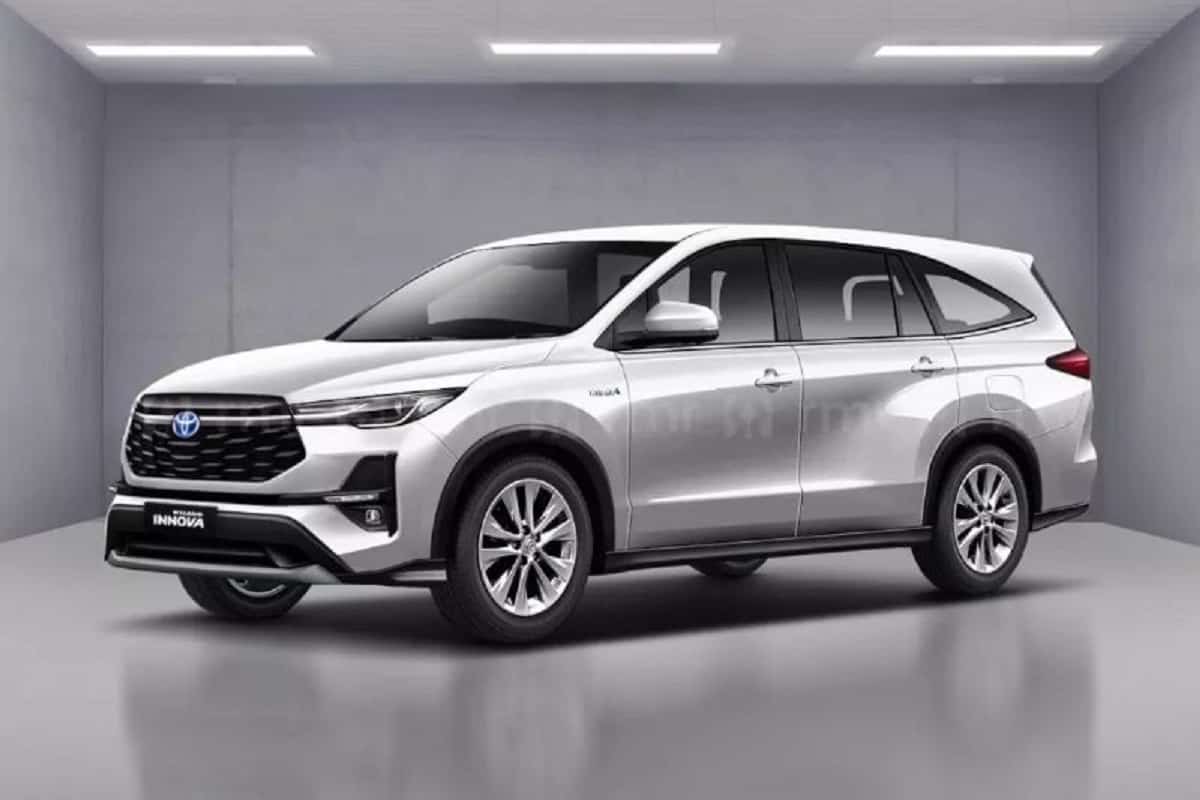
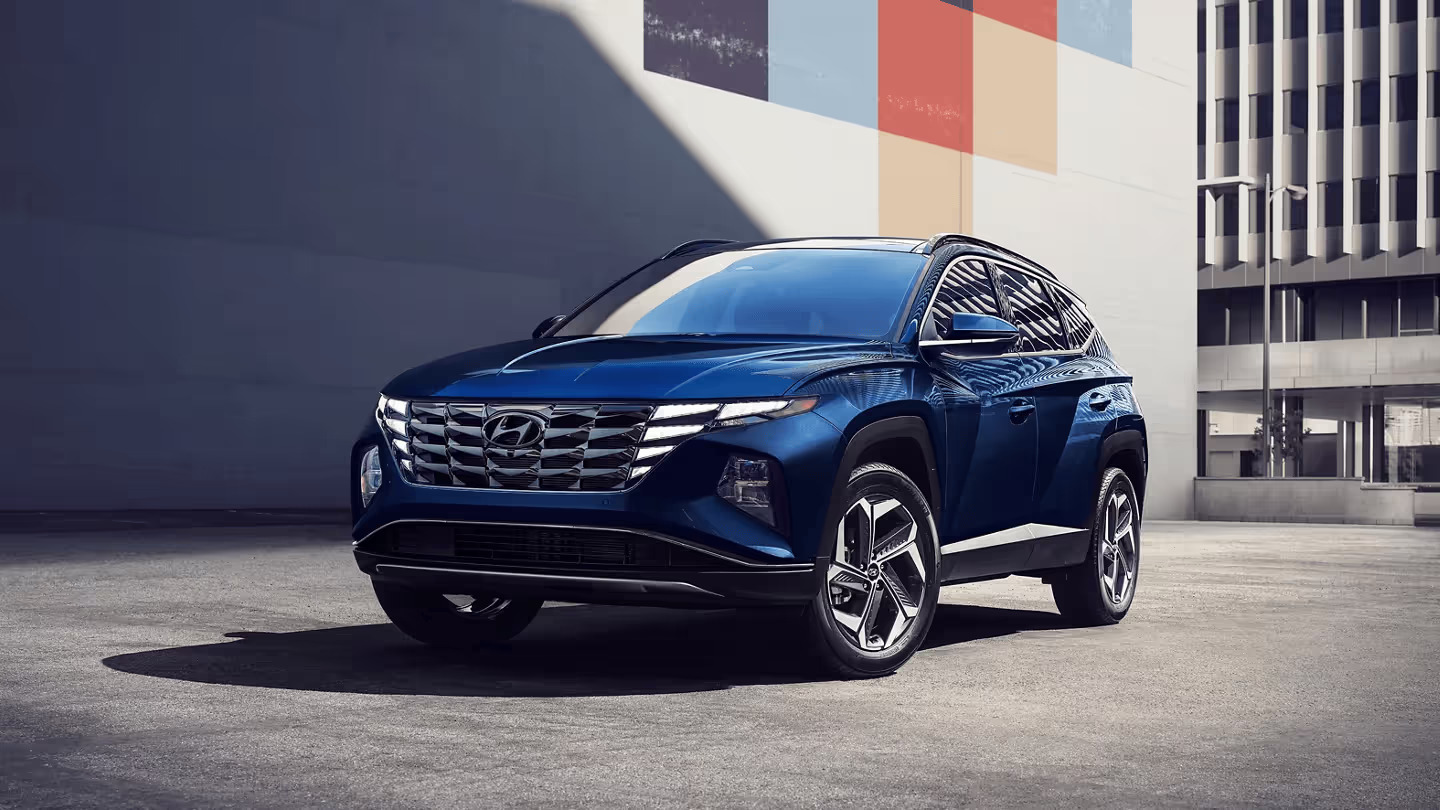
5. Hyundai Tucson Hybrid: Calm, Efficient Comfort for Daily Commuting
The Hyundai Tucson Hybrid is engineered to reduce stress in long, stop-and-go traffic by combining refined hybrid technology with comfort-oriented suspension tuning and advanced driver-assistance systems. Rather than focusing on sporty character, it prioritizes smoothness, quiet operation, and ease of use, making it a strong choice for daily commuting and urban driving.
One of the Tucson Hybrid’s most valuable strengths is its electric-first behavior at low speeds. In congested conditions, the hybrid system frequently relies on electric power alone, allowing the vehicle to move with minimal noise and vibration.
This quiet operation creates a more relaxed cabin environment, while the seamless blending of gasoline and electric power prevents abrupt surges or hesitation when traffic starts moving again.
Driver-assistance features play a major role in reducing fatigue. Smart Cruise Control with Stop and Go automatically adjusts speed and maintains distance from the vehicle ahead, even in heavy congestion. Highway Driving Assist adds steering support on highways, helping the vehicle stay centered in its lane. Together, these systems reduce constant pedal and steering inputs, making long commutes more comfortable.
Ride quality further enhances the experience. The Tucson Hybrid’s suspension is tuned to absorb small, repetitive bumps common on city roads, keeping the ride composed and stable. Steering is predictable and confidence-inspiring, while strong sound insulation helps keep road and wind noise outside. At steady speeds, the cabin remains notably hushed for a compact SUV.
Power comes from a turbocharged 1.6-liter four-cylinder engine paired with an electric motor, producing a combined 231 horsepower and delivered through a six-speed automatic transmission with standard all-wheel drive.
Acceleration is smooth and responsive, offering useful pep for merging and passing without feeling aggressive. In testing, the Tucson Hybrid achieved a 0–60 mph time just over seven seconds, quicker than the non-hybrid version.
Inside, the Tucson Hybrid features a modern, uncluttered interior designed for comfort and practicality. Heated and ventilated front seats, along with heated rear seats, help maintain comfort in varying weather conditions.
Dual 12.3-inch screens provide clear access to vehicle information and infotainment, while physical buttons and knobs for climate and audio controls improve usability. The cabin comfortably accommodates four adults, and cargo space is generous for the segment.
Fuel efficiency remains a key advantage, with EPA estimates reaching up to 38 mpg in both city and highway driving, though real-world results may vary at higher speeds. Combined with Hyundai’s strong warranty coverage and complimentary maintenance, the Tucson Hybrid delivers a well-rounded package focused on quiet efficiency, thoughtful technology, and everyday comfort in demanding traffic conditions.
5 That Increases Fatigue
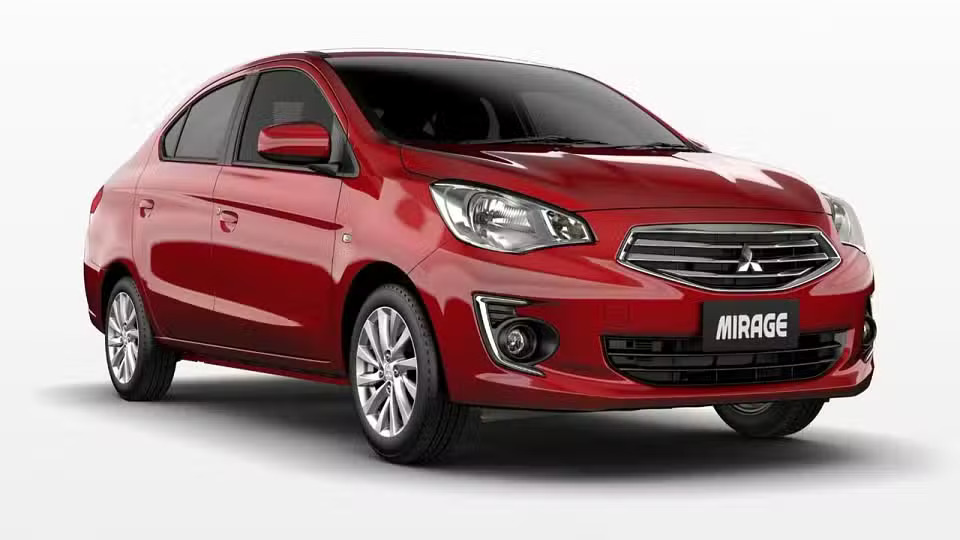
1. Manual Mitsubishi Mirage: Fatigue Amplified in Stop-and-Go Traffic
Driving a manual Mitsubishi Mirage in heavy, gridlocked traffic can quickly become both physically and mentally exhausting. While the Mirage is appreciated for its affordability, simplicity, and strong fuel economy, its budget-focused design and manual transmission make it poorly suited for long traffic delays.
The most immediate source of fatigue comes from constant clutch use. In stop-and-go traffic, the driver must repeatedly engage and balance the clutch at its biting point to creep forward. This ongoing motion places continuous strain on the left leg, particularly the calf, thigh, and hip muscles. Over time, this repetitive effort leads to noticeable muscular fatigue, turning a commute into what feels like an unwanted workout.
Ergonomics further compounds the issue. The Mirage’s seats are designed to meet cost targets rather than provide long-term comfort. Limited lumbar support, minimal thigh cushioning, and thin padding make it difficult to maintain a relaxed posture during extended delays.
As pressure builds in the lower back and tailbone, discomfort increases, especially since the driver cannot remain fully still while operating the pedals. The lack of supportive seating places additional stress on the spine and core muscles.
Powertrain characteristics add another layer of strain. The Mirage’s small 1.2-liter three-cylinder engine produces modest power and limited low-end torque. In traffic, this forces frequent shifting between neutral, first, and second gear to avoid stalling or excessive vibration. Constant gear changes increase mental workload, requiring the driver to continuously monitor engine speed and spacing to the vehicle ahead.
Noise and vibration further drain energy. The three-cylinder engine produces a noticeable thrum, and minimal sound insulation allows engine and road noise to enter the cabin freely.
Combined with vibrations from nearby larger vehicles, this creates a high level of sensory stimulation. Over long periods, this constant noise and vibration contribute to sensory fatigue, leaving the driver feeling far more worn out than in a quieter, more insulated vehicle.
In heavy traffic, the manual Mitsubishi Mirage transforms from a simple, efficient commuter into a demanding and tiring experience.
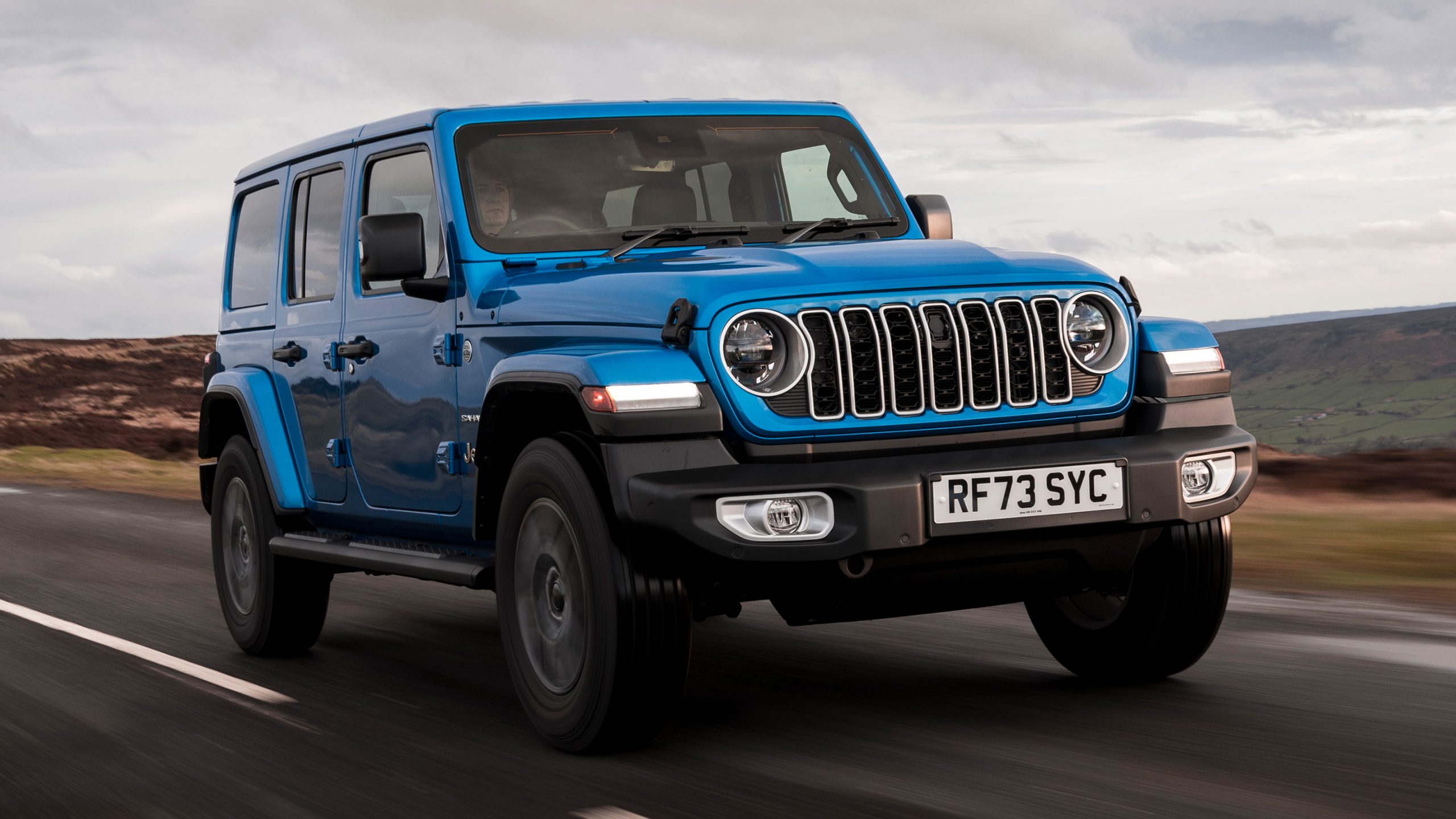
2. Jeep Wrangler: Trail-Built Toughness Meets Urban Fatigue
The Jeep Wrangler is engineered with off-road capability as its top priority, and that focus becomes a drawback when the vehicle is placed in long, stop-and-go traffic. While its rugged character and iconic styling appeal to adventure-minded drivers, several core design elements make extended urban commutes physically and mentally draining.
One of the biggest contributors to fatigue is the Wrangler’s solid front axle. Unlike the independent front suspension used in most modern SUVs, a solid axle transfers bumps from one wheel across the entire front end. In traffic, this creates a restless steering feel that requires constant small corrections to stay centered in a lane.
The driver’s hands and forearms must remain engaged at all times, leading to muscle fatigue during prolonged delays. Manual-transmission models amplify this strain, as the heavy clutch and long-throw shifter are built for durability rather than ease of use. Repeated clutch engagement in congestion places stress on the left leg, hips, and lower back.
Noise, vibration, and harshness further intensify the experience. The Wrangler’s boxy shape generates substantial wind noise, even at modest speeds. Limited sound insulation, combined with removable hard or soft tops, allows road and engine noise to enter the cabin freely.
Large off-road tires also transmit low-frequency vibrations through the chassis. Continuous exposure to this level of noise and vibration overstimulates the senses, which the brain interprets as stress, leaving drivers feeling mentally exhausted after long periods behind the wheel.
Ergonomics also plays a role. The Wrangler’s upright seating position and utilitarian interior limit the ability to find a truly relaxed posture. Flat seats with modest thigh support can restrict circulation, and the pedal layout makes it difficult to stretch or reposition the legs in slow-moving traffic. Over time, this can lead to localized cramping and discomfort in the legs and ankles.
In traffic, the Jeep Wrangler demands constant attention and physical input. What makes it exceptional on trails becomes a source of fatigue on busy roads, turning daily congestion into a demanding and tiring experience.
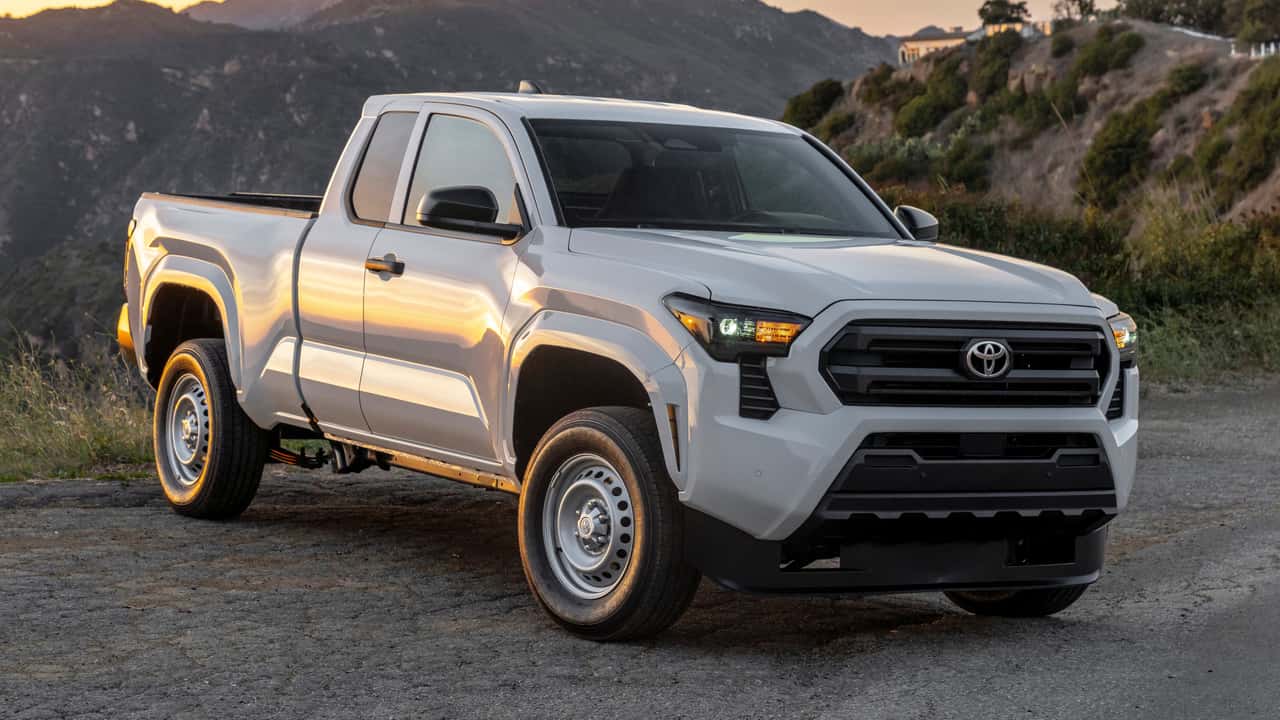
3. Toyota Tacoma Base Trims: Rugged Design Increases Traffic Fatigue
Toyota Tacoma base trims, including the SR and SR5, are built for durability and cost-effectiveness, but these features make long, stop-and-go traffic particularly tiring. While higher trims incorporate comfort-focused technology, the base models rely on traditional mechanical systems that require more physical and mental effort from the driver.
A major source of fatigue is the rear leaf spring suspension. Designed for heavy-duty hauling, leaf springs transmit bumps and road imperfections directly into the cabin. In congested traffic, this creates a jittery ride and “bed shake” that subtly strains the driver’s body over time.
Unlike smoother coil-spring multi-link setups found in higher trims, this suspension setup contributes to discomfort during prolonged idling and slow-moving traffic.
Seating ergonomics further amplifies fatigue. Base trims feature manual seat adjustments with limited lumbar support. Many drivers describe the seats as firm and minimally padded, causing pressure points in the lower back and legs after just an hour or two of driving. Without power adjustments, it is difficult to achieve a supportive posture that reduces strain during long periods of sitting in traffic.
The base i-FORCE engine also demands more driver input. Producing 228 horsepower, it offers less power than higher trims, and older models often exhibit throttle lag. Drivers must constantly modulate the gas pedal to keep pace with traffic, and frequent gear hunting by the transmission adds to the mental workload.
Technology limitations add another layer of challenge. Many older or lower-spec Tacomas lack adaptive cruise control and lane-keeping assistance, forcing drivers to manually handle every speed adjustment and steering correction. This increases cognitive strain during congested commutes.
Noise, vibration, and harshness (NVH) also contribute to fatigue. Base trims have less acoustic insulation than premium models, allowing engine drone and road noise to fill the cabin. Continuous exposure to these sounds and vibrations adds to physical and mental stress, making heavy traffic more draining than in better-insulated, higher-trim Tacomas.
In short, the Tacoma’s suspension, seating, engine behavior, and lack of driver aids combine to make extended traffic drives physically and mentally demanding.
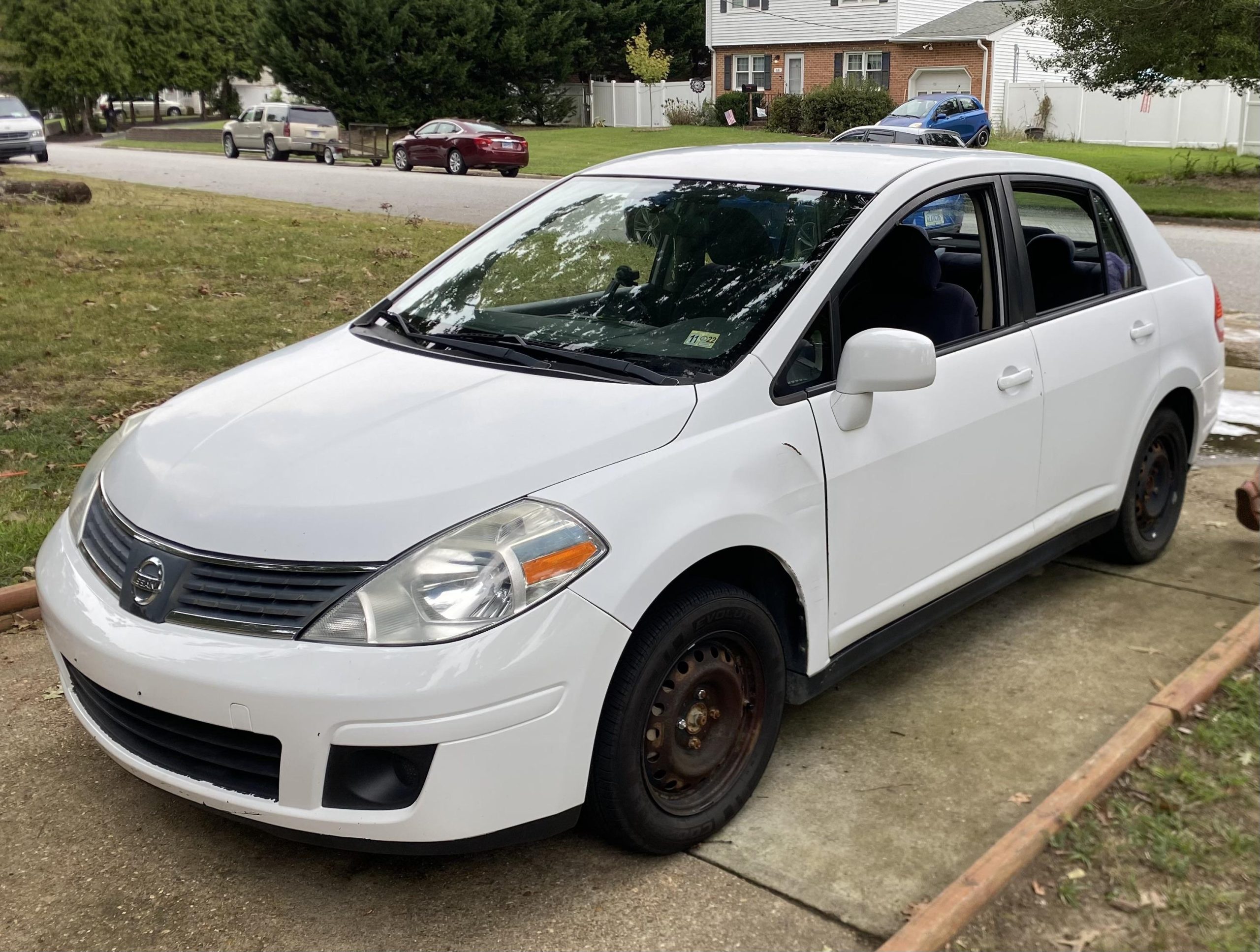
4. Nissan Versa (Older Manual Models): Fatigue Factors in Stop-and-Go Traffic
Older manual Nissan Versa models, particularly from the 2007–2012 first generation, present several challenges that make long traffic delays physically and mentally draining. While praised for their reliability, these vehicles’ manual configurations demand more effort from the driver compared to automatic alternatives.
The clutch is a major contributor to fatigue. Worn hydraulic components and aging clutch assemblies, such as the release bearing and pressure plate springs, increase pedal resistance. In stop-and-go traffic, drivers may depress the clutch hundreds of times per hour, causing muscle strain in the left leg, calves, and thighs.
Designed with cost efficiency in mind, the Versa’s seating can exacerbate fatigue. Drivers often face a steep leg angle that keeps the foot in constant static dorsiflexion, reducing blood flow and increasing cramping. Minimal lumbar support and limited seat adjustments make it difficult to maintain a comfortable posture, compounding discomfort during extended delays.
Operating a manual Versa in congested traffic requires constant attention. The small engine produces limited low-end torque, forcing frequent shifts between 1st, 2nd, and Neutral to avoid stalling. This repetitive gear cycling, combined with engine vibration and minimal cabin insulation, increases mental effort and sensory fatigue.
Fatigue can be reduced by shifting into Neutral when stopped for more than a few seconds to rest the left leg. Regular maintenance of the clutch hydraulic system, including clean fluid and absence of air, can make pedal operation smoother and less tiring.
Due to the combination of clutch resistance, limited ergonomic support, and frequent gear changes, older manual Nissan Versas can turn extended traffic commutes into a physically demanding and mentally taxing experience.
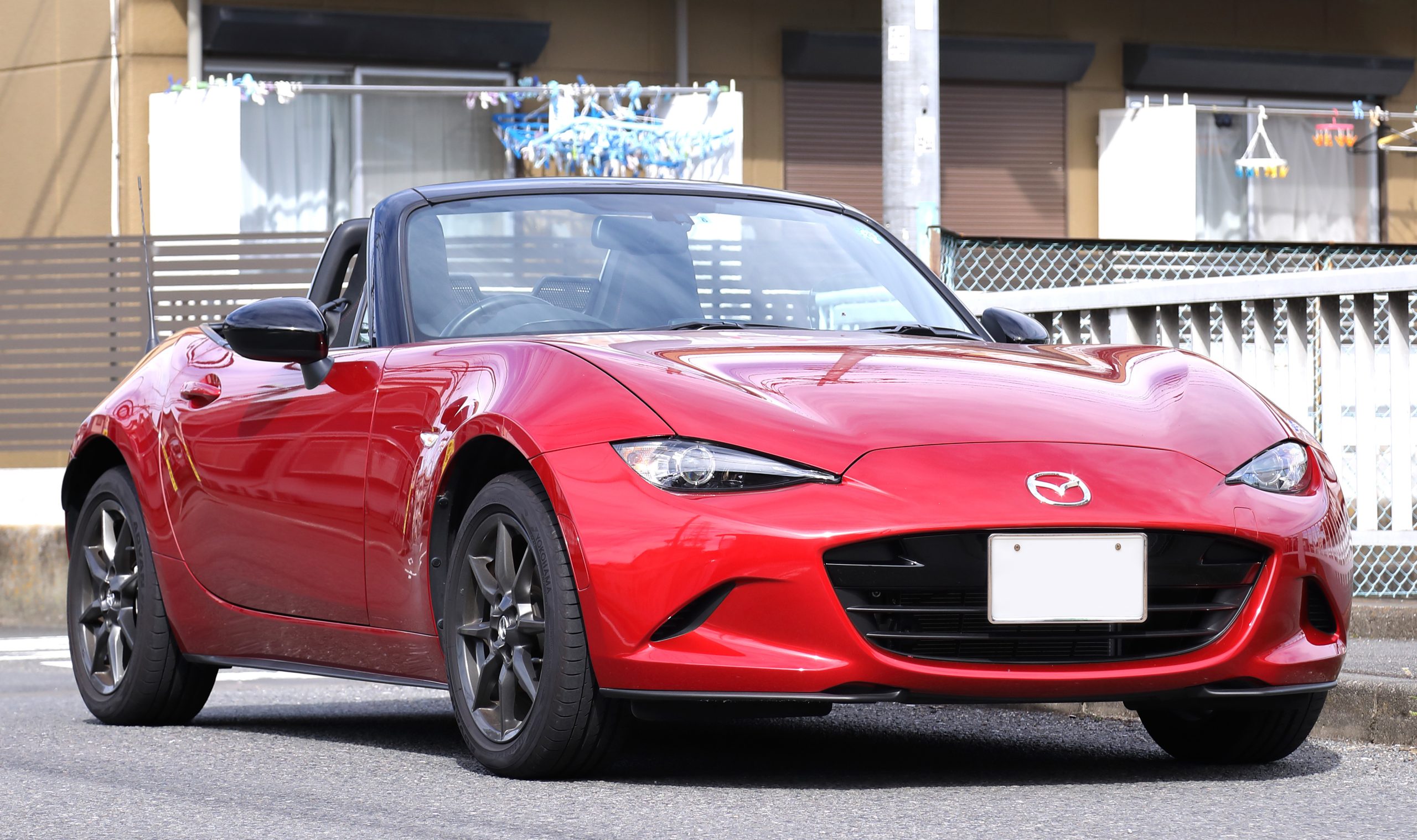
5. Mazda MX-5 Miata: A Thrilling Ride That Tires in Traffic
The Mazda MX-5 Miata is engineered for performance, but its design makes long, stop-and-go traffic particularly taxing. Lightweight construction, a low-slung cockpit, and firm suspension create an engaging driving experience on open roads but contribute to both physical and mental fatigue during congested commutes.
A major source of strain is mental fatigue caused by the Miata’s low profile. Being closer to the ground than most vehicles, the Miata is often hidden in the blind spots of SUVs and trucks. Drivers must maintain constant alertness to avoid being crowded or tailgated, creating a high level of psychological stress that becomes exhausting over extended traffic delays.
Physical strain also contributes to discomfort. Manual transmission models require frequent clutch engagement and gear shifting, which can fatigue the left leg and ankle even with relatively light pedal action. The cabin is cramped, offering limited legroom and minimal ability to shift body weight. Taller drivers may experience lower back soreness after just an hour of stationary driving due to the fixed seating position.
Sensory overload is another factor. To reduce weight, the Miata features minimal sound insulation. In traffic, engine noise, road vibrations, and heat from surrounding vehicles penetrate the cabin. The thin soft top provides little protection, and the small interior volume heats up quickly, making it difficult for the air conditioning system to maintain comfort when the car is not moving.
Driver-assistance features that reduce fatigue are largely absent. Without Adaptive Cruise Control or lane-centering aids, the driver must remain fully engaged at all times, performing every micro-adjustment manually. This constant attention adds to both mental and physical stress.
In short, while the Mazda MX-5 Miata excels on open roads with its responsive handling and lightweight feel, its firm suspension, confined cockpit, lack of insulation, and absence of fatigue-reducing technologies make extended traffic commutes uncomfortable and demanding.
Also Read: 10 Cars That Don’t Suit Short Urban Trips