Short trips may seem harmless, but they can quietly place extra stress on certain vehicles that were never designed for quick errands and brief commutes. When an engine barely has time to warm up, vital fluids do not circulate as intended, internal components remain at suboptimal temperatures, and moisture buildup becomes a persistent issue.
Over time, these factors can accelerate wear in ways that long highway drives rarely cause. For drivers who mainly travel a few miles at a time, the wrong car choice can lead to repeated maintenance visits and premature mechanical fatigue.
Modern vehicles rely on complex systems that expect stable operating conditions. Engines are engineered to reach specific temperatures where fuel combustion is clean and efficient, oil flows properly, and emissions equipment functions as designed. Short trips interrupt this balance, forcing parts to work in a cold state far more often than intended.
This can lead to incomplete fuel burn, thicker oil circulation, and carbon deposits forming faster than usual. While many cars tolerate this abuse reasonably well, others react very poorly.
Turbocharged engines, diesel powertrains, and luxury models with sophisticated electronics are especially sensitive to stop start driving. These vehicles often need consistent heat cycles and sustained operation to remain healthy.
When they are repeatedly shut down before reaching proper temperature, internal condensation forms, exhaust systems stay damp, and batteries struggle to recharge fully. These issues may not cause immediate breakdowns, but they quietly reduce long term reliability.
Short trips also place unusual demands on transmissions and braking systems. Frequent cold shifts increase internal friction, while repeated light braking prevents rotors from cleaning themselves properly. Some cars compensate better than others, depending on design philosophy and intended usage. Vehicles built for highway comfort or performance driving often suffer more in city errand duty than simple economy cars designed for constant stop and go traffic.
Understanding which cars react poorly to short trips helps buyers make smarter decisions and helps owners adjust maintenance habits.
The following list highlights 15 vehicles that are known for struggling under short trip conditions. Each example explains why these cars need longer drives and what kinds of problems can emerge when they are used primarily for brief journeys. This knowledge can prevent costly surprises and extend the lifespan of vehicles that demand more thoughtful usage.

BMW 335i
The BMW 335i is built around performance and refinement, not quick grocery runs. Its turbocharged engine depends heavily on proper oil temperature to protect internal components. When driven only a few miles at a time, oil remains thick and fails to lubricate turbo bearings effectively. This creates unnecessary stress during cold starts and early acceleration.
Fuel dilution is another concern in this model during short trips. Unburned fuel can seep into the oil when the engine shuts down too soon. Over time, this thins the oil and reduces its protective qualities. Drivers who only take short drives often notice oil degradation faster than expected.
The emissions system in the 335i also suffers from limited heat cycles. Sensors and catalytic components need sustained warmth to operate efficiently. Repeated cold operation can trigger warning lights and lead to premature component replacement. These repairs are rarely inexpensive.
Also Read: 10 Ultra-Luxury Cars That Command Attention Everywhere They Go
Carbon buildup is a well known issue for this engine design. Short trips worsen this problem by preventing the engine from operating at higher temperatures that naturally burn off deposits. Intake valves slowly accumulate residue, affecting performance and fuel efficiency.
Battery drain is another hidden issue. The electrical systems in the 335i draw significant power, and short drives often fail to replenish the battery fully. This leads to frequent replacements and unpredictable electrical behavior.
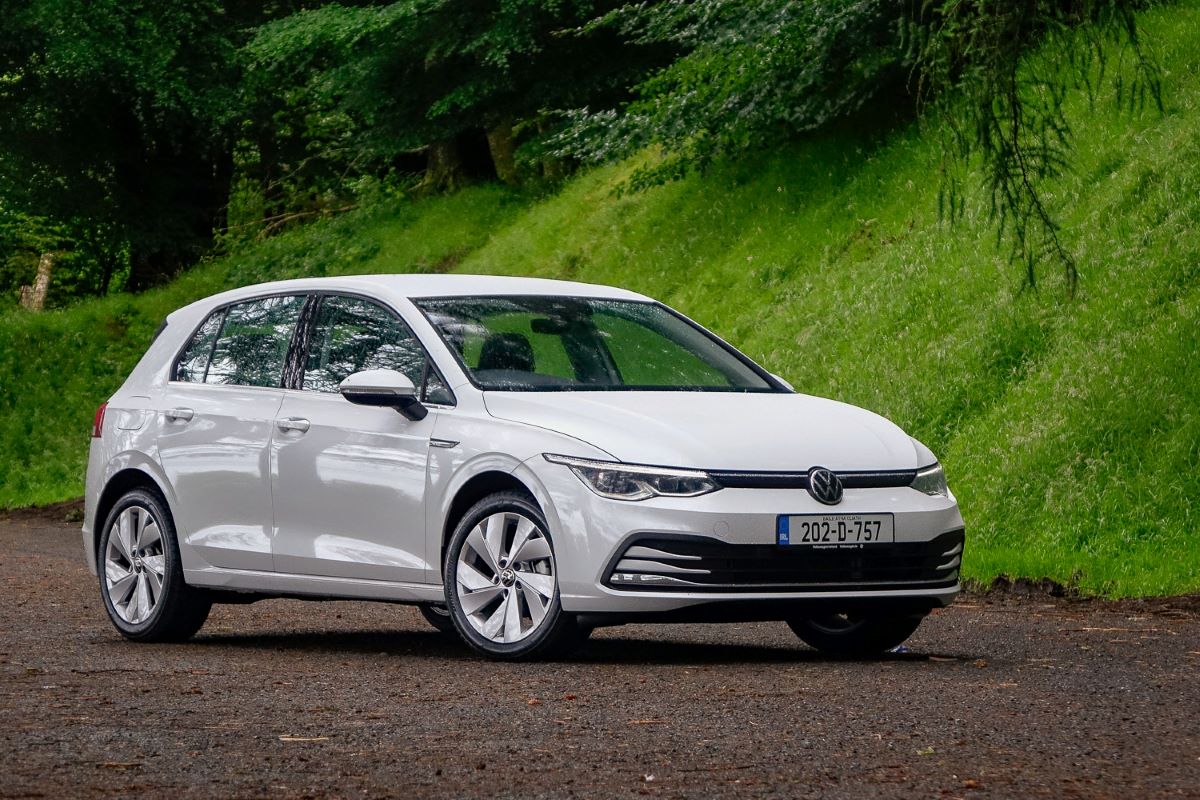
Volkswagen Golf TDI
Diesel engines like the Golf TDI are especially sensitive to short trip usage. These engines are designed to operate hot and under load for extended periods. When driven briefly, they never reach the temperatures required for efficient combustion and emissions control.
The diesel particulate filter is a major weak point during short trips. It requires sustained driving to burn off trapped soot. Without this process, the filter clogs, triggering warning lights and forcing costly service procedures.
Cold starts also increase fuel consumption dramatically in diesel engines. The Golf TDI injects extra fuel to stabilize combustion, which leads to soot accumulation when the engine shuts down prematurely. This cycle repeats with every short drive.
Moisture buildup in the exhaust system becomes a recurring issue. Short trips do not allow condensation to evaporate, accelerating corrosion from the inside out. Over time, this shortens the lifespan of exhaust components.
Oil contamination is another concern. Diesel engines produce more soot than gasoline engines, and short trips prevent oil from reaching temperatures needed to burn it off. This requires more frequent oil changes to maintain engine health.
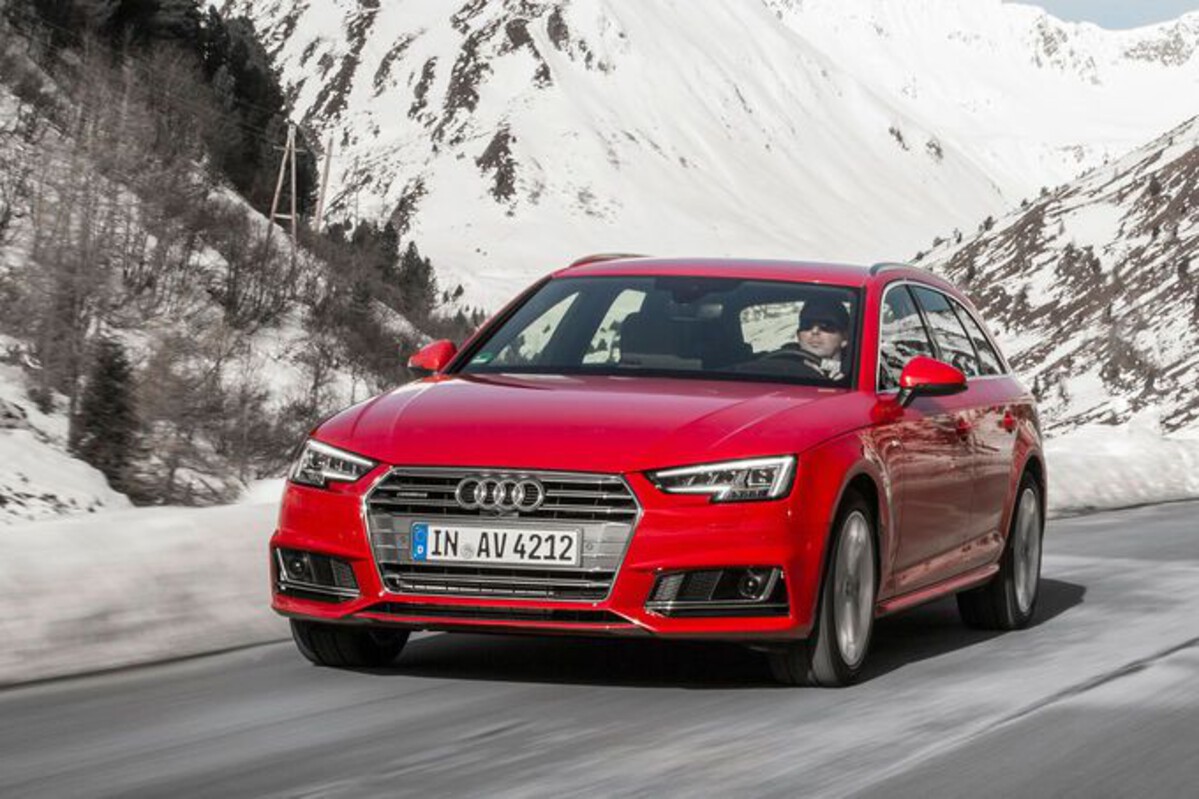
Audi A4 Quattro
The Audi A4 Quattro combines turbocharging with all wheel drive, making it complex and sensitive. Its turbocharger depends on consistent heat management, which short trips fail to provide. Cold oil circulation places extra wear on turbo components.
All wheel drive systems add additional mechanical drag. During short drives, this extra resistance increases stress on drivetrain components before lubricants fully warm up. This contributes to accelerated wear over time.
The A4 also relies heavily on electronic systems that demand stable voltage. Short trips often leave the battery undercharged, causing sporadic electrical issues and warning messages that frustrate owners.
Carbon buildup again plays a role here. Direct injection engines like the A4 benefit from occasional sustained driving to keep internal passages cleaner. Short trips allow deposits to accumulate unchecked.
Cooling systems in this vehicle are finely tuned. Repeated cold cycles cause hoses, seals, and plastic components to experience rapid expansion and contraction. This increases the likelihood of leaks as the car ages.
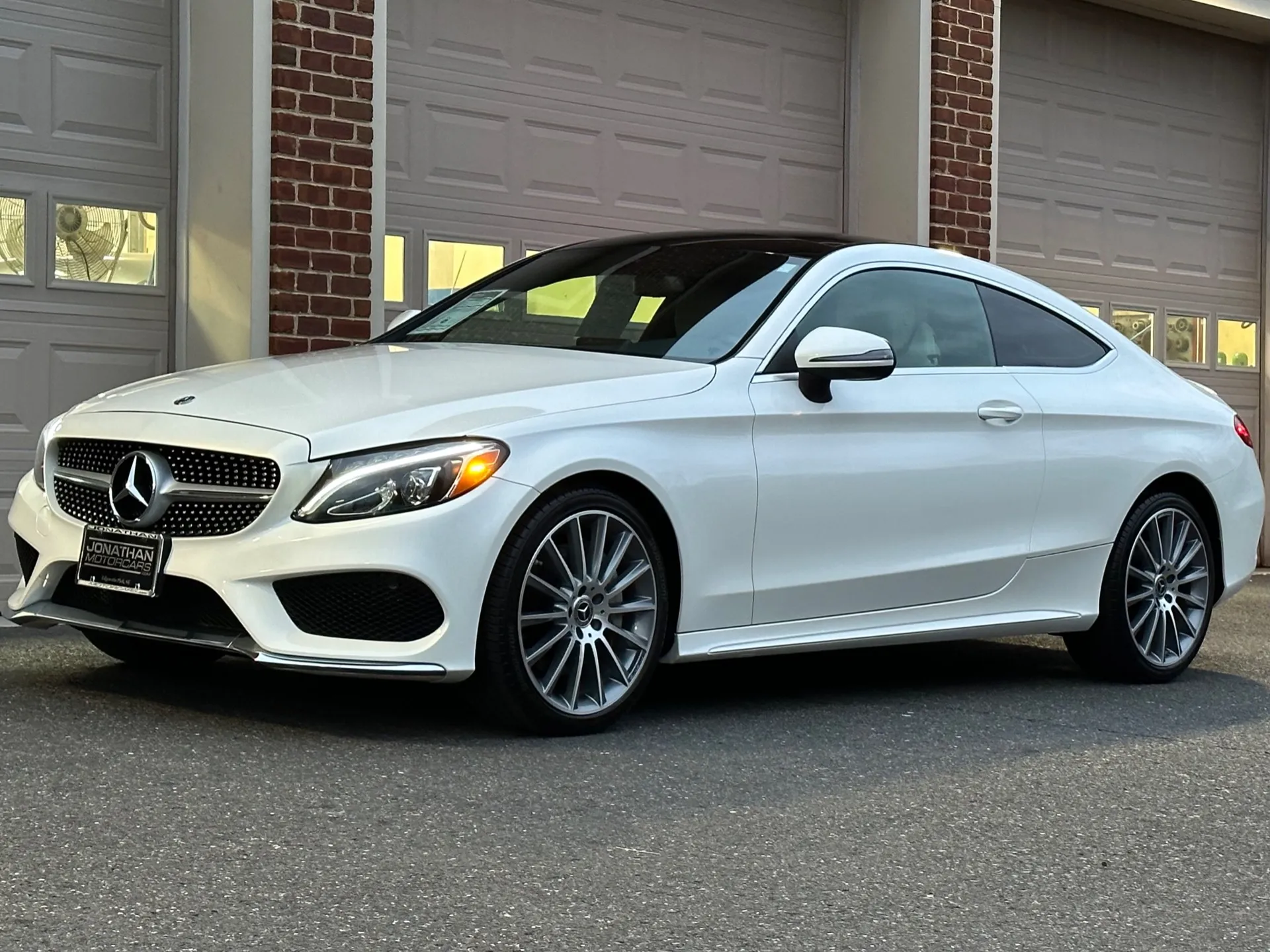
Mercedes Benz C300
Luxury engineering often assumes longer, smoother driving patterns. The C300 is no exception. Its engine management system expects stable temperatures to maintain efficiency and reliability. Short trips disrupt this balance repeatedly.
Fuel efficiency drops sharply when the engine never warms properly. The system enriches the fuel mixture to compensate, leading to carbon accumulation and increased emissions. Over time, this affects throttle response.
Transmission behavior also suffers. Cold shifts place additional strain on internal components, especially when the vehicle is stopped and started frequently. This can lead to rough shifting and early wear.
The braking system is another weak point. Short trips prevent rotors from heating enough to clean off surface moisture. This leads to corrosion and vibration during braking.
Also Read: Top 10 Cars That Look Comfortable but Aren’t
Electrical accessories in the C300 draw significant power even when parked. Short drives fail to restore battery charge fully, leading to frequent battery replacements and potential system resets.

Mini Cooper S
The Mini Cooper S is compact but mechanically demanding. Its turbocharged engine produces strong performance but dislikes constant cold operation. Short trips keep oil thick and circulation limited during critical early moments.
Cooling systems in this model are tightly packaged. Repeated short drives create uneven temperature cycling that stresses hoses and seals. This increases the likelihood of coolant leaks over time.
The exhaust system struggles to stay dry during brief drives. Moisture accumulates and accelerates internal corrosion, especially in colder climates. This leads to rattles and premature failures.
Fuel economy also suffers significantly. The engine runs rich during warm up, and shutting it down early wastes fuel repeatedly. Owners often notice lower efficiency than expected.
Suspension and steering components experience extra wear in city conditions. Combined with short trips, this makes the Mini more maintenance intensive than many buyers anticipate.
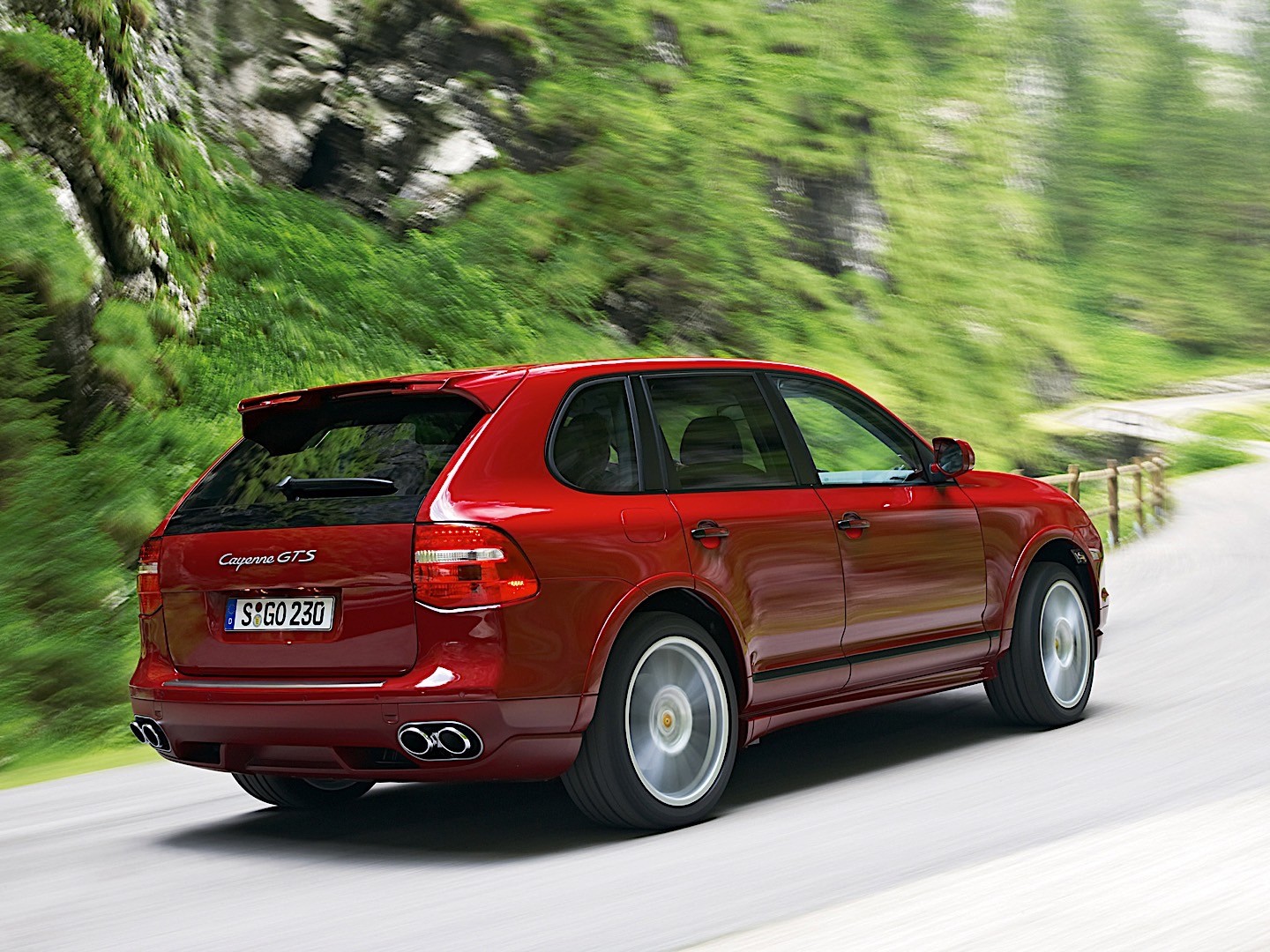
Porsche Cayenne
Despite its size, the Cayenne is engineered for long, steady driving. Its powerful engine requires proper warm up to protect internal components. Short trips prevent oil from reaching ideal viscosity.
The transmission is another concern. Frequent cold starts combined with heavy vehicle weight increase internal stress. This leads to harsher shifts and reduced longevity.
Brake systems on the Cayenne are performance oriented. Short trips prevent them from heating properly, causing surface rust and uneven wear patterns that affect braking smoothness.
The cooling system is complex and sensitive. Repeated short cycles increase the risk of leaks as seals degrade faster under constant temperature fluctuation.
Battery drain is common due to advanced electronics. Short drives do not provide enough charging time, resulting in warning lights and electrical malfunctions.
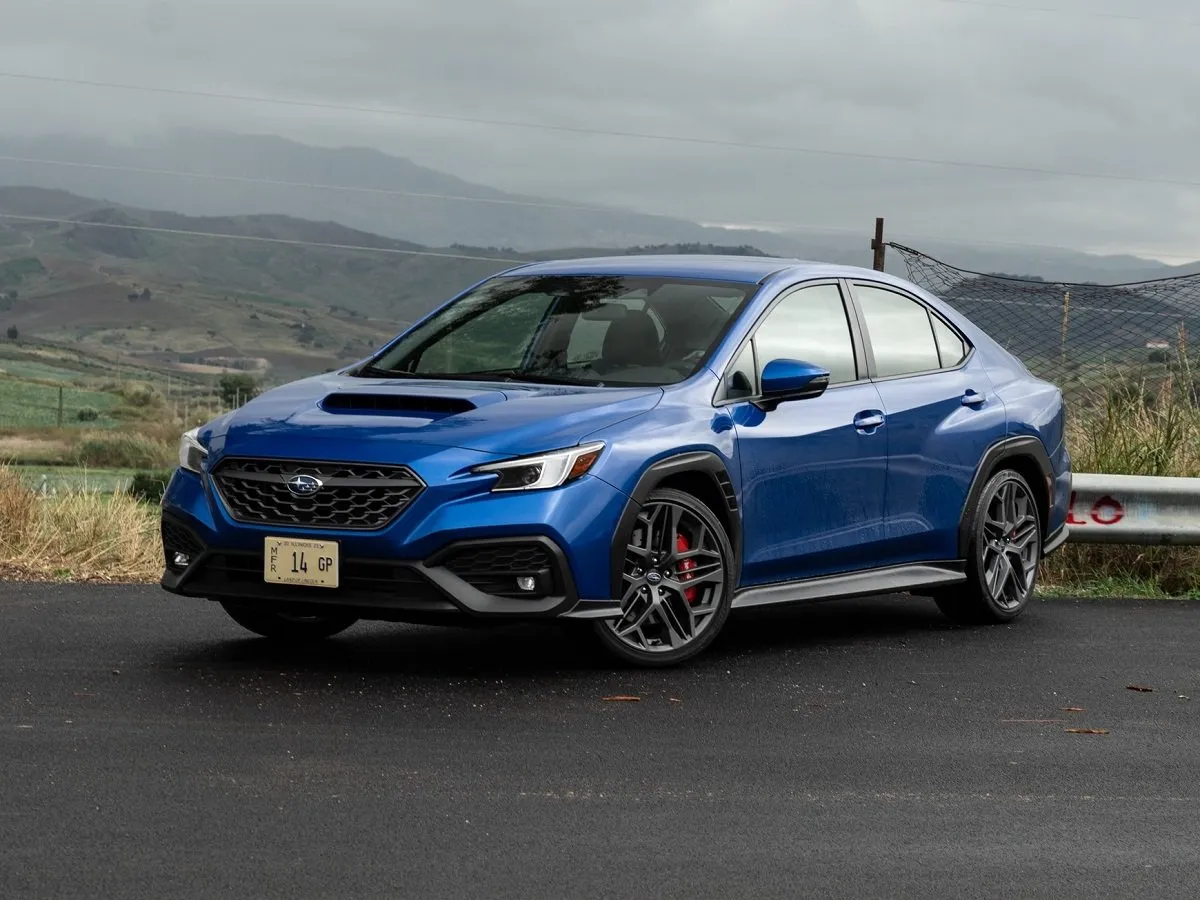
Subaru WRX
The WRX is built for spirited driving, not short errands. Its turbocharged engine relies on consistent oil flow and temperature. Short trips increase wear during cold operation.
Fuel dilution is a known issue when the engine shuts down too quickly. Unburned fuel mixes with oil, reducing lubrication quality and accelerating internal wear.
The all wheel drive system adds complexity and friction. Cold starts combined with short distances increase stress before fluids warm up properly.
Carbon buildup becomes more pronounced with repeated cold cycles. Without extended driving, deposits form faster and reduce engine efficiency.
Transmission and clutch components also suffer in stop and go conditions. Short trips magnify wear that would be minimal during longer drives.
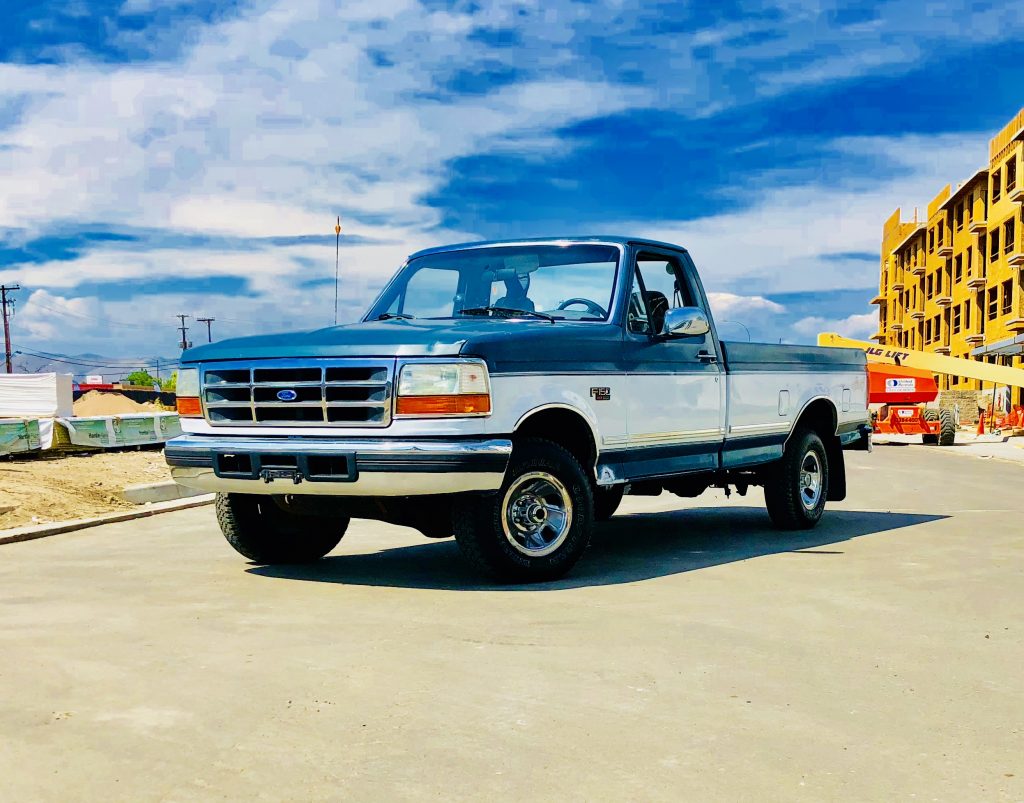
Ford PowerStroke Diesel Trucks
Large diesel trucks are among the worst candidates for short trips. The PowerStroke engine needs extended operation to function correctly. Short drives keep combustion inefficient and dirty.
Exhaust aftertreatment systems struggle without sustained heat. Filters clog quickly, forcing regeneration cycles that may never complete properly during brief usage.
Oil contamination becomes severe when the engine never warms fully. Soot and fuel accumulate faster, requiring more frequent service.
Turbochargers also suffer from cold starts without sufficient run time. Bearings experience repeated stress with limited lubrication efficiency.
These trucks are heavy and mechanically complex. Using them for short errands accelerates wear across multiple systems simultaneously.

Jaguar XF
The Jaguar XF prioritizes refinement and smoothness. Its engine management system expects stable operating conditions. Short trips disrupt this and reduce long term reliability.
Electrical systems in the XF are sensitive to voltage fluctuations. Short drives often fail to maintain battery health, leading to erratic behavior.
Transmission calibration favors smooth cruising rather than stop and go traffic. Cold shifts during short trips increase internal wear.
Brake corrosion is common when the vehicle is not driven long enough to heat the rotors properly. This affects braking feel and longevity.
Cooling system components experience accelerated aging due to repeated thermal cycling. This increases the risk of leaks and overheating issues later.
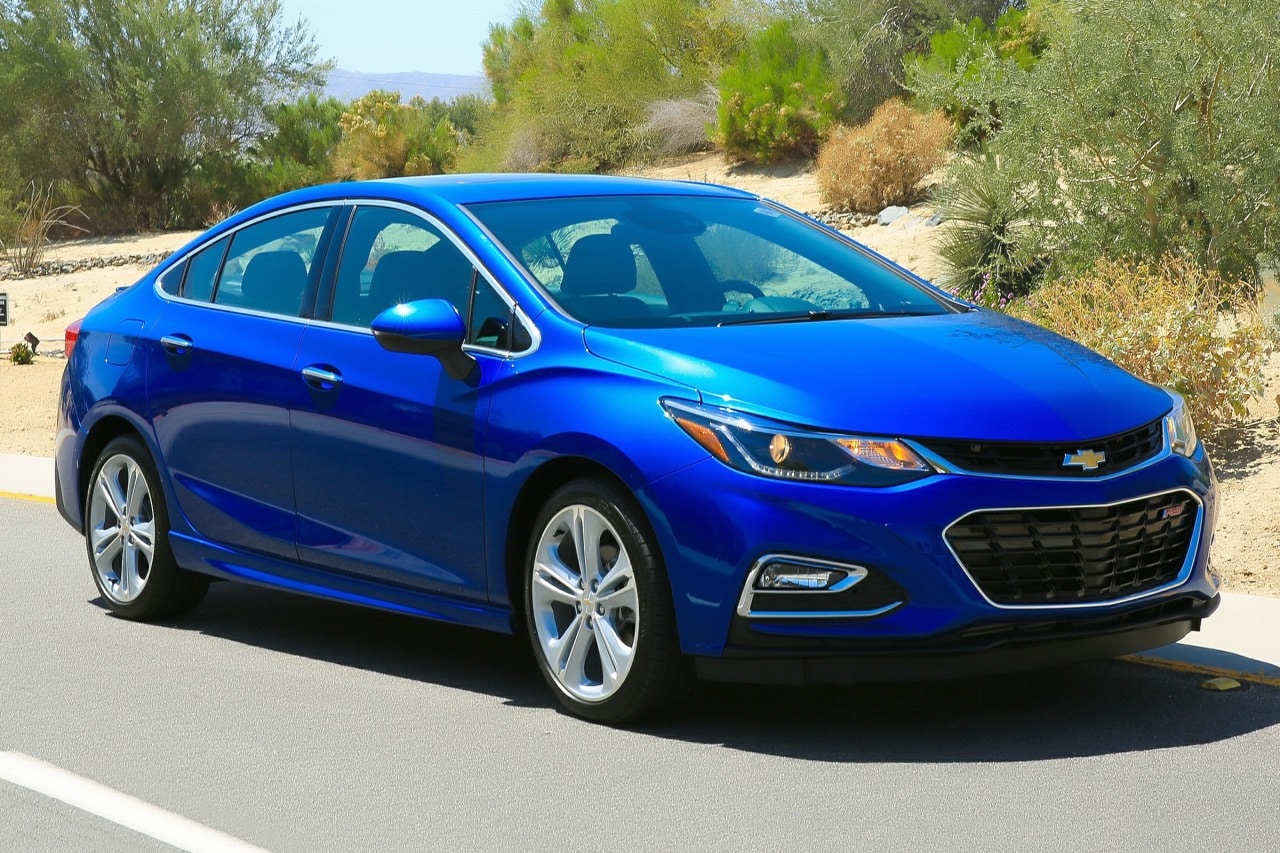
Chevrolet Cruze Diesel
The Cruze Diesel shares many weaknesses common to small diesel cars. Short trips prevent it from reaching proper operating temperature. Combustion remains incomplete and inefficient.
The particulate filter struggles to regenerate without highway speeds and extended run time. This leads to warning lights and reduced performance.
Fuel economy drops sharply during short drives. Cold operation requires additional fuel, negating the efficiency advantage of diesel.
Moisture accumulation in the exhaust system becomes a recurring issue. Corrosion develops faster when condensation never fully evaporates.
Oil quality degrades more quickly due to soot contamination. Owners who rely on short trips must service the engine more often to avoid damage.
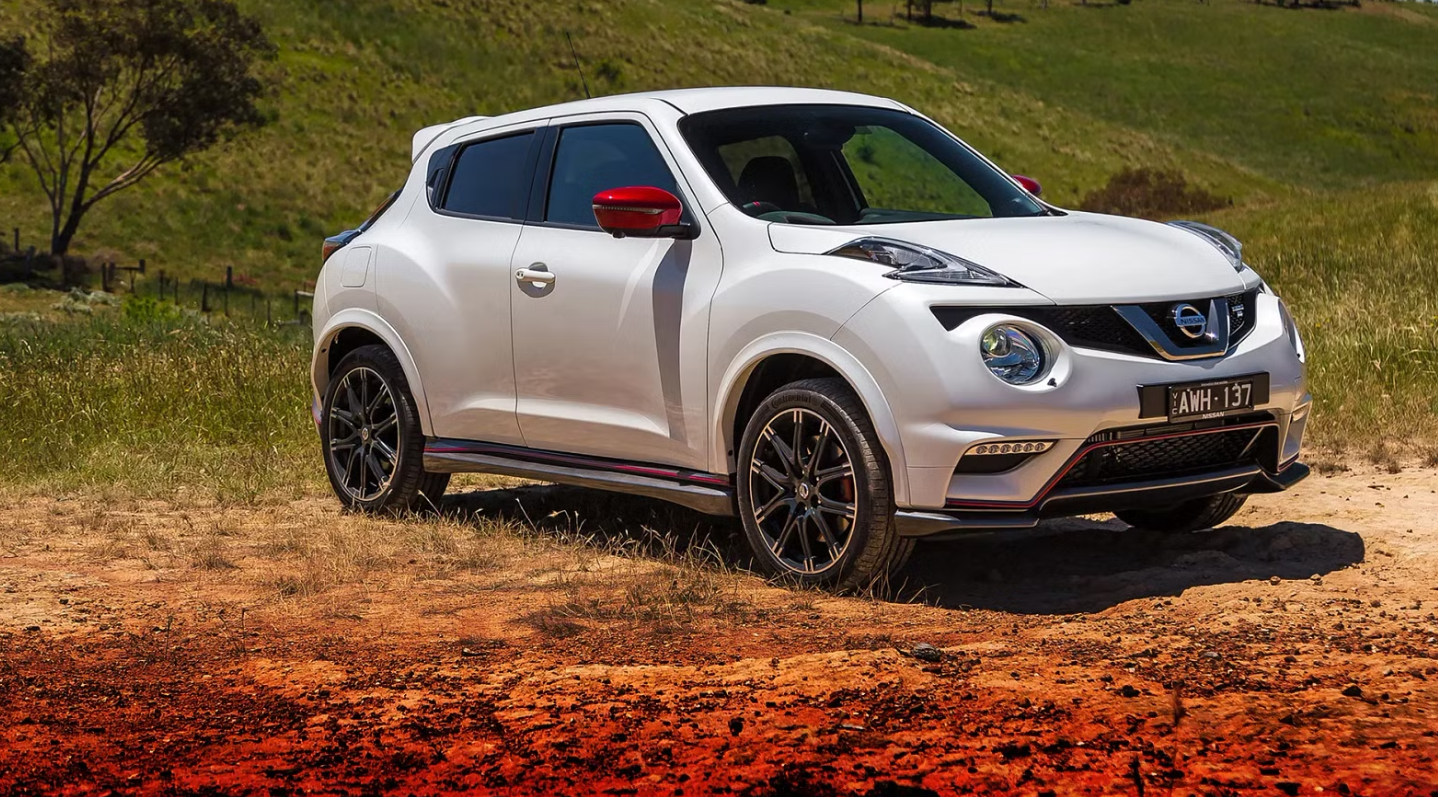
Nissan Juke Nismo
The Nissan Juke Nismo is a compact crossover designed for sporty driving rather than frequent stop and go errands. Its turbocharged engine thrives when it reaches sustained operating temperatures, allowing oil to flow efficiently and combustion to remain complete.
During short trips, the engine often shuts down before these conditions are met, causing oil to remain thick and stressing critical turbo components. Over time, this increases the likelihood of early turbo wear and reduces the engine lifespan.
Cold starts also affect the exhaust and emissions systems. The catalytic converter in the Juke Nismo needs consistent heat to burn off accumulated residues, and short drives prevent this process from completing properly.
As a result, owners may notice warning lights activating more frequently and performance hiccups that require attention. Even when no immediate failure occurs, repeated cold operation silently reduces the efficiency and effectiveness of the emissions system, which can eventually lead to costly repairs.
Fuel dilution becomes another concern for drivers relying mainly on brief journeys. Extra fuel injected during startup mixes with the engine oil when the vehicle shuts down too quickly, thinning the oil and reducing its protective capabilities. This accelerates internal wear, especially on bearings and piston rings, which are particularly vulnerable in turbocharged engines. Without longer drives to burn off excess fuel, the engine gradually loses efficiency and responsiveness.
The Juke Nismo’s transmission and drivetrain are also affected by frequent short trips. The dual-clutch system benefits from sustained operation to reach optimal temperature and hydraulic pressure.
Cold, repeated starts force the transmission to operate in less-than-ideal conditions, causing stiffer shifts and accelerated internal friction. All-wheel-drive models face additional strain, as viscous couplings and differential components fail to warm consistently, increasing mechanical wear.
Even the battery and electrical systems are sensitive to brief drives. The Nismo’s turbo and sport-oriented electronics demand a higher level of voltage, and short trips fail to replenish battery charge adequately. Over time, this leads to early battery replacements, warning lights, and intermittent malfunctions in auxiliary systems.
Owners who mostly conduct short drives may find themselves spending more on maintenance than anticipated due to these hidden stresses.

Mazda CX-5 Diesel
The diesel variant of the Mazda CX-5 is a practical yet mechanically sensitive vehicle when used primarily for short distances. Diesel engines in general require sustained heat to function efficiently, and the CX-5 is no exception.
Repeated short trips prevent the engine oil from reaching the temperatures necessary to thin and lubricate critical components. Cold oil circulation increases wear on the turbocharger, pistons, and bearings, gradually reducing engine life.
The diesel particulate filter is a key vulnerability in the CX-5 Diesel. Without extended drives to initiate passive or active regeneration, soot accumulates rapidly, restricting exhaust flow and triggering warning lights. This can eventually necessitate professional cleaning or replacement. Drivers who rely on brief city drives often overlook this, leading to avoidable maintenance costs.
Moisture accumulation also affects both the exhaust and engine components. Condensation in the exhaust system cannot evaporate during short drives, which promotes corrosion and may cause internal rust damage over time. Additionally, diesel engines produce more soot and residues, and short operation cycles prevent the oil from burning it off. This combination accelerates wear and requires more frequent oil changes to maintain proper engine health.
Fuel efficiency suffers when the CX-5 Diesel is used for repeated short trips. Cold engine operation forces the injection system to enrich the fuel mixture to stabilize combustion. This not only decreases efficiency but contributes to more soot and carbon buildup in intake valves and turbo components. Gradually, engine performance may decline, and fuel economy losses become noticeable to drivers relying on short-distance commutes.
Even minor electronic systems are affected during brief drives. The CX-5 Diesel is equipped with sophisticated monitoring and diagnostic technology that depends on stable voltage from the battery. Short trips prevent the alternator from fully recharging, leading to warning lights, sensor errors, and even temporary malfunctions in convenience features. Over time, drivers may face unexpected repair costs from stress caused by frequent short operation cycles.
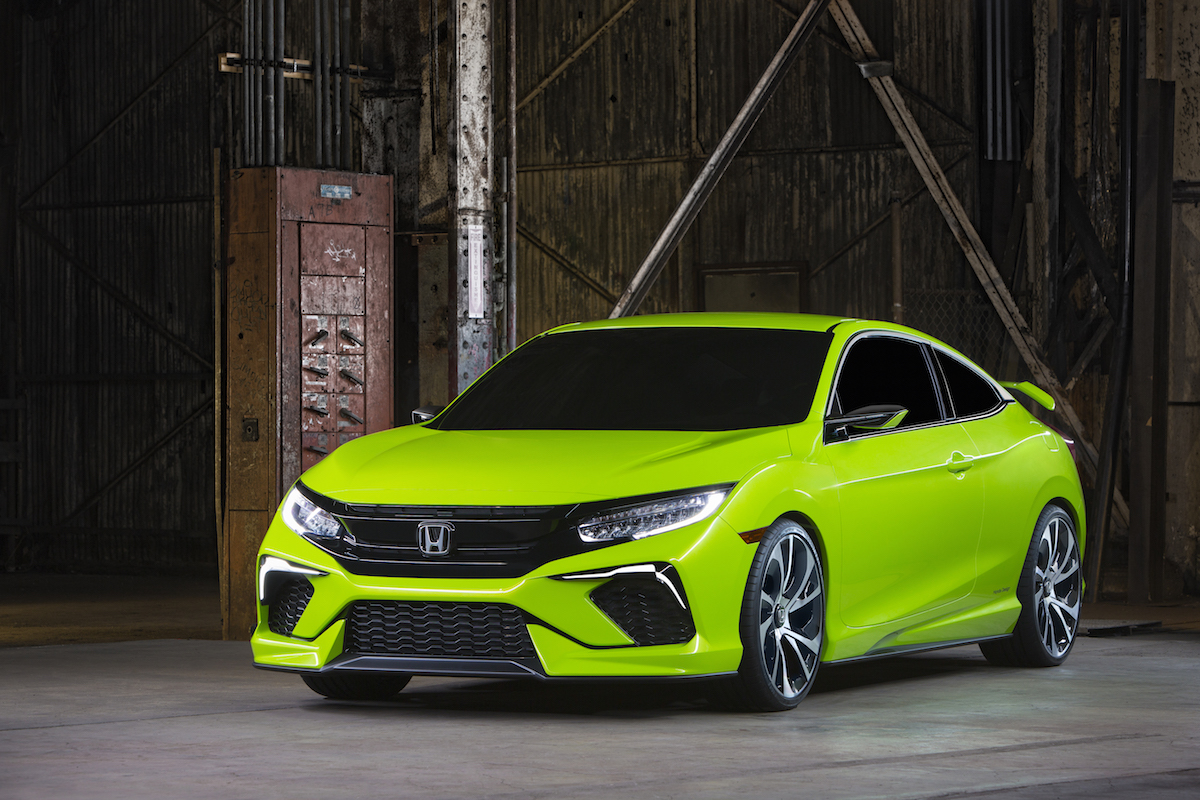
Honda Civic Turbo
The Honda Civic Turbo is an efficient and responsive car, yet it demonstrates significant sensitivity to short trips. Its small turbocharged engine is designed to reach stable temperatures to maximize efficiency and protect internal components. During frequent brief drives, oil and coolant may not warm adequately, which stresses pistons, bearings, and turbo bearings during repeated cold starts.
Carbon buildup is a particular problem for the Civic Turbo when used for short journeys. The direct injection system introduces fuel directly into the combustion chamber, and incomplete combustion during short trips allows carbon to accumulate on intake valves and around the turbo. Over time, this reduces performance, decreases fuel economy, and may require professional cleaning to restore optimal operation.
The transmission is also affected. Civic Turbos equipped with CVT systems require fluid to warm sufficiently for smooth operation. Repeated cold starts prevent the transmission from reaching ideal temperatures, resulting in harsher shifts, increased internal wear, and the potential need for earlier fluid replacement than owners might expect. Even minor friction caused by these cold cycles accumulates over time.
Battery and electrical performance are vulnerable under repeated short trip conditions. Modern Civics rely on sensors, fuel management, and turbo controls that demand consistent voltage. When short drives dominate daily usage, the battery often struggles to maintain proper charge levels. This can lead to intermittent warning lights, erratic sensor readings, and premature battery replacements.
Lastly, the exhaust and emissions components suffer. The catalytic converter and oxygen sensors need sufficient heat to function efficiently. Short trips prevent this, leading to increased emissions, reduced fuel efficiency, and higher likelihood of check engine lights activating. Over time, the Civic Turbo experiences both mechanical and electronic wear that is amplified by consistent brief operation.
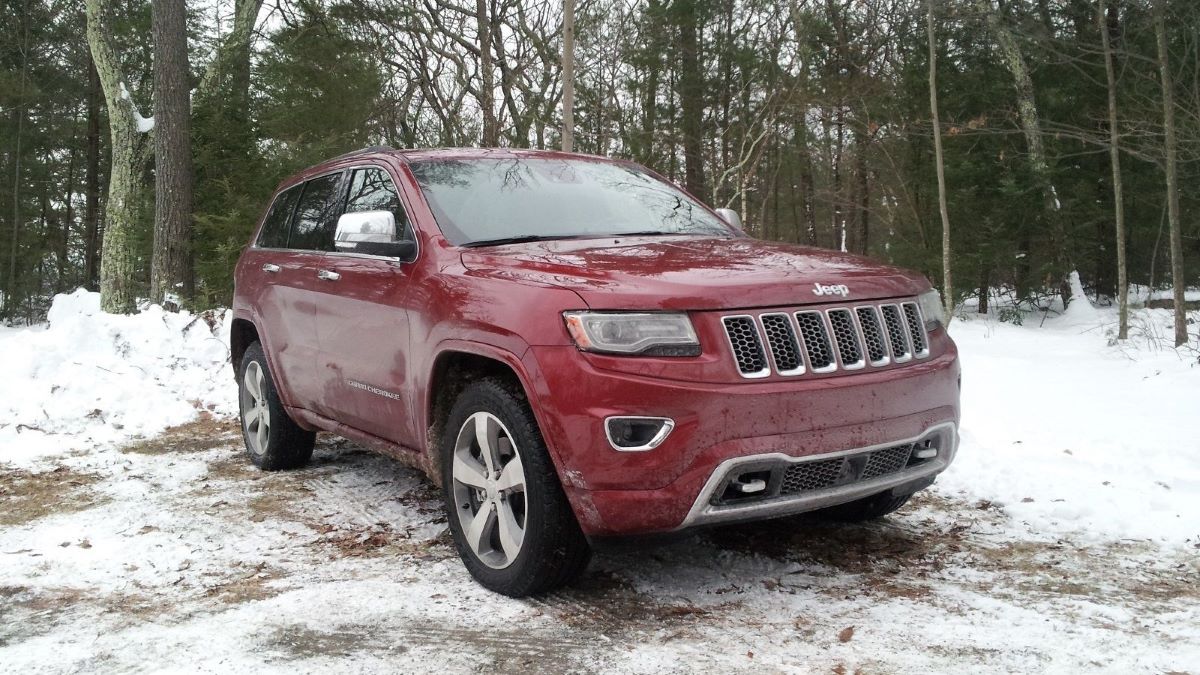
Jeep Grand Cherokee Diesel
The diesel-powered Jeep Grand Cherokee combines off-road capability with a large, heavy engine that struggles under repeated short trips.
Diesel engines depend on heat for proper combustion and lubrication, and cold operation increases stress on turbochargers, pistons, and cylinder walls. Owners who mostly drive short distances may notice slower acceleration and increased engine noise over time due to these repeated cold cycles.
The diesel particulate filter is a major concern in the Grand Cherokee Diesel. Without long drives to complete regeneration cycles, soot accumulates rapidly, restricting exhaust flow. This can trigger warning lights and reduce engine efficiency. Professional cleaning may be required sooner than expected for owners who primarily use the vehicle for city errands.
Moisture and condensation affect the exhaust and internal engine components. Short trips prevent proper evaporation, which leads to corrosion and premature wear. Diesel engines generate more particulate matter, and combined with cold oil, this accelerates mechanical fatigue. This creates a higher long-term maintenance burden for owners relying on short trips.
Fuel economy and emissions also suffer under repeated brief drives. Cold starts force an enriched fuel mixture, increasing consumption and soot production. Over time, the engine struggles to maintain consistent efficiency, and performance may decline noticeably. Owners may also experience more frequent warning lights and sensor errors tied to incomplete combustion cycles.
Electrical and battery systems are impacted by frequent short trips as well. The Grand Cherokee Diesel is equipped with advanced electronics and turbo management systems. When drives are brief, the battery is not fully recharged, which may trigger faults in onboard systems and require early replacements. This hidden stress amplifies the cost of ownership for drivers who rarely undertake longer drives.

Volvo XC60 T6
The Volvo XC60 T6 is a luxury crossover with a turbocharged and supercharged engine that is highly sensitive to short-distance driving. Proper operation relies on the engine reaching stable temperatures, which ensures oil viscosity is correct and internal components are adequately lubricated. Short trips prevent this process, leading to accelerated wear on turbo and supercharger bearings, pistons, and cylinder walls.
Carbon deposits accumulate rapidly in the intake and combustion chamber. The T6 engine uses direct injection, and incomplete fuel burn during brief drives encourages residue formation on valves and turbo components. This gradually reduces engine responsiveness and efficiency, making the vehicle more prone to costly service needs over time.
The transmission and drivetrain are affected as well. The XC60 T6 often features an advanced automatic gearbox that requires stable fluid temperature for smooth operation. Cold starts combined with short trips create extra friction and stress, which can shorten the lifespan of the transmission. All-wheel-drive variants face additional strain on differentials and transfer cases under these conditions.
Brake components and suspension are indirectly stressed during repeated short trips. Brake rotors and pads fail to reach temperatures sufficient to evaporate moisture and prevent surface corrosion. Over time, this leads to uneven braking surfaces, vibration, and increased wear. Suspension bushings also experience faster degradation due to temperature fluctuations caused by frequent short trips.
Battery and electrical systems are particularly vulnerable. The XC60 T6 integrates numerous electronic features and driver assistance technologies that depend on consistent voltage levels.
When short trips dominate, the alternator does not fully recharge the battery, which may trigger warnings, sensor faults, or early battery replacement. Combined with engine and drivetrain stress, this makes frequent short trips particularly challenging for this luxury model.