Weather plays a major role in how vehicles behave, perform, and age over time. Temperature shifts, humidity levels, rainfall, snow, and wind can all influence how a vehicle responds on the road and how its systems function internally.
While all vehicles are affected by weather to some extent, some are far more sensitive than others due to their design, materials, drivetrain configuration, or intended usage. These vehicles may struggle with traction, experience mechanical stress, or show electronic inconsistencies when exposed to changing environmental conditions.
Drivers often notice that certain models feel completely different depending on whether the day is hot, cold, rainy, or windy, even when driving the same routes.
Modern vehicles rely heavily on electronics, sensors, and lightweight materials, which can increase sensitivity to weather changes. Extreme heat can strain batteries, cooling systems, and tires, while cold temperatures may affect lubrication, fuel delivery, and electrical responsiveness.
Moisture from rain or humidity can interfere with braking performance, visibility systems, and underbody components. In some cases, weather conditions expose weaknesses in a vehicle’s design that remain hidden during mild conditions. This is especially noticeable in performance oriented cars, electric vehicles, and models built with specific climates in mind.
Another factor is how manufacturers balance comfort, efficiency, and durability. Vehicles optimized for speed, efficiency, or luxury may sacrifice tolerance for harsh environments. Suspension tuning, tire compounds, and aerodynamic features can all react unpredictably to weather changes.
Even vehicles marketed as rugged can show sensitivity if their systems are pushed beyond their ideal operating range. Drivers living in regions with unpredictable climates often become aware of these traits quickly through changes in handling, noise, or reliability.
Understanding which vehicles are more sensitive to weather changes helps drivers make informed decisions about ownership, maintenance, and driving habits. It also highlights the importance of adapting driving style and preparation based on both the vehicle and the environment.
The following sections examine 15 vehicles known for reacting noticeably to weather changes, explaining why these sensitivities exist and how they affect real-world driving experiences.
1. Tesla Model S
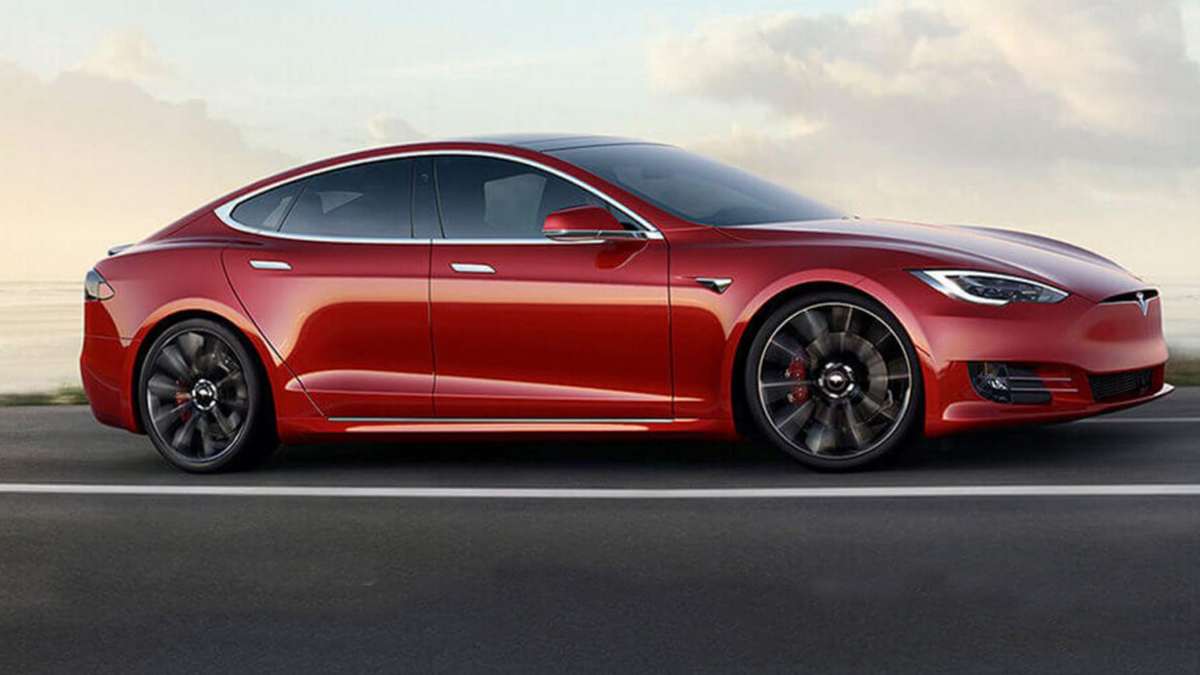
The Tesla Model S is highly responsive to temperature changes due to its large lithium ion battery system. Cold weather can significantly reduce driving range, as the battery requires energy to maintain optimal operating temperature. Drivers often notice slower acceleration and reduced regenerative braking during winter conditions. These changes can alter the driving feel even on familiar roads.
Hot weather also affects the Model S, especially during extended high speed driving. The battery cooling system works harder in extreme heat, which can limit performance to protect internal components. Air conditioning usage further drains energy, reducing efficiency. This makes summer road trips feel noticeably different compared to mild weather driving.
Rain introduces another layer of sensitivity for the Model S. Its instant torque delivery can make traction management more challenging on wet surfaces. While stability systems are advanced, the car still feels more reactive in slippery conditions. This can require a gentler driving approach to maintain smooth control.
Wind also plays a role due to the vehicle’s aerodynamic design. Strong crosswinds can subtly affect steering feel at highway speeds. Combined with weather related range changes, this makes the Model S a vehicle that demands constant awareness of environmental conditions. Drivers who adapt tend to have a better ownership experience.
2. BMW M3
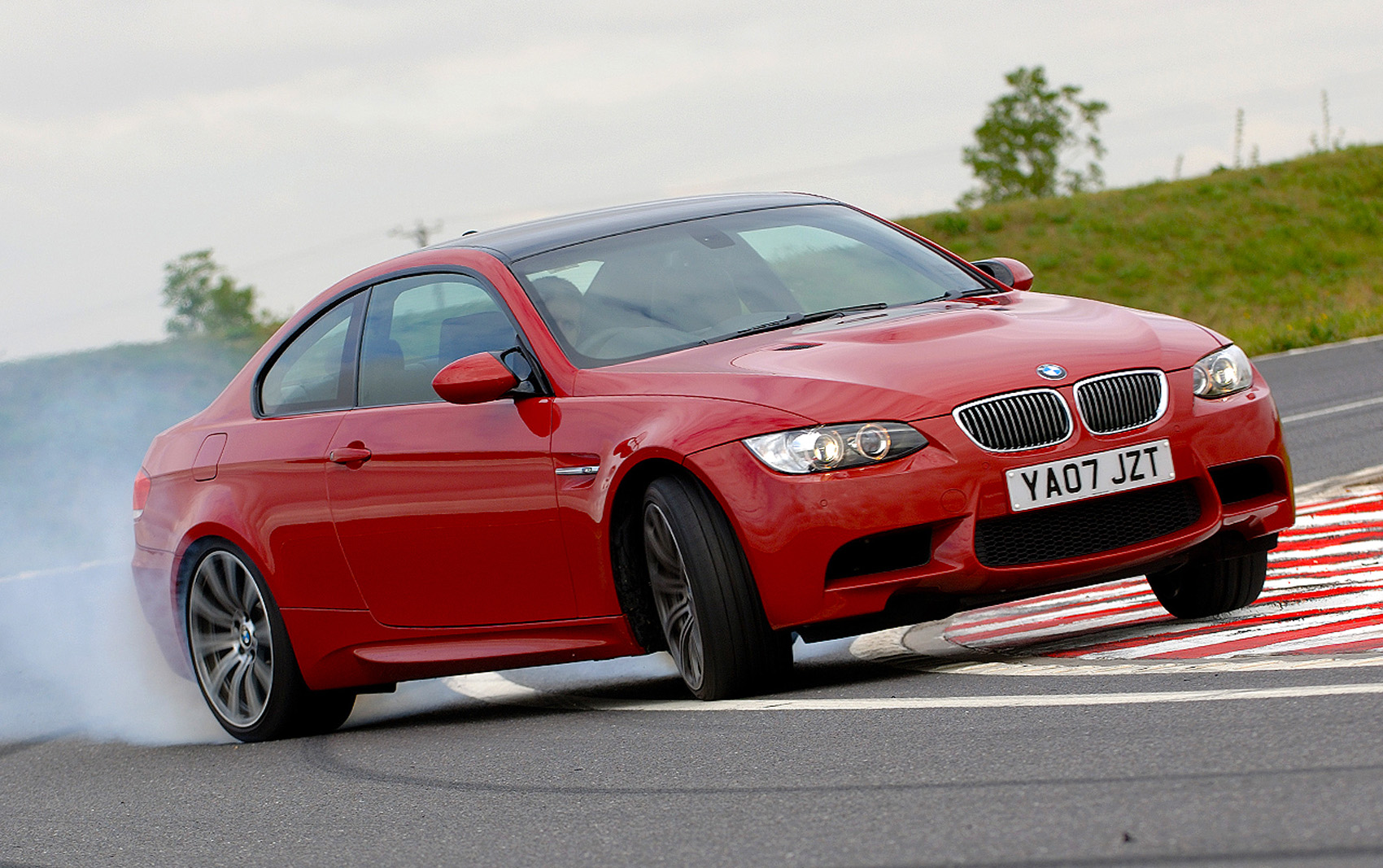
The BMW M3 is engineered for performance, which makes it more sensitive to weather variations. Cold temperatures can stiffen suspension components and reduce tire grip, altering handling characteristics. The car may feel less planted until tires reach optimal temperature. This is especially noticeable during short trips in winter.
In hot conditions, the M3’s high performance engine generates significant heat. Cooling systems work aggressively, and prolonged spirited driving can trigger power reduction to protect components. The cabin may also feel warmer due to drivetrain heat transfer. These factors can change how the car behaves during summer drives.
Rain presents challenges for the M3 due to its rear wheel drive layout. High power output combined with wet pavement requires careful throttle control. Even with traction aids, the vehicle can feel nervous under acceleration. Drivers often adjust their driving style significantly in rainy weather.
Wind and sudden weather shifts can also impact the M3’s stability at speed. Its precise steering makes environmental feedback more noticeable. While this enhances driver engagement, it also means the car reacts clearly to weather changes. This sensitivity is part of its character.

3. Jeep Wrangler
The Jeep Wrangler is designed for off road use, yet it reacts strongly to weather changes. Cold weather can affect its solid axle suspension, making the ride feel stiffer and less compliant. Steering components may feel heavier until temperatures rise. This can be surprising for daily drivers.
Hot weather impacts the Wrangler’s interior comfort and engine cooling. The upright design and removable roof can allow heat to build up quickly. Long drives in high temperatures may stress cooling systems, especially in older models. This changes how the vehicle feels over time.
Rain affects the Wrangler differently than most vehicles. Its off road tires may lose grip on wet pavement, increasing stopping distances. The high center of gravity also makes handling feel less stable during sudden maneuvers. Drivers often notice more body movement in storms.
Wind is a major factor due to the Wrangler’s boxy shape. Strong gusts can push the vehicle noticeably on highways. This requires constant steering corrections and increases driver fatigue. Weather awareness becomes essential behind the wheel.
4. Porsche 911
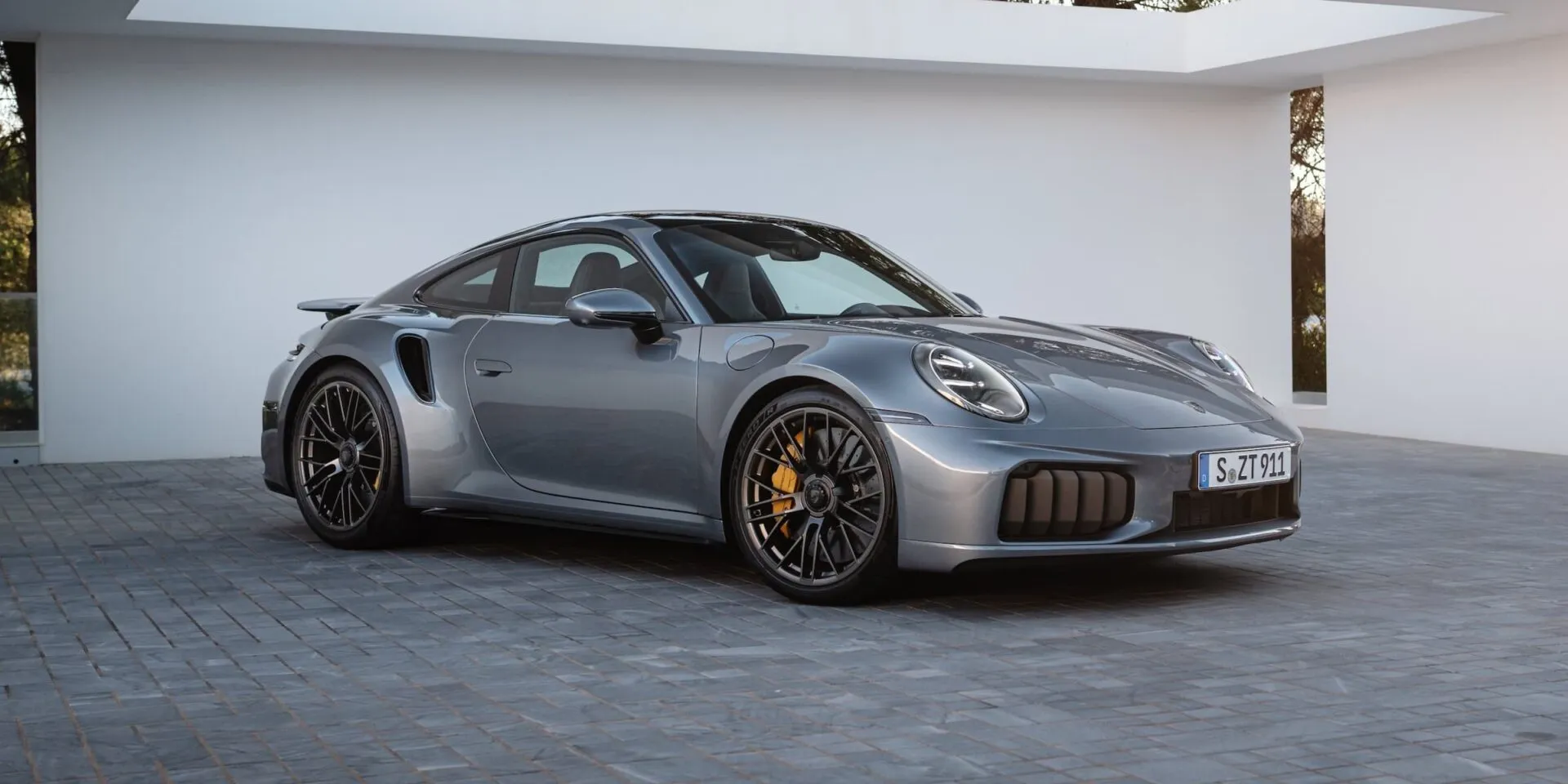
The Porsche 911 is finely tuned, making it highly responsive to environmental conditions. Cold temperatures can affect rear engine traction balance, especially before tires warm up. Early acceleration may feel less predictable in winter conditions. This demands patience from the driver.
In hot weather, the 911’s performance capabilities shine, but heat management becomes critical. Engine and transmission cooling systems work harder during aggressive driving. Power delivery may subtly adjust to protect components. These changes can be felt by experienced drivers.
Also Read: 5 Best Luxury Cars That Fit City Life vs 5 That Feel Excessive
Rain amplifies the car’s sensitivity due to its rear engine layout. Weight distribution can lead to oversteer if inputs are not smooth. While modern systems assist, the vehicle still communicates weather changes clearly. This enhances involvement but requires skill.
Wind and road surface changes also influence the 911’s behavior. Its precise steering transmits environmental feedback directly to the driver. This makes weather variations impossible to ignore. Owners often appreciate this honesty, even when conditions are challenging.
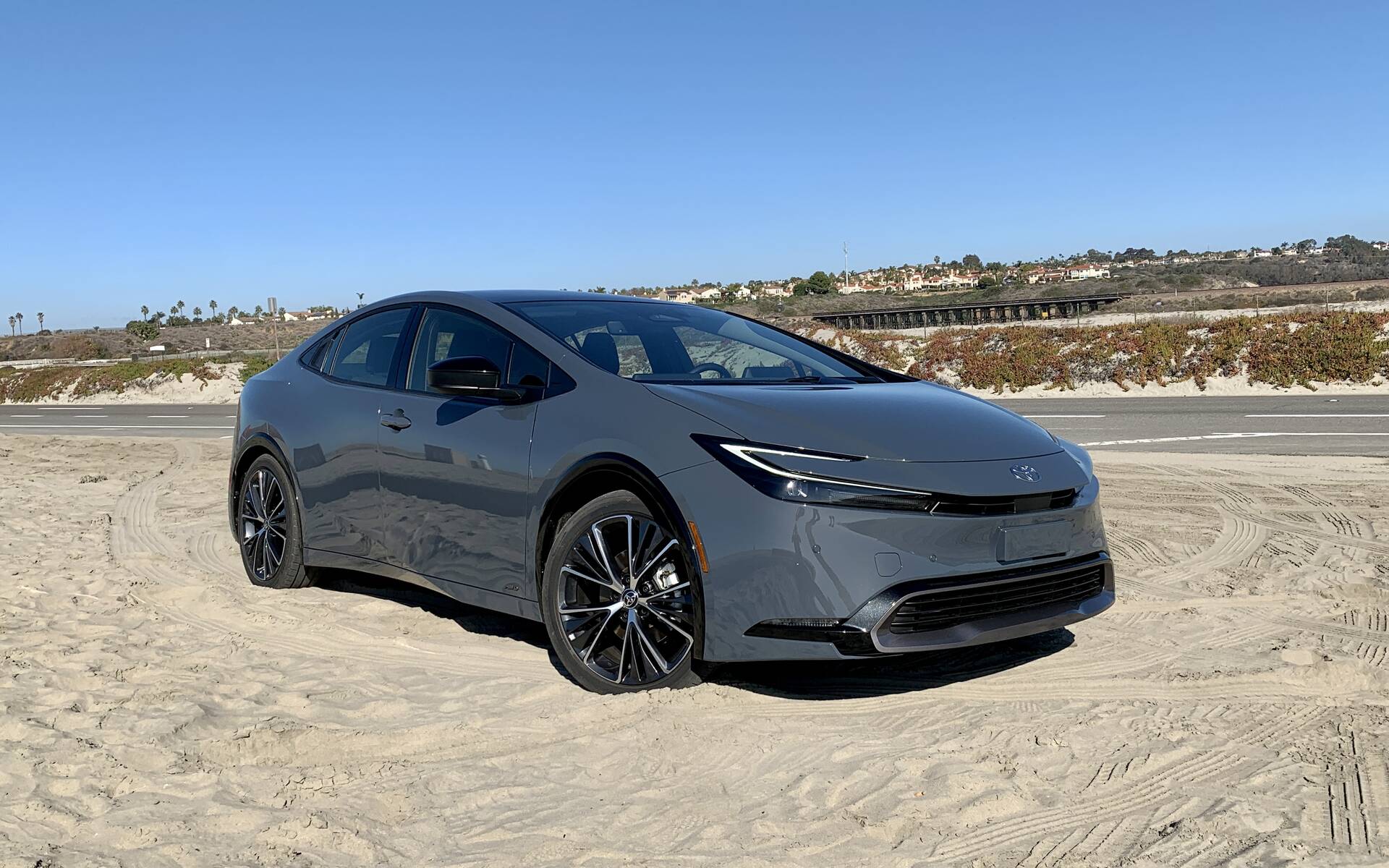
5. Toyota Prius
The Toyota Prius is sensitive to weather primarily due to its hybrid system. Cold temperatures reduce battery efficiency, causing the gasoline engine to run more frequently. This lowers fuel economy and alters driving behavior. Winter performance often feels less smooth.
Hot weather also affects the Prius, especially in urban driving. Battery cooling systems rely on cabin air, which can be compromised by high temperatures. Prolonged heat may reduce hybrid efficiency. Drivers may notice increased engine noise during summer.
Rain impacts braking performance due to the regenerative braking system. Transitions between electric and friction braking can feel different on wet roads. This may require adjustment in pedal pressure. New drivers often notice this immediately.
Wind affects the Prius due to its lightweight construction. Strong gusts can influence stability at highway speeds. Combined with weather related efficiency changes, the vehicle responds clearly to environmental shifts. Awareness improves comfort and control.
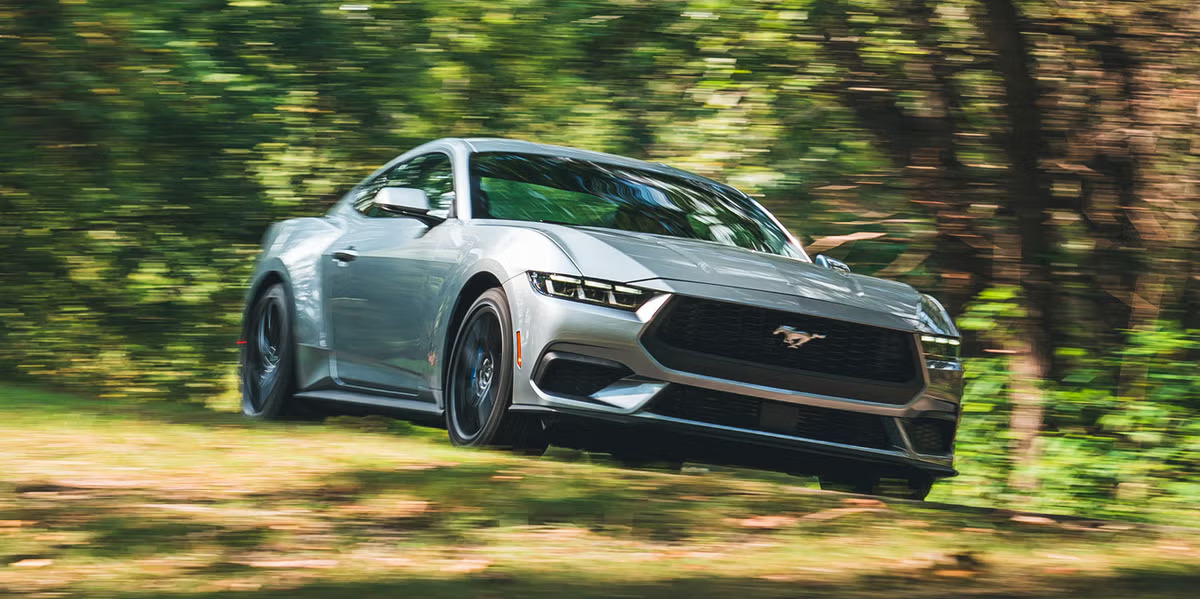
6. Ford Mustang
The Ford Mustang is known for its power, which makes it weather sensitive. Cold temperatures reduce tire grip, making acceleration more challenging. The rear wheel drive layout amplifies this effect. Winter driving requires careful throttle management.
Hot weather places stress on the Mustang’s engine and transmission. Performance driving in high temperatures can lead to heat soak. This reduces responsiveness over time. Drivers may feel a difference during extended summer use.
Rain significantly changes how the Mustang behaves. High torque output can overwhelm traction on wet surfaces. Even moderate acceleration may trigger stability systems. This transforms the driving experience during storms.
Wind also affects the Mustang due to its wide stance. Crosswinds can influence lane stability at speed. Combined with road conditions, weather plays a major role in how the car feels. Respecting conditions improves safety.
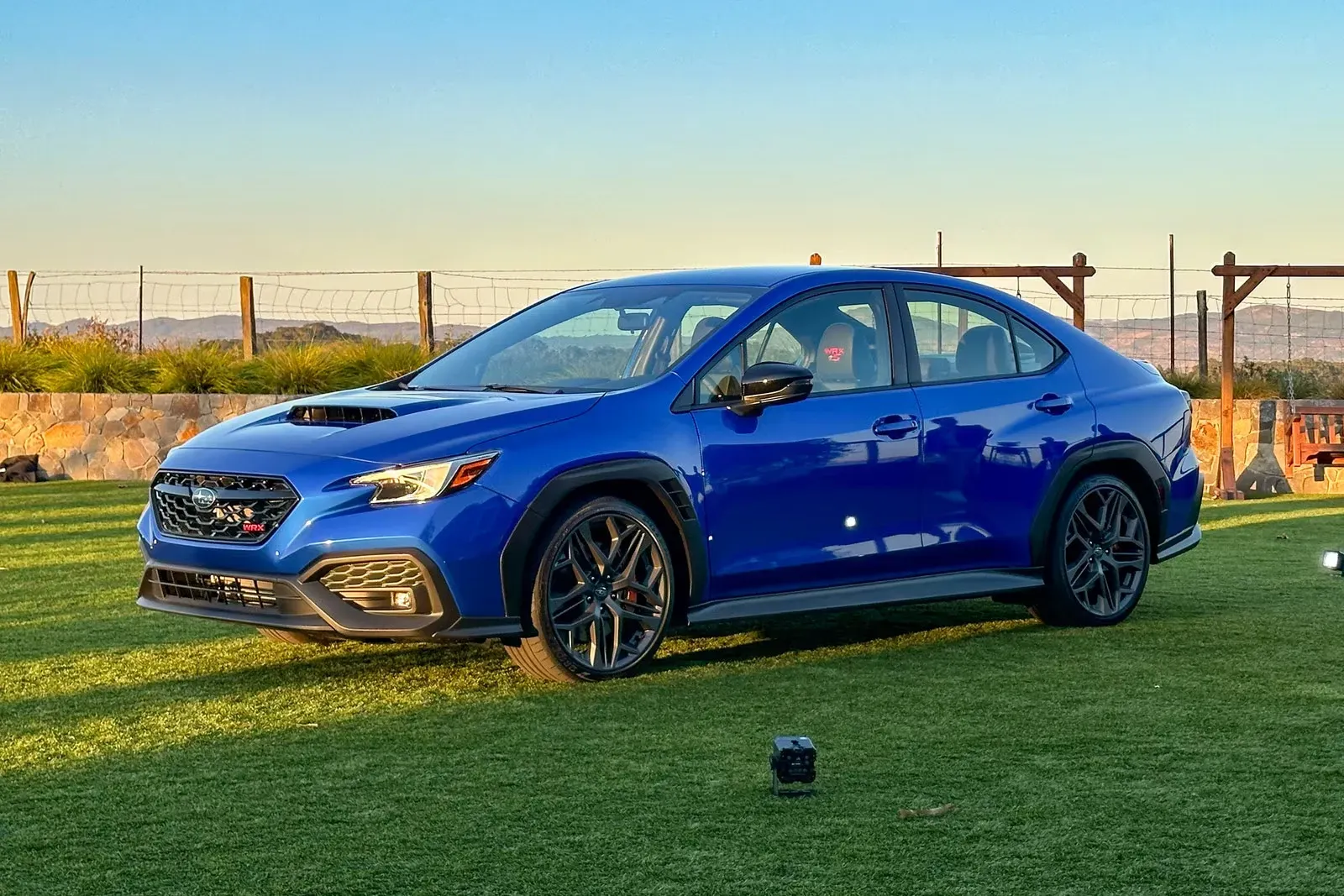
7. Subaru WRX
The Subaru WRX is designed for varied conditions but remains weather sensitive. Cold temperatures affect turbocharger response and oil flow. The engine may feel less responsive until fully warmed. This influences short trip driving.
Hot weather can reduce turbo efficiency due to increased intake temperatures. Cooling systems work harder during spirited driving. Power delivery may feel less consistent. This is noticeable in summer traffic.
Rain affects the WRX’s handling balance despite its all wheel drive system. While traction is strong, braking and cornering still change. Drivers feel more road feedback in wet conditions. Adaptation is required.
Wind and rapid weather shifts influence the WRX’s lightweight chassis. Steering feedback changes with road surface conditions. This keeps drivers engaged but demands attention. Weather awareness enhances control.
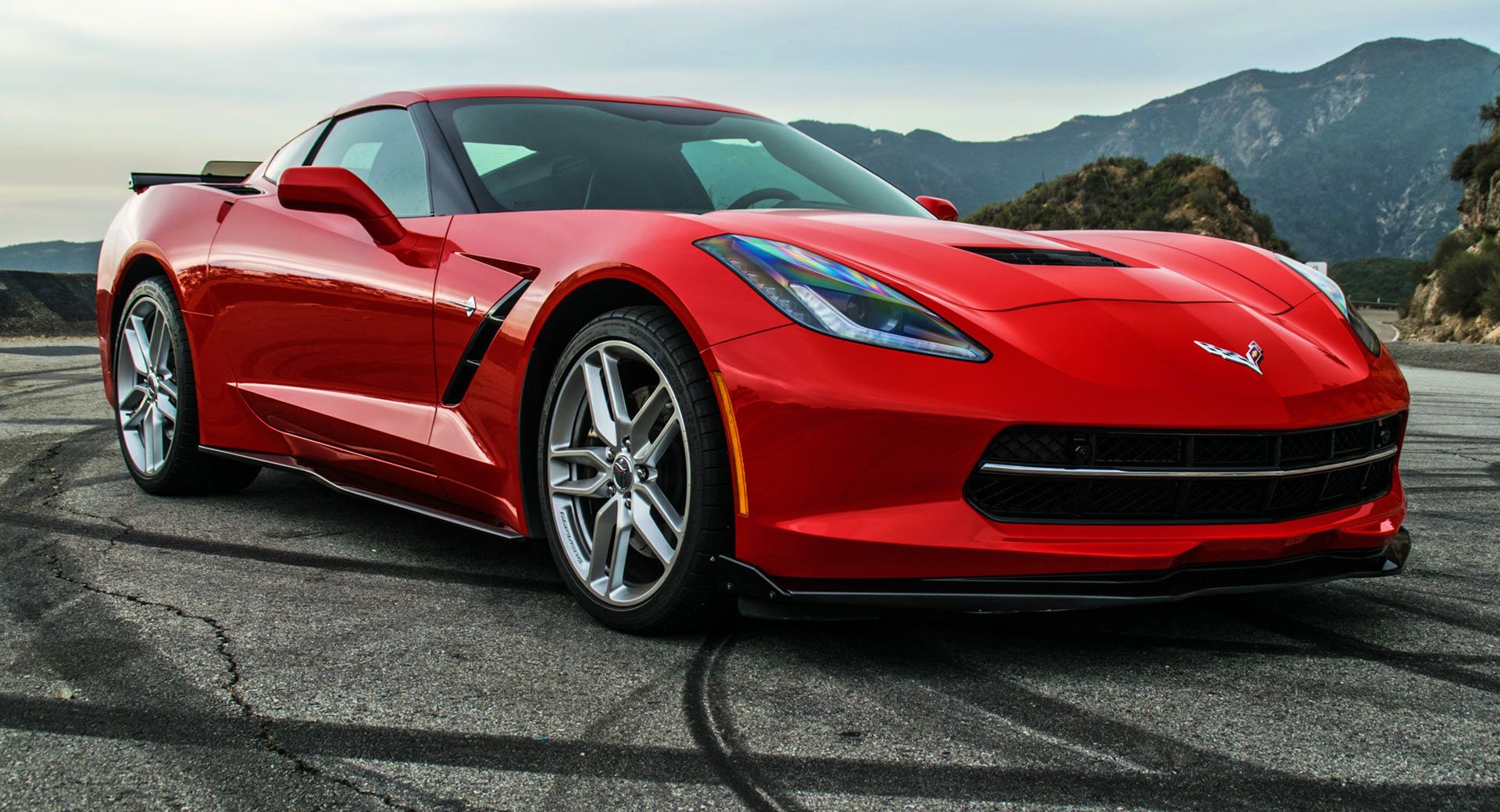
8. Chevrolet Corvette
The Chevrolet Corvette is highly sensitive due to its performance focus. Cold weather reduces tire grip dramatically, affecting acceleration and braking. The car feels very different until tires warm properly. Winter driving requires caution.
Hot weather highlights the Corvette’s cooling demands. Engine heat builds quickly during aggressive driving. Protective systems may reduce power output. This alters performance expectations in summer.
Also Read: 10 Cars That Are Harder to Live With Than Expected
Rain poses challenges due to wide tires and strong power delivery. Hydroplaning risk increases at speed. Stability systems help, but the car remains demanding. Drivers must adjust inputs carefully.
Wind affects high speed stability, especially on open highways. The low profile design reacts to gusts. Combined with weather conditions, this shapes the driving experience. Respecting limits is key.
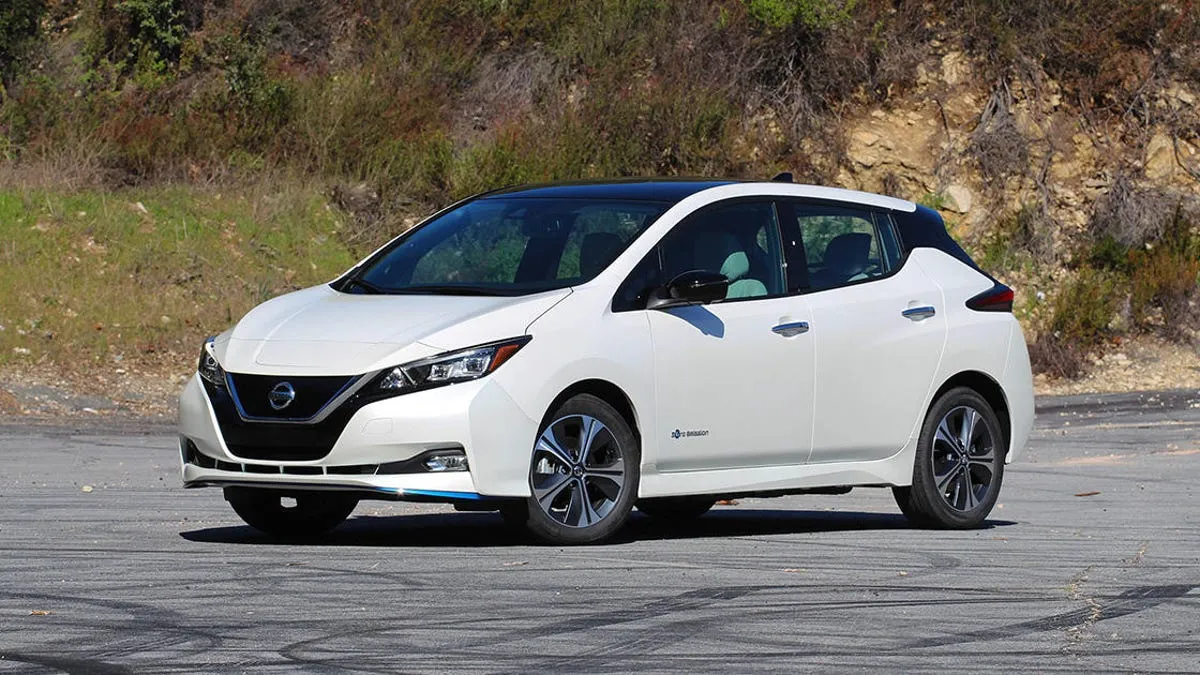
9. Nissan Leaf
The Nissan Leaf is extremely sensitive to temperature changes. Cold weather significantly reduces battery range and charging speed. Cabin heating further drains energy. Winter driving requires planning.
Hot weather also impacts battery health over time. High temperatures can accelerate battery degradation. Cooling limitations make summer heat more noticeable. Drivers may reduce usage during extreme heat.
Rain affects the Leaf’s regenerative braking feel. Wet roads change pedal response slightly. This requires familiarization for smooth stops. The difference is subtle but noticeable.
Wind influences range due to aerodynamic resistance. Strong headwinds reduce efficiency quickly. Combined with temperature effects, weather plays a major role. Awareness improves reliability.
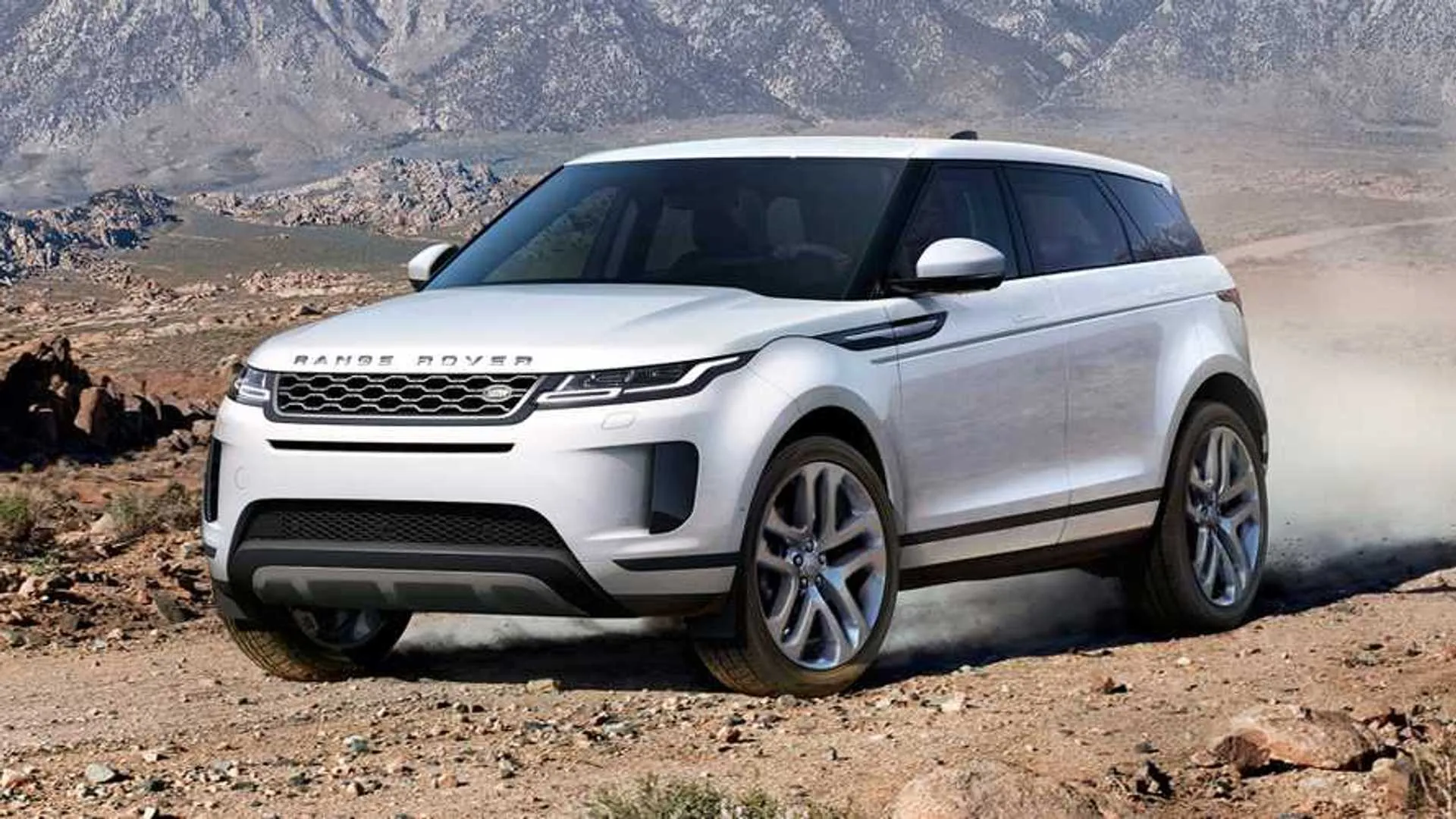
10. Land Rover Range Rover
The Range Rover is luxurious but sensitive to weather systems. Cold weather affects air suspension performance. Ride height adjustments may feel slower. The vehicle can feel firmer in winter.
Hot weather stresses complex electronics and climate systems. Prolonged heat may affect system responsiveness. Interior cooling works hard in extreme temperatures. This changes comfort levels.
Rain influences off road systems and traction control calibration. Wet pavement can feel different despite advanced systems. Drivers may notice altered throttle response. Adaptation is helpful.
Wind affects the tall body structure at highway speeds. Strong gusts influence steering feel. Combined with weather changes, the Range Rover requires driver awareness. Understanding conditions improves confidence.
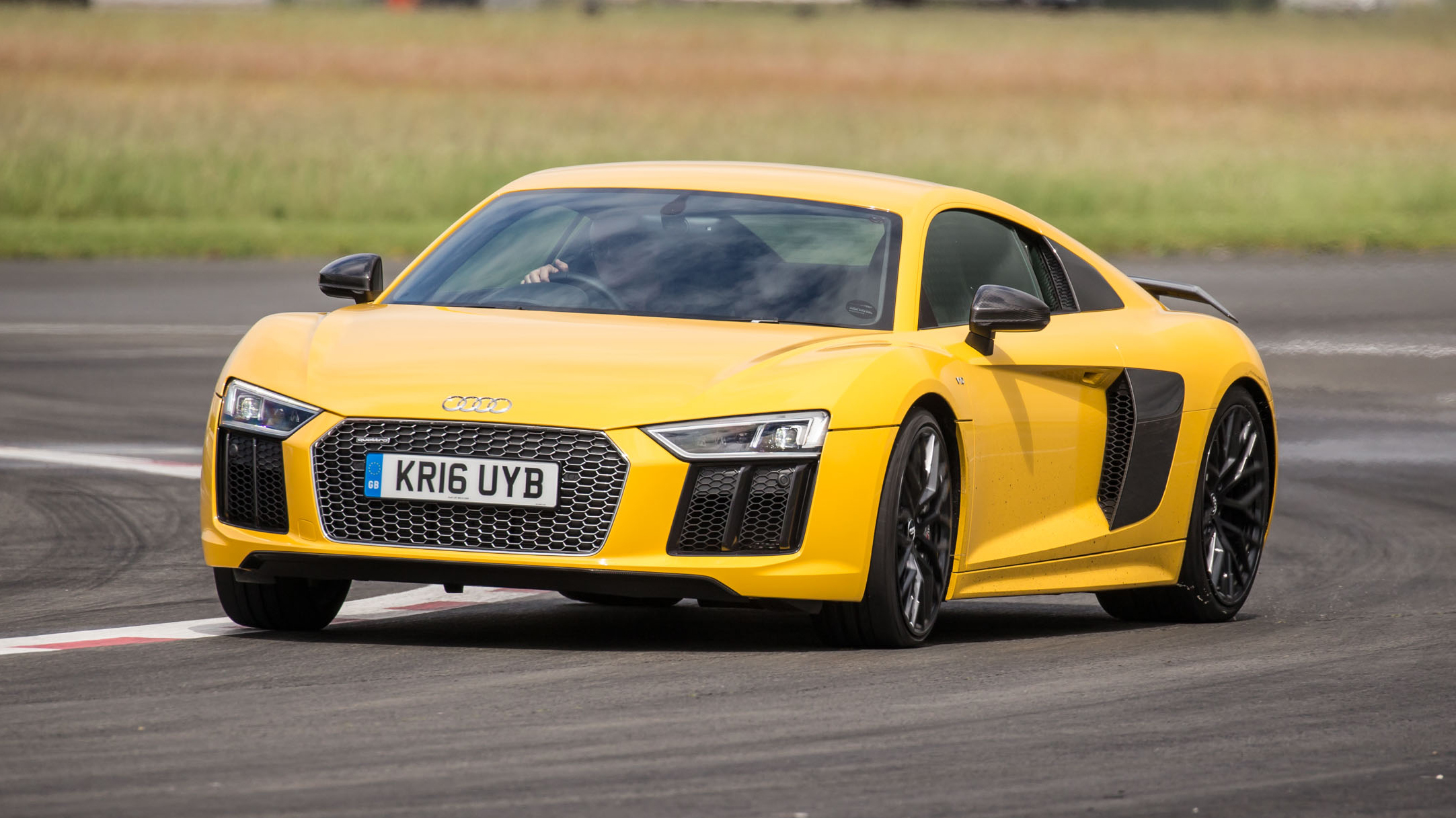
11. Audi R8
The Audi R8 is engineered for high performance, which makes it very responsive to environmental conditions. Cold weather can stiffen its sophisticated suspension and affect tire adhesion, making cornering feel less predictable during early drives. Drivers often notice that the car requires more attention until tires reach their optimal operating temperature.
Road surfaces that are damp or icy can exaggerate this sensitivity, demanding precise inputs to maintain control. Engine oil viscosity and transmission fluid also become thicker in low temperatures, which can slightly delay throttle response.
The combination of these factors makes winter driving a noticeably different experience. Even in short city trips, the R8’s handling feels more deliberate, requiring adjustments to usual driving habits.
Hot weather, on the other hand, tests the R8’s cooling systems extensively. The V10 engine generates intense heat under aggressive driving, and radiators must work harder to maintain ideal temperatures. Extended high speed runs in summer conditions can trigger temporary power reductions to protect internal components.
Cabin comfort may also change due to increased thermal load, affecting the driver’s perception of performance. Tire performance can degrade faster in heat, which may subtly reduce grip and require altered braking distances. Even though the car is built for speed, extreme temperatures highlight vulnerabilities that are not noticeable in mild weather.
Rain introduces additional challenges for the R8. Its wide tires and rear mid engine layout make traction more variable on wet surfaces. Stability control systems help, but the car communicates every loss of grip directly to the driver. Hydroplaning can become a real concern on untreated roads or after heavy rainfall.
Even slight puddles require smooth throttle and steering adjustments to prevent abrupt oversteer. The R8’s low ride height further exposes it to spray and road debris, which can affect visibility and handling. Weather-sensitive driving techniques are essential to maintain confidence behind the wheel.
Wind also affects the R8 due to its aerodynamic design. Strong crosswinds at highway speeds can create subtle steering pull, forcing constant micro-adjustments. High side winds can feel even more pronounced on open stretches of road, altering high-speed stability.
The combination of temperature, rain, and wind can change how the car behaves over the course of a single journey. Drivers quickly learn that environmental awareness is as important as mechanical skill when operating a car of this caliber. Without adapting to conditions, the vehicle’s responsiveness can feel unpredictable.
Finally, the R8’s electronics are finely tuned and weather-sensitive. Sensors for traction, braking, and stability communicate constantly with the drivetrain. Moisture, temperature swings, or extreme humidity can slightly alter their performance, affecting throttle modulation and braking behavior.
While the changes are subtle, they contribute to the sensation of weather sensitivity. Owners often report that the car feels “alive” in every weather condition, requiring continuous adjustment and attention. This makes the R8 an example of how a high-performance vehicle demands respect for environmental factors at all times.

12. Mercedes-Benz G-Class
The Mercedes-Benz G-Class combines off-road capability with luxury, but its sensitivity to weather changes is evident. Cold temperatures can make its air suspension respond slower, altering ride height and damping behavior.
Rubber seals and door components may stiffen in low temperatures, producing unusual noises or slight difficulty in opening. Even interior climate systems work harder to maintain comfort, making short winter trips feel less refined.
Engine oil thickens, and the transmission may feel slightly sluggish until fully warmed. On icy or snowy roads, the G-Class’s high center of gravity requires careful handling to prevent body roll from becoming more pronounced than usual.
Rain can also affect the G-Class despite its legendary off-road traction. Wet pavement can create a subtle feeling of understeer or reduced braking precision. Waterlogged roads may trigger traction control interventions, which can be more noticeable than in regular passenger vehicles.
Deep puddles or heavy rainfall can impact electronic sensors that assist with terrain management, requiring the driver to adjust inputs carefully. The combination of body weight and wet roads can make it feel less agile, highlighting the vehicle’s environmental sensitivity.
Wind is particularly influential due to the G-Class’s tall, boxy design. Strong gusts push against the sides of the vehicle, altering lane position slightly at highway speeds. Drivers often need to compensate with small steering corrections, especially on exposed roads or bridges. Even moderate winds can create a noticeable difference in ride stability. This makes the vehicle’s handling in varying conditions more complex than smaller SUVs, requiring constant awareness.
Lastly, the G-Class is equipped with multiple electronics that interact with weather conditions. Sensors controlling suspension, braking, and stability systems are sensitive to temperature and moisture. Sudden weather changes, such as rain followed by freezing temperatures, can temporarily alter system responsiveness.
While the car remains capable in virtually all environments, it communicates these sensitivities clearly to the driver. This combination of luxury and environmental responsiveness makes the G-Class a unique example of how complex vehicles react to external conditions.
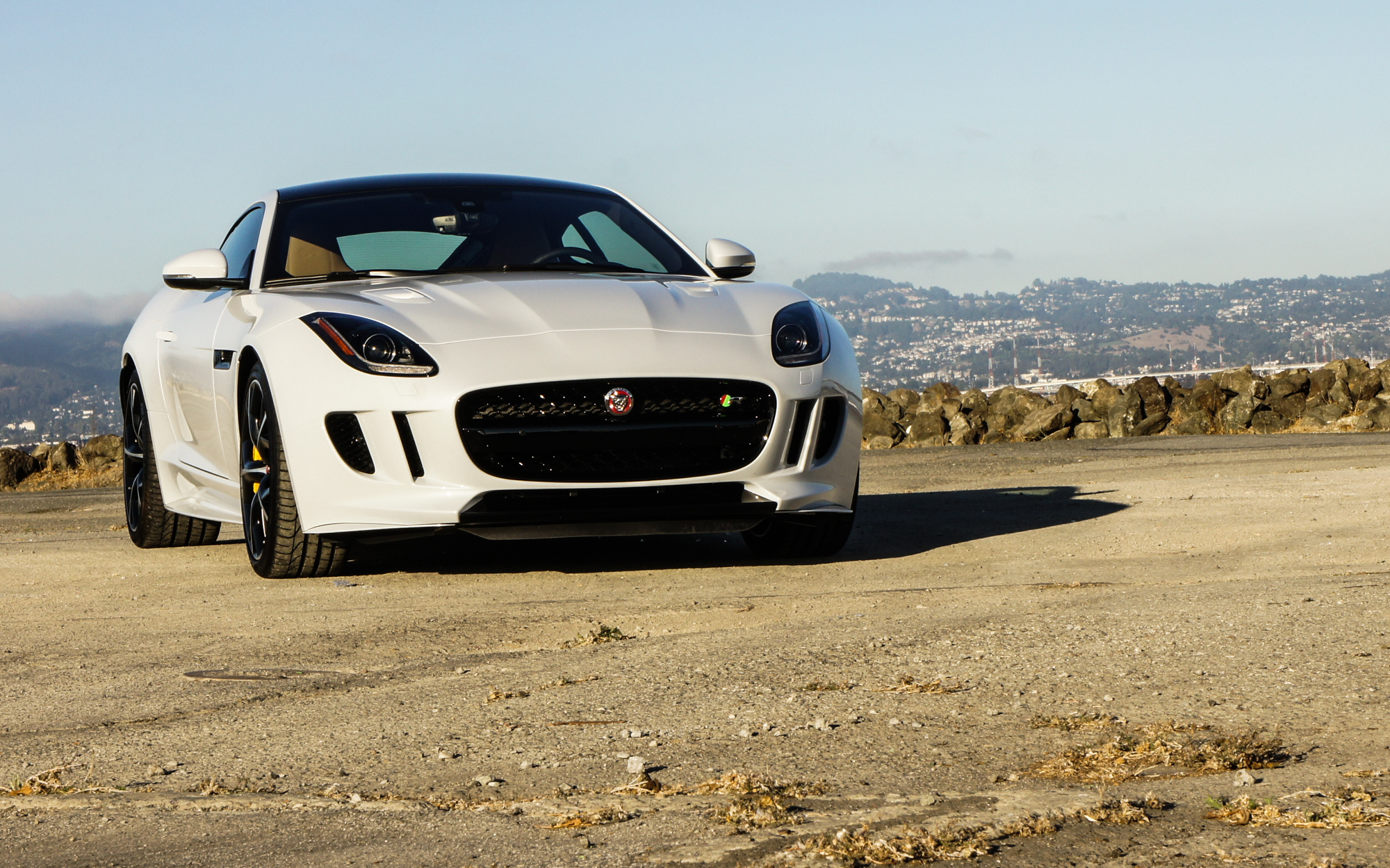
13. Jaguar F-Type
The Jaguar F-Type is a sports car that responds vividly to weather changes. Cold temperatures affect its suspension stiffness, tire grip, and braking performance. Short trips during winter can make the steering feel heavier and acceleration slightly less responsive.
Low temperatures also influence the behavior of engine fluids, creating subtle delays in throttle response or gear shifts. Drivers notice that the car requires warming up to feel its intended performance. Snow or ice further magnifies these sensitivities, demanding controlled driving to avoid loss of traction or understeer during cornering.
Hot weather challenges the F-Type’s cooling system, especially during extended spirited driving. The supercharged or turbocharged engine produces intense heat, causing radiators to work harder and occasionally reducing peak performance. Cabin comfort can also change significantly, as the compact interior heats quickly under direct sunlight.
Tire performance can be affected by softened rubber in extreme heat, influencing braking and cornering behavior. Summer driving feels different not only mechanically but also in terms of driver perception, as heat adds a layer of awareness to every maneuver.
Rain makes the F-Type’s responsiveness more noticeable. Its rear wheel drive layout combined with wide tires requires careful throttle management on wet roads. Stability and traction control systems assist, but the vehicle’s natural agility communicates even minor losses of grip to the driver.
Spray from wet surfaces may affect visibility, and braking distances increase slightly. Drivers quickly learn to adjust pedal pressure and steering input to maintain smooth control. Even moderate rainfall can transform the car’s handling experience.
Wind impacts the F-Type due to its low-slung aerodynamic design. Crosswinds can make steering feel lighter or more reactive at high speeds. On open highways, gusts may shift the vehicle subtly, requiring constant micro-adjustments. These changes are more perceptible during aggressive driving or in exposed areas. The combination of wind, rain, and temperature variations can make the car feel dramatically different over the course of a single trip, emphasizing the importance of driver awareness.
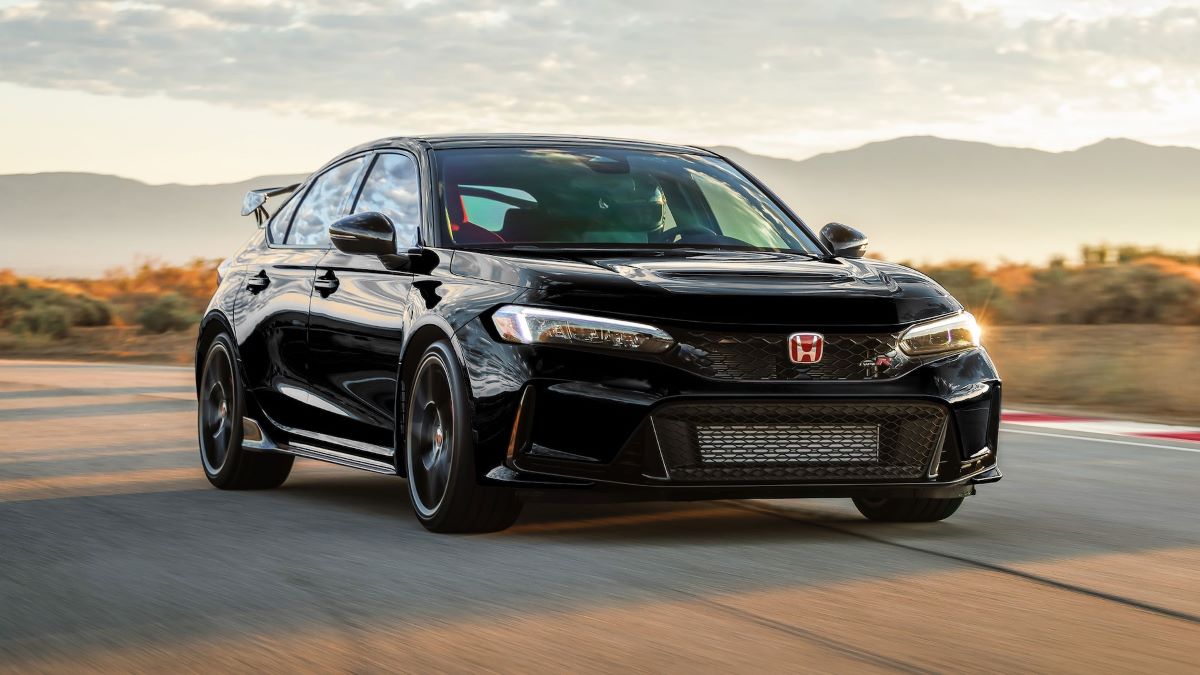
14. Honda Civic Type R
The Honda Civic Type R is known for sharp handling and performance, which exposes it to weather-related sensitivities. Cold temperatures can stiffen its suspension and reduce tire adhesion, affecting cornering precision and braking feel.
Early morning or winter drives often reveal how differently the car responds until tires warm. Engine oil thickening in low temperatures can cause slight delays in throttle and transmission response, and wet roads increase the need for careful modulation. Even minor weather variations make the car feel noticeably different to attentive drivers.
Hot weather influences the Type R’s turbocharged engine and cooling systems. Prolonged driving under high temperatures increases engine and transmission strain. Radiators and intercoolers must work harder, and power output may subtly adjust to prevent overheating.
Interior comfort can become challenging during extreme heat, and tire performance can vary, requiring drivers to adapt. These factors make high temperature conditions more demanding on both the car and the driver’s attention.
Rain affects the Civic Type R primarily through traction and braking. Its front-wheel drive layout, combined with high torque, requires precise throttle control on wet surfaces. Stability systems help prevent loss of control, but the vehicle communicates every nuance of grip change. Wet roads alter cornering speed and braking response, making weather-aware driving essential. Even light rain can transform the driving experience, particularly during spirited driving.
Wind impacts the car due to its aerodynamic design and relatively low weight. Crosswinds or gusts at highway speeds may shift the car slightly, requiring micro-adjustments. These changes are more noticeable when the vehicle is driven aggressively or on open roads. The combination of weather factors can significantly change handling perception in a short time.
Finally, the Civic Type R’s electronic aids are responsive to environmental variations. Sensors for traction, stability, and braking integrate with weather conditions. Sudden changes in rain, temperature, or road surface influence these systems, subtly altering performance.
Drivers notice these differences, highlighting the car’s dynamic character. Its responsiveness makes it a vehicle that communicates weather changes clearly.
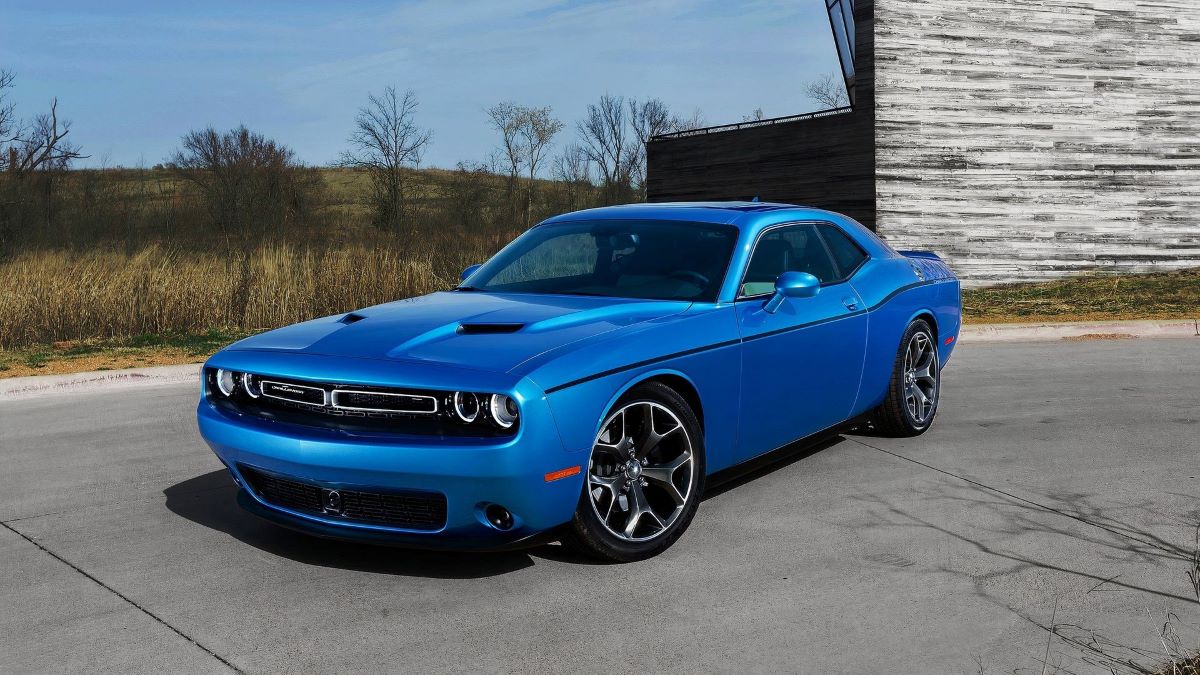
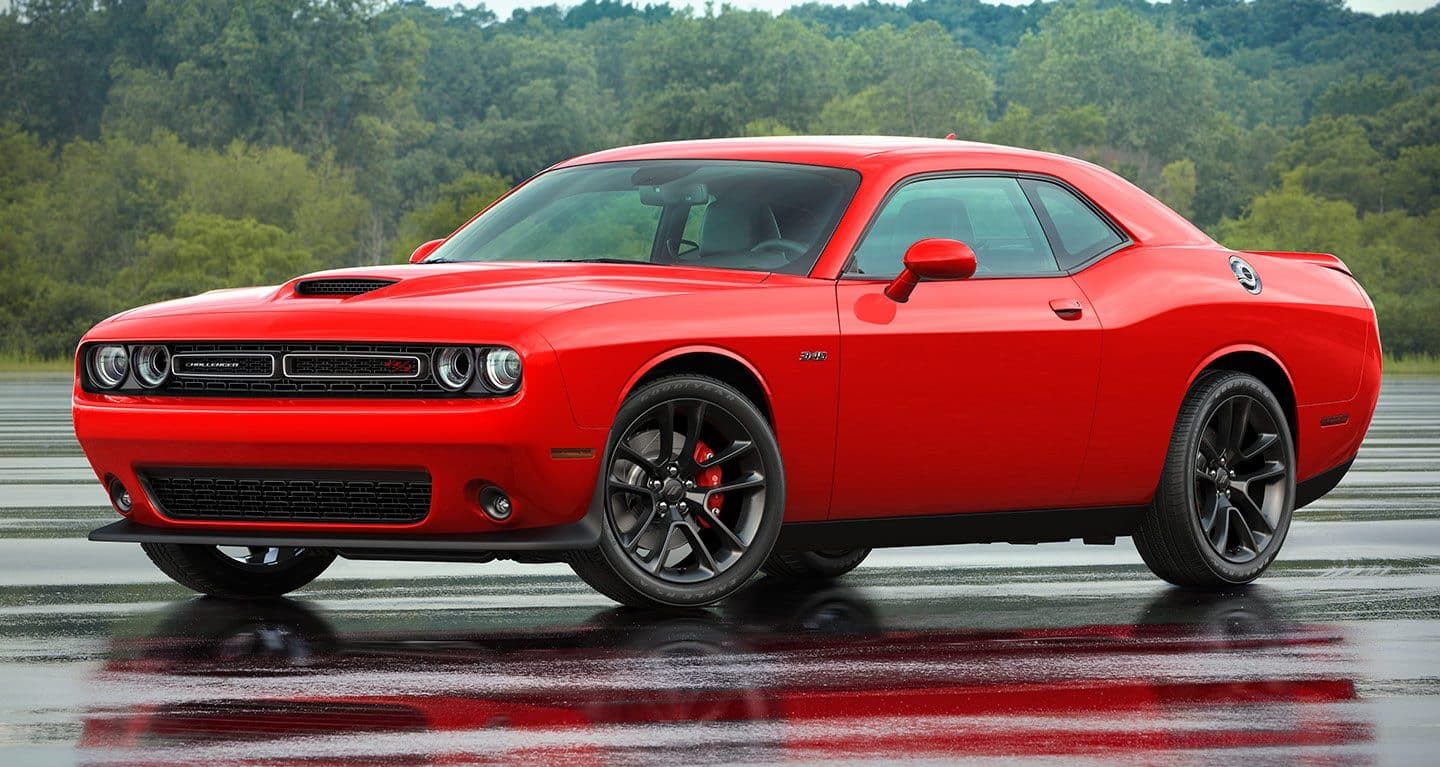
15. Dodge Challenger
The Dodge Challenger is a muscle car that shows clear sensitivity to weather. Cold temperatures can affect tire traction, suspension behavior, and braking performance. Winter driving reveals how the car’s weight and rear-wheel drive layout interact with slippery surfaces.
Engine and transmission fluids thicken in low temperatures, delaying responsiveness slightly. Even mild snow or frost can noticeably change driving behavior. Drivers often adapt by moderating acceleration and braking until conditions stabilize.
Hot weather affects the Challenger’s large engine and cooling systems. Prolonged summer driving can produce high engine temperatures, requiring additional cooling effort. Air conditioning use adds extra strain and slightly alters performance perception.
Tires soften in extreme heat, affecting braking distances and cornering stability. Drivers experience a tangible difference between moderate and hot conditions, particularly during spirited driving.
Rain challenges the Challenger due to its high torque output. Wet surfaces can make throttle control more difficult, even with traction control active. Braking distances increase, and cornering becomes more cautious. Drivers often notice the car reacting differently during storms or on slick roads. Spray from wet pavement can also affect visibility and handling feedback, adding to environmental sensitivity.
Finally, the Challenger’s electronics interact with weather in noticeable ways. Traction and stability systems adjust to temperature, rain, and surface conditions, altering how the car delivers power to the wheels. Drivers feel these changes directly, especially during aggressive driving. This makes the Challenger a muscle car that demands attention to weather for optimal control.