
Car design during the 1970s felt fearless, restless, and wildly experimental. Manufacturers faced oil shortages, changing safety rules, new emissions laws, and buyers who suddenly wanted something different from the long chrome cruisers of the previous decade. Instead of playing it safe, several automakers leaned into bold ideas that looked strange at first glance but carried flashes of genius beneath the surface.
Some of these vehicles challenged expectations through unusual shapes. Others surprised drivers with engineering decisions that seemed risky at the time. A few arrived so far ahead of public taste that appreciation came decades later. While not every experiment succeeded commercially, each one told a story about creativity under pressure and ambition without a safety net.
This page celebrates ten cars from the 1970s that felt odd, confusing, or even awkward when new, yet proved clever in ways that still earn respect today. These vehicles refused to blend in. They took chances with styling, layout, materials, and purpose. Some solved problems nobody else dared to address.
Others predicted trends long before they became mainstream. Each stands apart with a personality that still sparks conversation. Love them or question them, these cars remind us that progress rarely comes from playing it safe.
1. Citroën SM 1970
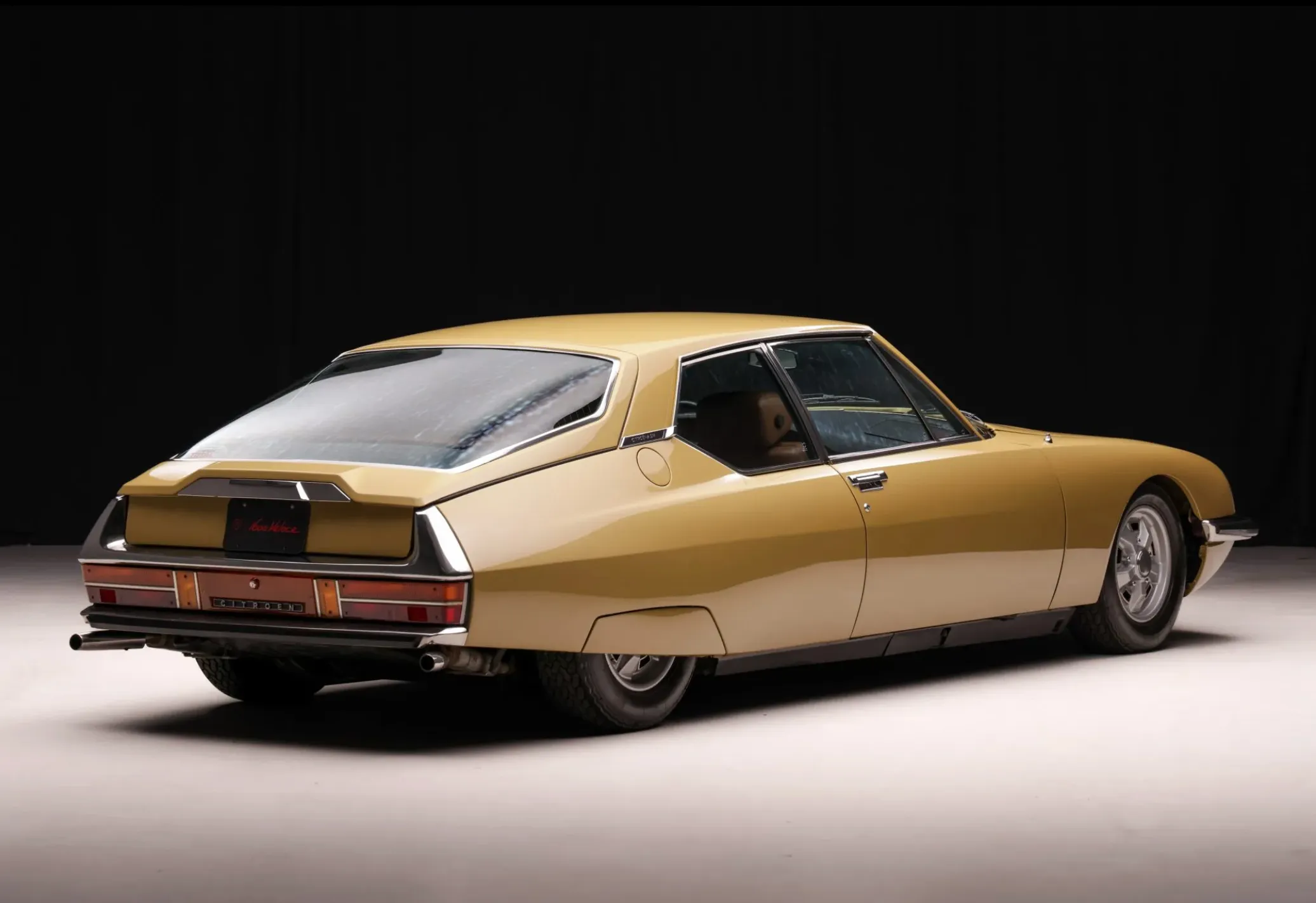
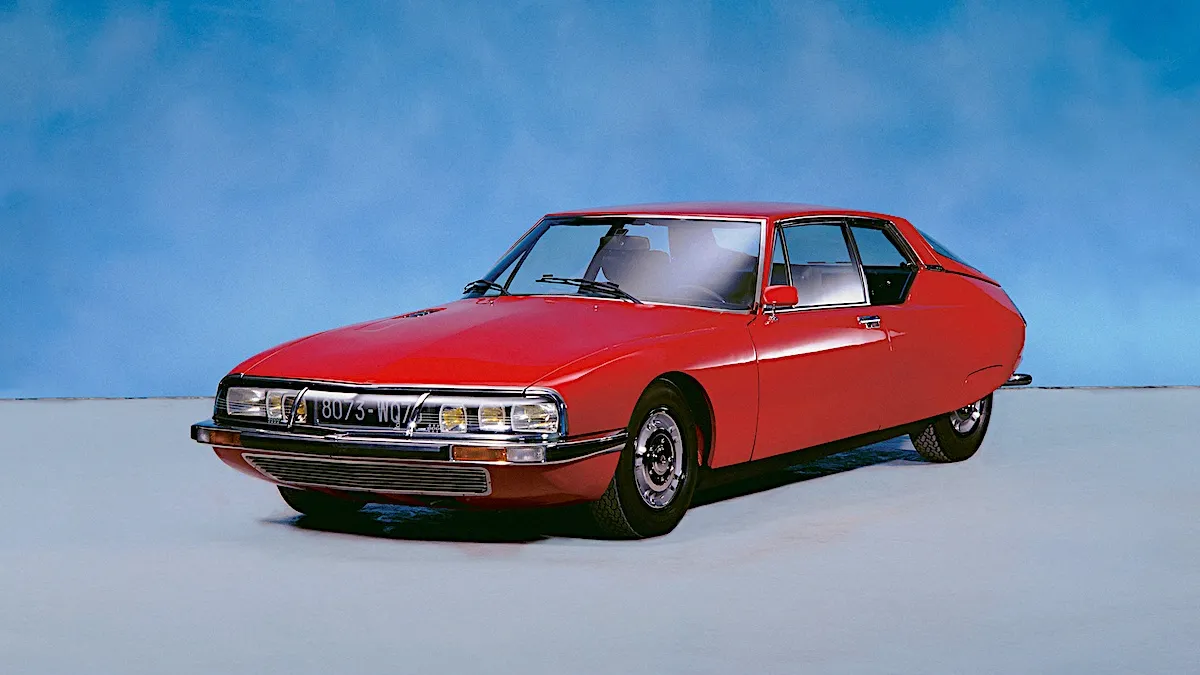
Bold ambition poured out of every panel of the Citroën SM 1970. From its stretched nose to its smooth fastback shape, nothing about this grand touring coupe felt ordinary. French designers aimed high, blending luxury, performance, and futuristic thinking into a single package that ignored convention.
At a time when many luxury cars relied on tradition, this one chased innovation with confidence. Under the hood sat a Maserati-built V6 engine, an unusual partnership that raised eyebrows. Power delivery felt refined rather than aggressive, matching the SM’s role as a high-speed cruiser rather than a raw sports machine.
What truly set the car apart was its hydropneumatic suspension. Ride height is adjusted automatically, smoothing rough roads and keeping the body level through corners. Passengers often described the sensation as floating rather than driving.
Steering technology pushed boundaries even further. Citroën’s self-centering power steering changed feel depending on speed. Low speeds required little effort, while highway travel brought added resistance. Drivers unfamiliar with the system sometimes felt confused, yet once mastered, it offered impressive control.
Braking performance benefited from shared hydraulic systems, delivering confident stopping power. Inside, design choices continued the unconventional theme. Oval gauges, unique switchgear, and deeply contoured seats created a cockpit unlike anything else on the road.
Visibility remained strong despite the long hood thanks to clever glass placement. Comfort ranked high, making long journeys feel effortless. Sales numbers never matched the SM’s ambition. Reliability concerns and economic pressures limited its reach.
Still, time has been kind. Collectors now celebrate the Citroën SM 1970 as a daring blend of art and engineering that challenged accepted limits. What once seemed strange now feels visionary, proving brilliance sometimes arrives wrapped in confusion.
2. AMC Pacer 1975
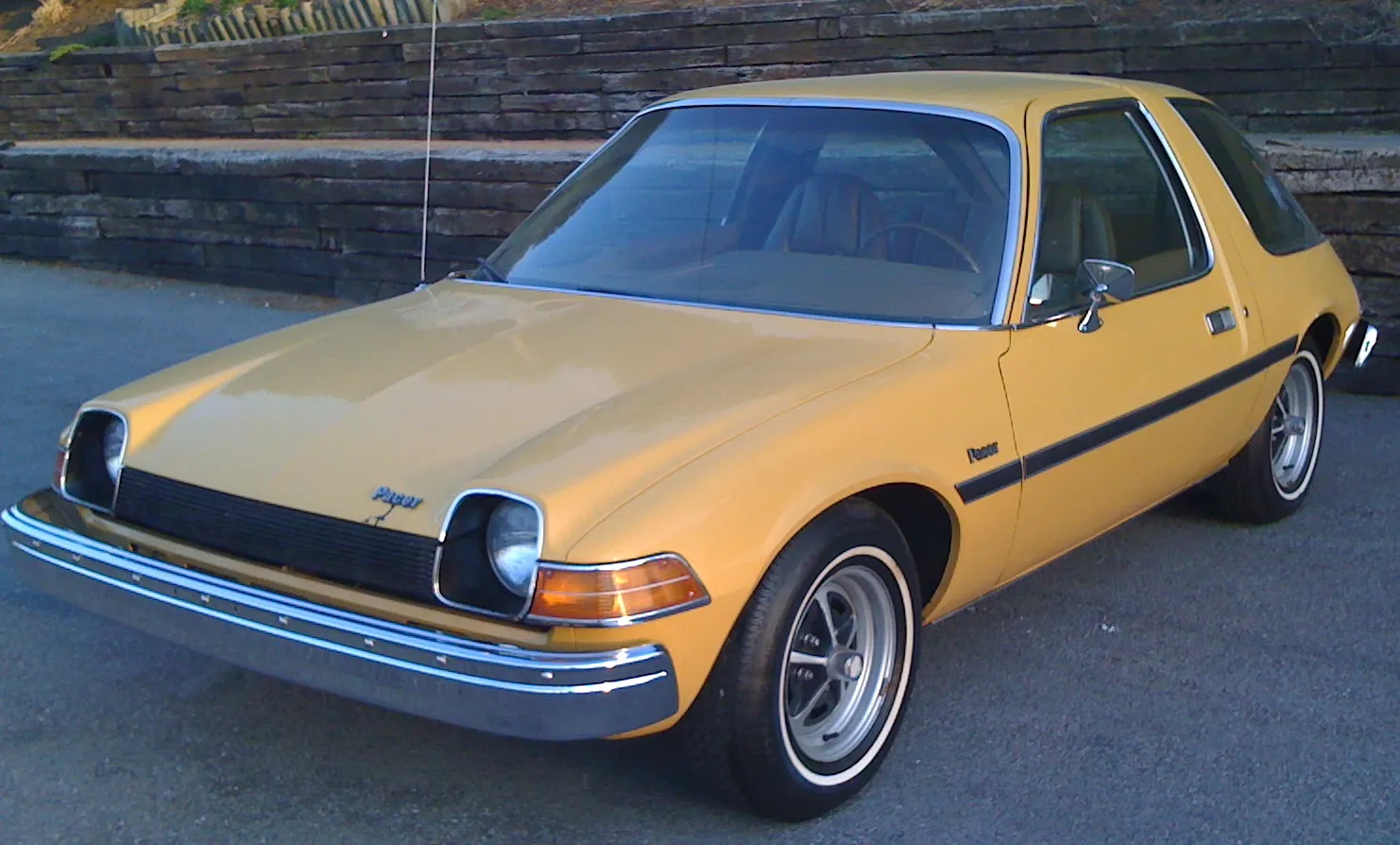
Instant recognition defines the AMC Pacer 1975. Wide stance, enormous glass area, and rounded proportions made it look like nothing else on American roads. Jokes followed quickly, yet the thinking behind this compact car revealed careful planning rather than random styling.
American Motors Corporation aimed to create a small car that felt open, safe, and modern during a period of shrinking expectations. Glass dominated the design. Nearly forty percent of the body consisted of windows, delivering panoramic visibility that reduced blind spots and brightened the cabin.
Doors came in different lengths, allowing easier access to rear seats from the passenger side. This asymmetry felt strange, though it solved a real usability problem in tight parking spaces. The width exceeded many larger sedans of the era, which improved stability and shoulder room.
Short length kept parking simple. Engineers originally planned a rotary engine, but changing regulations forced a switch to conventional power plants. That decision affected performance and fuel use, yet the car remained easy to drive in urban settings.
Interior layout focused on comfort rather than sportiness. Seats felt wide and supportive, and the cabin avoided the cramped feeling common in small cars. Large windows helped drivers judge distance easily, which reduced stress during daily use. Ride quality leaned toward softness, prioritizing comfort over sharp handling.
Public reaction proved harsh. Many dismissed the Pacer as awkward or funny-looking. Decades later, opinions softened. Designers now point to its safety-minded structure and space efficiency as forward-thinking ideas. The AMC Pacer 1975 dared to rethink what a compact car could feel like, leaving a legacy richer than its reputation once suggested.
Also Read: 10 ’70s American Luxury Cars Gaining Serious Collector Interest
3. Lamborghini Urraco 1973
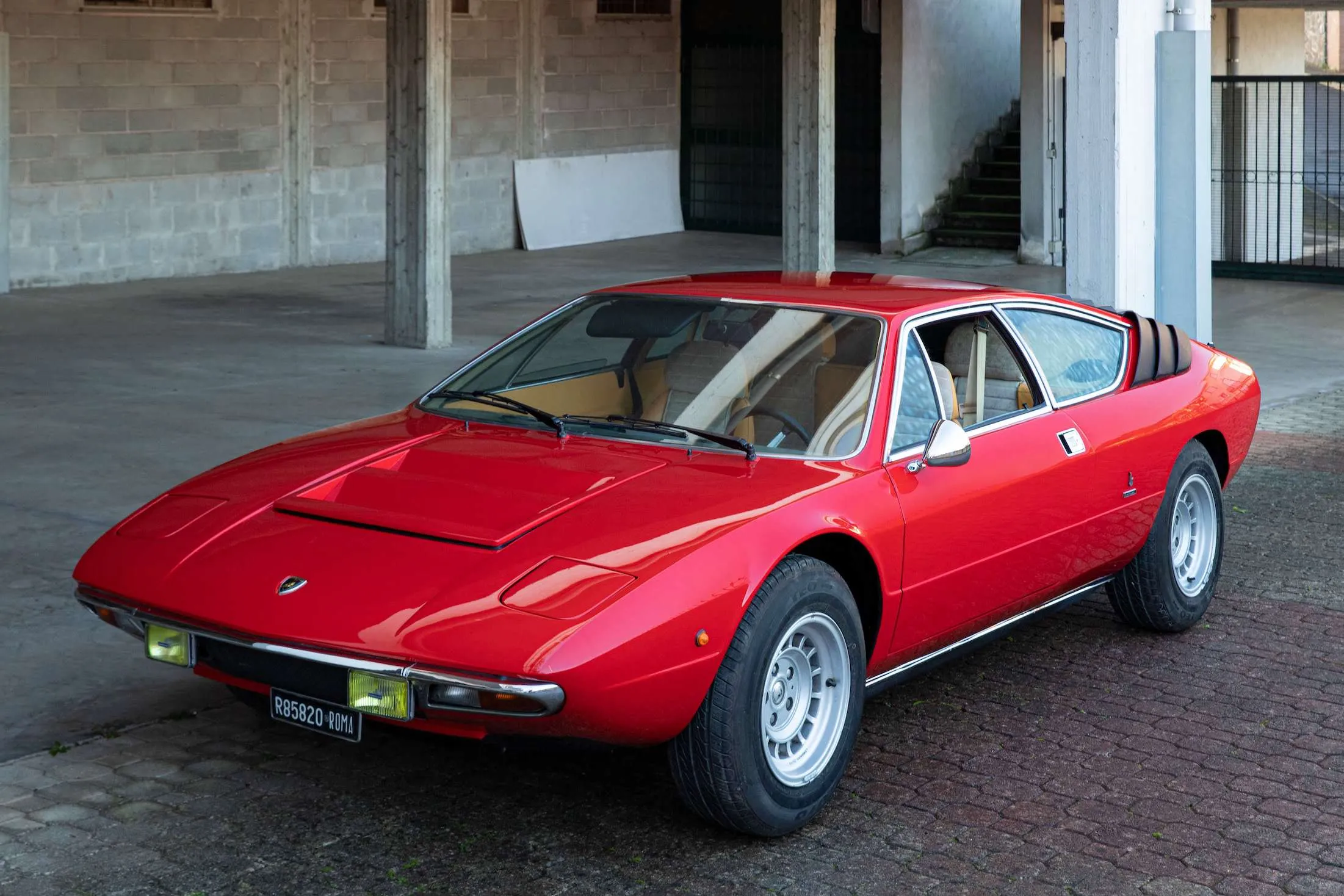
Italian flair met surprising practicality in the Lamborghini Urraco 1973. Unlike the brand’s dramatic flagships, this smaller coupe aimed to attract buyers seeking exotic style with slightly more everyday usability. Its wedge shape carried classic Lamborghini cues, yet its proportions felt restrained compared to its siblings.
Mid-engine placement defined the driving experience. Weight distribution improved handling balance, allowing confident cornering. Steering felt direct, communicating road texture clearly. Engine response delivered excitement without overwhelming drivers, striking a balance that made the car approachable by supercar standards of the time.
Rear seating added versatility. While space remained limited, the option allowed short trips with passengers or extra storage. This choice challenged assumptions about what a Lamborghini should offer. Interior materials reflected quality craftsmanship, though ergonomics required patience. Controls sat in unusual positions, demanding familiarity.
Performance matched expectations for an exotic coupe. Acceleration felt lively, paired with a soundtrack that reminded drivers of the car’s pedigree. Ride quality stayed firm yet controlled, suiting spirited driving on winding roads. Visual drama remained strong, with sharp angles and low stance turning heads everywhere.
Market reception proved mixed. Some purists questioned its diluted character, while others appreciated the attempt at accessibility. As time goes on, appreciation grows for its role in expanding Lamborghini’s reach. The Lamborghini Urraco 1973 showed that innovation sometimes means redefining brand boundaries, even at the risk of criticism.
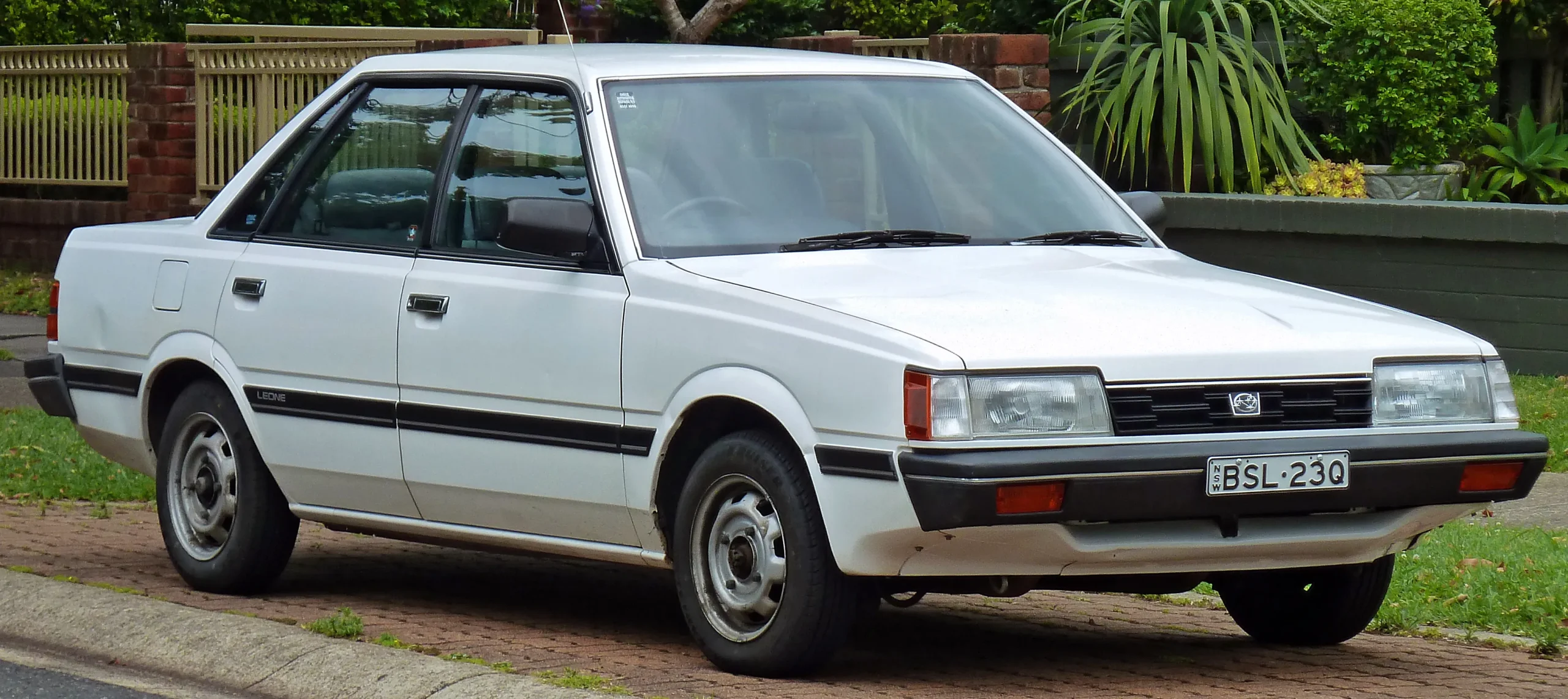
4. Subaru Leone 1972
Practical thinking shaped the Subaru Leone 1972, a car that quietly introduced ideas far ahead of mainstream acceptance without drawing much attention to itself at launch. Styling leaned conservative, almost modest, which helped it blend easily into everyday traffic.
Beneath that restrained appearance sat engineering decisions that revealed bold intent. Subaru chose to focus on durability, traction, and adaptability during a period when many competitors chased visual flair or straight-line performance.
All Wheel Drive availability set the Leone apart from nearly every passenger car of its era. At a time when such systems appeared mainly in trucks or specialized vehicles, Subaru offered improved grip for snow, rain, and uneven roads in a compact, approachable package.
Drivers gained confidence without sacrificing daily usability or fuel efficiency. Lightweight construction helped offset drivetrain complications, allowing the car to remain efficient while delivering added traction benefits. Compact dimensions made the Leone suitable for a wide range of environments.
Urban streets felt easy to manage, while rural routes posed little difficulty. Suspension tuning leaned toward compliance, soaking up rough surfaces and imperfect pavement with calm composure. Power output stayed modest, though reliability consistently made up for the lack of speed. Owners valued predictable behavior and dependable starts far more than aggressive acceleration figures.
Interior design followed the same practical philosophy. Controls felt intuitive, gauges provided clear information, and outward visibility remained excellent thanks to upright glass and sensible pillar placement. Seating favored comfort during long drives rather than aggressive bolstering. Rear seats folded to expand cargo space, supporting family needs, outdoor hobbies, or light work duties without fuss.
Ownership experience played a major role in the Leone’s quiet success. Maintenance demands stayed reasonable, and mechanical simplicity supported long service life. Subaru steadily earned trust rather than headlines, building a loyal customer base through consistency. Drivers who relied on their cars daily appreciated this honest approach.
Looking back, the Subaru Leone 1972 appears less strange and more prophetic. All Wheel Drive passenger cars now dominate many segments worldwide, praised for the same advantages Subaru offered decades earlier. This once-overlooked model stands as a quiet pioneer that earned respect through practicality, foresight, and an unwavering focus on real-world needs.
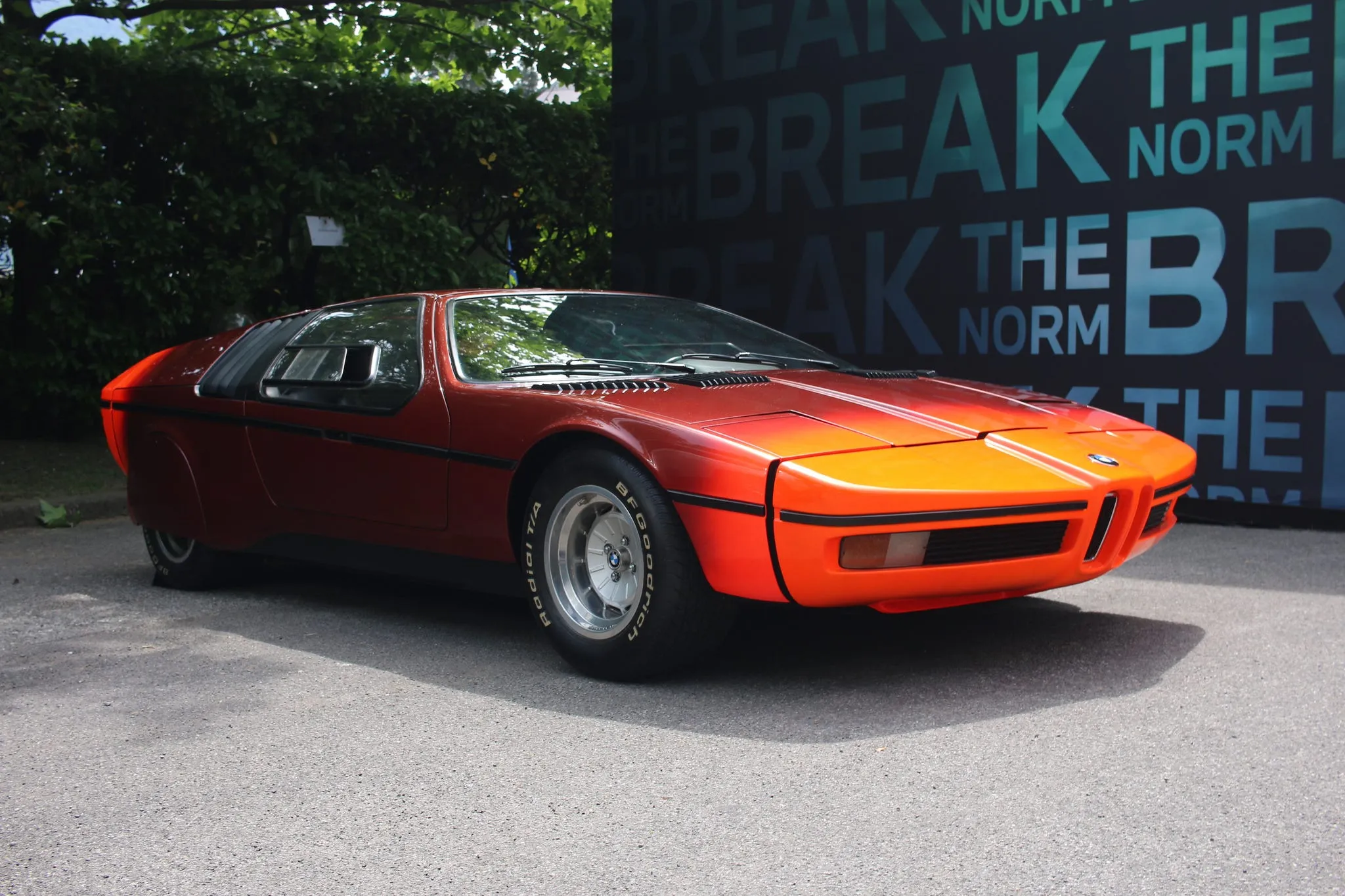
5. BMW Turbo Concept 1972
Few concept cars from the 1970s left a mark as enduring as the BMW Turbo Concept 1972. Although never intended for showroom floors, this dramatic machine served as a rolling laboratory that previewed ideas shaping BMW performance for decades.
Sharp angles, bold paint, and pop-up headlights delivered immediate visual impact, signaling a break from conservative design language. Turbocharging defined the concept’s purpose. During an era when forced induction remained rare and misunderstood, BMW engineers experimented boldly with boost technology.
The goal extended beyond speed alone. Engineers sought a blend of performance and efficiency, anticipating future demands long before market pressure made them unavoidable. Power output promised excitement, yet the broader vision focused on smarter energy use.
Safety received attention rarely seen in experimental vehicles. Deformable structures, warning systems, and thoughtful crash considerations appeared throughout the design. These features reflected concern for driver protection at a time when such ideas rarely shaped concept development. BMW treated safety as an engineering challenge rather than an afterthought.
Interior design pushed boundaries as confidently as the exterior. Digital style displays, alert lights, and a driver-focused layout suggested a new relationship between car and operator. Controls are grouped logically around the driver, reducing distraction and improving response time. Materials hinted at durability paired with innovation, reinforcing the forward-thinking theme.
Public access never materialized, yet influence spread quietly. Lessons learned through this project informed later production vehicles, particularly turbocharged models that became central to BMW’s performance identity. Design cues echoed through future generations, shaping the brand’s visual and mechanical direction.
Value today lies in intent rather than production numbers. The BMW Turbo Concept 1972 proves that brilliance does not require mass sales. Its mission centered on pushing limits, testing ideas, and shaping the future. What appeared extreme during its debut now reads as visionary groundwork that helped guide decades of automotive progress.
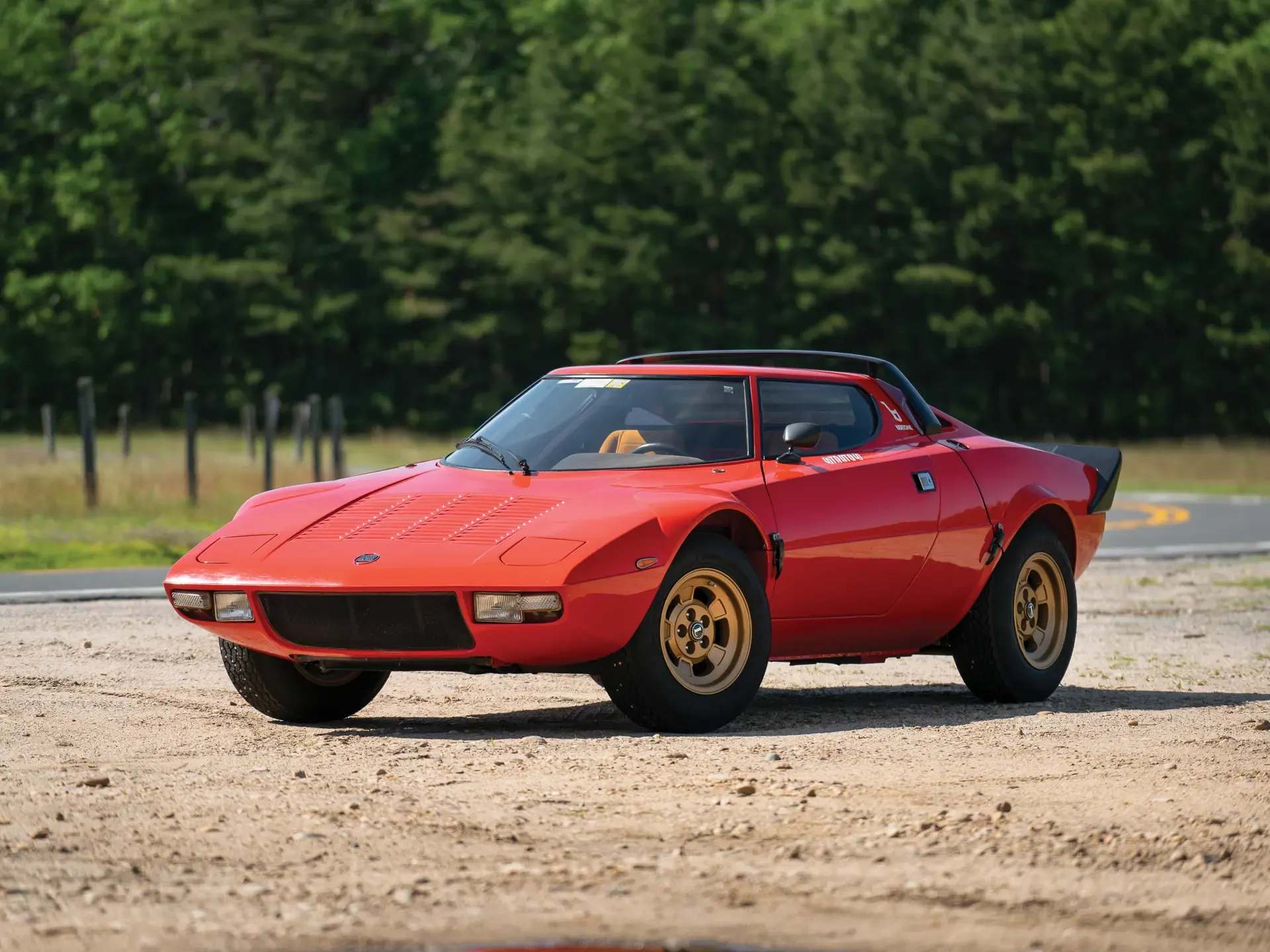
6. Lancia Stratos HF 1974
Imagine a road car shaped almost entirely by competition goals rather than everyday logic. That description fits the Lancia Stratos HF 1974 perfectly. Built to dominate rally stages, this machine looked alien even among the daring designs of its decade.
Short wheelbase, dramatic wedge profile, and sharply cut glass made it appear more like a prototype than a street-legal vehicle. Purpose guided every decision. Mid-mounted Ferrari-sourced V6 power gave the Stratos its ferocious character.
Acceleration felt urgent, while engine placement delivered razor-sharp balance. Steering response came quickly, demanding focus and rewarding skill. Tight dimensions allowed the car to rotate eagerly through corners, a trait that thrilled experienced drivers while intimidating newcomers.
Inside, practicality barely entered the conversation. Cabin space remained minimal, with steeply raked glass and limited storage. Seating felt upright and close to the windshield, enhancing forward visibility while reminding occupants that comfort ranked low on the priority list. Gauges clustered tightly, delivering essential information without distractions. This cockpit existed to support driving rather than pampering.
Public roads revealed the car’s challenging side. Short wheelbase behavior required constant attention, especially on uneven surfaces. Ride quality felt stiff, transmitting road texture directly to occupants. Noise levels stayed high, with engine and mechanical sounds filling the cabin. Yet these traits reinforced its identity rather than diminishing its appeal.
Rally’s success cemented its reputation. Championships validated the extreme approach, proving that focused design could outperform more conventional rivals. Collectors later recognized the brilliance behind its odd proportions. What once seemed impractical now stands as a symbol of fearless engineering.
Appreciation today centers on honesty. The Lancia Stratos HF 1974 never pretended to be versatile. It existed to win and thrill, and that clarity makes it unforgettable. Few cars illustrate how strange ideas can become legendary when execution matches ambition.
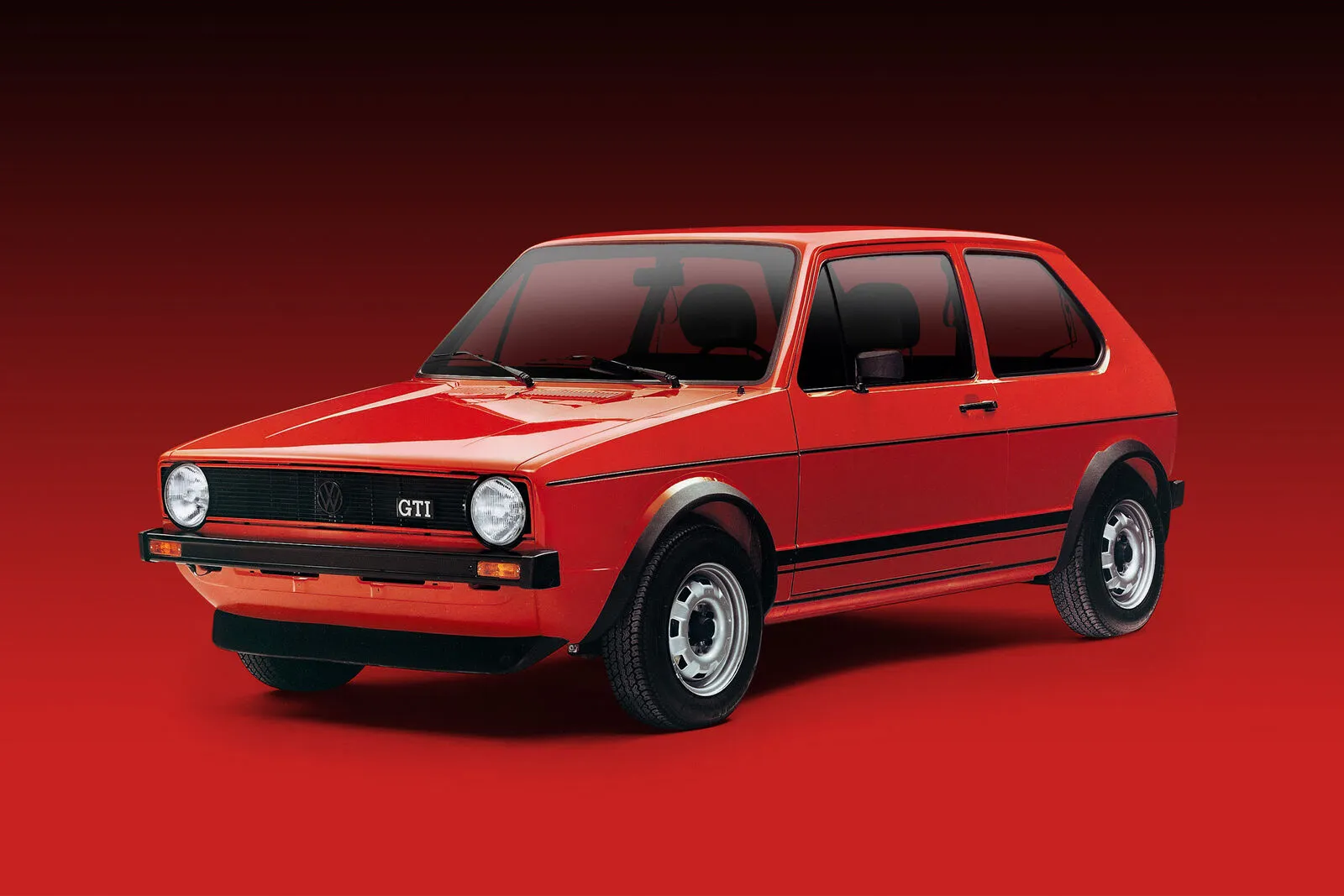
7. Volkswagen Golf GTI 1976
Hot hatchback culture traces its roots directly to the Volkswagen Golf GTI 1976, a car that rewrote expectations through subtle rebellion. While appearance remained modest, engineering choices delivered excitement in a practical package. This quiet revolution surprised drivers who expected small cars to feel dull.
Lightweight construction paired with a fuel-injected engine created lively performance. Acceleration felt eager without overwhelming the chassis. Steering provided confidence, allowing quick direction changes with ease. Suspension tuning balanced comfort and control, making daily driving enjoyable while supporting spirited moments.
Inside, simplicity ruled. Supportive seats held occupants firmly, while red accents hinted at the car’s playful intent. Controls felt intuitive, encouraging drivers to focus on the road. Visibility remained strong, and hatchback utility allowed groceries or gear without compromise.
What made this car brilliant lay in accessibility. Performance no longer requires exotic pricing or impractical ownership. Everyday drivers could enjoy engaging handling during commutes without sacrificing comfort or efficiency. Fuel usage stayed reasonable, aligning with the changing priorities of the era.
Initial skepticism faded quickly as word spread. Enthusiasts praised its balance, while families appreciated its versatility. Other manufacturers soon followed, launching competitors inspired by this formula. A new segment emerged almost overnight.
Legacy defines perception today. The Volkswagen Golf GTI 1976 proved that fun and function could coexist. Its success reshaped small car design for decades. What began as an internal experiment grew into a template copied worldwide, earning admiration far beyond its humble origins.
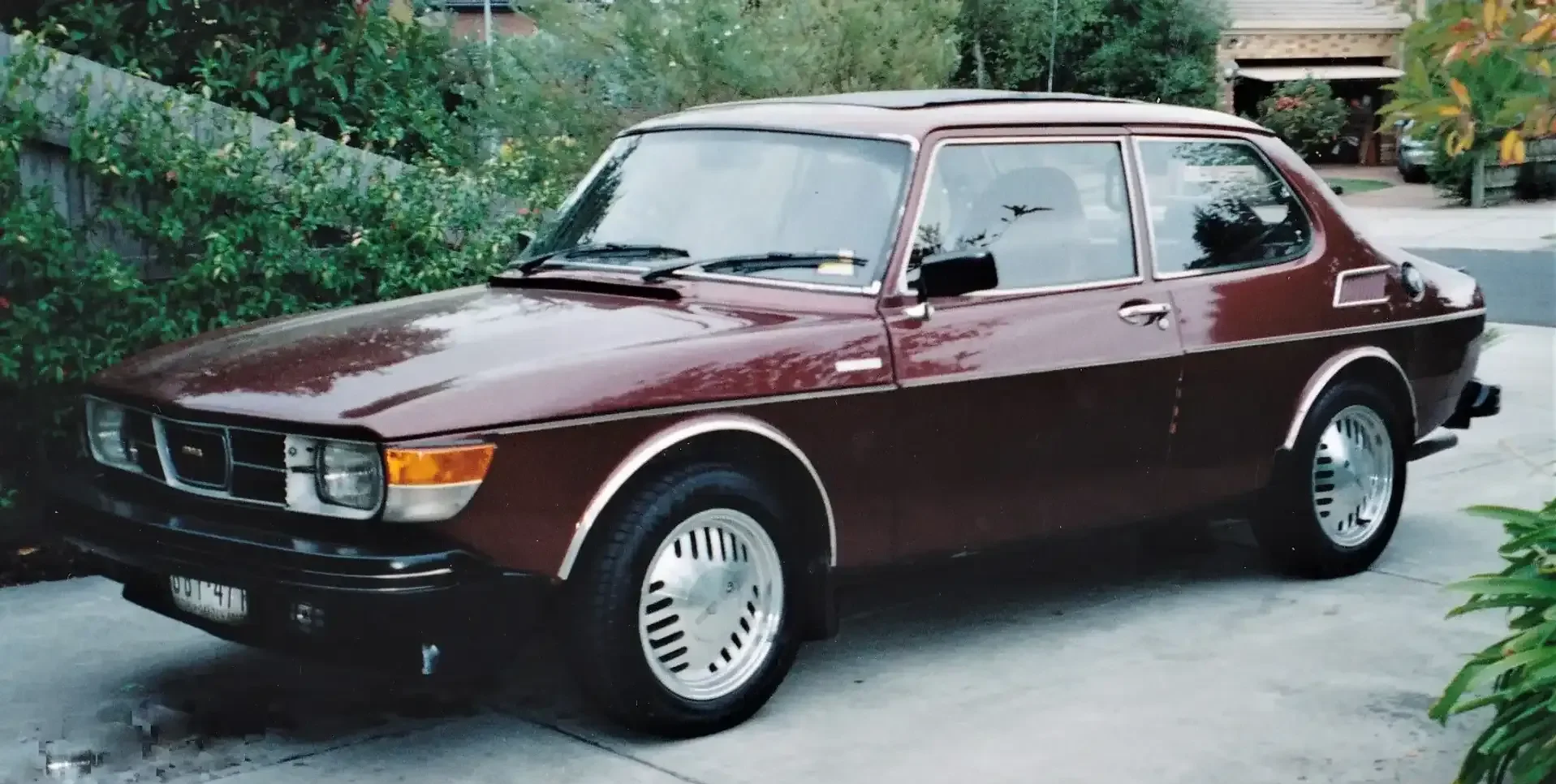
8. Saab 99 Turbo 1978
Turbocharging entered mainstream conversation through the Saab 99 Turbo of 1978, a car that approached performance with restraint and intelligence. Instead of chasing raw speed, Saab focused on usable power delivered smoothly and safely. That philosophy felt unusual during a decade obsessed with horsepower figures.
Boost arrived progressively, avoiding sudden surges. Drivers learned to anticipate power delivery, creating a sense of partnership between car and operator. Front wheel drive configuration maintained stability, while suspension tuning favored control over harshness. This balance suited varied driving conditions.
Cabin design reflected Saab’s aviation influence. Controls angled toward the driver, reinforcing focus. Seats provided long-distance comfort, and visibility remained excellent thanks to upright glass and slim pillars. Practical storage options supported daily routines without fuss.
Safety innovation played a major role. Reinforced structures, thoughtful ergonomics, and attention to crash protection demonstrated priorities ahead of regulatory demands. These ideas felt advanced at the time, later becoming expected features across the industry.
Public reaction mixed curiosity with respect. Turbocharging sounded exotic, yet Saab presented it as a tool rather than a gimmick. Reliability concerns existed, though many owners enjoyed years of dependable service with proper care.
Modern appreciation highlights foresight. The Saab 99 Turbo 1978 showed how forced induction could enhance drivability instead of overwhelming it. That lesson resonates today as turbo engines dominate showrooms. What once seemed daring now reads as thoughtful engineering guided by real-world needs.
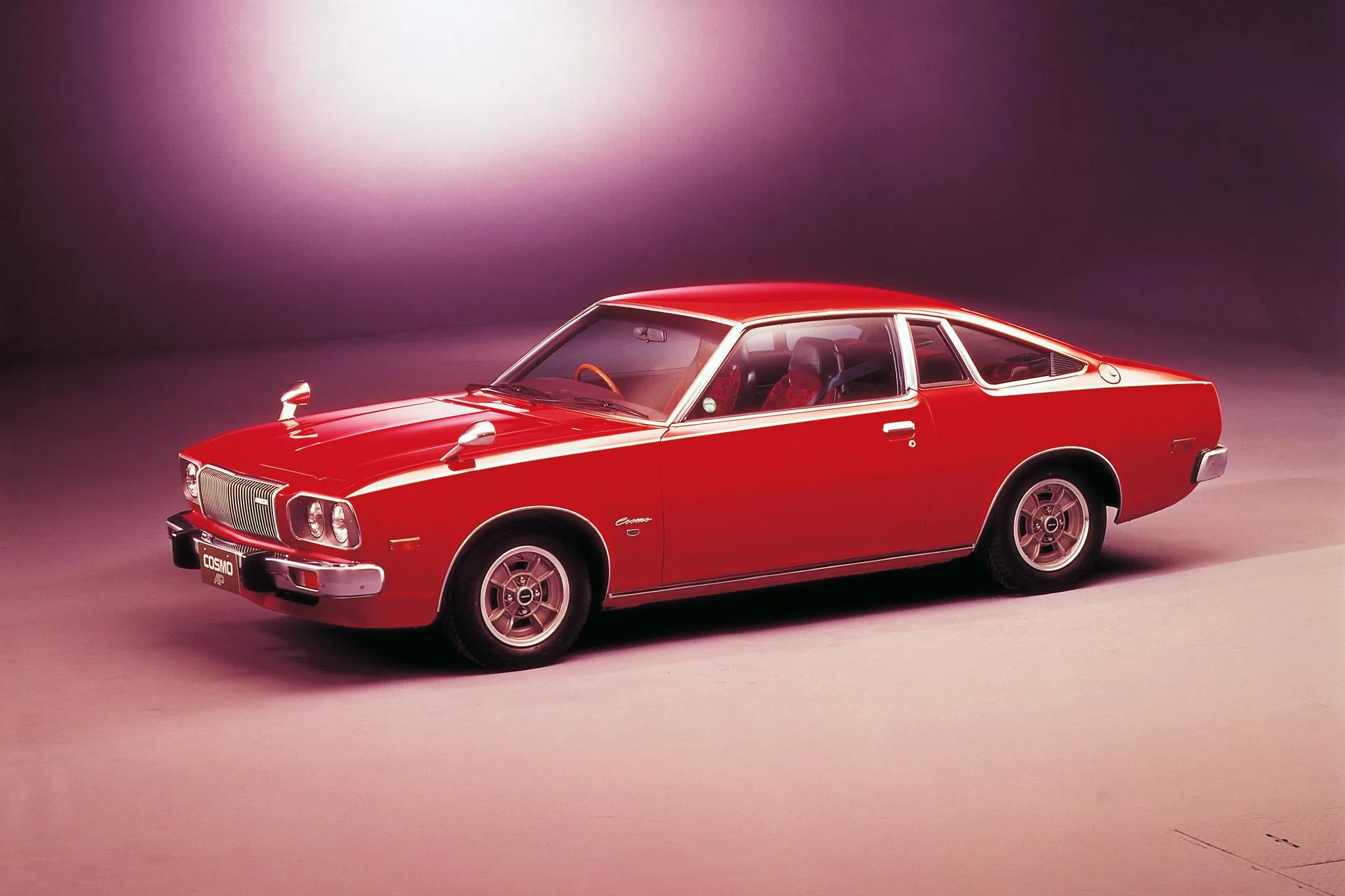
9. Mazda Cosmo 1975
Rotary ambition defined the Mazda Cosmo 1975, a coupe that dared to champion an unconventional engine layout at a time when most manufacturers preferred safer mechanical paths. While others hesitated or abandoned similar experiments, Mazda committed fully to rotary power, convinced that smooth operation, compact packaging, and high rev potential justified the gamble. That belief shaped a car unlike anything else on the road, blending refined styling with engineering bravery that felt rare during the fuel-conscious 1970s.
Engine characteristics delivered a driving feel that immediately separated the Cosmo from piston-powered rivals. High-revving behavior encouraged drivers to stretch each gear, while minimal vibration created a sense of polish unusual for performance-oriented coupes of the era.
Power delivery felt clean and consistent rather than punchy, rewarding smooth inputs and mechanical sympathy. Sound quality added to the experience, producing a distinctive tone that differed from conventional engines without overwhelming occupants.
Design choices supported the car’s premium aspirations. Long hood proportions, restrained lines, and careful detailing gave the Cosmo an upscale presence that stood confidently beside luxury coupes. Interior appointments leaned toward comfort and clarity, with materials chosen to feel durable yet refined.
Seating offered support for extended drives, and control placement remained logical, reinforcing usability despite the exotic powertrain hidden beneath the hood. Fuel usage created challenges during a decade shaped by rising costs and public sensitivity.
Rotary engines required frequent attention, careful warming, and knowledgeable service. Specialized maintenance limited widespread acceptance, even though devoted owners valued the smoothness and character enough to accept those demands.
Public understanding lagged behind engineering ambition, which affected sales more than performance ever did. Engineering courage defined Mazda’s approach. Engineers refined sealing technology, lubrication methods, and cooling solutions through constant revision.
Each generation improved durability and efficiency, building a foundation that influenced motorsport success and later production cars. Lessons learned through the Cosmo program reached far beyond a single model. Admiration today centers on resolve. Mazda Cosmo 1975 represents belief in an idea when market pressure encouraged retreat.
Brilliance appears not only in design or performance, but in commitment to innovation across decades. Few vehicles show how unconventional thinking can define brand identity with such lasting impact.
Also Read: 12 Classic ’70s Cars Faster Than the Chevy Chevelle SS
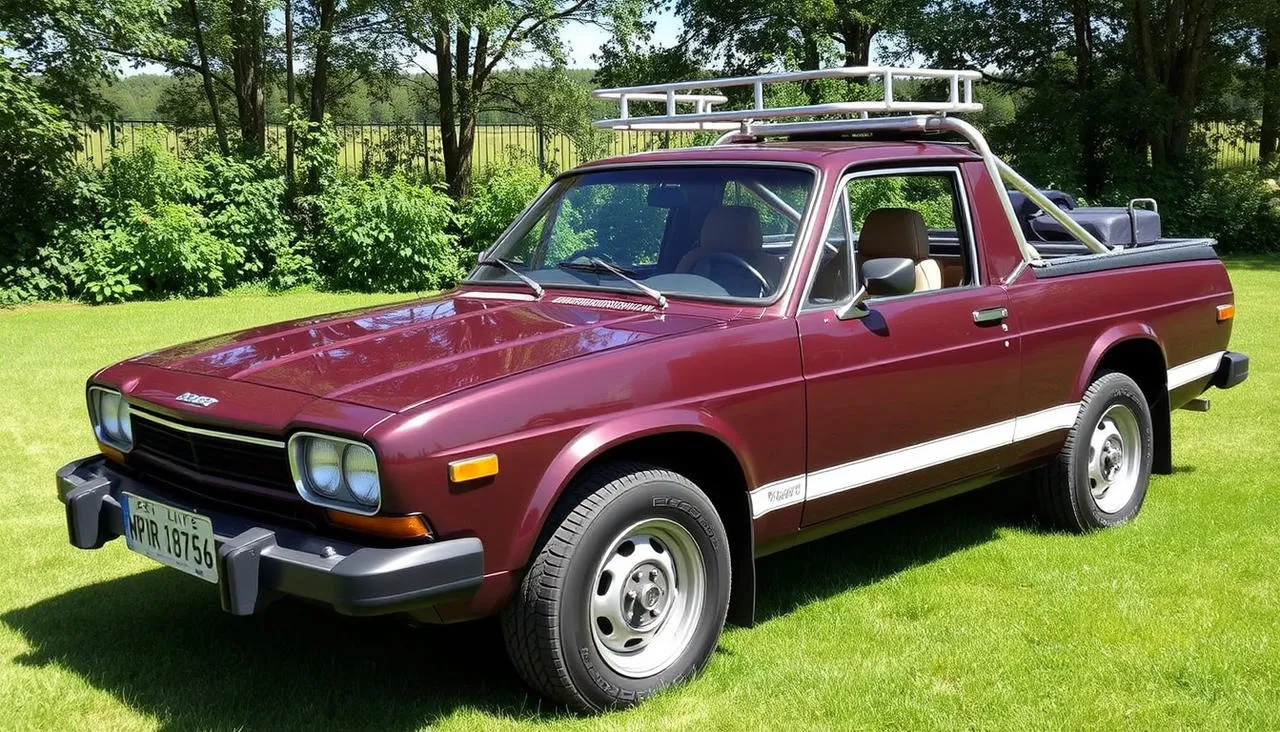
10. Matra Rancho 1977
Picture a vehicle that looks ready for wilderness adventures yet focuses firmly on everyday practicality. That vision materialized through the Matra Rancho 1977, a car that predicted lifestyle-oriented design long before crossovers filled suburban driveways.
Built on a modest Front Wheel Drive platform, this unusual machine delivered rugged visual appeal without mechanical complication, challenging assumptions about what adventure-style vehicles needed to be. Raised ride height and extensive protective cladding created an impression of toughness that stood out immediately.
Roof rails, exposed panels, and angular lines suggested outdoor readiness, even though power flowed only to the front wheels. This decision reduced cost, weight, and servicing demands while still offering confidence on gravel roads and uneven surfaces. Owners benefited from a capability that suited real use rather than extreme conditions that few drivers ever face.
Interior space surprised nearly everyone. Large windows flooded the cabin with light, improving visibility and comfort. Flexible seating arrangements allowed quick transitions between passenger transport and cargo hauling. Camping gear, sports equipment, or work supplies fit easily, giving the Rancho a versatility that appealed to active lifestyles.
Comfort levels exceeded expectations, proving that utility-focused design did not require Spartan treatment. Driving experience centered on ease rather than excitement. Suspension tuning absorbed rough patches with calm composure, while steering remained light and predictable.
Performance felt modest, though sufficient for daily travel and weekend trips. Proven mechanical components borrowed from existing models supported reliability and simplified ownership, keeping operating costs reasonable.
Public reaction initially felt uncertain. Some observers struggled to categorize the Rancho, unsure whether it belonged among wagons or utility vehicles. Others appreciated its honesty, recognizing that style and function could meet without unnecessary complication. As years passed, similar designs gained popularity, validating Matra’s unconventional approach.
Recognition today feels well-earned. Matra Rancho 1977 anticipated a design movement that later reshaped global markets. By blending style, space, and simplicity, it demonstrated that originality paired with practicality can influence generations. What once seemed strange now appears quietly forward-thinking.
