
Classic European sports cars carry a special kind of appeal that blends emotion with logic. These machines were shaped by bold engineering choices, racing ambition, and a desire to stir the senses long before computers dictated design decisions.
Today, that same spirit fuels strong interest from collectors who want more than just beauty parked in a garage. They want history, mechanical honesty, and value that holds firm across changing markets. Smart investing in classic cars does not mean chasing the rarest badge or the loudest reputation.
It often means recognizing models with lasting demand, strong enthusiast communities, and proven track records for appreciation. Cars that deliver an engaging drive while remaining usable tend to attract steady attention year after year. Parts availability, brand heritage, and cultural relevance also play important roles.
European manufacturers built many sports cars that strike this balance beautifully. Some began as affordable performance options and matured into respected icons. Others launched as premium machines and gradually earned legendary status through design and racing pedigree. Each vehicle in this list offers more than nostalgia.
These cars present ownership experiences that reward patience and care while offering long-term financial sense.
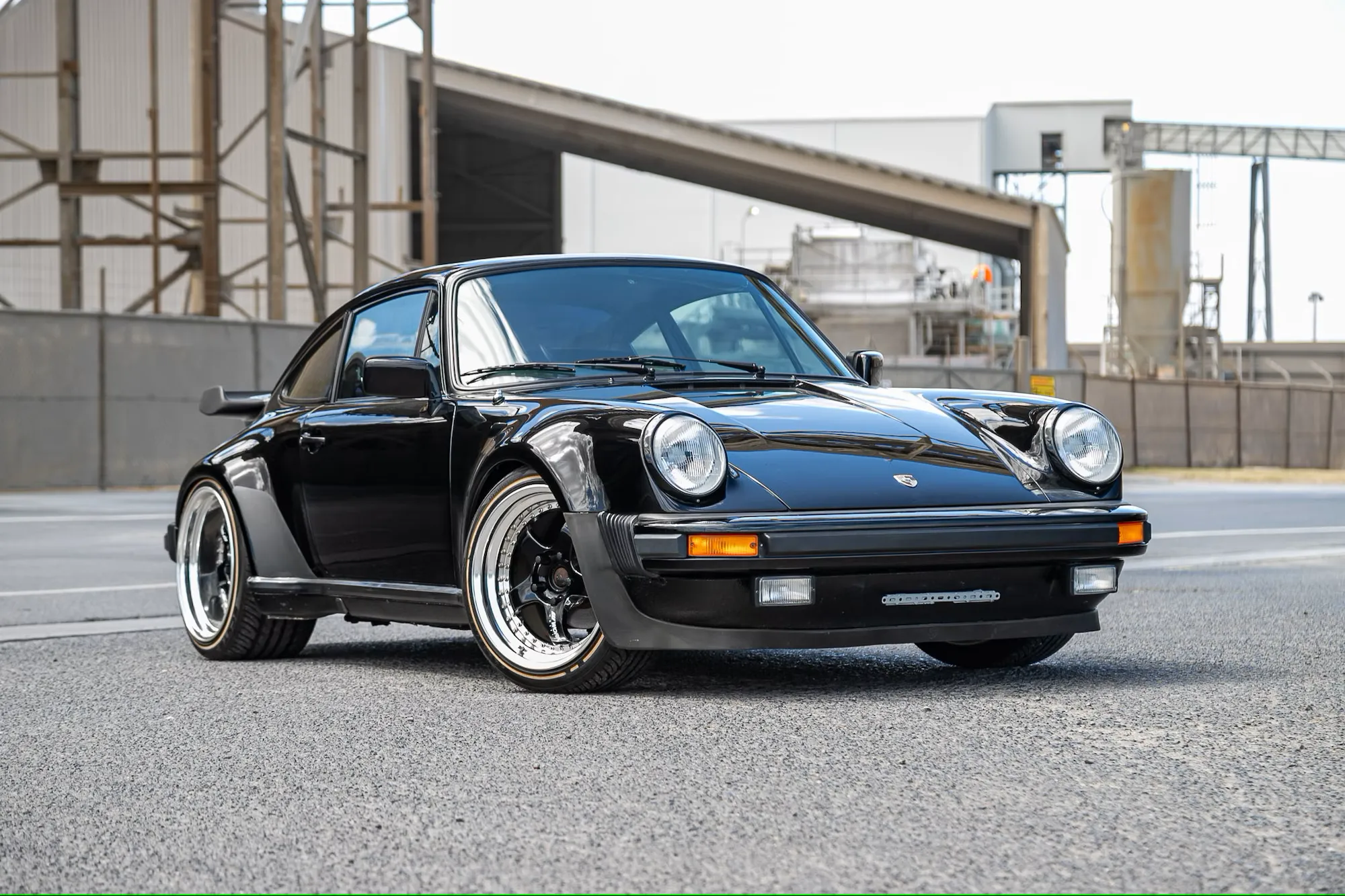
1. Porsche 911 SC 1978
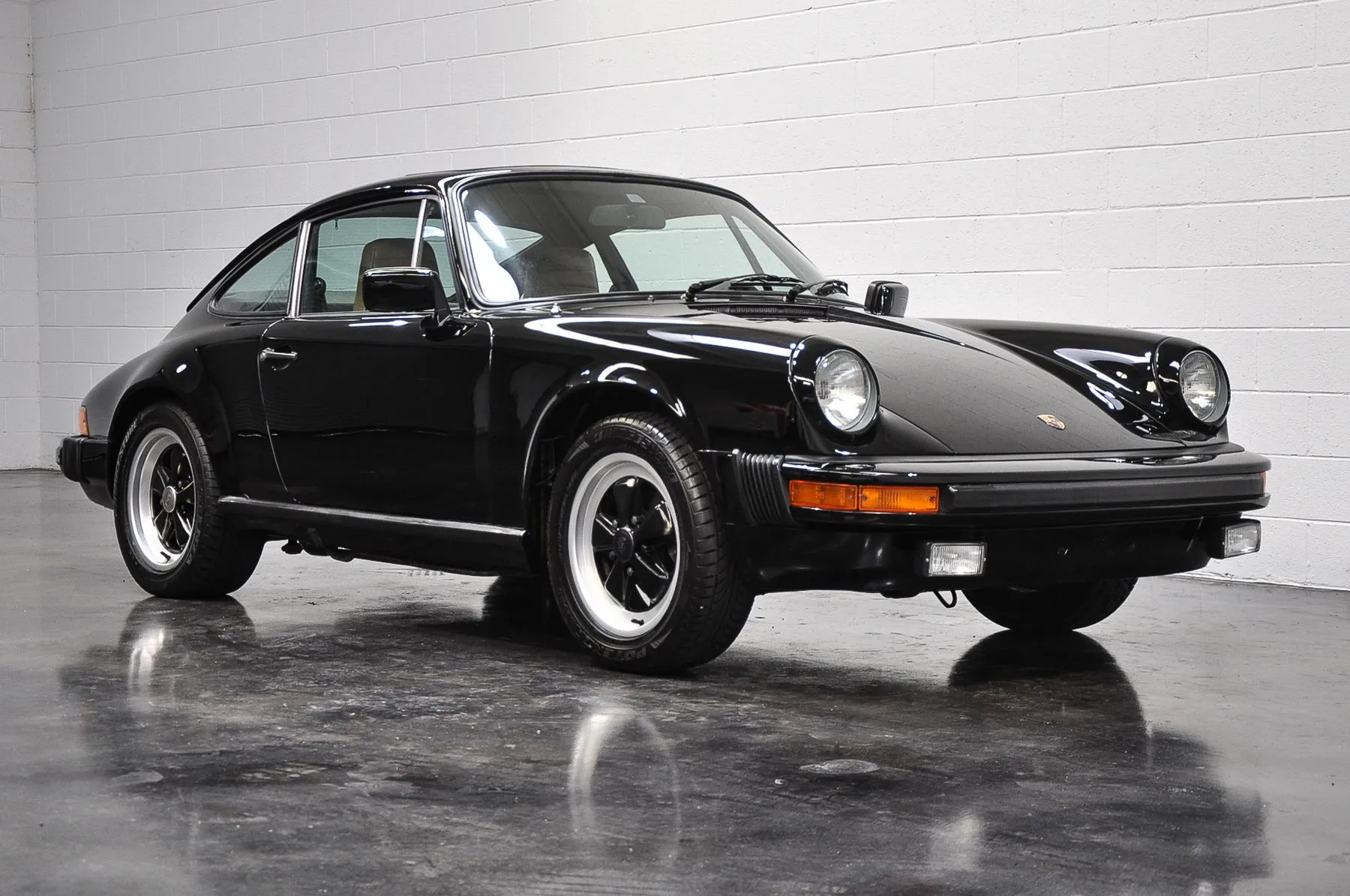
Air-cooled heritage defines the Porsche 911 SC 1978, a model that sits at a sweet spot between early charm and improved reliability. Enthusiasts often describe this era as the moment when Porsche refined the 911 formula without dulling its personality. That balance has helped the SC age with grace and financial resilience.
Power comes from a naturally aspirated flat-six engine that delivers a distinctive sound and lively response. Acceleration feels eager without overwhelming the chassis. Rear engine layout demands respect, yet rewards skilled drivers with exceptional feedback. Steering remains communicative, turning every drive into a conversation between hands and road.
Build quality stands out even decades later. Panels fit well, interiors resist wear, and mechanical components respond positively to proper care. Porsche invested heavily in durability during this period, addressing concerns from earlier models. Owners benefit from a car that feels solid rather than fragile, which supports long-term ownership confidence.
Market demand for the 911 SC continues to rise steadily. Collectors appreciate its blend of classic design and everyday usability. Parts availability remains strong thanks to Porsche’s commitment to heritage support. Restoration projects hold value because knowledge and expertise remain widespread.
Driving enjoyment adds another layer to its appeal. Daily usability pairs with weekend excitement, allowing owners to enjoy the car rather than hide it away. That versatility attracts buyers seeking engagement without constant worry.
Investment sense flows naturally from these qualities. Porsche 911 SC 1978 models attract consistent interest across global markets. Values respond positively to originality and proper documentation. Ownership delivers emotional satisfaction alongside financial reassurance, making this model a favorite among thoughtful collectors.
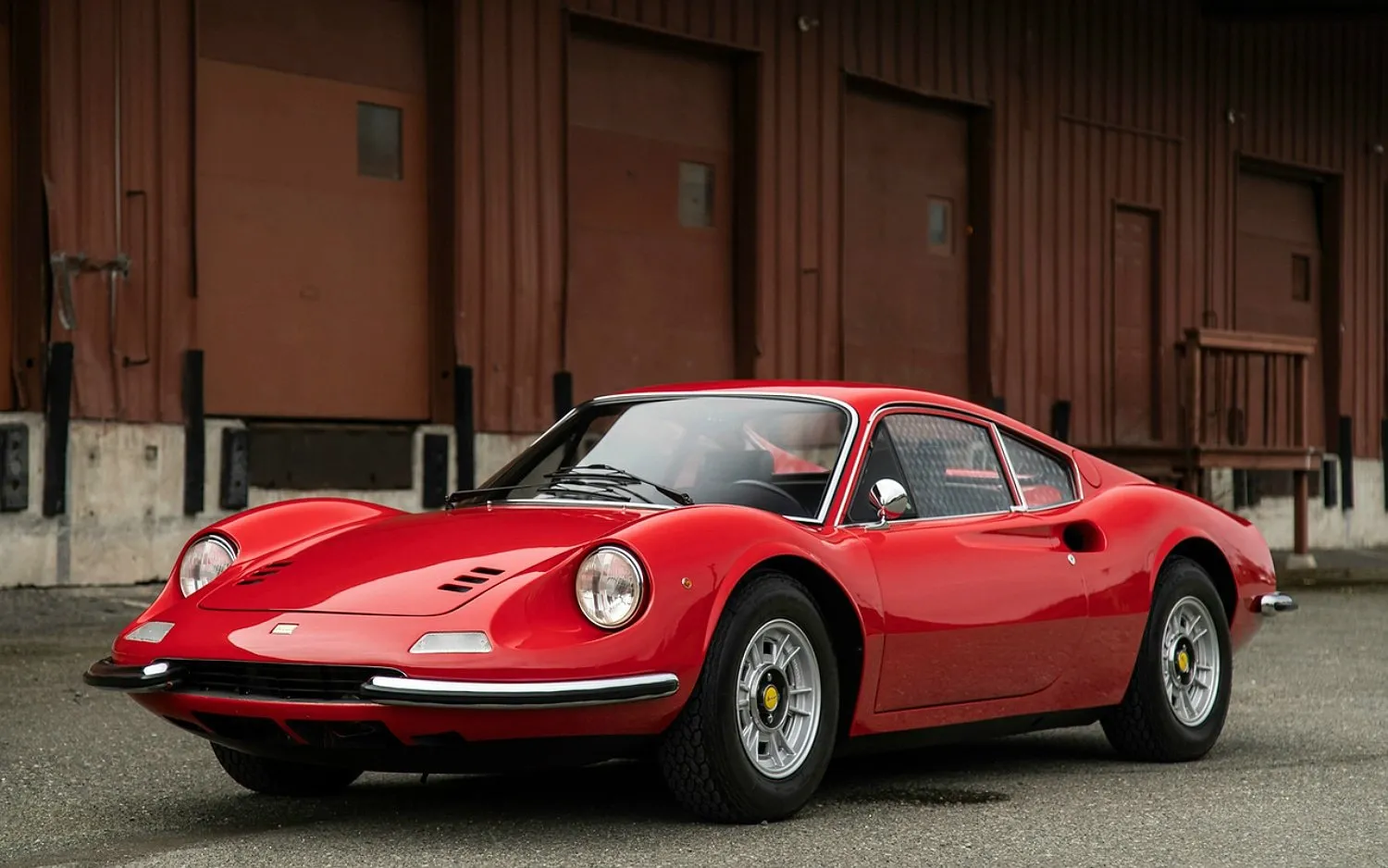
2. Ferrari Dino 246 GT 1971
Romantic design meets racing-inspired engineering in the Ferrari Dino 246 GT 1971. This car occupies a special place within Ferrari history, carrying the soul of the brand without the famous prancing horse badge. Named after Enzo Ferrari’s late son, the Dino line reflects deep personal meaning alongside technical excellence.
Mid engine layout gives the Dino exceptional balance. V6 power feels smooth and responsive, delivering a thrilling yet approachable driving experience. Sound quality defines its character, rising with revs in a way that stirs emotion rather than intimidation. Steering offers clarity, helping drivers place the car confidently through corners.
Styling plays a major role in long-term desirability. Curved lines, compact proportions, and elegant detailing create timeless appeal. Each angle feels intentional, avoiding excess while expressing Italian artistry. Interior design supports the driver with clear instrumentation and supportive seating.
Investment appeal grows from limited production and rising appreciation for analog Ferraris. Collectors increasingly recognize the Dino as a pure expression of driving joy. Market demand reflects this move, with values strengthening steadily. Properly maintained examples attract global attention at auctions and private sales.
Ownership requires commitment. Specialized service and careful upkeep remain part of the experience. Enthusiasts accept these demands as part of the privilege. Strong club networks and specialist support ease the process, protecting long-term value.
Ferrari Dino 246 GT 1971 ownership offers more than prestige. It delivers a connection to racing heritage, family history, and timeless design. That combination supports both emotional reward and sound financial sense.
Also Read: 10 Cheapest High-Performance Sports Cars That Are Actually Fast in 2026
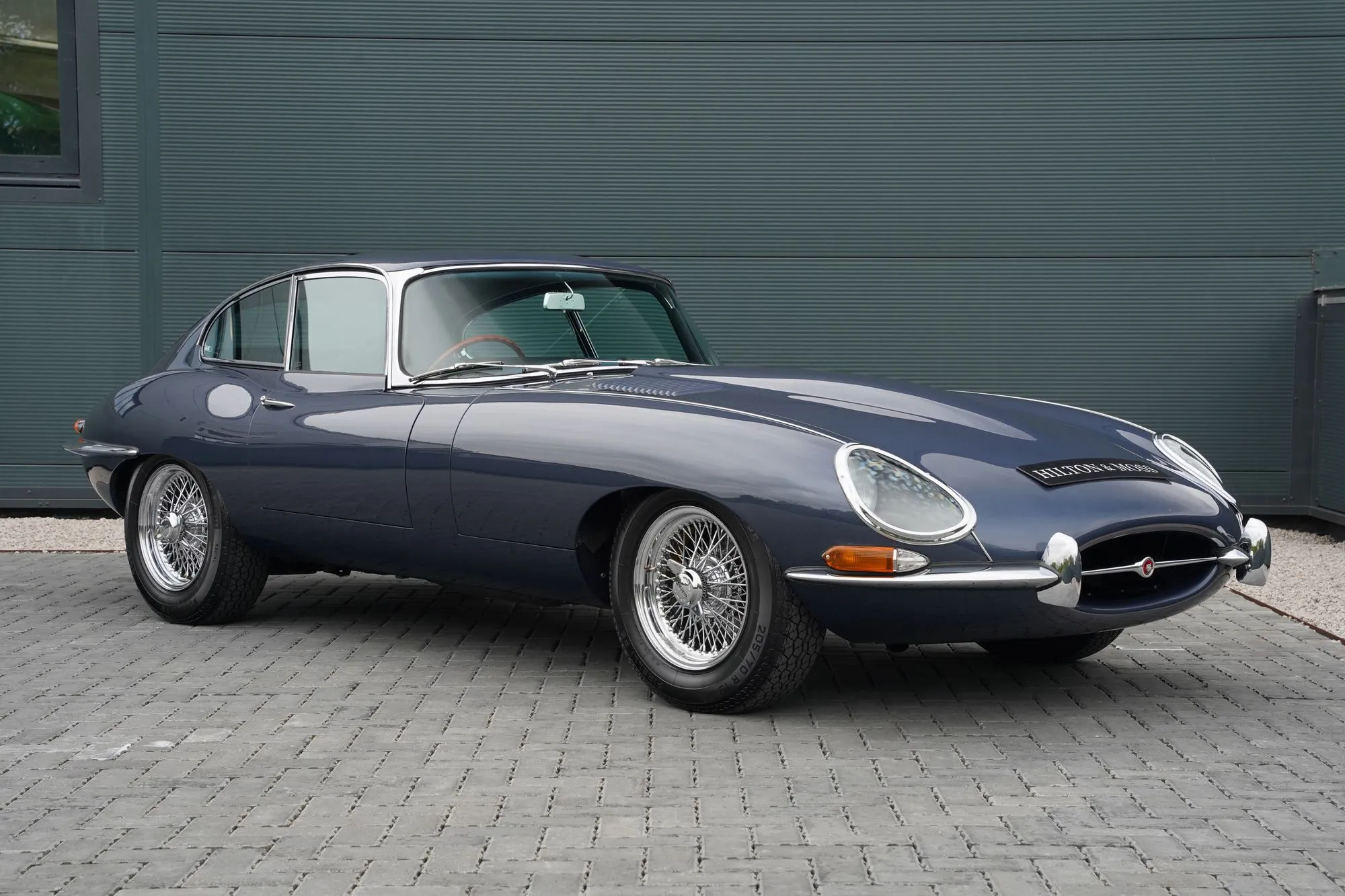
3. Jaguar E-Type Series 1 1965
Few cars spark admiration as instantly as the Jaguar E-Type Series 1 1965. From its elongated hood to its flowing rear, this British sports car defines elegance on wheels. Design praise came early and never faded, securing its place in automotive culture.
Underneath the beauty lies capable engineering. Inline six power delivers smooth acceleration paired with a relaxed cruising nature. Suspension design provides a balance between comfort and control, allowing enjoyable drives across varied roads. Braking performance impressed during its era and still feels competent today.
Interior atmosphere blends luxury with simplicity. Leather seating, classic gauges, and thoughtful ergonomics create a welcoming space. Visibility remains strong for such a dramatic shape, aiding confidence behind the wheel. Driving feels graceful rather than aggressive, aligning perfectly with the car’s visual presence.
Collector interest remains strong thanks to cultural recognition and the limited availability of early Series 1 examples. Demand stays consistent across generations, supported by strong parts supply and specialist knowledge. Restoration efforts often reward owners with increased value when completed thoughtfully.
Usability adds to its appeal. Weekend drives and concours events both suit this car’s personality. Owners enjoy admiration wherever it appears, reinforcing pride of ownership. Jaguar E-Type Series 1 1965 models continue to attract investors who appreciate artistry paired with mechanical substance. Long-term value reflects that balance, making this car a reliable choice for collectors seeking elegance with enduring financial appeal.
4. BMW M3 E30 1989
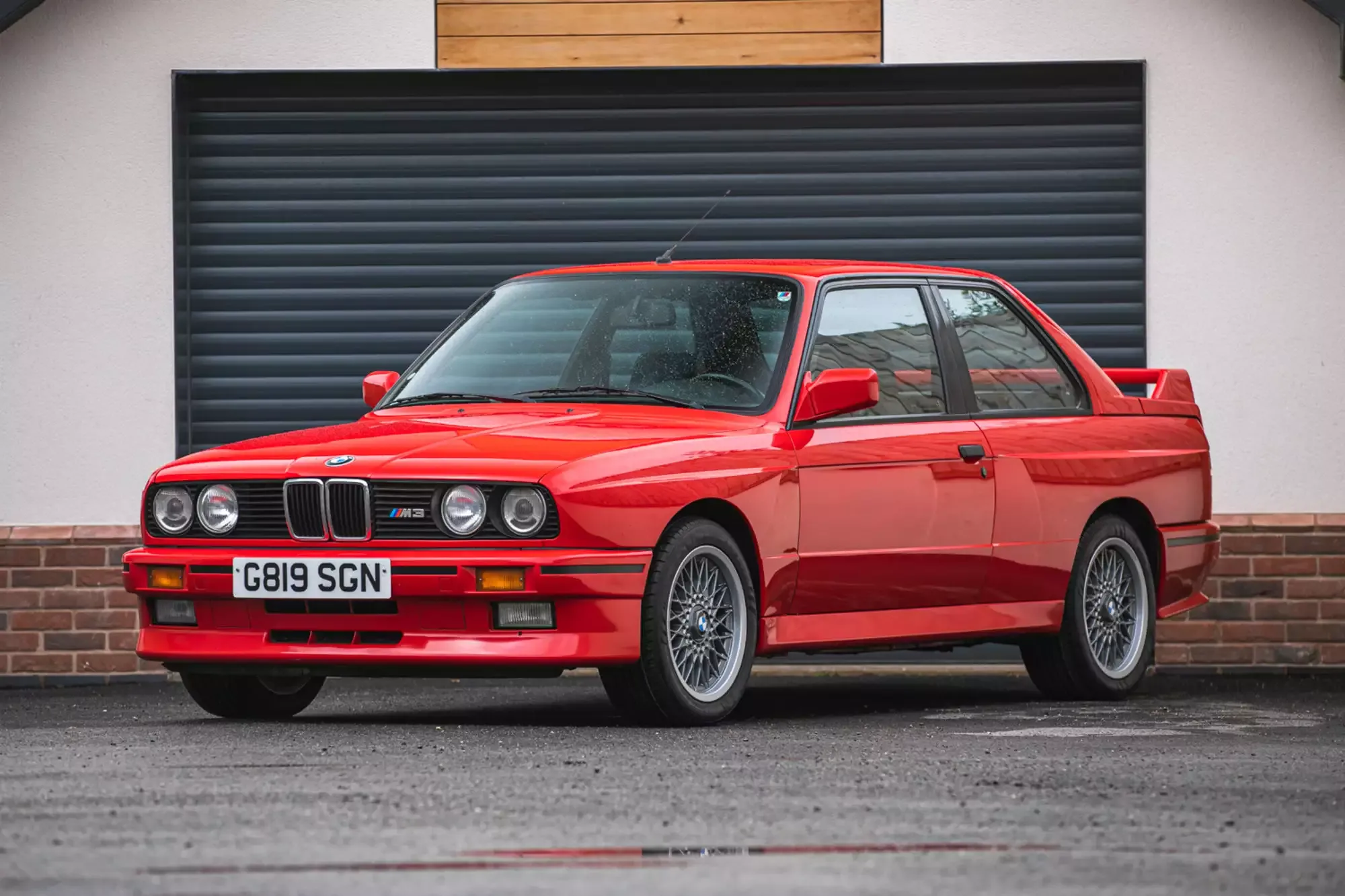
Performance roots define the BMW M3 E30 1989, a car born from motorsport ambition rather than marketing trends. Built to dominate touring car racing, this compact coupe brought race-bred engineering directly to the street. That origin story fuels strong demand decades later.
High revving four cylinder power sets this M3 apart from later generations. Engine response feels immediate, rewarding drivers who enjoy working through the gears. Chassis tuning emphasizes balance and precision, delivering confidence during spirited driving. Steering feedback ranks among the best of its era.
Exterior styling communicates purpose without excess. Boxy proportions hide carefully shaped aerodynamic elements developed for competition. Interior layout remains driver focused, with supportive seats and clear controls that encourage involvement.
Rarity strengthens investment appeal. Production numbers remained limited compared to standard models. Motorsport success added credibility, cementing its status among enthusiasts. Market values reflect this reputation, rising steadily as supply tightens.
Ownership rewards patience and care. Parts availability remains solid due to strong aftermarket support. Knowledgeable specialists understand the platform well, preserving long-term viability. BMW M3 E30 1989 ownership delivers motorsport heritage, daily usability, and collector confidence. Financial performance aligns with its legendary status, making it a cornerstone choice for serious enthusiasts.
5. Alfa Romeo Spider Series 2 1974
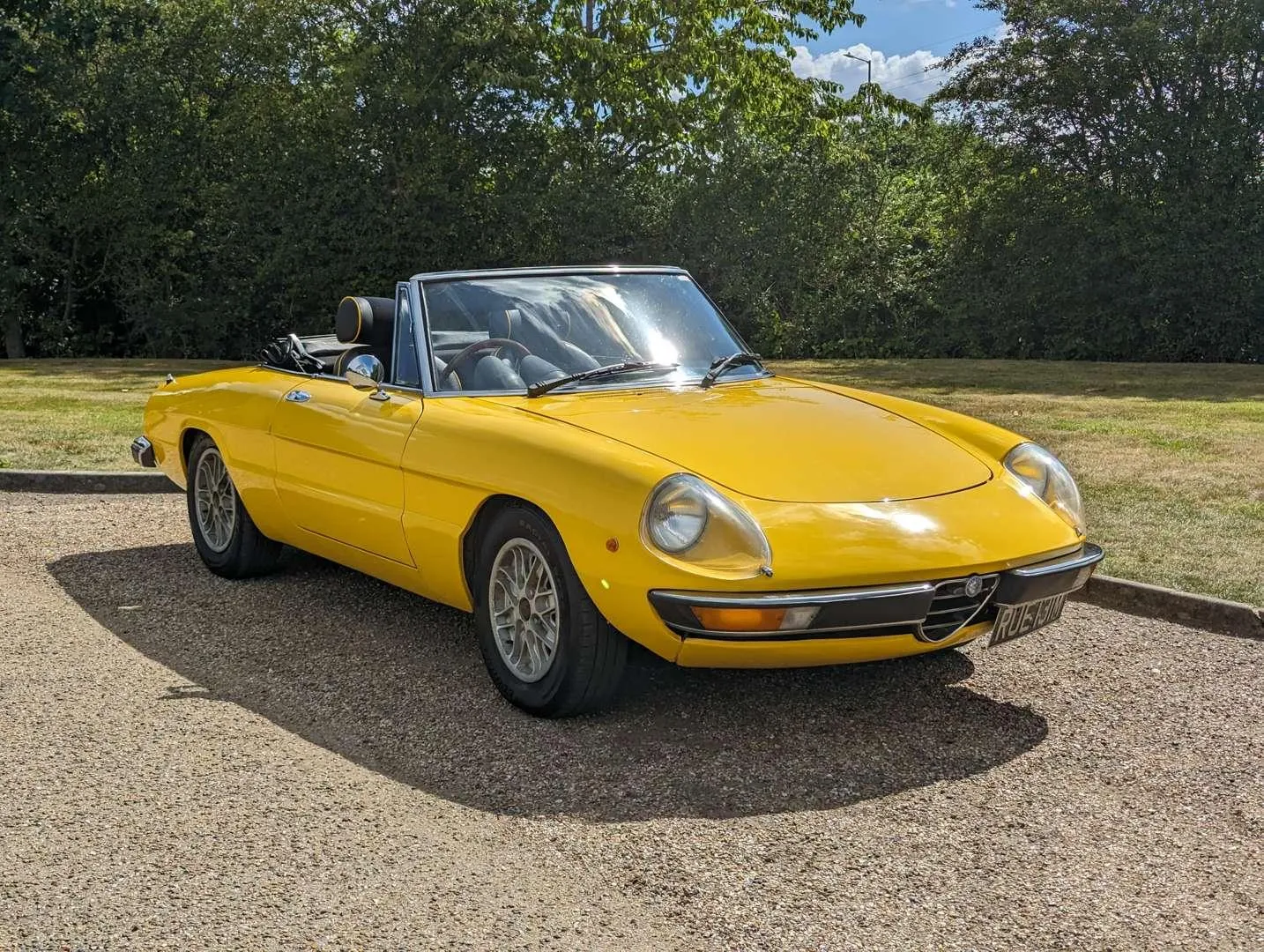
Italian charm flows effortlessly through the Alfa Romeo Spider Series 2 1974. Open top freedom, graceful lines, and engaging mechanics combine to create a sports car that prioritizes emotion. This model refined earlier Spider designs while maintaining the soul that made the name famous.
An inline four engine character defines the experience. Rev happy behavior and melodic sound encourage enthusiastic driving. Steering feel remains light and communicative, enhancing connection with the road. Balanced handling supports relaxed cruising or lively cornering.
Styling carries elegance without extravagance. Clean surfaces and subtle curves age gracefully, avoiding trends that date quickly. Interior layout supports casual enjoyment, with clear instrumentation and comfortable seating for extended drives.
Collector interest grows steadily as appreciation for classic Alfa Romeo design deepens. Values remain accessible compared to rarer Italian exotics, attracting buyers seeking entry into classic ownership. Community support and parts availability help protect long-term value.
Ownership encourages regular use. Reliability improves with attentive care, rewarding owners who keep the car active. Weekend drives and social events suit its personality perfectly. Alfa Romeo Spider Series 2 1974 ownership offers a blend of joy and prudence. Emotional satisfaction pairs with sensible investment potential, proving that passion and smart decision-making can share the same path.
6. Mercedes-Benz 300 SL Roadster 1961
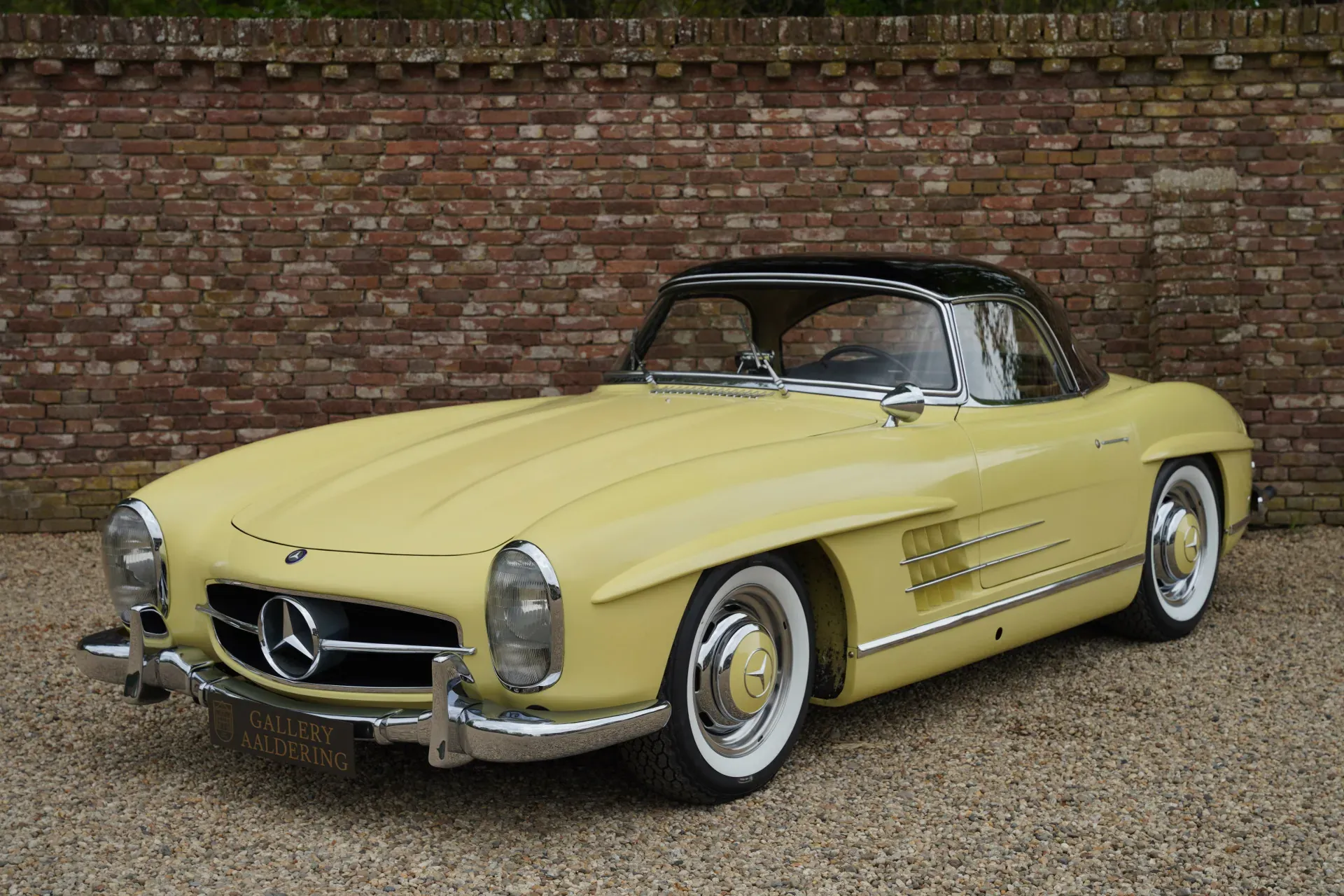
Precision engineering and refined presence define the Mercedes-Benz 300 SL Roadster 1961. This vehicle reflects a period when German manufacturing discipline aligned with racing knowledge and luxury expectations. Attention from collectors arises because this open-top variant offers usability without diminishing historical importance. Focus here rests on measured craftsmanship rather than spectacle.
Power delivery comes from a mechanically fuel-injected inline six engine that represented advanced thinking during its era. Throttle response feels deliberate, producing strong mid-range output suited to confident touring. Rather than aggressive behavior, the drivetrain encourages composure and steady progress. Suspension calibration supports stability, allowing sustained speed without nervous reactions.
Design execution communicates elegance through proportion and restraint. Absence of gullwing doors creates a cleaner silhouette that highlights sculpted body surfaces. Chrome detailing and period correct wheels reinforce a premium identity. Interior presentation favors quality materials, clear instrumentation, and welcoming ergonomics. Such choices support relaxed use rather than ceremonial display.
Collector interest strengthens through a blend of rarity and functional appeal. Production numbers for the roadster remained lower than those of the coupe, enhancing demand. Market confidence benefits from factory heritage support and accurate archival records. Values respond positively to originality, documented service history, and careful restoration practices.
Ownership requires disciplined maintenance supported by specialist knowledge. Mechanical servicing remains accessible through established experts familiar with the platform. Correct documentation plays an important role in preserving resale strength. Driving experience rewards patience and attentiveness rather than urgency.
Open-top motoring adds enjoyment without compromising structural integrity. Reputation within collector circles rests on respect earned across decades. Confidence grows from consistent demand and careful stewardship. Historical importance remains evident through continued interest from institutions and private buyers.
Mercedes-Benz heritage initiatives assist owners with authentication and technical guidance. Such support reduces uncertainty associated with long-term ownership. Careful storage and regular operation contribute to mechanical health. Public appearances at concours events reinforce esteem.
Educational value also emerges through the study of its engineering solutions. Younger collectors increasingly recognize this roadster as a balanced acquisition. Interest extends beyond nostalgia toward practical appreciation. Longevity of appeal supports steady market behavior.
Refinement, history, and usability align within a single offering. Such alignment sustains confidence among informed purchasers. Financial reassurance develops through disciplined ownership and preservation. Respect for originality remains central to long-term satisfaction.
Stewardship responsibility accompanies prestige. Careful decision-making defines successful custodianship. Such discipline aligns with the character of the car itself. Confidence in value rests on continuity rather than speculation.
Long-term ownership delivers both pride and reassurance. This roadster remains a reference point for understated excellence. Serious collectors regard it as a disciplined choice. Confidence, heritage, and refinement continue to support its standing. Such qualities sustain lasting appeal. Globally.
7. Lamborghini Miura P400 S 1969
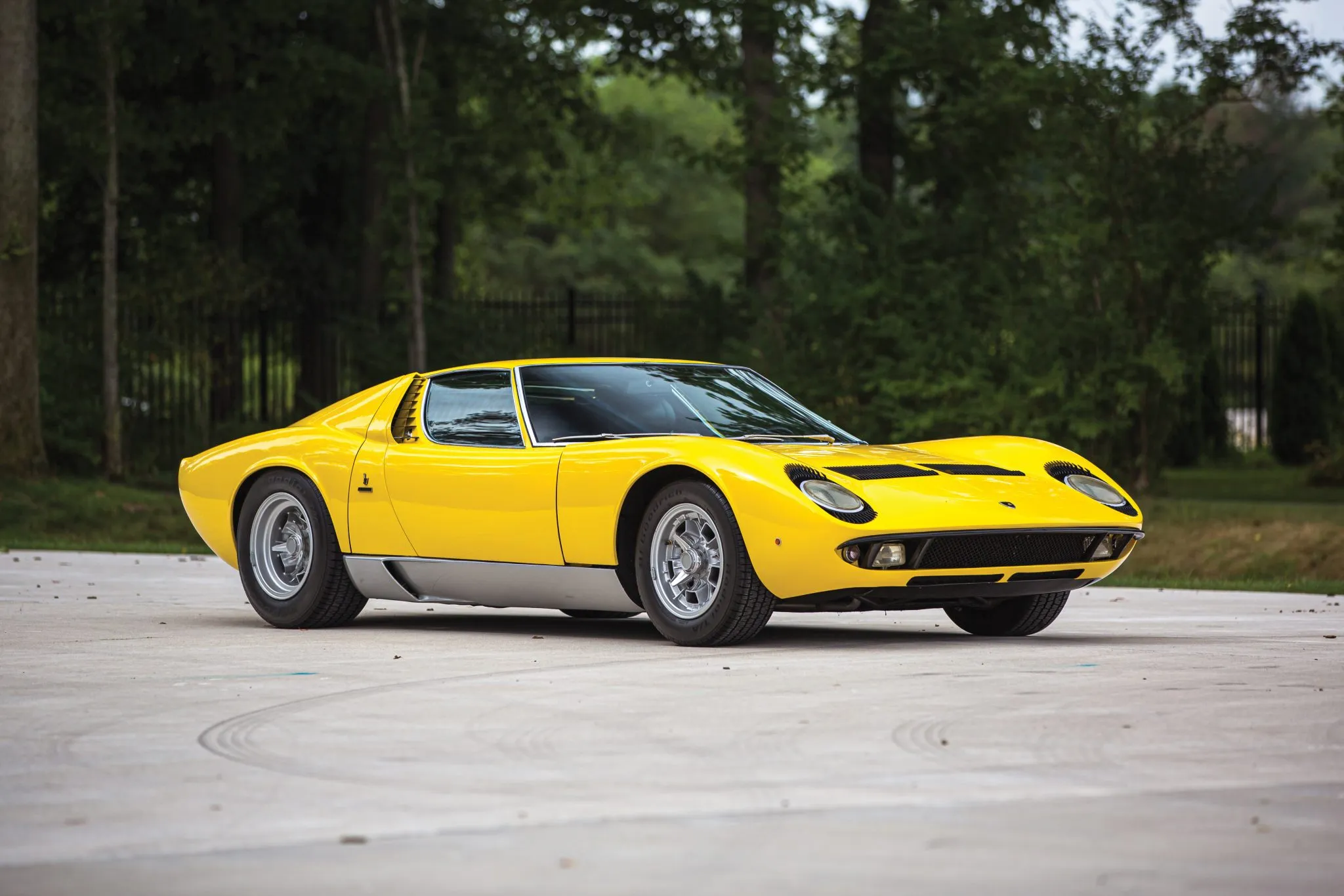
Italian ambition and daring execution define the Lamborghini Miura P400 S 1969. This automobile emerged during a period of rapid experimentation, presenting ideas that challenged established performance traditions. Collectors value it for originality rooted in engineering courage rather than decorative excess. Respect developed because the Miura demonstrated conviction supported by purposeful design.
Mechanical layout positioned a V12 engine behind the driver, creating a balance rarely seen at the time. Power delivery feels immediate, accompanied by a sound that conveys authority and excitement. Acceleration builds with urgency while rewarding controlled inputs. Steering response communicates road conditions clearly, demanding attention and skill from the driver.
Chassis behavior favors precision through smooth operation rather than abrupt movement. Suspension settings encourage confidence when driven with respect. High-speed travel requires composure, reflecting lessons drawn from competition thinking. This character appeals to individuals seeking involvement rather than convenience.
Visual form communicates intent through proportion and stance. Low height, wide track, and flowing surfaces establish instant recognition. Headlamp design and rear haunches contribute to identity without unnecessary decoration. Interior arrangement places emphasis on driver focus, with instruments positioned for clarity and efficiency.
Craftsmanship reflects Italian attention to material choice and tactile experience. Seating supports engagement while maintaining comfort for shorter journeys. Cabin atmosphere blends minimalism with refinement, reinforcing purpose-driven design. Such restraint enhances the authenticity appreciated by serious collectors.
Market demand remains strong due to limited production and historical relevance. Documentation confirming originality influences valuation considerably. Auction performance reflects steady confidence built upon reputation rather than temporary enthusiasm. Buyers assess condition carefully, recognizing the importance of accurate restoration.
Ownership responsibility requires commitment to specialized care. Mechanical systems demand expertise familiar with mid-engine architecture. Regular inspection and correct storage protect reliability. Experienced technicians provide essential guidance, ensuring mechanical integrity remains intact.
Enthusiast networks offer valuable support through shared knowledge and resources. Events celebrating Italian performance heritage strengthen ownership satisfaction. Such communities encourage preservation rather than casual use.
Driving experience delivers intensity matched by reward. Engagement levels exceed those offered by many contemporaries. Attention and respect remain essential to enjoy its capabilities fully. This relationship between driver and machine forms part of its enduring appeal.
Financial confidence arises from scarcity and sustained interest. Values benefit from careful custodianship and accurate history. Emotional satisfaction aligns with disciplined investment thinking.
Collectors regard the Miura P400 S as a defining achievement. Its influence extends through subsequent generations of performance vehicles. Recognition continues to grow as understanding deepens. Ownership combines responsibility, excitement, and pride. Legacy remains firmly established within automotive history.
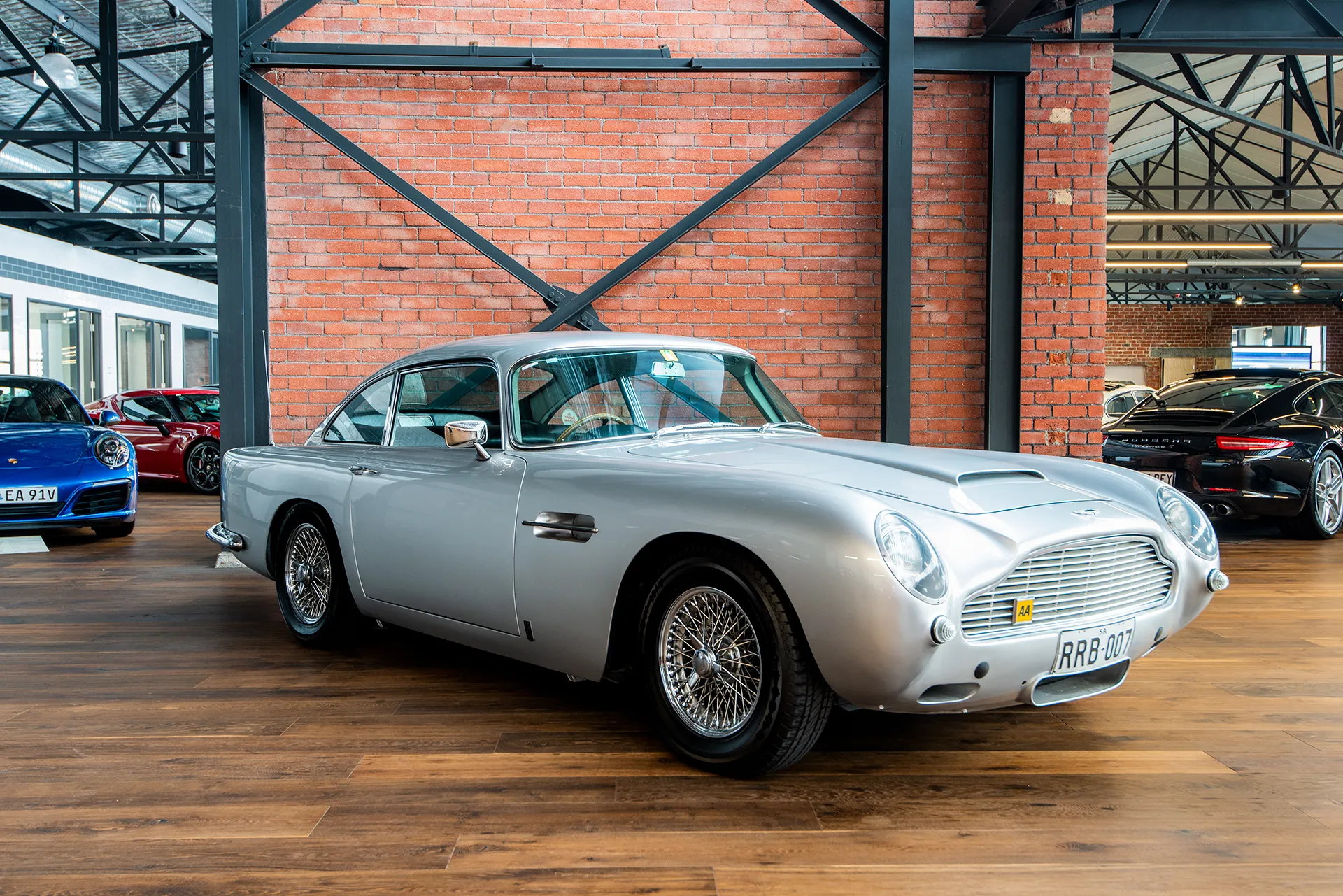
8. Aston Martin DB5 1964
Refined British motoring tradition finds clear expression in the Aston Martin DB5 1964, a vehicle whose reputation rests on dignity, craftsmanship, and enduring appeal. This model rose to prominence during a period when prestige manufacturers placed equal emphasis on comfort and mechanical discipline.
Its reputation has endured because it reflects thoughtful engineering choices supported by careful execution rather than dramatic excess. The DB5 earned respect through consistency, restraint, and reliability, qualities that continue to appeal to discerning collectors.
Power is supplied by a naturally aspirated inline six engine that delivers measured acceleration and controlled strength. Rather than promoting aggressive driving habits, the engine encourages calm confidence and steady progress. Gear changes feel deliberate, and the exhaust tone remains composed, reinforcing a sense of maturity behind the wheel.
Long-distance travel suits the DB5 particularly well, as its mechanical balance promotes ease during extended journeys. Exterior presentation reflects disciplined design values. Smooth surfaces, balanced proportions, and subtle chrome accents create an appearance that communicates authority without ornamentation.
The front grille, instantly recognisable, reinforces brand identity through familiarity rather than display. Inside the cabin, fine leather upholstery and polished wood surfaces establish an environment of quiet luxury. Instrumentation remains clear and functional, supporting the driver without distraction.
From an investment perspective, the DB5 continues to command respect due to limited production numbers and consistent demand within collector circles. Vehicles with original components, accurate documentation, and careful restoration records attract sustained attention at major auctions.
Cultural recognition has strengthened demand, yet long-term value remains anchored by build quality and mechanical dependability rather than reputation alone. Ownership requires diligence and appreciation for detail. Mechanical servicing must be entrusted to specialists familiar with the model’s engineering standards.
Parts availability remains stable due to active heritage support programmes. Enthusiast associations and formal events encourage responsible ownership and preservation. Aston Martin DB5 1964 ownership reflects discernment and patience.
Its appeal rests on enduring craftsmanship, measured performance, and steady market confidence, making it a dependable choice for collectors seeking stability alongside distinction.
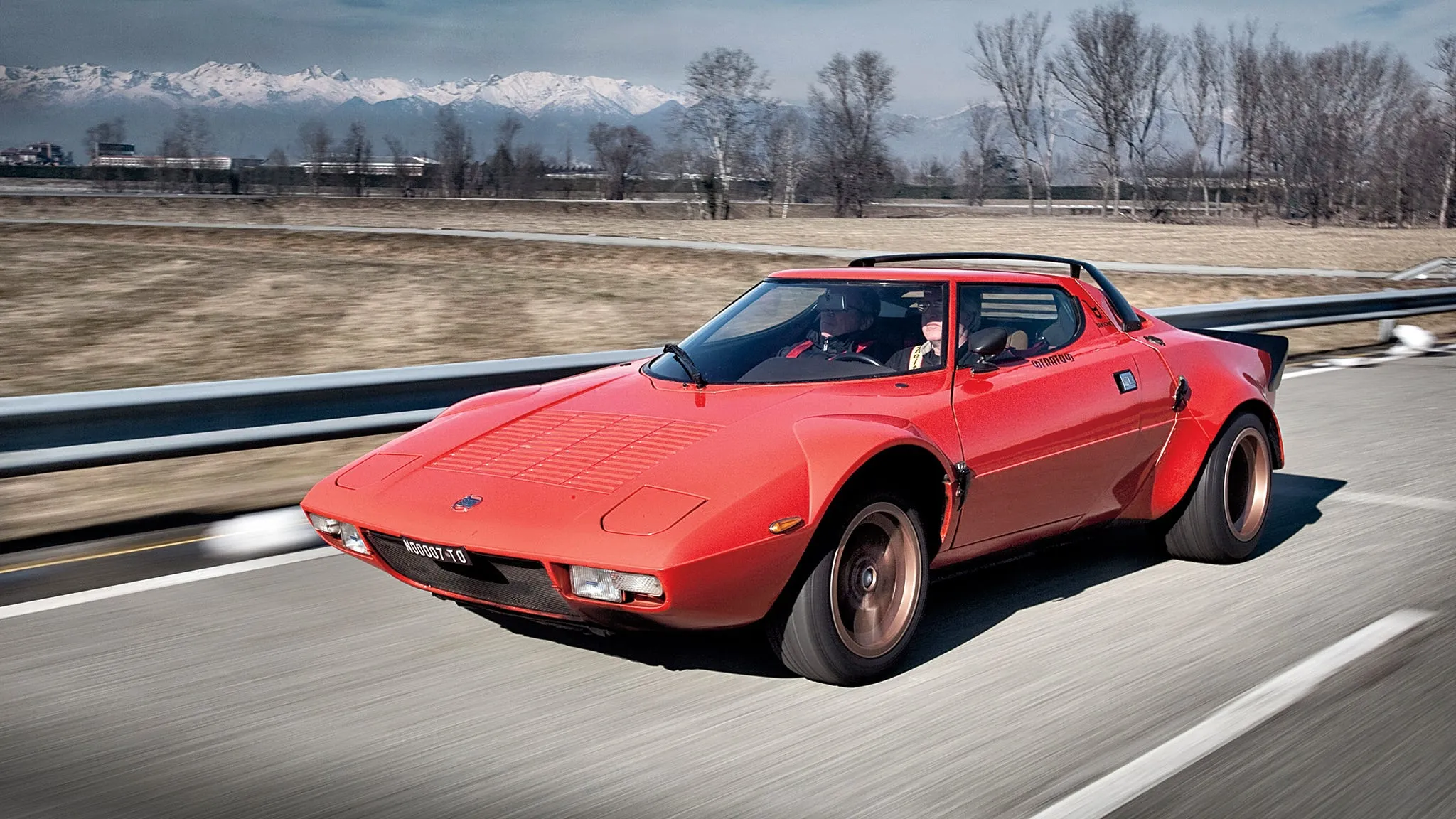
9. Lancia Stratos HF Stradale 1975
Purpose-driven design defines the Lancia Stratos HF Stradale 1975, a vehicle conceived with competitive ambition at its core. Developed to satisfy homologation requirements for international rally competition, this model brought motorsport engineering directly to public roads.
Its value lies in authenticity, as every design decision served a clear function. Collectors recognise this focus as the foundation of its lasting appeal. Mechanical layout separates the Stratos from conventional sports cars of its era.
A centrally mounted V6 engine paired with a short wheelbase delivers rapid directional response and lively handling. Steering feedback remains immediate, allowing the driver to sense surface conditions clearly. Acceleration feels urgent, reinforcing the car’s competitive origins and rewarding confident control.
Visual design prioritises efficiency and balance. Compact proportions, sharp angles, and a low profile communicate intent rather than comfort. Exterior panels serve aerodynamic and structural purposes, creating a silhouette that remains unmistakable decades later.
Inside the cabin, simplicity dominates. Controls sit within easy reach, seating positions focus on support, and visibility aids precise placement on narrow roads. Investment interest benefits from scarcity and motorsport success.
Production volumes remained limited, and documented rally achievements strengthen desirability. Market values reflect careful assessment of originality, maintenance history, and competition association. Vehicles retaining factory specifications attract stronger confidence among serious buyers.
Ownership suits individuals prepared for focused driving experiences. Servicing requires skilled attention, as mechanical systems demand proper calibration and respect. Parts sourcing often relies on specialist networks, reinforcing the importance of informed stewardship. Dedicated owner groups provide valuable guidance and technical support.
Lancia Stratos HF Stradale 1975 ownership represents dedication to purity and discipline. Financial confidence stems from rarity and authenticity, while driving satisfaction flows from a direct connection between driver and machine. This balance secures its position among respected collector vehicles.
Also Read: Top 10 European Sports Cars That Deliver Thrills on a Budget
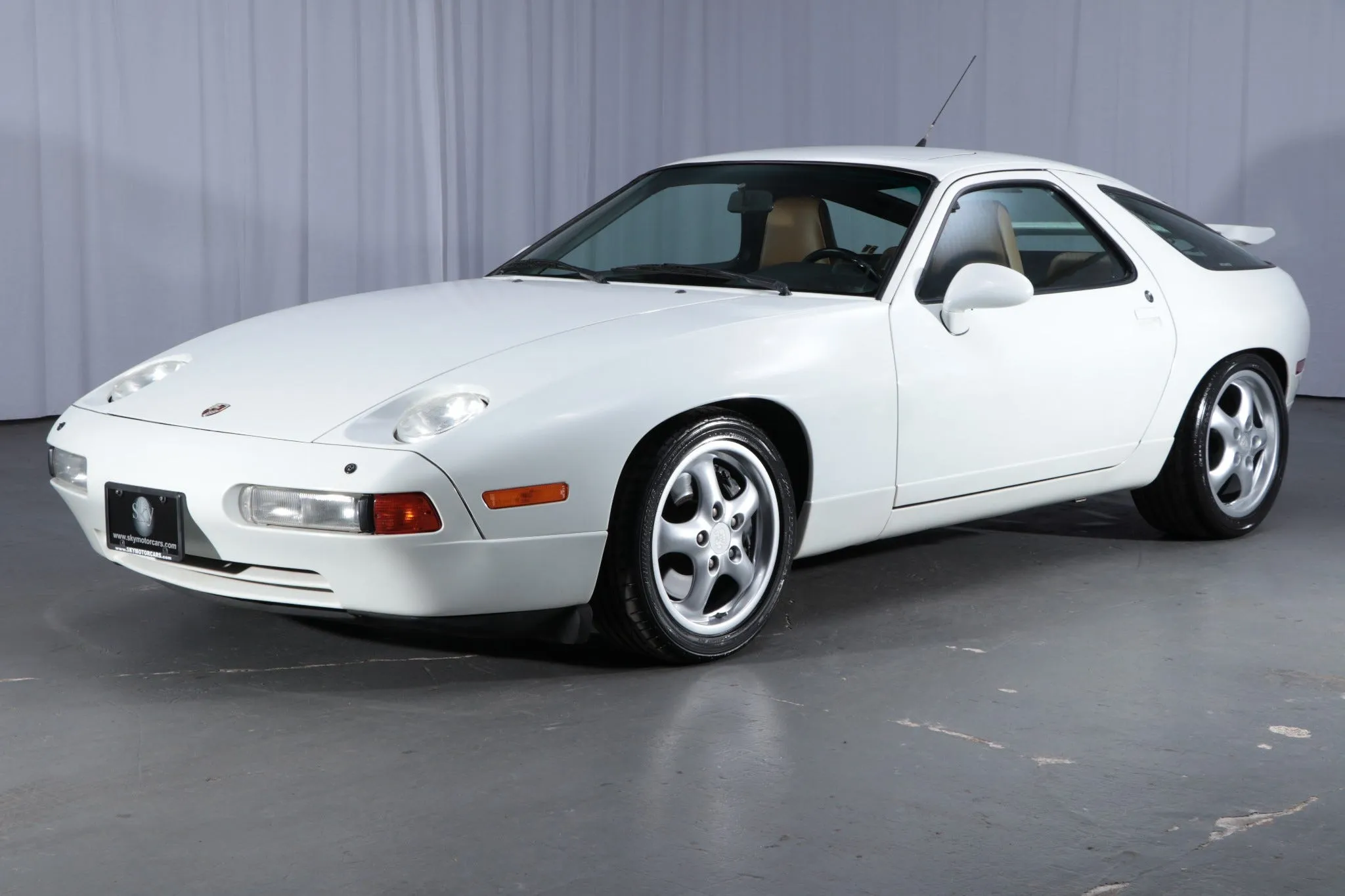
10. Porsche 928 GTS 1994
Engineering ambition defines the Porsche 928 GTS 1994, a model developed to challenge conventional expectations within the brand’s portfolio. Designed as a grand touring alternative, this car demonstrated Porsche’s willingness to pursue innovation while maintaining disciplined performance standards.
Recognition has grown steadily as collectors reassess its contribution to automotive progress. A front-mounted V8 engine delivers strong, composed acceleration supported by balanced weight distribution. Power delivery remains smooth and predictable, encouraging confident high-speed travel.
Suspension calibration promotes stability, allowing the vehicle to maintain composure during extended motorway use. Steering response provides clarity without harshness, reinforcing driver assurance. Exterior styling communicates strength through proportion and surface control rather than ornamentation.
Broad shoulders, integrated lighting, and aerodynamic shaping contribute to a purposeful appearance. Inside the cabin, attention to ergonomics supports comfort and clarity. Seating offers firm support, instrumentation remains legible, and material quality reflects Porsche’s commitment to durability.
Collector interest has increased as appreciation grows for the GTS variant’s limited production and refined specification. Manual transmission examples attract particular attention due to driving involvement. Market performance reflects growing awareness rather than short-term enthusiasm, encouraging measured acquisition strategies.
Ownership benefits from Porsche’s established engineering standards. Parts availability and specialist support remain strong, supporting long-term preservation. Regular use suits the 928 GTS well, as its mechanical systems respond positively to consistent operation rather than prolonged storage.
Porsche 928 GTS 1994 ownership represents thoughtful evaluation and patience. Its appeal rests on innovation, usability, and dependable engineering. Financial confidence aligns with practical enjoyment, offering collectors a balanced opportunity rooted in quality and foresight.
