Coastal cities present a unique challenge for vehicles, combining high humidity, salty air, and frequent rain, which can accelerate corrosion and compromise performance. Some cars are engineered to thrive in these conditions, featuring corrosion-resistant materials, advanced drainage systems, and all-wheel-drive stability for wet or sandy roads.
SUVs and sedans like the Volvo XC90, Audi A6, Porsche Cayenne, Tesla Model S, and Toyota Camry demonstrate how thoughtful engineering, premium coatings, and hybrid or all-wheel-drive technology allow vehicles to handle both urban traffic and harsh coastal environments with confidence.
On the other hand, older or budget-focused vehicles often lack these protections, leaving them vulnerable to early rust, paint bubbling, and structural damage.
Models such as the Mazda 3, Jeep Wrangler, Nissan Altima, Ford Focus, and Suzuki Swift highlight how material choices, design flaws, and insufficient anti-corrosion treatments can dramatically reduce a car’s longevity in coastal areas. Understanding these differences is crucial for buyers seeking durability near the coast.
5 Vehicles That Handle Coastal City Conditions
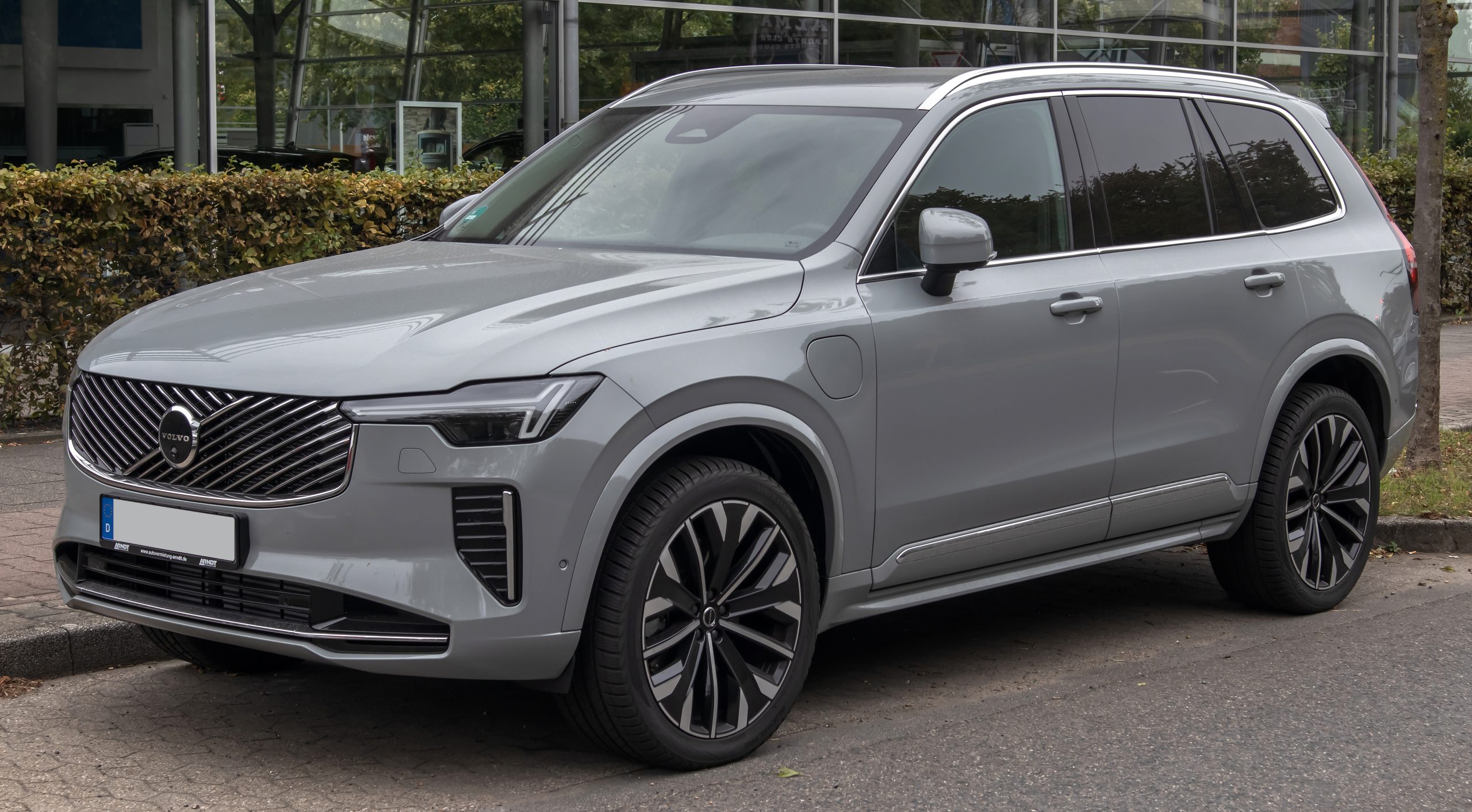
1. Volvo XC90: Durable, Safe, and Comfortable SUV for Coastal and Urban Driving
The Volvo XC90 is a three-row SUV designed for families and demanding environments, including coastal cities and regions with harsh winters. Renowned for its industry-leading corrosion resistance, the XC90 features heavy-duty galvanization and high-quality underbody sealing to withstand wet roads, sand, and salt exposure.
Its standard All-Wheel Drive (AWD), high ground clearance, and advanced safety systems provide reliable traction and stability on slippery or uneven surfaces, making it well-suited for tight urban streets and coastal conditions.
The XC90 offers two main powertrains supported by hybrid technology. The B5 model uses a turbocharged 2.0-liter four-cylinder engine producing 247 horsepower, while the B6 delivers 295 horsepower. All versions include AWD and an eight-speed automatic transmission.
Optional air suspension enhances ride comfort and handling, though the SUV leans noticeably in tight curves and exhibits minor chassis noise over sharp bumps. Acceleration is moderate, with the B6 reaching 0–60 mph in 6.8 seconds and the B5 estimated at 7.3 seconds. Towing capacity depends on the engine, with the B6 able to pull up to 5,000 pounds and the B5 limited to 4,000 pounds.
Fuel efficiency is competitive, with the B5 rated at 22 mpg city / 27 mpg highway, the B6 at 20/26 mpg, and the T8 hybrid achieving 26/27 mpg. Real-world testing of the B6 aligns with these estimates, making the XC90 practical for frequent stop-and-go traffic.
Inside, the XC90 features a refined Scandinavian design with high-quality materials. Seating configurations include 5, 6, or 7 seats, though the third row is best suited for children. Cargo space is generous, though storage compartments are smaller than some competitors.
Standard technology includes an 11.2-inch infotainment display, a 12.3-inch digital gauge cluster, Apple CarPlay, Google-based navigation, and voice control via Google Assistant. Optional premium audio systems include a 14-speaker Harman/Kardon or a 19-speaker Bowers & Wilkins setup.
Safety is a hallmark of the XC90, with standard City Safety, Blind Spot Information System (BLIS), automated emergency braking, adaptive cruise control with lane centering, and lane-keeping assist. Volvo provides a four-year/50,000-mile limited and powertrain warranty plus three years/36,000 miles of complimentary scheduled maintenance, surpassing many competitors.
Combining durability, hybrid efficiency, advanced safety, and refined comfort, the Volvo XC90 is a reliable, family-friendly SUV well-equipped for both coastal and city driving conditions.
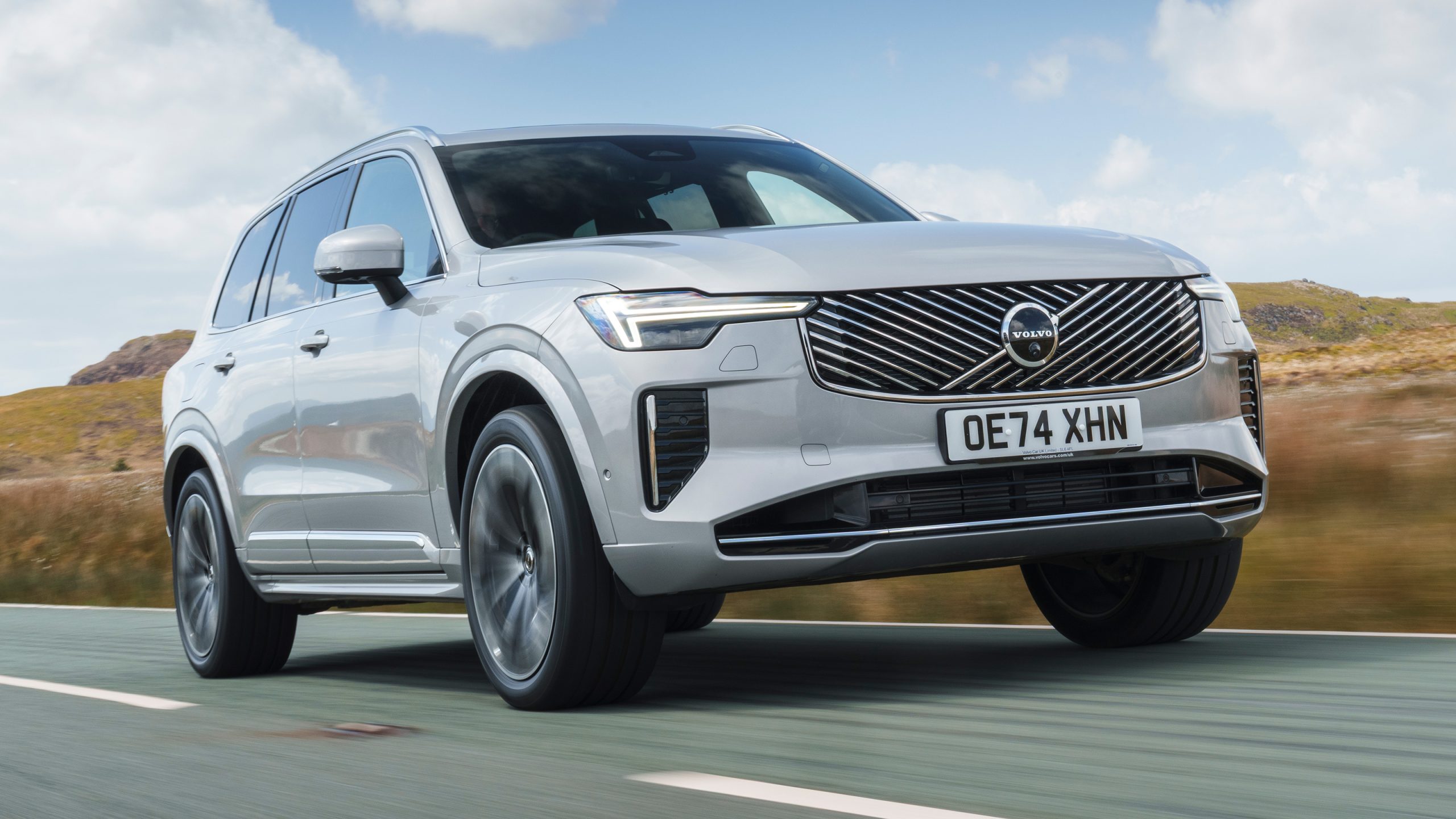
2. Audi A6: Sophisticated, Durable, and Comfortable for Coastal and Urban Driving
The Audi A6 combines advanced engineering, refined design, and practical technology, making it ideal for coastal cities and urban environments. Audi protects the A6 against corrosion with full galvanization of body panels and a “chassis armor” coating on critical components, backed by a 12-year anti-perforation warranty.
Optional adaptive air suspension smooths out rough, wet, or salty roads, while standard adaptive cruise control helps manage dense city traffic. Its aerodynamic design, low drag coefficient, and high-quality materials contribute to a quiet, efficient, and comfortable driving experience.
The A6 is available with multiple powertrain options. Petrol and diesel models use a 2.0-liter turbocharged four-cylinder engine paired with a seven-speed automatic gearbox. The petrol version produces 201 bhp with front-wheel drive, while the diesel adds mild hybrid technology, quattro all-wheel drive, and 295 lb-ft of torque.
A plug-in hybrid variant combines a 2.0-liter TFSI petrol engine with a 141 bhp electric motor for a total output of 295 bhp and 332 lb-ft of torque, achieving a 0–62 mph sprint in approximately six seconds. Audi also offers the all-electric A6 e-tron, available as a Sportback or Avant, built on a separate platform with distinct styling and technology.
The A6’s exterior is sleek and modern, with slimmer headlights, large air intakes, flush door handles, and a full-width rear light bar. Aerodynamic efficiency is high, with drag coefficients of 0.23 for the saloon and 0.25 for the estate.
Inside, the cabin emphasizes technology and comfort, featuring an 11.9-inch driver display, 14.5-inch central touchscreen, optional head-up display, and a 10.9-inch passenger display. Ventilated and heated sport seats ensure comfort in humid or rapidly changing weather, while the Avant offers ample cargo space for family or pet needs.
In the US market, prices start at approximately $67,500 for the petrol saloon, $73,000 for the diesel, and $79,800 for the plug-in hybrid, with the Avant slightly higher.
While the A6 may feel less sporty than rivals like the BMW 5 Series or Mercedes E-Class, it excels as a relaxed, comfortable cruiser. Its combination of corrosion resistance, smooth ride, advanced technology, and practicality makes it a strong choice for drivers seeking refinement, durability, and comfort in both coastal and urban settings.
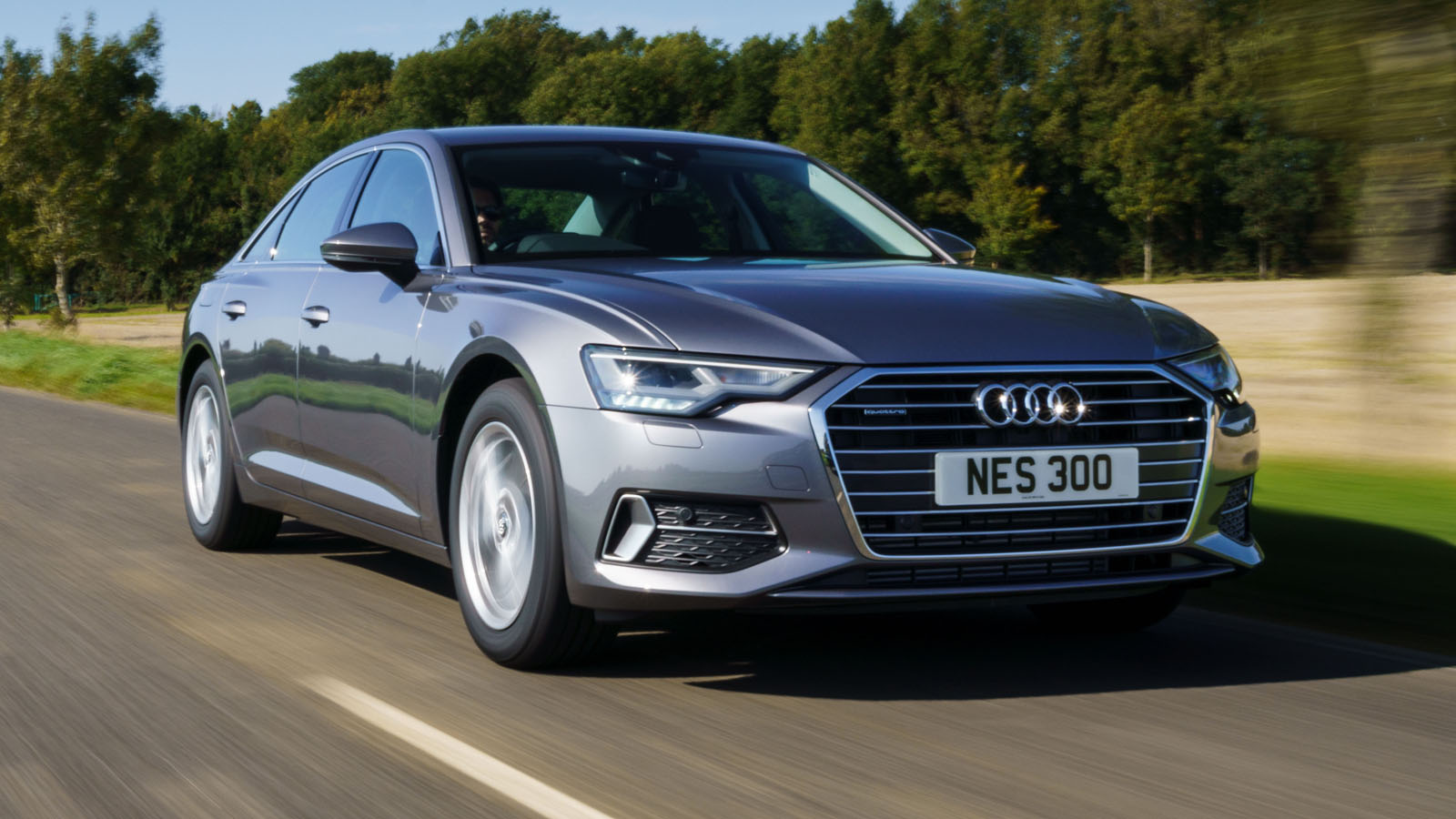
3. Porsche Cayenne: High-Performance SUV Built for Coastal and Urban Environments
The Porsche Cayenne combines high-quality engineering, versatile performance, and advanced technology, making it ideal for coastal cities and demanding urban environments. Constructed with a high percentage of aluminum and galvanized steel, the Cayenne offers excellent body longevity in salty or humid conditions when the undercarriage is regularly rinsed.
Its adaptive air suspension, adjustable to 9.4 inches of ground clearance, and Porsche Traction Management (PTM) all-wheel-drive system provide stability and comfort on wet, sandy, or uneven roads. The vehicle also features dedicated drive modes, including Sand, Mud, Gravel, and Rocks, which optimize engine performance and chassis response for varying conditions.
The Cayenne lineup provides multiple engine and performance options. The base model comes with a 348-hp turbocharged 3.0-liter V-6. The Cayenne S features a 468-hp twin-turbo 4.0-liter V-8, while the GTS increases output to 493 hp. The Turbo GT Coupe produces 650 hp and includes specialized suspension, brakes, and lightweight components.
All engines pair with an eight-speed automatic transmission and all-wheel drive. Acceleration ranges from 0–60 mph in 4.7 seconds for the base V-6 to 2.8 seconds for the Turbo GT, allowing the Cayenne to compete with performance SUVs such as the BMW X5 M. The maximum towing capacity is 7,716 pounds, and EPA fuel economy ranges from 15 to 17 mpg city and 20 to 23 mpg highway, depending on the engine.
Inside, the Cayenne emphasizes comfort, technology, and customization. The cockpit includes a 12.6-inch gauge display and a 12.3-inch central touchscreen with an optional 10.9-inch passenger display.
Features include heated and ventilated front and rear seats, optional massage functions, four-zone climate control, and extensive personalization options for trim, materials, and colors. The Cayenne provides two rows of seating with ample rear legroom. Cargo space ranges from 27.3 cubic feet behind the rear seats to 60.3 cubic feet with the rear seats folded. The Coupe version reduces cargo space slightly in favor of a sportier design.
Infotainment includes wireless Apple CarPlay, Android Auto, Amazon Alexa voice control, and optional premium audio systems from Bose or Burmester with Dolby Atmos. Safety features include standard automated emergency braking, blind-spot monitoring, and lane-keeping assist, with optional night-vision cameras and adaptive cruise control with lane centering.
Porsche offers a four-year or 50,000-mile limited and powertrain warranty and one year or 10,000 miles of complimentary maintenance. With its combination of high performance, advanced safety, adaptable technology, and luxury comfort, the Cayenne is well-suited for both coastal and urban driving conditions.
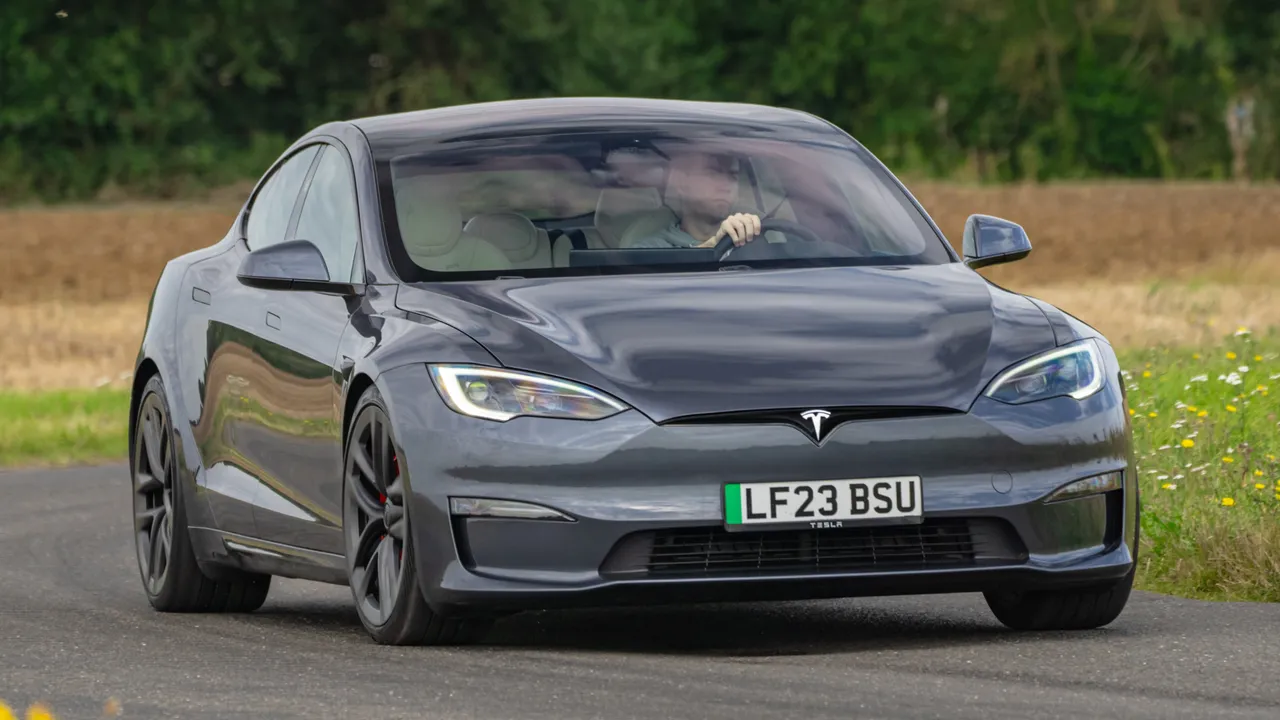
4. Tesla Model S: Long-Range Electric Sedan with Coastal Durability and Advanced Technology
The Tesla Model S is a high-performance electric sedan designed for long-range driving and coastal city conditions. Its all-aluminum body resists corrosion from salt air and humidity, making it particularly resilient in beachside environments.
The Model S also features full-time all-wheel drive, advanced traction control, and a low center of gravity thanks to its floor-mounted battery pack, providing stability and safety on wet, slippery, or uneven coastal roads.
The cabin climate can be managed efficiently via an advanced heat pump system, and users can pre-heat or pre-cool the interior remotely. Regenerative braking further enhances control and efficiency in stop-and-go city traffic.
Performance is a standout feature of the Model S. The standard version achieves 0–60 mph in about 2.4 seconds, while the Plaid model, with a third electric motor producing 1020 horsepower, reaches 60 mph in just 2.1 seconds.
Drivers can select between heavy and light steering modes, though the optional yoke-style steering wheel can be awkward for low-speed maneuvers. A conventional steering wheel is available at no extra cost. Despite minor handling quirks, the Model S delivers a smooth, quiet ride on highways thanks to its silent electric drivetrain.
The Model S excels in range and charging. The standard version offers up to 410 miles per charge, while the Plaid model delivers between 309 and 368 miles. In real-world highway testing, the Plaid achieved 300 miles at 75 mph.
Tesla’s Supercharger network allows DC fast charging from 10 to 90 percent in approximately 37 minutes. Energy efficiency is strong, with the standard Model S rated at 132 MPGe city and 116 MPGe highway, while the Plaid achieves 108 MPGe city and 99 MPGe highway.
Inside, the cabin is minimalist and technology-focused, featuring a large central touchscreen controlling most functions, a secondary digital gauge display, and an optional rear-seat touchpad. Cargo space totals 26 cubic feet behind the rear seats, with additional underfloor storage. While the interior provides comfort and utility, it is less luxurious than competitors such as the BMW i5 or Mercedes EQE.
Safety and driver assistance are offered through Tesla’s Autopilot, which includes adaptive cruise control and lane-centering features. Enhanced Autopilot adds automatic lane changes and parking, but full self-driving remains limited and requires driver attention. Standard safety features include automated emergency braking and lane-departure warning.
Tesla offers a four-year or 50,000-mile limited warranty and an eight-year unlimited-mile powertrain warranty. No complimentary scheduled maintenance is provided. With its combination of high performance, long range, advanced technology, and corrosion-resistant construction, the Tesla Model S is a capable and durable choice for both coastal and urban driving.
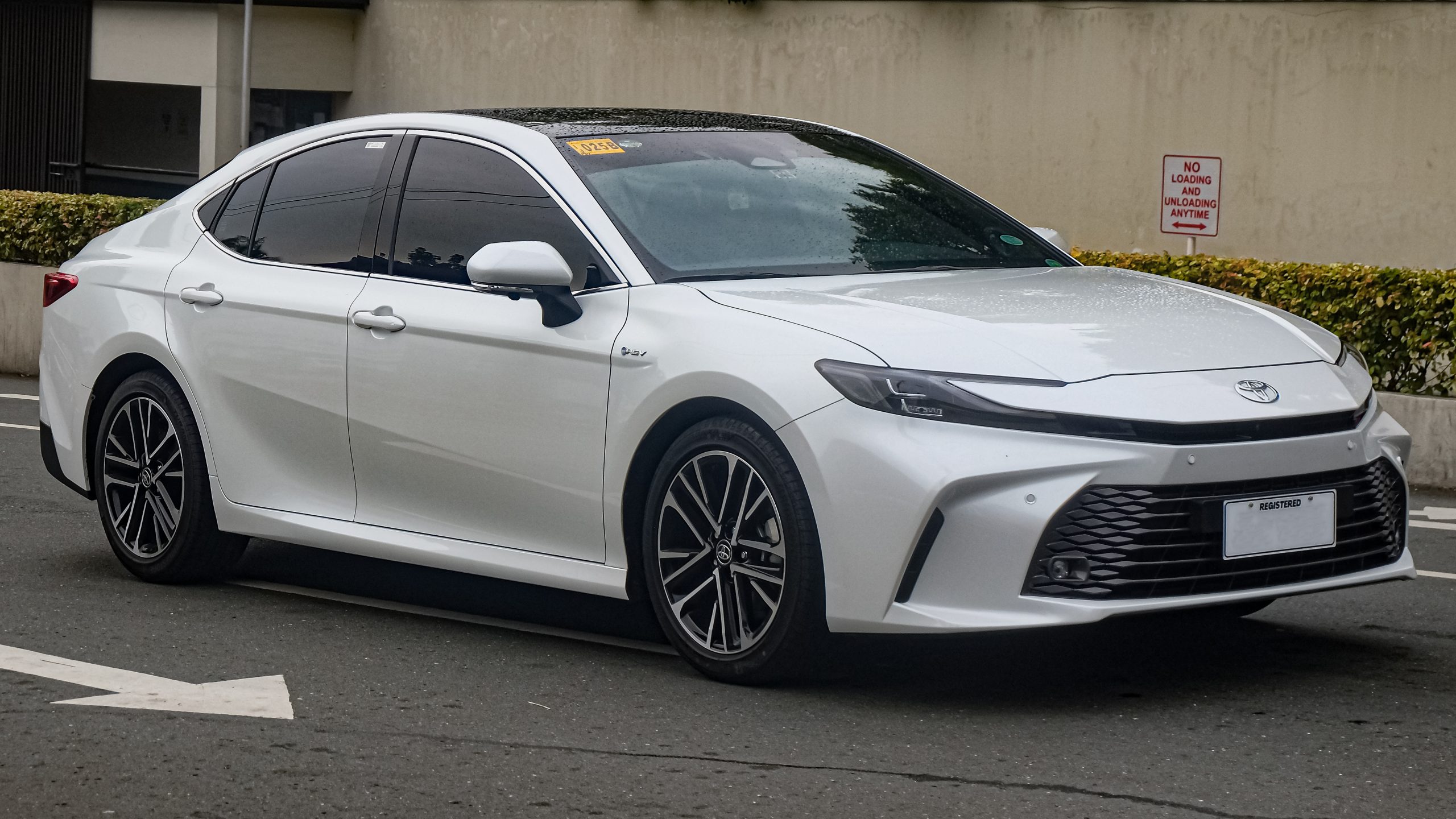
5. Toyota Camry: Reliable and Efficient Hybrid for Coastal and Urban Driving
The 2025/2026 Toyota Camry is designed to perform reliably in coastal city conditions, offering a combination of corrosion resistance, fuel efficiency, and stable handling. Its extensive zinc coating and robust factory paint processes protect the body from the humidity and salt air common in coastal regions.
The Camry Hybrid pairs these durable materials with an Electronic On-Demand All-Wheel Drive system, providing improved traction on wet, sandy, or slick roads. A low center of gravity, retuned suspension, and hybrid powertrain make the Camry stable and efficient in stop-and-go traffic.
The Camry Hybrid comes with two powertrain options. Front-wheel-drive models use a 2.5-liter four-cylinder engine paired with two electric motors for a combined output of 225 horsepower. All-wheel-drive models add a third motor to drive the rear axle, increasing total output to 232 horsepower.
Both configurations use a continuously variable automatic transmission for smooth power delivery. Sportier trims, such as the SE, XSE, and Nightshade, feature firmer suspension tuning for tighter cornering, although the steering remains somewhat light in feel. In performance tests, the XSE AWD achieved 0–60 mph in 6.8 seconds, while a front-wheel-drive Nightshade reached 60 mph in 7.0 seconds.
Fuel efficiency is a strong point for the Camry Hybrid. The front-drive LE trim achieves an EPA rating of 52 mpg city and 49 mpg highway, while all-wheel-drive models maintain up to 50 mpg city and 49 mpg highway.
The top-trim XSE AWD is rated at 43 mpg in both city and highway driving, matching real-world highway testing results. The hybrid powertrain is well-suited for dense urban traffic, allowing drivers to minimize stops at charging or fuel points.
The interior of the Camry Hybrid is spacious and comfortable. Standard features include cloth upholstery, dual-zone climate control, and rear air vents. Higher trims, such as the XLE and XSE, add leather seats, heated front seats, a heated steering wheel, ambient lighting, acoustic glass, and larger digital displays.
Cargo space is generous, holding seven carry-on suitcases or up to 19 with the rear seats folded. Infotainment options include an 8.0-inch or 12.3-inch touchscreen, wireless Apple CarPlay, Android Auto, and an optional nine-speaker JBL stereo system on higher trims.
Safety is comprehensive with Toyota Safety Sense 3.0, including automated emergency braking with pedestrian and cyclist detection, lane-departure warning, lane-keeping assist, and adaptive cruise control with lane-centering.
Warranty coverage includes three years or 36,000 miles limited, five years or 60,000 miles powertrain, ten years or 150,000 miles hybrid components, and two years or 25,000 miles of complimentary scheduled maintenance.
The Toyota Camry Hybrid blends reliability, efficiency, and advanced safety features, making it a practical and durable choice for coastal and urban drivers alike.
Also read: 5 Cars That Cope With Midwest Winters vs 5 That Develop Seasonal Problems
5 That Show Rust Early
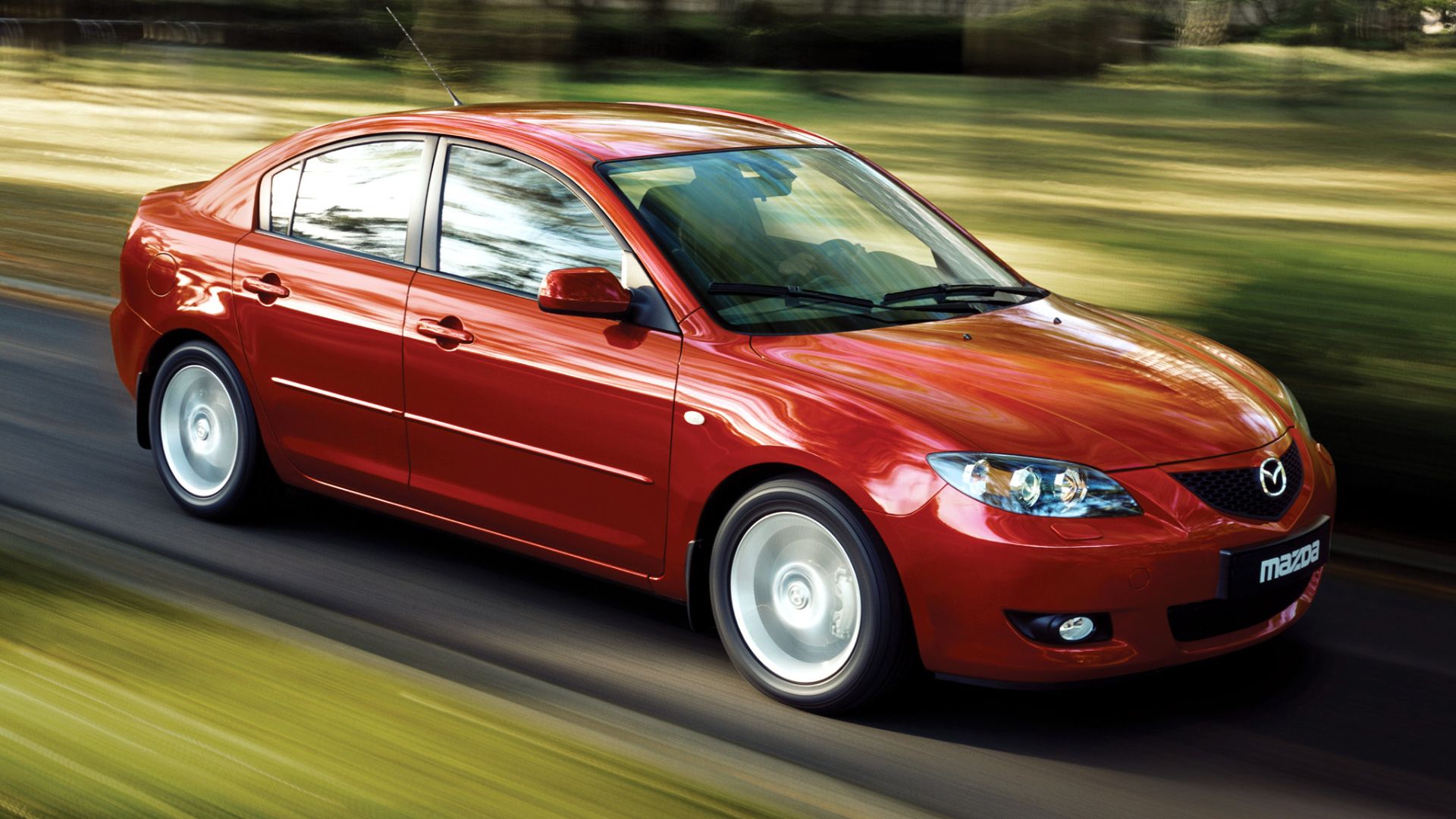
1. Mazda 3 Older Generations: Early Rust and Coastal Vulnerability
The first-generation Mazda 3, produced from 2004 to 2009, is well-known for premature rust, particularly in coastal areas and regions that use winter road salt. The main causes were insufficient material protection and body design features that allowed moisture and debris to reach vulnerable steel panels.
Material limitations were a major factor. The steel body lacked proper galvanization, leaving it prone to corrosion. When a zinc coating was applied, it was often too thin or inconsistently distributed, and some panels used lower-grade steel that oxidized quickly.
Paint and primer were also thin, providing a sharp finish but poor protection against chips. Once the paint was compromised, the exposed metal reacted rapidly with moisture and salt.
Design flaws contributed significantly to corrosion. Rear wheel arches, where metal met plastic liners, trapped mud, dirt, and road salt, creating damp conditions that accelerated rust.
Poorly sealed seams at doors, the trunk, and rocker panels allowed condensation to collect and attack the metal from inside, often before visible bubbling appeared. Small or improperly placed drainage holes could clog, letting water sit in hollow cavities and damage structural components.
These issues were particularly severe in “Salt Belt” regions, such as northern U.S. states and parts of Canada. Many vehicles in these areas developed structural rust within five to seven years of use. Mazda addressed these problems starting with the 2009–2010 models by improving galvanization, redesigning body seams, and enhancing corrosion protection in vulnerable areas.
While early Mazda 3s offered attractive styling and responsive handling, their susceptibility to rust makes inspecting wheel arches, rear fenders, and underbody components crucial for anyone considering a used model. Coastal and winter-heavy environments require particular attention to ensure the vehicle has not suffered serious structural damage.
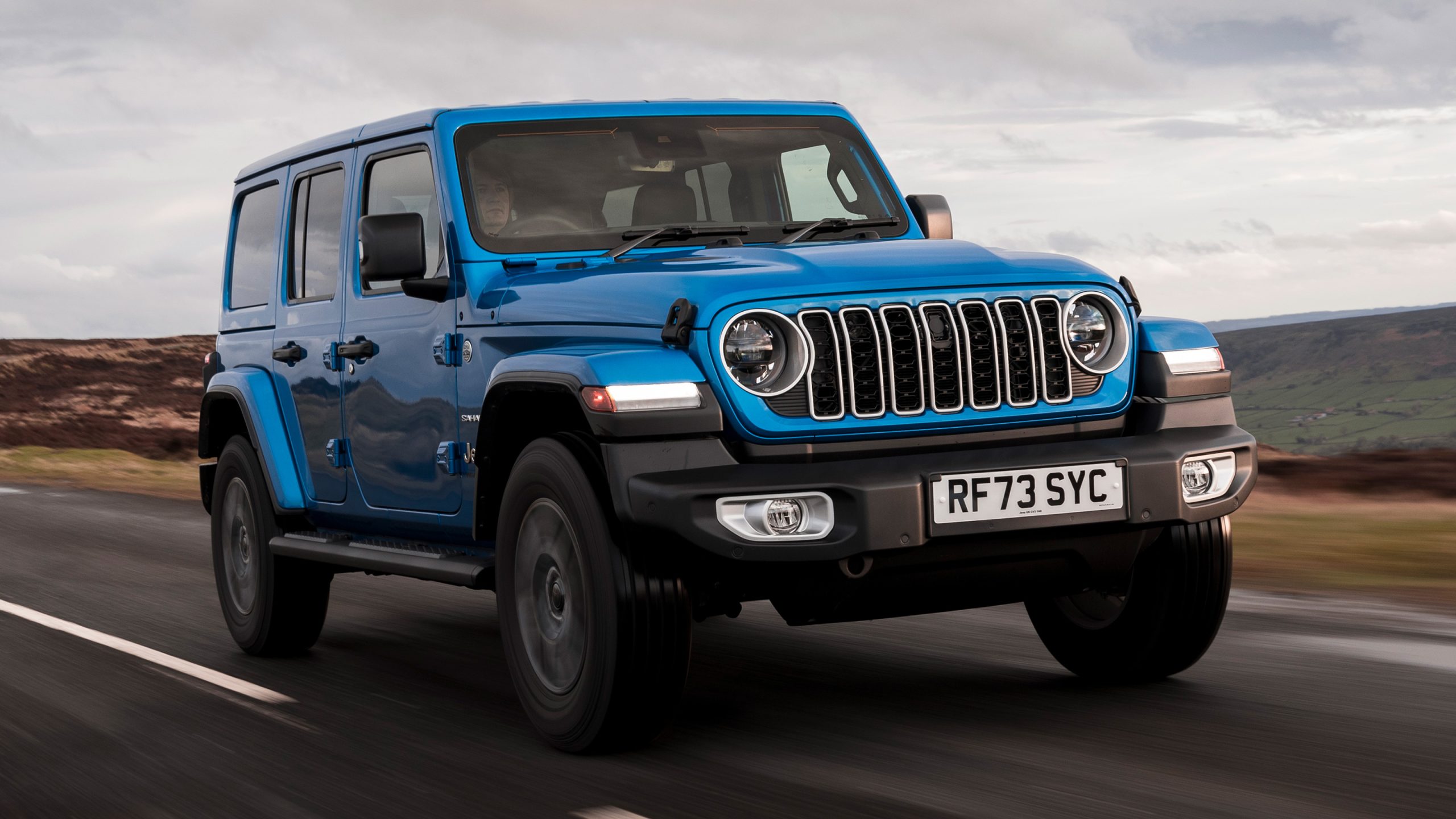
2. Jeep Wrangler: Rust Vulnerabilities and Coastal Considerations
Despite its rugged, beach-ready image, the Jeep Wrangler is highly prone to rust, especially in coastal and salty environments. Its open-chassis design can trap moisture and debris, leading to significant structural corrosion if not properly maintained.
Both steel and aluminum components are susceptible, with newer models (2018 and later) experiencing galvanic corrosion where aluminum panels contact steel fasteners, causing paint to blister and peel.
Material and manufacturing factors contribute to the problem. In some cases, hinges were bolted to unprimed aluminum before painting, leaving raw edges exposed. Over time, moisture penetrates these gaps, leading to corrosion and the familiar paint bubbling.
Interior sound-deadening foam can also absorb water, holding it against metal surfaces and promoting internal rust. Older Wrangler frames, such as the TJ and JK models, often lack adequate drainage holes, allowing mud, salt, and water to remain inside frame rails and accelerate steel corrosion.
Environmental exposure further exacerbates rust. Beach use, humid climates, snowy roads, and off-road trails all increase contact with moisture and salt. Road salt is particularly aggressive, as it conducts electricity and speeds up the oxidation process, affecting undercarriage components, suspension parts, and gas tank skids.
Jeep offers a corrosion warranty for most Wranglers, covering five years with unlimited miles. Dealers are generally responsible for repairing or replacing affected panels if paint bubbling appears on exterior surfaces.
Preventive measures are essential for long-term durability, including regular undercarriage washes, flushing frame rails, and applying oil-based rust inhibitors like Fluid Film. Some owners also drill additional drainage holes in frame rails to improve water escape and reduce corrosion risk.
While the Wrangler remains an iconic off-road and coastal vehicle, prospective owners should be aware of its corrosion tendencies. Vigilant maintenance, professional undercoating, and preventive care are necessary to preserve structural integrity and avoid expensive repairs in high-salt or high-humidity environments.
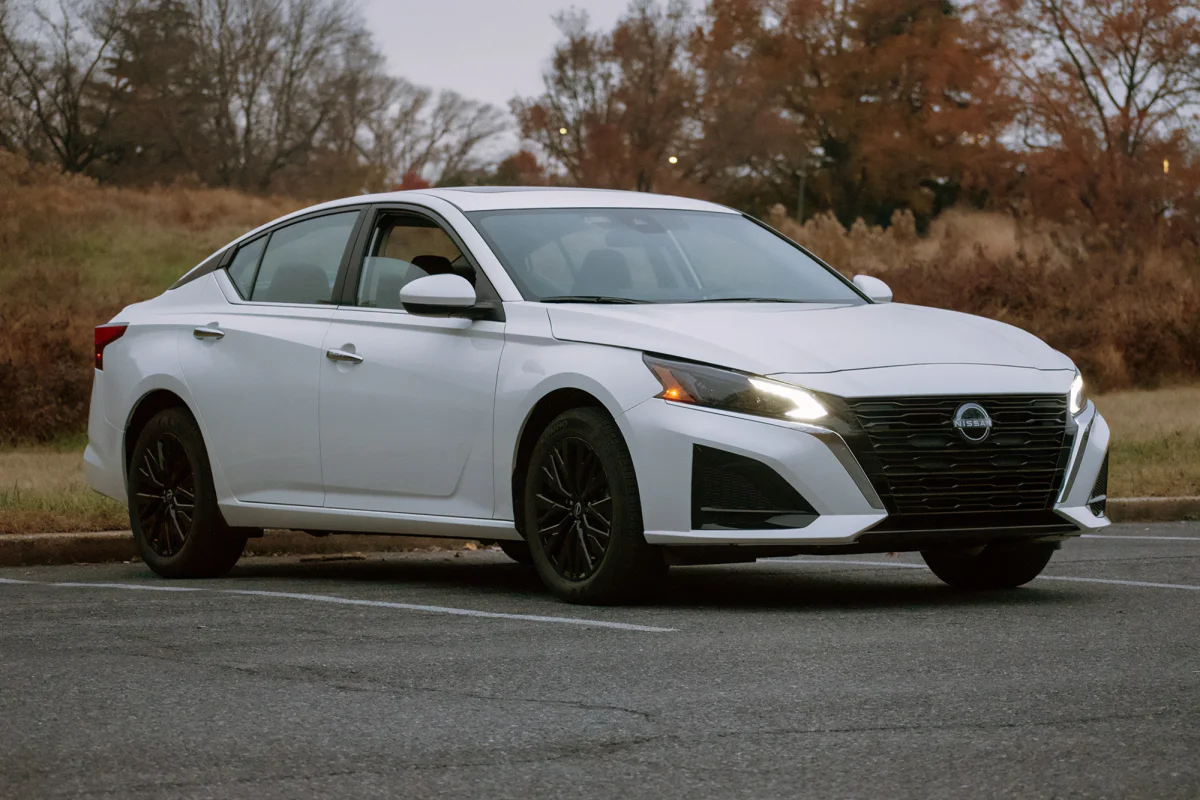
3. Nissan Altima: Premature Rust and Coastal Vulnerability
The Nissan Altima, particularly models produced between 2002 and 2006, is known for severe early rust, especially along sills, door bottoms, and floor pans. Coastal and “Salt Belt” regions exacerbate the problem, as salt-laden air and road slush penetrate the vehicle’s protective coatings faster than on many competitors, leading to bubbling paint and structural corrosion.
The primary cause is a design flaw in the floor pan that prevents water from draining properly. Condensation, spills, or wet footwear allow moisture to become trapped between the metal floorboard and interior insulation or carpet.
This moisture rots the metal from the inside out, often leaving drivers unaware of the damage until large holes appear. Some cases have reported holes as wide as 20 inches, compromising structural integrity.
Material and manufacturing issues compounded the problem. Anti-corrosion treatments applied to the unpainted body shell were often insufficient, and the steel used for floorboards may have been thinner or lower quality than standard industry specifications. Layered metal panels and tightly sealed seams created “moisture traps,” which focused corrosion on small areas until the metal failed completely.
Environmental exposure further accelerates rust formation. While road salt is particularly aggressive, reports of severe floor pan rust have also emerged in milder climates such as Florida and California, indicating that the defect itself makes the vehicle highly sensitive to moisture.
The widespread corrosion led to multiple class-action lawsuits and hundreds of complaints to the National Highway Traffic Safety Administration.
Nissan has generally treated the issue as a maintenance concern rather than a safety defect, though some recent settlements offered relief to owners in certain states. For many drivers, repair costs exceed the vehicle’s resale value, making rust a critical factor to consider when purchasing older Altimas.
4. Ford Focus Older Models: Rust Risks in Coastal Environments
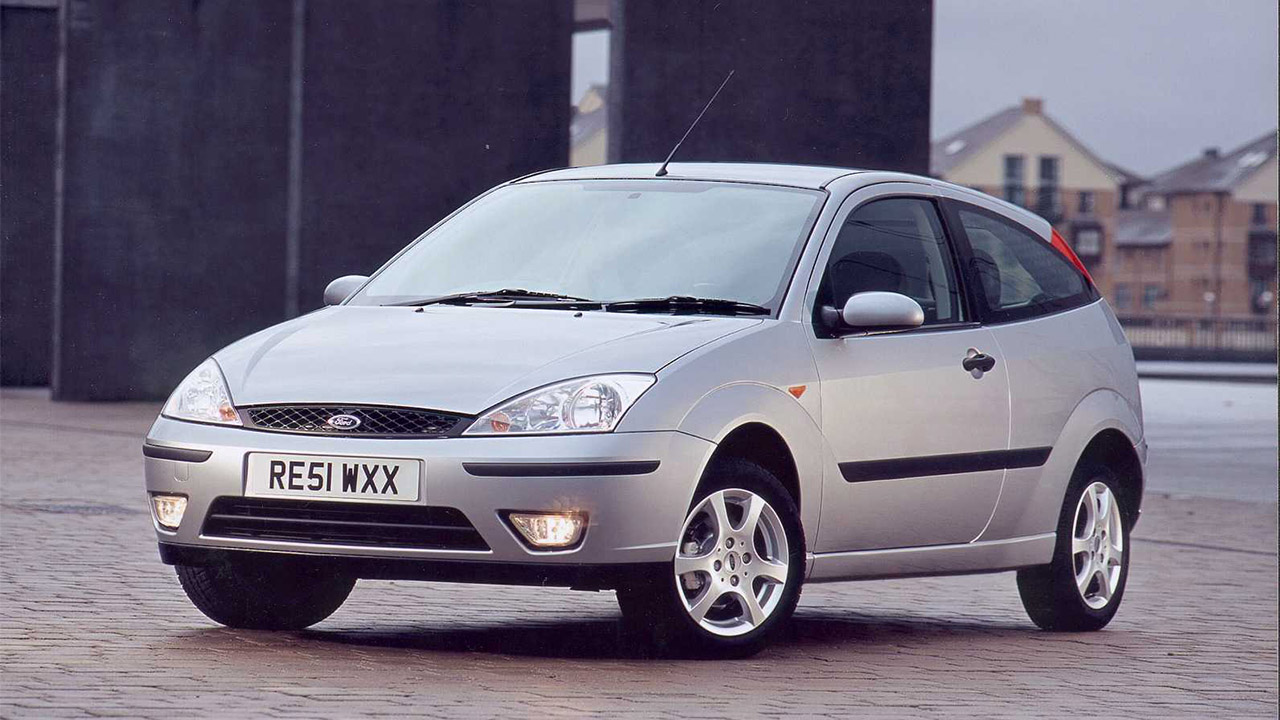
Older Ford Focus models, particularly the MK1 (1998–2004) and MK2 (2004–2011) generations, are prone to premature rust, especially in coastal or salty environments. The combination of limited corrosion protection, moisture-trapping design, and inconsistent seam sealing makes these vehicles highly susceptible to oxidation on rocker panels, wheel wells, and other hidden areas.
Material protection was insufficient compared with competitors. Early Focus models did not receive full-body galvanization, leaving the steel vulnerable once paint chips occurred.
Thinner paint layers and a weaker electro-coating system allowed moisture to reach bare metal, accelerating corrosion. In contrast, rival vehicles like the Vauxhall Astra were treated with thicker zinc-based coatings, which offered more long-term protection against coastal conditions.
Design flaws compounded the issue. Rear wheel arches often trap dirt and moisture behind liners, while MK2 windscreen channels drain poorly, letting water accumulate in front wings. Even cosmetic features, such as chrome trim on tailgates, can rub against paint, exposing steel to trapped moisture and spreading rust outward from high-contact areas like the boot handle.
Seam sealing was another vulnerability. Pinch welds, door bottoms, and sills often received thin or uneven factory seam sealer. Once water penetrates these joints, corrosion spreads internally, often unseen until structural damage occurs.
Component quality outside the bodywork also contributed. Exhaust brackets, rear axles, and subframes were made from metals prone to surface corrosion, deteriorating rapidly in regions where road salt is common.
Owners of these older Focus models need diligent maintenance to slow corrosion. Regular undercarriage washes, clearing wheel arch liners, and applying rust prevention products can help preserve structural integrity and extend vehicle life. In coastal climates or areas with winter road salt, these preventive measures are critical to avoid significant and costly rust damage.
5. Suzuki Swift: Early Rust Risks in Older Generations
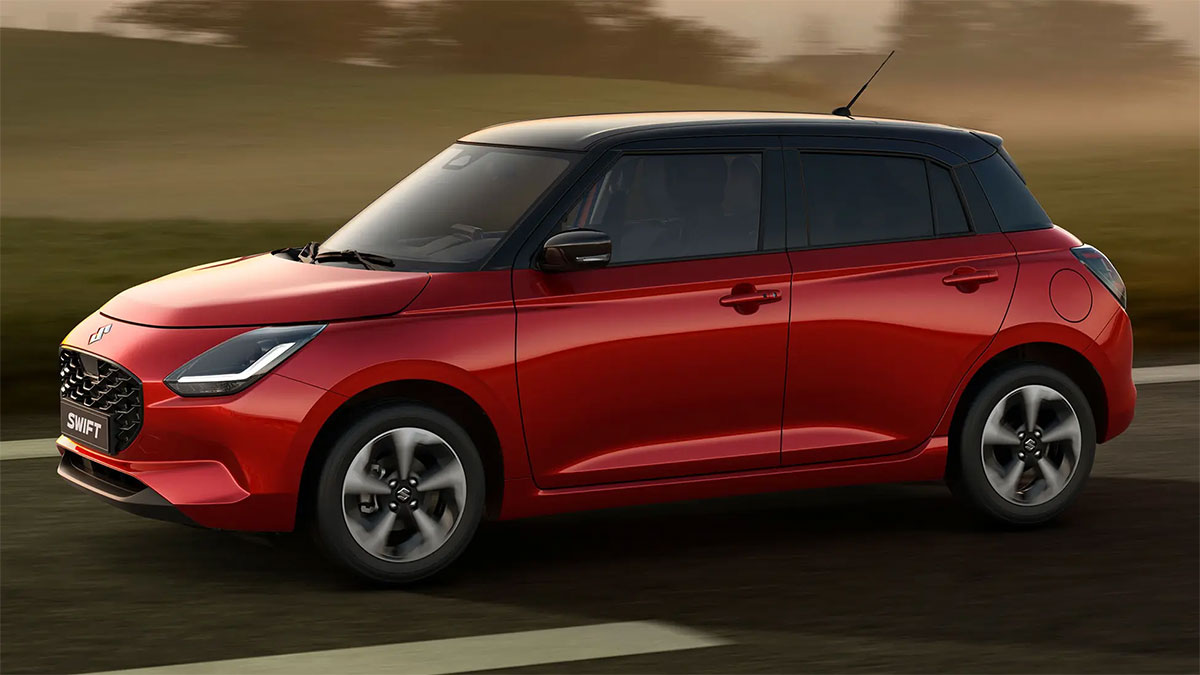
Older Suzuki Swift models, particularly those produced under the Maruti Suzuki partnership, are prone to early rust due to thinner steel, lighter factory anti-corrosion treatments, and specific design vulnerabilities. Coastal regions and areas with road salt exacerbate the problem, making preventive care essential for longevity.
A major factor contributing to corrosion is the thin factory paint and clear coat. Minor stone chips or scratches can easily penetrate the delicate finish, exposing raw steel to oxygen and moisture. Once exposed, the metal oxidizes quickly, causing visible bubbling and surface rust.
Internal rust-proofing is another weak point. Critical areas such as door sills, panel joints, and seams often lack thorough factory sealing or coatings. Moisture can accumulate in these hidden cavities, causing rust to develop from the inside out. Early signs include bubbling paint, which can progress to perforation if untreated.
Design elements also contribute to water retention. Door weep holes can clog with debris, trapping water inside the door shell. Window seals and even the front Suzuki badge may harbor moisture, causing localized corrosion. The wheel arches and exposed chassis are particularly vulnerable to road salts and mud, accelerating decay in the underbody and suspension components.
Environmental and manufacturing factors play a role as well. Coastal air with high salt content increases oxidation, while Swifts manufactured in India may have lighter anti-corrosion standards than Japanese-built units, resulting in more frequent reports of early rust in some markets.
Owners can mitigate these issues through preventive measures. Applying underbody rust protection early in the vehicle’s life, using paint protection film or ceramic coatings, and regularly cleaning the undercarriage and drainage points can slow corrosion. Consistent maintenance is key to preserving structural integrity and preventing costly repairs, especially in coastal or high-humidity regions.
Choosing a vehicle for coastal cities requires attention to corrosion resistance, effective water management, and durable engineering. Cars like the XC90, A6, Cayenne, Model S, and Camry use advanced materials, protective coatings, and carefully designed systems to remain resilient against salt, humidity, and wet conditions.
In contrast, vehicles such as the Mazda 3, Jeep Wrangler, Altima, Focus, and Suzuki Swift are more vulnerable to early rust and structural damage because of insufficient protection and design flaws.
For coastal drivers, selecting corrosion-resistant models or applying preventive measures on weaker vehicles ensures safety, reliability, and long-term value. Comparing these two groups helps buyers make informed decisions about performance, comfort, and durability in coastal urban environments.
Also read: Top 10 Cars That Still Look Like the Future Today