
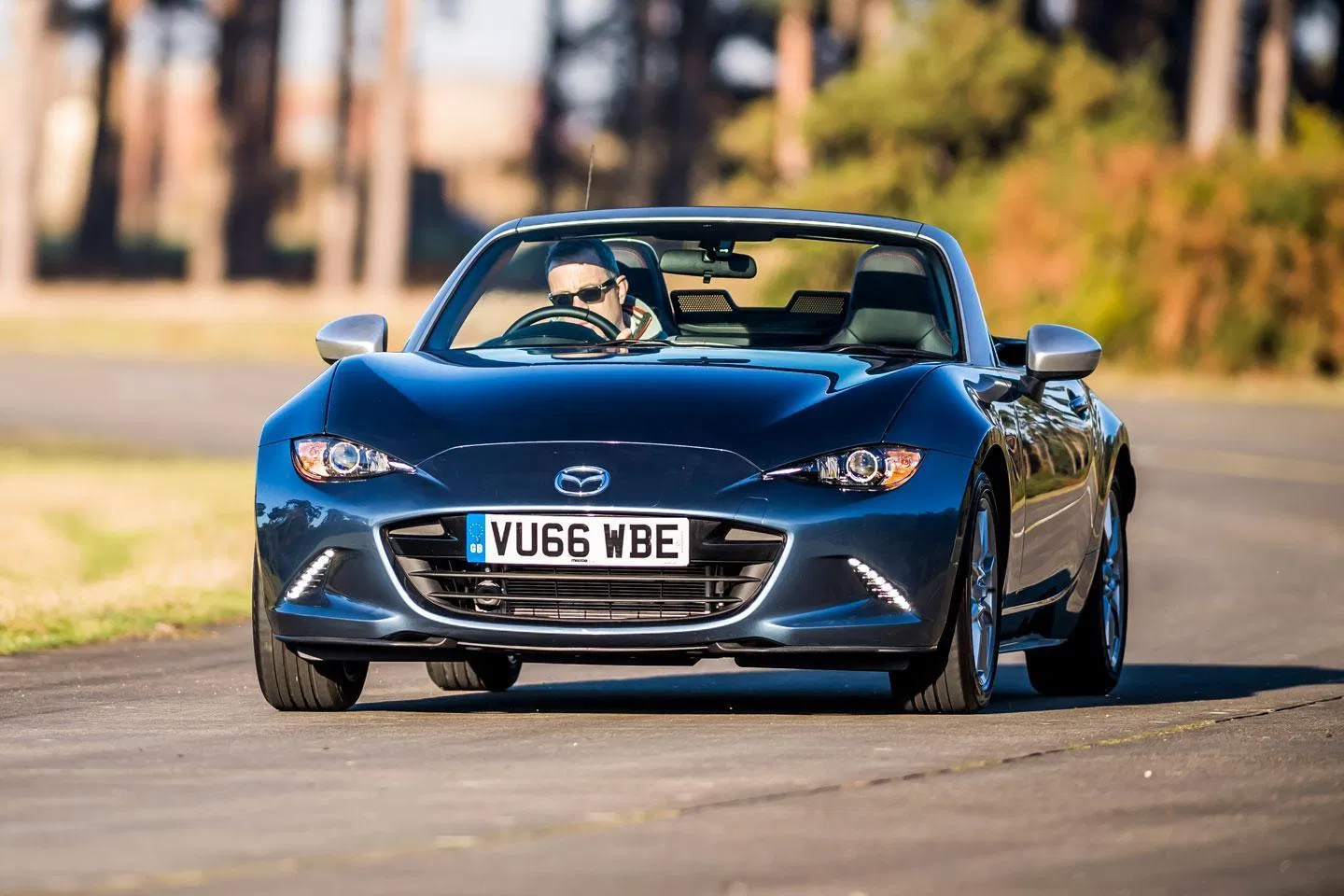
Longevity in a sports car feels like a contradiction. Speed, sharp handling, and high-strung engines usually come with higher stress and shorter service lives. Still, a small group of machines keeps proving that fun and durability can share the same garage.
Smart engineering, sensible power delivery, and strong parts support allow certain sports cars to keep running long after flashier badges fade into memory. These cars may not carry the mystique or price tag of a Porsche, yet owners routinely rack up high mileage with fewer headaches and lower ownership costs.
Drivers who value reliability tend to focus on boring choices, but that mindset misses the point. A sports car does not need exotic materials or complicated electronics to feel special. Balance, thoughtful design, and mechanical honesty can create a driving experience that stays rewarding for decades.
When paired with engines and gearboxes built with restraint, the result can outlast cars that cost twice as much. This guide highlights twelve affordable sports cars known for resilience, strong communities, and parts availability that refuse to dry up. Each one offers genuine driving enjoyment without the fear of constant repairs.
Some lean toward lightweight fun, others rely on proven engines with conservative tuning, and a few surprise buyers with luxury-level build quality wrapped in performance skin. These picks share one trait that matters most: the ability to stay on the road year after year, even when driven with enthusiasm.
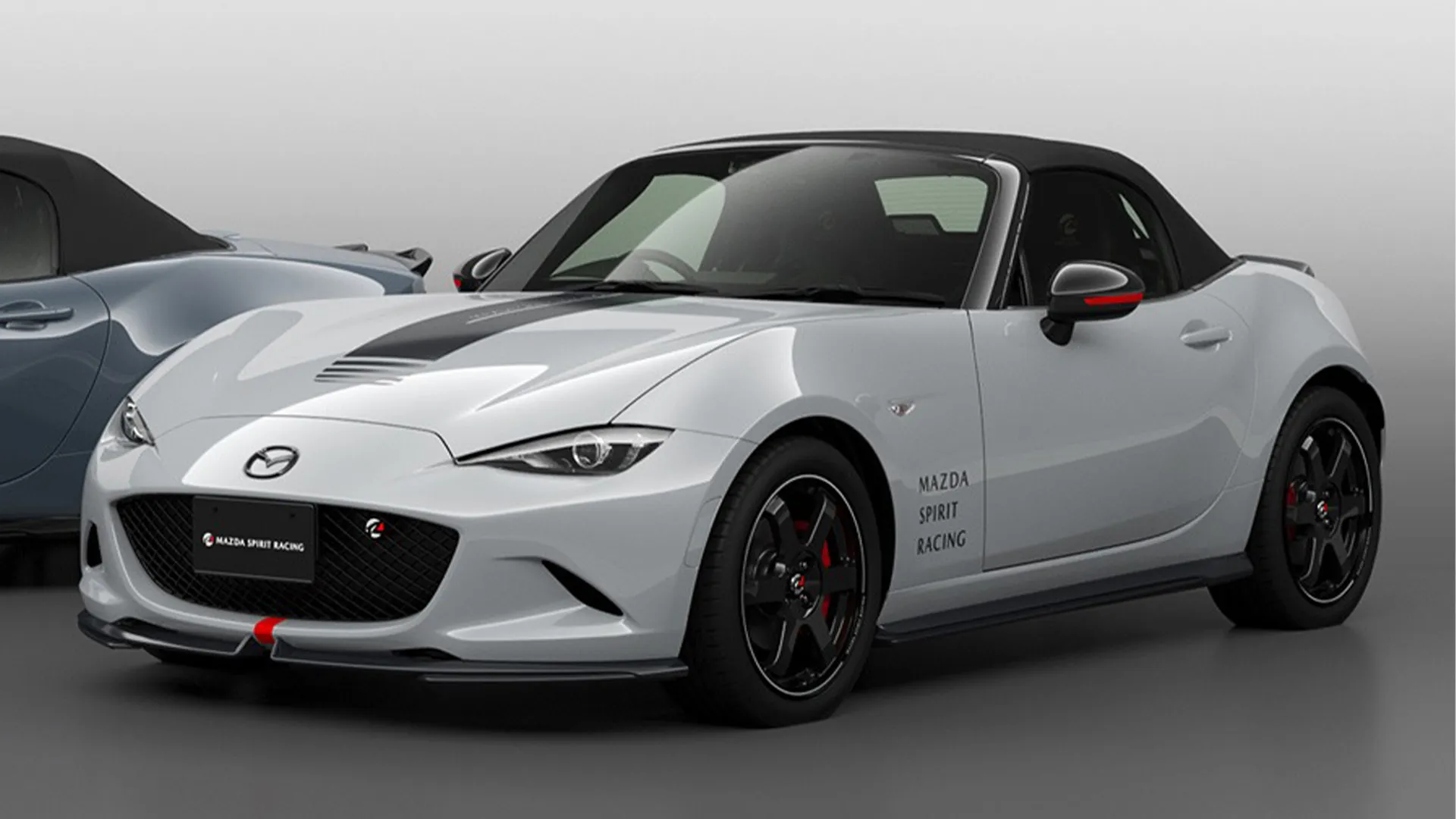
1. Mazda MX-5 Miata ND
Fresh thinking rarely stays relevant for long, yet the Mazda MX-5 Miata ND continues a philosophy that has aged beautifully. Instead of chasing horsepower figures, this roadster focuses on balance, simplicity, and driver feedback. Those choices play a major role in why examples with high mileage keep performing like loyal companions rather than worn toys.
Under the hood sits a naturally aspirated Skyactiv-G engine that avoids turbocharging and excessive strain. This design reduces heat buildup and mechanical stress, two factors that shorten engine life. Regular oil changes and basic care often keep these motors running smoothly well past expectations.
Manual transmissions in the ND generation feel precise and have shown strong reliability when treated with respect. Even the automatic option has earned a reputation for steady service rather than surprise failures. Chassis design adds another layer of durability. Lightweight construction places less stress on suspension components, brakes, and tires.
Owners report that bushings, shocks, and wheel bearings last longer than expected for a sports car driven with enthusiasm. Aluminum panels resist corrosion better than older steel designs, which helps the body age gracefully in varied climates.
Interior materials deserve attention, too. While simple, switches and controls show less wear than those found in heavier luxury sports cars. Mazda prioritized ergonomics and tactile quality instead of flashy tech that ages poorly. Infotainment updates remain available, and the aftermarket offers replacements without invasive rewiring.
Long-term ownership also benefits from a massive community. Advice, replacement parts, and upgrades remain easy to source. Independent shops understand the Miata well, which keeps service costs in check. A car that invites regular driving without constant worry often survives longer simply because owners maintain it properly.
The Mazda MX-5 Miata ND proves that durability does not require excess, just smart choices and respect for the joy of driving.
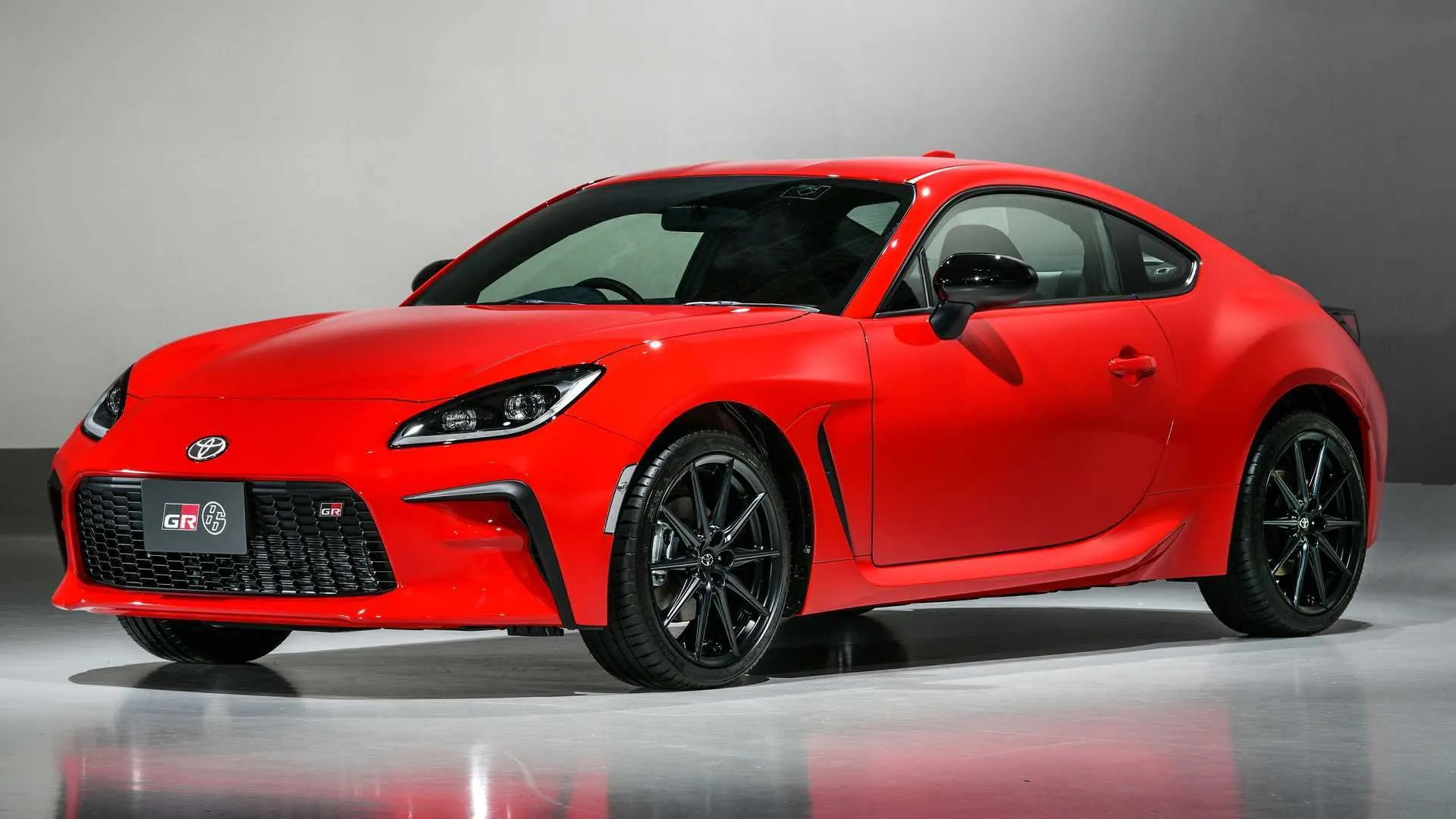
2. Toyota GR86
Energy radiates from the Toyota GR86 through a sense of purpose rather than brute force. Developed with driver involvement in mind, this coupe blends classic sports car proportions with modern engineering restraint. That balance explains why many expect the GR86 to deliver a long service life that rivals far more expensive machines.
Power comes from a naturally aspirated flat four engine designed with conservative tuning. Toyota’s focus on thermal control and internal strength reduces wear under spirited use. Oil cooling improvements over earlier generations address past concerns, giving owners greater confidence during hard driving. Regular maintenance tends to reward drivers with consistent performance rather than sudden mechanical drama.
Handling balance also protects components. A low center of gravity and predictable suspension geometry mean fewer shocks to joints, bushings, and mounts. Steering parts experience less stress because the car responds cleanly instead of fighting physics. Brake systems sized appropriately for the vehicle’s weight show slower wear than those on heavier performance cars.
Inside, simplicity continues the theme. Controls remain physical and intuitive, reducing dependence on fragile touch systems. Materials feel honest and resist rattles as miles accumulate. Toyota’s quality control shines through panel fit and electrical reliability, areas that often trouble aging sports cars.
Ownership support strengthens longevity even more. Toyota’s dealer network reaches nearly everywhere, while aftermarket suppliers continue to expand offerings for the GR86. Parts pricing stays reasonable, and technical knowledge spreads quickly among enthusiasts. A car with easy access to care tends to stay healthy longer.
Affordable performance sometimes feels disposable, yet the Toyota GR86 pushes back against that idea. By combining modest power, smart cooling, and a driver-focused layout, this coupe earns trust as a machine meant to be driven for years without losing its edge.
Also Read: 10 Classic Sports Cars That Deserve a Modern Revival
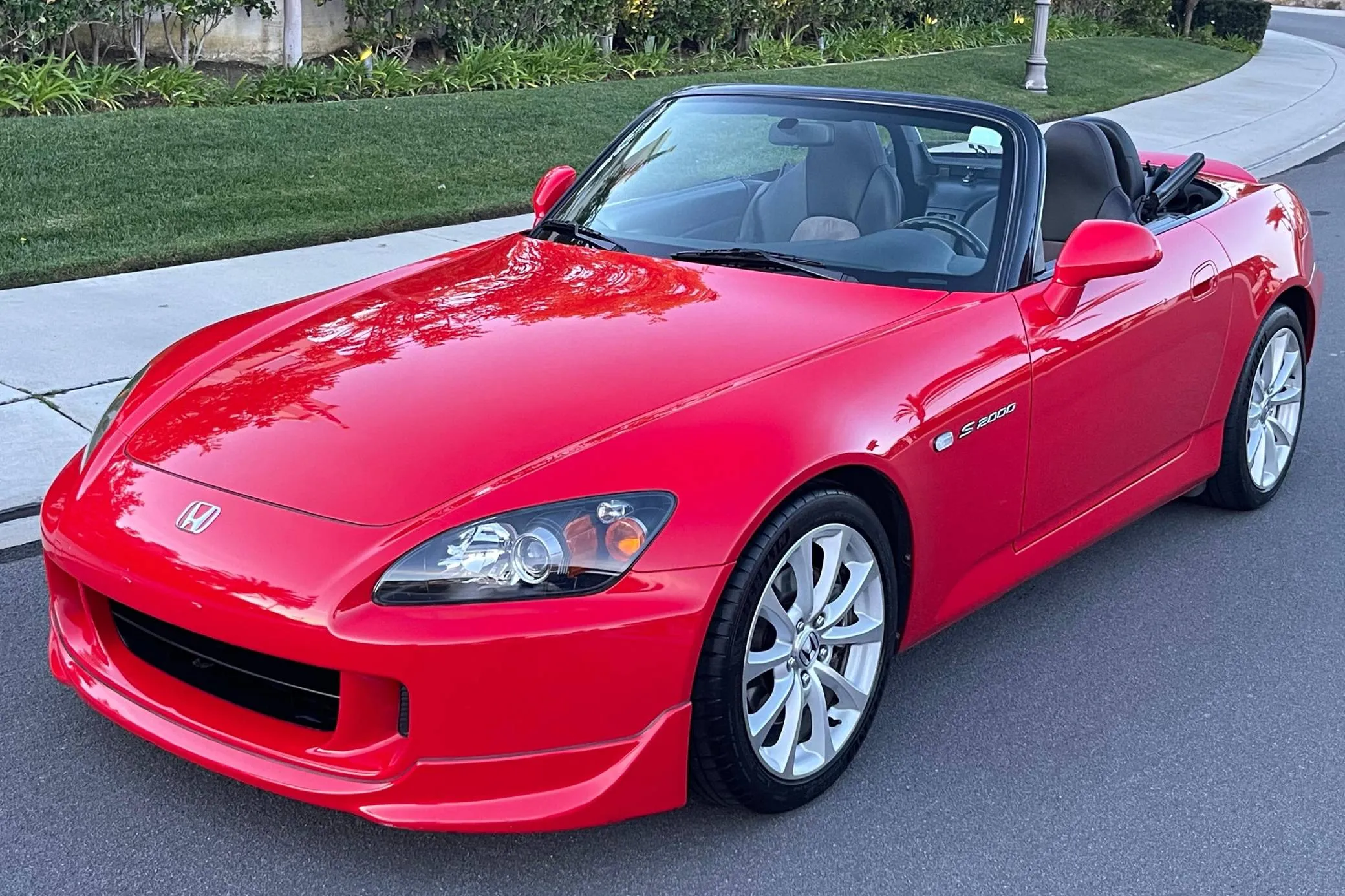
3. Honda S2000 AP2
Precision defines the Honda S2000 AP2 in a way few modern sports cars attempt. Built during a period when Honda prioritized engineering pride, this roadster carries lessons learned from racing and applies them to daily driving durability. Owners who keep up with routine service often find these cars aging with surprising grace.
Central to its reputation sits the F22C1 engine. This naturally aspirated four-cylinder delivers high revs without forced induction stress. Strong internals and careful balancing allow it to spin freely while maintaining reliability. Timing chain design avoids the replacement worries tied to belts, and oil consumption remains manageable with proper care.
Transmission quality adds to the long life story. The six-speed manual feels mechanical and deliberate, with synchros that hold up well under normal use. Differential components show resilience thanks to thoughtful gearing and limited-slip design. These systems reward smooth driving while tolerating spirited sessions without complaint.
Chassis stiffness contributes quietly to durability. Reinforced frame elements reduce flex, which protects suspension mounting points from fatigue. Steering components feel direct yet robust, and suspension geometry resists uneven tire wear. Owners often replace wear items like bushings and shocks after many years, not months.
Cabin materials reflect Honda’s attention to function. Switchgear remains reliable, and seats resist excessive wear despite firm bolstering. Electronics stay simple enough to avoid the gremlins common in tech-heavy competitors.
Parts availability remains strong due to Honda’s global presence and the S2000’s cult following. Independent specialists understand the platform deeply, keeping service realistic. While prices have climbed due to demand, longevity remains part of the appeal. The Honda S2000 AP2 stands as proof that high performance and long life can coexist when engineering discipline leads the way.
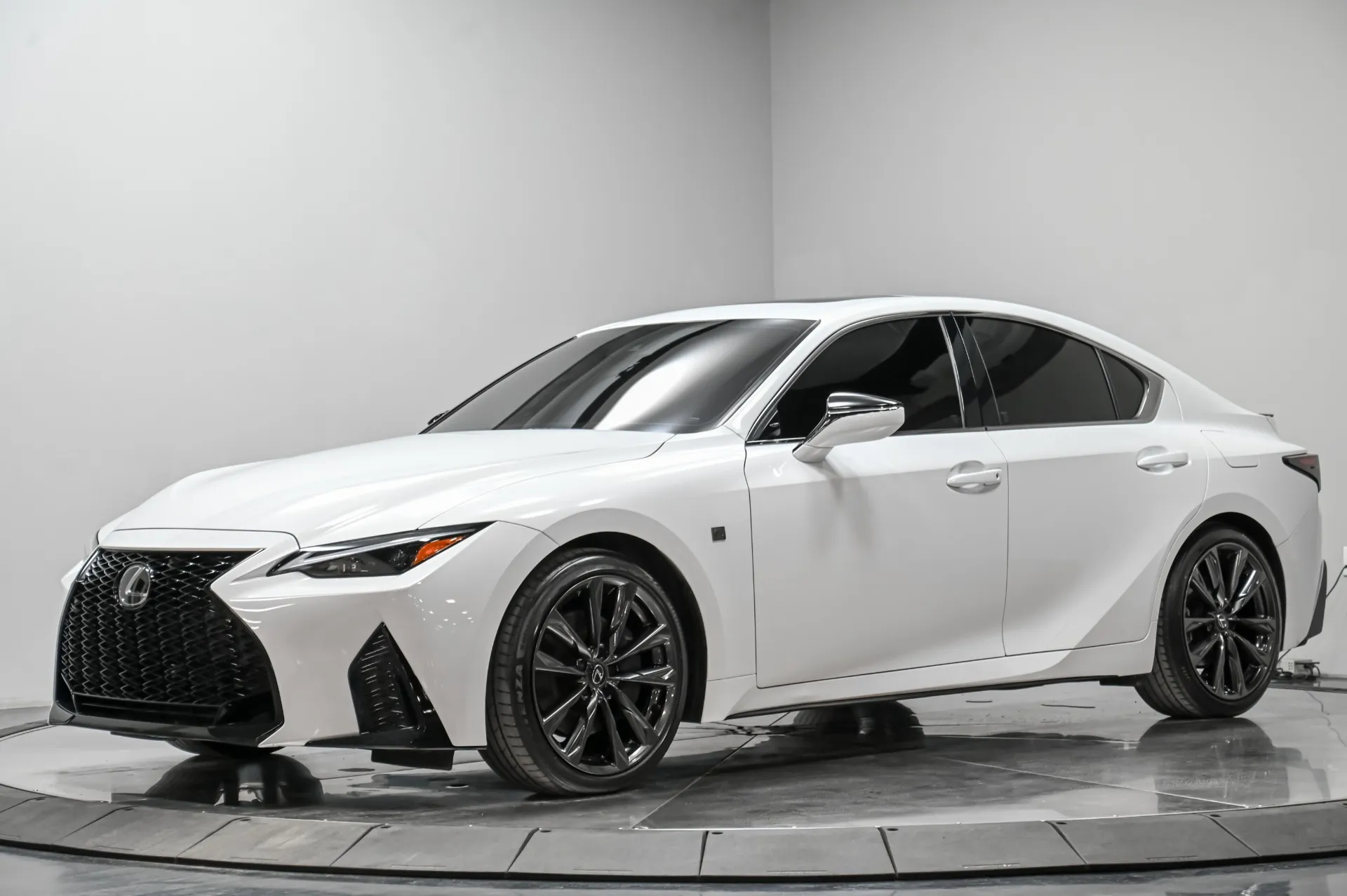
4. Lexus IS 350 F Sport
Confidence takes a different form with the Lexus IS 350 F Sport. This sedan blends sports car spirit with a luxury brand known for reliability. While four doors may challenge traditional definitions, performance credentials, and durability place it firmly among long-lasting enthusiast choices.
A naturally aspirated V6 anchors the experience. Known for smooth power delivery and conservative tuning, this engine avoids the heat and pressure issues tied to aggressive turbo setups. Regular service keeps it running quietly and consistently for hundreds of thousands of miles. Transmission pairing feels refined yet sturdy, designed to handle torque without strain.
Suspension tuning balances comfort and control. Adaptive dampers respond without excessive complication, reducing long-term failure risks. Steering components and brakes benefit from the vehicle’s predictable weight distribution, which limits uneven wear. Lexus builds parts with longevity in mind, even those hidden from view.
Interior craftsmanship reinforces trust. Soft-touch materials resist cracking, while buttons and knobs maintain function long after trend-driven interfaces lose relevance. Electrical systems remain dependable, supported by Lexus’s reputation for rigorous testing.
Ownership experience adds another layer. Lexus dealer service often ranks high for consistency, while independent shops appreciate straightforward engineering. Parts pricing remains manageable compared to European luxury brands, encouraging proper upkeep rather than deferred repairs.
Drivers seeking a sports car feel with daily usability often overlook this model. Yet the Lexus IS 350 F Sport rewards long-term commitment with reliability and engaging dynamics. Longevity here feels intentional, not accidental, making it a strong choice for those who want spirited driving without constant concern.
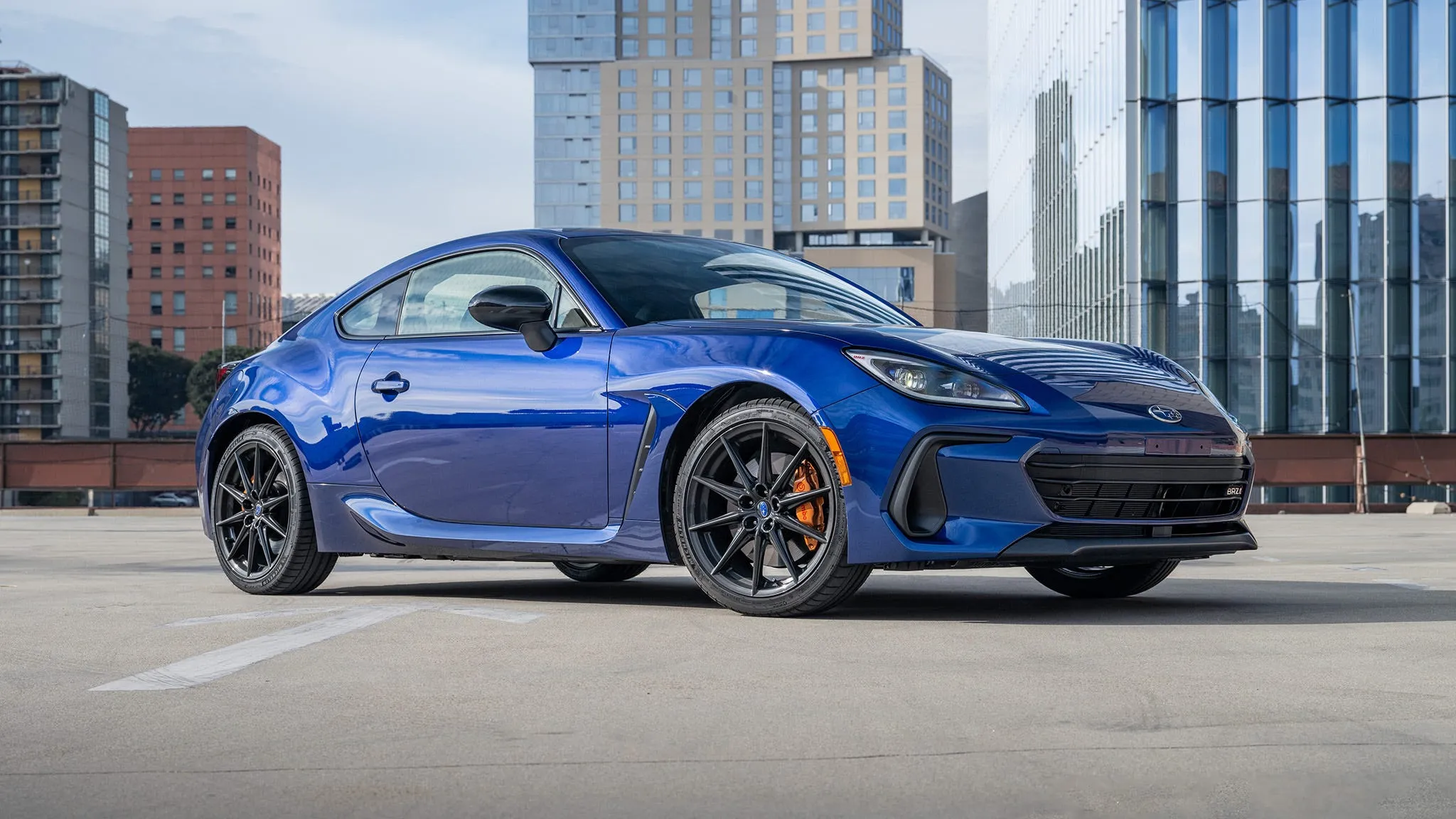
5. Subaru BRZ
Balance defines the Subaru BRZ from its earliest design sketches. Lightweight construction, rear-wheel drive, and a low-mounted flat four engine create a sports coupe that values harmony over excess. This approach pays dividends when considering long-term durability.
The engine shares lineage with proven Subaru designs, yet tuning remains mild enough to reduce internal stress. Improved lubrication and cooling systems address past flat engine concerns, especially in later models. Routine oil checks and timely service keep these engines dependable for years of spirited use.
Handling traits protect mechanical parts. Predictable suspension movement reduces shock loads, preserving joints and mounts. Steering feedback encourages smooth inputs, which limits wear from abrupt corrections. Brakes sized for the car’s mass last longer than those on heavier rivals.
Cabin simplicity mirrors the exterior philosophy. Fewer electronic layers mean fewer failure points. Materials chosen for function hold up well against daily use, and controls remain intuitive rather than flashy. This restraint helps the interior age without frustration.
Community support enhances longevity. Enthusiasts share maintenance tips, and aftermarket options cover both replacements and mild upgrades. Subaru’s widespread service network keeps help accessible, reducing downtime and cost.
The Subaru BRZ may not chase headlines, yet its thoughtful engineering earns respect. By focusing on balance, simplicity, and driver engagement, it builds a reputation for staying enjoyable long after trendier sports cars require major repairs.
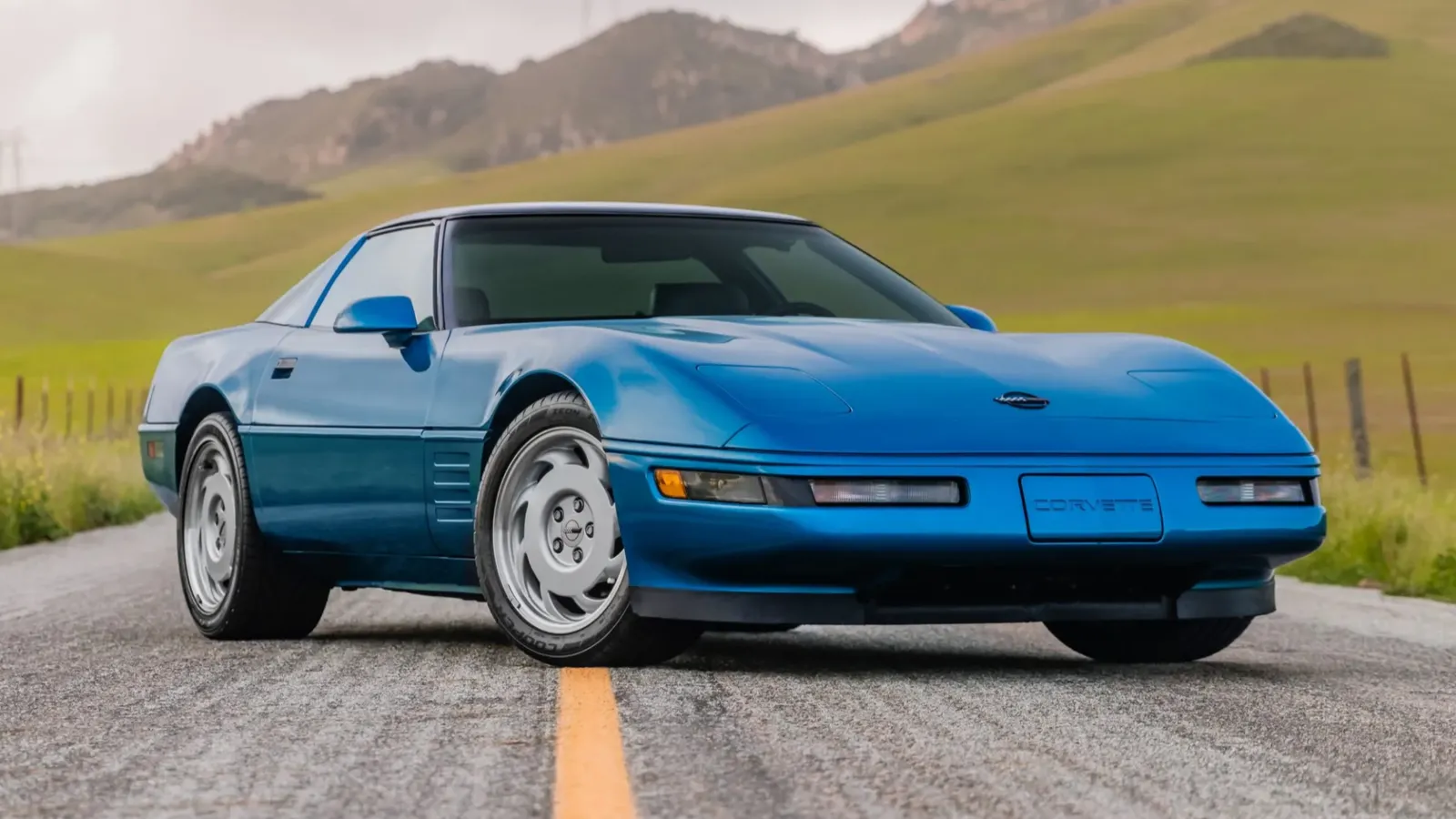
6. Chevrolet Corvette C4
History offers surprises, and the Chevrolet Corvette C4 stands as one of them. Often overshadowed by later generations, this classic sports car combines American muscle roots with engineering choices that favor long service life. Affordability on the used market adds to its appeal.
Power comes from small block V8 engines known for durability and easy servicing. Conservative tuning and abundant torque reduce the need for constant high revs. Parts availability remains excellent due to decades of production and shared components across platforms.
Chassis construction uses a combination of steel and composite materials. This resists corrosion better than many peers from the same era. Suspension designs feel straightforward, making repairs and upgrades accessible without specialized tools.
Interior design reflects its time, yet components prove sturdy. Simple electronics and mechanical gauges avoid complicated failures. Owners often refresh interiors with readily available parts, extending usability without major expense.
Community support plays a major role. Knowledge, guides, and replacement components remain easy to find. Independent shops understand the platform well, and DIY maintenance stays realistic. The Chevrolet Corvette C4 may surprise skeptics, but its blend of power, simplicity, and support allows it to keep running long after expectations fade. This classic shows that durability does not always require modern complication.
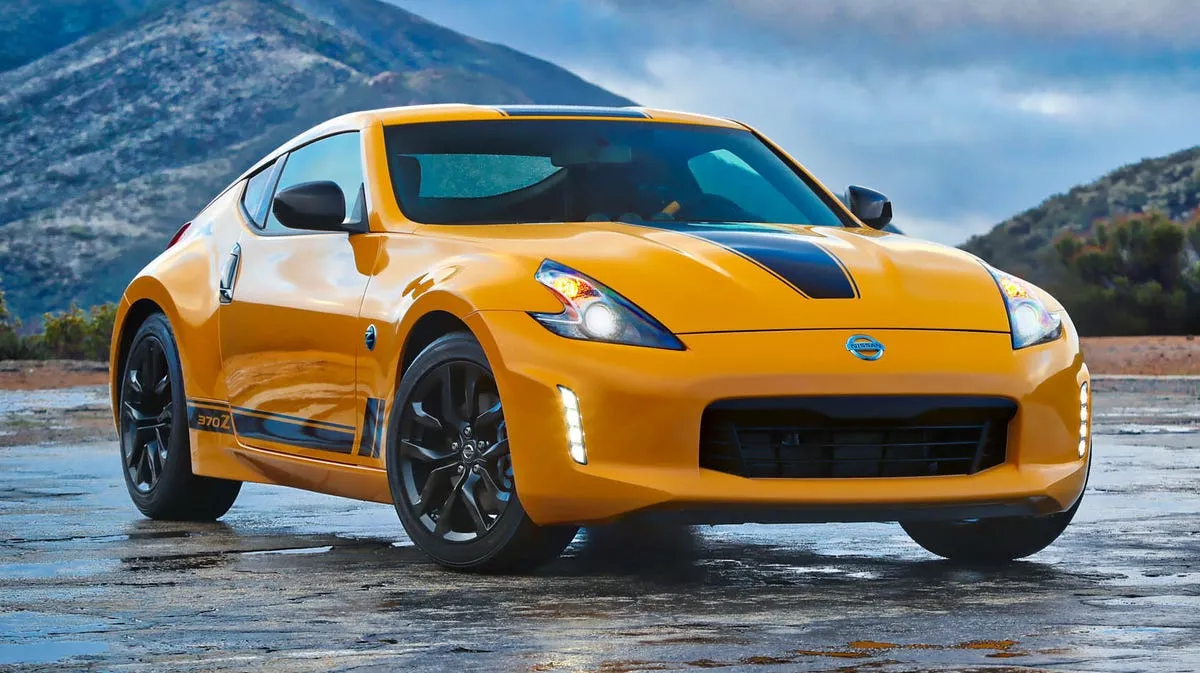
7. Nissan 370Z
Attitude pours out of the Nissan 370Z through a shape and sound that feel unapologetic. Built with a focus on muscular balance rather than delicate complication, this coupe carries a reputation for staying reliable even when driven hard. That reputation comes from mechanical choices rooted in durability, not hype.
Power delivery centers on the VQ37VHR V6 engine, a motor known for stout internals and steady cooling. Nissan refined this powerplant through years of iteration, ironing out weak points that appeared in earlier VQ designs.
Regular oil service and basic attention to fluids often reward owners with long stretches of trouble-free driving. Absence of forced induction keeps heat under control, which helps seals, gaskets, and bearings last longer.
Transmission options add to the appeal. Manual gearboxes feel solid and handle torque without protest, while the automatic alternative shows consistent behavior when serviced on schedule. Limited-slip differentials tend to age well due to conservative gearing and robust casing design. These choices allow spirited acceleration without punishing drivetrain parts.
Suspension layout leans toward simplicity paired with rigidity. Aluminum components reduce unsprung weight while resisting corrosion. Bushings and joints wear gradually rather than failing suddenly, giving owners plenty of warning before replacement. Steering systems deliver feedback without relying on fragile electronics.
Interior design favors function. Switches feel substantial, and seating materials resist rapid wear. Electronics remain straightforward, reducing the chance of frustrating faults as years pass. Aftermarket support fills any gaps, offering replacement components that fit without drama.
Ownership culture surrounding the Nissan 370Z encourages proper care. Enthusiast forums and independent shops share deep knowledge, keeping maintenance approachable. A sports car built with restraint often survives longer, and this model proves that power and longevity can share the same chassis.
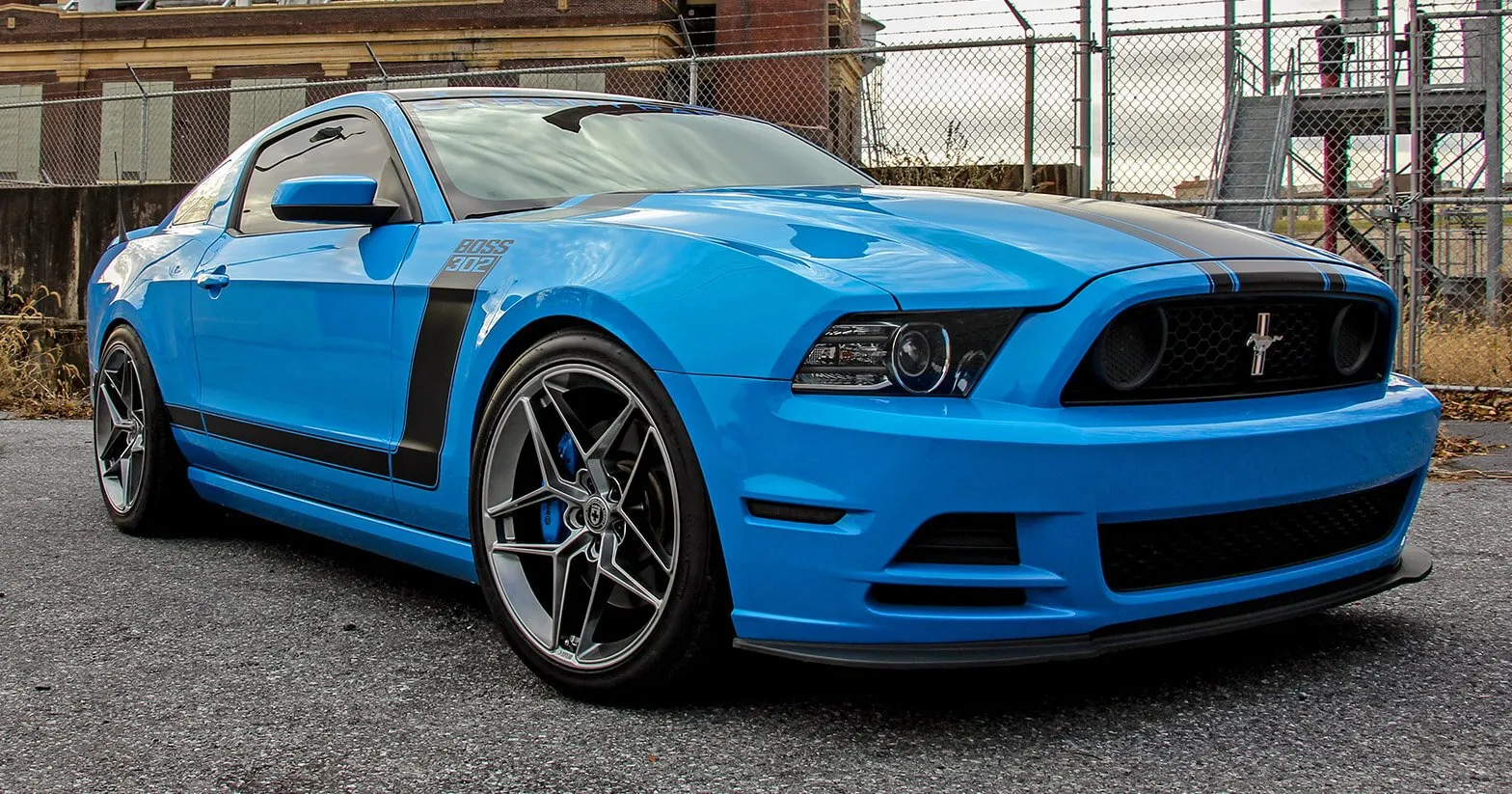
8. Ford Mustang GT S197
Confidence defines the Ford Mustang GT S197 through a blend of heritage and modern engineering. While muscle cars once carried a reputation for rough aging, this generation rewrote that story by pairing strong engines with improved build quality.
Under the hood sits the 4.6-liter or later 5.0-liter Coyote V8, engines praised for durability when treated responsibly. Robust blocks, sensible compression ratios, and reliable cooling systems allow these motors to handle daily use and weekend excitement alike. Parts availability remains abundant, keeping repairs affordable and encouraging routine service.
Manual transmissions deliver a mechanical feel that ages well, while automatic units benefit from conservative programming. Differential assemblies withstand torque without frequent rebuilds, thanks to proven designs borrowed from Ford’s performance catalog.
Chassis improvements distinguish the S197 from earlier Mustangs. Stiffer frames reduce flex, protecting suspension mounting points from fatigue. Suspension geometry supports predictable handling, which limits stress on control arms and bushings. Brake systems sized appropriately for the car’s mass provide steady stopping power without excessive wear.
Cabin quality shows clear progress. Materials feel more durable, and controls resist looseness even after years of use. Electrical systems remain dependable, avoiding the gremlins that plagued earlier generations.
Community support plays a massive role in longevity. Knowledge, tutorials, and replacement parts flood the market. Independent shops understand these cars intimately, and DIY owners find maintenance approachable. A platform supported at this scale rarely fades quietly, and the Ford Mustang GT S197 stands ready to deliver decades of enjoyment.
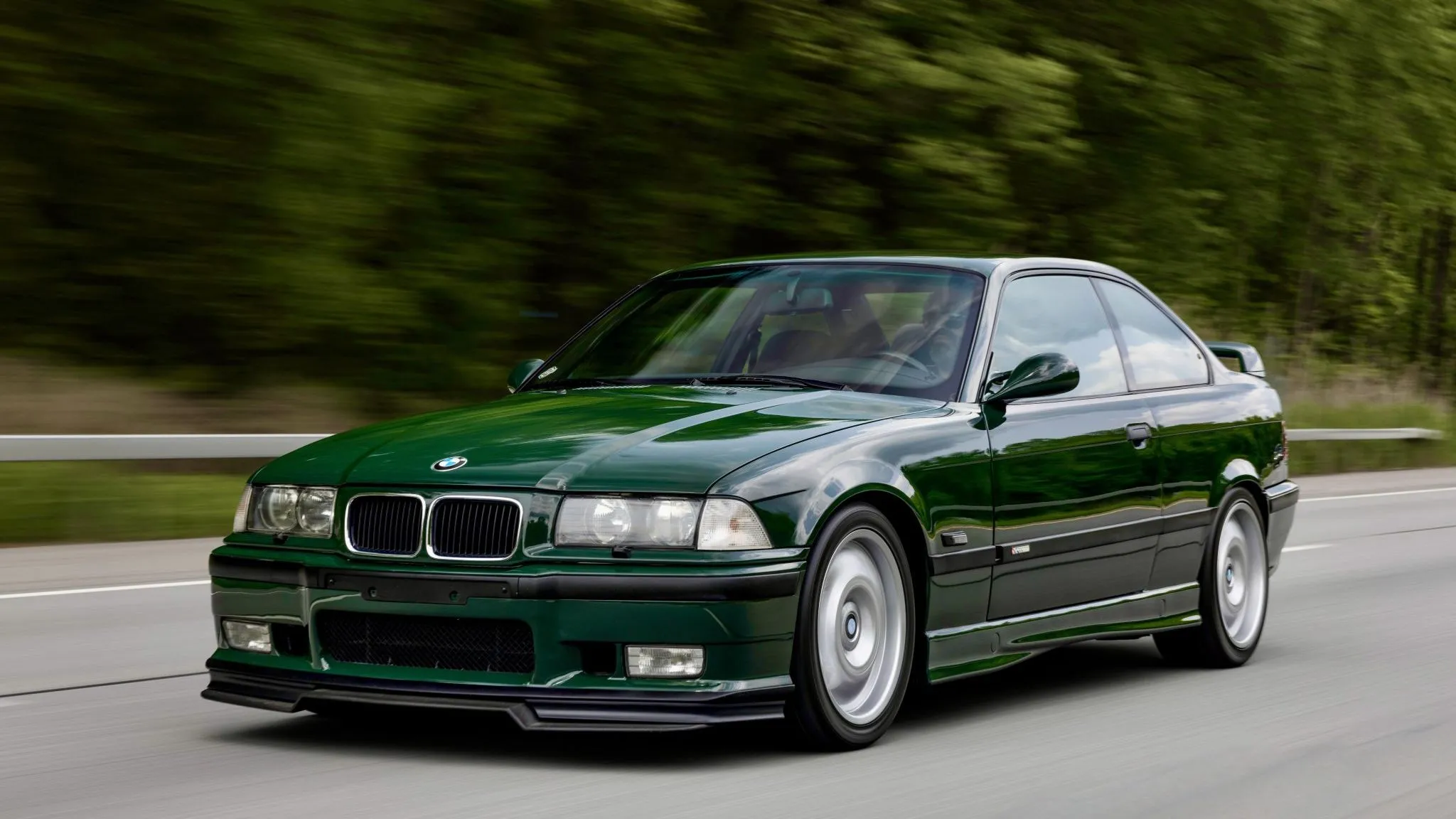
9. BMW M3 E36
Precision meets restraint inside the BMW M3 E36, a car engineered during a period when driving purity mattered deeply. While luxury brands sometimes struggle with long-term reliability, this model breaks that pattern through thoughtful mechanical design.
Heart of the experience rests in the inline-six engine. Naturally aspirated power keeps stress levels reasonable, and balanced internals promote smooth operation across high mileage. Cooling systems require attention, yet upgrades remain affordable and effective. Owners who address known service points early often enjoy long engine life.
Manual transmissions in the E36 feel direct and durable, with clutches that tolerate spirited driving. Differential units handle power gracefully, aided by suspension tuning that prioritizes balance instead of brute force. This harmony reduces shock loads throughout the drivetrain.
Chassis design emphasizes rigidity without excessive weight. Suspension components wear predictably, making replacements straightforward. Steering systems provide feedback while remaining mechanically simple enough to service without exotic tools.
Interior quality reflects German pragmatism. Materials feel solid, and layouts remain intuitive. Electronics stay limited compared to newer luxury cars, which reduces long-term headaches. Replacement parts remain available through aftermarket suppliers committed to keeping these classics alive.
Ownership demands responsibility, yet rewards diligence. Enthusiast communities share maintenance wisdom, and specialists focus on preserving these cars properly. For drivers willing to care for it, the BMW M3 E36 offers durability paired with a driving experience that refuses to feel outdated.
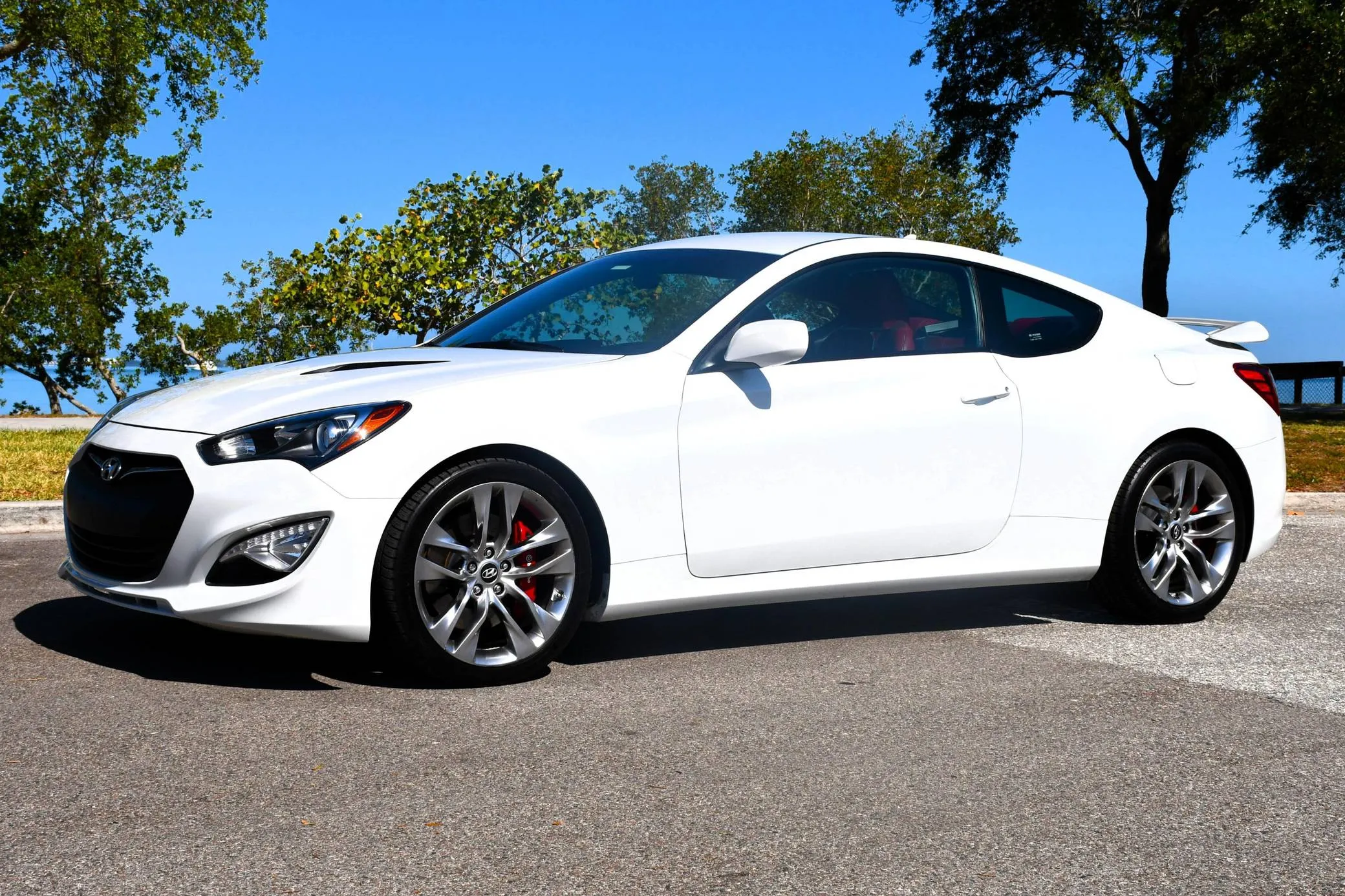
10. Hyundai Genesis Coupe 3.8
Surprise often follows first impressions of the Hyundai Genesis Coupe 3.8. Built to challenge established names, this rear-wheel-drive coupe delivers strong performance wrapped in engineering that favors longevity.
Power comes from a naturally aspirated V6 designed for steady output rather than extreme tuning. Internal components handle stress well, and cooling systems support spirited driving without excessive heat buildup. Owners who follow service intervals frequently report smooth operation far beyond expectations.
Transmission options hold up admirably. Manual gearboxes feel robust, while automatics benefit from conservative calibration. Drivetrain components age predictably, avoiding sudden failures that plague less refined designs.
Suspension tuning balances comfort with control. Parts selection emphasizes durability, and bushings resist premature wear. Steering systems rely on proven technology rather than experimental features, which supports long-term reliability.
Interior quality improves with age as owners appreciate simplicity. Controls remain tactile, and materials resist cracking. Infotainment systems lack excessive complication, reducing failure risk as years pass. Support networks strengthen ownership confidence.
Hyundai parts pricing stays reasonable, and independent shops grow familiar with the platform. Enthusiast groups share upgrades and maintenance strategies that extend service life. The Hyundai Genesis Coupe 3.8 shows that ambition paired with discipline can create a sports car built to last.
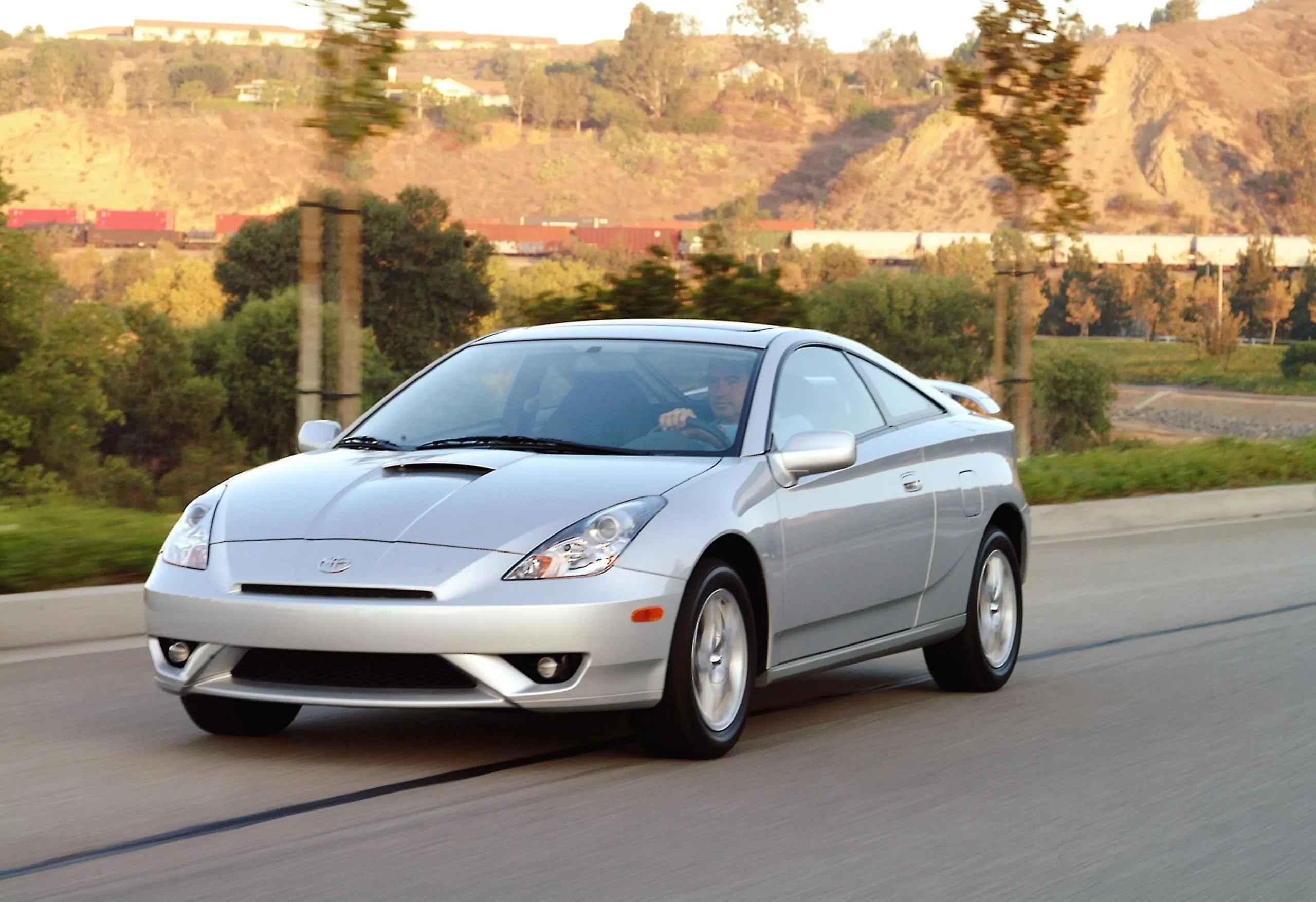
11. Toyota Celica GT-S Seventh Generation
Energy flows differently through the Toyota Celica GT-S Seventh Generation, where lightweight design meets mechanical discipline. Built during a period of Toyota’s engineering confidence, this coupe offers durability wrapped in an eager personality.
Central to its appeal lies the 2ZZ-GE engine. Designed to rev freely while maintaining strength, this motor rewards attentive maintenance. Lift system components remain reliable when oil quality stays high, and timing chain design avoids frequent replacements.
Manual transmissions provide crisp engagement and long service life. Clutch systems handle enthusiastic driving when treated with respect. Differential assemblies remain simple and sturdy, benefiting from modest torque levels. Chassis construction favors agility without unnecessary mass. Suspension components experience less stress, extending their usable life.
Steering systems deliver feedback while staying mechanically straightforward. Interior design emphasizes function. Seats support without excessive wear, and controls feel purposeful. Electronics remain minimal, reducing aging concerns.
Parts availability remains strong due to shared Toyota components and active enthusiast interest. Independent shops understand the platform well, and aftermarket suppliers continue support. The Toyota Celica GT-S proves that thoughtful engineering and restraint can keep a sports coupe running happily for years.
Also Read: 10 High-End Sports Cars Engineered for Daily Driving
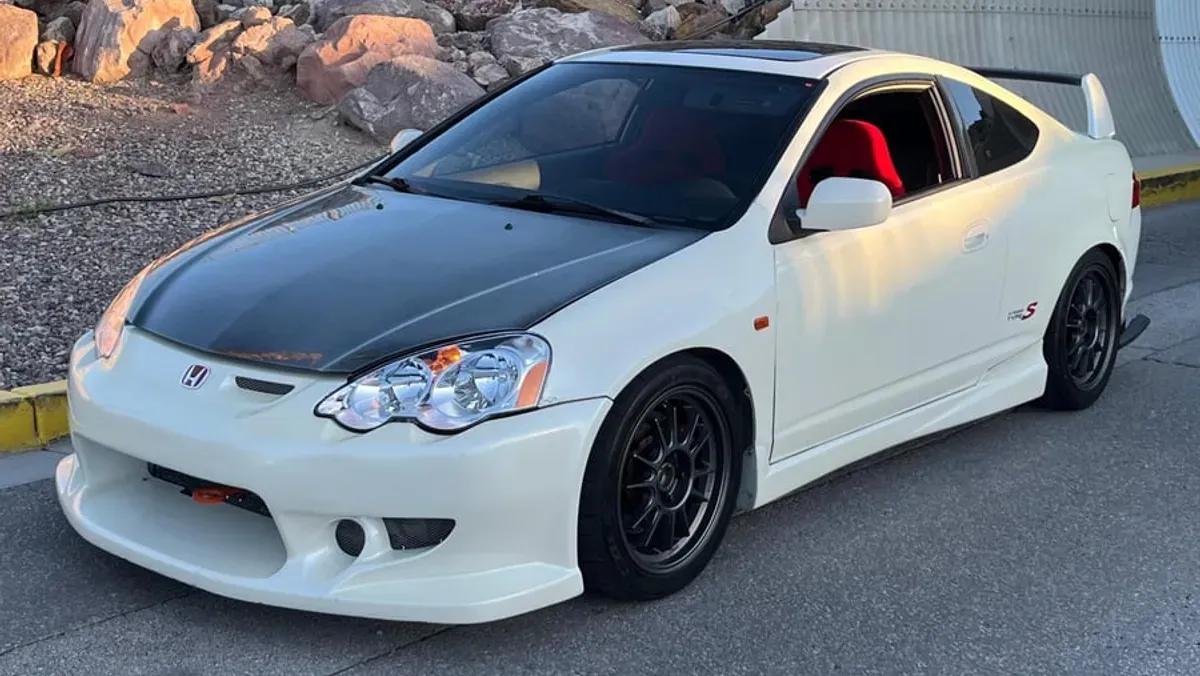
12. Acura RSX Type S
Confidence and refinement converge within the Acura RSX Type S, a hatchback that blends sports car spirit with daily practicality. Built on Honda’s reliability heritage, this model earns trust through proven engineering choices.
Power comes from the K20A2 engine, celebrated for strength and high-revving character. Naturally aspirated design keeps heat manageable, while forged internals support spirited driving. Regular oil service and valve adjustments help maintain performance deep into high mileage territory.
Manual transmissions feel precise and durable, with gearsets that tolerate aggressive moves when treated responsibly. Limited-slip differentials in later models enhance traction without adding fragility. Chassis balance contributes to longevity. Suspension geometry supports predictable handling, which limits strain on joints and mounts. Brake systems handle repeated use without rapid wear.
Interior quality reflects Acura’s focus on durability. Materials resist fading, and controls remain responsive. Electronics stay reliable due to conservative integration. Ownership benefits from vast support. Honda and Acura parts networks ensure replacements remain accessible, and enthusiast communities provide guidance.
A sports car that encourages regular driving while rewarding care often survives longest. The Acura RSX Type S stands as a reminder that thoughtful design can outlast pricier alternatives while delivering genuine excitement.
