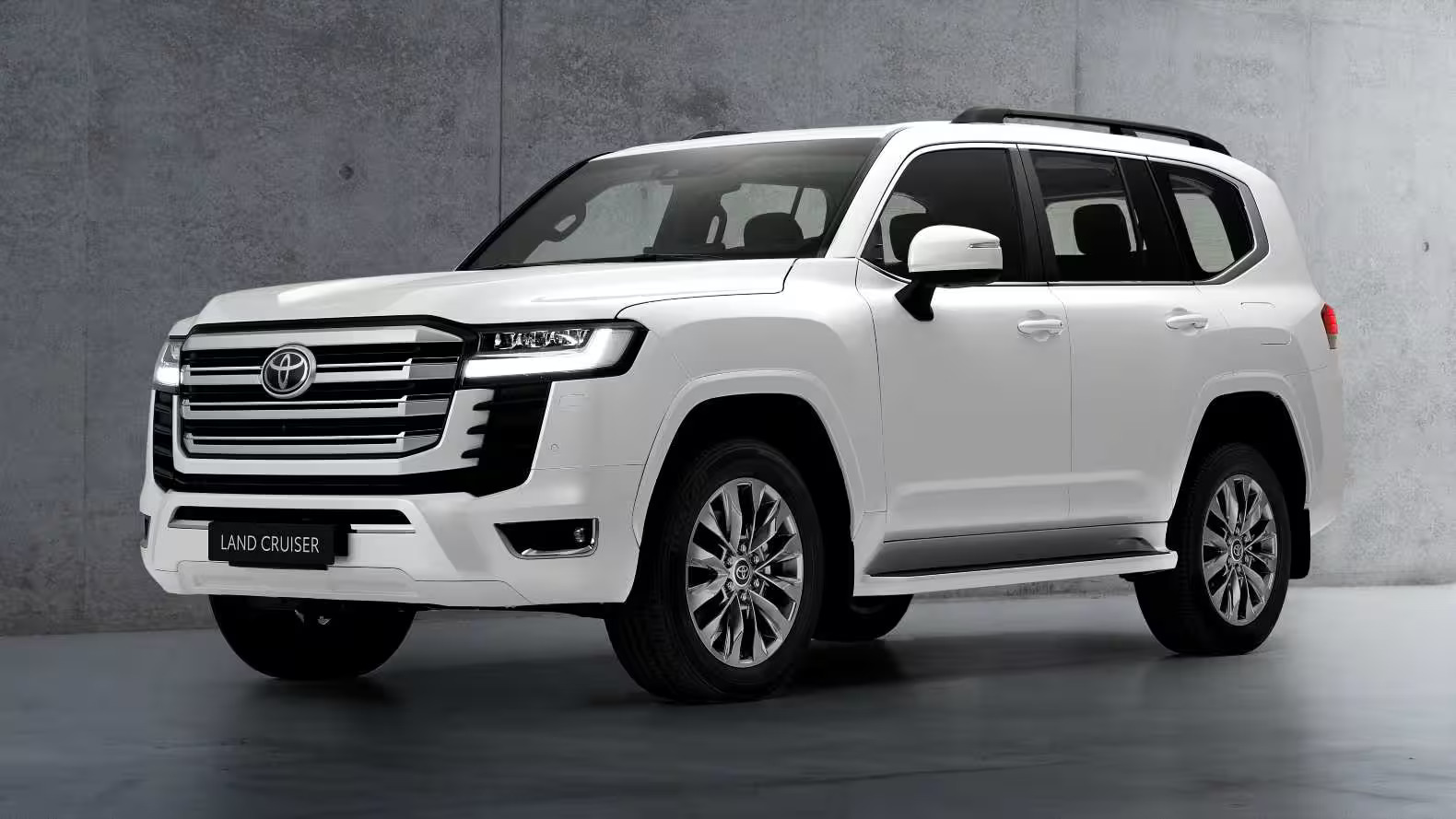
In extreme desert city environments, heat is a relentless adversary that tests a vehicle’s engineering, materials, and cooling systems. Some cars are designed to thrive under these conditions, offering robust air conditioning, heat-resistant interiors, advanced engine cooling, and durable electronics, ensuring performance and comfort even when temperatures soar above 50°C.
Vehicles like the Toyota Land Cruiser LC300, Nissan Patrol, Tesla Model 3, Toyota Camry SE, and Ford F-150 Raptor exemplify this resilience, combining innovative thermal management with reliability, safety, and luxury to handle sand, sun, and stop-and-go urban heat with ease.
On the other hand, certain models struggle to maintain longevity under normal use, let alone desert conditions. Cars such as the Fiat 500L, Mazda RX-8, Chrysler 200, older Land Rover Discovery models, and the first-generation Nissan Juke experience accelerated mechanical wear, interior deterioration, and rapid depreciation.
These vehicles demonstrate how design choices, maintenance demands, and material fragility can make a car “age fast,” leaving owners with a car that feels older than its years.
5 Cars That Manage Desert City Heat
1. Toyota Land Cruiser LC300: Mastering Extreme Desert Heat with Comfort and Capability
The Toyota Land Cruiser LC300, often called the “King of the Desert,” is engineered to handle extreme heat and demanding conditions in desert cities. Built on the GA-F body-on-frame platform, it features heavy-duty cooling systems, including high-flow radiators, dedicated transmission and oil coolers, and ventilated seating to maintain performance and passenger comfort even in temperatures exceeding 50°C.
High-grade interior materials resist warping from direct sunlight, while four-zone climate control ensures the cabin remains comfortable under intense heat.
The LC300 uses a modern hybrid powertrain, replacing the naturally aspirated V-8 of previous generations. A turbocharged 2.4-liter four-cylinder engine works with two electric motors to produce 326 horsepower. All models feature an eight-speed automatic transmission and a four-wheel-drive system equipped with low-range gearing, locking center differential, crawl control, and hill-descent control.
The hybrid system delivers strong torque, although the small battery pack can cause some inconsistency in electric boost. On-road performance is smooth and quieter than that of competitors such as the Ford Bronco and Jeep Wrangler. Acceleration to 60 mph takes 7.7 seconds for the First Edition, while towing capacity reaches 6,000 pounds when properly equipped.
The interior is now a two-row, five-seat layout, offering comfort and practicality with features like ventilated seats, leather upholstery, and advanced infotainment with wireless Apple CarPlay and Android Auto. Cargo capacity holds 17 carry-on suitcases behind the rear seats or 31 with seats folded. Higher trims add a 12.3-inch touchscreen, premium audio, and extra comfort features.
Safety is a priority, with Toyota Safety Sense 3.0 providing adaptive cruise control, lane-departure warning, automated emergency braking, and high-beam assist. Warranty coverage includes a three-year/36,000-mile limited warranty, a five-year/60,000-mile powertrain warranty, and a 10-year/150,000-mile hybrid component warranty, along with two years of complimentary maintenance.
With its robust cooling, hybrid efficiency, advanced safety systems, and luxurious touches, the Toyota Land Cruiser LC300 performs reliably in extreme desert climates. Its engineering ensures durability, comfort, and consistent performance, making it an ideal choice for drivers facing the heat, sand, and urban demands of harsh environments.
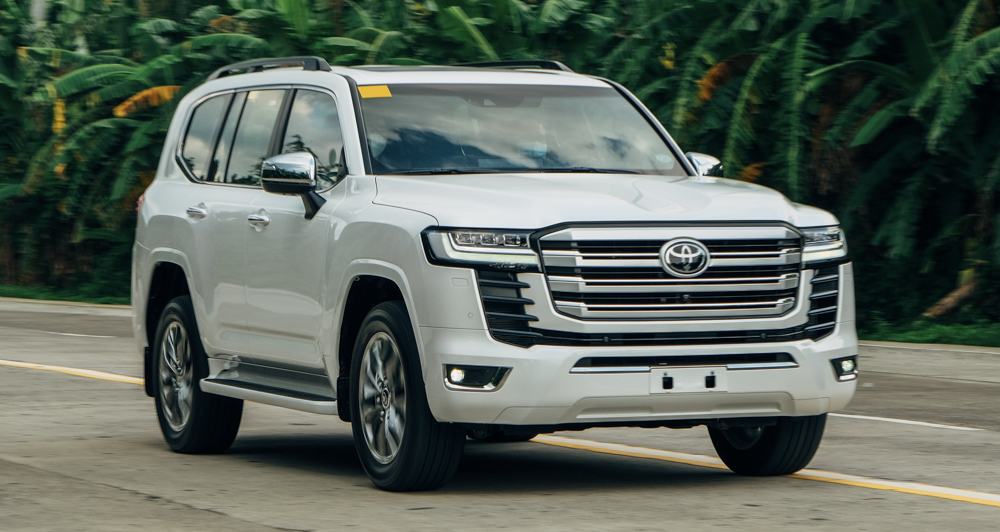
2. Nissan Patrol: A Desert Specialist Built for Extreme Heat and Sand
The Nissan Patrol, known as the “Hero of the Desert,” is engineered to excel in harsh desert environments, especially in the Middle East. Its air-conditioning system includes innovative curtain vents that direct cool air downward from the ceiling, creating a thermal barrier around passengers.
Newer models also feature Biometric Cooling, which uses infrared sensors to detect passenger body temperature and automatically adjust airflow for optimal comfort. Reinforced radiators, heavy-duty cooling systems, and heat-reducing window films protect the engine and interior from extreme temperatures, while durable air filters and specialized paint coatings resist both UV damage and sand abrasion.
The Patrol is powered by two V6 engines. The 3.5-liter twin-turbo produces 419 horsepower and 516 pound-feet of torque, allowing the SUV to reach 62 mph in 6.6 seconds. The naturally aspirated 3.8-liter engine delivers 312 horsepower and 284 pound-feet.
A body-on-frame chassis supports independent, air-sprung, height-adjustable suspension and a nine-speed automatic transmission with low-range gearing. While the Patrol does not offer diesel or hybrid options, it prioritizes toughness and reliability over fuel efficiency. Its 100-liter fuel tank enables long-distance travel in desert regions. Top-spec models include a built-in air compressor for adjusting tire pressures on sand dunes.
Inside, the Patrol seats up to seven passengers with 623 liters of cargo capacity. Dual 14.3-inch screens and the Biometric Cooling system provide modern technology, though the materials and cabin design are less refined than those of luxury European rivals. Off-road features include automatic ride height adjustments, traction control systems, and easily accessible low-range and rear differential locks.
The Patrol has a long history of desert performance, beginning with its first climb of Mount Fuji in 1951 and early expeditions across Australia’s Simpson Desert. Today, it remains a specialist vehicle, designed for environments where high temperatures, sand, and long distances demand durability and reliability.
While its design is conservative and its appeal outside the Middle East is limited, the Nissan Patrol continues to offer exceptional capability, passenger comfort, and engineering tailored to extreme desert conditions.
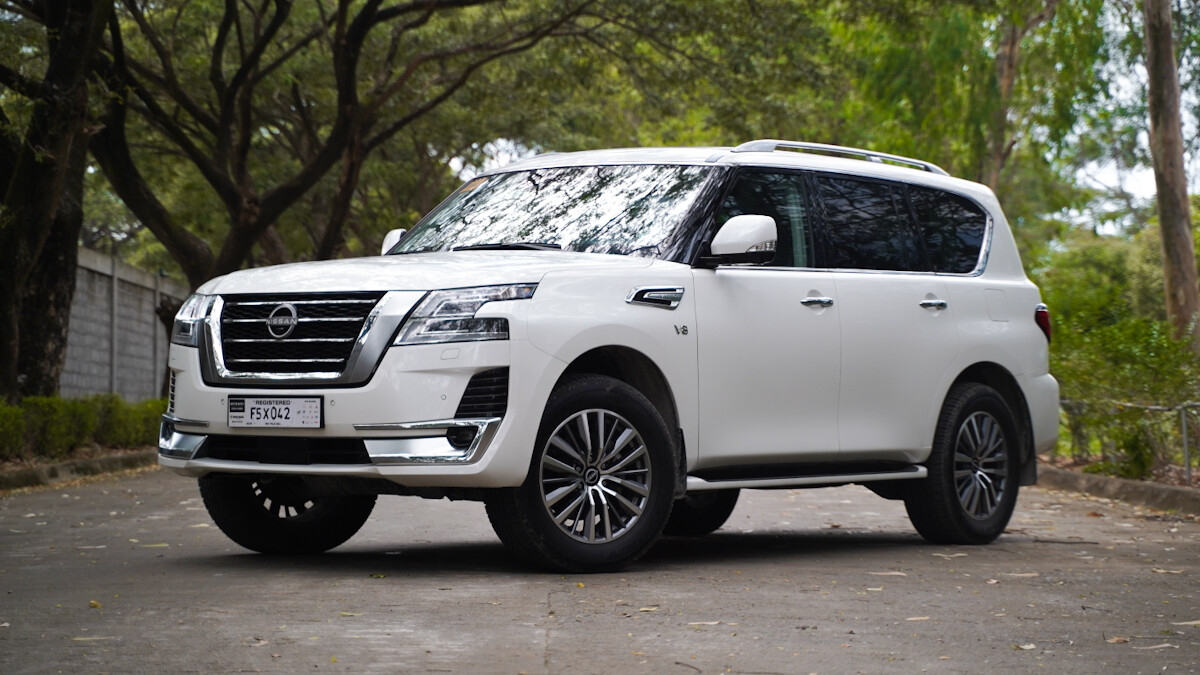
3. Tesla Model 3: Efficient Desert City Performance and Smart Heat Management
The Tesla Model 3 is engineered to handle extreme heat in urban and desert environments through advanced thermal management systems. Unlike traditional combustion vehicles, it features Cabin Overheat Protection, which automatically activates fans or air conditioning to maintain interior temperatures below 40°C while parked.
This prevents long-term damage to interior plastics and sensitive electronics. Newer Highland Model 3s use a heat pump for more efficient cabin cooling, reducing battery drain.
Ventilated seats in 2024 and later models provide direct passenger cooling, while the glass roof includes UV and infrared protection to minimize heat penetration. Owners can also precondition the cabin remotely via Tesla’s mobile app to ensure the interior is comfortable before entering.
The Model 3’s battery pack is actively cooled to maintain optimal performance and longevity in high temperatures. The sedan is available with multiple powertrain options, including a 286-hp single motor, 425-hp dual motor, and 510-hp dual motor Performance version.
All variants offer rapid acceleration, with the Performance model reaching 60 mph in 2.8 seconds. Its low battery-mounted center of gravity enhances stability and handling, while adaptive steering and sport-tuned suspension improve road comfort.
EV range is competitive, with the Single Motor RWD version achieving up to 310 miles and the Dual Motor Performance offering 260 miles in real-world testing. DC fast charging allows replenishment from 10 to 90 percent in under 40 minutes, and the vehicle supports Tesla Superchargers, public adapters, and home charging.
Efficiency is high, with the Single Motor RWD achieving 128 MPGe on highways and 137 MPGe combined, outperforming many rivals in its segment.
Inside, the Model 3 features a minimalistic cabin with a 15.4-inch touchscreen, supportive front seats, and a flat floor design. Rear seats are lower and less spacious, but folding them expands cargo capacity to accommodate larger loads. Infotainment options include Netflix, YouTube, and arcade games, while rear passengers can use an 8.0-inch touchscreen for climate control and entertainment.
Standard safety features include adaptive cruise control, automated emergency braking, and lane-departure warning. Tesla’s Autopilot offers advanced driver-assist capabilities, including automatic lane changes.
Warranty coverage includes four years or 50,000 miles for the vehicle, with eight years or 100,000 miles for the battery and drivetrain. The Model 3’s combination of intelligent thermal management, high efficiency, and rapid acceleration makes it a practical and comfortable choice for hot urban and desert climates.
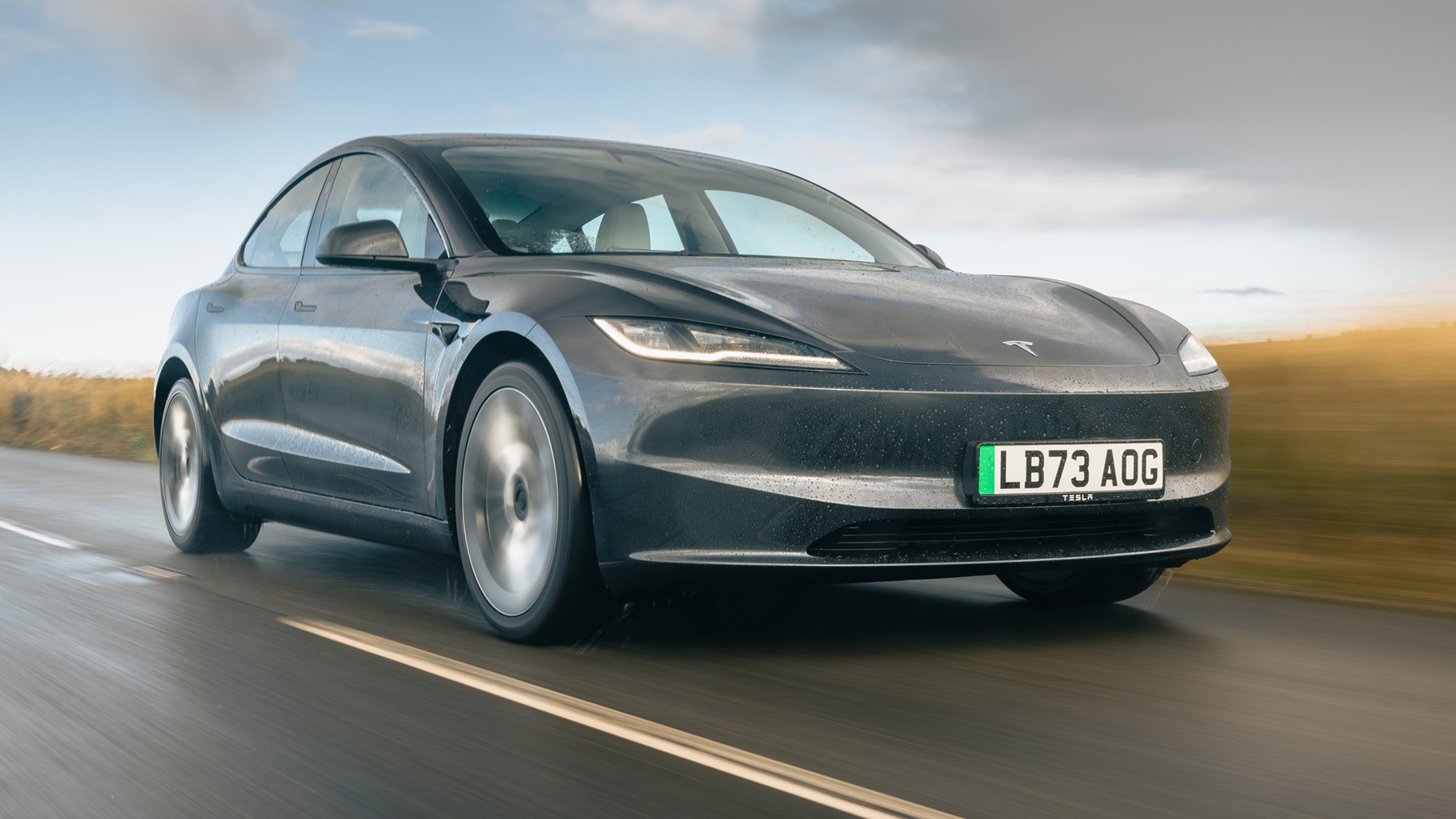
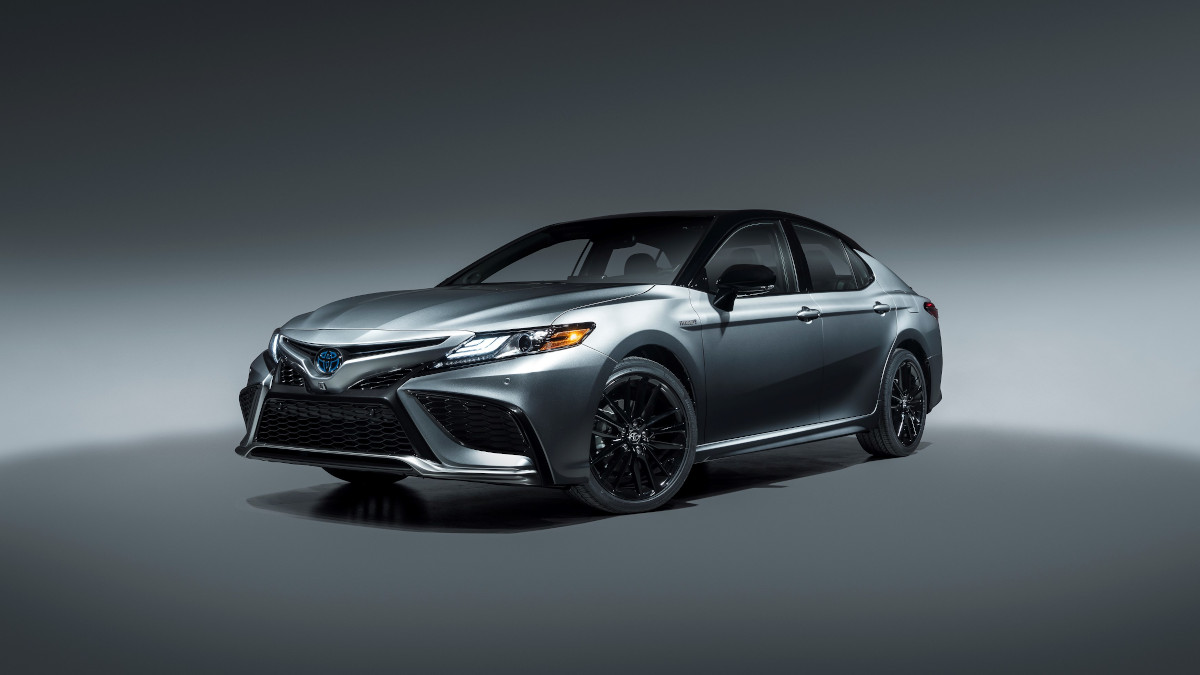
4. Toyota Camry 2020 SE: Reliable Cooling and Comfort in Desert Heat
The 2020 and newer Toyota Camry SE is designed to perform reliably in extreme heat conditions, making it a strong choice for desert city environments. Its cabin and mechanical systems are engineered to handle high temperatures without compromising comfort or durability.
The Camry SE features a fast-acting dual-zone automatic climate control system with rear-seat vents, providing rapid cooling throughout the cabin. Ventilated seats and UV-reflective glass further enhance passenger comfort, while SofTex®-trimmed seats and leather-wrapped steering wheels resist heat absorption.
Precision airflow controls allow cold air to be directed to the upper body or feet as needed, ensuring consistent comfort even in intense sun. Robust engine cooling with active fans reduces the risk of overheating during high-stress conditions, and regular maintenance of coolant levels is recommended for peak performance.
Under the hood, the Camry SE offers a 2.5-liter four-cylinder engine paired with a smooth continuously variable transmission (CVT). Sportier trims like the SE and XSE have a stiffer sport-tuned suspension for improved handling.
The engines provide adequate performance for daily driving and highway cruising, although hard acceleration produces noticeable engine noise compared with some rivals. Ride quality is comfortable and well-controlled, with minimal body motion over uneven surfaces.
Fuel efficiency is strong, particularly for the hybrid variant, which delivers up to 53 mpg in city driving and 52 mpg on the highway. The standard 2.0-liter nonhybrid engine earns up to 40 mpg on the highway, while the 1.8-liter engine achieves 38 mpg, offering a balance of performance and efficiency.
Inside, the Camry SE provides a spacious and practical cabin. Front seats are supportive and well-designed, while rear legroom is adequate for adults. Infotainment includes a touchscreen system with Apple CarPlay and Amazon Alexa integration, though Android Auto is unavailable.
Optional upgrades include ambient lighting, dual-zone climate control, heated front seats, and a premium JBL audio system. Cargo capacity is sufficient for most daily needs, with thoughtful storage solutions in the center console and armrest compartments.
Safety features are comprehensive, with standard automated emergency braking, adaptive cruise control, and lane-keeping assist. The 2020 Camry SE has earned strong crash-test ratings, providing confidence for families and urban drivers alike.
Warranty coverage includes three years or 36,000 miles limited, five years or 60,000 miles for the powertrain, and ten years or 150,000 miles for hybrid components, plus two years or 25,000 miles of complimentary maintenance.
The Toyota Camry SE combines reliable heat management, comfort, fuel efficiency, and strong safety features, making it a practical and resilient choice for desert climates and urban driving.
5. Ford F-150 Raptor: Built for Extreme Desert Performance
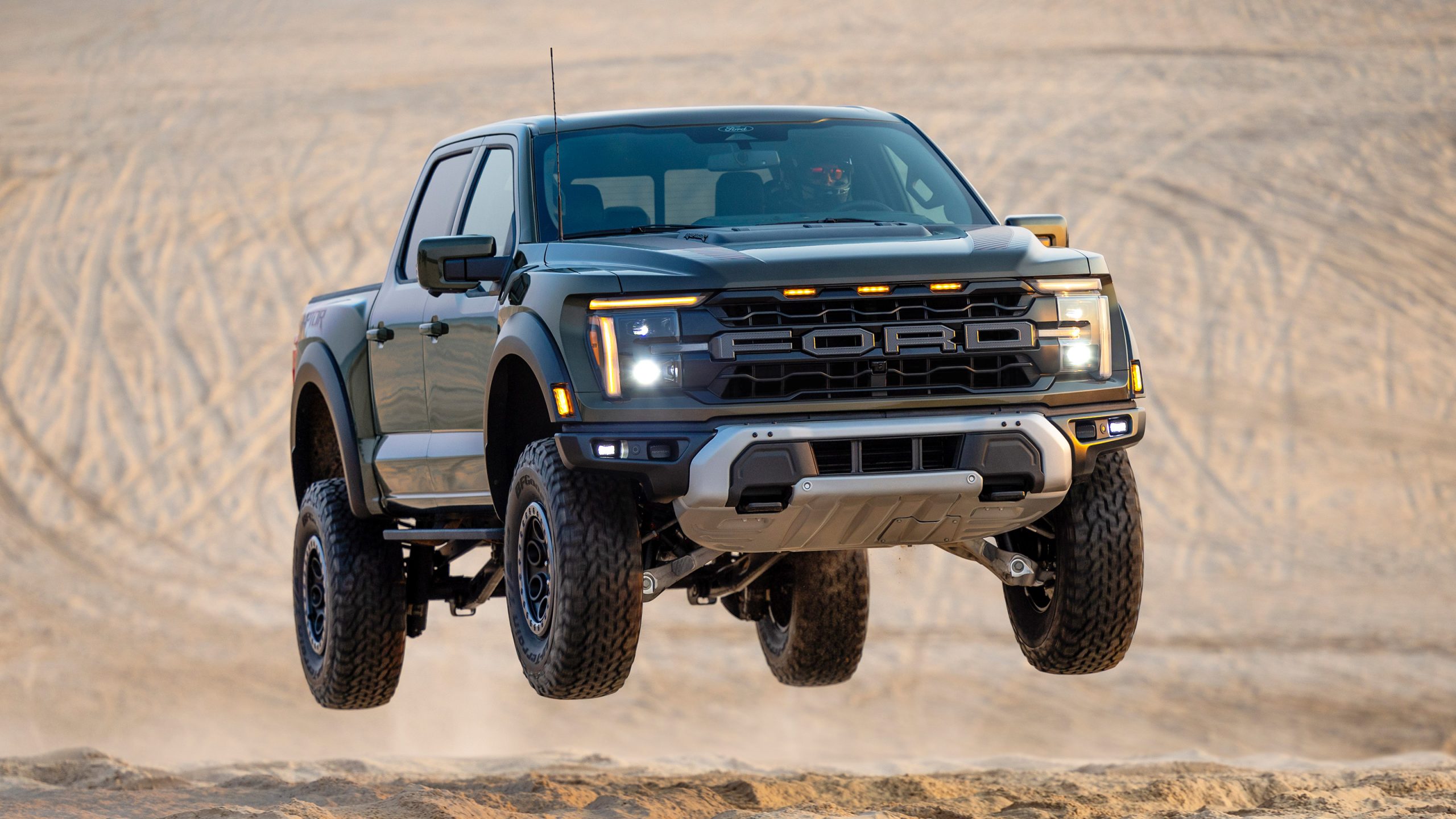
The Ford F-150 Raptor is engineered for high-stress desert environments, combining robust cooling systems, advanced suspension technology, and specialized driving modes to perform reliably in extreme heat. Its massive radiator and heavy-duty fans prevent overheating even in 50°C conditions, while the cabin cools quickly thanks to efficient air circulation.
FOX Dual-Live internal bypass shocks resist heat buildup and maintain stability over rough terrain, and the high-strength aluminum body and fully-boxed steel frame provide structural integrity in demanding desert conditions.
“Baja” mode optimizes suspension and engine mapping for sand and high temperatures, ensuring smooth, controlled performance. Optional 37-inch BFGoodrich All-Terrain T/A KO2 tires improve ground clearance, traction, and handling on loose, hot sand.
Powertrain options include the 450-hp twin-turbo 3.5-liter V6 paired with a 10-speed automatic transmission, or the high-output Raptor R with a supercharged 5.2-liter V8 producing 720 horsepower and 640 lb-ft of torque. Both engines use a sophisticated four-wheel-drive system, with the Raptor R benefiting from 37-inch tires that raise ground clearance to 13 inches.
Suspension is tuned with Fox internal-bypass dampers and a five-link rear coil-spring setup, offering excellent off-road ride quality. Acceleration is strong, with the standard Raptor reaching 60 mph in 5.2 seconds and the Raptor R achieving 3.6 seconds, outperforming most full-size pickup competitors.
The Raptor can tow up to 8,200 pounds, with the Raptor R slightly higher at 8,700 pounds, and both carry a 1,400-pound payload. Fuel economy is lower than that of standard F-150s due to the high-performance tuning, with the Raptor rated at 14 mpg city and 18 highway, and the Raptor R at 10 mpg city and 15 highway.
Inside, the Raptor features a spacious crew-cab layout with high-quality materials and modern design cues. A 12-inch digital gauge cluster and optional Recaro front buckets improve both style and functionality.
The short 5.5-foot bed reflects the Raptor’s focus on off-road capability rather than work-truck utility. Infotainment is provided by a 12-inch Sync 4 touchscreen with wireless Apple CarPlay, Android Auto, and Amazon Alexa integration, while optional upgrades include an 18-speaker Bang & Olufsen system and a 2.0-kW mobile generator.
Standard safety features include forward-collision warning, automated emergency braking, blind-spot monitoring, lane-departure warning, and lane-keeping assist. Trail-specific features such as Trail 1-Pedal Drive and Trail Control aid low-speed off-road handling. Warranty coverage includes three years or 36,000 miles limited, five years or 60,000 miles powertrain, and five years of roadside assistance.
The F-150 Raptor combines extreme heat resilience, advanced suspension, high-performance engines, and modern cabin features to dominate desert terrain while offering strong on-road comfort.
Also Read: 5 Cars That Cope With Midwest Winters vs 5 That Develop Seasonal Problems
5 That Age Too Fast
1. Fiat 500L: Early Wear, Fragile Materials, and Rapid Depreciation
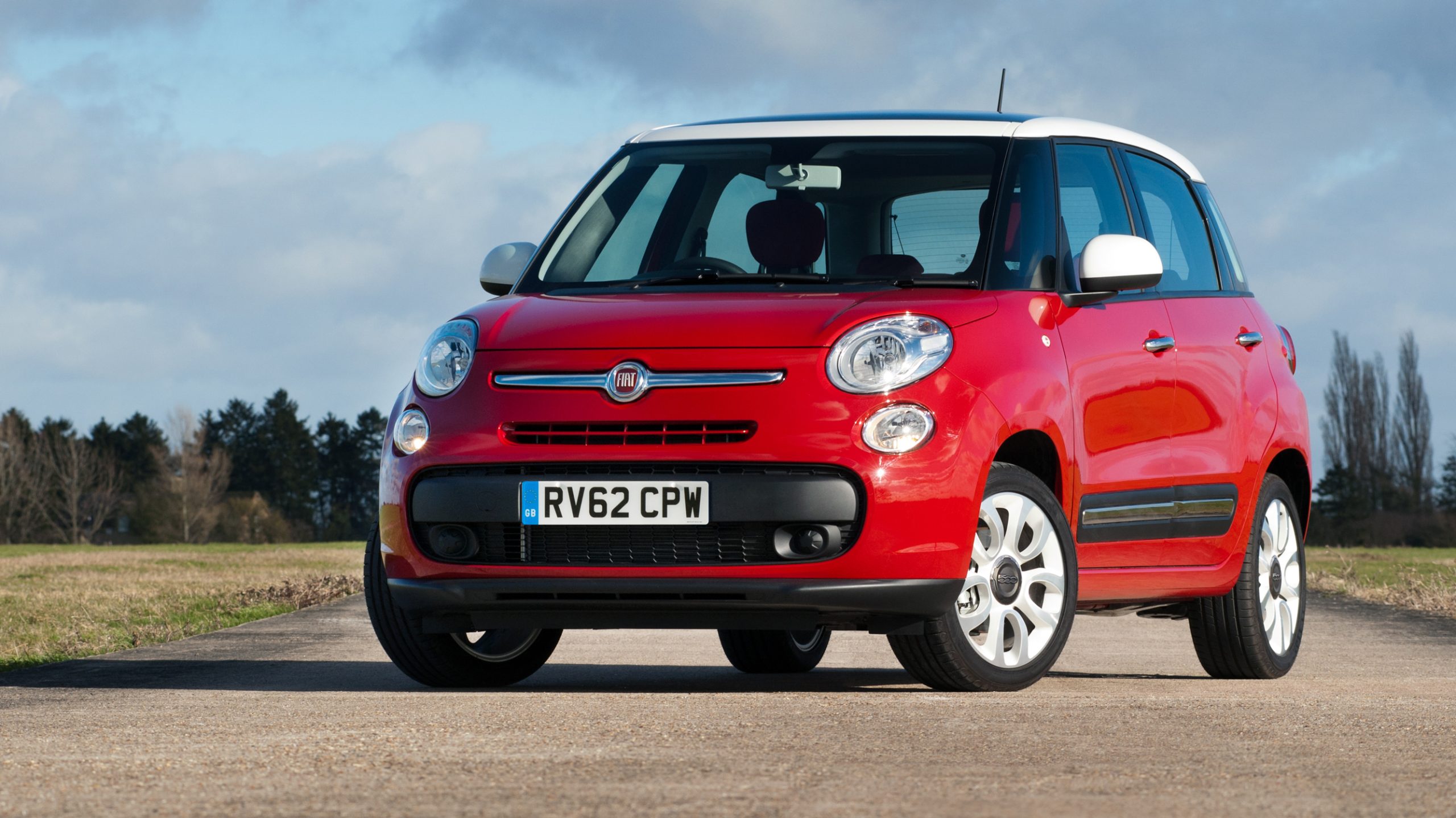
The Fiat 500L delivers a unique aesthetic and class-leading interior space, but it suffers from early mechanical, electrical, and cosmetic issues that make it feel old quickly. Owners report that interior plastics and dashboard materials warp under strong sunlight, while electronics are highly sensitive to heat soak.
Mechanical reliability is a major concern. The Dualogic automated manual transmission often exhibits jerky shifting, gear slipping, and occasional complete failure. The 0.9-liter TwinAir engine is highly sensitive to oil quality, and neglecting frequent changes can lead to catastrophic engine damage.
Excessive oil consumption is common, and electrical glitches such as dashboard warning light failures and infotainment reboots frequently appear within the first few years.
The interior is constructed from low-quality plastics that wear quickly. Switchgear, including indicator stalks, can break or become unresponsive, while interior trim and door handles crack or scuff easily. Upholstery shows early signs of wear under daily use. The exterior also degrades rapidly, with peeling paint on alloy wheels, bubbling lacquer, and cracked light clusters that may allow moisture ingress.
Financially, the 500L depreciates sharply, sometimes losing up to 34 percent of its value within three years. Its total expected lifespan is approximately 137,000 miles, significantly below the 200,000 miles that many modern vehicles achieve. This combination of mechanical issues, fragile materials, and steep depreciation creates a car that ages faster than most in its class.
While the Fiat 500L provides generous interior space and distinctive styling, its early mechanical fatigue, delicate materials, and rapid financial depreciation make it feel older than its years. It consistently trails behind Japanese and German competitors in reliability, durability, and long-term value, contributing to its reputation as a car that “ages fast” in both practical and financial terms.
2. Mazda RX-8: Rapid Aging Due to Rotary Engine Design and Maintenance Demands
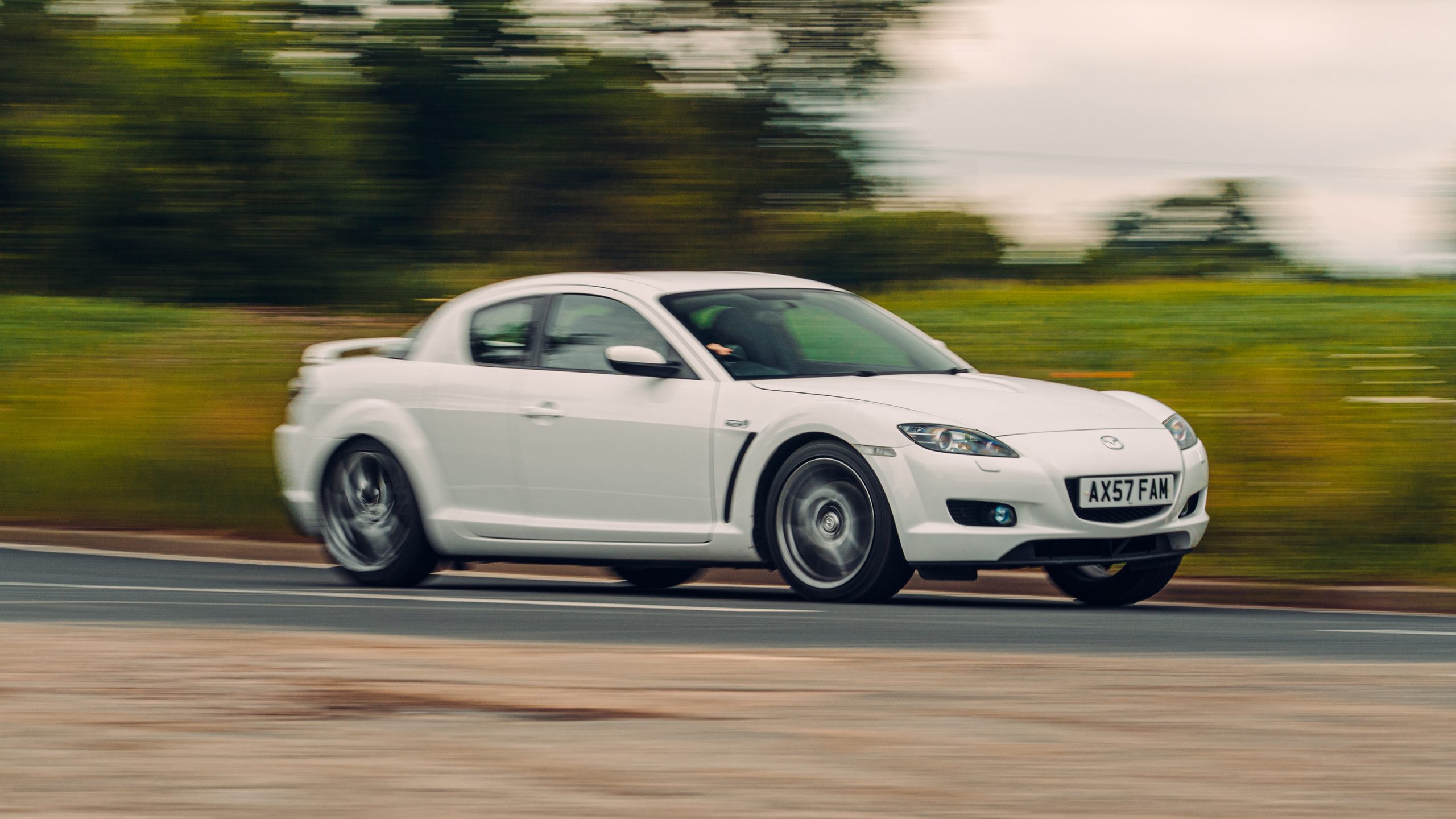
The Mazda RX-8 is notorious for aging quickly, primarily due to the challenges posed by its Renesis rotary engine. Unlike traditional piston engines, which can surpass 200,000 miles with basic maintenance, the RX-8 often requires a full engine rebuild between 60,000 and 80,000 miles. The car’s unique design and high maintenance sensitivity make it prone to accelerated mechanical wear, especially in hot, arid climates.
A central issue is the thin apex seals, which act as the rotary engine’s equivalent of piston rings. Mazda made them smaller to improve emissions and allow higher RPMs, but they wear down rapidly, causing severe compression loss. The rotary design also generates intense localized heat, which can warp internal housings and degrade rubber coolant seals, leading to leaks and eventual engine failure.
Maintenance demands further contribute to the RX-8’s rapid aging. The engine injects oil into the combustion chambers to lubricate the apex seals, requiring owners to frequently top off oil. Neglecting this can accelerate wear.
Carbon accumulation is another concern, as low-RPM or short-trip driving leads to deposits on rotors and seals, reducing compression. Enthusiasts recommend high-RPM driving to burn off carbon buildup.
Other weaknesses compound the problem. Ignition coils frequently fail around 30,000 miles, sending unburnt fuel into the catalytic converter, which then clogs and increases engine heat. Poor cold-start habits, like shutting the engine off before it warms fully, flood the combustion chambers and strain the starter motor and battery, often misleading owners into thinking the engine is failing.
The RX-8 does not age like conventional cars. It requires constant attention and a proactive maintenance mindset. With careful care, high-quality oil, regular redlining, and proper fueling, the car can be reliable. However, the average driver often encounters mechanical limits much earlier than expected, cementing the RX-8’s reputation as a car that “ages fast.”
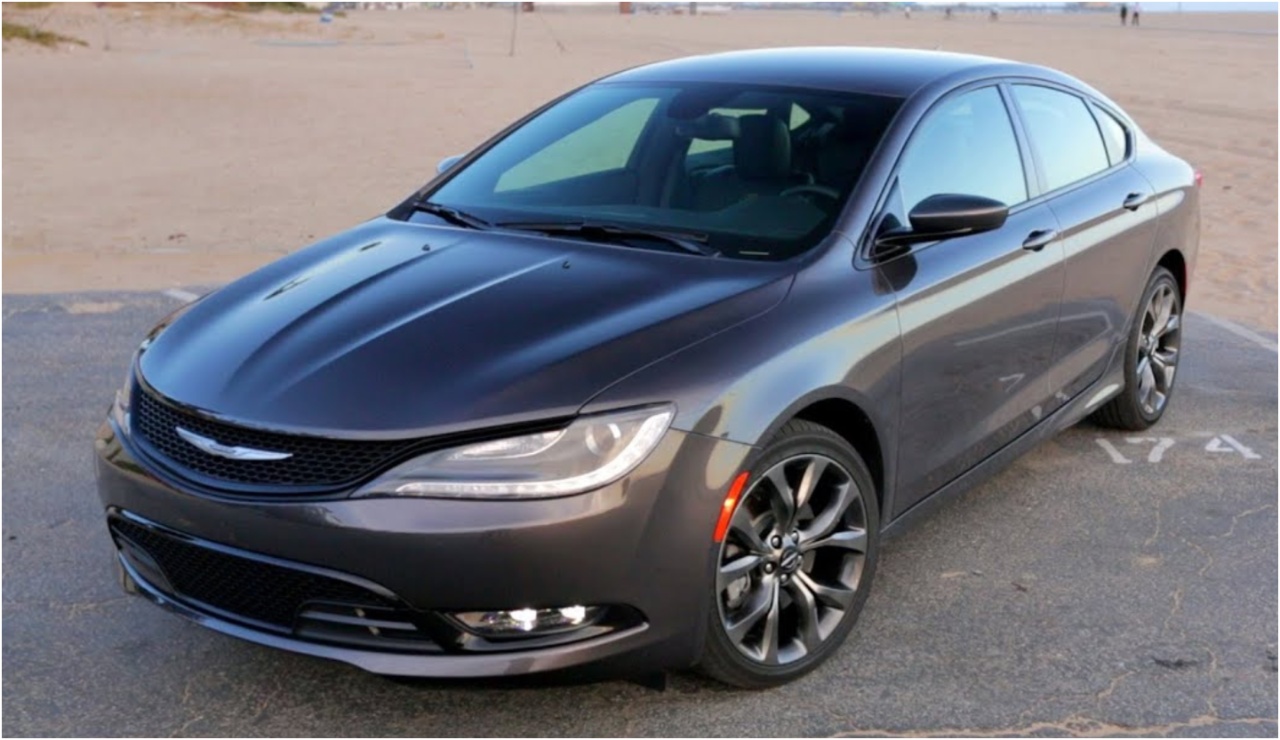
3. Chrysler 200: Rapid Aging Due to Mechanical Issues and Design Flaws
The Chrysler 200 developed a reputation for aging quickly because of a combination of mechanical shortcomings, design missteps, and poor interior durability. The second-generation model (2015–2017) felt outdated almost immediately after release, and many owners experienced issues that contributed to its rapid depreciation.
Mechanically, the car was hampered by the ZF 9-speed automatic transmission, which suffered from rough shifting, hesitation during acceleration, and software glitches. Some drivers reported sudden shifts into neutral while driving, creating an unreliable and unrefined experience compared with rivals like the Toyota Camry and Honda Accord.
The base 2.4-liter TigerShark engine compounded problems with excessive oil consumption, often burning a quart every 1,000 miles. Neglecting maintenance could accelerate engine wear, making the car feel even older than its actual age.
Design choices also contributed to its rapid obsolescence. The sloping roofline, while visually appealing, reduced rear cabin space and made entry and exit difficult for adult passengers. These limitations became more pronounced as the market shifted toward roomy SUVs. The 200’s cramped interior and lack of utility made it appear functionally outdated in a few short years.
Build quality further accelerated the perception of aging. Interior materials were prone to wear, with leather peeling, door handles breaking, and electronic components, such as instrument clusters, failing prematurely.
The car’s high presence in rental fleets meant many units reached the used market in poor condition, further lowering resale values. Within five years, the Chrysler 200 retained only about 30 to 35 percent of its original value. When production ended in 2017 after just three years, parts became harder to source, compounding the car’s decline.
The Chrysler 200 aged rapidly due to flawed engineering, persistent mechanical issues, compromised interior durability, and a design that quickly became functionally obsolete, making it a challenging vehicle to maintain or retain value over time.
4. Land Rover Discovery: Aging Quickly Due to Mechanical Complexity and Maintenance Demands
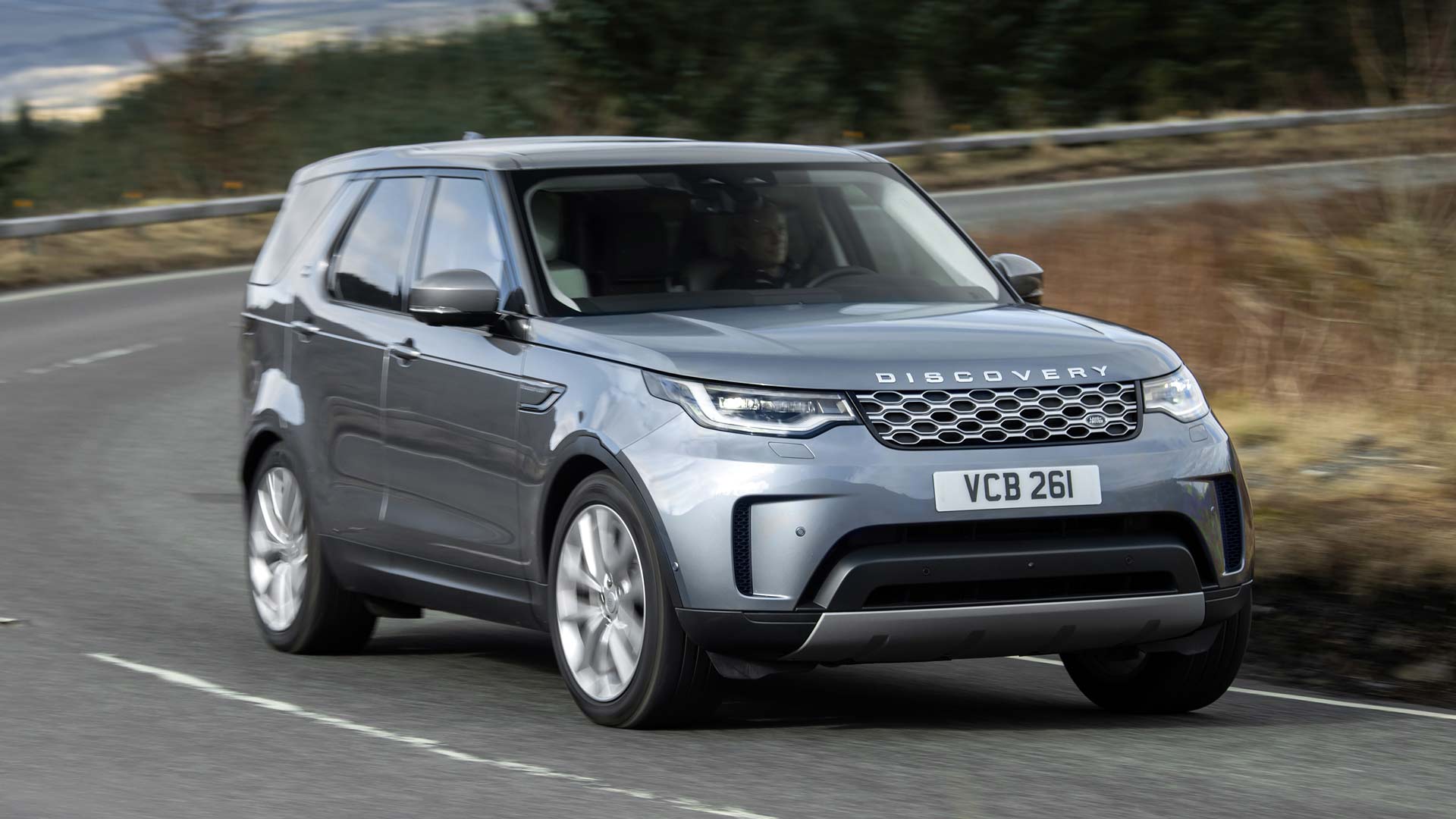
Older Land Rover Discovery models, including Series I, Series II, and early LR3/LR4 variants, are notorious for aging rapidly. Their decline is driven by mechanical complexity, sensitive electronics, and high maintenance costs, which combine to make these vehicles appear far older than their actual age.
Mechanically, these Discoveries relied on aluminum V8 engines that, while lightweight, were prone to slipped cylinder liners and head gasket failures after roughly 100,000 miles. Cooling system bottlenecks often cause overheating, warping engine components, and triggering a chain reaction of failures. Once major repairs are deferred, owners face escalating mechanical issues that accelerate the vehicle’s functional aging.
Structural and cosmetic wear further contribute to their reputation. While body panels are often aluminum, the steel chassis can corrode, especially in regions that use road salt, leading to hidden structural damage. Interior materials also deteriorate quickly, with sagging headliners, cracked dashboards, and failing window regulators making the cabin look worn much sooner than rivals like Toyota or Jeep.
Sophisticated systems such as Electronic Air Suspension provide a smooth, legendary ride but have limited lifespans. Failed airbags or compressors leave the vehicle resting on its bump stops, creating the “low-rider” appearance of a broken Discovery.
Sensors controlling ABS, traction control, and hill-descent functions, known as the “Three Amigos,” are also prone to malfunction, often illuminating warning lights that are expensive to repair.
High repair costs and rapid depreciation exacerbate the problem. Once a Discovery passes to second or third owners, major repairs can exceed the vehicle’s value, prompting deferred maintenance. This cycle of neglect causes even relatively young models to look and function like aged, unreliable vehicles.
Older Land Rover Discoveries age quickly because of ambitious engineering, sensitive electronics, and costly upkeep, making them prone to mechanical failures, cosmetic decay, and accelerated depreciation within just a decade of production.
5. Nissan Juke First Generation: Rapid Aging Driven by Transmission and Design Flaws
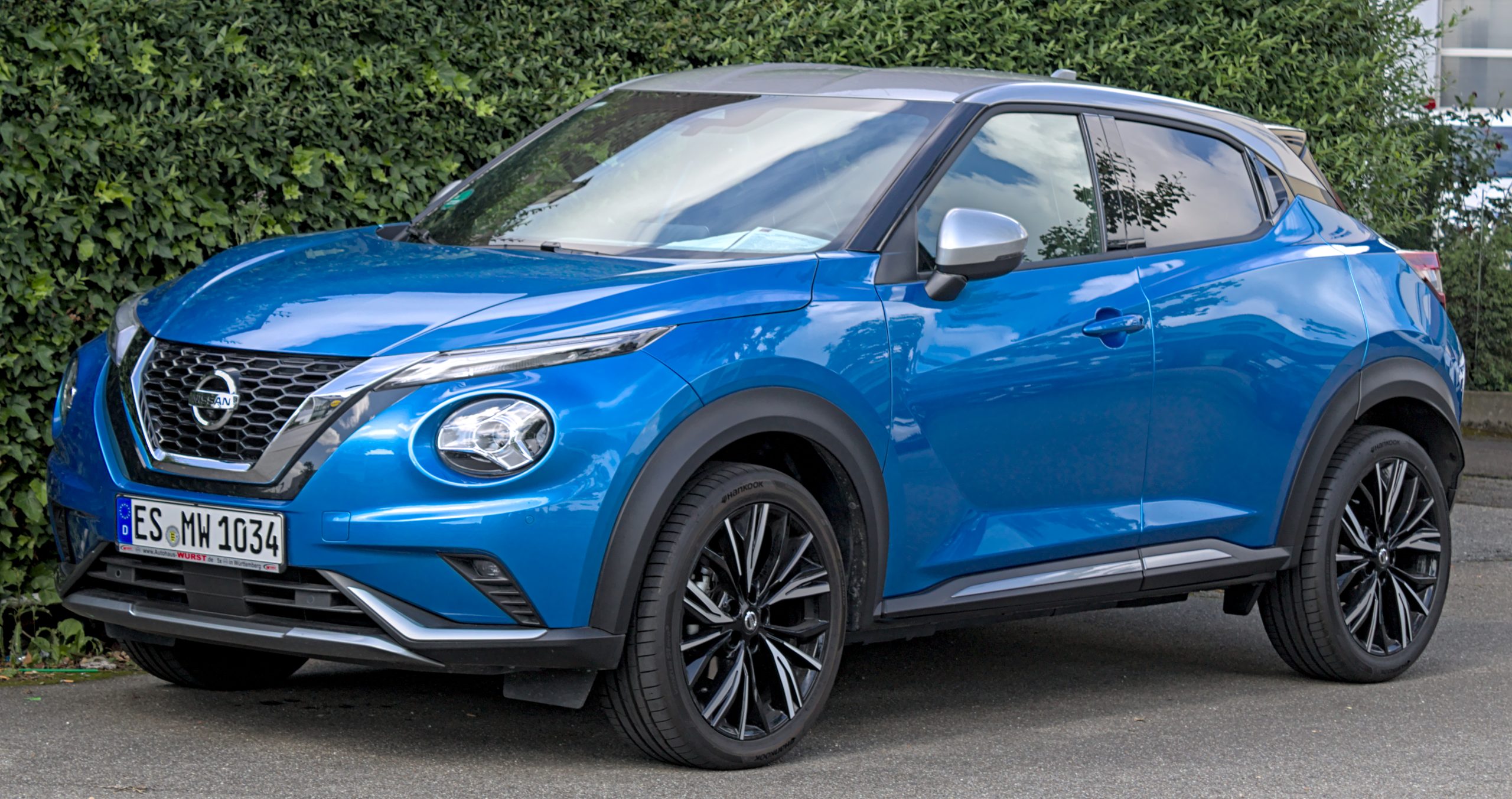
The first-generation Nissan Juke (2011–2017 in the US, until 2019 globally) earned a reputation for aging quickly due to mechanical vulnerabilities, interior shortcomings, and a polarizing design that lost appeal over time. While it helped define the subcompact crossover segment, several factors caused it to fall behind competitors in durability and resale value.
The most significant mechanical issue was the Jatco-sourced continuously variable transmission (CVT). These units were prone to overheating, belt slipping, and eventual failure, often producing a shuddering sensation or high-pitched whining. Repairs were costly and frequently required full replacement, forcing many older Jukes into early retirement.
Interior quality also contributed to rapid aging. The cabin relied heavily on low-grade, scratch-prone plastics that showed wear within a few years. Cramped rear seats and minimal cargo space, only 10.5 cubic feet with seats up, made the Juke impractical for families, especially as rivals like the Honda HR-V and Mazda CX-3 offered more usable space.
Styling was another double-edged sword. Its bold, “gadget-like” design with bug-eyed headlights and hidden rear door handles was striking at launch but quickly became dated as automotive trends shifted toward cleaner, more sophisticated lines. The polarizing look contributed to lower resale values, as the market for buyers diminished over time.
Finally, technical issues with the 1.6-liter turbocharged engine accelerated the perception of aging. Owners reported problems with timing chain stretch, turbo oil leaks, and wear in suspension bushings, resulting in rattles and loss of refinement. These mechanical and cosmetic vulnerabilities combined to create a car that, while innovative and fun at launch, often felt worn, unreliable, and outdated after only a few years on the road.
The first-generation Nissan Juke aged quickly due to CVT weaknesses, interior and suspension wear, divisive styling, and engine maintenance demands, leaving it behind more durable and practical competitors in the subcompact crossover segment.
Examining vehicles through the lens of desert heat resilience versus rapid aging highlights the impact of engineering, materials, and maintenance demands on a car’s longevity.
Heat-resistant models like the Land Cruiser, Patrol, Model 3, Camry SE, and F-150 Raptor show that thoughtful design, robust cooling, and durable interiors can ensure comfort, performance, and reliability even under extreme conditions. These cars retain value and function longer, rewarding owners with confidence in harsh environments.
Conversely, cars that age quickly, including the 500L, RX-8, Chrysler 200, older Discoveries, and Nissan Juke, illustrate the consequences of fragile materials, sensitive mechanical systems, and costly upkeep.
Even moderate desert exposure can exacerbate these weaknesses, accelerating depreciation and wear. Understanding these contrasts helps buyers make informed decisions, distinguishing vehicles built to endure heat from those that succumb to time and stress.
Also read: Top 10 Cars That Still Look Like the Future Today