
Life in a major American city puts vehicles through a very specific kind of stress test. Tight streets, limited parking, uneven pavement, constant stop-and-go traffic, and short trips dominate daily driving.
What works beautifully in a suburb or on an open highway often becomes frustrating, expensive, or exhausting in places like New York City, San Francisco, Chicago, Los Angeles, Boston, or Washington, D.C.
Sedans, in particular, occupy an awkward middle ground in today’s market. They’re no longer the default choice, yet they can still outperform SUVs and crossovers in dense urban environments if they’re designed with the right priorities.
The problem is that not all sedans are. Some are simply too large, too thirsty, or too fragile for city life. Others quietly excel by being compact, efficient, and forgiving.
This list looks at five sedans that still genuinely work in major U.S. cities, followed by five that struggle once real urban conditions enter the picture.
The difference comes down to size, drivability, reliability, and how well each car handles the daily grind of city living.
Sedans That Still Work in Major Cities
Not every car is well suited to being left on the street after dark. Tight curbside spaces, low visibility, overnight traffic, and the risk of bumps, break-ins, or vandalism can turn certain vehicles into liabilities once the sun goes down.
Large dimensions, flashy designs, fragile exterior parts, and limited visibility often make night parking more stressful than it needs to be.
Instead of offering peace of mind, these cars tend to invite inconvenience or unwanted attention. In this article, we look at cars that don’t work well for night parking, and the traits that make them poor fits for overnight street parking.
1. Kia Forte
The Kia Forte is one of the most underrated city sedans on the U.S. market. It doesn’t try to impress with performance numbers or luxury branding.
Instead, it focuses on being easy to live with, which is exactly what urban drivers need. Its compact footprint makes street parking and tight garages far less stressful than with larger sedans, while its steering is light and predictable at low speeds.
In city traffic, the Forte’s drivetrain behaves calmly. Throttle response is smooth, not jumpy, which matters when you’re creeping forward a few feet at a time.
Fuel economy remains solid in stop-and-go conditions, and the suspension is tuned to absorb cracked pavement and patched roads without feeling flimsy.
For renters, students, or city dwellers who don’t want surprises, the Forte delivers simple, dependable transportation at a reasonable cost.
The Forte compact sedan is available with two engine choices: a naturally aspirated 2.0-liter four-cylinder producing 147 horsepower, and a turbocharged 1.6-liter four-cylinder rated at 201 horsepower.
In our testing, the 2.0-liter engine felt underwhelming, a shortcoming that was amplified by the continuously variable automatic transmission (CVT). On our test track, the non-turbo Forte took 8.2 seconds to reach 60 mph, which is noticeably slower than the Mazda 3’s 7.0-second run.
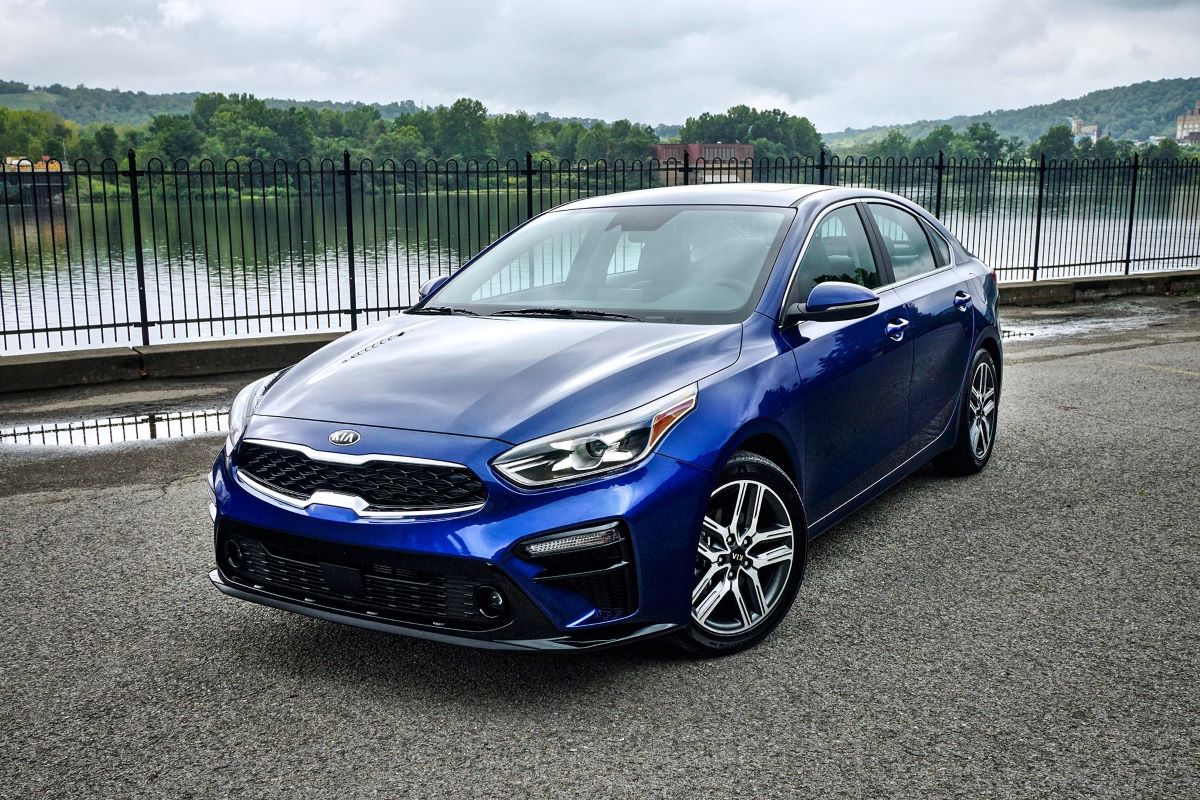
The optional 201-horsepower turbocharged engine significantly improves the Forte’s performance, bringing it much closer to benchmarks like the Volkswagen Golf GTI and Honda Civic Si. With a manual transmission, our Forte GT test car recorded a 0–60 mph time of 6.7 seconds, placing it just behind those well-known sporty rivals.
The Forte delivers a comfortable and composed ride, but its handling doesn’t quite live up to the aggressive, Stinger-inspired styling, even in GT trim. In a recent comparison test against the Civic Si and Volkswagen Jetta GLI, the Forte required noticeably more effort to maintain the same pace as its competitors.
Also Read: 10 V8 Vehicles That Cost the Least to Maintain
2. Subaru Impreza Sedan
The Subaru Impreza sedan works well in cities for reasons many people overlook.
While it’s often associated with snow and outdoor lifestyles, its compact size and standard all-wheel drive make it surprisingly capable in urban environments especially in cities with harsh winters like Minneapolis, Denver, or Boston.
The Impreza’s AWD system provides confidence on wet, icy, or poorly maintained streets without adding much complexity for the driver.
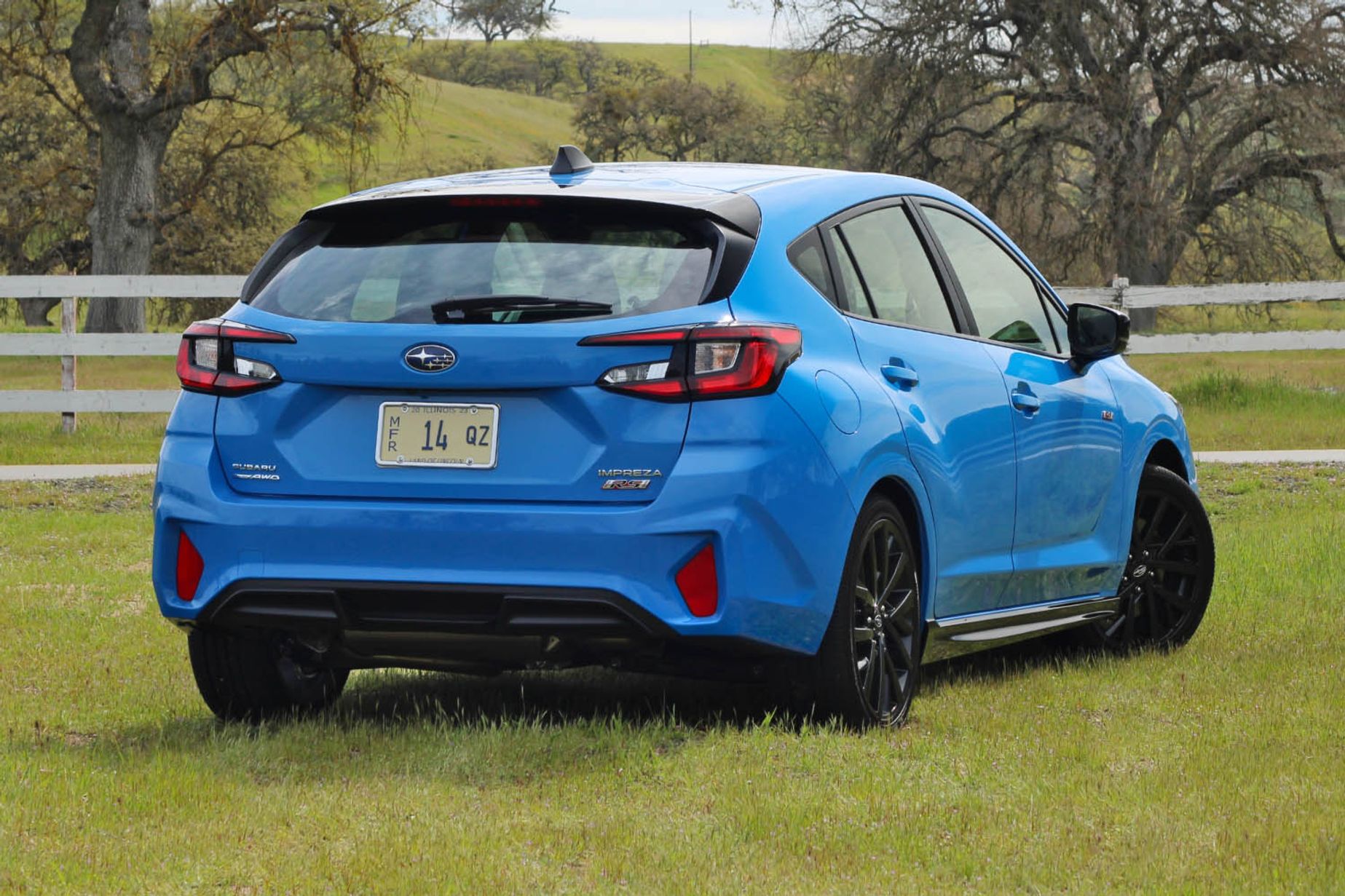
Visibility is excellent compared to many modern sedans, and the car feels balanced and stable at low speeds.
While it’s not fast, its power delivery is predictable, which is ideal for navigating congested traffic. The Impreza also handles potholes and rough roads better than many competitors, making it a smart pick for cities with aging infrastructure.
3. Volkswagen Jetta
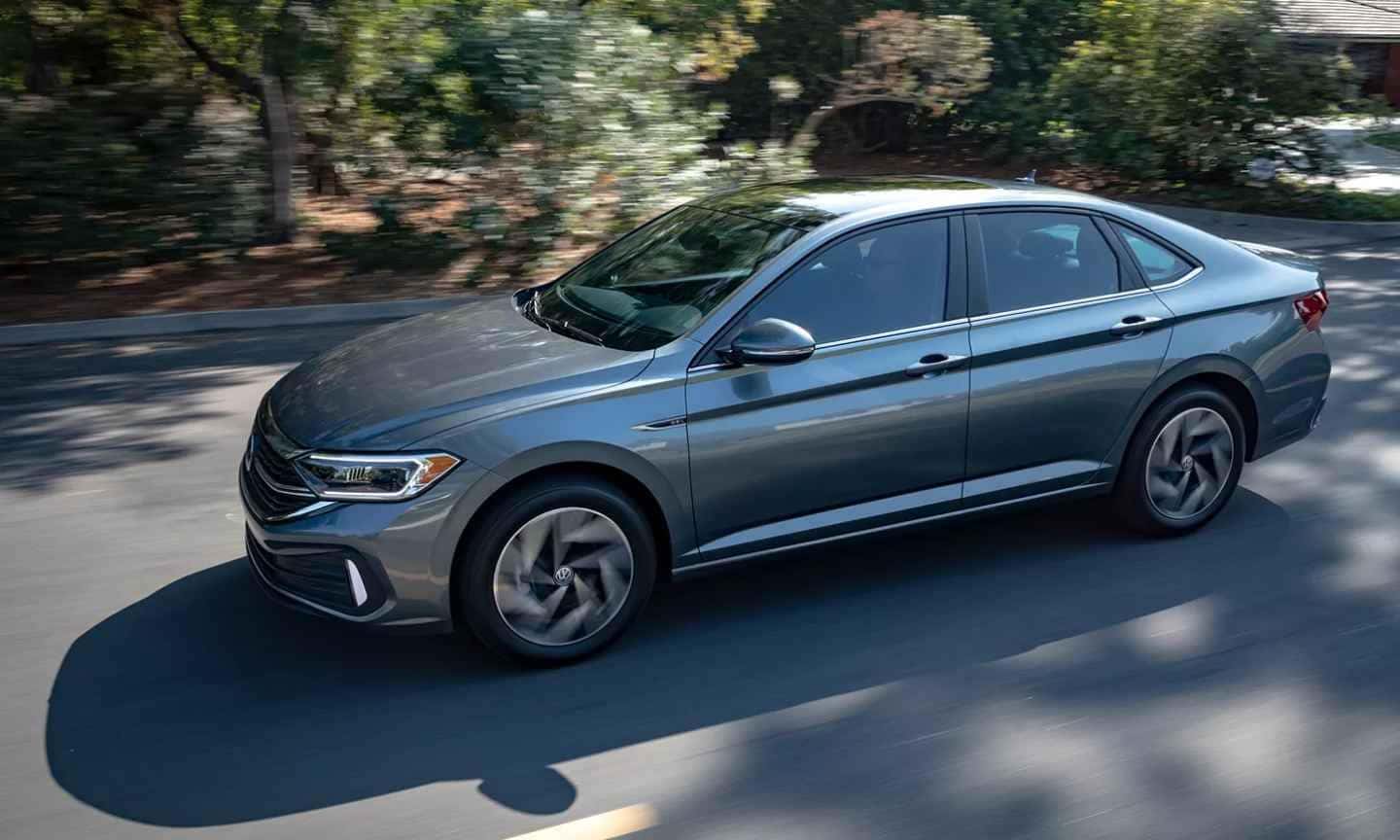
The Volkswagen Jetta continues to be a strong city sedan when equipped with its standard turbocharged engine.
Its compact dimensions make maneuvering through dense neighborhoods easier than with larger midsize sedans, while its interior remains roomy enough for occasional passengers or cargo.
What helps the Jetta most in cities is its low-end torque. The turbo engine doesn’t require aggressive throttle inputs to get moving, which keeps driving smooth in traffic.
Steering is accurate without being heavy, and ride quality strikes a good balance between firmness and comfort.
While maintenance costs can be slightly higher than Japanese rivals, the Jetta rewards city drivers with refined road manners and solid real-world fuel economy.
Every Jetta sends power to the front wheels via a turbocharged 1.5-liter four-cylinder engine producing 158 horsepower and 184 pound-feet of torque.
A six-speed manual transmission comes standard on the base model, while an eight-speed automatic is available as an option. At our test track, the automatic-equipped SEL we tested accelerated to 60 mph in 7.1 seconds, making it 0.6 seconds quicker than the previous automatic Jetta we evaluated.
With a manual transmission, straight-line performance through the quarter-mile remains largely the same, although the car reaches 100 mph 0.6 seconds sooner than the eight-speed automatic version.
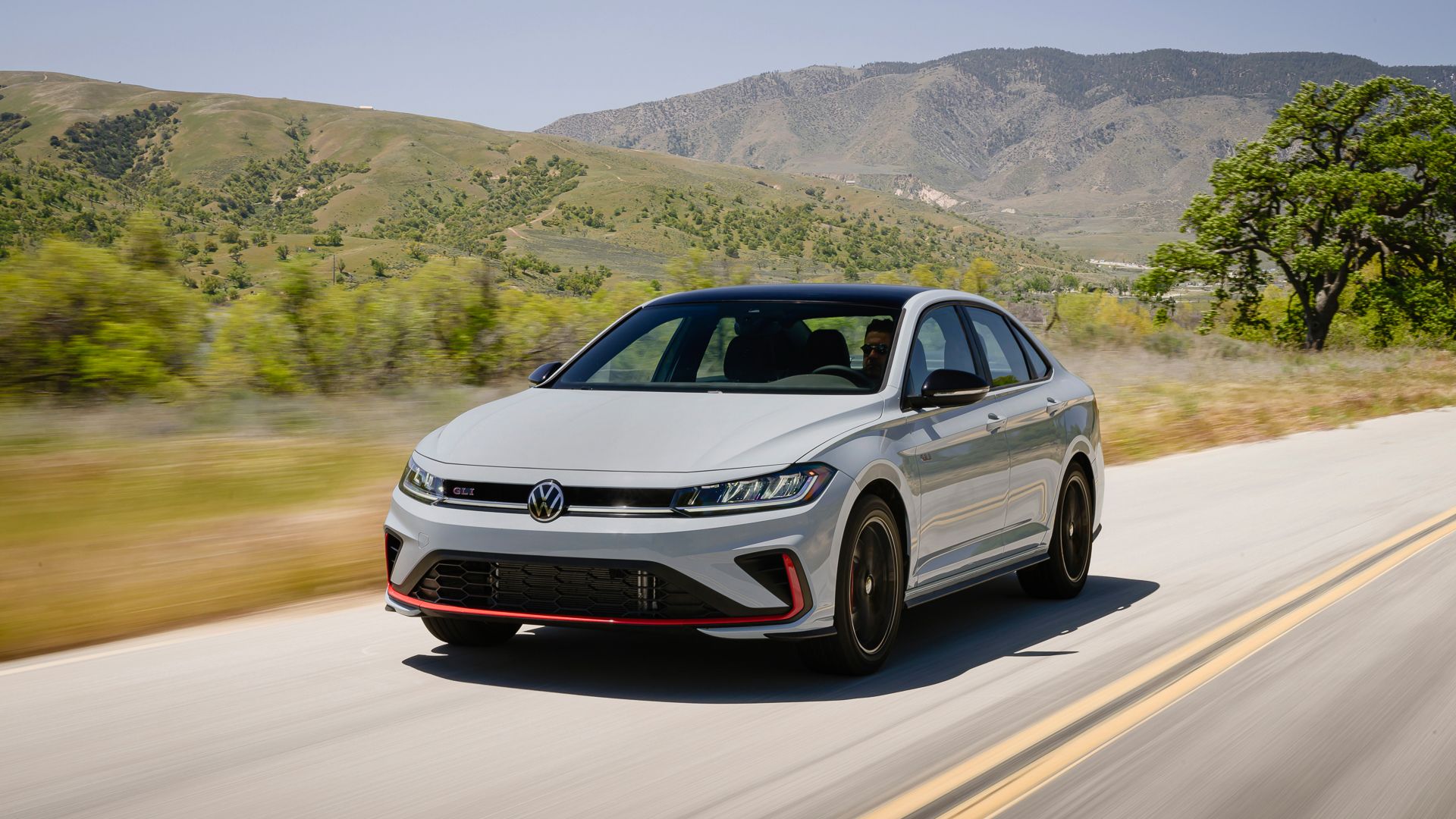
On the road, the Jetta delivers a quiet and comfortable ride, but its very light steering, while easy to use, doesn’t provide much precision or feedback.
Compared with competitors like the Mazda 3, the Jetta isn’t particularly eager in tight corners and tends to lean when pushed beyond the speed limit. That said, its calm, relaxed demeanor will appeal to drivers looking for smooth, unassuming transportation.
4. Chevrolet Bolt EUV (Sedan-like Urban Alternative)
While technically a crossover-hatch, the Bolt EUV behaves much like a sedan in city conditions and often outperforms traditional sedans in urban environments.
For major cities investing in EV infrastructure, the Bolt EUV offers compelling advantages: instant torque for quick gaps in traffic, near-silent operation, and extremely low operating costs.
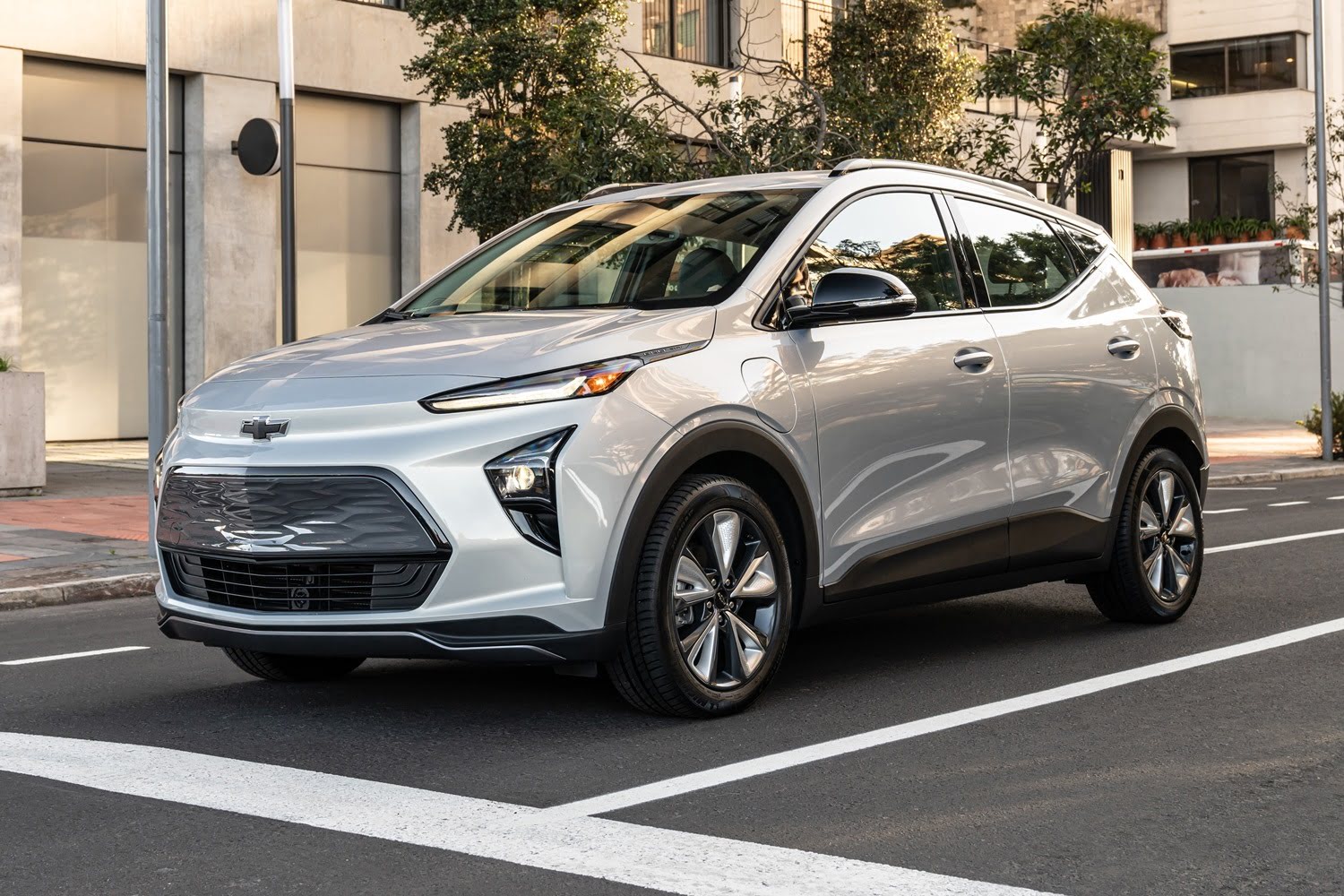
Short trips, constant stops, and heavy congestion are where electric vehicles shine, and the Bolt EUV is sized perfectly for city streets.
Its compact length simplifies parking, while the elevated seating position improves visibility without making the vehicle feel bulky.
For urban residents with access to home or workplace charging, the Bolt EUV offers a modern solution to city driving challenges that gasoline sedans struggle to match.
5. Lexus IS
The Lexus IS is one of the few luxury sedans that still makes sense in a major city.
Unlike larger luxury models, the IS keeps its proportions tight, which pays dividends when navigating narrow streets or parking garages. Steering is precise, and the chassis feels controlled even at low speeds.
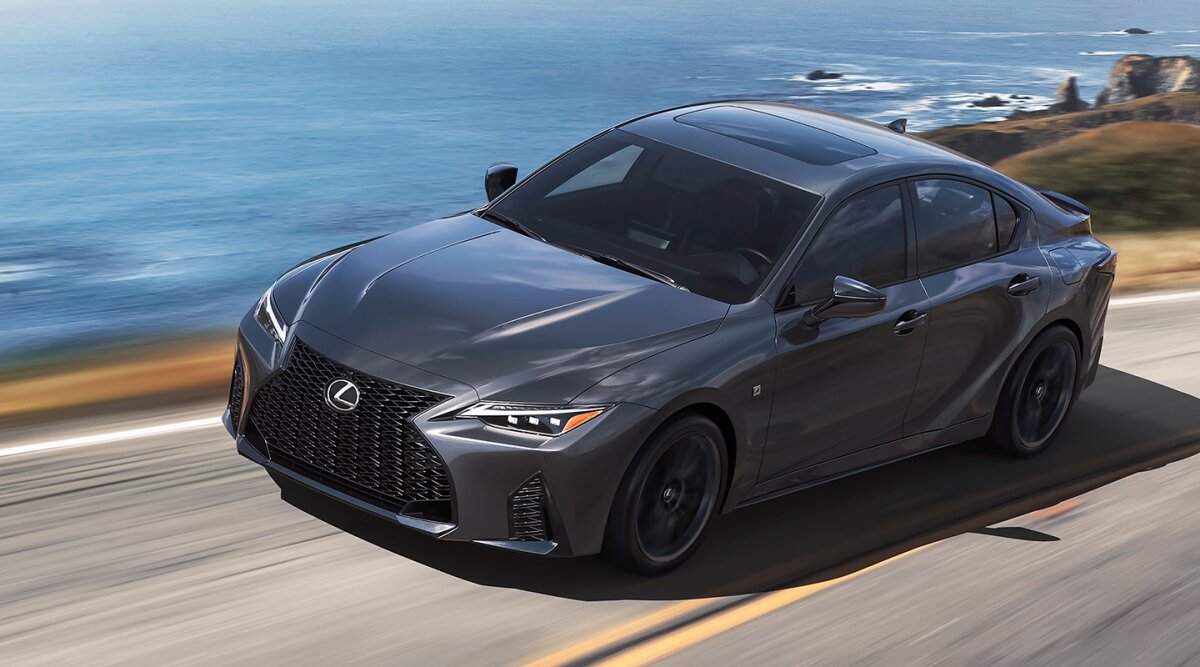
What really sets the IS apart is its durability. Lexus reliability matters more in cities, where vehicles endure frequent short trips and constant wear.
The interior materials hold up well over time, and the ride quality balances firmness with comfort. While fuel economy isn’t class-leading, the IS avoids the maintenance nightmares that plague many European luxury sedans in urban settings.
The 2022 IS is offered with three different engine choices, starting with a 241-horsepower turbocharged 2.0-liter four-cylinder in the IS300, stepping up to a 311-hp V-6 in the IS350, and now topping the range with a 472-hp V-8 in the IS500 F Sport Performance.
In past testing, we haven’t been particularly impressed with the four-cylinder IS300, as its uninspiring nature doesn’t pair well with the car’s otherwise athletic chassis.
Choosing the V-6 transforms the experience, allowing the IS to show its strengths while also unlocking the F Sport package, which adds meaningful performance enhancements such as a limited-slip rear differential, staggered 19-inch wheels, and an available adaptive suspension.
When we tested a rear-wheel-drive IS350 F Sport, it reached 60 mph in a quick 5.6 seconds, a respectable result for a competitive segment.
For those seeking the most exciting version of the IS, the V-8-powered IS500 stands apart, delivering a standout performance with a 0–60 mph time of just 4.3 seconds at our test track.
Also Read: 5 Brands That Hold Value Like Gold and 5 Like Wet Paper
Sedans That Don’t Work Well in Major Cities
Major city driving is demanding, and not every sedan is built to handle it gracefully. Tight parking spaces, endless stop-and-go traffic, rough pavement, and frequent low-speed maneuvers quickly expose design flaws that are easy to ignore elsewhere.
Sedans that are too large, too low, inefficient in traffic, or expensive to repair often become more of a burden than a benefit in dense urban environments.
What feels comfortable on open roads can turn frustrating in crowded city streets. In this article, we break down sedans that don’t work well in major cities, and the characteristics that make them a poor fit for urban life.
1. Toyota Avalon
The Toyota Avalon is an excellent highway cruiser but that’s exactly why it struggles in cities. Its size works against it in dense environments, where parking spaces and garages are often designed for much smaller vehicles.
Maneuvering the Avalon through tight streets or crowded parking lots feels cumbersome.
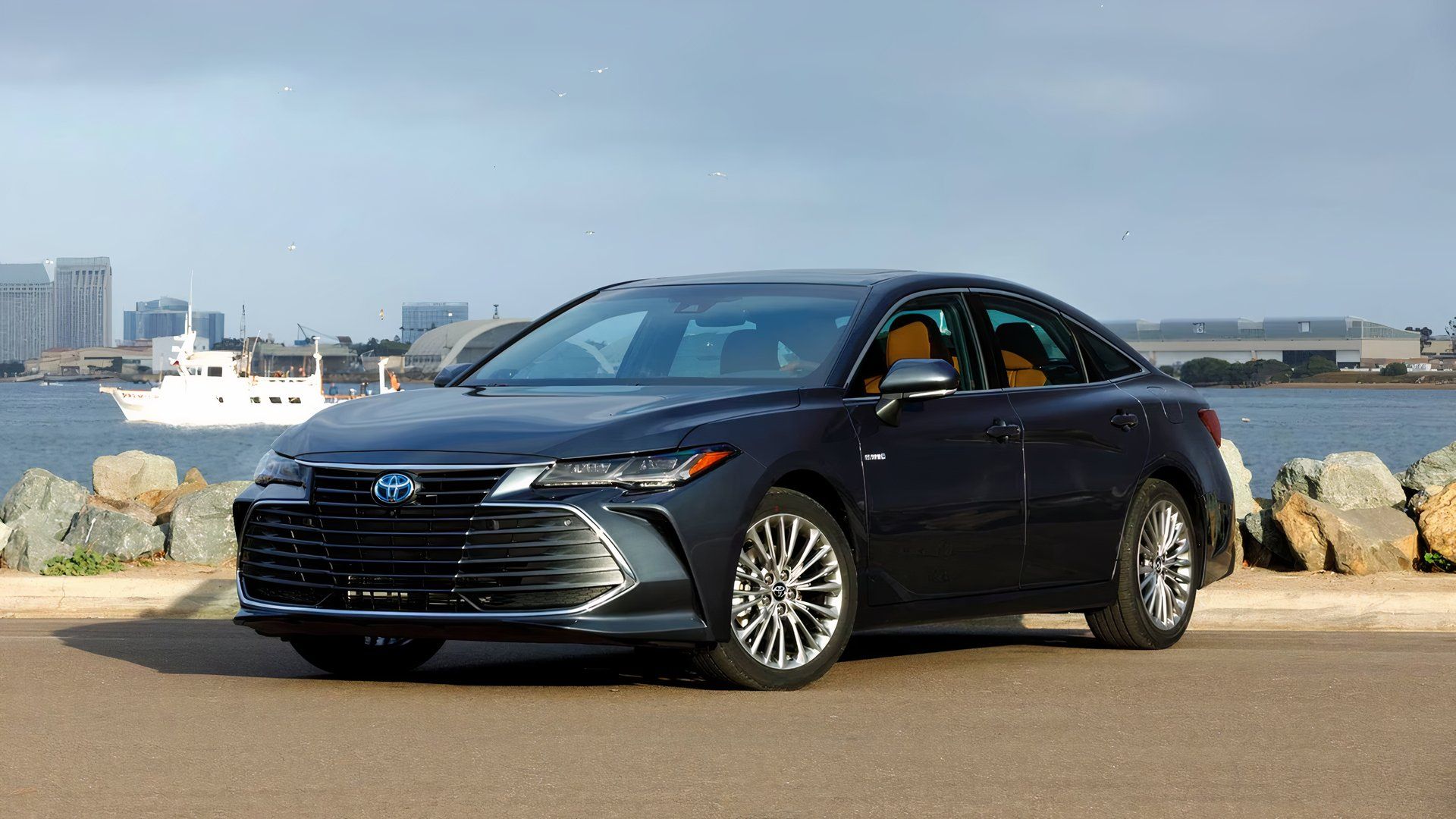
In stop-and-go traffic, the Avalon’s strengths smooth ride and quiet cabin are less noticeable, while its weaknesses become more apparent.
Fuel consumption rises quickly in urban conditions, and the car simply feels oversized for daily city errands. For suburban or highway driving, it shines; for city living, it’s unnecessarily large.
The new model broke away from the image of being just another unremarkable sedan, signaling a clear shift in direction for the nameplate.
At a time when more buyers were gravitating toward SUVs and many manufacturers were abandoning the full-size sedan segment altogether, Toyota chose to keep the Avalon alive.
Although it shared the TNGA platform with its well-known sibling, the Camry, the Avalon received such extensive styling changes that it appeared genuinely sporty and even aggressive. Depending on the engine choice, it also had the performance to back up its bold looks rather than simply relying on visual flair.
The front end was defined by a large, wide grille that set the tone for the car’s design. Trim levels dictated its finish, with some versions featuring chrome accents on the horizontal slats, while others opted for a fully blacked-out look.
From the side, designers worked to give the Avalon a cab-rearward appearance, despite its front-wheel-drive underpinnings. At the rear, Toyota retained the wide taillight design, now connected by a thin red strip running across the trunk lid.
Inside the cabin, Toyota offered a variety of seating and comfort configurations. Optional contoured seats with light side bolstering provided better support and helped keep occupants secure during spirited cornering.
Toyota introduced the option of an adaptive suspension system designed to smooth out bumps and potholes. Buyers could also opt for 19-inch alloy wheels wrapped in wider tires, which enhanced grip and sharpened the car’s handling.
Under the hood, the Avalon was available with three powertrain options: a base 2.5-liter naturally aspirated engine, a hybrid setup, and a range-topping 3.5-liter V6.
Both the base and V6 models sent power to the front wheels through an eight-speed automatic transmission, while the hybrid used an eCVT. Additionally, the base engine could be paired with an available all-wheel-drive system.
2. Hyundai Sonata
The Hyundai Sonata sits in a tricky space for urban use. It’s not small enough to be nimble, yet not large enough to offer the flexibility of an SUV.
In cities, its long wheelbase makes tight turns and U-turns awkward, and visibility isn’t as strong as in smaller sedans.
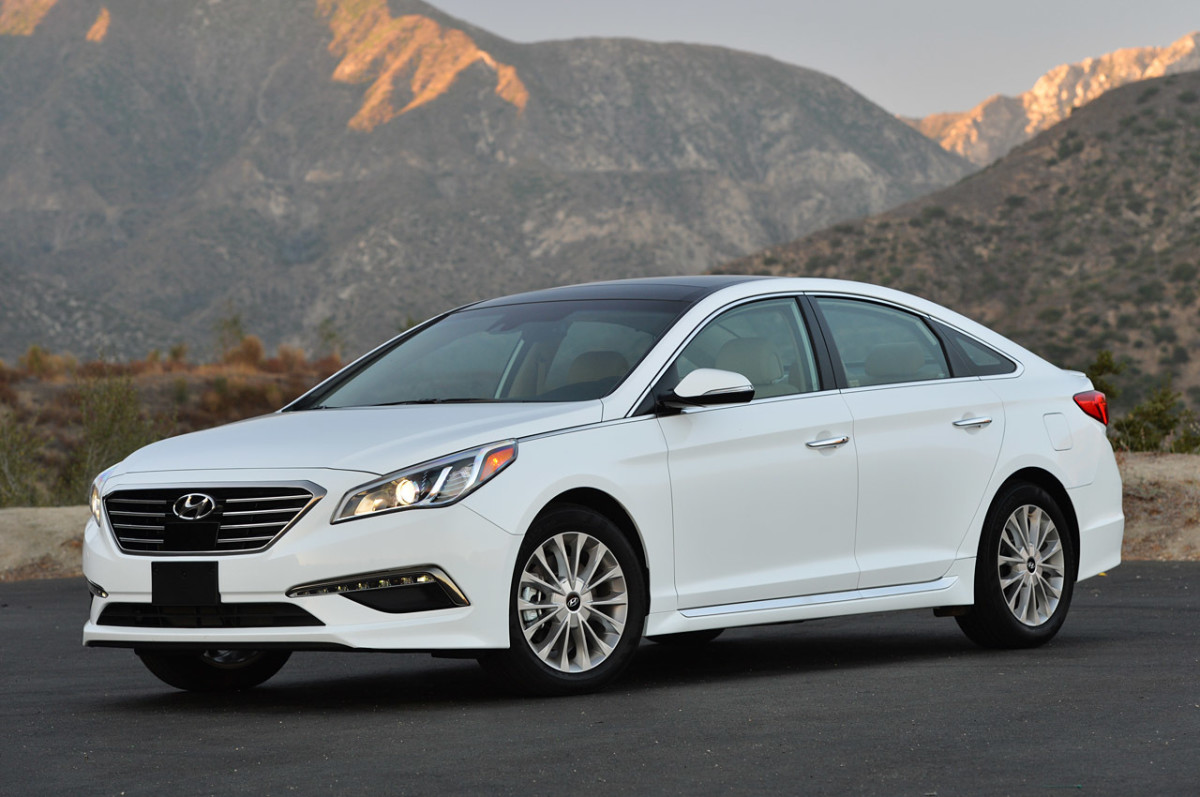
While comfortable on smooth roads, the Sonata’s suspension struggles with broken pavement, transmitting harsh impacts into the cabin.
Over time, city wear exposes interior durability issues, especially for drivers who rack up miles quickly. The Sonata isn’t a bad car but it’s not optimized for dense urban environments.
We evaluated a Sonata Limited equipped with the turbocharged 1.6-liter engine. While it’s not especially fast, the Sonata does manage to slightly outperform other similarly powered midsize sedans, posting a 0–60 mph time of 7.6 seconds.
It has no difficulty keeping up with traffic or merging onto highways, though it does require a firmer push on the accelerator than some drivers might expect.
Steering, handling, and braking are straightforward and unremarkable, though a few quirks stand out. The ride is on the firm side, but that stiffness doesn’t translate into noticeably better handling.
The brake pedal produces a faint pulsing sensation during light, steady braking, such as when descending a mild incline. There’s little here that’s outright objectionable, but there’s also not much that truly stands out.
3. BMW 5 Series
Luxury midsize sedans like the BMW 5 Series are poorly matched to major city life. Their size, complexity, and performance focus work best on highways, not congested streets.
Parking a 5 Series in older urban neighborhoods can be stressful, and curb damage becomes a constant concern.
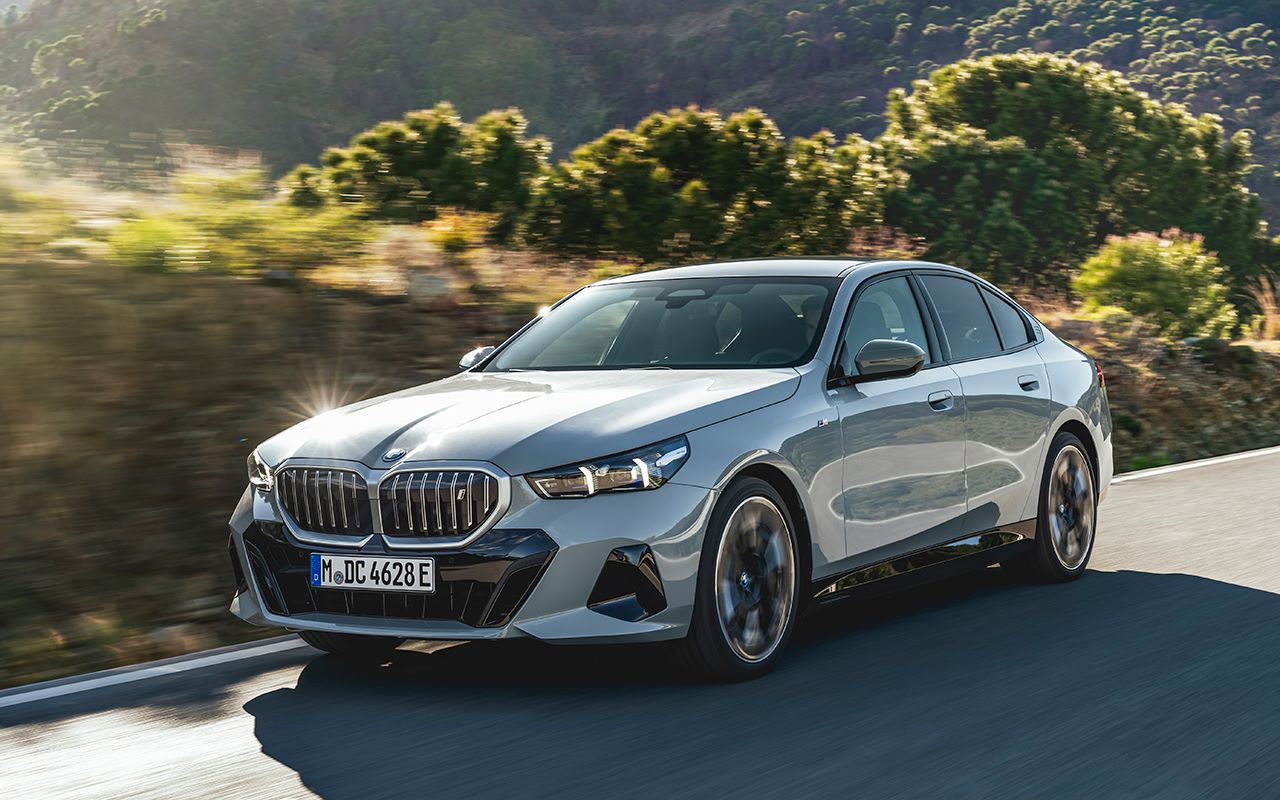
In stop-and-go traffic, advanced drivetrains and sensitive electronics don’t get a chance to perform as intended.
Maintenance and repair costs rise sharply with city use, especially once the warranty expires. While the 5 Series is impressive on open roads, it’s overkill and often a liability in major cities.
As a premium means of transportation, the seventh-generation 5 Series continues to perform at a high level.
The interior is filled with soft-touch materials that both look and feel upscale, and BMW deserves credit for keeping the driving experience engaging through up-to-date technology, even if it’s delivered in a familiar BMW fashion.
There’s plenty of room inside the cabin, and the trunk is larger than most competitors’, giving the car a welcome dose of everyday usability.
That said, anyone hoping for a modern revival of the beloved E39-era 5 Series from the 1990s is likely to be disappointed.
Like recent generations before it, the G30 sedan is quick, and the hybrid versions are not only more efficient but also a bit more athletic.
Its dynamics are polished and competent, but the steering lacks the level of feedback enthusiasts might want, and the car doesn’t feel as emotionally engaging as it once did. If you’re after a midsize luxury sedan that truly feels special, the Mercedes-Benz E-Class may currently have the edge.
4. Nissan Altima
The Nissan Altima struggles in cities largely due to drivetrain behavior and long-term reliability concerns.
In traffic, the continuously variable transmission often feels unrefined, with delayed responses that frustrate drivers during frequent stops and starts.
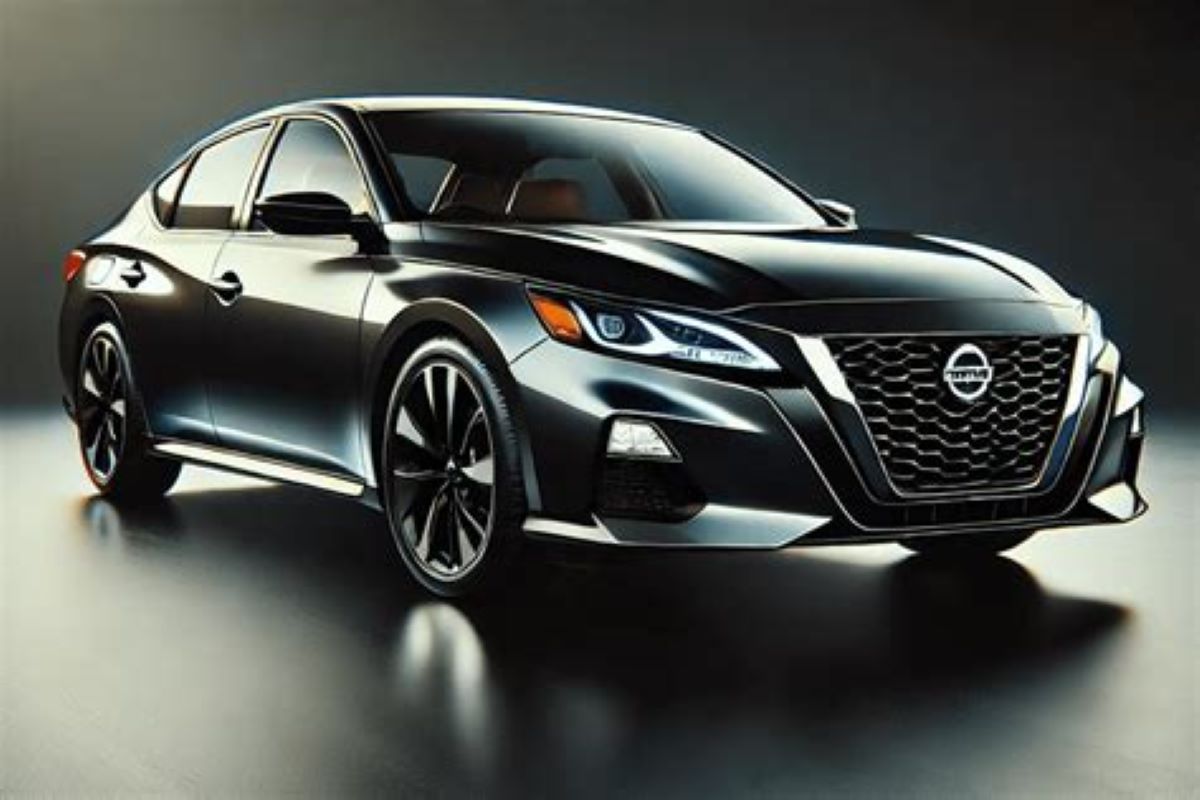
The Altima’s size also works against it in tight urban spaces, and interior materials don’t age gracefully under constant use.
While fuel economy is acceptable on paper, real-world city driving often delivers disappointing results. Over time, city ownership tends to expose weaknesses that make the Altima less appealing for urban dwellers.
The Altima doesn’t impress with standout acceleration or braking performance. Our all-wheel-drive test vehicle, equipped with the 2.5-liter engine, reached 60 mph in a fairly ordinary 8.4 seconds.
That said, the continuously variable automatic transmission is nicely calibrated and fades into the background during everyday use, making the Altima feel unobtrusive and easy to live with in routine driving.
One of the car’s strengths is its composed and stable handling. It feels confident when navigating fast, sweeping corners, which can inspire trust behind the wheel.
However, that capability also highlights a drawback: the steering is extremely light and lacks meaningful feedback, leaving it feeling somewhat vague despite the chassis’ underlying stability.
5. Mercedes-Benz E-Class
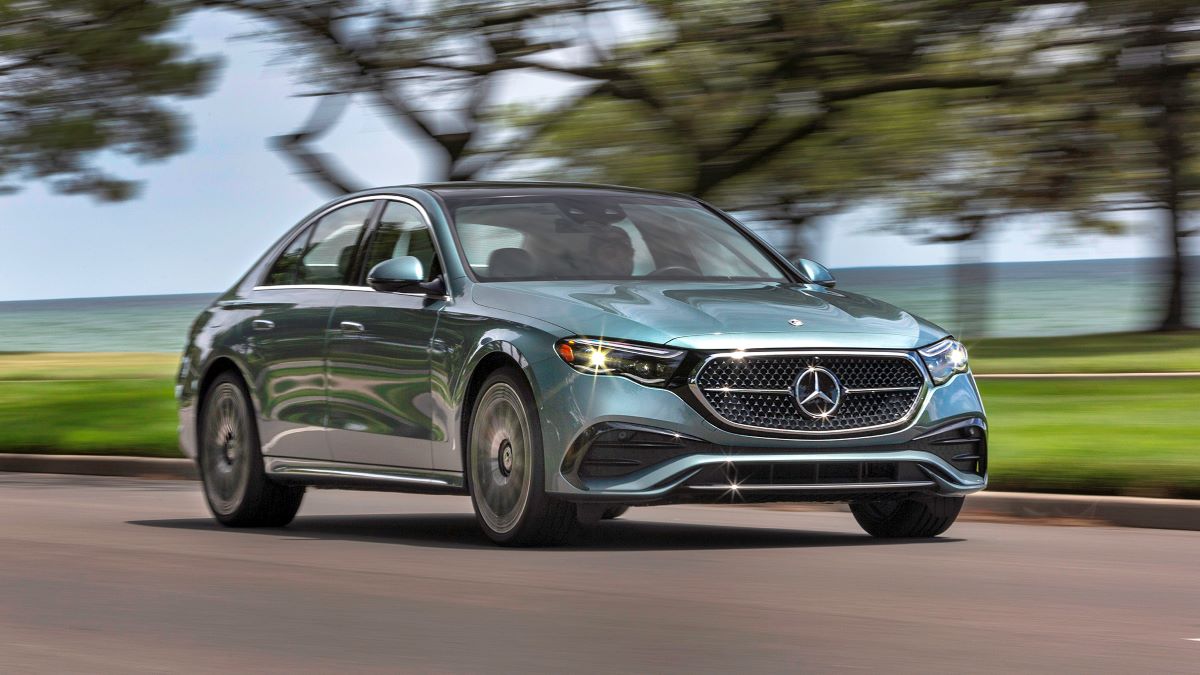
The Mercedes-Benz E-Class represents the kind of sedan that simply doesn’t belong in dense urban environments.
It’s large, expensive, and filled with complex systems that don’t tolerate short trips and constant idling well. Parking anxiety becomes a daily reality, and even minor city damage can be costly to repair.
Fuel economy suffers badly in stop-and-go conditions, and maintenance costs are among the highest in the segment. While the E-Class offers exceptional comfort on highways, city streets neutralize its advantages and amplify its drawbacks.
Sedans can still thrive in major U.S. cities but only when they’re designed with urban realities in mind.
Every E-Class comes equipped with a well-mannered nine-speed automatic transmission that works in concert with three available engines.
The E350 uses a turbocharged four-cylinder producing 255 horsepower and 273 pound-feet of torque, and it can be configured with either rear-wheel drive or all-wheel drive.
Stepping up to the E450 brings a turbocharged inline-six paired with a 48-volt mild-hybrid system that also functions as an electric supercharger. This setup delivers 362 horsepower and 369 pound-feet of torque to all four wheels.
Because the E-Class prioritizes comfort, its driving dynamics are capable rather than sporty. There’s noticeable body lean through corners, but the car seldom feels strained, even when driven assertively.
When fitted with the optional air suspension and set to Comfort mode, the ride quality is exceptionally smooth, making the E-Class an ideal long-distance cruiser.
It floats over rough pavement with only faint reminders of imperfections reaching the cabin. With the drive-mode selector in Comfort or Eco, the steering strikes a pleasing balance, neither overly light nor heavy, and remains precise.
On the highway, the E-Class tracks straight with a reassuring, predictable feel, though road feedback is intentionally subdued. One downside we noted is braking performance, as the E450 we tested required a lengthy 187 feet to come to a stop from 70 mph.
Compact dimensions, predictable drivetrains, durability, and efficiency matter far more than luxury badges or performance credentials. The sedans that succeed are those that reduce stress, not add to it.
In cities where every inch of space counts and every mile is hard-earned, the best sedan isn’t the flashiest one. It’s the one that fits, lasts, and quietly makes daily life easier.
