City streets are rarely smooth, and uneven pavement, potholes, and speed bumps challenge a vehicle’s suspension, chassis, and ride quality. Some cars and SUVs manage these imperfections with remarkable composure, keeping occupants comfortable and confident, while others transmit every jolt and vibration directly into the cabin.
This comparison highlights five vehicles that excel at maintaining stability and comfort on rough urban roads, alongside five vehicles that, despite strengths in performance, style, or efficiency, struggle in similar conditions.
From luxury sedans with predictive air suspension to off-road SUVs engineered for rugged terrain, the way a vehicle absorbs and reacts to imperfections defines the difference between a smooth ride and a harsh, jarring experience.
5 Vehicles That Stay Composed on Rough City Roads
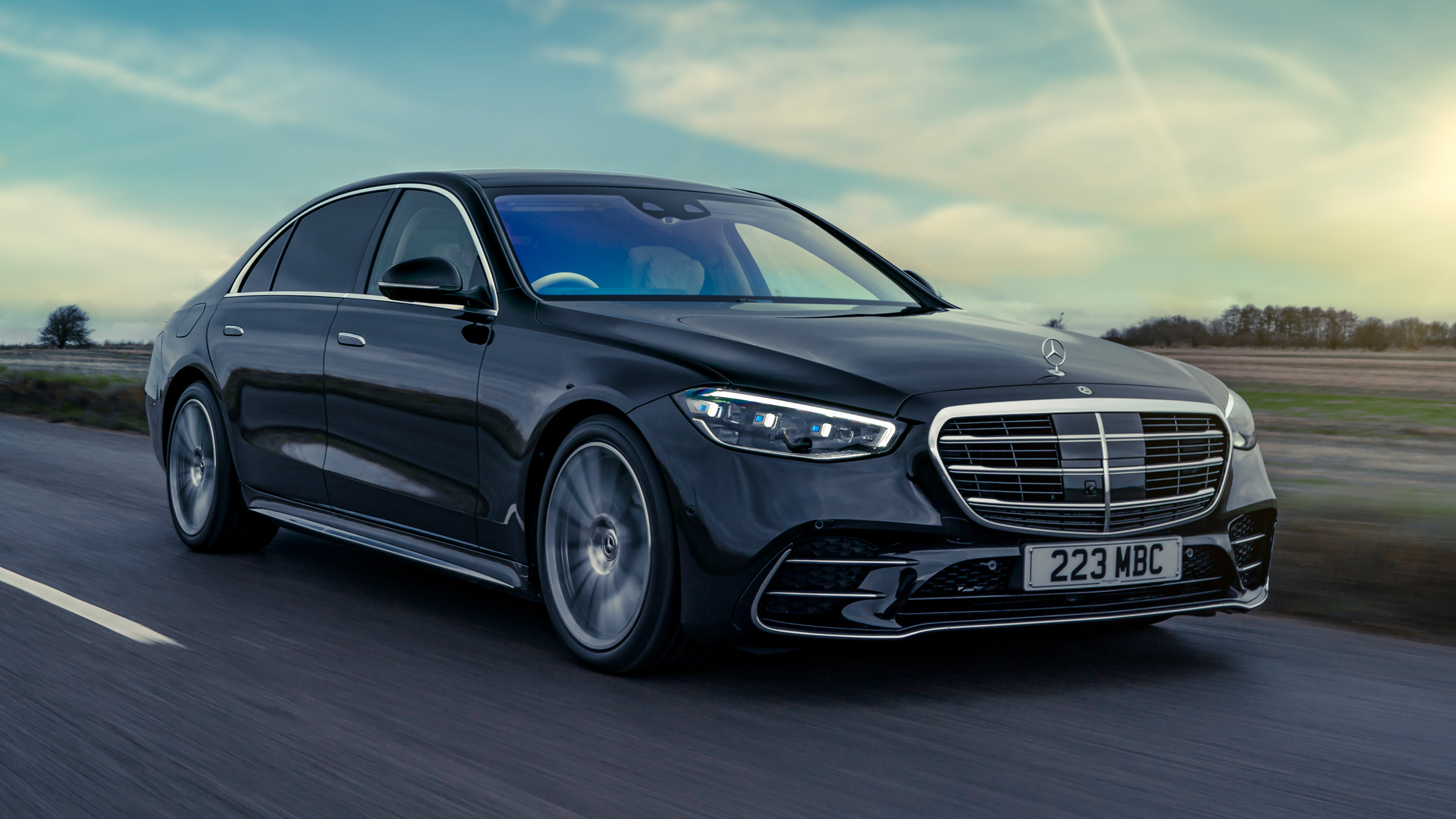
1. Mercedes-Benz S-Class: The Benchmark for Ride Comfort, Technology, and Luxury
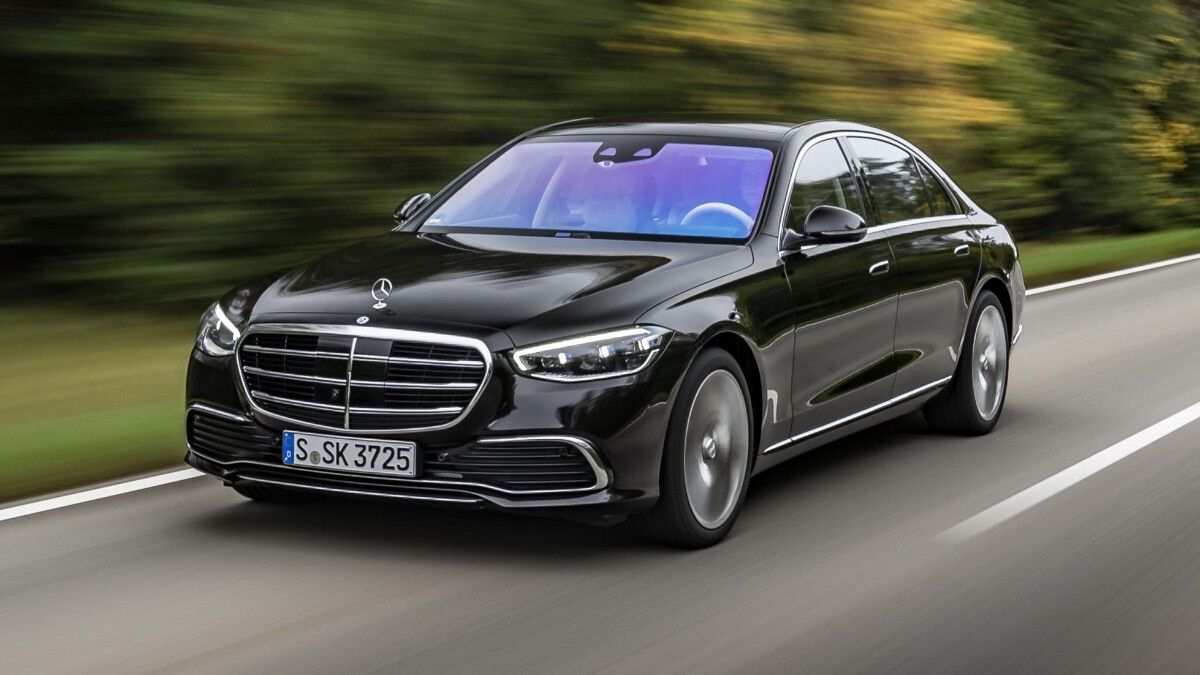
The Mercedes-Benz S-Class has long been regarded as the gold standard in the luxury sedan segment, and its reputation is strongly reinforced by its unmatched ride comfort, advanced technology, and refined performance. At the heart of its famously smooth ride is Mercedes’ AIRMATIC air suspension system, which continuously adapts to road conditions in real time.
Paired with technologies such as Magic Body Control and Road Surface Scan, the S-Class uses cameras to detect upcoming bumps and imperfections, proactively adjusting the suspension before the wheels even reach them. The result is a composed, “magic carpet” driving experience that isolates occupants from potholes, rough city streets, and road vibrations.
Complementing the suspension is extensive sound insulation, including acoustic glass and precision sealing, which keeps the cabin exceptionally quiet even in noisy urban environments.
Mercedes is also looking ahead, with future cloud-based systems designed to remember frequently encountered potholes and prepare the suspension in advance. Together with plush, ergonomically designed seats, these features ensure outstanding cabin stability and passenger comfort.
Performance is equally impressive. The S-Class lineup includes a 442-hp turbocharged inline-six (S500), a 496-hp twin-turbo V-8 (S580), and a 510-hp plug-in hybrid (S580e) that combines an inline-six engine with an electric motor. All models use a smooth-shifting nine-speed automatic transmission and standard 4Matic all-wheel drive.
Acceleration is brisk for a luxury sedan of this size, with 0–60 mph times ranging from 3.9 seconds in the S580 to 4.5 seconds in the S500. Optional all-wheel steering enhances maneuverability, while E-Active Body Control allows the car to subtly lean into corners for added composure.
Efficiency is another strong point, particularly for the S580e plug-in hybrid. With an EPA-estimated electric range of 48 miles (and 58 miles achieved in testing), it allows many daily trips to be completed on electric power alone. Fuel economy across the range is competitive, often exceeding EPA estimates in real-world testing.
Inside, the S-Class delivers a truly first-class experience. Premium materials, extensive customization options, and advanced comfort features cater to both front and rear passengers. The rear cabin can be transformed into a VIP lounge with reclining, massaging seats, folding tables, and entertainment screens.
Technology is anchored by a 12.8-inch OLED touchscreen running the latest MBUX system, while safety is enhanced through comprehensive driver-assistance features, including collision mitigation technologies and optional rear-seat airbags.
The Mercedes-Benz S-Class remains the definitive luxury sedan, blending cutting-edge engineering, serene comfort, and sophisticated performance into one cohesive package.
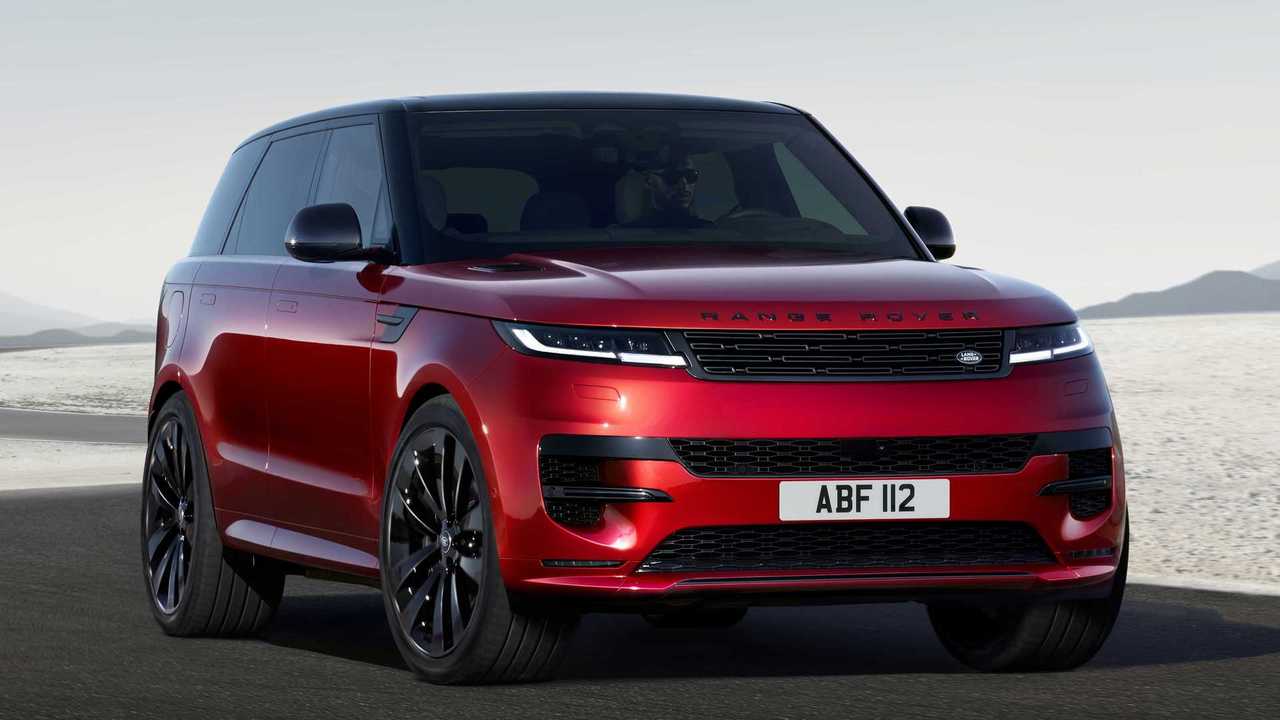
2. Land Rover Range Rover: Urban Composure Meets Ultimate Luxury
The latest-generation Land Rover Range Rover reinforces its status as one of the most accomplished luxury vehicles ever built, seamlessly blending off-road toughness with exceptional on-road comfort. Central to its ability to glide over rough, neglected urban infrastructure is an advanced Electronic Air Suspension system that monitors road conditions up to 500 times per second.
Working in tandem with the rigid yet lightweight MLA-Flex aluminum unibody chassis, the suspension absorbs potholes, speed bumps, and surface imperfections with remarkable composure, delivering a calm and refined ride even on poorly maintained city streets.
Originally engineered for extreme off-road conditions, the Range Rover’s technology translates effortlessly to urban use. The Terrain Response system, for instance, can optimize traction settings for rain-soaked or icy roads, while the standard 4×4 system ensures stability in adverse weather.
A high driving position further enhances confidence by giving the driver excellent visibility to anticipate hazards such as potholes, traffic congestion, or construction zones. In hybrid variants, instant electric torque provides smooth, effortless acceleration at low speeds, ideal for stop-start city driving.
The current L460 generation marks a significant evolution for the Range Rover, reimagining its role in a world increasingly focused on sustainability. Two plug-in hybrid models, the P460e and P550e, combine a 3.0-liter six-cylinder petrol engine with a large battery and electric motor, offering up to 75 miles of claimed electric range (around 50 miles in real-world driving).
Land Rover estimates that many owners could complete the majority of daily journeys without engaging the combustion engine. A fully electric Range Rover is also on the horizon, signaling a clear commitment to electrification without sacrificing performance or luxury. Alongside these are mild-hybrid diesel options and powerful twin-turbo V8s, ensuring a wide range of choices.
Design-wise, the Range Rover remains instantly recognizable while showcasing meticulous refinement. Signature elements such as the floating roof and clamshell bonnet have been subtly reworked, complemented by flush glazing, hidden details, and impressively tight panel gaps. Despite its size, the SUV is notably aerodynamic, contributing to both efficiency and quietness.
Inside, the cabin emphasizes minimalist luxury, with high-quality materials, advanced connectivity, active noise cancellation, and optional long-wheelbase configurations that deliver limousine-like rear-seat comfort. While the shift toward touchscreen and haptic controls has reduced physical buttons, the interior remains serene, spacious, and unmistakably premium.
The Range Rover is not about sporty driving dynamics but about authority, comfort, and capability. Calm, commanding, and supremely comfortable, it stands not just as the definitive luxury SUV, but as one of the most complete luxury vehicles available today.
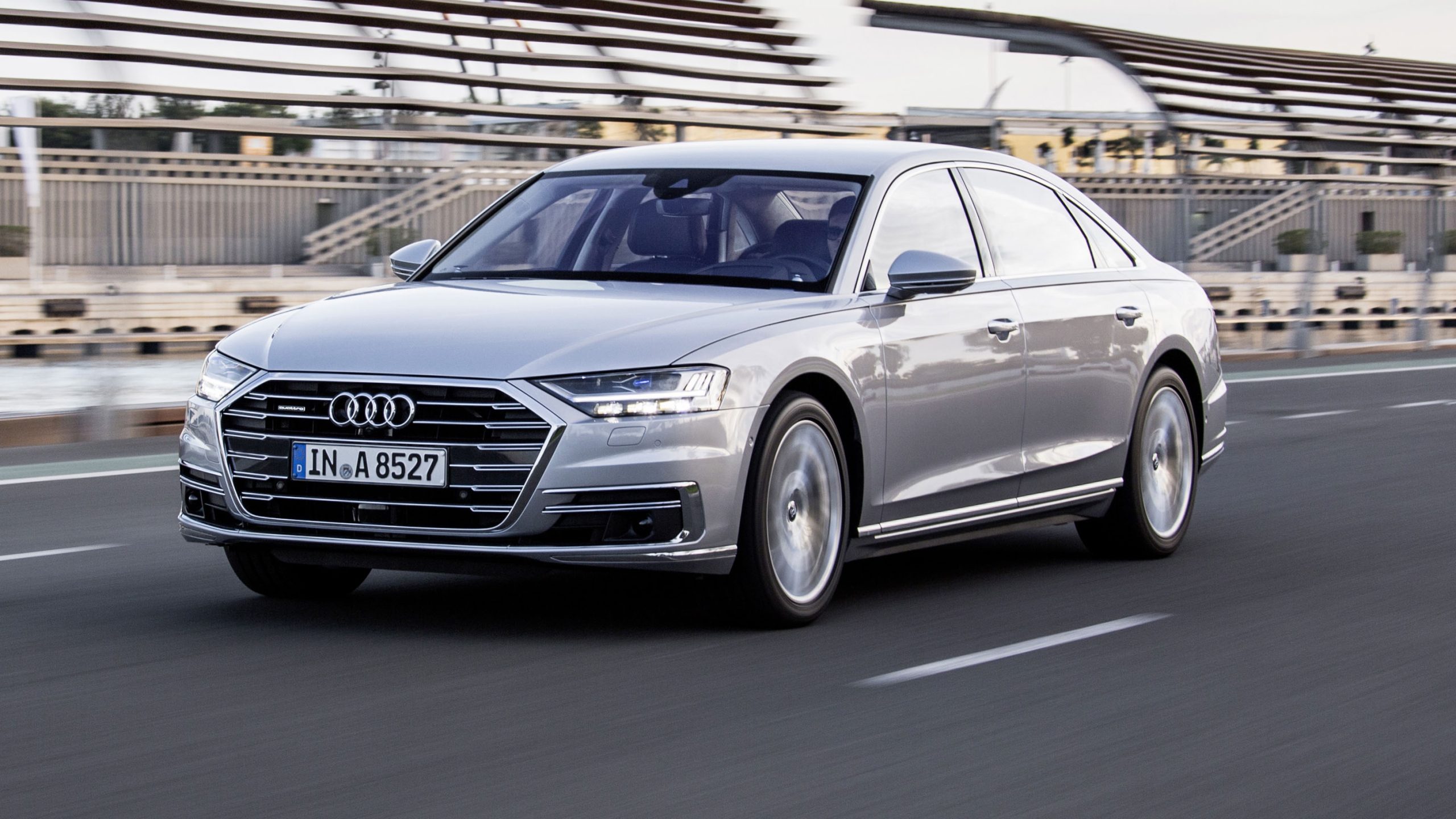
3. Audi A8: Predictive Comfort and Quiet Sophistication in a Flagship Sedan
For drivers who favor a traditional luxury sedan over an SUV, the Audi A8 delivers a refined and highly composed driving experience, particularly on rough city roads. Its standout feature is Audi’s predictive active air suspension, which uses forward-facing cameras to scan the road surface and detect bumps or imperfections in advance.
By adjusting the suspension before the wheels reach uneven pavement, the system significantly reduces vibration and impact inside the cabin, helping the A8 maintain a smooth and controlled ride.
This predictive technology works alongside an adaptive air suspension that continuously balances comfort and stability. Whether encountering sharp potholes, dips, or worn urban asphalt, the system is designed to absorb disturbances effectively. A rigid, high-tech chassis further supports this composure by minimizing body flex and shudder, even on broken surfaces.
Extensive sound insulation enhances the sense of calm, ensuring that road noise and harshness remain well outside the cabin. Together, these elements give the A8 a reputation for delivering a remarkably quiet and comfortable ride that feels almost detached from the road.
Powering the Audi A8 is a 335-horsepower turbocharged 3.0-liter V-6 engine supported by a 48-volt mild-hybrid system. An eight-speed automatic transmission and standard all-wheel drive deliver smooth, confident power to all four wheels. With peak torque available at very low engine speeds, the A8 feels responsive in everyday driving, making city traffic and highway cruising equally effortless.
Acceleration to 60 mph in 5.3 seconds is respectable for the segment, though the A8 clearly prioritizes refinement and smoothness over outright performance. Despite its size, it maintains good body control and feels stable through corners.
Inside, the long-wheelbase design provides generous space for both front and rear occupants. The interior styling is understated compared with some rivals, but material quality and craftsmanship are excellent.
Rear-seat comfort can be elevated with optional packages that add heating, ventilation, and massage functions, including a heated foot-massage feature. Cargo space is limited to 13 cubic feet, which is typical for a flagship luxury sedan and reflects the emphasis on passenger comfort rather than utility.
Technology plays a central role in the A8 experience. The dual-screen MMI infotainment system and the 12.3-inch Virtual Cockpit digital instrument cluster create a modern, connected environment with wireless smartphone integration. Driver-assistance features are available to enhance safety and convenience, though many advanced systems are optional.
The Audi A8 combines predictive suspension technology, structural sophistication, and exceptional cabin refinement, making it an appealing choice for buyers seeking a calm, luxurious, and technologically advanced sedan for daily urban driving.
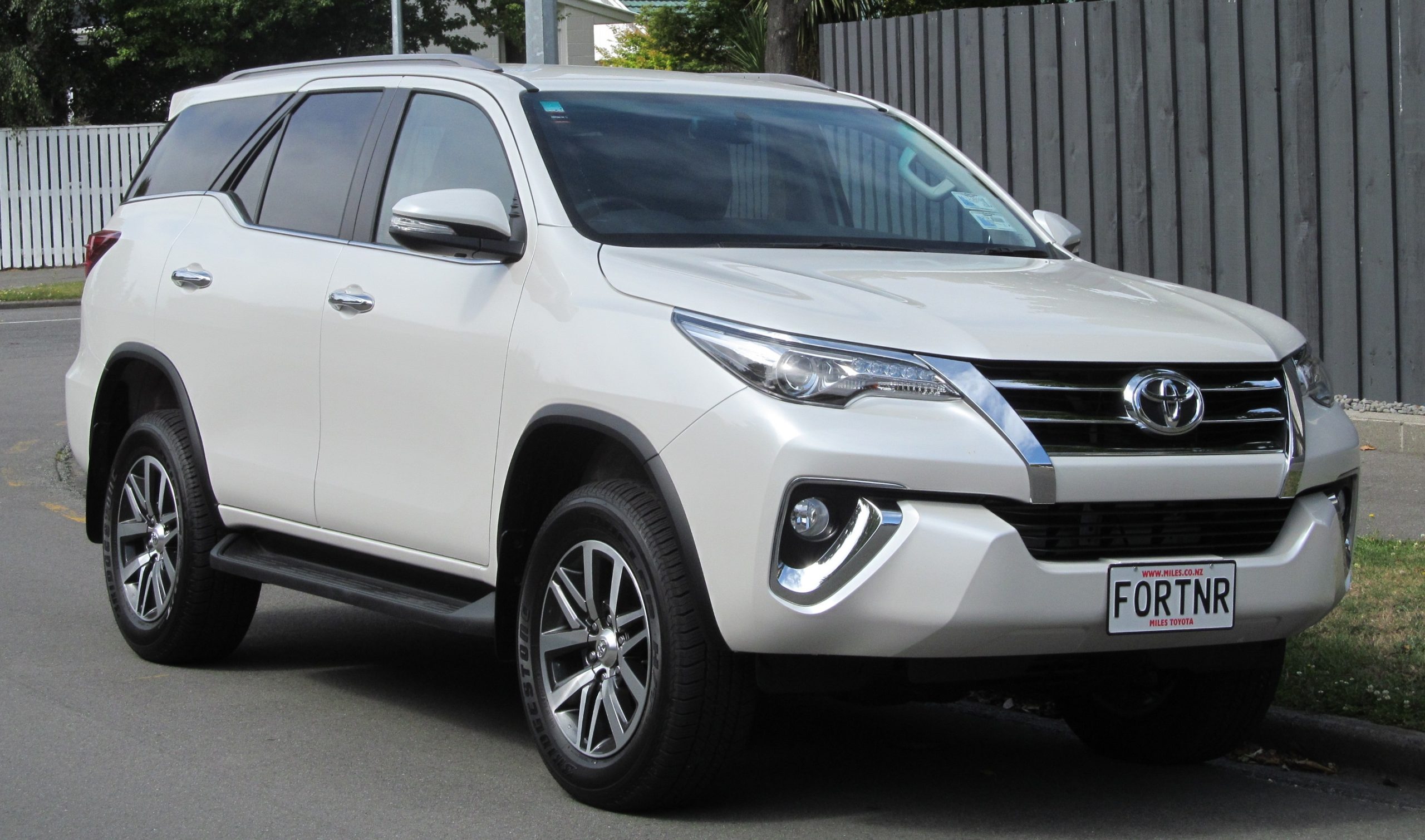
4. Toyota Fortuner: Built for Punishing Roads and Daily Dependability
The Toyota Fortuner is widely regarded as a tough and dependable SUV designed to cope with road conditions that often overwhelm regular passenger cars. Its foundation is a body-on-frame ladder chassis, a construction style known for strength and long-term durability.
This makes the Fortuner especially capable on uneven city roads, deep potholes, and damaged surfaces. With a generous ground clearance of 225 mm, the SUV can pass over speed breakers and broken tarmac without scraping the underbody, offering peace of mind in challenging urban environments.
A major reason for the Fortuner’s composure is its robust suspension setup, which is tuned to withstand heavy impacts rather than completely mask them. Large bumps, dips, and rough patches are absorbed without unsettling the vehicle, though this results in a firmer ride at lower speeds. The stiff chassis further enhances stability and resists wear from constant use on poor roads, reinforcing the Fortuner’s image as a long-lasting workhorse.
Power comes from a 2.8 liter turbo diesel engine in many markets, delivering strong torque that suits city traffic as well as highway cruising. This torque rich character allows smooth progress even when the road surface deteriorates or when the vehicle is fully loaded.
Select variants feature a 4×4 drivetrain, which improves grip and control on slippery or uneven surfaces. Newer versions are expected to introduce mild hybrid assistance, aimed at smoother acceleration and improved efficiency during urban use.
Inside, the Fortuner provides a high seating position that enhances road visibility and driver confidence. The cabin focuses on durability and practicality, with recent models adding modern features such as touchscreen infotainment with Apple CarPlay and Android Auto, a 360-degree camera, and Toyota Safety Sense driver assistance systems.
That said, some competitors offer more luxury-focused interiors and advanced technology at similar prices.
Owner and expert feedback consistently highlight the Fortuner’s strong road presence, proven reliability, and low maintenance costs. Common drawbacks include a firm ride in city conditions, noticeable diesel noise at higher engine speeds, and a third row best suited for children. The Toyota Fortuner remains a solid choice for buyers who value strength, reliability, and the ability to handle poor roads with confidence.
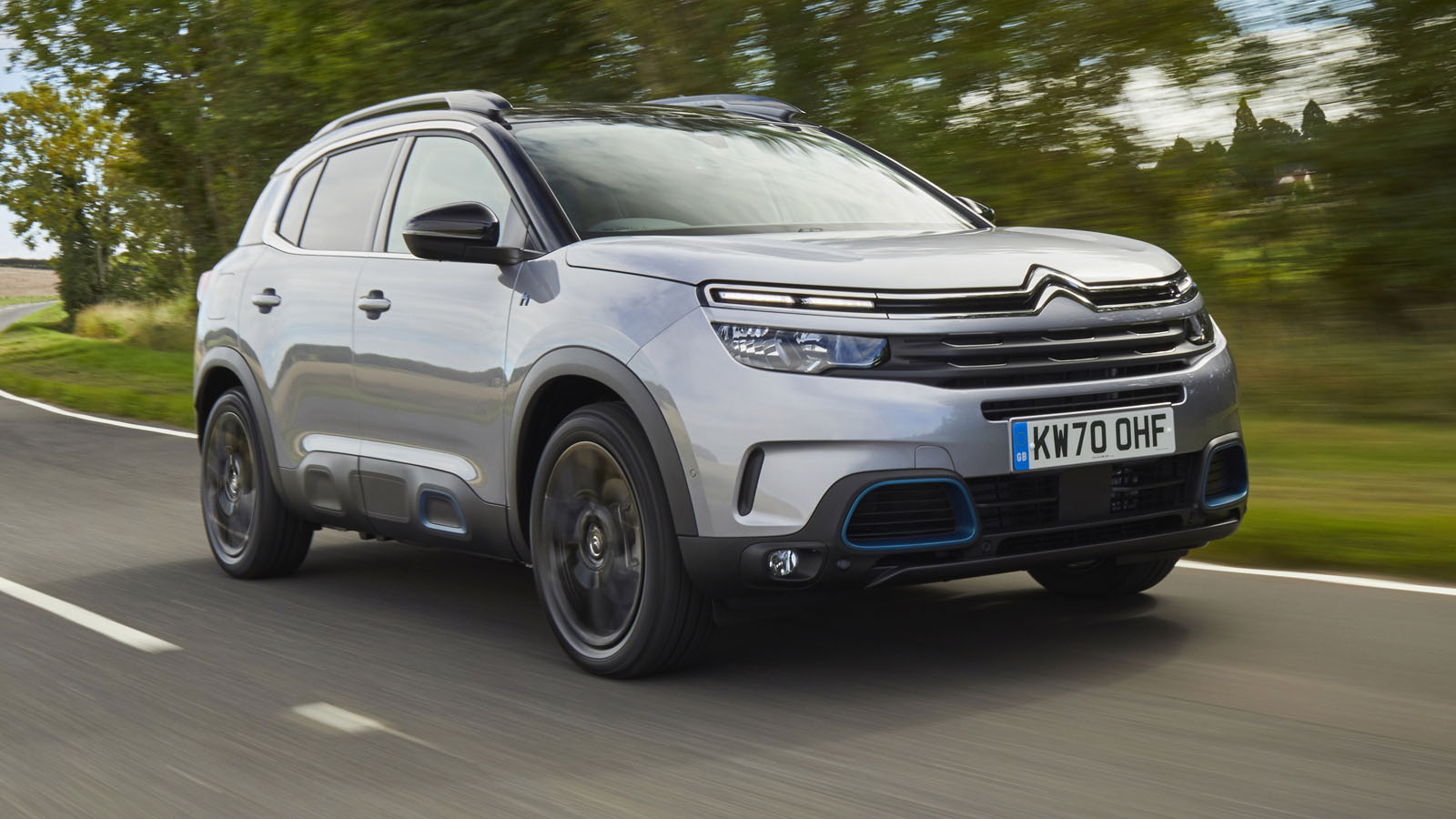
5. Citroën C5 Aircross: Comfort First Engineering for Uneven City Roads
The Citroën C5 Aircross distinguishes itself in the crowded family SUV segment by focusing unapologetically on comfort rather than sportiness. At the heart of its appeal is Citroën’s Advanced Comfort suspension with Progressive Hydraulic Cushions, a system specifically designed to smooth out rough, uneven city roads.
Unlike conventional suspension setups, this technology uses hydraulic stops for both compression and rebound, allowing the wheels to absorb bumps and potholes without harsh jolts or abrupt body movements. The result is a distinctive gliding or flying carpet sensation that keeps road imperfections from intruding into the cabin.
This suspension system works in tandem with Advanced Comfort seats, which are engineered to feel soft yet supportive. Thick cushioning and well judged bolstering reduce fatigue over long or bumpy journeys, reinforcing the C5 Aircross’s reputation as one of the most comfortable vehicles in its class.
Despite its comfort focused tuning, the suspension maintains good stability at speed, ensuring the vehicle feels secure on uneven highways as well as city streets. A ground clearance of 23 centimeters further helps it deal confidently with potholes and speed bumps commonly found in urban environments.
The second-generation C5 Aircross is almost entirely new, sharing its underlying platform with models such as the Peugeot 3008 and Vauxhall Grandland. However, Citroën has given it a distinct personality through quirky design cues inspired by the Oli concept, including sharp lighting elements and sculpted bodywork.
These changes are not just visual, as improved aerodynamics contribute to better efficiency, particularly for electric versions.
Inside, the cabin continues the comfort theme with a lounge-like layout, a large central touchscreen, and playful design details. Rear passenger space and boot capacity are generous, making it a practical family vehicle, although the loss of the previous model’s individually sliding rear seats is a notable change.
Powertrain choices are broad, ranging from a 48V mild hybrid petrol engine to a plug-in hybrid and fully electric versions. The mild hybrid offers smooth, quiet performance for everyday use, while the electric models deliver immediate response and impressive range, with a long-range variant offering over 400 miles on the WLTP cycle. The updated plug-in hybrid system is also more refined than earlier Citroën efforts.
The C5 Aircross succeeds by being honest about its mission. It does not aim to be sporty or aggressive, instead delivering space, efficiency, and standout comfort. For buyers who value a relaxed, cushioned ride above all else, it remains a uniquely appealing family SUV.
Also Read: 5 Cars That Manage Desert City Heat vs 5 That Age Too Fast
5 That Don’t
1. Mitsubishi Mirage: Budget Efficiency at the Cost of Ride Comfort
The Mitsubishi Mirage is designed with one clear priority in mind: affordability. As an ultra budget-friendly subcompact, it delivers excellent fuel economy, low purchase costs, and a tiny footprint that works well in dense urban areas. However, these advantages come with significant compromises, particularly when it comes to ride quality and composure on rough city roads.
One of the Mirage’s biggest weaknesses is its basic suspension tuning. While the setup is soft at low speeds, it lacks proper damping to control body movement after encountering bumps.
When driven over uneven surfaces, the car tends to bounce and fidget rather than settle quickly. On especially poor roads, this can make the Mirage feel unsettled, with noticeable body movement after potholes or sharp imperfections. Its short wheelbase only amplifies this sensation, especially when a bump is encountered while turning.
Another major factor is the Mirage’s extremely low curb weight, which sits at roughly 2,000 pounds. While this helps fuel efficiency, it reduces the vehicle’s ability to absorb road impacts. With so little mass to dampen shocks, bumps, and potholes are felt more directly through the chassis, resulting in a ride that can feel harsh and abrupt rather than cushioned.
Tire choice further affects stability. Most Mirage models come equipped with very narrow 165-section tires mounted on small wheels. These tires offer a limited contact patch, making the car sensitive to ruts, broken pavement, and surface changes. As a result, the Mirage can feel twitchy and nervous on damaged roads. Some owners report noticeable improvements in stability after switching to slightly wider tires.
Interior refinement is another area where cost-cutting is evident. Minimal sound insulation means road noise, tire impacts, and vibrations are easily heard and felt inside the cabin. Even moderate road imperfections produce loud thumps that add to the impression of a rough ride.
Finally, the electric power steering is tuned for light effort rather than feedback. On uneven roads, this can leave the driver feeling disconnected, requiring frequent small corrections to stay on course. In short, while the Mitsubishi Mirage succeeds as an affordable city runabout, its lightweight construction and basic engineering make ride comfort a clear sacrifice.
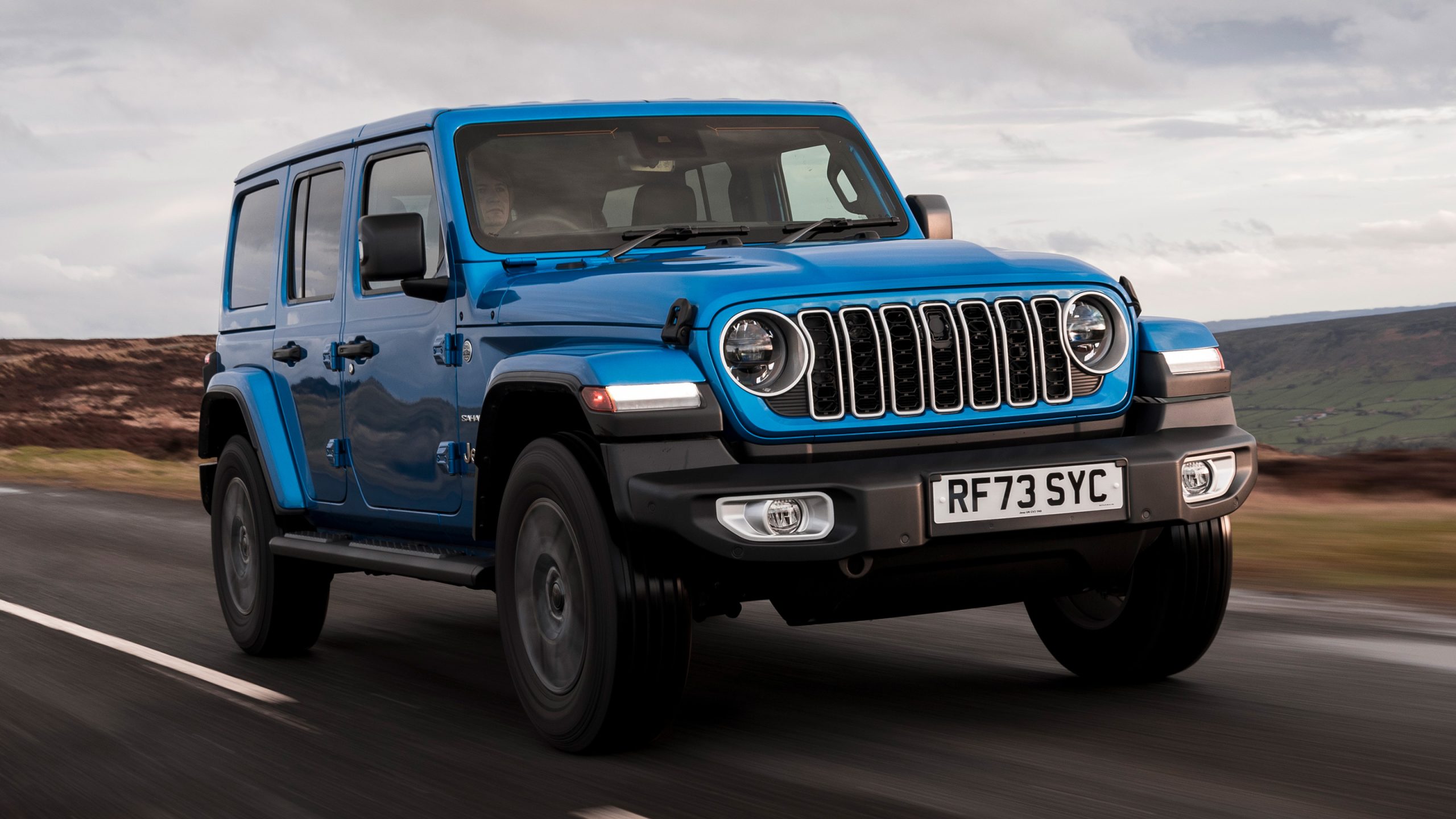
2. Jeep Wrangler: Trail-Bred Engineering That Struggles on City Streets
The Jeep Wrangler is purpose-built for off-road adventures, and its legendary capability on rocks, mud, and steep trails comes from engineering choices that prioritize strength and articulation over comfort. These same choices, however, are the reason the Wrangler often feels stiff and unsettled on paved city roads.
Unlike most modern SUVs that rely on independent suspension systems, the Wrangler uses solid axles at both the front and rear, a design that favors durability but compromises ride refinement.
The solid axle setup is the primary cause of the Wrangler’s jittery behavior on uneven urban pavement. Because both wheels are connected by a rigid beam, a bump encountered by one wheel is transmitted across the entire axle.
On roads littered with potholes, expansion joints, and manhole covers, this creates a constant shudder through the body rather than allowing each wheel to react independently. The effect is especially noticeable over small, repetitive bumps, where the Wrangler tends to clatter instead of settling smoothly.
Adding to this is the Wrangler’s high unsprung weight. Heavy axles, thick suspension components, and large off-road tires increase inertia, making it harder for the shock absorbers to control wheel movement quickly. When these heavy components strike a bump, the suspension struggles to calm the motion, resulting in the bouncy, truck-like ride many drivers experience in urban settings.
Steering behavior further influences city comfort. Many Wrangler models use a recirculating ball steering system, which is robust and durable off-road but less precise than modern rack-and-pinion setups. On rutted or uneven pavement, the wide tires tend to follow grooves in the road, a behavior known as tramlining. This requires frequent small steering corrections and can make the vehicle feel nervous at speed.
Several external factors can worsen ride quality. Overinflated, stiff sidewall tires reduce cushioning, worn suspension components can lead to violent shaking known as death wobble, and the upright, boxy shape makes the Wrangler sensitive to crosswinds and turbulence from passing traffic. These traits define the Wrangler’s off-road legend but leave it poorly suited to the smooth, controlled demands of city driving.
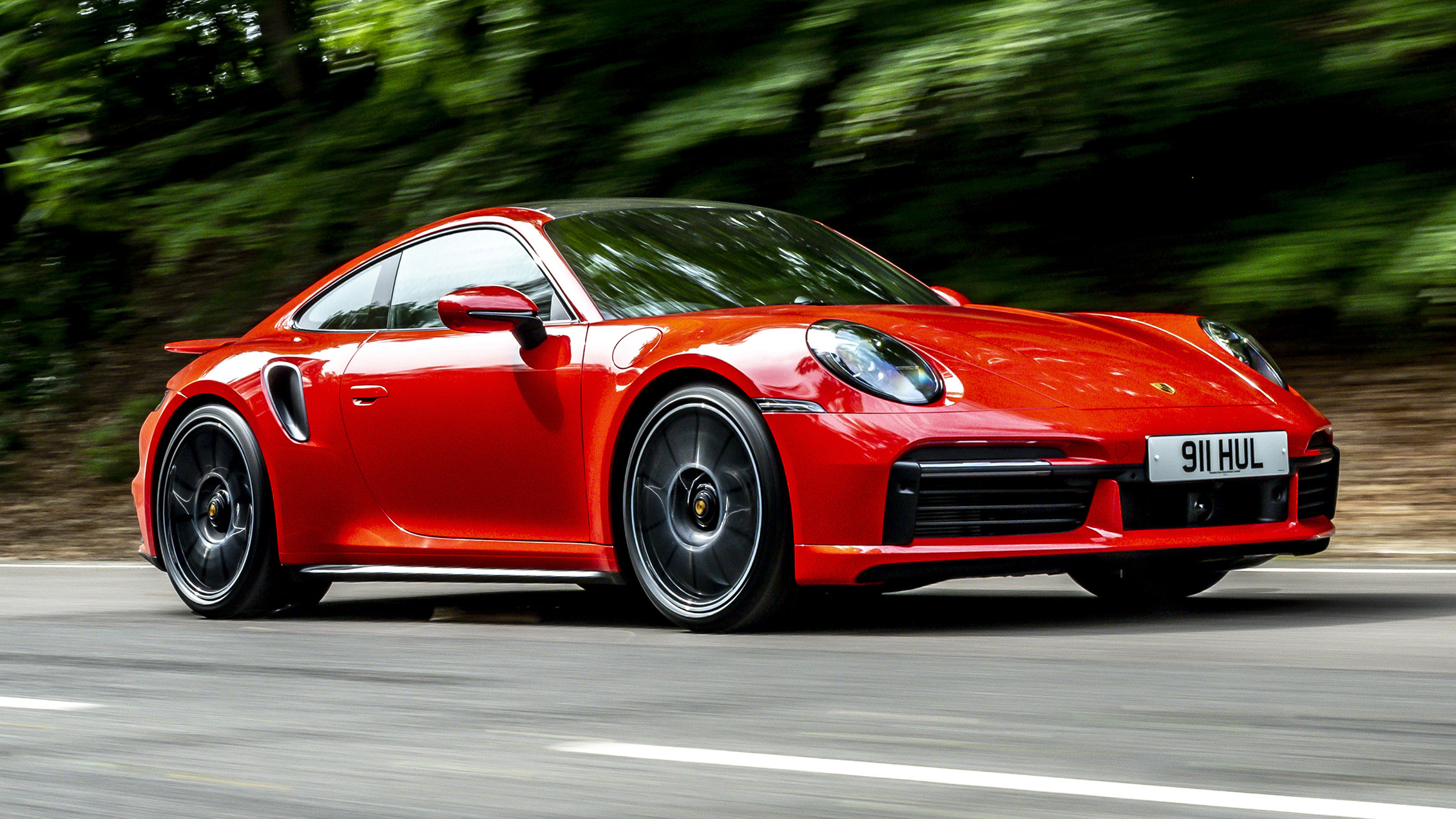
3. Porsche 911: Track Precision That Punishes Broken City Streets
The Porsche 911 is engineered with one clear mission: deliver exceptional precision, stability, and feedback at high speeds. Its difficulties on rough city roads are not a flaw but a direct result of this performance-focused philosophy. Nearly every aspect of the 911’s design favors handling accuracy over ride comfort, which makes poorly maintained urban streets a challenging environment.
Central to this behavior is the car’s stiff suspension tuning. Most modern 911s are equipped with Porsche Active Suspension Management, a system designed to minimize body roll and keep the chassis flat during aggressive driving.
While this rigidity is ideal on smooth roads and race tracks, it offers little compliance at low speeds. When the car encounters potholes or sharp expansion joints, the suspension has limited ability to absorb the impact, transferring much of the shock directly into the cabin.
Wheel and tire choice further intensifies the issue. The 911 commonly rides on large 20 or 21-inch wheels paired with low-profile performance tires. These tires have minimal sidewall height, reducing their ability to act as a cushion over uneven surfaces. On damaged city pavement, sharp edges and ruts are felt immediately, increasing the risk of wheel damage and adding to the harshness of the ride.
Another limiting factor is suspension travel. The 911’s low ride height and aerodynamic focus leave little vertical movement for the suspension to work with. When encountering deep potholes or tall speed breakers, the suspension can reach its limit very quickly, producing a hard, abrupt impact rather than a controlled response.
Chassis geometry also plays a role. Aggressive alignment settings, such as rear toe-in and negative camber, maximize grip during fast cornering. In urban conditions, this setup can cause the car to follow grooves and cracks in the road surface, making it feel nervous and demanding constant attention.
For drivers facing especially poor road conditions, Porsche created the 911 Dakar, which adds extra ground clearance and more forgiving suspension. Standard 911 models, however, remain purpose-built machines that prioritize performance above everyday comfort.
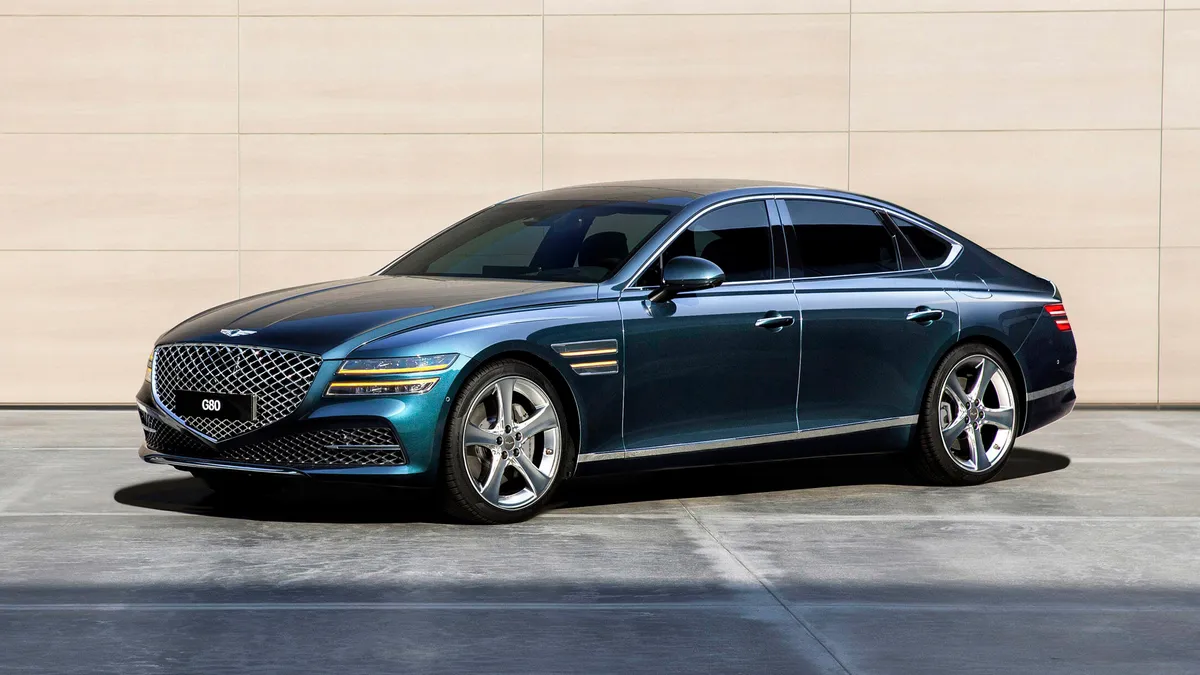
4. Genesis G80: Luxury Refinement with Stiff City Ride
The Genesis G80 is widely recognized for its luxurious cabin, hushed interior, and “Budget Bentley” styling, but its ride quality on rough city roads can fall short compared with German rivals.
While the G80 excels at highway cruising, urban environments with potholes, jagged pavement, and expansion joints expose the limitations of its suspension setup. Unlike some competitors that use air suspension for adaptive softness, the G80 relies on a traditional steel-spring design with adaptive dampers, which faces inherent trade-offs between comfort and control.
One key factor affecting the city ride is brittle low-speed damping. The suspension is tuned to isolate smooth cruising on highways, but high-frequency impacts common in urban areas can transmit sharp vibrations into the cabin. As a result, the G80 sometimes feels less composed, with bumps and small irregularities producing jarring feedback rather than a cushioned glide.
The adaptive “Road Preview” system, which scans the road ahead with a front-facing camera to pre-adjust the dampers, mitigates some impacts but has limitations.
It works best on large, predictable obstacles like speed bumps, but is less effective on small, irregular surface imperfections typical of dense urban streets. Its effectiveness can also vary with over-the-air software updates, occasionally resulting in inconsistent ride behavior.
Wheel choice further affects comfort. Higher trims feature 20-inch alloys with low-profile tires, which increase unsprung mass and reduce the tire sidewall’s ability to absorb impacts. This can cause a hopping sensation or a slight loss of composure over rough patches.
Finally, Genesis deliberately prioritizes a relaxed, steady ride over sporty composure. While this creates a comfortable highway experience, it can make the G80 feel under-damped in urban driving, with secondary body motions after mid-corner bumps adding to the perception of stiffness.
The G80 delivers refined luxury and quiet interiors, but its suspension design, adaptive system limits, and larger wheels make it less forgiving on broken city streets than some of its German peers.
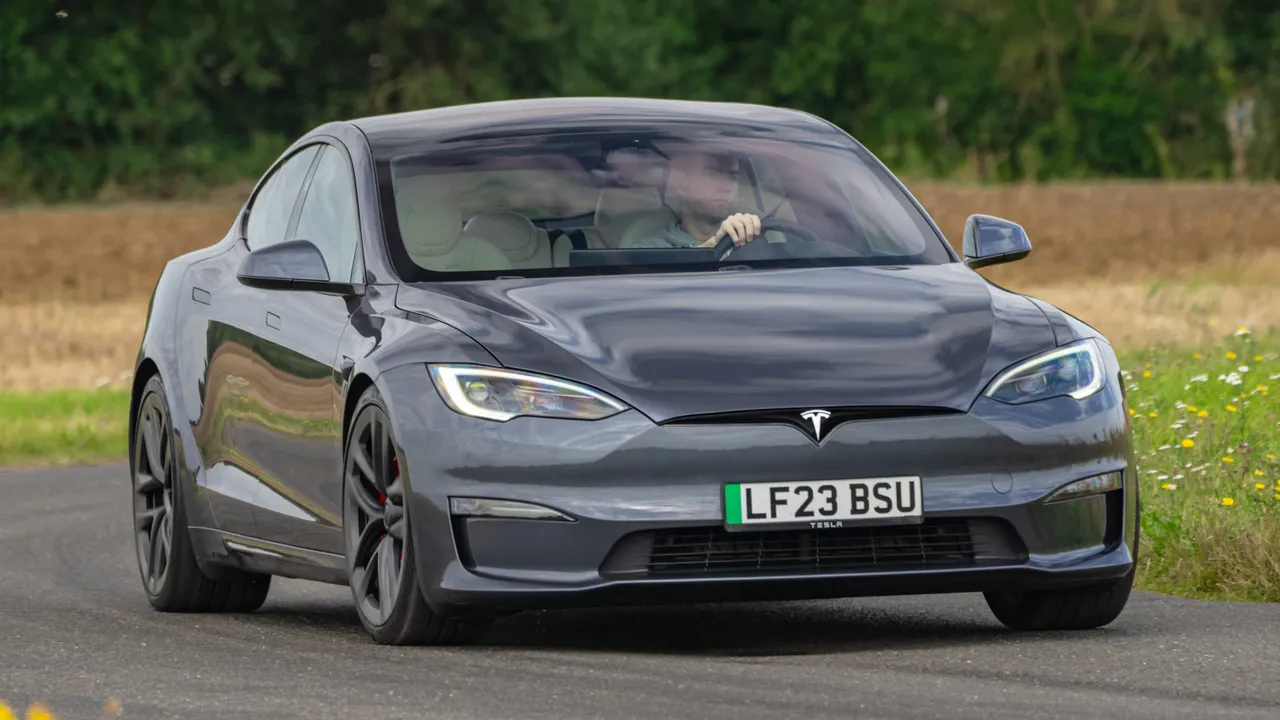
5. Tesla Model S: High-Tech Luxury That Struggles on Rough City Roads
The Tesla Model S is celebrated for its electric performance, high-tech features, and long-range capability, but it often struggles to maintain composure on uneven city streets. Its challenges stem from the combination of extreme battery weight, performance-oriented suspension tuning, and certain hardware vulnerabilities.
A primary factor is the car’s massive battery pack, which significantly increases its weight compared to traditional luxury sedans. While heavier vehicles typically provide a stable ride, the Model S requires stiff suspension damping to prevent bottoming out over bumps. This stiffness, however, reduces compliance on rough pavement, resulting in a “jiggly” or unsettled sensation as every imperfection is felt in the cabin.
The Model S is tuned more like a sports car than a conventional luxury sedan. Its adaptive air suspension is optimized for high-speed stability and handling rather than low-speed comfort. Large wheels with low-profile tires further limit cushioning, transmitting potholes and road cracks directly to the driver. On uneven streets, the car may oscillate laterally when hitting bumps mid-turn, adding to the perception of instability.
Component wear and design limitations can worsen the issue over time. Some owners report vibrations caused by front half-shafts at steep angles, while prematurely worn control arms, ball joints, and bushings can create clunks and reduce steering precision. Air suspension components may also fail, causing sagging and a harsh ride.
Tesla attempts to mitigate these challenges through software, using cloud-sourced data to raise the suspension on known rough sections of road. While this can improve ride quality in specific areas, it cannot fully compensate for the physical limitations of a heavy, low-profile-tired vehicle.
The Model S prioritizes performance and high-speed control over urban comfort. While it remains a technological and electric driving benchmark, its suspension and design trade-offs make it less composed on rough city roads compared to traditional luxury sedans like the Mercedes-Benz S-Class or Audi A8.
A vehicle’s ability to remain composed on rough city roads depends on suspension design, chassis engineering, tire selection, and weight distribution. Luxury models such as the Mercedes-Benz S-Class and Audi A8, as well as SUVs like the Land Rover Range Rover, Toyota Fortuner, and Citroën C5 Aircross, use adaptive systems and carefully tuned damping to provide calm, controlled rides even on damaged streets.
In contrast, vehicles like the Mitsubishi Mirage, Jeep Wrangler, Porsche 911, Genesis G80, and Tesla Model S prioritize affordability, high-speed handling, or off-road capability, which can make urban driving less smooth and more jarring. Understanding these differences helps drivers choose a vehicle that matches their city driving needs, ensuring comfort, stability, and confidence in daily commutes on imperfect roads.
Also Read: Top 10 Cars That Still Look Like the Future Today