Driving in Boulder, Colorado is a constant reminder that geography matters. This isn’t a city where flat roads and predictable weather define your daily commute.
Instead, Boulder drivers navigate elevation swings, winding foothill roads, sudden snow squalls, strong crosswinds, and a road culture heavily shaped by cyclists and pedestrians.
One minute you’re cruising through a quiet neighborhood near Chautauqua, the next you’re climbing toward Boulder Canyon or descending slick pavement after a surprise afternoon storm.
Because of this, Boulder roads quietly filter out vehicles that aren’t well matched to the environment.
Cars that do well here tend to have stable handling, confidence-inspiring braking, drivetrains that don’t feel overwhelmed by altitude, and suspensions capable of absorbing imperfect pavement.
Vehicles that struggle often feel stressed on climbs, nervous on descents, or simply mismatched to the city’s terrain and lifestyle.
Below are five vehicles that genuinely suit Boulder’s roads and five that don’t based on real-world usability, not spec-sheet bragging rights.
Cars That Suit Boulder Roads
Driving in Boulder means dealing with a little bit of everything. Steep foothill roads, sudden weather changes, winter snow, bike-heavy streets, and a mix of city traffic and open mountain stretches all shape what works best behind the wheel.
Cars here need confident traction, solid braking, and a calm, predictable feel on winding roads, without sacrificing everyday efficiency or comfort.
The best fits strike a balance between outdoor-ready capability and easy daily drivability. In this article, we highlight cars that suit Boulder roads, focusing on vehicles that feel confident, composed, and practical in this unique mountain-town driving environment.
1. Honda CR-V AWD
The Honda CR-V with all-wheel drive is one of the most balanced vehicles for Boulder driving. It doesn’t pretend to be rugged, yet it handles elevation changes and variable weather with quiet competence.
Honda’s AWD system engages seamlessly when traction is needed, which is especially helpful during light snowfalls or wet spring conditions common along the Front Range.
The CR-V’s suspension is tuned for comfort without sacrificing control, making it well-suited for Boulder’s uneven pavement and frequent elevation transitions.
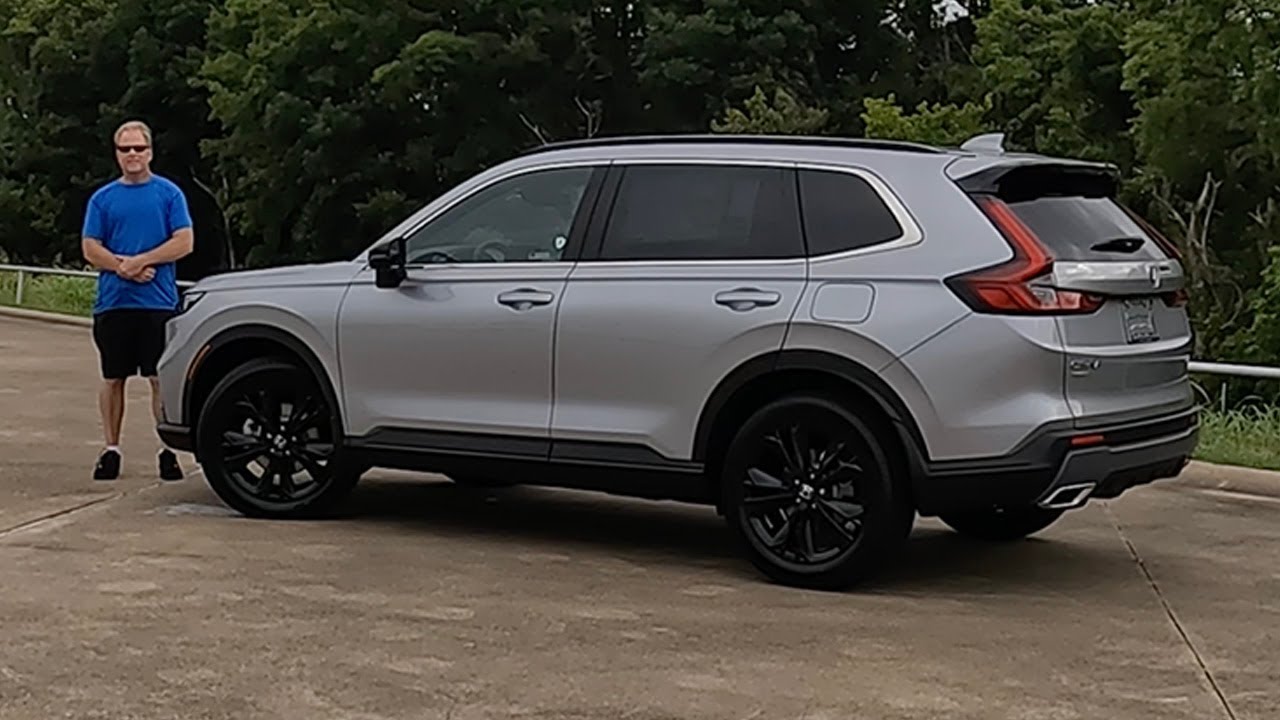
Long uphill grades don’t overwhelm the engine, and downhill braking remains consistent, even on longer descents from foothill routes.
Beyond performance, the CR-V fits Boulder’s lifestyle perfectly. It’s efficient, practical, easy to park, and reliable over the long term.
For residents who want a stress-free daily driver that can handle the mountains without drama, the CR-V is an excellent match.
The CR-V isn’t built to be a performance standout, but it does feel alert and well controlled compared with other small SUVs.
The hybrid Sport Touring model we drove reached 60 mph in 8.0 seconds, which is right in line with expectations for the segment. You can anticipate similar acceleration from the standard 1.5-liter engine as well.
Braking performance is solid, providing confident stopping power in emergency situations and making smooth stops easy in everyday driving.
We also appreciate how refined the hybrid system feels, with simulated gear changes that keep it from feeling disconnected during normal use, though tackling long, steep grades does require a firm press of the accelerator.
In corners, the CR-V remains stable and predictable, and the steering is responsive enough to communicate what the front tires are doing. Ride comfort stands out as one of the vehicle’s strongest attributes.
Outward visibility is a bit of a compromise, with large windows up front but a more restricted view to the rear, offset somewhat by effective parking cameras. While the available driver-assistance systems function well, competing models offer a broader array of features.
2. Audi A4 Quattro
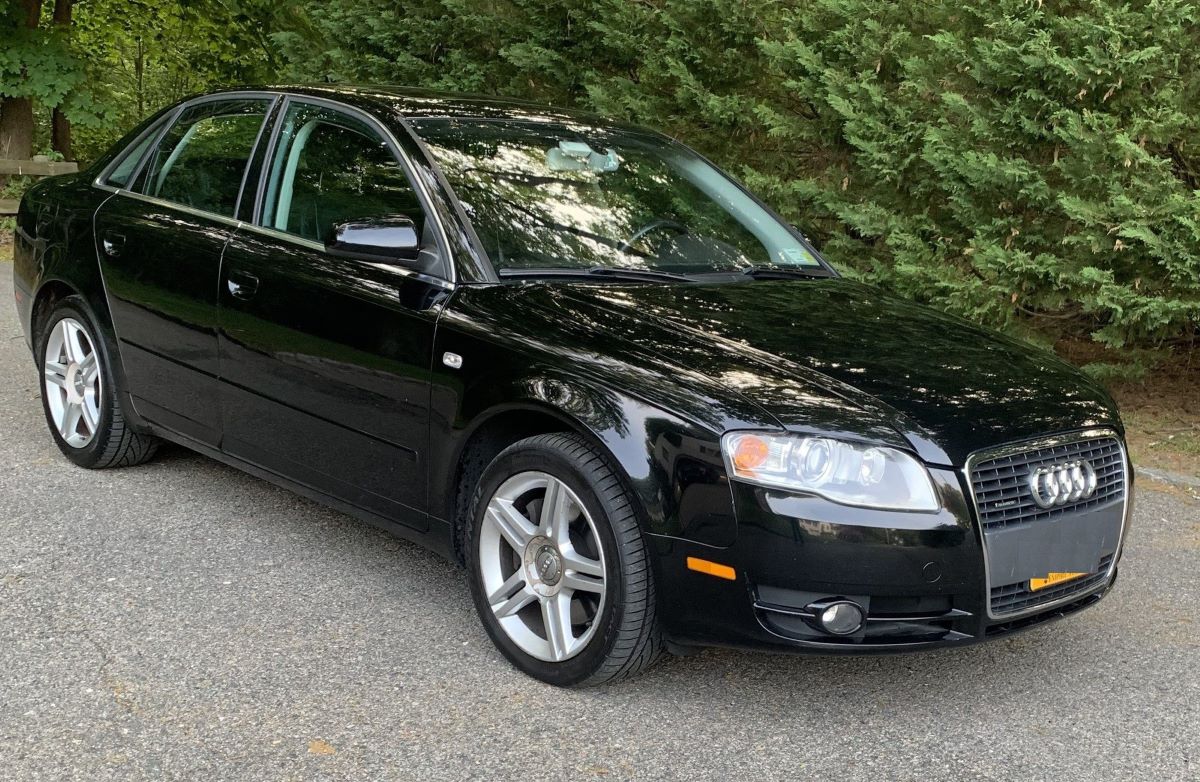
The Audi A4 with Quattro all-wheel drive feels tailor-made for Boulder’s winding roads.
Quattro’s constant power distribution gives the A4 exceptional grip during cornering and climbing, which becomes especially noticeable on narrow canyon routes where confidence matters.
The A4’s turbocharged engine performs well at altitude, avoiding the sluggish feeling that many naturally aspirated sedans develop in mountain environments.
Its chassis feels planted even in gusty conditions, and steering remains precise on tight turns.
While maintenance costs are higher than mainstream sedans, many Boulder drivers appreciate the A4’s refined road manners, excellent braking performance, and strong winter capability.
It’s a car that rewards attentive driving without demanding constant effort.
While several rivals offer a wide range of powertrain options, including hybrid and diesel setups, Audi takes a more straightforward approach.
The lineup centers on a 252-horsepower turbocharged 2.0-liter inline-four gasoline engine, along with a detuned, efficiency-minded variant known as the Ultra that produces 190 horsepower.
Buyers can choose between a six-speed manual transmission or a seven-speed dual-clutch automatic. Front-wheel drive comes standard, while Audi’s well-known Quattro all-wheel-drive system is available as an option.
Although the Ultra engine is designed to deliver better fuel economy, it isn’t offered with all-wheel drive.
In zero-to-60-mph and quarter-mile testing, it edged out its automatic-equipped counterpart from the previous year by just 0.1 second.
Beyond that marginal advantage, we appreciated the manual transmission’s smooth, precise shifts and its communicative clutch, which made it our preferred choice in the range.
The A4’s 252-hp turbocharged 2.0-liter inline-four feels lively and enthusiastic. Throttle responses are immediate, allowing the car to build speed quickly and effortlessly.
Strong acceleration, a well-controlled ride, and sporty handling combine to give the A4 a compelling blend of polish and fun. It remains calm and confident in nearly every driving scenario, whether hustling along a winding back road or heading out for a relaxed dinner with the in-laws.
Still, impressive as the A4 may be, it doesn’t quite match the level of engagement offered by the charming and unmistakably Italian Alfa Romeo Giulia, with its raspy turbocharged four-cylinder engine and beautifully tuned steering.
Also Read: Top 10 Sports Car Engines That Deliver Pure Driving Euphoria
3. Ford Bronco Sport AWD
The Ford Bronco Sport, particularly in AWD trims, fits naturally into Boulder’s outdoor-oriented culture.
Its short wheelbase and upright stance make it easy to maneuver on both city streets and mountain roads, while its AWD system handles snow, dirt, and gravel confidently.
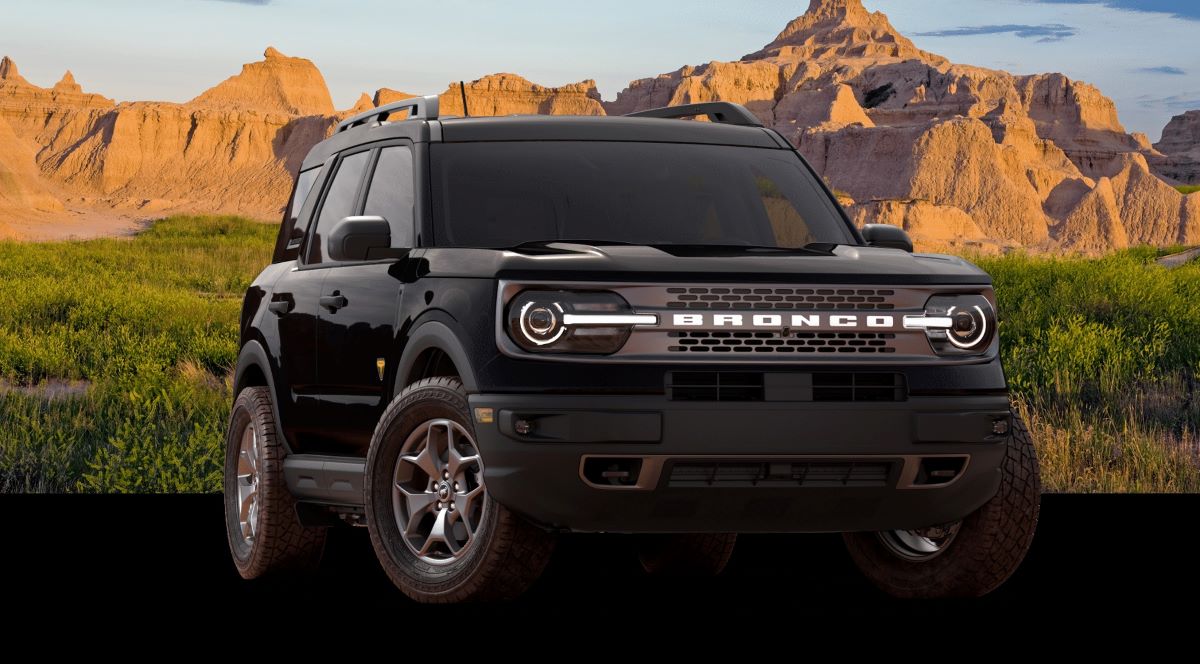
What makes the Bronco Sport appealing in Boulder is its versatility. It doesn’t feel oversized downtown, yet it’s capable enough to handle unpaved access roads, trailheads, and sudden weather shifts. Ground clearance is sufficient without sacrificing stability on paved curves.
The Bronco Sport’s boxy design also provides excellent outward visibility a major plus in a city with heavy bike traffic. It’s not luxurious, but it’s practical, honest, and well-matched to the region.
The standard turbocharged 1.5-liter three-cylinder engine delivers sufficient power for daily driving and highway passing, but it doesn’t offer much beyond that. We evaluated the range-topping Badlands trim, which is offered exclusively with a stronger turbocharged 2.0-liter four-cylinder engine.
Its off-road-oriented tires contribute to longer braking distances compared with some rivals, and although they pay dividends when driving on dirt, the suspension tuning leads to a somewhat bouncy ride in everyday around-town driving.
On the plus side, the Bronco Sport proves to be genuinely capable when the pavement ends, outperforming every other compact SUV off-road.
This is especially true of the Badlands model equipped with the optional Sasquatch package, which adds even more aggressive tires along with extra off-road hardware such as underbody skid plates and a specialized rear differential designed to maintain traction in challenging conditions.
Keep in mind, though, that capability comes at a cost, as the Sasquatch package pushes the price close to that of the regular Bronco, which operates on an entirely different level once the trail gets serious.
Every Bronco Sport comes standard with a comprehensive set of driver-assistance technologies, including lane-keeping assistance and adaptive cruise control. Even better, these systems are well calibrated, offering helpful support without feeling overbearing or intrusive.
4. Lexus RX AWD
The Lexus RX with all-wheel drive suits Boulder drivers who prioritize comfort and reliability without giving up all-weather confidence.
Its AWD system provides predictable traction during snow and rain, while the vehicle’s weight and suspension tuning help maintain stability on long downhill stretches.
The RX shines on Boulder’s longer routes, such as drives toward Nederland or Lyons, where comfort and noise isolation matter.
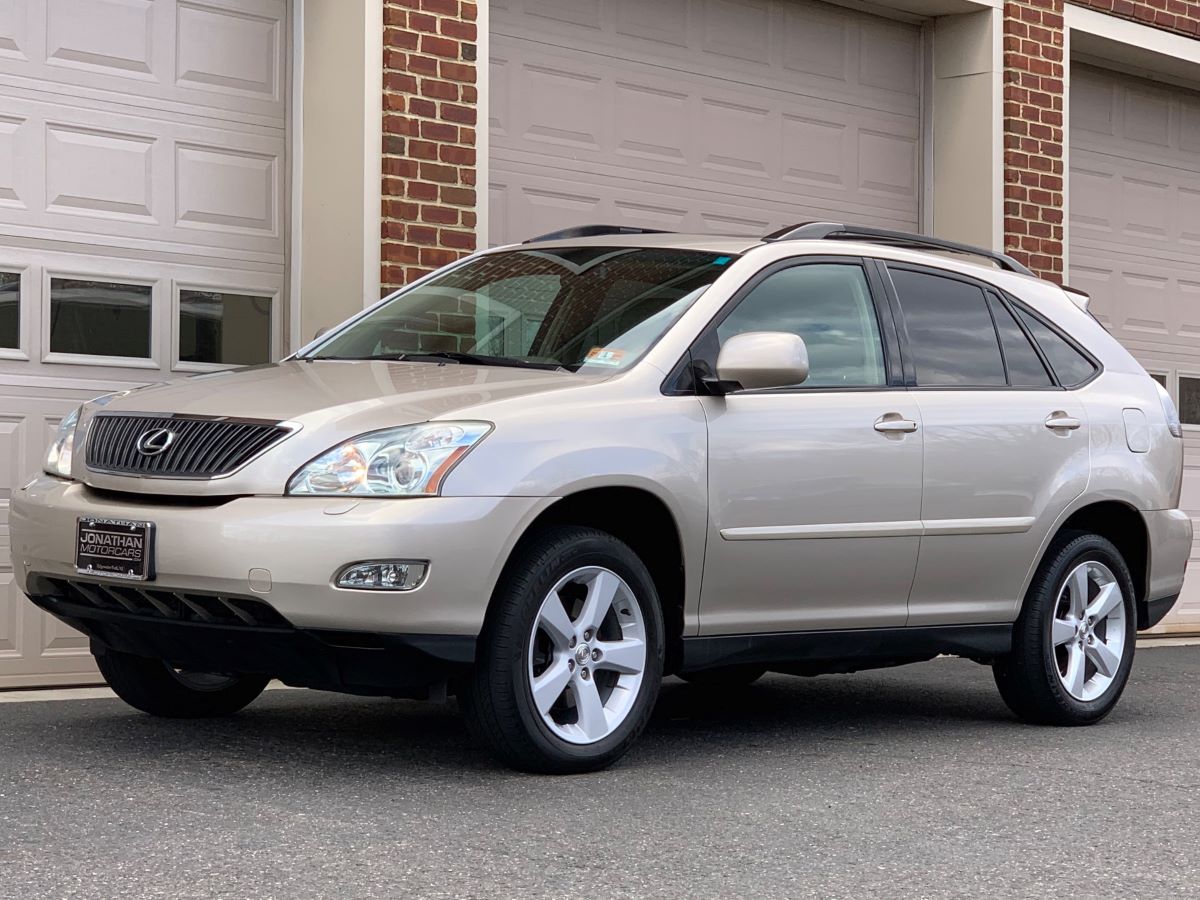
Braking performance remains consistent even on extended descents, and the cabin stays calm in windy conditions.
While not particularly sporty, the RX appeals to Boulder residents who want a dependable, long-lasting vehicle that handles the region’s demands without calling attention to itself.
5. Volkswagen Golf Alltrack
The Volkswagen Golf Alltrack is a sleeper hit for Boulder roads. Its standard all-wheel drive, wagon body, and slightly raised ride height make it uniquely suited for a mix of city driving and foothill exploration.
The Alltrack’s turbocharged engine performs well at elevation, and its handling remains composed on winding roads where many crossovers feel top-heavy.
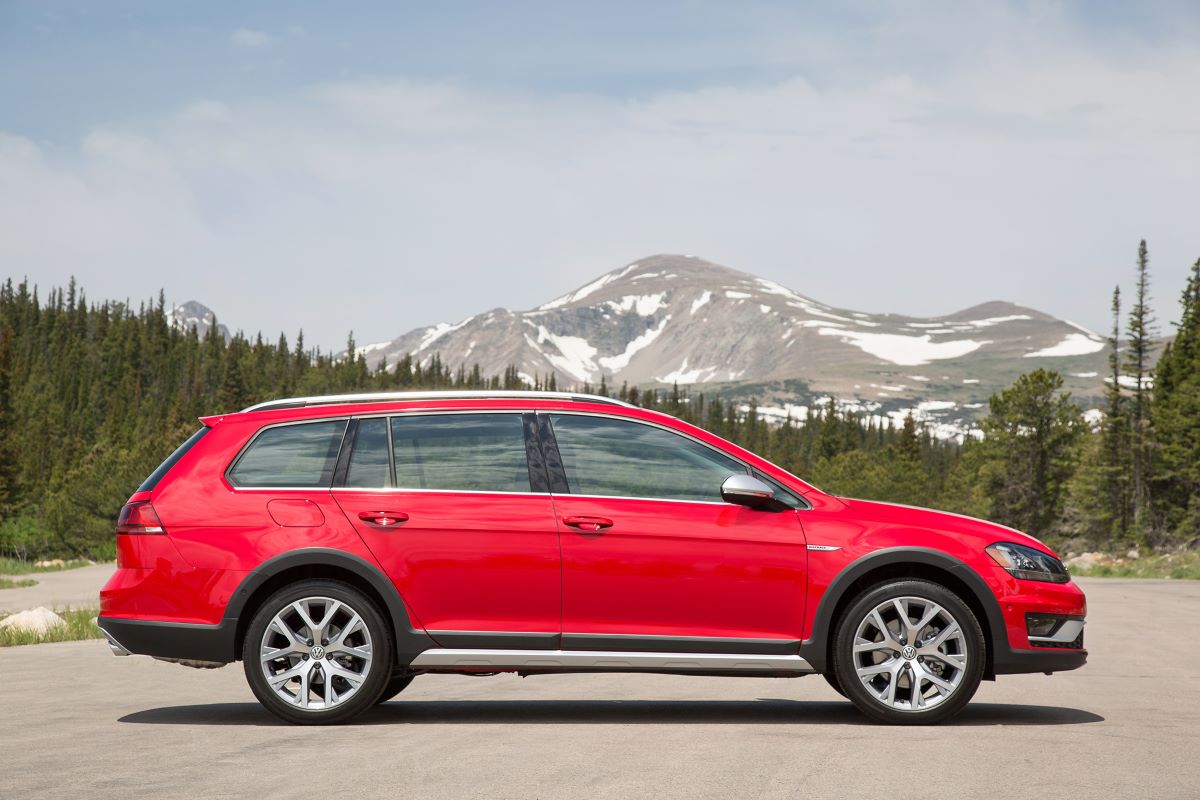
The lower center of gravity improves stability without sacrificing winter capability.
For Boulder drivers who value efficiency, versatility, and understated capability, the Golf Alltrack offers a rare balance that fits the city’s character perfectly.
Also Read: Top 10 American Sport Bikes That Hit Like a Freight Train
Cars That Don’t Suit Boulder Roads
Boulder’s roads can be deceptively demanding. Steep foothill climbs, sharp curves, winter snow, and frequent elevation changes place unique demands on vehicles year-round. Cars that lack ground clearance, traction, or stable braking often feel out of their depth here, especially when conditions turn cold or wet.
What works fine on flat, dry roads can quickly become stressful or unsafe in a mountain-town environment. In this article, we examine cars that don’t suit Boulder roads, and the design compromises that make certain vehicles a poor match for Boulder’s terrain and climate.
1. Mitsubishi Mirage
The Mitsubishi Mirage struggles almost everywhere Boulder drivers expect competence. Its underpowered engine feels strained on even moderate inclines, and long climbs can turn routine drives into noisy, frustrating experiences.
The lightweight chassis is easily affected by crosswinds near open foothill areas, and braking performance on downhill stretches leaves little margin for error.
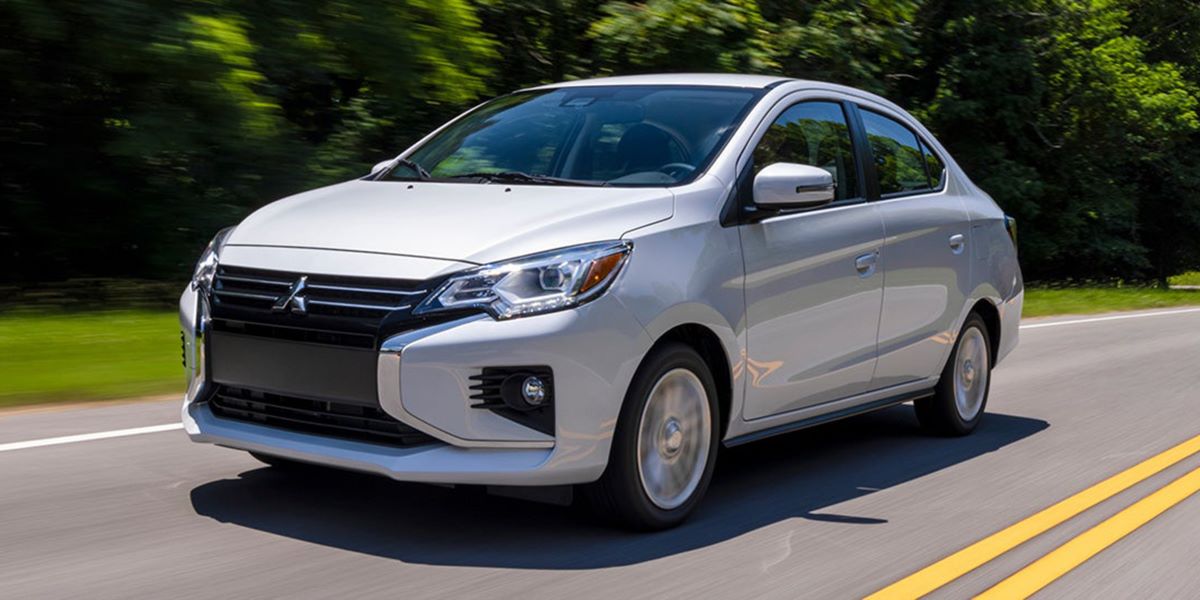
While fuel-efficient, the Mirage sacrifices too much stability and confidence to be a good fit for Boulder.
It may work in flat urban environments, but Boulder exposes its limitations quickly. The hatchback stands out for its excellent fuel economy, rated at 39 mpg combined and 43 mpg on the highway.
Those figures beat the Nissan Versa and even put it on par with certain hybrids. That efficiency does come with a drawback, however, as the small-displacement engine and continuously variable transmission have to work hard, and loudly, to maintain pace. There are few updates for 2024.
The midlevel LE trim now includes automatic headlights, rain-sensing wipers, and a driver’s armrest, and it still represents a relative value at roughly $18,500. Even so, that same money could secure a more refined rival or a better-equipped used vehicle.
With the Kia Rio recently discontinued, the Nissan Versa stands as the only other truly inexpensive new-car option for 2024.
While it’s hardly loaded with luxury features, the Versa offers a more powerful engine, additional driver-assistance technologies, and higher-quality interior materials.
On the downside, it’s only available as a sedan, doesn’t match the Mirage’s fuel economy, and lacks its generous warranty coverage. Buyers might also consider a used Honda Civic or Toyota Corolla if the Mirage doesn’t quite fit their needs.
For 2024, the Mitsubishi Mirage is offered as a front-wheel-drive subcompact hatchback in four trim levels: ES, LE, Black Edition, and SE. Every version is powered by a 1.2-liter three-cylinder engine producing 76 horsepower and 74 lb-ft of torque, paired exclusively with a continuously variable automatic transmission (CVT).
2. Chrysler 300 (RWD)
The rear-wheel-drive Chrysler 300 feels out of place on Boulder roads. Its size and weight make it cumbersome on narrow streets, while its drivetrain struggles in snow and on steep inclines.
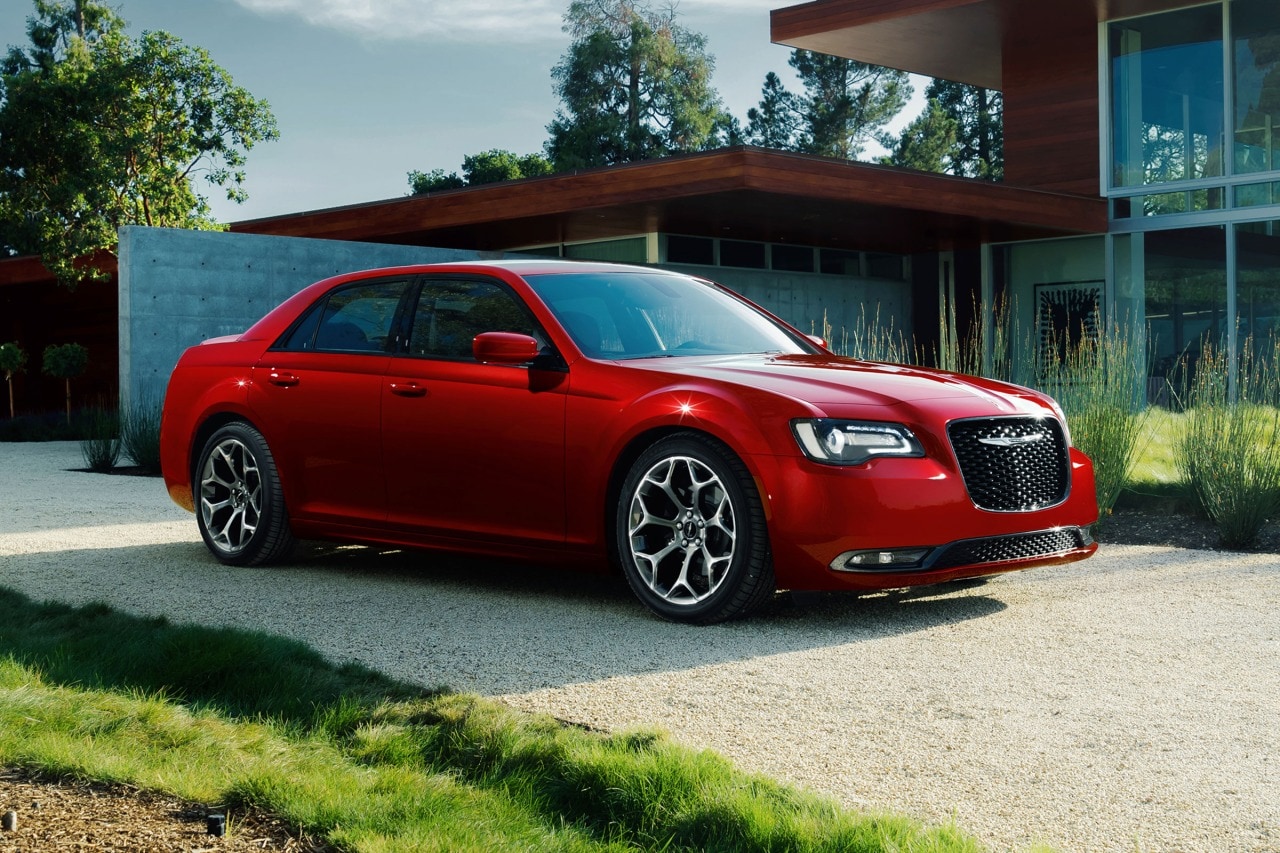
Traction is inconsistent in winter, and the car’s suspension tuning prioritizes highway comfort over control on winding terrain. Visibility is also limited, which is a disadvantage in bike-heavy urban areas.
While comfortable on long, straight highways, the Chrysler 300 is poorly matched to Boulder’s varied road conditions.
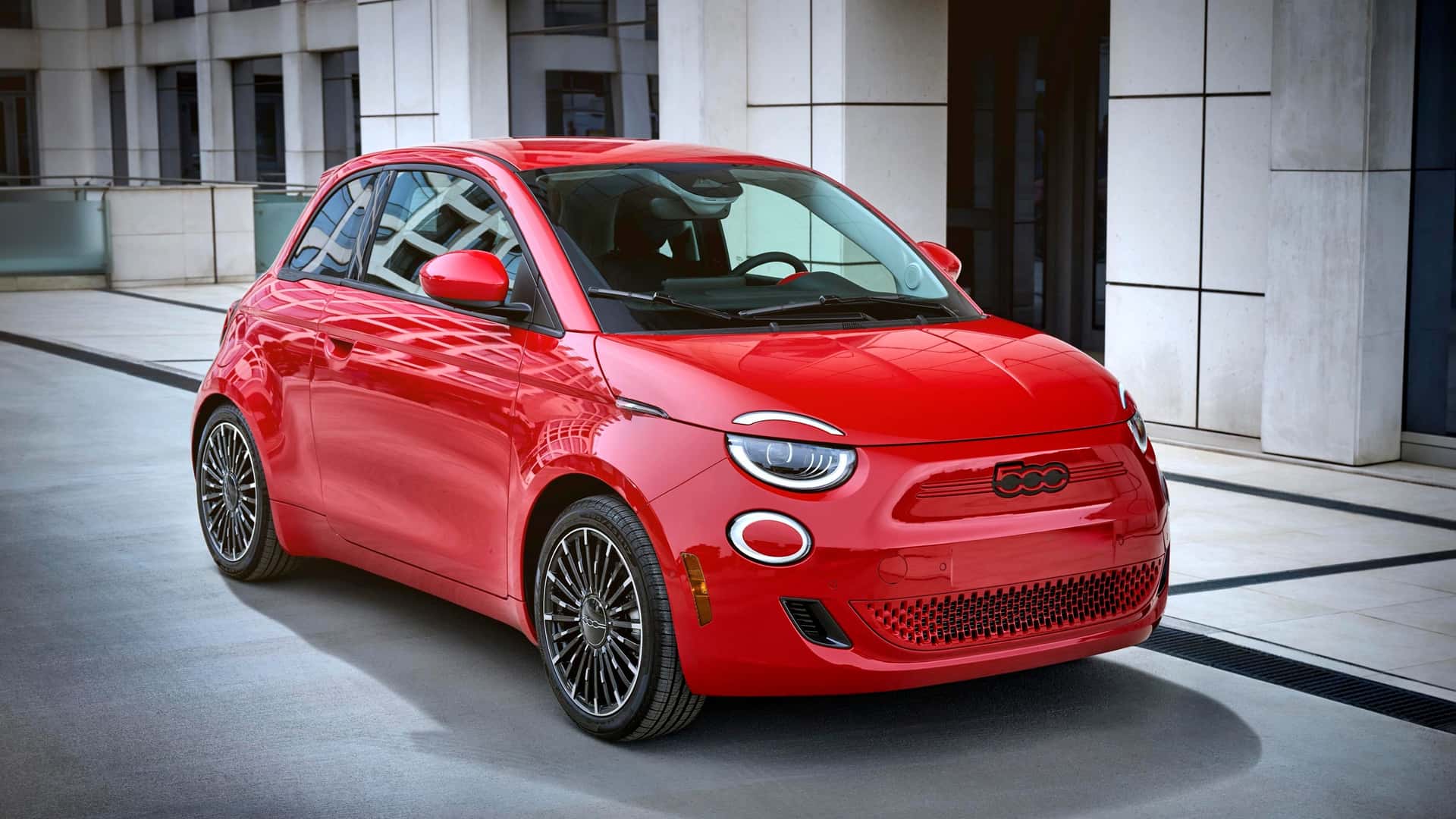
3. Fiat 500
The Fiat 500’s compact footprint might seem ideal for city living, but Boulder’s terrain quickly reveals its shortcomings.
The short wheelbase and stiff suspension make it uncomfortable on uneven pavement and unstable on faster mountain roads.
Limited power becomes an issue during uphill climbs, and front-wheel drive struggles in snowy conditions. Ground clearance is minimal, increasing the risk of scraping during winter or on rough roads.
In Boulder, the Fiat 500 feels more like a novelty than a practical daily driver.
There’s almost no chance you haven’t heard of it or spotted one out on the road; it remains one of the most instantly recognizable shapes and faces in the car market.
This latest iteration, however, marks a significant departure from what came before, as it made the switch to fully electric power when it launched in 2020.
While it closely resembles the old 500, you won’t find any carryover components from the previous model. The car is larger overall and features an entirely new interior, chassis, body, and platform.
Fiat has since confirmed that a hybrid version is on the way, representing a clear change of direction from its original strategy as buyers grow hesitant about fully committing to EVs.
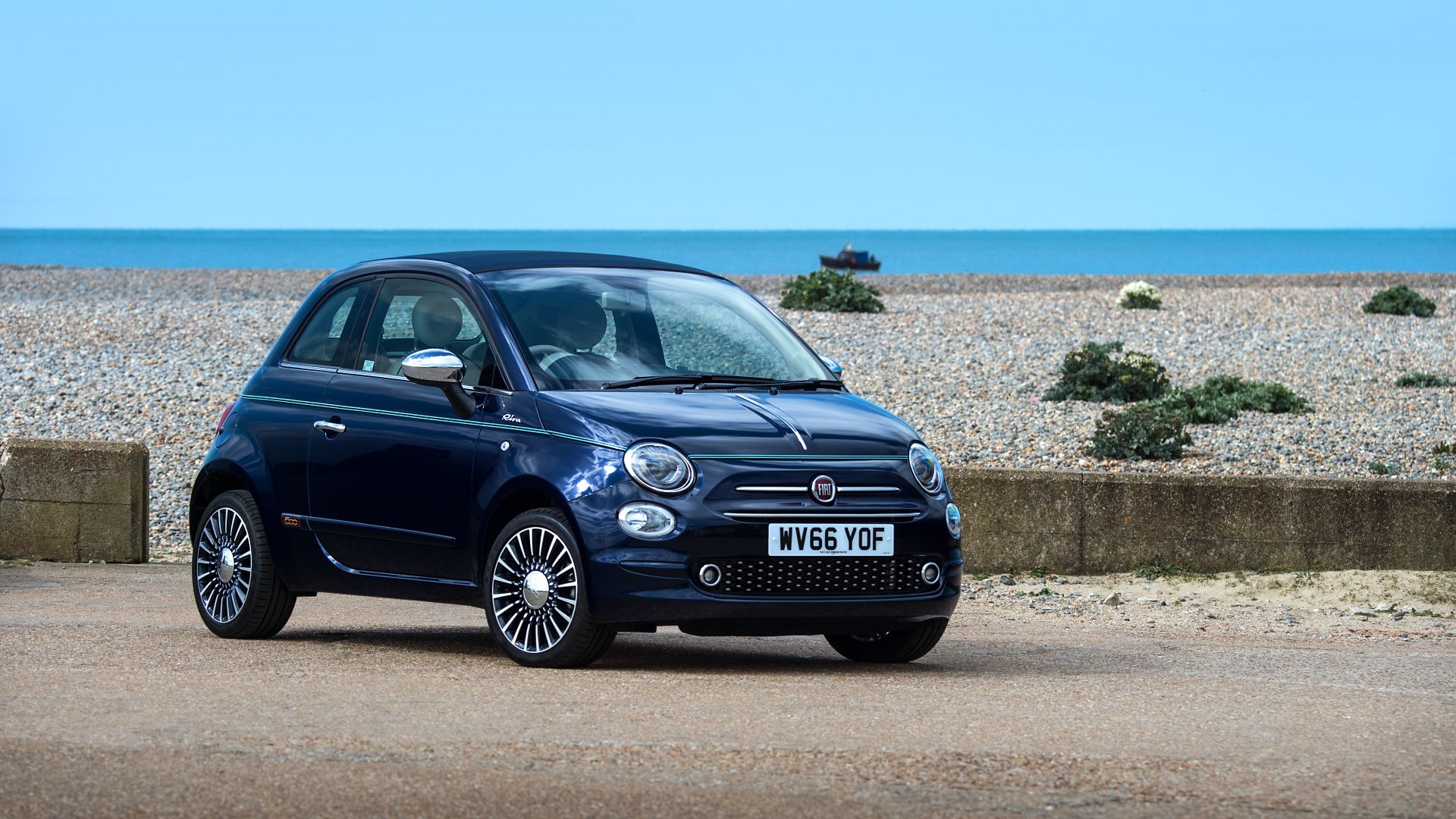
Dimensionally, it’s 61mm longer, 56mm wider, and 29mm taller than the petrol-powered 500. The proportions feel more substantial, while the surfacing remains clean and simple.
Some of the design details are genuinely excellent. Crucially, it avoids tipping into parody or excessive cuteness.
The result is a confident design, one that looks particularly good in brighter colors, of which there are now plenty, since Fiat has decided to stop offering cars in dull shades.
Starting from a clean-sheet design, Fiat could have opted for a rear-mounted motor and rear-wheel-drive setup, similar to the now-departed Honda e, or even the original 500.
But Fiat maintains that front-wheel drive aligns better with what modern drivers expect. That said, there is a company offering an electric version of the original 500 if that idea appeals to you.
For the same reason, the electric motor’s throttle calibration feels much like a petrol car’s, and its behavior through corners is reassuringly familiar. The charge port is located on the right-rear wing, exactly where you’d normally fill up with petrol.
On the convertible version, the fabric roof follows a similar concept to the outgoing 500’s, stretched between metal side rails to help maintain structural rigidity.
The electric 500 is offered with either a 24kWh or a 42kWh battery. The smaller battery is paired with a 94bhp motor and delivers an official range of 118 miles, while the larger battery gets a 117bhp motor and is rated for up to 199 miles on the WLTP cycle.
4. Hyundai Veloster (Base FWD)
The base Hyundai Veloster, without AWD, doesn’t handle Boulder’s winter and elevation demands well.
Its front-wheel-drive setup struggles for traction on icy inclines, and its sporty suspension can feel harsh on rough pavement.
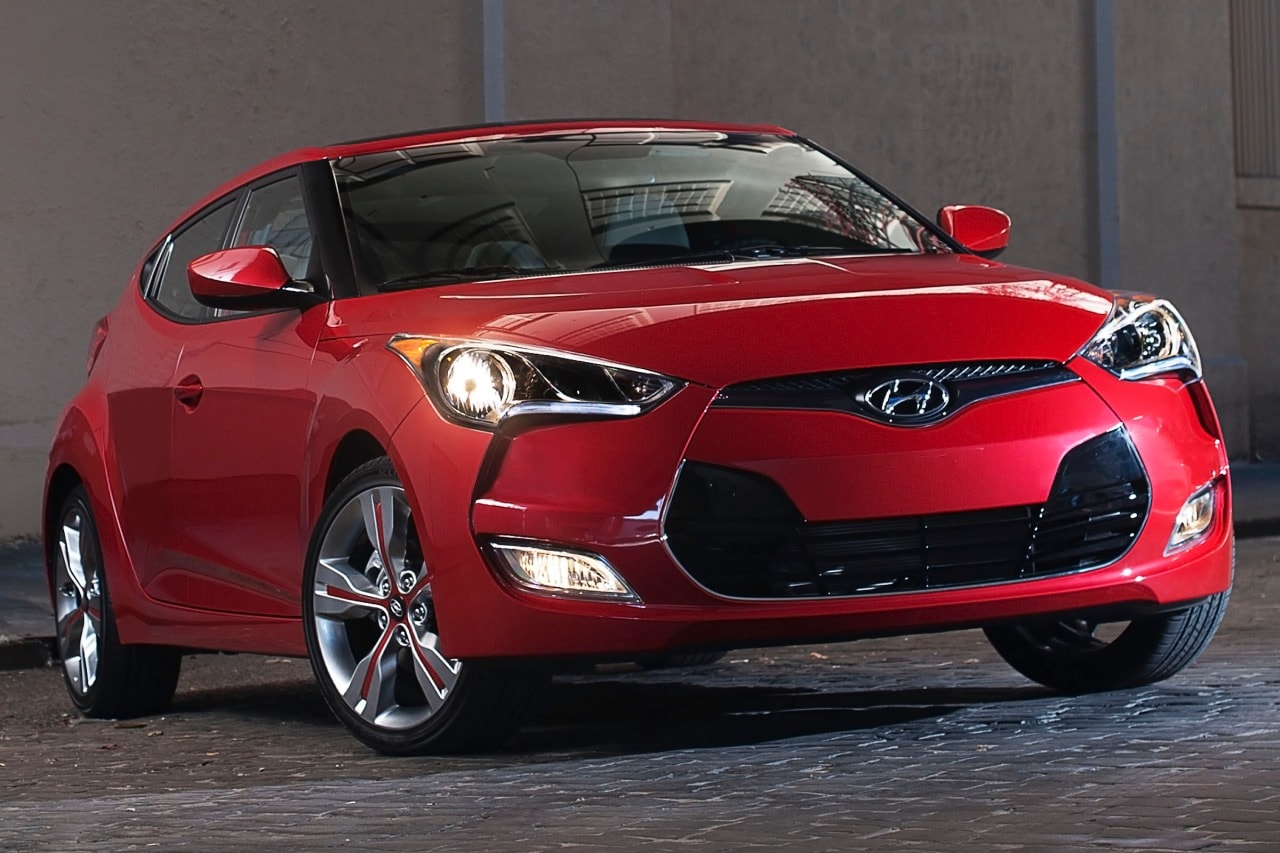
While fun on smooth roads, Boulder offers few consistently smooth surfaces, especially near the foothills. Visibility is also compromised by the car’s design, which isn’t ideal in a cyclist-heavy city.
The Veloster’s strengths simply don’t align with Boulder’s realities.
Veloster shoppers have a choice of two different engines. The standard option is a 2.0-liter four-cylinder that produces 147 horsepower and 132 lb-ft of torque.
Models carrying the Turbo badge are powered by a turbocharged 1.6-liter four-cylinder engine, which delivers 201 horsepower and 195 lb-ft of torque.
In every configuration, power is routed to the front wheels, and buyers can choose from a six-speed manual, a six-speed automatic, or a seven-speed dual-clutch automatic transmission (DCT).
In testing, a Veloster Turbo Ultimate equipped with the DCT accelerated from zero to 60 mph in 5.9 seconds, a solid result for this class. By comparison, a Civic hatchback we tested needed roughly a second more to reach the same mark.
The base engine provides sufficient performance for everyday driving, though it can become somewhat loud when pushed hard.
For drivers who want to fully enjoy the Veloster’s playful personality, the available turbocharged engine is clearly the better option. Complementing the powertrains, the Veloster delivers agile, engaging handling that makes it genuinely enjoyable to drive.
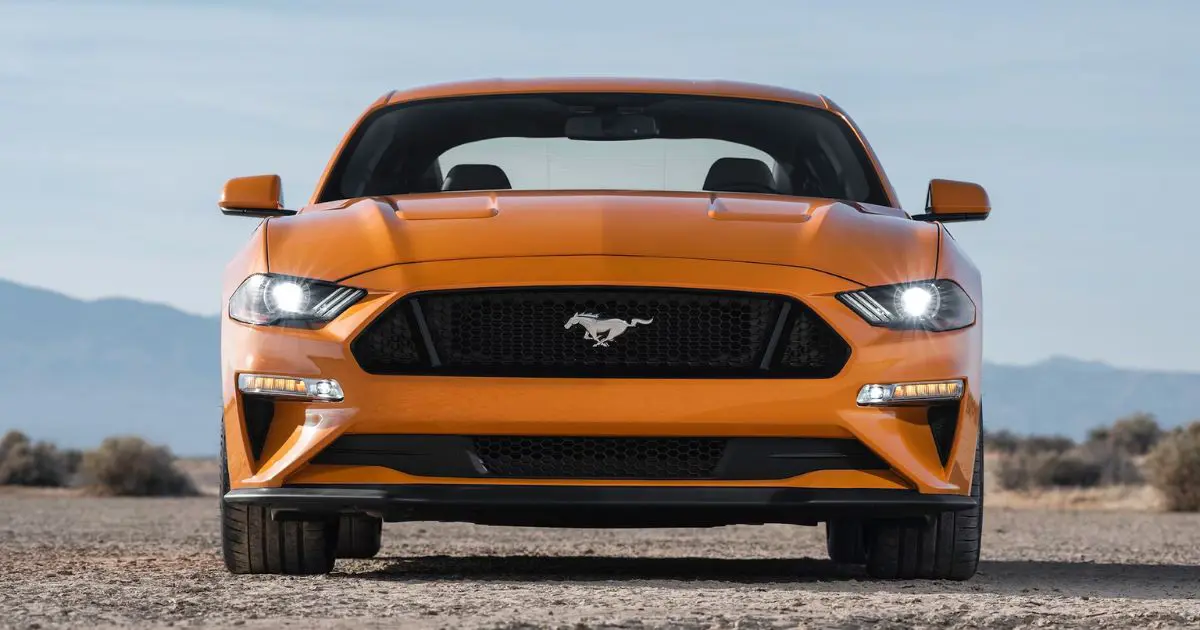
5. Ford Mustang (RWD)
The rear-wheel-drive Ford Mustang remains a poor match for Boulder roads. Even with winter tires, traction issues on snow-covered streets and steep grades make it stressful to drive for much of the year.
Low ground clearance and wide dimensions complicate winter driving and parking, while braking performance on long downhill stretches can feel taxed.
Boulder’s road culture favors calm control, not raw acceleration, and the Mustang’s character clashes with that environment.
It’s a fun car in the right setting Boulder just isn’t that setting most of the time.
Boulder rewards vehicles that emphasize balance over bravado. Roads here demand traction, composure, and adaptability far more than outright speed.
Somewhat surprisingly, the Dark Horse isn’t significantly quicker than the Mustang GT in a straight-line sprint. In our instrumented testing, the manual-equipped example we drove reached 60 mph in 4.6 seconds and completed the quarter mile in 12.8 seconds at 111.6 mph.
That’s just 0.2 second quicker to 60 mph and virtually the same through the quarter mile as a manual-transmission Mustang GT we tested previously. That said, the Dark Horse wasn’t engineered to dominate drag strips, it was designed with track performance in mind.
Our test vehicle was fitted with the optional Handling package, which brings several upgrades, including some of the grippiest Pirelli tires available.
Its braking performance was nearly as impressive. With a 60-mph stopping distance of just 94 feet, the Dark Horse is outdone only by the Porsche 911 GT3, Porsche 718 Cayman GT4 RS, and the C7-generation Corvette ZR1.
Taken as a whole, the Dark Horse delivers a driving experience filled with confidence and serious pace. The brakes held up well under repeated hard use with no noticeable fade, and the chassis and suspension enhancements made it easy for drivers to fully capitalize on the immense grip provided by the Pirelli Trofeo RS tires.
Our main complaint is that the steering could offer more feel and feedback through the wheel.
Outside of aggressive driving, however, the Dark Horse is just as docile and approachable as a standard Mustang GT. The six-speed manual transmission features a crisp, precise shift action and feels perfectly suited to the Dark Horse’s personality.
Cars that suit Boulder tend to feel unbothered by elevation changes, stable in unpredictable weather, and easy to live with in a city shaped by outdoor activity and environmental awareness.
Choosing the wrong vehicle doesn’t just affect comfort it affects confidence, safety, and long-term satisfaction.
In a place like Boulder, the best car is the one that disappears into the experience, letting you focus on the road, the scenery, and the destination rather than fighting the machine beneath you.