
For car enthusiasts, race tracks aren’t just strips of asphalt they’re living museums of speed, engineering, bravery, and culture. Some tracks define entire eras of motorsport.
Others change how cars are built, tested, and driven. Even if you never turn a competitive lap, simply standing at these circuits connects you to moments that shaped automotive history.
In the United States especially, road courses, speedways, and street circuits tell a uniquely American story of innovation, risk-taking, and obsession with going faster than before.
From thundering stock cars to screaming open-wheel machines and endurance racers built to survive punishment, legendary tracks test both driver skill and mechanical limits.
These ten circuits are more than famous names they are essential experiences for anyone who considers themselves a true car enthusiast.
1. Indianapolis Motor Speedway (Indiana)
Indianapolis Motor Speedway is arguably the most important piece of racing pavement in the world. Opened in 1909, it predates nearly every major racing series still active today.
The 2.5-mile oval is deceptively simple, yet brutally unforgiving, especially at speeds exceeding 230 mph.
The Indianapolis 500 isn’t just a race it’s a cultural institution that blends engineering excellence with old-school bravery.
Even for fans who prefer road courses, IMS matters because it pushed advancements in aerodynamics, tire durability, and safety standards that eventually influenced all forms of motorsport.
Visiting the speedway and its museum gives enthusiasts a rare look at over a century of racing evolution in one place.
For more than 100 years, the Indianapolis Motor Speedway has stood as a cherished Hoosier landmark and the unquestioned Racing Capital of the World.
Located in the town of Speedway, Indiana, just six miles from downtown Indianapolis, the legendary circuit sits at the center of a region rich in automotive heritage and innovation.
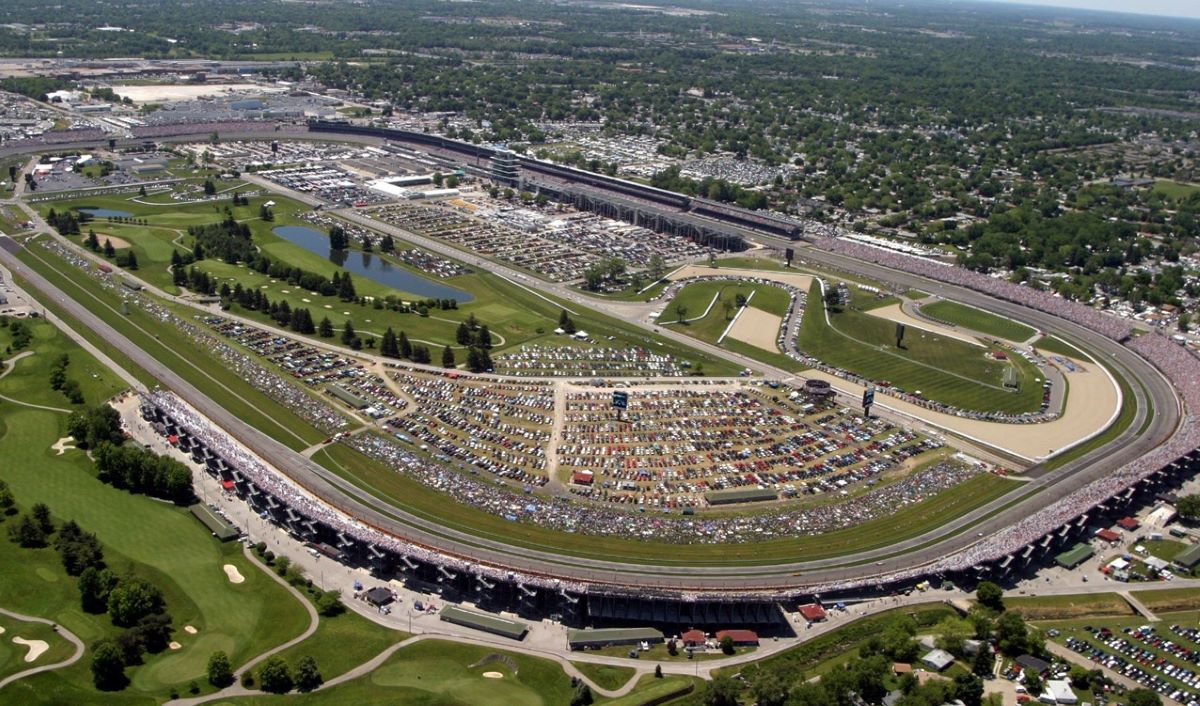
The Indianapolis Motor Speedway is renowned for hosting high-speed competition and welcoming racing icons from around the globe, including many of the most recognizable names in motorsports.
NASCAR, IndyCar, and even Formula 1 Grand Prix events have all taken place on this historic track. With seating for more than 250,000 enthusiastic fans, IMS also holds the distinction of being the largest sports venue in the world.
Each May, motorsports enthusiasts travel from across the globe to IMS for the Greatest Spectacle in Racing, the Indianapolis 500.
This iconic 200-lap event regularly draws crowds exceeding 300,000 spectators, filling the grandstands and spilling into the infield with lawn chairs and tailgates.
While the Indy 500 is unquestionably the crown jewel of the Indianapolis Motor Speedway, it’s far from the only major attraction on the calendar. The venue also hosts notable events such as the annual Brickyard 400, the Pennzoil 250, and the IMSA Battle on the Bricks.
A visit to IMS offers more than just racing action, too, you can immerse yourself in motorsports history by touring the facility and even kissing the famous bricks that mark where it all began.
Also Read: 10 Best Touring Motorcycles to Buy in 2026
2. Nürburgring Nordschleife (Germany)
While not located in the U.S., the Nürburgring earns its place because of its outsized influence on American performance cars.
The 12.9-mile Nordschleife is often called “The Green Hell” for good reason it’s narrow, blind, uneven, and relentlessly demanding.
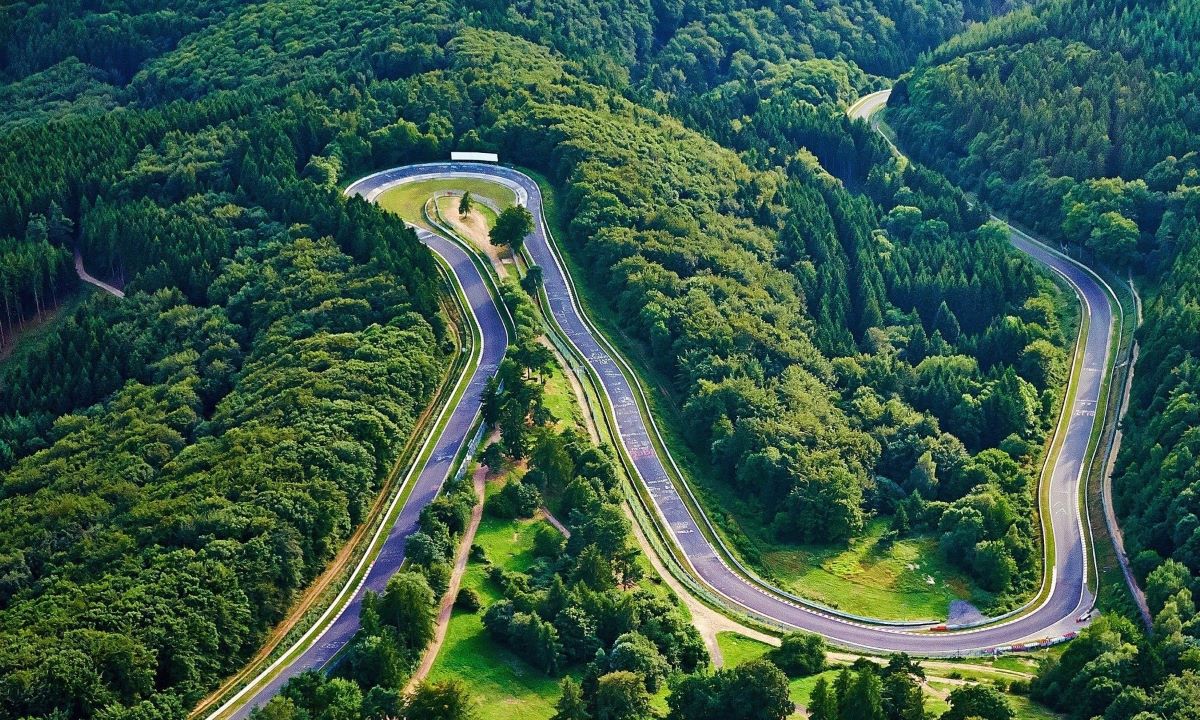
Manufacturers from Detroit to California now tune suspension, brakes, and cooling systems specifically to survive this track. A fast Nürburgring lap has become a global performance benchmark.
For enthusiasts, experiencing the Nordschleife even as a spectator redefines what a “difficult” road course truly means and explains why modern sports cars are as capable as they are.
3. Daytona International Speedway (Florida)
Daytona is the spiritual home of American speed. The 2.5-mile tri-oval combines long straights with steep banking that lets cars maintain eye-watering velocity while cornering.
What makes Daytona special isn’t just NASCAR it’s endurance racing. The Rolex 24 at Daytona showcases how radically different machines, from prototypes to GT cars, can survive a full day of abuse.
Daytona’s layout has influenced road car aerodynamics and high-speed stability in ways many people don’t realize.
For fans, the sheer scale of the speedway and the sound of engines echoing through the banking create an experience unlike any other.
Daytona International Speedway stands as a true motorsports landmark in Daytona Beach, Florida. The 2.5-mile tri-oval opened its gates in 1959 and went on to reshape the future of racing.
With steep 31-degree banking in the corners and an 18-degree incline along the start-finish straight, the speedway delivers ideal conditions for sustained, high-speed competition.
The facility features multiple layouts designed to accommodate a wide range of racing disciplines. Its signature tri-oval serves as the home for NASCAR competition, while the 3.56-mile road course is used for sports car racing.
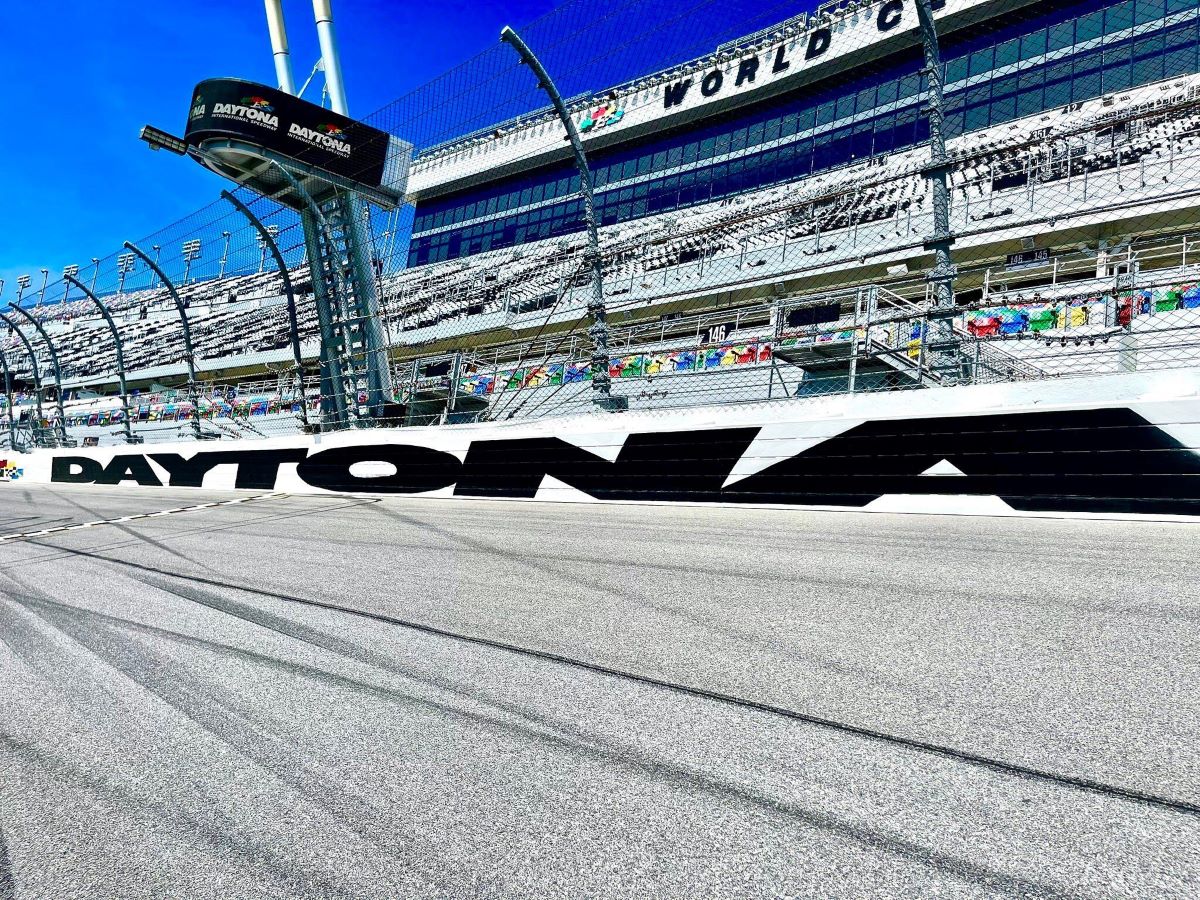
Daytona also includes a dedicated motorcycle course along with several alternate configurations, making the venue adaptable and active throughout the year.
The Daytona 500 kicks off the NASCAR Cup Series each February and regularly attracts crowds of more than 100,000 fans. Endurance racing takes center stage during the Rolex 24 at Daytona, where teams battle for a full 24 hours on the road course.
A sweeping renovation completed in 2016 reinvented Daytona as a state-of-the-art sports venue.
Updates included wider seating, improved sightlines, and upgraded fan amenities throughout the complex. The Hard Rock Bet Fanzone allows visitors close-up access to the garage area, offering a behind-the-scenes look at teams preparing for race day.
Daytona’s Florida location makes year-round racing possible. Winter typically brings mild temperatures and low humidity, creating ideal conditions for marquee events like the Daytona 500.
Summer races take place in warmer weather, often under the lights, adding another layer of excitement. Thanks to its durable surface and steep banking, the track performs consistently across a wide range of weather conditions.
Also read: 5 Cars for Fargo Cold-Weather Driving vs 5 That Fail in Cold
4. Circuit of the Americas (Texas)
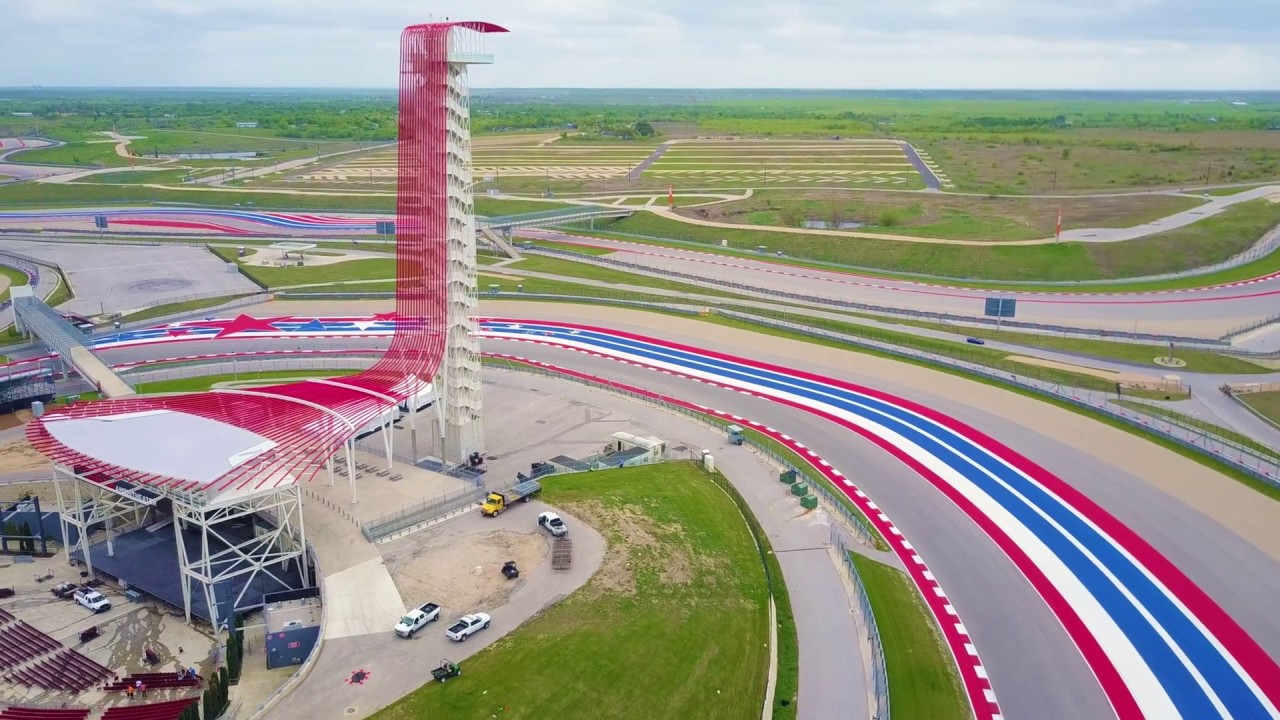
Circuit of the Americas represents the modern era of American road racing. Purpose-built to host Formula 1, the Austin-based track blends technical corners with dramatic elevation changes rarely seen in the U.S.
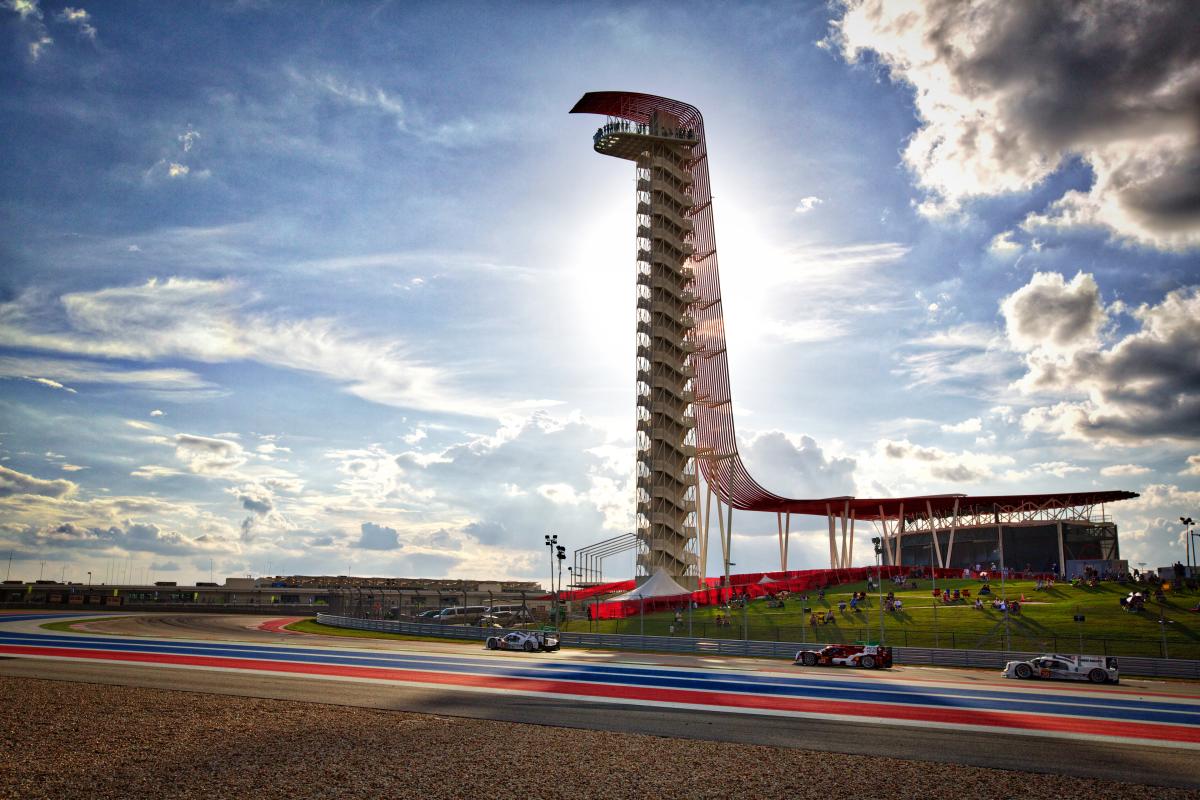
The uphill charge into Turn 1 is already iconic, forcing drivers to commit without seeing the apex.
COTA matters because it proves the U.S. can build world-class road courses that challenge the best drivers on earth. It has also helped grow American interest in global motorsport, making high-level racing more accessible to domestic fans.
5. Laguna Seca (California)
Laguna Seca is beloved because it demands finesse rather than raw speed. The legendary Corkscrew an abrupt left-right drop with nearly 60 feet of elevation change tests depth perception, braking confidence, and courage all at once.
The track has hosted everything from MotoGP to IMSA and historic racing, showing its versatility.
Laguna Seca’s tight corners and limited runoff reward precision and punish mistakes, making it a favorite among drivers who value skill over horsepower. For enthusiasts, watching cars navigate the Corkscrew in person is a rite of passage.
WeatherTech Raceway Laguna Seca is a renowned motorsports circuit located near Salinas, California.
Celebrated for its dramatic scenery and the world-famous Corkscrew corner, the track is a favorite not only among professional racers but also with motorsport fans and families alike. First opened in 1957, Laguna Seca has grown into a foundational venue in American motorsports history.
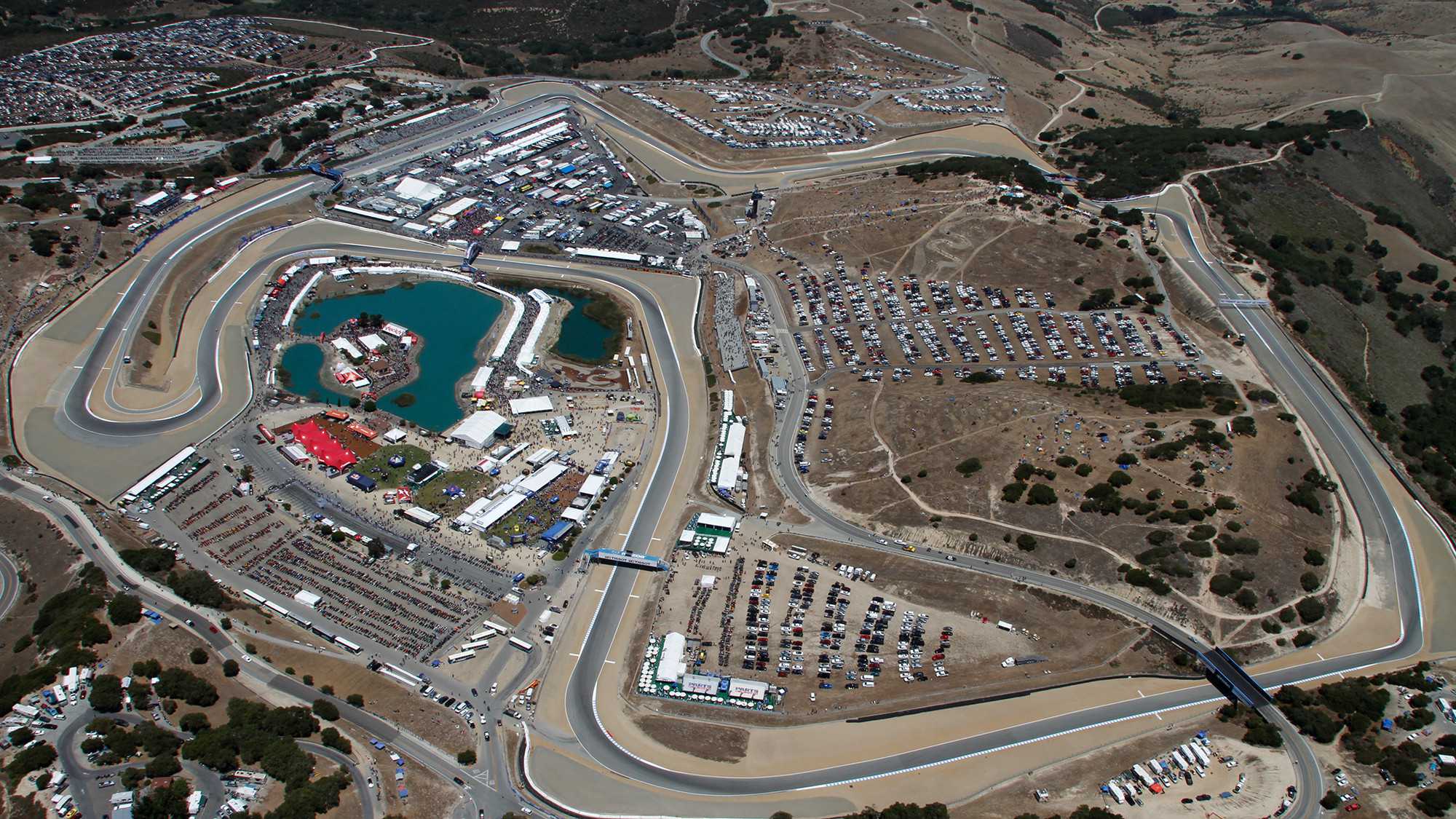
The circuit’s layout is distinctive, featuring 11 turns across a distance of approximately 2.238 miles. Its most iconic section, the Corkscrew, is widely regarded as the track’s defining feature. Here, cars dive sharply through dramatic elevation changes, testing the precision and courage of even the most experienced drivers.
This unforgettable sequence has become a global symbol of Laguna Seca and continues to attract motorsport enthusiasts from around the world.
Beyond the on-track excitement, Laguna Seca offers a variety of activities and amenities for visitors. On-site camping is available, giving families and groups the opportunity to stay overnight while taking in sweeping views of the Salinas Valley.
Visitors frequently praise the venue for its well-kept facilities and the overall experience, highlighting Laguna Seca as a destination that delivers enjoyment well beyond the racing itself.
6. Le Mans (Circuit de la Sarthe, France)
The 24 Hours of Le Mans is the ultimate endurance challenge, and its semi-public-road layout makes it uniquely dangerous and compelling.
While not American soil, Le Mans has profoundly shaped U.S. automotive history from Ford’s legendary GT40 victories to modern Corvette Racing dominance.
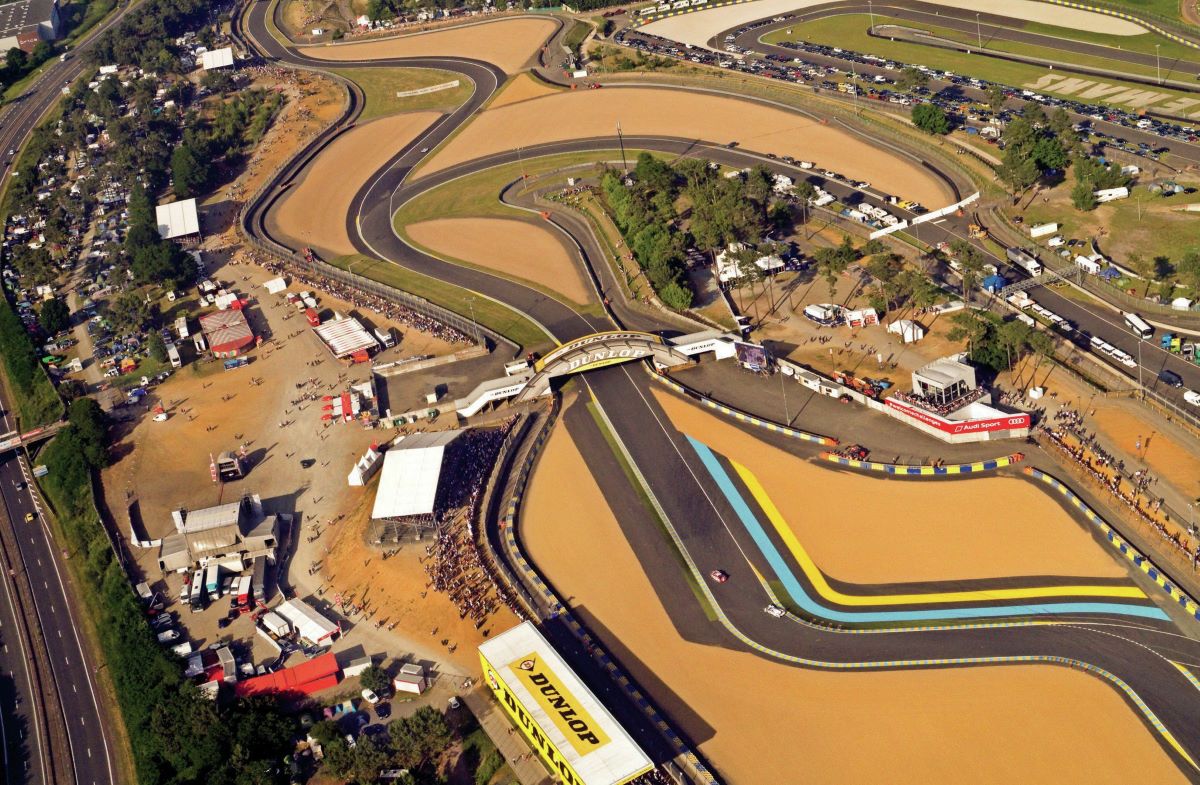
The long Mulsanne Straight forced manufacturers to rethink aerodynamics, braking, and engine reliability at sustained high speeds.
Experiencing Le Mans, even once, provides insight into why endurance racing has influenced road car durability and efficiency more than almost any other motorsport discipline.
7. Watkins Glen International (New York)
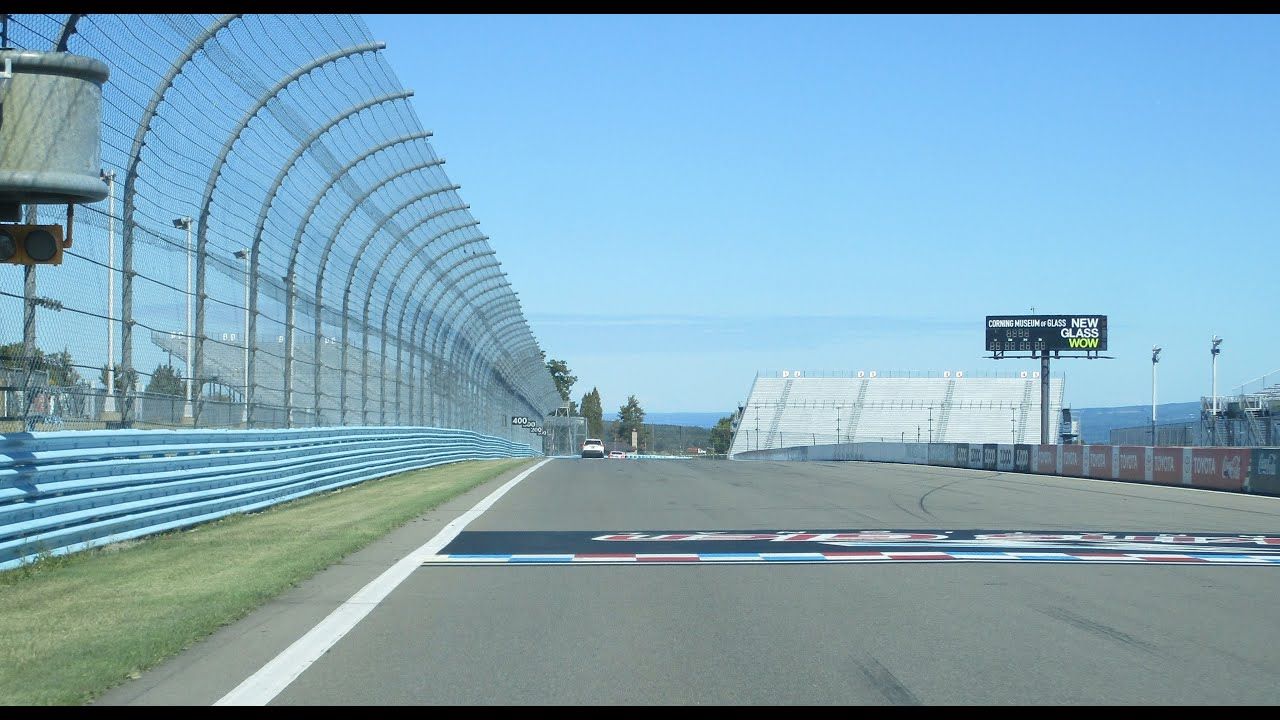
Watkins Glen blends old-school character with modern safety, making it one of America’s most respected road courses.
Its flowing layout rewards rhythm and balance, while elevation changes keep drivers honest.
The track has hosted Formula 1, NASCAR, and endurance racing, proving its adaptability. Watkins Glen’s significance lies in its connection to grassroots racing culture many professional drivers cut their teeth here.
For enthusiasts, it feels authentic and approachable, a place where racing history still feels alive rather than preserved behind glass.
The NASCAR Cup Series has shared a long and memorable relationship with Watkins Glen International, with the New York road course serving as the backdrop for decades of defining moments in stock car racing.
After a lengthy hiatus that stretched back to 1965, the series returned to Watkins Glen on Aug. 10, 1986, when Tim Richmond led the field to the green flag and ultimately reclaimed the lead from Darrell Waltrip with 12 laps remaining to score the victory.
Richmond’s win marked his fourth triumph in just six starts at the track and helped reestablish the Glen as a key stop on the Cup Series calendar.
Ten years later, on Aug. 11, 1996, the track bore witness to one of the toughest performances in NASCAR history.
Dale Earnhardt arrived at Watkins Glen still suffering from a dislocated sternum and a broken collarbone sustained in a violent Talladega crash two weeks earlier.
Barely able to breathe or lift his right arm, Earnhardt nonetheless competed in the entire 220.5-mile race, with Jeff Green on standby in case relief was needed.
After a perfectly executed 15.4-second pit stop and a tense final-lap battle with Mark Martin, Park earned his first Winston Cup win and celebrated atop his car on the frontstretch before posing in Victory Lane.
The following year, on Aug. 12, 2001, Jeff Gordon silenced a hostile crowd that had embraced “Honk if you hate Gordon” signs around the Upstate New York venue.
Gordon responded by edging Jeff Burton by just 0.172 seconds to secure his fourth career Watkins Glen victory, a track record later matched only by Tony Stewart. Gordon went on to win the championship that same season. Stewart added to his résumé on Aug. 10, 2009, capturing the Heluva Good! Sour Cream Dips at the Glen for his record-setting fifth career win at the circuit.
Watkins Glen also played host to milestone performances from other stars. Kyle Busch claimed the Centurion Boats at the Glen on Aug. 10, 2008, marking his eighth win of the season and Joe Gibbs Racing’s fifth victory in seven Cup races at the track, while also locking Busch into the top seed for the NASCAR Playoffs.
Despite the severity of the incident, the yellow flag was not displayed until Tony Stewart spun and hit the pit road barrier several turns later, allowing Marcos Ambrose to take the victory.
Ambrose would return to Victory Lane again on Aug. 12, 2012, after a dramatic final-lap showdown with Brad Keselowski.
Following a spin by race leader Kyle Busch, Ambrose and Keselowski traded the lead while racing side by side and making contact on the final lap, with Ambrose ultimately emerging on top to claim his second straight win at Watkins Glen. In more recent years, Chase Elliott established himself as one of the track’s modern masters.
After being absent from the schedule in 2020 due to pandemic-related changes, Watkins Glen returned in 2021 with another significant chapter.
Kyle Larson led 27 laps and held off Hendrick Motorsports teammate Chase Elliott to earn one of his 10 victories on the way to his first Cup Series championship.
The Hendrick rivalry continued in 2022, when Larson again bested Elliott on a dramatic final restart after Elliott ran wide from the outside lane, giving the No. 5 team back-to-back wins in New York. Most recently, on Sept. 15, 2024, Watkins Glen made its debut as a playoff race and delivered instant drama.
8. Monaco Grand Prix Circuit (Monaco)
Monaco is the ultimate contradiction a race track squeezed through city streets where precision matters more than outright speed.
Although passing is notoriously difficult, Monaco’s importance lies in its technical challenge and cultural impact. Every inch of track is lined with barriers, demanding absolute concentration.
American enthusiasts often underestimate Monaco until they see just how narrow and unforgiving it is.
The circuit demonstrates that racing isn’t always about lap times it’s about control, nerve, and minimizing mistakes under pressure.
The Monaco Grand Prix is widely considered the crown jewel of the Formula 1 calendar. First held in 1929, this iconic street race has grown into one of the most legendary events in all of motorsport.
Set within the heart of the Principality, the Monaco circuit, officially known as the Circuit de Monte-Carlo, features a narrow, twisting layout that relentlessly tests the skill, precision, and composure of the world’s best drivers.
Defined by its tight corners, confined racing lines, and the famous tunnel section, the Monaco Grand Prix is renowned for being unlike any other race on the schedule.
The margin for error is razor-thin, and even the smallest mistake can end a driver’s race instantly. Mastering this circuit is considered one of the ultimate achievements in Formula 1, and only the sport’s greatest champions have consistently succeeded here.
Beyond the racing itself, the setting of the Monaco Grand Prix is truly exceptional. Located in the heart of the glamorous Monaco, the event unfolds between the Mediterranean Sea and steep mountain roads, creating a backdrop unmatched anywhere else in motorsport.
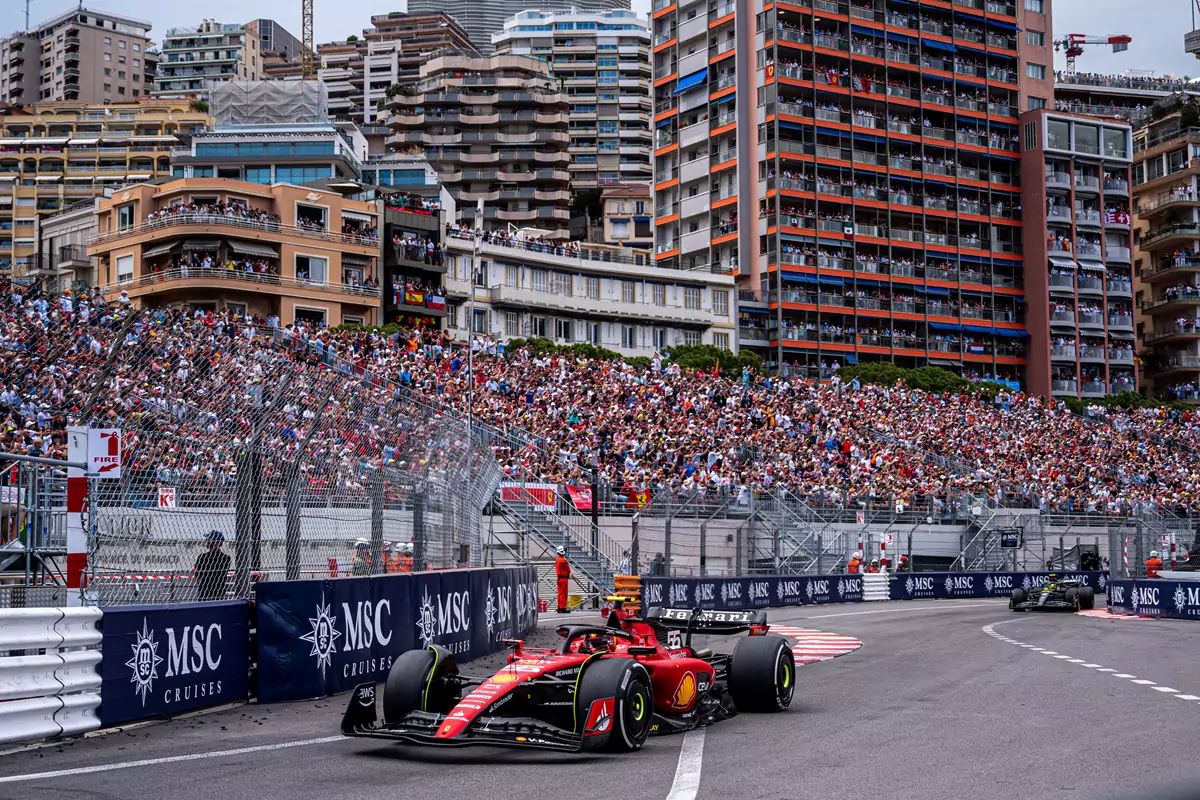
Unlike traditional circuits built on open land, Monaco’s track winds directly through the city streets, bordered by luxury yachts, historic buildings, and packed grandstands that offer stunning, up-close views of the action. The atmosphere is unlike any other, blending high-speed adrenaline with elegance, exclusivity, and sophistication.
Each year, the Monaco Grand Prix attracts a global audience that extends well beyond traditional racing fans.
Celebrities, business leaders, and high-profile guests flock to the Principality, turning race weekend into a major social event as well as a sporting spectacle. Attending the Monaco Grand Prix is widely regarded as a VIP experience, where luxury and competition intersect.
Premium grandstand seating, private terraces overlooking the circuit, and exclusive hospitality packages offer spectators exceptional comfort and access, reinforcing the race’s reputation as the most glamorous event in Formula 1.
Qualifying often determines the outcome of the race, making a strong lap on Saturday just as important as race-day performance. A clean start, precise pit strategy, and flawless execution are essential for any driver hoping to contend for victory.
Teams must heavily tailor their cars to suit Monaco’s unique demands, prioritizing maximum aerodynamic downforce, sharp steering response, and low-speed maneuverability over outright top speed.
The circuit’s slow corners and constant elevation changes place a premium on chassis balance and driver confidence rather than raw engine power.
This technical complexity makes the Monaco Grand Prix a singular event on the Formula 1 calendar, where driver skill, precision, and strategic excellence often outweigh sheer performance, further solidifying its status as the ultimate test in the sport.
9. Road America (Wisconsin)
Road America is often called “America’s National Park of Speed,” and for good reason. The four-mile layout features long straights, heavy braking zones, and fast corners that reward bravery.
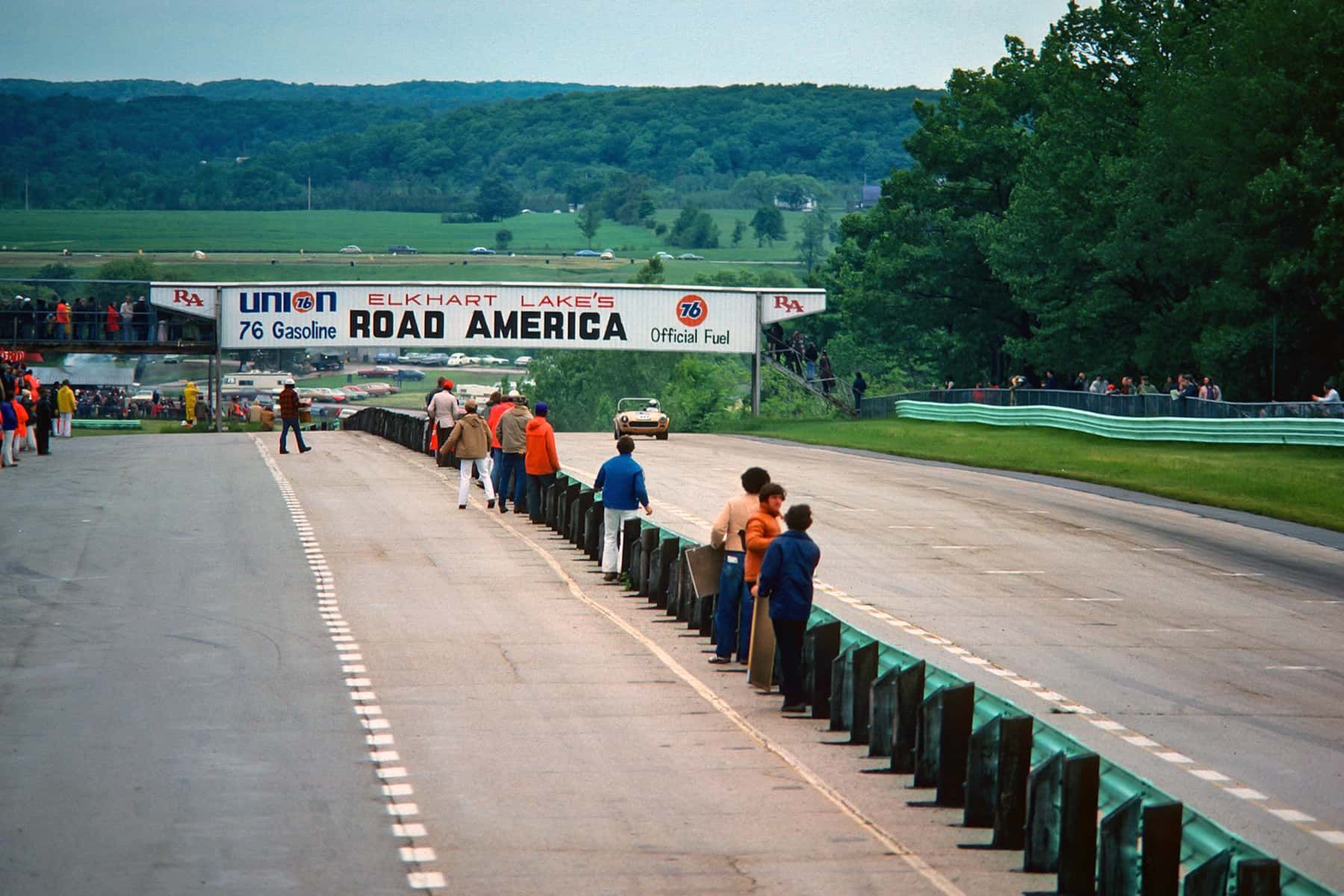
Unlike many modern tracks, Road America retains a raw, natural feel with minimal artificial barriers. It has hosted nearly every major racing series in North America and remains a favorite among drivers.
For fans, the open access and scenic surroundings create an immersive experience where you can feel close to the action without sacrificing authenticity.
10. Mount Panorama (Bathurst, Australia)
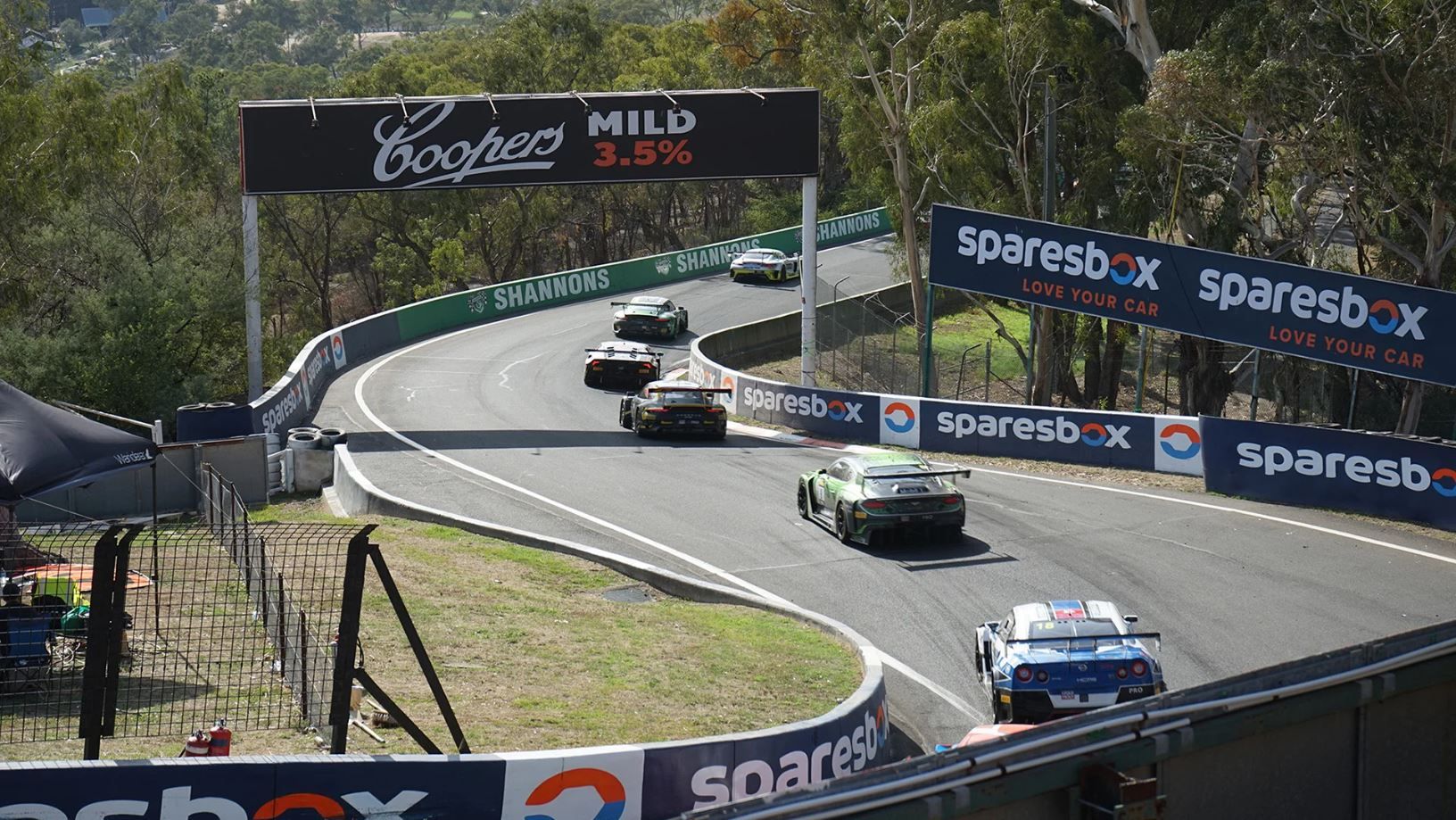
Mount Panorama is one of the most intimidating circuits ever built, blending public roads with racetrack-level speeds. The elevation changes are extreme, the walls are close, and mistakes are costly.
While far from the U.S., Bathurst has earned deep respect among American enthusiasts due to its role in shaping touring car and endurance racing.
The track proves that some circuits demand respect simply to survive, and witnessing cars race there gives a deeper appreciation for driver bravery and car setup ingenuity.
Legendary tracks influence how cars are designed, marketed, and driven on public roads. Stability control tuning, brake cooling, suspension geometry, and even driver-assist technologies often trace their roots back to lessons learned on these circuits.
For car enthusiasts, understanding these tracks isn’t just about fandom it’s about appreciating how performance cars evolved into what we drive today.
Mount Panorama Racing Circuit may be set against a peaceful rural backdrop, but it is anything but an ordinary racetrack. What truly sets it apart is the fact that, for most of the year, it operates as a public road where standard road rules apply.
Outside of race weekends, locals and visitors alike can legally drive the same stretch of asphalt that hosts some of the most demanding motorsport events in the world.
At first glance, Mount Panorama can look like an ordinary roadway, but that illusion disappears the moment it transforms into a full-fledged racing circuit.
The track climbs an astonishing 174 metres from the bottom of Pit Straight to the top of Skyline, creating a dramatic uphill charge followed by a tense, technical descent that tests even the most skilled drivers.
Racing takes place in an anti-clockwise direction, and the combination of long straights and flowing sections allows average speeds that surpass those of any other circuit in Australia, reinforcing its reputation as one of the most demanding venues in the world.
Many drivers dream of tackling the circuit at speed, which is why so many eagerly take advantage of opportunities to drive it through Fastrack Experiences, the only company accredited by Motorsport Australia to offer V8 driving experiences and hot laps on this iconic road circuit.
What truly distinguishes Mount Panorama from other racetracks is not just the difficulty of the layout, but how seamlessly it blends into the surrounding community. Homes, wineries, function centers, sporting clubs, and native wildlife all coexist alongside the circuit.
More than 30 private residences are located both inside and outside the circuit’s boundaries, an arrangement rarely seen at major racing venues.
Experiencing even one of these tracks whether from the grandstands, pit lane, or a driving experience deepens your connection to the automotive world.
These circuits aren’t just destinations; they’re milestones in the ongoing story of speed, innovation, and human ambition.
