City living in the United States is a unique challenge for drivers. The streets are often congested, parking spaces are scarce, and daily routines demand efficiency and reliability more than horsepower or towing capacity.
In such environments, the right vehicle can simplify life significantly, while the wrong one can amplify stress and cost.
Urban drivers need cars that are nimble, fuel-efficient, and easy to maneuver, while also offering comfort and convenience for errands, commuting, and short trips.
Choosing the right urban vehicle isn’t about luxury or speed it’s about fitting the vehicle’s strengths to the daily realities of city life.
Below, we explore five vehicles that truly thrive in busy urban routines, and five that often work against them, helping U.S. city dwellers make informed choices for their day-to-day transportation.
Vehicles That Fit Busy Urban Routines
Busy urban routines leave little room for frustration behind the wheel. Tight schedules, constant stops, crowded streets, and limited parking demand vehicles that are easy to maneuver, predictable in traffic, and simple to live with day after day.
In this environment, practicality beats flash, smooth low-speed behavior, good visibility, and low ownership stress matter far more than raw performance.
The right vehicle quietly keeps up with your pace instead of slowing you down. In this article, we highlight vehicles that fit busy urban routines, focusing on efficiency, ease of use, and stress-free city drivability.
1. Kia Soul
The Kia Soul has become an urban favorite for its quirky design, compact dimensions, and practicality.
Its boxy shape isn’t just for looks it maximizes interior space, making it easy to carry groceries, packages, or sports gear without needing a larger SUV.
Maneuvering through tight streets is straightforward due to its small footprint, and its elevated seating provides good visibility in dense traffic.
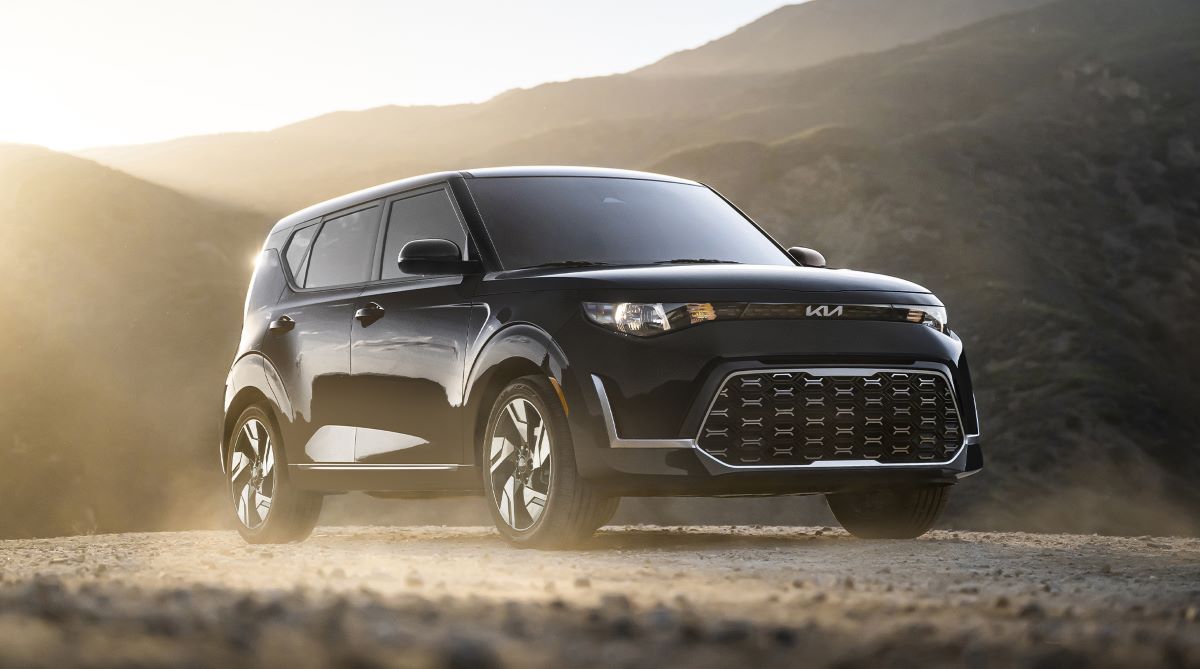
For city dwellers who value technology, the Soul comes equipped with user-friendly infotainment systems and driver-assist features that help reduce stress in stop-and-go traffic.
Its reliability and low maintenance costs also make it ideal for busy schedules where downtime isn’t an option. The Kia Soul proves that an urban car can be practical, affordable, and surprisingly fun to drive.
The Soul’s 2.0-liter engine isn’t particularly quick, but around town the vehicle feels lively and responsive. Steering is natural and well weighted, and its handling holds up well against sportier competitors such as the Mazda CX-30 and Mini Countryman.
In our testing, the Soul accelerated from 0 to 60 mph in 8.5 seconds, a respectable result for a small SUV. At lower speeds, the overly sensitive brake pedal takes some time to get used to.
Unlike some rivals, the Soul remains solid and composed over larger bumps, avoiding the unsettled feel that can make competitors seem flimsy.
The ride is firm and controlled without ever becoming harsh. One notable omission is all-wheel drive, which isn’t available on the Soul.
Visibility is a strong point thanks to its tall, narrow windows, though a small upturned rear three-quarter window slightly limits the view.
A surround-view camera isn’t offered, but the available driver-assistance systems performed reliably in our testing, operating accurately without frequent false alerts.
Also Read: Top 10 Vintage Pickup Trucks That Are Now Shockingly Valuable
2. Mini Cooper Hardtop
The Mini Cooper Hardtop continues to be one of the best vehicles for urban agility. Its tiny size allows it to fit into spaces larger vehicles can only dream of, making parallel parking and narrow street navigation almost effortless.
The steering is sharp and responsive, which makes quick lane changes in dense traffic feel easy and controlled.
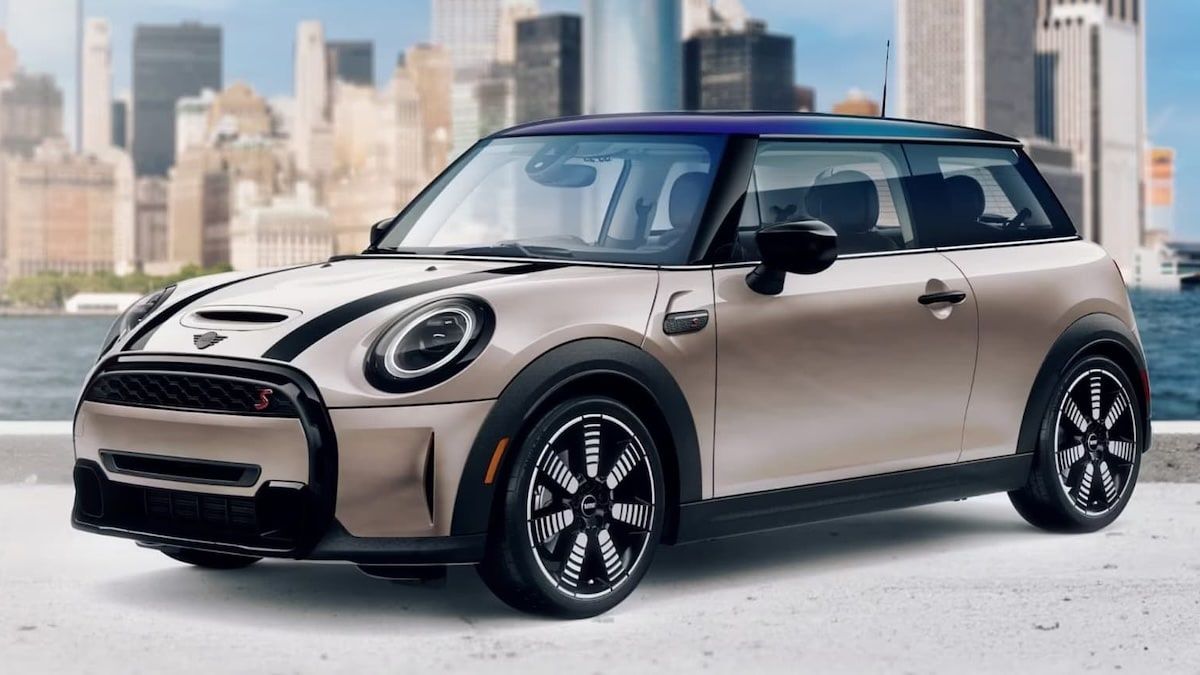
Despite its compact size, the Mini Cooper Hardtop offers a surprisingly comfortable interior for city commutes.
Fuel efficiency is respectable, and its premium feel elevates the daily urban drive. For city dwellers who want a blend of style, efficiency, and maneuverability, the Mini Cooper is a standout choice.
The range begins with the 2-Door Hardtop Cooper, priced at $28,950 plus a $995 destination fee, while the Cooper S starts at $32,200 and features a more powerful 201-horsepower engine.
The 4-Door Hardtop follows a similar pricing structure, starting at $29,950 for the Cooper and $33,200 for the Cooper S. It uses the same engines but adds a longer wheelbase and a more practical cabin.
The Convertible is offered exclusively as a two-door and carries higher pricing across the board, starting at $33,950 for the Cooper and rising to $37,200 for the Cooper S. At the top of the range sits the John Cooper Works lineup. The JCW Hardtop starts at $38,200, while the JCW Convertible commands a $43,700 MSRP.
The performance-focused John Cooper Works configuration is available only on the two-door Hardtop and Convertible and adds $1,200 over comparable trims.
Feature content is determined by three equipment tiers: Signature, Signature Plus, and Iconic, all available across the lineup. Signature comes standard on every model and includes core features such as the new OLED-based interface and a suite of safety technologies.
3. Toyota Prius
The Toyota Prius has long been the poster child for urban efficiency, and it remains highly relevant for busy American cities.
Its hybrid drivetrain delivers outstanding fuel economy, which is especially valuable in stop-and-go traffic where conventional engines waste gas.
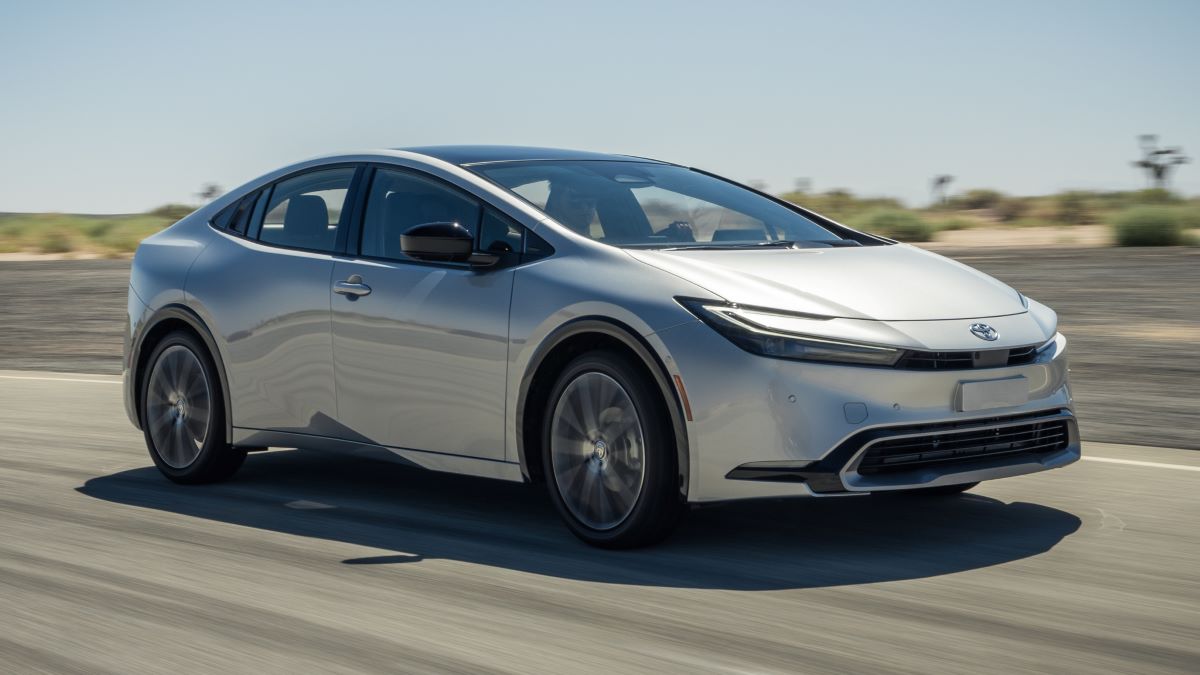
The Prius is also highly reliable, meaning fewer trips to the mechanic and less disruption to busy schedules. With a spacious cabin and hatchback layout, it accommodates shopping, gym gear, or small furniture effortlessly.
In an urban routine where every minute counts, the Prius reduces both cost and stress, making daily life smoother for commuters and city families alike.
4. Honda Fit
Though it’s small, the Honda Fit is big on versatility perfect for city life. Its “Magic Seat” system allows the rear seats to fold in multiple configurations, offering flexibility for cargo without sacrificing passenger space.
This makes the Fit ideal for urban errands, whether transporting groceries, work supplies, or sports equipment.
The Fit’s tight turning radius and nimble handling make it easy to weave through crowded streets or maneuver into tight parking spots.
Its fuel efficiency and low maintenance requirements are additional benefits for drivers balancing long workdays and multiple stops.
The Fit excels at turning the chaos of city driving into a manageable and even enjoyable experience.
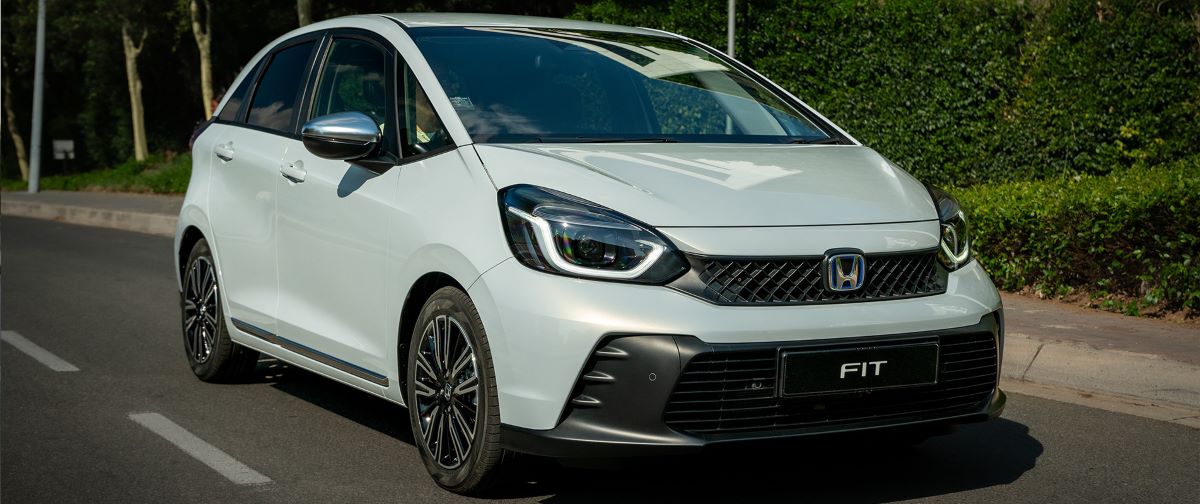
The only real powertrain choice Fit buyers face is between a six-speed manual transmission and a continuously variable automatic (CVT), though models equipped with the CVT see horsepower drop to 128. At higher engine speeds, where the Fit spends much of its time, the engine becomes noticeably buzzy.
The manual transmission provides better control and allows drivers to extract the most from the engine, while the CVT dulls responsiveness and feels less engaging overall.
Ride quality is the Fit’s standout trait. The suspension delivers a surprisingly supple ride over most road imperfections, especially on the base LX model fitted with larger tires. However, that comfort comes at the expense of handling.
The soft suspension tuning leaves the Fit dynamically unremarkable, with noticeable body roll in corners. Steering lacks road feel and precision, particularly when compared with the previous-generation Fit. The result is a car that feels capable and predictable, but far from entertaining to drive.
Also Read: Top 10 Best SUVs That Redefined Off-Road Capability
5. Volkswagen ID.4
Fully electric vehicles are increasingly practical for city routines, and the Volkswagen ID.4 is a prime example.
Its compact SUV design makes urban navigation simple, while its fully electric powertrain eliminates fuel stops and reduces maintenance hassles.
The ID.4’s instant torque and smooth acceleration are perfect for stop-and-go city traffic, and its advanced driver-assist features improve confidence in crowded streets.
For urban dwellers with access to charging at home or work, the ID.4 aligns perfectly with a busy lifestyle. It combines practicality, comfort, and sustainability, proving that EVs can be ideal daily drivers not just weekend toys or long-distance vehicles.
As the crossover sibling to the ID.3 hatchback, the ID.4 arrives exactly as expected. It’s built on Volkswagen’s MEB electric-only platform and is offered with rear- or all-wheel drive, along with either a 52kWh or 77kWh battery.
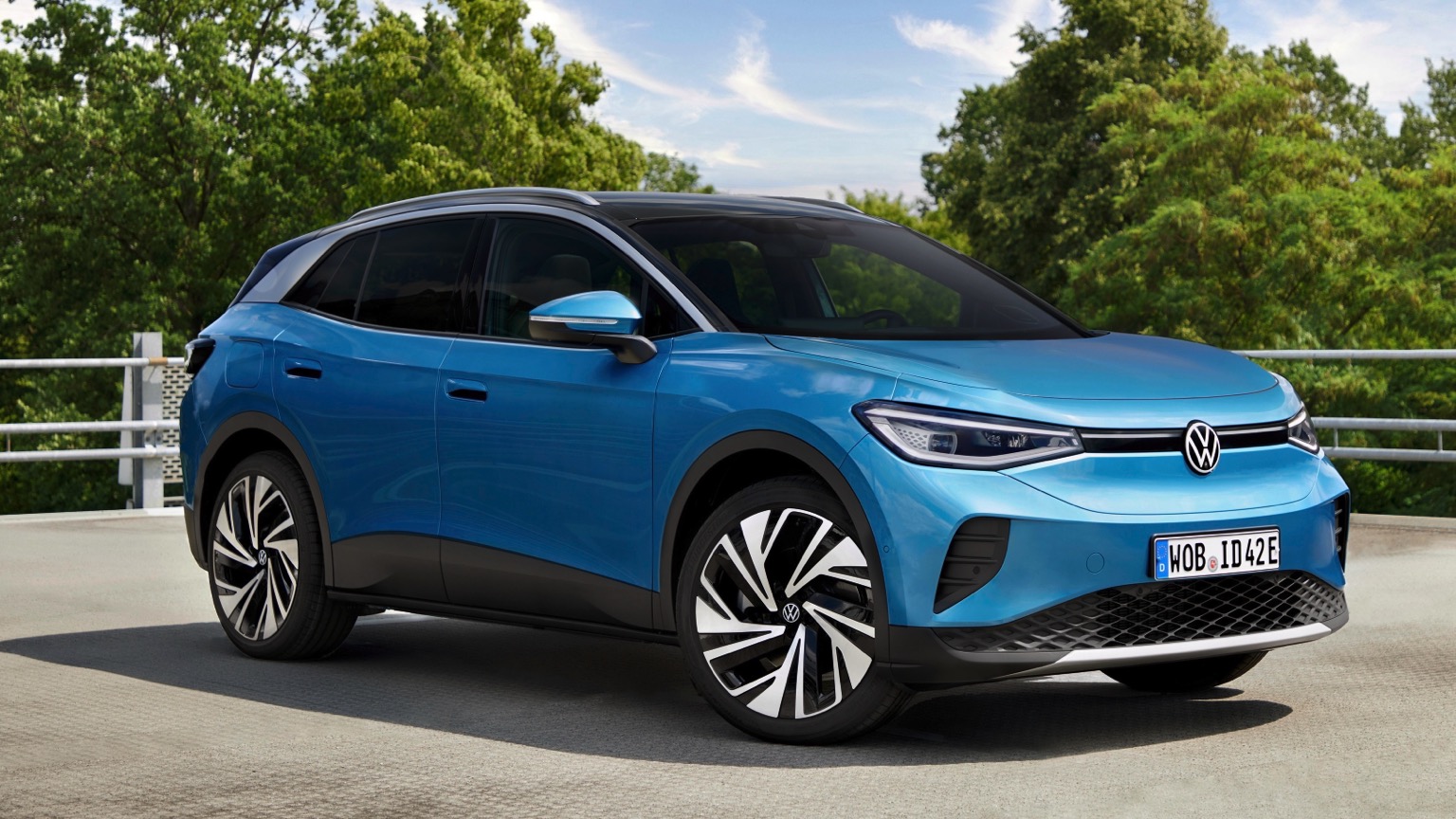
There’s also a performance-oriented variant, the ID.4 GTX, which upgrades to a 79kWh battery. Whether that makes it a GTI or R for the electric era remains up for debate.
Competition is intense. Close relatives include the ID.5, the Skoda Enyaq and its coupe counterpart, and the Audi Q4 e-tron along with its Sportback variant, all built on the same platform and all part of the wider Volkswagen Group.
Beyond that, rivals extend to the BMW iX3, Ford Mustang Mach-E, Hyundai Ioniq 5, Kia EV6, and Tesla Model Y.
In terms of range, entry-level ID.4 models equipped with the smaller battery are rated for up to 221 miles.
Mid-range versions with the larger battery stretch that figure to as much as 339 miles, while opting for all-wheel drive slightly reduces overall range. The range-topping all-wheel-drive GTX is rated for up to 321 miles.
There is, however, a notable caveat. The Skoda Enyaq offers longer range across the lineup, and does so at a lower price point, which puts the ID.4 in an awkward position.
Set that aside, and the ID.4 reveals itself as a comfortable, efficient, and easygoing family SUV. It’s well suited to everyday use, though it lacks excitement behind the wheel.
Whether that matters in this segment is debatable, but even the GTX does little to change the overall driving character.
In terms of size, think Tiguan proportions on the outside with more usable space inside. The wheelbase matches that of the ID.3, but the more upright seating position creates a greater sense of legroom.
At roughly 300 mm longer than the ID.3 overall, the ID.4 also benefits from a significantly larger cargo area, making it far more practical as a family vehicle.
Vehicles That Don’t Fit Busy Urban Routines
1. GMC Sierra 1500
The GMC Sierra 1500 is a full-size pickup with excellent towing and cargo capabilities, but these strengths are largely irrelevant in a dense urban environment.
Its large footprint makes navigating city streets difficult, and parking becomes a daily challenge.
Fuel consumption is high, particularly in stop-and-go traffic, and the vehicle’s size adds stress to already crowded city routines. While it is unmatched for hauling or work purposes, the Sierra 1500 is impractical for typical urban life.
GMC hasn’t radically changed its V8 strategy for the 2024 Sierra Denali, but it does offer an alternative for buyers who want something other than a traditional gasoline V8.
A 3.0-liter turbodiesel inline-six is available on both the Sierra Denali and the Sierra Denali Ultimate, producing 305 horsepower and a stout 495 lb-ft of torque. As with all Denali models, the diesel is paired with a 10-speed automatic transmission.
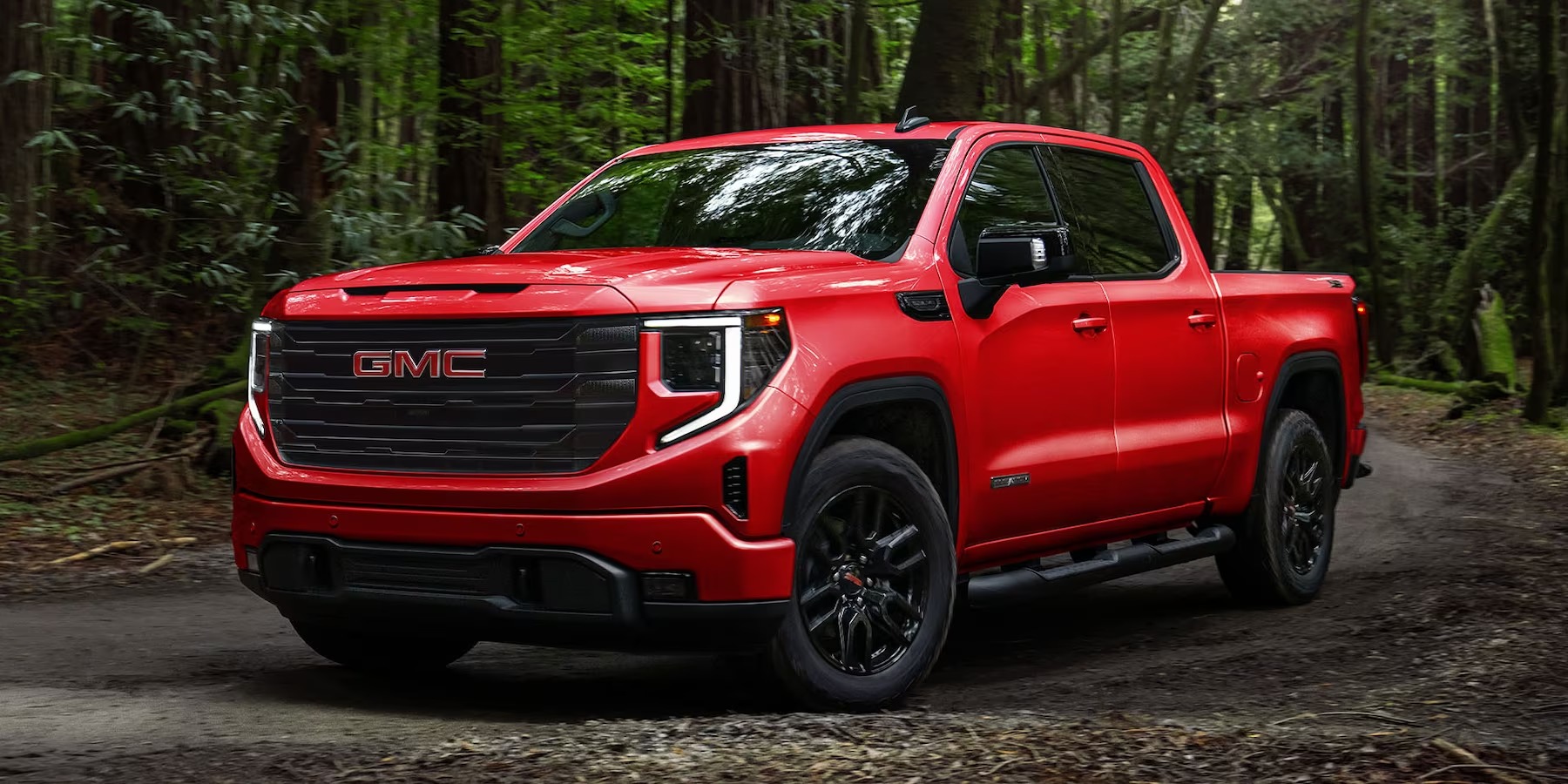
The standard engine in the 2025 Sierra Denali is a 5.3-liter V8 that delivers 355 horsepower and 383 lb-ft of torque.
This engine is not offered on the range-topping Denali Ultimate, which instead comes standard with either the turbodiesel or a more powerful 6.2-liter V8. The larger V8 produces 420 horsepower and 460 lb-ft of torque and is also available as an upgrade on the standard Denali.
Fuel economy varies significantly by engine and drivetrain. With four-wheel drive, the diesel-equipped Sierra Denali is rated at 22 mpg city and 26 mpg highway, while both V8 options return 15 mpg city and 19 mpg highway.
Rear-wheel-drive models are limited to the 5.3-liter V8 or the turbodiesel, with the diesel achieving an estimated 23 mpg city and 29 mpg highway, compared to 16 mpg city and 21 mpg highway for the gas V8.
2. Cadillac Escalade
The Cadillac Escalade is synonymous with luxury and space, but in the context of urban routines, it can be more burden than benefit.
Its size and length make parking in garages or on narrow streets stressful, while its high operating costs including fuel and maintenance can disrupt tight city schedules.
Escalades are powerful and impressive, but those strengths don’t translate into everyday urban driving. Unless a driver requires the specific space or status that an Escalade provides, it often complicates city life more than it enhances it.
The Escalade delivers exactly what its buyers expect: size, presence, and cutting-edge technology wrapped in unmistakable Cadillac style.
It has even managed to outscore offerings from Mercedes-Benz and BMW in our rankings, though the Lincoln Navigator still sits at the top. Visually, the Escalade is bold and unapologetic, but it’s the interior where it truly shines.
The leather quality is among the best Cadillac has ever offered, and a massive 38 inches of OLED displays stretch across the dashboard. That screen setup can also control an available 36-speaker audio system that’s as impressive as it is immersive.
Luxury isn’t limited to the front seats. Passengers in the second and third rows are treated to plush, comfortable seating, making the Escalade an excellent choice for long-distance road trips.
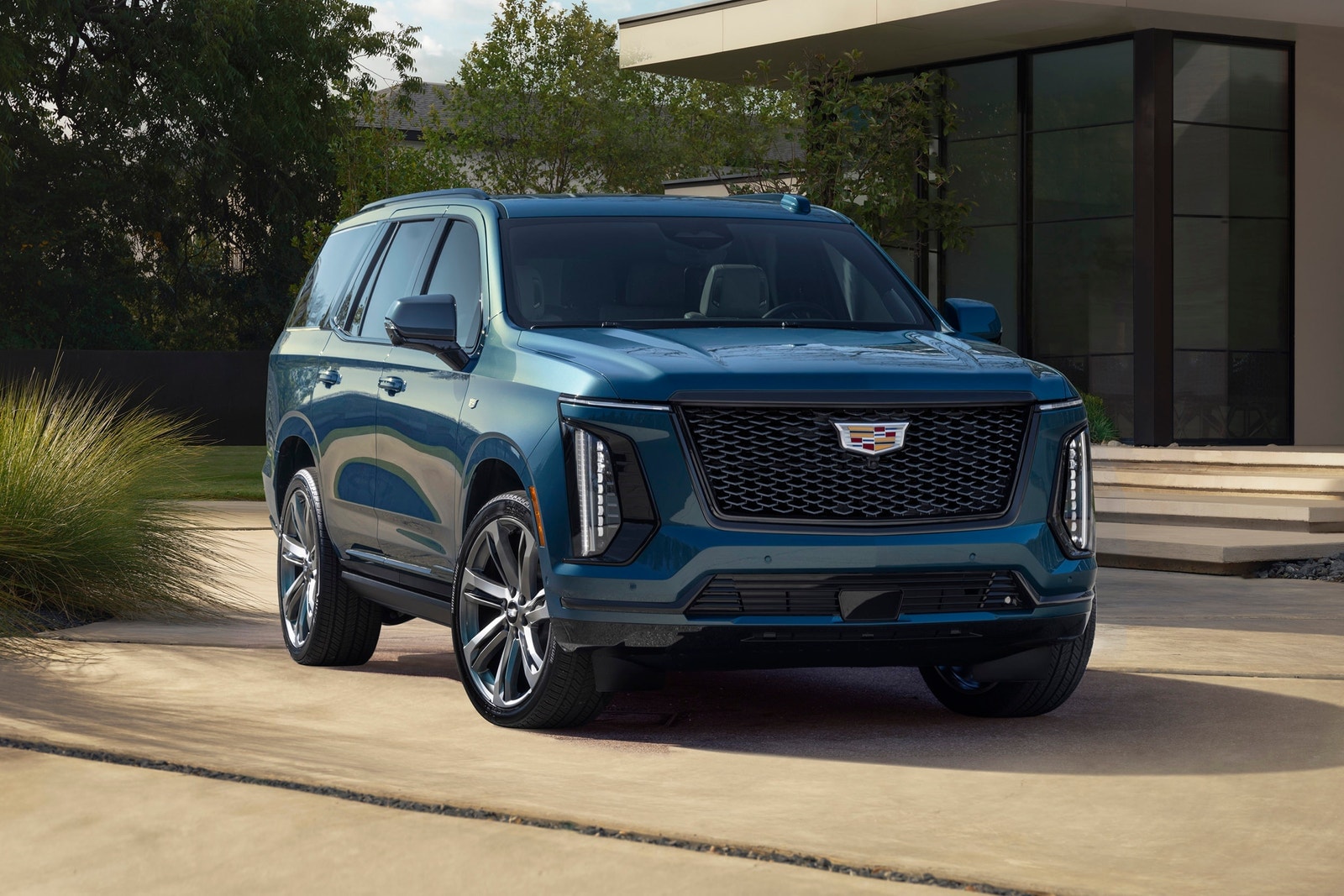
Cargo space is generous in the standard Escalade, which is based on the Tahoe, while buyers who opt for the longer Escalade ESV, derived from the Suburban, gain even more room for people and gear.
Despite being one of our top-rated three-row luxury SUVs, the Escalade isn’t without its drawbacks. The suspension feels firmer than expected, with its fully independent setup best appreciated on smooth, winding roads rather than rough surfaces.
Some shared GM switchgear slightly detracts from the otherwise premium atmosphere, and fuel economy from the V8 engine lags behind competitors in the segment.
In a head-to-head comparison with the Jeep Grand Wagoneer, the Escalade impressed with its expansive display setup, available 36-speaker AKG sound system, and Super Cruise semi-autonomous driving technology.
However, the Grand Wagoneer ultimately edged out the Cadillac thanks to its more refined ride quality and superior luxury for second- and third-row passengers.
Cadillac offers two powertrain options for the Escalade. The standard engine is a naturally aspirated 6.2-liter V8 producing 420 horsepower and 460 lb-ft of torque. In our testing, this setup propelled the Escalade from 0 to 60 mph in 6.1 seconds.
EPA fuel economy ratings stand at 15 mpg city and 20 mpg highway with rear-wheel drive, dropping slightly to 14 mpg city and 19 mpg highway with four-wheel drive.
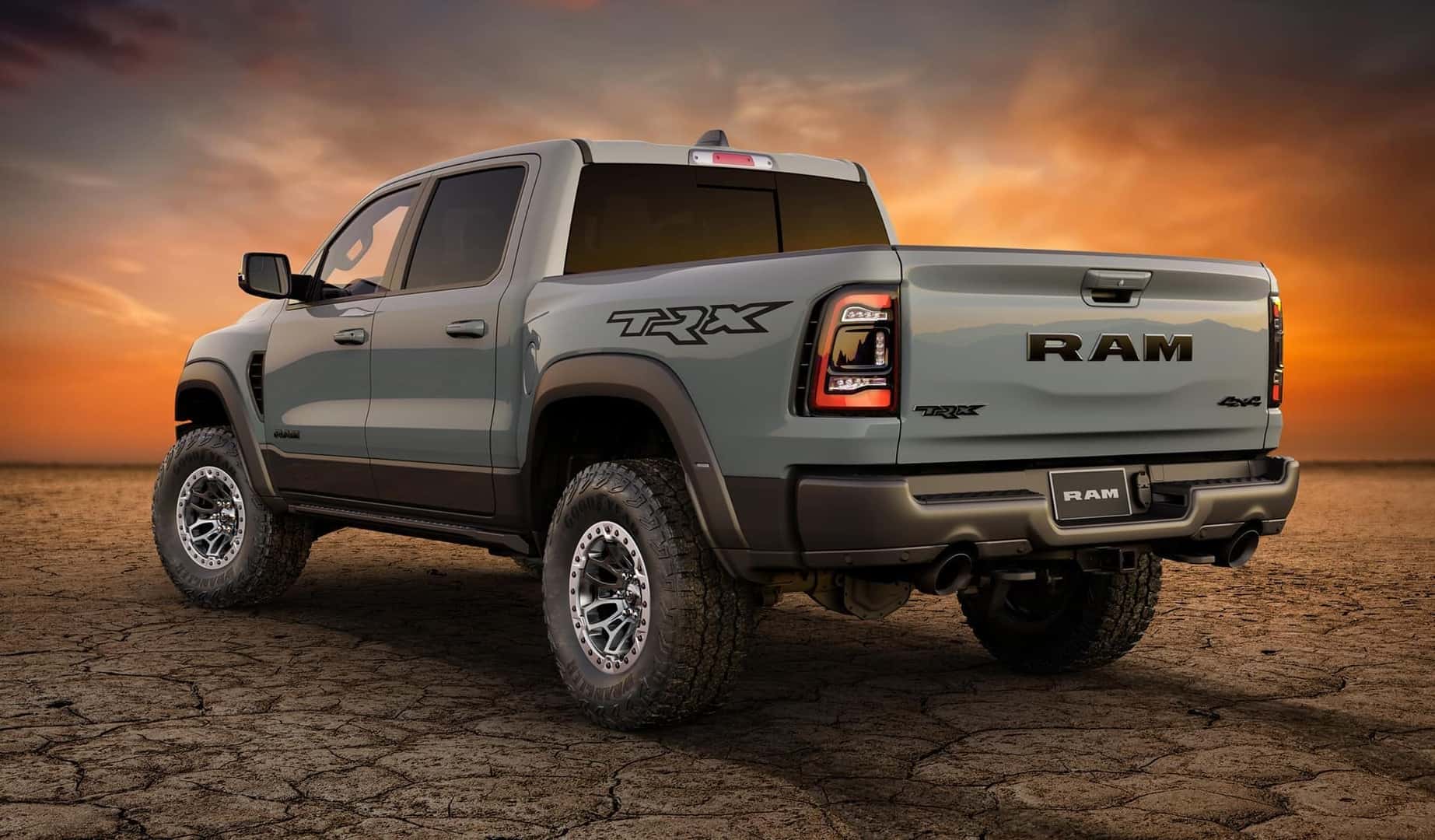
3. Ram 1500 TRX
The Ram 1500 TRX is a performance truck built for speed and off-road capability. In urban environments, however, its high horsepower and wide stance become liabilities rather than advantages.
Parking is tricky, fuel consumption skyrockets, and the aggressive suspension makes stop-and-go driving feel more jarring than smooth.
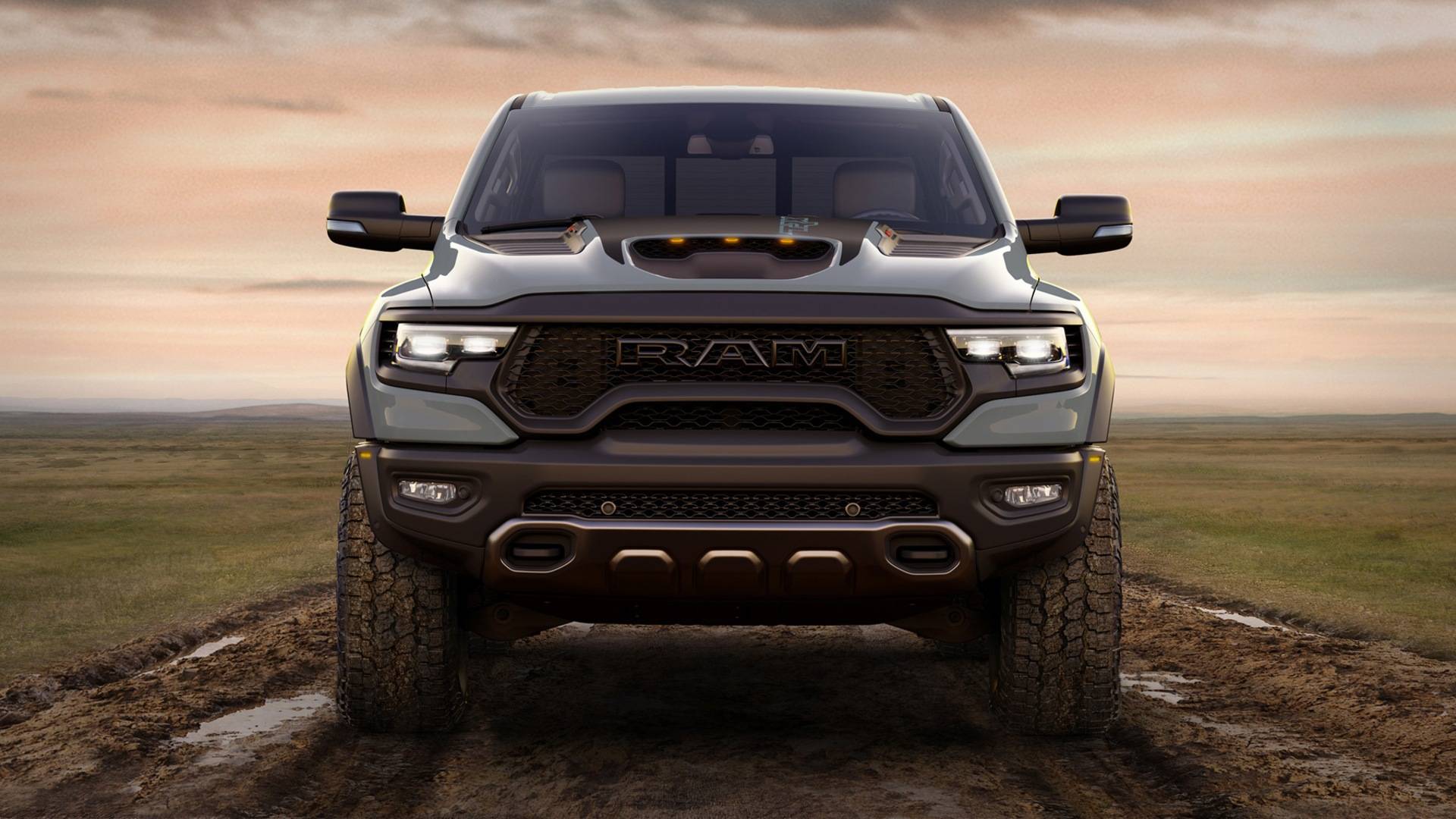
Urban streets don’t provide the open terrain needed to enjoy its engineering, making the TRX impractical for city commuters or errand runners who need reliability and efficiency over raw power.
4. Chevrolet Camaro
The Chevrolet Camaro is a classic American muscle car, but it suffers in urban routines. Its low-slung design and wide body make parking and navigating tight streets challenging, while rear visibility is poor in congested traffic.
Fuel efficiency is low, and the car’s sporty suspension is better suited to highways than pothole-filled city streets. For daily urban driving, the Camaro often feels more like a statement piece than a functional vehicle.
This Camaro is a genuinely strong performer, blending speed, precision, and driver enjoyment in a way earlier generations never quite managed. The V8 is the obvious choice for those seeking the full muscle-car experience, but even the V6 and turbocharged four-cylinder engines deliver punchy performance.
In straight-line acceleration, most versions can edge out an equivalent Ford Mustang, and the braking system is more than capable of bringing the car to a stop quickly and confidently.
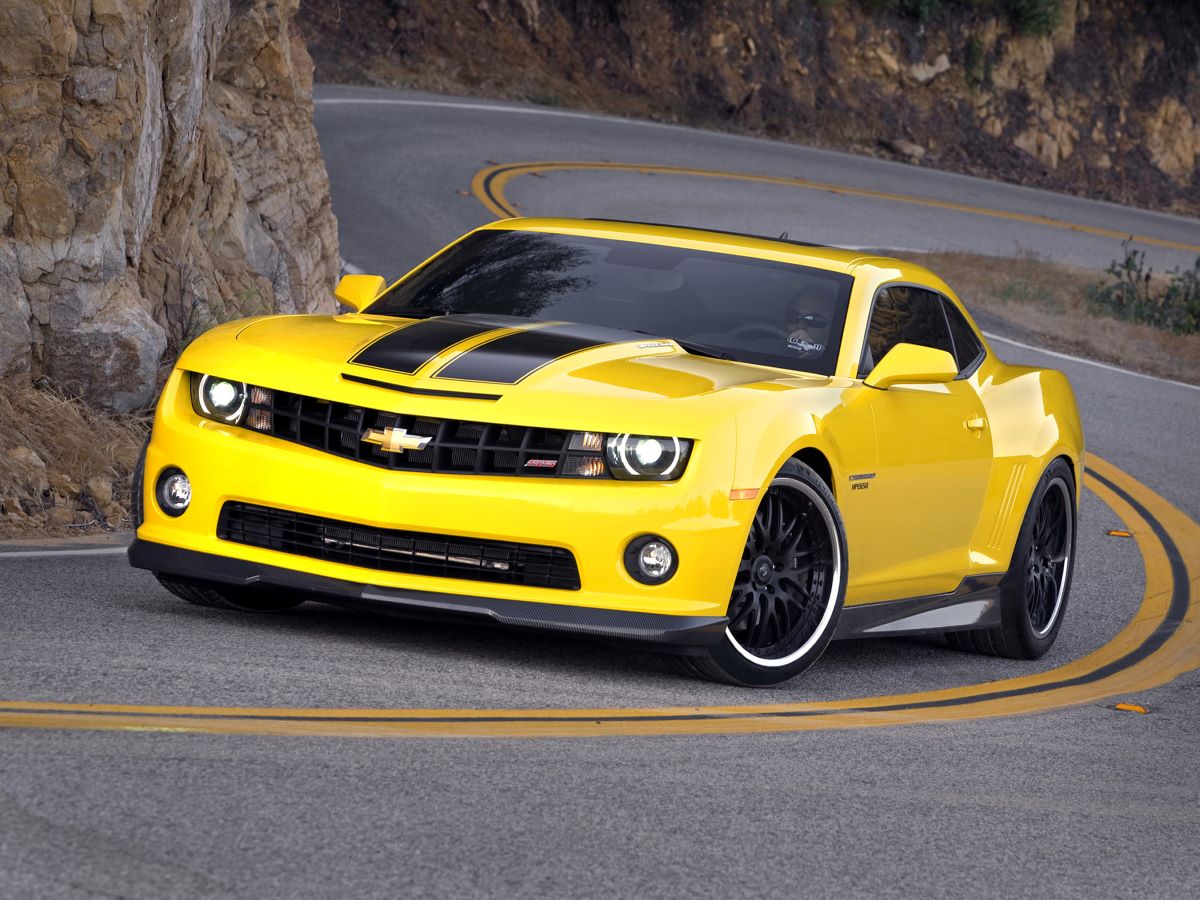
Handling feels sharper and more agile with the lighter four- and six-cylinder engines, while the V8 counters with higher overall grip thanks to its stickier tires.
Manual transmissions are a highlight, featuring crisp, positive shift gates, and the automatic rev-matching system delivers perfectly timed downshifts that feel professional-grade.
For a performance-focused coupe, the Camaro offers a surprisingly compliant ride. The standard suspension strikes a good balance between comfort and control, while the available Magnetic Ride Control system, further improves composure across a wider range of road surfaces.
Ride quality is impressive given the car’s performance mission. All engine options are quiet and relaxed during cruising, though only the V8 delivers a truly satisfying soundtrack when pushed.
The front seats are well shaped, offering solid lateral support without feeling restrictive, though some drivers may find the seat bottom a bit snug. Door panels and center armrests are thoughtfully padded, adding to overall comfort.
As expected, rear-seat space is tight and best reserved for short trips. One quirky drawback is the placement of the climate control vents, which sit directly in front of the shift lever and tend to blast hot or cold air onto your hand while driving.
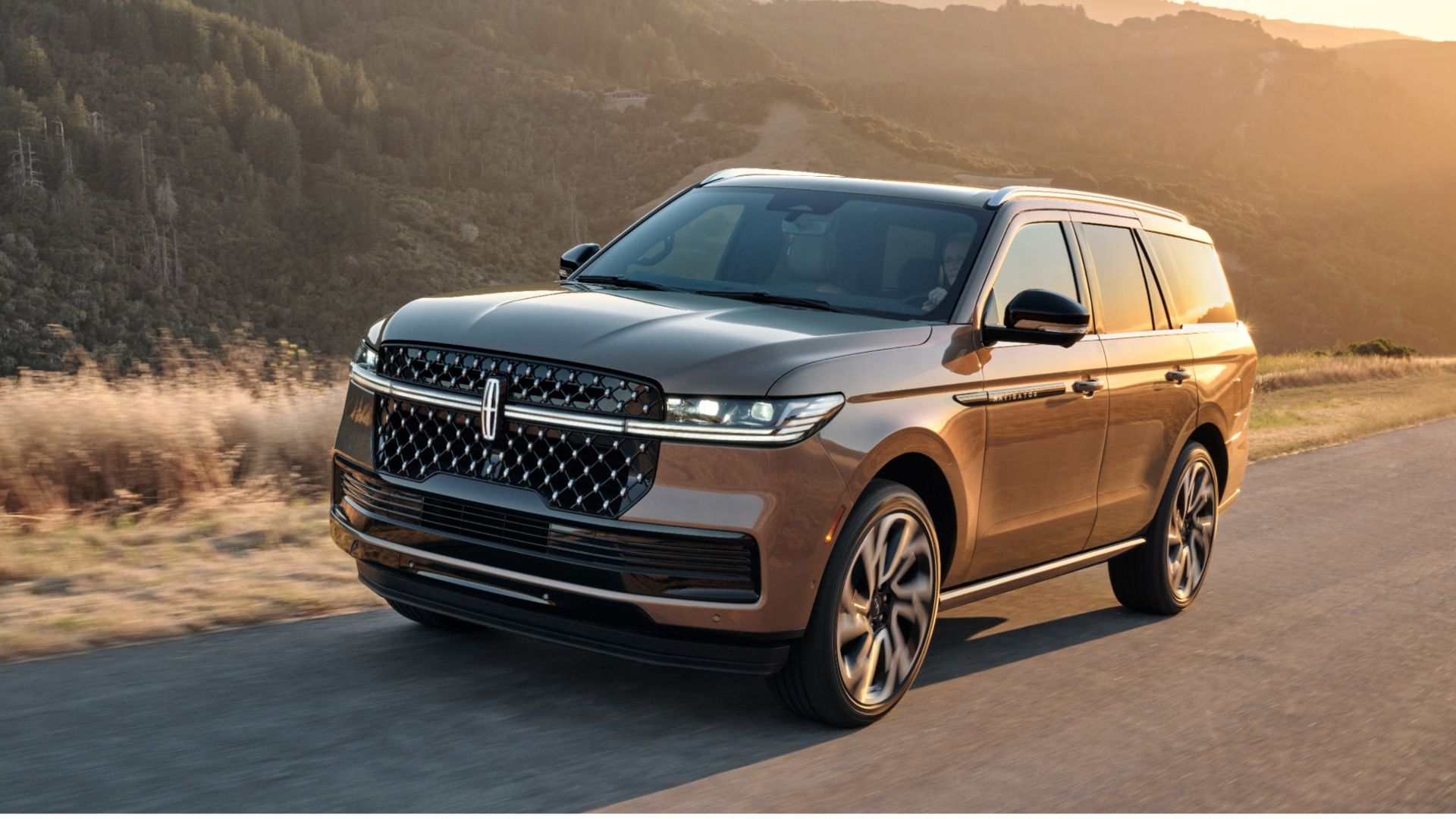
5. Lincoln Navigator
The Lincoln Navigator offers luxury and space, but these benefits come at a cost for city drivers. Its massive size makes tight turns and narrow streets difficult, while finding parking in downtown areas can become a frustrating task.
Fuel costs and potential maintenance downtime are additional burdens, making it less practical for urban routines.
The Navigator excels on highways and in suburban or rural areas, but it’s often overkill for city life where maneuverability and efficiency are paramount.
Navigating urban routines in the United States requires vehicles that prioritize agility, efficiency, and low stress.
Cars that handle city life well like the Kia Soul, Mini Cooper, Toyota Prius, Honda Fit, and Volkswagen ID.4 reduce the mental load of daily driving while maximizing convenience and comfort.
Conversely, vehicles like full-size pickups, muscle cars, and oversized luxury SUVs, while impressive in other contexts, often clash with the realities of urban life.
City driving isn’t about maximum horsepower or towing capacity it’s about reliability, efficiency, and stress-free maneuverability.
Choosing the right vehicle can transform daily urban routines from a chore into a smoother, more manageable experience, saving time, money, and energy. For U.S. city drivers, matching the vehicle to the environment is not just smart it’s essential.