
Urban driving in the United States is increasingly complex. From dense downtown streets to suburban roads and sporadic highway stretches, drivers need vehicles that can adapt to multiple environments without sacrificing comfort, efficiency, or practicality.
Mixed urban use requires a balance: maneuverability for city streets, efficient fuel consumption for stop-and-go traffic, adequate cargo space for errands, and enough performance for occasional highway driving.
However, not every car fits this versatile profile. Some models are excellent in one environment but frustratingly impractical in others.
Here, we break down five cars that excel in mixed urban use and five that fall short, helping American drivers make informed choices for city-centric lifestyles.
Cars That Suit Mixed Urban Use
Mixed urban use asks a lot from a car. One moment it’s squeezing into tight parking spots or crawling through stop-and-go traffic, and the next it’s cruising on faster city arterials or short highway stretches.
Vehicles that work well here need to be flexible, easy to maneuver at low speeds, comfortable and confident when traffic opens up, and efficient enough to handle frequent short trips.
In this article, we highlight cars that suit mixed urban use, focusing on balance, everyday practicality, and the ability to adapt smoothly to the changing pace of city life.
1. Honda CR-V
The Honda CR-V has long been a favorite among urban drivers who also occasionally venture out on highways or longer suburban trips.
Its compact yet roomy design allows for easy maneuvering and parking in tight spaces, a crucial advantage in crowded city streets.
With a highly efficient 1.5-liter turbocharged engine, it balances fuel economy with adequate acceleration for merging onto highways.
Its cargo space is surprisingly generous, ideal for shopping trips, transporting sports gear, or handling larger items like bicycles.
Additionally, Honda’s reputation for reliability ensures fewer unexpected repairs, which is particularly valuable for city drivers who face constant stop-and-go traffic.
The CR-V isn’t built to be a track performer, but it feels responsive and well controlled when stacked up against other small SUVs.
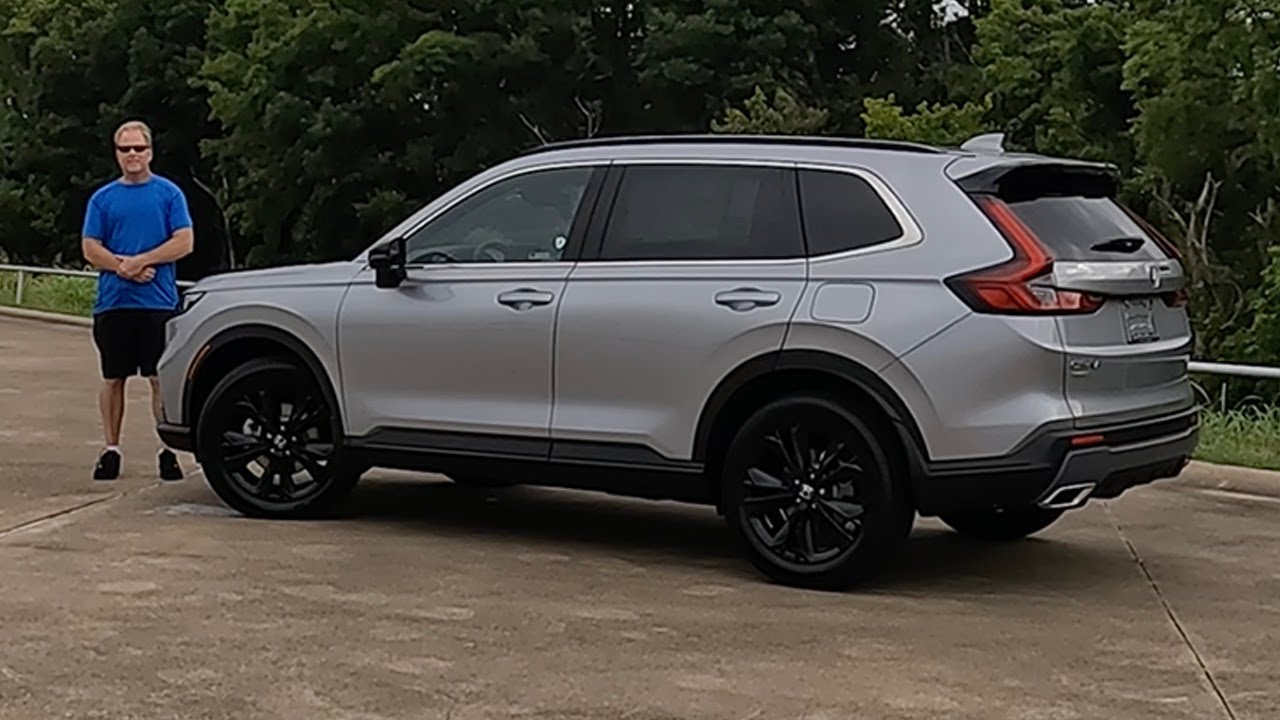
In our testing, the hybrid Sport Touring model reached 60 mph from a standstill in 8.0 seconds, a result that’s right in line with class expectations. Models equipped with the standard 1.5-liter engine deliver similar acceleration times.
Braking performance inspires confidence in emergency situations and allows for smooth, predictable stops during everyday driving.
We’re also impressed by how seamlessly the hybrid system operates, including its simulated gear changes under normal conditions, although tackling long mountain climbs can require a heavy right foot.
Through corners, the CR-V remains stable and composed, with steering that’s responsive enough to provide a clear sense of what the vehicle is doing. Ride comfort stands out as one of the CR-V’s strongest attributes.
Visibility presents a few trade-offs, with large front windows providing a clear forward view but more limited sightlines to the rear, offset somewhat by effective parking camera systems. While the available advanced driver-assistance features perform reliably, some competitors offer a broader selection of these technologies.
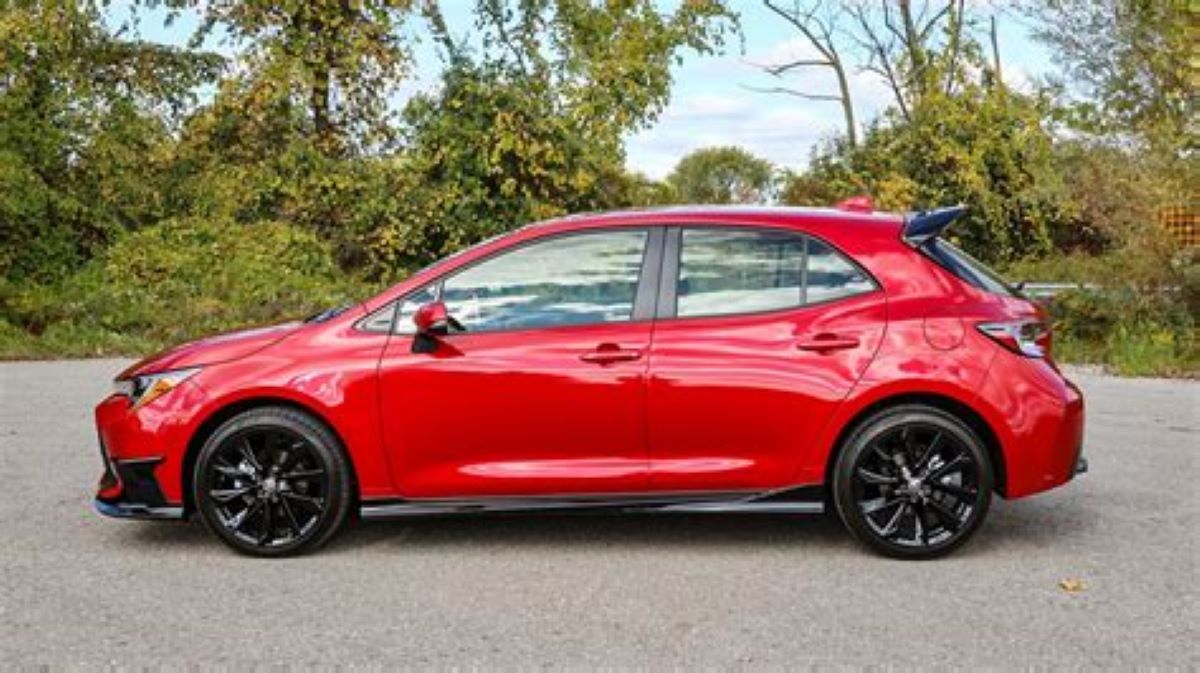
2. Toyota Corolla Hatchback
For those who prefer smaller, nimbler vehicles, the Toyota Corolla Hatchback strikes an impressive balance between efficiency and practicality.
Its compact size makes parallel parking in urban areas far less stressful, while the hatchback design allows for versatile cargo configurations.
With advanced safety tech like adaptive cruise control, lane-keeping assist, and pedestrian detection, it helps mitigate the risks of busy city streets.
The Corolla also shines on highways thanks to a smooth and quiet ride, making it a strong choice for drivers who split their time between downtown errands and weekend road trips.
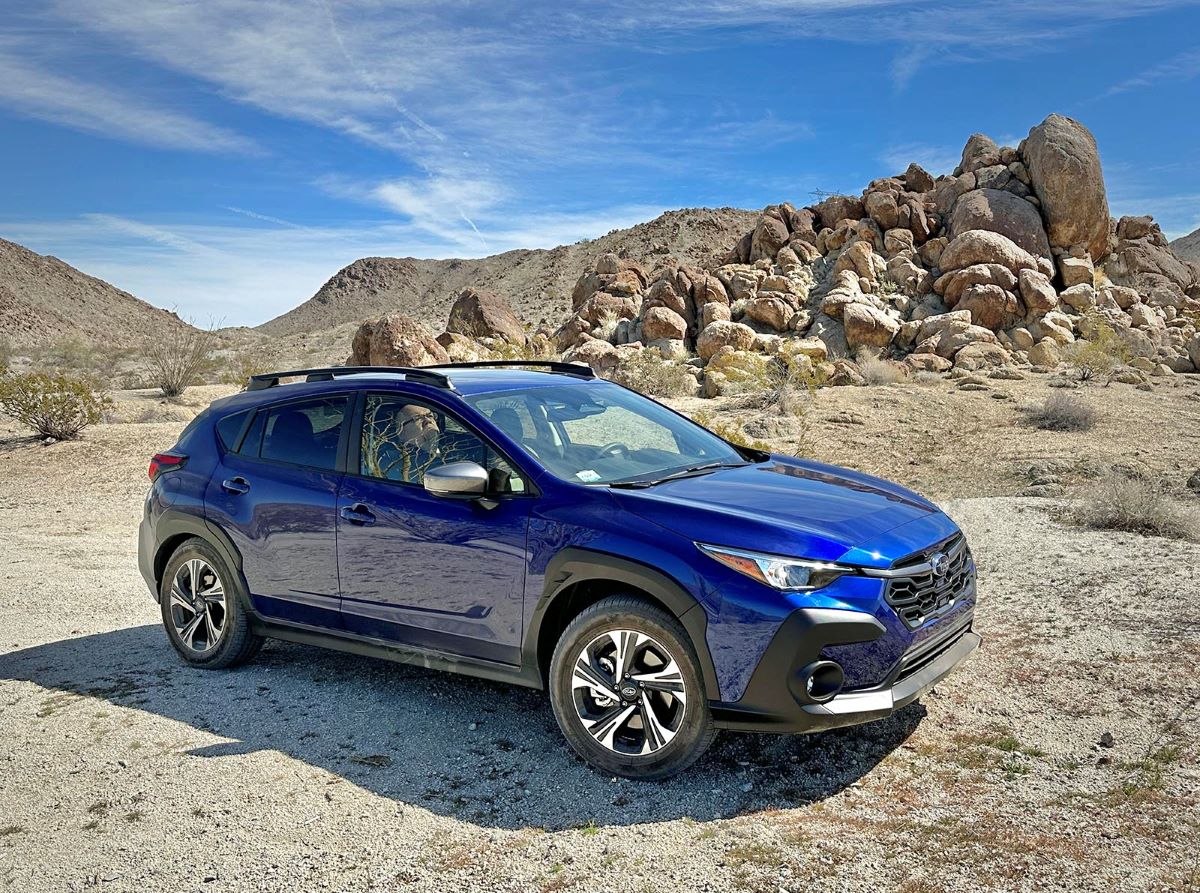
3. Subaru Crosstrek
The Subaru Crosstrek combines the practicality of a compact crossover with all-wheel drive capability, which is rare in city-focused vehicles.
This makes it highly adaptable to mixed urban conditions handling slippery streets during winter or pothole-riddled roads with ease.
The Crosstrek’s higher ride height provides better visibility in congested traffic, while its efficient 2.0-liter engine and hybrid options make it economical for stop-and-go commutes.
Interior space is optimized for both passengers and cargo, meaning that urban dwellers don’t sacrifice utility for style or comfort. The Crosstrek’s standard 152-horsepower four-cylinder engine is loud under load and doesn’t provide much urgency.
As is the case with many rivals in this segment, reaching highway speeds can feel laborious, regardless of whether you opt for the standard manual transmission or the available automatic. In our testing, an automatic-equipped Crosstrek took a relaxed 9.2 seconds to accelerate from zero to 60 mph.
The plug-in hybrid variant proved noticeably quicker, cutting 0.9 second from the 2.0-liter model’s 0–60 mph time. Much of the Crosstrek’s performance shortfall is resolved with the optional 182-horsepower 2.5-liter engine, which is shared with the Legacy sedan and Outback wagon.
On the road, the Crosstrek benefits from well-weighted steering and a composed ride that help it feel stable and confident when cornering. The suspension strikes a good balance, remaining firm without feeling harsh while easily absorbing larger bumps and rough patches.
Charging the plug-in hybrid version can take up to five hours when using a standard 120-volt household outlet, though connecting to a 240-volt source reduces charging time to as little as two hours.
With an electric-only driving range of just 17 miles, however, most drivers shouldn’t expect to complete an entire daily commute without relying on the gasoline engine.
Also Read: 12 Cars That Went From Unpopular to Everyday Sight
4. Mazda CX-5
The Mazda CX-5 is an ideal choice for drivers who prioritize driving pleasure without compromising urban practicality. It offers sporty handling and responsive steering that make navigating city streets more enjoyable than many competitors.
At the same time, its 187-horsepower engine provides enough power for highway on-ramps and suburban stretches.
The cabin is exceptionally quiet, and the interior materials elevate the overall experience, making it one of the few compact SUVs that feels premium without the premium price tag.
Parking can still be a challenge in extremely tight urban spots, but overall, it balances city convenience with highway competence.
Looking at the redesigned exterior of the new, third-generation Mazda CX-5, Mazda encourages you to notice several key design philosophies woven into its shape. The first is Yohaku, which the brand describes as the beauty of empty space.
Next is Sori, referring to curves that convey poise and balance. Finally, there’s Utsuroi, a concept that captures the subtle interaction between light and shadow across the bodywork.
You don’t need a deep understanding of Japanese art or culture to appreciate the end result, though, because the new CX-5 makes a strong visual statement regardless.
It has an assertive presence on the road, and that confidence is necessary given the fiercely competitive segment it occupies.
The family SUV class remains one of the most hotly contested markets, dominated by established rivals such as the Kia Sportage, Nissan Qashqai, and Volkswagen Tiguan.
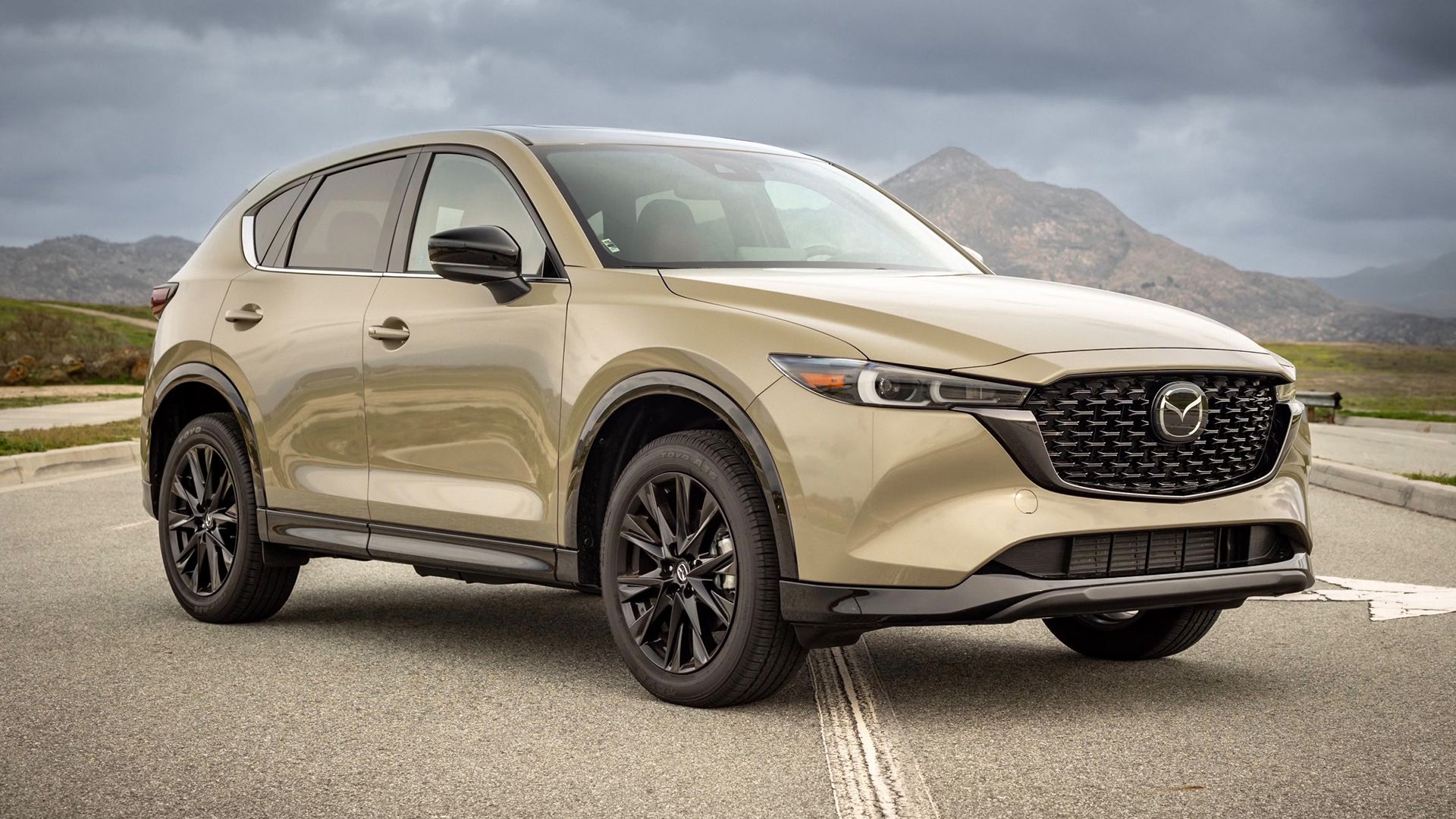
To better take on those competitors, the latest CX-5 has grown both physically and technologically. It’s longer, wider, and taller than the outgoing model, and Mazda has pushed the wheels farther toward the corners to help free up additional interior space.
These changes are aimed squarely at improving practicality while also giving the SUV a more planted and substantial stance.
Up front, the CX-5’s nose now sits higher than before, contributing to a more muscular and commanding look. At the rear, Mazda has opted to spell out the brand name across the tailgate, ensuring there’s no doubt about what just passed you on the road.
Buyers can choose from seven exterior colors, along with alloy wheels ranging in size from 17 to 19 inches, allowing for a fair degree of personalization.
Sitting inside a prototype CX-5, it’s immediately noticeable that rear-seat space has increased over the previous model, with even taller adults able to stretch out comfortably.
The interior materials also leave a positive impression, with soft-touch surfaces placed thoughtfully throughout the cabin, reinforcing the CX-5’s move toward a more refined and upscale feel.
Also Read: 8 Cars With Bright Cabin Lights vs 8 Dim Interiors
5. Chevrolet Bolt EV
Electric vehicles are increasingly relevant for urban and mixed-use driving, and the Chevrolet Bolt EV stands out for its practicality and efficiency.
Its compact dimensions make it easy to park in crowded cities, while the electric powertrain offers instant torque that’s excellent for city stop-and-go driving.
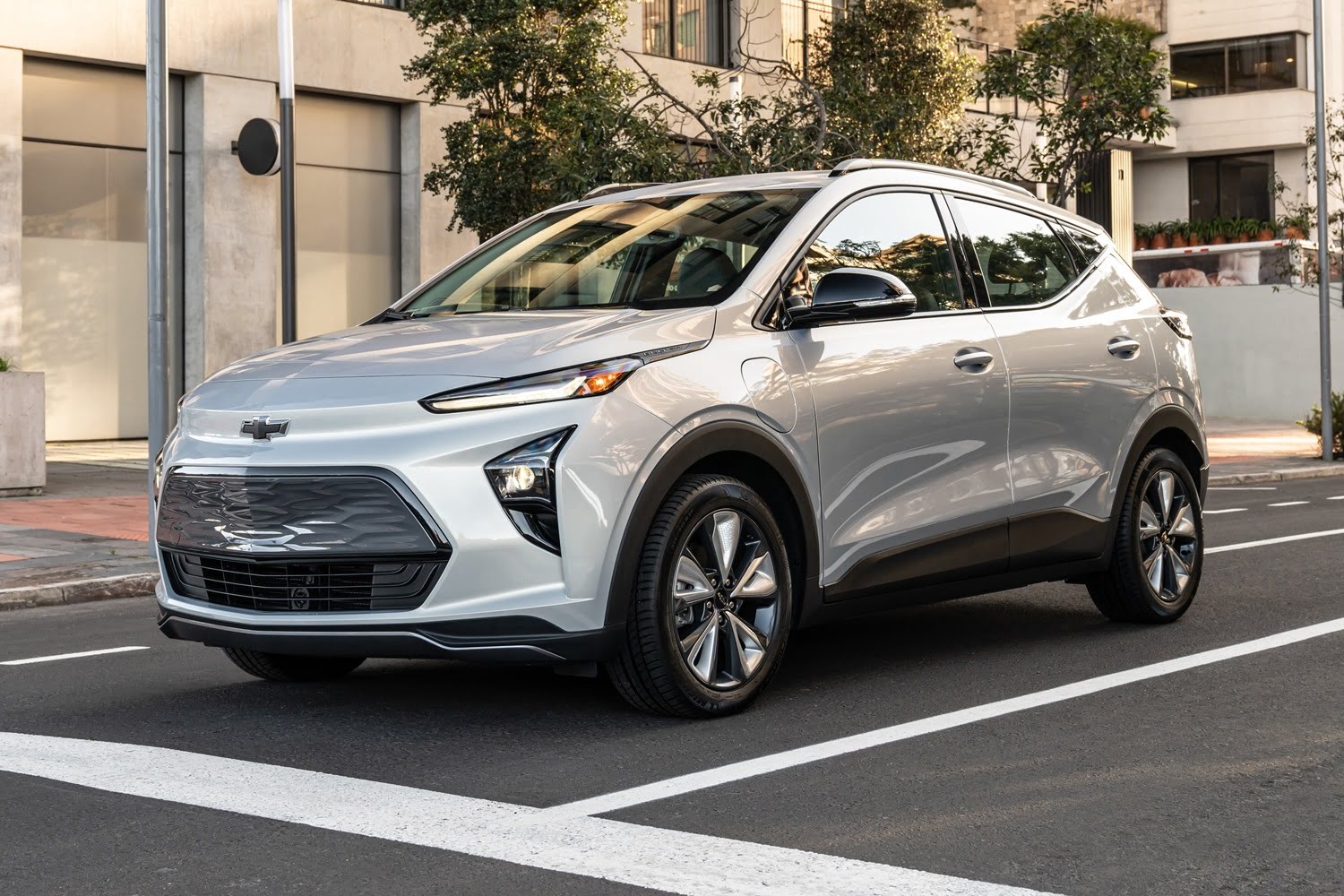
A single charge provides a range suitable for daily urban and suburban commuting, and EV incentives in many states make ownership even more appealing.
The Bolt also features advanced infotainment and driver-assistance systems that enhance convenience and safety, ensuring it remains a versatile choice for mixed urban use.
Cars That Don’t Suit Mixed Urban Use
Mixed urban driving demands flexibility, and not every car is built to handle it well. Navigating tight streets, frequent stops, short trips, and sudden bursts of faster traffic can quickly expose weaknesses in design and drivability.
Vehicles that are too large, too stiff, inefficient at low speeds, or difficult to maneuver often turn everyday city use into a chore.
Instead of adapting smoothly, they amplify stress in environments that already test patience. In this article, we explore cars that don’t suit mixed urban use, and the traits that make them a poor fit for the constantly shifting demands of city driving.
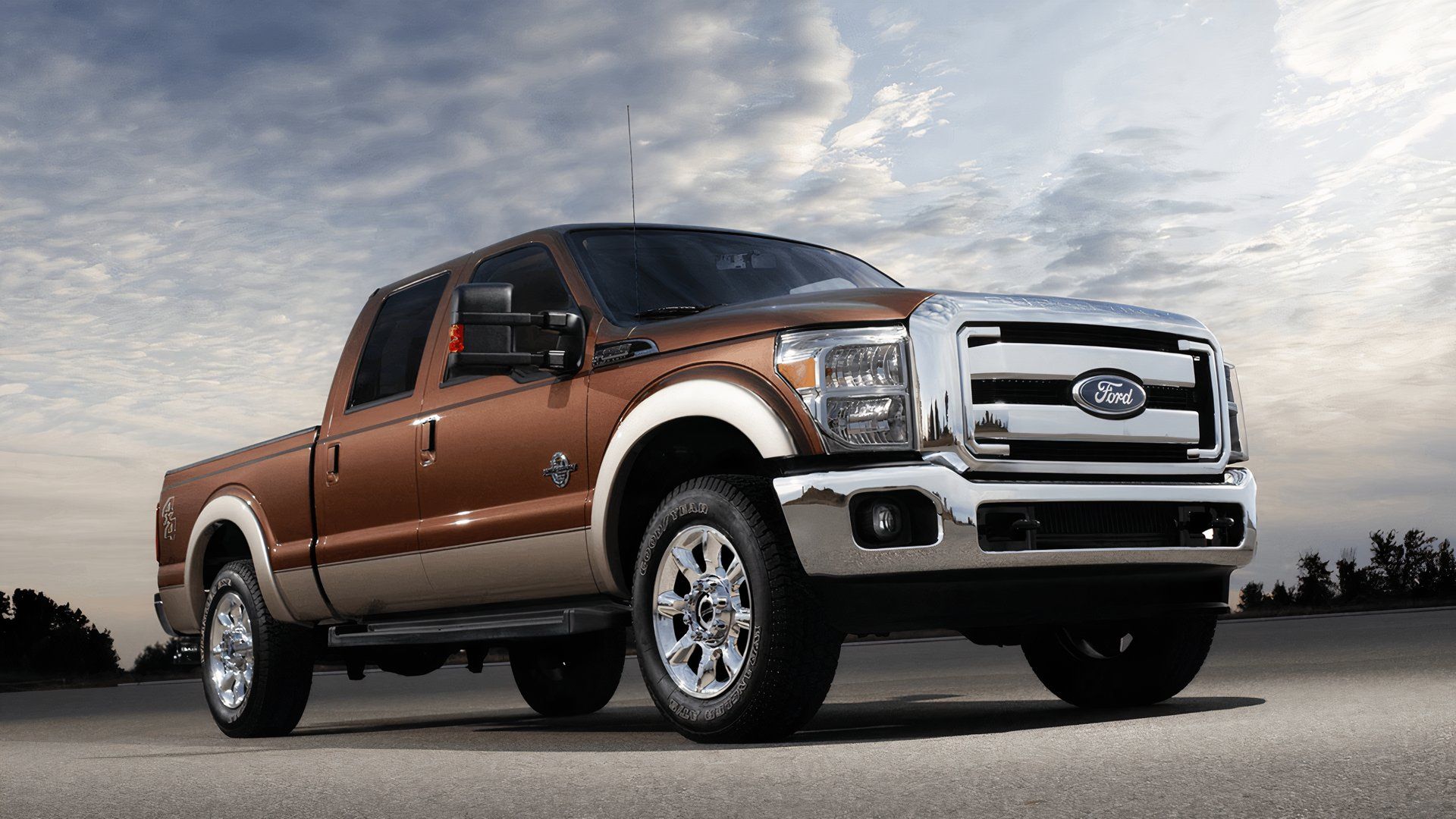
1. Ford F-250 Super Duty
While the Ford F-250 excels in towing and hauling heavy loads, it is overkill for urban driving. Its massive size makes parking in city streets a challenge, and maneuvering through tight intersections can be stressful.
Additionally, its fuel consumption is extremely high, which is impractical for frequent stop-and-go commuting.
While the F-250 is perfect for rural or industrial settings, it is not optimized for drivers who need agility, efficiency, and compactness in urban environments.
The F-250 we evaluated was equipped with the high-output 6.7-liter turbodiesel V-8, and with a quoted 1,200 lb-ft of torque available, it delivers immense pulling power.
In our testing, the truck accelerated to 60 mph in 7.2 seconds, a strong and competitive result for the heavy-duty segment.
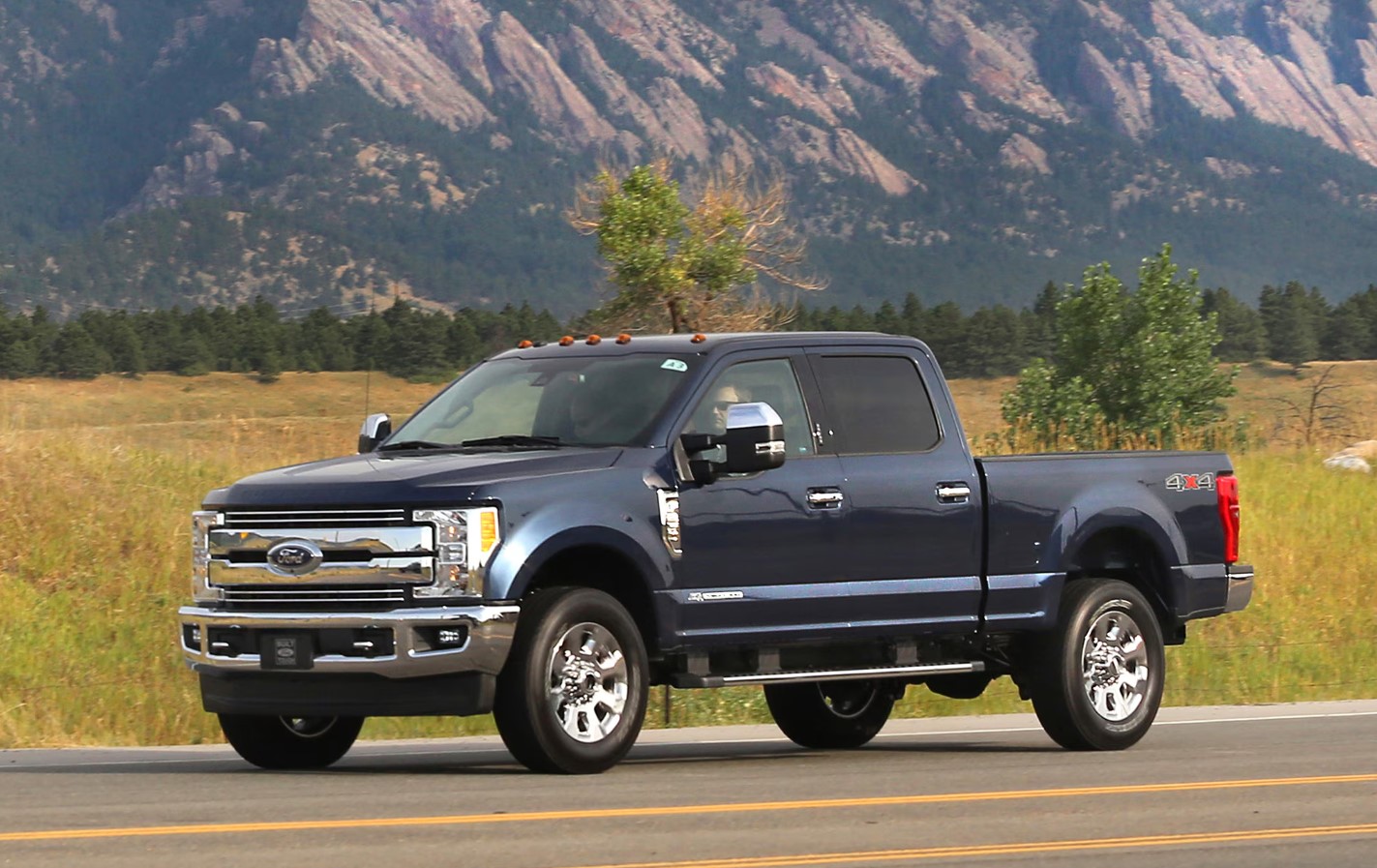
The powertrain operates smoothly, and the 10-speed automatic transmission consistently selects the right gear without hesitation or awkward shifts. Even under the demands of towing or hauling, the F-250 never feels strained or overmatched.
Steering and handling are about what you’d expect from a heavy-duty pickup, meaning they’re on the soft side and somewhat disconnected.
The steering wheel turns easily, but the truck’s responses are muted, requiring significant steering input in situations such as navigating a parking lot. Body lean is noticeable when cornering, though the chassis remains controlled enough that occupants aren’t unsettled on tighter or winding roads.
2. Chevrolet Camaro
The Chevrolet Camaro is an iconic American muscle car, but its design works against it in urban mixed-use settings. Low ground clearance, limited rear visibility, and a tight rear seat make it impractical for errands or carrying passengers.
Its powerful V6 or V8 engines are great for open roads, but city fuel economy suffers, and parking in crowded areas is difficult.
While thrilling on highways or scenic routes, the Camaro is not a sensible daily driver for someone navigating mixed urban terrain.
It marked the final update for the sixth generation of the Chevrolet Camaro, and with it, the automaker managed to make the ZL1 even quicker than the version that came before, despite using the same engine.
This last evolution underscored Chevrolet’s determination to extract every last bit of performance from its flagship Camaro before the chapter closed.
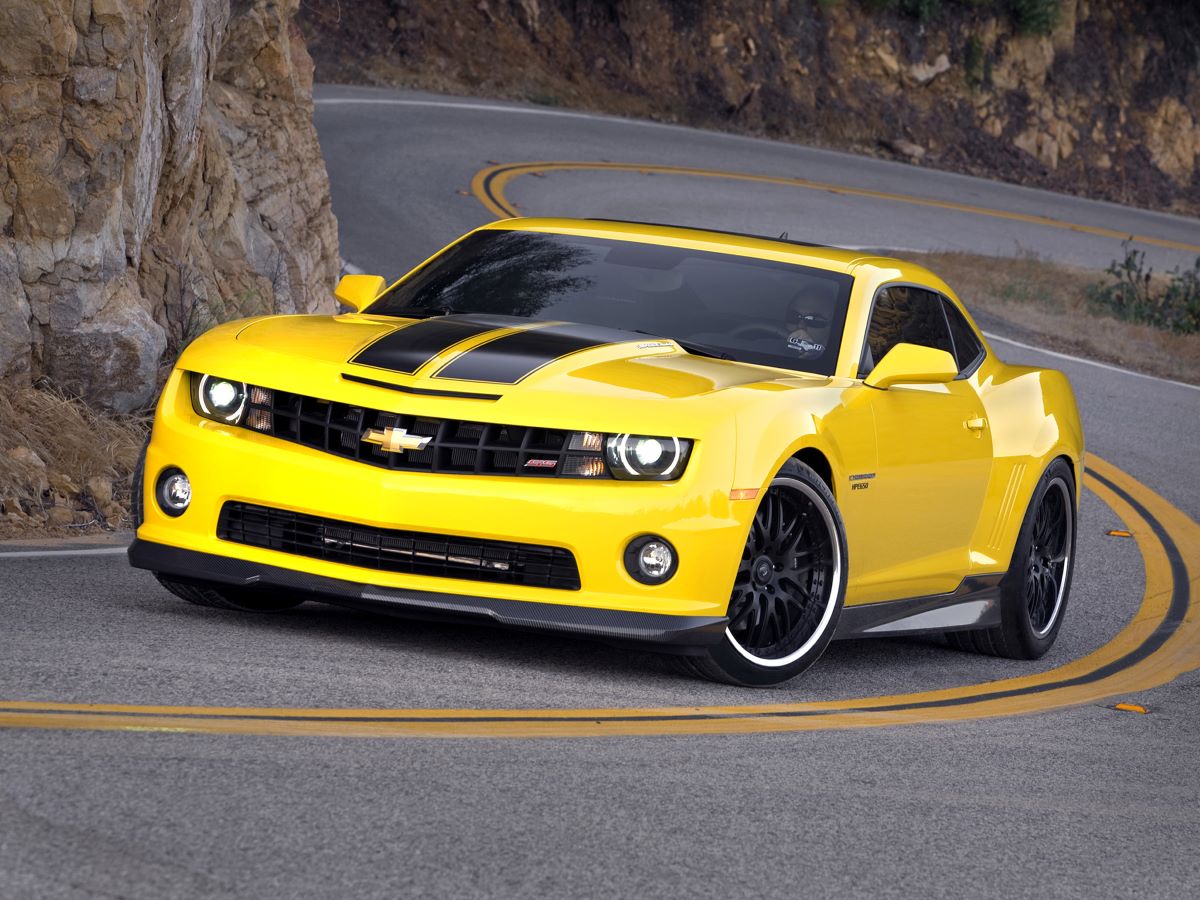
Chevrolet was not ready to let the Camaro fade quietly into history. The model was a true icon, one that had been successfully revived and returned to prominence after years away. Still, shifting market trends posed a challenge.
Following the Muscle Car Era and the later Malaise Era, the industry entered a period where buyers increasingly favored affordable, stylish, and efficient vehicles.
Fortunately for enthusiasts, not everyone moved on from performance, and there remained a strong appetite for the unmistakable roar of a thunderous V8, especially one force-fed by what was among the largest superchargers ever fitted to a pony car.
The ZL1 was purpose-built to go head-to-head with its long-standing rivals, the Ford Mustang and Dodge Challenger, and the bowtie-branded coupe showed no hesitation in taking them on.
While lower-powered Camaro variants equipped with inline-four engines, V6s, or naturally aspirated V8s adopted a refreshed front-end design, the 2019 Chevrolet Camaro ZL1 retained its own distinctly aggressive look.
The silver-and-red ZL1 badge stood out in the upper-left corner, while side scoops housing the fog lamps framed the front end. Chevrolet also incorporated aerodynamic tail fins, further increasing downforce at speed.
Viewed from the side, the ZL1 revealed a raised hood crowned by a carbon-fiber power dome and marked with ZL1 badging. Additional aerodynamic elements along the lower edges of the side sills helped enhance ground effects.
This model was also unique within the Camaro lineup for its standard wheels, coming fitted with 20-inch, 10-split-spoke dark graphite-painted forged aluminum wheels, while a 19-inch alternative was offered.
At the rear, the car largely shared the same fascia as other Camaro variants, including the twin oval LED taillights inspired by the 1968 Camaro. However, the ZL1 distinguished itself with a prominent rear wing mounted on the decklid and standard quad exhaust outlets positioned beneath the bumper.
Models equipped with the automatic transmission also allowed manual gear changes via paddle shifters mounted behind the flat-bottom steering wheel.
Under the hood, performance figures remained unchanged from the previous ZL1 iteration. The supercharged 6.2-liter V8 continued to produce 650 horsepower (659 PS) and was available with either a six-speed manual transmission or a ten-speed automatic.
To manage the immense torque sent to the rear wheels, Chevrolet equipped the ZL1 with an electronically controlled limited-slip differential, ensuring the car could put its power down effectively and maintain control under hard acceleration.
3. Jeep Wrangler
The Jeep Wrangler is legendary for off-road capability, but this very feature makes it less ideal for urban use.
Its boxy design hampers aerodynamics and fuel efficiency, while the ride is stiffer than typical city vehicles, resulting in a less comfortable experience on paved roads.
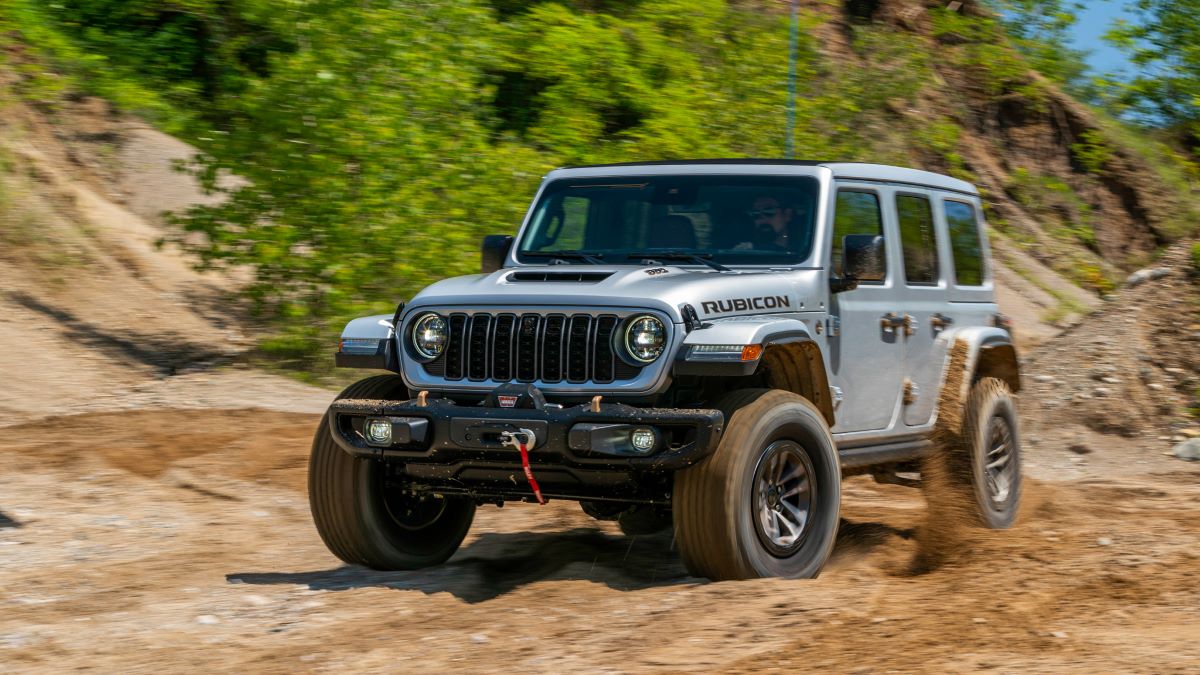
Parking is a chore, and narrow city streets can feel restrictive. While perfect for weekend off-road adventures, it doesn’t blend smoothly into a daily urban routine.
4. Tesla Model S Plaid
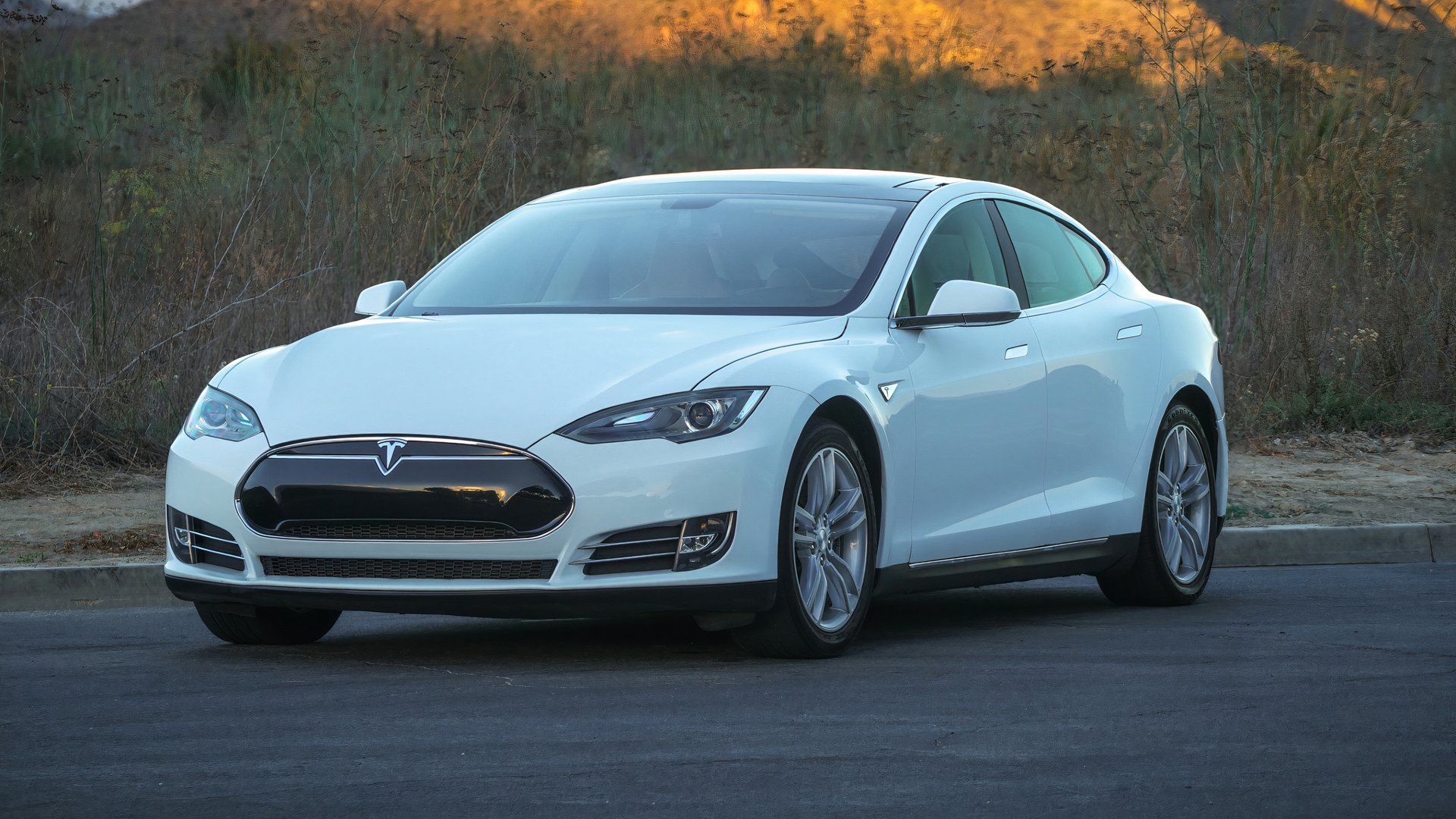
Though Tesla’s Model S Plaid is a technological marvel with blistering acceleration and cutting-edge features, it is oversized for dense city environments.
Its length and width can complicate parking, and its high price point makes it a risky choice for urban streets where minor scratches or dents are common.
While highway driving is exceptional, the cost, size, and handling make it less practical for drivers who frequently navigate crowded cityscapes or rely on mixed-use driving for errands and commuting.
The acceleration and sheer speed produced by this tri-motor sedan are genuinely staggering. The Model S Plaid exploded from zero to 60 mph in just 2.3 seconds and cleared the quarter mile in 9.4 seconds at 150.8 mph.
Despite its extreme output, the Model S remains remarkably easy to drive, almost as simple as a golf cart, albeit one producing 1,020 horsepower.
Tesla claims the car can sprint from 0 to 60 mph in just 1.99 seconds, and the gap between that figure and our real-world result likely comes down to testing methodology.
Our acceleration runs are performed on standard pavement rather than a prepped drag strip, and we report times without applying the drag-racing one-foot rollout. If that rollout were factored in, our measured 0–60 mph time would drop to about 2.1 seconds.
Where the Plaid impresses less is in braking and cornering performance. While the powertrain consistently delivers brutal acceleration run after run, the brakes on our test vehicle began to fade after repeated hard slowdowns following multiple acceleration blasts.
We ultimately had to dedicate a significant amount of time to cooling the brakes to ensure they continued to function properly. As a result, we’re left with some concerns about the Plaid’s braking hardware from a safety perspective.
The steering is another letdown. It consistently feels overly light and disconnected, offering little meaningful feedback from the road. This issue is compounded by the unconventional steering yoke, which doesn’t appear to offer any real ergonomic benefit.
Although the tri-motor setup is said to provide rear-axle torque vectoring, the Plaid’s handling character leans more toward that of a muscle car than a true sports sedan. Even with the substantial grip provided by its sticky summer tires, the overall feel never quite becomes intuitive or engaging.
5. GMC Yukon XL
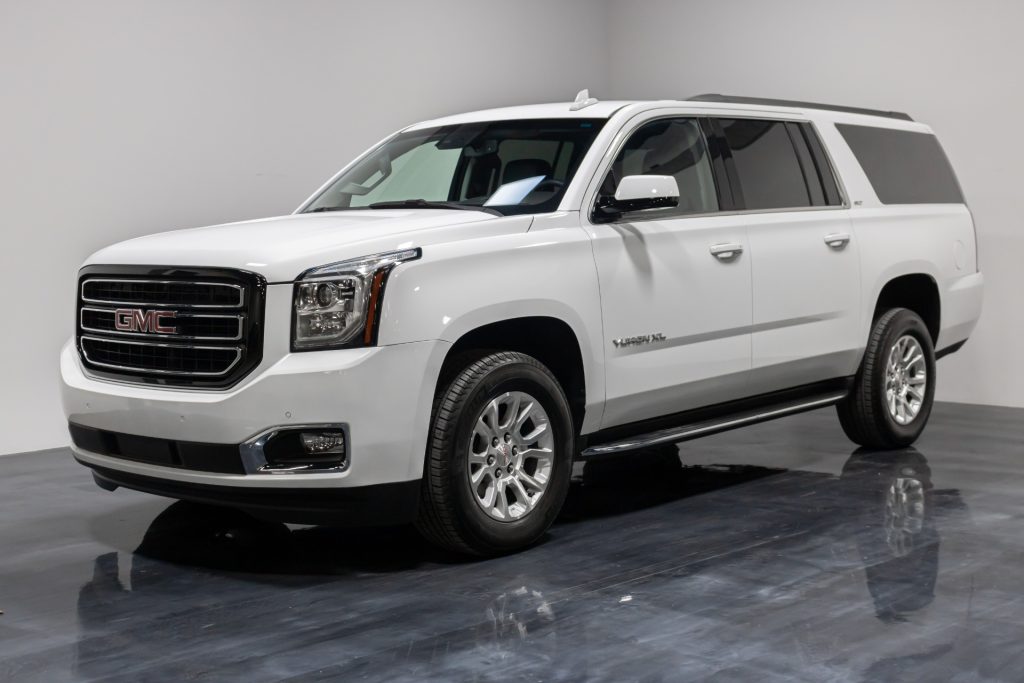
The GMC Yukon XL offers tremendous space and towing capacity, but in an urban setting, it is unwieldy. Its size makes parking a frequent headache, fuel efficiency is low, and tight street navigation is cumbersome.
While suburban families might appreciate its room for passengers and cargo, the trade-offs for city driving are significant.
For mixed urban use, smaller crossovers or sedans provide far more practical benefits without sacrificing functionality for occasional highway travel.
Selecting a car for mixed urban use in the United States involves more than just choosing a popular model or relying on style.
Drivers need vehicles that combine maneuverability, fuel efficiency, safety, cargo versatility, and comfort for both city streets and highway stretches.
Compact crossovers like the Honda CR-V, Subaru Crosstrek, and Mazda CX-5 strike a fine balance, while nimble options like the Toyota Corolla Hatchback and Chevrolet Bolt EV offer practicality with an urban-friendly footprint.
Conversely, vehicles designed primarily for off-road adventures, muscle performance, or heavy-duty hauling such as the Jeep Wrangler, Chevrolet Camaro, Ford F-250, Tesla Model S Plaid, and GMC Yukon XL may thrill in certain contexts but often underperform in everyday mixed urban scenarios.
Ultimately, choosing the right car comes down to understanding your driving patterns, the environments you navigate most often, and the balance of convenience and capability you need.
By prioritizing versatility and practicality, urban drivers can avoid unnecessary frustration and enjoy a more seamless driving experience that adapts to city streets, suburban roads, and occasional highways alike.
