
In a multi driver household, one car often needs to serve very different personalities, body types, driving styles, and daily routines.
A vehicle that feels perfect for one person can quickly become frustrating for another. Seat comfort, visibility, ease of controls, and driving manners all matter more when several people share the same keys.
Some cars are simply too specialized. They may be built for speed, off road use, or luxury in ways that make them less practical or comfortable for a range of drivers.
Complicated technology, limited seat adjustment, poor rear visibility, or an overly stiff ride can turn everyday driving into a hassle, especially when different people use the car back to back.
Size is another factor. Very large vehicles can intimidate less confident drivers, while very small or low cars can be uncomfortable for taller family members.
Storage space, ease of entry, and simple controls also become more important when a vehicle must adapt to many needs instead of just one.
Driving dynamics play a role as well. Some cars have sensitive throttle response, heavy steering, or aggressive braking that may feel exciting to one driver but stressful to another. When sharing a car, predictability and comfort usually matter more than sharp performance.
Here are seven cars that often struggle in multi driver homes. Each one has strengths, but their specific design choices can make them less suitable when different people need to use the same vehicle regularly.
Also Read: Top 10 Car Manufacturers Responsible For The World’s Most Powerful Supercars
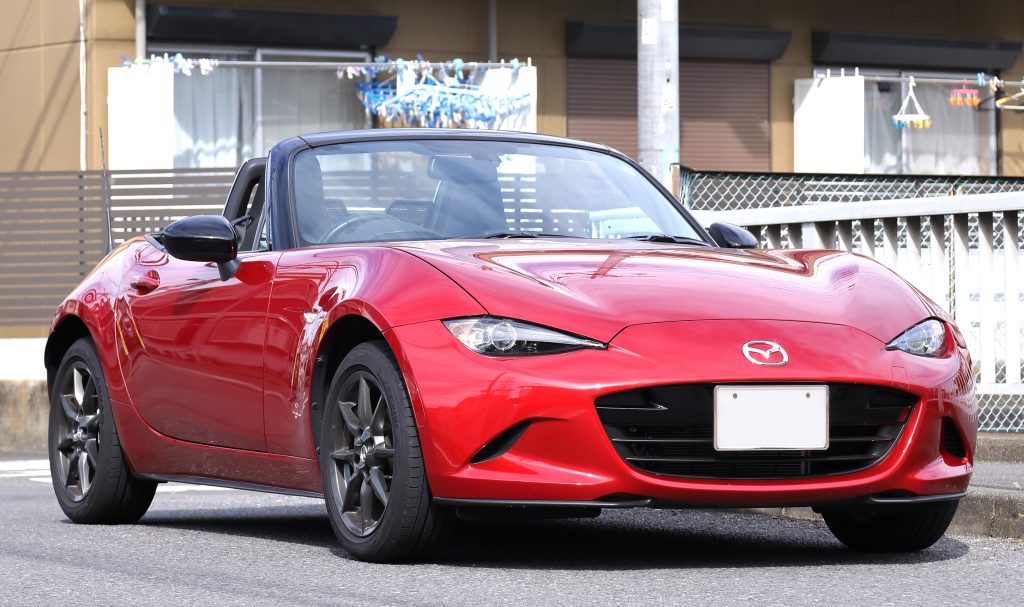
1. Mazda MX 5 Miata
The Mazda MX 5 Miata is one of the most beloved sports cars in the world, known for its light weight, sharp handling, and pure driving feel. However, in a multi driver household, many of the traits that make it fun for enthusiasts can become daily inconveniences for others.
One of the biggest challenges is interior space. The Miata has a very compact cabin, and while it fits average sized drivers comfortably, taller or broader individuals may struggle to find a relaxed seating position.
Limited legroom and a tight footwell can make longer drives uncomfortable, especially for drivers who are not used to small sports cars.
Seat adjustment range is also more limited than in larger vehicles. In a shared car situation, drivers frequently need to readjust seats and mirrors.
In the Miata, finding a position that works well for people of very different heights can be difficult. This leads to constant compromise rather than quick, easy adjustment.
Getting in and out can also be a problem. The car sits low to the ground, which is part of what makes it handle so well.
But for older drivers or those with knee or back issues, climbing down into the seat and back out again can be uncomfortable. In a household where drivers vary in age and mobility, this becomes a daily annoyance.
Cargo space is extremely limited. The small trunk is fine for a couple of grocery bags or a weekend duffel, but it quickly becomes restrictive when different drivers have different needs.
One person might need space for sports gear, another for shopping, and another for work equipment. The Miata simply does not have the flexibility.
Ride comfort is another concern. The suspension is tuned for responsiveness and road feel, which means bumps and rough pavement are more noticeable. Enthusiast drivers may enjoy this connection to the road, but others may find the ride too firm for everyday commuting.
Noise levels also vary depending on whether the top is up or down. With the top down, wind and road noise increase significantly. Even with the top up, the Miata is not as quiet as many standard cars. This can be tiring for drivers who prefer a calm, insulated environment.
Technology and storage inside the cabin are limited by the car’s size. There are fewer places to store personal items, and the infotainment system may feel small compared to what drivers expect from larger, more practical vehicles.
Visibility can be another issue, especially with the top up. The small rear window and thicker pillars create blind spots that some drivers may find challenging. In a shared household, not everyone will be equally comfortable managing these limitations.
The Miata is an outstanding car for someone who values driving enjoyment above all else. But in a multi driver home, its tight space, low seating position, firm ride, and limited practicality can make it a poor fit. What feels like a perfect weekend toy for one person can feel cramped and inconvenient for everyone else.
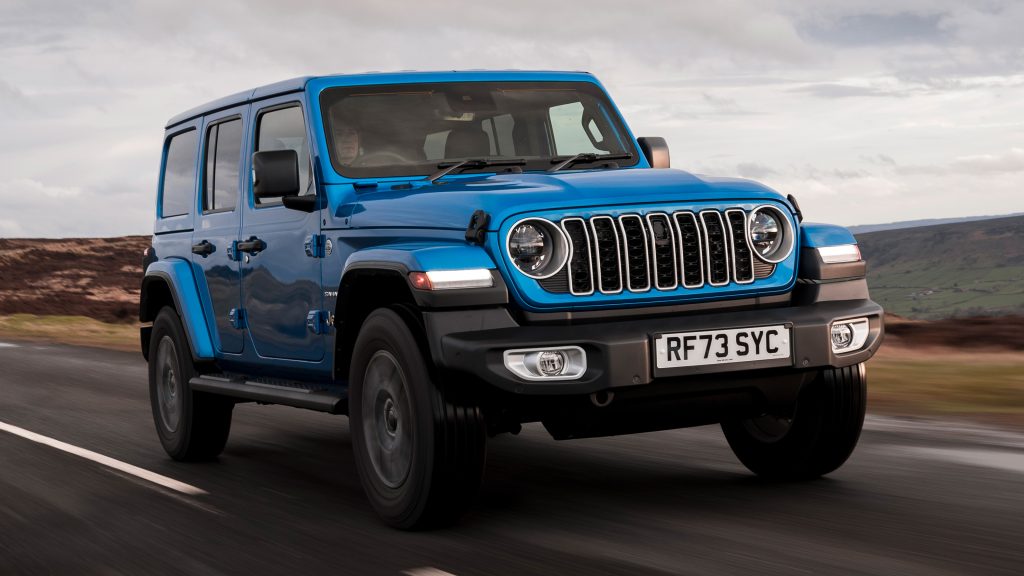
2. Jeep Wrangler
The Jeep Wrangler is famous for its off road capability and rugged character. It is designed to handle trails, rocks, and rough terrain with confidence. While these strengths make it a favorite among adventure enthusiasts, they can create challenges in a multi driver household where daily comfort and ease of use matter more.
Ride quality is one of the biggest issues. The Wrangler’s suspension is built for durability and articulation off road, not for smoothing out city streets.
As a result, it often feels bouncy and firm on paved roads. Some drivers may enjoy the tough, mechanical feel, but others can find it tiring on longer trips or daily commutes.
Steering feel is another adjustment. Compared to many modern vehicles, the Wrangler’s steering can feel less precise and slower to respond. Drivers used to cars with sharper, more direct steering may find it vague or heavy. In a shared vehicle, this difference in feel can be frustrating for some members of the household.
Noise levels are also higher than average. Wind noise, road noise, and tire noise are more noticeable, especially at highway speeds. Removable tops and doors add to the open air experience but reduce sound insulation. While some drivers enjoy this sense of openness, others may prefer a quieter, more refined cabin.
Getting in and out can be more difficult than in many cars. The Wrangler sits higher off the ground, which can be helpful off road but less convenient in everyday use. Shorter drivers or those with limited mobility may find the climb uncomfortable, especially without side steps.
Interior comfort is improving with newer models, but the Wrangler still emphasizes durability over softness. Seats may feel firm, and interior materials are designed to withstand mud and water rather than provide a luxury feel. For some drivers, this ruggedness is part of the charm, but others may find it less pleasant for daily use.
Storage space can also be inconsistent. While the Wrangler offers decent cargo capacity with the rear seats folded, everyday storage for small items inside the cabin is not always as convenient as in more family oriented vehicles. Different drivers may struggle to keep their personal items organized.
Technology can vary widely depending on trim level, but even well equipped models may feel more utilitarian than other vehicles at similar prices. Drivers who prioritize advanced driver assistance features and smooth infotainment systems may find the Wrangler less satisfying.
Fuel economy is another consideration. The Wrangler’s boxy shape and off road focused design make it less efficient than many other vehicles. In a multi driver home where the car is used frequently for errands and commuting, this can become an ongoing cost concern.
The Wrangler excels at what it was built to do, which is tackle challenging terrain and deliver a unique driving experience. However, in a household where drivers have different preferences and daily needs, its firm ride, higher noise levels, and rugged ergonomics can make it a difficult vehicle to share.
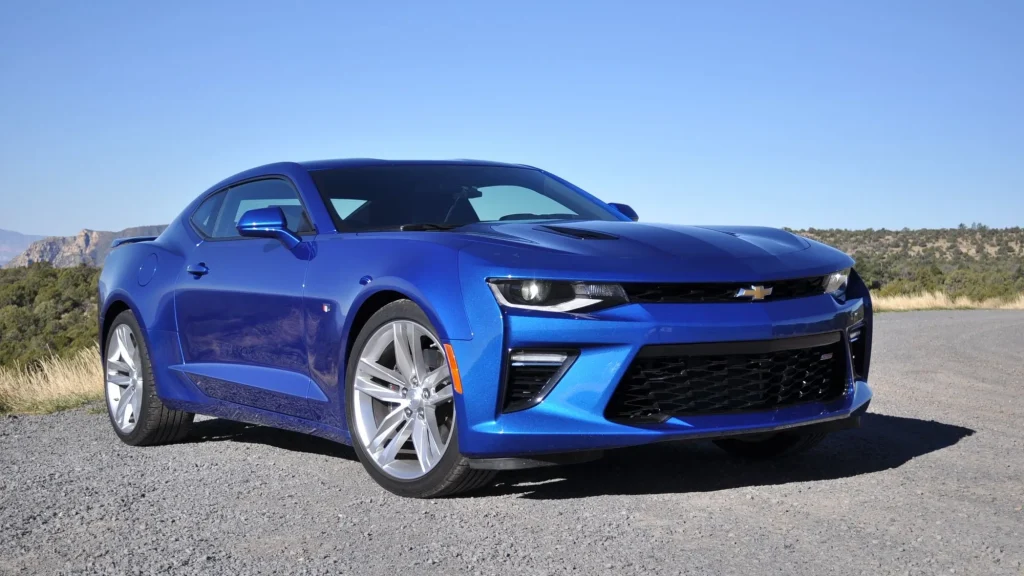
3. Chevrolet Camaro
The Chevrolet Camaro is a modern muscle car that delivers strong performance and bold styling. While it can be an exciting vehicle for an enthusiast, it often proves challenging in a multi driver household where comfort, visibility, and ease of use matter just as much as speed.
One of the most common complaints involves outward visibility. The Camaro’s design features a low roofline, high beltline, and relatively small windows.
These elements create a dramatic exterior look but make it harder for many drivers to see out, especially when checking blind spots or maneuvering in tight parking lots. In a home where drivers have varying levels of confidence or experience, this can lead to stress behind the wheel.
Seating position is another factor. The car sits low, which enhances its sporty feel but makes entry and exit more difficult. Taller drivers may find the roofline restrictive, while older passengers or those with knee or back issues may struggle with the low seating height. When different people use the car daily, this becomes a repeated inconvenience.
Rear seat space is very limited. While technically a four seat coupe, the back seats are best suited for short trips or small passengers. If one driver occasionally needs to carry friends, children, or coworkers, the lack of rear comfort can quickly become frustrating. This limits the Camaro’s usefulness as a shared family vehicle.
Cargo space also presents challenges. The trunk opening is narrow, and overall storage capacity is modest. Different drivers often have different needs, from grocery runs to sports equipment or luggage. The Camaro’s limited practicality can force households to rely on another vehicle for basic tasks.
Ride quality varies by trim, but many versions of the Camaro lean toward the firm side. Suspension tuning prioritizes handling, which means bumps and rough pavement are more noticeable. Drivers who enjoy a sporty feel may appreciate this, but others may prefer a smoother, more relaxed ride for commuting.
The driving experience itself can also be divisive. Throttle response, steering weight, and braking feel are tuned for performance. While this can be engaging for one person, it may feel overly aggressive or sensitive to another. In shared use, predictability and ease often matter more than sharp responses.
Interior layout can take time to get used to. Some controls are positioned lower in the cabin, and the high door panels can make the space feel more enclosed. Drivers who prefer a more open, airy cabin may find the Camaro’s cockpit style environment less comfortable.
Noise levels are another consideration. Performance tires and a sport oriented exhaust can increase road and engine noise. While this adds excitement for some drivers, others may find it tiring on longer highway drives.
Technology features are generally good, but the small rear window and thick pillars make reliance on cameras and sensors more important. Drivers less comfortable with these systems may find parking and reversing more stressful than in vehicles with better natural visibility.
The Camaro is a strong choice for a single driver who values performance and style. In a multi driver home, however, its limited visibility, tight rear seating, firm ride, and low practicality can make it a difficult vehicle to share comfortably.
4. Tesla Model S
The Tesla Model S is known for its impressive electric range, rapid acceleration, and advanced technology. It offers a sleek and modern driving experience, but in a multi driver household, its highly digital and unique control layout can create unexpected complications.
One of the biggest challenges is the heavy reliance on touchscreen controls. Many basic functions, such as adjusting mirrors, steering wheel position, and climate settings, are handled through menus rather than physical buttons.
When multiple drivers share the car, each person must navigate these digital menus to set up their preferred driving position, which can be time consuming and frustrating.
Driver profiles can store settings, but switching between them is not always seamless. If one driver forgets to select their profile or if the system is slow to respond, seats and mirrors may be in the wrong position. This can be especially inconvenient when drivers of very different heights share the vehicle.
The minimalist interior design also means fewer physical cues and controls. Some drivers enjoy the clean look, while others prefer traditional buttons and knobs they can operate without looking away from the road. In a shared household, this difference in preference can become a daily annoyance.
Ride quality in the Model S can be firm, particularly in versions with larger wheels or performance oriented setups. While the car is generally smooth, rough roads can still be felt, and some drivers may find the ride less comfortable than expected for a luxury sedan.
Regenerative braking is another adjustment. The car slows significantly when the driver lifts off the accelerator. Some people adapt quickly and enjoy one pedal driving, but others may find the sensation unusual or jerky at first. When drivers alternate frequently, each may need time to readjust their driving style.
The car’s strong acceleration can also be intimidating. Instant electric torque means the Model S can feel extremely quick with very little pedal input. While exciting for enthusiasts, it may feel overly sensitive to drivers who prefer a gentler response.
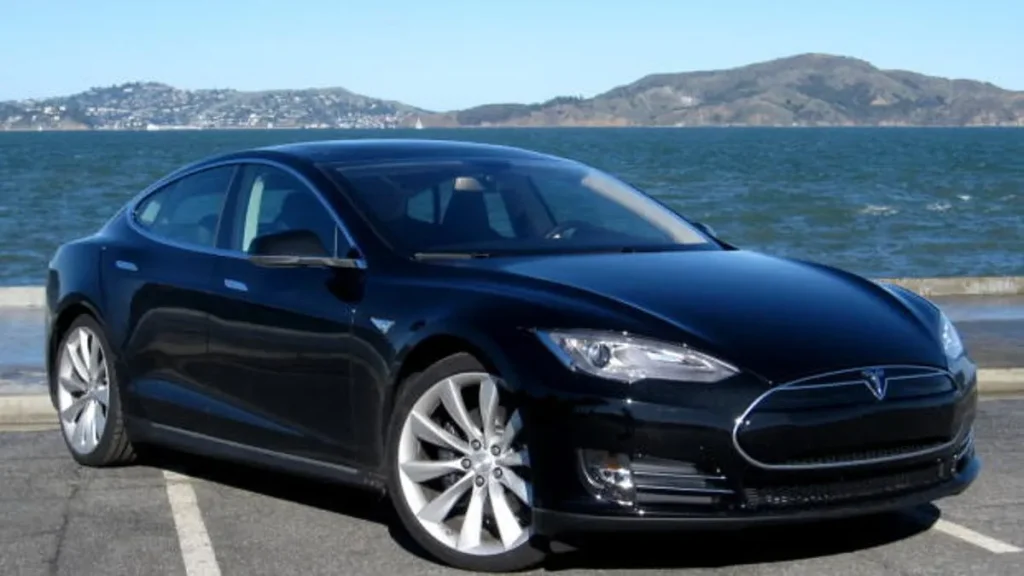
Door handles and entry systems are also different from traditional cars. The flush handles and keyless approach require familiarity. New or occasional drivers may hesitate or feel unsure at first, especially in busy parking areas.
Visibility can be mixed. While forward visibility is good, the rear window is relatively small and sloped. Drivers who rely more on direct sight than cameras may find rearward visibility less reassuring.
Charging logistics add another layer of complexity. In a multi driver home, coordination is required to ensure the car is charged when needed. One driver forgetting to plug in can affect another’s plans, which is not an issue with traditional refueling habits.
Technology updates can also change how features work. While over the air updates bring improvements, they can also alter menus or controls. Drivers who are less comfortable with frequent digital changes may find this frustrating.
The Tesla Model S is an impressive and innovative vehicle. However, in a multi driver household, its touchscreen dependent controls, strong performance, and unique driving characteristics can make it less intuitive and more demanding to share among people with different preferences and comfort levels.
5. Subaru BRZ
The Subaru BRZ is widely praised for its sharp handling, balanced chassis, and engaging driving feel. It is a favorite among enthusiasts who value precision and connection with the road. However, in a multi driver household, the very traits that make it fun can also make it less practical and comfortable for shared use.
Interior space is one of the first limitations people notice. The BRZ has a small cabin with limited headroom and legroom, especially for taller drivers. While one person in the household may find the seating position perfect, another might struggle to get comfortable. Constantly adjusting the seat for very different body types can become inconvenient.
The rear seats are extremely tight and are best considered occasional use only. If a driver needs to carry more than one passenger, especially adults, the back seats quickly become impractical. In a shared vehicle situation, flexibility for different passenger needs is important, and the BRZ does not offer much.
Getting in and out can also be difficult. The low seating position and long doors make entry and exit less graceful than in taller vehicles. Older drivers or those with mobility concerns may find it uncomfortable to use regularly, which limits its suitability in households with a wide age range.
Ride quality is another factor. The suspension is tuned for responsive handling rather than comfort. On smooth roads it feels composed, but rough surfaces and potholes are clearly felt inside the cabin. Drivers who use the car mainly for commuting may find the ride too firm for daily use.
Noise levels can be higher than in many standard cars. Road noise, tire noise, and engine sound are more noticeable, which adds to the sporty atmosphere but reduces overall refinement. For some drivers, this constant sensory input can become tiring during longer trips.
Cargo space is also limited. The trunk can handle a few bags, but larger items or bulky gear may not fit easily. When different drivers have different needs, from grocery runs to sports equipment, the lack of versatility becomes more obvious.
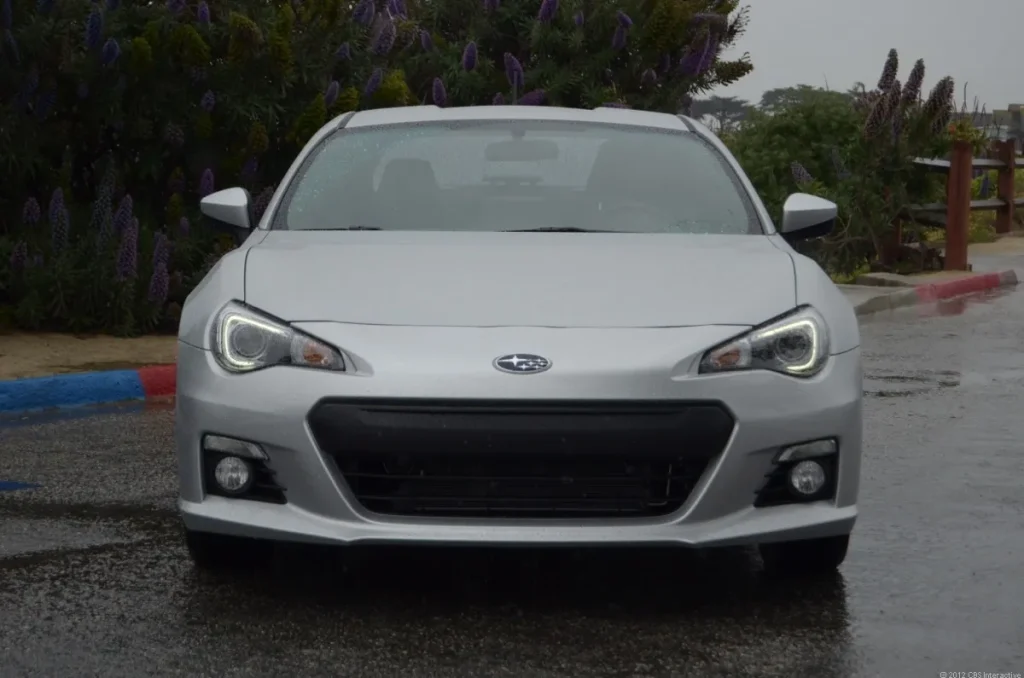
The driving position is focused and low, which enthusiasts love. However, visibility is not as commanding as in taller vehicles. Thick rear pillars and a low seating height can make some drivers feel less confident in traffic, especially if they are used to crossovers or sedans.
The manual transmission, while enjoyable for some, can be a drawback for others who prefer automatic driving in traffic. Even the automatic version still has a sporty feel that may not suit drivers who want a relaxed, effortless experience.
Technology and storage solutions inside the cabin are basic. There are fewer compartments for personal items, which can be frustrating when multiple drivers share the same space.
The Subaru BRZ is an excellent car for someone who values driving engagement above all else. In a multi driver home, however, its tight space, firm ride, limited cargo room, and focused nature can make it less accommodating for people with different needs and expectations.
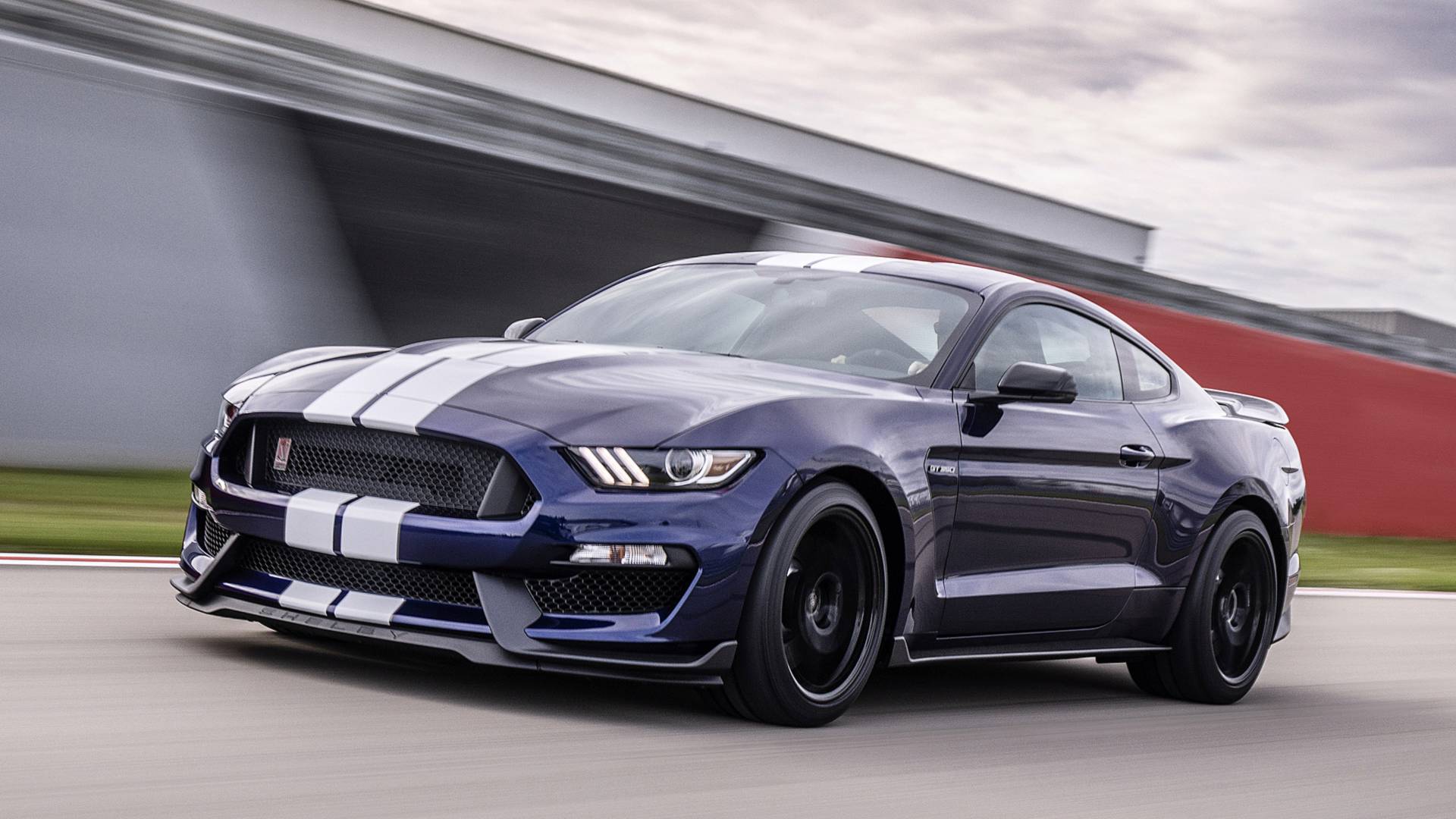
6. Ford Mustang Shelby GT350
The Ford Mustang Shelby GT350 is built as a high performance machine with track ready capability and an engine that loves to rev. It offers an intense and rewarding driving experience for enthusiasts. In a multi driver household, though, its focused performance nature can make it a challenging car for shared daily use.
Ride comfort is one of the biggest issues. The suspension is tuned for sharp handling and high speed stability rather than absorbing bumps. On smooth roads it feels controlled, but on rough city streets the ride can be stiff and jarring. Drivers who prioritize comfort may find it tiring for everyday commuting.
The car also produces a significant amount of road and engine noise. The performance oriented exhaust system and tires contribute to a louder cabin. While this adds excitement for some drivers, others may prefer a quieter and more relaxed environment.
Seating position is low and sporty, which can make entry and exit more difficult than in standard vehicles. This can be inconvenient for drivers who are not used to climbing in and out of a low coupe, especially in tight parking spaces.
Rear seat space is limited, and the back seats are not especially comfortable for adults. If one driver occasionally needs to carry passengers, the lack of usable rear space reduces the car’s practicality in a shared setting.
Fuel economy is another concern. High performance engines typically consume more fuel, especially when driven enthusiastically. In a household where the car is used frequently by multiple drivers, fuel costs can add up quickly.
The clutch and throttle response are tuned for performance driving. The clutch can feel heavier than in normal cars, and throttle response is sharp. Drivers who are less experienced with manual transmissions or high performance cars may find it difficult to drive smoothly in traffic.
Visibility can also be challenging. Like many modern coupes, the GT350 has a high beltline and thick pillars that create blind spots. Drivers who are less confident in tight urban environments may feel uneasy maneuvering it.
The interior design focuses on performance rather than luxury. Seats are supportive but firm, and the cabin may feel less cushioned than what some drivers expect from a daily vehicle. Long trips can become less comfortable for those who prefer softer seating.
Storage space inside the cabin is limited. Personal items have fewer places to go, which can be inconvenient when several people share the vehicle.

The Shelby GT350 is an incredible machine for a dedicated enthusiast. However, in a multi driver household, its firm ride, loud cabin, limited space, and performance focused controls can make it less suitable as a shared everyday car. It demands a level of commitment and enthusiasm that not every driver in the home may share.
7. Toyota 86
The Toyota 86 is a lightweight, rear wheel drive sports coupe designed to deliver pure driving enjoyment. It focuses on balance, steering feel, and driver engagement rather than outright power or luxury. While this makes it appealing to enthusiasts, it can present several challenges in a multi driver household where comfort and versatility matter more.
Cabin space is one of the main limitations. The 86 has a compact interior with limited headroom and legroom. Drivers of different heights may struggle to find equally comfortable seating positions. Constant seat and mirror adjustments become more frequent and less convenient when space is tight.
Rear seating is technically available but not very practical. The back seats are small and best suited for short trips or children. If one driver needs to carry adult passengers, the limited rear space quickly becomes an issue. This reduces the car’s flexibility in a household with varying transportation needs.
Ride quality leans toward the firm side. The suspension is tuned to provide sharp handling and road feedback. While this is great for spirited driving, rough pavement and potholes are more noticeable. Drivers who simply want a smooth and quiet commute may find the ride less comfortable than in a sedan or crossover.
Noise levels are also higher than in many everyday cars. Road and tire noise are clearly heard inside the cabin, especially at highway speeds. The engine note, while enjoyable for enthusiasts, can feel loud or tiring for those who prefer a calmer environment.
Cargo space is limited. The trunk can handle small loads, but larger items or multiple bags quickly fill it up. When different drivers have different needs, from groceries to luggage, the lack of storage flexibility becomes a daily inconvenience.
Entry and exit can be awkward for some drivers. The low seating position and wide doors require more effort than in taller vehicles. Older drivers or those with mobility issues may find it uncomfortable to get in and out regularly.
Visibility is decent forward but more restricted to the rear due to the coupe design. Thick rear pillars can create blind spots that some drivers find challenging, particularly in busy traffic or tight parking areas.
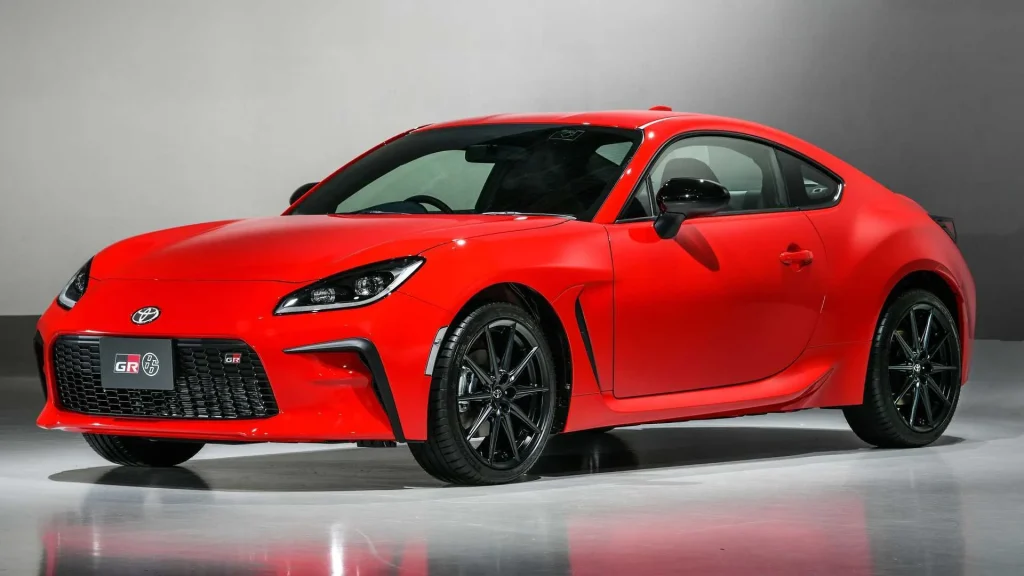
Technology and interior features are relatively simple. While this suits the car’s focused nature, it may feel basic to drivers who expect more advanced comfort and convenience features. In a shared vehicle, different expectations can lead to dissatisfaction.
Driving dynamics are also very responsive. Steering is quick, and throttle inputs have an immediate effect. This can be enjoyable for one driver but feel too sensitive or demanding for another who prefers a relaxed, easygoing driving experience.
The Toyota 86 is an excellent choice for someone who wants an engaging sports car. In a multi driver home, however, its tight interior, firm ride, limited cargo space, and focused nature make it less practical and comfortable for a wide range of drivers.
Also Read: Top 10 Iconic GM Muscle Cars That Shaped American Performance
