
Most drivers expect a car to handle daily life with ease. Smooth ride quality, good visibility, practical storage, comfortable seating, and simple controls all matter when commuting, running errands, or navigating traffic.
A vehicle does not have to be perfect at everything, but it should at least make ordinary driving feel natural and stress free.
Some cars, however, are designed with priorities that clash with daily needs. They may focus heavily on performance, style, off road ability, or technology in ways that compromise comfort, convenience, or usability.
What feels exciting or impressive at first can become tiring or frustrating when experienced every day.
Daily expectations often include easy entry and exit, manageable size for parking, intuitive controls, and a quiet cabin.
Drivers also appreciate predictable handling and a suspension that smooths out rough roads. When a car falls short in several of these areas, small inconveniences can add up quickly.
Space is another factor. Even people who rarely carry passengers or cargo still benefit from flexible interiors and decent trunk capacity. Tight cabins, small trunks, or awkward storage solutions can make routine tasks feel more complicated than necessary.
The following eight cars stand out as vehicles that often struggle to meet everyday expectations. Each one may have strengths in certain areas, but their overall design or focus can make daily driving less comfortable or convenient than many drivers would like.
Also Read: Top 10 Car Manufacturers Responsible For The World’s Most Powerful Supercars
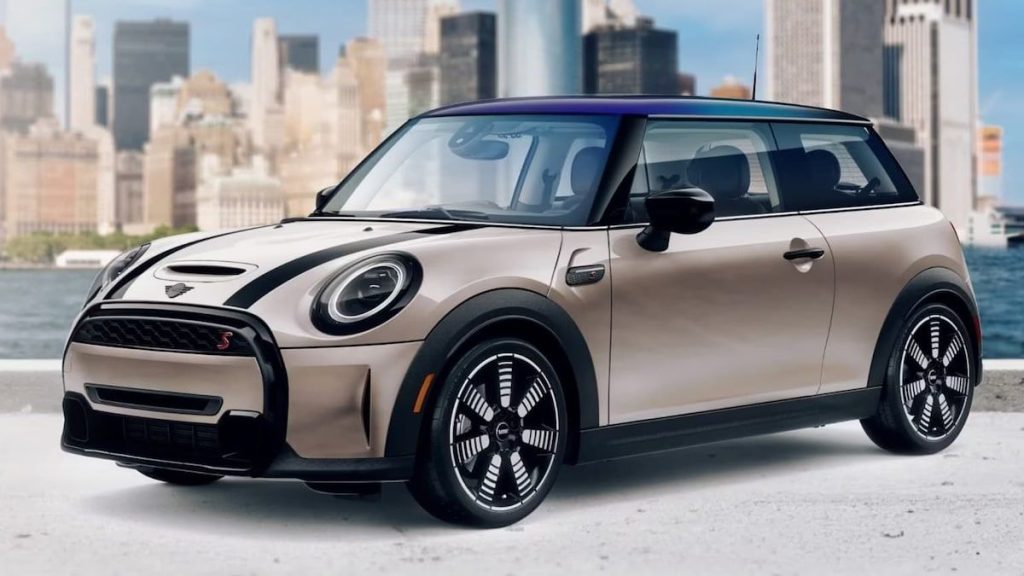
1. Mini Cooper Hardtop
The Mini Cooper Hardtop is known for its playful handling, compact size, and distinctive design. It feels lively and fun on twisty roads, and its small footprint makes it easy to fit into tight urban spaces. However, when used as a primary daily vehicle, it can fall short of common expectations in several practical areas.
Ride comfort is one of the biggest issues. The Mini’s suspension is tuned to deliver sporty handling, which means it can feel firm over rough pavement. Potholes, expansion joints, and uneven city streets are clearly felt inside the cabin. For drivers who spend a lot of time commuting, this constant road feedback can become tiring.
Interior space is another limitation. While the front seats are adequate for average sized adults, rear seat space is tight. Legroom and headroom in the back are limited, making it uncomfortable for adult passengers on anything beyond short trips. For a car that may occasionally carry friends or family, this lack of rear space can be frustrating.
Cargo capacity is also smaller than many drivers expect from a hatchback. The trunk area is shallow, and while folding the rear seats helps, the overall usable space remains limited. Grocery runs, luggage, or larger everyday items can quickly exceed what the car comfortably holds.
The interior layout can also take time to get used to. Some controls are placed in unusual positions, and earlier versions are known for unique design choices that prioritize style over straightforward usability. Drivers who prefer traditional, intuitive layouts may find the learning curve annoying during daily use.
Noise levels can be higher than expected. Road noise and tire hum are noticeable at highway speeds, which reduces the sense of refinement. While this may not bother every driver, it does make longer commutes less relaxing.
The low seating position can also be a drawback. While it adds to the sporty feel, getting in and out requires more effort than in a taller sedan or crossover. For drivers who make frequent stops, this becomes a daily inconvenience.
Fuel economy is generally good, but some versions require premium fuel, which raises running costs slightly compared to many other small cars. Maintenance and repair costs can also be higher than expected in certain markets.
The Mini Cooper Hardtop shines as a stylish, fun to drive city car. As a daily all purpose vehicle, though, its firm ride, tight rear space, limited cargo room, and unconventional controls can make it feel less practical than many drivers anticipate.
2. Jeep Gladiator
The Jeep Gladiator combines the rugged character of a Jeep with the utility of a pickup bed. It is built for off road adventures and open air driving, which gives it a unique personality. However, for everyday commuting and routine tasks, it can feel less refined than many drivers expect.
Ride quality is one of the most noticeable drawbacks. The Gladiator uses a suspension setup designed for off road durability and articulation. On paved roads, this often translates into a bouncy or unsettled ride, especially over broken surfaces. Daily commutes on rough city streets can feel less comfortable than in most modern pickups or SUVs.
Steering feel can also be different from what drivers expect in a daily vehicle. Compared to many crossovers and sedans, the Gladiator’s steering can feel slower and less precise. This can make it feel less confident during quick lane changes or tight urban maneuvers.
Noise levels are higher than average. Wind noise, tire noise, and road noise are all more noticeable, particularly at highway speeds. Removable roof panels and doors add to the fun factor but reduce sound insulation, making long drives louder and more tiring.
Interior space in the rear seats is decent, but the overall cabin still feels more utilitarian than refined. Materials are durable and easy to clean, but they may not feel as soft or comfortable as those in more road focused vehicles.
Fuel economy is another area where daily expectations may not be met. The Gladiator’s boxy shape and off road oriented design lead to higher fuel consumption than many midsize trucks and SUVs. Frequent short trips can make this more noticeable.
Parking can also be a challenge. The Gladiator is longer than a standard Jeep Wrangler due to its truck bed. This extra length makes it harder to fit into tight parking spaces and crowded urban areas.
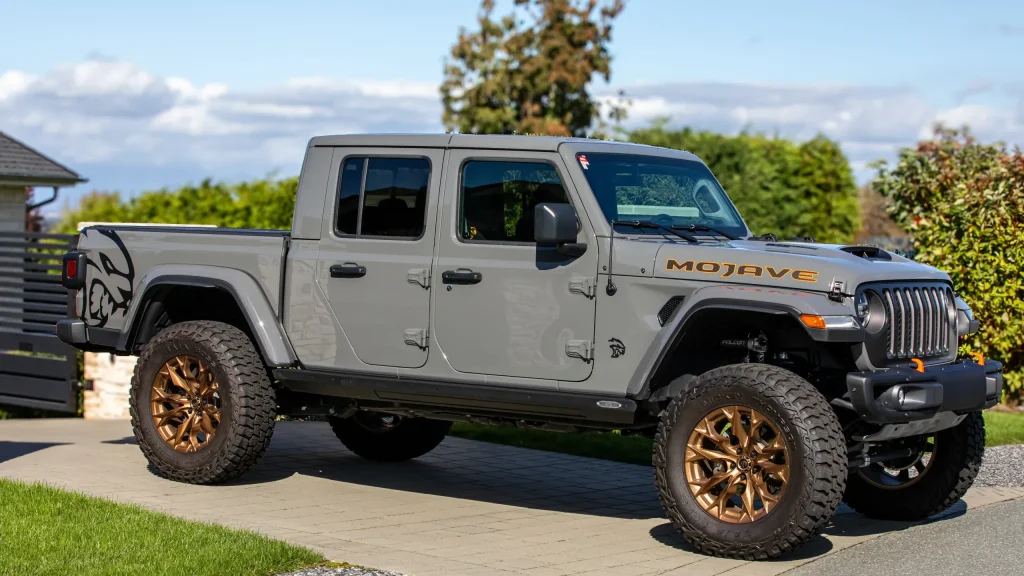
The truck bed is useful for hauling gear, but for everyday errands it may be more space than needed. Smaller items can shift around unless secured, and lifting groceries into a higher bed can be less convenient than using a traditional trunk.
Technology and comfort features have improved, but the Gladiator still prioritizes ruggedness over smooth daily operation. Drivers expecting a relaxed, car like experience may be disappointed.
The Jeep Gladiator is excellent for outdoor adventures and unique experiences. For daily commuting and routine errands, however, its firm ride, higher noise levels, and truck like manners can make it feel less suited to ordinary driving needs.
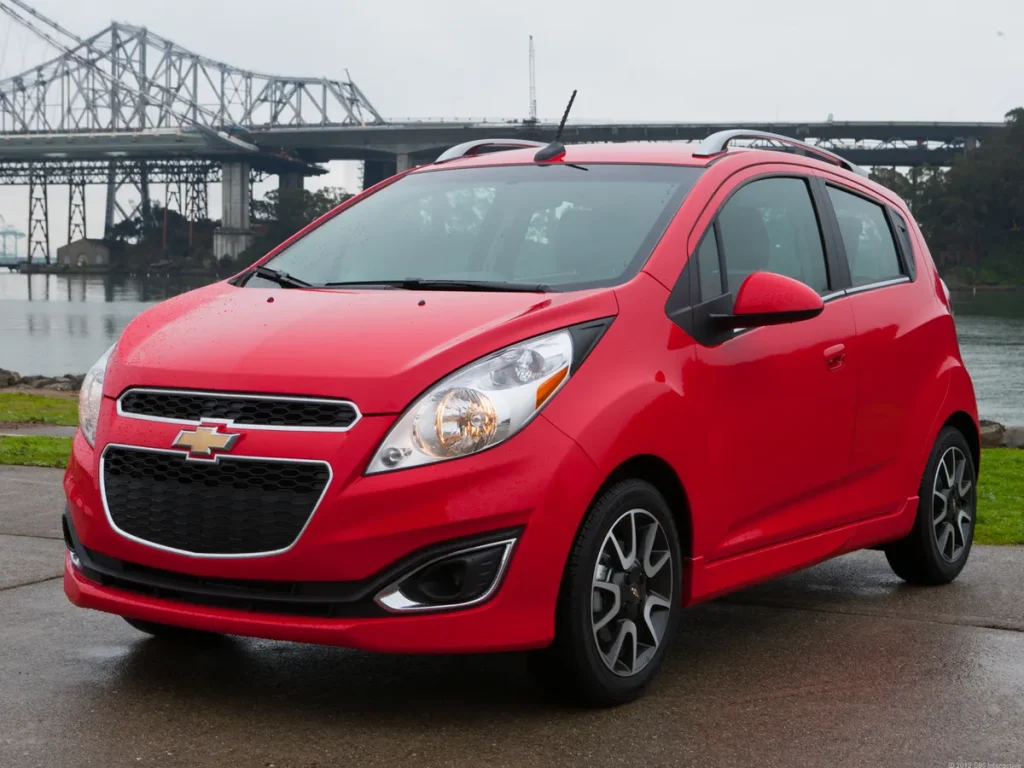
3. Chevrolet Spark
The Chevrolet Spark is one of the smallest cars sold in many markets, designed to offer affordability, easy parking, and low fuel consumption. While these qualities can be appealing, the Spark often struggles to meet broader daily expectations when used as a primary vehicle for varied driving needs.
One of the most noticeable limitations is power. The small engine is adequate for city speeds, but acceleration can feel slow, especially when merging onto highways or climbing hills. Drivers may find themselves pressing the accelerator harder than expected just to keep up with traffic, which can make everyday driving feel more demanding.
Ride comfort is another area where expectations may not be met. Due to its short wheelbase and light weight, the Spark can feel unsettled on rough pavement. Potholes and road imperfections are more noticeable than in larger vehicles, which reduces overall comfort during daily commuting.
Interior space is also tight. While the front seats are usable for most drivers, rear passenger space is very limited. Adults in the back may feel cramped, and even short trips with four people can feel crowded. This makes the car less versatile for families or carpooling.
Cargo capacity is modest at best. The small trunk area can handle a few grocery bags, but larger items quickly exceed its limits. Folding the rear seats helps, but the overall space remains limited compared to larger hatchbacks or compact sedans.
Highway driving can also feel less stable than in heavier cars. Strong winds or large passing vehicles may cause the Spark to feel more affected by crosswinds. This can make longer trips feel less relaxed and more tiring for the driver.
Noise levels inside the cabin can be higher than expected. Road and engine noise are more noticeable at highway speeds, which reduces the sense of refinement. For drivers used to quieter vehicles, this can be a daily irritation.
Interior materials and features are basic. While this helps keep costs down, it may feel less satisfying over time. Hard plastics and simpler designs can make the cabin feel less comfortable during long commutes.
Safety features have improved in newer versions, but the small size can still make some drivers feel less secure in heavy traffic surrounded by larger vehicles. This perception can affect confidence during daily driving.
The Chevrolet Spark serves well as an inexpensive city car for short trips. As a do everything daily vehicle, though, its limited power, tight space, modest comfort, and small cargo capacity can make it feel less capable than many drivers expect.
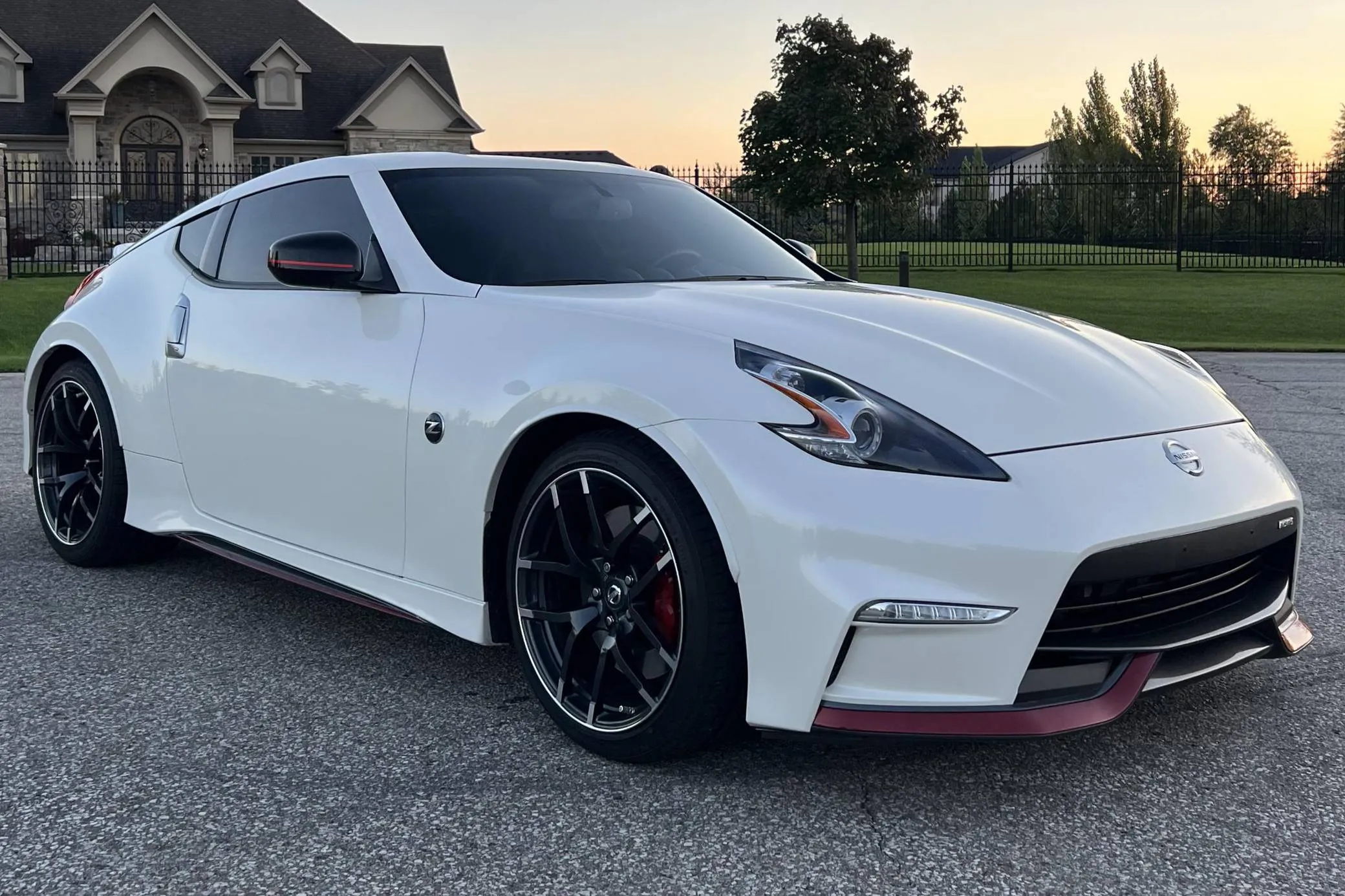
4. Nissan 370Z
The Nissan 370Z is a classic style sports coupe that emphasizes performance, bold styling, and a driver focused experience. While it offers engaging acceleration and sharp handling, it often struggles to meet the comfort and practicality expectations of everyday use.
Ride quality is one of the first compromises drivers notice. The suspension is tuned to enhance cornering ability, which results in a firm feel over rough roads. Daily commutes over uneven pavement can feel harsh, especially compared to more comfort oriented vehicles.
Cabin space is limited. The two seat layout means there is no rear seat for passengers, which reduces flexibility for carrying friends or family. In households where a car must occasionally handle more than one passenger, this becomes a clear drawback.
Cargo space is also restricted. The rear hatch offers some room, but the opening and shape can make it difficult to load bulky items. Grocery runs or larger purchases may require careful packing or multiple trips.
Getting in and out can be less convenient than expected. The low seating position and long doors require more effort, particularly in tight parking spaces. Frequent stops during daily errands make this more noticeable.
Visibility is another concern. The design features a long hood and thick rear pillars, which can create blind spots. Parking and low speed maneuvering require extra attention, which can make routine driving feel more stressful.
Interior technology can also feel dated compared to newer cars. Infotainment systems and driver assistance features may not be as advanced or intuitive as what many drivers expect today. This can make the car feel less modern in daily use.
Fuel economy is not a strong point, especially in city driving. Short trips with frequent stops can lead to higher fuel consumption than many sedans or hatchbacks, increasing running costs.
Road and engine noise are part of the sporty experience but can become tiring during long commutes. The cabin is not as quiet or insulated as in many modern daily drivers.
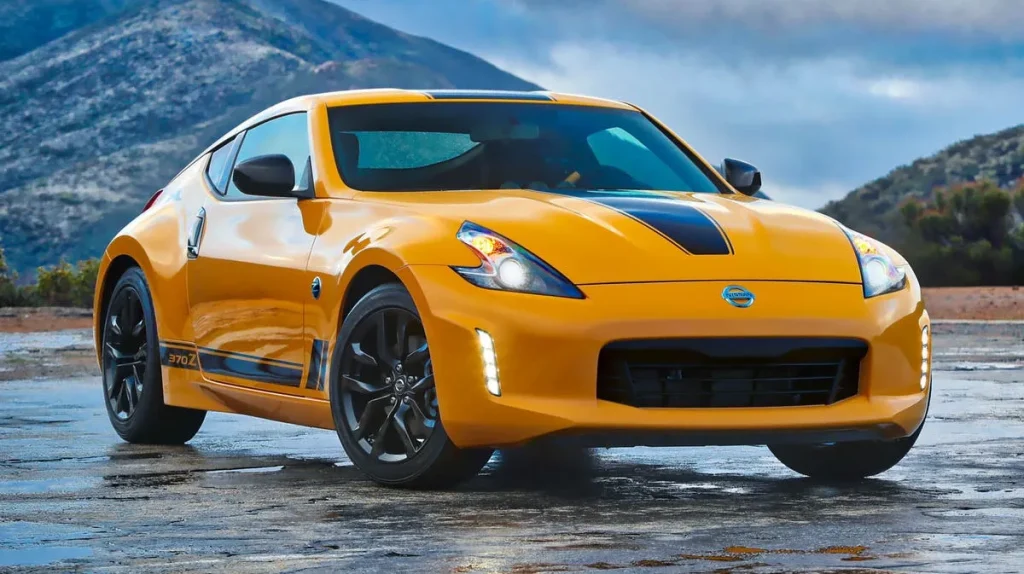
The Nissan 370Z remains appealing for enthusiasts who want a focused, traditional sports car. For everyday use, however, its firm ride, limited space, dated tech, and reduced practicality can leave drivers feeling that it does not fully meet daily expectations.
5. Toyota Prius
The Toyota Prius is widely respected for its fuel efficiency, reliability, and low running costs. It is a smart choice for drivers who prioritize saving fuel and reducing emissions. However, beyond those strengths, the Prius can sometimes fall short of broader daily expectations in terms of driving feel and comfort.
One of the most common criticisms is the driving experience. Acceleration is adequate but not strong, and the engine can sound strained when pushed harder, especially during highway merging. Drivers who expect a more responsive or refined feel may find the Prius less satisfying in everyday traffic.
Ride quality is generally comfortable, but road noise can be more noticeable than some expect, particularly at higher speeds. The focus on efficiency means less sound insulation compared to many traditional sedans, which can make long highway drives feel less relaxing.
Interior design can also be divisive. The layout often emphasizes futuristic styling and efficiency focused displays. While functional, the arrangement of gauges and controls may take time to get used to. Some drivers prefer a more conventional dashboard layout that is easier to read at a glance.
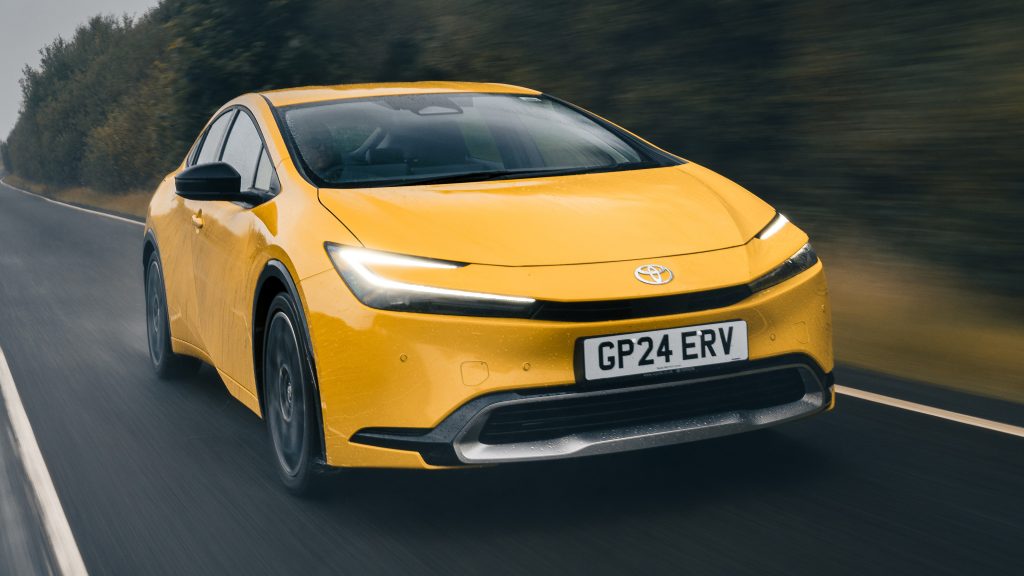
Rear visibility can be compromised by the split rear window design. While it improves aerodynamics, it can create a visual barrier that some drivers find distracting or limiting when checking traffic behind them.
The Prius also tends to have a firmer feel over certain road surfaces than drivers might expect from a comfort focused car. Lightweight construction and low rolling resistance tires can make bumps and rough pavement more noticeable.
Cargo space is decent for a hatchback, but the shape of the rear area can limit how larger items fit. While everyday groceries are not a problem, bulkier objects may require careful arrangement.
Seating comfort is another mixed area. While fine for short trips, some drivers find the seats less supportive on longer drives. In daily commuting scenarios with extended time behind the wheel, this can become noticeable.
Driving engagement is minimal. Steering and handling are tuned for efficiency rather than responsiveness. Drivers who enjoy a more connected feel may find the Prius dull in everyday use.
The Toyota Prius excels at saving fuel and delivering dependable transportation. For drivers who value comfort, quietness, and a more engaging driving experience, however, it can feel like it does not fully meet everyday expectations beyond efficiency.
6. Ford EcoSport
The Ford EcoSport is a small SUV designed to offer a higher driving position and compact dimensions for city use. While its size and practicality seem well suited to daily driving, many owners find that it struggles to meet expectations in comfort and performance.
One of the main issues is engine performance. Acceleration can feel underpowered, particularly when carrying passengers or climbing hills. Merging onto highways may require more planning, which can make everyday driving feel less effortless than expected.
Ride comfort is also inconsistent. The short wheelbase and suspension tuning can make the vehicle feel bouncy over uneven pavement. Potholes and rough city streets are clearly felt, which reduces the sense of refinement during daily commuting.
Interior space is smaller than many drivers expect from an SUV. Rear seat legroom is limited, and taller passengers may feel cramped. For families or carpool situations, this lack of space can be frustrating.
Cargo space is modest. While adequate for small errands, it can be limiting for larger grocery runs or luggage. The side opening rear door, rather than a traditional liftgate, can also be inconvenient in tight parking spaces where there is limited room behind the vehicle.
Cabin materials and design can feel basic. Hard plastics and a simpler layout may make the interior feel less comfortable or upscale than competitors. Over time, this can make daily driving feel less pleasant.
Noise levels are another drawback. Road and engine noise can be more noticeable than in many rival crossovers, which affects overall comfort on longer trips.
Handling is stable but not especially engaging. Steering feel can seem light but somewhat disconnected, which may reduce driver confidence at higher speeds.
Fuel economy is reasonable but not exceptional compared to other small crossovers and hatchbacks. This can make it feel less efficient than expected for its size.
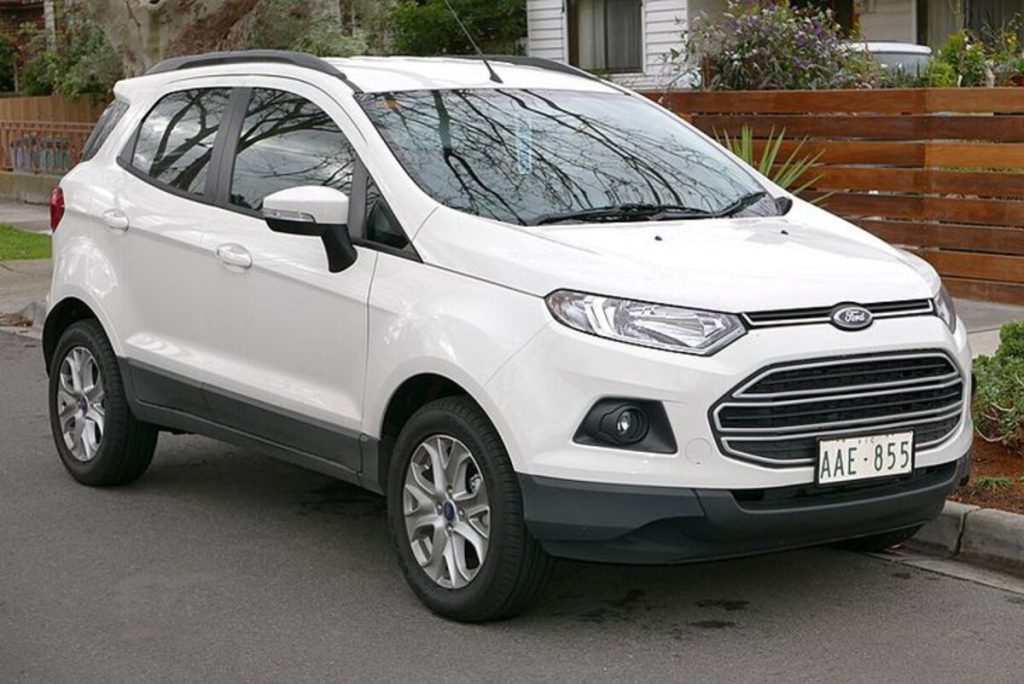
The Ford EcoSport offers the advantages of a small footprint and higher seating position. In daily use, however, its limited space, modest performance, and average comfort can leave drivers feeling that it does not quite live up to expectations for a modern urban SUV.
7. Chevrolet Colorado ZR2
The Chevrolet Colorado ZR2 is engineered to tackle challenging trails with specialized suspension, increased ground clearance, and rugged hardware. It is an impressive off road machine, but when used mainly for daily commuting and routine driving, it can feel less comfortable and convenient than many expect.
Ride quality is one of the main trade offs. The ZR2 uses off road focused suspension components designed to absorb impacts on dirt and rocks. On paved city streets, however, this setup can feel firm and occasionally unsettled. Small bumps and rough patches are more noticeable than in road oriented trucks or SUVs.
Tire choice also affects everyday comfort. The all terrain tires that help the ZR2 perform off road tend to generate more road noise on highways. This added noise reduces cabin quietness and can make longer daily drives feel less relaxing.
Fuel economy is another area where expectations may not be met. The extra weight, off road equipment, and tire design can reduce efficiency compared to standard versions of the same truck. Frequent short trips around town may use more fuel than many drivers anticipate.
Maneuverability can be a mixed experience. While not as large as a full size truck, the ZR2 still feels wider and taller than a typical car. Parking in tight spaces or navigating narrow streets can take more effort and attention.
Step in height is higher than in many crossovers and sedans. Climbing in and out repeatedly during daily errands can become tiring, especially for passengers or drivers with limited mobility.
Interior design balances ruggedness with comfort, but it may still feel more utilitarian than plush. Hard wearing materials are great for muddy adventures, yet they may not provide the soft, refined feel some drivers expect in a daily vehicle.
Cargo flexibility is good in the bed, but for everyday items like groceries, placing them in the open truck bed can be less convenient. Without covers or organizers, smaller items can shift around during normal driving.
Steering and handling are tuned for stability on rough terrain, which can make the truck feel less agile in quick urban maneuvers. Drivers coming from smaller cars may find it less nimble in traffic.
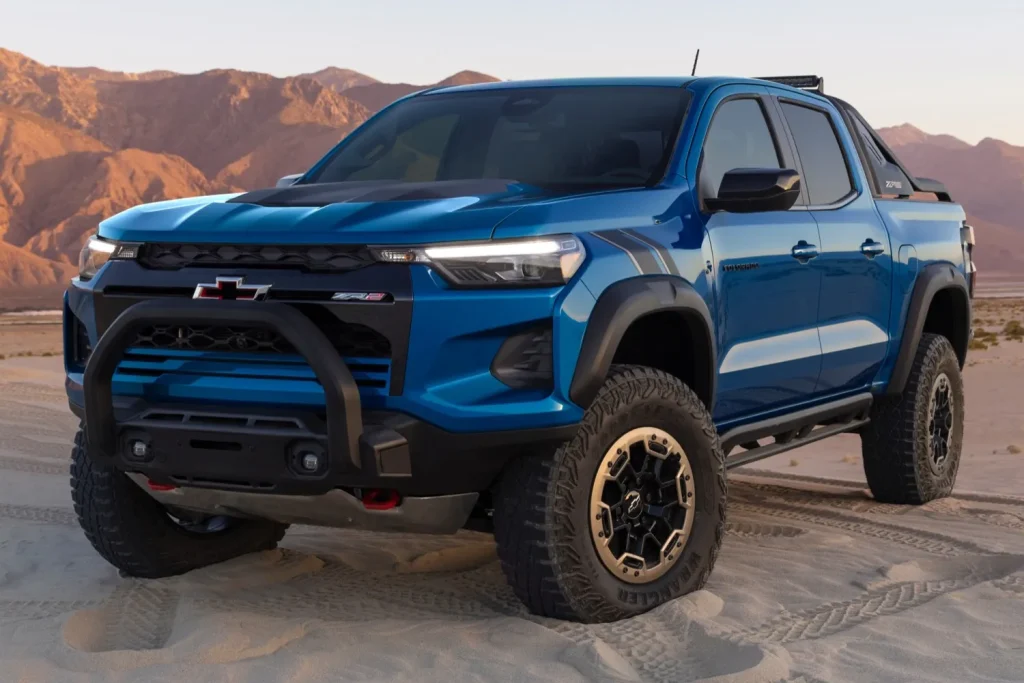
The Colorado ZR2 excels where roads end and trails begin. For daily commuting and routine tasks, however, its firm ride, higher noise levels, and off road focused design can make it feel less suited to ordinary driving expectations.
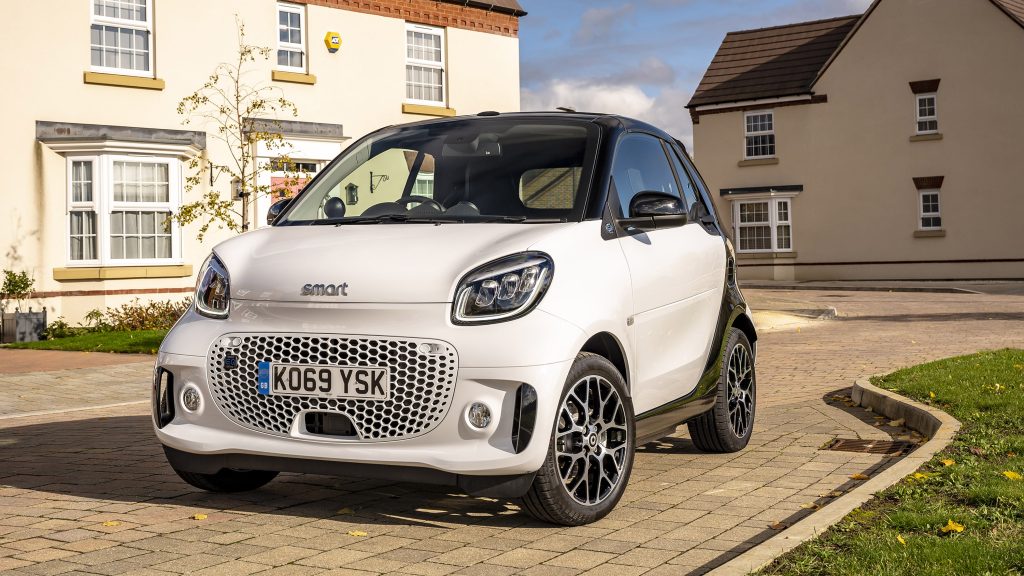
8. Smart Fortwo
The Smart Fortwo is one of the smallest cars available, designed primarily for dense urban environments. Its tiny size makes it easy to park and maneuver in crowded cities. Despite these advantages, it often struggles to meet broader daily expectations when used as an all purpose vehicle.
One of the most noticeable limitations is ride comfort. The very short wheelbase means the car reacts quickly to bumps and road imperfections. Rough pavement, potholes, and speed bumps are clearly felt, which can make even short commutes feel unsettled.
Highway driving can also feel less stable than in larger cars. Crosswinds and passing trucks may affect the car more noticeably, which can reduce driver confidence during longer trips outside the city.
Interior space is extremely limited. While the two seats are adequate for short drives, there is no rear seating at all. This eliminates flexibility for carrying extra passengers, which many drivers expect from their primary vehicle.
Cargo space is small. The rear storage area can hold a few bags, but larger purchases or bulk shopping trips quickly exceed its capacity. This forces drivers to plan carefully or make multiple trips.
Engine performance is modest. Acceleration is sufficient for city speeds but can feel slow when merging onto faster roads. Drivers may find themselves working the engine harder than expected in everyday traffic situations.
Cabin noise is another drawback. With minimal insulation and a small body, road and wind noise are more noticeable than in larger vehicles. This reduces comfort during daily driving, especially on highways.
Interior features and materials are basic. While functional, the cabin may feel less comfortable and less refined than what many drivers expect from a daily vehicle, even at an affordable price point.
Safety perception can also be an issue. Although the car is engineered with protective structures, its small size can make some drivers feel vulnerable in heavy traffic surrounded by larger vehicles.
The Smart Fortwo excels at squeezing into tight parking spots and navigating narrow streets. As a daily vehicle expected to handle a wide range of tasks, however, its limited space, modest comfort, and restricted versatility can leave drivers feeling that it does not fully meet everyday expectations.
A car that works well in daily life needs to balance comfort, practicality, performance, and ease of use. The vehicles in this list each have unique strengths, but they often fall short of everyday expectations when used as primary transportation.
Some models, such as the Mini Cooper Hardtop and Nissan 370Z, emphasize style and sporty driving at the expense of ride comfort and interior space. Others, like the Jeep Gladiator and Chevrolet Colorado ZR2, are built with off road capability in mind, which can make their ride and driving manners feel less refined on normal roads.
Small city focused cars such as the Chevrolet Spark and Smart Fortwo offer easy parking and efficiency but lack the power, space, and comfort many drivers want for varied daily use. Meanwhile, vehicles like the Toyota Prius and Ford EcoSport meet some practical needs but may disappoint drivers who expect more engaging performance or higher refinement.
Daily driving often involves a mix of traffic, errands, passengers, and cargo. Vehicles that are too specialized, too small, or too focused on one particular strength can struggle to handle this wide range of tasks smoothly.
Choosing the right everyday car means looking beyond one standout feature and focusing on how well the vehicle supports comfort, flexibility, and ease across all types of routine driving.
Also Read: Top 10 Iconic GM Muscle Cars That Shaped American Performance
