
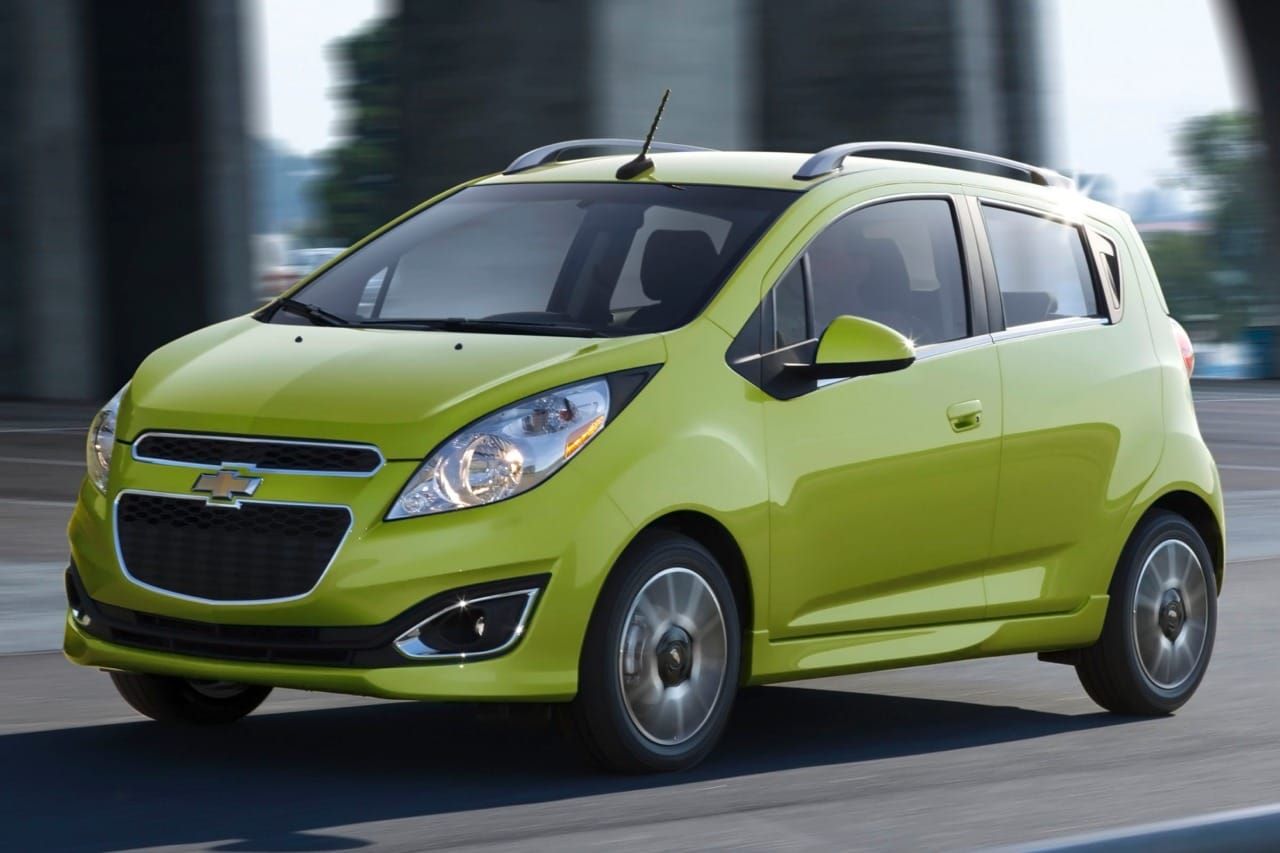
Some vehicles make a powerful first impression. Bold styling, flashy features, and strong performance numbers can make a car feel exciting from the very first drive.
In the showroom or during a short test drive, it is easy to focus on what makes a vehicle stand out rather than how it will feel to live with every single day.
The problem is that long term ownership often highlights different priorities. Comfort on rough roads, ease of use in traffic, fuel costs, maintenance expenses, and reliability start to matter far more than dramatic design or impressive acceleration figures. A car that once felt special can slowly start to feel inconvenient, expensive, or simply tiring.
Another reason appeal fades quickly is changing expectations. Modern cars are packed with technology, and while this can feel impressive at first, complex systems sometimes age poorly.
Touchscreens may lag, driver assistance features can become annoying, and repairs for electronic components can be costly. What once felt futuristic can start to feel like a burden.
Practicality also plays a big role. Sporty coupes, large SUVs, or niche lifestyle vehicles may suit a certain image, but they do not always fit everyday routines. Tight rear seats, poor visibility, or high fuel consumption become more noticeable after months of commuting, grocery runs, and long trips.
In many cases, the loss of appeal is not about one major flaw but a combination of small frustrations that build over time.
Owners begin to notice how often they compromise, whether it is avoiding certain roads, spending more at the pump, or scheduling frequent service visits. Eventually, the car that once sparked excitement becomes one they are eager to replace.
Here are seven vehicles that often impress at first but tend to lose their shine more quickly than buyers expect.
Also Read: Top 10 Car Manufacturers Responsible For The World’s Most Powerful Supercars
1. Dodge Challenger
The Challenger has undeniable street presence. Its retro muscle car styling, wide stance, and loud engine options make it feel like a celebration of old school performance. Many buyers are drawn to the drama, the sound, and the sense of occasion every time they start the engine.
At first, the power is intoxicating. Even lower trims offer strong acceleration, while V8 versions deliver the kind of straight line speed that few cars at similar prices can match. For drivers who value raw performance and bold character, the Challenger seems like an unbeatable deal.
However, everyday driving reveals some clear tradeoffs. The car is large and heavy, which can make it feel less agile than its sporty looks suggest. In tight city streets or crowded parking lots, its size becomes more of a burden than a benefit. Maneuvering can feel cumbersome compared to smaller performance cars.
Fuel consumption is one of the most common complaints. Powerful engines and heavy weight mean frequent stops at the fuel station, especially in urban traffic. Owners who use the Challenger as a daily driver often find their fuel budget rising much higher than expected.
Interior quality can also feel underwhelming over time. While newer models have improved, some materials and design elements do not fully match the car’s bold exterior image. After the novelty of the styling wears off, the cabin may feel less special than buyers initially believed.
Ride comfort is another mixed point. The suspension is tuned to handle performance, but on rough roads it can feel firm and unsettled. Long commutes or highway trips may become tiring, especially when combined with road and tire noise. What felt exciting at first can start to feel wearing.
Practicality is limited as well. Rear seat space is usable but not generous, and visibility can be challenging due to thick pillars and a high beltline. Daily tasks like parking and lane changes require extra attention, which slowly reduces the sense of ease that many drivers want from their main vehicle.
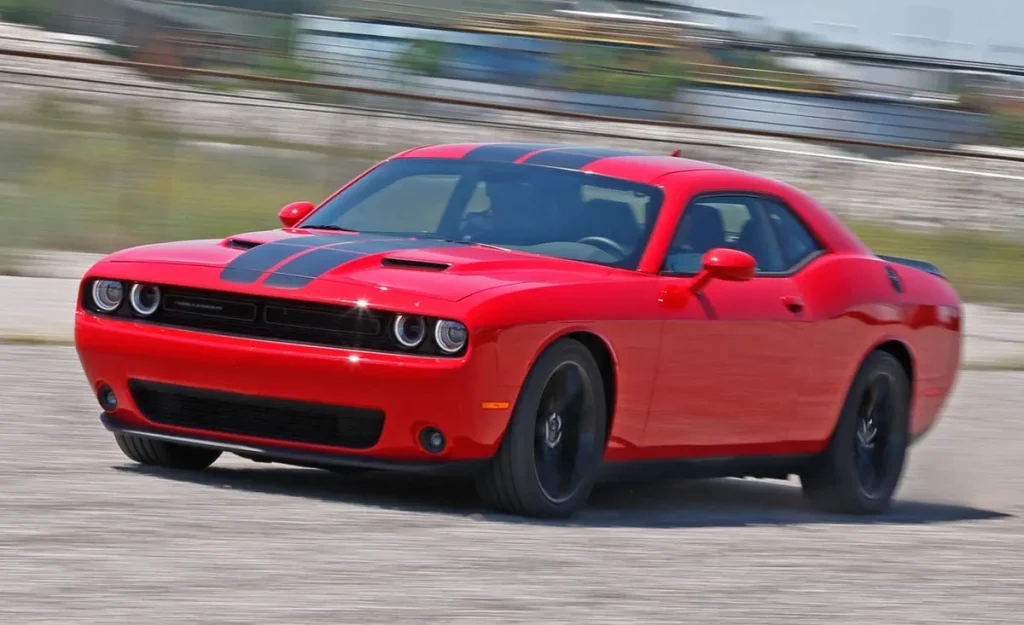
Insurance and maintenance costs for high performance versions can also surprise owners. Tires, brakes, and other wear items can be expensive, especially if the car is driven enthusiastically. Over time, these ongoing costs chip away at the value equation.
While the Challenger remains a thrilling car in the right context, many owners admit that as a daily vehicle, its size, fuel thirst, and compromises cause the initial excitement to fade faster than they expected.
2. Fiat 500
The Fiat 500 captures attention with its cute retro design and tiny footprint. It looks stylish, fun, and perfectly suited for narrow city streets. Many buyers are charmed by its personality and the idea of driving something that feels different from ordinary small cars.
In urban environments, the 500 initially seems ideal. It is easy to park, light to steer, and nimble in traffic. For short trips and solo driving, it can feel like a clever, fashionable solution to crowded city life. Fuel economy is usually good, which adds to its early appeal.
Over time, though, its small size brings real compromises. Interior space is very limited, especially in the rear seats. Carrying adult passengers in the back is uncomfortable, and cargo room is minimal. Owners who try to use it for more than basic commuting often find it impractical.
Ride quality is another area where enthusiasm fades. Short wheelbase and firm suspension mean bumps and rough surfaces are felt clearly inside the cabin. On longer drives, the ride can become tiring, and highway stability may not feel as reassuring as in larger cars.
Interior materials and build quality have also been points of criticism. While the design is playful, some plastics and controls may not feel as durable as buyers expect. As the car ages, rattles and wear can make the interior feel older than it should for its mileage.
Performance is modest in most versions. While fine for city use, merging onto highways or overtaking at higher speeds can feel strained. Drivers who occasionally travel outside urban areas may wish for more power and refinement. Engine noise at speed can also become intrusive.
Reliability perceptions and maintenance costs can further affect long term satisfaction. Depending on the market, parts availability and service expertise may not be as widespread as with more common brands. Even small repairs can feel inconvenient or costly relative to the car’s size and price.
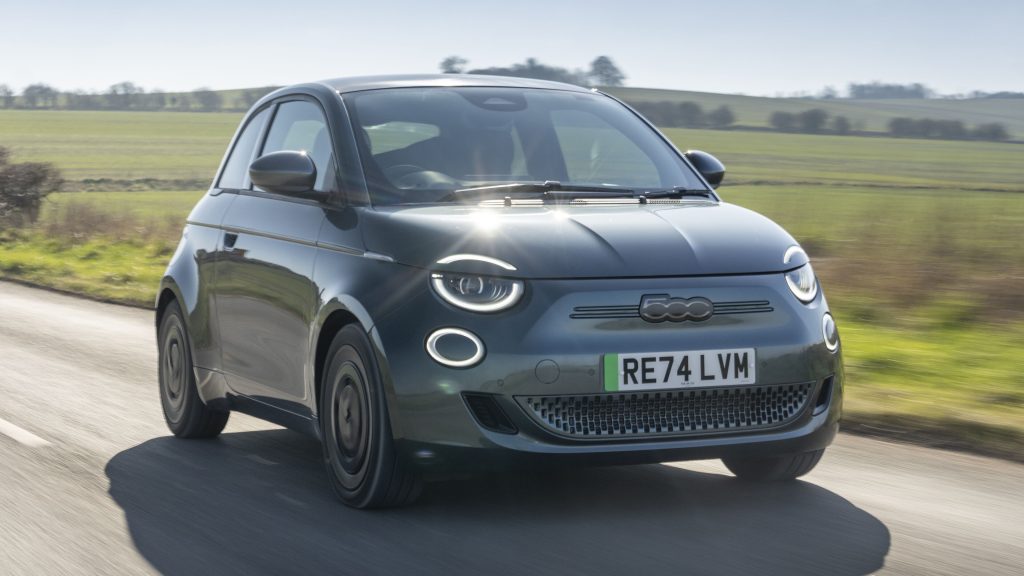
Safety and comfort features may also feel limited compared to newer competitors. As technology advances, the 500 can start to feel outdated more quickly than some rivals. Owners may find themselves wanting more modern driver aids and infotainment features sooner than expected.
Many people still adore the Fiat 500 for its charm and style. But after living with its tight space, firm ride, and limited versatility, some owners say the appeal fades faster than they imagined when they first fell in love with its looks.
3. Chevrolet Spark
The Chevrolet Spark attracts attention for one simple reason value. It is often one of the most affordable new cars on the market, which makes it very appealing to first time buyers, students, or anyone looking for basic transportation at the lowest possible price.
In the showroom, the idea of getting a brand new car with a warranty for such a low cost feels like a smart and practical decision.
At first, the Spark seems perfectly suited to city life. Its tiny size makes parking almost effortless, and weaving through traffic feels easy. Light steering and good visibility in the front help new drivers feel confident. For short daily commutes and errands, it appears to do exactly what is needed without unnecessary complexity.
The appeal can fade once drivers spend more time on highways or rougher roads. The small engine struggles when merging at higher speeds, especially with passengers or luggage. Acceleration can feel slow and strained, which makes some drivers feel less comfortable in fast moving traffic. Long trips that seemed possible in theory start to feel tiring in practice.
Ride comfort is another area where compromises become clear. With a short wheelbase and basic suspension setup, the Spark tends to bounce over uneven surfaces. Potholes and road imperfections are felt sharply inside the cabin. Over time, this constant motion can make even moderate drives feel less relaxing than in slightly larger cars.
Cabin noise is frequently mentioned by owners. At higher speeds, engine noise, road noise, and wind noise can become quite noticeable. Conversations may require raised voices, and listening to music or podcasts can be less enjoyable. This constant background noise slowly reduces the sense of comfort many drivers expect.
Interior quality reflects the low price point. Hard plastics dominate most surfaces, and while the design may look cheerful, materials can feel less durable over time. Seats may lack the support needed for longer journeys, leading to discomfort that becomes more noticeable the longer someone owns the car.
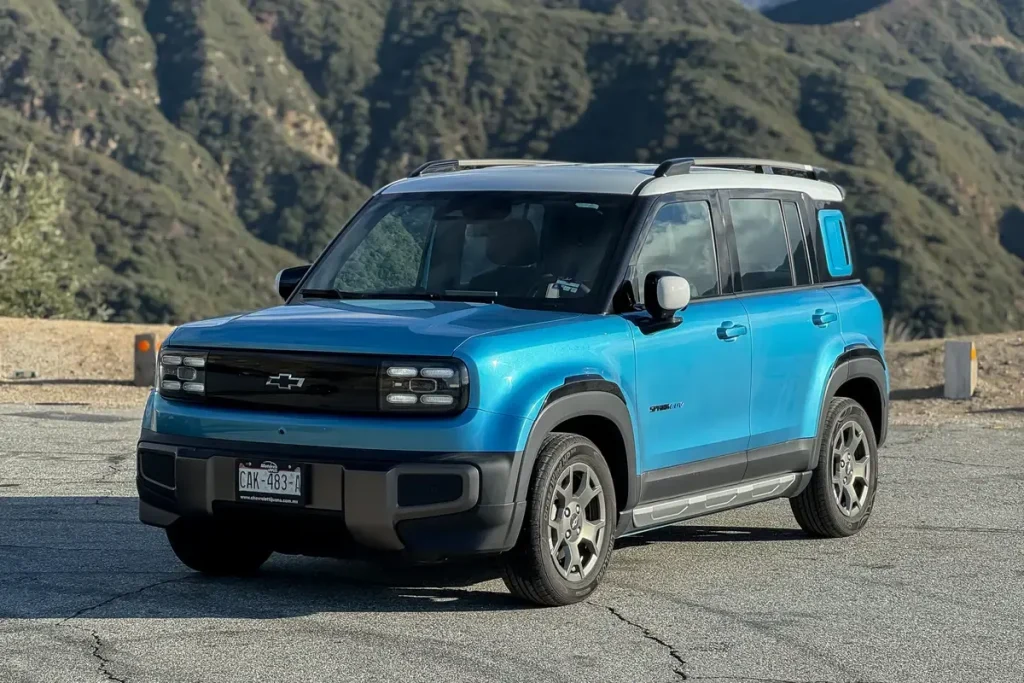
Practicality is also limited despite the hatchback design. While the Spark can handle small grocery runs, cargo space is tight, and rear seat room is minimal for adults. Owners who try to use it as their only car for varied needs often find themselves wishing for more flexibility.
Safety and technology features, while present in newer models, may still feel basic compared to larger and slightly more expensive rivals. As drivers become used to more advanced driver assistance systems or larger infotainment screens in other cars, the Spark can start to feel outdated more quickly.
Fuel economy is decent, but not always dramatically better than some larger subcompacts that offer more space and power. When owners realize they could have spent a bit more for a more comfortable and versatile car, the initial satisfaction of saving money can give way to second thoughts.
In the end, the Spark serves its purpose as simple, affordable transportation. Yet for many owners, the constant reminders of its budget nature cause the early excitement of buying a new car to fade sooner than they expected.
4. Ford EcoSport
The Ford EcoSport gained attention as a compact SUV that promised the higher seating position and rugged image people like, combined with small car dimensions.
On the showroom floor, it appears to offer the best of both worlds SUV style with city friendly size. For many buyers moving up from hatchbacks, this seems like an appealing upgrade.
Initially, the raised driving position feels like a major benefit. Drivers enjoy the improved view of the road, and the compact footprint makes it easy to maneuver in tight urban environments. The exterior styling, especially with contrasting trim and roof rails, adds to the sense of owning a trendy small SUV.
Over time, though, some of the compromises behind that SUV image become more noticeable. Interior space is not as generous as the tall body might suggest.
Rear seat legroom can feel tight for adults, and cargo space is limited compared to many rivals in the same class. Owners who expected true SUV practicality sometimes feel let down.
Ride quality is another area where the appeal can fade. The suspension may feel firm over broken roads, and the short wheelbase can lead to a choppy feel at higher speeds. On highways, the car may not feel as stable or refined as larger crossovers, which can make longer trips less comfortable than expected.
Engine performance, particularly in base versions, can feel underwhelming. Acceleration may be adequate in the city but strained on highways or when fully loaded. Drivers who anticipated a confident, SUV like driving experience may be disappointed by how hard the engine has to work.
Cabin materials and overall refinement also influence long term impressions. While the layout is functional, some plastics and trim pieces may feel less premium than competitors.
As the vehicle ages, rattles or interior wear can make the cabin feel older more quickly. The infotainment system in earlier models may also feel dated compared to newer rivals.
Fuel economy is reasonable but not outstanding, which surprises some owners given the vehicle’s modest size. Combined with performance that feels only average, this can make the EcoSport seem less efficient than expected.
The side opening rear door, which looks unique at first, can become inconvenient in tight parking spaces where there is not enough room to swing it fully open. What seemed like a distinctive feature can turn into a daily annoyance.
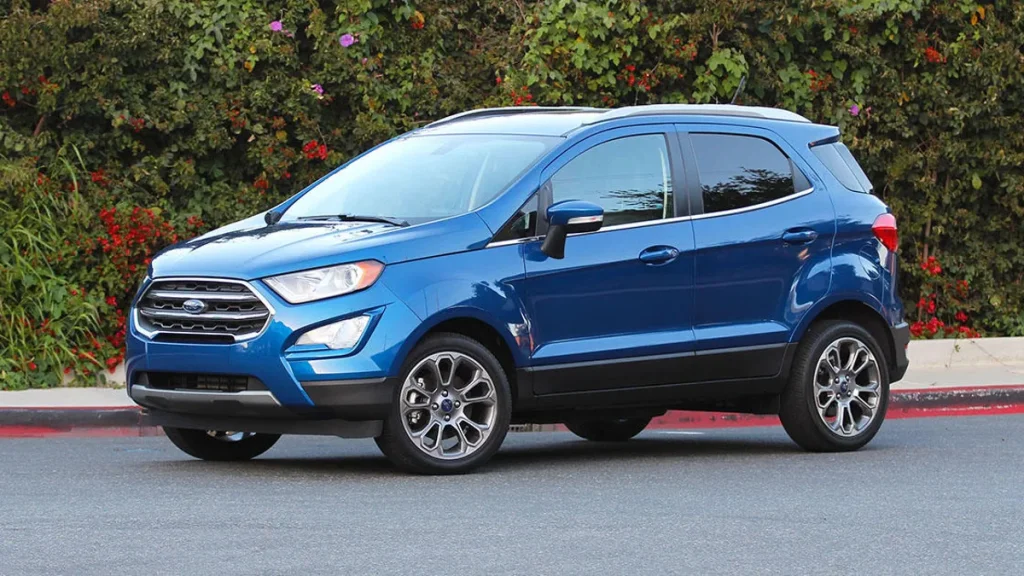
As newer and more refined compact SUVs enter the market, many EcoSport owners begin to notice how much the segment has improved. Compared to these alternatives, the EcoSport can feel less spacious, less comfortable, and less modern. That comparison often accelerates the loss of appeal.
While it delivers the image of an SUV in a small package, many owners later feel that a slightly larger and more refined crossover would have been a better long term choice.
5. Jeep Renegade
The Jeep Renegade stands out in a crowded small SUV segment with its boxy styling and clear family resemblance to larger Jeep models.
Buyers are often drawn to its rugged look, round headlights, and the promise of light off road capability in a compact, city friendly size. At first glance, it feels like a fun blend of personality and practicality.
Early ownership can be enjoyable, especially in urban environments. The tall seating position provides good forward visibility, and the small footprint makes parking and maneuvering relatively easy. Higher trims with all wheel drive and terrain modes add a sense of adventure, even if most drivers rarely leave paved roads.
Over time, however, some compromises become more obvious. Interior space, while acceptable in the front, can feel tight in the rear seats.
Passengers in the back may find legroom limited, and cargo capacity is not as generous as the upright shape might suggest. Owners who expected small SUV versatility sometimes find it closer to a subcompact hatchback in usability.
Ride comfort is another area where opinions shift. The suspension can feel firm over rough city streets, sending bumps into the cabin more than some competitors. On highways, road and wind noise may be more noticeable than expected, reducing the sense of refinement during longer trips.
Powertrain performance, especially with base engines, can feel underwhelming. Acceleration may be adequate for daily commuting but lacks the effortless feel many drivers want when merging or overtaking at higher speeds. This can make the vehicle feel heavier and less responsive than its size suggests.
Fuel economy is not always class leading either, which surprises some buyers. Given the Renegade’s compact dimensions, owners may expect excellent efficiency, but real world numbers can be only average. When combined with modest performance, this reduces the overall satisfaction of the driving experience.
Interior materials and technology also play a role in fading appeal. While the design includes fun details and hidden Jeep themed graphics, some plastics can feel hard and less durable over time. Infotainment systems in earlier models may feel dated compared to newer rivals with larger, sharper screens and faster interfaces.
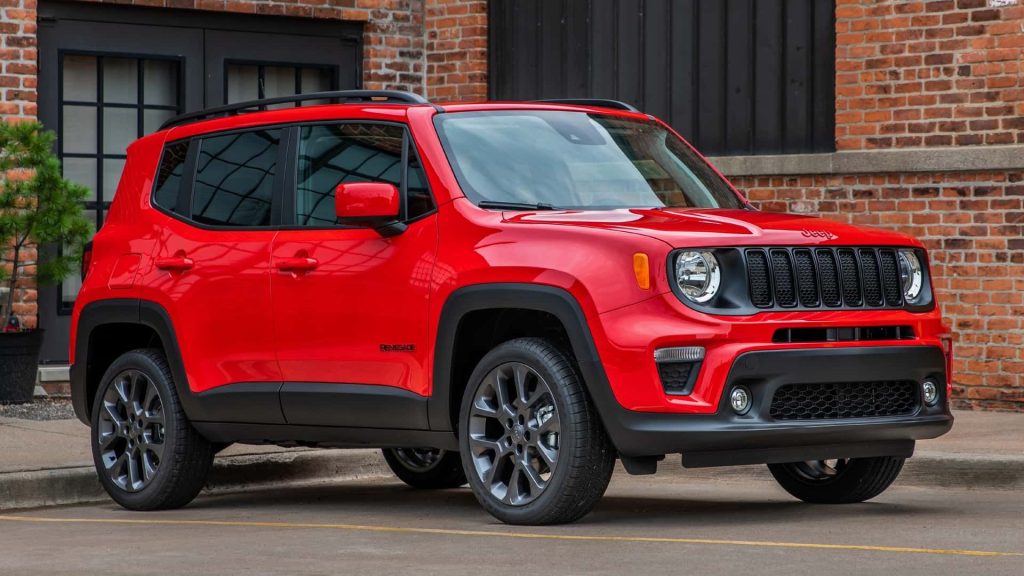
Reliability perceptions and maintenance experiences vary, but some owners report electrical glitches or minor issues that require workshop visits. Even small, repeated problems can reduce confidence in the vehicle, especially when compared with competitors known for long term dependability.
In the end, many drivers still appreciate the Renegade’s character and distinctive look. Yet after living with its limited space, average efficiency, and only moderate refinement, some owners feel the initial charm fades more quickly than they expected when they first chose its adventurous image.
6. Toyota C-HR
The Toyota C-HR attracts attention with its dramatic styling. Sharp lines, hidden rear door handles, and a coupe like roofline make it look more like a concept car than a typical small crossover. For buyers who want something visually exciting without stepping into a luxury brand, the C-HR can feel like a bold and modern choice.
At first, the interior also feels stylish and different. The dashboard design, contrasting materials, and driver focused layout give a sense of modern flair. Being a Toyota, many buyers also expect strong reliability and low maintenance stress, which adds to the early appeal.
However, the design that makes the C-HR look striking also creates practical drawbacks. The sloping roof and thick rear pillars reduce rear headroom and outward visibility.
Back seat passengers may feel cramped, and drivers can find blind spots challenging during lane changes or parking. Over time, these daily inconveniences become more noticeable.
Cargo space is another compromise. While fine for small loads, the rear area is not as spacious as many other crossovers with more traditional shapes. Owners who try to use it for family duties or longer trips may find themselves wishing for more room and easier loading.
Performance is often described as adequate but uninspiring. The engine and transmission combination focuses on efficiency rather than excitement, which can make acceleration feel slow, especially when the vehicle is fully loaded. Drivers who were drawn by the sporty appearance sometimes feel a mismatch between looks and actual driving feel.
Ride quality is comfortable in many situations, but the overall driving experience may lack the engagement some buyers expected. Steering and handling are competent, yet not particularly lively. Over time, the car can start to feel more ordinary than its bold exterior promised.
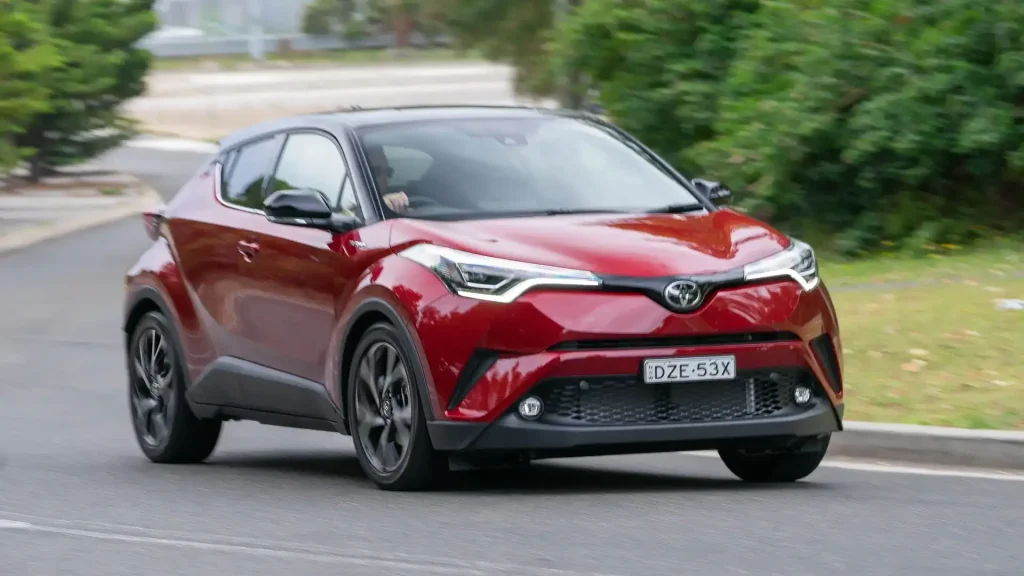
Interior technology in earlier versions can also age quickly. Smaller infotainment screens and limited connectivity features may feel outdated compared with newer competitors. As expectations for digital features grow, this can make the cabin feel older than the vehicle’s actual age.
While Toyota’s reputation for reliability is a strong advantage, routine ownership can still feel less exciting than buyers hoped. The car does everything reasonably well, but the emotional spark created by its styling may fade once the practical limitations and modest performance become part of daily life.
Many C-HR owners remain satisfied with its dependability and unique design. Still, some admit that if choosing again, they would prefer a more conventional small SUV that offers better space, visibility, and performance to match everyday needs.
7. Volkswagen Beetle
The Volkswagen Beetle has always traded heavily on charm and nostalgia. Its rounded shape, friendly face, and strong connection to the classic original make it feel more like a fashion statement than just another small car. Many buyers are drawn in by the emotional appeal and the idea of owning something playful and different from typical hatchbacks.
At first, driving the Beetle can feel special simply because of how it looks and the attention it attracts. The cabin design often includes body colored panels and retro inspired details that create a cheerful atmosphere. For owners who value personality and style, those early months can be filled with satisfaction.
Over time, though, the novelty can begin to fade. Once the excitement of the design becomes familiar, practical realities start to matter more.
The Beetle is based on a small car platform, and while front seat space is decent, the rear seats are tight for adults. Getting in and out of the back can be awkward due to the two door layout.
Cargo space is also limited compared to many four door hatchbacks. The rounded shape that gives the Beetle its character reduces overall practicality. Owners who try to use it for larger shopping trips or travel may find themselves folding seats often or wishing for a more versatile vehicle.
Visibility can be a mixed experience as well. The thick rear pillars and small rear window can make reversing and checking blind spots more challenging than expected. While parking sensors and cameras help, some drivers never feel fully confident with the outward view.
Performance in most versions is adequate but not particularly exciting. The car is comfortable for everyday driving, yet does not deliver the sporty feel its fun image might suggest. Drivers who initially expected a lively, engaging drive sometimes find it more ordinary than anticipated once the novelty wears off.
Interior quality is generally solid, but technology in older models can feel outdated fairly quickly. Infotainment systems, screen sizes, and connectivity options may lag behind newer competitors. As digital features become more important to many drivers, this can make the Beetle feel older than it really is.
Another factor is changing life needs. A car bought for its cute styling may not suit growing families, longer commutes, or evolving priorities. When practicality and space become more important, the Beetle’s design focused compromises stand out more clearly.
Resale value can also be influenced by the car’s niche appeal. While some buyers specifically seek out a Beetle, the overall market is smaller than for more conventional hatchbacks. This can make selling or trading in the car less straightforward than owners expected.
In the end, the Beetle succeeds at delivering character and emotional appeal. But for many owners, once the visual charm becomes part of the background, the limited practicality and average performance cause the initial excitement to fade sooner than they imagined.
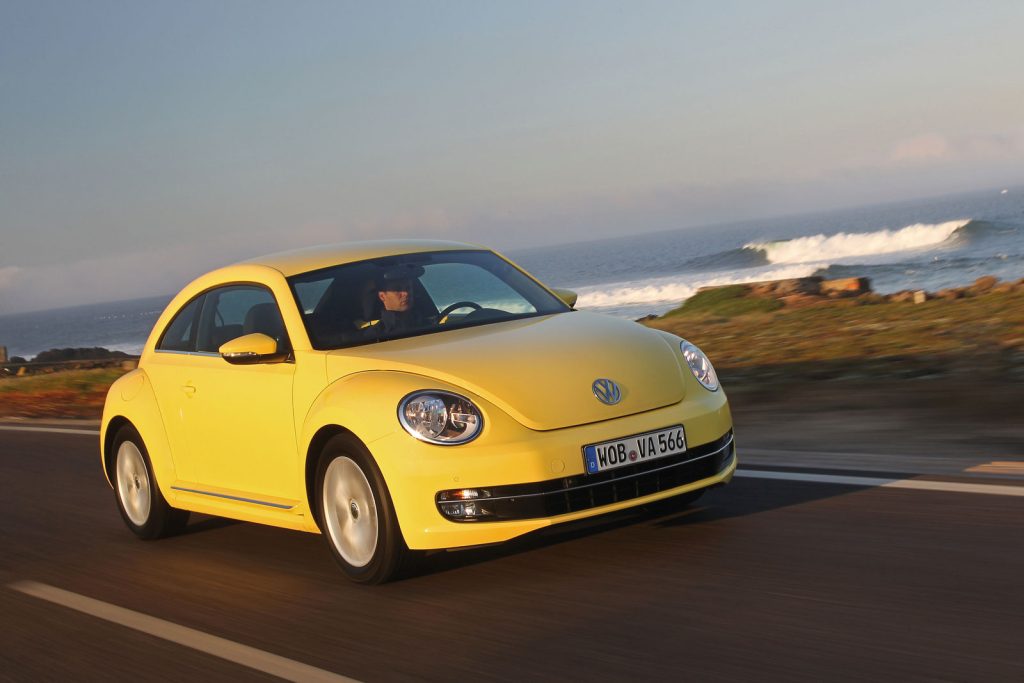
Many vehicles make a strong first impression with bold styling, exciting performance, or trendy features, but everyday ownership often tells a different story. Over time, issues like poor practicality, limited space, uncomfortable ride quality, high fuel consumption, and aging technology can reduce satisfaction.
Some cars also suffer from average performance that does not match their sporty looks, while others feel less refined as competitors improve.
What once felt unique and fun can slowly become inconvenient or costly. These vehicles are not necessarily bad, but they highlight how important long term comfort, usability, and value are compared to initial emotional appeal.
Also Read: Top 10 Iconic GM Muscle Cars That Shaped American Performance
