
Car shopping is full of exciting promises. A turbocharged engine, luxury badge, sporty design, or legendary nameplate can make a vehicle sound like a dream.
On paper and in casual discussions, these cars seem like smart, fun, or even aspirational choices. But the real test of any vehicle begins after the keys are handed over and daily life sets in.
Living with a car exposes things that rarely come up in sales brochures or enthusiast forums. Ride quality over rough roads, fuel consumption in traffic, repair costs, cramped interiors, confusing tech, and constant small annoyances can turn an exciting purchase into a frustrating experience.
A car that impresses during a short test drive may feel very different after months of commuting, errands, and long trips.
Expectations also play a big role. When a car has a strong reputation for performance, luxury, or reliability, buyers expect it to deliver on all fronts.
If it falls short in comfort, practicality, or durability, disappointment can hit even harder. Sometimes the problem is not that the car is terrible, but that it simply does not fit real life as well as it fits the idea of ownership.
This list looks at nine cars that often sound great when you first hear about them. They have appealing features, strong branding, or exciting reputations.
Yet for many owners, the reality of living with them every day can reveal compromises, costs, or frustrations that make the dream fade faster than expected. Let’s start with two that often attract buyers with strong images but can be harder to love over time.
Also Read: Top 10 Supercars You Can Drive All Day Without Fatigue
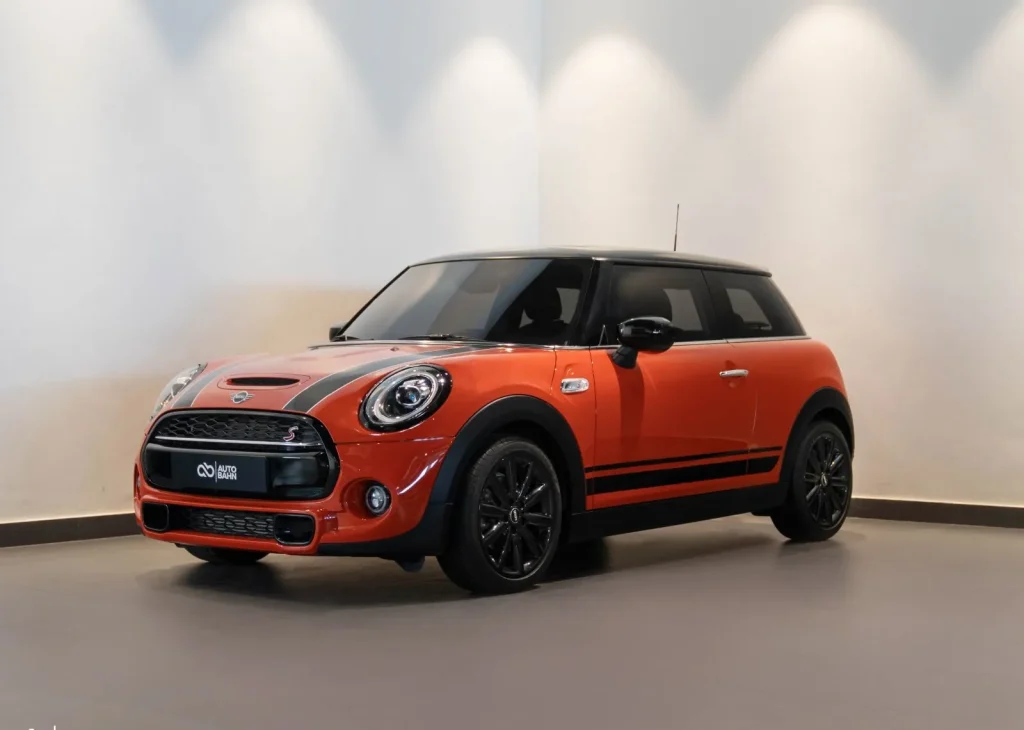
1. Mini Cooper S
The Mini Cooper S sounds like the perfect fun daily car. It is small, sporty, stylish, and known for sharp handling. On paper and in reviews, it promises a playful driving experience with a premium feel in a compact package. In real ownership, however, the experience can be more complicated.
Ride quality is one of the first issues many owners notice. The sporty suspension that makes the car feel agile can also make it ride very firmly.
On rough city streets or long highway drives, the constant bumps and vibrations can become tiring, especially compared to more comfort oriented small cars.
Interior space is another compromise. While the front seats are decent, the rear seats are tight and the trunk is small.
For drivers who hoped the Mini could handle daily errands, passengers, and luggage without trouble, the limited space can quickly become frustrating.
Maintenance and repair costs can also surprise buyers. Although it is a small car, parts and labor can be expensive, especially for turbocharged models. Over time, the cost of keeping the car in top shape may feel closer to that of a luxury brand than an economy car.
The fun handling that sells the car can also become less exciting in everyday traffic. Stop and go commutes do not showcase the Mini’s agility, and drivers may find themselves dealing more with stiff suspension and road noise than with twisty back roads.
Interior materials and build quality may look premium at first, but some owners report rattles and wear that show up earlier than expected. Quirky design elements, such as toggle switches and unique layouts, can feel charming at first but less convenient over time.
Fuel economy can be decent, but driving the car the way it invites you to drive, with enthusiasm, often leads to higher consumption than expected. Insurance can also be higher due to its sporty nature.
The Mini Cooper S is undeniably fun in the right setting. As a long term daily driver, though, its firm ride, limited space, and higher running costs can make it sound better in theory than it feels in real ownership.
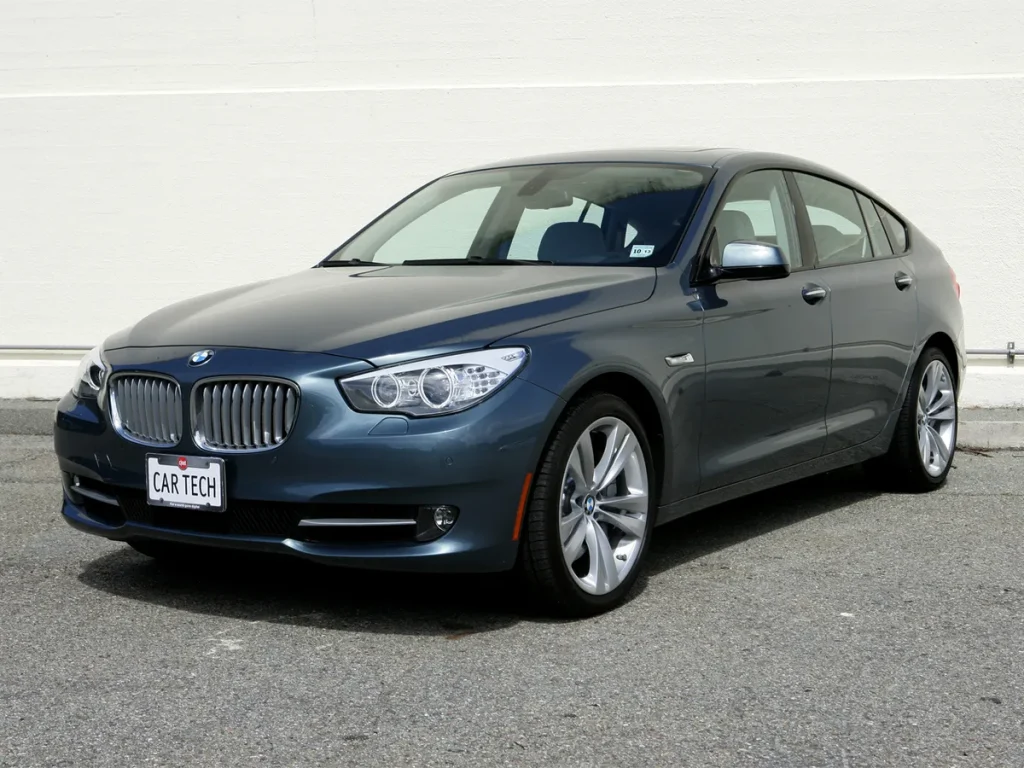
2. BMW 550i
The BMW 550i sounds like a dream sport sedan. A powerful V8 engine, luxury interior, and strong brand reputation make it seem like the perfect blend of comfort and performance. On paper, it promises effortless speed and high end refinement. In reality, long term ownership can reveal significant downsides.
One of the biggest issues is reliability. The twin turbo V8 engine offers impressive performance, but it is also complex and can be expensive to maintain. Owners often face high repair bills once the car is out of warranty, especially for engine related components.
Fuel consumption is another surprise for some buyers. While a V8 is expected to use more fuel, the real world numbers can feel excessive in daily commuting, particularly in stop and go traffic. This adds to the overall cost of ownership.
Ride comfort can also vary depending on wheel size and suspension setup. Sportier versions with large wheels can feel firm on rough roads, which may not match the luxury expectations set by the brand.
The car’s many features and electronic systems can also become sources of frustration. Advanced technology is great when it works, but repairs for electronic components can be costly and inconvenient.
Depreciation is another factor. The 550i can lose value quickly, which may not matter to some owners, but can be disappointing for those expecting a luxury car to hold its worth better.
Insurance and maintenance costs are also higher than many buyers anticipate when first attracted by the performance and prestige. Routine services, brakes, and other wear items can be expensive.
The BMW 550i delivers strong performance and comfort when everything is working well. Over time, however, the combination of high running costs, complex engineering, and potential reliability issues can make it a car that sounds much better at purchase than it feels to own long term.
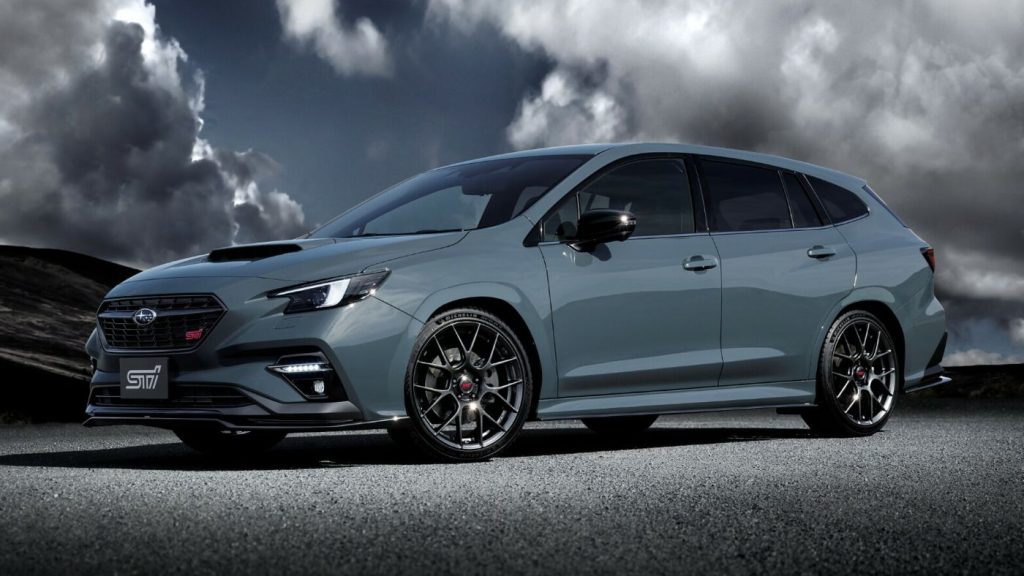
3. Subaru WRX STI
The Subaru WRX STI sounds like a dream for driving enthusiasts. Rally heritage, all wheel drive grip, turbocharged power, and a manual transmission make it seem like the ultimate affordable performance car.
On paper, it promises excitement in all weather and a thrilling connection to motorsport. Living with one every day can tell a more complicated story.
Ride quality is one of the first challenges. The STI is tuned for sharp handling and performance, which results in a very firm suspension.
On rough city streets and highways with broken pavement, the ride can feel harsh and tiring, especially for drivers who use the car as a daily commuter.
Fuel economy is another downside. Turbocharged performance and all wheel drive grip come at a cost, and real world fuel consumption can be high, especially if the car is driven enthusiastically. For those expecting a practical compact sedan, the fuel bills can be a shock.
The engine’s character, while exciting under boost, can feel less refined during normal driving. Road and engine noise are more noticeable than in many other cars in its class, which can make long highway trips less comfortable.
Interior quality can also disappoint some owners. While functional, the cabin materials and design may not feel as modern or upscale as the price suggests. Over time, rattles and wear can make the interior feel less special than the car’s performance image.
The STI’s heavy clutch and notchy manual transmission add to the engagement, but they can also become tiring in stop and go traffic. What feels exciting on a back road may feel like work during daily commutes.
Insurance costs can also be higher due to the car’s performance reputation. Maintenance for turbocharged engines and all wheel drive systems can add up over time.
The WRX STI delivers serious performance and character, but as an everyday car its firm ride, high fuel use, and less refined nature can make it feel more appealing in theory than in long term ownership.
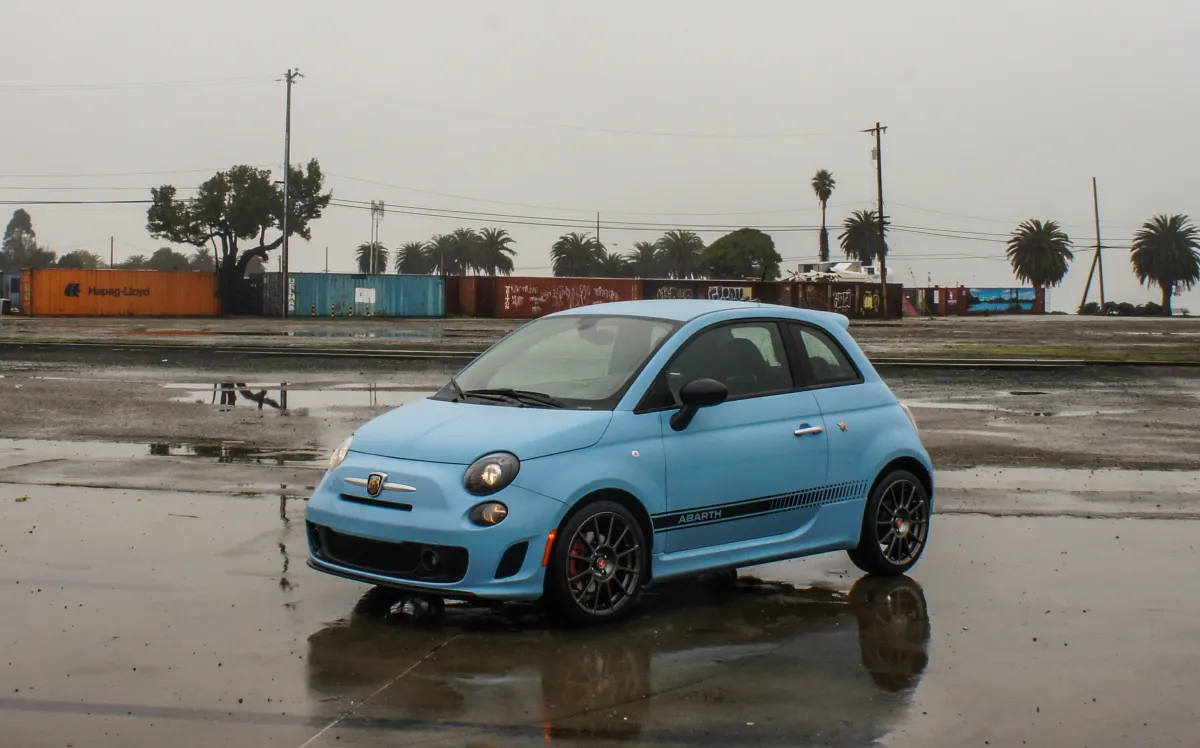
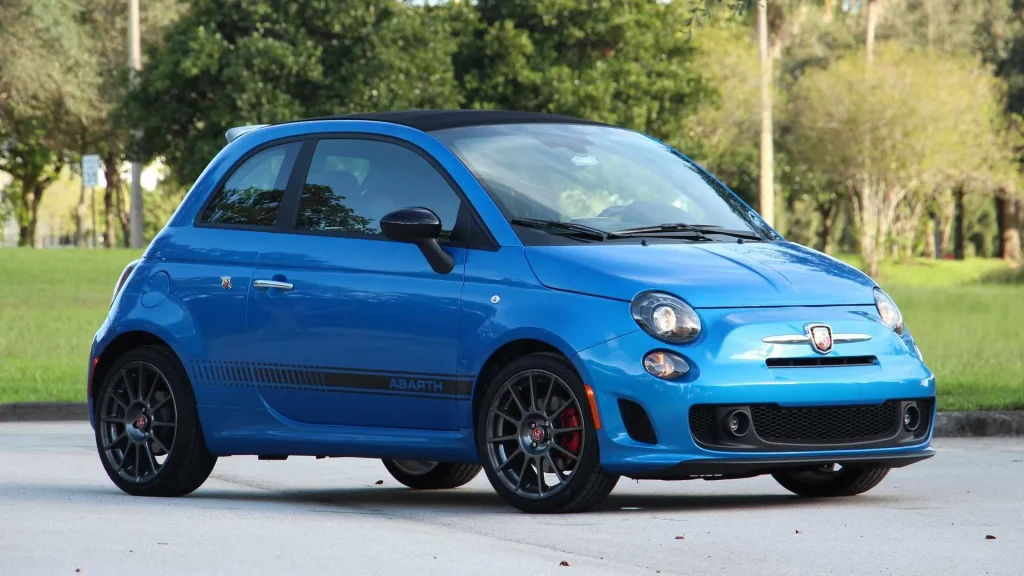
4. Fiat 500 Abarth
The Fiat 500 Abarth sounds like a perfect recipe for fun. Small size, turbocharged engine, sporty styling, and a loud exhaust make it seem like an affordable pocket rocket full of personality. In short bursts, it can be entertaining. Over time, daily life with one can reveal several compromises.
Ride comfort is one of the biggest complaints. The short wheelbase and sporty suspension tuning mean the car can feel bouncy and unsettled over rough roads. City potholes and highway expansion joints can make the ride feel harsh and tiring.
Cabin space is very limited. While the front seats are usable, the rear seats are tight and best suited for short trips. Cargo space is also small, which limits the car’s practicality for shopping, luggage, or daily errands.
The loud exhaust that sounds exciting at first can become tiring on long drives. What feels fun on a short spirited run may turn into constant noise during highway cruising.
Interior quality can also be a letdown. Some materials feel less durable, and the overall build quality may not match the sporty price tag. Rattles and small issues can appear over time.
Performance is lively at lower speeds, but the car can feel less stable and composed at higher highway speeds. The short wheelbase and light weight can make it feel nervous compared to larger hatchbacks.
Maintenance and reliability can also be concerns for some owners. While not always problematic, repair costs and parts availability may not be as straightforward as with more mainstream brands.
The Fiat 500 Abarth is full of character and fun in small doses. As a daily driver, though, its firm ride, tight space, and constant noise can make it sound more appealing before you actually live with it.
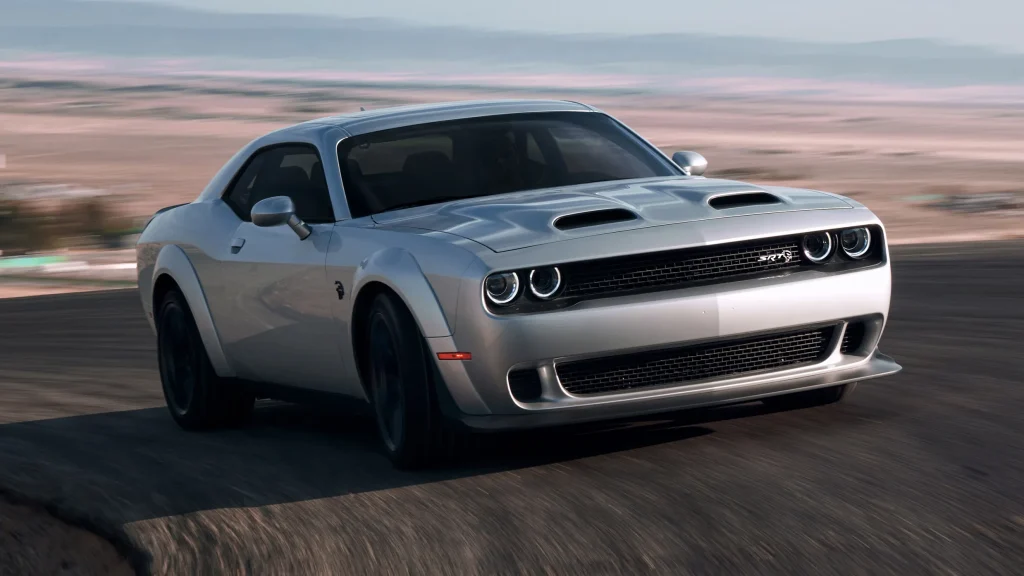
5. Dodge Challenger Hellcat
The Dodge Challenger Hellcat sounds incredible in conversation. Massive supercharged power, classic muscle car styling, and straight line performance that rivals supercars make it seem like an unbeatable performance bargain.
On paper, it promises thrilling acceleration, a spacious interior, and everyday usability wrapped in an iconic shape. In real life, owning one can be far more complicated than the dream suggests.
The most obvious issue is fuel consumption. The supercharged V8 engine delivers astonishing power, but it also burns through fuel at a rapid rate, especially in city driving.
Even gentle use can lead to frequent stops at the gas station, and spirited driving makes consumption climb dramatically. What feels exciting during a test drive can become expensive over months of daily use.
Size is another factor. The Challenger is a large, wide car, which can make parking and maneuvering in tight urban spaces more difficult than many buyers expect. Its long doors and broad stance can feel cumbersome in crowded parking lots and narrow streets.
Handling can also surprise owners. While straight line speed is incredible, the car’s weight becomes noticeable on twisty roads. It does not feel as nimble as smaller performance cars, which can make the driving experience less engaging in everyday situations that are not drag strips.
Ride quality varies depending on road conditions. The suspension is tuned to balance performance and comfort, but rough pavement can still make the ride feel busy. Combined with wide performance tires, road noise can be more noticeable than in typical sedans.
Insurance costs are often high due to the car’s performance and theft appeal. Maintenance and tire replacement can also be expensive, as the Hellcat uses large, performance oriented components that wear quickly under enthusiastic driving.
The attention the car attracts can also be a downside. Loud exhaust, aggressive styling, and the Hellcat badge make it highly visible. While this can be fun at first, it can become tiring for owners who just want a low key commute.
In short bursts, the Challenger Hellcat is an unforgettable machine. As a daily driver, however, its thirst for fuel, large size, and high running costs can make it sound far more appealing before you actually live with it.
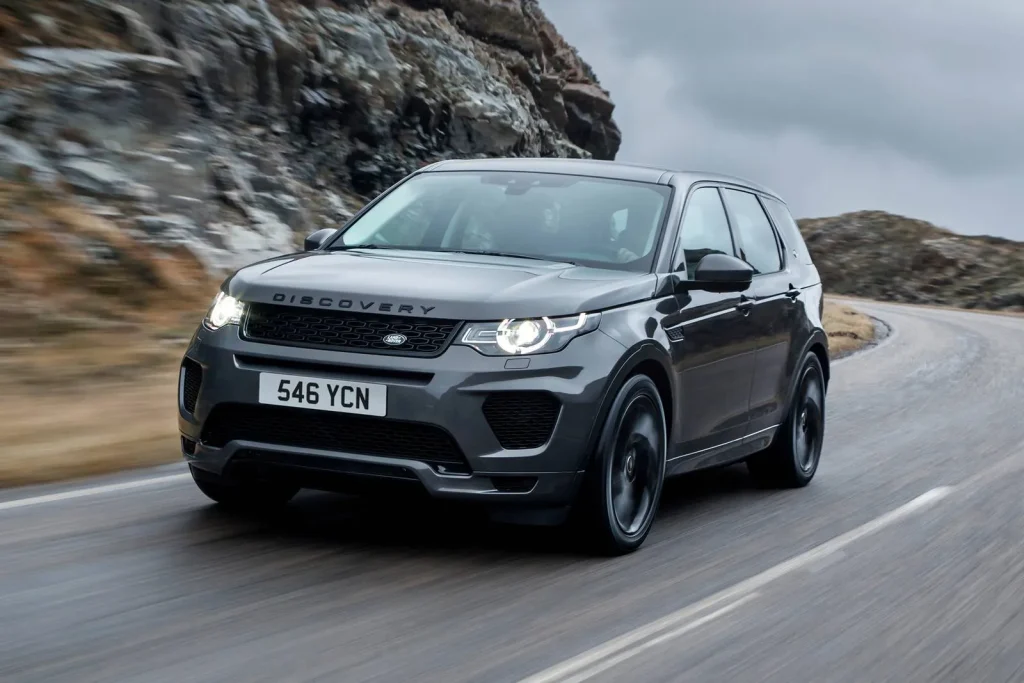
6. Land Rover Discovery
The Land Rover Discovery often sounds like the perfect family SUV with real adventure credentials. It promises luxury, advanced technology, generous space, and serious off road ability all in one package.
On paper, it looks like a do everything vehicle that can handle school runs during the week and rugged trips on the weekend. In real ownership, the story can be more complicated.
Reliability is one of the biggest concerns. Modern Discoverys are packed with advanced electronics, air suspension systems, and complex drivetrains. While these features add capability and comfort, they can also lead to expensive repairs once the vehicle ages or moves out of warranty.
Air suspension, in particular, can be a double edged sword. It delivers a smooth ride and adjustable height, but when components wear out, repairs can be costly. Owners may face large bills that were not obvious when they first admired the vehicle’s features.
Fuel economy can also be disappointing. The Discovery is a large and heavy SUV, and real world consumption can feel high, especially in city traffic. This can be a surprise for buyers who were drawn in by its premium image and versatility.
The size that makes the Discovery spacious can also make it feel bulky in everyday use. Parking in tight urban spaces and navigating narrow streets can require more effort than expected.
Technology inside the cabin looks impressive, but complex infotainment and control systems can sometimes feel slow or unintuitive. When technology does not work smoothly, it can turn daily tasks into frustrating experiences.
Depreciation is another factor. Luxury SUVs can lose value quickly, which may not matter to all owners, but can be disappointing if resale value is a concern.
The Land Rover Discovery is comfortable, capable, and stylish when everything is working properly. Over time, however, the combination of complex systems, potential reliability issues, and high running costs can make it sound like a better idea than it feels in long term ownership.
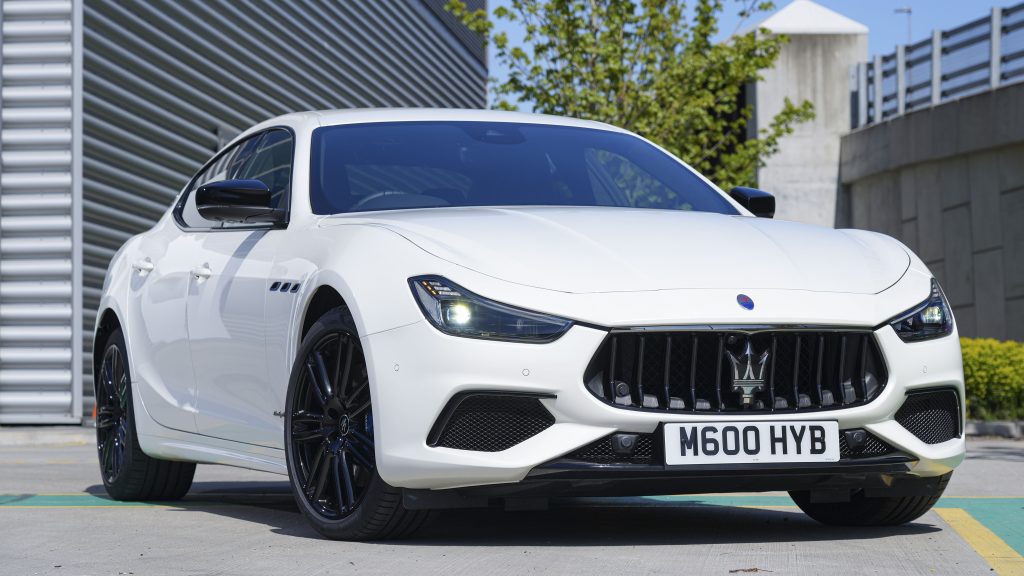
7. Maserati Ghibli
The Maserati Ghibli sounds like a dream luxury sport sedan. Italian styling, an exotic badge, and promises of performance and exclusivity make it seem far more special than the average executive car.
On paper, it offers the chance to own something rare and emotional without stepping into full supercar territory. In real ownership, the shine can wear off faster than expected.
One of the biggest issues is interior quality relative to price. While the design looks stylish at first glance, many owners notice that some materials and switchgear do not feel as premium as rivals from Germany at similar prices. Small details that feel fine in a showroom can become irritating over time.
Technology can also feel behind the curve. Infotainment systems and driver assistance features may not be as intuitive or polished as those in competitors. Daily use can highlight laggy responses or confusing menus that were easy to overlook during a short test drive.
Reliability and maintenance costs are another concern. The Ghibli’s exotic branding comes with higher service costs, and some owners report frequent visits to the shop for electronic or mechanical issues. Parts and specialized service can be more expensive and less convenient than for more mainstream luxury brands.
Depreciation hits hard as well. The Ghibli often loses value quickly, which can be frustrating for buyers who paid a premium for the badge and exclusivity. What feels like a special purchase at first can feel less satisfying when resale time comes.
Ride and refinement may also not match expectations. While the car is sporty, road noise and firmness can be more noticeable than in more comfort oriented luxury sedans. Long highway trips may not feel as serene as buyers hope.
The Maserati Ghibli looks and sounds exciting in theory. Over time, though, its mix of high costs, average interior quality, and reliability concerns can make it feel more like a stylish compromise than a truly satisfying luxury car.
8. Chevrolet Spark
The Chevrolet Spark sounds like the perfect budget city car. It is affordable, easy to park, and promises good fuel economy. For first time buyers or those looking for simple transportation, it can seem like a smart and sensible choice. In daily life, however, its limitations can quickly become obvious.
Performance is one of the main drawbacks. The small engine is fine for gentle city driving, but merging onto highways or climbing hills can feel slow and strained. Drivers may find themselves planning moves more carefully than in more powerful cars.
Interior space is limited. While cleverly packaged, the cabin is small, especially in the rear seats. Carrying passengers or larger items can be a challenge, which reduces versatility for everyday tasks.
Ride quality can also disappoint. The short wheelbase and budget oriented suspension tuning mean the car can feel bouncy over rough roads. Potholes and uneven pavement can make the ride feel less comfortable than expected.
Noise levels are another factor. Road and wind noise can be noticeable, especially at higher speeds, which makes longer trips less relaxing. What seems acceptable on a short drive can become tiring over time.
Interior materials reflect the low price. Hard plastics and simple finishes are understandable at this price point, but they can make the cabin feel less pleasant during daily use.
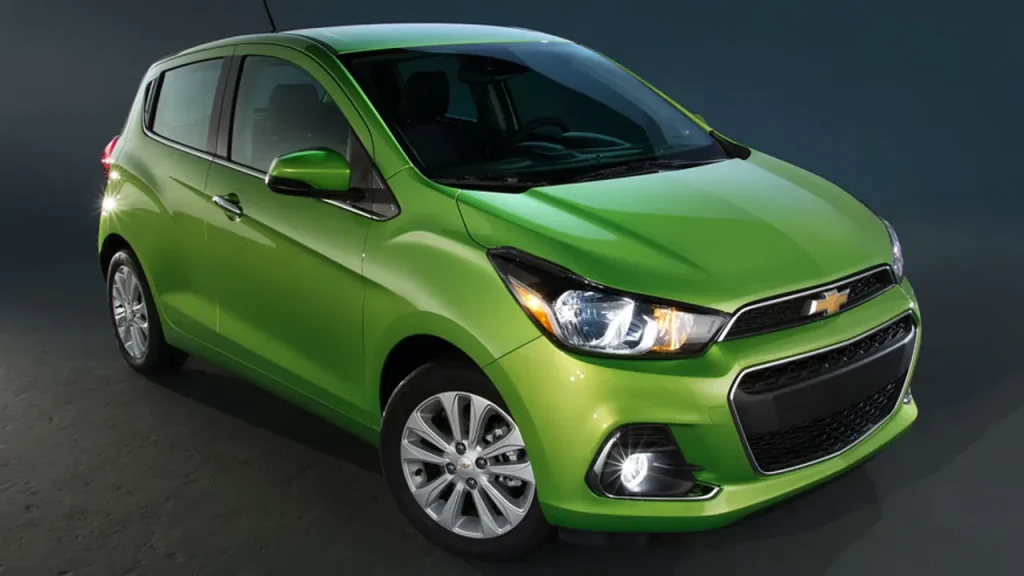
The Spark is inexpensive and easy to maneuver, but its limited power, small space, and basic comfort can make it feel like a compromise rather than a car you truly enjoy owning.
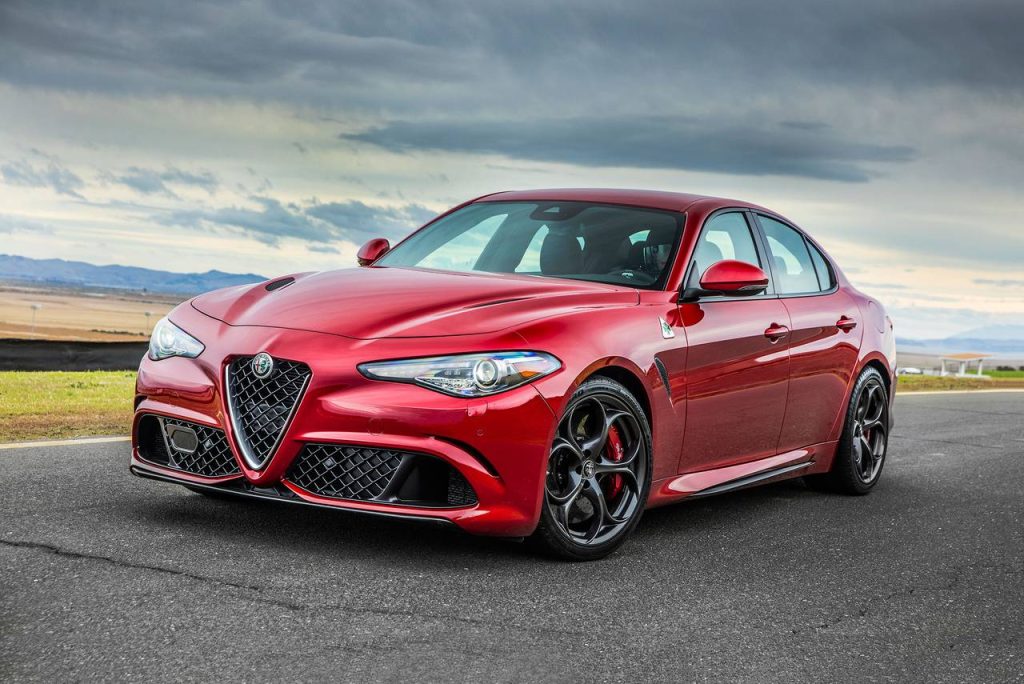
9. Alfa Romeo Giulia Quadrifoglio
The Alfa Romeo Giulia Quadrifoglio sounds like the ultimate enthusiast sedan. Stunning Italian design, a powerful twin turbo V6, and praise for its handling make it seem like a perfect blend of performance and style.
On paper and in reviews, it promises to rival the best sports sedans in the world. Living with one can be a more complicated experience.
Reliability is one of the biggest concerns. While many owners have positive experiences, the model has a reputation for electronic glitches and mechanical issues that can lead to frequent service visits. This can be frustrating in a car meant to be driven and enjoyed.
Maintenance and repair costs can also be high. Performance components such as brakes and tires wear quickly, and specialized parts can be expensive. Insurance may also be higher due to the car’s performance level.
Technology inside the cabin can feel less polished than in some competitors. Infotainment and driver assistance systems may not be as intuitive or refined, which becomes more noticeable in daily use.
Ride comfort can be firm, especially on rough roads. While this supports sharp handling, it can make commuting less relaxing than in more comfort focused luxury sedans.
Depreciation can also be steep. The Giulia Quadrifoglio’s niche appeal and reputation can affect resale value, which may disappoint some owners.
The Giulia Quadrifoglio is thrilling to drive and full of character. As a daily ownership experience, however, the combination of potential reliability issues, high costs, and compromises in comfort can make it sound better at the dealership than in long term reality.
Some cars sound fantastic when you first hear about them. They promise performance, style, prestige, or fun in a way that makes ownership seem like a dream. But once daily life begins, the reality of living with these vehicles can reveal compromises that are easy to overlook during research and short test drives.
Many of the cars on this list attract buyers with strong personalities or exciting specifications. The Mini Cooper S and Fiat 500 Abarth offer small car fun and sporty charm, yet their firm rides, limited space, and higher-than-expected running costs can make them tiring over time.
The Subaru WRX STI delivers rally inspired excitement, but its harsh suspension, high fuel consumption, and noisy cabin can wear down drivers who use it every day.
Performance icons also show this pattern. The Dodge Challenger Hellcat and Alfa Romeo Giulia Quadrifoglio promise thrilling speed and emotional appeal, but their fuel use, maintenance costs, and potential reliability concerns can make long term ownership stressful.
Even the BMW 550i, which sounds like the perfect blend of luxury and V8 power, can become expensive and complicated once repairs and fuel bills add up.
Luxury and image driven cars can be especially deceptive. The Maserati Ghibli sounds exotic and exclusive, yet interior quality, technology, and depreciation may not meet expectations.
The Land Rover Discovery offers comfort and off road capability on paper, but complex systems and potential repair costs can challenge owners over time.
Even budget friendly options are not immune. The Chevrolet Spark seems like a smart, economical city car, yet limited power, small space, and basic comfort can make it feel like a constant compromise rather than a satisfying daily companion.
Across all these vehicles, the common thread is expectations versus reality. Strong branding, impressive performance numbers, or unique features create an appealing story.
But ownership highlights comfort, practicality, reliability, and cost in ways that brochures do not. A car that is exciting in theory can become frustrating if it does not suit everyday needs.
The lesson is simple. A car should not just sound good, it should fit your real life. Test drives, honest research, and thinking about how you actually drive each day matter far more than the image or reputation that first grabs your attention.
Also Read: 10 Italian Concept Cars That Redefined Automotive Design Limits
