
America’s horsepower era was not just about going fast. It was about attitude, sound, and presence. During the 1960s and early 1970s, automakers were locked in a power war that pushed V8 engines to new extremes.
Showrooms became battlegrounds, and buyers were the winners. Big displacement engines, bold styling, and aggressive marketing created some of the most iconic performance cars ever built.
This period changed car culture forever. Young drivers suddenly had access to machines that could outrun sports cars while carrying friends and groceries.
Quarter mile times became bragging rights, and weekend drag strips filled with factory backed street warriors. Horsepower numbers were printed proudly in brochures, and every brand wanted to claim the crown.
These cars were not subtle. They shook at idle, roared under throttle, and wore stripes, scoops, and badges like medals. Underneath the flash, though, was real engineering. High compression V8 engines, heavy duty suspensions, and performance gearing turned ordinary family car platforms into street legends.
Even today, these muscle cars define what people picture when they hear the words American performance. They represent a time when fuel was cheap, regulations were loose, and automakers chased raw power with very few limits. Their influence still shapes modern performance cars, from styling cues to engine design philosophy.
This list looks at ten V8 muscle cars that truly defined America’s horsepower era. These are the machines that set the tone, pushed the limits, and became lasting symbols of a time when more power was always the answer. Let’s begin with two of the most influential icons of them all.
Also Read: 10 Turbocharged V6 Sleeper Cars Hiding in the Used Market
1. 1969 Ford Mustang Boss 429
The 1969 Ford Mustang Boss 429 was built with one purpose in mind. It existed so Ford could homologate its massive 429 cubic inch V8 for NASCAR competition. The result was one of the most extreme factory Mustangs ever produced and a true symbol of the horsepower wars.
The Boss 429 engine was enormous, with huge cylinder heads and racing inspired internals. It was designed to breathe at high engine speeds, making serious power for its time. While official ratings were conservative, real world output was far higher, and the car had the performance to back up its aggressive reputation.
To fit the giant engine, Ford had to heavily modify the Mustang’s engine bay and front suspension. Special teams handled the conversion, reinforcing the chassis and adjusting components to make everything work together. This was not just a trim package, but a serious engineering effort.
On the street, the Boss 429 had an unmistakable presence. The massive hood scoop, wide stance, and subtle but purposeful styling set it apart from ordinary Mustangs. It looked like a race car for the road, and it sounded like one too.
Performance was strong in straight line acceleration, but the car also benefited from suspension upgrades that made it more capable than many other muscle cars of the era. It was still a handful at the limit, but that raw character became part of its legend.
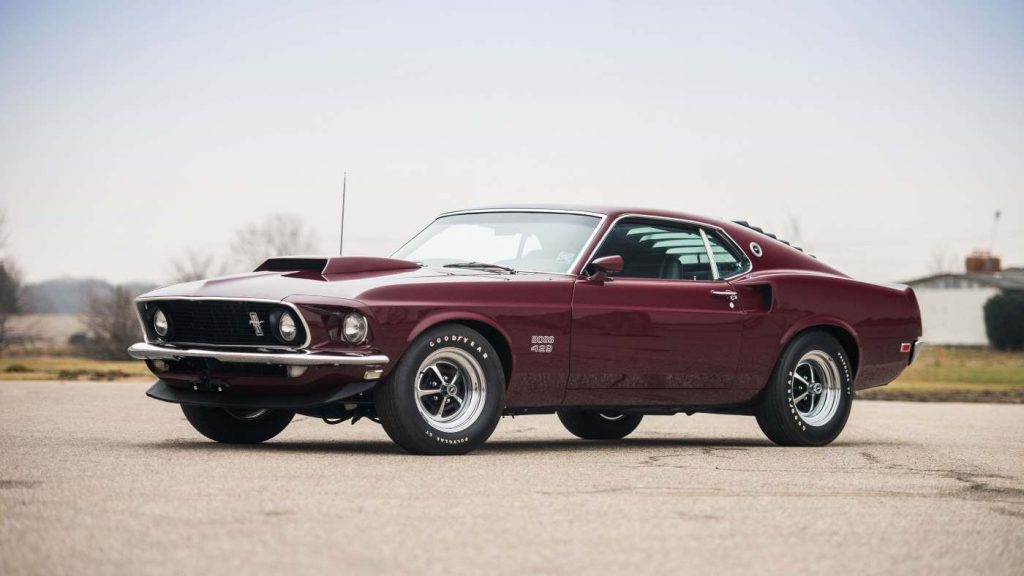
Because production numbers were limited, the Boss 429 quickly became one of the most desirable Mustangs ever made. It represented the peak of Ford’s commitment to putting racing technology into street cars during the horsepower boom.
Today, the Boss 429 stands as a symbol of just how far manufacturers were willing to go in the name of power. It was not built to be sensible or practical. It was built to dominate, and that attitude perfectly captures the spirit of America’s horsepower era.
2. 1970 Chevrolet Chevelle SS 454 LS6
If one car represents the peak of factory muscle car excess, it is the 1970 Chevrolet Chevelle SS 454 LS6. This was Chevrolet’s ultimate statement during the horsepower wars, and it remains one of the most feared street machines of its time.
At the heart of the LS6 Chevelle was a 454 cubic inch big block V8 rated at a staggering level of horsepower and torque for the era. The LS6 version featured high compression, a big camshaft, and heavy duty internals. It was built to produce brutal straight line performance.
In a lightweight midsize body, that engine turned the Chevelle into a rocket. Acceleration was explosive, with enough torque to overwhelm the rear tires at will. In an age before advanced traction control or modern tire compounds, that made the LS6 Chevelle both thrilling and intimidating.
The car’s styling matched its performance. Bold stripes, SS badging, and a muscular stance made it clear this was no ordinary family coupe. It looked tough even standing still, which was exactly the point during a time when image mattered almost as much as speed.
Chevrolet also backed up the power with heavy duty components. Stronger suspensions, better brakes, and performance gearing helped the car handle the massive output. It was still more about straight line speed than corner carving, but it was engineered to survive its own power.
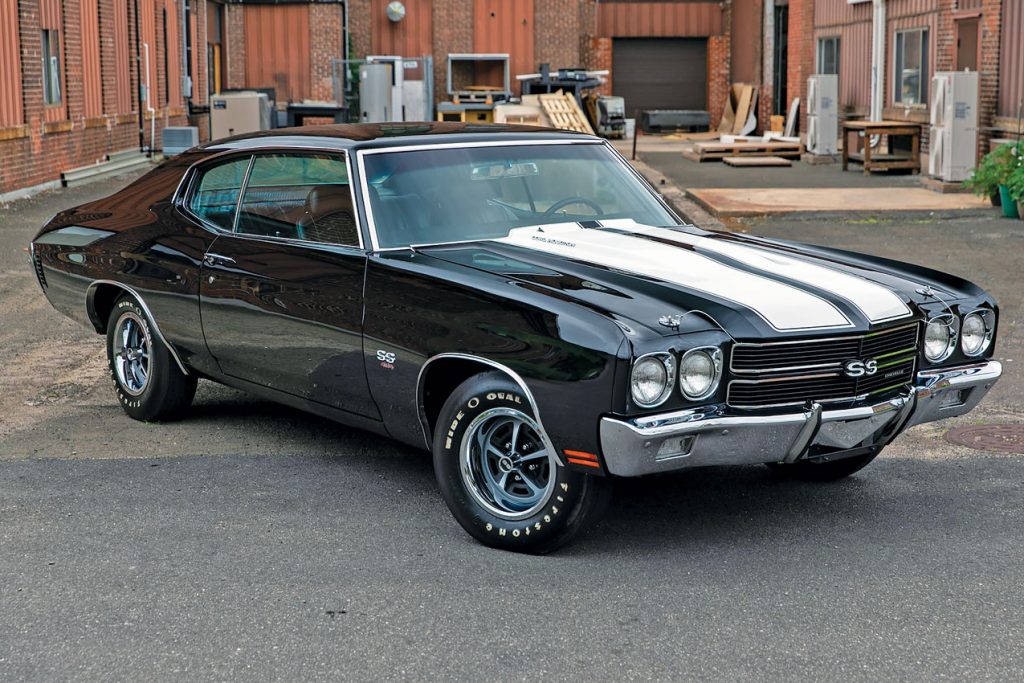
The LS6 Chevelle became a legend almost immediately. It was the kind of car people talked about in hushed tones at drive ins and drag strips. Owning one meant you had one of the most powerful factory cars money could buy.
Decades later, the 1970 Chevelle SS 454 LS6 still defines the outer edge of the muscle car era. It showed just how far manufacturers were willing to push displacement and horsepower before changing regulations brought that golden age to a close.
3. 1970 Plymouth Hemi Cuda
The 1970 Plymouth Hemi Cuda is one of the most legendary muscle cars ever built, and a true heavyweight of the horsepower era. It took the already aggressive Barracuda platform and turned it into a street legal monster with one of the most famous V8 engines of all time.
Under the hood sat the 426 Hemi V8, an engine originally developed with racing in mind. Its hemispherical combustion chambers allowed for better airflow and high rpm power, making it a serious performer. Official ratings were impressive, but like many muscle cars of the time, real world output was even higher.
In a relatively compact body, the Hemi Cuda delivered explosive acceleration. It was known for brutal straight line speed and a power delivery that felt almost overwhelming for street tires of the era. Driving one required respect, which only added to its mystique.
The styling of the Hemi Cuda perfectly matched its performance. Bold colors, aggressive hood treatments, and prominent badging made sure everyone knew this was no ordinary Plymouth. It looked like a predator on the road, and it carried itself with the confidence of one.
Chassis and suspension upgrades helped the car handle the massive power, but the Hemi Cuda was still more about raw force than finesse. That was exactly what buyers wanted at the time. It was built to dominate stoplight sprints and quarter mile runs.
Production numbers were relatively low, especially with the Hemi engine option. That rarity, combined with its performance and visual drama, turned the 1970 Hemi Cuda into an instant icon that continues to represent the peak of Mopar muscle.
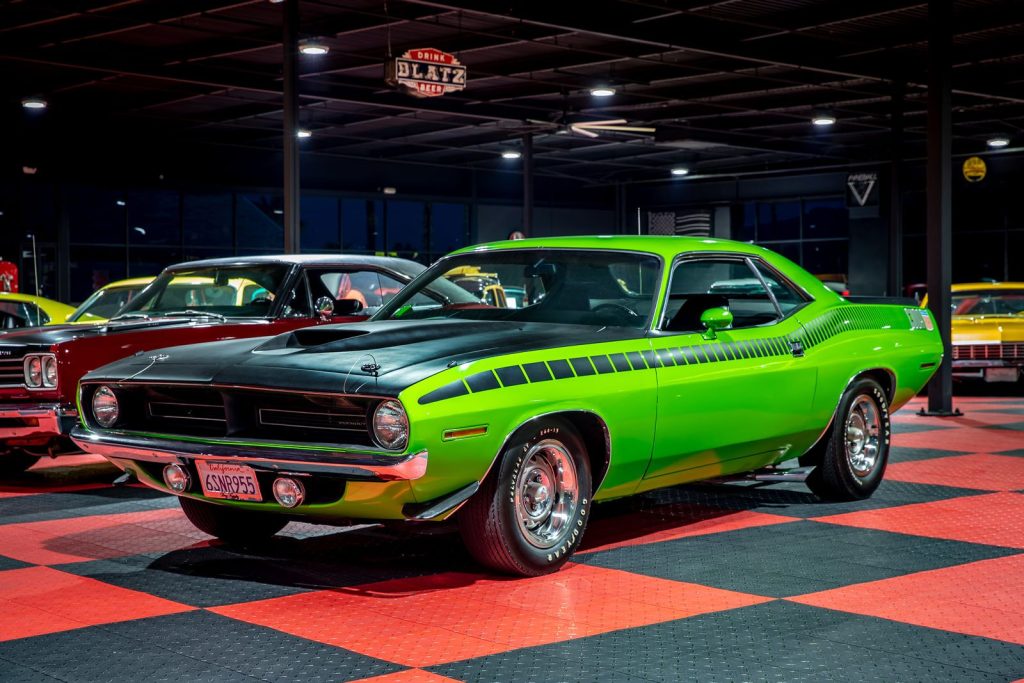
This car captured everything the horsepower era stood for. Big engine, bold style, and zero compromise in the pursuit of speed. It remains one of the clearest examples of how far American automakers pushed performance during this unforgettable period.
4. 1969 Dodge Charger R T 440 Six Pack
The 1969 Dodge Charger R T with the 440 Six Pack engine showed that Dodge had its own answer to the big block power wars. This version of the Charger blended menacing styling with a highly tuned V8 that made it one of the most formidable street machines of its time.
The 440 Six Pack engine used three two barrel carburetors to feed the big block V8. This setup allowed for excellent airflow and strong top end performance while still offering decent drivability at lower speeds. When all three carburetors opened, the surge of power was unforgettable.
In the already muscular Charger body, this engine created a car that felt unstoppable in straight line acceleration. The torque came on hard, pushing the heavy coupe forward with authority. It was the kind of car that could easily dominate street races in its day.
Visually, the 1969 Charger was already one of the most aggressive looking cars on the road. Its hidden headlights, wide grille, and fastback roofline gave it a sinister presence. With R T badging and performance details, the Six Pack version looked every bit as tough as it was.
Dodge also made sure the car could handle its power. Heavy duty suspension components and performance gearing helped keep things under control, at least by the standards of the era. It was still a large, powerful machine, but it was engineered to be more than just an engine in a shell.
The Charger R T 440 Six Pack became a symbol of Dodge’s commitment to serious performance. It showed that the brand could compete with anyone when it came to building powerful, attention grabbing muscle cars.
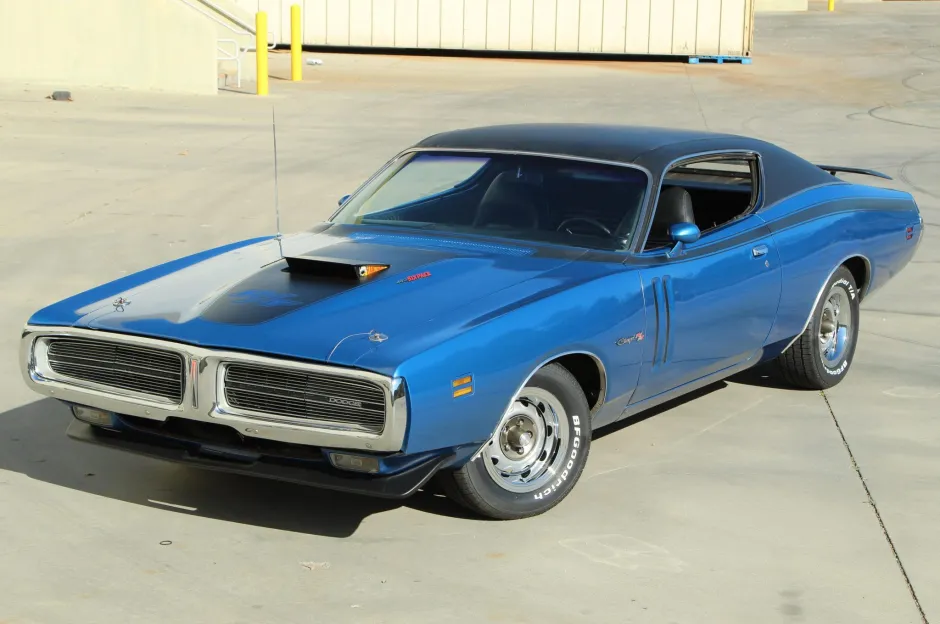
Together with its Mopar siblings, the 1969 Charger helped define the visual and mechanical identity of the horsepower era. It proved that brute force, bold design, and big V8 power were a winning formula that would echo through automotive history.
5. 1970 Pontiac GTO Judge Ram Air IV
The 1970 Pontiac GTO Judge with the Ram Air IV engine represented the high performance peak of Pontiac’s muscle car lineup. The GTO had already helped start the muscle car movement earlier in the decade, and this version pushed the formula to its limit.
The Ram Air IV V8 was a highly developed version of Pontiac’s big displacement engine. It featured upgraded internals, better flowing cylinder heads, and a more aggressive camshaft. The result was an engine that loved to rev and delivered serious power across the rpm range.
In the GTO Judge, this engine transformed the car into a street and strip weapon. Acceleration was strong, and the car had a reputation for impressive quarter mile performance right off the showroom floor. It was a machine built for drivers who wanted to win races, not just look good.
Styling on the Judge was bold and unmistakable. Bright colors, graphics, and unique details made it stand out even in an era filled with flashy muscle cars. It was loud in both appearance and performance, which fit perfectly with the spirit of the horsepower wars.
Pontiac also paid attention to the rest of the package. Suspension tuning and heavy duty components helped the GTO Judge cope with its high output engine. While it was still more at home in a straight line than on a road course, it offered a balanced performance feel for its time.
The Judge name itself became synonymous with high performance. It told buyers this was not a standard GTO, but a top tier version built to compete with the best from Ford, Chevrolet, and Mopar. It was Pontiac’s way of proving it could play at the highest level.
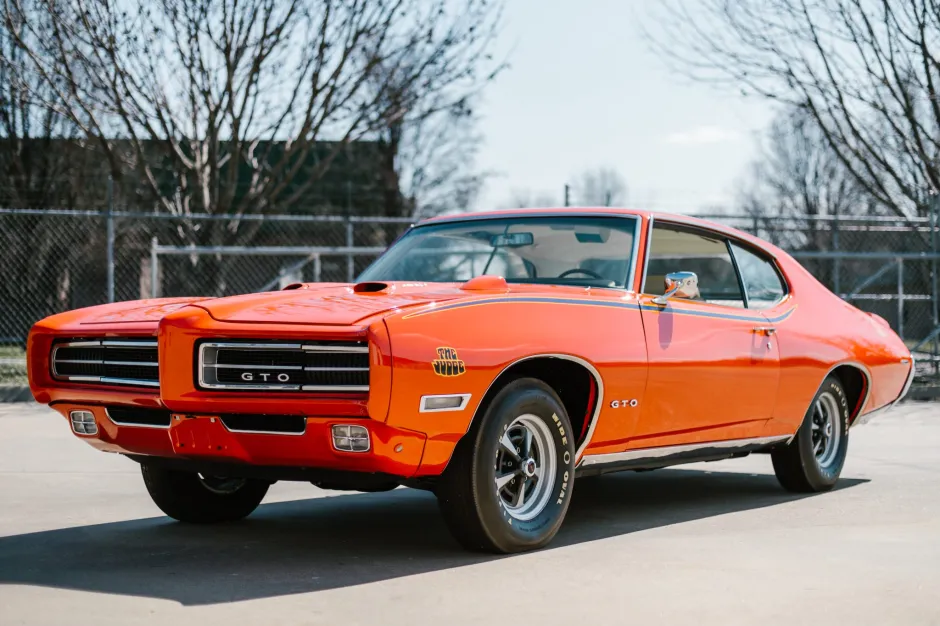
The 1970 GTO Judge Ram Air IV stands as one of the purest expressions of Pontiac’s muscle car philosophy. Big power, bold personality, and a focus on real performance made it a key player in defining America’s horsepower era.
6. 1968 Chevrolet Camaro Z 28 302
While many muscle cars of the era relied on massive big block engines, the 1968 Chevrolet Camaro Z 28 took a slightly different path. It used a smaller displacement V8 built to rev high and deliver serious performance, showing that horsepower was not only about cubic inches.
The heart of the Z 28 was a 302 cubic inch V8 designed to meet racing rules for a popular road racing series. This engine featured high compression, a solid lifter camshaft, and performance tuning that allowed it to spin to higher rpm than most street engines of the time.
In a relatively lightweight Camaro body, the 302 engine created a car that felt sharp and eager. It may not have had the low rpm torque of the biggest big blocks, but it made up for it with a strong top end rush that encouraged enthusiastic driving.
The Z 28 also benefited from suspension and handling upgrades that made it more capable in corners than many of its straight line focused rivals. It was a muscle car that could turn as well as it could accelerate, which gave it a unique identity in the horsepower era.
Visually, the 1968 Z 28 had a clean but purposeful look. Subtle stripes, sporty wheels, and a low stance gave it an athletic presence without the excess of some other models. It looked like a driver’s car, and it was.
Chevrolet built the Z 28 to compete on both the street and the track. That dual purpose mission helped it earn a loyal following among drivers who valued handling and high rpm performance alongside raw power.
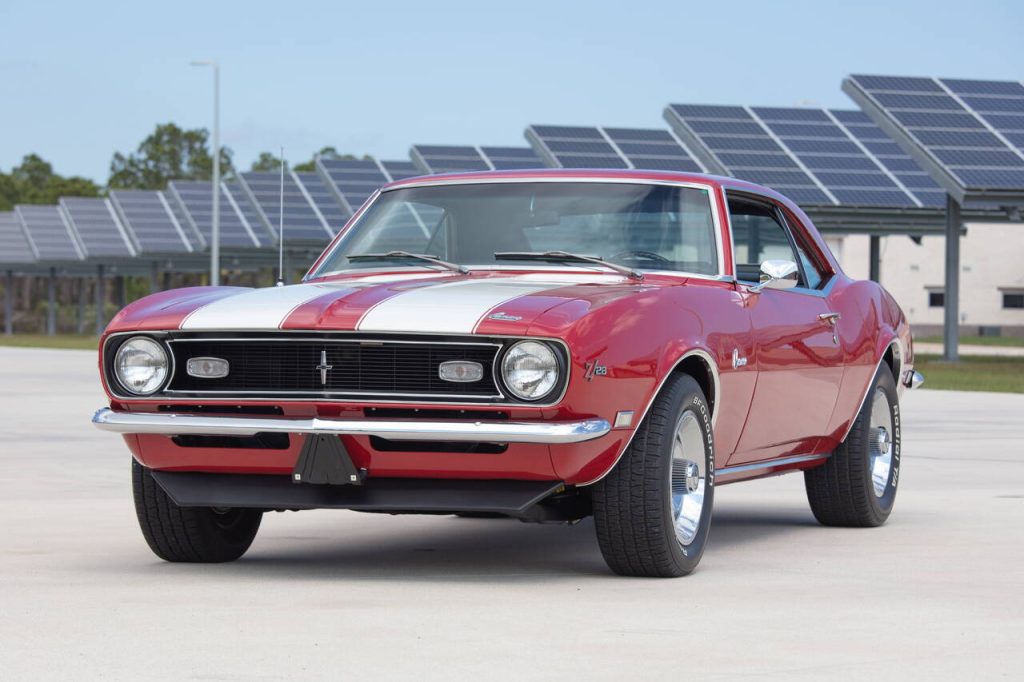
The 1968 Camaro Z 28 showed that America’s horsepower era was not just about the biggest engines possible. It proved that smart engineering, high revving V8 power, and balanced performance could define a muscle car just as much as sheer displacement.
7. 1969 AMC AMX 390
The 1969 AMC AMX 390 proved that American Motors could build a serious muscle car when it wanted to. In a market dominated by the Big Three, AMC took a bold approach with the AMX by creating a short wheelbase, two seat performance car that packed real V8 power.
Under the hood was a 390 cubic inch V8 that delivered strong horsepower and plenty of torque. In the compact and relatively lightweight AMX body, this engine gave the car impressive straight line performance. It could run with many bigger name rivals while offering a different, more compact feel.
The two seat layout made the AMX unique among muscle cars of the time. Most competitors were based on family coupes, but AMC positioned the AMX as a more focused performance machine. That gave it a sportier character and a distinct identity in the horsepower era.
Styling was bold and muscular, with a wide stance and short rear deck that emphasized its performance intent. It looked tough and purposeful, standing out in a crowd of more common muscle cars. The design made it clear this was a car built for driving, not just cruising.
AMC also equipped the AMX with performance oriented suspension components that helped it handle better than many larger muscle cars. While it still favored straight line speed, it had a more nimble feel thanks to its shorter wheelbase and lighter weight.
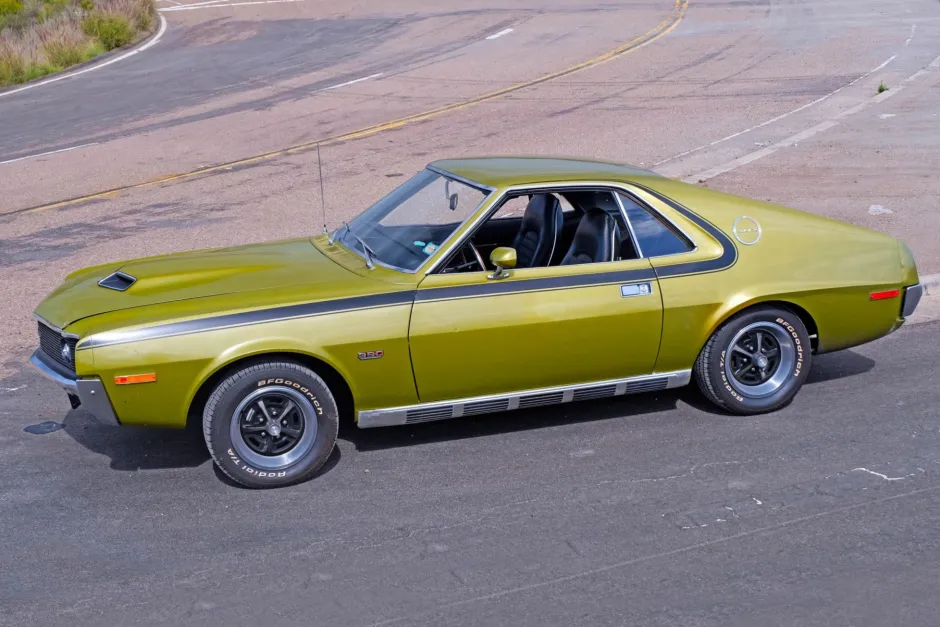
The 1969 AMX 390 earned respect on the street and at the drag strip. It showed that you did not have to be one of the biggest automakers to build a car that captured the spirit of the horsepower wars. Its rarity today only adds to its legend.
This car stands as a reminder that America’s horsepower era was not just a two or three brand story. Smaller players like AMC also contributed machines that embodied the raw, competitive energy of the time.
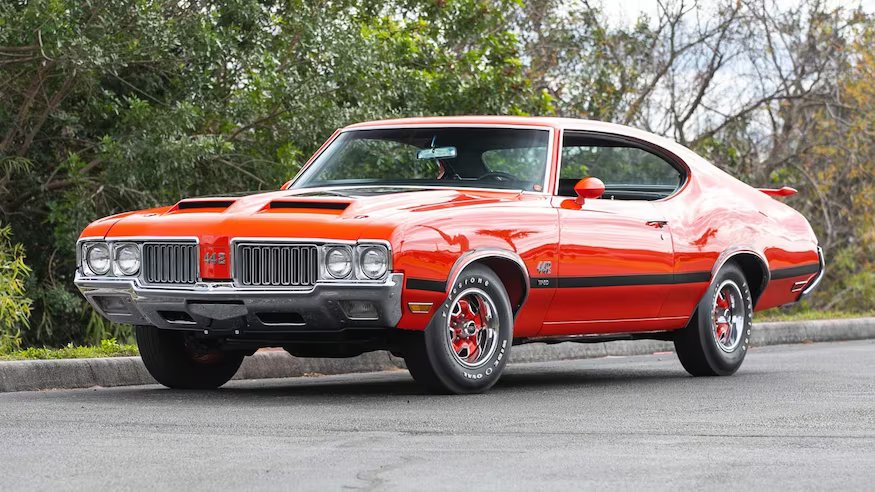
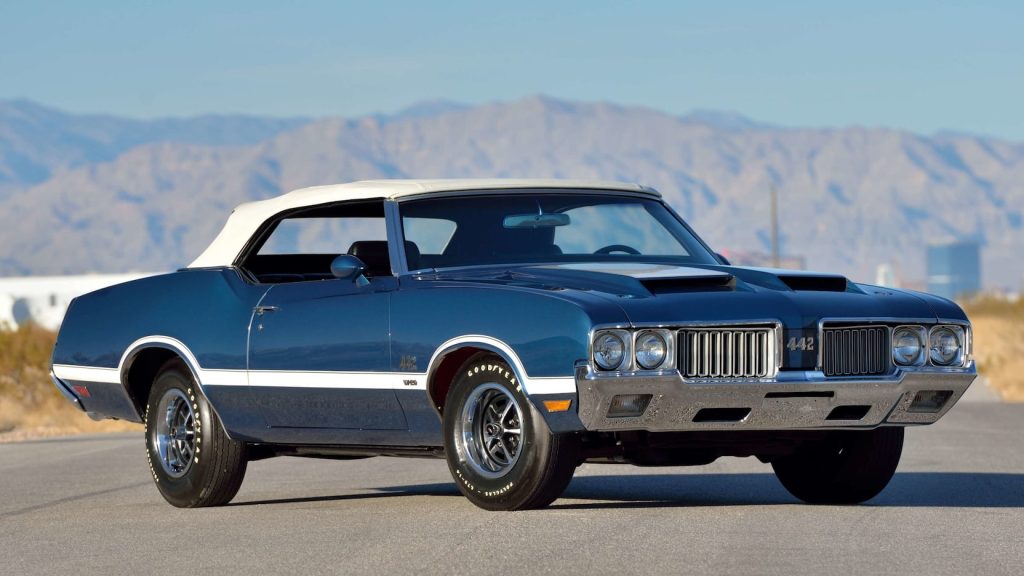
8. 1970 Oldsmobile 442 W 30
The 1970 Oldsmobile 442 W 30 represented the performance peak of Oldsmobile during the muscle car boom. It combined big V8 power with a slightly more refined image, proving that luxury and brute force could live in the same package.
At its core was a high performance version of Oldsmobile’s large displacement V8. The W 30 package included engine upgrades that improved airflow and output, turning the 442 into a serious performer. Acceleration was strong, and the engine delivered a broad wave of torque.
The 442 W 30 had a reputation for being quick both on the street and at the strip. It could hold its own against the more famous muscle cars from Chevrolet, Ford, and Mopar. Buyers who chose Oldsmobile got performance that matched the era’s best, with a slightly more upscale feel.
Styling was muscular but a bit more restrained than some rivals. Hood scoops, bold badging, and a strong stance gave it presence without going over the top. It looked powerful and confident, fitting its dual role as both a performance machine and a comfortable cruiser.
Oldsmobile also paid attention to ride quality and interior comfort. The 442 W 30 could be driven hard, but it was also well suited to long highway trips. This blend of speed and comfort made it appealing to buyers who wanted muscle without giving up refinement.
Suspension and braking components were upgraded to handle the extra power. While still a product of its time, the car was engineered to be more than just a straight line brute. It offered a well rounded performance package that fit the evolving expectations of muscle car buyers.
The 1970 Oldsmobile 442 W 30 showed that the horsepower era reached into every corner of the American auto industry. It helped define a period when even brands known for comfort were building machines capable of serious performance.
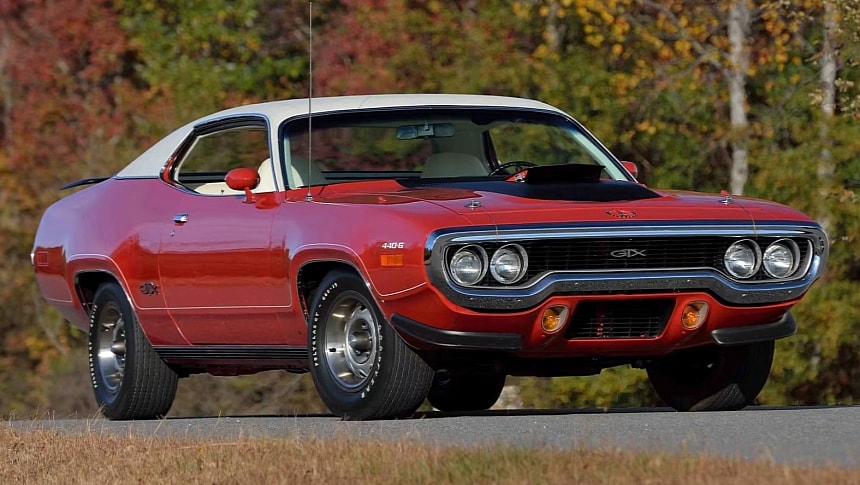
9. 1971 Plymouth GTX 440
The 1971 Plymouth GTX 440 is often called a gentleman’s muscle car, but there was nothing gentle about the power under its hood. As the muscle car era began facing tighter regulations and changing market conditions, the GTX still carried the torch for big block performance.
At its heart was a 440 cubic inch V8 that delivered massive torque and strong horsepower. Even as compression ratios began to drop in the early 1970s, this engine still provided the kind of thrust that defined the late 1960s performance boom. It pushed the heavy coupe forward with authority.
The GTX was built on a midsize platform, giving it a substantial presence on the road. Its long hood, wide stance, and clean but muscular lines made it look every bit as powerful as it was. It had a confident, mature appearance that matched its nickname.
Acceleration in the GTX 440 was effortless. The engine’s torque made quick work of stoplight sprints and highway merges. It was a car that felt strong at any speed, delivering that classic big block surge that muscle car fans crave.
Plymouth also ensured the GTX had the hardware to support its performance. Heavy duty suspension components and strong driveline parts helped the car cope with the engine’s output. It was engineered to be more than just a styling exercise.
Inside, the GTX offered a comfortable and well equipped cabin compared to some more stripped down muscle cars. This made it appealing to buyers who wanted high performance without sacrificing everyday usability. It blended muscle and comfort in a way that broadened its appeal.
The 1971 GTX 440 represents one of the last true expressions of the original horsepower era. It carried forward the big engine tradition at a time when the industry was beginning to shift, making it a fitting symbol of the era’s final roar.
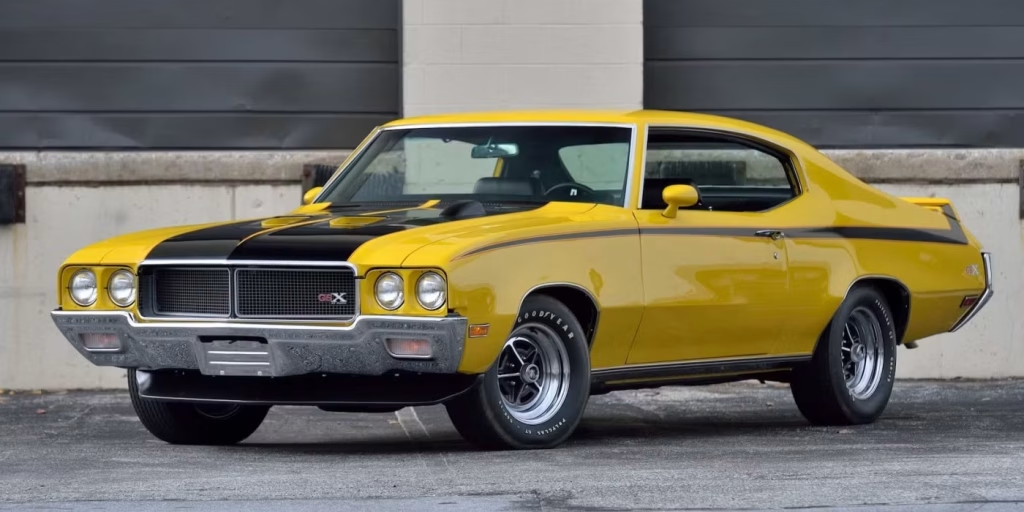
10. 1970 Buick GSX Stage 1 455
The 1970 Buick GSX Stage 1 455 may be one of the most underrated giants of the muscle car era, but its performance was anything but subtle. Buick, known more for comfort than competition, shocked the market by building one of the most torque heavy street machines of the time.
The Stage 1 455 V8 was tuned for immense low end torque. While official horsepower figures were impressive, it was the torque output that truly defined the car’s character. Press the throttle and the GSX surged forward with a force that rivaled many better known muscle cars.
In real world driving, that torque made the GSX brutally quick off the line. It did not need sky high rpm to make speed. The engine delivered a strong, immediate push that made it a force to be reckoned with in street races and at the drag strip.
The GSX package added bold visual elements that made sure this Buick did not blend in. Bright colors, stripes, hood scoops, and spoilers gave it a dramatic look that matched its performance. It stood out even in an era full of wild designs.
Buick also backed up the power with upgraded suspension and heavy duty components. The GSX Stage 1 was engineered to handle its output while still delivering the smooth ride Buick buyers expected. This balance of comfort and brute strength made it unique.
Inside, the car retained much of Buick’s signature comfort and attention to detail. Drivers could enjoy strong performance without giving up refinement, which made the GSX appealing to a slightly different kind of muscle car buyer.
The 1970 Buick GSX Stage 1 455 stands as a perfect final chapter in America’s horsepower era. It proved that even brands known for luxury could build machines with shocking performance, and it remains one of the most powerful and memorable V8 muscle cars of that legendary time.
America’s horsepower era was defined by a wild race for V8 power, bold styling, and street dominating performance. Automakers pushed engineering limits during the late 1960s and early 1970s, creating machines that delivered massive displacement, aggressive sound, and unforgettable presence.
These cars were not just transportation, they were statements of identity and freedom, built for drag strips, stoplight sprints, and open highways.
From high revving small blocks to thunderous big block engines, each model on the list showcased a different approach to raw performance.
Some focused on straight line brutality, others blended handling and balance, and a few added comfort and refinement without sacrificing speed. Together, they shaped car culture and set standards that enthusiasts still chase today.
These V8 muscle cars became lasting symbols of American performance, representing a time when horsepower ruled and manufacturers competed with few limits. Their legacy lives on in modern performance cars that still draw inspiration from this unforgettable golden age.
Also Read: Top 10 Supercars You Can Drive All Day Without Fatigue
