
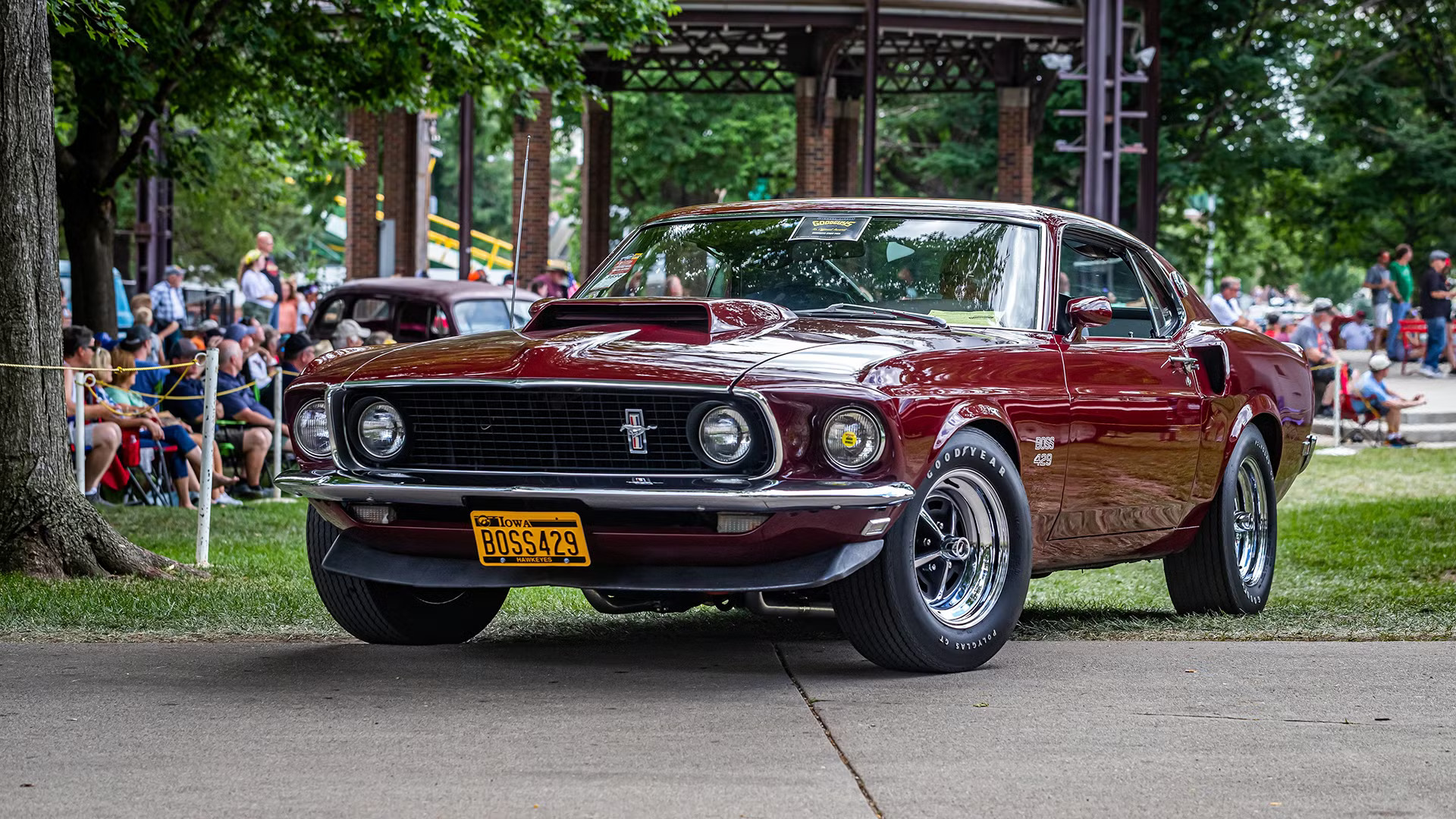
America’s love affair with V8 muscle cars peaked in the 1970s, a decade when horsepower ruled, straight line performance was king, and automotive expression was loud and unapologetic.
This era produced some of the most iconic and powerful American machines ever built. It was a time when manufacturers threw tradition out the window in pursuit of blistering acceleration, dramatic styling, and visceral driving experiences.
The cars that emerged from this golden age of muscle are not just historic automobiles; they are cultural symbols of freedom, rebellion, and raw automotive power.
Today, nearly fifty years on, these classic muscle cars hold a special place in the hearts and garages of collectors and enthusiasts. Their values reflect not just their rarity and performance, but also the nostalgia and passion they evoke.
While some models have become blue-chip collector pieces commanding prices in the six figures, others remain affordable entry points into classic car ownership for those with an appreciation for steel, fire-breathing V8s, and the roar of carburetors.
This definitive guide dives into the top 10 ’70s muscle cars that shaped an era and examines what they’re really worth in 2026.
We will explore why each model is celebrated, how it performed in its day, and what its current market value looks like, with realistic price ranges based on recent collector trends, auction results, and classic car valuation guides.
Also Read: Top 10 Mercedes-Benz SUVs That Turn Into Money Pits
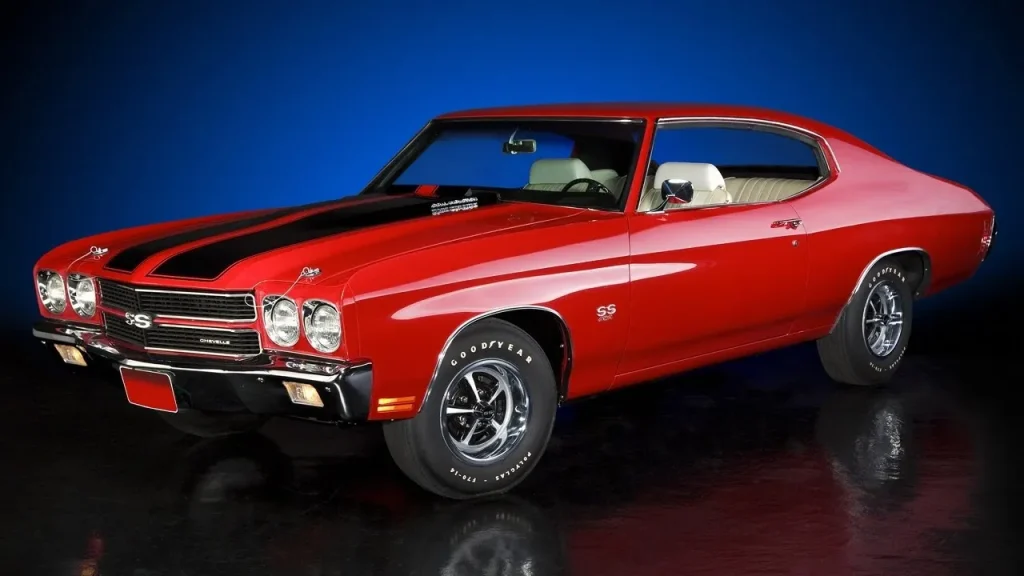
1. 1970 Chevrolet Chevelle SS 454
The 1970 Chevelle SS 454 is often regarded as the apex of the Chevrolet muscle car family and one of the quintessential icons of the ’70s performance era.
What made this car extraordinary was its big block 454 cubic inch V8, particularly the LS6 version, which was one of the most powerful production engines of its time.
With factory figures often quoted as conservative, real world performance placed the car among the quickest and most brutal American muscle machines on earth.
In terms of value today, the Chevelle SS 454 has become one of the most sought after classic muscle cars. Well-sorted LS6 examples in excellent condition can command six figure prices, with top tier and convertible examples often valued well above most other ’70s muscle cars.
Hagerty valuation data and collector sales show that concours or near-concours Chevelles can fetch upwards of $400,000 to $600,000 or more, depending on originality, provenance, and matching numbers documentation.
The Chevelle SS 454’s appeal lies in its combination of brute force and iconic styling. Unlike many other cars of the era that were detuned due to emissions and insurance pressures, Chevrolet’s big block Chevelle retained serious performance credibility.
The aggressive stance, bold SS badges, and instantly recognizable lines make it a standout at car shows, auction blocks, and gatherings of classic car lovers.
Collector interest in this model remains extremely high. Its raw performance and relative rarity compared to more common muscle cars from the same period further amplify its desirability. Because of that, prices for well-preserved or restored examples continue to climb as more enthusiasts seek authentic vintage performance cars.
2. 1970 Ford Mustang Boss 429
The 1970 Ford Mustang Boss 429 is one of the rarest and most collectible Mustangs from the classic era. Built primarily to homologate Ford’s massive 429 cubic inch V8 for NASCAR competition, this car featured a bespoke engine package and substantial body and suspension modifications to accommodate that powerplant.
With only around 1,359 units produced in 1969-1970, its scarcity alone elevates its status in the classic car market.
Today, the Boss 429 commands serious money at collector auctions and private sales. High-quality, well-documented examples, especially those with original engines and verified history, can sell for well over $300,000.
Rare options, original paint, and period correct documentation can push values into the $400,000+ range. Numbers matching cars with documented provenance are often the most valuable and draw significant competitive bidding from collectors.
What sets the Boss 429 apart is not just its rarity, but the engineering audacity behind it. Ford invested heavily to fit a big block into the Mustang’s engine bay, creating a car with serious performance potential and a menacing presence.
Today the car is appreciated both for its historical significance in Ford’s muscle car lineage and as a peak performance collector piece.
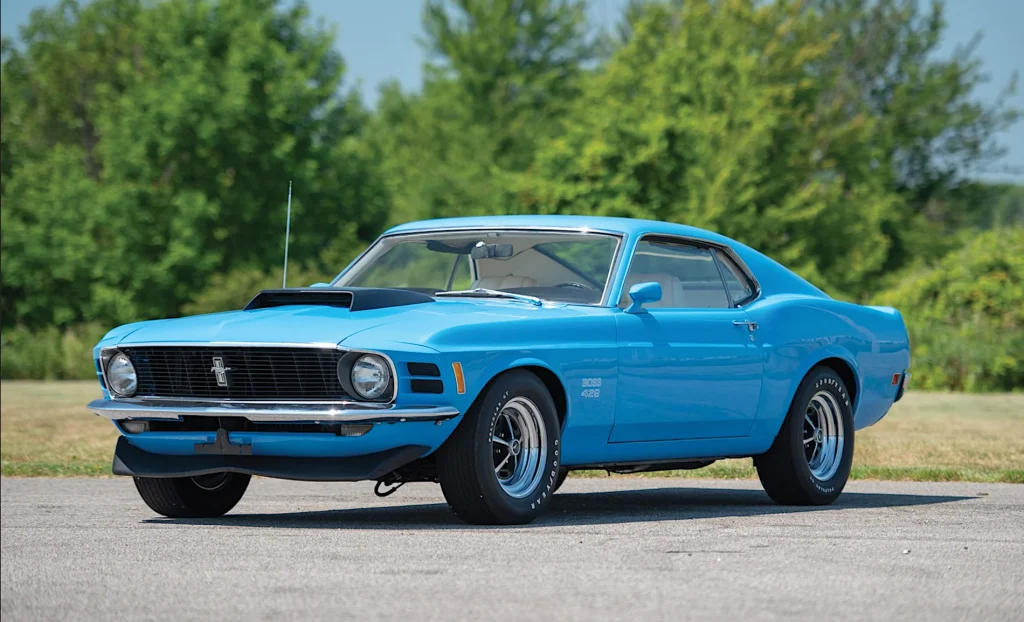
Most examples that come to market are either fully restored or well preserved, with values reflecting both cosmetic condition and mechanical authenticity. This car is a centerpiece for serious muscle car collectors, and its classic status is unlikely to diminish any time soon.
3. 1970 Plymouth Hemi Cuda
The 1970 Plymouth Hemi Cuda sits at the very top of the muscle car food chain. It combined dramatic E body styling with one of the most legendary engines ever installed in a production car, the 426 Hemi V8. This combination made it one of the most feared street machines of its time and one of the most valuable today.
The Hemi engine was developed with racing in mind and featured hemispherical combustion chambers that allowed excellent airflow. This design helped the engine produce strong high rpm power and a distinctive, aggressive character. In the relatively compact Cuda body, performance was explosive by the standards of the era.
Driving a Hemi Cuda was a serious experience. Acceleration was brutal, and traction was always a challenge with period tires. The car demanded respect, which only added to its reputation. It became a symbol of raw, unfiltered muscle at a time when manufacturers were competing for bragging rights.
Visually, the 1970 Cuda was one of the most aggressive looking cars on the road. Its wide stance, bold grille, and muscular rear quarters gave it a powerful presence. Add in bright high impact colors and optional graphics, and it became impossible to ignore.
Inside, the car was still based on a production coupe, but performance touches made it feel special. Heavy duty components supported the power, though comfort took a back seat to speed. Buyers knew exactly what they were getting, and that was part of the appeal.
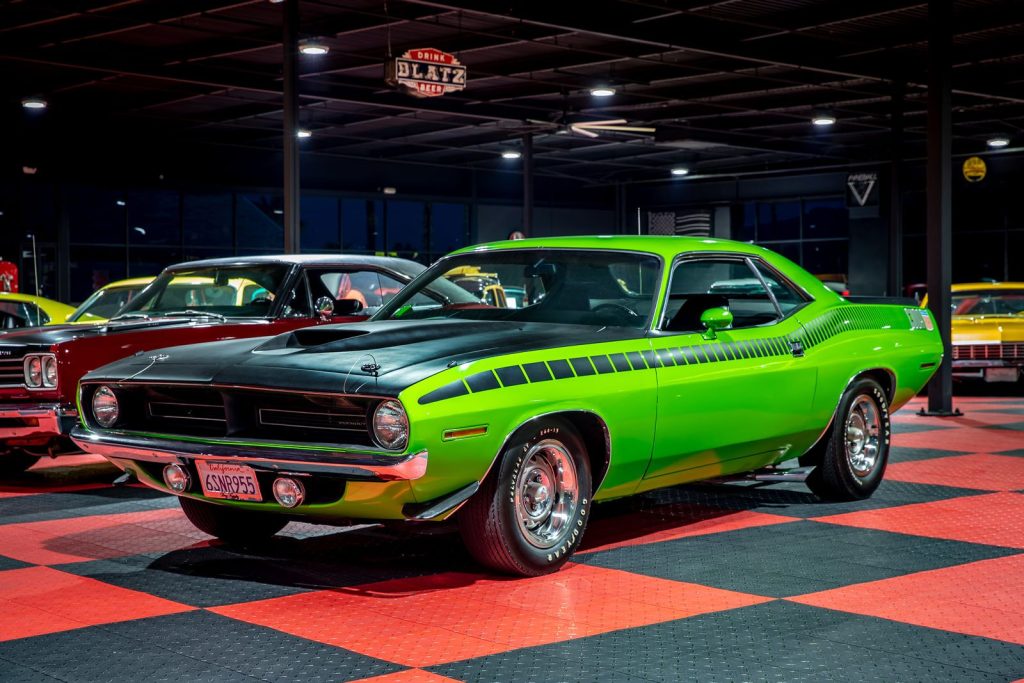
Today, the Hemi Cuda is one of the most valuable American muscle cars ever built. Genuine, numbers-matching examples in high-quality condition regularly sell in the high six figures. Rare versions, especially convertibles, have crossed the million-dollar mark at major auctions.
Even driver quality coupes with correct Hemi engines can bring several hundred thousand dollars. Condition, originality, and documentation play huge roles in value. Reproduction parts are common, so collectors pay a premium for cars with verified factory components.
The reason values remain so high is simple. The Hemi Cuda represents the peak of the horsepower era, with outrageous power, bold design, and very limited production. It is not just a car, but a symbol of a time when American automakers chased performance without restraint.
4. 1970 Dodge Challenger R T 440 Six Pack
The 1970 Dodge Challenger R T with the 440 Six Pack engine was Dodge’s answer to the escalating muscle car war. Sharing its platform with the Plymouth Cuda, the Challenger offered a slightly larger, more luxurious take on the same high-performance formula.
The 440 Six Pack engine used three two-barrel carburettors to deliver a surge of fuel and air under heavy throttle. This setup provided strong midrange torque and impressive top end performance. When all three carburetors opened, the car lunged forward with serious authority.
On the street, the Challenger R T 440 Six Pack was known for its straight line speed. It had the torque to smoke the rear tires at will and the presence to intimidate rivals at stoplights. It delivered the kind of performance buyers expected from a top tier muscle car.
Styling was a huge part of the package. The long hood, short rear deck, and wide stance gave the Challenger a bold, upscale muscle look. With R T badging, hood scoops, and optional stripes, it looked every bit as tough as it drove.
Unlike some more stripped down muscle cars, the Challenger also offered a more comfortable interior. Better sound insulation and upscale trim made it feel slightly more refined. Buyers could enjoy big block power without giving up too much daily comfort.
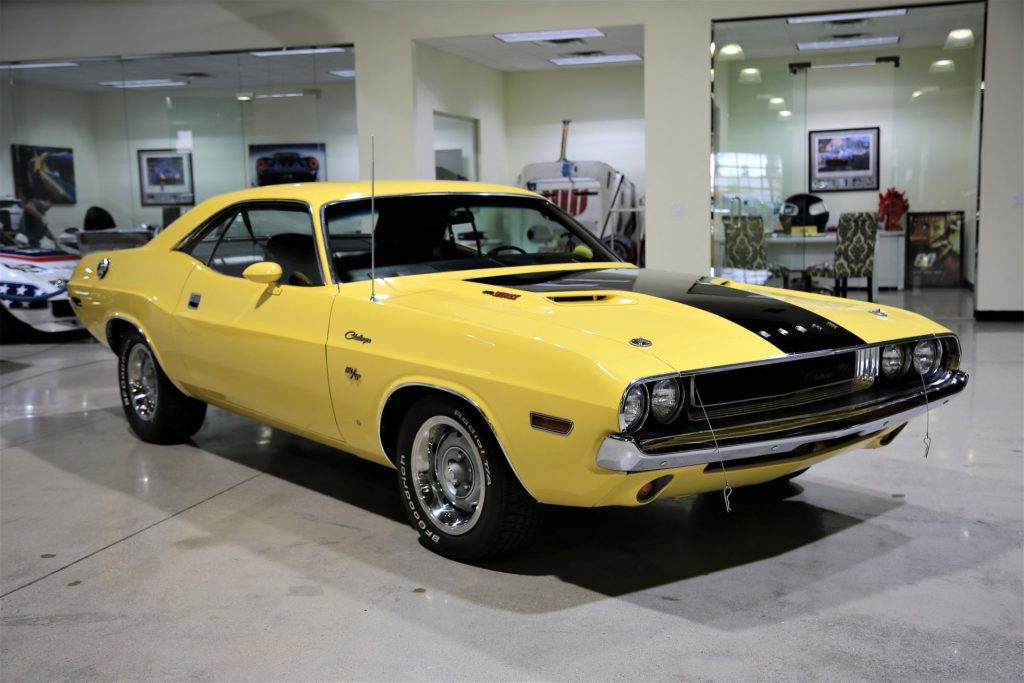
In today’s collector market, the 440 Six Pack Challenger sits just below the ultra rare Hemi cars in value, but it is still highly desirable. Excellent restored examples often trade in the low to mid six figure range. Condition, factory options, and matching numbers status strongly affect pricing.
Well-maintained driver quality cars typically sell for solid five-figure amounts, often well above many other muscle cars of the period. Because production numbers were higher than Hemi versions, the Six Pack model offers a slightly more attainable entry into high end Mopar muscle.
The 1970 Challenger R T 440 Six Pack remains a cornerstone of the muscle car era. It blends dramatic styling, serious big block power, and collector appeal, making it one of the most respected and valuable performance cars of the 1970s.
5. 1970 Pontiac GTO Judge Ram Air IV
The 1970 Pontiac GTO Judge with the Ram Air IV engine represents one of the highest performance versions of the car that started the muscle car movement. By 1970, Pontiac had refined the GTO formula, and the Judge trim combined bold styling with one of the most serious engines in its lineup.
The Ram Air IV V8 was a highly developed version of Pontiac’s large displacement engine. It featured high flowing cylinder heads, a more aggressive camshaft, and performance tuning aimed at higher rpm power. This gave the car a stronger top end than many torque focused big block rivals.
On the street, the Ram Air IV Judge delivered impressive acceleration and strong quarter mile times. It was a car built for drivers who wanted both style and real performance. The engine had a distinct personality, pulling hard through the rev range and rewarding spirited driving.
Visually, the Judge was impossible to miss. Bright colors, bold graphics, and unique trim made it one of the flashiest muscle cars of its time. It captured the playful yet competitive spirit of the era, where performance and personality went hand in hand.
The car also benefited from suspension and handling upgrades that made it feel more balanced than some heavier competitors. While still primarily a straight line machine, it offered a more composed driving experience than many big block muscle cars.
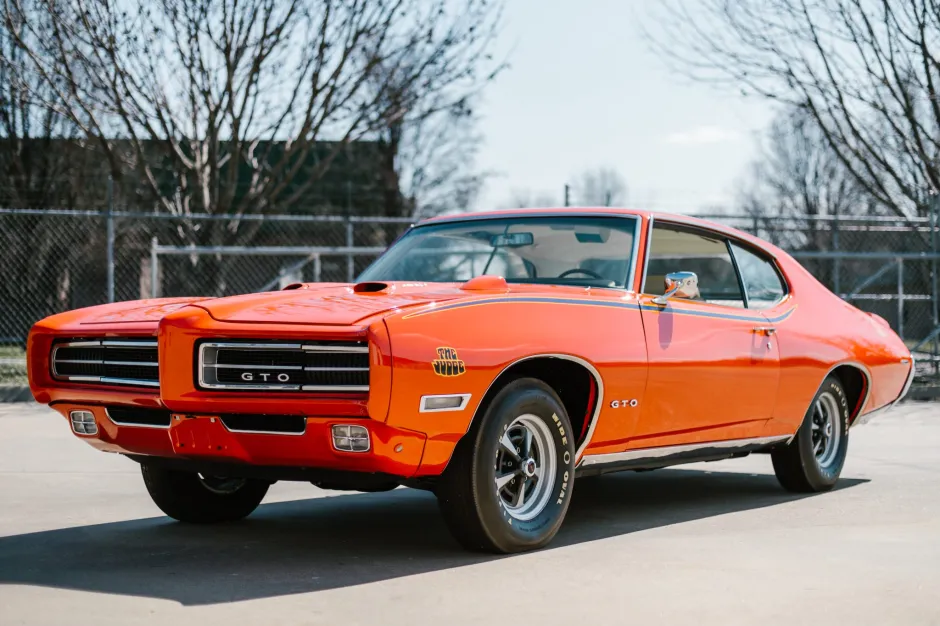
Today, the Ram Air IV Judge is one of the most valuable GTO variants. Well-restored, numbers-matching examples in high-quality condition often sell in the mid to high six-figure range. Rarity, documentation, and original components all play major roles in pricing.
Cars with rare color combinations or desirable options can push values even higher. Meanwhile, solid driver quality examples typically command strong five figure to low six figure prices, depending on condition and originality.
Collectors prize the Ram Air IV Judge for its blend of performance, visual impact, and historical importance. It represents the peak of Pontiac’s muscle car engineering and remains one of the most desirable Pontiacs ever built.
6. 1970 Oldsmobile 442 W 30
The 1970 Oldsmobile 442 W 30 proved that Oldsmobile could build a serious muscle car while maintaining a touch of refinement. The W 30 package turned the already capable 442 into one of the most formidable street machines of its time.
Under the hood was a high performance version of Oldsmobile’s large displacement V8. The W 30 setup included functional air induction, upgraded internals, and tuning aimed at maximizing output. The result was a car known for strong torque and impressive real world performance.
In a straight line, the 442 W 30 was quick and authoritative. It had the power to run with many of the more famous muscle cars of the era. Yet it also delivered a smoother, more composed ride than some of its rougher rivals.
Styling was muscular but slightly more understated. Hood scoops, bold badging, and a confident stance gave it presence without excessive flash. It appealed to buyers who wanted serious performance with a more mature image.
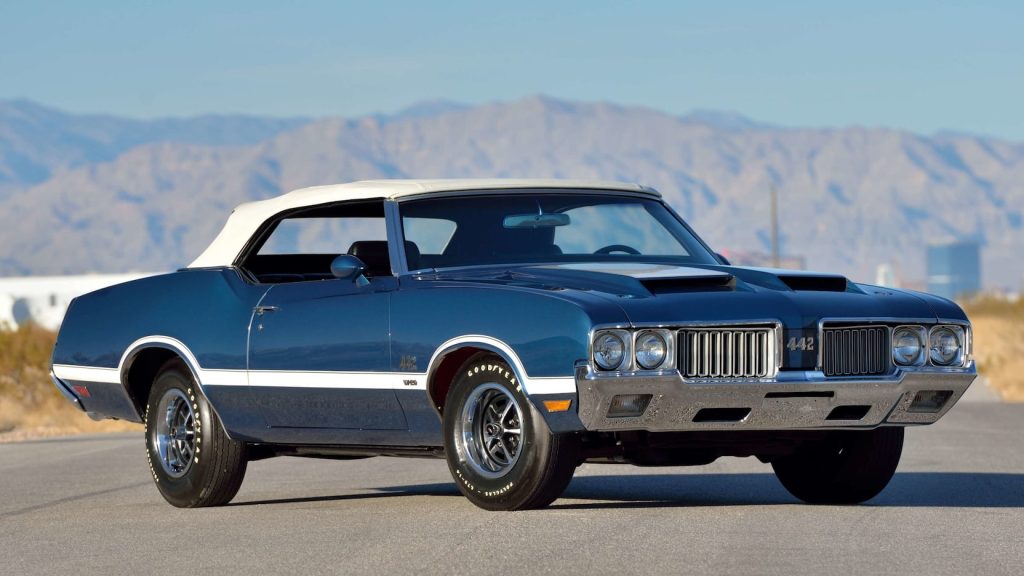
Inside, the car reflected Oldsmobile’s reputation for comfort. Higher quality materials and a more refined cabin made it a pleasant place to spend time. This blend of comfort and power gave the W 30 a unique position in the muscle car market.
In today’s collector world, the 1970 442 W 30 holds strong value. High quality restored examples often trade in the low to mid-six-figure range, especially when fully documented and numbers-matching.
Driver quality cars typically sell in the strong five figure range, making them slightly more attainable than some other top tier muscle cars. Originality, factory options, and condition are key factors in determining price.
The 442 W 30 remains one of the most respected Oldsmobile muscle cars ever built. Its mix of power, comfort, and classic styling ensures it continues to attract serious collectors and enthusiasts alike.
7. 1970 Buick GSX Stage 1 455
The 1970 Buick GSX Stage 1 455 is one of the most surprising heavy hitters of the muscle car era. Buick was known more for comfort than competition, but the GSX Stage 1 proved the brand could build a street machine with shocking performance.
At the heart of the GSX Stage 1 was Buick’s 455 cubic inch V8, tuned for massive torque. While official horsepower ratings were impressive, it was the torque output that truly defined this car. Off the line, the GSX delivered a surge of acceleration that rivaled or exceeded many more famous muscle cars.
The Stage 1 package included performance upgrades that improved breathing and overall output. Combined with a well matched transmission and gearing, the car was extremely quick in real world driving. It excelled in stoplight sprints and quarter mile runs.
Visually, the GSX was anything but subtle. Bold colors, wide stripes, hood scoops, and spoilers made it one of the most distinctive cars on the road. It stood out even in a decade filled with flashy muscle cars.
Buick also retained its signature smooth ride and solid build quality. The GSX offered a more refined driving experience than some competitors, which made it appealing to buyers who wanted both power and comfort.
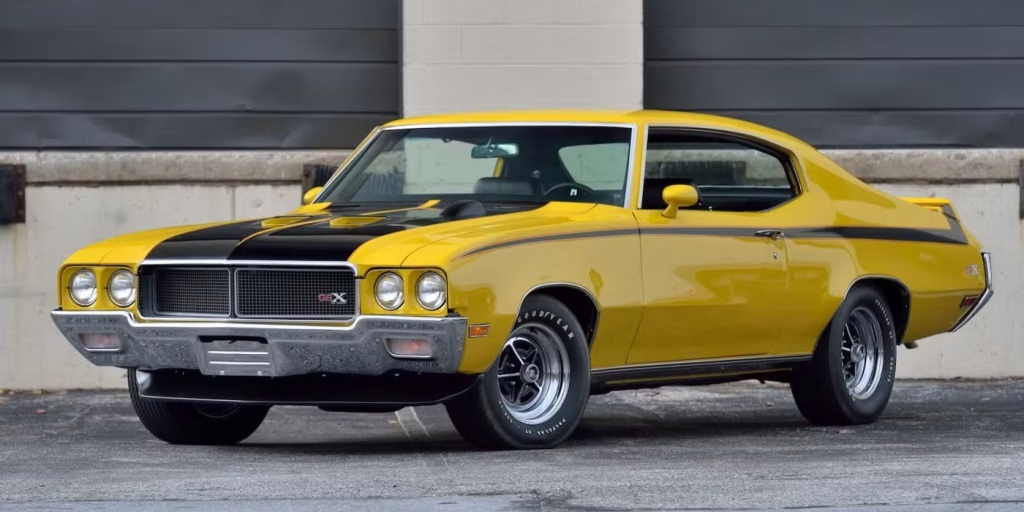
Today, the GSX Stage 1 is highly collectable. Well-restored, numbers-matching examples in top condition often bring strong six-figure prices at auction. Rarity and documentation play a major role in determining value.
Driver quality cars typically sell in the high five-figure to low six-figure range. Because production numbers were relatively low, demand continues to outpace supply among serious collectors.
The 1970 GSX Stage 1 stands as proof that Buick fully embraced the horsepower era. Its blend of massive torque, bold styling, and surprising refinement makes it one of the most memorable and valuable muscle cars of the decade.
8. 1971 Plymouth GTX 440
The 1971 Plymouth GTX 440 represents one of the final strongholds of big block muscle before tightening regulations began to tame performance. Even as the muscle car era started to wind down, the GTX still delivered serious V8 power and classic Mopar attitude.
Powered by a 440 cubic inch V8, the GTX offered strong torque and impressive acceleration for its size. It was built on a midsize platform, giving it a substantial presence and a solid feel on the road. The engine provided the kind of effortless thrust that defined late era muscle cars.
Styling for 1971 was more refined than the bold designs of earlier years, but the GTX still looked muscular and purposeful. A long hood, wide stance, and clean lines gave it a mature yet powerful appearance.
The GTX also blended performance with comfort. It was well suited to long highway drives while still capable of strong straight line performance. This balance made it attractive to buyers who wanted muscle without giving up usability.
In today’s market, the 1971 GTX 440 is valued below earlier peak year muscle cars, but it still commands respect. Excellent restored examples often trade in the solid five figure range, with especially well documented cars pushing into six figures.
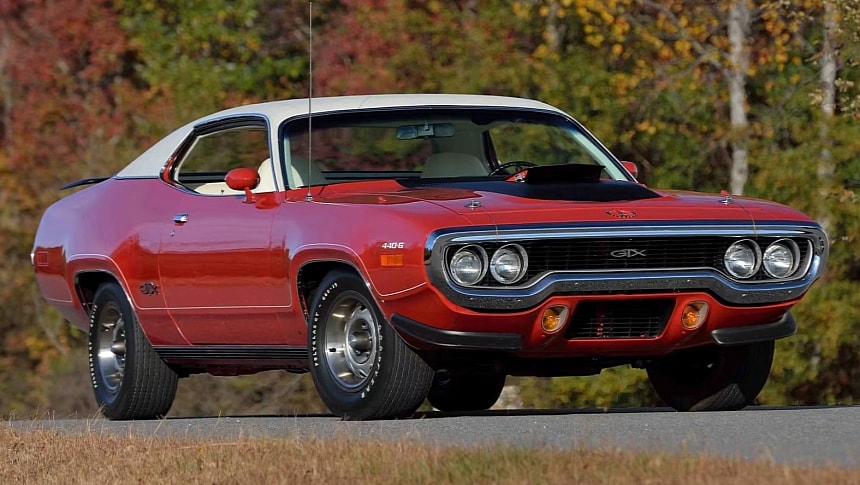
Driver quality cars are more attainable, often selling in the mid to high five figure range depending on condition and originality. While not as rare or extreme as Hemi models, the GTX still carries strong collector appeal.
The 1971 GTX 440 represents the closing chapter of the golden muscle car years. It holds value not just for performance, but for its place in history as one of the last true big block street machines before the era changed forever.
9. 1970 Dodge Challenger T A 340
The 1970 Dodge Challenger T A 340 was a unique entry in the muscle car world because it was built with road racing in mind as well as straight line performance. Dodge created the T A to compete in a popular racing series, which gave the car a distinct personality compared to many big block street bruisers.
Instead of a massive engine, the T A used a high performance 340 cubic inch V8. This engine featured a special setup that improved breathing and allowed it to produce strong power at higher rpm. It delivered lively performance and a rev happy character that set it apart from torque heavy big block cars.
The T A package also included suspension and handling upgrades that made the car more capable in corners. Wider tires, improved sway bars, and performance tuning gave it better balance and grip than many other muscle cars of the era.
Styling was bold and race inspired. A distinctive hood scoop, side exhaust, and aggressive graphics made it one of the most eye catching Challengers ever built. It looked like a competition car for the street, which was exactly the image Dodge wanted.
Because it was produced for only a short time, the Challenger T A is relatively rare today. That rarity, combined with its unique role as a road race inspired muscle car, has helped drive collector interest over the years.
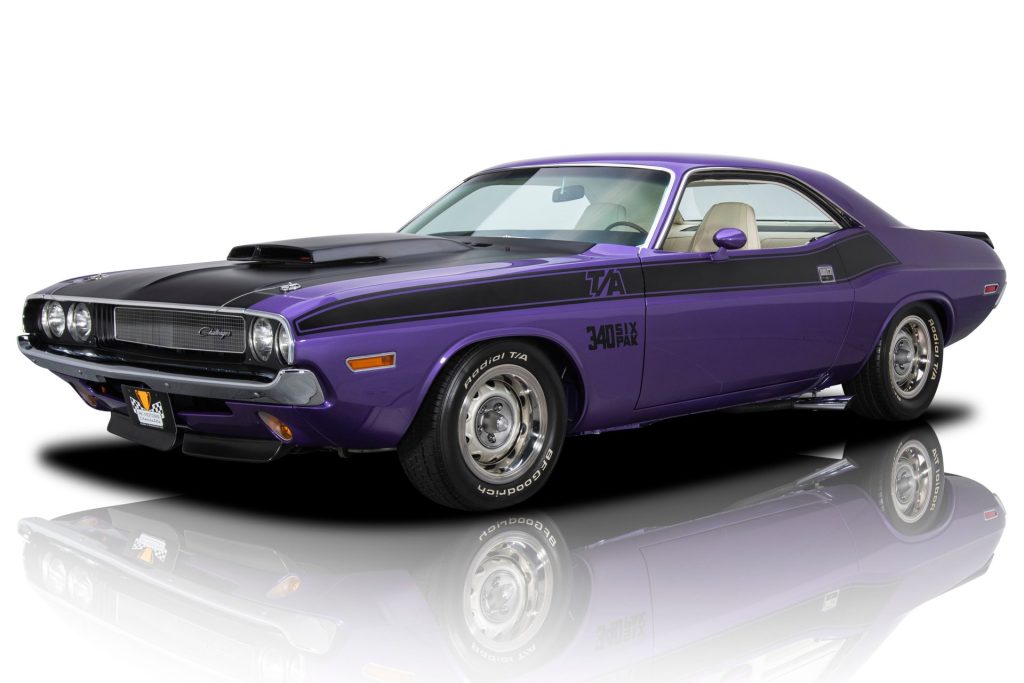
In today’s market, high-quality restored examples of the Challenger T A 340 often sell in the strong five-figure to low six-figure range. Fully documented cars with original components can push higher, especially when finished in desirable factory colours.
Driver quality cars are more accessible but still command solid prices due to limited production and historical significance. The T A remains one of the more distinctive and valuable small block muscle cars of the 1970s.
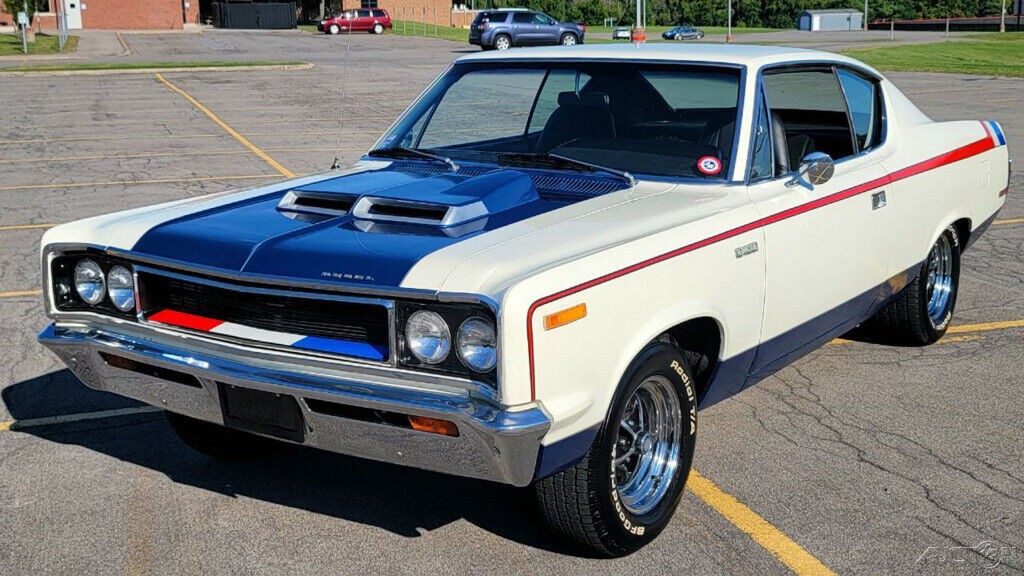
10. 1970 AMC Rebel Machine 390
The 1970 AMC Rebel Machine 390 proved that American Motors could build a true muscle car that competed with the giants. AMC was the underdog of the era, but the Rebel Machine showed it could deliver serious performance wrapped in bold, unforgettable styling.
At its core was a 390 cubic inch V8 that produced strong horsepower and plenty of torque. In the midsize Rebel body, this engine gave the car impressive straight line performance. It was capable of running with many more famous muscle cars of its day.
The Rebel Machine also benefited from suspension and performance upgrades that helped it handle better than some heavier rivals. It had a more balanced feel than many big block cars, making it enjoyable on both straight roads and twisty sections.
Styling was one of its most memorable features. Early cars wore red, white, and blue paint schemes with bold graphics that made them impossible to ignore. Even later versions in more subdued colors still carried distinctive Machine branding.
Because AMC built far fewer cars than the larger manufacturers, the Rebel Machine is relatively rare today. That rarity, combined with its performance credentials, has steadily increased its appeal among collectors who want something different from the usual Ford, Chevrolet, or Mopar choices.
In the current collector market, excellent restored Rebel Machines often sell in the strong five figure range, with the best examples pushing toward six figures. Originality and documentation are key factors in determining top value.
The 1970 AMC Rebel Machine 390 stands as a fitting final entry on this list. It represents the spirit of the horsepower era from a smaller manufacturer that refused to be left out of the performance wars, and today it remains a prized and valuable piece of muscle car history.
The muscle cars of the 1970s represent one of the most exciting and competitive periods in American automotive history. Automakers were locked in a horsepower battle that produced some of the most powerful and memorable V8 machines ever sold to the public.
These cars combined bold styling, thunderous engines, and straight line performance that defined an entire generation of driving enthusiasts.
Models like the Chevelle SS 454, Hemi Cuda, Challenger R T, GTO Judge, and Buick GSX pushed the limits of factory performance. Big block engines delivered massive torque and acceleration, while distinctive paint, stripes, and hood scoops made these cars impossible to ignore.
Even brands not traditionally known for performance, such as Oldsmobile, Buick, and AMC, stepped into the fight with machines that could rival the best from Ford, Chevrolet, and Dodge.
Today, these ’70s muscle cars are prized collector vehicles. Their values vary widely based on rarity, condition, originality, and documentation. Top tier, numbers-matching examples of the most iconic models often command six or even seven-figure prices at major auctions.
Meanwhile, lesser known or lower option versions still offer entry points into classic muscle car ownership, often in the five figure range.
Beyond their market value, these cars remain cultural icons. They represent an era when performance came with few restrictions and personality mattered just as much as speed.
Their legacy continues to influence modern muscle cars, ensuring that the spirit of the 1970s horsepower era still lives on today.
Also Read: Top 10 Luxury Audis That Will Test Your Patience and Your Budget
