Flood-prone streets create serious challenges for drivers, and not all vehicles are equipped to handle them. While some SUVs and pickups are designed to move through deep water and maintain traction on slippery surfaces, many sedans, hatchbacks, and compact crossovers are easily disabled when urban roads become flooded.
Vehicles with high ground clearance, elevated air intakes, sealed electrical systems, and advanced traction controls perform far better in these conditions.
In this guide, we look at five vehicles that handle flood-prone streets with confidence, including off-road icons like the Land Rover Defender 110 and Toyota Land Cruiser 300, along with capable pickups such as the Ford Ranger Raptor and Isuzu D-MAX LS-E.
We also highlight five everyday cars, such as the Honda City, Mazda 3, and Toyota Wigo, that are highly vulnerable to flooding and prone to engine damage, electrical failure, or loss of control in standing water.
5 Cars That Handle Flood-Prone Streets Better
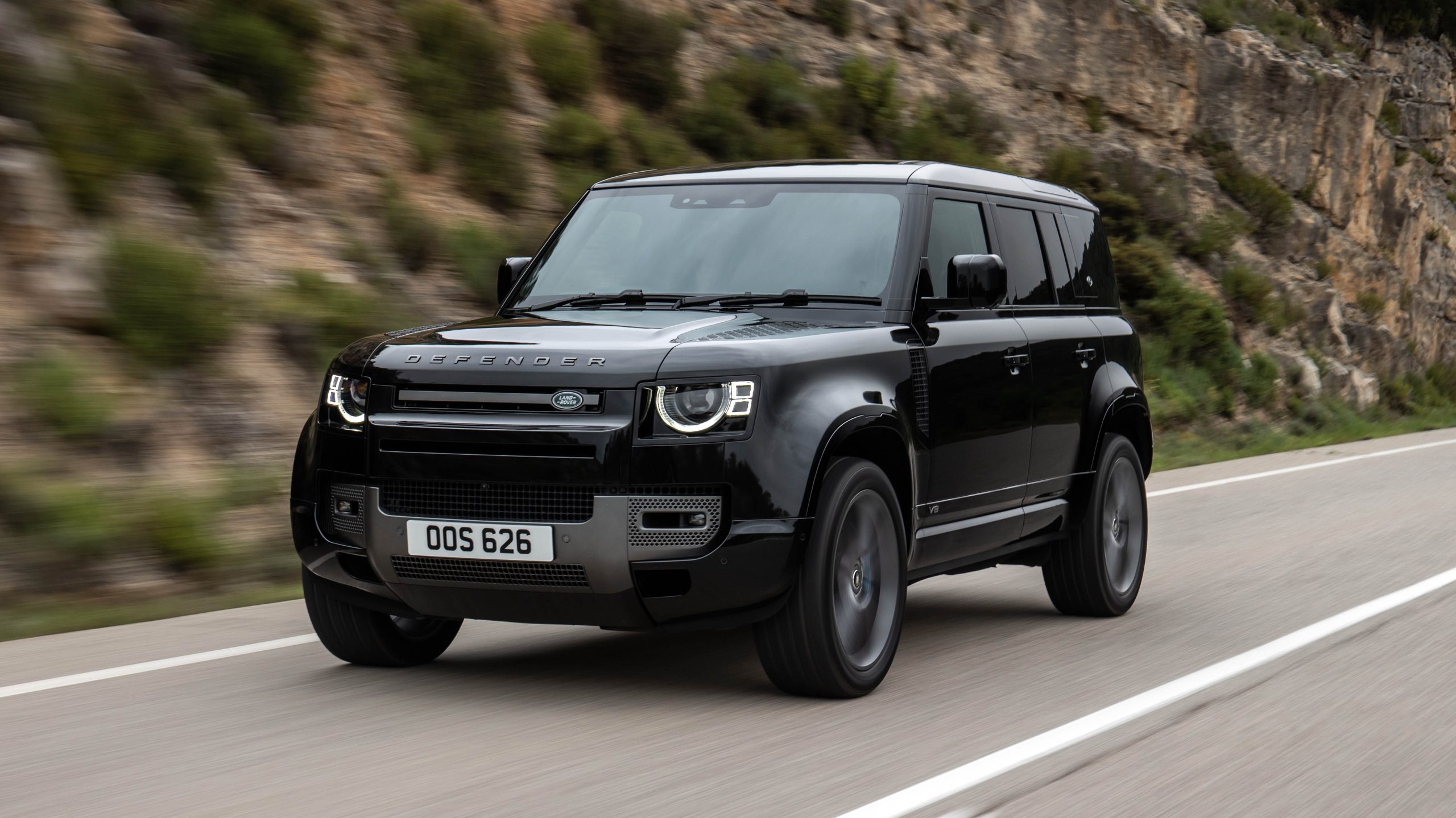
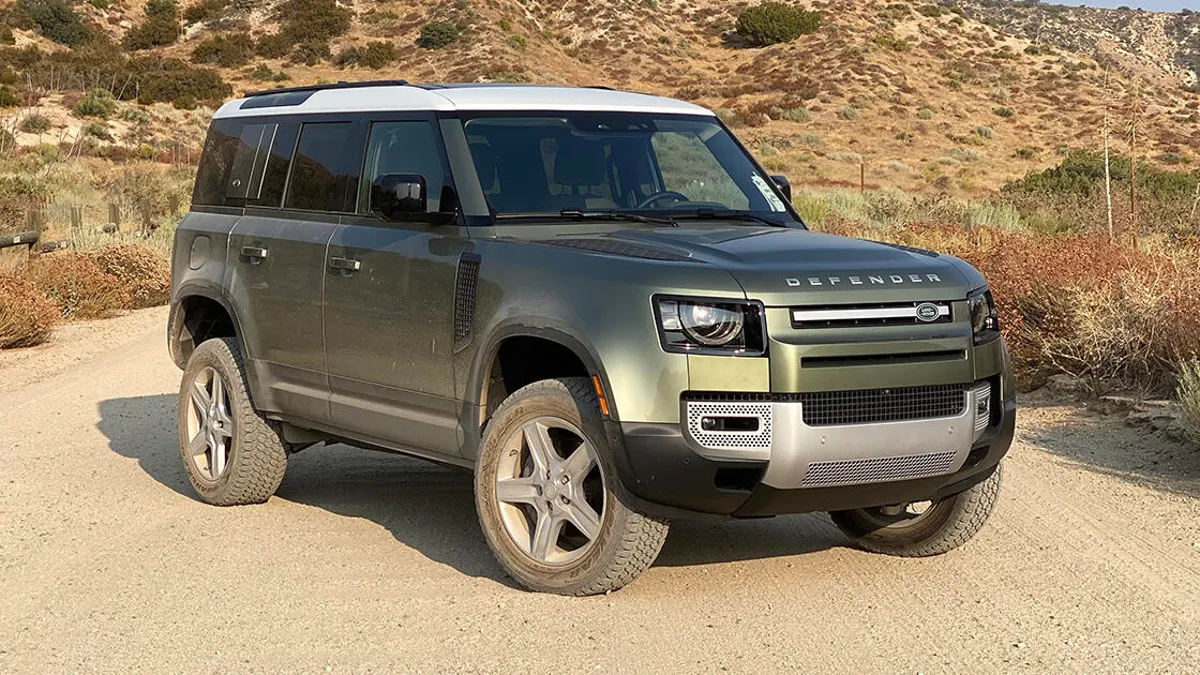
1. Land Rover Defender 110: Off-Road Mastery Meets Everyday Practicality
The Land Rover Defender 110 sets a high standard for SUVs with unmatched off-road and flood capabilities, blending rugged performance with modern comfort and style. Its signature feature is a wading depth of 900mm (35.4 inches) when equipped with electronic air suspension, making it exceptionally capable in water crossings.
“Wade Mode,” part of the Terrain Response system, raises the suspension, locks the driveline, softens throttle response, and recirculates cabin air to protect the engine and occupants.
Ultrasonic sensors in the door mirrors monitor water depth in real time, giving drivers critical information through the infotainment screen. Even with coil-spring suspension, the Defender 110 achieves 850mm of wading capacity, while specialized versions like the OCTA can handle up to 1,000mm.
The Defender 110 also excels in off-road conditions. Its all-aluminium monocoque chassis provides superior strength compared with the previous ladder-frame design, while air suspension allows for up to 291mm of ground clearance.
Short overhangs give approach and departure angles of 38 and 40 degrees, and high engine intake placement plus sealed electrical components ensure reliability in harsh terrain or water. The SUV is designed for extreme conditions, from rural trails to snow-covered roads, while maintaining safety and control.
The exterior design blends heritage with modern styling. Its boxy shape provides maximum cargo space and makes it easier to judge the body’s edges when tackling obstacles, while subtle curves create a smart, solid appearance. The interior is spacious, practical, and durable, making it resistant to wear and tear from family use or adventure gear. Land Rover also offers a supercharged 5.0-liter V8 for drivers who want power alongside capability.
The Defender 110 functions well as both a family and adventure vehicle. It can carry up to seven passengers and ample cargo while delivering confidence on rough terrain. Its performance inspires reassurance, whether towing, traversing floods, or handling everyday errands. Families benefit from its sturdy construction, spacious interior, and durable finishes, making it capable of withstanding daily life without compromise.
The Land Rover Defender 110 demonstrates remarkable versatility, combining extreme off-road skills, flood readiness, and family-friendly practicality. It is a vehicle designed for adventure, capable of handling challenging environments while remaining comfortable, safe, and reliable for daily use.
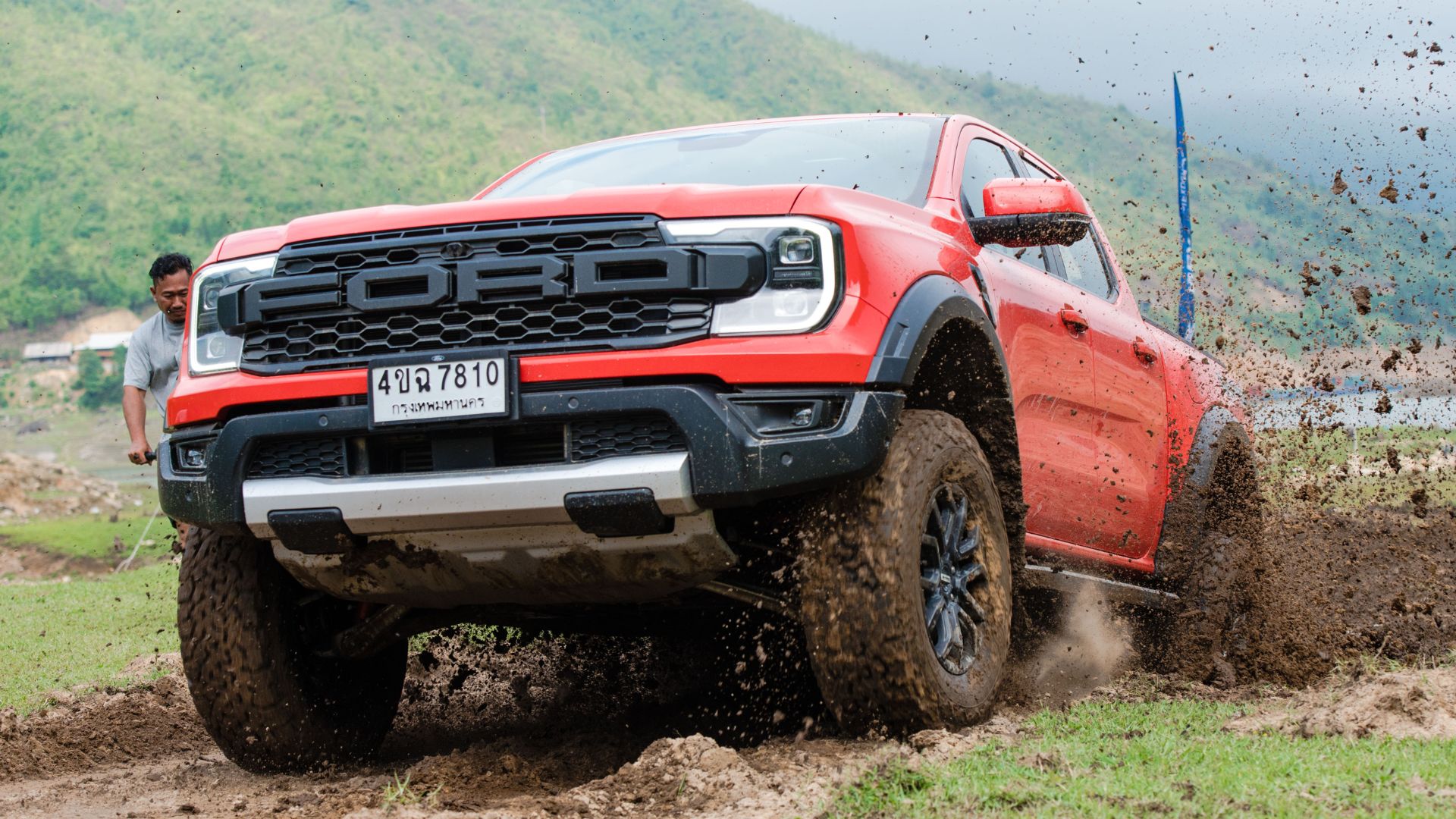
2. Ford Ranger Raptor: Mid-Size Pickup Engineered for Extreme Off-Roading and Flood Resilience
The Ford Ranger Raptor is designed for serious off-road performance, featuring an 850mm water-wading depth, high ground clearance of 283mm, and specialized off-road engineering that outperforms standard Rangers.
Its high-mounted air intake and protective underbody shielding keep vital engine components safe in deep water, while the “Slippery” drive mode reduces wheel spin for better traction on slick, submerged surfaces. These features make the Ranger Raptor exceptionally capable in flooded or unstable terrain.
Powering the Raptor is a 405-hp twin-turbocharged 3.0-liter V6 paired with a 10-speed automatic transmission and standard four-wheel drive, including locking front and rear differentials.
The truck’s Fox 2.5-inch internal bypass shocks and 33-inch BFGoodrich KO3 all-terrain tires provide impressive off-road stability, while its wider front and rear tracks enhance control over rough trails. Its compact mid-size footprint allows easier handling in tight spaces compared with the larger F-150 Raptor.
On-road, the Ranger Raptor offers a more comfortable ride and improved steering compared with the regular Ranger, though its knobby all-terrain tires reduce dry-road grip and extend braking distances by 218 feet from 70 mph in testing. Acceleration is strong, with a 0–60 mph time of 5.3 seconds, outperforming rivals such as the Chevrolet Colorado ZR2.
Towing capacity is 5,510 pounds, while the payload is 1,411 pounds, slightly lower than the standard Ranger due to its off-road-focused setup. Fuel economy is modest, with estimates of 16 mpg city and 18 mpg highway, aligning with the previous model.
The interior of the Ranger Raptor blends rugged utility with sporty touches. Front seats are heavily bolstered, and red trim accents, along with a sportier steering wheel, enhance the cabin. Rear passengers have adequate space, though the single-piece folding bench limits cargo flexibility.
The truck features a five-foot bed and multiple storage solutions, including hidden glovebox compartments and under-seat storage. A 12-inch touchscreen with Ford Sync, Apple CarPlay, Android Auto, Wi-Fi hotspot, and an optional 12-speaker Bang & Olufsen audio system rounds out the infotainment setup.
Safety and driver-assistance technologies include forward-collision warning with automatic braking, blind-spot monitoring, rear cross-traffic alert, and adaptive cruise control. Warranty coverage is competitive, with three years or 36,000 miles for the limited warranty and five years or 60,000 miles for the powertrain, though complimentary maintenance is not provided.
The Ranger Raptor combines extreme off-road capability, flood readiness, and strong performance in a mid-size package, making it a versatile option for adventure enthusiasts who also want a truck suitable for daily driving and family use.
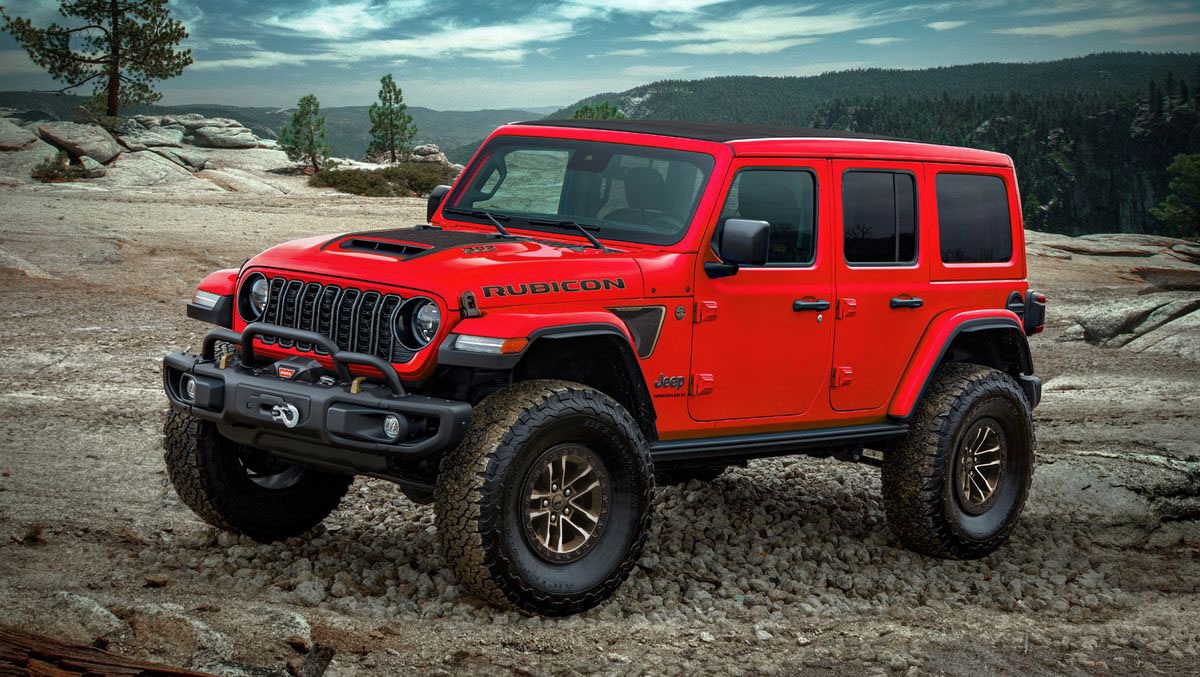
3. Jeep Wrangler Rubicon: Rugged Off-Road Capability Meets Adventure-Ready Design
The Jeep Wrangler Rubicon remains a benchmark for flood resilience and off-road versatility, boasting a factory-rated water-fording depth of up to 762mm (30 inches) and high-mounted vents for the fuel tank and axles to prevent water damage. Its ground clearance reaches 12.9 inches on Xtreme Recon models, while standard versions offer 10.8 inches, keeping critical components well above water.
The 4:1 Rock-Trac 4WD system provides low-range torque, allowing the Rubicon to tackle submerged, uneven terrain, while large mud-terrain tires and robust suspension contribute to its stability. Electrical systems are moisture-sealed, and interior electronics are positioned to minimize water exposure.
The Wrangler’s design emphasizes superior angles for approach, departure, and break-over, enabling it to handle steep or flooded obstacles without damaging the undercarriage. While the hybrid 4xe requires caution to avoid prolonged submersion, the gasoline and diesel variants excel in extreme conditions. Routine maintenance ensures reliability, particularly when exposed to wet environments or challenging terrain.
Beyond its engineering, the Wrangler is an enabler of adventure. Despite being compact and somewhat cramped for taller drivers, the Rubicon’s utility and capability make it ideal for exploration.
Storage is limited compared to competitors like the Land Rover Defender, with small gloveboxes, minimal door pockets, and basic elasticized nets, yet the vehicle encourages a focus on the journey rather than cargo. Its canvas roof allows open-air experiences while maintaining structural integrity, offering the convertible appeal without compromising off-road utility.
On-road performance is deliberately relaxed, reflecting the Wrangler’s prioritization of durability over speed. Steering is precise for a vehicle of its size, and road noise is acceptable even with aggressive tires. Handling is secure due to yaw-activated traction control, although the truck’s mass and all-terrain tires limit cornering and acceleration. Fuel economy is modest, averaging around 18 mpg over extended use.
The Rubicon’s charm lies in its combination of capability and character. While it does not excel as a high-speed commuter, it delivers unmatched off-road confidence, flood resilience, and a sense of adventure.
Owners can comfortably commute, tackle lakeside escapes, or navigate rural trails while experiencing a vehicle that encourages exploration and embraces a playful, hands-on driving experience. The Wrangler Rubicon proves that rugged engineering, utility, and spirited fun can coexist in a single, adventure-ready SUV.
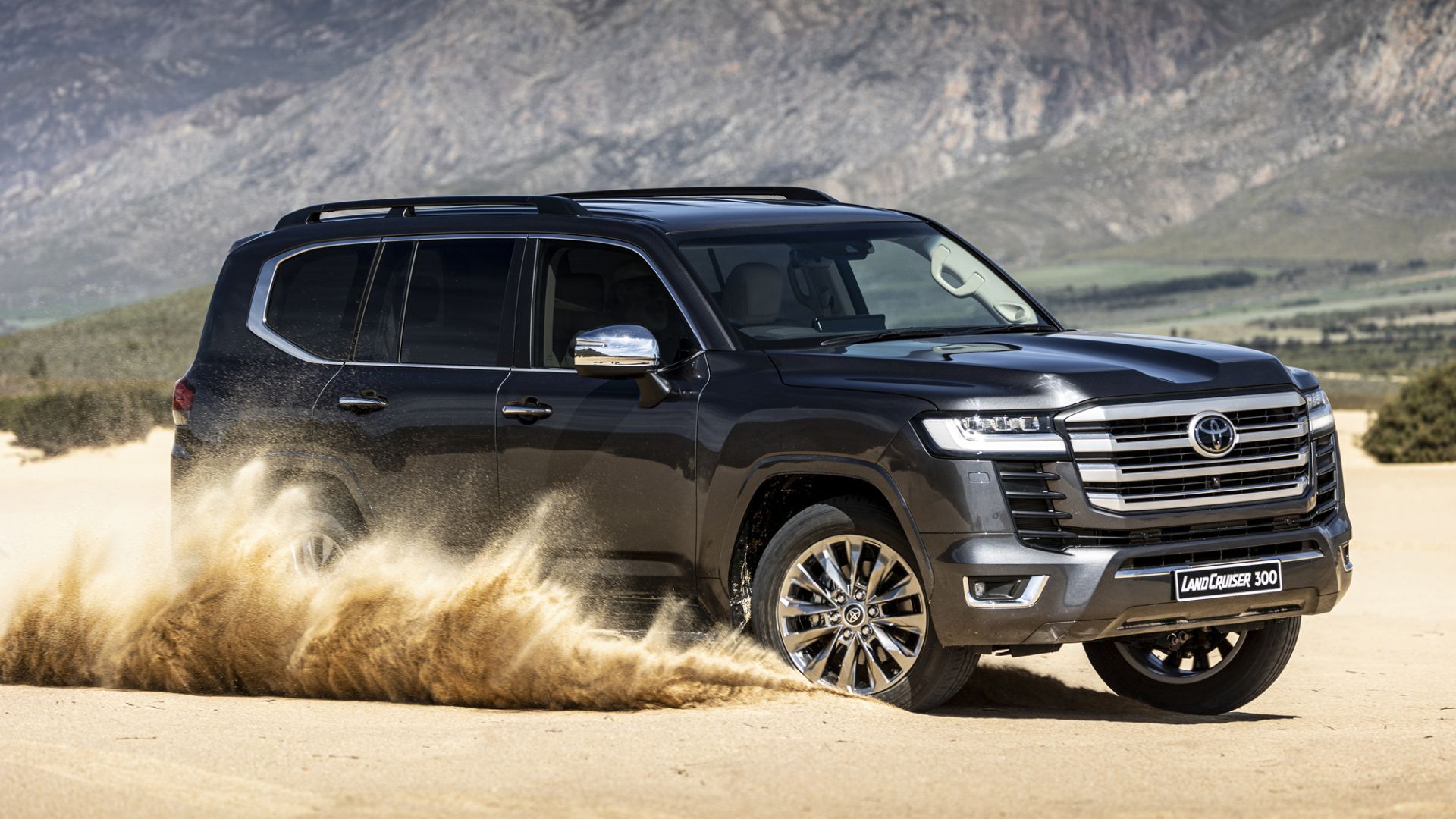
4. Toyota Land Cruiser 300: Rugged Heritage Meets Modern Flood-Ready Engineering
The Toyota Land Cruiser 300 (LC300) continues the legendary Land Cruiser tradition of reliability and off-road prowess, making it a trusted choice in flood-prone regions worldwide. With a factory-rated water-fording depth of 700mm, advanced sealing of critical components, and a high-mounted air intake, the LC300 can handle deep floodwaters while minimizing the risk of mechanical or electrical damage.
Some configurations reportedly extend wading depth up to 900mm. Its permanent four-wheel-drive system, combined with low-range gearing and Multi-Terrain Select (MTS), ensures traction on slippery, submerged, or uneven surfaces, while the vehicle’s robust engine torque prevents stalling under water resistance.
The LC300 features a commanding presence with boxy, understated styling that emphasizes function over flamboyance.
Measuring nearly five meters long, with 230mm ground clearance and approach/departure angles of 23 and 25 degrees, it is designed to tackle off-road challenges efficiently. Buyers can also opt for GR-S and GR-Sport variants that offer slightly more aggressive styling, smaller wheels, and enhanced off-road hardware.
Inside, the cabin blends modern and traditional elements. A full digital instrument cluster and a large central touchscreen coexist with an array of physical switches for climate, drive modes, and terrain settings, maintaining the tactile, old-school Land Cruiser experience.
Front seats are large, six-way power-adjustable, heated, and ventilated, while rear occupants enjoy independent climate control, heated/ventilated seating, and infotainment screens. Despite these features, the interior design leans functional rather than luxurious, with limited storage solutions relative to its price range.
Under the hood, the LC300 moves from the previous V8 to a 3.3-liter twin-turbo V6 diesel paired with a 10-speed automatic transmission. This setup produces 304 bhp and 700 Nm of torque, delivering effortless low-end surge rather than rapid acceleration.
The full-time four-wheel-drive system, with selectable 4-High and 4-Low, allows the vehicle to tackle severe off-road terrain confidently. Suspension remains traditional, with an independent double-wishbone front and 4-link rigid rear setup, prioritizing durability and terrain adaptability over luxury ride quality.
On the road, the LC300 feels massive yet composed, absorbing potholes and rough surfaces with authority. While cornering reveals its weight, the SUV maintains highway composure, and drive modes adjust engine and steering response for different conditions.
Priced at Rs 2.16 crore in India, the LC300 is expensive compared to full-featured luxury SUVs, but its appeal lies in its legendary nameplate, off-road capability, and reliability.
It is a vehicle designed for enthusiasts who value ruggedness, flood resilience, and heritage, rather than cutting-edge luxury. For those who understand the Land Cruiser legacy, the 300 Series delivers a capable, dependable SUV that commands respect and promises adventure.
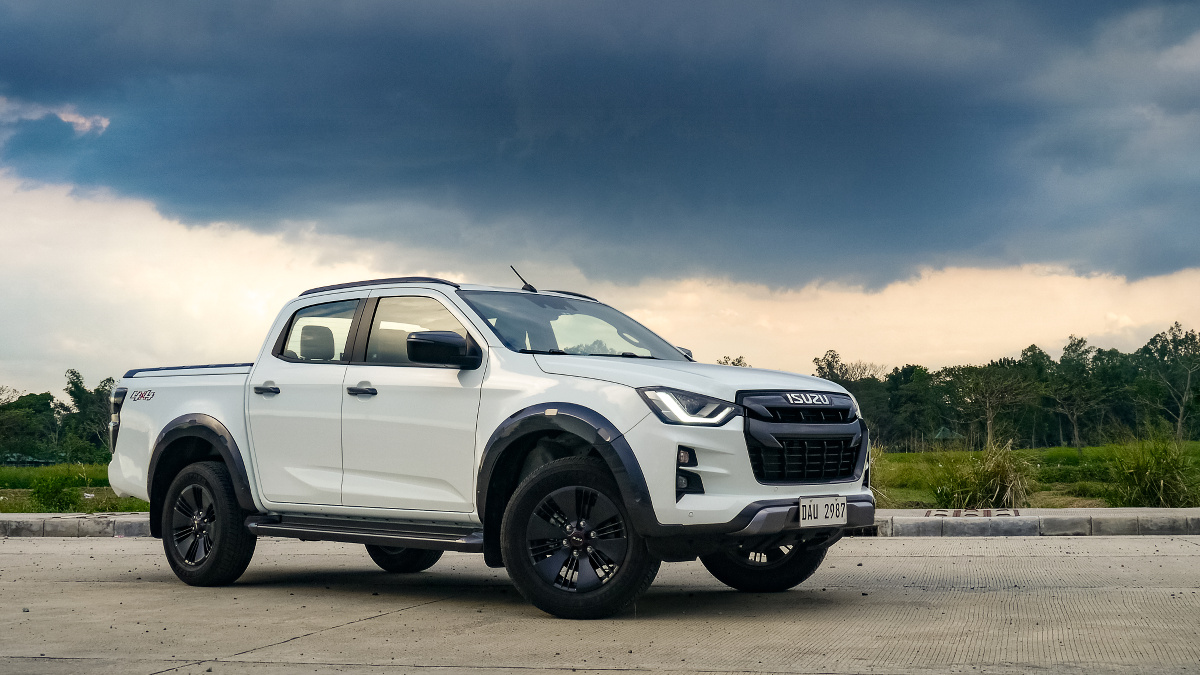
5. Isuzu D-MAX LS-E: Rugged Pickup Built for Flooded Roads
The Isuzu D-MAX LS-E stands out as a capable flood-ready pickup, offering a factory-rated water-wading depth of 800mm. Its elevated air intake, positioned on the front edge of the hood, prevents water from entering the engine, while a semi-midship engine design places the alternator and other sensitive components higher, minimizing the risk of electrical failure during heavy rains.
The D-MAX also features 240mm of ground clearance, a robust chassis, and a powerful 3.0L turbo-diesel engine, all of which contribute to its stability and ability to traverse deep, flowing water safely.
Engineered for rugged conditions, the D-MAX can accommodate a snorkel for even greater wading depth, enhancing its suitability for monsoon-heavy regions. The premium LS-E trim balances utility with modern technology, making it both a capable workhorse and a comfortable daily driver.
The 3.0L 4JJ3-TCX diesel engine produces 140 kW (188 hp) and 450 Nm of torque, providing enough power to handle floodwaters and challenging terrain. The 4×4 variant includes a rear differential lock and offers class-leading towing and payload capacities of 3,500 kg and roughly 1,000 kg, respectively.
Inside, the LS-E elevates comfort with dual-zone automatic climate control, a 9-inch touchscreen with wireless Apple CarPlay and Android Auto, and leather gear levers.
Convenience features such as a wider reversing camera, rain-sensing wipers, and remote engine start enhance its practicality for both urban and rural use. Safety is comprehensive, with a full Advanced Driver Assist System (ADAS) offering adaptive cruise control, lane-keep assist, and autonomous emergency braking.
The D-MAX LS-E is known for reliability and longevity, with engines frequently surpassing 300,000 km with proper maintenance. Fuel efficiency and lower upkeep costs add to its appeal, while the sturdy build ensures strong resale value.
However, the diesel engine generates noticeable cabin noise, and the ride can feel stiff on uneven terrain when unladen. Frequent short city trips may also affect the EGR valve or DPF due to soot accumulation.
The Isuzu D-MAX LS-E combines flood-ready engineering, off-road capability, and practical comfort. Its combination of high wading depth, elevated electricals, and strong chassis makes it an excellent choice for buyers in flood-prone areas who need a reliable, durable, and capable pickup.
Also Read: 5 Cars That Are Easy to Own Without a Garage vs 5 That Depend on Covered Parking
5 That Are Easily Disabled
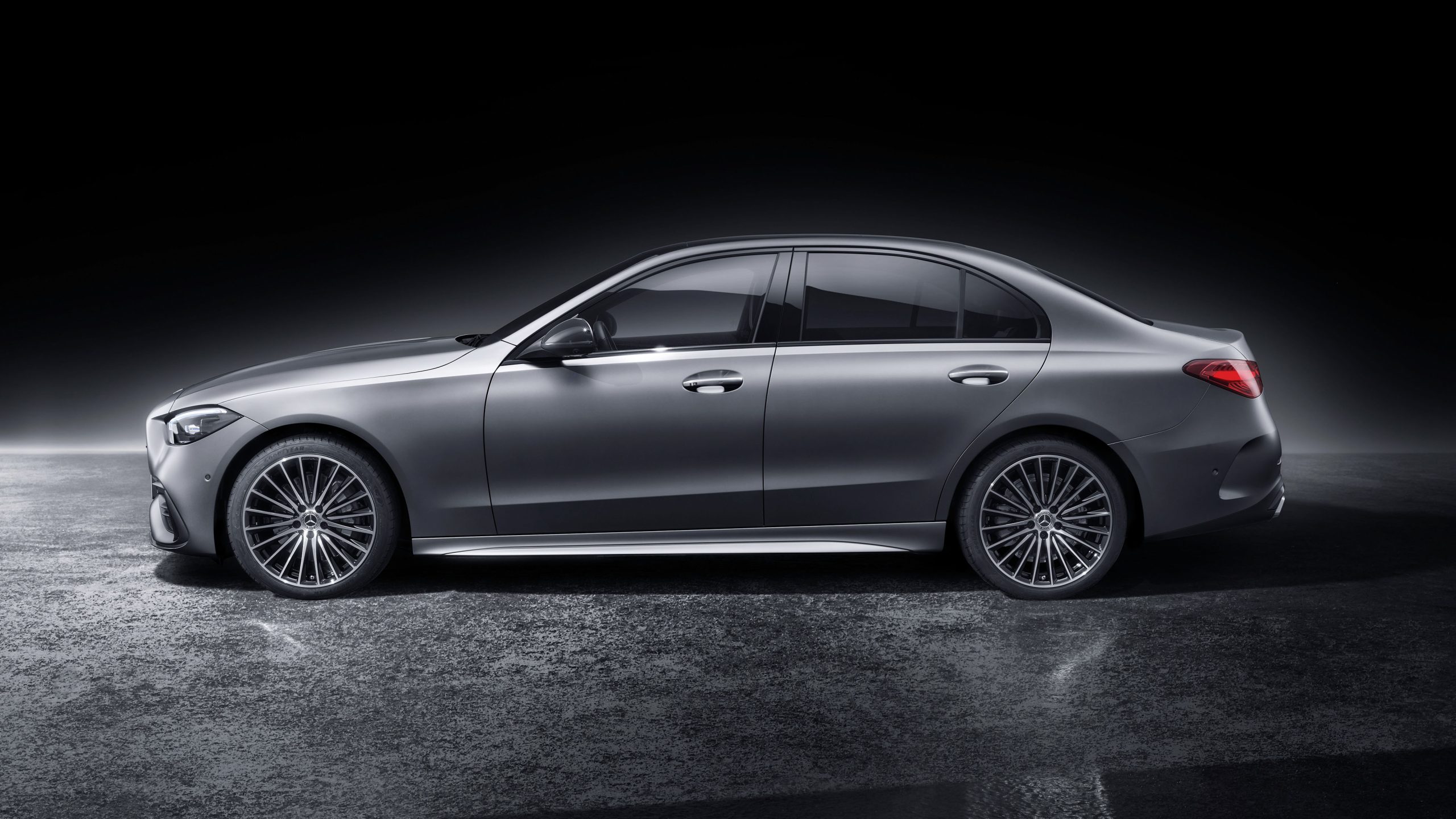
1. Mercedes-Benz C-Class (W206): Luxury Sedan at Risk in Flooded Streets
The Mercedes-Benz C-Class (W206) is a high-performance luxury sport sedan built for speed, comfort, and advanced technology, but its design makes it vulnerable in flood-prone areas.
With only about 150 mm of ground clearance and air intakes located low behind the front grille, even shallow water around six inches can create a bow wave that pushes water into the engine. This can result in hydrolock, causing severe engine damage or total failure.
The W206 relies heavily on a 48V mild-hybrid system, which is highly sensitive to moisture. Water exposure can corrode the high-voltage wiring, damage the battery, or short-circuit the vehicle’s electronics. Early W206 models had problems with the Signal Acquisition and Actuation Module (SAM), where water entering the trunk could reach the module, causing electrical failures and even fire hazards.
The sedan’s low chassis and underbody components increase the risk of flood damage. Transmission vents, brake systems, and the electric steering motor are positioned close to the ground, making them vulnerable to water. Submersion of these parts can compromise safety, lead to mechanical failures, and interfere with radar and ultrasonic sensors, reducing the effectiveness of advanced driver-assistance systems.
Mercedes-Benz vehicles include protective systems that may trigger a safety shutdown or Limp Mode if critical components detect water intrusion or reduced airflow. While this prevents further damage, it can leave the vehicle stranded in rising water.
Owners living in flood-prone areas should avoid driving through standing water. If the W206 is exposed to water, a professional inspection at a Mercedes-Benz Service Center is essential to prevent long-term corrosion, check the high-voltage systems, and ensure the drivetrain and electronics remain functional.
The C-Class excels in performance, luxury, and technology, but is not designed to handle water hazards, making careful driving and prompt post-exposure maintenance critical to maintaining reliability.
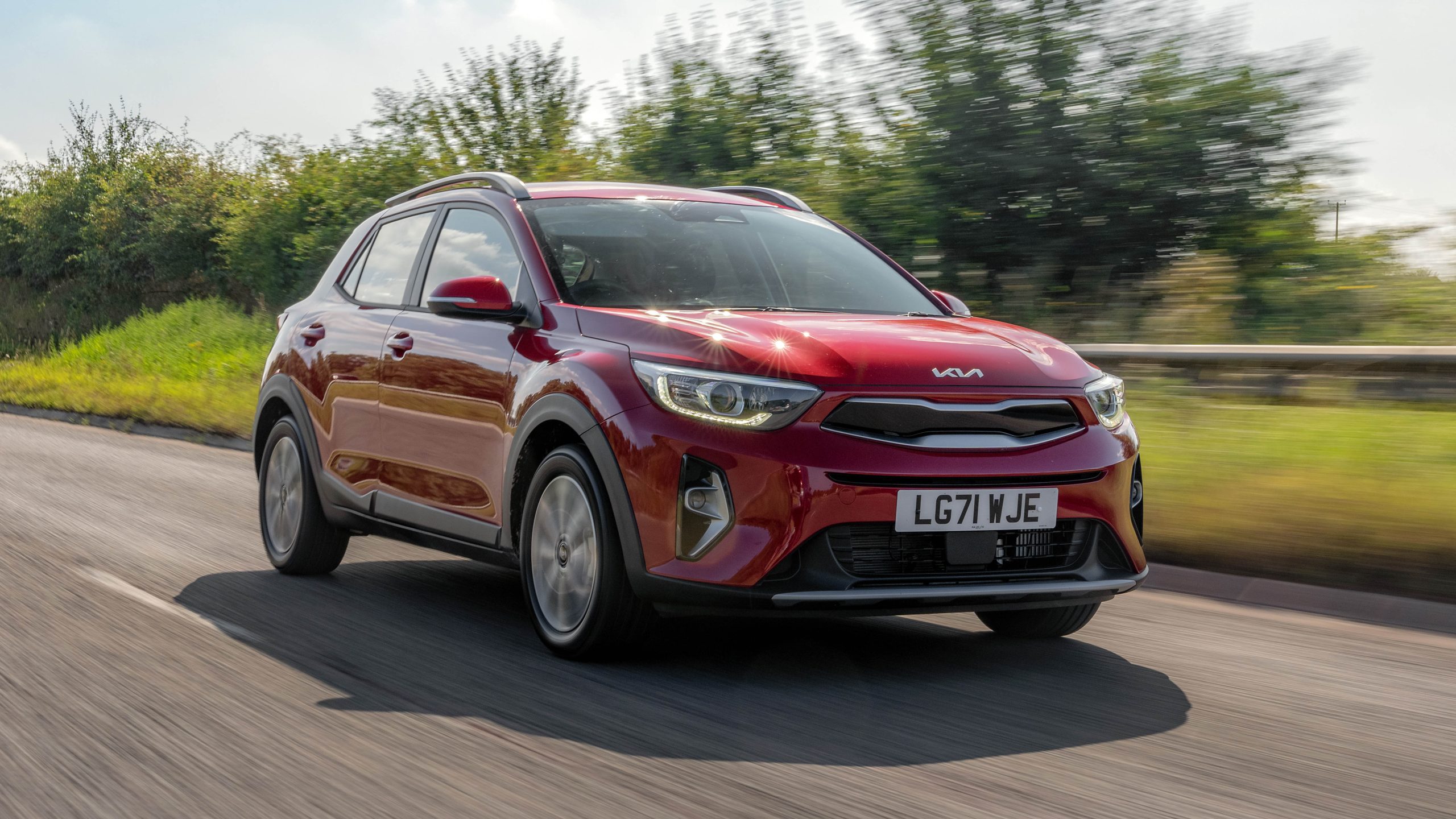
2. Kia Stonic: Subcompact Crossover Unsuitable for Flooded Streets
The Kia Stonic, despite its SUV-like styling, is essentially a subcompact hatchback on lifted suspension. With only 165 to 183 mm of ground clearance, it is ill-equipped to handle urban flooding, where water levels can quickly exceed its critical depth. Once water reaches the underbody, it can affect the exhaust system, transmission seals, and other components not designed for immersion.
One of the most common causes of total failure in floods is Hydrolock. The Stonic’s air intake is mounted low behind the front grille to capture cool air for the engine. When water rises to bumper height or is pushed by a passing vehicle, it can be sucked into the intake. Water cannot be compressed like air, so it forces the pistons and connecting rods to bend or break, permanently disabling the engine.
Electrical components are another vulnerability. The Stonic’s lower-mounted sensors, including transmission control modules, oxygen sensors, and the fuse box, are not waterproofed. Exposure to floodwater can short-circuit these systems, trigger error codes, or force the car into protective “Limp Mode,” leaving the vehicle stranded.
The car’s lightweight 1,100 kg chassis and front-wheel-drive layout further limit its ability to cope with water. Unlike heavier or all-wheel-drive SUVs, the Stonic can become buoyant, causing tires to lose traction and the car to slide or float sideways. Rising water can then enter the cabin or exhaust, stalling the vehicle entirely.
In short, the Kia Stonic’s crossover appearance does not reflect its flood-handling capability. Its low ground clearance, vulnerable air intake, exposed electronics, and lightweight FWD platform make it highly susceptible to engine damage, electrical failure, and loss of control during even modest floods.
Owners in urban flood zones should avoid attempting to drive through standing water, as the Stonic is easily overwhelmed by conditions that larger SUVs would manage with ease.
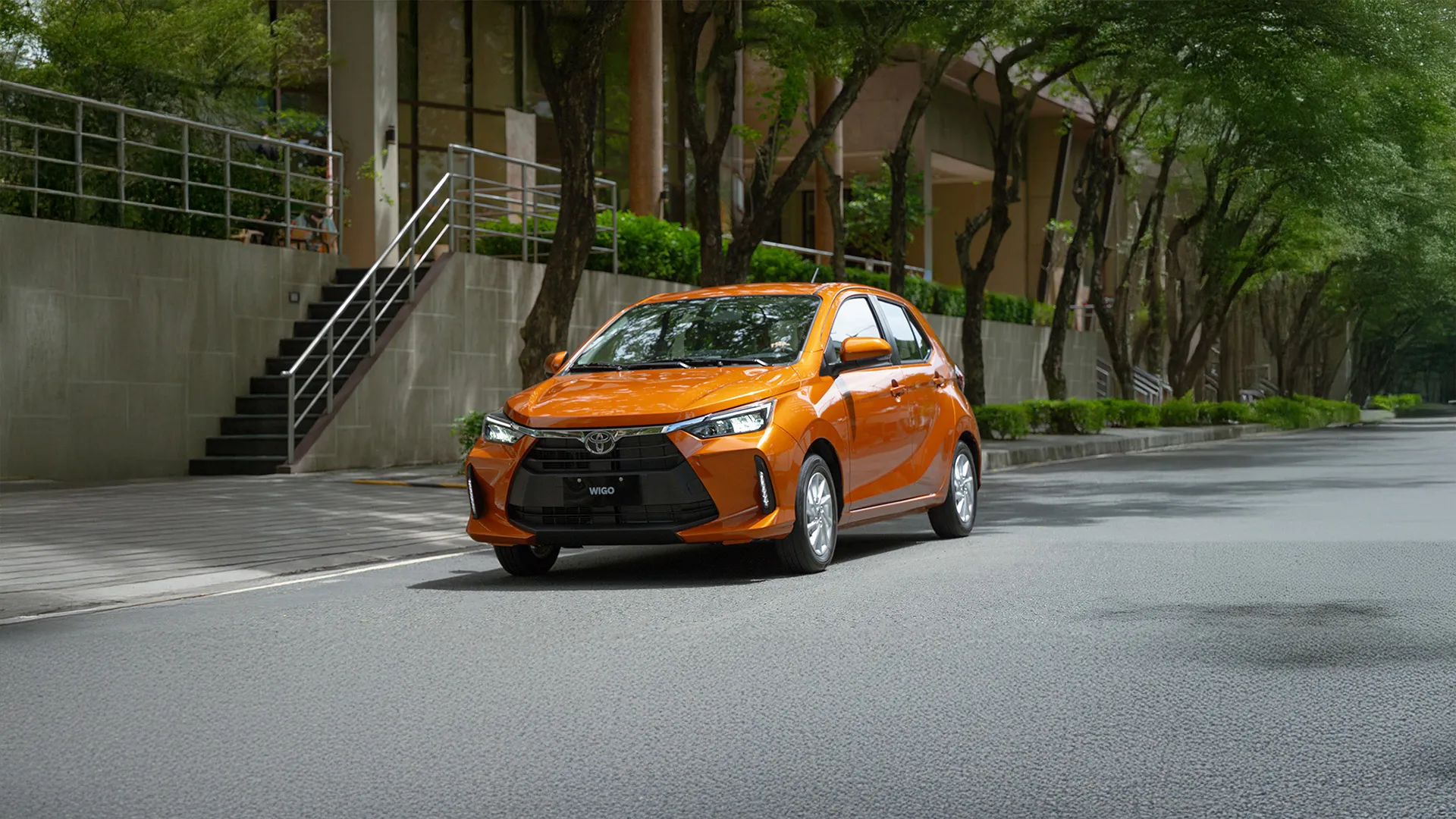
3. Toyota Wigo: City Hatchback Highly Vulnerable to Flooding
The Toyota Wigo is a compact city hatchback optimized for fuel efficiency and urban driving, but it is extremely susceptible to flooding. Its low-slung design, minimal ground clearance, and lightweight structure make it ill-suited for streets with rising water levels. Even shallow floods that reach the top of the tires can cause engine failure or permanent damage.
The Wigo’s air intake is positioned low in the engine bay to maximize cabin space. When water rises, or a passing vehicle creates a wake, water can be drawn directly into the intake, causing hydrolock. Because water cannot be compressed, the pistons and connecting rods can bend or break, instantly seizing the engine.
Ground clearance is only about 160 mm, providing little protection against floodwaters. Once water reaches the floorboards, it can infiltrate door seals and wiring harnesses, soaking carpets and damaging essential electrical systems that control safety features.
Being lightweight, the Wigo is also affected by buoyancy. Rising water can lift the car, causing tires to lose contact with the road and reducing traction. This results in loss of steering and braking control, making it easy for the vehicle to drift into deeper hazards or stall if the exhaust becomes submerged.
The hatchback’s electrical architecture is another weak point. Sensors and the alternator are positioned in accessible areas, making them vulnerable to short-circuits if water splashes into the engine bay. Any contact with water can trigger an automatic shutdown of the engine to prevent further damage.
Wigo drivers should follow basic precautions in flooded areas. Avoid crossing water that covers more than half the wheels, and check the air filter for moisture if unsure of water depth. Additionally, beware of wakes from larger vehicles, as these can introduce water into the engine even if standing water is shallow.
While the Toyota Wigo is excellent for city driving, its design makes it highly vulnerable to flood damage, and it should never be relied upon in areas prone to standing or moving floodwaters.
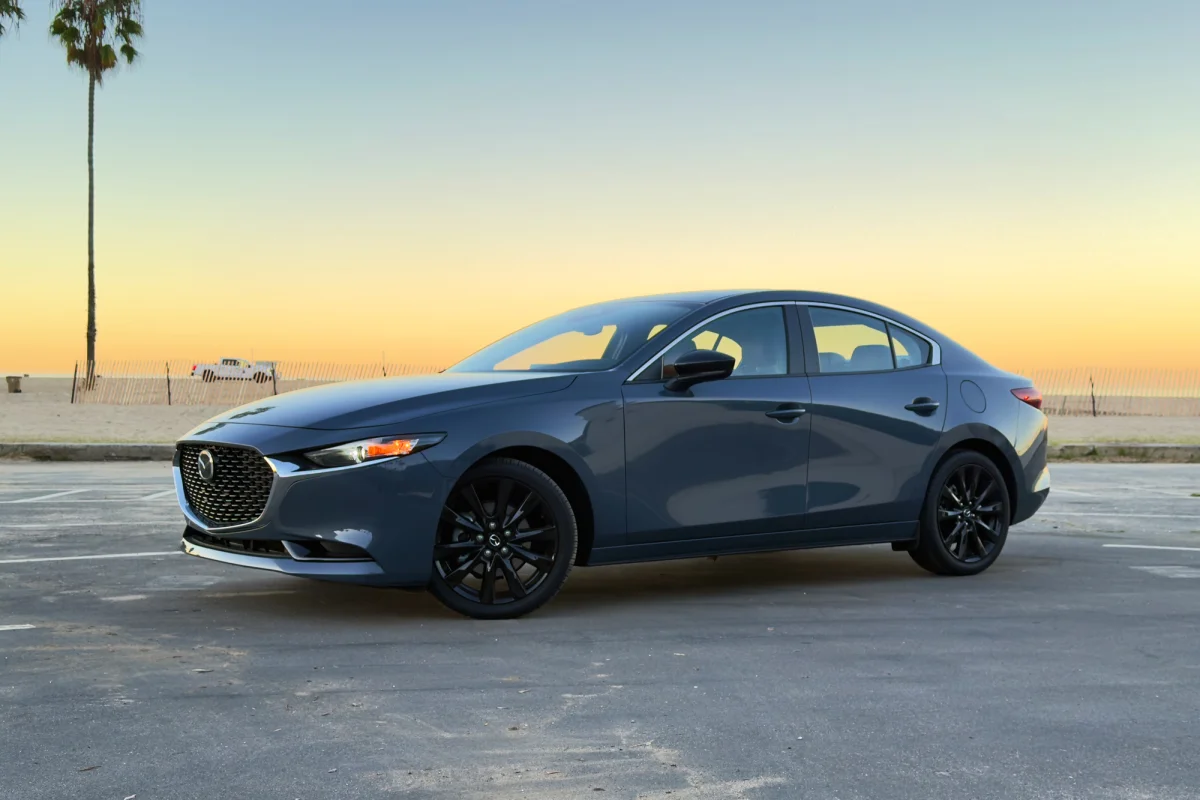
4. Mazda 3 Sedan: Low-Slung Design Makes It Highly Vulnerable to Flooding
The Mazda 3 Sedan is celebrated for its sleek Kodo design and premium interior, but its low stance and aerodynamic styling make it extremely vulnerable to flood damage. While the car excels in handling and aesthetics, these same features increase the risk of water entering critical systems during heavy rain or standing water.
The most significant vulnerability is the air intake, positioned low in the engine bay to maintain a slim hood line and aerodynamic efficiency. When water reaches the bottom of the grille, even briefly, it can be sucked into the engine, causing hydrolock. This instantly seizes the engine and can result in permanent mechanical failure.
Ground clearance is another key factor. With only 140mm (5.5 inches) of height, the Mazda 3 sits far lower than crossovers or upright sedans. In urban flood conditions, water quickly reaches the exhaust, underbody electronics, and other sensitive components, increasing the risk of stalling or severe damage.
Electrical systems are also at risk. Modern Mazdas rely heavily on sensors and control modules, many of which are positioned on the lower half of the engine block or along the chassis. Water can corrode connectors, short-circuit modules, blow fuses, and leave the vehicle stranded even without engine hydrolock.
Finally, the front bumper design contributes to flooding issues. Its wedge shape acts like a plow, pushing water upward as the car moves. Even at moderate speeds, this bow wave can send water into the air intake or electrical components, disabling the car in relatively shallow water.
While the Mazda 3 Sedan offers sporty handling, premium styling, and a refined driving experience, its low ride height, exposed intake, and sensitive electronics make it highly unsuitable for flood-prone streets. Drivers must exercise extreme caution in standing water, as even shallow floods can render the vehicle inoperable.
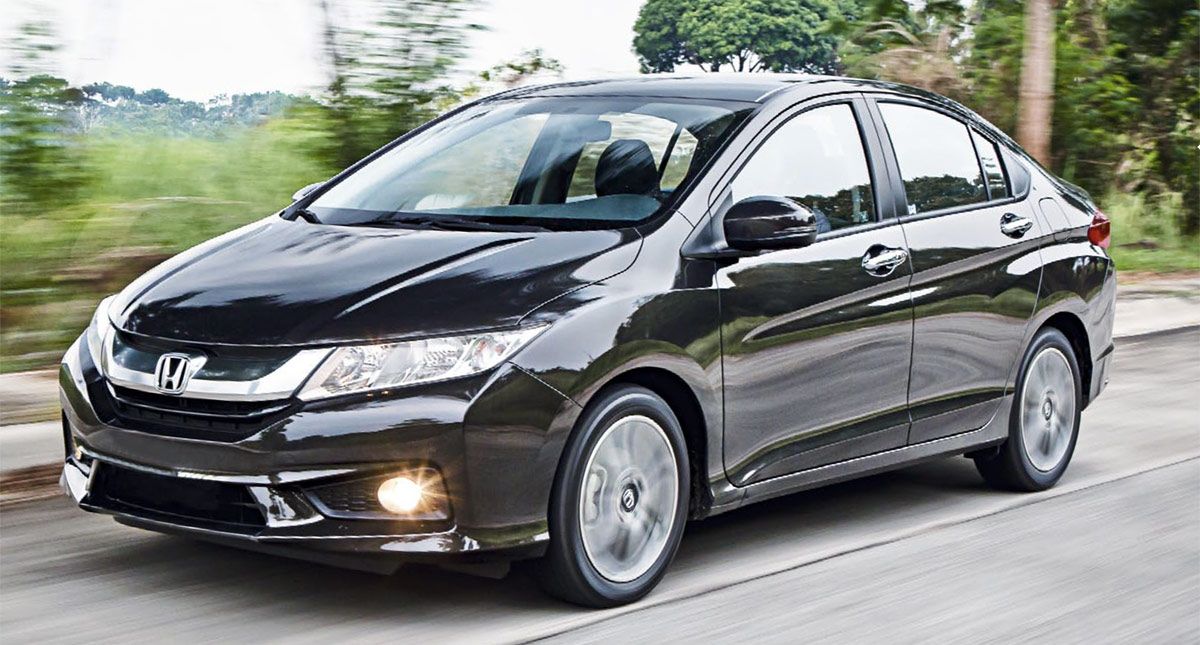
5. Honda City: Low Profile and Intake Design Make It Flood-Prone
The Honda City is widely praised for its fuel efficiency, sleek design, and smooth urban performance, but its engineering choices make it highly vulnerable in flooded conditions. Its low-slung air intake, minimal ground clearance, and sensitive electronics combine to create a high risk of stalling or permanent engine damage during even moderate urban floods.
The most critical factor is the air intake placement. Designed to draw cooler air efficiently, the intake is positioned low, often behind the front grille. When water reaches this level or when a passing vehicle generates a bow wave, the engine can suck water into the cylinders. Since water cannot be compressed, this results in hydro-lock, bending pistons and rods, and causing immediate catastrophic engine failure.
Ground clearance compounds the problem. At only 135mm to 150mm, the Honda City sits much lower than crossovers or SUVs. In typical urban floods, water quickly reaches the undercarriage, affecting the exhaust system and transmission housing. Even shallow standing water can compromise sensitive metal components and increase the likelihood of electrical shorts.
Electrical vulnerability is another concern. The Honda City relies on numerous sensors, including oxygen and transmission speed sensors, located on the lower half of the chassis. Submersion can trigger faulty readings to the ECU, causing the vehicle to enter “Limp Mode” or shut down entirely as a protective measure, leaving drivers stranded.
Finally, the aerodynamic front-end design creates a “spoon effect.” Instead of diverting water, the low, flat nose pushes a bow wave upward, potentially splashing directly into the engine bay and affecting the alternator, ignition coils, or other electronics, even in shallow water.
The Honda City excels on dry, paved roads, but its low stance, exposed intake, and sensitive electronics make it ill-suited for flood-prone streets. Drivers should exercise extreme caution in standing water, as even shallow floods can quickly immobilize the vehicle.
Recognizing how vehicles perform in flood conditions is essential for safety and durability. SUVs and pickups built for off-road and flood conditions excel due to elevated air intakes, strong chassis, high ground clearance, and specialized traction systems.
Vehicles such as the Defender 110, Ranger Raptor, and Land Cruiser 300 can navigate flooded streets safely while protecting both passengers and mechanical systems. On the other hand, low-profile sedans and compact crossovers, including the Honda City, Kia Stonic, and Mazda 3, are at high risk of engine hydrolock, electrical failure, or loss of traction, even in shallow water.
Drivers in areas prone to heavy rain should understand these differences and avoid driving vulnerable vehicles through standing water. Choosing a flood-capable vehicle or exercising caution during floods can prevent costly repairs, ensure safety, and provide peace of mind.
Also Read: Top 10 Cars That Look Ordinary Until You Open the Hood