Rear Wheel Drive sports cars have always had a special way of embarrassing muscle cars that rely on brute force and modern electronics to look fast. While a modern Mustang packs serious power, wide tires, and a long list of driver aids, it still struggles against cars that were built with balance, steering feel, and mechanical honesty as their core identity.
Horsepower numbers look great on paper, but they rarely tell the full story once corners, braking zones, and driver confidence enter the picture. The cars that truly dominate are often lighter, better balanced, and far more communicative, allowing a skilled driver to extract speed without wrestling the chassis.
Many older or less mainstream rear wheel drive sports cars thrive exactly in those conditions, turning every road or track into a humiliation ritual for heavier, less agile rivals. These machines were engineered during eras where feedback mattered more than screens, and where suspension tuning mattered more than marketing slogans.
They reward commitment, punish sloppy driving, and shine brightest when pushed hard. Despite lacking modern infotainment or flashy interiors, they deliver something far more valuable, which is real performance that can be felt through the steering wheel and seat.
When placed next to a modern Mustang, these cars often expose its weaknesses, including excess weight, front end push, and reliance on electronic correction. This article focuses on ten rear wheel drive sports cars that can outpace, outmaneuver, and outclass a modern Mustang in real world performance scenarios.
Each one earned its reputation through engineering excellence, driver involvement, and raw capability. None of them need gimmicks or oversized engines to prove their worth. They simply work, and when driven properly, they leave modern muscle cars wondering what just happened.

Mazda RX 7 FD
The Mazda RX 7 FD is a masterclass in balance and precision, built around a lightweight chassis and a compact rotary engine. Its near perfect weight distribution allows it to change direction faster than a modern Mustang ever could. Steering response is razor sharp, giving the driver instant feedback through every corner. On a technical road or circuit, it walks away while the Mustang struggles to keep its nose in line.
The twin turbo rotary delivers power smoothly and loves to rev, creating acceleration that feels relentless rather than dramatic. Instead of brute force, it relies on momentum and throttle control to stay fast. This makes it devastating in corners where heavier cars bleed speed. A Mustang might win a straight line sprint, but it loses everything once the road bends.
Suspension tuning on the FD is firm yet compliant, keeping the car planted without feeling harsh. Body roll is minimal, allowing confident corner entry at speeds that unsettle larger cars. The Mustang’s size and weight become liabilities here. The RX 7 simply flows through turns while others fight physics.
Also Read: 5 Hybrids With Strong Regenerative Braking vs 5 With Brake Wear Issues
Braking performance is another area where the RX 7 shines. Its lighter mass means shorter stopping distances and better brake consistency. Repeated hard braking does not overwhelm the system as quickly. This gives the RX 7 a massive advantage during aggressive driving.
Driver involvement is the final nail in the coffin. Every input matters and every response is immediate. The Mustang feels filtered and distant by comparison. In skilled hands, the RX 7 does not just compete, it dominates.
Even interior ergonomics play a role in performance. Controls are intuitive, and the driving position encourages focus. Unlike some modern muscle cars, the FD keeps distractions minimal. This fosters a stronger connection between driver and machine.
The lightweight construction also benefits tire performance. With less weight to move, the car can rotate tires more evenly, improving grip in sustained cornering. The Mustang’s heavier tires tend to overheat faster. The RX 7 stays predictable under pressure.
Aerodynamic elements are subtle but effective. The bodywork helps maintain stability at high speeds without creating excessive drag. Unlike the Mustang, which often relies on electronics to stabilize, the FD uses mechanical balance. This gives it a natural advantage in technical situations.
Reliability under spirited driving is impressive, assuming proper maintenance. The rotary engine, while unique, can sustain repeated high RPM runs when cared for. The Mustang, while robust, struggles with weight and front-end push in repeated maneuvers.
Finally, the RX 7 FD’s legacy is rooted in driver skill. It rewards precision and punishes hesitation. The Mustang might overpower less experienced drivers with brute force, but on a demanding road, the FD’s finesse humbles even seasoned muscle car enthusiasts.
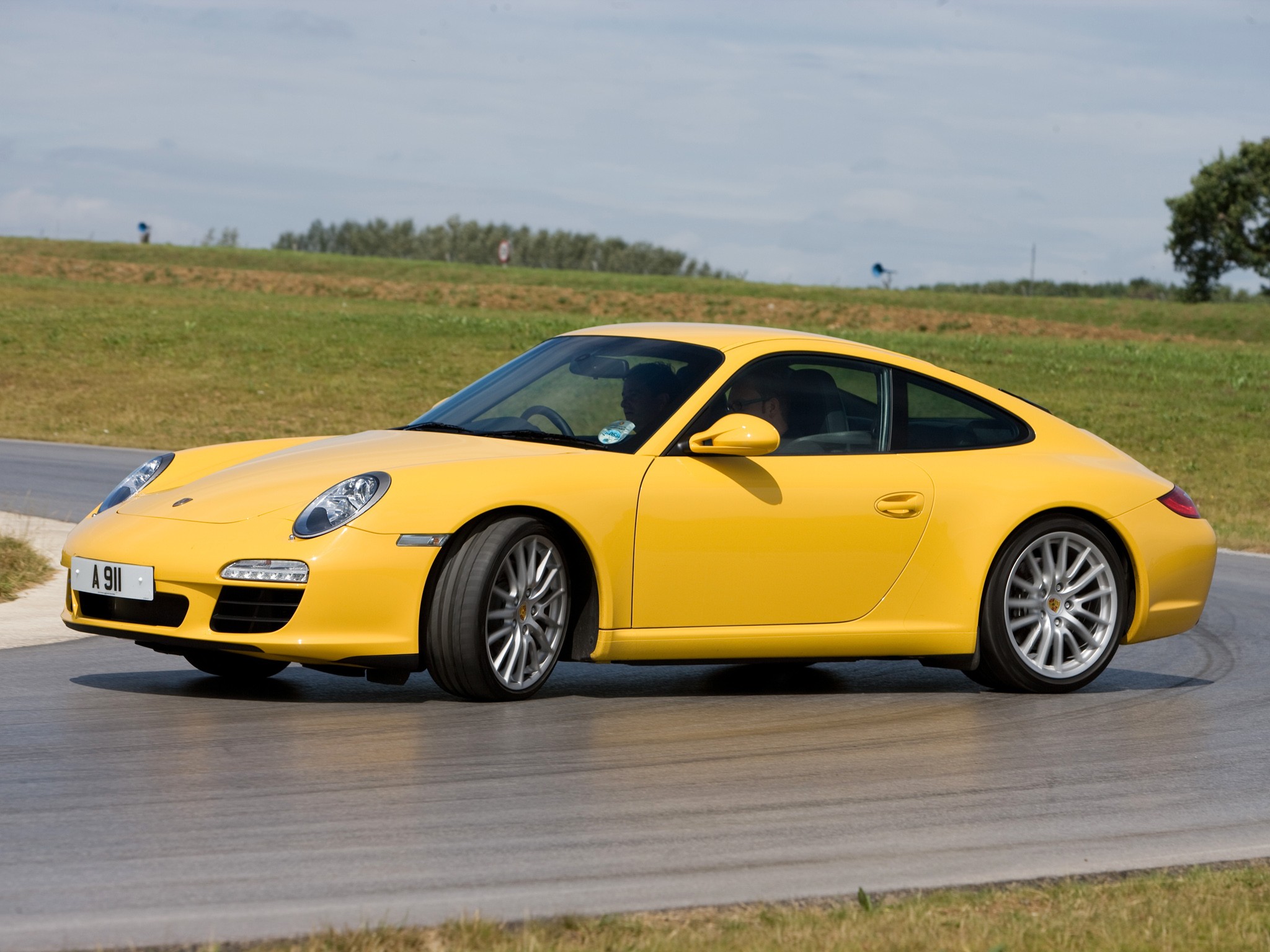
Porsche 911 997 Carrera
The Porsche 911 997 Carrera carries decades of engineering refinement into a compact and deadly package. Its rear engine layout provides incredible traction on corner exit. This alone gives it a massive advantage over front heavy muscle cars. The Mustang cannot deploy power as effectively when exiting tight turns.
Steering feel is exceptional, transmitting road texture and grip limits directly to the driver. The car feels alive at speed, encouraging confidence rather than caution. Where the Mustang feels numb and bulky, the 911 feels precise and eager. This difference shows immediately on twisty roads.
Chassis balance is deceptive, as the rear weight bias becomes an advantage when properly managed. Skilled drivers exploit this to rotate the car aggressively through corners. The Mustang lacks this level of adjustability and finesse. It relies more on electronics to stay composed.
Braking performance is strong and consistent, with excellent pedal feel. The lighter structure allows the brakes to work efficiently without overheating. The Mustang’s mass again becomes a limiting factor. Long sessions expose its weaknesses.
Acceleration may not sound outrageous on paper, but real world speed tells a different story. The 911 maintains pace effortlessly while the Mustang fights its own weight. Over time, the gap only grows wider.
The 911’s suspension is tuned to offer both comfort and performance. It absorbs bumps without unsettling the chassis, which allows faster cornering. The Mustang, in contrast, feels more rigid and less communicative. Confidence builds naturally in the Porsche.
Aerodynamic stability is subtle yet effective. At highway or track speeds, the 997 stays planted and resists lift. This allows the driver to carry momentum into corners with confidence. The Mustang can feel unsettled under similar conditions.
The car’s compact dimensions aid agility. Its shorter wheelbase allows quicker transitions and tighter cornering lines. The Mustang’s longer length makes fast corrections harder. The 911 simply slips through traffic more efficiently.
The interior reinforces focus on driving. Controls are logical, displays clear, and seats supportive. Unlike modern muscle cars, which sometimes prioritize spectacle over ergonomics, the 911 lets the driver remain in command.
Finally, the 997 Carrera’s behavior teaches respect for precision. It is not simply about raw power; it is about consistency, balance, and subtlety. The Mustang might intimidate with horsepower, but the Porsche overwhelms with capability.
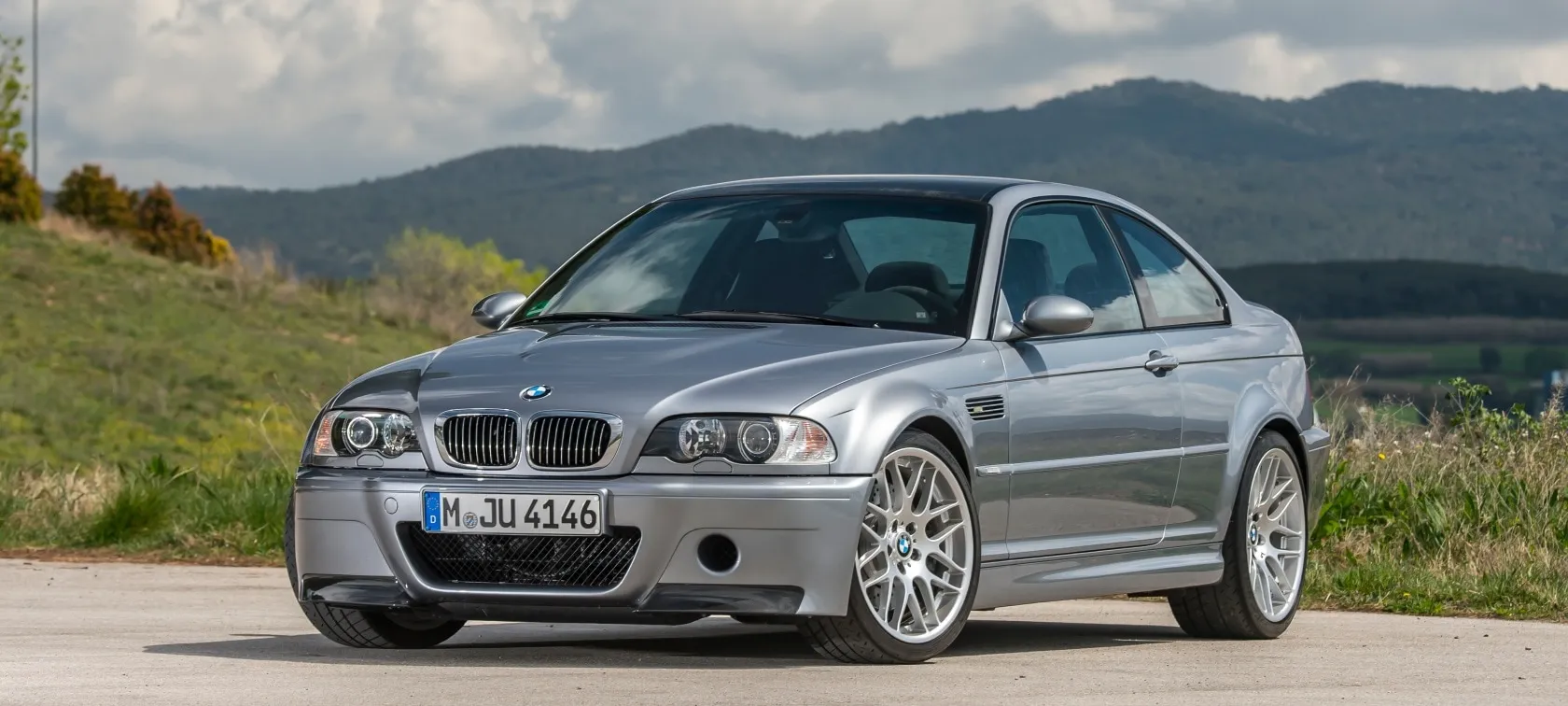
BMW E46 M3
The E46 M3 is one of the most balanced performance cars ever built. Its naturally aspirated inline six thrives at high revs and delivers power smoothly. This creates predictable acceleration that rewards precision. A Mustang often feels abrupt and unrefined in comparison.
Weight distribution is close to ideal, giving the M3 neutral handling characteristics. It transitions beautifully between corners without drama. The Mustang struggles with understeer when pushed hard. The M3 simply stays composed.
Steering is communicative and accurate, making it easy to place the car exactly where needed. Small inputs produce meaningful responses. This makes fast driving feel intuitive rather than stressful. The Mustang feels vague in similar situations.
Suspension tuning strikes a perfect balance between comfort and control. The car stays planted while still absorbing imperfections. This allows higher average speeds on real roads. The Mustang’s stiffer setup often unsettles the chassis.
Driving confidence is what seals the deal. The M3 feels like an extension of the driver. Against it, the Mustang feels oversized and clumsy. The humiliation is subtle but undeniable.
Engine responsiveness adds another advantage. Throttle inputs translate immediately into acceleration without delay. This makes transitions out of corners fluid and predictable. The Mustang may feel heavier and less reactive in comparison.
Braking performance complements the chassis perfectly. High-speed stops are controlled and repeatable, allowing later braking into corners. The Mustang’s brakes may fade faster due to extra weight, giving the M3 another edge.
Cornering balance remains one of the E46’s strongest traits. The car rotates predictably, allowing drivers to push boundaries safely. The Mustang’s front-heavy tendencies often result in understeer or corrections.
Lightweight design principles enhance every aspect of the car. Less mass reduces tire wear, improves braking, and allows faster directional changes. The Mustang carries more bulk, which makes it less agile in tight sections.
Finally, the E46 M3 rewards skill and engagement. Drivers who understand its limits can extract performance far beyond raw numbers. A Mustang may feel intimidating in straight line tests, but on challenging roads, the M3 is the superior weapon.
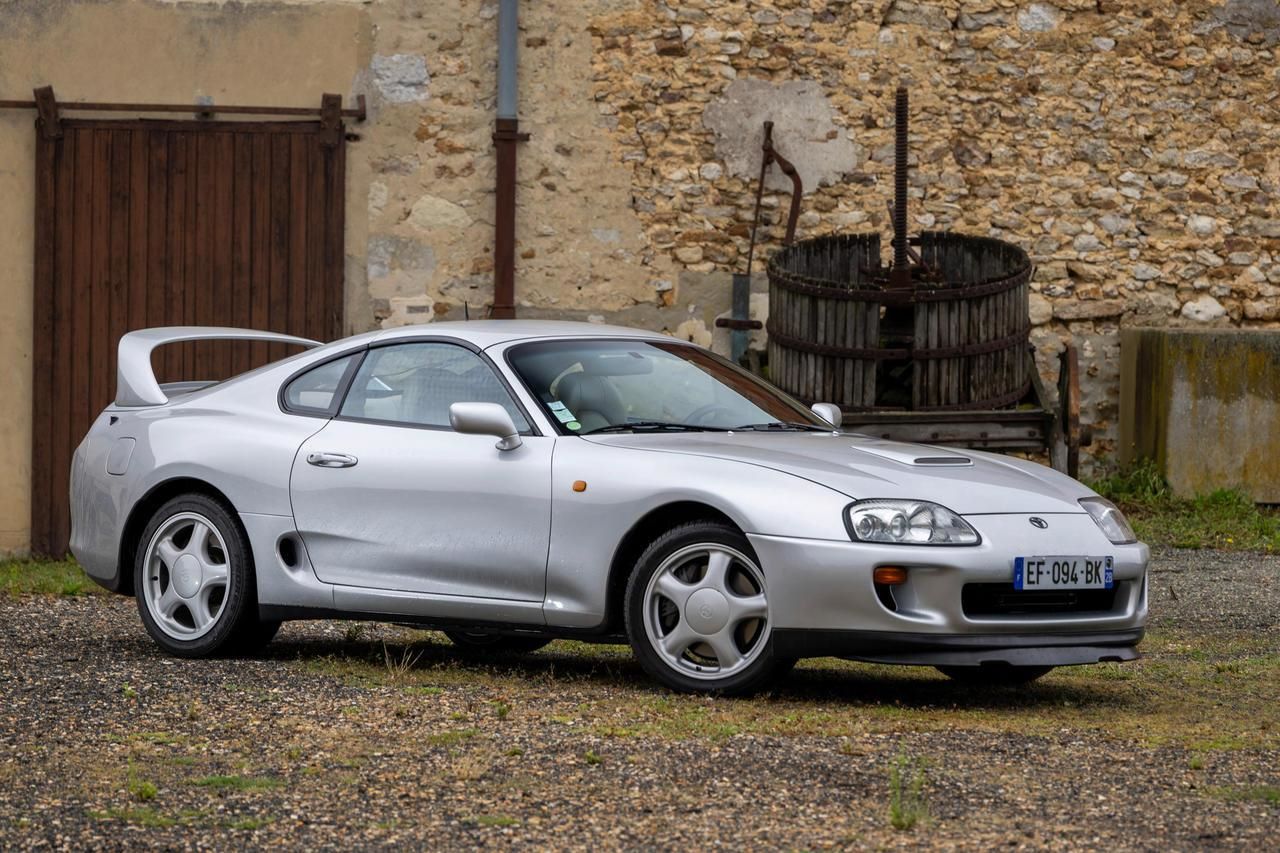
Toyota Supra MK4
The MK4 Supra is legendary for good reason, even in stock form. Its straight six engine delivers smooth, linear power that builds relentlessly. Traction is excellent thanks to its rear wheel drive layout and balanced chassis. A Mustang struggles to match its composure.
Cornering stability is impressive for a car of its era. The Supra remains predictable even when pushed hard. Weight transfer is controlled and manageable. The Mustang tends to feel unstable when driven aggressively.
Steering feedback is solid and confidence inspiring. The driver always knows how much grip remains. This encourages faster corner entry speeds. The Mustang often discourages commitment due to its vague front end.
Braking performance is consistent and strong, aided by the car’s structural rigidity. Repeated hard stops do not phase it easily. The Mustang’s heavier build takes a toll on its brakes. Fade becomes an issue sooner.
Durability under pressure is another advantage. The Supra was engineered to handle abuse. On track or road, it keeps delivering. The Mustang feels strained in comparison.
Turbocharged variants add incredible flexibility. Power delivery is smooth and controllable, reducing surprise oversteer or wheelspin. The Mustang’s raw torque can unsettle the chassis. The Supra stays planted.
Chassis rigidity is exceptional. Every input produces predictable responses without flexing the body excessively. The Mustang often feels soft in comparison, making aggressive driving less precise.
Aerodynamic aids, though subtle, improve stability at speed. The car maintains composure during fast sweeps and minimizes lift. The Mustang’s shape creates extra drag and resistance in similar conditions.
Weight distribution favors dynamic control. More balanced than the Mustang, the Supra rotates efficiently mid-corner. The heavier front end of the Mustang struggles to match these transitions.
Finally, the Supra rewards disciplined drivers. Mastering its balance, power, and traction allows performance that overshadows raw horsepower. A modern Mustang may be quicker in a straight line, but the Supra is a far more complete package on real roads.
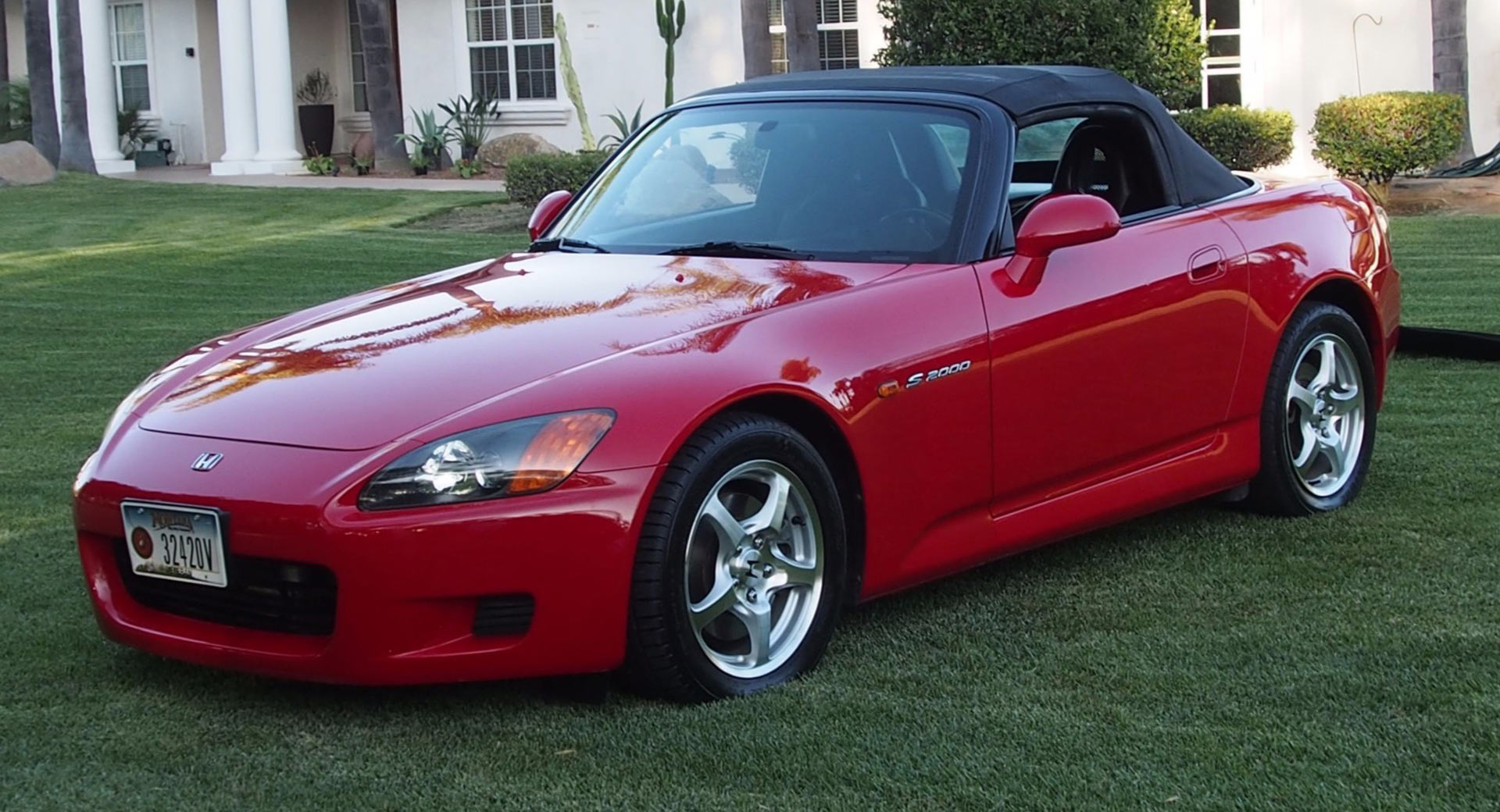
Honda S2000
The Honda S2000 is a lightweight precision weapon disguised as a roadster. Its high revving engine demands skill and rewards commitment. Power delivery is smooth and predictable. The Mustang cannot match its responsiveness.
Chassis rigidity is exceptional, giving the car sharp handling characteristics. Turn in is immediate and accurate. The Mustang lumbers into corners by comparison. The difference is dramatic on tight roads.
Weight plays a major role in the S2000’s dominance. Less mass means quicker transitions and shorter braking distances. The Mustang carries too much bulk to keep up. Physics are not on its side.
Steering feel is among the best ever produced. Feedback is constant and informative. The driver feels completely connected. The Mustang feels isolated and dull in contrast.
Driving the S2000 is an exercise in precision. Every input matters and every mistake is punished. In capable hands, it dismantles heavier cars with ease.
Engine responsiveness enhances agility further. Its linear power allows careful modulation mid-corner. A Mustang’s torque can be too abrupt in comparison, upsetting balance.
Suspension geometry is designed for maximum mechanical grip. Tires stay planted in corners and react predictably to load shifts. The Mustang’s front-heavy design limits traction during transitions.
Braking is strong, with excellent pedal feel. The lightweight chassis reduces stopping distances, giving the S2000 a clear edge in repeated hard braking scenarios. The Mustang takes longer to scrub speed efficiently.
Open-top design does not compromise performance. Despite being a convertible, structural rigidity is retained. The Mustang may feel heavier and less precise in similar layouts.
Finally, the S2000 epitomizes driver engagement. Every sensation, from grip to throttle response, is magnified. The Mustang relies on electronic assistance to replicate this, but it cannot replace raw mechanical connection.
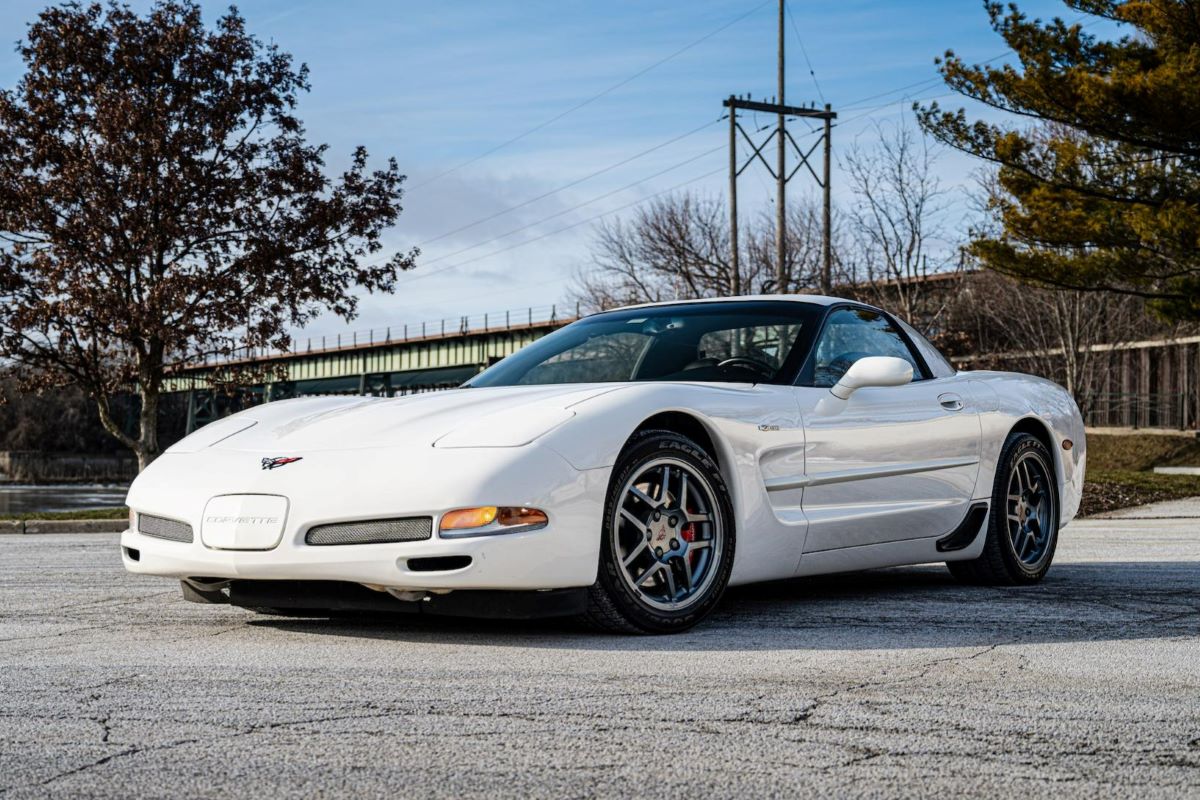
Chevrolet Corvette C5 Z06
The C5 Z06 combines raw power with a surprisingly refined chassis. Its lightweight construction gives it a massive advantage over a modern Mustang. Acceleration is brutal and immediate. The Mustang struggles to keep pace.
Handling is far better than most expect. The car stays flat and stable through high-speed corners. Weight distribution allows confident driving at the limit. The Mustang feels less composed under similar conditions.
Steering accuracy is solid and predictable. While not delicate, it is effective. The Mustang’s steering lacks consistency at high speeds. This creates hesitation.
Braking performance is excellent thanks to reduced mass. Stopping distances are short and repeatable. The Mustang’s brakes work harder due to weight. Fatigue sets in faster.
The Z06 feels purpose built for performance. It does not rely on tricks or electronics. Against it, the Mustang feels like a compromise.
Even at lower speeds, the car rewards precision. Every turn-in is sharp, and body control is excellent. The Mustang’s bulk becomes obvious during tight maneuvers.
The suspension design balances comfort and performance effectively. High-speed stability is impressive without feeling harsh. The Mustang, in comparison, tends to pitch and roll more aggressively.
Aerodynamic efficiency contributes to its composure. The car remains planted during fast sweeps and minimizes lift. The Mustang relies more on electronic stability to counteract similar forces.
Power delivery is smooth and consistent. Unlike the Mustang, which can be abrupt and jerky under throttle, the Z06 maintains traction predictably. This allows faster exits from corners.
Finally, the Corvette’s lightweight approach maximizes tire and brake performance. Repeated aggressive driving is easier to sustain. The Mustang’s mass limits endurance, making the Z06 superior in spirited driving situations.
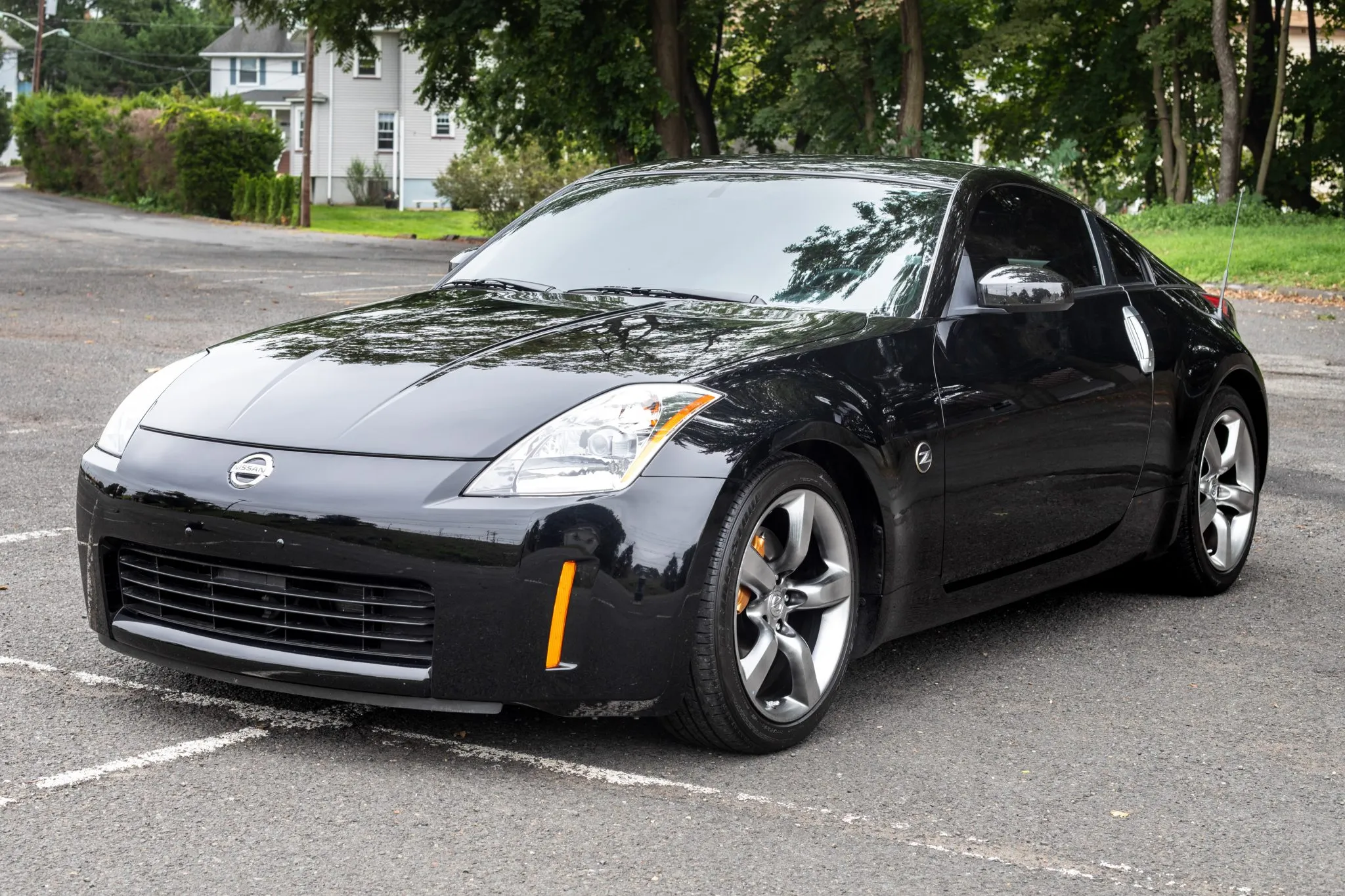
Nissan 350Z
The Nissan 350Z delivers strong performance through simplicity and balance. Its V6 provides usable power across the rev range. Traction is predictable and controllable. The Mustang often overwhelms its rear tires.
Chassis stiffness allows confident cornering without excessive body movement. The car feels planted and stable. The Mustang tends to feel unsettled mid corner. This reduces confidence.
Steering response is direct and trustworthy. The driver knows exactly how the front end will react. The Mustang feels slower to respond. Precision favors the Z.
Braking capability is respectable and consistent. The car sheds speed efficiently. The Mustang’s heavier mass works against it. Repeated braking highlights the gap.
The 350Z may not be flashy, but it is effective. On real roads, it embarrasses bigger, louder cars. The Mustang included.
Weight distribution gives the car excellent rotation mid-corner. It allows smooth transitions and minimal understeer. The Mustang’s front-heavy nature makes tight corners more challenging.
The V6 engine responds linearly to throttle input, allowing subtle modulation when exiting corners. The Mustang’s torque can cause sudden oversteer or wheelspin. Predictability favors the Z.
Tire grip is optimized for balanced performance. The 350Z corners confidently without relying on excessive electronic intervention. The Mustang’s weight exaggerates tire load, reducing margin for error.
Suspension geometry keeps body roll controlled, allowing aggressive driving without unsettling the chassis. The Mustang often feels less communicative and more hesitant in high-speed corners.
Finally, driver engagement defines the 350Z experience. It demands attention and precision, rewarding skill with consistent results. The Mustang may dominate in straight line runs, but the Z outclasses it in dynamic driving.
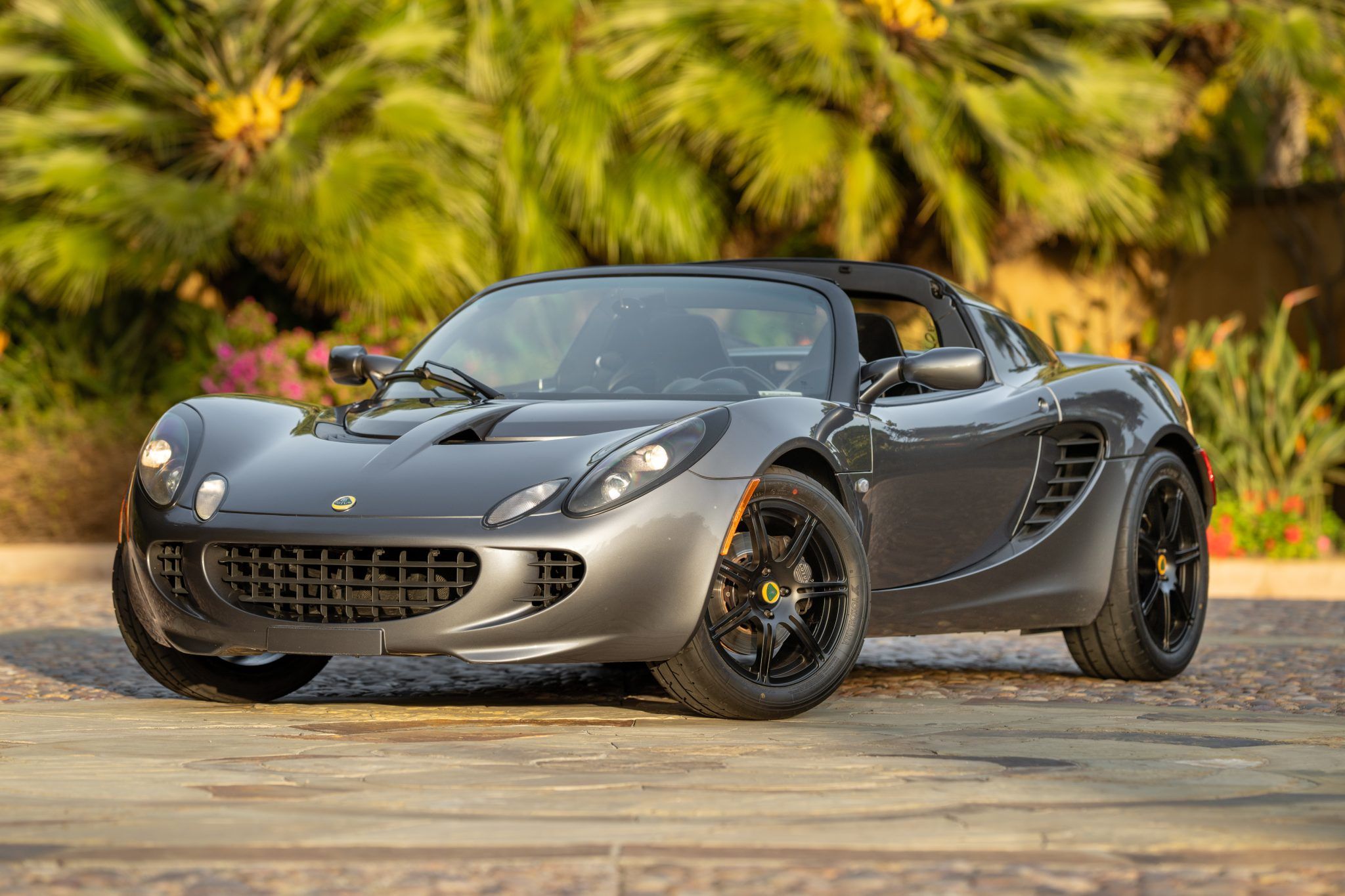
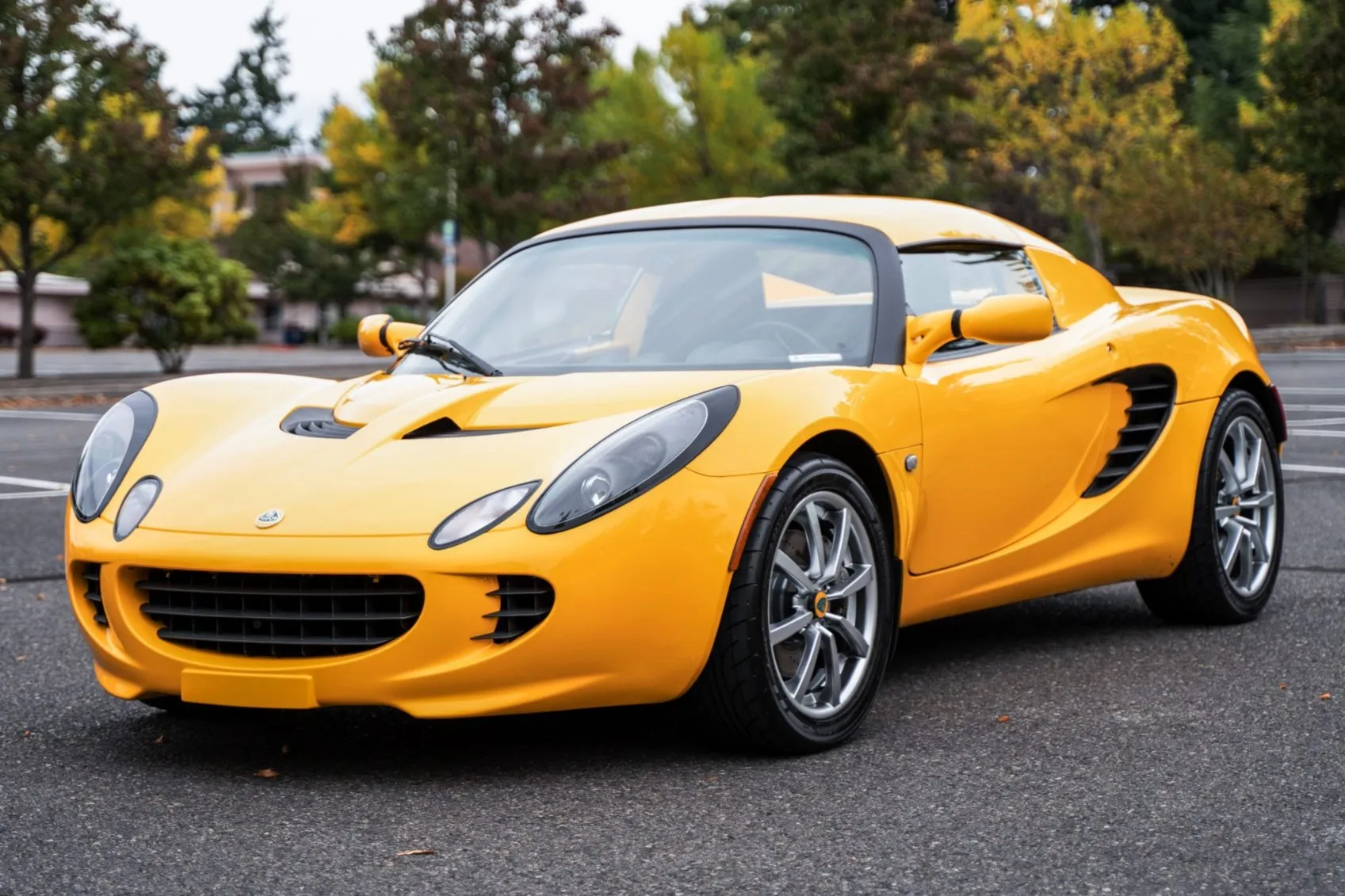
Lotus Elise
The Lotus Elise is built around one idea, which is lightness. Its minimal weight gives it an unfair advantage in every performance metric. Acceleration feels instant despite modest power. The Mustang cannot compensate for its mass.
Cornering grip is extraordinary due to low weight and excellent suspension geometry. The car sticks to the road effortlessly. The Mustang fights inertia at every turn. The difference is staggering.
Steering feedback is pure and unfiltered. Every surface change is felt immediately. This allows precise control at high speeds. The Mustang feels numb and distant.
Braking distances are incredibly short. The Elise slows down with minimal effort. The Mustang’s brakes struggle to match this efficiency. Weight again is the enemy.
Driving an Elise exposes how unnecessary excess really is. It makes power numbers irrelevant. The Mustang feels outdated by comparison.
The lightweight chassis reduces fatigue and enhances agility. Repeated aggressive driving sessions remain manageable. The Mustang’s mass makes long stints physically and mentally demanding.
Aerodynamic efficiency helps the car maintain stability without additional weight. High-speed cornering feels effortless. The Mustang relies heavily on stability control to remain predictable.
The suspension setup is finely tuned for maximum mechanical grip. Tires remain in contact consistently, and body movements are minimal. The Mustang exhibits more lean and pitching under similar conditions.
Power delivery, while modest, is linear and controllable. Exiting corners requires finesse, not brute force. The Mustang’s torque can overwhelm tires and unsettle balance in contrast.
Finally, the Elise embodies driver connection. Every motion of the car is felt instantly through steering and seat-of-the-pants feedback. The Mustang’s bulk and electronics cannot replicate this level of engagement.
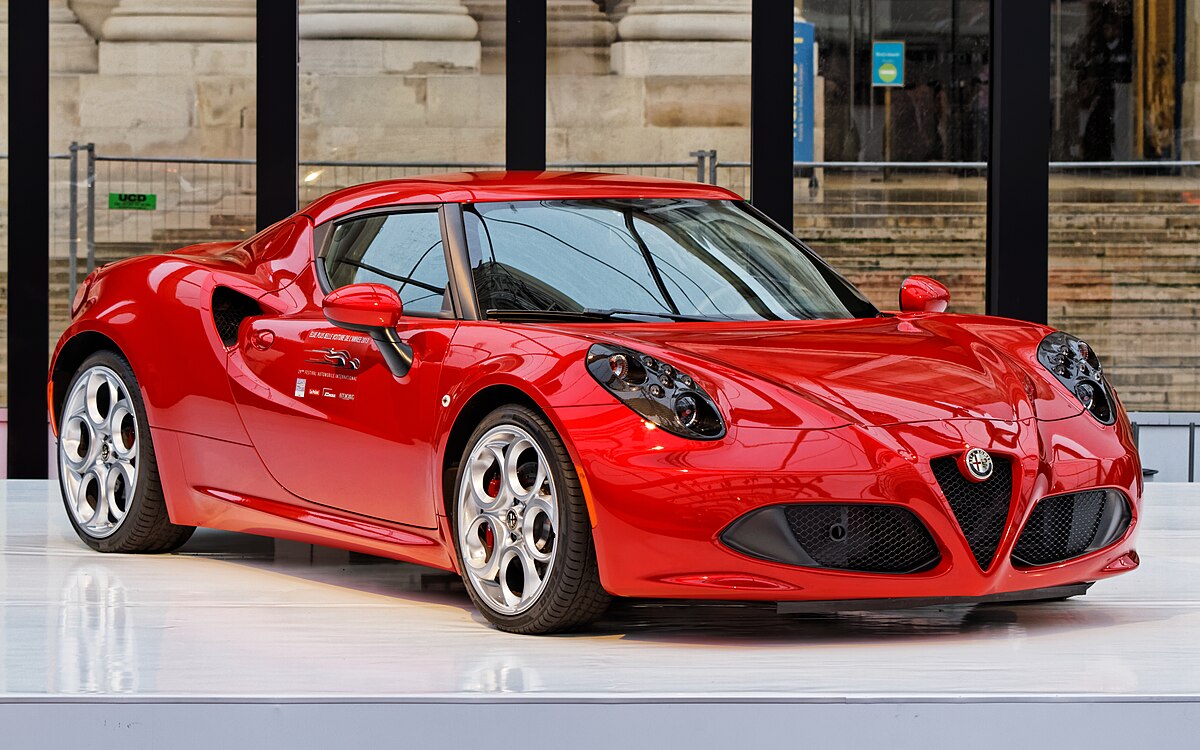
Alfa Romeo 4C
The Alfa Romeo 4C blends exotic construction with raw driving dynamics. Its carbon fiber tub keeps weight extremely low. Acceleration feels urgent and aggressive. The Mustang cannot replicate this sensation.
Handling is sharp and responsive, rewarding decisive inputs. The car changes direction instantly. The Mustang feels slow and reluctant in transitions. Precision wins every time.
Steering is unassisted, providing unmatched feedback. The driver is fully engaged at all times. The Mustang’s assisted system feels artificial. Engagement favors the Alfa.
Braking performance is strong and consistent due to low mass. The car remains stable under hard stops. The Mustang struggles to control weight transfer. Stability suffers.
The 4C demands respect and attention. In return, it delivers devastating performance. Against it, the Mustang feels crude.
Chassis rigidity contributes to remarkable handling. Every movement is direct and predictable. The Mustang’s bulk diminishes confidence during fast maneuvers.
Power-to-weight ratio gives the 4C an edge in real world acceleration. Even modest horsepower produces thrilling performance. The Mustang relies on brute force to achieve similar results.
Suspension geometry and low center of gravity enhance agility. The car rotates quickly through corners with minimal effort. The Mustang struggles to match this nimbleness.
Driver engagement is enhanced by compact dimensions and seat positioning. The connection between driver and machine is immediate. The Mustang’s larger footprint creates a sense of separation.
Finally, the Alfa 4C is an exercise in efficiency and purity. It rewards skill and punishes hesitation. The Mustang’s size and electronics cannot overcome the 4C’s mechanical advantages.
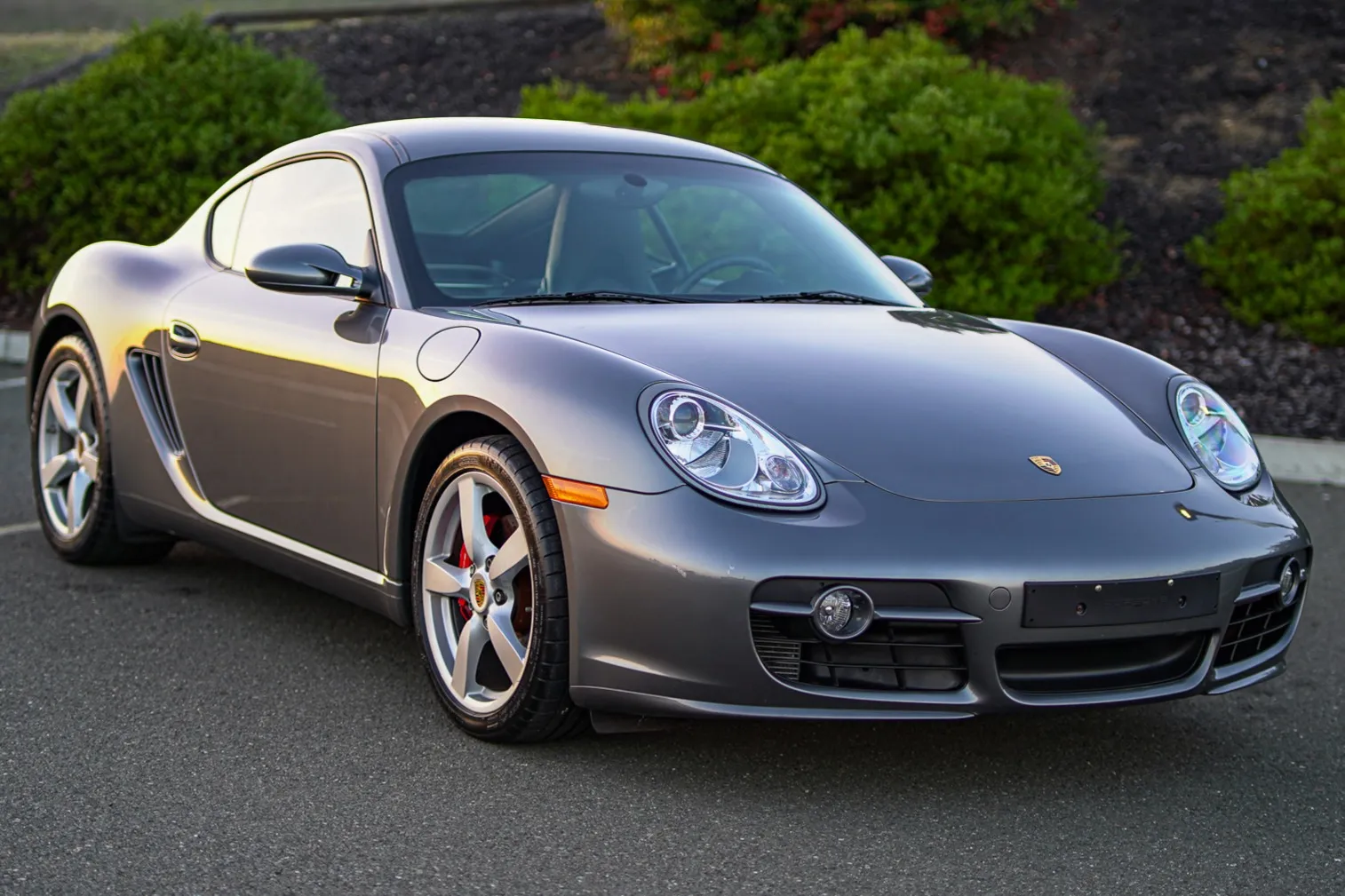
Porsche Cayman S
The Porsche Cayman S is one of the most balanced sports cars ever produced. Its mid engine layout delivers near perfect handling. Cornering stability is exceptional. The Mustang cannot compete here.
Steering precision is outstanding, allowing exact placement on the road. Feedback builds confidence quickly. The Mustang feels vague in comparison. Precision matters.
Acceleration is smooth and consistent, maintaining speed through corners. The Mustang relies on bursts of power. Consistency favors the Cayman.
Braking feel is excellent, with strong modulation and control. The car remains composed under stress. The Mustang shows its weight again. Control is lost sooner.
The Cayman S excels in every performance category that matters. It does not need excess power. Against it, the Mustang is simply outclassed.
Mid-engine balance reduces rotational inertia. The car transitions seamlessly between turns, requiring minimal correction. The Mustang, with its front-heavy design, struggles to maintain composure.
Weight distribution enhances grip under braking. The Cayman remains stable during late-braking maneuvers. The Mustang’s additional mass can upset balance, forcing conservative inputs.
The suspension system is tuned for high-speed stability and low-speed agility. Every cornering motion is predictable. The Mustang’s suspension feels less refined under similar conditions.
Aerodynamics work efficiently without drawing attention. The Cayman maintains composure during fast sweeps and lane changes. The Mustang relies more on electronic assistance to achieve similar stability.
Finally, the Cayman rewards precision and finesse. Every motion is transmitted to the driver instantly. The Mustang may intimidate with power, but the Cayman’s mechanical balance makes it the superior performer.