The automotive world is filled with models that capture the imagination of car enthusiasts, collectors, and casual fans alike. Among these, some cars stand out not just for their performance, but for their bold, weird, and often daring designs. These vehicles go beyond conventional aesthetics, challenging the status quo and making an unforgettable statement.
When we think about classic cars, we often remember iconic vehicles that shaped the automotive industry. But what about the ones that made us look twice because they were just so unique? This article will explore 10 classic cars that boast some of the most striking and unconventional designs ever to hit the roads.
The term “classic car” typically refers to vehicles that are not just old, but also have cultural significance or a lasting impact on the automotive industry.
However, it’s not just their age or historical importance that makes these vehicles special; it’s the creativity and boundary-pushing design choices that set them apart. From sharp angles to curvaceous lines, from asymmetrical forms to futuristic concepts, these cars dared to be different at a time when design was often constrained by convention.
In this list, we will cover vehicles that not only stand out for their aesthetic appeal but also challenge the norms of what a car can look like. Some were built with the future in mind, while others were simply ahead of their time.
Whether it’s the sleek elegance of a Mercedes-Benz or the strange and quirky appeal of a Fiat, each of these cars showcases the diversity and innovation that has defined classic car design.
This exploration isn’t just for the die-hard car lover; it’s for anyone who appreciates bold artistic expression, unconventional thinking, and the pursuit of something truly unique on four wheels. So, buckle up as we take you through a journey of the boldest, weirdest, and most fascinating designs in the history of automobiles.
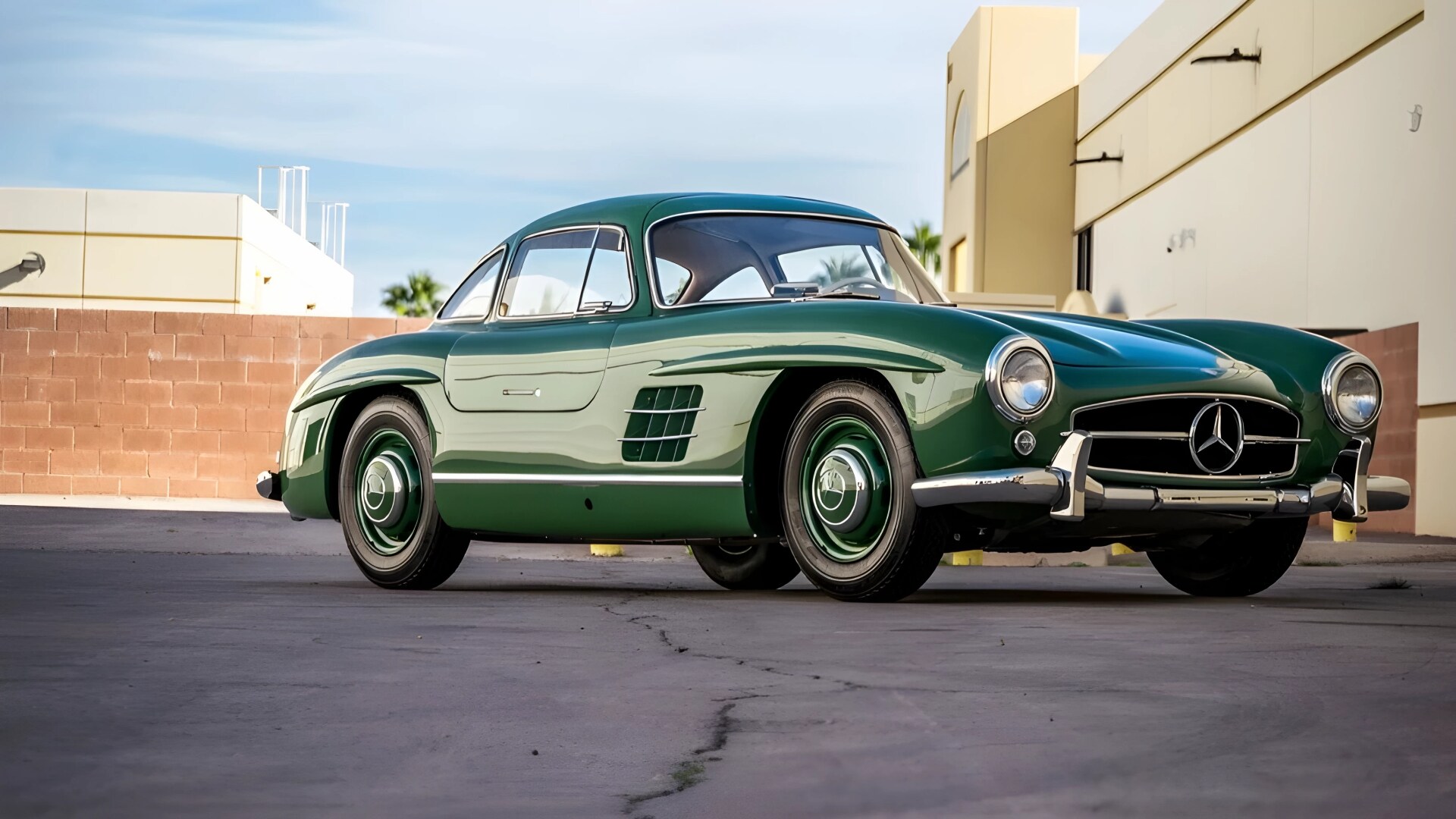
The 1955 Mercedes-Benz 300SL Gullwing
The 1955 Mercedes-Benz 300SL Gullwing is arguably one of the most iconic cars ever made. Its bold design was revolutionary for its time and is still regarded as a masterpiece of automotive engineering. The most striking feature of this vehicle is, of course, its unique gullwing doors.
These upward-opening doors were a significant departure from the traditional side-hinged models, making the car appear both futuristic and avant-garde when it debuted. This design also served a functional purpose, as it allowed easier entry in tight spaces where traditional car doors might not open.
The body of the 300SL is a perfect balance of elegance and aggression. Its sleek, aerodynamic shape was designed with speed in mind, as the car was intended for racing. The extended front end, coupled with the sloping roofline, gave the car a look that was both purposeful and stunning.
The low-slung profile made it look fast even when stationary, and the unique wheel arches only added to its dynamic stance. The 300SL’s design captured the essence of post-WWII optimism, blending form with function in a way that was both practical and artistic.
Under the hood, the 300SL was no slouch either. With its 3.0-liter, inline-six engine, it was the fastest production car of its time, reaching speeds of 160 mph, which was almost unheard of for civilian vehicles.
The power and performance matched the striking exterior design, creating a complete package that not only turned heads but also delivered incredible driving experiences. This car was a true testament to Mercedes-Benz’s commitment to pushing the limits of automotive design.
Though the design was bold, it wasn’t entirely without challenges. The gullwing doors, for example, required the car to be equipped with a high roofline, which resulted in a slightly less spacious cabin than some other cars of its time.
However, these quirks only added to the car’s uniqueness, giving it a personality all its own. Over time, the 300SL Gullwing became a symbol of luxury and innovation, sought after by collectors and enthusiasts alike.
Today, the Mercedes-Benz 300SL Gullwing remains one of the most revered classic cars in history. Its combination of bold design, cutting-edge technology, and timeless elegance has made it a cultural icon. It serves as a reminder of an era when car manufacturers were not afraid to take risks and create something truly extraordinary.
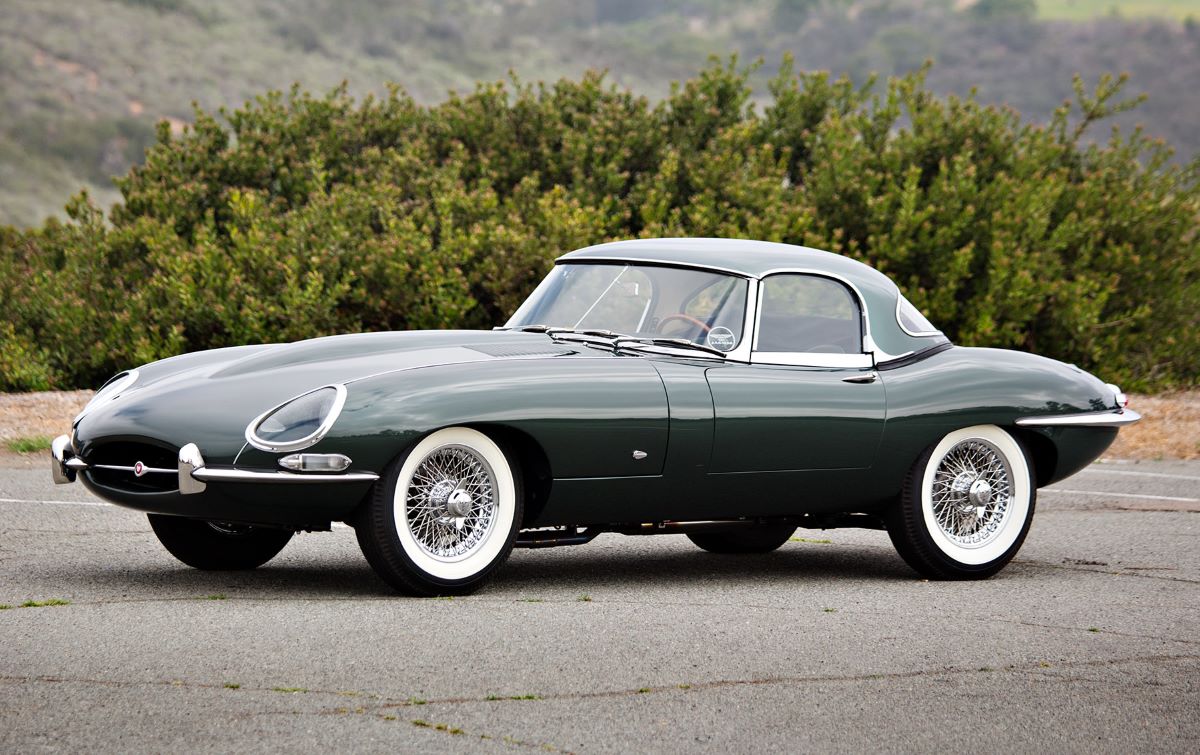
The 1961 Jaguar E-Type
The 1961 Jaguar E-Type is often remembered for its flowing, elegant lines that make it look like it was carved from metal rather than assembled. Its long hood and compact cabin create a dramatic visual contrast that feels both sporty and refined.
Unlike many cars of the era, the E-Type was designed to combine beauty with performance, proving that speed and style could coexist without compromise. The smooth curves and teardrop-shaped headlamps gave it a futuristic aesthetic that captivated audiences at car shows around the world.
One of the E-Type’s most innovative design features is its monocoque construction, which was unusual at the time. This technique integrated the body and chassis into a single structure, reducing weight and improving handling.
Combined with the car’s independent rear suspension, this allowed for an exceptional driving experience that matched the car’s visual appeal. The engineering behind the design was as bold as its appearance, making it a favorite among both drivers and automotive journalists.
The interior of the E-Type emphasized simplicity and elegance. Minimalist instrumentation, high-quality materials, and a driver-focused layout created a cockpit that was both functional and luxurious. Despite its compact size, the interior felt intimate yet sporty, echoing the car’s design philosophy.
Each detail, from the curved dashboard to the rounded gear lever, contributed to the impression that the E-Type was more than a car; it was a work of art on wheels.
Despite being celebrated for its beauty, the E-Type faced criticism for its reliability issues and delicate construction. Early models required careful maintenance, and the aluminum-bodied versions were prone to corrosion. Still, these challenges did not diminish the car’s allure. In fact, they reinforced its status as a vehicle for enthusiasts who appreciated bold design and driving excitement over practicality.
The Jaguar E-Type continues to influence automotive design decades later. Its silhouette has inspired countless modern sports cars, and collectors continue to pay high prices for well-preserved examples. The car represents a moment in history when design and engineering came together to create something extraordinary, a combination of aesthetics, speed, and innovation that few cars have matched.
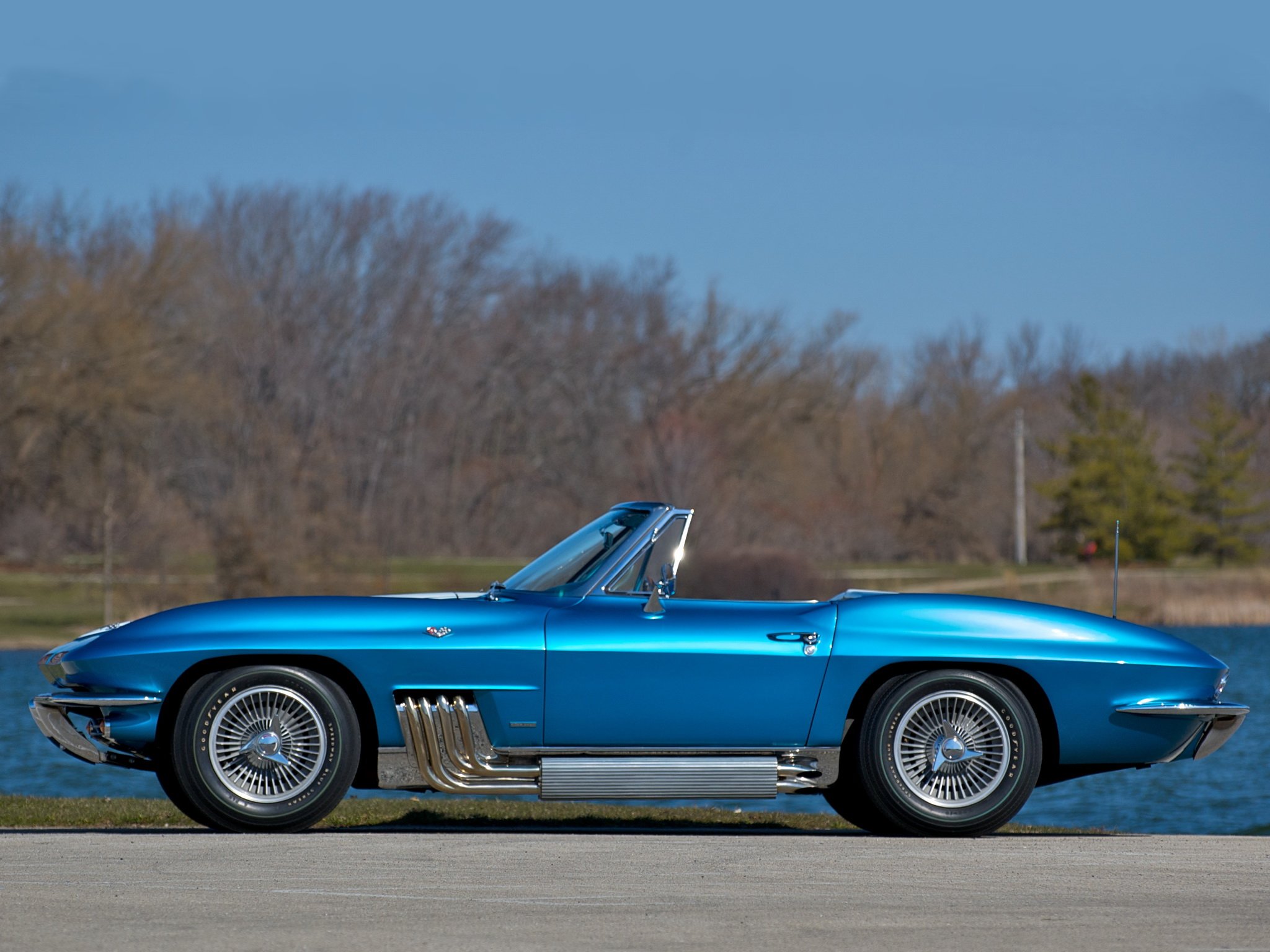
The 1963 Chevrolet Corvette Sting Ray
The 1963 Chevrolet Corvette Sting Ray marked a radical departure from its predecessor with its sharp lines and aggressive styling. Its split rear window, which was only available on the first-year model, immediately became one of the most talked-about design features in automotive history.
This design choice divided opinions at the time, with some praising its daring aesthetics while others criticized it for limiting rear visibility. Regardless, the Corvette Sting Ray remains one of the most recognizable sports cars ever produced.
The Sting Ray’s body featured clean, angular lines that were revolutionary in the early 1960s. The car appeared low and wide, emphasizing speed even at a standstill. Its hidden headlamps added to the streamlined appearance, while the pronounced fender arches highlighted its muscular stance.
Chevrolet succeeded in creating a car that was both bold and elegant, breaking free from the curvier, more conservative designs of its contemporaries.
Inside, the Corvette offered a driver-focused cabin with bucket seats and a center console that ran the length of the interior. The design emphasized functionality while maintaining a sense of luxury, a combination that helped distinguish the Corvette from other American sports cars. Despite being built for performance, the interior never felt bare or utilitarian, reflecting a careful balance between aesthetics and ergonomics.
Under the hood, the Corvette Sting Ray offered powerful engine options that complemented its bold design. From V8 engines capable of producing substantial horsepower to precise handling systems, the car delivered a thrilling experience behind the wheel. The performance was as daring as the styling, creating a vehicle that captured both attention and admiration on the road.
Over time, the 1963 Corvette Sting Ray has become a symbol of American innovation in automotive design. Its bold lines, daring rear window, and combination of performance and aesthetics set it apart from anything else on the road. Today, collectors and enthusiasts continue to celebrate this car as a pinnacle of 1960s automotive creativity.
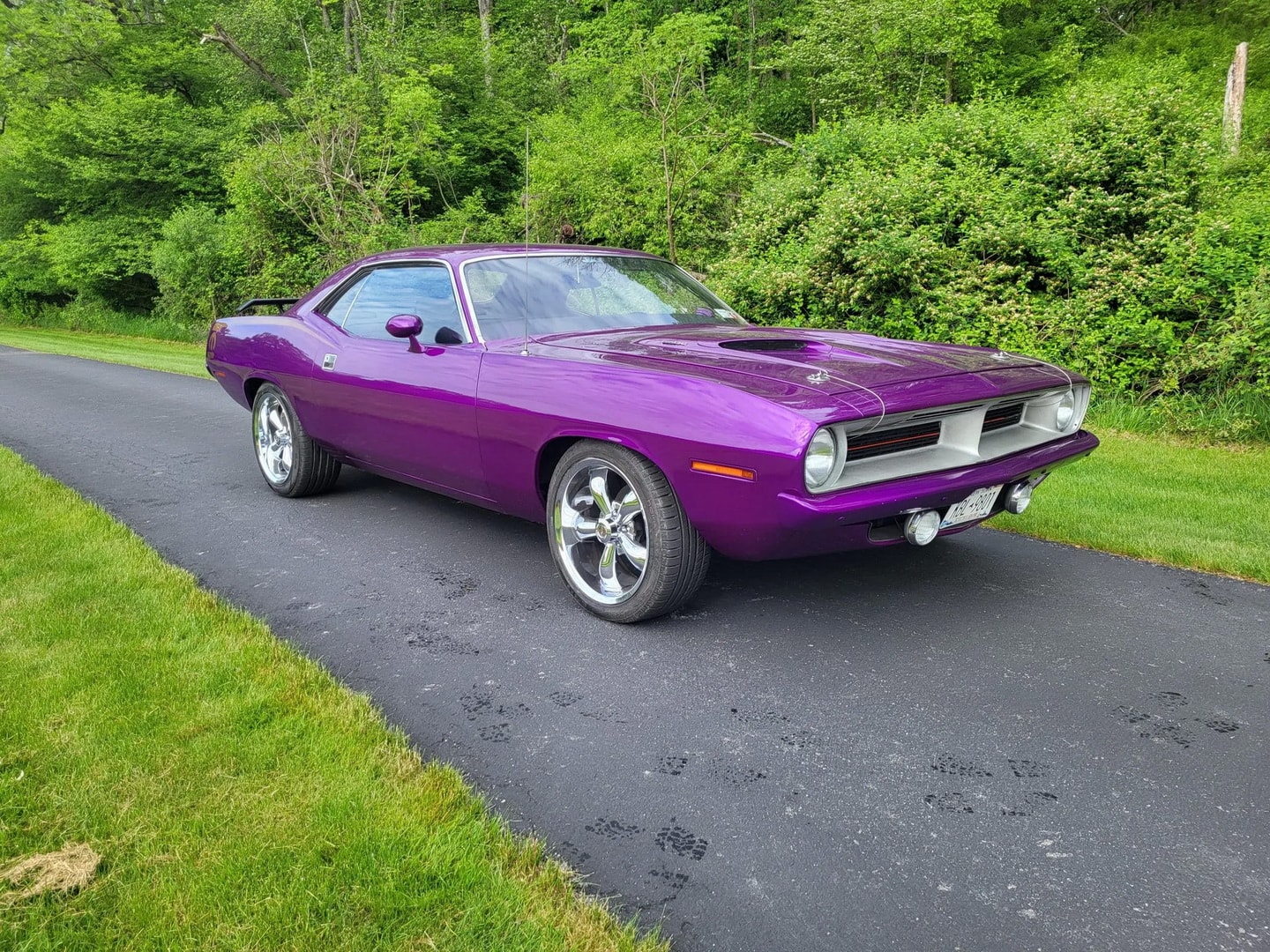
The 1970 Plymouth Barracuda
The 1970 Plymouth Barracuda is known for its bold presence and distinctive body lines. It stands out among muscle cars for its slightly unconventional proportions and large, aggressive grille. Unlike other vehicles of its era, the Barracuda combined performance and unique styling in a way that made it instantly recognizable.
Its sharp angles and slightly flared fenders gave the car a sense of motion even while standing still, highlighting the daring design choices of its engineers.
The fastback roofline of the Barracuda contributed to both its style and aerodynamics. This design allowed the car to appear sleek while maintaining a muscular stance. The rear window flowed smoothly into the trunk, creating a continuous, uninterrupted line that emphasized the car’s aggressive yet refined silhouette. Even small details, such as chrome trim and wheel arches, were carefully designed to enhance the visual impact.
Performance was a key part of the Barracuda’s appeal. It offered a range of powerful V8 engines that could handle both street and track. The car’s handling and suspension were tuned to complement its performance, creating an experience that was as dynamic as its appearance. This combination of looks and power helped the Barracuda stand out in a crowded field of American muscle cars.
The interior design reinforced the Barracuda’s bold aesthetic. Sporty seating, large dials, and a well-laid-out dashboard made the cabin feel both functional and stylish. Even with its performance focus, the car provided comfort and a sense of occasion for the driver. Every element of the interior reflected the vehicle’s personality: aggressive, stylish, and unapologetically bold.
Collectors today seek out the 1970 Plymouth Barracuda for its unique place in automotive history. Its combination of daring design, performance, and distinctive personality has cemented it as a classic worth preserving. The Barracuda reminds enthusiasts that muscle cars don’t have to follow convention to make a lasting impact.
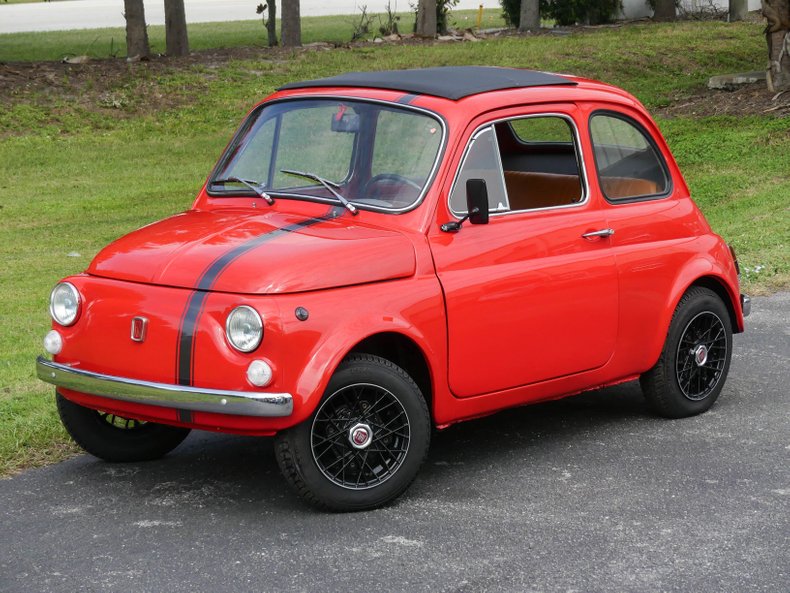
The 1969 Fiat 500
The 1969 Fiat 500 is celebrated for its compact, quirky, and unconventional design. Unlike the other bold cars on this list, the 500 relied on charm and ingenuity rather than brute force.
Its tiny, rounded body made it perfect for city driving, and its simple, friendly appearance made it approachable for a wide audience. Despite its small size, the Fiat 500’s design was highly functional, maximizing interior space while maintaining a playful aesthetic.
The 500’s exterior was minimalistic yet expressive. Small, circular headlights and a compact front grille gave it a cheerful and distinctive look.
The gently curved roofline and short overhangs enhanced the car’s urban-friendly proportions. Its design emphasized accessibility and practicality, but it also stood out for being unconventional and slightly whimsical compared to larger, more aggressive vehicles.
Inside, the Fiat 500 made excellent use of limited space. Seating was compact, yet the layout allowed for surprising comfort and utility. The dashboard was simple, featuring basic instrumentation while maintaining a clean and uncluttered aesthetic. This focus on efficiency and functionality contributed to the 500’s reputation as a car that was clever in its design rather than flashy.
The car’s small engine was ideal for city driving, offering economy and ease of use rather than high performance. This understated approach to engineering complemented the boldness of its design, proving that innovation does not always require extravagance. The Fiat 500 became a symbol of accessible, thoughtful automotive design that prioritized practicality without sacrificing style.
Decades later, the 1969 Fiat 500 remains an icon of creative design. Its charm, efficiency, and clever engineering have influenced modern small cars. The 500 demonstrates that boldness in automotive design can be expressed in ways beyond raw power, using personality, proportions, and ingenuity to leave a lasting impression.
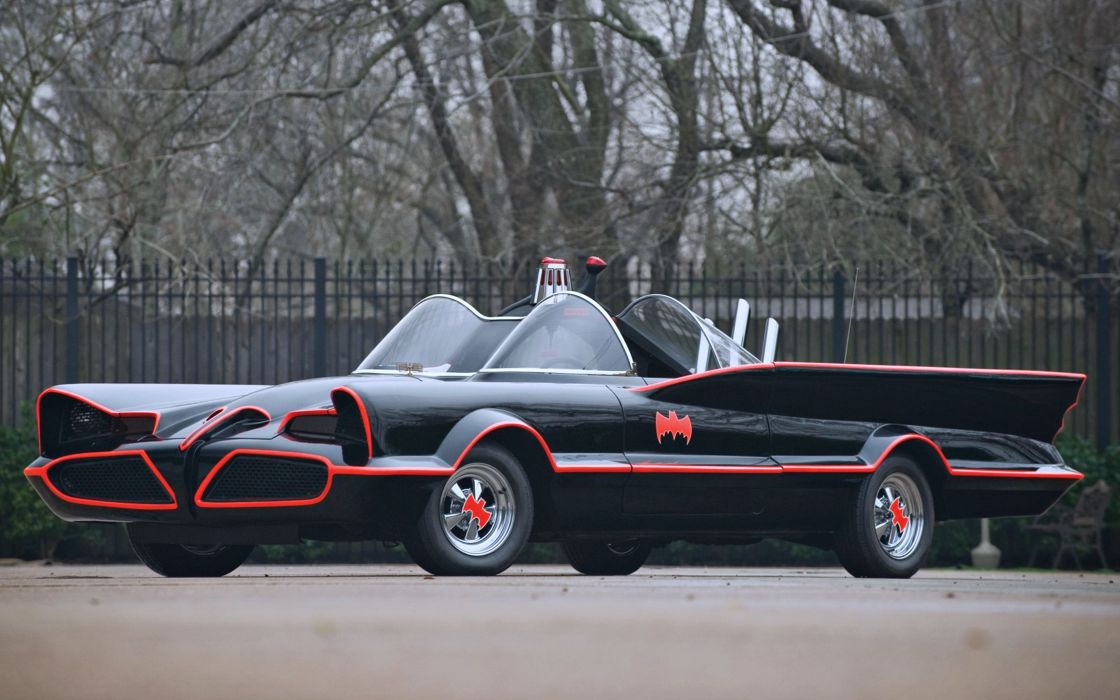
The 1966 Batmobile (Lincoln Futura)
The 1966 Batmobile, built from a Lincoln Futura concept car, is one of the most striking and instantly recognizable vehicles ever created. Its design was flamboyant, futuristic, and unlike anything else on the road at the time.
The long, pointed nose and dual bubble windshields gave it a comic-book feel while still maintaining a sense of realism. Its exaggerated fins and chrome detailing ensured the car looked dramatic from every angle, making it more than just a car, it was a moving piece of pop culture.
The Batmobile’s silhouette was daring and unconventional. The massive tailfins, jet-inspired design elements, and smooth curves created a vehicle that seemed capable of flight. Its unusual proportions were intended to grab attention, which they certainly did when it appeared on television. The car’s dramatic lines made it appear ready for action, perfectly reflecting the heroic persona it represented on-screen.
The interior matched the bold exterior. Unique controls, brightly colored buttons, and futuristic dashboards gave the impression that the car was ahead of its time technologically. The cabin was designed to feel like a control center rather than a traditional driving space. This alignment of design with function created a cohesive aesthetic, blending the fantastical with automotive engineering.
The Batmobile’s performance was secondary to its appearance, yet it retained functional qualities thanks to its Lincoln chassis and engine. While it was not a speed demon, the vehicle could navigate roads with ease while turning heads wherever it went. Its status as a cultural icon was cemented more by its design than its mechanical abilities, showing the power of visual innovation.
Today, the 1966 Batmobile remains a legendary symbol of creativity in automotive design. Collectors prize it not for speed or practicality, but for its audacity and charm. It serves as a reminder that sometimes the boldest designs are those that embrace imagination and defy conventional expectations.
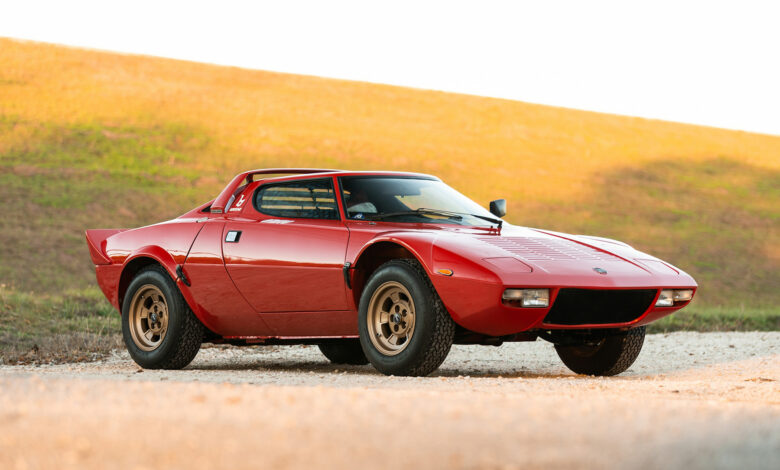
The 1974 Lancia Stratos
The 1974 Lancia Stratos is a rally legend, known for its aggressive wedge-shaped design and compact, purpose-built proportions. Its short, wide stance gave it exceptional stability and performance on challenging rally courses. The bold angular body and sharply sloped windshield created a futuristic look, making it feel like it belonged in a concept car showroom rather than on public roads. Every line of the Stratos emphasized speed, agility, and daring design.
The Stratos’ design was highly functional. Its low center of gravity, mid-engine layout, and wide track allowed it to dominate rally racing. The car’s wedge shape reduced aerodynamic drag while ensuring it could handle tight corners with precision. Unlike many other cars, the Stratos combined aggressive aesthetics with performance-driven engineering, resulting in a vehicle that was as efficient as it was striking.
Inside, the cockpit was tight and utilitarian, reflecting the car’s rally-focused nature. Every control was designed for quick access and ease of use in high-pressure conditions. The driver-centered layout reinforced the car’s purpose-built character. While it lacked luxury, the interior perfectly complemented the bold, no-nonsense exterior design.
The Stratos’ engine and mechanical setup were as revolutionary as its design. Its Ferrari Dino V6 engine provided blistering power, allowing the car to sprint with incredible acceleration. Handling was precise and responsive, making it one of the most competitive rally cars of the 1970s. Its mechanical excellence matched the visual drama, creating a complete package of beauty and performance.
Today, the Lancia Stratos is a revered collector’s car. Its combination of bold angular design, rally dominance, and innovative engineering has ensured its place in automotive history. The Stratos reminds enthusiasts that aggressive, unusual design choices can yield both visual impact and unmatched performance.
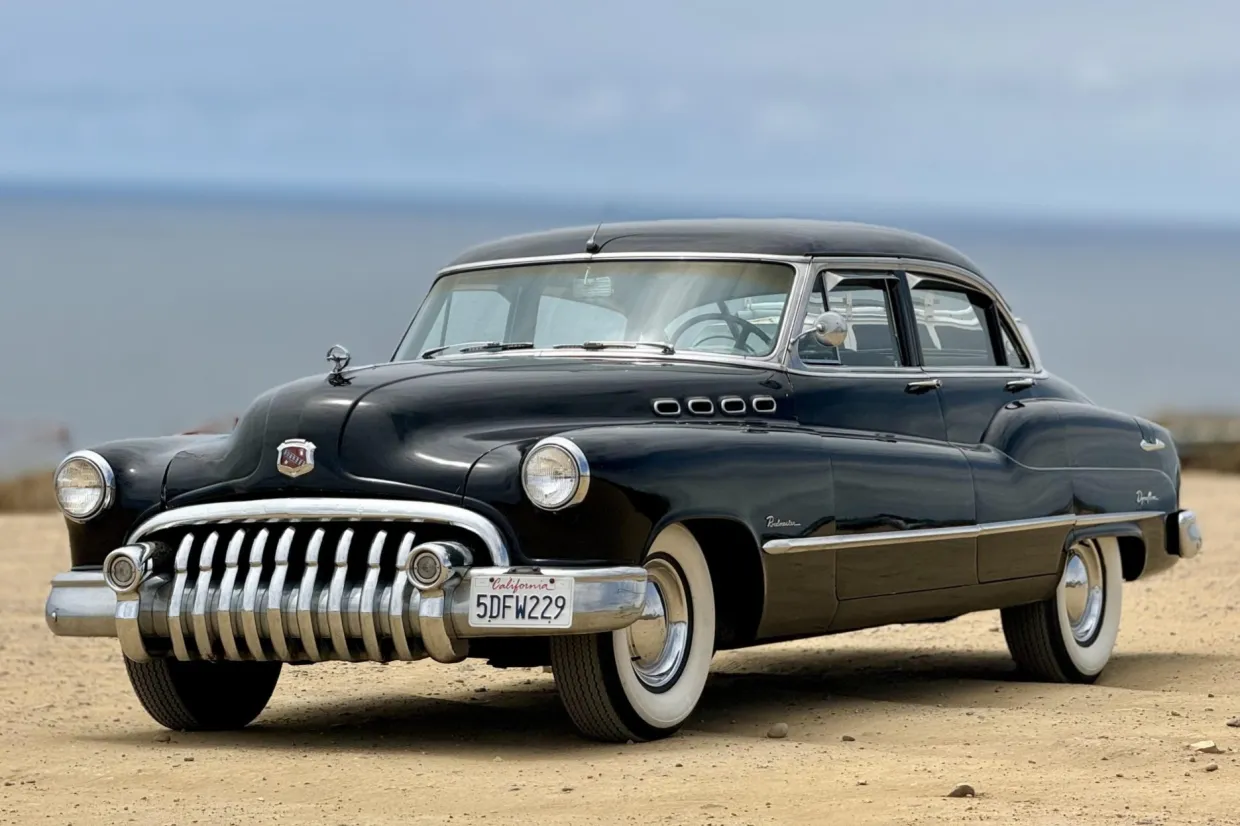
The 1950 Buick Roadmaster
The 1950 Buick Roadmaster exemplifies bold American design in the post-war era, with sweeping chrome accents and a distinctive front grille. Its large body, pronounced fenders, and dramatic lines created a presence that was impossible to ignore.
Buick designers focused on creating a sense of luxury and elegance, but they did so in a way that was bold, forward-thinking, and slightly unconventional. This combination made the Roadmaster a standout on any street.
The car’s exterior design emphasized grandeur. Its long hood, curved roof, and extensive chrome detailing drew the eye, while subtle sculpting along the doors and sides added sophistication. The Roadmaster’s proportions were massive, giving the impression of power and stability. Even small touches, such as the hood ornament and two-tone paint options, enhanced its bold aesthetic.
Inside, the Roadmaster featured an opulent interior. Plush seats, chrome-accented dashboards, and spacious cabin arrangements conveyed luxury and comfort. The attention to detail reflected the era’s preference for style and elegance. Despite its size, the Roadmaster’s interior design felt cohesive and inviting, emphasizing a sense of presence and refinement.
Under the hood, the Roadmaster offered powerful straight-eight and V8 engines. These options matched the car’s bold exterior, ensuring performance was not sacrificed for style. The smooth handling and reliable performance allowed the Roadmaster to deliver a driving experience worthy of its dramatic appearance. It was a car that could turn heads and perform with confidence.
Collectors today appreciate the 1950 Buick Roadmaster for its daring design and historical significance. Its sweeping lines, extensive chrome, and luxurious interior make it a symbol of American automotive ambition. The car remains an example of bold styling that defined a generation of post-war vehicles.
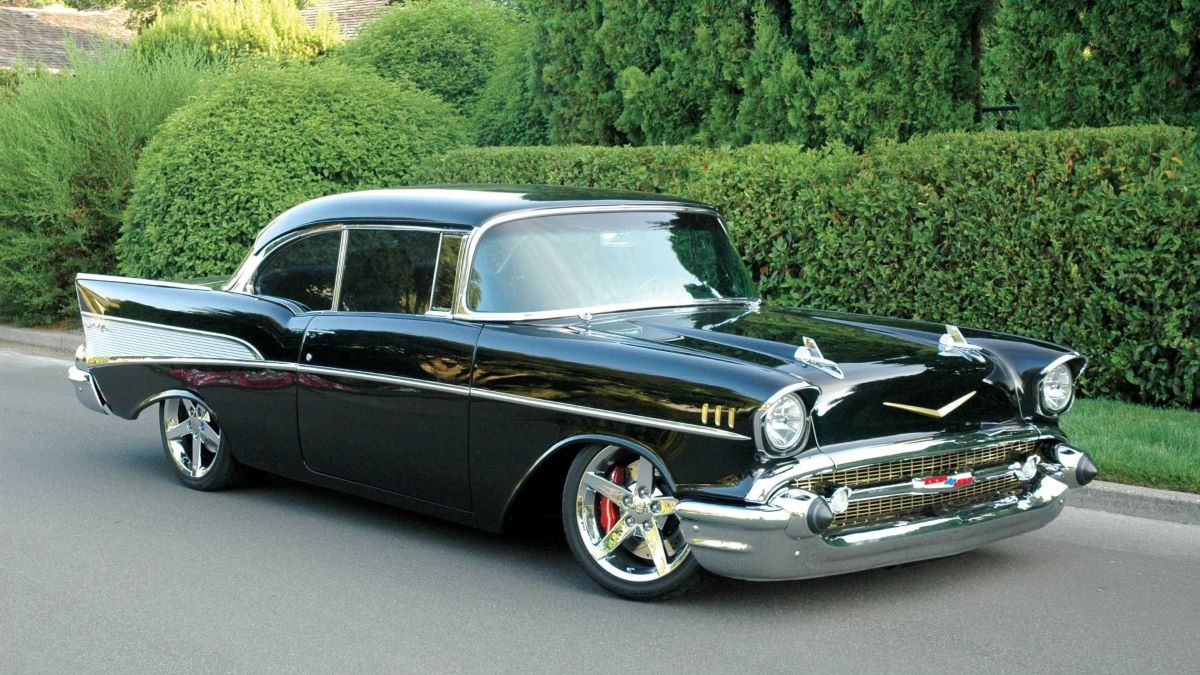
The 1957 Chevrolet Bel Air
The 1957 Chevrolet Bel Air is iconic for its extravagant chrome detailing, tailfins, and distinctive two-tone paint schemes. Its design captured the optimism of the 1950s and became a symbol of American automotive style. The Bel Air’s bold proportions, extended rear fins, and dual headlamp design created a car that was instantly recognizable. Its visual flair set it apart from competitors, ensuring it remains a timeless classic.
The Bel Air’s body combined elegance with drama. Chrome bumpers, side trim, and grille accents emphasized the car’s horizontal lines, while the fins added vertical flair. Its low-slung profile and wide stance contributed to a commanding presence. The 1957 Bel Air represented a careful balance between flamboyance and refinement, making it both bold and aesthetically pleasing.
Inside, the car was equally striking. Bench seats, chrome accents, and a functional dashboard created a luxurious and comfortable environment. The cabin reflected the styling cues of the exterior, emphasizing continuity in design. This focus on coordinated aesthetics ensured the Bel Air offered both visual appeal and practical comfort.
Performance options for the Bel Air ranged from inline-six engines to powerful V8s, allowing buyers to choose the balance of style and speed they desired. The car’s mechanical reliability complemented its striking design, making it a desirable option for families and enthusiasts alike. Its engineering was unassuming yet effective, letting the design take center stage.
The 1957 Chevrolet Bel Air continues to be a cultural icon. Its bold lines, distinctive fins, and two-tone schemes have inspired generations of automotive design. Collectors prize this model for its ability to capture the spirit of an era while standing out as a statement of bold, playful, and unforgettable design.
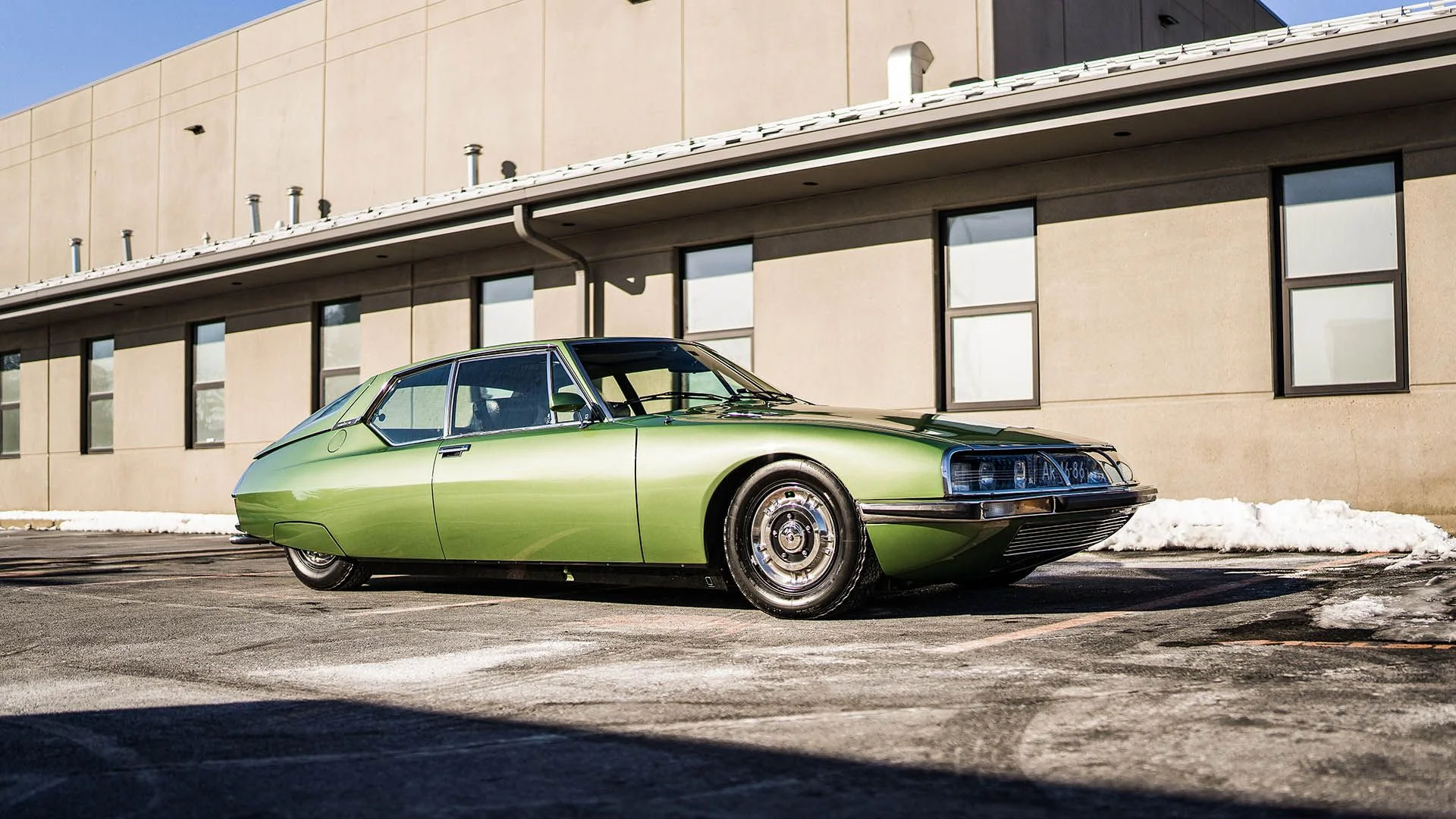
The 1971 Citroen SM
The 1971 Citroen SM is one of the most unconventional grand touring cars ever produced. Its futuristic, aerodynamic design incorporated elements rarely seen in production vehicles. The long, low hood and sharply sloped windshield created a streamlined profile that emphasized speed and elegance.
Unique covered headlamps and recessed grille elements contributed to a look that was both functional and audacious, making the SM a standout in European automotive history.
The car’s engineering complemented its bold design. The SM featured hydropneumatic suspension, providing a smooth, adaptable ride that enhanced both performance and comfort.
Its front-wheel-drive layout was unusual for a grand tourer, and the car’s handling reflected careful attention to stability and aerodynamics. The design was not purely aesthetic; it served a functional purpose in every curve and line.
Inside, the SM offered a luxurious and driver-focused environment. Seats were comfortable, and the dashboard included instruments designed for clarity and usability. Despite its bold exterior, the interior prioritized ergonomics and refinement. The combination of luxury materials and futuristic design elements reinforced the car’s distinctive character.
The SM’s engine was powerful and smooth, delivering performance that matched its avant-garde appearance. Its Maserati V6 provided speed and reliability, while the mechanical package was designed for both comfort and excitement. This harmony between engineering and design made the SM an advanced vehicle for its time.
Today, the Citroen SM remains a highly prized collector’s car. Its blend of aerodynamic innovation, luxurious interior, and bold exterior design ensures its place in automotive history. The SM stands as a testament to a period when designers and engineers dared to challenge conventions and redefine what a grand tourer could be.