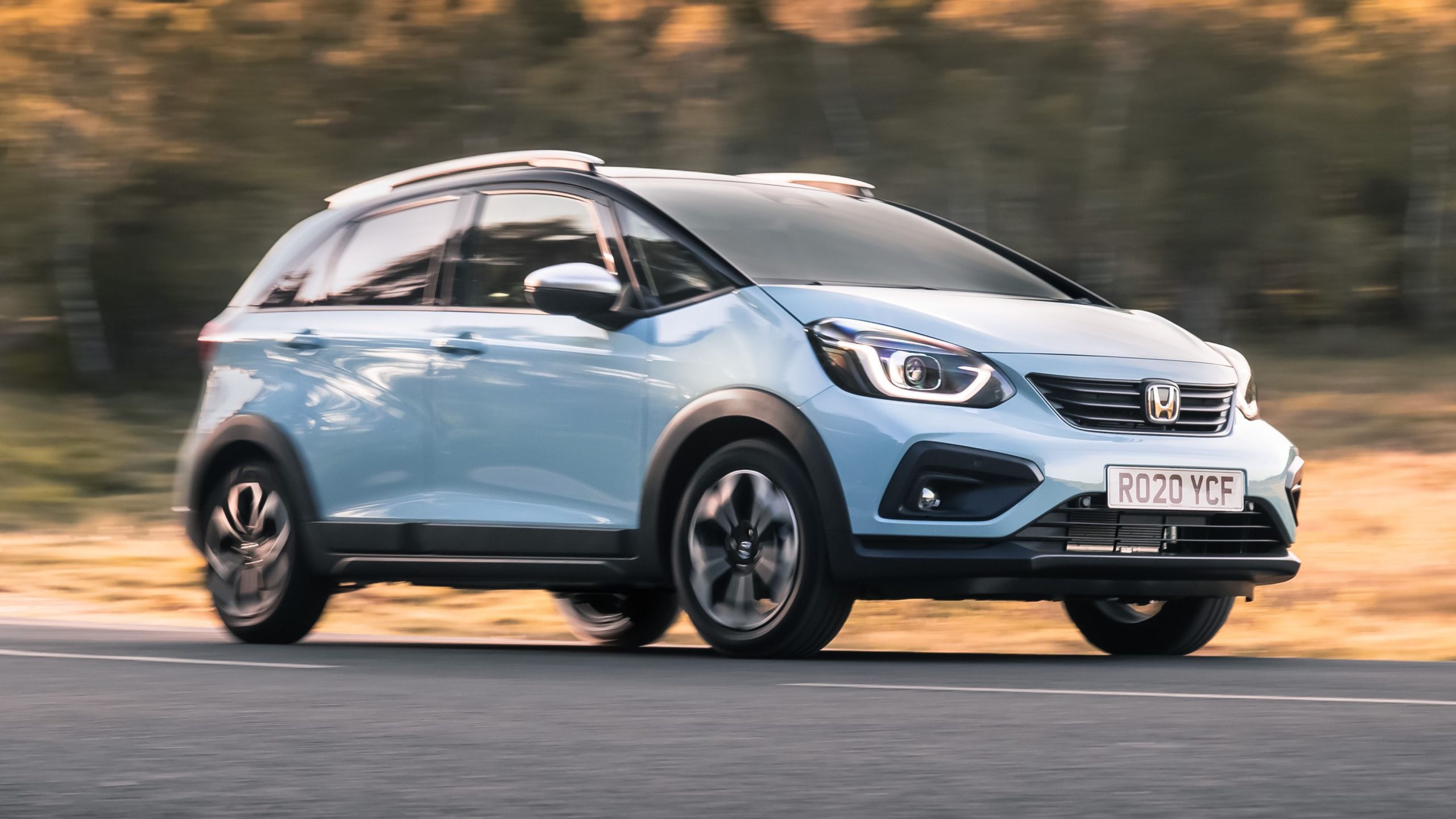
Choosing the right vehicle depends on how and where you drive. City commuters need small, efficient, and agile cars that can fit into tight parking spots, handle stop-and-go traffic, and offer low running costs. Vehicles like the Citroën Ami, Fiat 500e, and Honda Jazz Hybrid excel in urban environments with their compact dimensions, electric or hybrid efficiency, and practical interiors designed for short trips.
In contrast, some vehicles are built for long-distance travel, focusing on comfort, space, and performance over extended hours on the road. SUVs, minivans, and electric models such as the Chevrolet Suburban, BMW X7, and Hyundai Ioniq 9 provide spacious cabins, advanced driver-assistance systems, and powerful engines or long-range batteries to make highway driving smooth and enjoyable.
This guide highlights five vehicles designed for short city trips and five that are ideal for long drives, helping drivers choose the vehicle best suited to their lifestyle and travel needs.
5 Vehicles Built for Short City Trips
1. Citroën Ami: The Tiny Electric Urban Commuter
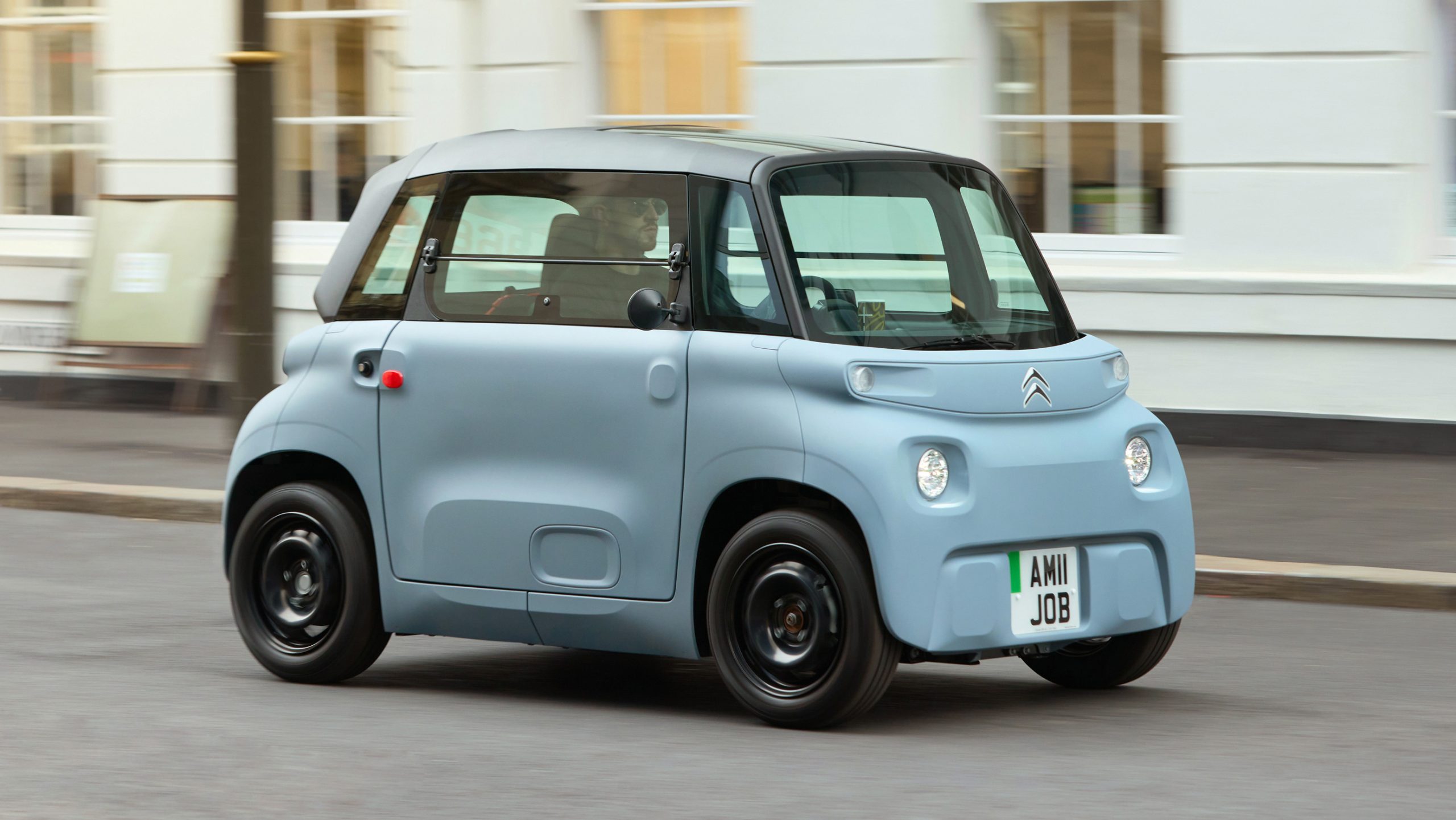
The Citroën Ami is a fully electric, ultra-compact quadricycle designed specifically for short urban trips. Measuring just 2.41 meters (7.9 feet) long and 1.39 meters (4.6 feet) wide, it can fit into nearly any parking space, even perpendicular to the curb, and boasts a tight 7.2-meter turning radius for nimble city maneuvering.
With a top speed of 28 mph and a 46-mile range, the Ami is intended solely for city streets and is unsuitable for highways or long-distance travel.
Weighing only 458 kg (1,010 lbs) including its 5.5 kWh battery, the Ami is powered by an 8-horsepower (6 kW) motor driving the front axle. It accelerates to its top speed in roughly 10 seconds and can recharge fully in about three hours using a standard 220V household outlet.
Its minimalist design keeps costs down: the front and rear panels are identical, the side doors are interchangeable, and there is no air conditioning. This simplicity allows Citroën to offer a competitively low price, starting at £7,695 (~$9,500 USD), with financing options available from as little as £99/month (~$122/month).
Classified as a light quadricycle rather than a car, the Ami sidesteps many traditional automotive regulations. It serves as an alternative to public transport, e-bikes, or scooters, offering safety and weather protection for urban commuters, young drivers, or delivery workers. Citroën also offers a Cargo version that replaces the passenger seat with storage space for goods, catering to urban delivery needs.
The vehicle is quirky and highly utilitarian, prioritizing practicality over comfort or sophistication. Its unpainted plastic body panels, rear-hinged driver’s door, and simple interior highlight Citroën’s focus on cost-effectiveness and fun over luxury. Despite its limitations, the Ami provides a unique “joy of use” in cities, offering an environmentally friendly, safe, and convenient commuting option.
Rivals are minimal, with the Renault Twizy being the closest comparison, though unavailable in many markets. The Ami competes more broadly with walking, cycling, or small e-scooters. While it is not a traditional car, its charm lies in its simplicity and urban practicality. For city dwellers, especially those seeking a low-cost, zero-emission transport solution, the Citroën Ami is a compelling and unconventional choice.
2. Fiat 500e: Stylish and Efficient Urban Electric
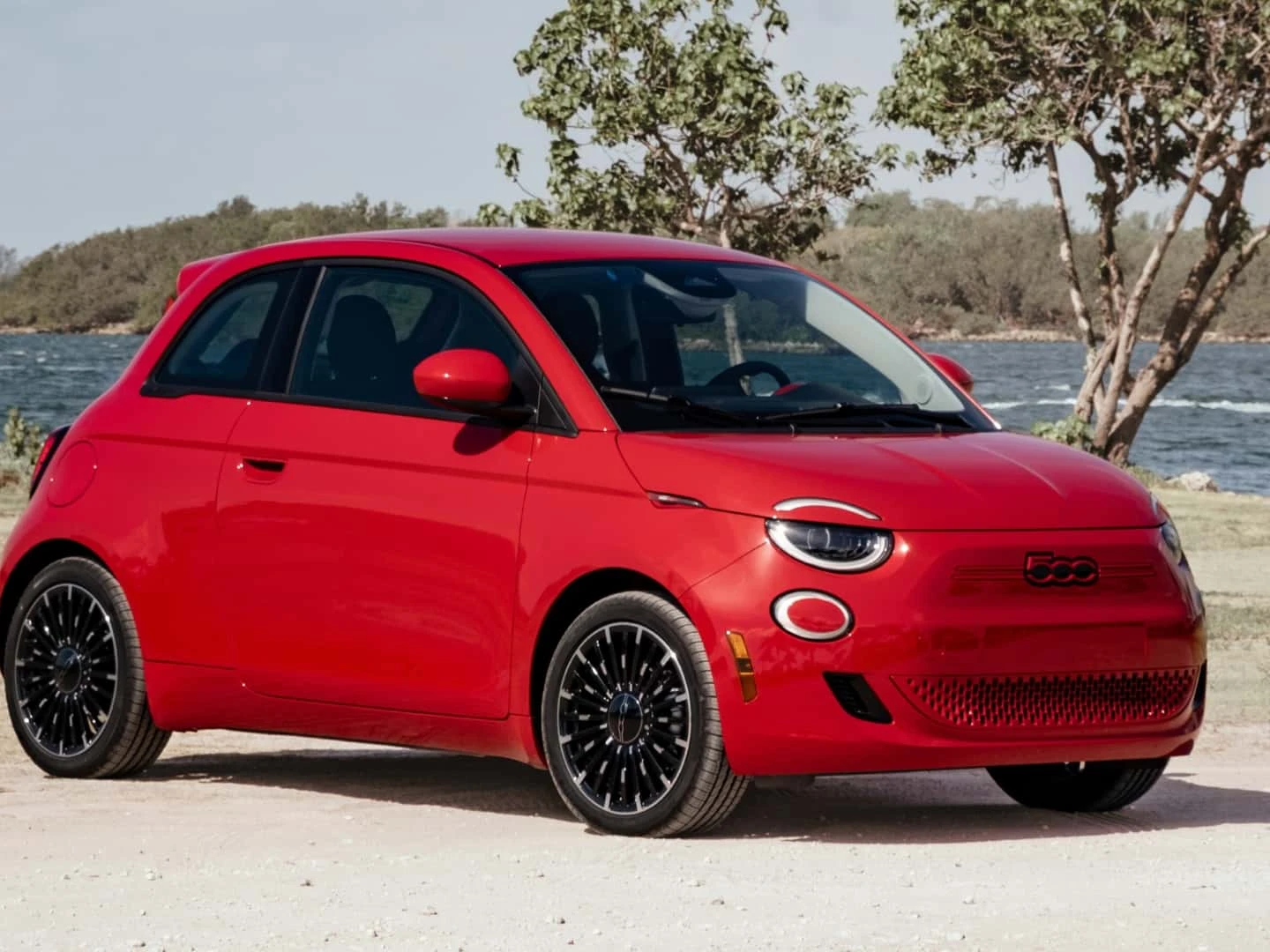
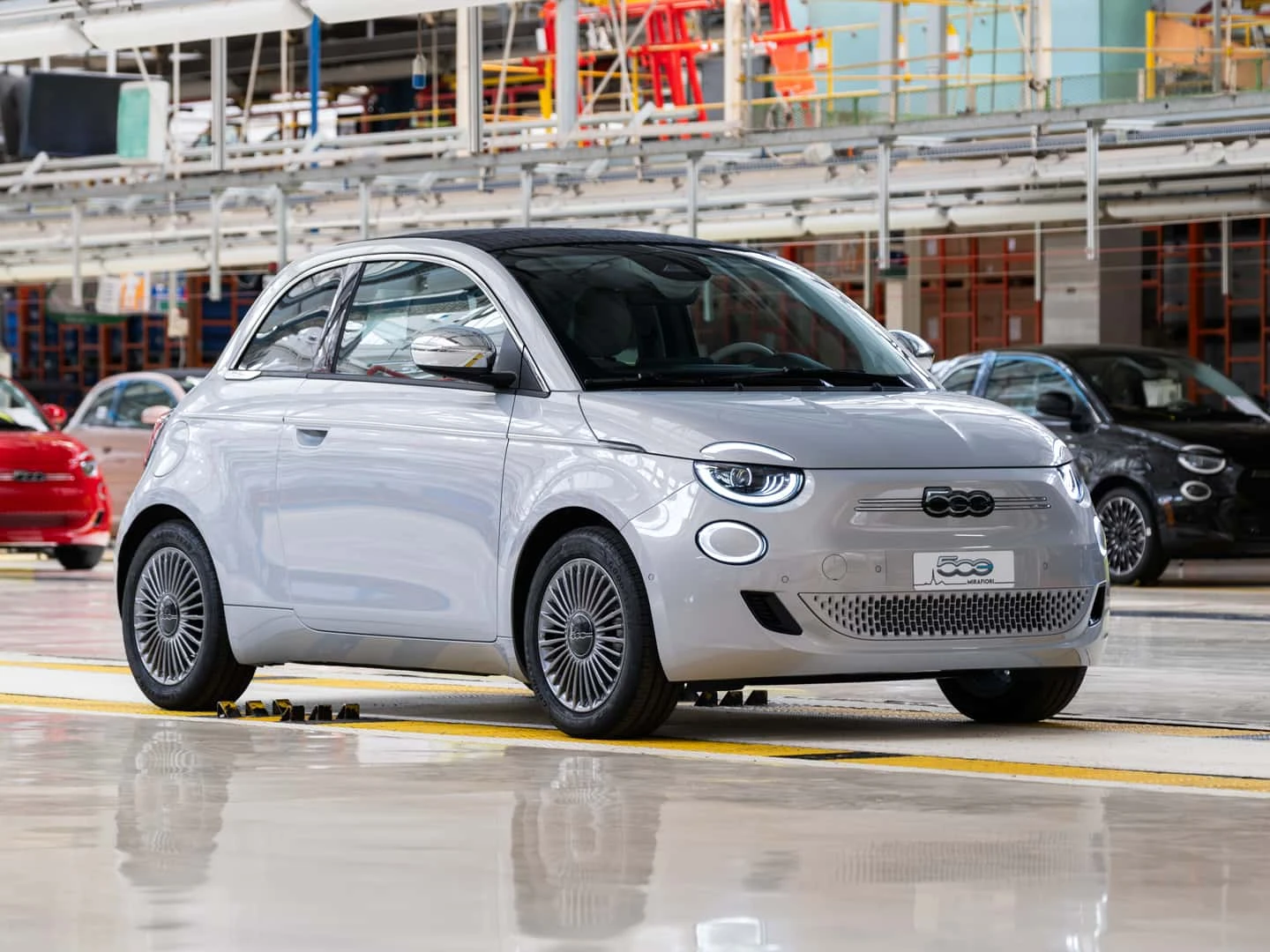
The Fiat 500e is a fully electric version of Fiat’s iconic city car, redesigned for modern urban use. It measures 143 inches (11.9 feet) in length and has a 10-meter (31.5-foot) turning circle, making it easy to drive through tight streets, roundabouts, and small parking spaces.
With an electric range of 149 to 199 miles, it can handle several days of city commuting without frequent charging. It is designed for short trips around town rather than long highway journeys.
The 500e is powered by a 117-horsepower (87 kW) front-wheel-drive motor, offering responsive acceleration for stop-and-go traffic. It reaches 0 to 60 mph in 7.8 seconds, faster than the previous gas-powered 500 and similar to many small SUVs, though slower than most modern electric vehicles.
It includes three drive modes called Normal, Range, and Sherpa, which adjust energy use and regenerative braking to help extend battery life. The Sherpa mode also enables one-pedal driving for convenience in city conditions.
The 37.0 kWh battery supports fast DC charging up to 85 kW, allowing an 80 percent recharge in about 35 minutes. Real-world highway testing showed approximately 120 miles of range at 75 mph, while EPA estimates indicate 141 to 149 miles in the city with 121 to 127 MPGe.
Highway efficiency is slightly lower, ranging from 100 to 104 MPGe. This makes the 500e suitable for daily commuting and short trips but not ideal for long-distance travel.
The cabin is compact yet stylish. Front seats are snug but comfortable, featuring a swooping dashboard, optional Fiat-logo-inspired stitching, a 10.3-inch infotainment touchscreen, and a 7-inch digital gauge display.
Connectivity includes wireless Apple CarPlay, Android Auto, Bluetooth, and a six-speaker stereo. Rear seats are small and best for short rides or extra storage. Cargo space is 7.5 cubic feet and can be expanded by folding the rear seats, although the load floor is not flat.
Safety features include automated emergency braking, lane-keeping assist, and rear parking sensors. Optional upgrades include adaptive cruise control and automatic high beams. The warranty covers four years or 50,000 miles for the vehicle and powertrain and eight years or 100,000 miles for the battery. There is no complimentary maintenance.
The Fiat 500e is a fun and practical urban electric vehicle. It excels at short trips and daily commuting while offering stylish design, modern technology, and efficient electric performance for city lifestyles.
3. Hyundai Inster: Compact, Flexible, and Urban-Friendly Electric SUV
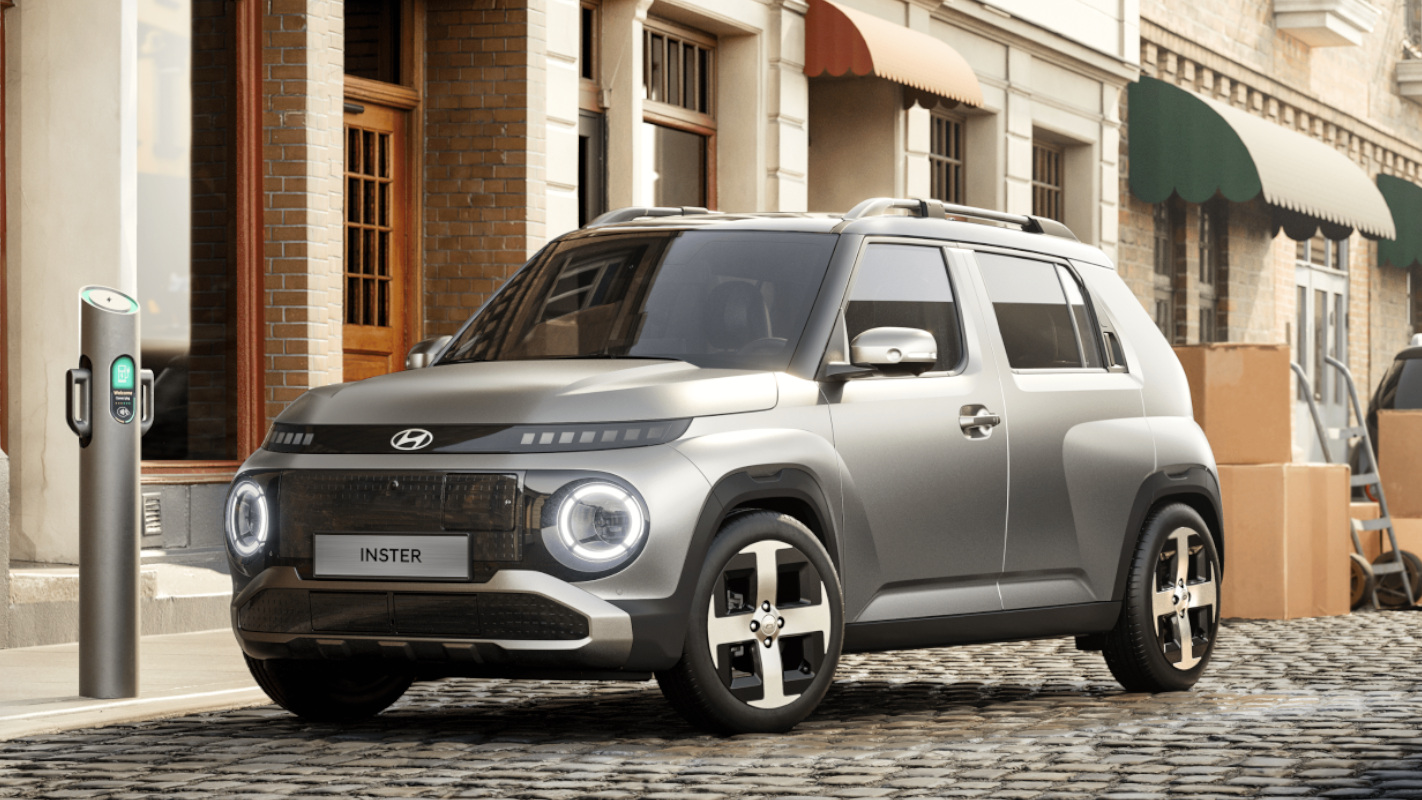
The Hyundai Inster, new for 2026, is a small electric SUV designed specifically for city use. Measuring just 3.8 meters (12.5 feet) in length and 1.6 meters (5.2 feet) wide, it is easy to park and maneuver in tight urban spaces.
Despite its compact dimensions, the Inster offers a surprisingly versatile interior with sliding and folding rear seats that can be reconfigured for additional passenger comfort, expanded cargo space, or even a flat sleeping area for short urban breaks.
The Inster is available with two battery options. The base model has a 42 kWh battery paired with a 97-horsepower motor, offering a WLTP range of 203 miles, translating to roughly 150 miles in real-world urban conditions.
The long-range version features a 49 kWh battery, 115 horsepower, and a WLTP range of 223 to 229 miles depending on wheel size. Both models support DC fast charging up to 120 kW, allowing a 10 to 80 percent charge in approximately 30 minutes. Vehicle-to-Load capability also enables the Inster to power external devices, adding a practical feature for city living.
Inside, the Inster blends practicality with style. The cabin features high-resolution screens for instrumentation and infotainment, multiple physical controls, and cheerful upholstery with optional check patterns.
Sliding rear seats in the upper trim provide extra legroom for passengers, while folding them allows maximum cargo flexibility, making the interior feel larger than the car’s footprint suggests. The Inster is strictly a four-seater, with a modest boot that can accommodate daily groceries or small luggage.
The Inster rides comfortably, absorbing urban potholes and speed bumps with soft suspension. Cornering produces noticeable body roll, but the lightweight structure and precise steering keep it composed in typical city driving conditions. Acceleration is gentle, taking over 10 seconds to reach 62 mph, which is adequate for urban stops and starts but not for highway performance.
On the outside, the Inster has a cheerful, contemporary design with circular front lights, pixel-style indicators, and clean panelwork. The Inster Cross adds rugged styling with unique alloy wheels, plastic cladding, and a distinctive color palette, although it does not improve performance or off-road capability.
Starting prices range from £23,495 (~$29,000 USD) for the smaller battery model to £26,745 (~$33,000 USD) for the larger battery 02 trim, with discounts sometimes available. With its flexible interior, electric efficiency, and urban-focused design, the Hyundai Inster offers a practical and charming solution for city commuters seeking a compact but capable electric SUV.
4. Honda Jazz Hybrid: Clever, Practical, and City-Ready
The Honda Jazz Hybrid is a masterclass in urban design, combining compact dimensions, excellent visibility, and versatile interior space. Its 1.5-liter e:HEV hybrid powertrain is optimized for city driving, often operating on electric power alone at low speeds.
This provides smooth acceleration in stop-and-go traffic, high fuel efficiency, and low emissions. Real-world tests show over 60 mpg in mixed driving, with CO2 emissions around 102 g/km, making it economical and environmentally friendly.
The Jazz excels in practicality thanks to its signature “Magic Seats” system. Rear seat bases can be flipped up or the backs folded flat to create a cargo space of up to 1,205 liters, rivaling some small SUVs.
The boot alone offers 304 liters, enough for daily groceries or luggage, while clever storage cubbies throughout the cabin enhance usability. Its high roofline, wide windscreen, and upright windows provide excellent visibility, giving drivers a commanding view of city streets.
Handling is precise for its class, with a tight turning radius and easy parking in urban settings. The suspension is comfortable, absorbing potholes and speed bumps while keeping the ride composed. Acceleration is smooth rather than sporty, ideal for city stops and starts, but less suited for high-speed performance.
Safety is comprehensive, with the Honda Sensing suite offering city-focused driver-assist features such as collision mitigation, adaptive cruise control, and parking sensors.
Entry-level models already include many of these features, while higher trims add comforts such as heated seats, keyless entry, and raised ride height in the Crosstar Advance version for a more crossover-like appearance. Advance Sport offers the same kit with a sportier aesthetic rather than rugged styling.
Compared to rivals like the Toyota Yaris and Renault Clio E-Tech, the Jazz stands out for interior space and usability. Rear legroom is generous for a small car, and the Magic Seats provide a flexibility unmatched by most competitors. Its hybrid system is seamless, making city driving feel effortless and refined.
Honda’s reputation for reliability and low running costs adds to the Jazz’s appeal. Maintenance is straightforward, insurance costs are reasonable, and depreciation is moderate, making it a long-term practical choice.
Its friendly, approachable styling may not suit everyone, but its compact size, clever packaging, and hybrid efficiency make the Jazz a standout option for urban commuters seeking convenience, versatility, and low operating costs.4
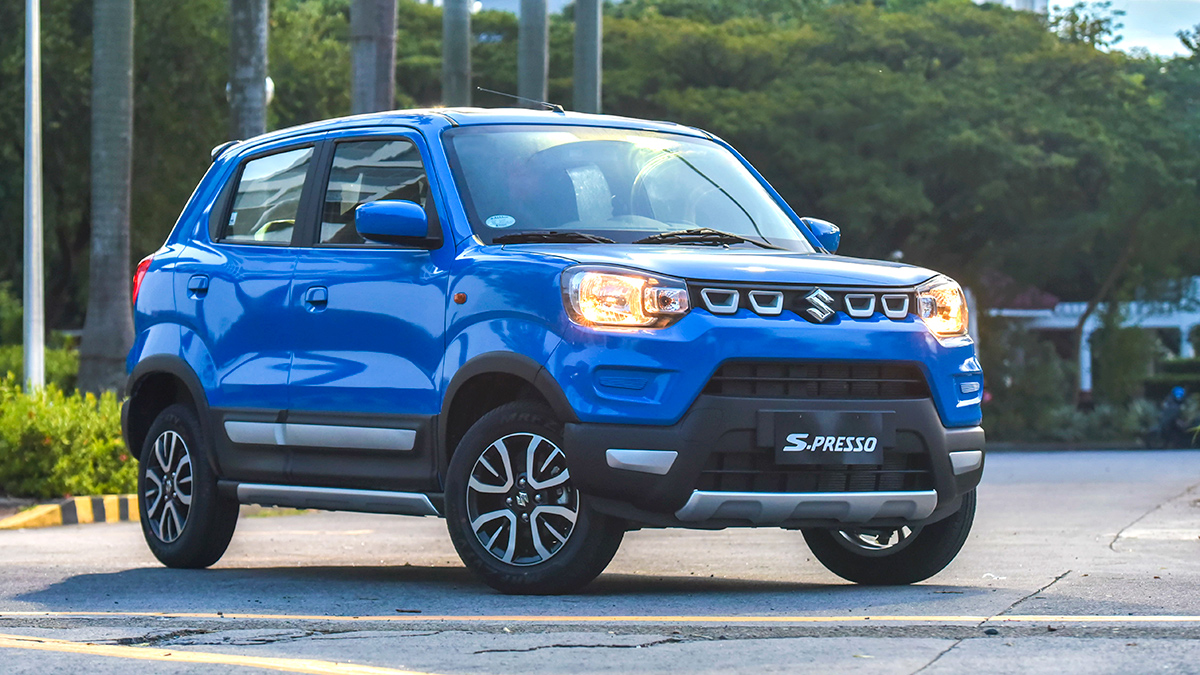
5. Suzuki S-Presso: Compact, Efficient, and Urban-Friendly
The Suzuki S-Presso is a lightweight, budget-oriented hatchback designed for city driving. With a compact footprint of 3,565mm in length and 1,520mm in width, it offers exceptional maneuverability in tight streets and congested traffic.
Its 4.5-meter turning radius makes parking and short turns effortless, while the high 180mm ground clearance allows it to clear potholes, speed bumps, and minor urban flooding with ease. The “tall-boy” design provides a high seating position, giving excellent visibility and a sense of confidence in dense city conditions.
Under the hood, the S-Presso is powered by a 1.0-liter three-cylinder engine producing 67 horsepower. Despite modest output, the lightweight 770kg chassis ensures lively performance in stop-and-go city traffic.
Fuel efficiency is a key highlight, with drivers reporting 14 km/L in urban traffic and over 22 km/L on highways. Transmission options include a 5-speed manual for direct control or an Auto Gear Shift (AGS) automated manual, which offers two-pedal convenience but may produce jerky shifts if not handled carefully.
The interior is compact yet surprisingly spacious for four passengers, thanks to the tall seating layout. Rear seats are foldable to increase cargo space, and the cabin features a functional design that reflects its affordability.
Modern amenities include a 7-inch touchscreen with Apple CarPlay and Android Auto integration, while other features like a digital speedometer and center-mounted window controls add to the S-Presso’s unique character. The use of hard plastics keeps costs down, but durability and practicality are prioritized over luxury.
The S-Presso’s pros are clear: its high ground clearance, fuel efficiency, low starting price (around ₱620,000), and maneuverability make it ideal as a first car, a secondary urban runabout, or a cost-effective solution for city commuting. It appeals especially to students, small families, or budget-conscious buyers.
However, there are trade-offs. Safety ratings have historically been low, with older models receiving one star for adult protection in Global NCAP tests. Newer models include Electronic Stability Program and Hill Hold Control for improved safety, but the body shell remains light. Highway driving can expose noise, vibration, and harshness, and basic amenities such as rear power windows or a tachometer are missing.
The Suzuki S-Presso is a practical, no-frills city car. Its combination of affordability, efficiency, high seating, and ground clearance makes it a reliable, functional choice for short urban trips, while its simple design and lightweight chassis ensure it remains nimble and fuel-efficient for everyday city life.
Also read: 5 Cars That Handle Tight Parking Garages vs 5 That Don’t Fit Well
5 That Prefer Long Drives
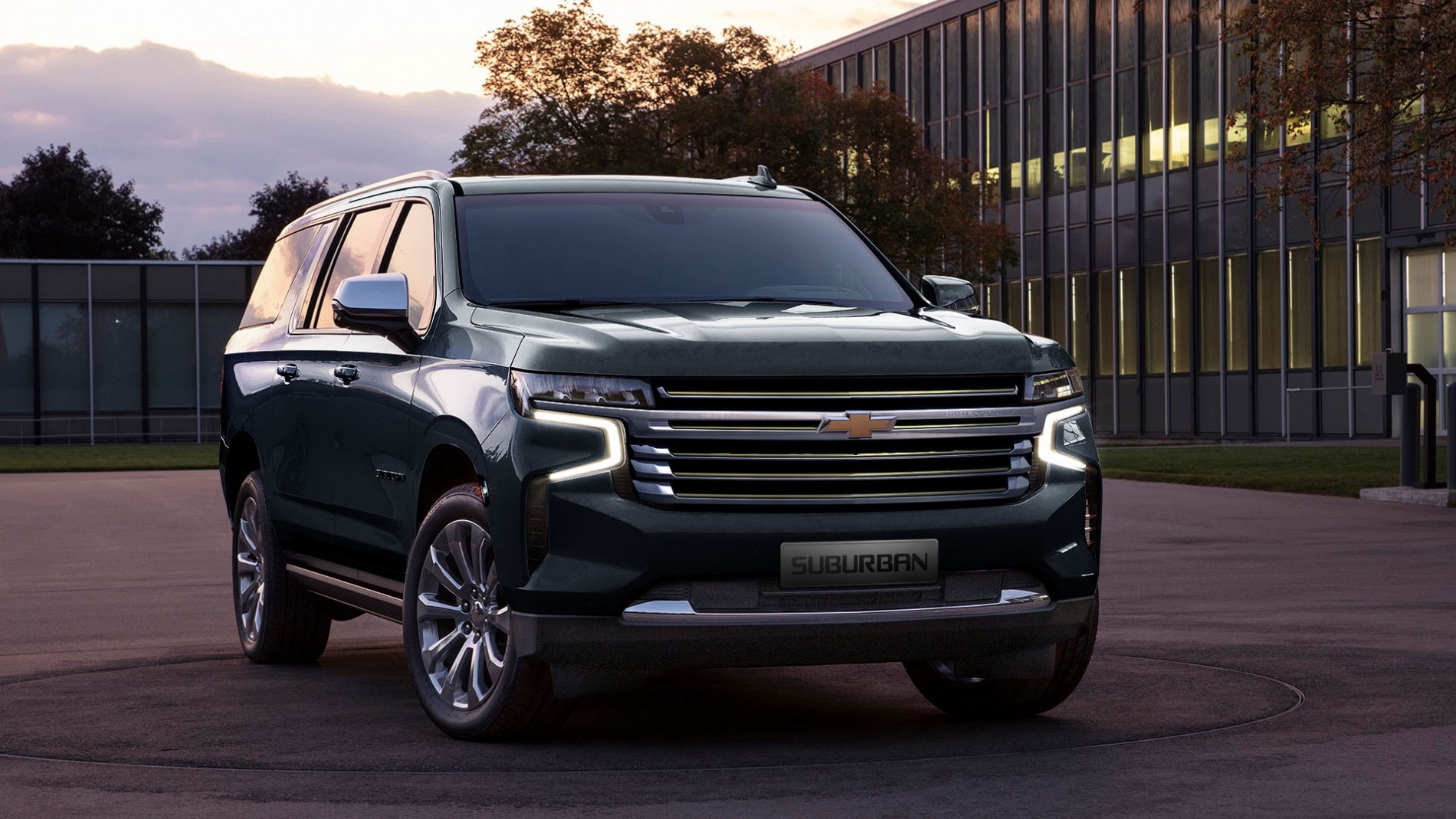
1. Chevrolet Suburban: The Ultimate Long-Distance SUV
The Chevrolet Suburban is a full-size SUV built for long-distance comfort, capable of carrying up to nine passengers and their luggage with ease. Its expansive interior, smooth ride, and advanced technology make it ideal for cross-country trips and extended highway driving.
With a maximum cargo capacity of 144.7 cubic feet and an independent rear suspension, the Suburban offers a quiet and stable cabin where passengers can travel in comfort for hours.
Powering the Suburban are several engine options. The standard 5.3-liter V8 produces 355 horsepower, while an optional 6.2-liter V8 delivers 420 horsepower for extra performance. A 3.0-liter diesel inline-six is also available, offering both strong torque and superior fuel efficiency.
All engines pair with a 10-speed automatic transmission and are available in rear- or all-wheel-drive configurations. Optional adaptive dampers and adjustable air suspension enhance ride comfort, accessibility, and ground clearance. The rugged Z71 trim adds off-road capability with all-terrain tires, skid plates, and a two-speed transfer case.
Performance is strong for a vehicle of its size, with the 6.2-liter V8 Suburban reaching 60 mph in 6.0 seconds and the diesel model in 8.4 seconds. Towing capacity is equally impressive, with the 5.3-liter V8 capable of hauling up to 8,300 pounds with the Max Trailering package.
The diesel variant offers a slightly lower towing capacity of 7,800 pounds. Fuel economy is competitive for its class, with diesel models rated up to 21 mpg city and 26 mpg highway, while gasoline engines reach 15 mpg city and 20 mpg highway.
Inside, the Suburban provides three rows of seating with configurable options to accommodate seven to nine passengers. Legroom is generous even in the third row, and the load floor is flat for easy cargo handling.
Entry-level models offer practical features like climate control, power outlets, and fold-flat seats, while the High Country trim adds luxury touches such as wood trim, leather upholstery, and unique interior color schemes. Infotainment includes a 17.7-inch central touchscreen, 11-inch digital instrument cluster, Apple CarPlay, Android Auto, Wi-Fi hotspot, and optional Bose stereo with rear-seat entertainment.
Safety and convenience are enhanced by GM’s Super Cruise hands-free highway driving system on higher trims, automated emergency braking, lane-keeping assist, and adaptive cruise control. Warranty coverage includes three years or 36,000 miles for the limited warranty and five years or 60,000 miles for the powertrain, along with complimentary maintenance for the first service visit.
The Suburban remains a dominant choice for families and travelers seeking a capable, comfortable, and well-equipped long-distance SUV that balances power, space, and technology.
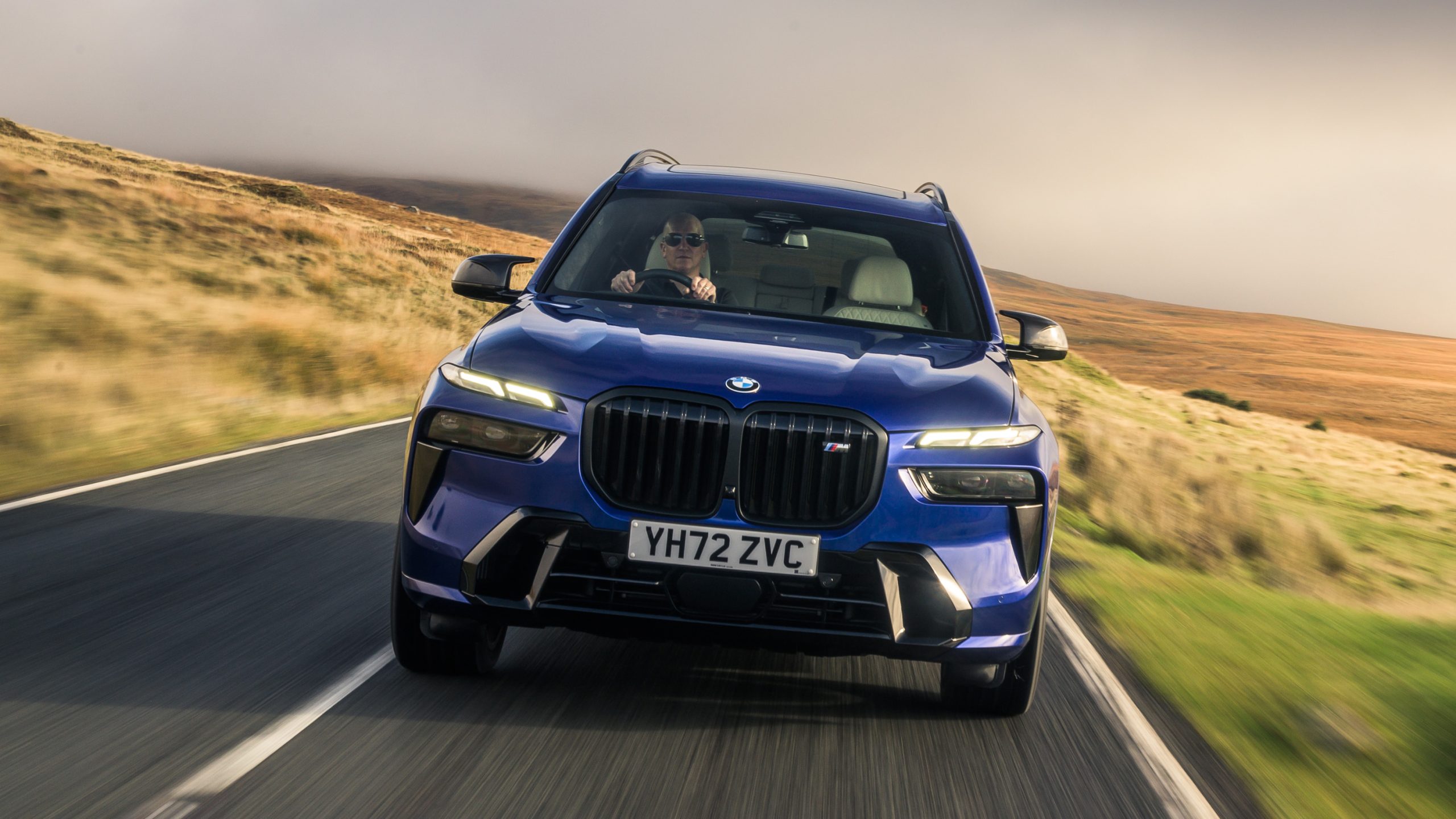
2. BMW X7: Luxury, Comfort, and Long-Distance Capability
The BMW X7 is a full-size luxury SUV designed for long-distance travel, combining a spacious, high-end cabin with a smooth, controlled ride and powerful engine options. Its standard air suspension absorbs road imperfections, providing a limousine-like comfort on highways and minimizing driver fatigue over extended trips.
Advanced driver-assistance features, including Highway Assistant, Active Lane Keeping, and Active Lane Change, further reduce stress during long drives.
The X7 offers multiple powertrain options to balance performance and efficiency. The base xDrive40i features a 3.0-liter turbocharged inline-six producing 375 horsepower, while the sportier M60i uses a 4.4-liter twin-turbo V8 delivering 523 horsepower. The Alpina XB7 takes performance even further with a 630-horsepower V8.
All engines are paired with an eight-speed automatic transmission and all-wheel drive. The X7 also employs adaptive dampers, active anti-roll bars, and optional rear-axle steering to enhance handling, making this large SUV surprisingly agile for its size.
Inside, the cabin emphasizes luxury and practicality. Multi-contour front seats with available massagers, five-zone climate control, and double-paned acoustic glass create a quiet, comfortable environment for passengers.
The dashboard features a 12.3-inch digital gauge cluster and a 14.9-inch curved infotainment touchscreen, operated via touchscreen or rotary knob, with options for Wi-Fi hotspot, BMW Digital Key, and premium audio systems.
Seating accommodates up to seven or eight adults, depending on configuration, with flexible cargo space that expands from three carry-on suitcases behind the third row to 33 pieces with all rear seats stowed.
Performance is strong for highway driving, with the xDrive40i reaching 60 mph in 4.6 seconds and the M60i in 3.8 seconds. Towing capacity is rated at up to 7,500 pounds. Fuel economy varies by engine, with the inline-six rated at 20 mpg city and 24 mpg highway, and the V8 M60i at 16 mpg city and 20 mpg highway, with real-world testing showing slightly better highway efficiency.
Standard safety features include forward-collision warning with automated braking, blind-spot monitoring, rear cross-traffic alert, and lane-departure warning. BMW’s warranty covers four years or 50,000 miles, with complimentary maintenance for three years or 36,000 miles.
The BMW X7 blends luxury, advanced technology, and long-distance comfort with capable performance, making it a refined and practical choice for families or travelers seeking a high-end, full-size SUV for extended journeys.
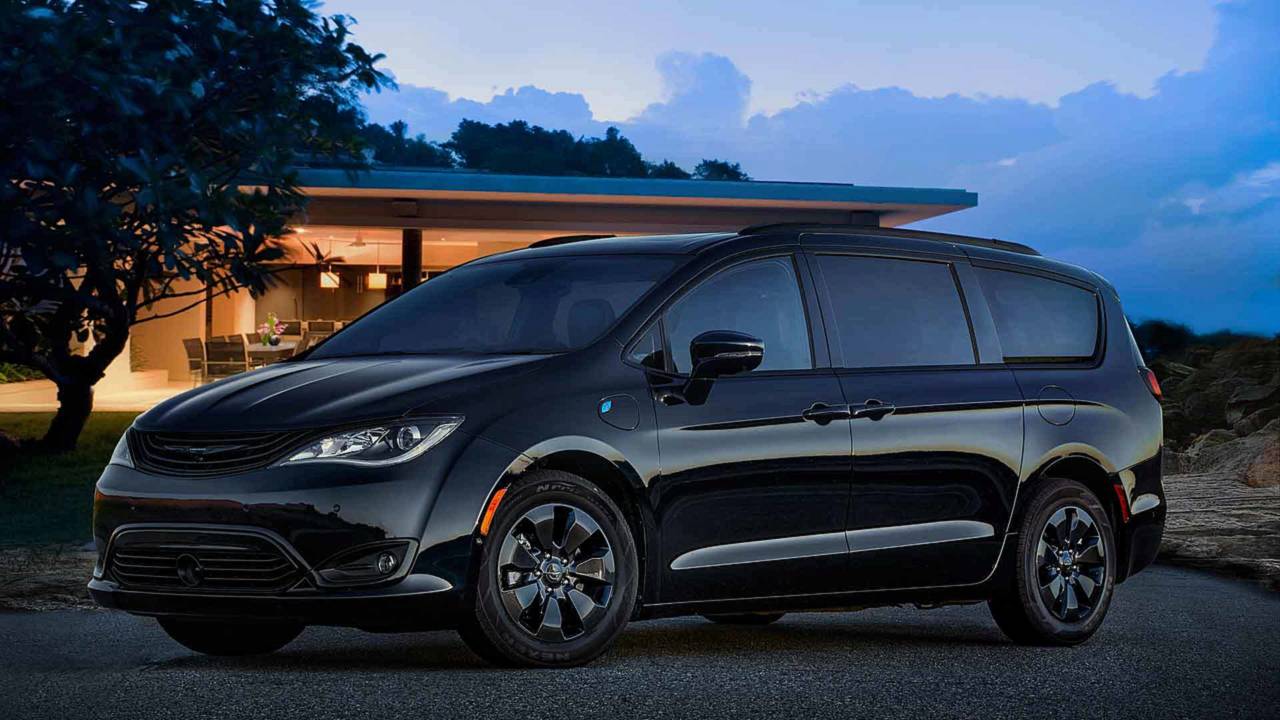
3. Chrysler Pacifica Hybrid: The Family Road-Trip King
The 2026 Chrysler Pacifica Hybrid is a plug-in minivan engineered for long-distance family travel, combining versatility, efficiency, and comfort. Its hybrid powertrain offers a 32-mile electric-only range for local trips, while the total driving range reaches approximately 520 miles when using gasoline, reducing the frequency of fuel stops on extended journeys.
With a 3,600-pound towing capacity, it can easily haul trailers or extra vacation gear, making it a practical choice for family adventures.
A standout feature is the Stow ‘n Go seating system, which provides up to 243 possible configurations. The removable second-row captain’s chairs are well-padded for comfort, while the third row can accommodate adults or be folded flat to increase cargo space. This flexibility allows the Pacifica Hybrid to handle everything from groceries and luggage to larger items like sports equipment or camping gear.
The plug-in hybrid setup enables quiet, electric-powered driving at low speeds, enhancing comfort during city travel and short trips. Charging can be done at home using a standard outlet in roughly 14 hours or a Level 2 charger in just over two hours. Even when not plugged in, the vehicle operates efficiently as a conventional hybrid, benefiting from the 3.6-liter V6 engine.
On the road, the Pacifica Hybrid delivers a smooth and stable ride, though some reviewers noted slightly firmer suspension and moderate road noise compared with competitors like the Toyota Sienna.
The 10.1-inch infotainment touchscreen supports navigation and entertainment, while advanced driver-assistance features such as full-speed forward-collision warning, adaptive cruise control, and ParkSense parallel/perpendicular park assist improve safety and ease during long drives or tight parking situations.
Pricing can be high, especially for the top Pinnacle trim at around $62,275, but federal tax incentives and manufacturer promotions can significantly reduce the effective cost. Insurance premiums tend to be higher than rivals’, and resale values are moderate, though the Pacifica Hybrid remains competitive among plug-in minivans.
The Chrysler Pacifica Hybrid is ideal for families seeking a green, practical, and versatile minivan that combines fuel efficiency, towing capability, and configurable interior space. Despite its aging design, it continues to stand out as one of the most flexible and comfortable three-row hybrids on the market.
4. Toyota Prius: The Benchmark for Long-Distance Efficiency
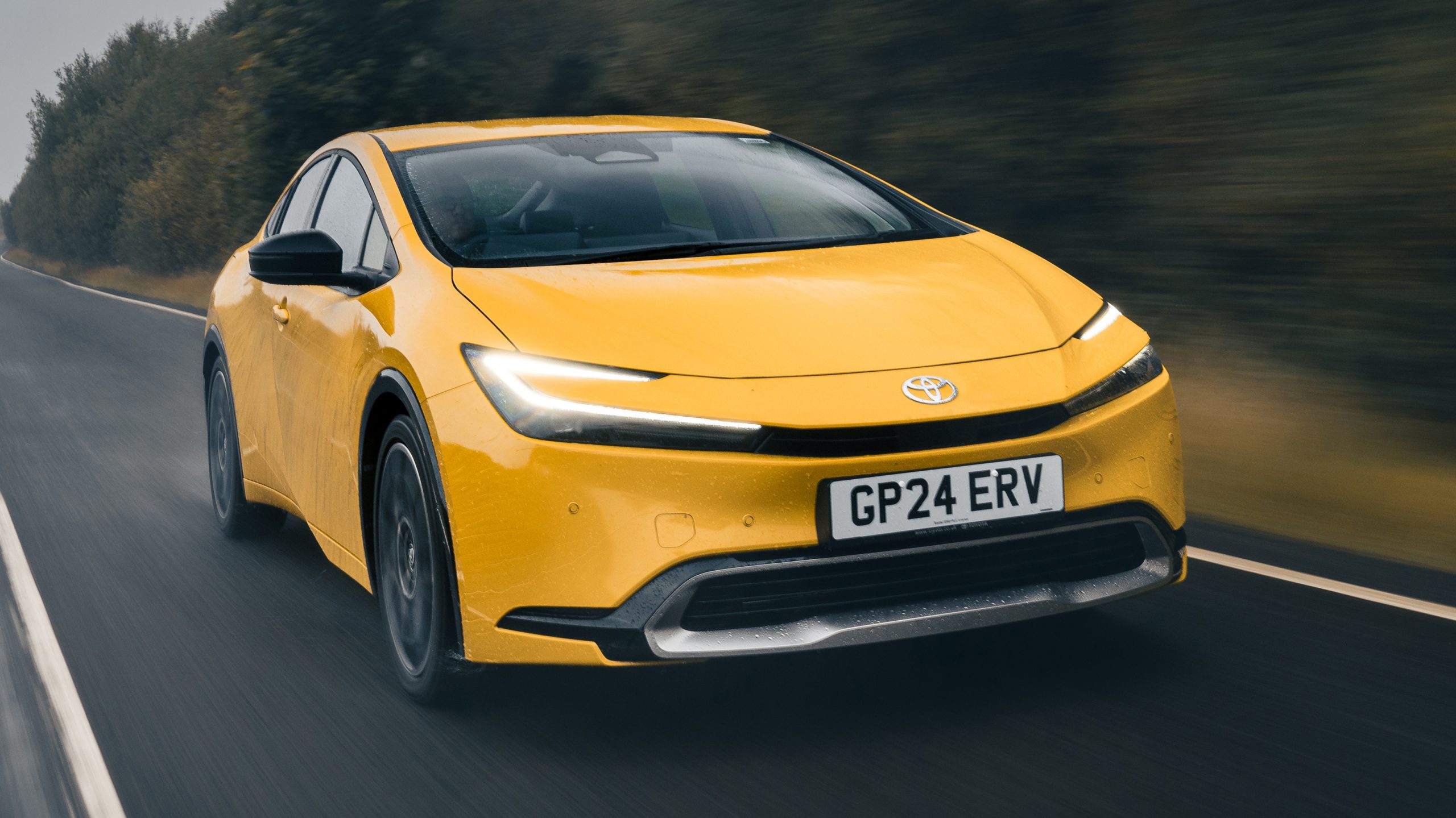
The Toyota Prius remains a gold standard for long-distance driving, combining outstanding fuel efficiency, a quiet cabin, and proven reliability. The 2026 Prius offers an estimated range exceeding 600 miles on a single tank, thanks to its 11.3-gallon fuel capacity, minimizing the need for frequent refueling during highway journeys.
Its aerodynamic design, refined hybrid powertrain, and stable handling make extended trips comfortable and fatigue-free.
At the heart of the Prius is a hybrid system that seamlessly blends gasoline and electric power. Front-wheel-drive models feature a 194-hp 2.0-liter four-cylinder engine paired with two electric motors, while all-wheel-drive models add a rear electric motor for a total of 196 hp.
Both configurations use a continuously variable automatic transmission (CVT) designed for smooth, efficient performance, delivering a quiet and composed ride even at highway speeds. Front-wheel-drive versions accelerate from 0–60 mph in approximately 7.1 seconds, offering sufficient performance for overtaking without sacrificing efficiency.
The Prius cabin prioritizes comfort and ergonomics for long trips. Well-cushioned, supportive seats, generous headroom and legroom, and low cabin noise contribute to reduced driver and passenger fatigue.
Cargo space ranges from 20.3 to 23.8 cubic feet, depending on trim, providing practical storage for luggage or travel gear. Optional features, including heated and ventilated seats, all-wheel drive, and the Prius Prime plug-in variant, allow for electric-only driving on part of a journey, further enhancing fuel flexibility.
Technology and safety are strong suits for the Prius. Infotainment options include an 8.0-inch touchscreen on base trims and a 12.3-inch display on upper trims, supporting wireless Apple CarPlay, Android Auto, Wi-Fi, and voice control. Standard Toyota Safety Sense includes adaptive cruise control, lane-keeping assist, and blind-spot monitoring, helping reduce driver strain on long trips.
Toyota’s commitment to durability is reflected in its warranties: a three-year/36,000-mile limited warranty, a five-year/60,000-mile powertrain warranty, a 10-year/150,000-mile hybrid-component warranty, and two years/25,000 miles of complimentary maintenance. This makes the Prius a reliable, low-maintenance choice for those seeking maximum efficiency, comfort, and practicality for extended road travel.
5. Hyundai Ioniq 9: Flagship Electric SUV for Long-Distance Travel
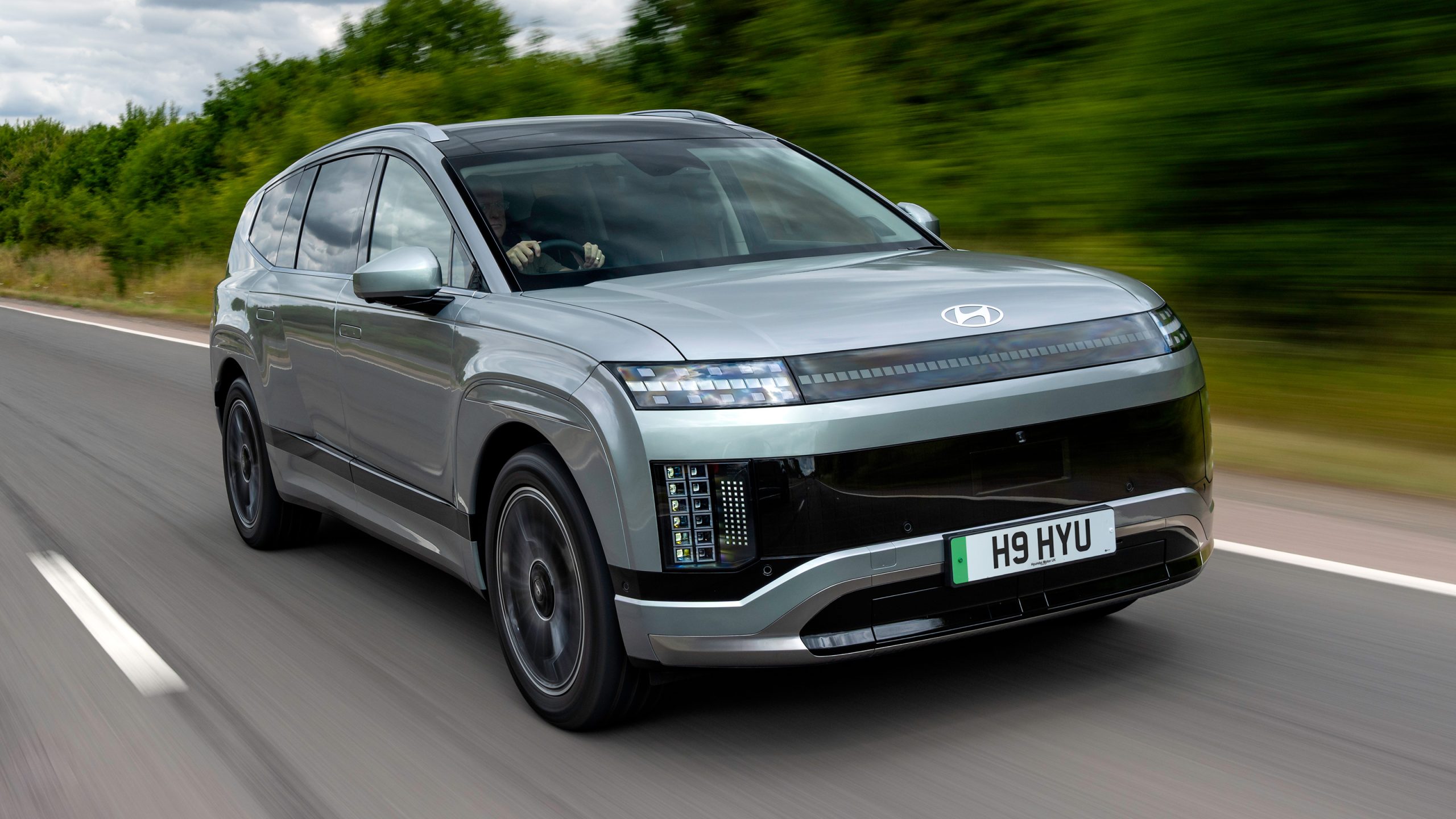
The 2026 Hyundai Ioniq 9 is a flagship electric SUV designed for extended journeys, offering a combination of long range, ultra-fast charging, and a quiet, comfortable cabin. Built on Hyundai’s E-GMP platform, it features a 110.3-kWh battery with an estimated WLTP range of 620 km or 385 miles.
The 800-volt system allows rapid 350-kW DC charging, taking the battery from 10 percent to 80 percent in just 24 minutes at compatible stations. These capabilities make it ideal for long highway trips with minimal downtime.
Comfort and cabin refinement are central to the Ioniq 9 experience. Active Noise Control (ANC-R), double-glazed acoustic glass, and twin-valve dampers provide a smooth, quiet ride.
The spacious three-row interior includes a 123.1-inch wheelbase, flat floors, and Relaxation Seats, offering ample legroom and comfort for all passengers. Practical features such as Vehicle-to-Load functionality and multiple 100W USB-C ports make it suitable for powering devices during long trips.
The Ioniq 9 balances comfort with capable driving dynamics. Its low center of gravity and optimized chassis ensure stability and precise handling at high speeds. Systems such as Chassis Domain Control with torque vectoring, lateral wind stability control, and AI-driven Auto Terrain Mode enhance traction and ride quality.
Acceleration varies by model from 0 to 62 mph in 8.8 seconds for the rear-wheel-drive version to 4.9 seconds for the Performance all-wheel-drive model, with a top speed of 124 mph. Driving modes include Normal, Eco, Sport, and My Drive, which allows customization.
Advanced driver assistance and safety systems are comprehensive. Features include Forward Collision-Avoidance Assist 2, Safe Exit Warning, Rear Occupant Alert, and configurable alerts through steering-wheel shortcuts.
Inside, the cabin is serene and refined. Triple door seals, acoustic glass, sound-absorbing tires, and active noise cancellation reduce road and wind noise. The commanding driving position and smooth EV powertrain provide effortless acceleration and a relaxing driving experience.
The Hyundai Ioniq 9 is a long-range, luxurious, and technologically advanced electric SUV. Its ultra-fast charging, spacious interior, quiet cabin, and advanced driving features make it a strong choice for long-distance travel, family trips, or extended highway driving.
For city life, compact vehicles such as the Suzuki S-Presso and Hyundai Inster offer efficiency, maneuverability, and practical interiors, making daily trips easier and more economical.
For longer journeys, vehicles like the Toyota Prius, Chrysler Pacifica Hybrid, and Hyundai Ioniq 9 prioritize comfort, interior space, and extended range, allowing drivers and passengers to remain relaxed for hours of travel. Understanding the strengths of each category helps drivers choose a car that matches their routine and driving habits.
Whether completing daily errands in a busy city or traveling across the country, these ten vehicles demonstrate how design and engineering can enhance the experience of short trips or long drives, ensuring every journey is efficient, comfortable, and suited to the driver’s needs.
Also read: Top 10 Cars That Still Look Like the Future Today