City driving is rarely smooth. Potholes, broken asphalt, speed breakers, and expansion joints are everyday obstacles that test how well a car’s suspension, tires, and chassis are tuned for real-world conditions.
While many vehicles claim comfort on paper, only a few genuinely stay composed when urban roads fall apart. At the same time, some cars, despite impressive performance credentials or rugged reputations, struggle badly in these environments.
This comparison looks at two very different groups. The first highlights cars engineered to remain calm, stable, and comfortable on rough city streets, filtering out imperfections and reducing driver fatigue. These vehicles focus on suspension compliance, intelligent damping, and everyday usability.
The second group includes cars that feel unsettled, harsh, or busy in the same conditions, often because they prioritize off-road strength, sporty handling, or performance aesthetics over urban comfort. Together, these ten cars show how design philosophy directly shapes the daily driving experience in the city.
5 Cars That Stay Smooth on Rough City Roads
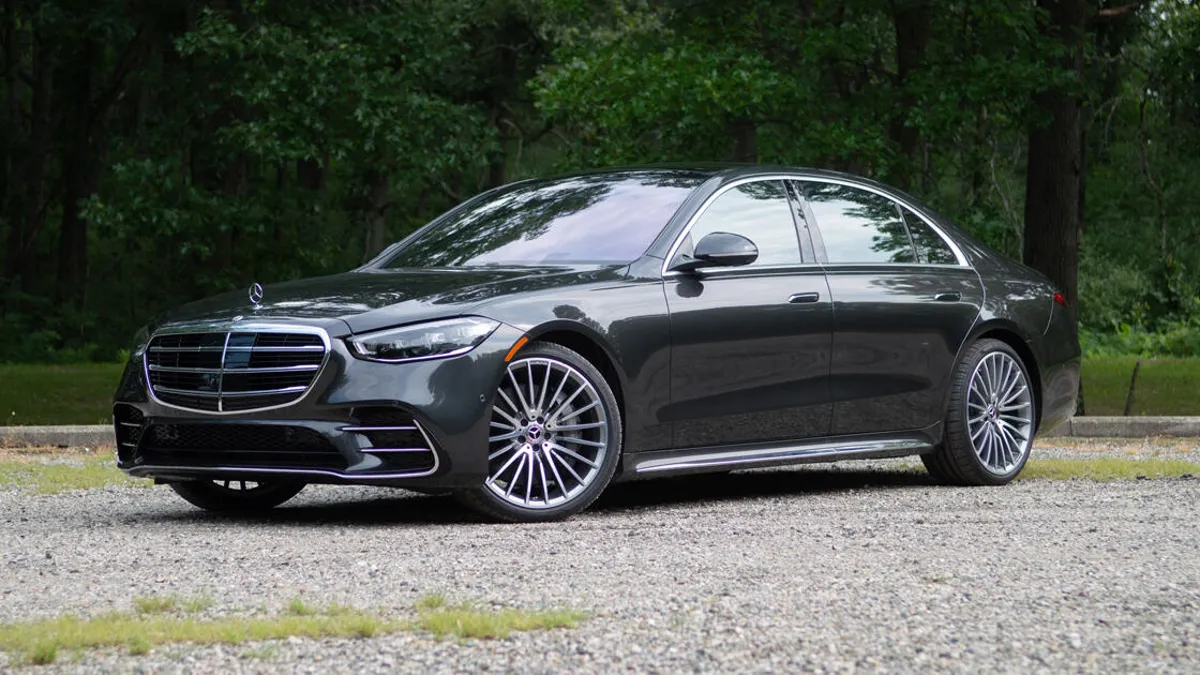
1. Mercedes-Benz S-Class (S 580): The Benchmark of Luxury and Smoothness
The Mercedes-Benz S-Class (S 580) has long set the standard for ride comfort and refinement, thanks to its advanced suspension, powerful engines, and meticulously crafted interior. Standard AIRMATIC® air suspension adapts in milliseconds to road conditions, effectively insulating the cabin from bumps and uneven surfaces.
For those seeking even greater smoothness, the optional E-Active Body Control system uses cameras to scan the road ahead and adjust the suspension proactively, reducing the impact of imperfections in real time. Complementing the suspension, the 48-volt mild-hybrid system delivers seamless power, ensuring non-jarring acceleration, while rear-axle steering and 4MATIC all-wheel drive provide exceptional stability and agility.
Under the hood, the S-Class offers a range of potent engines. The S500 features a 442-hp turbocharged 3.0-liter inline-six, while the S580 is powered by a 496-hp twin-turbo V-8. Both use a nine-speed automatic transmission and all-wheel drive.
The S580e plug-in hybrid combines a 510-hp inline-six with an electric motor, offering an EPA-rated 48-mile electric range and smooth all-wheel propulsion. Performance is impressive, with 0–60 mph times of 3.9 seconds for the S580, 4.2 seconds for the S580e, and 4.5 seconds for the S500, while fuel economy remains competitive, achieving up to 36 mpg in real-world testing for the PHEV.
Inside, the S-Class exudes luxury. First-row occupants enjoy high-quality Nappa leather, real wood trim, and an array of customization options through Mercedes’ Manufaktur program. Rear passengers are pampered with heated, ventilated, and massaging seats, plus optional fold-out tables, advanced climate controls, and a dual 11.6-inch entertainment system.
The cabin also boasts 13 cubic feet of trunk space, numerous USB-C outlets, and a large 12.8-inch OLED touchscreen with advanced MBUX software, voice control, facial recognition, and fingerprint scanning. Audio enthusiasts can select a 15-speaker Burmester system or the optional 30-speaker 4D variant.
Safety is comprehensive, featuring forward-collision warning, automated emergency braking, lane-keeping assist, adaptive cruise control, and optional rear-seat airbags.
While warranty coverage is modest at four years or 50,000 miles, the S-Class remains a benchmark for luxury, comfort, and composure. In every tested configuration, it delivers refined acceleration, supreme ride isolation, and advanced technological amenities, making it a flagship of the modern luxury sedan segment.
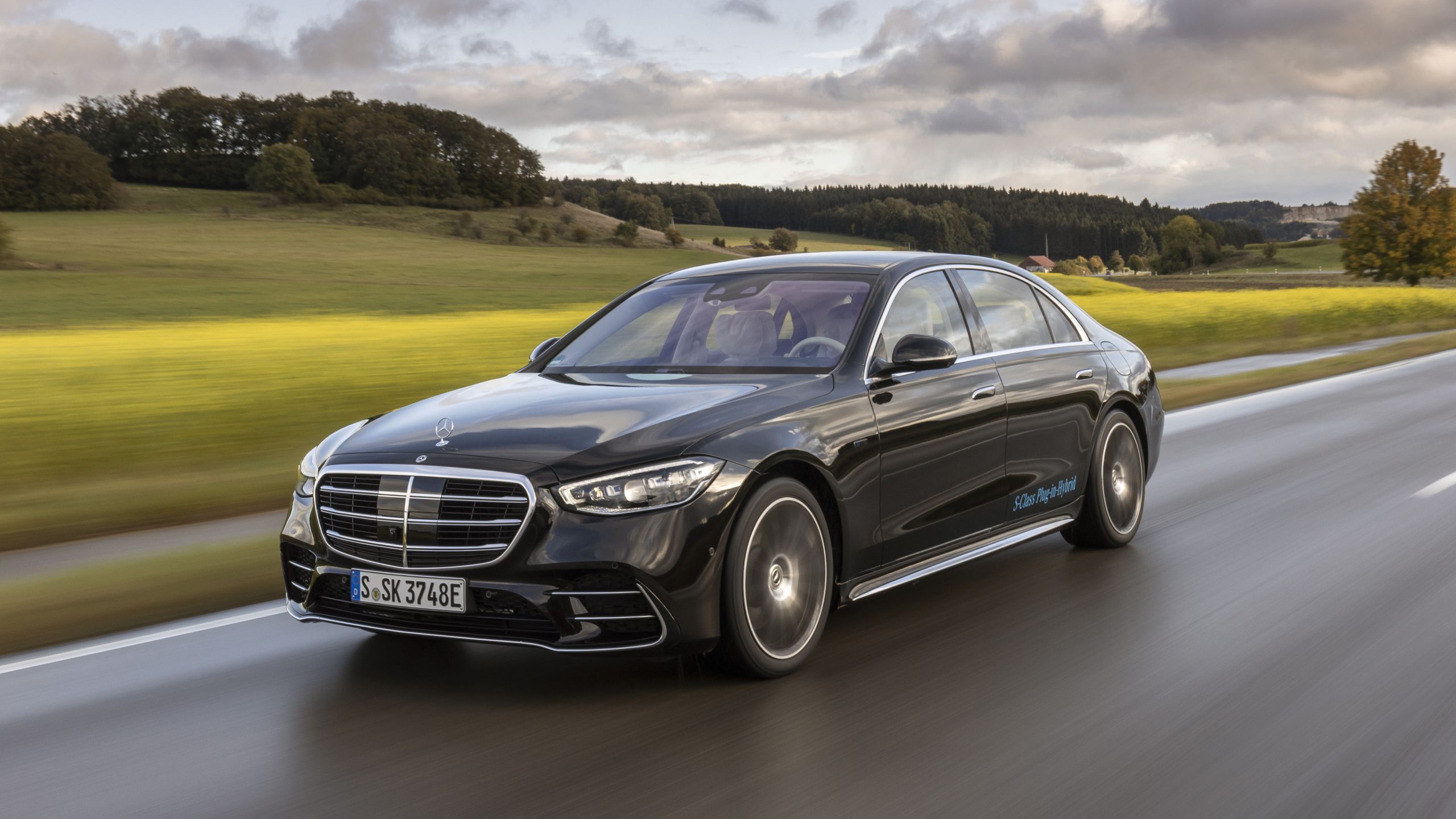
2. Citroën C5 Aircross: Comfort and Character in a Family SUV
The Citroën C5 Aircross is a family SUV that prioritizes comfort and practicality above sporty pretensions. Its standout feature is the Progressive Hydraulic Cushions® (PHC) suspension, which uses dual hydraulic stops at each corner to absorb bumps and road irregularities more effectively than conventional systems.
This creates a “magic carpet” sensation, softening potholes, speed bumps, and uneven surfaces for a smooth, composed ride. Complementing this, advanced comfort seats, excellent cabin insulation, and generous 230 mm ground clearance further enhance passenger comfort, while light steering and a nimble turning radius make the SUV easy to maneuver in urban settings.
Under the hood, the C5 Aircross offers versatile powertrains. The base 1.2-liter three-cylinder mild-hybrid produces 145 hp, paired with a six-speed dual-clutch transmission for relaxed, efficient urban driving.
The 1.6-liter plug-in hybrid delivers 8.3 seconds to 62 mph, with a WLTP-rated electric range of 53 miles and low emissions, while the fully electric variant achieves 8.9 seconds to 62 mph, offering 320 miles WLTP range on a 74 kWh battery, or up to 421 miles with the long-range 97 kWh version. All systems are engineered for smooth, linear power delivery and minimal disruption between electric and combustion power.
The C5 Aircross distinguishes itself with a quirky yet functional design. Its exterior draws inspiration from the Oli concept, featuring blade-like lights, chiselled surfaces, and square-topped arches that improve aerodynamics and efficiency.
Inside, the cabin is spacious and lounge-like, with a large central screen, horn-mounted stereo tweeters, and ‘advanced comfort’ seats that are both soft and supportive. Rear passengers enjoy ample legroom and cargo capacity, although the previous generation’s individual rear seats have been removed.
Priced competitively, the mild-hybrid starts at around $37,500, the electric variants begin at $40,000, and the plug-in hybrid starts at $47,500, with available incentives helping to lower the effective cost of the electric models. While the interior shows minor cost-saving details, such as simple vent finishes, the C5 Aircross shines in its core strengths: ride comfort, spaciousness, efficiency, and everyday practicality.
The C5 Aircross is a refreshingly honest SUV. It doesn’t attempt sporty exaggeration but instead delivers reliably smooth handling, distinctive styling, and family-focused utility, reflecting the needs and personality of its owners. It may not be as avant-garde as classic Citroëns, but its comfort, quirkiness, and character make it a standout in a crowded crossover market.
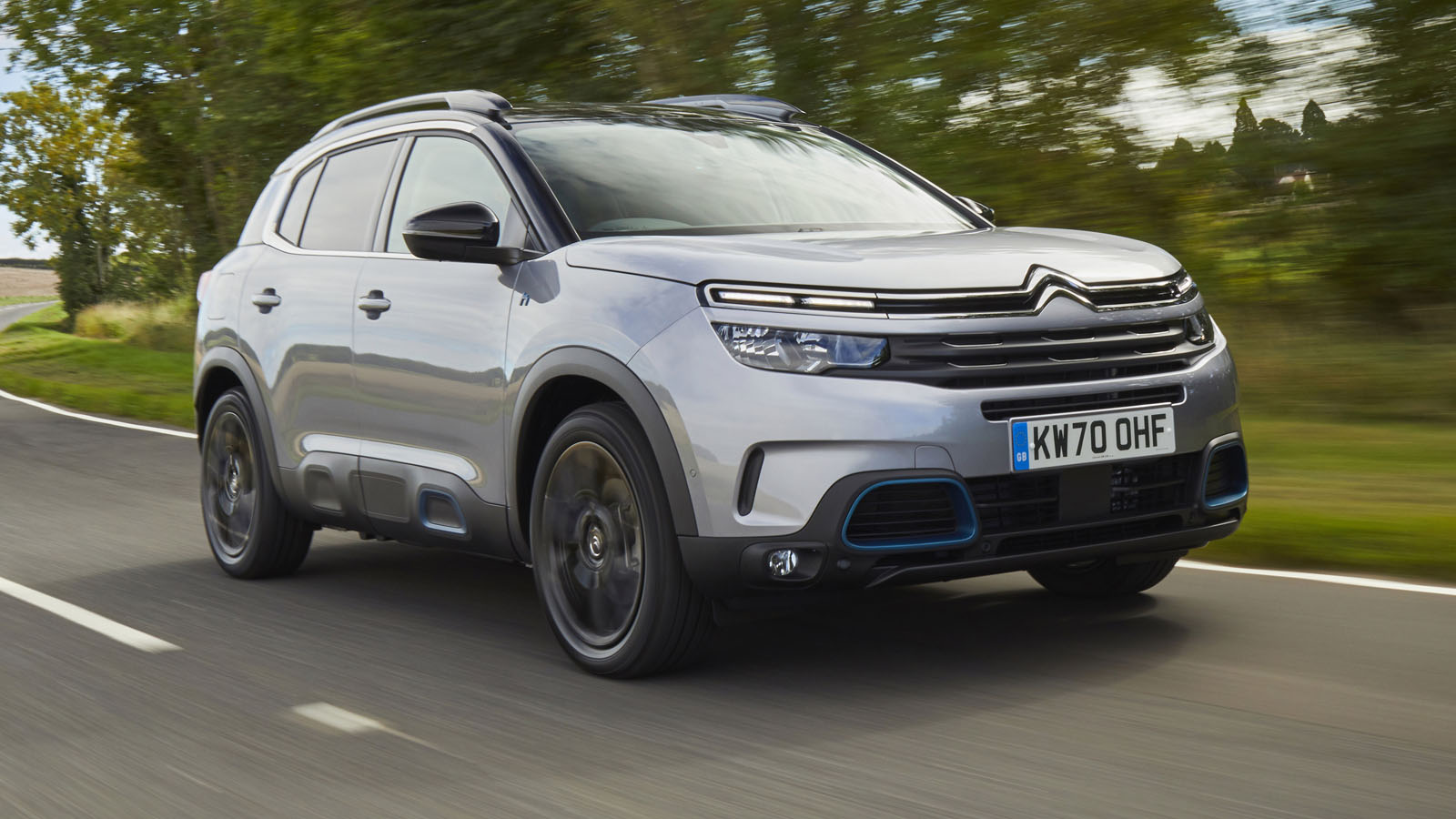
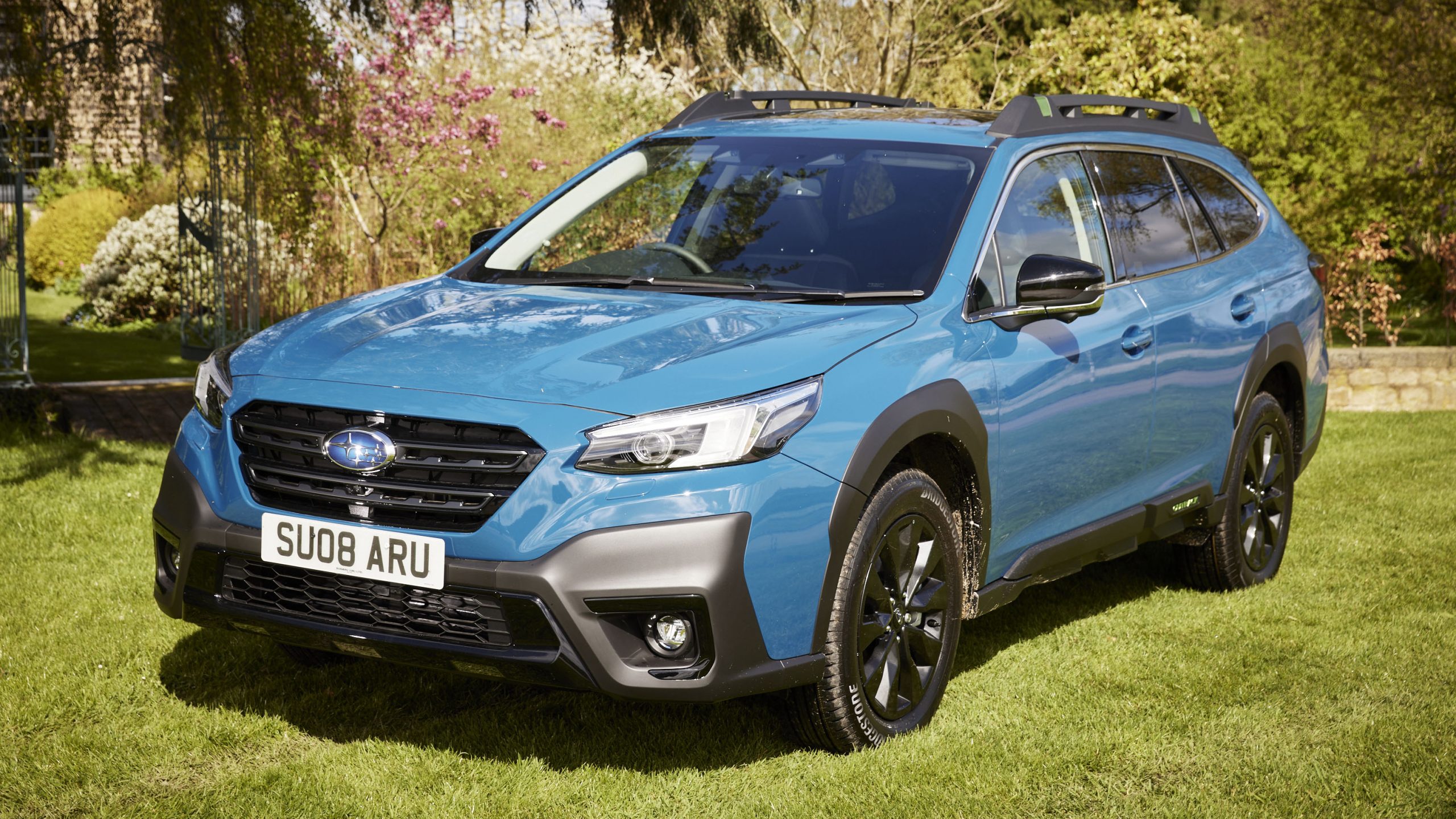
3. Subaru Outback Touring: Comfort and Capability for Every Road
The Subaru Outback Touring blends SUV practicality with smooth, car-like comfort, making it a versatile choice for city streets and light off-road adventures. Its long-travel suspension and 8.7-inch ground clearance (9.5 inches on the Wilderness trim) allow it to absorb potholes, speed bumps, and uneven pavement with ease.
The combination of advanced damping, a low-mounted BOXER engine, and Symmetrical All-Wheel Drive (AWD) ensures stability, reduces body roll, and provides reliable traction in wet or rough conditions, creating a composed and comfortable ride.
The key to the Outback Touring’s smoothness is its suspension. The long-travel setup allows the wheels to move significantly up and down, preventing harsh shocks from reaching passengers.
Coupled with precise damping, vibrations from rough surfaces are filtered out, while the AWD system maintains control on unpredictable roads. A quiet, well-insulated cabin enhances comfort, letting occupants enjoy a calm environment even on rough city streets.
Performance varies depending on the engine choice. The 2.5-liter four-cylinder engine produces 180 hp and is suitable for daily commuting, though it feels underpowered when overtaking or climbing hills, with the CVT holding higher revs under load.
The 2.4-liter turbocharged XT engine delivers 260 hp, accelerates from 0–60 mph in approximately 6.5 seconds, and improves towing capacity to 3,500 pounds. Paired with AWD and X-Mode, this engine provides confident handling on both paved and unpaved roads.
The Touring trim emphasizes comfort and functionality. Front Nappa leather seats are heated and ventilated, rear seats are heated, and the cabin offers generous legroom and a 34.6-cubic-foot cargo area, making it practical for families and long trips. The 2026 model features an upgraded 12.1- or 11.6-inch touchscreen with wireless Apple CarPlay and Android Auto, as well as physical climate controls for ease of use.
Safety is a strong point, with Subaru’s EyeSight Driver Assist Technology suite standard, including adaptive cruise control, lane-keeping assist, and collision mitigation. Premium materials, excellent visibility, and thoughtful design enhance the comfort and usability of the cabin.
Despite the base engine’s modest power, occasional infotainment lag, and sensitive driver-assist features, the Subaru Outback Touring delivers exceptional ride comfort, rugged versatility, and family-friendly practicality. The turbocharged XT version adds a more spirited driving experience, making this SUV a capable and comfortable companion for daily commutes and weekend adventures alike
.
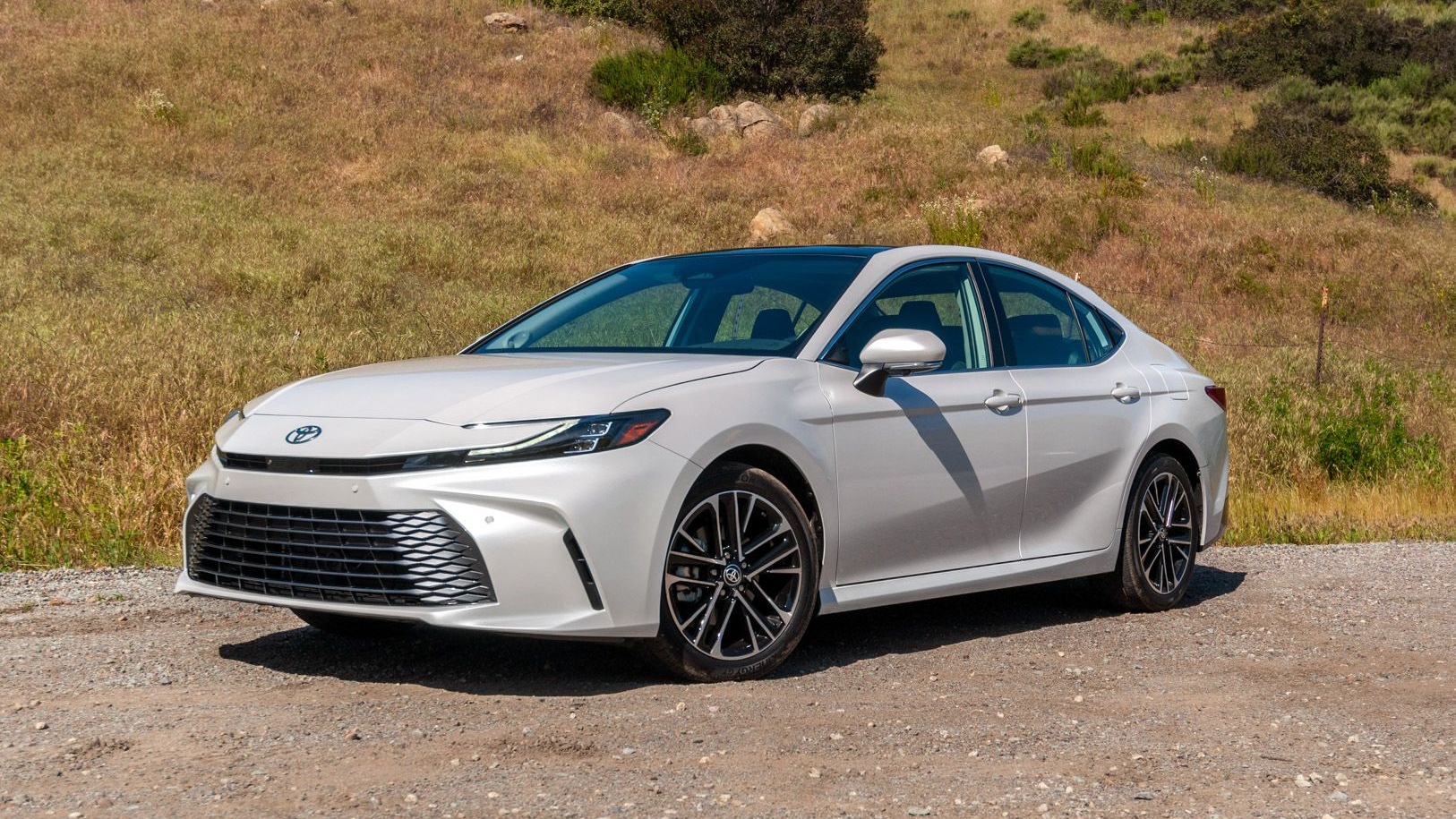
4. Toyota Camry Hybrid LE: Quiet Comfort Meets Hybrid Efficiency
The 2025 Toyota Camry Hybrid LE earns its reputation as a comfort-focused midsize sedan by prioritizing ride quality, refinement, and efficiency over aggressive styling or sporty stiffness.
Often described as the “comfort king” of the lineup, the LE trim pairs a softly tuned suspension with smaller wheels and higher-profile tires, allowing the tires themselves to act as the first layer of cushioning. This extra sidewall absorbs small vibrations and sharp imperfections before they ever reach the chassis, making rough city streets feel noticeably smoother.
Ride comfort is further enhanced by the Camry’s carefully optimized suspension tuning. Toyota strikes a balance that favors compliance over firmness, allowing the car to soak up potholes, cracked asphalt, and expansion joints without transmitting harshness into the cabin.
Built on Toyota’s TNGA platform, the Camry benefits from improved structural rigidity, giving it a planted, composed feel even when the road surface is less than ideal. A low center of gravity contributes to stability and confidence, especially during urban driving and highway cruising.
The Camry Hybrid LE also stands out for its seamless power delivery. Toyota’s fifth-generation hybrid system combines a 2.5-liter four-cylinder engine with dual electric motors, producing 225 horsepower in front-wheel-drive form and up to 232 horsepower with available electric all-wheel drive.
The Electronically Controlled Continuously Variable Transmission (ECVT) eliminates traditional gear shifts, resulting in smooth, quiet acceleration with no jerks or hesitation. Off-the-line response feels lively thanks to instant electric torque, while braking is consistent and predictable, reflecting Toyota’s long experience with hybrid systems.
Fuel efficiency remains a major strength. The LE FWD model delivers an impressive 53 mpg city and 50 mpg highway, making it one of the most economical vehicles in its class. Even with added power compared to the previous generation, the Camry maintains excellent efficiency across all trims.
Inside, the Camry Hybrid LE emphasizes simplicity and usability. Standard features include a 7.0-inch digital gauge cluster, 8.0-inch infotainment touchscreen, wireless Apple CarPlay and Android Auto, wireless charging, dual-zone climate control with rear vents, and redesigned seats aimed at improving long-distance comfort.
Safety is comprehensive, with Toyota Safety Sense 3.0 standard, offering adaptive cruise control, lane-keeping assistance, pre-collision braking, blind-spot monitoring, and rear cross-traffic alert.
While the 2025 Camry Hybrid may look like an evolution rather than a radical redesign, it refines what matters most: comfort, efficiency, and ease of use. In LE trim, it delivers a calm, smooth ride and strong value, making it an excellent choice for commuters and families seeking dependable, stress-free transportation.
5. Hyundai Creta: Comfort-Focused Engineering for Challenging City Roads
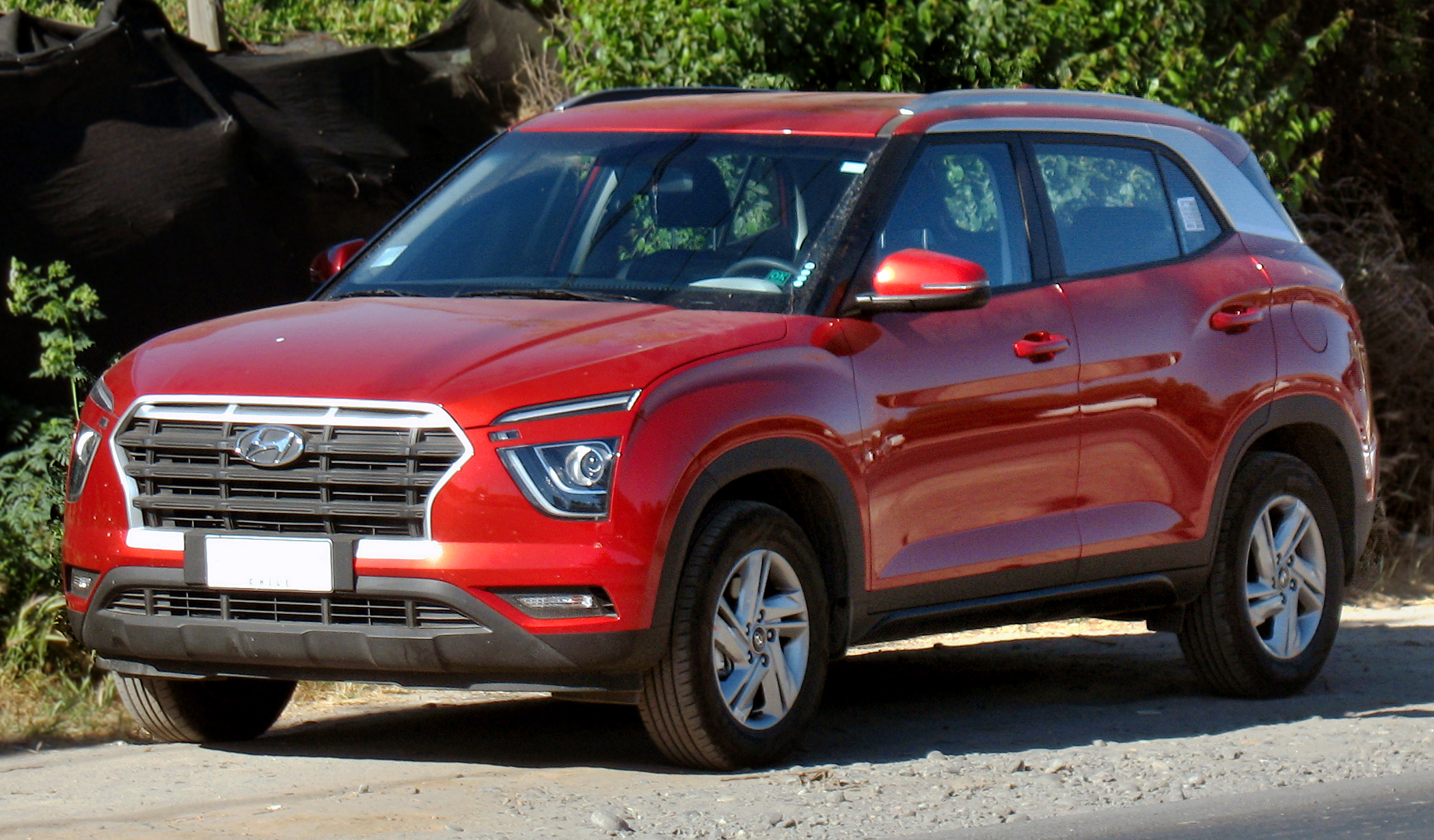
The Hyundai Creta is designed with a strong emphasis on ride comfort, making it well-suited to cities with unpredictable and poorly maintained infrastructure. Its suspension is softly tuned to prioritize low-speed damping, allowing the SUV to glide over speed breakers, potholes, and expansion joints that often cause head toss in stiffer competitors.
A major advantage is its generous ground clearance of about 190 mm, which helps the Creta clear uneven surfaces and tall speed bumps without scraping the underbody, reinforcing its suitability for everyday urban use.
The suspension setup consists of independent front struts and a rear torsion beam, calibrated for comfort rather than aggressive handling. This arrangement minimizes excessive vertical movement and absorbs sharp impacts effectively, keeping passengers isolated from rough road surfaces.
The shock absorbers are particularly effective over flyover joints and broken asphalt, while the body remains stable and predictable. Electronic stability control and traction systems further help maintain composure on slippery or uneven roads, contributing to a relaxed and confidence-inspiring driving experience.
For 2024, the Creta receives a significant facelift that enhances its visual appeal. The updated front end adopts Hyundai’s Sensuous Sportiness design language, featuring connected LED daytime running lights and a Parametric Jewel grille inspired by the larger Tucson. Inside, the cabin sees major improvements with a cleaner, more premium layout.
Higher trims offer dual integrated 10.25-inch displays for the digital instrument cluster and infotainment system. While some hard plastics remain, soft-touch materials on the steering wheel and gear lever, combined with a two-tone color scheme, create an upscale feel. Comfort features such as a panoramic sunroof, ventilated front seats, dual-zone climate control, and an 8-speaker Bose sound system enhance everyday usability.
The Creta’s engine lineup caters to a wide range of drivers. The 1.5-litre naturally aspirated petrol engine produces 115 PS and delivers smooth, fuel-efficient performance in city traffic, especially when paired with the IVT automatic. The 1.5-litre turbo-petrol engine in the N Line variant produces 160 PS and offers stronger acceleration for highway driving and overtaking.
The 1.5-litre diesel engine remains popular for its refinement and linear power delivery, particularly for long-distance use. Ride comfort remains a priority across most variants, although the sport-tuned N Line suspension feels firmer and less forgiving on rough roads.
Safety is a key strength, with six airbags, electronic stability control, hill-start assist, and Level 2 ADAS features such as adaptive cruise control and lane-keeping assistance available on newer models. With its comfortable suspension tuning, spacious interior, strong feature list, and reliable powertrain options, the Hyundai Creta continues to excel as a practical compact SUV built for real-world city driving.
Also Read: 5 Cars That Cope With Midwest Winters vs 5 That Develop Seasonal Problems
5 That Don’t
1. Jeep Wrangler Rubicon: Trail Mastery Comes at the Cost of Urban Comfort
The Jeep Wrangler Rubicon is engineered first and foremost as a serious off-road machine, and that focus explains why it feels rough and unrefined on city streets.
Unlike modern crossovers and luxury SUVs designed for urban smoothness, the Rubicon relies on heavy-duty, old-school mechanical components built to survive rock crawling and extreme terrain. These same components become liabilities in everyday driving, where comfort, isolation, and refinement matter more than durability.
The biggest contributor to its unsettled ride is the solid axle suspension. The Rubicon uses heavy Dana 44 axles that connect the left and right wheels with a rigid steel beam. When one wheel hits a pothole or manhole cover, the impact is transferred across the axle to the opposite wheel.
This creates a side-to-side motion often described as a “teeter-totter” effect, resulting in head toss and steering shimmy on uneven pavement. In contrast, vehicles with independent suspension allow each wheel to react individually, reducing disturbance inside the cabin.
Tire design further amplifies the harshness. The Rubicon’s mud-terrain tires are built for gripping rocks and clawing through mud, not smoothing out asphalt imperfections.
Their stiff sidewalls resist flexing, so sharp edges and broken pavement are felt more directly. The aggressive tread pattern, with large gaps between tread blocks, produces constant vibration and road noise that travels straight through the steering wheel and floor.
Suspension geometry also plays a role. The Rubicon is tuned for maximum wheel articulation, allowing tires to maintain contact with uneven ground off-road. On city streets, this tuning can feel unsettled. Its higher ride height raises the center of gravity, making body roll more pronounced during lane changes and tight turns.
The shock absorbers are calibrated to handle slow, heavy impacts rather than repetitive small bumps, so washboard surfaces and patched asphalt feel stiff and busy.
Finally, the Wrangler’s boxy shape and removable roof contribute to elevated noise levels. Limited sound insulation and poor aerodynamics allow wind and road noise to dominate the cabin, making every bump feel more intrusive. The Rubicon excels where pavement ends, but urban comfort is not its mission.

2. Nissan Frontier PRO-4X: Trail Toughness Over Urban Smoothness
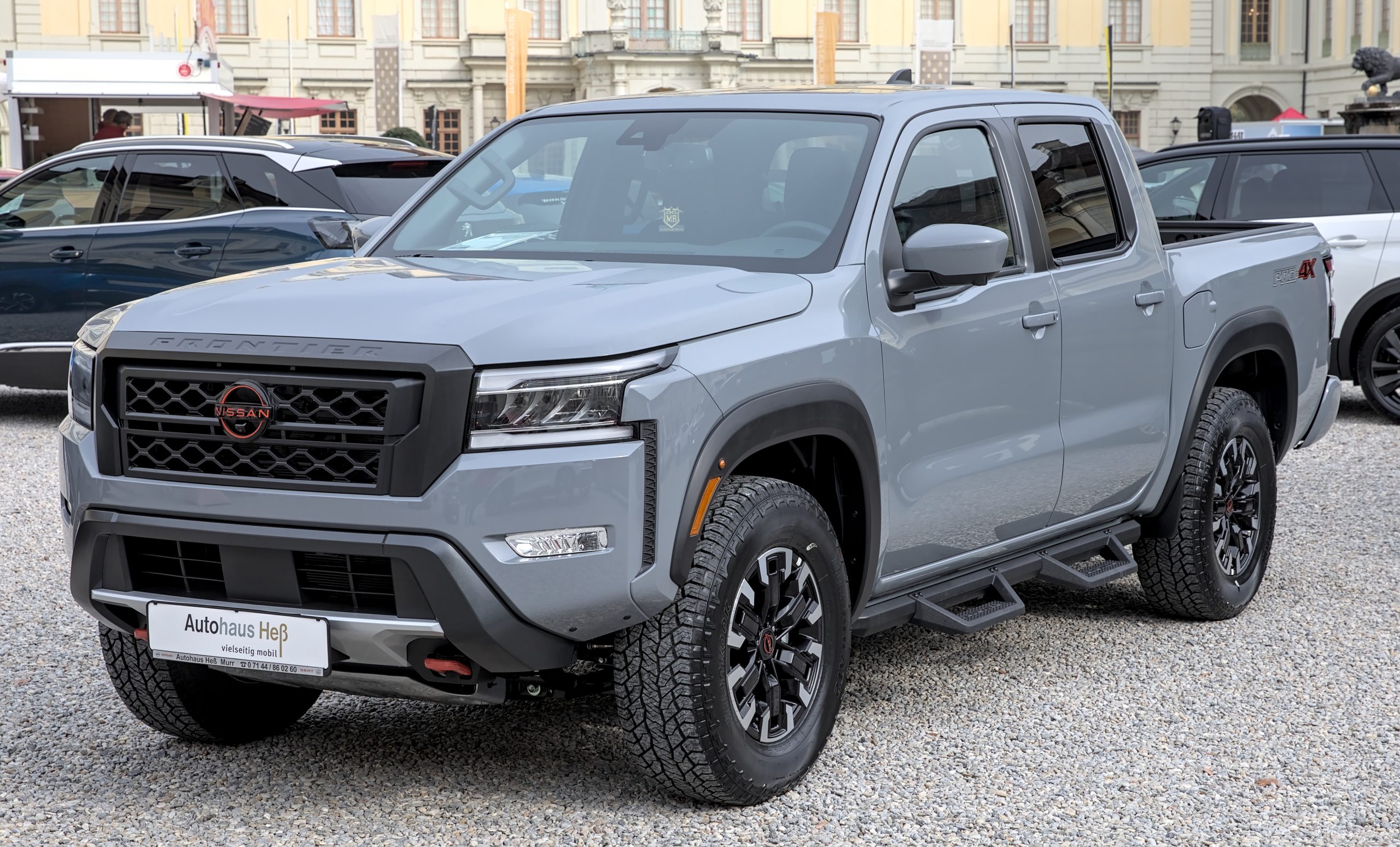
The Nissan Frontier PRO-4X is engineered as a durable, trail-ready pickup, and that mission shapes how it behaves on paved city streets. Built to handle rough terrain and demanding conditions, its mechanical setup favors strength and control over ride comfort. On broken urban pavement, this focus results in a ride that can feel jittery, busy, and less refined than car-based SUVs or crossovers.
A major contributor to the unsettled feel is the off-road-specific Bilstein shocks fitted to the PRO-4X. These dampers are designed with firm, digressive tuning that excels during high-speed off-road driving and rock crawling.
In city use, however, this firmness means the suspension transmits small imperfections directly into the cabin. Expansion joints, patched asphalt, and manhole covers are felt clearly instead of being absorbed smoothly.
The rear suspension design further amplifies this effect. Like most midsize pickups, the Frontier uses a solid rear axle with multi-leaf springs. These springs are built to support heavy payloads, not empty beds. When the truck is unloaded, the rear suspension remains stiff and under tension, causing a noticeable “empty bed bounce.” Over consecutive ripples or sharp bumps, the rear of the truck can feel like it hops or kicks, especially at typical city speeds.
Tire construction also plays a role. The PRO-4X rides on all-terrain tires with reinforced sidewalls designed to resist punctures on rocks and trails. While ideal off-road, these stiff sidewalls flex less on pavement, allowing more vibration to pass through the chassis and into the steering wheel and seats.
Steering feel reinforces the truck-like character. The Frontier uses hydraulic power steering, which delivers strong feedback and durability but feels heavier and less relaxed during tight urban maneuvers compared with modern electric systems.
Finally, the body-on-frame construction contributes to the ride quality. This traditional truck architecture offers strength and longevity but provides less isolation from road noise and vertical motion than unibody designs. The PRO-4X feels exactly like what it is: a rugged pickup optimized for trails, with urban comfort taking a back seat to toughness.
3. Tesla Model S: High-Tech Performance with a Firm Urban Ride
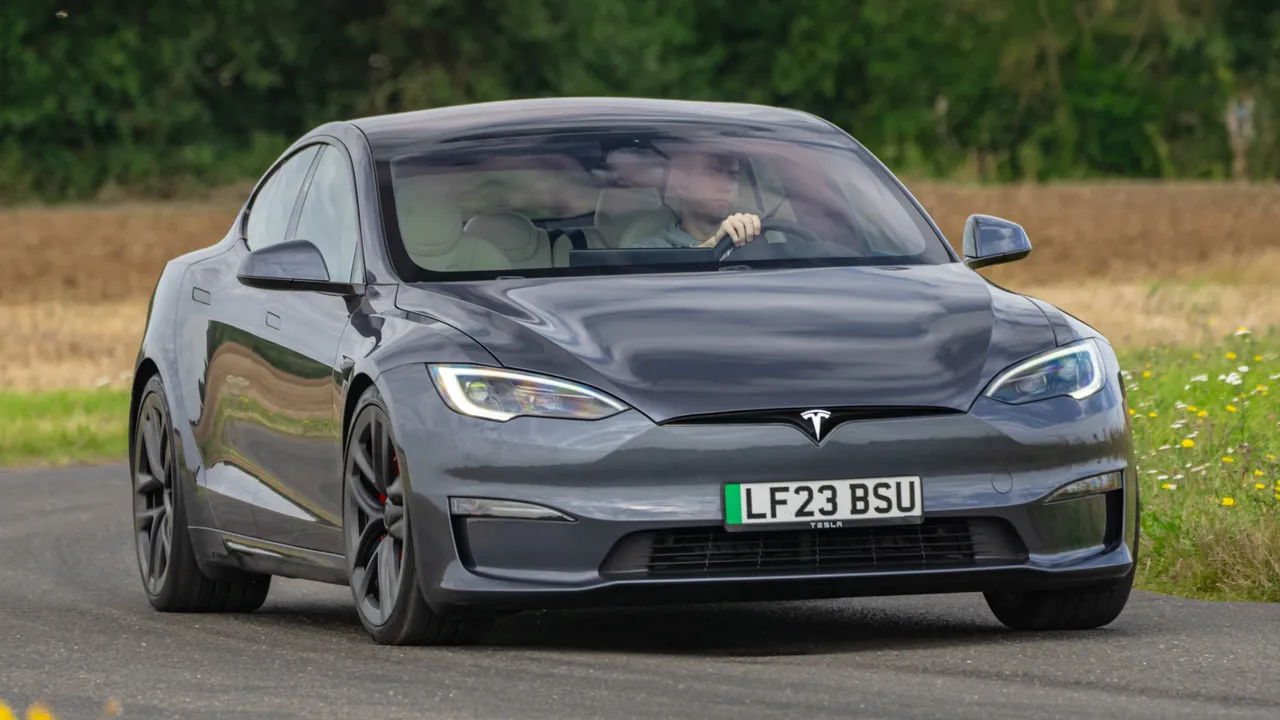
The Tesla Model S showcases cutting-edge electric performance and advanced technology, yet its behavior on rough city roads can feel less refined than expected for a luxury sedan.
Despite being equipped with adaptive air suspension, many drivers describe the ride as brittle over sharp edges and broken pavement. This character stems from a combination of design priorities and the physical demands of a high-performance electric vehicle.
A major factor is the Model S’s significant weight. Its large, floor-mounted battery pack adds substantial mass, which must be carefully controlled to prevent excessive body movement.
To manage this, Tesla uses a firmer suspension setup. On smooth roads, this delivers stability and confidence, but in urban environments filled with potholes, manhole covers, and patched asphalt, the stiffness allows vibrations to pass directly into the cabin rather than being fully absorbed.
The suspension tuning also reflects Tesla’s performance-first philosophy. The Model S is engineered to handle immense torque and maintain sharp responses during acceleration and cornering.
Firm damping helps limit body roll and keeps the chassis composed at speed. However, this tuning reduces the suspension’s ability to smooth out small, abrupt imperfections that are common on city streets, resulting in a ride that can feel busy and abrupt.
Tires play a critical role as well. Many versions of the Model S ride on large 21-inch wheels with low-profile tires. These tires have thin sidewalls that provide minimal cushioning. In addition, Tesla recommends relatively high tire pressures to improve efficiency and driving range. The combination of thin sidewalls and high PSI means the tires transmit road impacts more directly into the structure of the car.
While the adaptive air suspension offers adjustable ride height and a Comfort mode, its primary function is often aerodynamic efficiency and clearance management. On rough urban surfaces, it may not react quickly enough to a rapid sequence of sharp impacts. As the system ages, issues such as air strut leaks or compressor wear can further affect ride quality.
For drivers seeking improvement, switching to smaller wheels with taller sidewalls, carefully managing tire pressure within safe limits, and keeping software up to date can noticeably soften the experience.
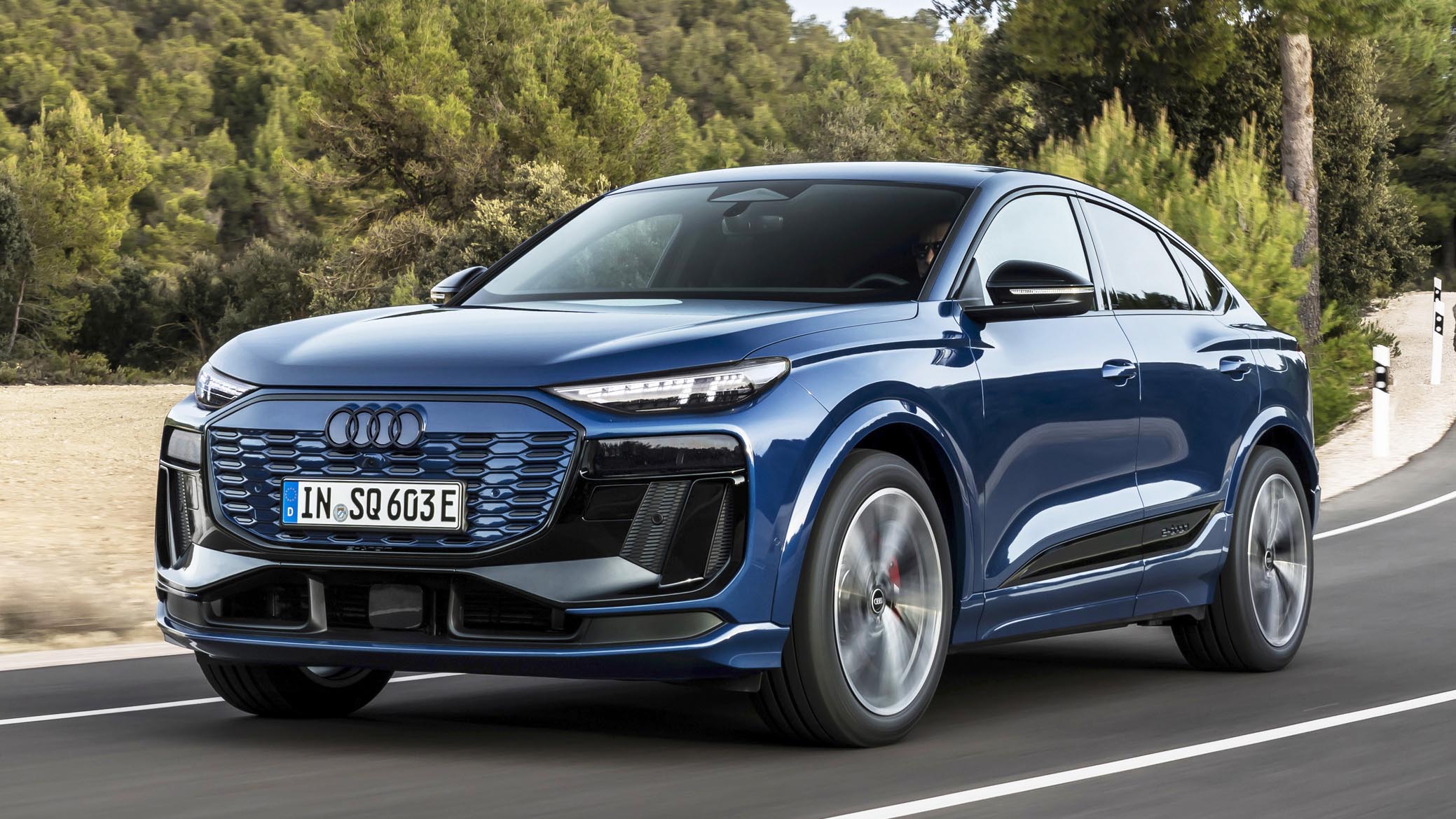
4. Audi SQ6 Sportback e-tron: Sporty Precision at the Expense of Urban Comfort
The Audi SQ6 Sportback e-tron is positioned as a performance-oriented electric SUV, blending sharp styling with strong acceleration and advanced technology. However, on rough city streets, its ride quality can feel firmer than expected for a vehicle in its price range. This sensation stems from Audi’s deliberate focus on sporty handling and visual drama rather than maximum ride isolation.
At the heart of the issue is the S-tuned adaptive air suspension. While the system is capable of adjusting ride height and damping, the SQ6’s calibration emphasizes road connection and control.
Compared with luxury-focused setups that prioritize cushioning, this tuning allows more road texture to pass through the chassis. Sharp potholes, expansion joints, and broken asphalt can therefore feel more pronounced, resulting in a busier experience during urban driving.
Wheel and tire choices further influence ride comfort. Many SQ6 Sportback e-tron models are fitted with 21-inch wheels paired with performance-oriented summer tires. These large wheels reduce the amount of tire sidewall available to absorb impacts, placing more strain on the suspension.
In addition, the substantial unsprung mass of these heavy wheels makes it harder for the suspension to quickly settle after hitting sharp bumps, a common issue on uneven city roads.
Vehicle weight also plays a significant role. With a curb weight of around 5,324 pounds, the SQ6 relies on stiffer anti-roll bars to control body motion during cornering. While effective at maintaining composure at speed, these components can introduce head toss when one wheel encounters a bump, and the other does not, which is typical on rutted or patchy pavement.
Drive mode selection has a noticeable impact on ride quality. In Dynamic mode, the suspension lowers the vehicle by roughly 0.8 inches and significantly firms up damping. This setup works well on smooth highways but can feel uncomfortable in urban environments. Comfort mode or a customized Individual setting allows the suspension to remain softer while retaining responsive steering.
Some early ownership reports also mention air suspension or sensor issues, which can worsen ride harshness if the system fails to operate as intended. When functioning correctly and set appropriately, the SQ6 delivers precision and performance, but its sporty character can conflict with the demands of imperfect city roads.
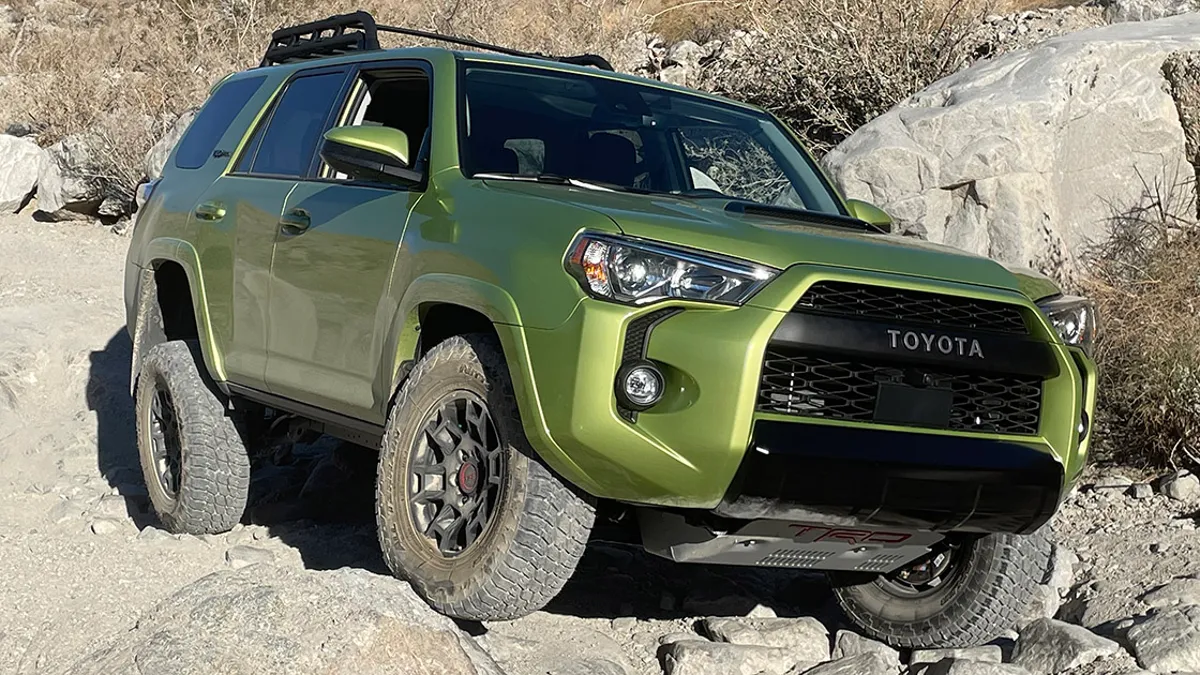
5. Toyota 4Runner TRD Off-Road: Built for Trails, Not City Comfort
The Toyota 4Runner TRD Off-Road is engineered with one clear priority: durability in harsh, off-road environments. That focus, however, comes at the expense of ride refinement on city streets. On broken pavement, potholes, and uneven asphalt, the 4Runner often feels loud, bouncy, and unsettled, especially when compared with modern car-based crossovers designed for urban comfort.
The primary reason lies in its traditional body-on-frame construction. Unlike unibody crossovers that integrate the body and chassis into a single structure, the 4Runner uses a heavy-duty steel ladder frame.
This design excels off-road by allowing controlled flex over rocks and ruts, but it lacks the vibration isolation of a unibody platform. On city roads, impacts can cause the frame and body to move slightly out of sync, creating a noticeable shudder or aftershock when hitting potholes or sharp edges.
Another contributor is the solid rear axle used on the TRD Off-Road. While valued for strength and wheel articulation in rough terrain, this setup transmits impacts across the axle.
When one rear wheel hits a bump, the shock travels to the opposite side, causing sideways movement or a hopping sensation over repetitive imperfections. Independent rear suspension, common in crossovers, allows each wheel to react separately, reducing disturbance inside the cabin.
The suspension tuning further reinforces the truck’s off-road bias. The shocks are valved to handle large impacts encountered during rock crawling or high-speed dirt driving. On paved streets with small, frequent bumps, these shocks can feel stiff or notchy, failing to smooth out high-frequency vibrations. As a result, everyday city driving feels busier and less composed.
Tires can worsen or improve the experience. Vehicles delivered with overinflated tires often feel harsher than necessary, and aggressive all-terrain tires with stiff sidewalls amplify road impacts. Reducing tire pressure to factory recommendations or switching to less aggressive tires can noticeably soften the ride.
In short, the 4Runner TRD Off-Road delivers exceptional toughness and trail capability, but its old-school truck engineering makes urban driving feel raw and unrefined.
Rough city roads reveal a vehicle’s true character. Models that excel in these conditions place comfort, isolation, and suspension compliance at the top of their priority list. Thoughtful damping, sensible wheel and tire choices, and well-insulated cabins allow them to absorb imperfections and keep occupants relaxed during daily use. These cars feel calm and predictable, even when the road surface is far from ideal.
In contrast, vehicles that struggle in urban conditions are not inherently bad. Many are outstanding performers in the environments they were designed for, such as trails, highways, or spirited driving. Their firmness, heavy-duty hardware, or aggressive tires simply work against them on damaged pavement.
Choosing the right car depends on where it will spend most of its time. Urban comfort rewards soft, refined tuning, while specialized designs often demand compromise when city roads are less forgiving.
Also Read: 10 Cars That Become Annoying to Own After the Honeymoon Phase