
Owning a car involves much more than simply making monthly payments and filling up the gas tank. The hidden costs of vehicle ownership often catch drivers off guard, particularly when it comes to replacement parts and maintenance expenses.
While every vehicle requires regular upkeep, certain models stand out for their exceptionally high parts costs that can quickly transform minor repairs into major financial burdens.
The automotive industry presents a wide spectrum of ownership experiences, from budget-friendly vehicles with inexpensive, readily available components to luxury and performance models where even basic parts carry premium price tags.
Understanding which vehicles fall into the high-cost category can save potential buyers from unexpected financial stress down the road. These expenses aren’t always immediately apparent during the exciting process of purchasing a new or used vehicle, but they become painfully clear when that first major repair bill arrives.
Several factors contribute to raised parts costs across different vehicle categories. European luxury brands often require specialized components manufactured to exacting standards, with limited competition among suppliers driving prices upward.
Performance vehicles demand high-grade materials capable of withstanding extreme stress, while their complex engineering requires more frequent replacement of sophisticated systems.
Even some domestic and Asian brands have specific models with notoriously expensive parts, often due to limited production runs, discontinued support, or proprietary technology that restricts aftermarket alternatives.
The difference between affordable and expensive vehicle maintenance can amount to thousands of dollars annually. A brake job that costs $300 on a mainstream sedan might run $1,200 on a luxury SUV. Replacing a headlight assembly could range from $150 to over $2,000 depending on the make and model.
These disparities multiply across the numerous components that inevitably need replacement throughout a vehicle’s lifespan, from suspension parts and sensors to electronics and engine components. For informed consumers, recognizing which vehicles carry these hidden costs is essential to making smart purchasing decisions.
The following seven vehicles represent some of the most notorious offenders when it comes to parts that add up quickly, each with unique characteristics that make ownership significantly more expensive than average. Understanding these costs upfront allows potential buyers to budget appropriately or perhaps reconsider their choice altogether.
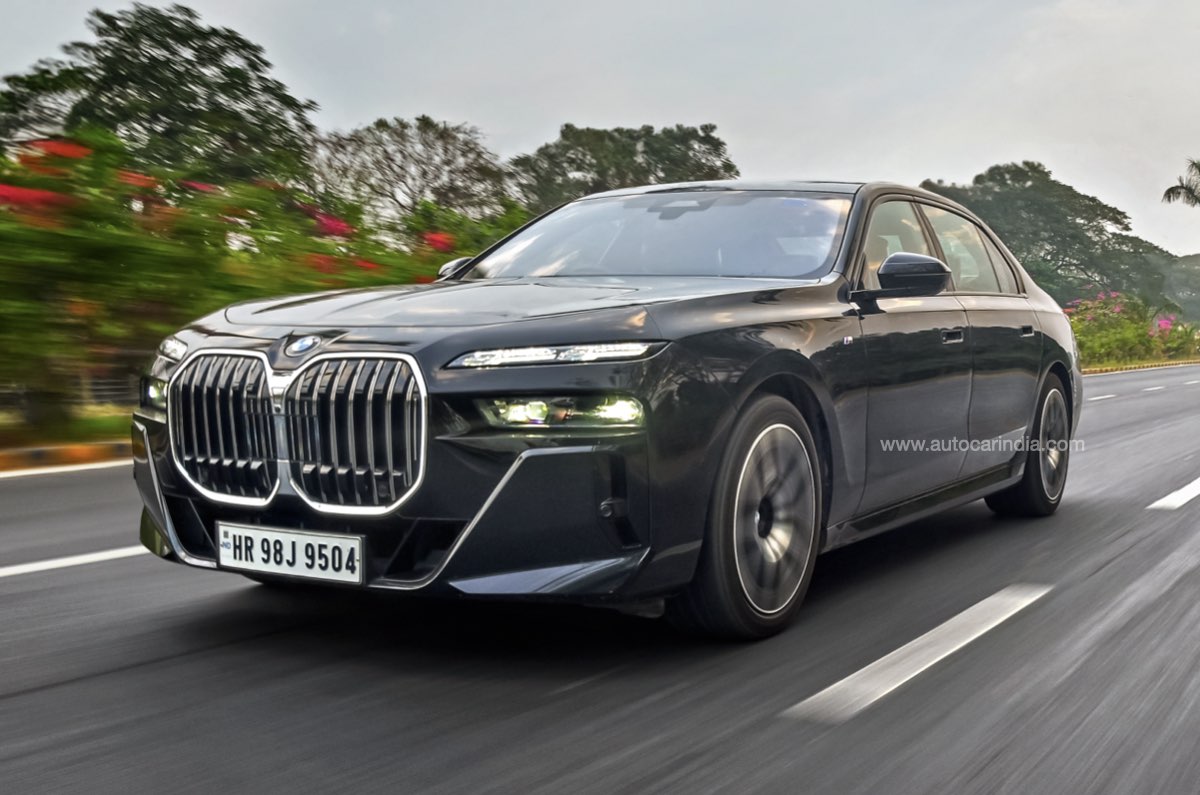
1. BMW 7 Series
The BMW 7 Series represents the pinnacle of German luxury engineering, offering cutting-edge technology, supreme comfort, and impressive performance. However, this flagship sedan also carries one of the highest maintenance costs in the automotive world, with replacement parts that can shock even well-prepared owners.
The 7 Series embodies BMW’s most advanced innovations, which translates directly into complexity that demands expensive components and specialized service.
One of the most notorious expense areas involves the air suspension system, a feature that provides the 7 Series with its characteristic smooth ride. When these systems fail and they often do after 60,000 to 100,000 miles owners face repair bills ranging from $2,500 to $5,000 per corner.
A complete air suspension replacement can exceed $15,000, making it one of the most expensive single repairs on any production vehicle. Traditional coil spring conversions offer some savings but sacrifice the adaptive ride quality that defines the 7 Series experience.
The electrical systems in the 7 Series present another costly concern. These vehicles feature incredibly sophisticated electronics controlling everything from adaptive LED headlights to gesture controls and autonomous driving features.
A single adaptive headlight assembly can cost over $3,000, while the iDrive system controller might run $1,500 to replace. The numerous sensors, cameras, and modules throughout the vehicle each carry premium price tags, and their failure rates increase substantially as the vehicle ages.
Engine-related components also command premium pricing, particularly in the turbocharged and V8 models. The twin-turbo V8 found in 750i models requires turbochargers that cost approximately $2,000 each, with labor adding another $3,000 to $4,000 for replacement.
Oil changes alone can exceed $200 at dealerships, while brake services easily surpass $1,500 for all four corners due to the large rotors and high-performance pads required. The advanced engine management systems use expensive sensors and actuators that frequently need replacement as mileage accumulates.
Transmission repairs represent yet another significant expense category. The 7 Series uses sophisticated automatic transmissions with adaptive programming and numerous electronic components. A transmission service costs several hundred dollars, while a complete rebuild or replacement can approach $8,000 to $12,000.
Even minor transmission issues often require expensive diagnostics and programming that independent shops may not be equipped to handle properly.
The costs extend to seemingly minor components as well. Window regulators fail frequently and cost $400 to $800 per door to replace. The electronic parking brake system can require $1,000 in repairs when malfunctioning.
Even oil filter housing gaskets, a common wear item, demand $500 to $1,000 for proper replacement due to labor intensity. These smaller expenses accumulate rapidly, making annual maintenance costs for aging 7 Series models easily exceed $3,000 to $5,000 even without major failures.
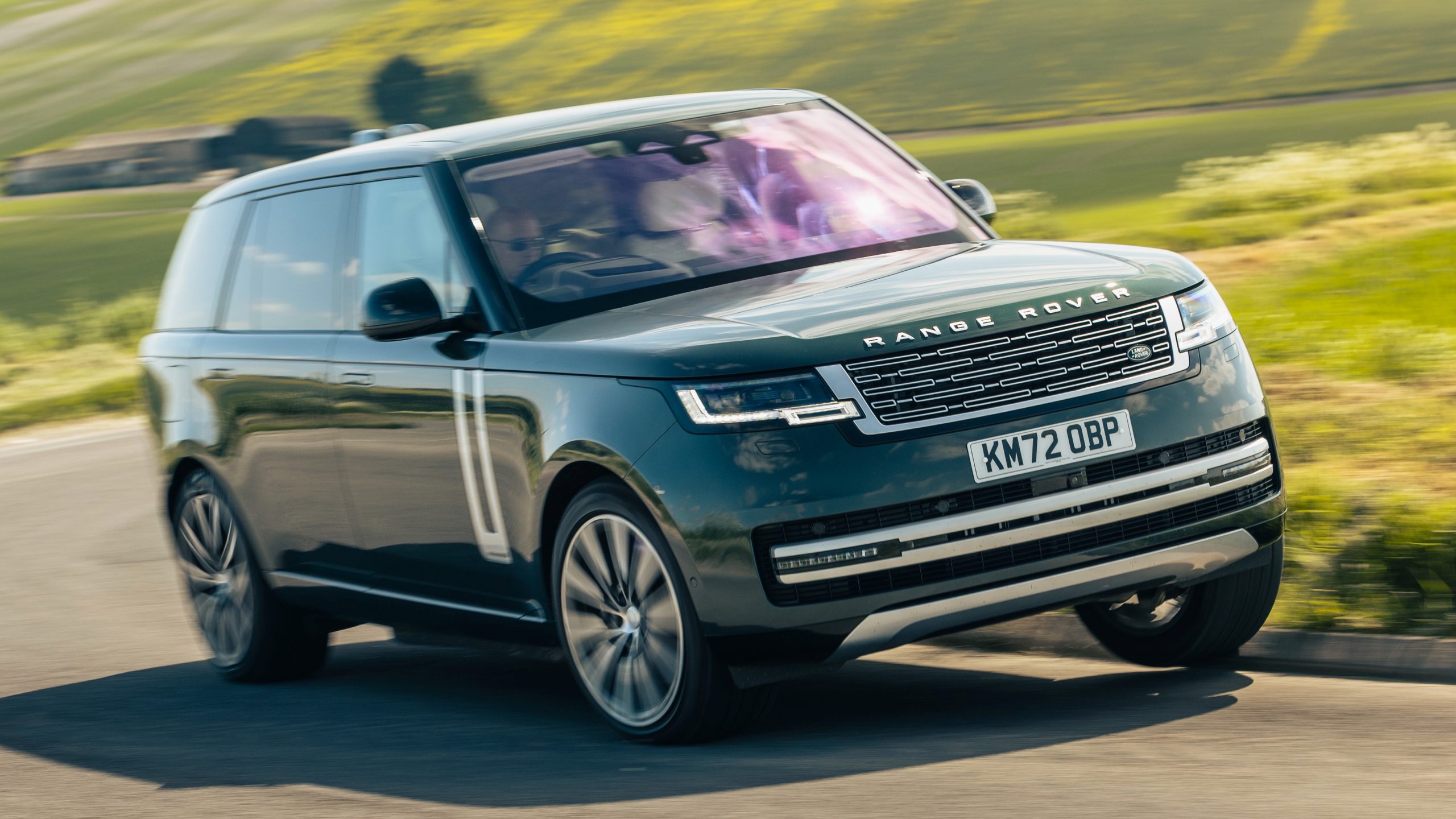
2. Range Rover
Range Rover vehicles deliver unmatched luxury combined with genuine off-road capability, creating a unique ownership experience that appeals to affluent buyers worldwide.
Unfortunately, this British engineering marvel also delivers some of the automotive industry’s highest repair costs, with parts prices that reflect both the vehicle’s premium positioning and its notorious reliability challenges. Range Rover ownership often becomes a financial commitment that extends far beyond the initial purchase price.
The air suspension system on Range Rovers represents perhaps the most infamous expensive component. These vehicles rely on air springs and complex electronic systems to provide adjustable ride height and supreme comfort across all terrain types.
When components fail which happens with alarming frequency owners face bills between $1,800 and $3,000 per air spring, with complete system overhauls potentially exceeding $6,000. The compressor alone costs over $1,500, and sensors throughout the system add hundreds more. Many owners eventually convert to traditional coil springs to escape the cycle of expensive repairs.
Electrical gremlins plague Range Rovers throughout their lifespan, creating ongoing diagnostic challenges and repair expenses. The sophisticated infotainment systems, digital instrument clusters, and numerous control modules all prove vulnerable to failure.
A failed infotainment screen replacement can cost $2,500 to $4,000, while the instrument cluster runs similarly expensive. The vehicle’s battery management system is particularly temperamental, and even a simple battery replacement requires specific procedures that often demand dealership involvement at costs exceeding $500.
Engine and transmission issues also contribute substantially to Range Rover’s expensive reputation. The supercharged V6 and V8 engines require premium components throughout, with timing chain replacements costing $3,000 to $5,000 and supercharger rebuilds approaching $4,000.
The advanced ZF eight-speed automatic transmission, while generally reliable, costs $7,000 to $10,000 to replace when it does fail. Regular maintenance items like spark plugs, air filters, and coolant flushes all carry premium pricing compared to mainstream vehicles.
Brake system components exemplify the cost problem. Range Rovers are heavy vehicles requiring substantial braking power, which translates to large, expensive rotors and pads.
A complete brake service including rotors and pads for all four corners typically costs $2,000 to $3,000. The electronic parking brake system adds another layer of complexity and expense, with repairs often exceeding $1,000. Brake fluid flushes, necessary every two years, cost significantly more than typical vehicles due to the complex hydraulic systems.
Even routine wear items prove expensive on Range Rovers. Control arms, bushings, and other suspension components wear relatively quickly given the vehicle’s weight and capability, with individual control arm replacements costing $600 to $1,200 each.
The numerous sensors monitoring tire pressure, ride height, and terrain conditions fail regularly and cost $200 to $500 each to replace. Window mechanisms, door latches, and tailgate components all demonstrate poor long-term reliability while carrying premium replacement costs that make even minor annoyances financially painful.
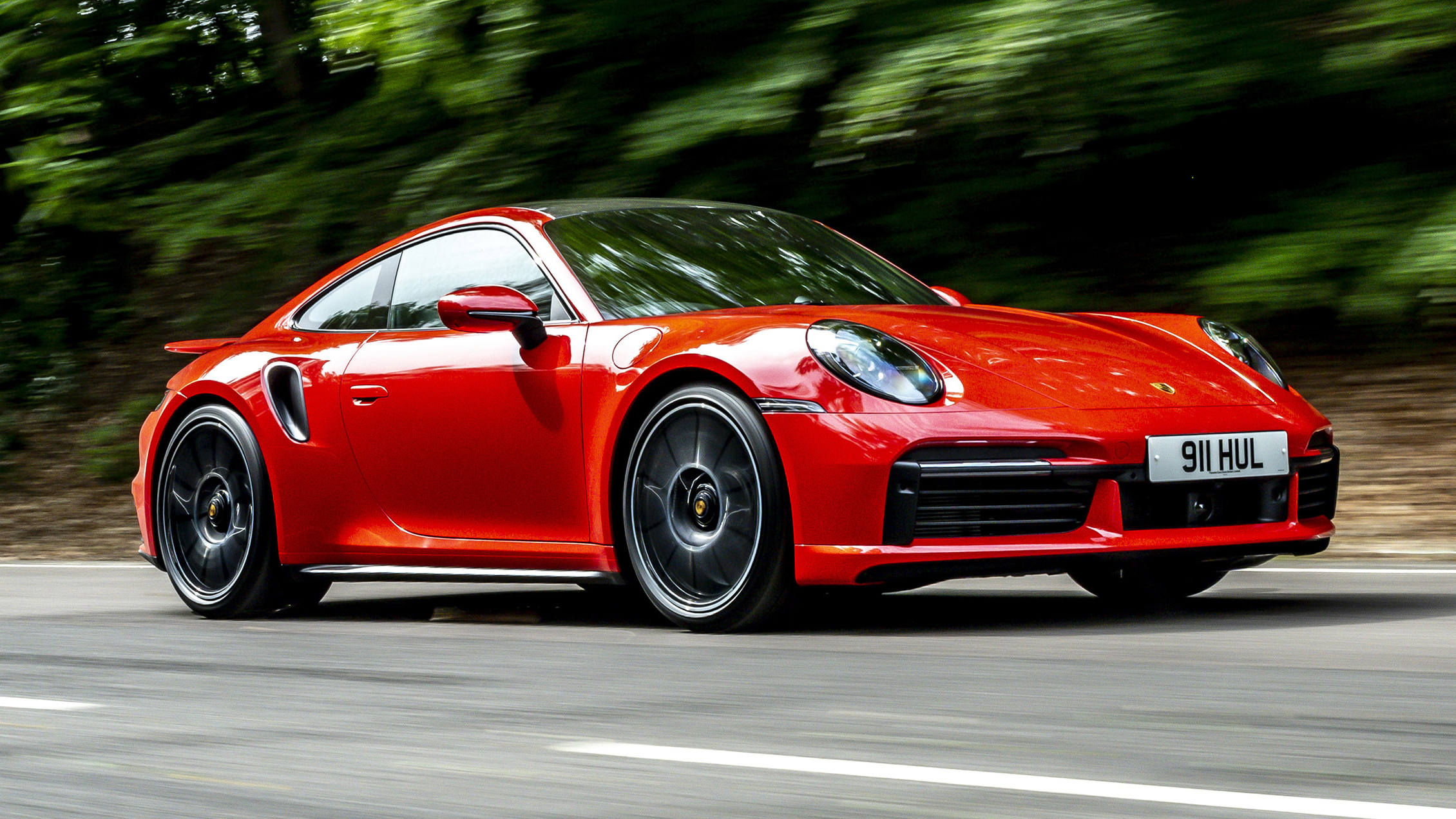
3. Porsche 911
The Porsche 911 stands as an automotive icon, delivering breathtaking performance and unmistakable styling that has evolved over six decades. This rear-engine sports car represents engineering excellence and driving purity, but it also demands financial commitment through parts costs that reflect its specialized nature and performance-focused design.
While Porsche reliability has improved substantially in recent years, maintenance and repair expenses remain significantly higher than average vehicles.
The flat-six engine that defines the 911 experience requires specialized components manufactured to exacting tolerances. A complete engine rebuild or replacement can easily exceed $25,000 to $40,000, making it one of the most expensive engine services in the automotive world.
Even routine maintenance proves costly, with oil changes often running $400 to $600 due to the dry-sump lubrication system requiring substantial quantities of high-performance synthetic oil. Spark plugs, air filters, and other consumables all carry Porsche premium pricing that makes even basic service expensive compared to ordinary vehicles.
The rear-mounted engine configuration creates unique challenges and expenses throughout the vehicle. Accessing many components requires extensive disassembly, inflating labor costs substantially.
The IMS bearing issue in certain model years (particularly 1997-2008) represents a ticking time bomb that can destroy the engine if it fails, with preventative replacement costing $2,000 to $3,000 but engine replacement following failure reaching catastrophic expense levels. Even newer models without this specific issue still demand careful attention to cooling systems, with radiator replacements costing $1,500 to $2,500.
The sophisticated transmission options in the 911 lineup all carry premium price tags for service and repair. The manual transmission, while generally reliable, requires a clutch replacement every 30,000 to 60,000 miles depending on driving style, with costs ranging from $3,000 to $5,000.
The PDK dual-clutch automatic transmission represents even greater expense, with clutch pack replacements potentially exceeding $8,000 and complete transmission replacements approaching $15,000. Even routine transmission fluid services cost several hundred dollars due to specific requirements and procedures.
Suspension and brake components reflect the 911’s performance orientation through both capability and cost. The sophisticated suspension systems, particularly on models with PASM (Porsche Active Suspension Management) or air suspension, require expensive dampers costing $800 to $1,500 each.
Brake systems capable of repeatedly stopping the 911 from high speeds demand high-performance components, with a complete brake service including rotors and pads easily exceeding $2,500. Carbon ceramic brakes, optional on many models, cost over $10,000 to replace and represent one of the most expensive wear items in automotive history.
Beyond major components, even routine items prove expensive. Tires designed for the 911’s performance envelope cost $300 to $600 each and wear relatively quickly, particularly the rear tires on rear-wheel-drive models.
Wheel alignment requires specialized equipment and costs $400 to $600. The numerous sensors and electronics throughout modern 911s all carry premium pricing, with individual components often costing several hundred dollars each. Annual maintenance costs for 911 ownership typically exceed $2,000 to $3,000, making it financially demanding even before addressing any actual failures or damage.
4. Mercedes-Benz S-Class
The Mercedes-Benz S-Class has long represented the benchmark for luxury sedans, showcasing the latest automotive technology and setting standards that other manufacturers strive to match.
This flagship model incorporates cutting-edge innovations years before they appear in mainstream vehicles, creating an ownership experience defined by comfort, prestige, and unfortunately, exceptional parts costs. The S-Class demonstrates that technological leadership comes with significant financial responsibilities extending throughout the vehicle’s lifespan.
The AIRMATIC air suspension system equipped on most S-Class models provides the characteristic “magic carpet ride” but creates substantial expense when components fail. Each air strut costs between $800 and $1,500, with complete system replacement potentially exceeding $6,000.
The air compressor, which frequently fails around 80,000 to 120,000 miles, costs approximately $1,200 plus installation. The numerous sensors and control modules managing the suspension add hundreds more to repair bills. Many owners facing these costs choose aftermarket conversions to traditional springs and struts, though this compromises the refined ride quality.
The sophisticated electronics suite in the S-Class represents both its greatest appeal and its most expensive liability. The massive MBUX infotainment screens, digital instrument cluster, head-up display, and countless driver assistance features all depend on complex, expensive components.
A failed instrument cluster can cost $2,500 to replace, while the central infotainment screen runs similarly expensive. The 3D navigation system, Burmester sound system components, and various cameras and sensors throughout the vehicle each carry premium price tags. Electrical issues often prove difficult to diagnose, with diagnostic fees alone sometimes exceeding $500 before any actual repairs begin.
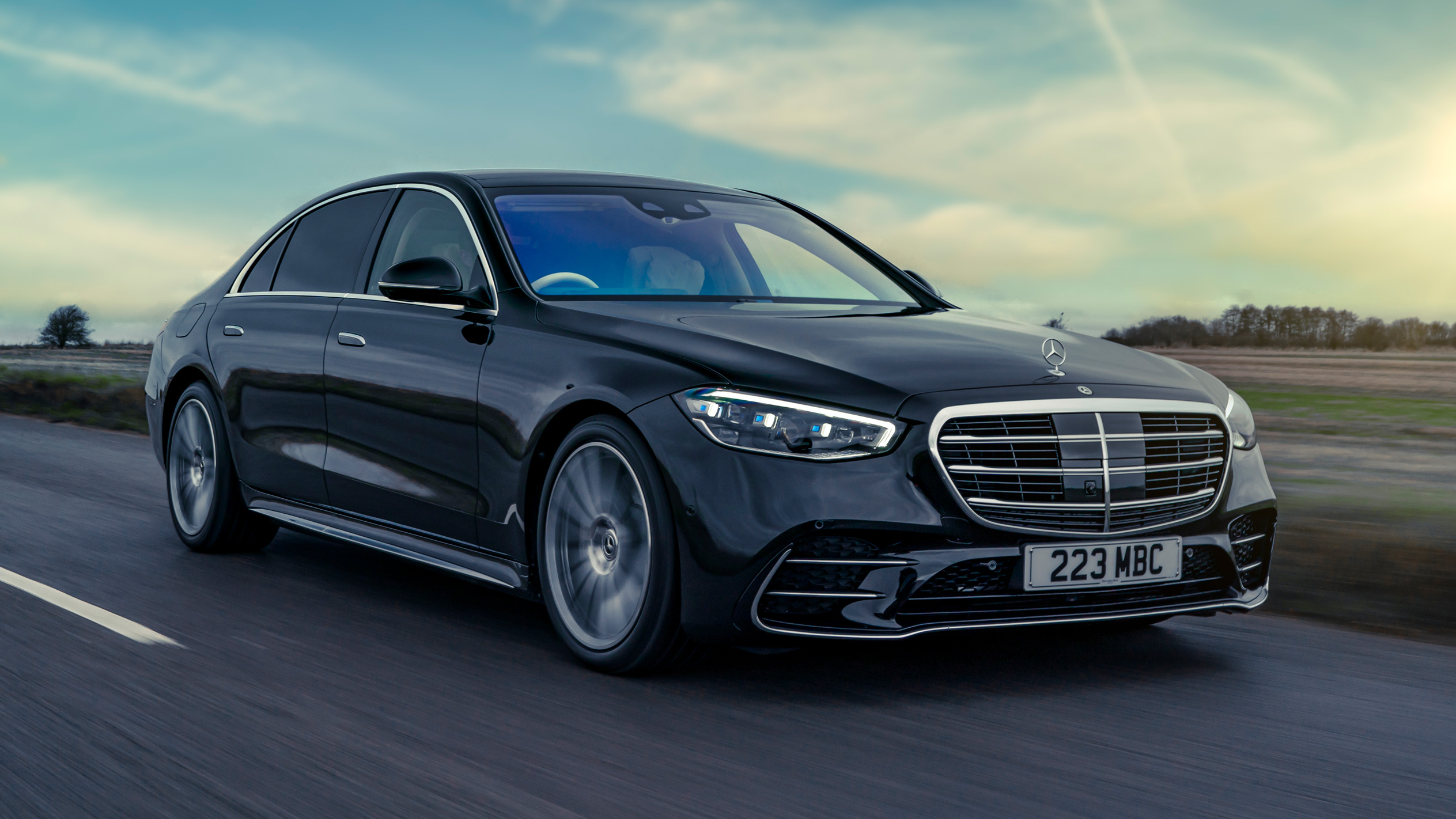
Engine variants across the S-Class lineup all demand expensive maintenance schedules and costly repairs when problems arise. The turbocharged inline-six engines require timing chain replacements around 100,000 miles at costs approaching $4,000. The V8 engines, particularly the twin-turbo versions, face even steeper expenses with turbocharger replacements costing $2,500 to $3,500 each plus substantial labor.
Oil changes using Mercedes-approved synthetic oil cost $200 to $350, while routine services at recommended intervals easily exceed $1,000. Even basic components like engine mounts cost several hundred dollars each and require expensive labor for replacement.
The transmission represents another major expense category. Mercedes-Benz equips the S-Class with sophisticated 9-speed automatic transmissions featuring complex electronics and precise engineering. Transmission services cost several hundred dollars, while repairs or replacement can reach $8,000 to $12,000.
The 13-speed valve body in some models proves particularly troublesome, with replacement costs exceeding $3,000. Even minor transmission issues often require expensive dealer diagnostics and proprietary software updates that independent shops cannot perform.
Brake systems on the S-Class reflect the vehicle’s substantial weight and performance capability through large, expensive components. A complete brake service costs $1,800 to $2,500, with individual rotors running $300 to $500 each. The electronic brake assist systems add complexity and cost, while optional carbon ceramic brakes represent truly exceptional expense at over $12,000 for complete replacement.
Beyond major systems, countless smaller components like window regulators ($600-$900), door latches ($400-$700), and seat adjustment motors ($500-$1,000) all demonstrate the premium pricing that makes S-Class ownership financially demanding even for routine wear items.
5. Audi A8
The Audi A8 represents German engineering excellence in full-size luxury sedan form, offering quattro all-wheel drive, advanced technology, and refined performance.
This flagship Audi model competes directly with the Mercedes S-Class and BMW 7 Series, matching their capabilities while unfortunately also matching their expensive parts and maintenance requirements. The A8’s sophisticated systems and complex engineering create ownership costs that can surprise even luxury car buyers accustomed to premium pricing.
The quattro all-wheel-drive system that defines Audi’s performance character adds substantial complexity and expense throughout the A8. The center differential, transfer case, and Haldex components all represent potential failure points requiring expensive repairs. A center differential replacement can cost $3,000 to $5,000, while transfer case issues approach similar pricing.
The system requires specific servicing intervals with expensive synthetic fluids, and even routine maintenance proves more costly than rear-wheel-drive competitors. When coupled with the available air suspension, the AWD system creates a complex chassis that demands expensive attention as mileage accumulates.
The air suspension found on many A8 models provides exceptional ride quality but creates predictable expense. Each air strut costs $900 to $1,600, with the compressor adding another $1,200 to $1,800. Complete system failure, which often occurs around 80,000 to 100,000 miles, can result in repair bills exceeding $5,000.
The electronic damping control adds further complexity and cost, with individual sensors and modules costing several hundred dollars each. Many owners eventually convert to traditional coil spring suspension to escape ongoing air suspension expenses, though this sacrifices the adaptive characteristics that distinguish the A8.
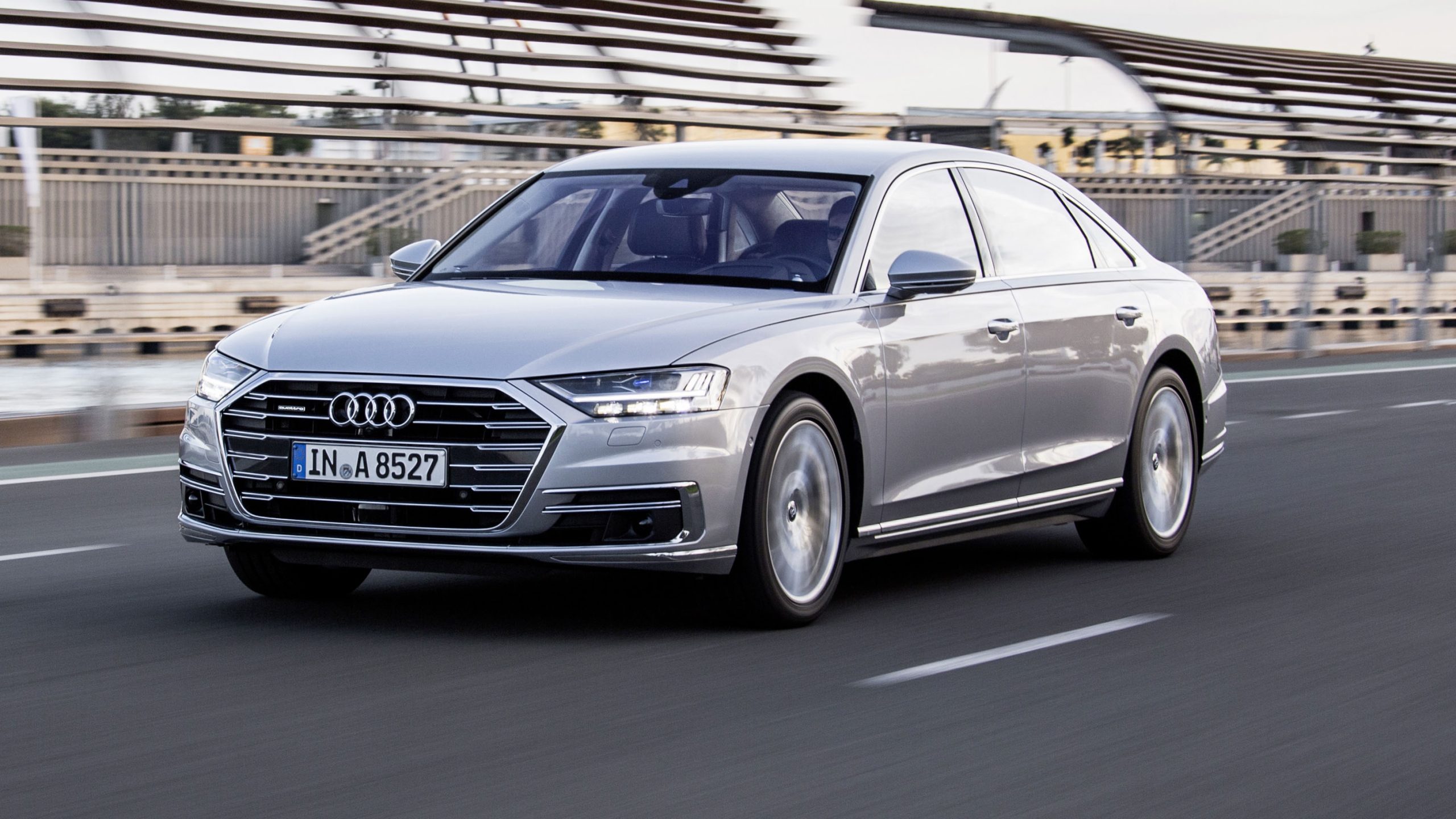
Engine options across the A8 lineup all demand expensive maintenance and repairs. The supercharged V6 engines require timing chain replacements that cost $3,000 to $4,500, while the V8 engines face even steeper expenses. Turbocharger failures on forced-induction models cost $2,000 to $3,000 per turbo plus labor, and the sophisticated direct injection systems create carbon buildup requiring expensive walnut blasting services every 40,000 to 60,000 miles at costs around $600 to $1,000.
Oil changes require expensive synthetic oil and specific filters, typically costing $250 to $400 at dealerships. The numerous sensors and actuators throughout modern Audi engines all carry premium pricing.
The MMI infotainment system and electronic architecture create ongoing expense potential throughout the A8’s lifespan. The large central display screen costs $2,000 to $3,000 to replace, while the Virtual Cockpit digital instrument cluster runs similarly expensive.
The numerous driver assistance features depend on cameras, radar units, and sensors costing $500 to $1,500 each. Electrical issues often prove challenging to diagnose properly, with many independent shops lacking the specific diagnostic equipment and software required, forcing owners to expensive dealership service departments.
Even relatively simple electrical repairs often require expensive component replacements rather than actual repairs. Transmission and differential services represent yet another cost category.
The ZF eight-speed automatic transmission used in most A8 models requires expensive fluid and service procedures, with routine maintenance costing several hundred dollars.
Transmission repairs or replacement can exceed $8,000, while the rear differential in quattro models requires periodic fluid changes with expensive synthetic lubricants.
Beyond major components, routine items like brake services ($1,500-$2,500), tire replacements (premium sizes costing $300-$500 each), and suspension bushings ($400-$800 per corner) all demonstrate the premium pricing that makes A8 ownership financially demanding throughout the vehicle’s lifespan.
6. Chevrolet Corvette
The Chevrolet Corvette stands as America’s sports car icon, delivering supercar performance at relatively accessible pricing compared to European exotics.
However, while the Corvette’s purchase price undercuts many competitors, parts costs and maintenance expenses prove surprisingly high, particularly for recent mid-engine C8 models and earlier high-performance variants.
The Corvette’s specialized nature creates parts pricing that often shocks owners expecting typical Chevrolet economy and parts availability.
The sophisticated suspension systems across Corvette generations represent a significant expense category.
The Magnetic Ride Control dampers found on many models provide exceptional performance but cost $800 to $1,400 each when replacement becomes necessary.
Complete suspension overhauls can easily exceed $5,000, particularly on Z06 and ZR1 variants with specialized components. The carbon ceramic brake systems optional on performance models represent one of the most expensive wear items in automotive history, with complete replacement costs exceeding $10,000.
Even standard brake packages prove expensive, with performance pads and rotors for all four corners costing $1,500 to $2,500.
The mid-engine C8 Corvette introduces unique challenges and expenses compared to previous front-engine generations. The complex dual-clutch transmission requires specialized service and expensive fluid changes, with transmission repairs potentially exceeding $10,000.
The mid-engine configuration makes many routine services more labor-intensive and expensive, as accessing components requires extensive disassembly. Body panels, particularly the removable roof panel and rear clamshell, cost thousands of dollars each and prove surprisingly fragile in minor accidents. Insurance costs reflect these expensive repair realities, with even minor damage resulting in surprisingly high claims.
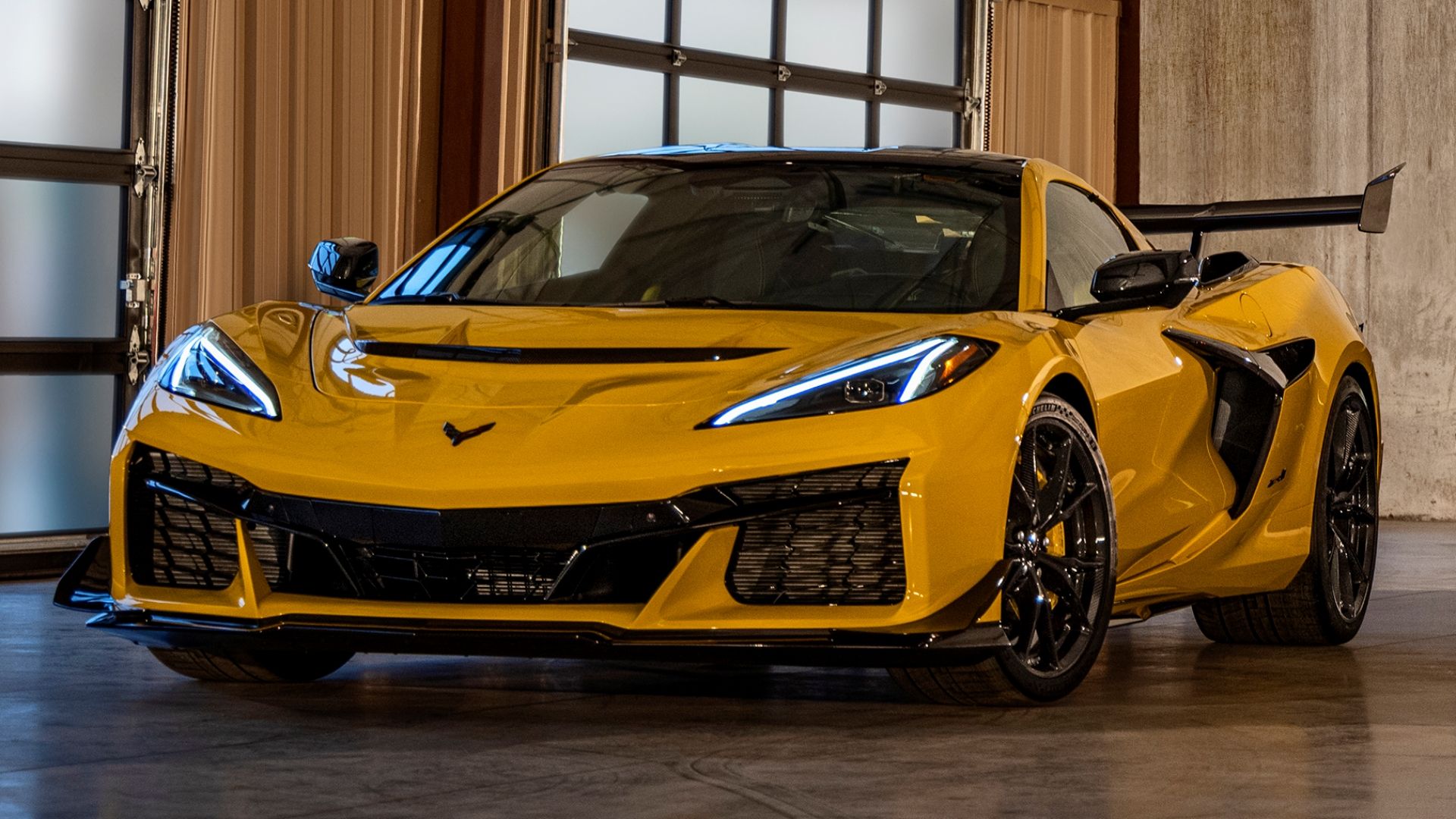
Engine components across Corvette generations demand performance-focused parts carrying premium pricing.
The LT-series V8 engines used in recent models require expensive synthetic oil and specific service procedures, with oil changes costing $150 to $250. Performance variants like the Z06 and ZR1 face even steeper maintenance costs, with supercharger services on ZR1 models potentially exceeding $2,000.
The direct injection systems create carbon buildup requiring periodic cleaning at costs around $500 to $800. While the basic LS and LT engines demonstrate good reliability, repairs when necessary prove expensive, with long block replacements costing $8,000 to $15,000 depending on the specific engine.
Electrical and electronic components in modern Corvettes carry surprisingly high costs despite the Chevrolet badge. The digital instrument clusters cost $1,500 to $2,500 to replace, while the infotainment screens and head-up displays run similarly expensive.
The Performance Data Recorder and various driver assistance features depend on specialized cameras and sensors costing several hundred dollars each. Electrical issues, while less frequent than European luxury brands, still occur and often prove expensive to diagnose and repair properly.
The sophisticated traction and stability control systems require expensive programming and calibration following certain repairs. Beyond major components, many routine items prove more expensive than owners anticipate.
Tires designed for the Corvette’s performance capabilities cost $300 to $600 each and wear relatively quickly, particularly the rear tires.
Wheel alignments require specialized equipment and cost $300 to $500. Window regulators fail periodically and cost $400 to $700 to replace. Even seemingly simple components like headlight assemblies can exceed $1,000 each on recent models.
While Corvette ownership costs remain lower than exotic European alternatives, they significantly exceed typical domestic vehicles, creating financial demands that surprise many buyers attracted primarily by the relatively accessible purchase price.
7. Tesla Model S
The Tesla Model S pioneered the modern electric luxury sedan segment, offering impressive performance, cutting-edge technology, and zero-emission driving.
While electric vehicles eliminate traditional maintenance like oil changes and transmission services, the Model S creates unique expense categories through specialized components, proprietary systems, and limited repair options.
Tesla’s direct-sales model and controlled service network create parts pricing and repair costs that can shock owners accustomed to traditional automotive service competition.
The battery pack represents the most significant and expensive component in any Tesla, with replacement costs that can exceed the vehicle’s remaining value.
While Tesla offers an 8-year/150,000-mile battery warranty on the Model S, batteries can degrade or fail outside warranty coverage, creating potential expenses of $12,000 to $20,000 for replacement.
Individual battery modules can fail, with replacements costing several thousand dollars each even when complete pack replacement isn’t necessary.
The battery management system adds complexity and cost, with various sensors and controllers costing hundreds to thousands of dollars when failures occur.
The electric drive unit, while generally reliable, represents another major expense category when problems arise. Drive unit replacements can cost $7,000 to $15,000 depending on the specific model and configuration.
Early Model S vehicles experienced higher drive unit failure rates, with some owners facing multiple replacements even under warranty.
The inverter, a critical component converting DC battery power to AC for the motors, costs several thousand dollars to replace. The sophisticated thermal management systems controlling battery and drive unit temperatures require expensive pumps, radiators, and sensors that can fail and demand costly replacement.
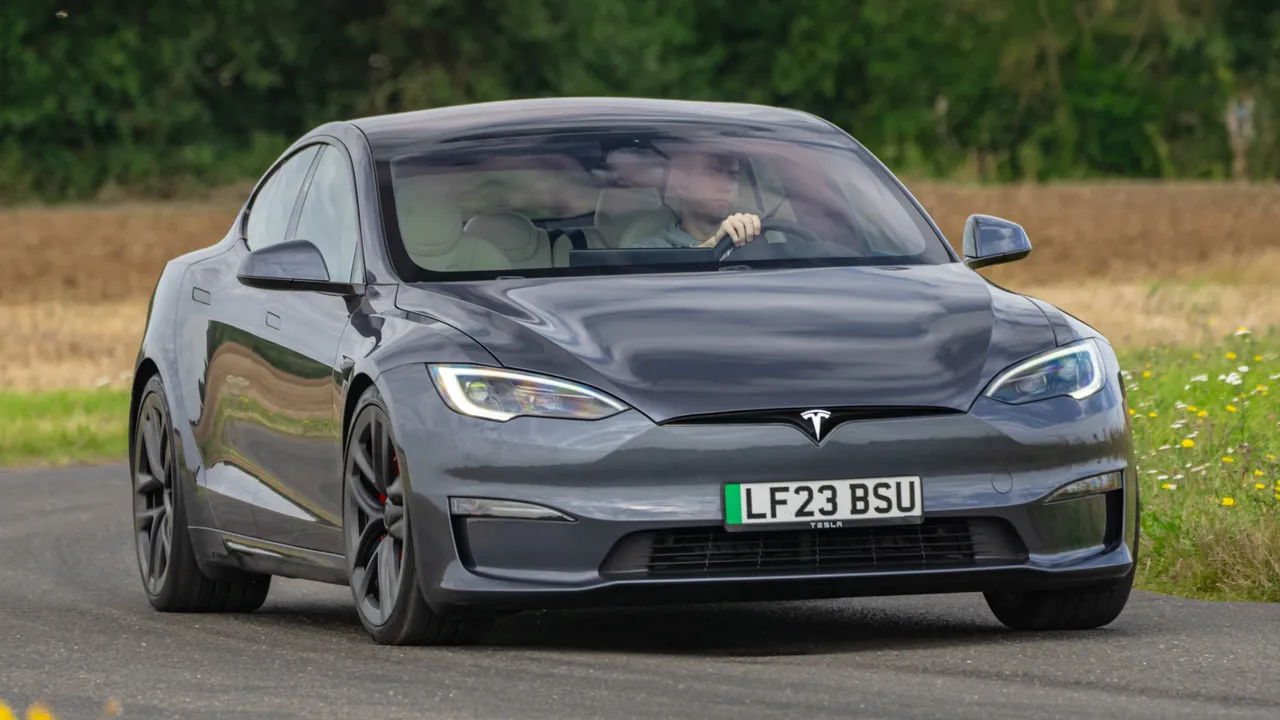
The touchscreen infotainment system central to Tesla’s user experience creates significant expense when failures occur. The large vertical touchscreen costs $1,500 to $3,000 to replace, and this component controls virtually all vehicle functions, making it essential rather than optional.
The main computer board (MCU) has proven problematic on early Model S vehicles, with replacements costing around $2,500. Over-the-air software updates can sometimes brick these systems, requiring expensive service center intervention.
The numerous cameras and sensors supporting Autopilot and Full Self-Driving features each cost several hundred dollars and prove vulnerable to damage from road debris and car washes.
Suspension components prove surprisingly expensive on the Model S despite the relatively simple electric vehicle architecture.
Air suspension, available on many models, creates predictable expense with individual air struts costing $800 to $1,500 and complete system replacement potentially exceeding $5,000.
The substantial weight of the battery pack creates accelerated wear on suspension bushings, control arms, and other components. Upper control arms can cost $500 to $800 each, while lower control arms run similarly expensive.
The regenerative braking system reduces brake wear significantly, but when brake service becomes necessary, parts and labor still cost $1,200 to $2,000 for all four corners.
Tesla’s proprietary approach and limited service network create additional cost challenges. Many independent shops cannot perform Tesla repairs due to specialized requirements, limited parts availability, and software restrictions. Tesla service centers often have long wait times and charge premium labor rates exceeding $175 per hour.
Simple repairs become expensive when only Tesla can perform them, with minor collision damage sometimes resulting in surprisingly high estimates due to limited body shop certification and aluminum construction.
Tires wear quickly due to the Model S’s substantial weight and instant torque, requiring frequent replacement at costs of $300 to $500 per tire. Even windshield replacements prove expensive due to embedded sensors, typically costing $1,500 to $2,500 including recalibration.
Also Read: 8 Bad Cars That Distract More Than They Help
