
When shopping for a new or used vehicle, most buyers focus on the sticker price, fuel economy, and perhaps insurance costs. However, the true cost of ownership extends far beyond these initial considerations.
Many car owners discover too late that their seemingly affordable purchase comes with a host of hidden expenses that can strain even the most carefully planned budgets.
The automotive market is filled with vehicles that look attractive on paper but reveal their true financial demands only after the purchase is complete.
These unexpected costs can range from premium fuel requirements and specialized maintenance to eye-watering repair bills and rapid depreciation. What seems like a reasonable monthly payment can quickly balloon into a financial burden when you factor in the reality of ownership.
Luxury vehicles often lead the pack in surprising owners with expensive maintenance schedules, proprietary parts, and dealer-only service requirements.
However, they’re not alone. Even some mainstream brands have models that demand premium fuel, require frequent costly repairs, or suffer from reliability issues that weren’t apparent during the test drive.
The complexity of modern vehicles, with their advanced technology and computerized systems, has created new categories of expenses that previous generations of car owners never had to consider.
Understanding which vehicles are most likely to drain your wallet beyond the purchase price is crucial for making an informed decision.
Some cars depreciate so rapidly that you’ll find yourself underwater on your loan within months. Others have maintenance schedules that seem designed to extract maximum revenue from owners, with required services occurring far more frequently than industry standards.
In this comprehensive guide, we’ll explore nine vehicles that consistently surprise their owners with extra expenses.
From German luxury sedans with astronomical repair costs to seemingly practical SUVs with hidden maintenance demands, these vehicles share one common trait: they cost significantly more to own than their initial price suggests.
Whether you’re shopping for your next vehicle or simply curious about automotive economics, understanding these costly surprises can save you thousands of dollars and countless headaches in the long run.
1. BMW 7 Series
The BMW 7 Series represents the pinnacle of German luxury engineering, offering cutting-edge technology, supreme comfort, and impressive performance. However, this flagship sedan comes with ownership costs that can shock even affluent buyers who thought they were prepared for premium vehicle expenses.
The depreciation on the 7 Series is among the steepest in the automotive industry. A new 7 Series can cost upwards of $90,000 to well over $150,000 for fully-loaded models, yet these vehicles lose approximately 60-70% of their value within the first five years.
This means a $100,000 7 Series could be worth just $30,000-$40,000 after five years, representing a loss of $60,000 or more, money that simply evaporates from your investment.
Maintenance costs on the 7 Series are equally staggering. BMW’s recommended maintenance schedule requires frequent service intervals, and because of the vehicle’s complexity, nearly all work must be performed at dealerships or specialized BMW shops.
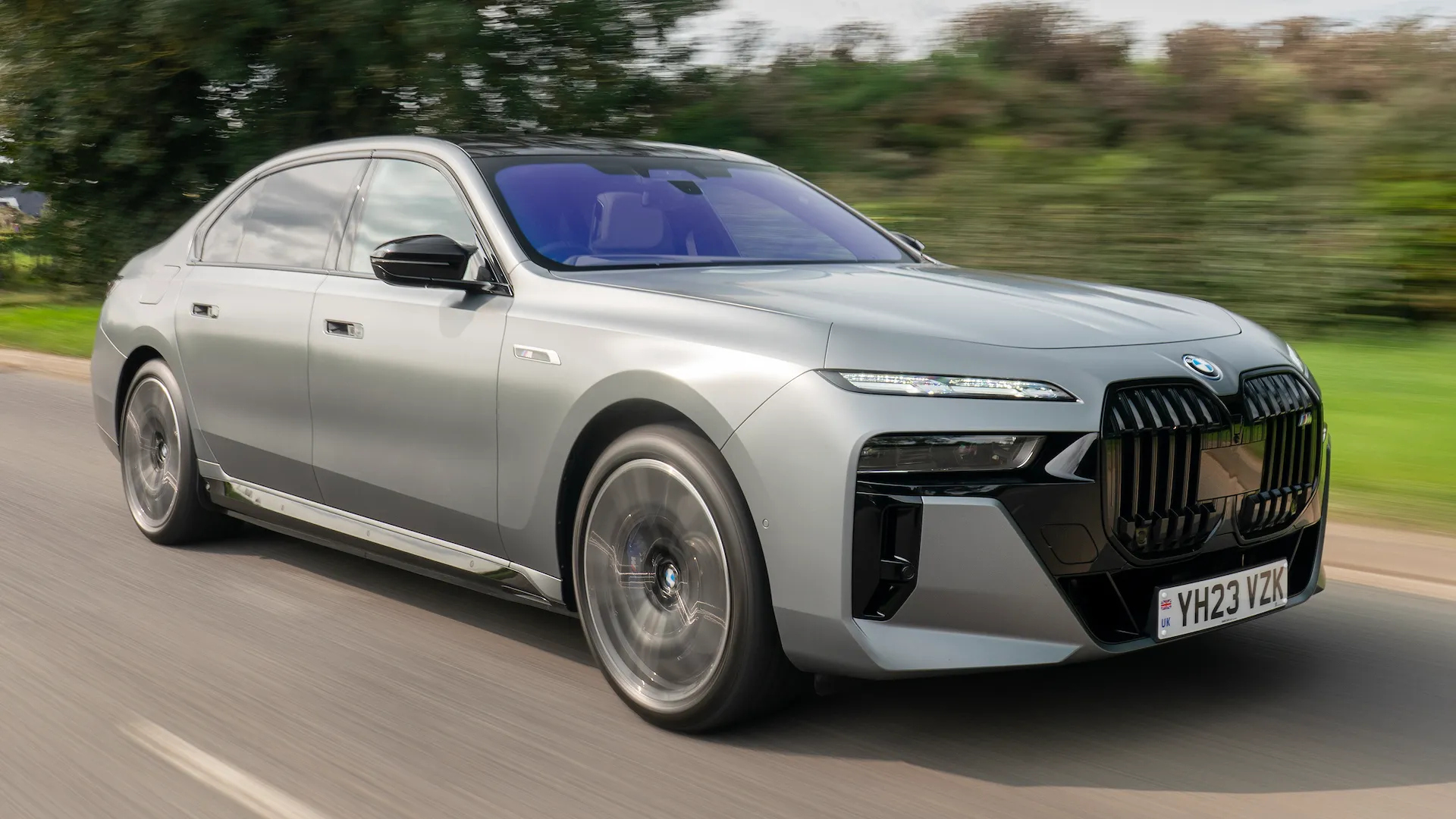
A typical oil change can cost $200-$300, while brake jobs can easily exceed $2,000 for all four corners when using OEM parts. The 7 Series uses advanced systems like air suspension, active steering, and complex electronic modules, all of which are expensive to repair or replace.
Common problems with the 7 Series include failures of the air suspension system, which can cost $3,000-$5,000 per corner to replace. The iDrive system and various electronic modules are prone to glitches and failures, with replacement costs often exceeding $1,500 per module.
Turbocharger failures are not uncommon in the turbocharged models, with repair bills reaching $5,000-$8,000. The transmission, while generally reliable, costs upward of $10,000 to replace or rebuild when it does fail.
Tire costs are another surprise expense. The 7 Series typically requires high-performance tires in staggered sizes, meaning you cannot rotate them.
A set of four tires can easily cost $1,200-$2,000, and with the vehicle’s weight and power, they may need replacement every 20,000-30,000 miles. Insurance premiums are also considerably higher than average due to the vehicle’s value and expensive repair costs, often running $2,500-$4,000 annually or more.
2. Range Rover
The Range Rover epitomizes British luxury and off-road capability, combining opulent interiors with genuine all-terrain prowess. Unfortunately, it also epitomizes unreliability and expensive repairs, making it one of the costliest vehicles to maintain over time.
Range Rovers consistently rank at or near the bottom of reliability surveys. Consumer Reports and J.D. Power regularly cite Land Rover products as among the least reliable vehicles sold in America.
Owners can expect multiple repair visits annually, even on relatively new vehicles. This chronic unreliability isn’t just inconvenient it’s expensive. The average Range Rover owner spends approximately $1,200-$1,500 per year on repairs, significantly higher than the industry average of around $650.
The air suspension system, a hallmark feature of the Range Rover, is notoriously problematic. When it fails and it often does repair costs can reach $3,000-$6,000 depending on which components need replacement. Many owners eventually convert to traditional coil springs to avoid repeated failures, but this modification itself costs $2,000-$3,000 and eliminates one of the vehicle’s signature features.
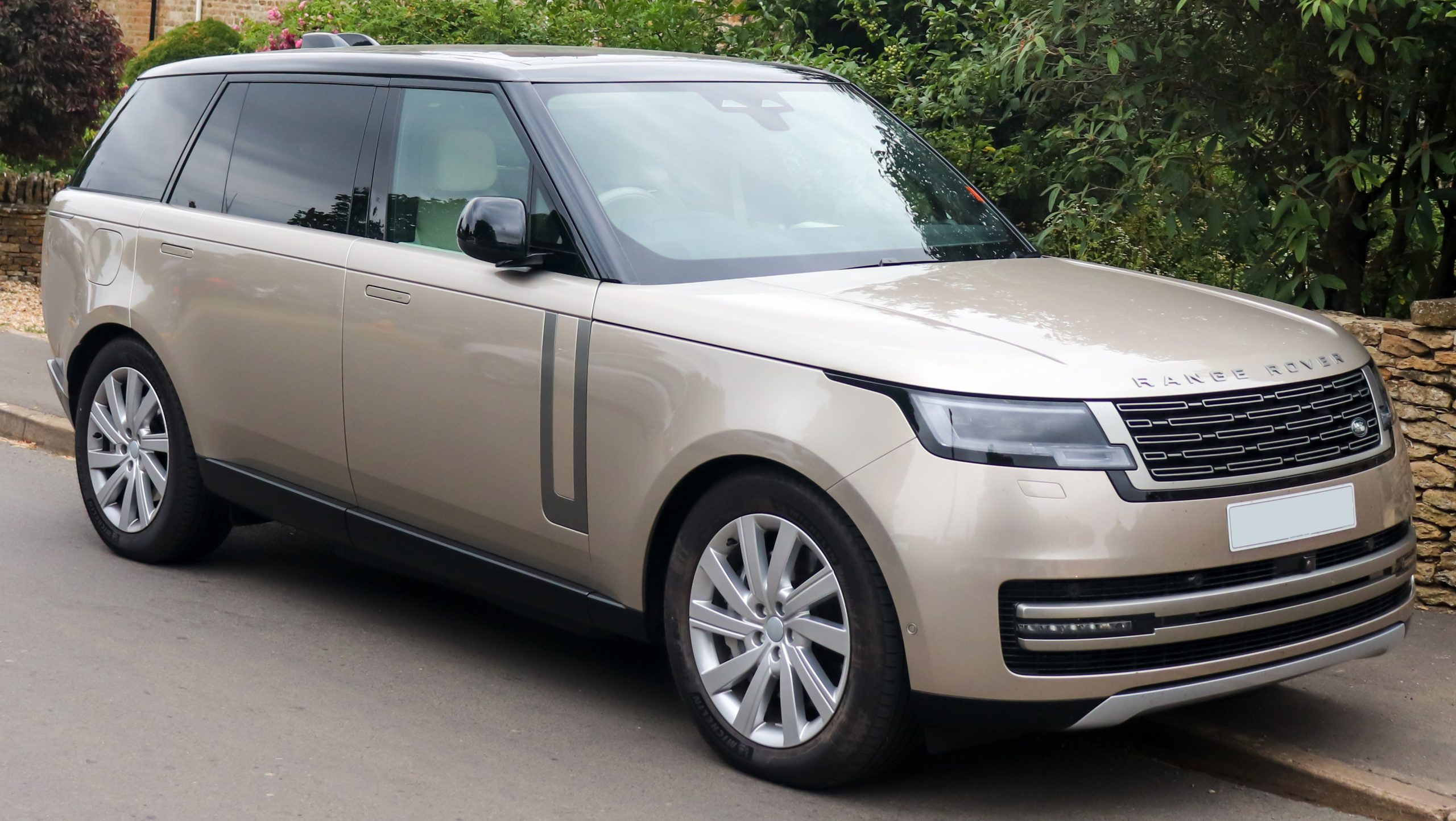
Electrical problems plague Range Rovers of all generations. From faulty sensors to complete electrical system failures, these issues are common and expensive to diagnose and repair.
A single sensor can cost several hundred dollars, while more complex electrical gremlins can require days of diagnostic time at $150-$200 per hour. Engine problems, particularly in supercharged V6 and V8 models, include timing chain failures, supercharger issues, and oil consumption problems, with repair costs often exceeding $8,000.
The infotainment system, while advanced and feature-rich when working properly, is prone to freezing, crashing, and complete failure. Replacement or major repairs can cost $2,000-$4,000.
Additionally, Range Rovers require premium fuel, premium oil, and expensive OEM parts for most repairs. Routine maintenance is pricey, with oil changes costing $200-$400 and brake services easily exceeding $2,500. Like the BMW 7 Series, Range Rovers suffer tremendous depreciation, often losing 50% or more of their value within three years.
3. Mercedes-Benz S-Class
The Mercedes-Benz S-Class has long been considered the benchmark for luxury sedans, pioneering technologies that eventually trickle down to more affordable vehicles. However, this cutting-edge technology and luxurious refinement come at a steep price beyond the initial purchase.
Depreciation hits the S-Class particularly hard. While a new S-Class commands $110,000 to $200,000 or more, these vehicles typically lose 50-60% of their value in just three years.
This makes them attractive used purchases for luxury car enthusiasts, but devastating investments for original buyers who absorb massive financial losses.
The S-Class is packed with complex technology, from AIRMATIC air suspension to active safety systems, massage seats, and advanced driver assistance features. When these systems fail and they frequently do as the vehicle ages repair costs are astronomical. The air suspension system alone can cost $2,500-$4,500 per corner to replace.
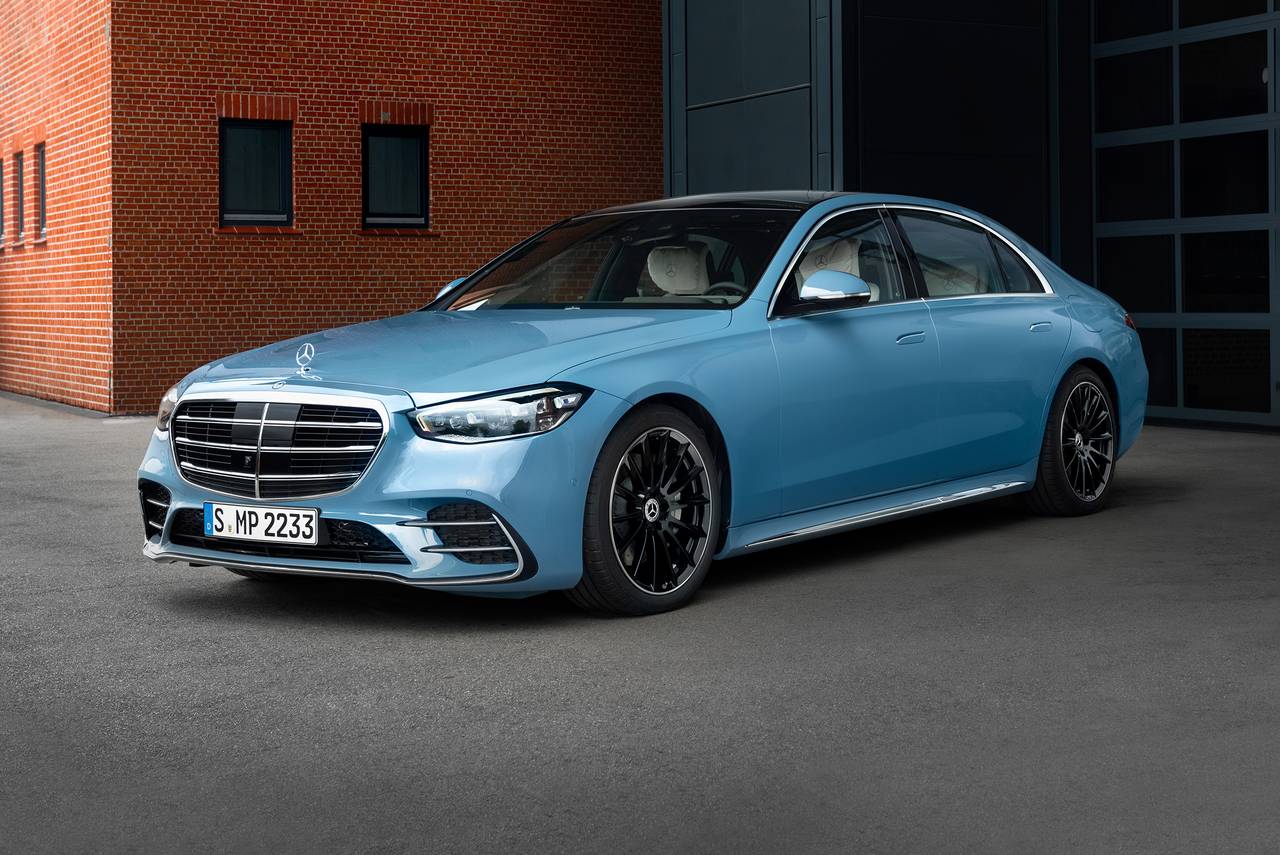
The Active Body Control (ABC) system, which provides superior ride quality, is even more expensive to repair, with costs sometimes exceeding $10,000 for major failures.
Electronic issues are common in the S-Class, particularly in models from 2007-2013. The Command system, instrument cluster, and various control modules can fail, with replacement costs ranging from $1,500 to $5,000 per component.
The S-Class also features special engine mounts that actively reduce vibration through electronic adjustments; when these fail, replacement costs $1,000-$2,000.
Routine maintenance is expensive, with brake jobs costing $2,000-$3,500, tire replacements running $1,200-$2,000, and oil changes requiring $250-$400. The S-Class demands premium fuel, synthetic oil, and frequent service intervals.
Transmission services, recommended every 40,000-60,000 miles, cost $500-$800. Many S-Class models use a seven-speed automatic transmission that, while generally reliable, costs $8,000-$12,000 to rebuild or replace when problems occur. Insurance costs are also significantly above average, often $2,000-$3,500 annually, due to the vehicle’s high value and expensive repair costs.
4. Porsche Cayenne
The Porsche Cayenne transformed the luxury SUV market when it launched, proving that a sports car manufacturer could build a capable, luxurious SUV.
While the Cayenne delivers exhilarating performance and surprising agility for its size, it extracts a heavy toll on owners’ wallets through maintenance and repair costs that exceed nearly all competitors.
Porsche ownership has always been expensive, and the Cayenne is no exception despite being the brand’s “entry-level” SUV. Routine maintenance costs are shocking compared to other luxury SUVs.
A basic oil change at a Porsche dealer costs $300-$500, significantly more than comparable services for other luxury brands. Brake jobs are particularly expensive, often requiring $3,000-$4,500 for all four corners because Porsche uses high-performance braking systems with expensive components.
The Cayenne’s complex all-wheel-drive system, while effective, requires expensive maintenance and is costly to repair when problems arise.
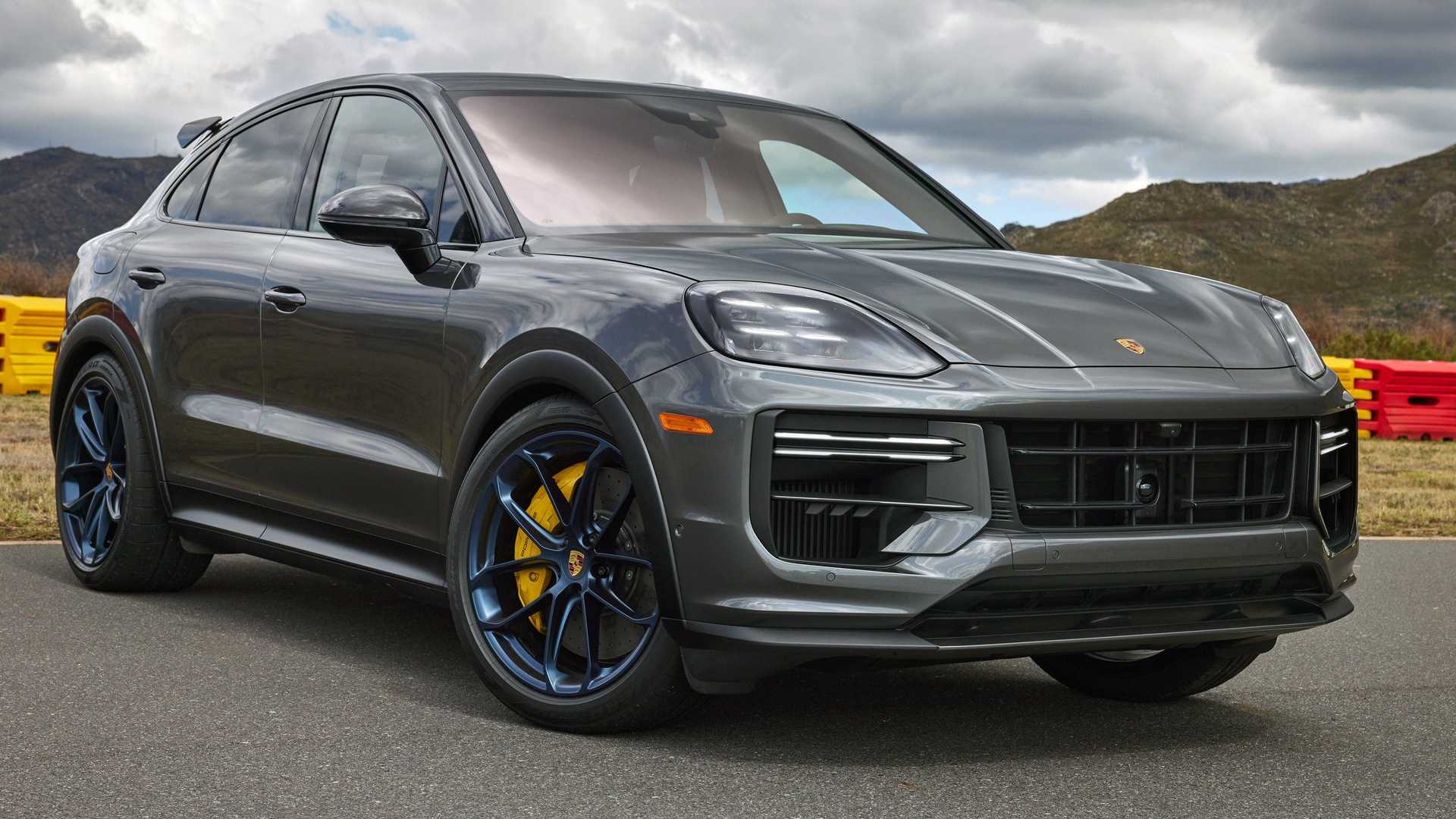
Transfer case issues can result in repair bills exceeding $5,000. The air suspension, available on many models, frequently fails and costs $2,000-$4,000 per corner to replace. Even the Cayenne’s coolant system is unusually complex and expensive to service, with complete coolant system overhauls costing $2,000-$3,000.
Common problems with the Cayenne include coolant pipe failures in first-generation models, which can lead to catastrophic engine damage if not caught quickly.
Engine replacement or major engine repairs can cost $15,000-$25,000. The PDK transmission, while technologically impressive, costs $12,000-$18,000 to replace or rebuild. Water pump failures are common and, due to the complex installation, can cost $1,500-$2,500 to replace.
Tire costs are another nasty surprise. The Cayenne requires high-performance tires, often in staggered sizes on sport models, meaning they cannot be rotated. A set of four tires costs $1,400-$2,200 and may only last 25,000-35,000 miles.
The vehicle requires premium fuel exclusively, and with fuel economy averaging 15-19 mpg, fuel costs are substantial. Parts are expensive across the board even minor components like sensors or switches can cost hundreds of dollars. Insurance is also pricey, typically $1,800-$3,000 annually.
Also Read: 7 High Tech Vehicles That Depend Too Much on Software
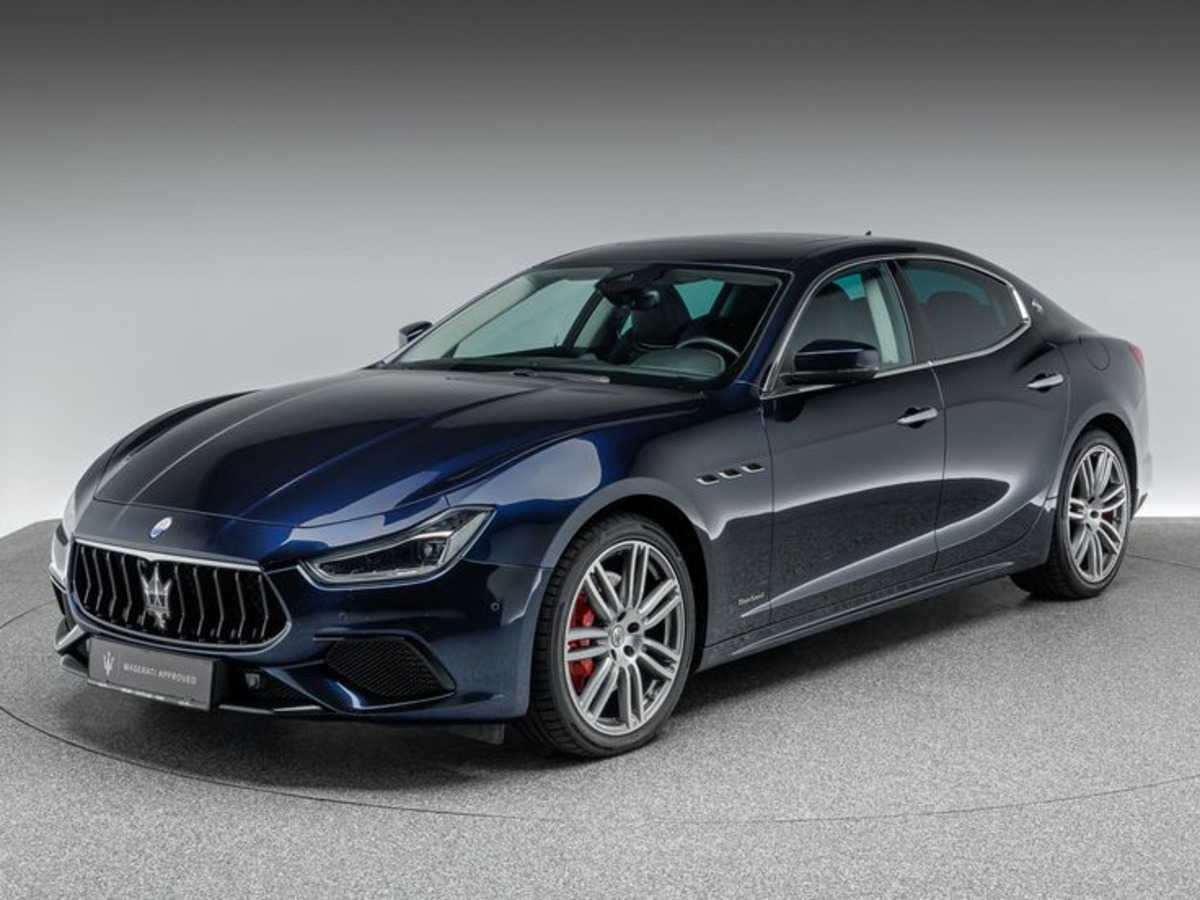
5. Maserati Ghibli
The Maserati Ghibli offers Italian exotic styling and heritage at a more accessible price point than traditional Maseratis, with new models starting around $75,000. However, this “entry-level” Italian luxury sedan proves that low initial cost doesn’t mean low ownership costs in fact, the Ghibli is among the most expensive vehicles to maintain.
Reliability is the Ghibli’s Achilles heel. Various consumer surveys consistently rank Maserati among the least reliable automotive brands, and the Ghibli exemplifies these problems.
Common issues include electrical problems, transmission failures, suspension component failures, and various sensor malfunctions. Owners report spending an average of $1,500-$2,000 annually on unexpected repairs, far above the industry average.
Routine maintenance costs are eye-watering. Annual services can cost $1,500-$2,500, and major service intervals (every 30,000-40,000 miles) can exceed $4,000-$5,000.
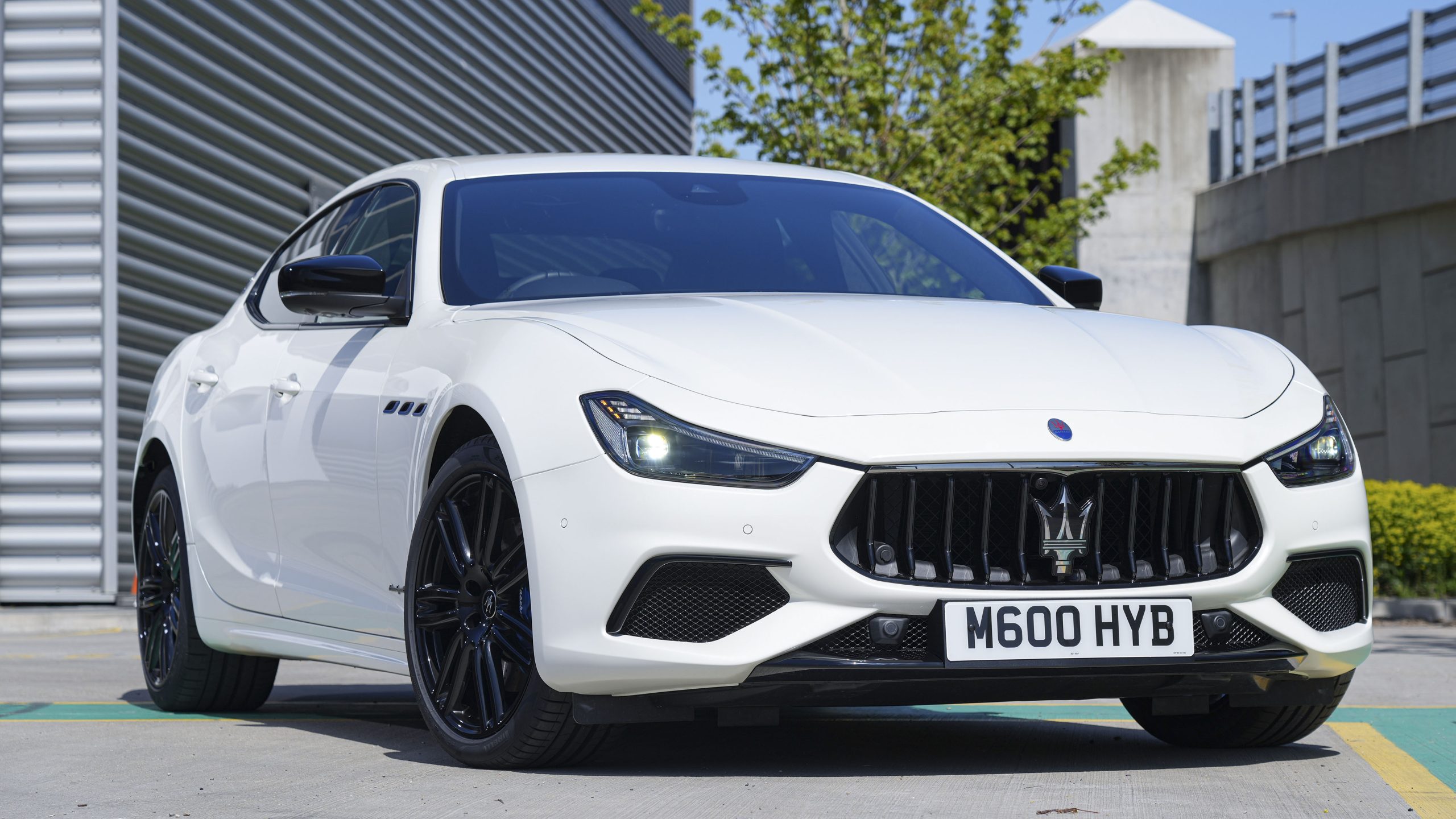
Oil changes alone cost $300-$500 because the vehicle requires expensive synthetic oil and substantial quantities of it. Brake jobs commonly cost $2,500-$4,000 due to high-performance components and the need for dealer or specialist service.
The Ghibli’s transmission, sourced from ZF but calibrated specifically for Maserati, can experience shifting problems and, in worst cases, complete failure. Transmission replacement costs $12,000-$18,000.
The twin-turbocharged V6 engine, while powerful, is complex and expensive to repair. Turbocharger failures can cost $6,000-$10,000 to remedy. Carbon buildup on intake valves is common in direct-injection engines like the Ghibli’s, requiring walnut blasting service costing $800-$1,200 every 30,000-50,000 miles.
Depreciation is brutal. A $80,000 Ghibli can lose 50-60% of its value in three years, making it one of the worst depreciating luxury sedans available. This rapid value loss reflects the market’s understanding of the vehicle’s reliability issues and expensive maintenance.
Finding qualified technicians outside of Maserati dealerships is difficult, forcing owners to pay premium dealer service rates. Parts availability can also be problematic, sometimes leaving vehicles stranded for weeks awaiting components from Italy. Insurance costs are higher than comparable luxury sedans, typically $2,000-$3,500 annually.
6. Audi A8
The Audi A8 represents the German automaker’s flagship luxury sedan, featuring Quattro all-wheel drive, advanced technology, and refined performance.
However, this technological sophistication comes with ownership costs that frequently surprise buyers accustomed to more mainstream luxury brands.
The A8’s depreciation is severe. These sedans can cost $85,000-$140,000 new, yet lose approximately 60-70% of their value within five years.
A $100,000 A8 might be worth only $30,000-$35,000 after five years, representing a staggering $65,000-$70,000 loss. This makes used A8s tempting purchases, but the low prices reflect the expensive maintenance and repairs awaiting future owners.
Maintenance costs on the A8 exceed those of comparable Mercedes-Benz and BMW products. The Quattro all-wheel-drive system, while providing excellent traction and handling, is complex and expensive to maintain.
Differential services, required periodically, cost $300-$500. The A8’s air suspension provides a sublime ride but fails frequently, with replacement costs of $2,500-$4,500 per corner.
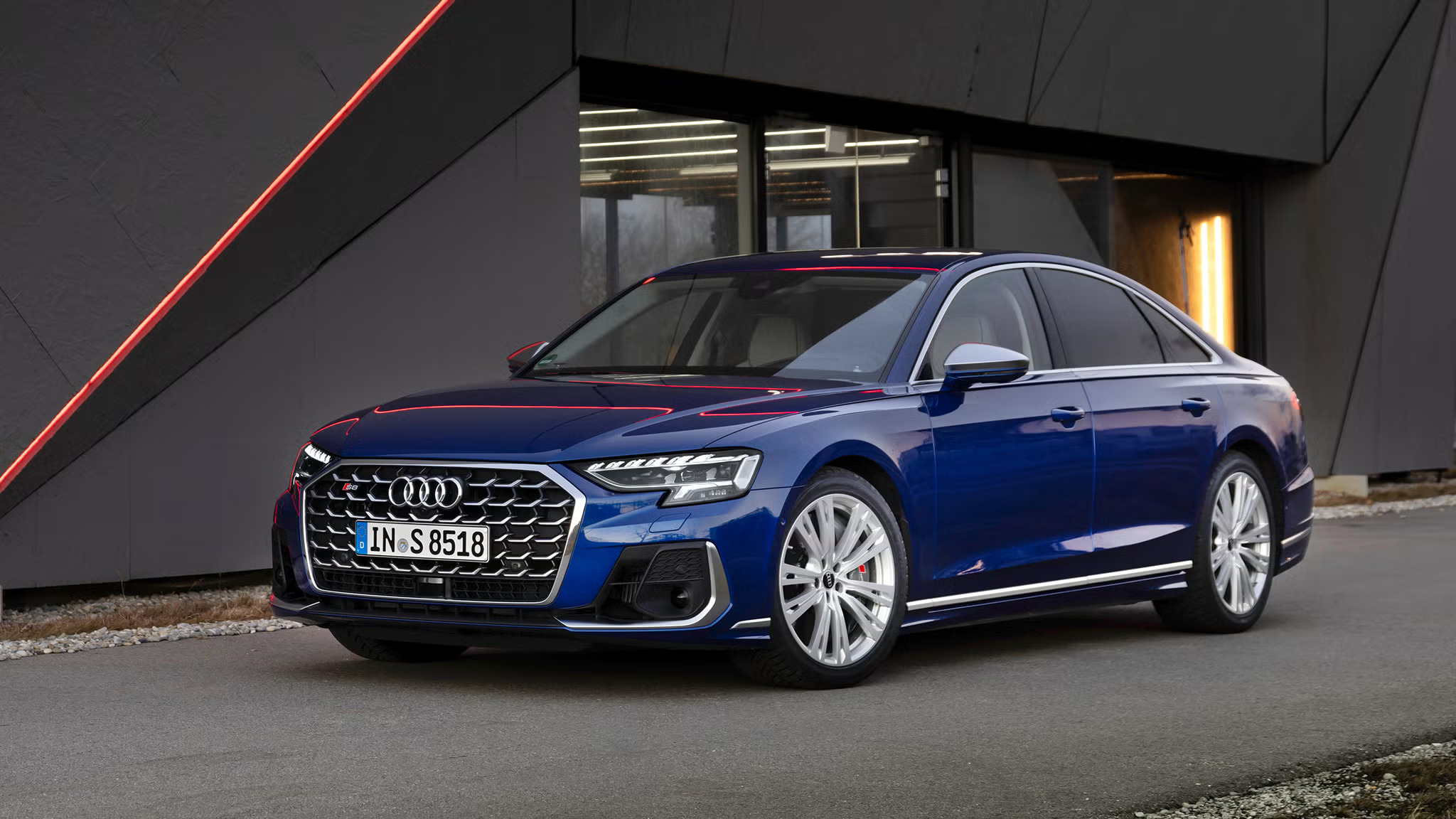
Common problems include carbon buildup on intake valves in direct-injection engines, requiring walnut blasting service costing $800-$1,500.
Timing chain tensioner failures in V8 models can cause catastrophic engine damage, with preventive replacement costing $3,000-$5,000 and engine repair or replacement costing $15,000-$25,000. The MMI (Multi Media Interface) system can fail, requiring expensive repairs or replacement costing $2,000-$4,000.
Brake jobs are expensive, typically costing $2,000-$3,000 for all four corners with OEM parts. Tire costs are also substantial, with a set of four high-performance tires costing $1,200-$1,800 and lasting perhaps 30,000-40,000 miles.
Oil changes, while less expensive than some competitors, still cost $150-$250. The A8 requires premium fuel exclusively, and with fuel economy averaging 17-23 mpg depending on the engine, fuel costs add up quickly.
The vehicle’s complexity means that independent repair shops often struggle with proper diagnosis and repair, forcing owners to use Audi dealerships that charge premium rates typically $150-$225 per hour for labor.
Extended warranties become almost essential for A8 ownership, but these warranties themselves cost $3,000-$6,000 and still require deductibles for each repair.
7. Jaguar XJ
The Jaguar XJ offers distinctive British styling, a luxurious interior, and engaging driving dynamics in a package that stands apart from German luxury sedan competitors.
However, Jaguar’s reputation for unreliability is well-earned, and the XJ exemplifies the brand’s tendency toward frequent repairs and expensive maintenance.
Reliability issues plague the XJ across multiple generations. Common problems include electrical gremlins, suspension failures, transmission issues, and various sensor malfunctions.
The supercharged V8 engines, while powerful and characterful, can develop problems including timing chain issues, supercharger failures, and oil leaks. Repair costs for these engine problems can easily exceed $5,000-$10,000.
The XJ’s air suspension system provides excellent ride quality but is notoriously unreliable. Air spring failures are common, and replacing all four corners can cost $4,000-$7,000. The electronic damping system can also fail, requiring expensive replacement.
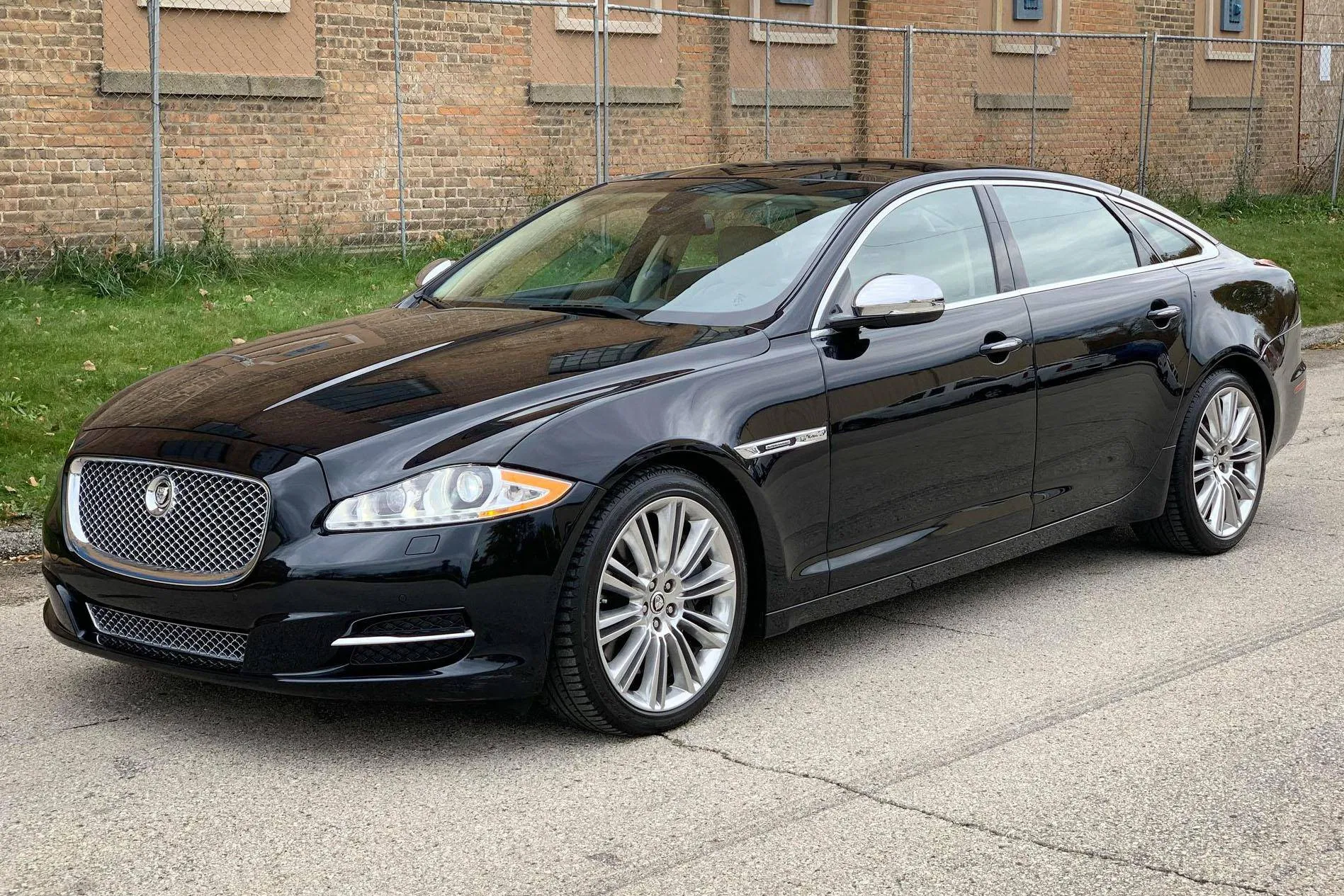
Electrical problems are perhaps the most frustrating aspect of XJ ownership issues can range from minor annoyances like faulty window switches to major problems like complete electrical system failures requiring extensive diagnostics and repairs.
Routine maintenance is expensive, with annual service costs often reaching $1,500-$2,500. Oil changes cost $200-$350, and brake services typically run $2,000-$3,500 for all four corners.
The transmission, while generally reliable, costs $10,000-$15,000 to rebuild or replace when problems occur. Cooling system components frequently fail, with water pump, thermostat, and hose replacements costing $1,000-$2,500.
Depreciation is punishing. An $80,000 XJ can lose 60% of its value in just three years, reflecting the market’s wariness of Jaguar reliability and expensive repairs. Finding qualified independent mechanics who will work on Jaguars is challenging, often forcing owners to use dealerships charging $150-$200 per hour.
Parts can be expensive and sometimes difficult to source, particularly for older models. Insurance costs are also above average, typically $1,800-$3,000 annually. The combination of poor reliability, expensive repairs, and steep depreciation makes the XJ one of the most costly luxury sedans to own.
8. Tesla Model S
The Tesla Model S revolutionized the electric vehicle market, offering impressive performance, cutting-edge technology, and zero emissions. While the Model S eliminates fuel costs and traditional engine maintenance, it surprises owners with a different set of expensive issues that can make ownership costly.
Battery degradation is an inevitable reality of electric vehicle ownership. While Tesla batteries are generally reliable, they do lose capacity over time.
After 100,000-150,000 miles, some Model S vehicles experience noticeable range reduction. Battery replacement, when necessary, is catastrophically expensive costs can range from $12,000 to $22,000 depending on the battery pack size and labor. While this is rare within warranty periods, it’s a looming expense for high-mileage vehicles or those purchased used without warranty coverage.
The Model S’s electric motors are generally reliable, but when they fail, replacement costs are steep typically $7,000-$12,000 including labor. Door handle failures are surprisingly common, particularly on 2012-2016 models.
These retractable handles can fail to extend or retract, requiring replacement at $1,000-$1,500 per handle. With four door handles, this can become a recurring $4,000-$6,000 expense.
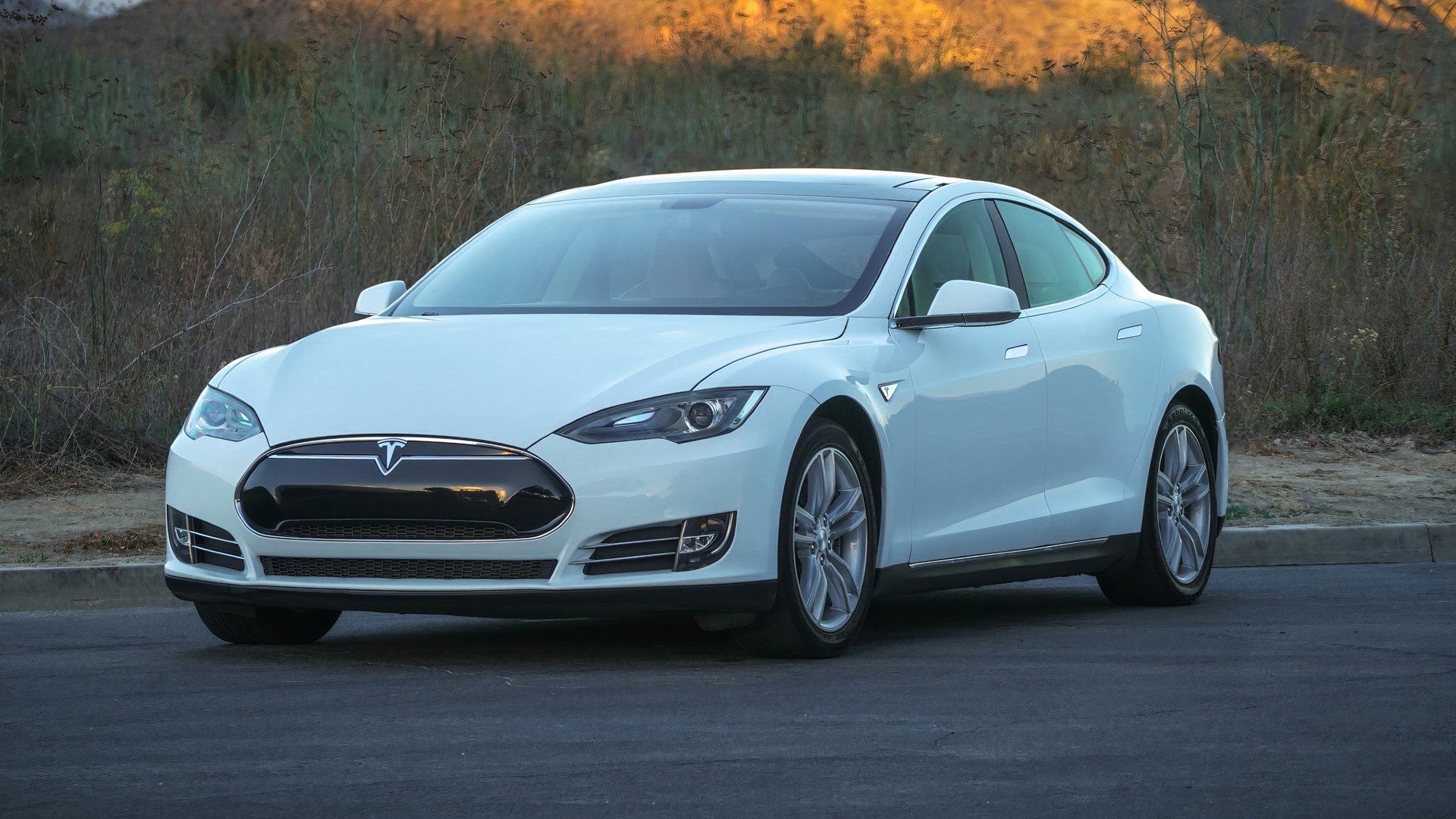
The Media Control Unit (MCU), particularly in older Model S vehicles, has a tendency to fail. The original MCU (eMMC) can wear out from repeated data writes, causing the touchscreen to become unresponsive or fail completely.
Replacement costs $2,500-$3,500. Air suspension, available on many Model S vehicles, fails frequently and costs $2,000-$3,500 per corner to replace similar to other luxury sedans but surprising for buyers expecting minimal maintenance with an electric vehicle.
Tire wear is accelerated due to the Model S’s heavy weight (4,600+ pounds) and instant torque. High-performance tires required by the Model S cost $1,200-$1,800 for a set and may only last 20,000-30,000 miles.
Brake service, while less frequent due to regenerative braking, is expensive when needed $1,500-$2,500 for all four corners. Body repairs are notoriously expensive because Tesla uses aluminum construction and requires specific repair procedures. Even minor accidents can result in repair bills exceeding $10,000.
Insurance costs for the Model S are substantially higher than comparable luxury sedans, often $2,500-$4,500 annually. This reflects expensive repair costs and the vehicle’s high performance. Depreciation has been significant for older models, with 2012-2015 Model S vehicles losing 60-70% of their value.
9. Chevrolet Corvette (C7 and C8)
The Chevrolet Corvette offers supercar performance at a fraction of typical supercar prices, making it an attractive option for performance enthusiasts. However, while the purchase price is relatively accessible, ownership costs can surprise buyers who expect typical Chevrolet maintenance expenses.
While the Corvette is more reliable than European exotics, it still experiences problems that are expensive to repair. The C7 Corvette (2014-2019) has several common issues including valve lifter failures in LT1 engines, which can cost $3,000-$5,000 to repair.
Tremec manual transmissions in some C7s experience shifting problems requiring expensive repairs or replacement costing $5,000-$8,000. The dual-clutch transmission in some models can also experience issues costing $7,000-$12,000 to repair.
The C8 Corvette (2020+), while newer, has already shown some concerning reliability issues. Engine failures have occurred in some vehicles, requiring complete engine replacement under warranty, but presenting a potentially catastrophic expense for out-of-warranty owners $25,000-$35,000. Electrical gremlins, including infotainment system failures and various sensor issues, have plagued some C8s.
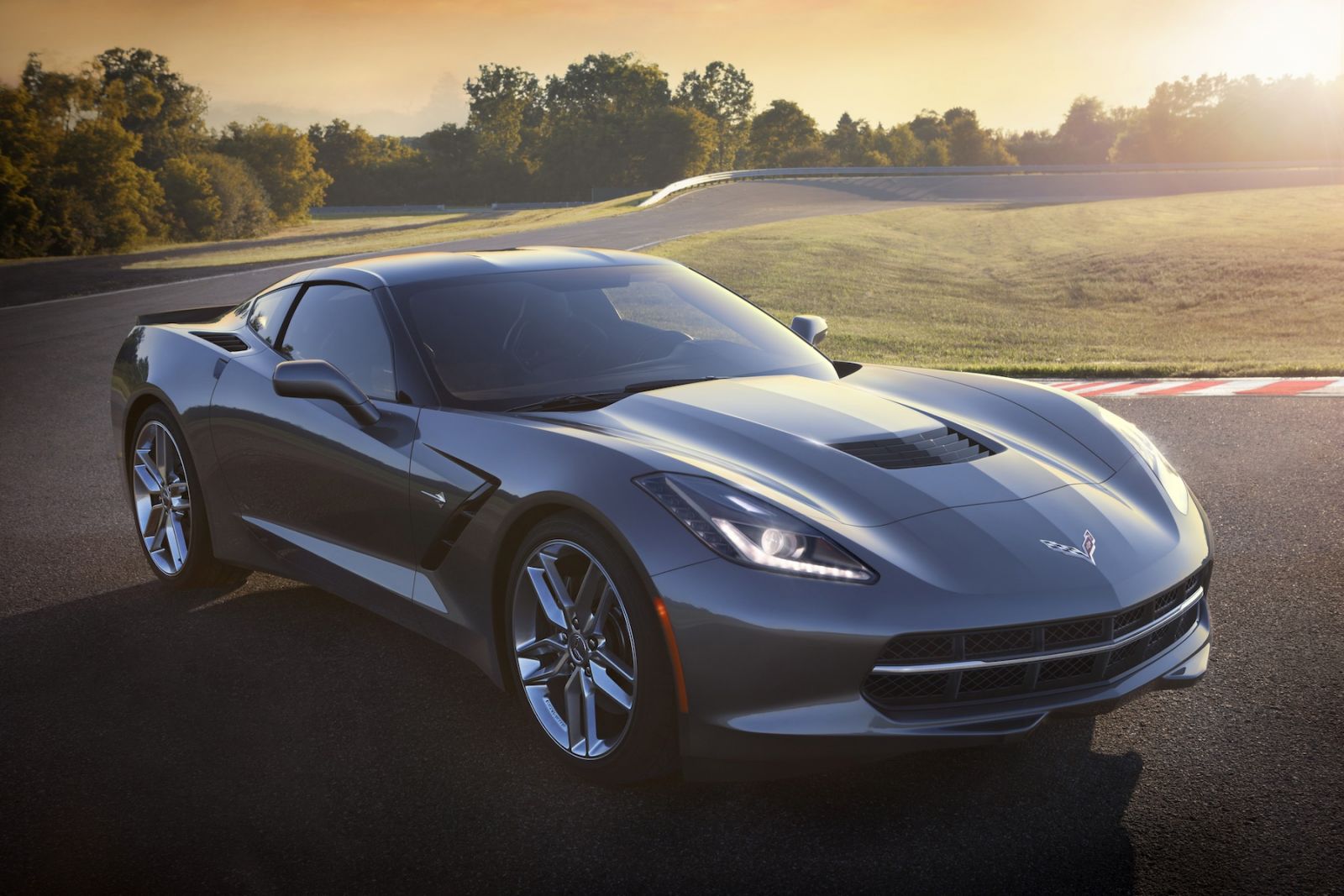
Tire costs are substantial for both generations. The Corvette requires high-performance summer tires in staggered sizes (meaning no rotation), and these tires wear quickly due to the vehicle’s power and weight. A set of four tires costs $1,400-$2,200 and may only last 15,000-25,000 miles depending on driving style. Brake wear is also accelerated, with brake jobs costing $1,500-$2,500 for all corners.
Insurance costs are significantly higher than typical Chevrolet products, often $2,000-$3,500 annually, reflecting the Corvette’s performance capabilities and theft risk.
The Corvette requires premium fuel exclusively, and with fuel economy averaging 15-20 mpg, fuel costs add up. Routine maintenance, while less expensive than European exotics, is pricier than regular Chevrolets oil changes cost $100-$150, and major service intervals can cost $800-$1,500.
Depreciation varies by generation and specification but can be significant, particularly for base models. The Corvette’s low ground clearance also means increased risk of underbody damage from speed bumps, steep driveways, and road debris, potentially causing expensive repairs to suspension components, exhaust systems, or the carbon fiber underbody panels on C8 models.
Also Read: 9 Cars That Feel Dated Faster Than Expected
