
Electric crossovers no longer feel like rolling science projects or short-lived experiments. Buyers now expect these vehicles to look good after years of ownership, feel satisfying long after the new car smell fades, and remain useful as technology advances.
That is a tall order for any modern vehicle, especially one built around fast-moving battery and software systems. Still, some electric crossovers already show traits that suggest staying power rather than quick burnout. Longevity in this space is not just about battery size or range figures printed on a brochure.
Styling that avoids gimmicks matters. Interior layouts that feel intuitive today should not feel outdated tomorrow. Ride comfort, build quality, and thoughtful engineering often age better than attention-grabbing tricks. A vehicle that feels balanced from day one has a better chance of earning long-term respect.
This list focuses on electric crossovers that seem prepared for that test. Each one brings a mix of restrained design, solid performance choices, and practical thinking.
None relies on shock value alone. Instead, these vehicles feel designed to grow familiar in a good way. Drivers can imagine stepping into them five or eight years from now and still feeling content rather than restless.
Below are ten electric crossovers that appear positioned to mature gracefully, starting with five that already show strong signs of lasting appeal.
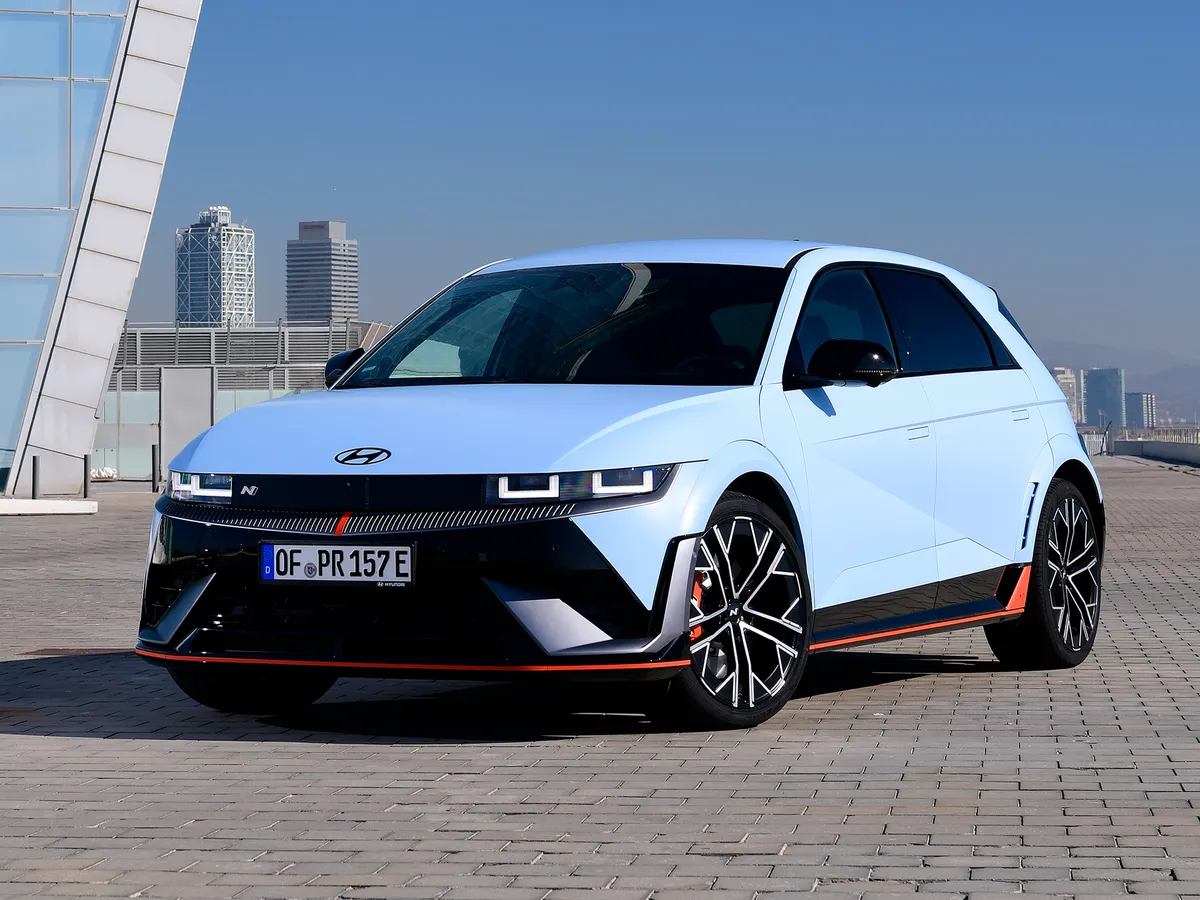
1. Hyundai Ioniq 5
Sharp lines, pixel-inspired lighting, and a wide stance give the Hyundai Ioniq 5 a look that feels intentional rather than trendy. Rather than chasing curves or exaggerated angles, its design references classic hatchback proportions, which helps explain why it already feels familiar despite being thoroughly modern.
That familiarity is a strong foundation for long-term appeal. Step inside, and a different philosophy appears. Instead of clutter, Hyundai leaned into openness. A flat floor, sliding center console, and simple dash layout create a calm atmosphere.
Materials feel carefully chosen rather than flashy, which tends to age better. Screens are present, yet they do not aggressively dominate the cabin. Physical buttons still exist where drivers expect them, helping usability years down the road.
Driving manners also support graceful aging. Acceleration is confident without being overwhelming. Steering feels predictable. Ride quality balances firmness with comfort, making daily use pleasant instead of tiring. Owners who keep vehicles for a long stretch often value consistency more than dramatic performance numbers, and this crossover delivers that consistency well.
Charging capability plays a quiet but powerful role here. The 800-volt architecture allows rapid charging that remains competitive even as infrastructure improves. That forward-thinking approach reduces the chance of feeling left behind
. Battery thermal management and efficiency tuning suggest attention to durability rather than quick wins. Another strength lies in restraint. Hyundai resisted filling the vehicle with gimmicks that could feel dated later. Even the futuristic touches feel subtle.
As trends cycle, that measured approach may help the Ioniq 5 remain visually appealing rather than scream its production year. For drivers seeking an electric crossover that feels composed and future-ready without trying too hard, this model makes a compelling case.
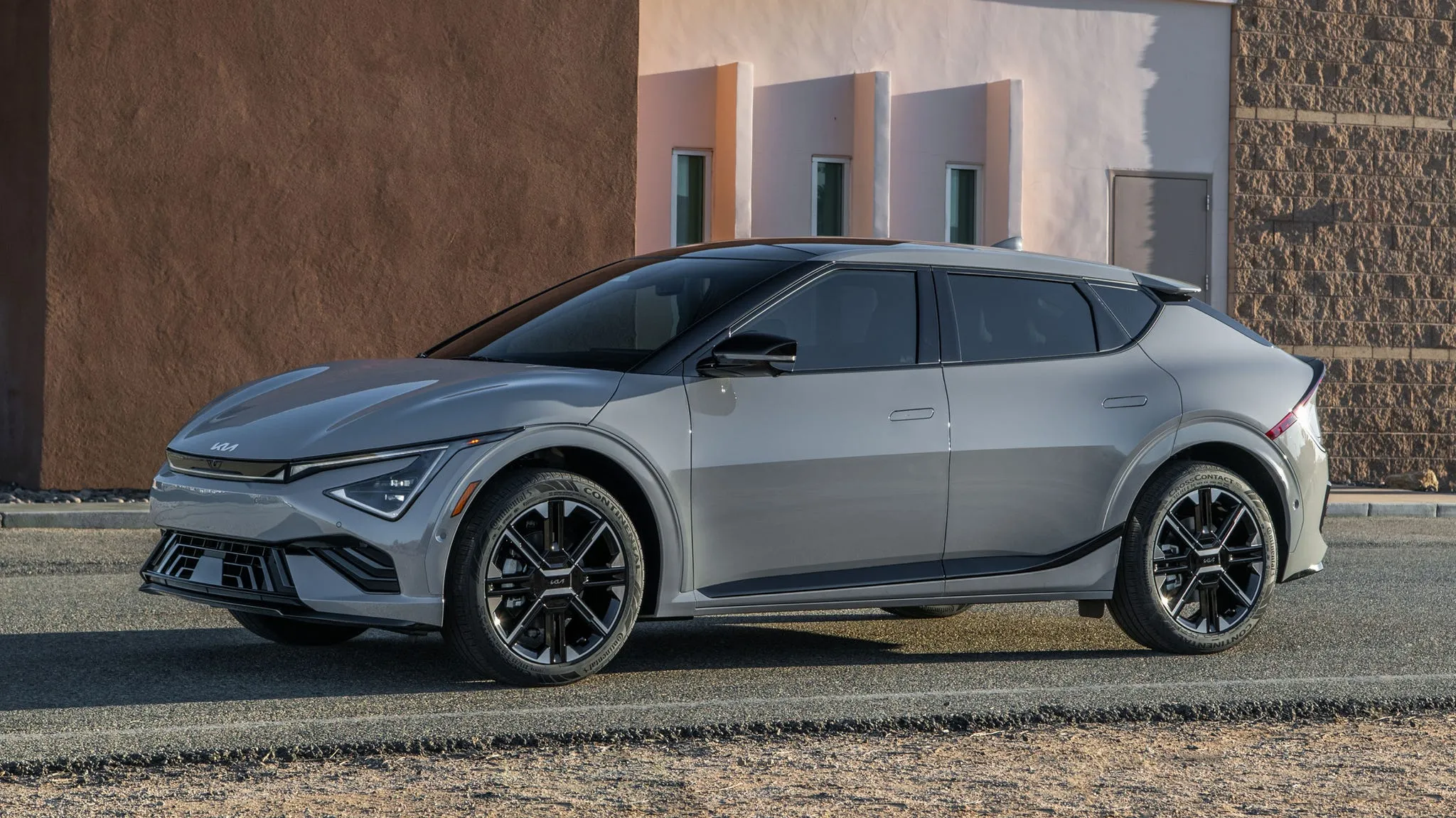
2. Kia EV6
Energy and confidence define the Kia EV6 at first glance. While its styling feels bolder than some rivals, it avoids excess. Smooth surfaces meet athletic proportions, creating a shape that feels purposeful instead of loud. That sense of balance often translates into longevity, since extreme styling tends to age faster.
Inside, the EV6 presents a driver-focused environment. Curved displays wrap gently around the cockpit, providing information without overwhelming.
The cabin mixes modern technology with smart ergonomics. Controls sit where hands naturally fall, and materials feel durable rather than delicate. Practical storage solutions reinforce its everyday usability.
Road behavior adds another layer of appeal. The EV6 delivers brisk acceleration with controlled composure. Handling feels planted, giving confidence without demanding constant attention.
Suspension tuning manages to absorb rough pavement while maintaining responsiveness. Such tuning choices usually reflect careful engineering rather than chasing headlines.
Technology integration stands out for its thoughtfulness. Software features feel refined rather than experimental. Updates improve functionality without disrupting familiarity. That balance matters as vehicles accumulate years and miles. Drivers tend to appreciate systems that grow quietly better instead of forcing constant relearning.
Battery and charging design mirror that mindset. Fast charging capability supports long-term usability as charging networks expand. Range estimates remain realistic rather than optimistic, which builds trust. Thermal control and efficiency tuning suggest attention to reliability over extended ownership.
What may help the EV6 age well the most is its confidence. Nothing about it feels uncertain or rushed. Design, performance, and comfort align around a clear vision. As tastes advance, this crossover is likely to remain appealing because it never relied on shock value. Instead, it delivers a cohesive experience that feels satisfying today and believable tomorrow.
Also Read: 5 Electric Vehicles That Fit Dense Neighborhoods vs 5 That Don’t
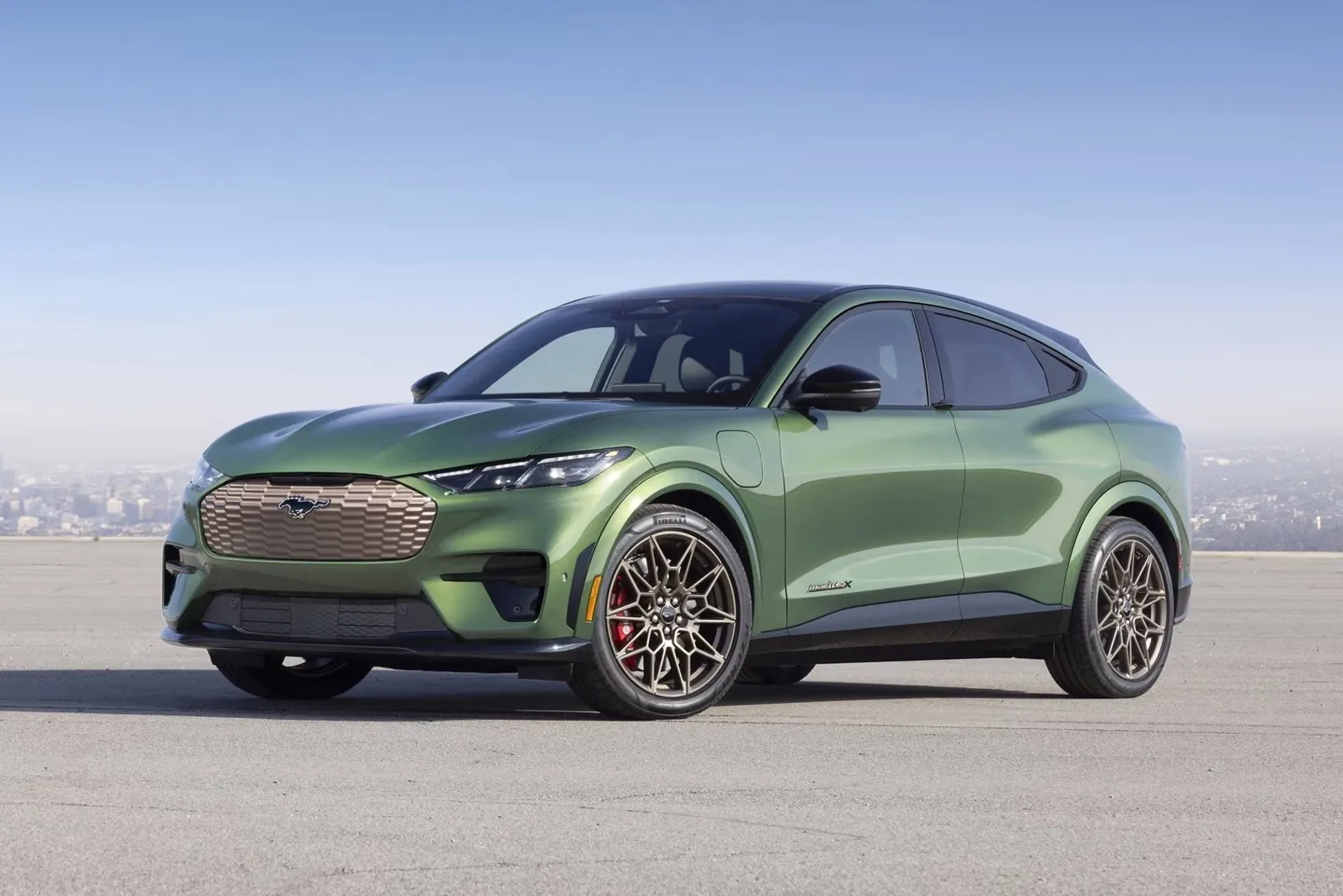
3. Ford Mustang Mach-E
Heritage often creates pressure, yet the Ford Mustang Mach-E handles its legacy with surprising restraint. Instead of mimicking past muscle cars, it borrows select cues and blends them into a modern crossover form. That selective approach reduces the risk of dated styling while still offering character.
Cabin design leans toward simplicity, anchored by a large central display. While screen-heavy layouts sometimes raise aging concerns, Ford balanced this with solid physical controls and a clean dashboard. Seating comfort and interior space feel thoughtfully executed, supporting long-term ownership rather than short-term excitement.
Performance options span a wide range, allowing buyers to choose temperament. Even higher output versions maintain composure, while standard models prioritize smooth delivery. Steering response and chassis tuning emphasize confidence over drama. That makes daily driving relaxing, which matters more as novelty fades.
Software plays a central role here, and Ford has invested heavily in refinement. Updates arrive with tangible improvements rather than cosmetic changes. Interface design remains clear, avoiding cluttered visuals. Charging and range planning show practical thinking.
The Mach-E integrates well with public networks and offers predictable energy usage. Battery management systems prioritize consistency, reducing anxiety during extended ownership. That predictability tends to age better than chasing maximum figures.
Brand perception also influences aging. Ford’s commitment to supporting this model with updates and service infrastructure adds reassurance. Owners often value knowing their vehicle remains supported. By blending recognizable design, balanced performance, and steady software development, the Mach-E positions itself as more than a novelty. It feels built to remain relevant as electric vehicles become ordinary rather than extraordinary.
4. Volkswagen ID.4
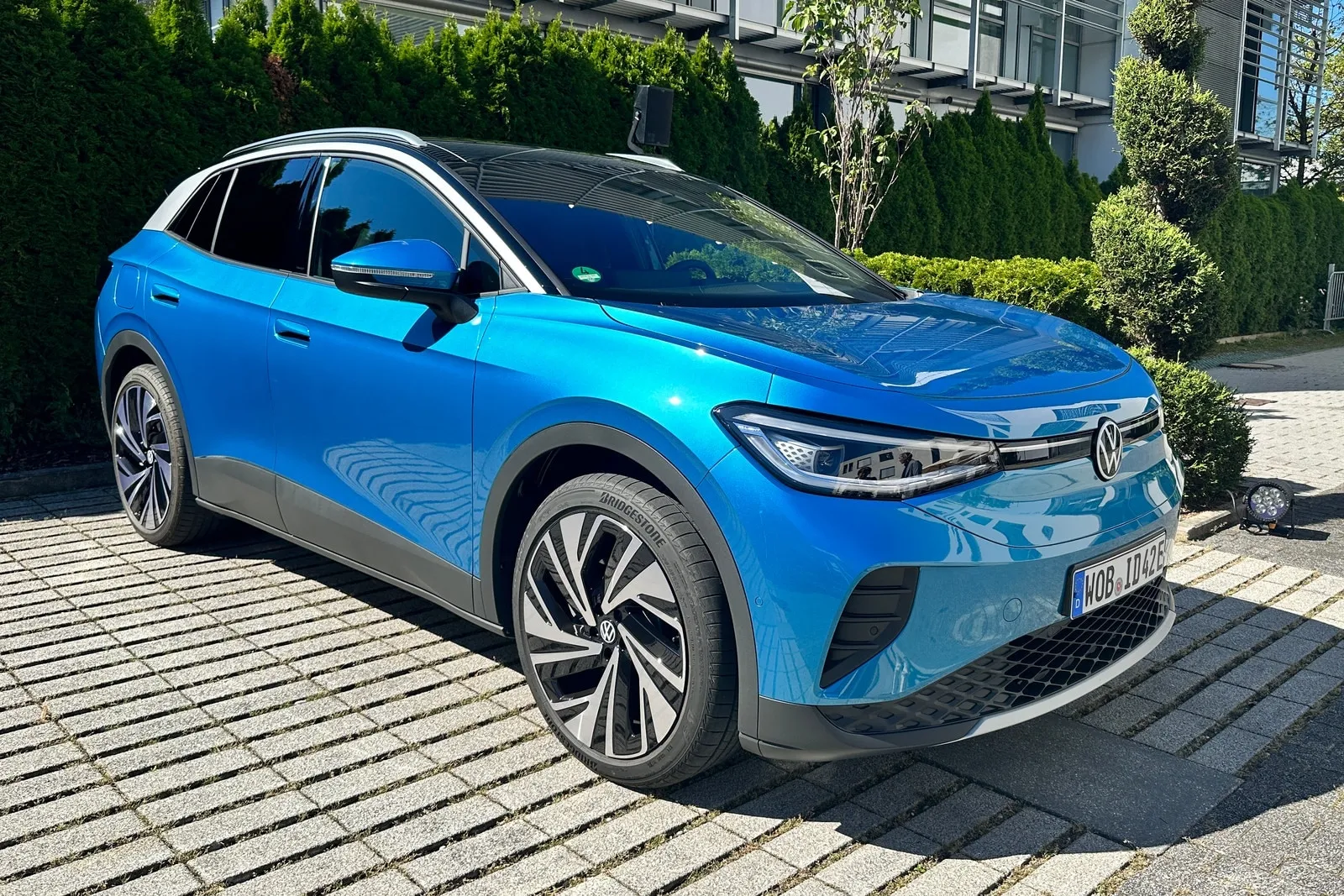
Subtlety defines the Volkswagen ID.4. Instead of dramatic styling, it leans into clean lines and approachable proportions. That understated appearance may not turn heads instantly, yet it often proves timeless. Vehicles that avoid extremes usually blend into changing tastes with ease.
Interior layout reflects Volkswagen’s long history with user-friendly cabins. Controls feel logical, and seating comfort supports extended drives. Materials focus on durability and simplicity rather than flair. Such choices often hold up better after years of use.
On the road, the ID.4 favors calm behavior. Acceleration feels smooth and predictable. Suspension tuning prioritizes comfort without becoming floaty. Steering response suits everyday driving rather than performance theatrics. This crossover feels content being a companion rather than a showpiece.
Technology integration shows restraint. Screens present information clearly without overwhelming the driver. Software updates have steadily improved responsiveness and usability. That gradual refinement supports long term satisfaction. Drivers can adapt without frustration.
Range and efficiency align with realistic expectations. Rather than chasing extremes, Volkswagen optimized energy use for consistent results. Charging speeds remain competitive, supporting practicality as infrastructure improves. Battery management strategies focus on longevity rather than pushing limits.
What strengthens the ID.4’s aging potential is familiarity. Volkswagen understands mainstream preferences and designed this vehicle accordingly. It does not demand attention or explanation. As years pass, that sense of normalcy can feel refreshing.
Owners seeking an electric crossover that blends quietly into daily life may find this model continues to feel right long after trends change.
5. Nissan Ariya
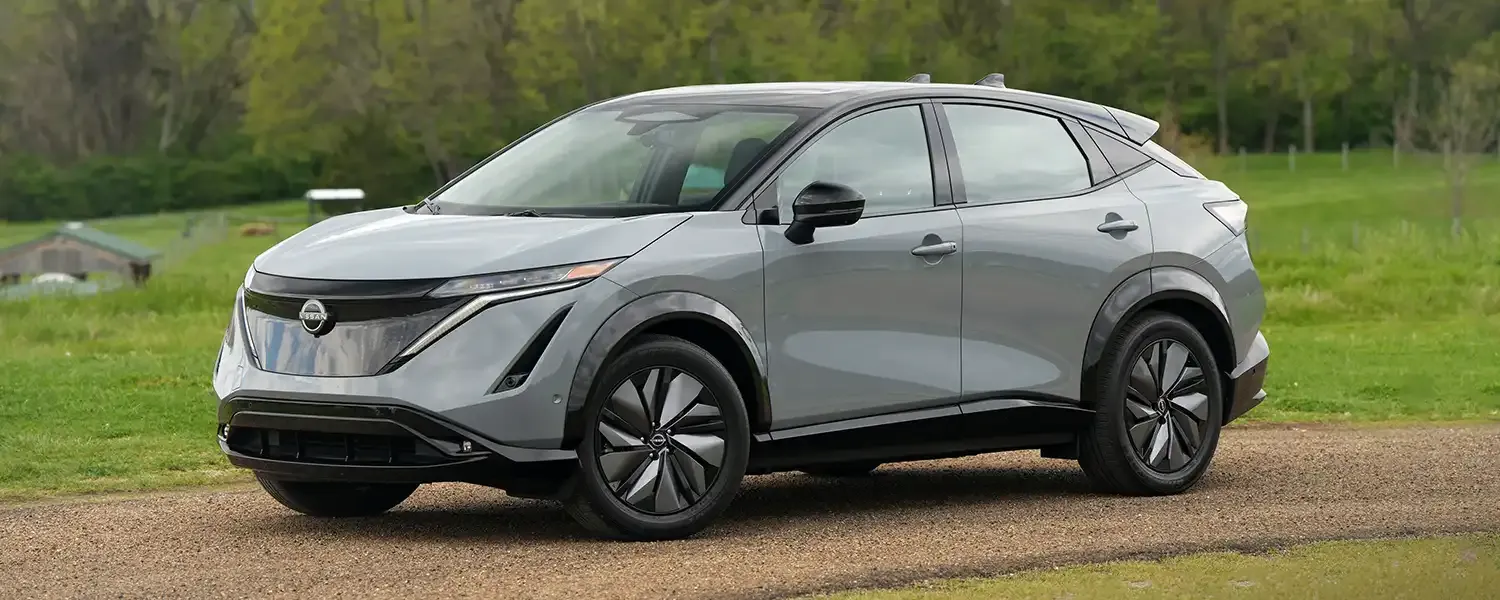
Elegance without excess defines the Nissan Ariya. Its exterior flows smoothly, avoiding sharp angles or exaggerated features. This restrained approach often ages gracefully, as it resists tying itself too closely to a specific design moment.
Inside, the Ariya offers a lounge-like atmosphere. Soft surfaces, ambient lighting, and a horizontal dash create a calming environment. Controls integrate seamlessly into the design, reducing visual clutter. That sense of calm supports long-term comfort rather than short-term novelty.
Driving dynamics emphasize smoothness. Power delivery feels refined, making acceleration effortless rather than abrupt. Steering response suits relaxed driving, while suspension tuning absorbs imperfections without losing composure. This crossover feels designed for everyday enjoyment rather than adrenaline spikes.
Technology implementation reflects careful consideration. Displays blend into the cabin instead of dominating. Voice and touch controls feel intuitive, reducing frustration as systems age. Updates enhance functionality without altering familiar layouts, preserving ease of use.
Battery and range options offer flexibility. Nissan provides choices that suit different lifestyles, encouraging practical ownership. Charging systems integrate well with existing networks, supporting convenience over extended use. Thermal management choices reflect a focus on durability.
Another strength lies in brand experience. Nissan’s history with electric vehicles informs this model’s engineering. Lessons learned from earlier efforts show in Ariya’s polished execution. As electric crossovers become commonplace, this vehicle’s calm confidence and thoughtful design may help it remain appealing. It feels built to settle into long-term ownership rather than chasing fleeting attention.
6. Tesla Model Y
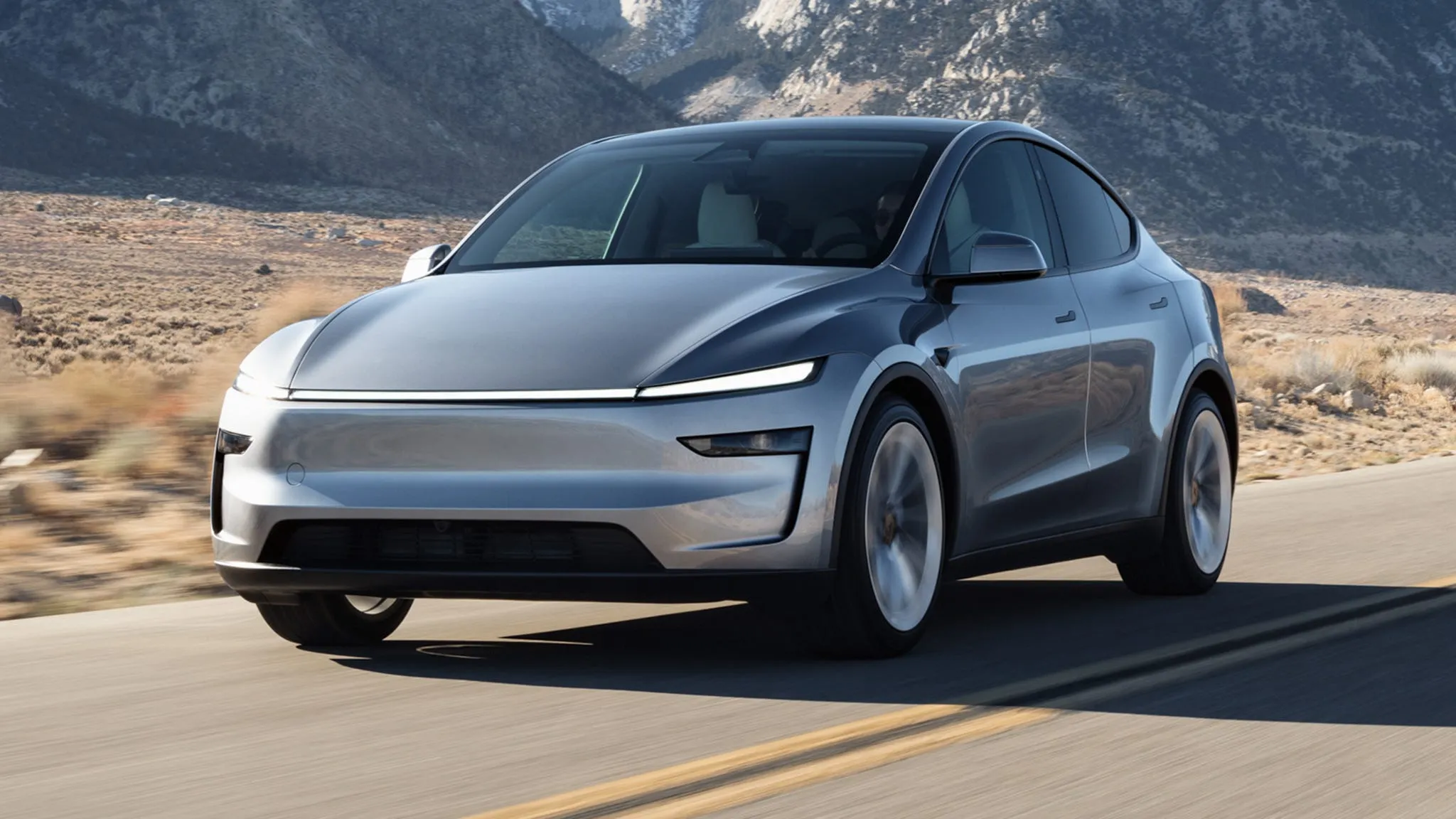
Few electric crossovers feel as familiar on city streets as the Tesla Model Y, yet familiarity does not weaken its chances of aging well. Simplicity drives its design philosophy, and that restraint may prove valuable years from now. Clean surfaces, minimal ornamentation, and balanced proportions avoid loud styling cues that date quickly.
Visual calm allows the shape to settle into everyday life rather than constantly demand attention. Inside, minimalism takes center stage. Controls are reduced to essentials, anchored by a single central display. While some drivers prefer buttons, this layout benefits from clarity.
Information appears without visual clutter, and the cabin feels open and airy. Materials lean toward durability, supporting frequent use. Seating comfort encourages long drives, and cargo space meets real needs without gimmicks.
Driving behavior favors smooth confidence. Acceleration arrives effortlessly, yet remains manageable. Steering response feels predictable, and suspension tuning suits daily commuting just as well as weekend travel. Rather than chasing sporty theatrics, this crossover delivers consistency. That steady nature often becomes more appreciated as novelty fades.
Software development forms a major part of the ownership experience. Regular updates refine functionality and improve efficiency without altering core operation. Familiarity remains intact while features quietly improve. This approach supports long-term satisfaction since owners avoid relearning systems every year.
Charging access strengthens usability. Integration with widespread charging networks simplifies travel planning. Energy management focuses on efficiency and reliability, encouraging trust. Battery systems receive constant refinement through software rather than hardware changes alone, extending relevance.
Brand support also plays a role. Tesla continues investing heavily in infrastructure and updates, reinforcing confidence for extended ownership. By prioritizing clarity, usability, and steady improvement, the Model Y positions itself as a vehicle that can feel comfortable rather than dated as years pass.
7. Volvo XC40 Recharge
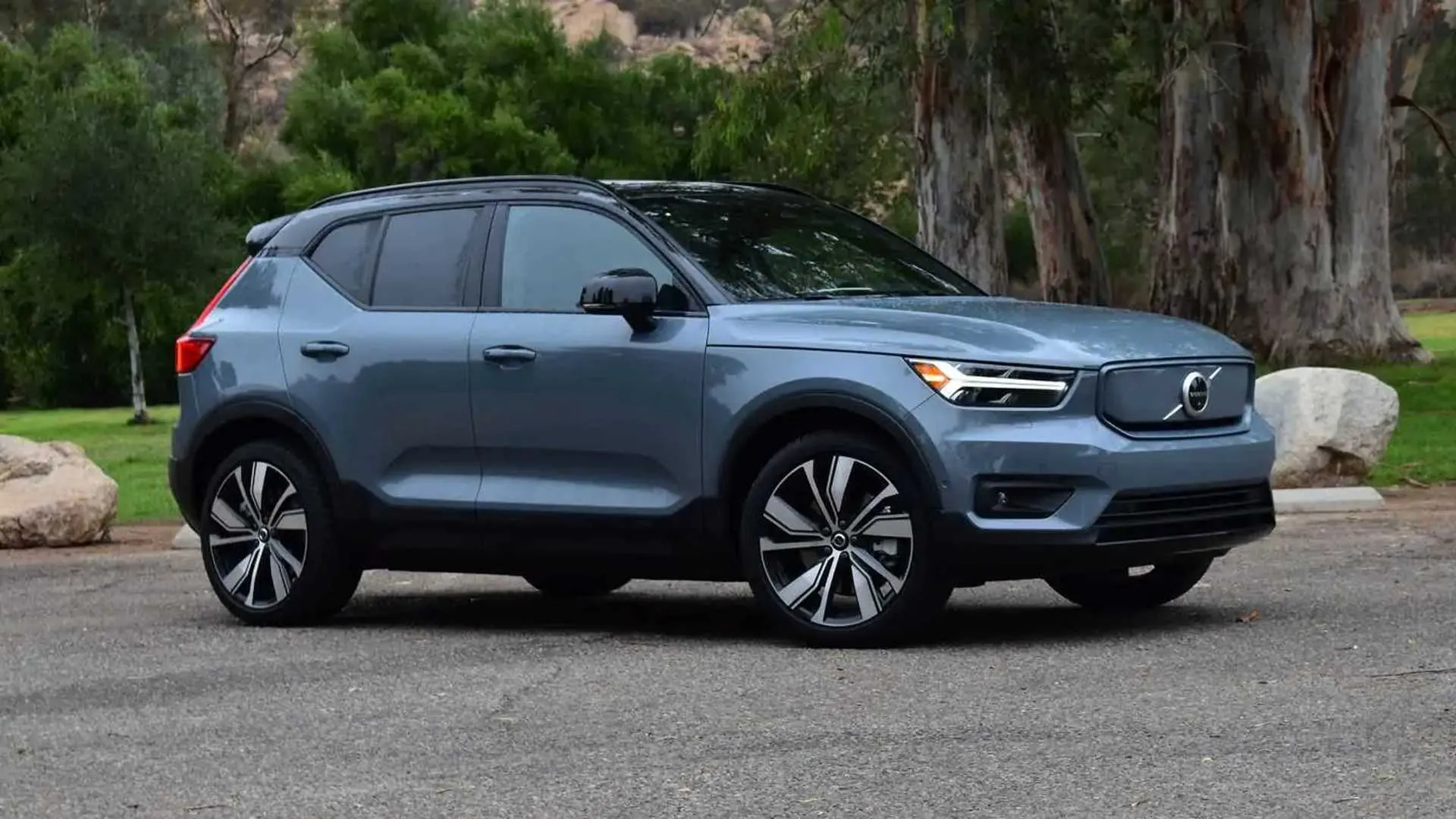
Design rooted in Scandinavian restraint defines the Volvo XC40 Recharge. Crisp lines and balanced proportions create a shape that feels modern without chasing extremes. That calm aesthetic often carries forward gracefully as trends change. Subtle lighting details and a confident stance add character without relying on novelty.
Cabin atmosphere reflects a focus on comfort and safety. Soft materials, supportive seating, and thoughtful storage solutions shape a welcoming environment. Controls feel intuitive, and screen integration avoids visual overload. This interior favors clarity and ease, qualities that remain valuable long after purchase.
Driving experience highlights refinement. Power delivery feels smooth, and handling remains composed. Suspension tuning absorbs uneven pavement while preserving control. Steering offers reassurance rather than excitement, aligning with relaxed driving habits. Such balance supports daily comfort across varied conditions.
Technology plays a supportive role rather than a dominating one. Driver assistance features integrate seamlessly, reinforcing confidence without constant alerts. Software updates refine systems gradually, preserving familiarity. This gentle evolution helps prevent frustration as years pass.
Energy management reflects careful planning. Range estimates feel realistic, reducing anxiety. Charging compatibility supports common standards, improving convenience. Battery thermal systems aim for durability, encouraging long-term reliability.
Volvo’s dedication to safety and sustainability influences ownership perception. Support networks and service standards add reassurance. By focusing on calm design, comfort, and steady refinement, the XC40 Recharge appears ready to mature gracefully within an increasingly electric market.
8. Audi Q4 e-tron
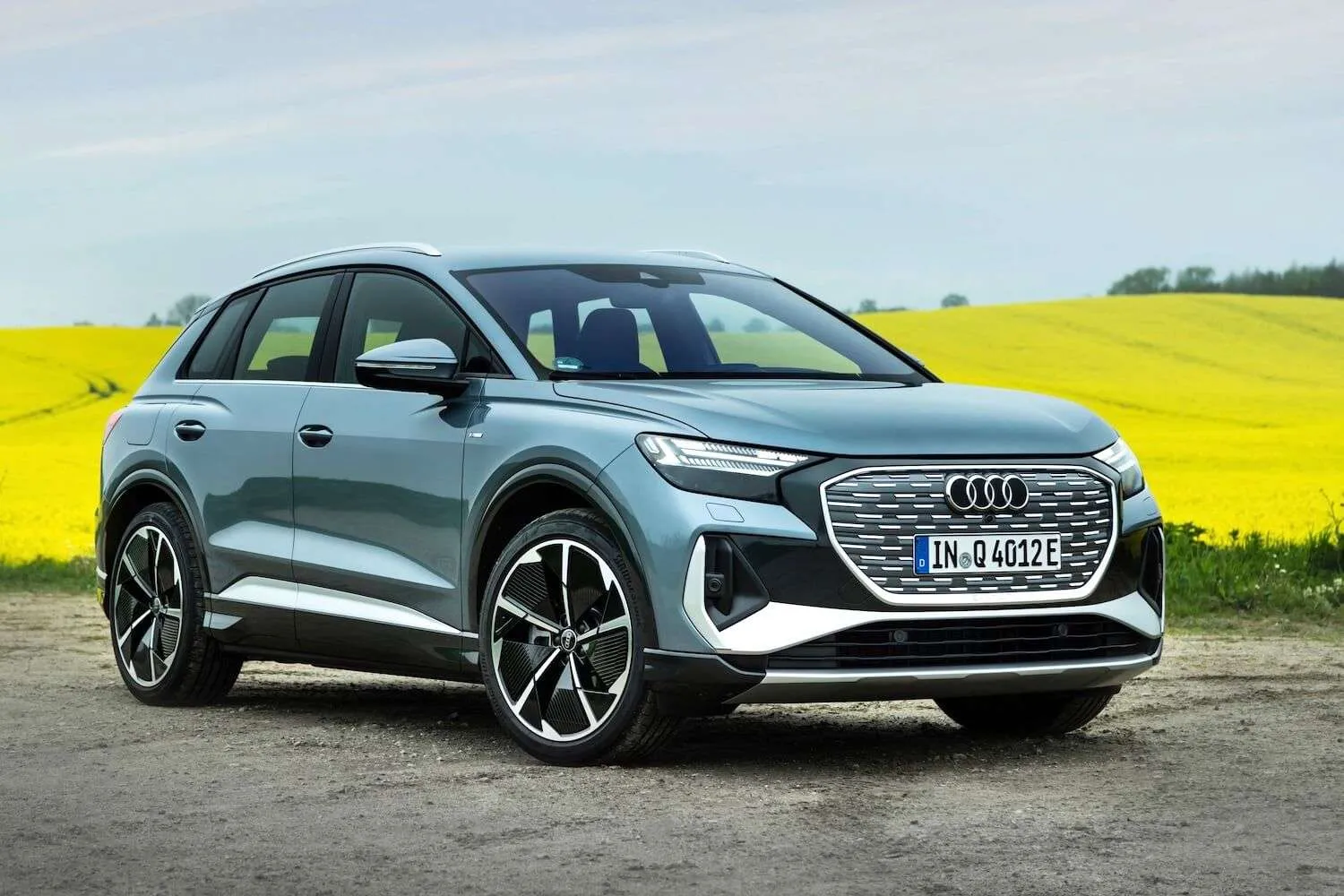
Precision defines the Audi Q4 e-tron from first impression through routine use. Exterior styling blends crisp lines with smooth surfaces, presenting a confident yet restrained appearance suited to varied tastes. Proportions follow established crossover conventions rather than fleeting fashion, keeping the vehicle visually relevant over years of ownership.
Lighting elements add character without excess, while body detailing reflects careful design discipline rather than visual noise. Interior execution strengthens this sense of discipline. Material selection reflects durability and refinement, with surfaces chosen for sustained comfort rather than short-term appeal.
Assembly quality supports frequent use, reducing wear concerns across extended mileage. Control placement follows logical patterns, combining tactile switches with digital interfaces in a balanced manner. Cabin layout prioritises clarity and purpose, encouraging familiarity instead of constant adjustment.
Driving performance highlights composure. Power delivery responds promptly while avoiding aggressive behaviour, supporting smooth progress in varied conditions. Chassis calibration promotes stability, inspiring assurance during urban travel and longer journeys alike.
Steering response feels measured and predictable, limiting driver fatigue during daily use. Ride quality remains even across differing road surfaces, supporting comfort without sacrificing control. Technology adoption within the Q4 e-tron demonstrates restraint and order.
Display graphics favour legibility and structure, limiting distraction for occupants. Software revisions focus on functional refinement rather than cosmetic alteration, preserving user confidence across ownership cycles. Assistance systems operate discreetly, reinforcing safety without unnecessary intrusion.
Energy efficiency planning reflects practical intent. Realistic range expectations support reliable journey planning, while charging performance aligns with modern infrastructure standards. Battery thermal regulation prioritises longevity, encouraging dependable service under varied operating conditions. These engineering choices reflect preparation for sustained use rather than short-term performance display.
Brand heritage also shapes perception of this model. Audi’s established reputation for precision engineering and measured refinement informs expectations regarding durability and service support. Ownership experience benefits from this legacy through consistent build standards and attention to detail.
By sustaining a focus on quality, usability, and composure, the Audi Q4 e-tron presents itself as an electric crossover capable of delivering satisfaction well beyond initial purchase enthusiasm, and it maintains relevance through thoughtful design and disciplined execution.
Long-term ownership often rewards vehicles designed with such restraint, as familiarity deepens trust, daily operation remains pleasant, and visual appeal avoids fatigue, allowing drivers to appreciate the vehicle as a reliable companion rather than a passing novelty today.
9. Genesis GV60
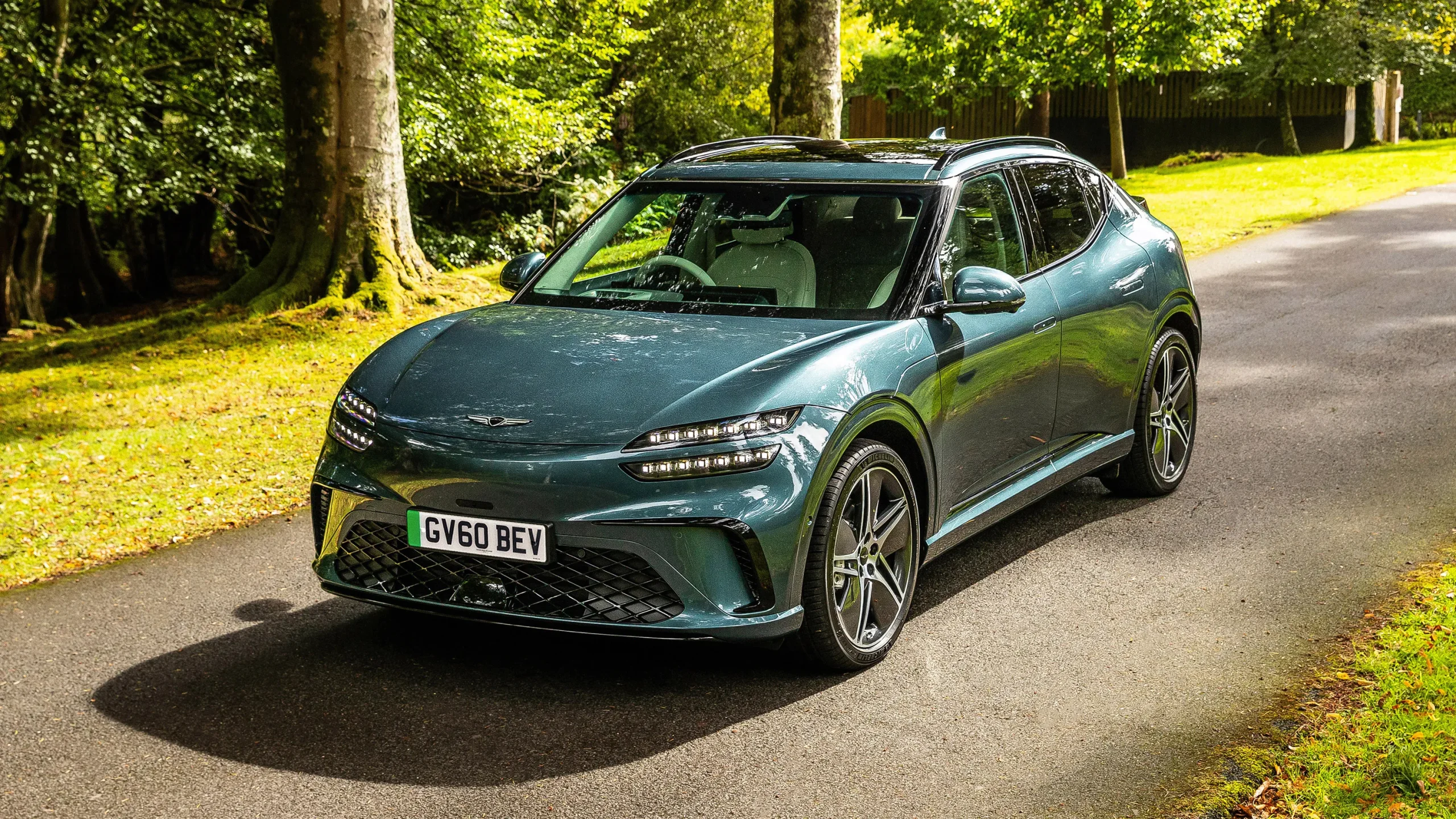
Luxury and forward-thinking design align clearly in the Genesis GV60, presenting a vehicle created with deliberation rather than excess. Exterior styling combines smooth curves with confident, well-defined lines, forming an identity that feels assured and mature.
Design elements avoid exaggeration, allowing the vehicle to project character without relying on visual drama. This balanced approach supports lasting appeal, as the shape remains dignified instead of being tied to short-lived trends. Proportions feel intentional, and surface detailing reflects discipline rather than ornamentation.
Interior execution reinforces this careful design philosophy. Materials emphasise comfort, refinement, and tactile quality, creating an environment suited to daily use as well as extended journeys. Seating design promotes relaxation through proper support and thoughtful cushioning.
Control placement appears considered, with functions arranged to reduce distraction and visual clutter. Ambient lighting is applied with restraint, enhancing atmosphere without becoming distracting. Textures and finishes contribute to a calm yet premium cabin experience that encourages familiarity rather than novelty seeking.
Driving behaviour reflects measured engineering choices. Power delivery feels smooth and progressive, supporting confidence during acceleration without abrupt responses. Handling remains composed across varying speeds, while suspension tuning absorbs road imperfections effectively.
Responsiveness is preserved without compromising comfort, allowing the vehicle to feel settled during routine use. Rather than placing emphasis on dramatic performance displays, this crossover prioritises assurance and stability, qualities that tend to gain appreciation with prolonged ownership.
Technology within the GV60 serves as a supportive element rather than a focal point. Interfaces operate intuitively, allowing drivers to access functions with minimal effort. Digital features enhance convenience without overwhelming attention or requiring constant adjustment.
Software improvements occur gradually, refining functionality while maintaining familiar layouts. This continuity reduces learning fatigue and supports ease of use across the ownership period. Energy management reflects reliability and foresight.
Charging capability aligns well with modern infrastructure, supporting practical daily use. Range estimates remain dependable, encouraging trust during planning. Thermal regulation systems focus on durability, reinforcing confidence in sustained performance.
Genesis places strong emphasis on ownership experience. Service standards, customer care, and attention to detail contribute meaningfully to satisfaction across years of use. By blending luxury, disciplined engineering, and restrained innovation, the GV60 presents itself as a vehicle designed for longevity, offering refinement and comfort without chasing fleeting attention.
Also Read: 5 Electric Cars That Suit Apartment Living vs 5 That Don’t
10. Subaru Solterra
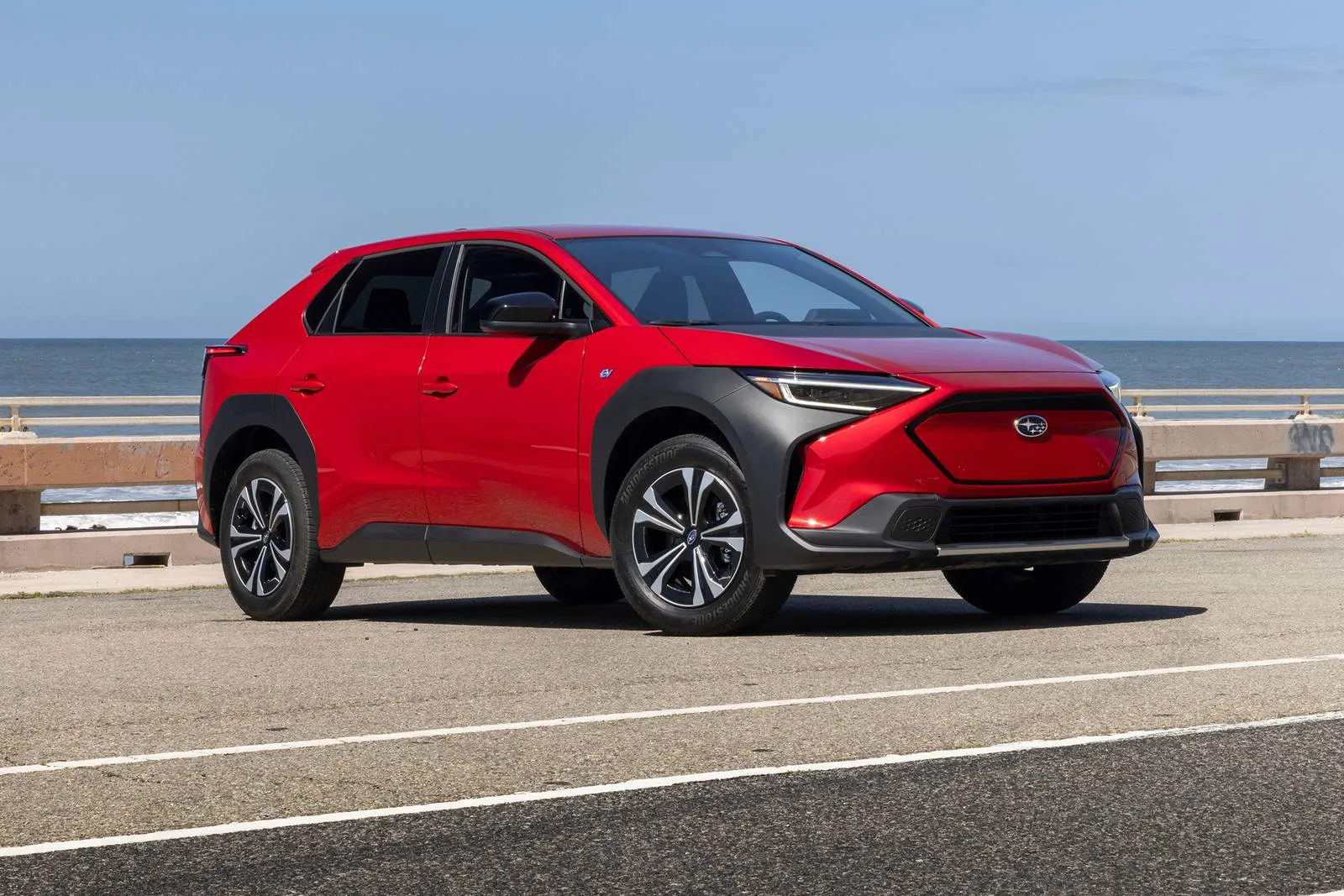
Practicality defines the Subaru Solterra from design to execution. Exterior styling emphasizes function, with clean lines and a purposeful stance. This straightforward approach often ages well because it avoids reliance on fashion-driven details.
Cabin layout prioritizes usability. Controls feel familiar, and seating comfort supports extended drives. Materials focus on durability, reinforcing everyday reliability. Storage solutions address real needs rather than visual tricks.
Driving experience aligns with Subaru’s reputation for stability. Acceleration arrives smoothly, and handling feels predictable. Suspension tuning supports comfort across varied road conditions. Confidence replaces excitement, which many owners value long-term.
Technology integration remains practical. Displays provide information clearly without distraction. Assistance features operate quietly in the background, enhancing safety without intrusion. Software updates refine performance while preserving familiarity.
Energy management suits daily use. Range estimates align with realistic driving patterns, and charging compatibility supports convenience. Battery systems focus on reliability, encouraging trust across years of ownership. Subaru’s commitment to dependability and safety influences expectations.
Owners often prioritize vehicles that feel trustworthy rather than flashy. By focusing on stability, usability, and consistency, the Solterra positions itself as an electric crossover likely to feel right long after purchase.
