
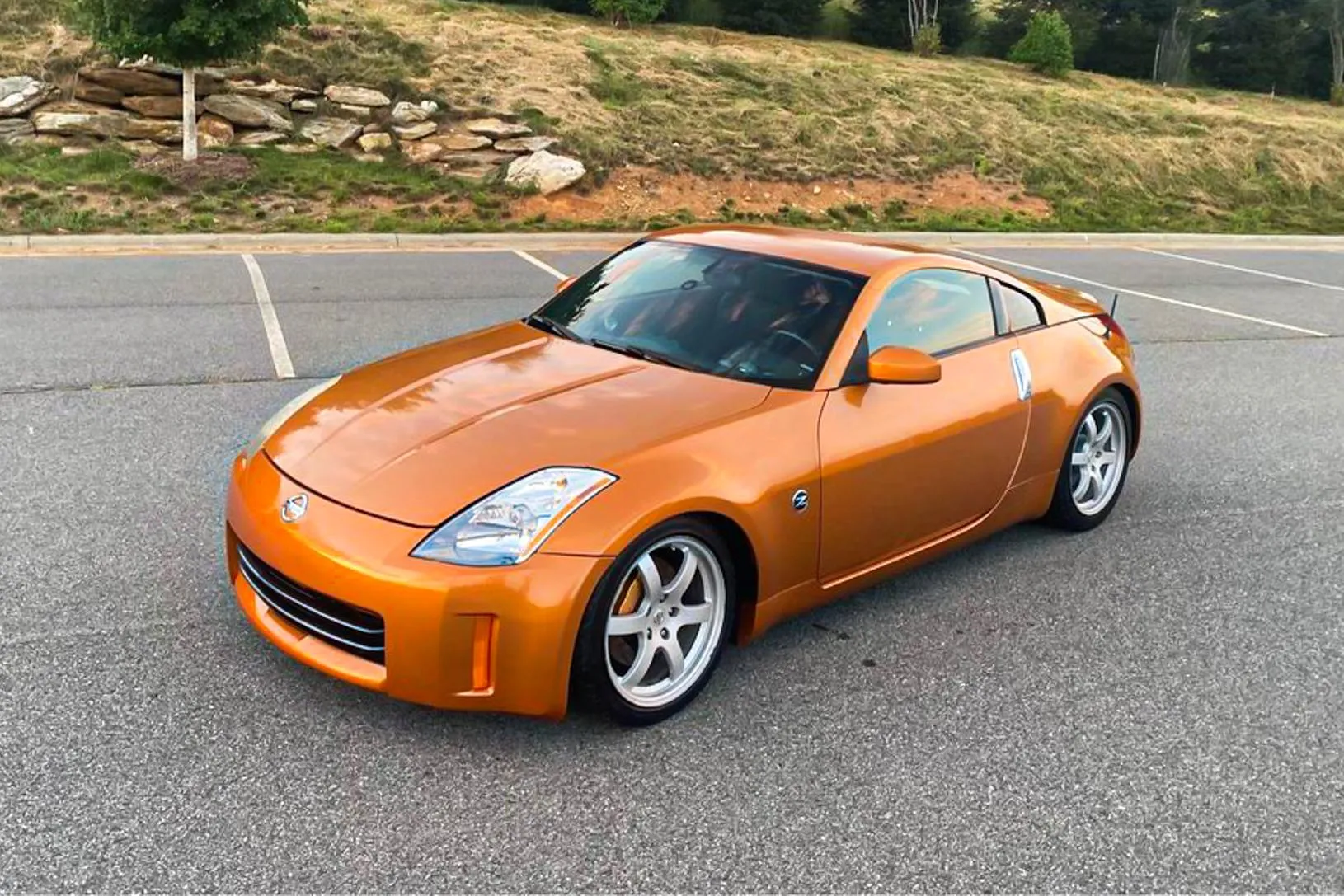
Learning to drift does not require a massive bank balance, a trailer full of spare tires, or a car that scares you every time the rear steps out. Drifting at the beginner level is about balance, control, repetition, and seat time.
The right car makes that learning curve smoother by forgiving mistakes, responding predictably, and staying affordable when something breaks. A good starter drift car should encourage practice rather than punish it.
Budget-friendly drift platforms tend to share a few traits. Rear wheel drive layouts help teach throttle control. Simple mechanical setups allow easy repairs. Strong aftermarket support keeps parts cheap and accessible.
Power matters, but too much power too soon can slow progress instead of helping it. What matters more is how the chassis behaves when traction fades.
Used car listings are full of overlooked options that slide beautifully with minor preparation. Some started life as sporty coupes, others as ordinary sedans.
What unites them is a balance between durability, control, and cost. These cars allow new drivers to focus on technique instead of fear.
Below are ten cars that have helped countless drivers learn how to drift without draining their savings. Each one offers a different personality, teaching style, and learning experience. None demands perfection. All reward patience.
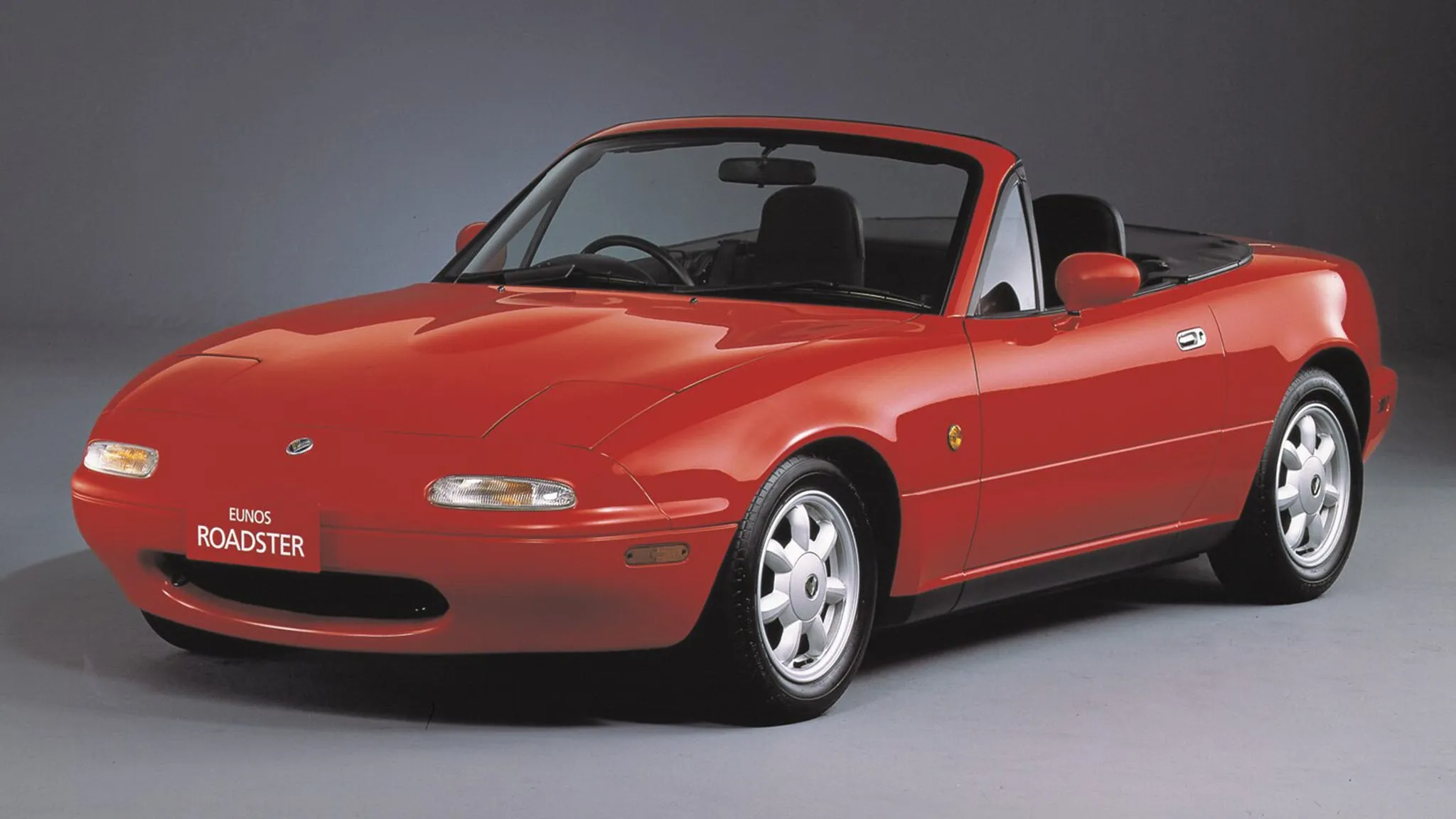
1. Mazda MX-5 Miata NA 1990 to 1997
Lightness defines the Mazda MX-5 Miata NA from the first corner. Weighing far less than most modern cars, this roadster responds instantly to driver input.
A naturally aspirated 1.6 or 1.8 liter four cylinder engine may not sound exciting on paper, yet power delivery feels smooth and predictable. That quality makes it ideal for beginners who need consistency rather than brute force.
Drifting a Miata teaches discipline. Momentum matters. Throttle control matters. Steering corrections must be measured.
Because power remains modest, mistakes rarely become dramatic. Instead of spinning violently, the car communicates early, giving the driver time to react. This feedback builds confidence quickly.
Chassis balance stands as the Miata’s greatest strength. Near-perfect weight distribution allows controlled slides at lower speeds, reducing risk while learning.
Suspension geometry supports stable transitions, and aftermarket coilovers are widely available at reasonable prices. Simple sway bar upgrades sharpen response without complicating setup.
Repair costs remain friendly. Engines last long with basic care, transmissions handle abuse well, and replacement parts are everywhere.
Body panels are cheap, which matters when learning inches from cones or barriers. Insurance costs stay low, and fuel usage remains minimal.
A Miata may not win horsepower contests, yet it wins where beginners need it most. Skill development accelerates faster in a forgiving platform. Drivers who master drifting in a Miata often transition smoothly to more powerful cars later. This car does not hide mistakes. It teaches.
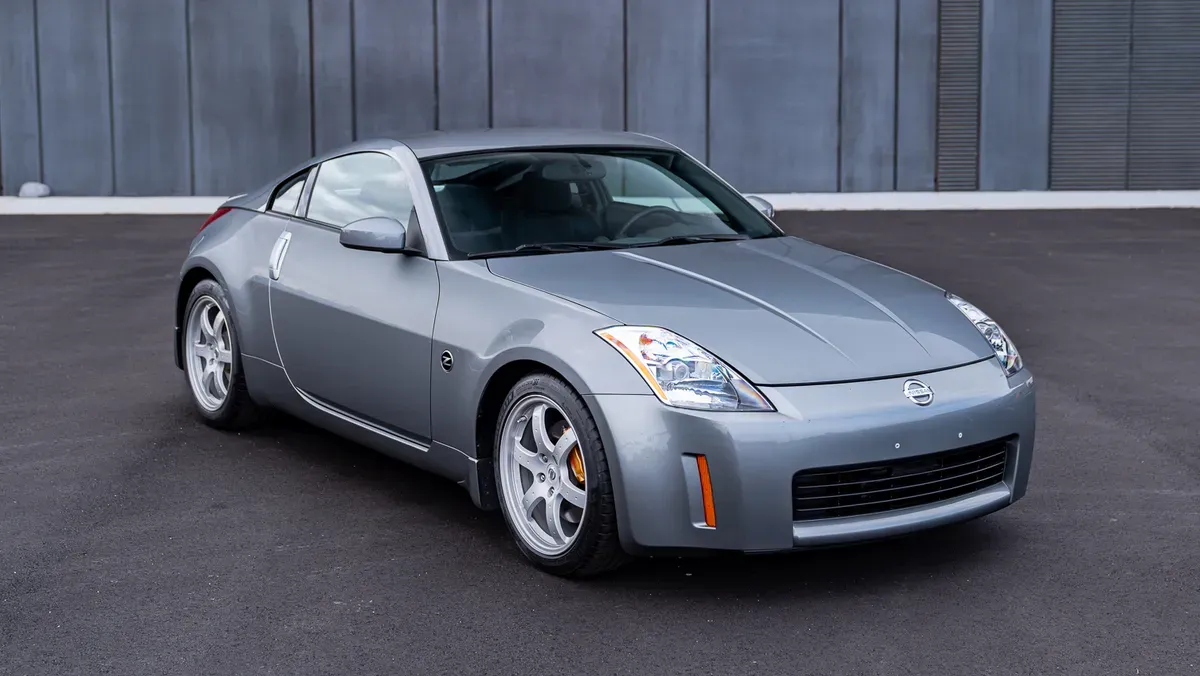
2. Nissan 350Z 2003 to 2008
Muscle becomes evident with the Nissan 350Z, a vehicle designed with strength, balance, and driver engagement in mind.
Equipped with a 3.5-litre V6 engine, the car provides generous torque output that allows beginners to access rear wheel movement without extensive mechanical alteration.
Power delivery is direct and responsive, enabling slide initiation through measured throttle application rather than reliance on harsh clutch techniques alone. This characteristic supports gradual skill development and encourages deliberate pedal control.
The extended wheelbase contributes to stability during sustained slides. When compared with shorter chassis platforms, the 350Z maintains composure through wide arcs, allowing new drivers to concentrate on steering precision and proper line selection.
Although the vehicle carries more mass than lighter alternatives, balance remains dependable once suspension components are refreshed. Factory suspension performs adequately for entry-level practice, while coilover installations improve predictability and response consistency during repeated use.
Drivetrain durability stands as a strong advantage. Manual transmissions are built to withstand repeated clutch engagement without premature failure when maintenance is observed. Limited-slip differentials are commonly fitted on factory trims, providing consistent rear traction straight from purchase.
This reduces the immediate need for costly drivetrain upgrades and allows learners to focus financial resources on tyres, safety equipment, and routine servicing. Cooling systems perform reliably under extended practice conditions, managing engine temperatures effectively during sustained sessions.
Pricing within the used vehicle market varies according to mileage and condition, yet higher mileage units often remain accessible to beginners working within modest budgets. Parts availability remains strong due to widespread production numbers and continued demand.
Replacement components, suspension kits, brake upgrades, and bushings are easily sourced without reliance on specialised fabrication.
This availability simplifies ownership and reduces downtime caused by repairs. Training in drifting using the Nissan 350Z encourages disciplined throttle management.
Errors in pedal input become immediately apparent, promoting smoother corrections and refined control habits. While the vehicle carries additional weight compared with compact platforms, it responds positively to calm and precise inputs.
Drivers who demonstrate patience are rewarded with predictable behaviour and steady progression. For individuals prepared to advance beyond lightweight chassis while avoiding excessive intimidation, the Nissan 350Z offers a balanced introduction to higher output performance with dependable mechanical strength.
Also Read: 5 Cars That Handle Savannah Climate vs 5 That Don’t
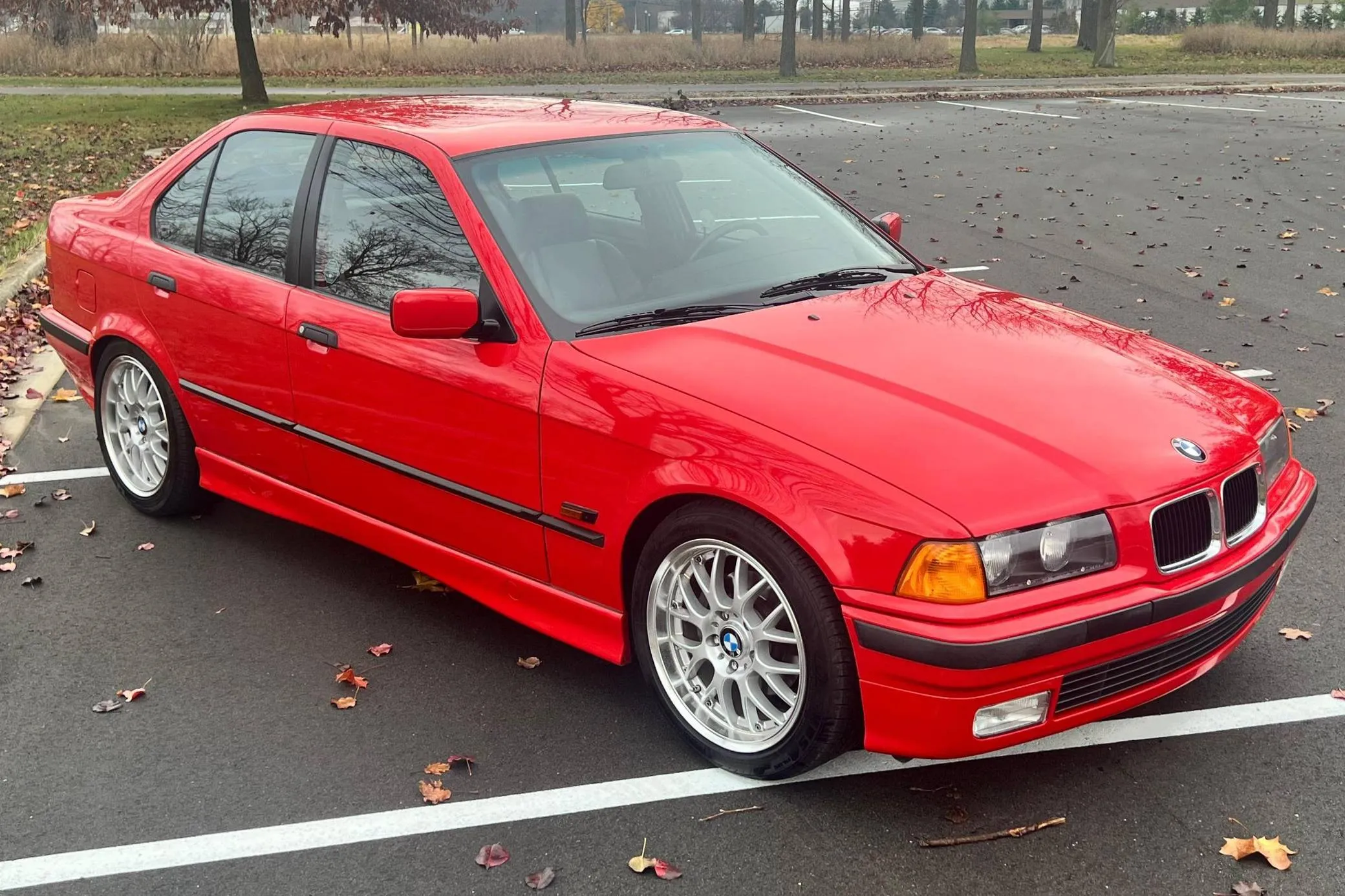
3. BMW 328i E36 1996 to 1999
The BMW 328i E36 produced between 1996 and 1999 represents a well-judged blend of balance, mechanical refinement, and driving clarity. Available in both sedan and coupe forms, this model is powered by a naturally aspirated 2.8-litre inline six engine that delivers power in a smooth and progressive manner.
Rather than overwhelming the driver, torque builds steadily, allowing controlled rear wheel movement that suits deliberate drifting practice. This predictable delivery encourages calm inputs and measured throttle use, qualities that are essential for developing proper technique.
Rear wheel drive configuration, combined with near even weight distribution, to give the chassis a composed and stable character during transitions. Vehicle rotation occurs in a controlled fashion, making it easier for drivers to anticipate movement and correct steering angles with confidence.
Steering feedback remains clear and informative, assisting drivers in understanding front grip behaviour as traction limits approach.
Factory suspension components already provide a capable foundation, while aftermarket upgrades such as coilovers and bushings allow further refinement without demanding excessive expenditure.
Attention must be paid to the differential configuration. Certain trims were supplied without limited-slip differentials, which can reduce consistency during practice. Affordable aftermarket solutions are readily available, while welding the differential remains a commonly adopted option for beginners operating within strict budgets.
Drivetrain components display commendable durability when routine servicing, particularly fluid changes, is observed. Interior presentation supports extended driving sessions. Seating offers sufficient lateral support, reducing fatigue during repeated practice runs.
Instrument layouts remain clear and logically positioned, allowing drivers to monitor vehicle behaviour without distraction. Sound insulation moderates cabin noise while still permitting mechanical feedback, supporting concentration without isolation.
Ownership costs remain manageable when maintenance history is respected. Cooling systems and suspension bushings require periodic attention, yet replacement parts are widely available at reasonable prices. Access to salvage components further reduces repair expenses.
This model rewards drivers who value smoothness, rhythm, and restraint. Skill development occurs through flow rather than force, making the BMW 328i E36 a respected learning platform that builds transferable driving discipline.
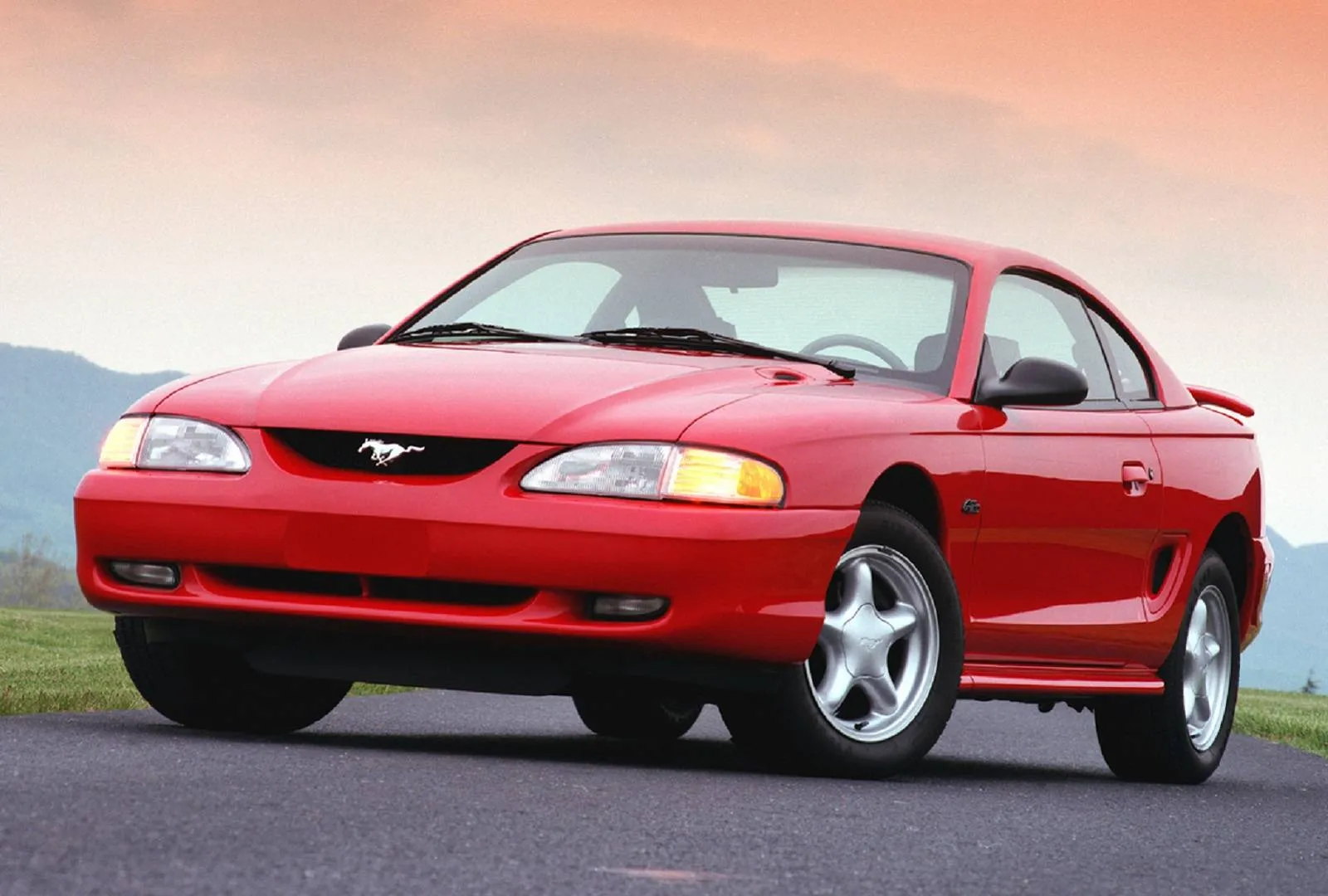
4. Ford Mustang GT SN95 1996 to 2004
The Ford Mustang GT SN95, manufactured from 1996 to 2004, offers a distinctly different learning experience shaped by torque and mechanical honesty. Powered by a V8 engine, this model delivers immediate low-end output that allows slide initiation with minimal effort.
Such responsiveness enables beginners to understand throttle influence quickly, as even small pedal movements produce noticeable changes in rear wheel behaviour.
Chassis behaviour feels direct and uncompromising. A solid rear axle design produces predictable breakaway patterns, allowing drivers to sense rear traction limits clearly.
Uneven road surfaces can influence balance during a slide, requiring attentive control and steady inputs. Learning under these conditions builds respect for weight transfer, throttle modulation, and steering timing. Errors become educational rather than catastrophic, provided speeds remain reasonable.
Aftermarket support remains extensive. Suspension kits, braking upgrades, steering improvements, and drivetrain components are widely available at accessible prices. Replacement body panels are inexpensive, which reduces anxiety during early practice sessions where minor contact may occur.
Mechanical simplicity allows straightforward repairs, supporting hands-on learning and ownership confidence. Cabin layout suits practice-oriented use. Controls are clearly arranged, and seating positions support effective pedal control.
Visibility assists spatial awareness, particularly when practicing close-proximity manoeuvres or driving through confined training areas. Interior materials prioritise function over luxury, aligning with the vehicle’s performance-driven character.
Fuel consumption exceeds that of smaller platforms, though parts affordability offsets this consideration. Insurance costs often remain manageable due to vehicle age. This Mustang teaches power control at an early stage, encouraging restraint and respect for output.
Skills developed here prepare drivers for higher-powered platforms while reinforcing disciplined habits that support long-term progression.
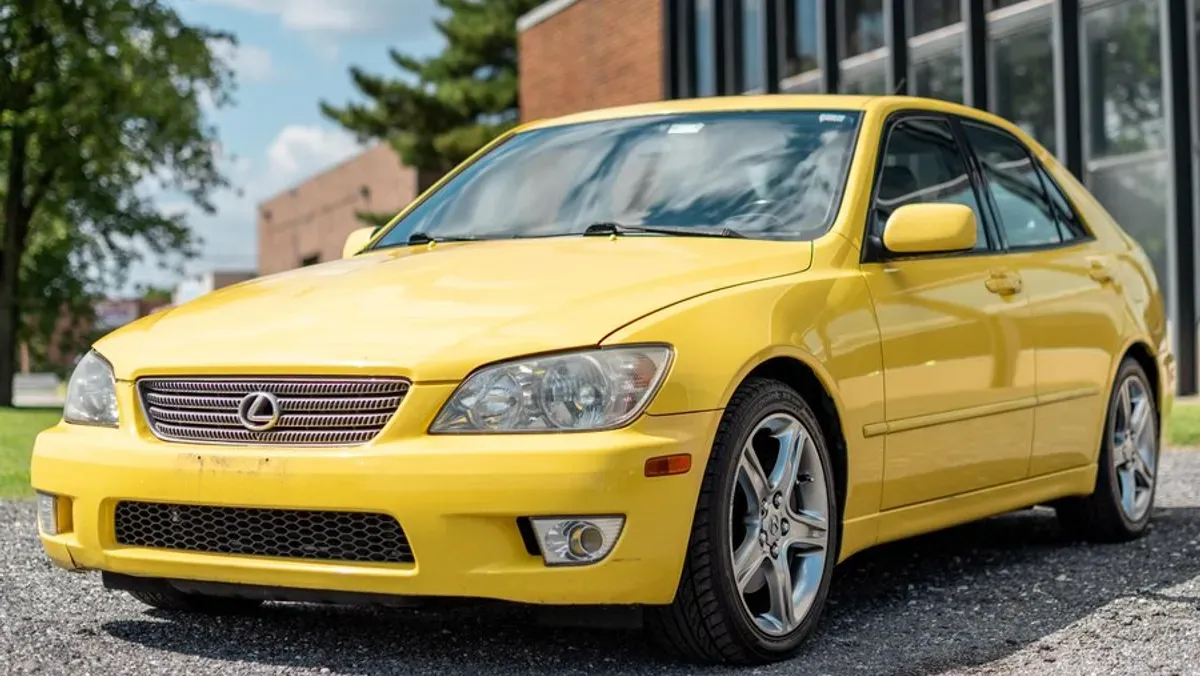
5. Lexus IS300 2001 to 2005
The Lexus IS300, produced between 2001 and 200,5 presents a composed and dependable entry into drifting for drivers who value reliability alongside performance. Beneath the bonnet sits the well-regarded 2JZ GE inline six engine, recognised for durability and smooth operation.
Power delivery remains consistent and resilient, handling repeated use without protest. Torque arrives steadily, supporting controlled slides that favour patience and accuracy rather than abrupt aggression. Factory chassis tuning prioritises comfort, yet underlying balance supports stable rear wheel movement once suspension upgrades are applied.
Improved dampers and springs transform handling characteristics without extensive modification. Weight distribution promotes stability, allowing longer slides to be maintained with confidence. Steering response remains calm and measured, reducing the likelihood of overcorrection during transitions.
Automatic transmissions appear frequently in the used market. Manual conversions remain common and affordable, though some beginners successfully practice drifting with automatic setups using careful throttle modulation and deliberate weight transfer.
Differential configuration varies by trim, and limited-slip upgrades may be required to achieve consistent traction during practice sessions. Interior quality exceeds expectations for a vehicle of this category.
Seating comfort reduces fatigue during extended sessions, while build quality supports years of continued use. Noise isolation remains effective, allowing focus without excessive cabin intrusion. Controls are logically arranged, contributing to ease of operation under demanding conditions.
Parts availability remains strong due to shared components and continued demand. Engine longevity inspires confidence, reducing concerns related to repeated practice. Used pricing stays within reach, making the IS300 an appealing choice for drivers seeking dependable performance combined with understated style.
This model teaches restraint, smooth input, and consistency, reinforcing habits that support steady improvement and long-term enjoyment.
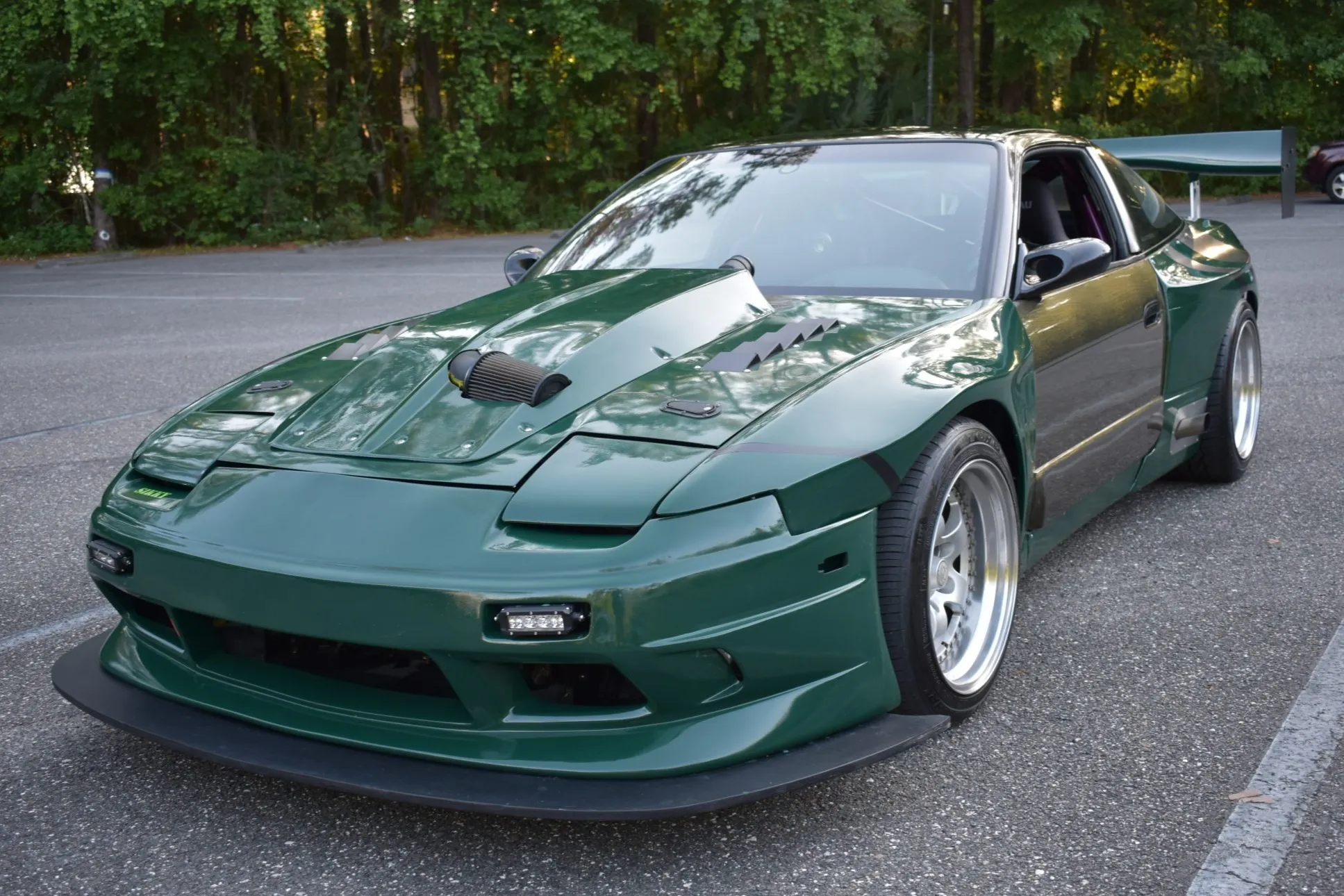
6. Nissan 240SX S13 1989 to 1994
History gives the Nissan 240SX S13 a reputation that still influences beginner drift choices today. Designed as a lightweight Rear Wheel Drive coupe, this car offers an ideal learning foundation built around balance rather than excess power.
A naturally aspirated 2.4-liter four-cylinder engine delivers manageable output, allowing new drivers to initiate slides through technique instead of brute force. Control defines the driving experience. Weight distribution feels neutral, helping the chassis rotate smoothly during transitions.
Steering feedback communicates grip changes clearly, making corrections intuitive rather than frantic. The long hood and short rear section provide excellent spatial awareness, which proves helpful during practice sessions involving cones or tandem spacing.
Mechanical simplicity works in the learner’s favor. Engine bays offer room to work, parts compatibility remains broad, and drivetrain layouts encourage hands-on understanding. Manual transmissions tolerate repeated clutch use, while differential options range from factory limited-slip units to welded setups for budget builds.
Suspension tuning remains flexible. Stock components allow entry-level practice, while coilovers and adjustable arms become available as skills progress. The aftermarket surrounding this platform remains massive, keeping costs reasonable despite rising collector interest.
Ownership requires patience when searching, as clean examples grow rarer. Still, project cars remain available for those willing to restore gradually. Body panels and interior parts stay accessible through used markets. This car teaches drifting fundamentals without distractions.
Drivers learn to feel weight movement, steering angle, and throttle modulation before chasing power. That lesson carries forward for years.
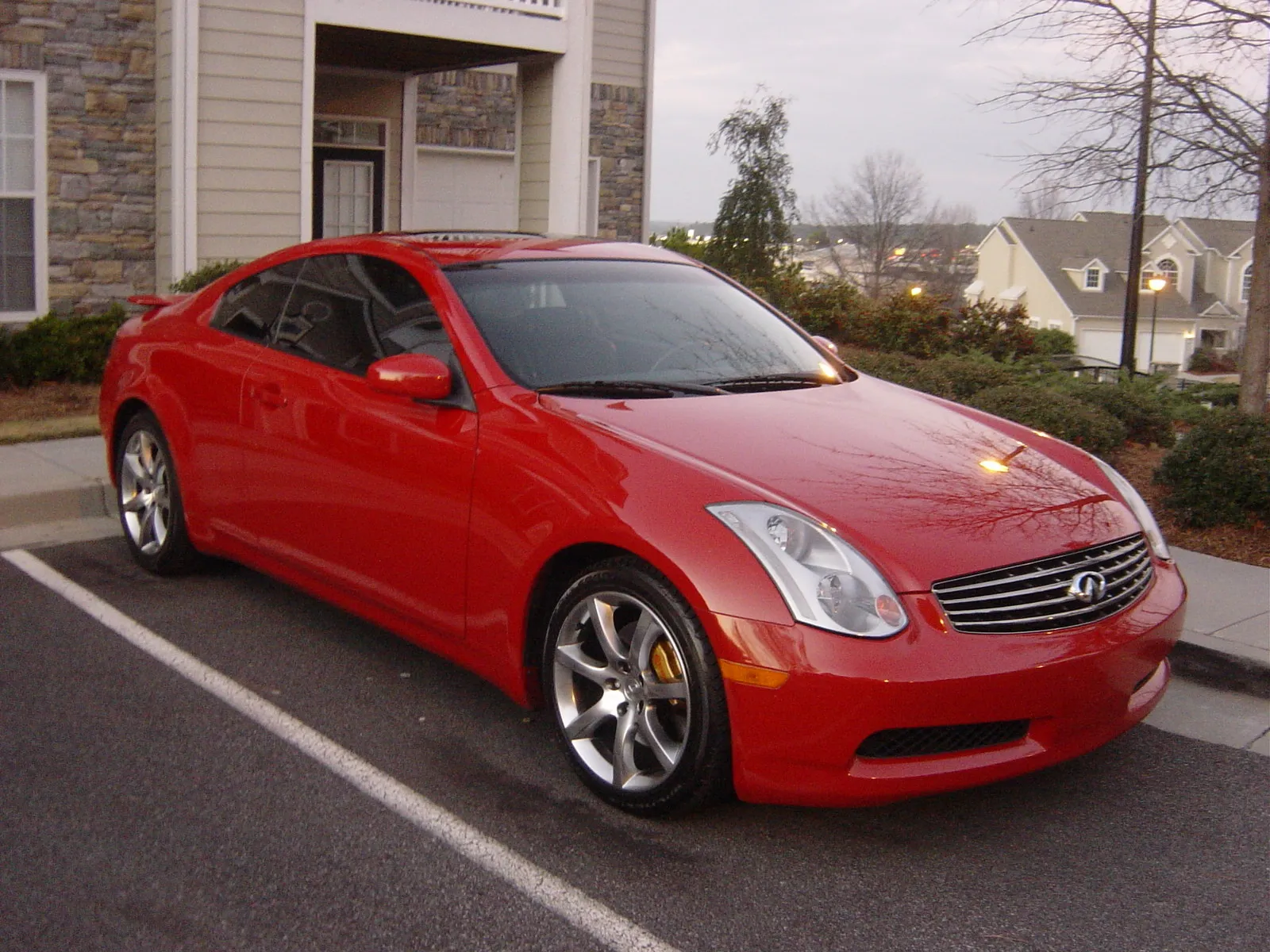
7. Infiniti G35 Coupe 2003 to 2007
The Infiniti G35 Coupe presents an ideal blend of comfort, reliability, and performance for drivers seeking to develop drifting skills without excessive intimidation. Sharing its platform with the Nissan 350Z, this vehicle features a longer wheelbase and factory suspension tuned slightly softer, producing a more forgiving experience for beginners.
Power comes from a 3.5 litre V6 engine that delivers torque smoothly and predictably, enabling slide initiation through measured throttle inputs rather than abrupt clutch or steering maneuvers. This consistent power curve encourages precision and careful modulation, which are essential during the early stages of skill acquisition.
Chassis dynamics promote stability during transitional moments. Extended dimensions reduce sudden rotational tendencies, allowing drivers to maintain the angle for longer periods while practising cornering techniques. Steering is responsive, providing clear feedback that assists in anticipating grip limits and adjusting inputs accordingly.
Braking performance remains dependable through repeated sessions, offering consistent deceleration without loss of control. Although the G35 Coupe carries more mass than smaller vehicles such as the Mazda MX-5, weight distribution remains well balanced when the suspension is properly maintained or upgraded.
Interior attributes support extended training sessions. Seats provide firm yet comfortable support, reducing fatigue during long driving exercises. Climate control ensures a stable cabin environment, while sound insulation moderates road and engine noise without isolating critical mechanical feedback.
Visibility is effective for a coupe configuration, enhancing spatial awareness during maneuvers that demand precise positioning. Controls are logically arranged, allowing drivers to maintain focus on technique rather than adjusting to poorly placed instruments or switches.
Aftermarket support mirrors that of the 350Z community, providing extensive options for suspension upgrades, differential enhancements, and brake improvements. Manual transmissions are preferred for practice due to more direct driver engagement, although automatic variants are accessible and suitable for drivers intending to upgrade later. The drivetrain is resilient, with routine maintenance ensuring longevity even under repeated slide training.
Running costs remain practical, supported by shared components with other Nissan and Infiniti platforms. Engine durability and consistent torque output reward patience and smooth throttle control. Beginners quickly learn to trust the chassis, understanding the balance between weight, steering, and power application.
The Infiniti G35 Coupe fosters skill development through repetition and feedback, teaching drivers how to manage momentum effectively without pressure from excessive power, making it a reliable and approachable option for those entering drifting.
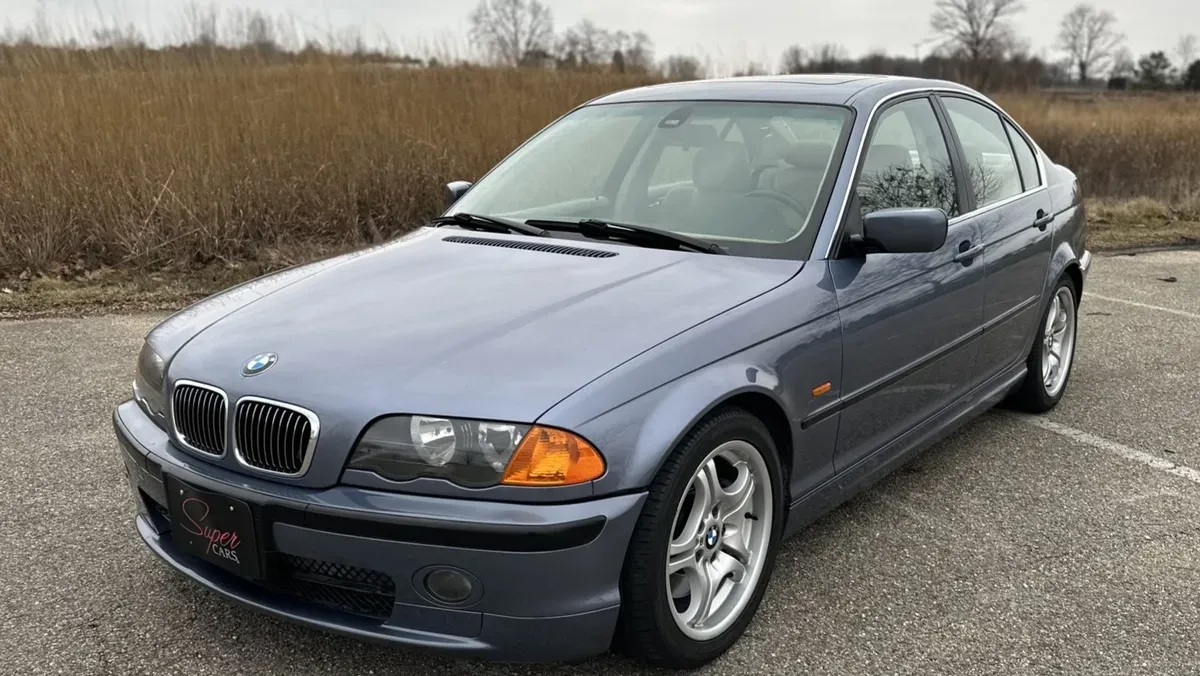
8. BMW 330i E46 2001 to 2005
Precision defines the driving character of the BMW 330i E46 produced between 2001 and 2005. This model is powered by a naturally aspirated 3.0-litre inline six engine that delivers smooth and evenly distributed torque.
Power delivery builds in a steady manner, allowing drivers to maintain control while learning controlled rear wheel slides. Rather than overwhelming the driver, the engine responds predictably, making it suitable for disciplined practice sessions focused on technique development.
Chassis balance plays a major role in this vehicle’s suitability for drifting. Rear wheel drive configuration combines with refined suspension geometry to create a stable yet responsive platform. Steering feedback remains clear and communicative, assisting drivers in placing the vehicle accurately during transitions.
Standard factory suspension components already provide respectable handling, while aftermarket upgrades improve consistency and response for those seeking further refinement without high cost. Differential setup deserves attention. Certain trims were delivered without limited-slip differentials, which can restrict traction during practice.
Affordable aftermarket solutions are widely available, while welded differentials remain a popular option for entry-level drift use. Manual transmissions fitted to this model tolerate repeated clutch engagement when proper servicing is maintained, supporting continuous learning without frequent mechanical failure.
Interior design supports concentration and comfort. Seating position aligns naturally with steering and pedal placement, reducing fatigue during extended driving sessions. Controls are logically arranged, encouraging intuitive operation even under demanding conditions.
Cabin materials demonstrate durability, holding up well against repeated use. Noise insulation remains adequate, allowing drivers to focus on vehicle behaviour rather than distraction. Care requirements include attention to cooling components and suspension bushings, areas commonly addressed by owners.
Replacement parts remain accessible and reasonably priced. Strong community knowledge supports troubleshooting and improvement. Through balanced handling and dependable engineering, the BMW 330i E46 teaches drifting as an exercise in rhythm, restraint, and timing. Skills developed here transition smoothly to more powerful platforms later.
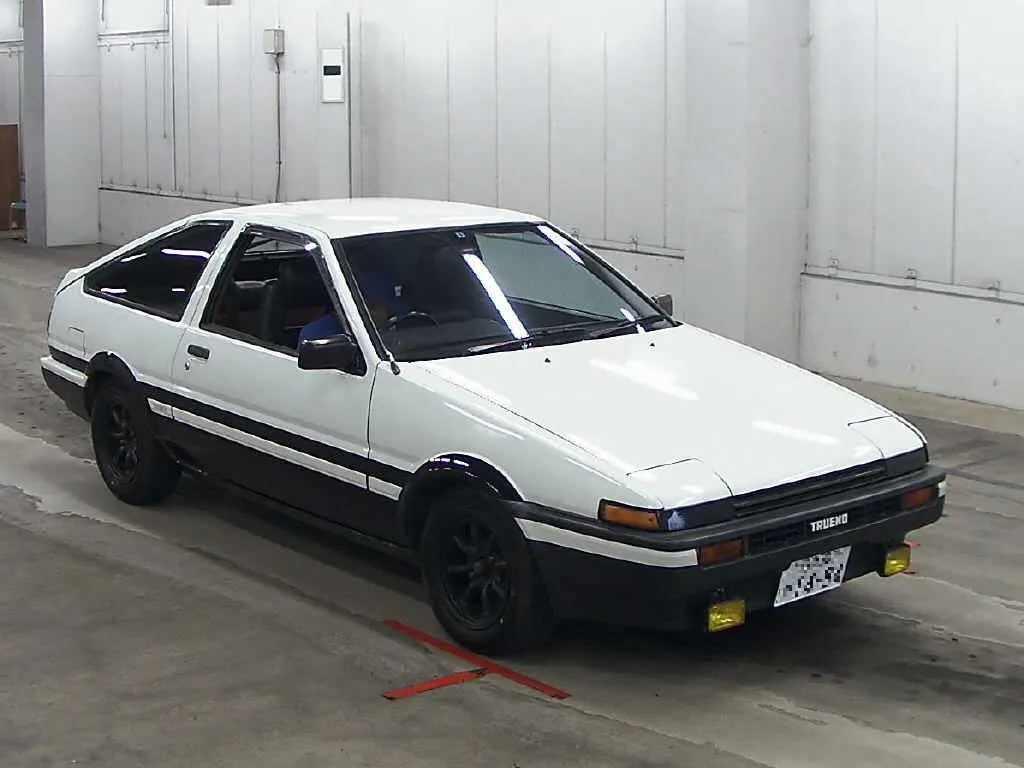
9. Toyota Corolla AE86 1983 to 1987
The legacy of the Toyota Corolla AE86 spans 1983 to 1987. Built with lightweight construction and a Rear Wheel Drive layout, this model serves as a focused training platform for mastering drifting fundamentals. A naturally aspirated 1.6 litre four cylinder engine powers the vehicle, emphasizing momentum management rather than raw output.
Drivers must rely on precision and timing rather than acceleration alone. Driving an AE86 demands commitment and attention. Slide initiation depends on accurate weight transfer, controlled clutch engagement, and measured steering input.
Errors become immediately apparent, encouraging rapid adjustment and improvement. Limited power output reduces risk while increasing educational value, allowing drivers to refine technique without excessive speed.
Chassis response remains sharp due to the short wheelbase. Rotation occurs quickly when inputs are correct, rewarding disciplined control. Suspension options range from standard components to fully adjustable systems, supporting gradual progression as skills improve.
Aftermarket support remains extensive despite rising market values, ensuring the availability of essential components.
Engine durability remains dependable when basic servicing is observed. Replacement parts continue to circulate through specialist suppliers and shared component networks.
Mechanical simplicity allows owners to understand vehicle behaviour more deeply. The interior layout reflects a functional design, removing unnecessary distractions and supporting focused driving. Market prices have increased, yet project vehicles remain available for dedicated buyers.
Restoring and preparing an AE86 requires patience, though rewards include unmatched learning potential. This vehicle teaches restraint, awareness, and control at a fundamental level.
Mastery gained through this platform builds confidence and adaptability, preparing drivers for more powerful machines while reinforcing disciplined driving habits that remain valuable throughout any drifting journey.
Also Read: 5 Cars That Owners Keep Long-Term in Cities vs 5 That Don’t Work
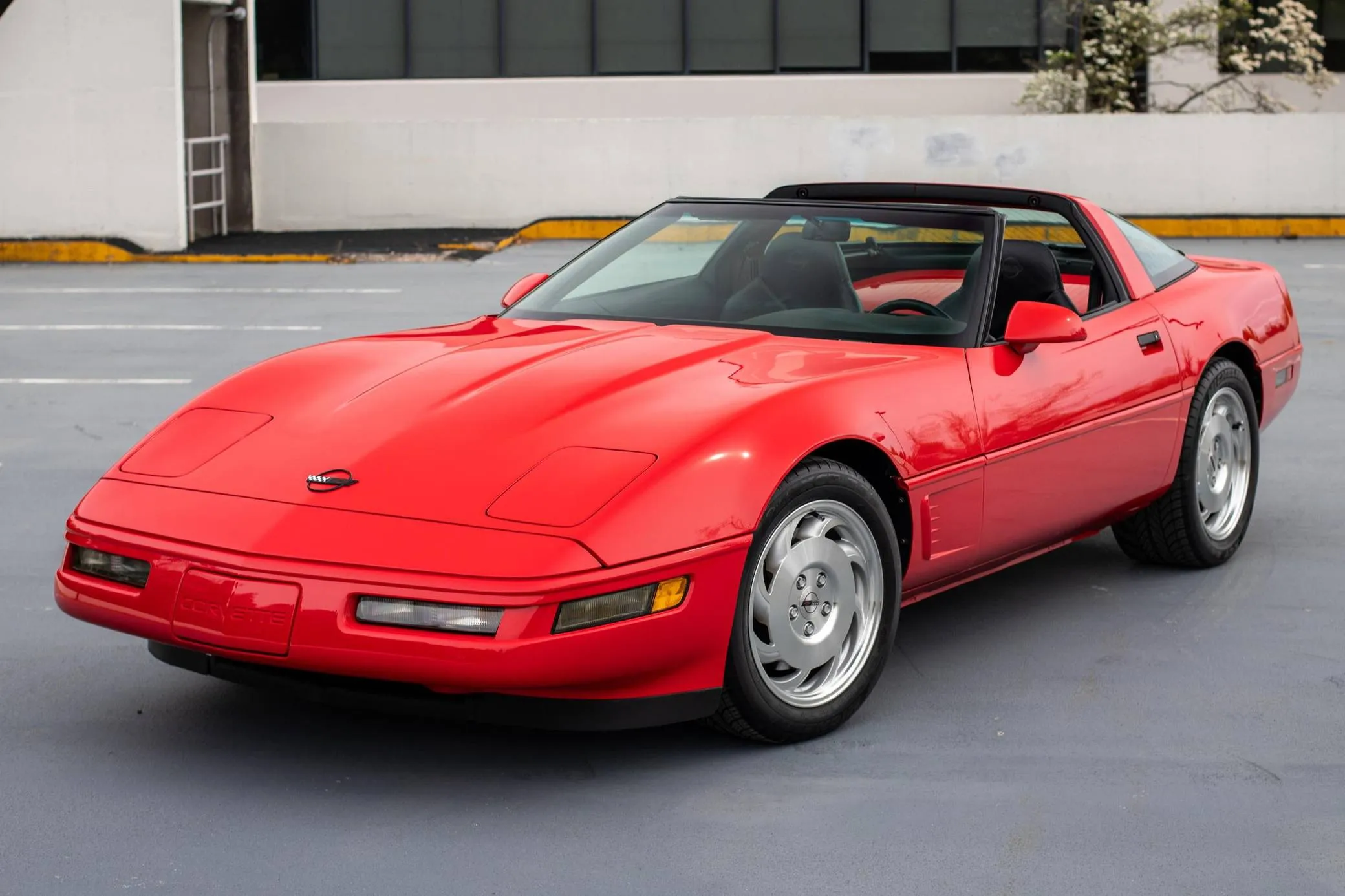
10. Chevrolet Corvette C4 1984 to 1996
American engineering defines the Chevrolet Corvette C4, produced from 1984 to 1996. This model combines lightweight fiberglass body panels with a front engine, rear wheel drive layout that delivers strong balance during performance driving.
V8 power provides torque-rich output, enabling effortless slide initiation with minimal throttle input. Such characteristics make early practice accessible while demanding respect from the driver. Wheelbase length contributes to stability during sustained drifts.
Compared to shorter platforms, the C4 remains composed when maintaining angle, assisting beginners in learning throttle modulation. Suspension tuning prioritises grip from the factory, though adjustments improve predictability during sideways movement.
Steering response feels direct and communicative, rewarding smooth control while discouraging abrupt actions. Interior presentation reflects the design priorities of its era. Clear instrumentation allows drivers to monitor vehicle behaviour easily.
Seating provides sufficient support during lateral movement, reducing fatigue. Visibility remains adequate, assisting spatial awareness during practice sessions. Cabin simplicity suits performance use without unnecessary complication.
Parts availability continues to support ownership. Engines demonstrate resilience under repeated use when maintained properly. Aftermarket support offers suspension components, brake upgrades, and drivetrain solutions at a reasonable cost. Insurance expenses often remain manageable due to vehicle age, supporting budget-conscious ownership.
Learning to drift in a Corvette C4 builds throttle discipline rapidly. High torque output highlights mistakes clearly, encouraging measured inputs and calm correction. Drivers who respect the vehicle’s power benefit from a rewarding learning environment.
This platform demonstrates that entry-level drifting does not require minimal output, but rather controlled use of available strength combined with patience and steady improvement.
