
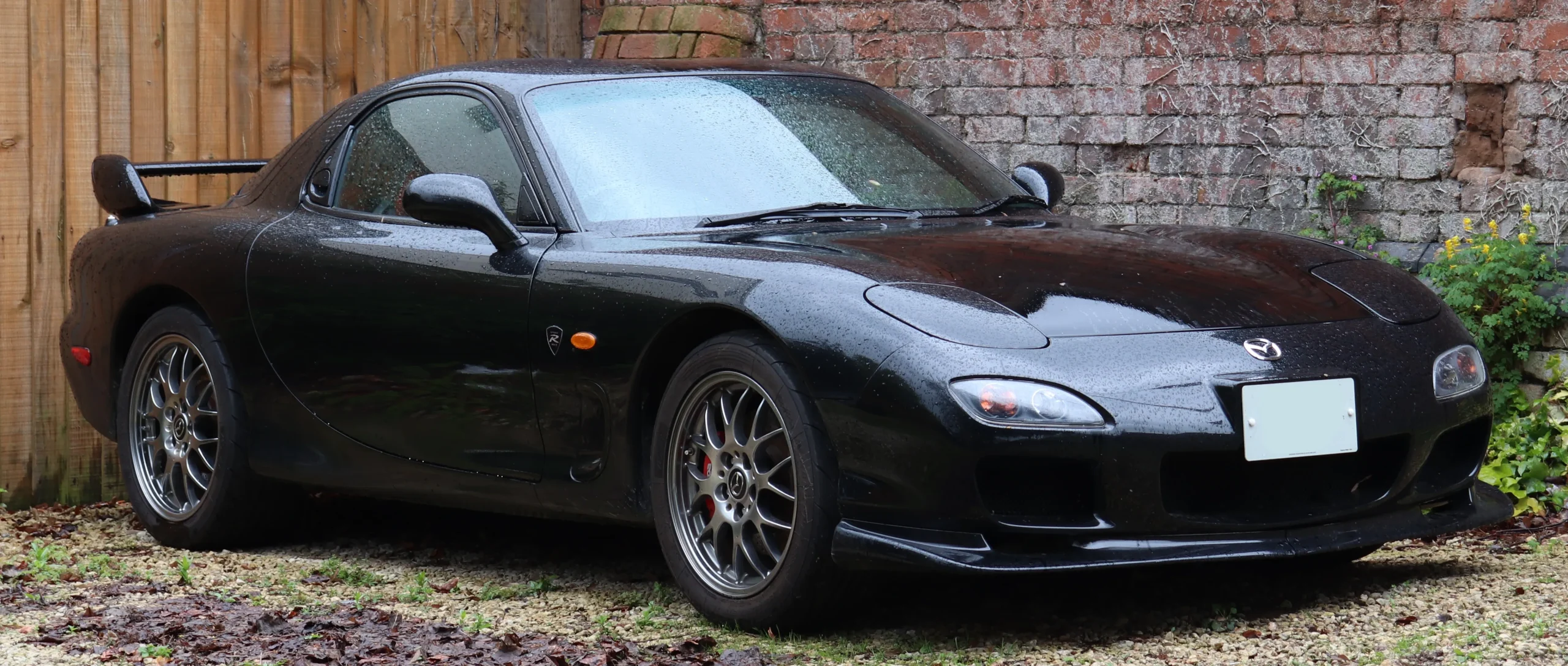
Mazda has always carved a special place in automotive culture. Their vehicles strike a rare balance between everyday practicality and engaging performance, giving drivers a feeling that transcends mere transportation.
From nimble sports cars to sharp handling sedans, Mazda designs invite interaction, rewarding attention with a tangible sense of connection. For enthusiasts, driving a Mazda is more than just acceleration and handling; it is an exercise in precision, rhythm, and enjoyment.
One of the hallmarks of Mazda’s philosophy is the “Jinba Ittai” principle, which emphasizes the unity between car and driver. Each press of the pedal or turn of the wheel carries feedback that encourages deliberate inputs.
Whether it is a corner taken on a mountain road or a spirited session through city streets, Mazdas communicate clearly, making driving an engaging art rather than a chore. Beyond driving dynamics, Mazda vehicles often surprise with stylish yet restrained designs, blending clean lines with purposeful shapes that age gracefully.
Innovation appears across their history as well. The rotary engine, most famously found in the Mazda RX-7, challenged conventions while providing a unique driving experience unmatched by piston engines
. Meanwhile, models like the Mazda MX-5 Miata have redefined sports car enjoyment for decades, emphasizing lightness, agility, and driver focus over sheer horsepower.
Each generation introduces subtle improvements in performance, handling, and comfort, preserving the brand’s DNA while remaining accessible to enthusiasts. This article will highlight ten Mazda vehicles that every car enthusiast should experience firsthand.
Each model has contributed uniquely to Mazda’s legacy, combining engineering ingenuity with driving pleasure. From compact coupes to high-revving sports cars, the selection demonstrates the brand’s versatility, rewarding drivers who value engagement, mechanical sympathy, and style.
By examining performance, design, and driver interaction, the following list will provide both inspiration and insight, encouraging enthusiasts to seek these cars out and appreciate the aim of Mazda’s approach to motoring.
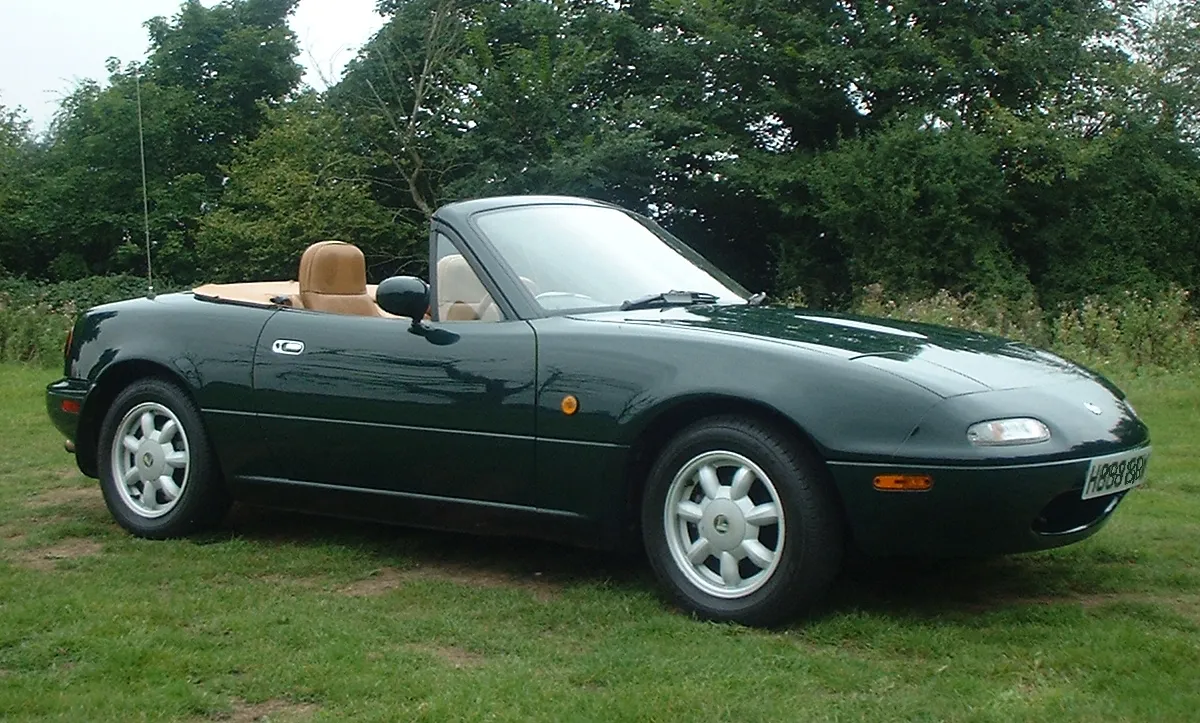
1. Mazda MX-5 Miata NA 1989 to 1997
The first-generation Mazda MX-5 Miata, designated NA, became an instant legend when it arrived in 1989. This lightweight roadster was built on simplicity, Rear Wheel Drive dynamics, and precise engineering. With a 1.6 to 1.8 liter inline four engine producing modest power, the Miata emphasized driver involvement rather than raw output.
Handling comes alive with weight so low and balanced that every turn, throttle input, and brake modulation becomes a lesson in finesse. Steering is communicative and light, yet precise. The car responds directly to inputs, giving immediate feedback without unpredictability.
Suspension tuning encourages smooth cornering while maintaining compliance over uneven surfaces. Its small size and responsive nature allow drivers to exploit its balance on winding roads with confidence. Braking is firm and consistent, reinforcing the sense of control that this car instills in its pilot.
The interior mirrors the Miata’s philosophy. Controls are minimalistic, yet ergonomically designed, allowing the driver to focus entirely on driving. Seating offers support without being restrictive, and visibility is excellent for both spirited driving and casual touring. Noise levels remain engaging yet unobtrusive, adding to the immersive experience.
Ownership remains accessible. Parts are widely available, and aftermarket support is extensive, reflecting the car’s enduring popularity. Reliability is strong for a sports car, requiring routine care rather than extravagant upkeep.
For enthusiasts, the NA Miata serves as an introduction to the pure joy of driving, teaching balance, timing, and confidence. Experiencing its light steering, immediate throttle response, and nimble handling remains a benchmark for what a roadster should feel like.
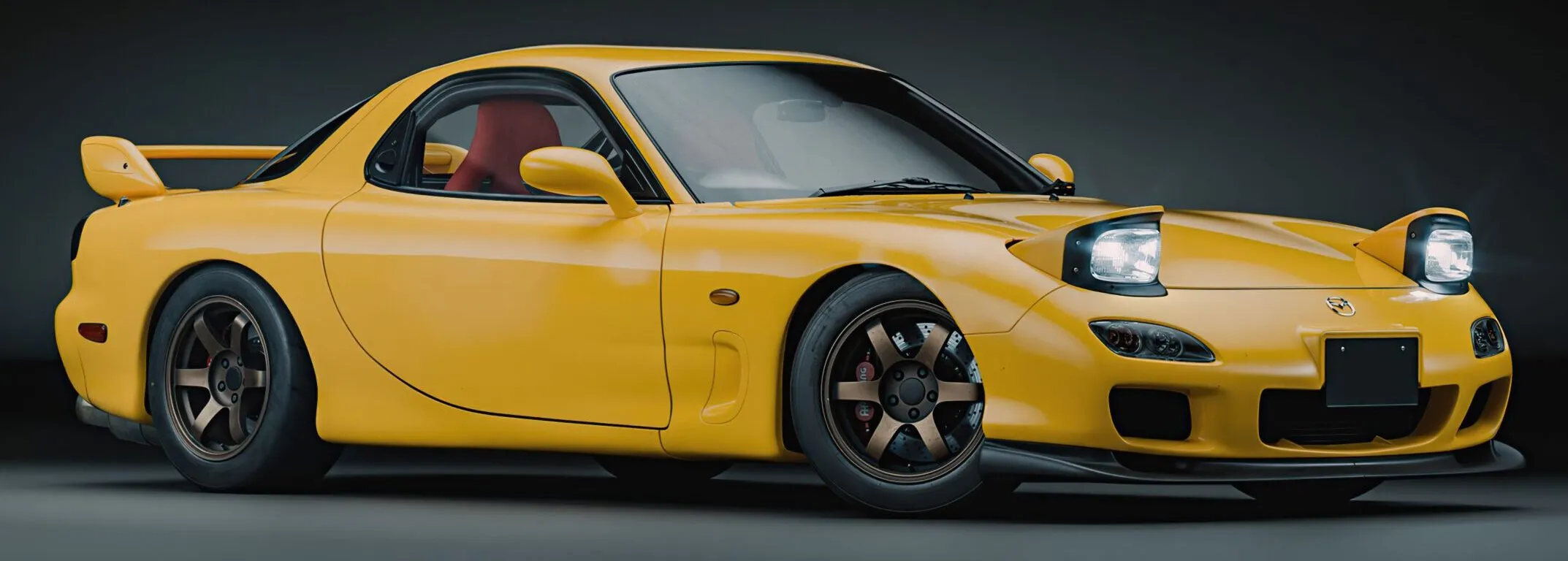
2. Mazda RX-7 FD 1992 to 2002
The third-generation Mazda RX-7, known as the FD, represents rotary engineering at its peak. Its 1.3-liter twin-rotor engine with sequential twin turbochargers produces an intoxicating blend of high-revving power and light chassis agility.
Unlike conventional engines, the rotary unit delivers smooth, linear torque, encouraging precise throttle control while rewarding drivers who maintain rev discipline. Acceleration feels both rapid and harmonious, building excitement with every gear change.
Chassis design complements the engine’s performance. Lightweight construction, low center of gravity, and rear wheel drive combine to create an agile platform ideal for enthusiastic driving. Suspension geometry allows confident cornering while maintaining composure under high lateral forces.
Steering remains direct and communicative, reinforcing the car’s playful nature while encouraging measured aggression in curves. Interior spaces in the RX-7 FD are compact yet driver-centric. The seating position places the driver low, enhancing road feel and control.
Gauge clusters are clear and oriented toward performance monitoring, while materials maintain a durable, purposeful feel. The cabin avoids unnecessary complications, ensuring that focus remains on the driving experience rather than distractions.
Parts and maintenance require attention due to the rotary engine’s specific needs, including regular monitoring of apex seals and oil consumption. Despite this, the FD remains a revered machine, with a strong enthusiast community offering knowledge, aftermarket upgrades, and support.
Driving the RX-7 FD provides an education in high-rev mechanics, responsive handling, and precision vehicle control, leaving a lasting impression on anyone who experiences its unique combination of performance and engagement.
Also Read: 5 Subaru Crossovers That Are Better Than 5 Mazda Crossovers
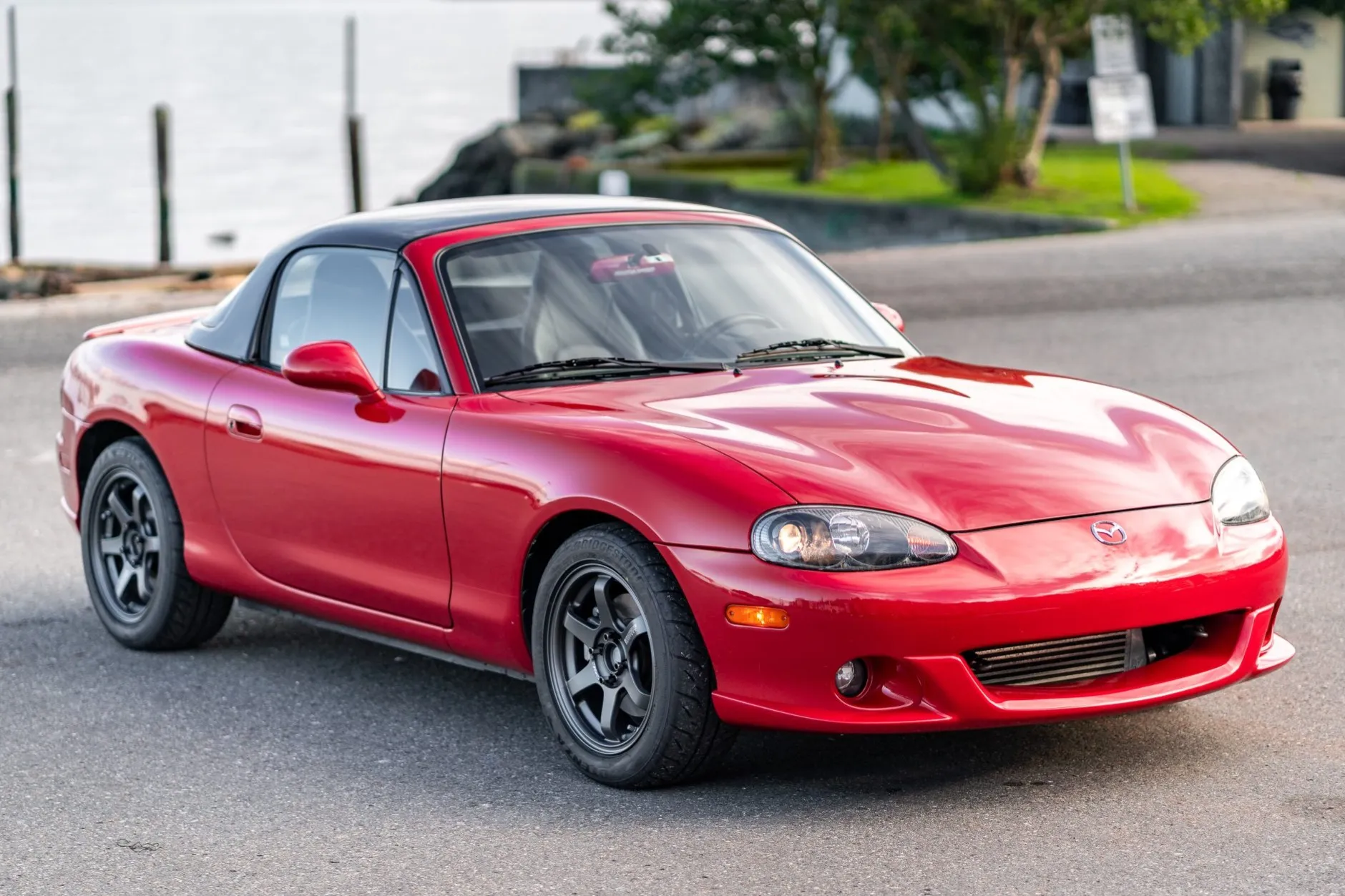
3. Mazda MX-5 Miata NB 1998 to 2005
Second-generation MX-5 Miata, known as NB, carries forward the philosophy of the NA while incorporating modern refinements. With a slightly more powerful 1.8-liter inline four engine and updated suspension design, the NB enhances drivability without sacrificing purity.
Its lightweight structure ensures that cornering remains fluid, while the engine encourages smooth revving and precise throttle inputs. Chassis improvements allow more stability at higher speeds. Steering remains direct, yet subtle refinements create a more refined feel under aggressive driving.
The suspension absorbs road imperfections while transmitting enough feedback to keep the driver informed about grip limits. Braking continues to be precise and progressive, supporting confidence in spirited driving situations.
Interior upgrades improve comfort without diluting engagement. Seats are supportive and ergonomically positioned, instrument clusters provide clear performance data, and cabin materials resist fatigue during extended drives. The convertible design retains open-air appeal, enhancing sensory feedback and emotional connection to the driving process.
Ownership of the NB remains practical. Parts are affordable and abundant, and aftermarket support continues to grow, providing suspension, braking, and performance modifications for enthusiasts. The car serves as a bridge between pure analog driving of the NA and later generations with more technology, preserving the feeling of connection while introducing minor conveniences.
Experiencing an NB Miata reminds drivers why Mazda’s philosophy of lightness and driver engagement remains influential, blending usability with enthusiasm in an approachable package.
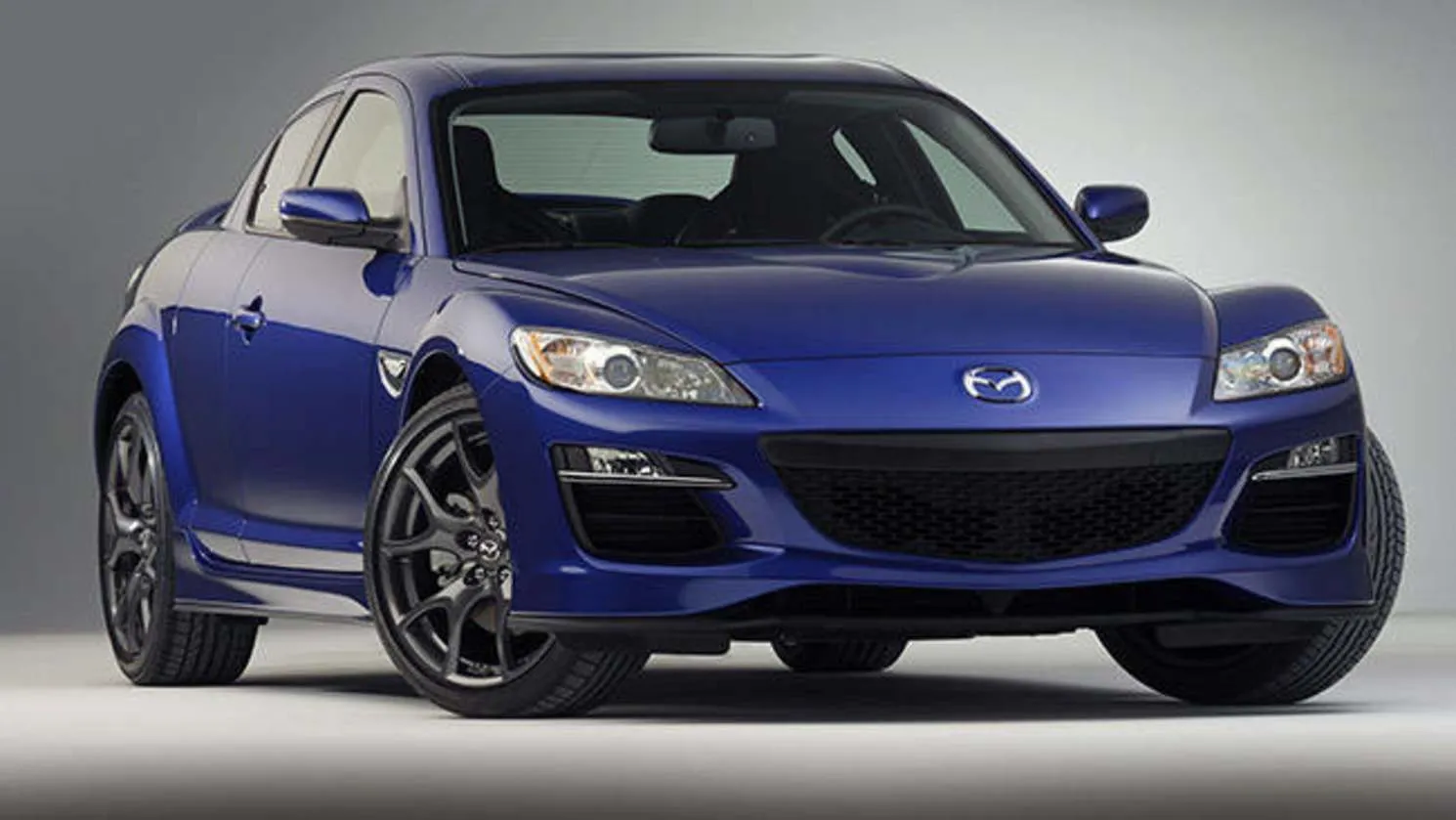
4. Mazda RX-8 2003 to 2012
The Mazda RX-8 stands as a distinct chapter in rotary engine development, following the legacy of the RX-7 while offering a unique interpretation of everyday sports car usability. Central to its identity is the 1.3-liter Renesis rotary engine, producing 232 horsepower through naturally aspirated power delivery.
Unlike conventional piston engines, the RX-8’s rotary unit revs freely, rewarding precise throttle modulation and creating a high-pitched, engaging sound that becomes a defining feature of its character. Torque delivery remains linear, providing confidence during mid-corner acceleration while allowing drivers to see the limits of traction with predictable feedback.
Rear Wheel Drive architecture contributes to the RX-8’s poised handling. With nearly perfect 50:50 weight distribution, the lightweight chassis allows rotation to occur smoothly during spirited driving. Double wishbone suspension at the front and a multi-link rear layout promote sharp turn-in, precise body control, and direct communication through the steering wheel.
Drivers experience a sense of immediacy and connection, making transitions between corners feel natural rather than forced. Even during aggressive maneuvers, the chassis encourages careful input timing rather than brute force, cultivating skillful driving habits that extend beyond the RX-8.
Interior design balances practicality with driver focus. The RX-8 features four doors, enhancing accessibility while maintaining a cockpit-like feel for the front occupants. Seats provide adequate support during spirited maneuvers, and materials combine durability with comfort for extended driving sessions.
Controls remain logically positioned, minimizing distraction and allowing focus on speed, steering, and vehicle dynamics. Cabin acoustics maintain enough engine noise to engage the senses without causing fatigue, establishing an immersive connection between the driver and the mechanical components.
Ownership requires diligence, particularly in maintaining the rotary engine’s apex seals and monitoring oil consumption. Regular inspection, attention to cooling, and understanding the engine’s unique requirements improve reliability and sustain long-term performance.
Aftermarket support is extensive, offering enhancements for suspension, brakes, and performance tuning, making it accessible for enthusiasts aiming to push limits safely. Driving the RX-8 emphasizes high-rev operation, smooth weight transfer, and balanced chassis control, providing lessons in precise inputs and vehicle rhythm.
For those seeking a sports car that combines exhilaration with technical refinement, the RX-8 remains a platform that rewards attention, patience, and respect for rotary engineering.
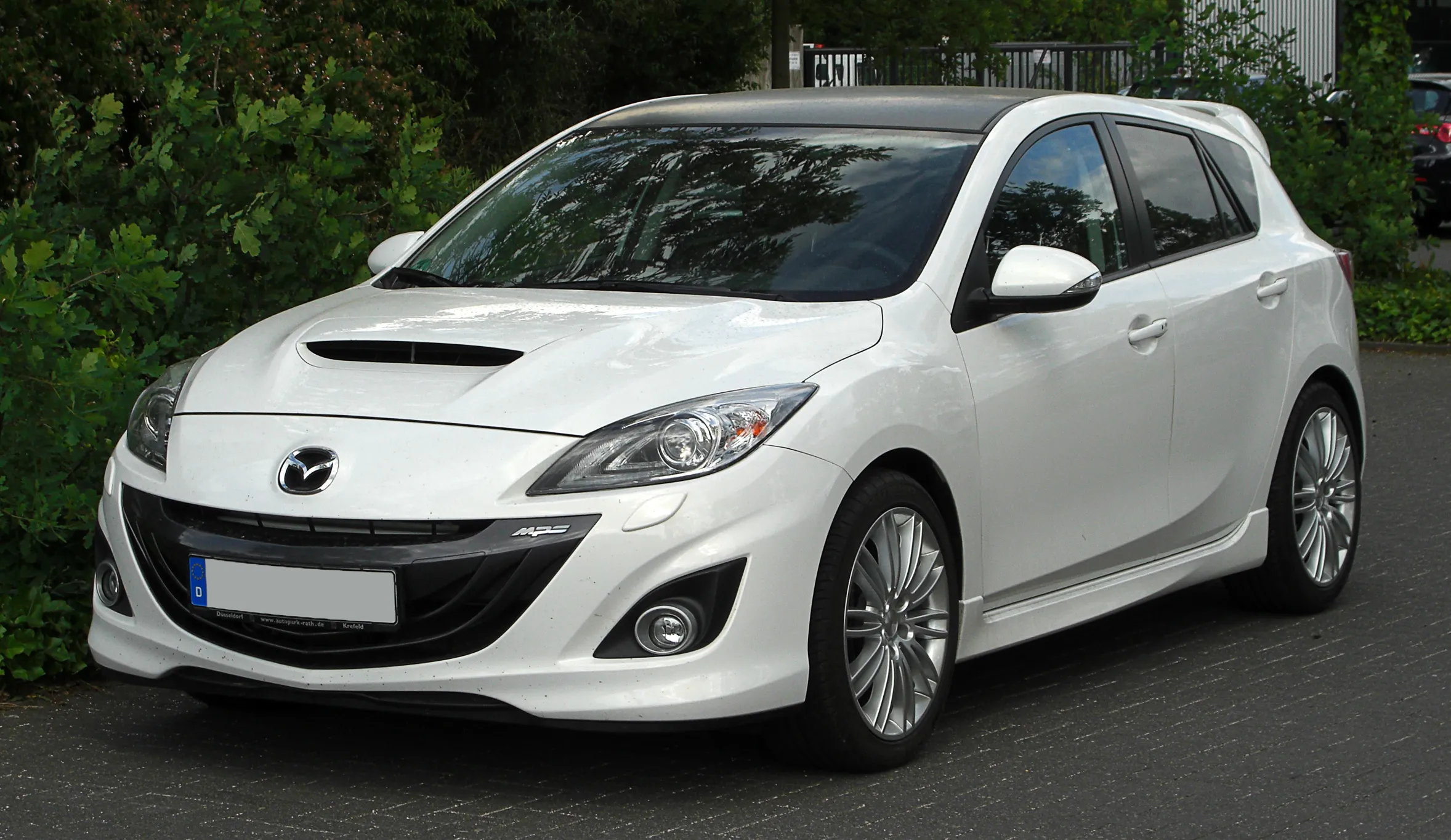
5. Mazda Mazdaspeed3 2007 to 2013
The Mazdaspeed3 offers compelling differences to lightweight roadsters by introducing forced induction and Front Wheel Drive dynamics into a practical hatchback package. Powered by a 2.3-liter turbocharged inline four engine, producing 263 horsepower, it delivers instant torque that rewards controlled acceleration and careful throttle application.
Drivers experience brisk, assertive performance without needing to sacrifice daily usability, making it an ideal introduction to turbocharged dynamics. Unlike traditional Rear Wheel Drive sports cars, the Mazdaspeed3 challenges the driver to manage understeer tendencies while encouraging smooth modulation of both throttle and steering to maintain vehicle balance.
Chassis and suspension tuning contribute to confident handling despite the higher curb weight of a five-door hatchback. Reinforced subframes and sport-tuned dampers reduce unwanted flex, while MacPherson strut front suspension and multi-link rear geometry provide predictable responses during cornering.
Steering is precise and communicates grip limits effectively, allowing drivers to anticipate traction thresholds. Brake components remain robust, offering reliable stopping power through repeated spirited sessions, ensuring the car remains capable even under aggressive driving conditions.
Interior design emphasizes functionality with a sporty flair. Seats deliver lateral support for spirited cornering, while instrument clusters provide clear information on speed, boost, and engine behavior. Controls remain intuitive, allowing the driver to maintain focus during intense driving without distraction.
Cabin materials combine durability with comfort, ensuring that daily commuting does not feel detached from the car’s performance-oriented nature. Aftermarket support expands the car’s potential. Turbo upgrades, suspension kits, and brake enhancements offer performance progression while keeping ownership accessible.
Parts availability is strong, and routine servicing ensures long-term reliability for enthusiasts seeking spirited driving. Engaging the Mazdaspeed3 teaches the principles of front wheel drive performance, including throttle balance, weight transfer management, and cornering with limited grip.
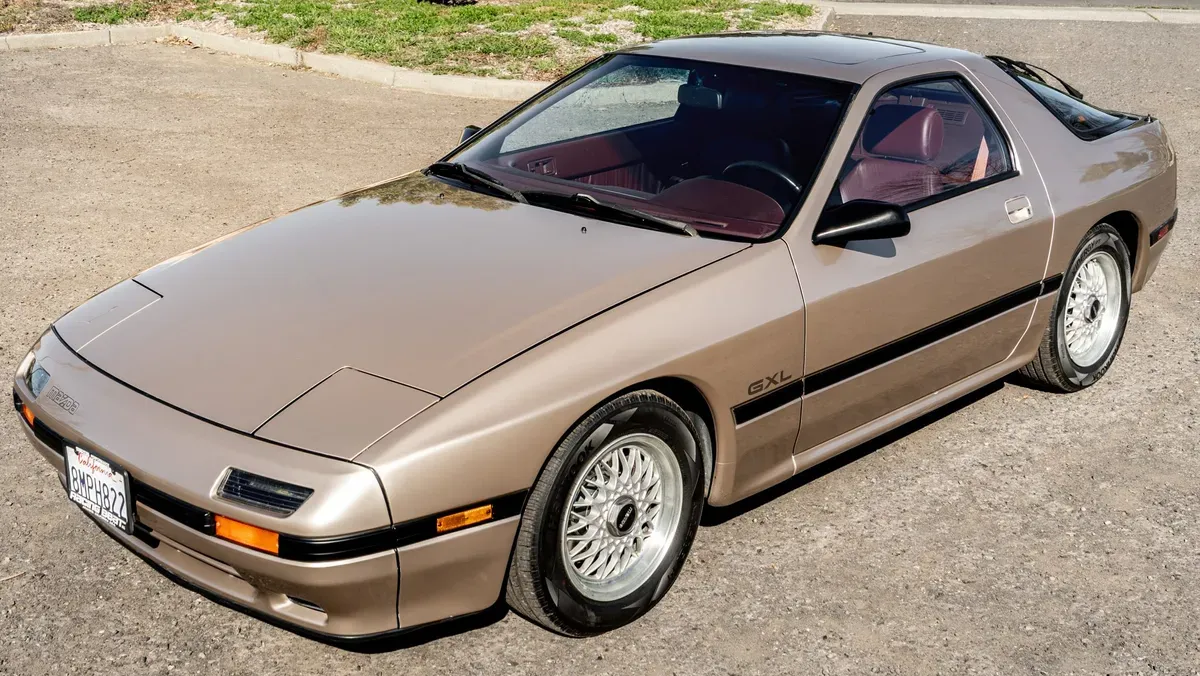
6. Mazda RX-7 FC 1986 to 1992
The second-generation Mazda RX-7, commonly referred to as the FC, marked a move toward turbocharged performance while retaining the compact agility of its predecessor. Equipped with a 1.3-liter rotary engine, either naturally aspirated or turbocharged depending on trim, the FC provides a thrilling driving experience while rewarding precise control.
Turbo models deliver smooth, linear power, which encourages careful throttle modulation and teaches drivers how to balance corner entry with acceleration without inducing sudden oversteer. Handling is one of the FC’s defining traits.
Its lightweight construction and rear wheel drive layout allow the car to rotate predictably through turns, giving drivers confidence as speed increases. Suspension tuning is responsive, offering a balance between comfort and high-speed composure.
Steering communicates front-end grip effectively, allowing immediate corrections and supporting gradual skill development. This combination makes the FC an ideal platform for enthusiasts seeking to refine both high-speed control and the subtleties of vehicle balance.
Cabin design prioritizes driver focus. Seats provide adequate support, while the dashboard layout emphasizes essential controls and performance feedback. Visibility remains excellent for the coupe’s size, enabling drivers to monitor apex points and track positioning clearly.
The lightweight nature of the interior contributes to the whole driving experience, ensuring that every input is felt without unnecessary distractions. Ownership of the RX-7 FC requires attention to fluid levels and regular service intervals, especially for turbocharged variants.
Despite the rotary engine’s unique requirements, parts remain accessible through aftermarket suppliers and specialty vendors. Enthusiasts appreciate the FC for its ability to provide a rotary experience with manageable costs compared to the FD generation.
Driving the FC teaches precision and timing. Power delivery encourages smooth throttle control, while chassis responsiveness rewards well-timed steering inputs. The car instills an understanding of vehicle dynamics that remains useful across higher-performance platforms.
For enthusiasts, the RX-7 FC represents a critical step in experiencing rotary power while engaging in an agile, communicative package that still offers classic sports car excitement.
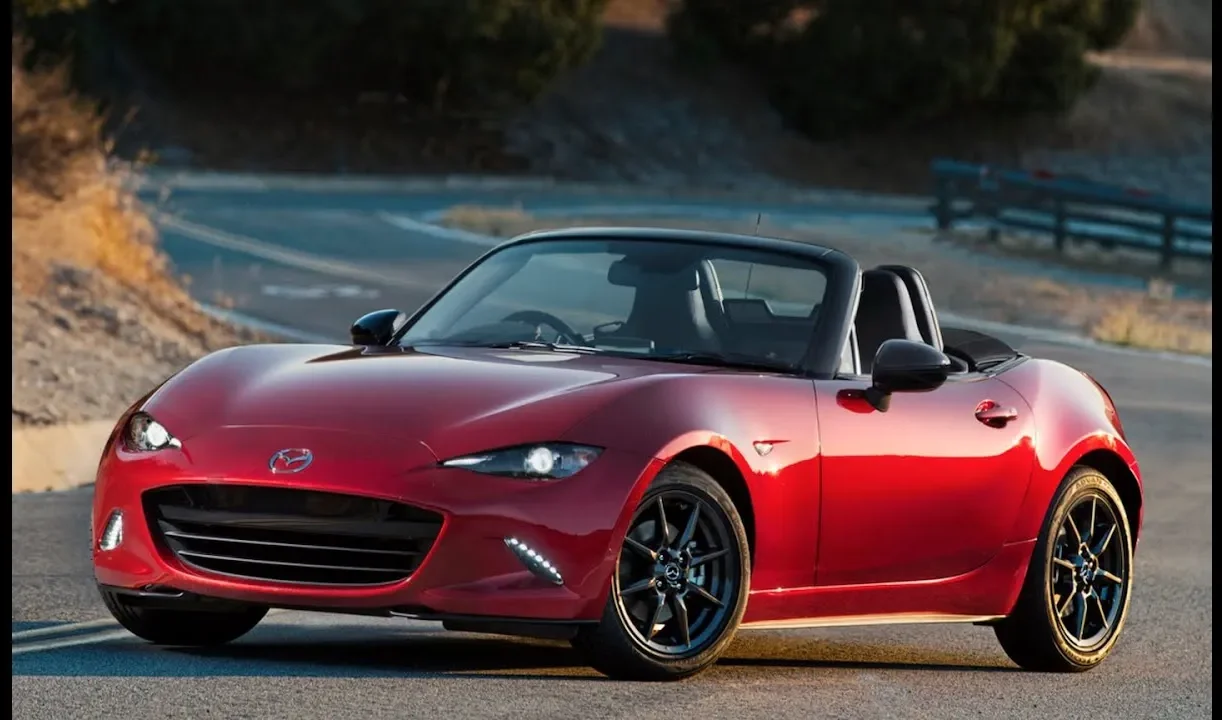
7. Mazda MX-5 Miata ND 2016 to Present
The fourth-generation MX-5 Miata, designated ND, continues Mazda’s commitment to lightweight, driver-focused roadsters while introducing modern engineering refinements. Powered by a 2.0-liter inline four engine, this generation emphasizes efficiency, precise throttle response, and a responsive chassis.
Despite modest horsepower, the ND’s low weight and near-perfect balance provide an exhilarating driving experience that feels far more aggressive than numbers alone suggest. Handling remains at the core of the ND experience.
Double wishbone front suspension and multi-link rear geometry deliver sharp turn-in and accurate response through curves. Steering is direct and communicative, allowing drivers to sense grip levels and manage mid-corner adjustments with precision.
Body roll is controlled, giving the impression of planted stability without sacrificing the lively feel characteristic of a Miata. Interior quality reflects modern sensibilities while retaining simplicity. Ergonomically designed seats provide firm support during spirited driving, while controls remain accessible and intuitive.
Infotainment systems are unobtrusive, ensuring focus remains on road feedback and driving technique. Convertible soft-top operation enhances engagement by offering a visceral connection to surroundings, heightening both sound and spatial awareness.
Maintenance requirements are manageable. Routine servicing, oil changes, and tire monitoring suffice to maintain longevity, and parts availability is strong thanks to the Miata’s popularity. Optional upgrades in suspension, brake, and limited-slip differential components allow drivers to go through the performance enhancements safely.
Driving the ND teaches smooth modulation, timing, and composure. The combination of low mass, responsive chassis, and quick engine response emphasizes skill over brute force, providing lessons in momentum conservation and precision inputs.
For enthusiasts, the ND offers a modern sports car experience that remains faithful to Mazda’s long-standing philosophy: lightweight, balanced, and incredibly engaging behind the wheel.
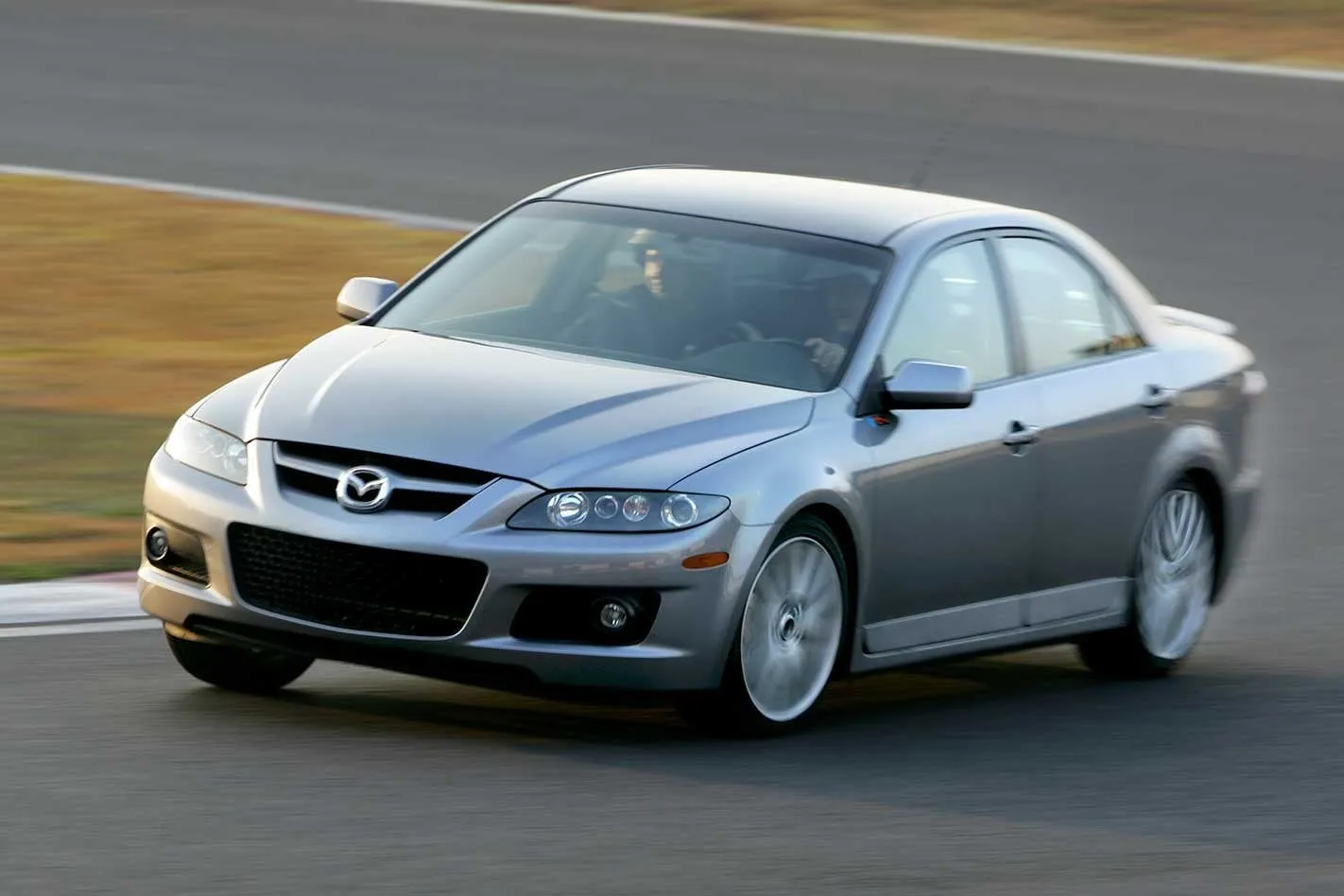
8. Mazda 6 MPS 2005 to 2007
The Mazda 6 MPS, also known as the Mazda 6 Mazdaspeed, represents the brand’s approach to high-performance sedans. Powered by a turbocharged 2.3-liter inline four engine producing 274 horsepower, this model offers brisk acceleration combined with handling that invites confident cornering.
Front-wheel drive with a sophisticated all-wheel control system ensures grip while challenging the driver to manage power effectively through throttle and steering input. Chassis and suspension tuning emphasize agility. MacPherson strut front suspension and multi-link rear design allow precise cornering with minimal understeer.
Steering feedback communicates both surface grip and vehicle momentum, while brakes remain strong and resistant to fade. The MPS encourages drivers to experiment with weight transfer and throttle modulation, teaching lessons that extend beyond typical sedan dynamics.
Interior layout supports driver focus. Seats provide firm lateral support during spirited maneuvers, while instrument clusters provide clear information on performance metrics. Cabin materials combine comfort with durability, ensuring that long drives remain enjoyable without compromising sport-oriented cues.
Visibility is adequate, aiding confident positioning and awareness during tight maneuvers. Maintenance is approachable for an enthusiast-oriented vehicle. Turbo engines require attention to cooling systems and oil quality, yet components are accessible and supported by the Mazdaspeed aftermarket community.
Handling upgrades, brake kits, and limited-slip differentials can enhance performance without extreme investment. Driving the Mazda 6 MPS demonstrates how a performance sedan can balance daily usability with driver engagement.
Throttle application and suspension control become central to mastering corners, teaching drivers how to anticipate weight movements and adjust inputs fluidly. Experiencing this model encourages skill development in high-output, front-biased platforms, making it an essential part of understanding Mazda’s engineering range.
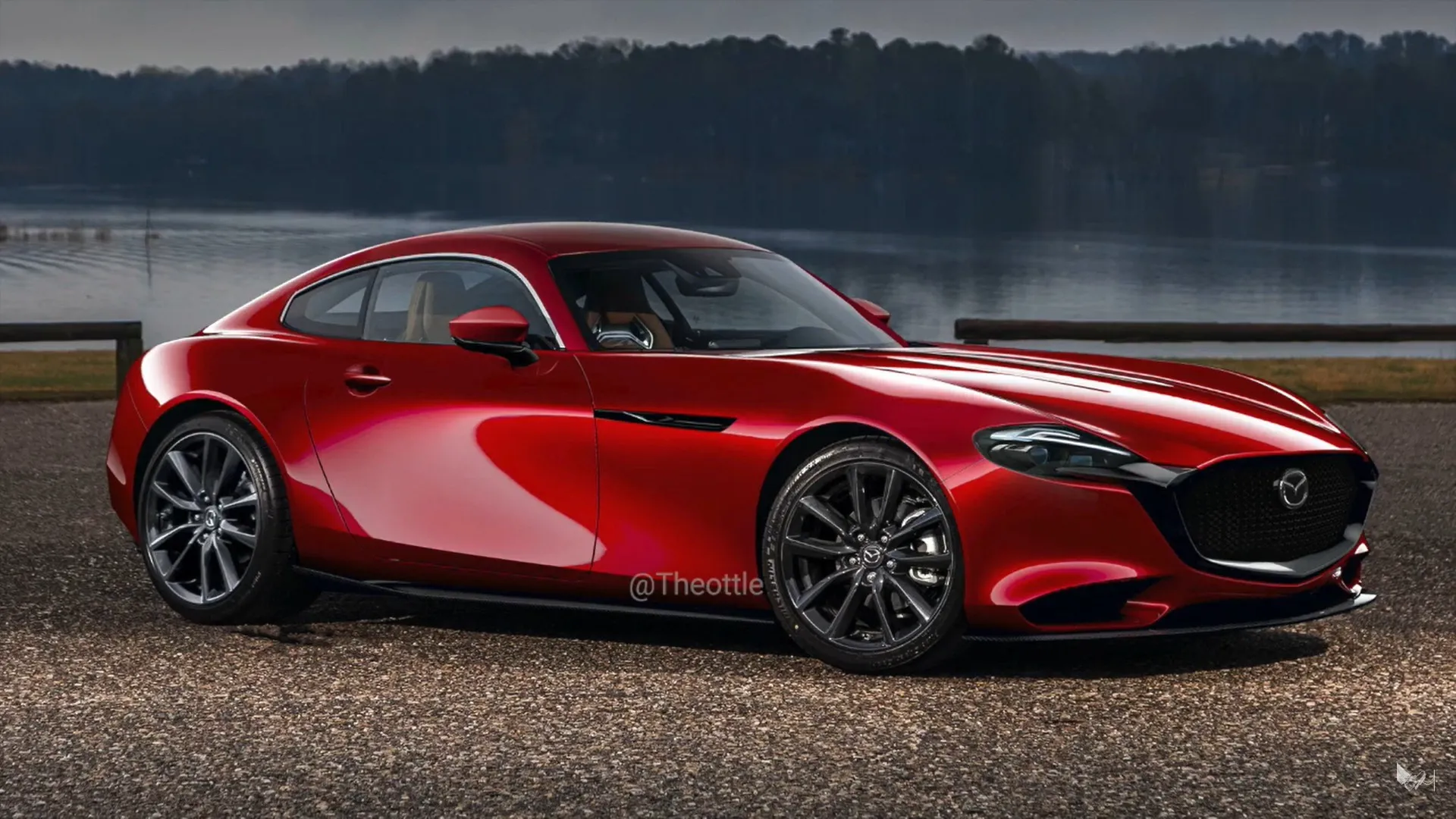
9. Mazda RX-9 Concept 2015
The Mazda RX-9 Concept illustrates the future of Mazda’s rotary technology. Equipped with a next-generation rotary engine featuring turbocharging and a compact design, the RX-9 delivers instantaneous throttle response combined with lightweight agility.
Its low center of gravity enhances cornering ability, while rear wheel drive ensures communication between the driver and the chassis. Chassis design is razor-focused. Suspension geometry promotes precise handling, encouraging smooth transitions and accurate cornering lines.
Steering is highly responsive, allowing quick input adjustments while providing tactile feedback about grip and weight transfer. This responsiveness teaches drivers to anticipate vehicle behavior and refine techniques progressively.
Interior design emphasizes driver engagement. Seats support an active driving position, and instrument clusters provide performance data clearly and intuitively. Cabin layout minimizes distractions while offering comfort for extended sessions, making it practical as well as thrilling.
The rotary engine, while advanced, demands careful operation to maximize efficiency and longevity. With modern materials and engineering improvements, durability improves, allowing enthusiasts to go through high-rev driving safely. Component availability may be limited initially, yet concept versions pave the way for future support and aftermarket development.
Driving the RX-9 Concept imparts lessons in engine response, precision handling, and mechanical harmony. Its lightweight, driver-oriented philosophy reinforces Mazda’s long-standing commitment to Jinba Ittai, providing insight into what future sports cars can achieve in terms of balance, power delivery, and engagement.
Also Read: 5 Mazdas That Feel Premium vs 5 That Feel Outdated
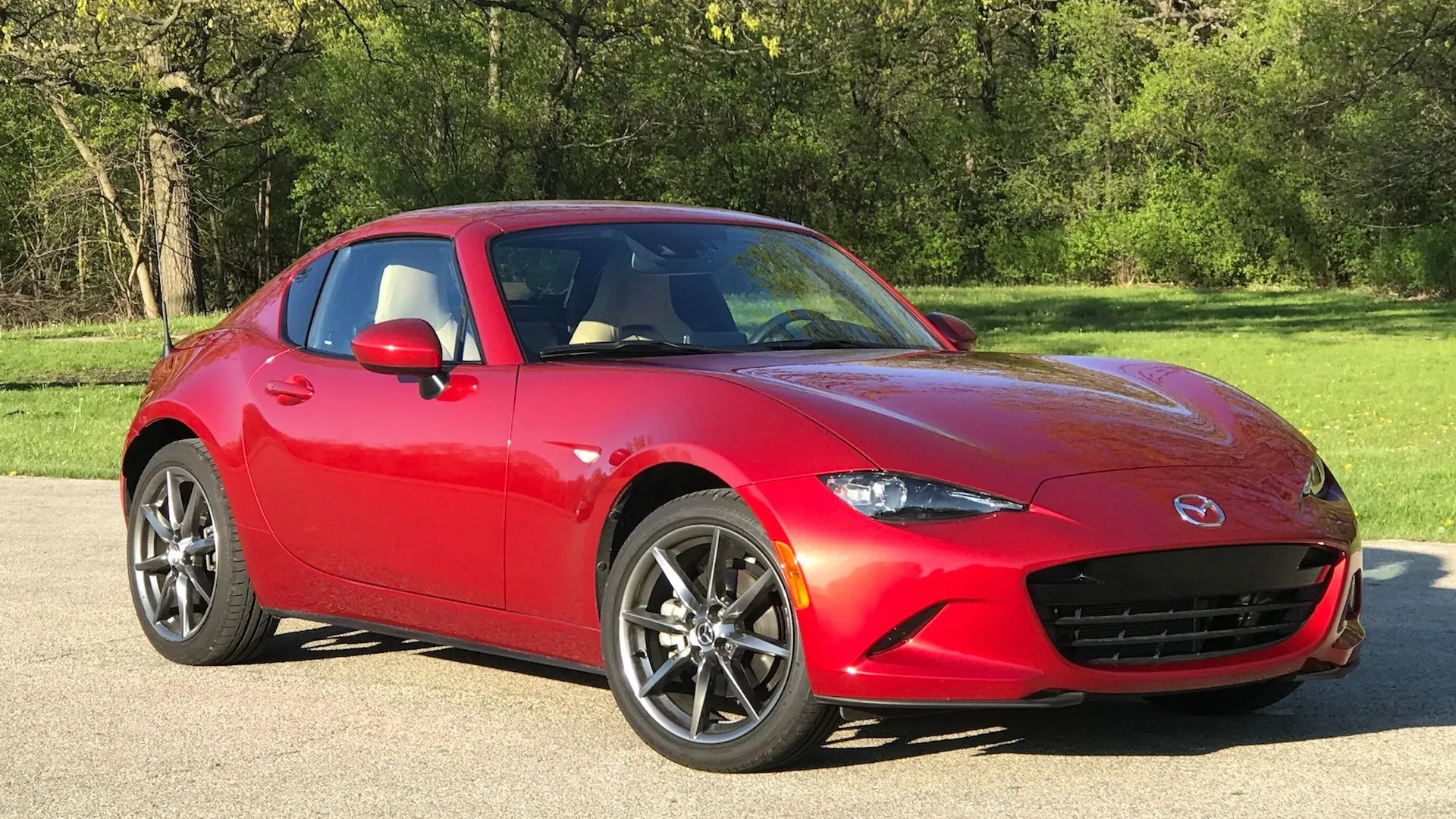
10. Mazda MX-5 Miata RF 2017 to Present
The MX-5 Miata RF represents a fusion of modern comfort and traditional roadster dynamics. With a retractable fastback roof, it maintains a low center of gravity and minimal weight, powered by a 2.0-liter inline four engine that encourages smooth, lively driving.
Its combination of lightweight structure, responsive suspension, and Rear Wheel Drive makes it one of the most engaging vehicles in its segment. Handling is sharp and predictable. The car responds to subtle steering inputs, allowing drivers to exploit grip limits and refine cornering technique.
Suspension design supports composure during aggressive turns while maintaining a comfortable ride over less-than-perfect surfaces. Brakes are precise and progressive, ensuring confidence in both spirited driving and daily use.
Interior design enhances the driving experience. Seats provide firm support, while controls are logically arranged for ease of use. Visibility from the RF layout remains sufficient, and the retractable roof adds versatility without sacrificing chassis rigidity. Cabin materials balance durability with comfort, supporting extended enjoyment during high-speed or touring sessions.
Ownership is practical, with routine service and widely available parts keeping costs reasonable. Aftermarket support includes suspension, brake, and engine enhancements, allowing enthusiasts to go through performance without compromise.
The RF teaches precision, smooth inputs, and momentum conservation, providing lessons that translate across other high-performance platforms. Driving this model demonstrates Mazda’s commitment to blending modern usability with engaging sports car dynamics, making it an essential experience for any enthusiast.
